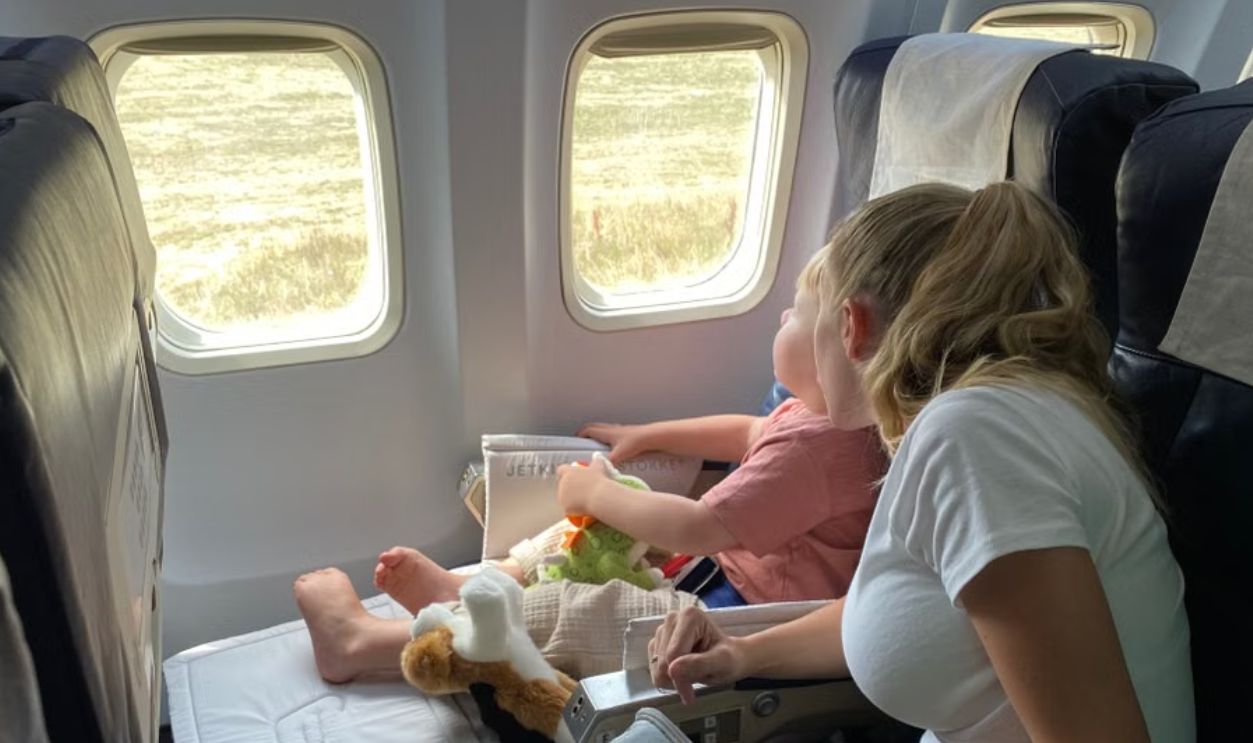
The Teddy Bear That Could Hold Up Boarding
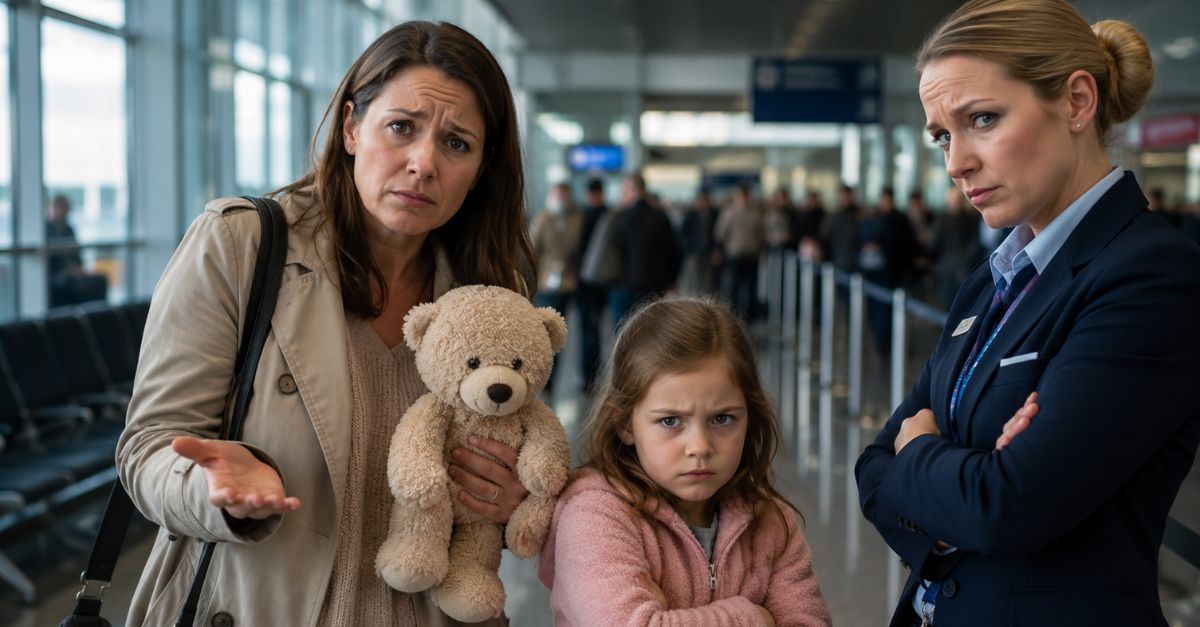
It sounds ridiculous, but yes, a child can run into boarding trouble over a stuffed animal if an airline decides it counts toward the carry-on limit. The issue usually comes down to one simple thing: airlines count items by number and size, not by how important they are to a kid. That is how a beloved plush toy can suddenly become a real problem at the gate.
Why It Happens More Than You Might Think
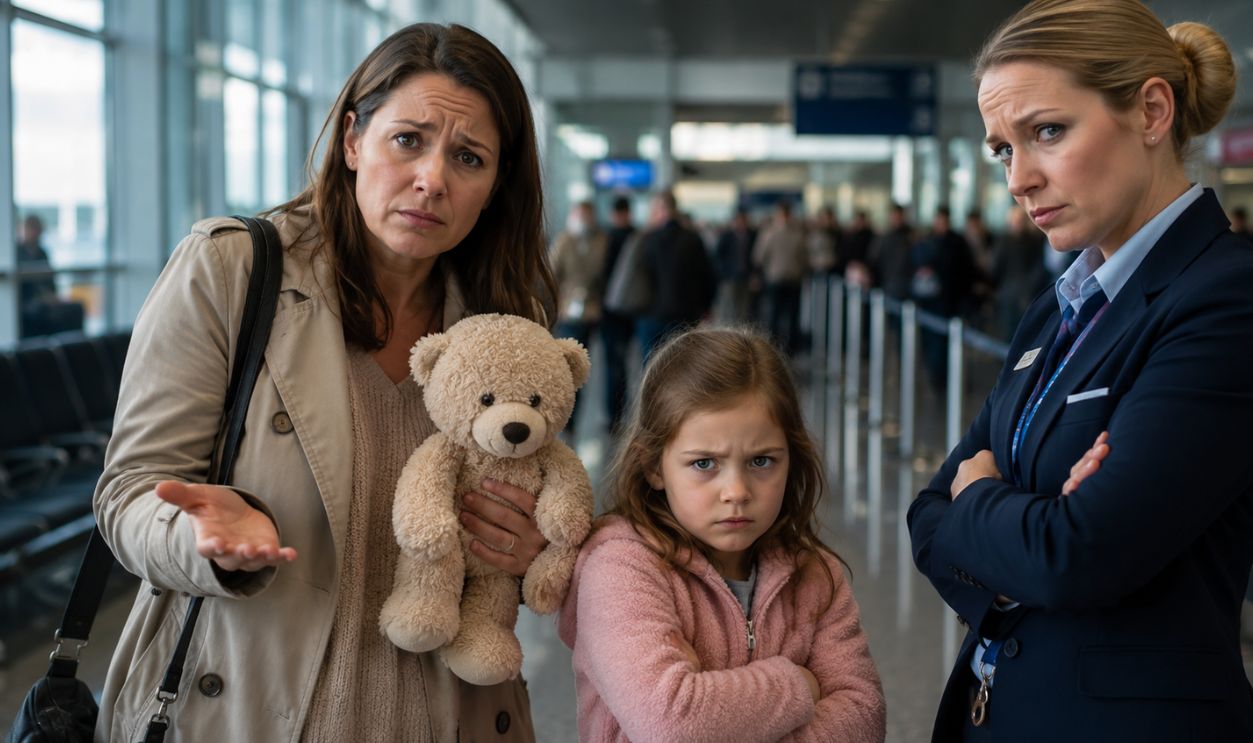
Parents often assume a small toy in a child’s arms will slide by as a comfort item. Sometimes it does. But many airlines give gate agents a lot of room to enforce baggage rules exactly as written. If a ticket includes only one personal item, anything extra can mean a fee or a boarding delay until the family repacks. The surprise is not that the rule exists. It is how strictly it can be enforced.
The Real Problem Is The Rulebook
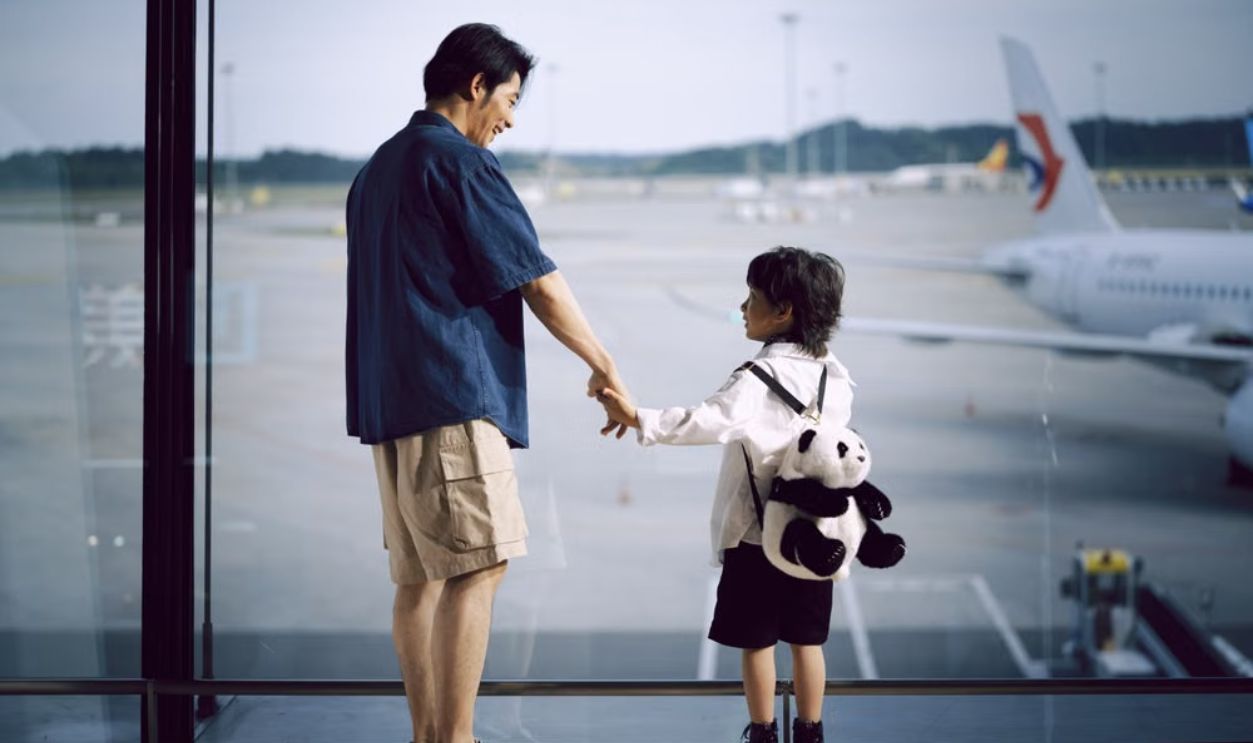
Most U.S. airlines publish carry-on rules based on dimensions and item limits, not exceptions for stuffed animals. American Airlines, Delta Air Lines, United Airlines, Spirit Airlines, and Frontier Airlines all lay out what counts as a carry-on or personal item on their websites. None of those policy pages gives a blanket pass to plush toys carried by children. That leaves a lot up to whoever is working the gate.
How A Small Toy Turns Into A Big Airport Mess
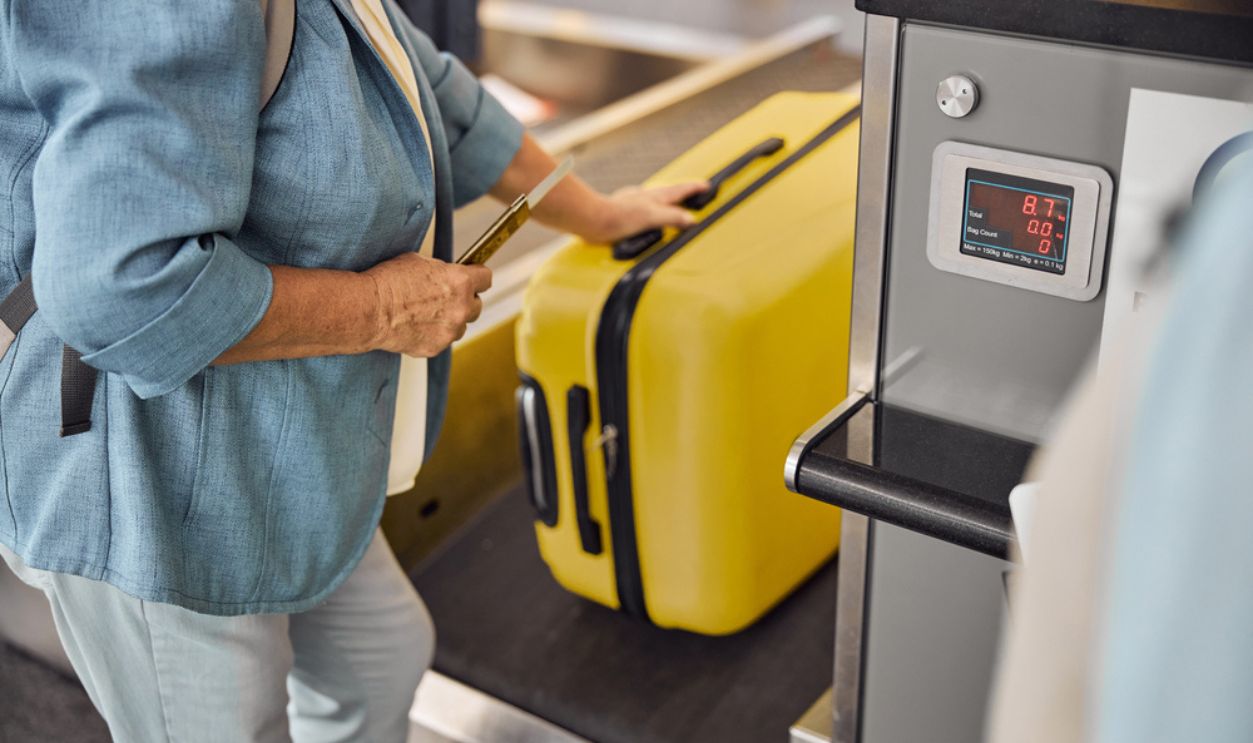
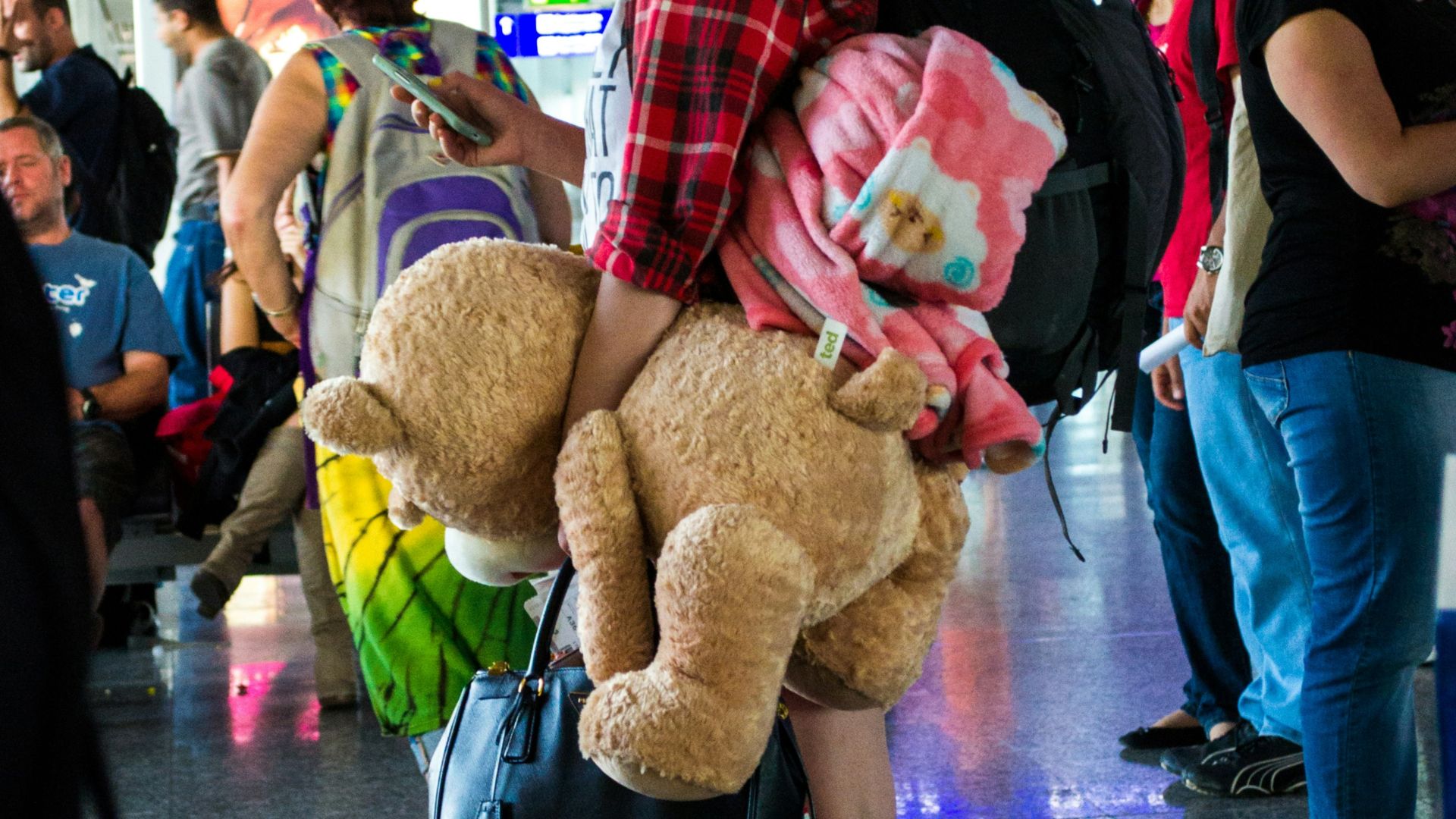
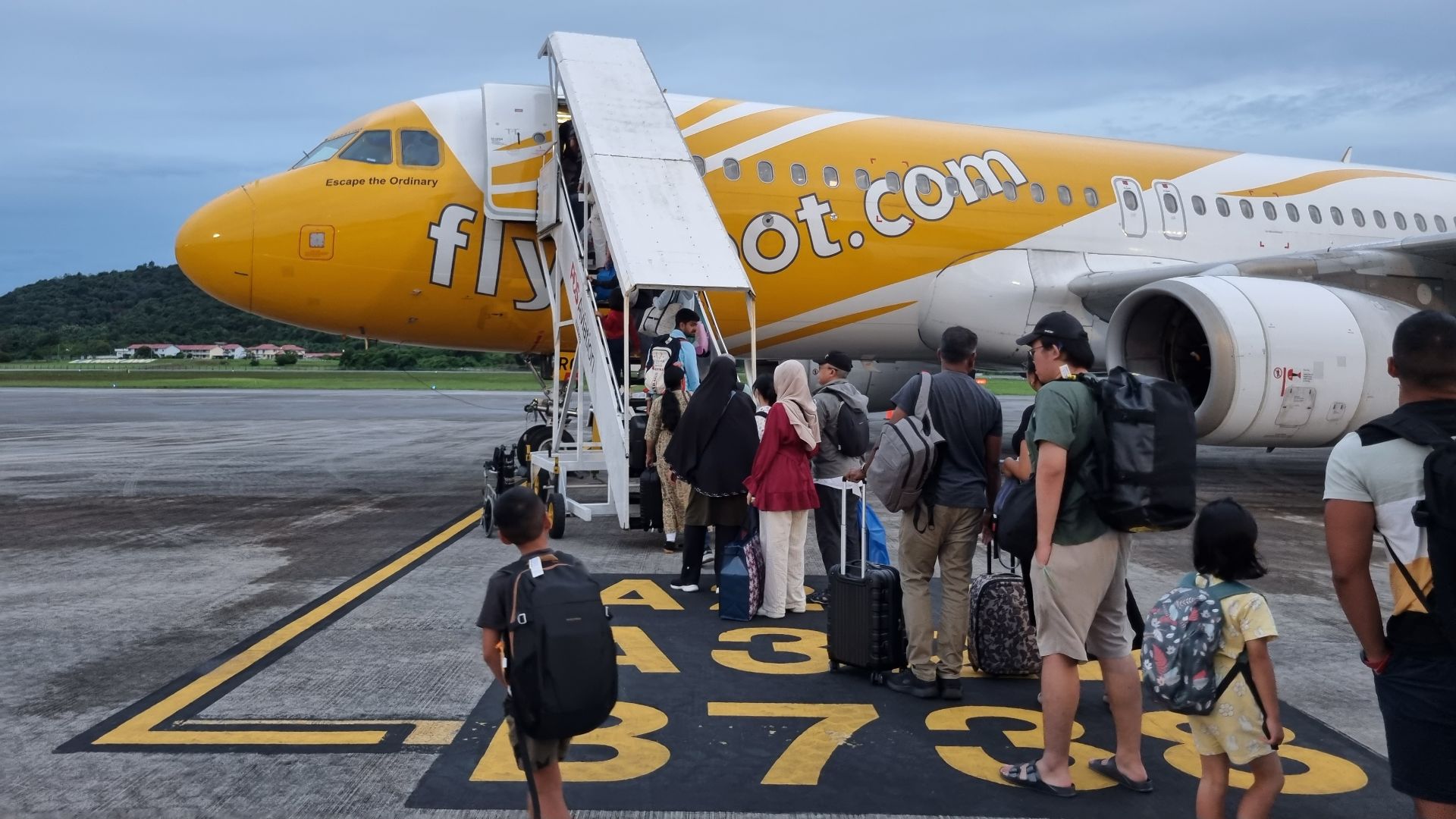
This usually blows up at the gate, where there is the least time to argue and the most pressure to move. Parents may already have a backpack packed full of snacks, wipes, tablets, and extra clothes. If the stuffed animal is treated as a separate item, the family may have to repack right there in line. A normal travel day can go sideways fast.
What Airline Policies Usually Say
American says travelers may bring one carry-on bag and one personal item, with size limits clearly listed online. Delta has a similar rule and notes that some child-related items, like strollers and car seats, are handled separately. United and Frontier also publish one-personal-item rules on certain fares, especially the most restrictive economy tickets. Spirit is known for especially tight rules on cheaper fares, where many travelers get only one personal item included.
The Cheapest Tickets Usually Have The Tightest Rules
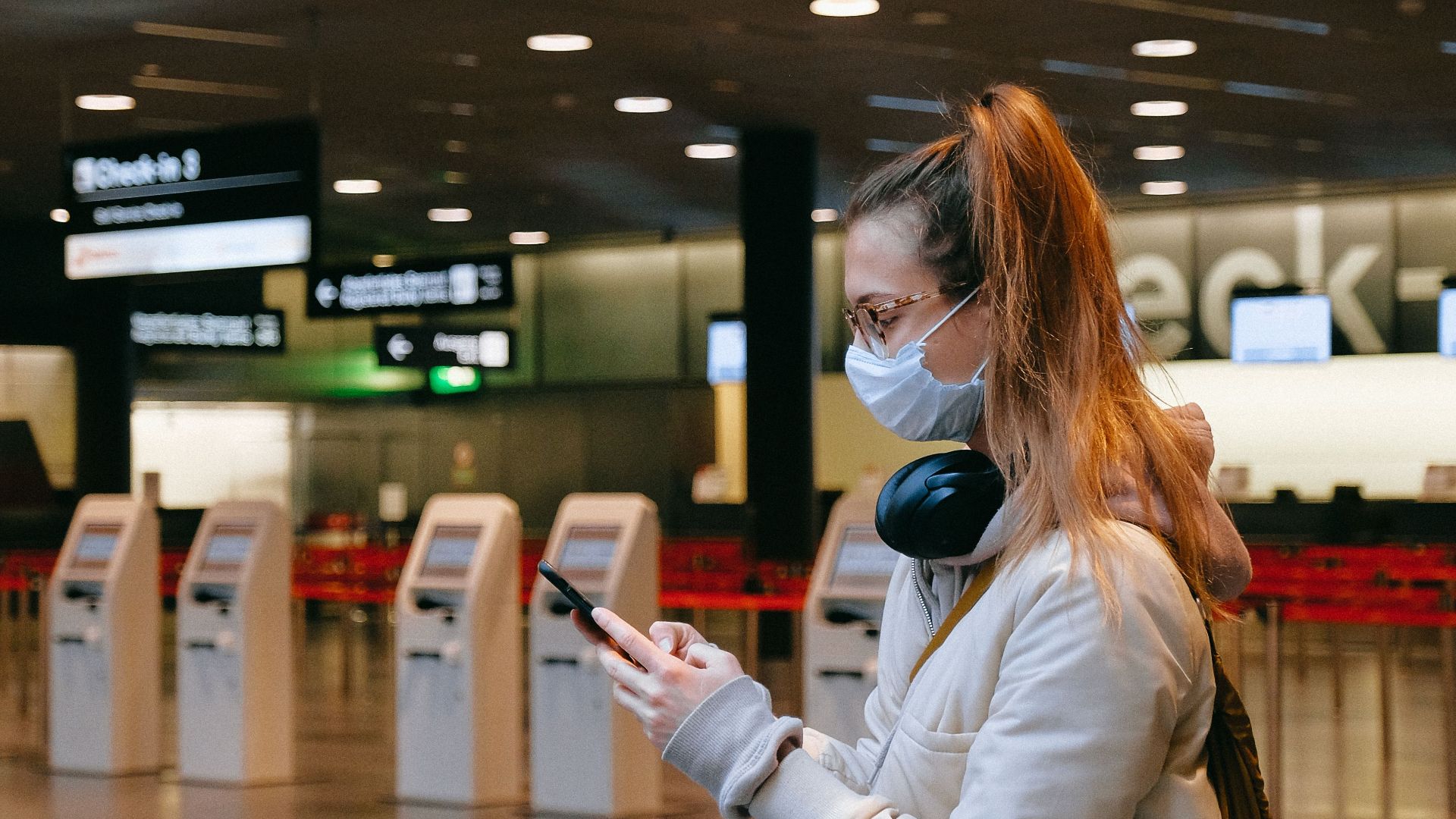
Basic economy and ultra-low-cost fares are where families most often get tripped up. On these tickets, travelers may be limited to one small personal item unless they pay extra. That means a backpack plus a stuffed animal can become an issue if the toy is not packed inside the allowed bag. In general, the cheaper the ticket, the less flexibility you should expect at boarding.
Kids Do Not Always Get Extra Baggage Leeway
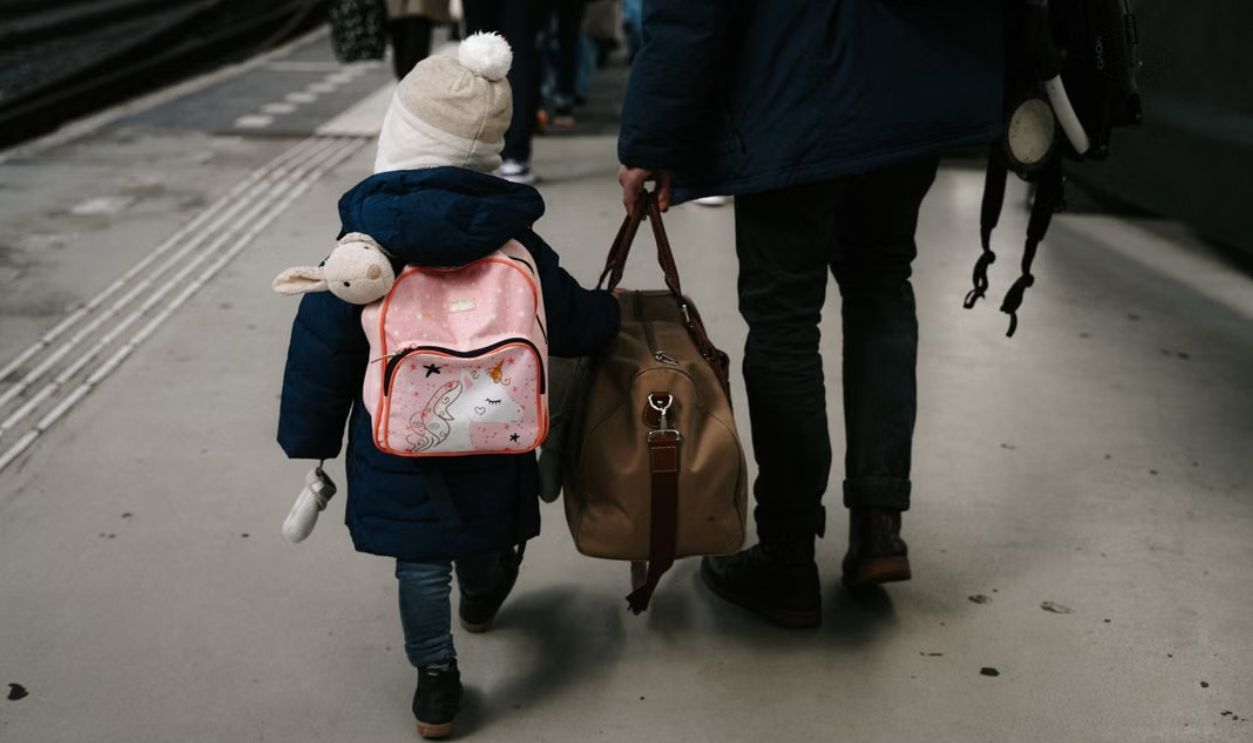
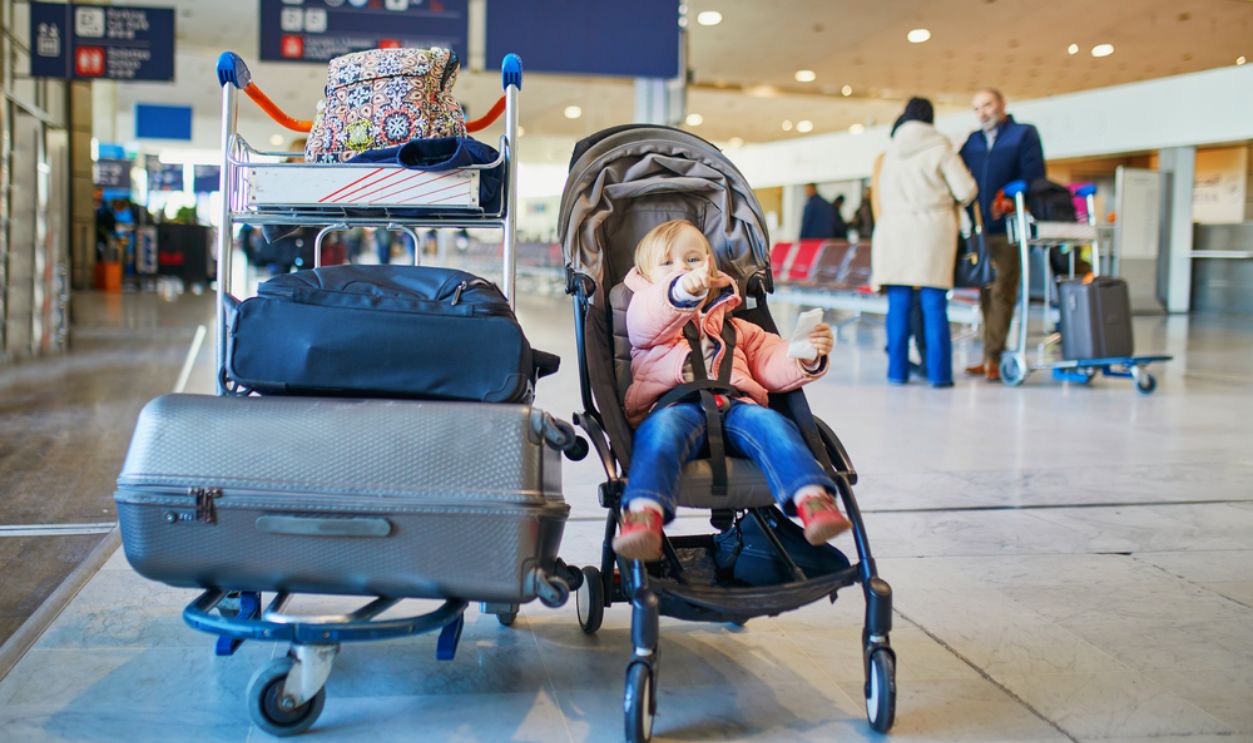
Parents often expect airlines to be a little looser with young children. Airlines do make room for some child-related gear, but those exceptions are usually very specific. Diaper bags, strollers, breast pumps, and approved car seats are much more likely to be named in the rules than toys are. A teddy bear, no matter how beloved, is rarely protected by policy.
 Ekaterina Pokrovsky, Shutterstock
What The FAA Actually Cares About
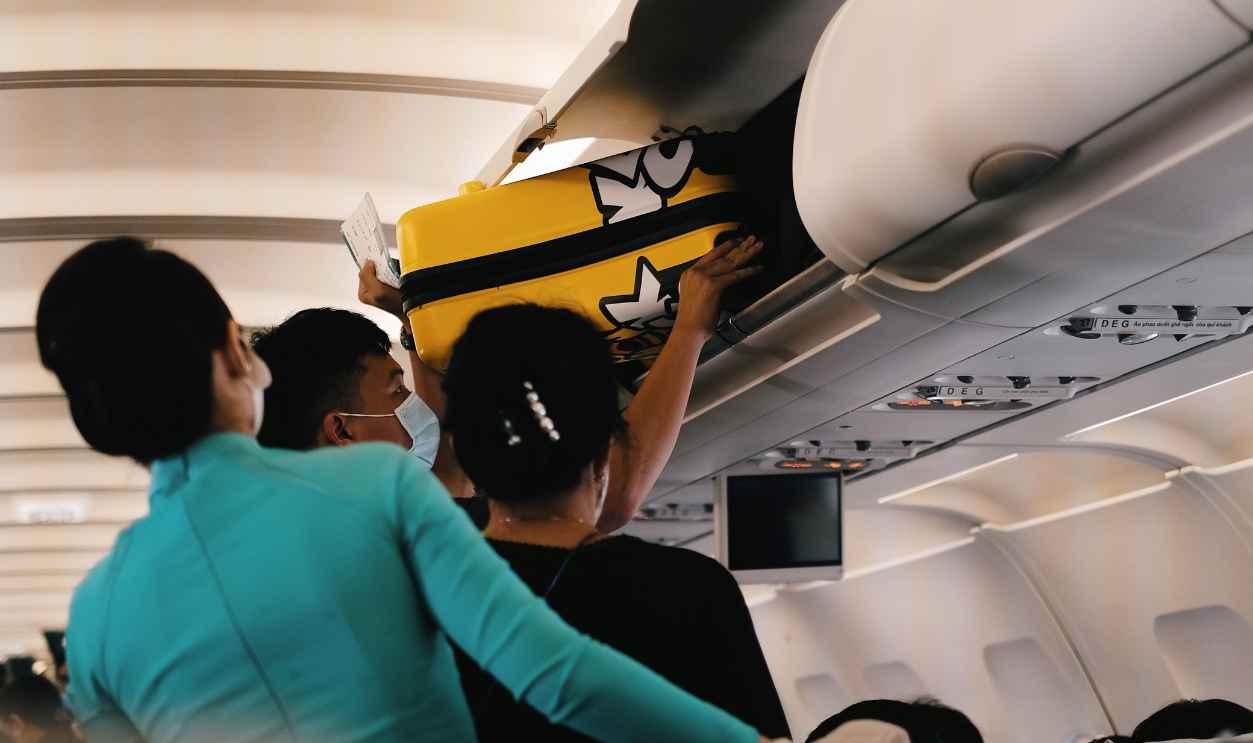
The Federal Aviation Administration focuses on cabin safety, including making sure items are properly stored during taxi, takeoff, and landing. The FAA tells passengers to secure carry-on items in overhead bins or under the seat in front of them. That helps explain why airlines care about loose items in the cabin. A stuffed animal may seem harmless, but an airline can still treat it as one more item that has to be managed.
Gate Agents Often Have The Final Say
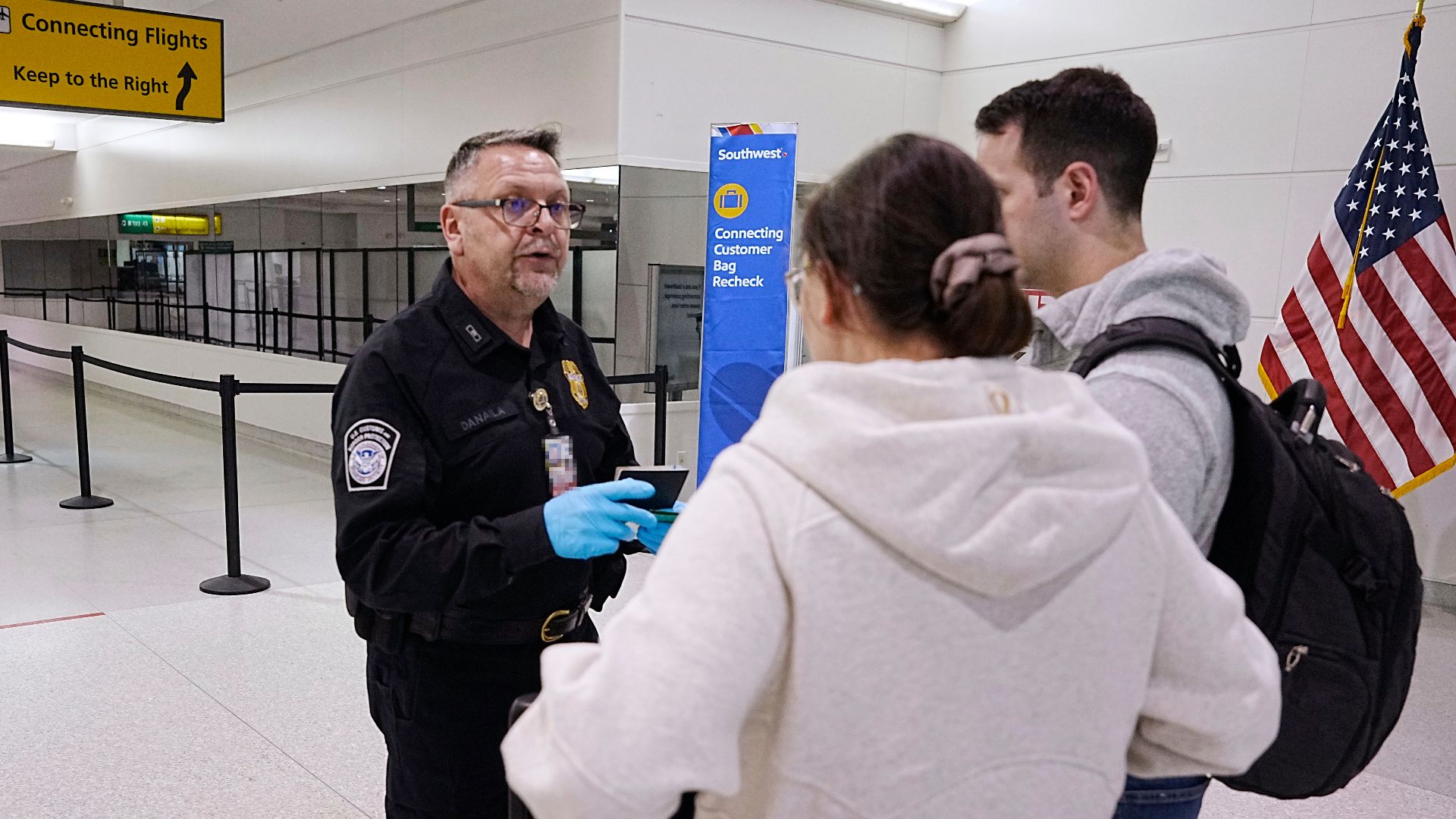
The key person in this whole situation is usually not the website or the booking system. It is the gate agent scanning boarding passes. Airline procedures and contracts of carriage give frontline staff broad power to enforce baggage and boarding rules. Once an agent decides a family is over the item limit, arguing about how tiny the toy is may not get anyone very far.
 CBP Photography, Wikimedia Commons
Do Not Expect Perfect Consistency
One reason these situations feel so unfair is that enforcement can vary a lot. A family might fly out with no problem, then get stopped on the way home. That does not always mean the second agent is wrong. It often means the first one was lenient while the second followed the written policy more closely.
Why These Stories Keep Spreading
Complaints about stuffed animals, pillows, and duty-free bags being counted as extra items keep popping up on social media and travel forums. They catch attention because they turn a tiny object into a symbol of how rigid flying can feel now. But the bigger story is pretty simple. Airlines are charging more attention to baggage and enforcing limits more aggressively than many travelers remember.

The Department Of Transportation Sets Some Ground Rules
The U.S. Department of Transportation requires airlines to clearly disclose baggage policies and optional fees. That matters because families need to know the rules before they reach the airport. But those disclosure rules do not require airlines to exempt stuffed animals from item counts. Travelers still have to know exactly what their fare includes.
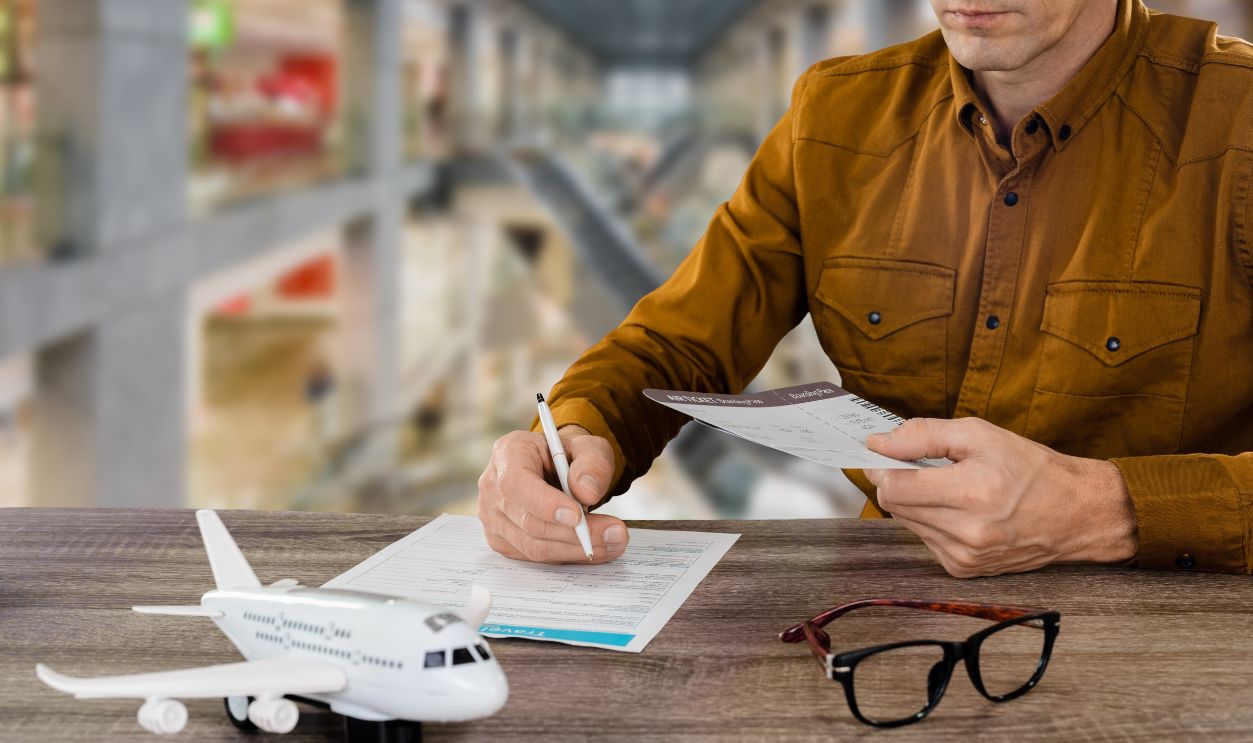
International Airlines Can Be Even Stricter
Outside the United States, cabin baggage rules can get even tougher because some airlines also enforce weight limits. A stuffed animal may not weigh much, but if it is carried separately it can still count as an extra item. Some carriers in Europe and Asia are known for checking both size and item count closely. Families flying abroad are better off assuming nothing and checking everything.
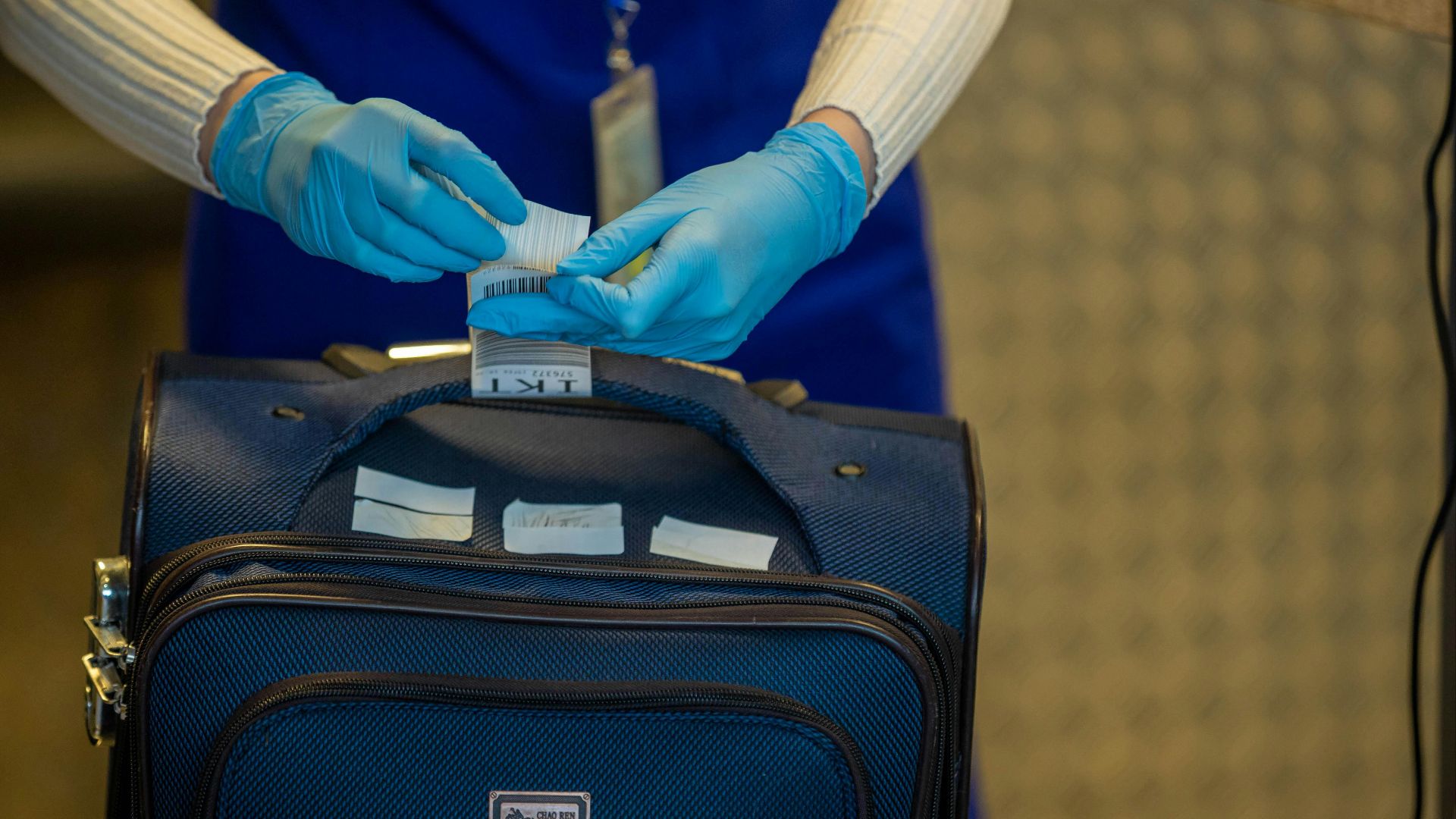
What A Personal Item Usually Means
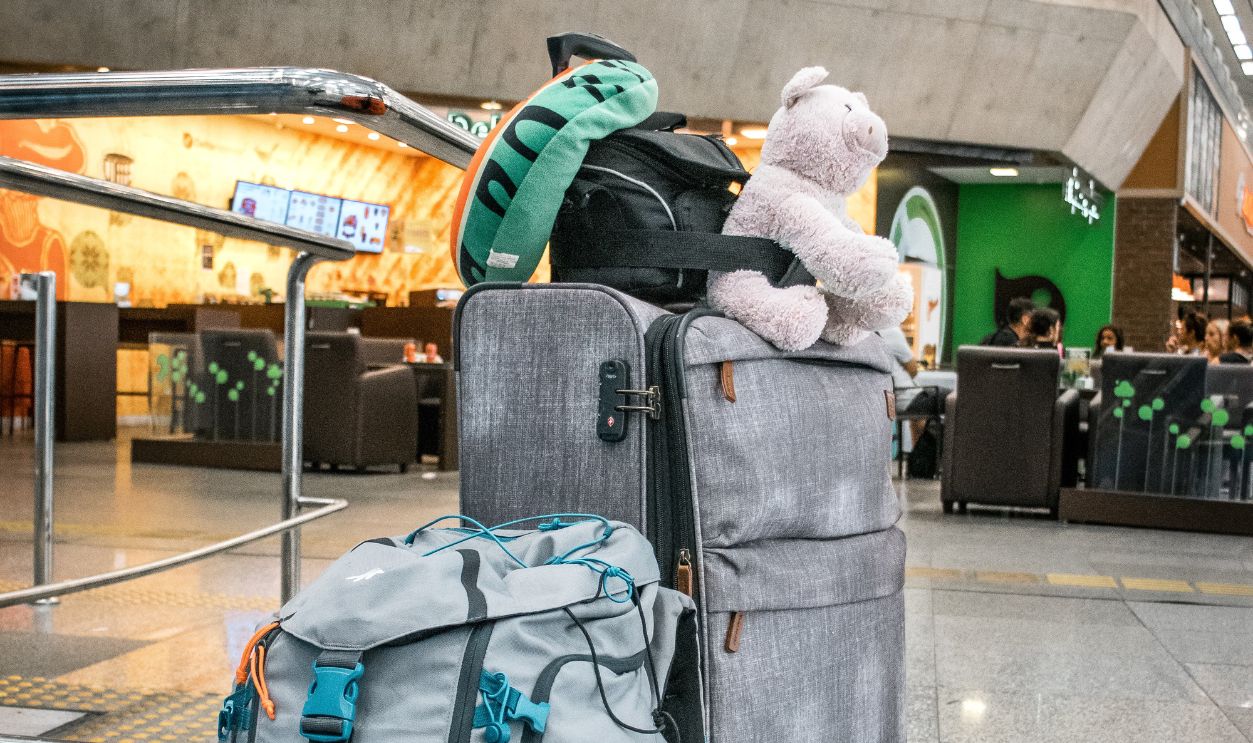
A personal item is usually something like a purse, laptop bag, or small backpack that fits under the seat. Airlines post maximum dimensions, and those numbers vary from one carrier to another. If a child’s stuffed animal is large enough to be treated as separate from the bag, that alone can trigger a problem. The safest move is to make sure the toy fits fully inside the personal item before boarding.
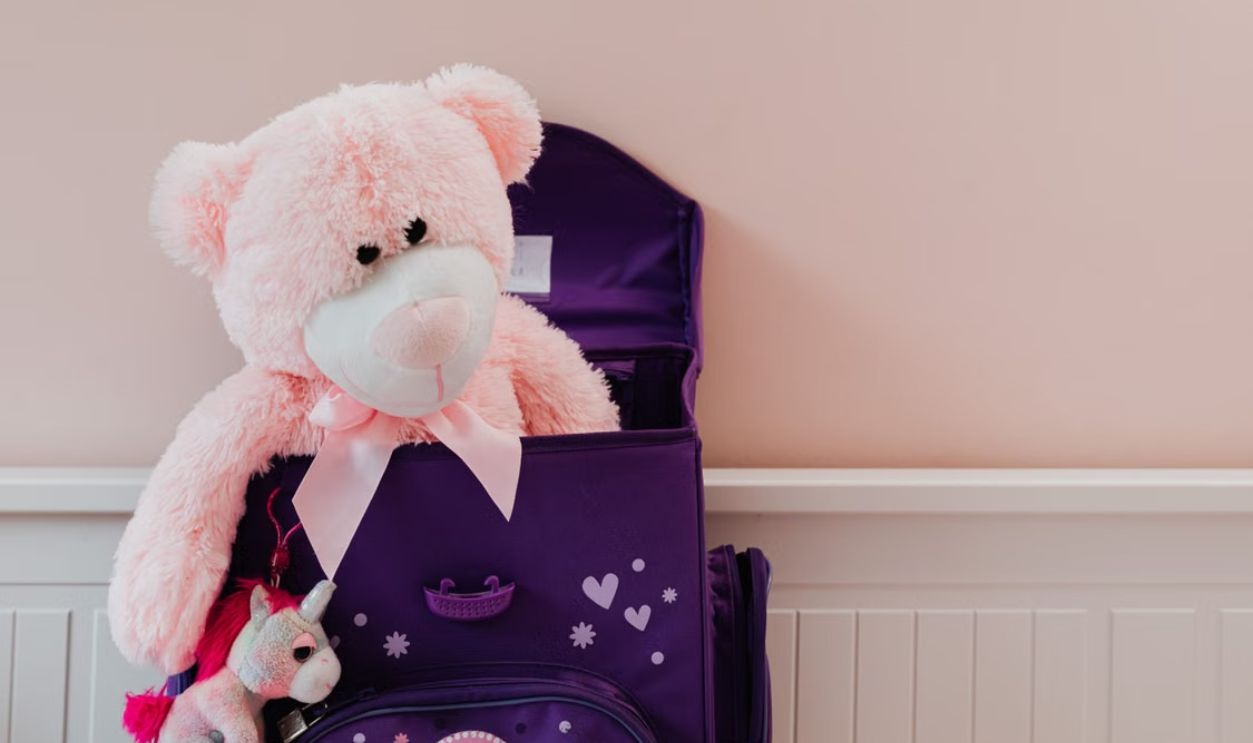
Comfort Items Are Not Medical Necessities
That distinction matters. Airlines and federal rules often allow extra flexibility for assistive devices and some medically necessary items. A stuffed animal used for comfort, even by an anxious child, usually does not fall into that category. Emotional importance by itself usually is not enough to create an exception.
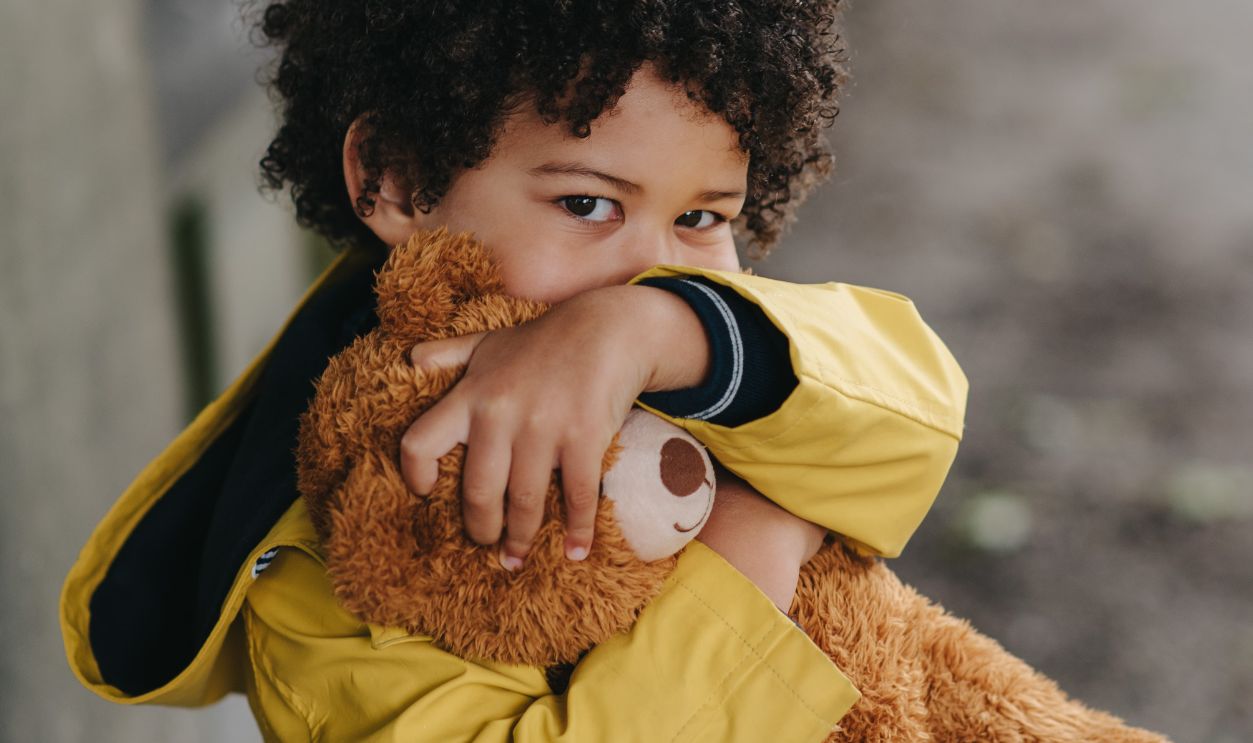
There Are Child Exceptions, But They Are Narrow
Delta, American, and other major airlines note that strollers and child safety seats can often be checked without counting against normal baggage limits. Lap infants may also come with a diaper bag allowance on some airlines, though the details vary. Those exceptions are built around safety and caregiving. They usually do not cover toys, blankets, or plush animals.
Basic Economy Is Where The Fine Print Bites
United’s basic economy rules and Frontier’s personal-item-focused model show just how restrictive some tickets can be. Spirit also makes clear that many fares include only one personal item unless travelers pay for more. When every item has a price attached to it, a toy outside the bag is not invisible. It becomes part of the baggage count.
Why Parents Feel Blindsided
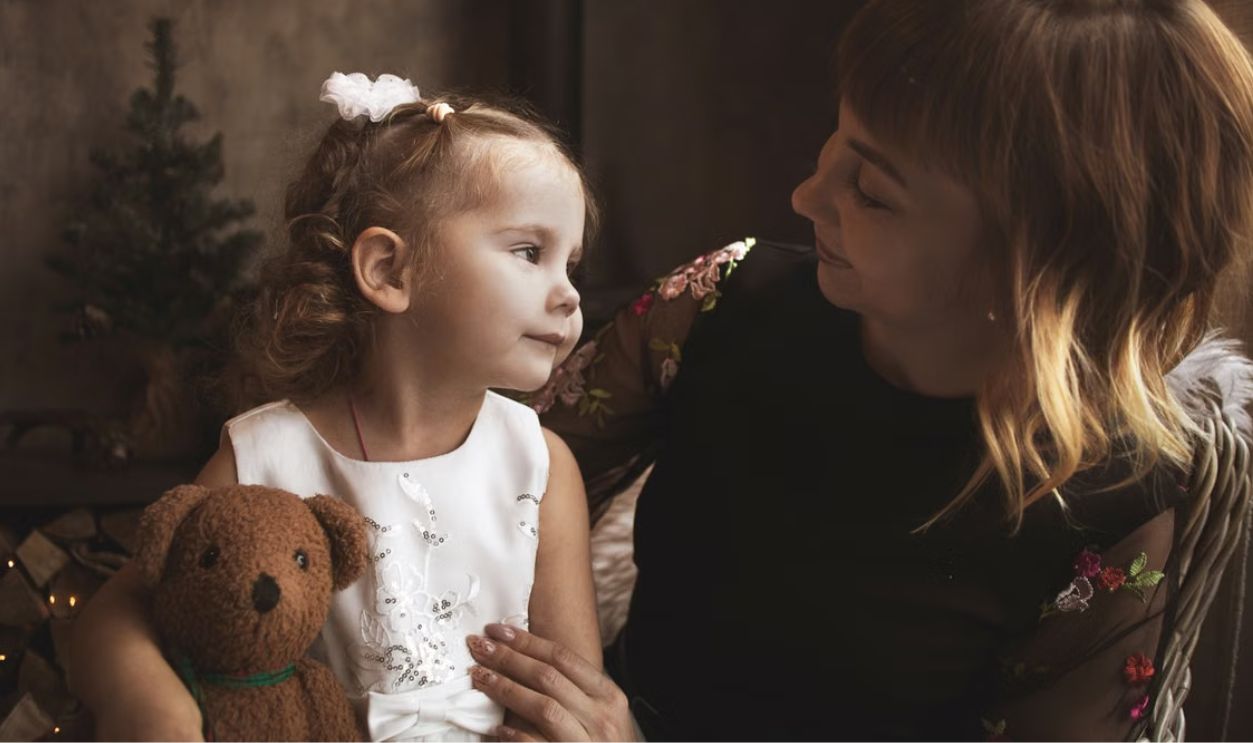
The frustration makes sense because the object causing the problem is often tiny and deeply important to the child. Parents are not trying to sneak a huge extra bag onto the plane disguised as a teddy bear. They are trying to get a child through a stressful day of travel. But airline rules are built around standardization, not sentiment.
The Fastest Fix At The Airport
If this happens, the easiest fix is usually to put the stuffed animal inside another approved bag before boarding. Compression helps. If the toy is too big, shifting items around in your carry-on may solve it if the airline allows that. The goal is simple: reduce the visible item count right away.
What To Do Before You Leave Home
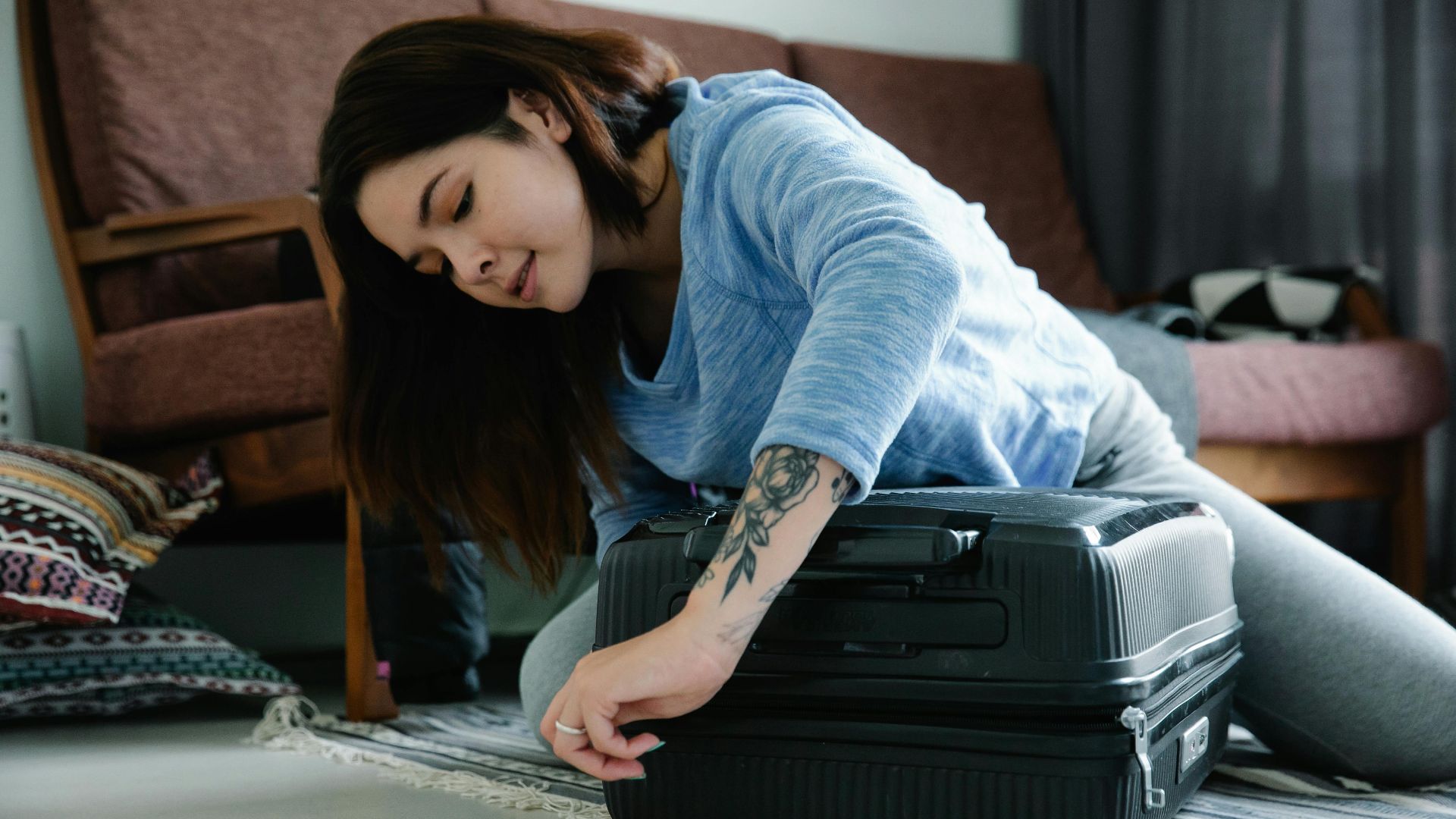
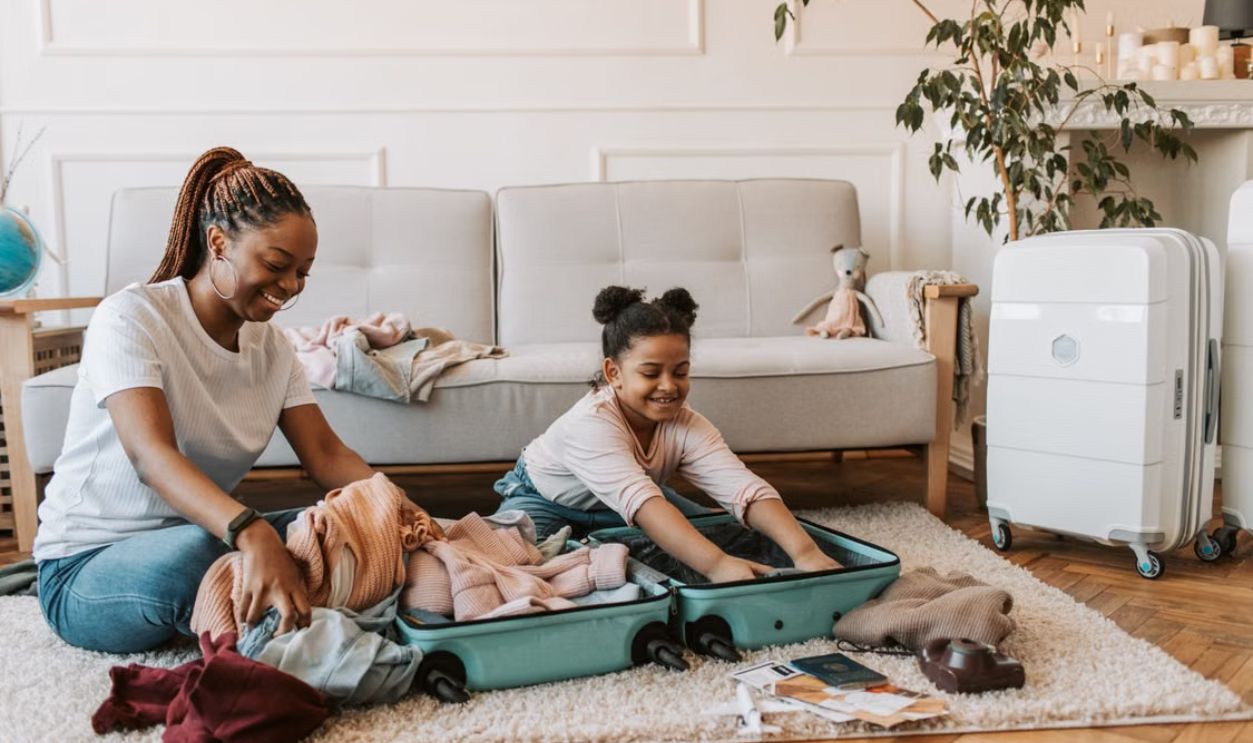
Check the baggage page for your exact fare type, not just the airline’s general carry-on rules. Then measure the personal item you plan to use and see whether the stuffed animal fits fully inside it. If your child wants the toy out in the airport, pack a foldable tote or leave room in the main bag for a quick repack before boarding. A little planning can prevent a meltdown later.
Why Early Boarding Can Help
Paying for early boarding or choosing options that make the airport less hectic can give parents more time to manage a child and their things. It will not change the baggage policy, but it can make it easier to reorganize if a gate agent raises an issue. Families boarding late are more likely to feel rushed and overwhelmed. Sometimes a few extra minutes make all the difference.
 Jun Jie Yam, Wikimedia Commons
If You Need To Push Back, Keep It Practical
Ask the gate agent politely which rule is being applied and whether the item can be packed into another bag before boarding. If the answer is no, ask whether there is a fee-based option or a gate-check workaround. A practical conversation usually works better than arguing that the toy should not count in principle. At the gate, a solution matters more than winning the debate.
 Frame Stock Footage, Shutterstock
Save Everything If You Want To Fight A Fee Later
If you are forced to pay for an extra bag because of the toy, save the receipt and take a screenshot of the baggage rules for your fare. If the airline’s own written policy seems to have been applied the wrong way, file a complaint with customer service and, if needed, with the Department of Transportation. A calm complaint backed by documents has a much better chance than an angry one. What matters most is showing exactly what the policy said on the day you traveled.

A Backup Comfort Item Can Save The Day
If the stuffed animal is essential, it helps to bring a smaller backup plush that can fit into a pocket or personal item without any fuss. Some parents also bring a familiar scarf, mini blanket, or photo for extra comfort. That way, even if the bigger toy has to be packed away, the child still has something reassuring nearby. Travel goes more smoothly when comfort does not depend on one bulky item.
The Bigger Story Behind The Stuffed Animal
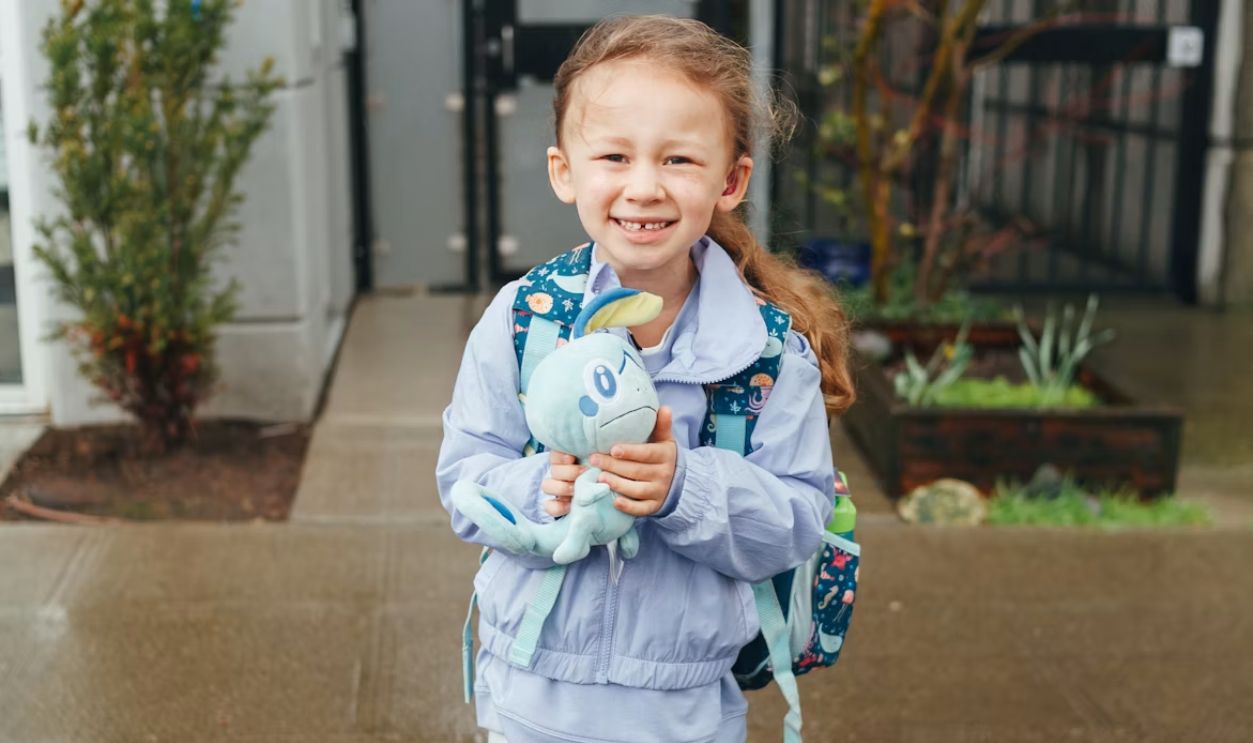
This is not really just about one teddy bear. It is about how modern air travel has become a maze of fees, fare classes, and tightly managed cabin space. Airlines have turned overhead bins and under-seat storage into carefully controlled products, especially on cheaper tickets. Families often feel that shift most sharply when a child’s comfort item gets caught in the rules.
So, Could An Airline Really Say No
Yes. If a stuffed animal is treated as an extra item and your fare does not include it, an airline can require you to pack it into an approved bag, pay for extra baggage, or fix the issue before boarding. The good news is that this is usually avoidable with careful packing and a quick check of the airline’s rules. These days, even a teddy bear has to fit into the plan.