Your Tracker Is Not Lying
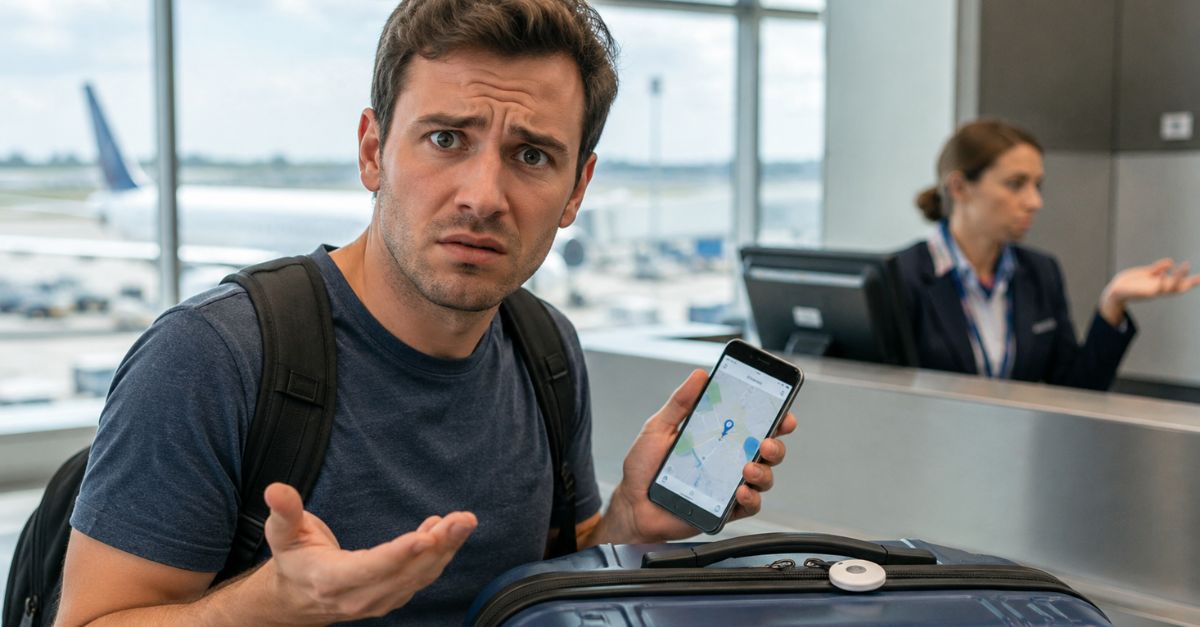
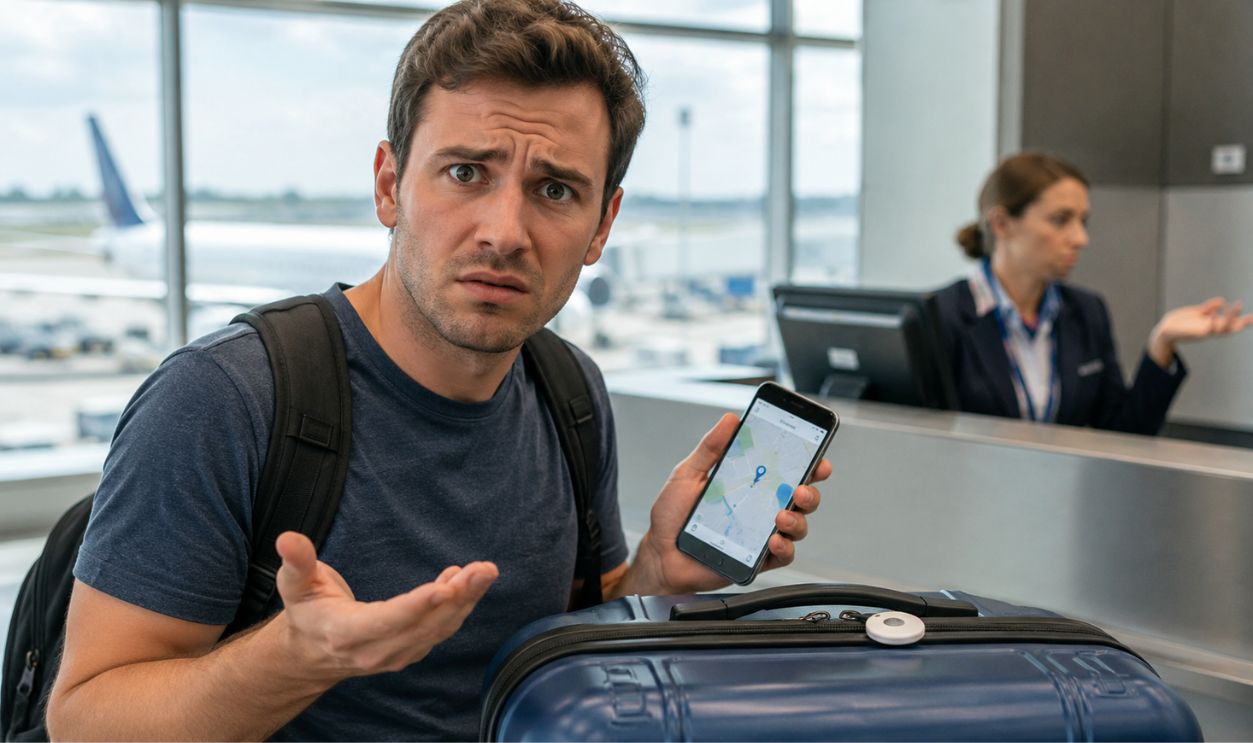
If your airline says your bag is lost but your phone says it's still sitting at the airport, you're probably seeing a real mismatch. And in the age of Apple AirTags and other personal bag trackers, this is happening to more and more travellers. But the short answer is frustratingly simple: Seeing where a bag likely is and getting it back are two very different things inside the airline system.
Why This Feels So Infuriating
The map on your phone makes the problem look easy. If the bag is at Terminal B, why can nobody just go get it. But baggage areas are controlled spaces, bags can be tucked away in secure rooms or containers, and front-line staff usually cannot act on a passenger’s phone screenshot alone.
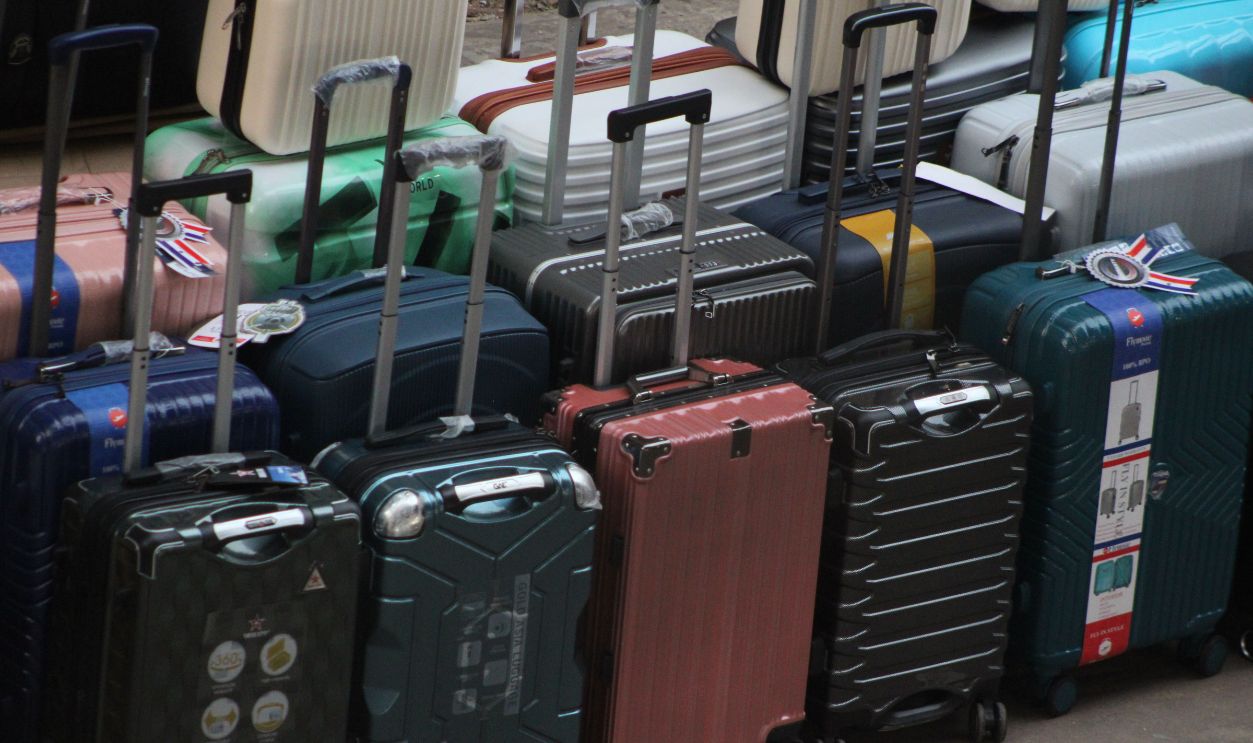
AirTags Changed The Game
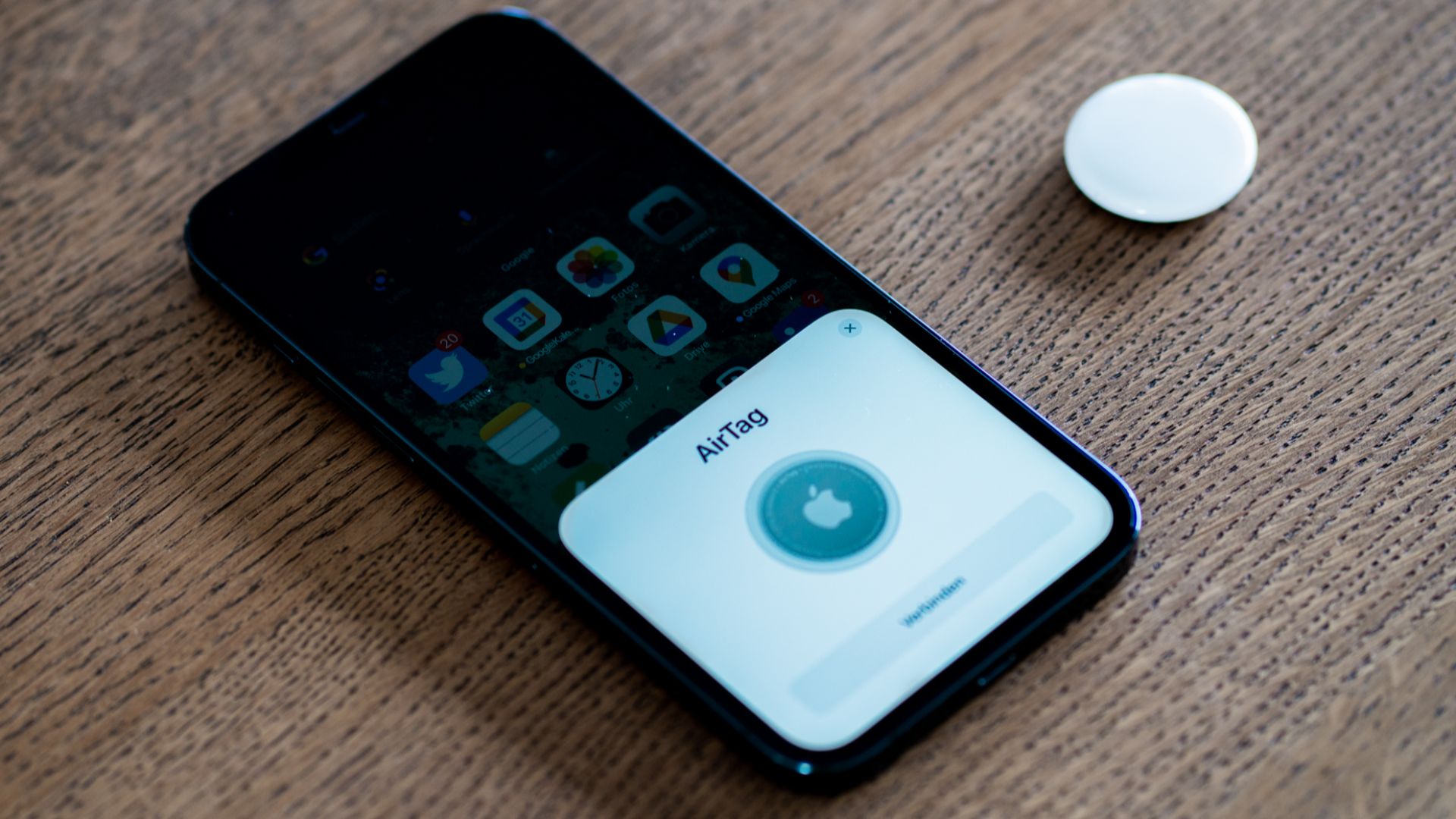
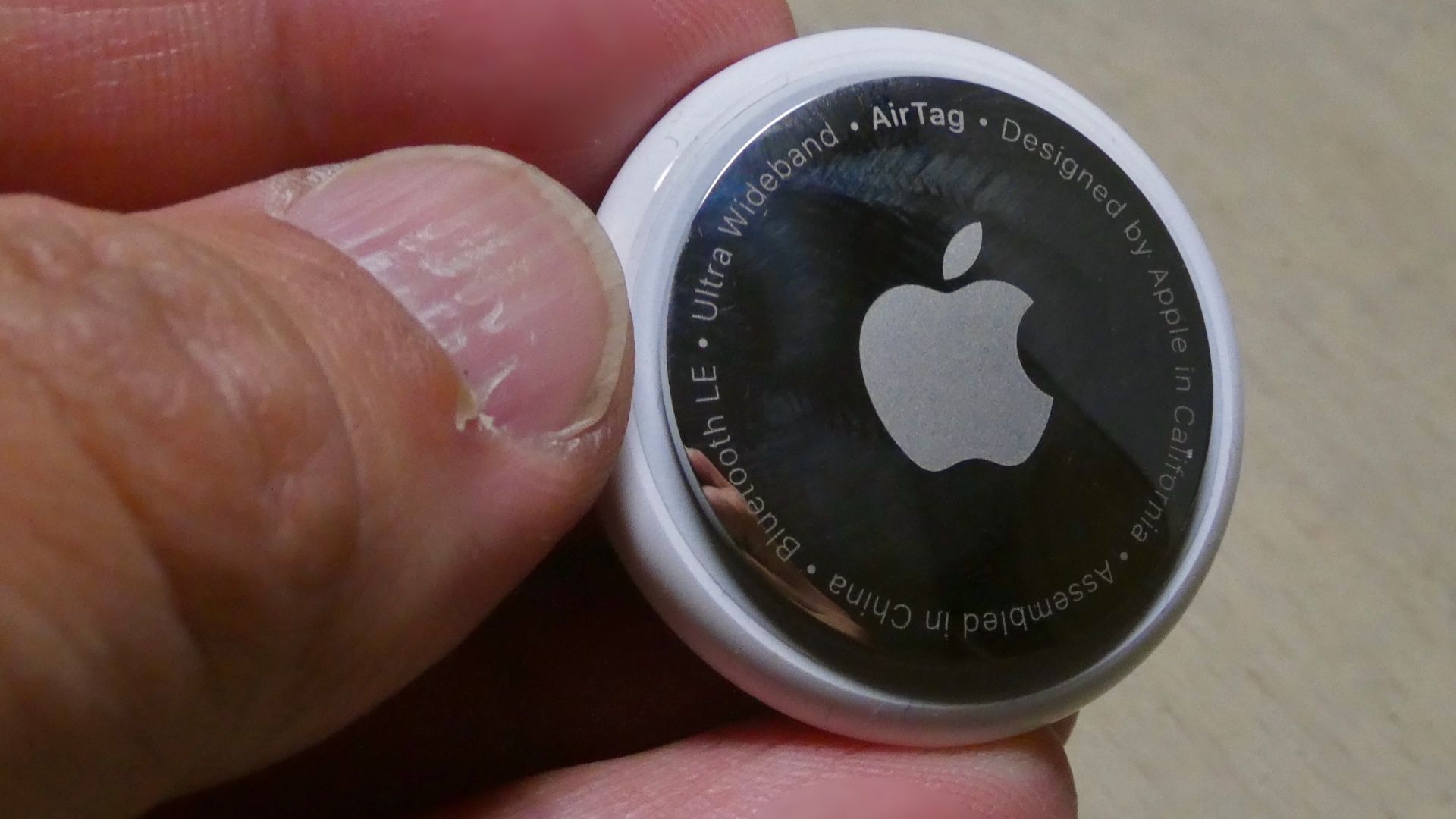
Apple introduced AirTag in April 2021, and travelers quickly started dropping them into checked luggage. Suddenly, passengers had a level of visibility they never had before. That also exposed a gap between what customers could see on their phones and what airlines could confirm in their own baggage systems.
 Swisshashtag, Wikimedia Commons
Airlines Use Different Tracking Systems
Most major airlines track bags through tag scans, not through a passenger’s personal device. According to SITA, baggage tracking depends on events like check-in, loading, transfer, and arrival scans. If a bag missed a scan or got moved without a fresh system update, an airline agent may not be able to confirm where it is from the airline side, even if your tracker points to a nearby spot.
The Bag May Be At The Airport But Still Out Of Reach
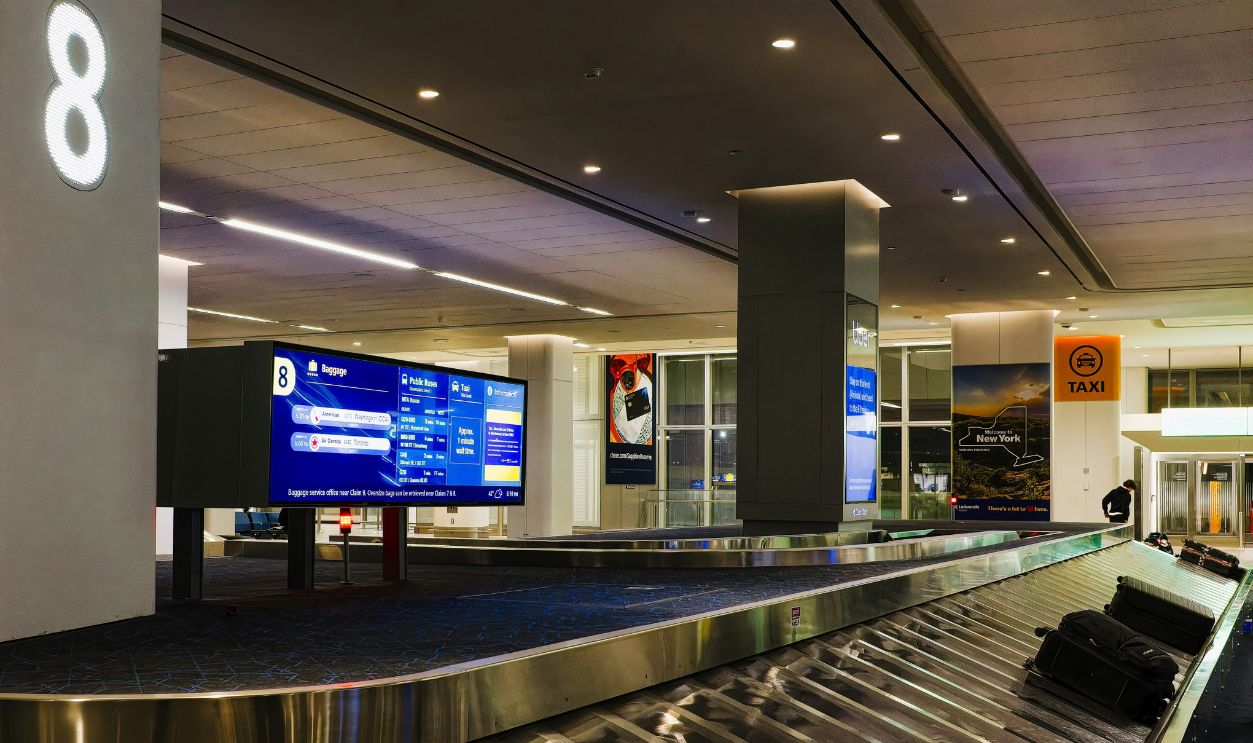
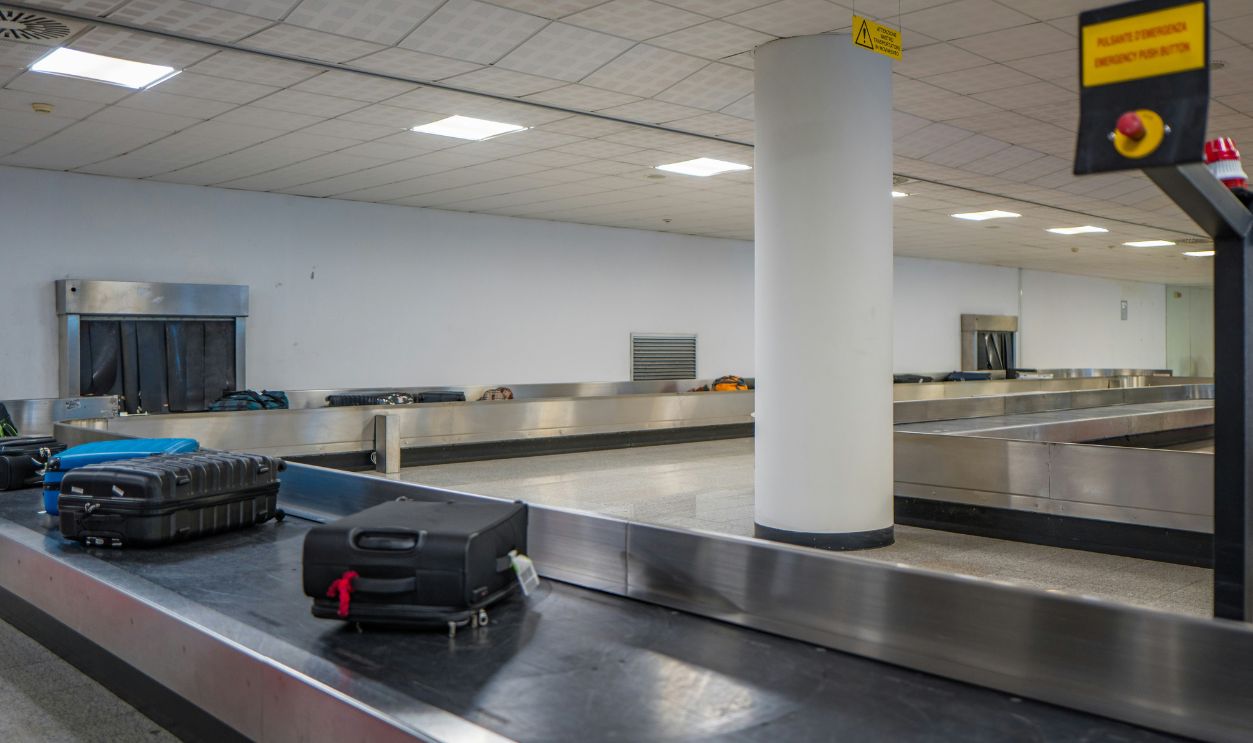
An airport is not one big lost-and-found. Bags can wind up in airline baggage offices, customs areas, secure storage rooms, transfer belts, make-up areas, or contractor facilities. So even if the tracker says the bag is at the airport, staff may still need to find the right room, the right restricted area, and the right suitcase among thousands.
Indoor Tracking Is Not Perfect
Apple says the Find My network gives an approximate location, not an exact shelf-by-shelf one. Inside airports, signals can bounce, lag, or pin to a terminal when the bag is really in a nearby service area. That means your tracker can be a strong clue without giving staff a precise enough location to grab the bag right away.
There Can Be A Time Lag Too
Consumer trackers update when they connect with nearby devices in the network, not as a constant live feed. A bag may have been in one place when the tracker updated and moved later. So the map can be helpful, but it is not a live camera on your suitcase.

Security Rules Come First
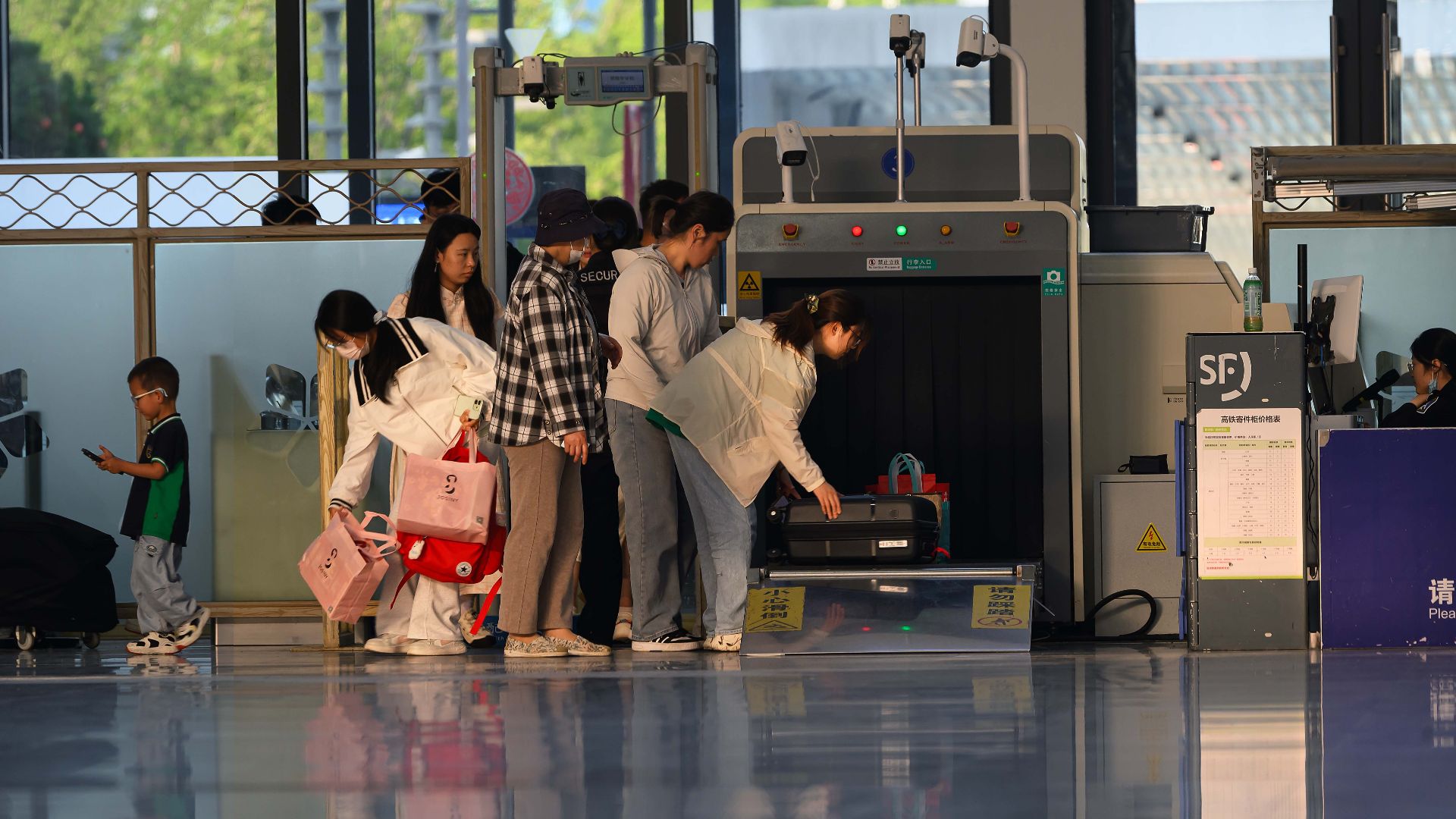
Airside baggage rooms are restricted areas. Customer service agents at a desk usually cannot leave their post and walk into secure handling zones every time a traveler shows them a map. Getting a bag back often depends on baggage staff, airport access rules, and chain-of-custody procedures.
The Industry Is Dealing With Huge Volume
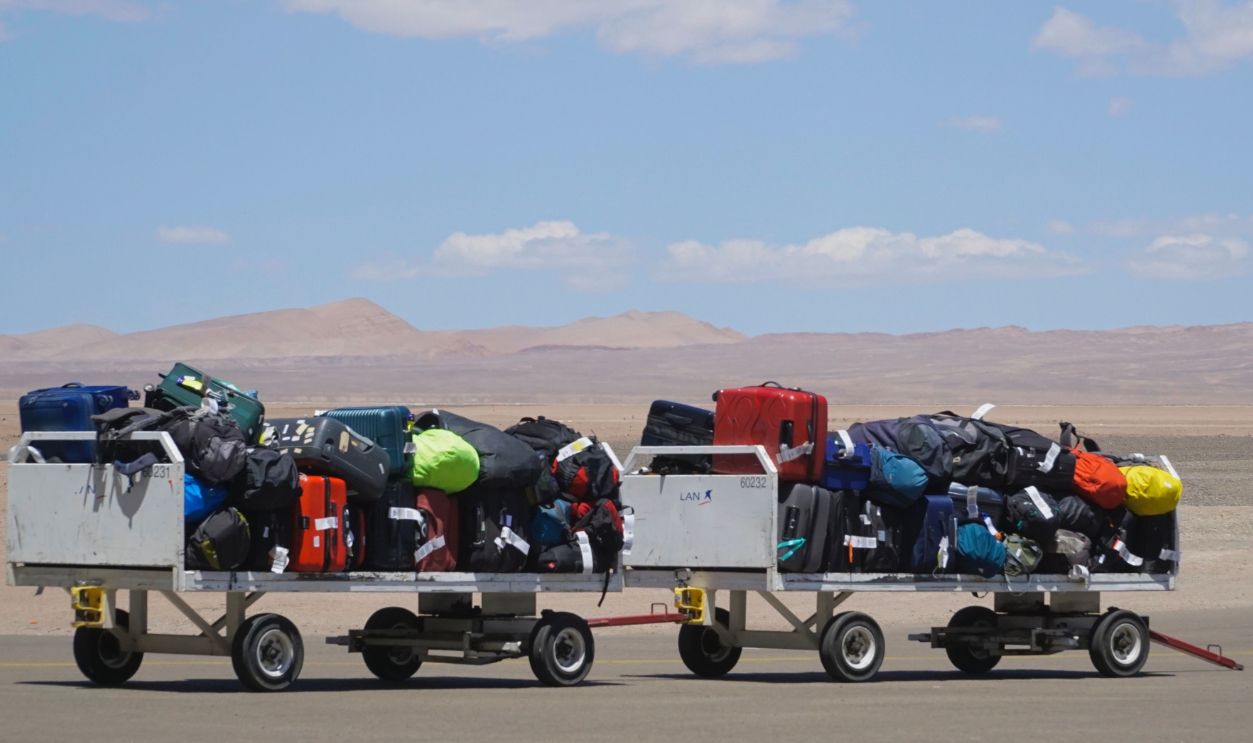
Airports handle massive numbers of bags every day. SITA’s baggage reports show the industry processes billions of checked bags each year. When something goes wrong, your delayed suitcase may be just one item in a big backlog that teams are sorting through by scan records, flight details, and routing priority.
Misrouted Does Not Always Mean Lost
Airlines and regulators draw a line between lost bags and delayed or mishandled bags. The U.S. Department of Transportation says most bags reported as lost are actually delayed and usually returned within hours or days. That matters because the process is built around tracing and delivery, not a simple go-and-fetch request.
 AgnosticPreachersKid, Wikimedia Commons
Airlines Have Started Using Tracker Data
Some carriers have started adjusting to the new reality. In 2023, Lufthansa said it would integrate Apple AirTag location sharing into its baggage tracing process after an earlier warning to customers was based on a misunderstanding of regulator guidance. That was one of the clearest signs yet that airlines now see personal trackers as useful, even if they do not replace official tracing systems.
Apple Built A Sharing Tool For This
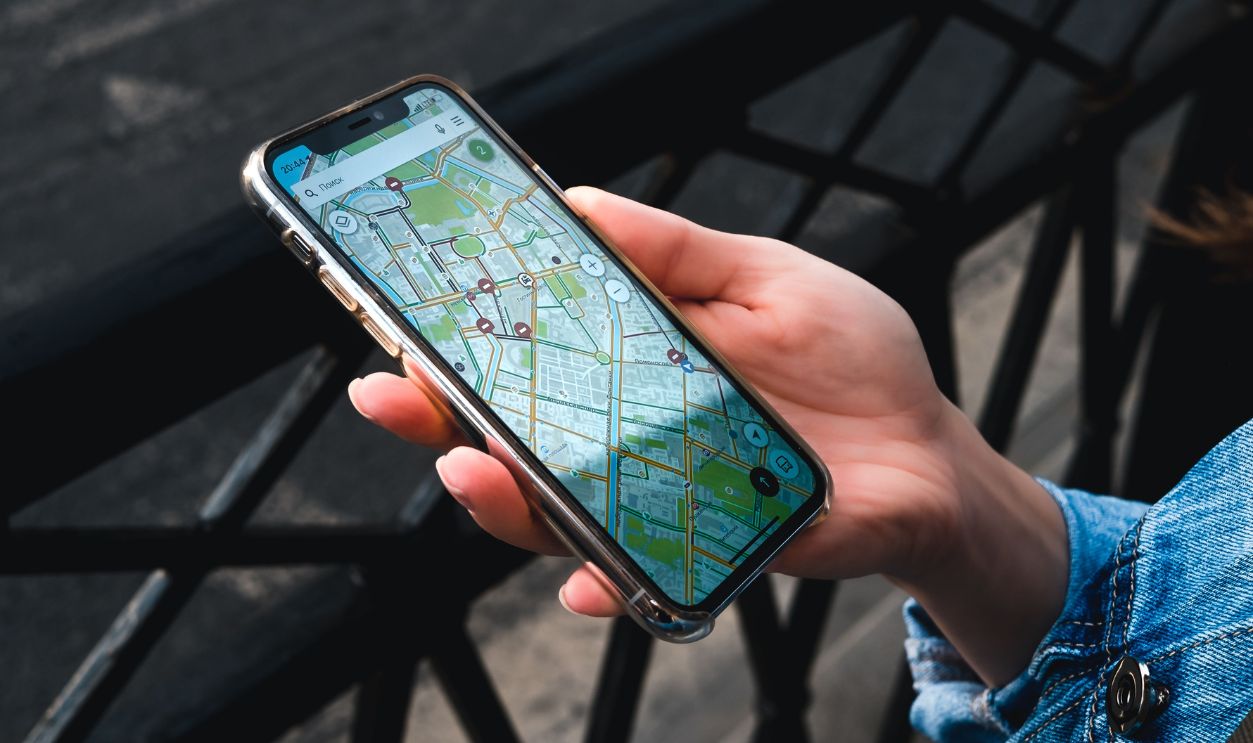
In November 2024, Apple announced a new Share Item Location feature for Find My. The company said users could generate a link to an item’s location and share it with others, including airlines, to help find misplaced luggage. Apple also said more than 15 airlines would start accepting the feature, including United, Delta, Air Canada, Virgin Atlantic, and Lufthansa Group carriers.
Why That Update Matters
Apple’s update showed that the old gap between what passengers could see and what airlines could actually use was finally narrowing. Instead of relying on a screenshot, travelers could share a live item link made for recovery. Even then, the airline still has to match the bag to its tag records and retrieve it through secure operations.
United Moved Early
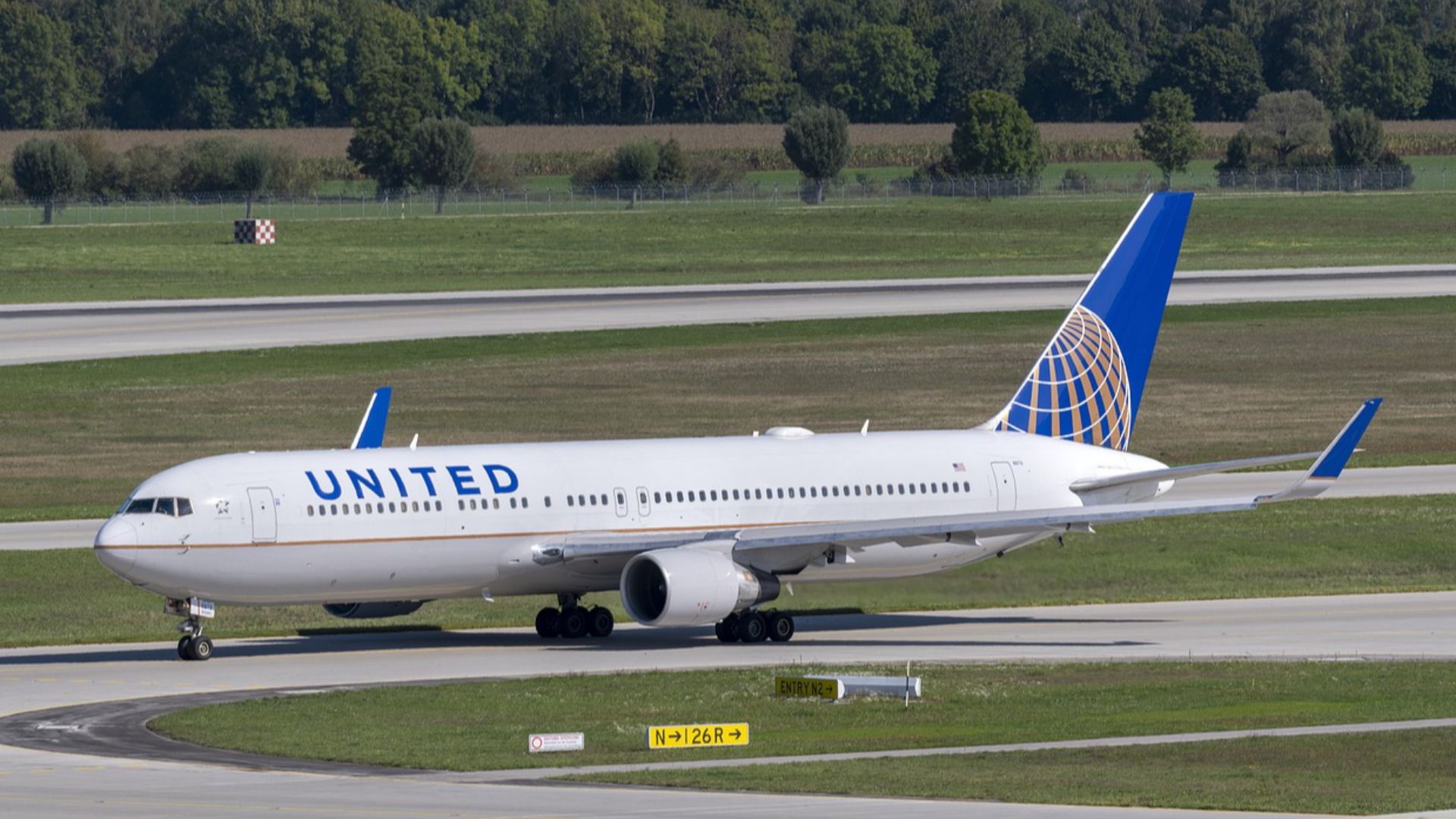
United announced in December 2024 that customers could share the location of an AirTag or Find My accessory for delayed bags. The airline said the feature would be built into its digital bag tracing process. That matters because baggage teams can receive customer location data in a structured way instead of through scattered conversations at the airport.
Delta Rolled It Out Too
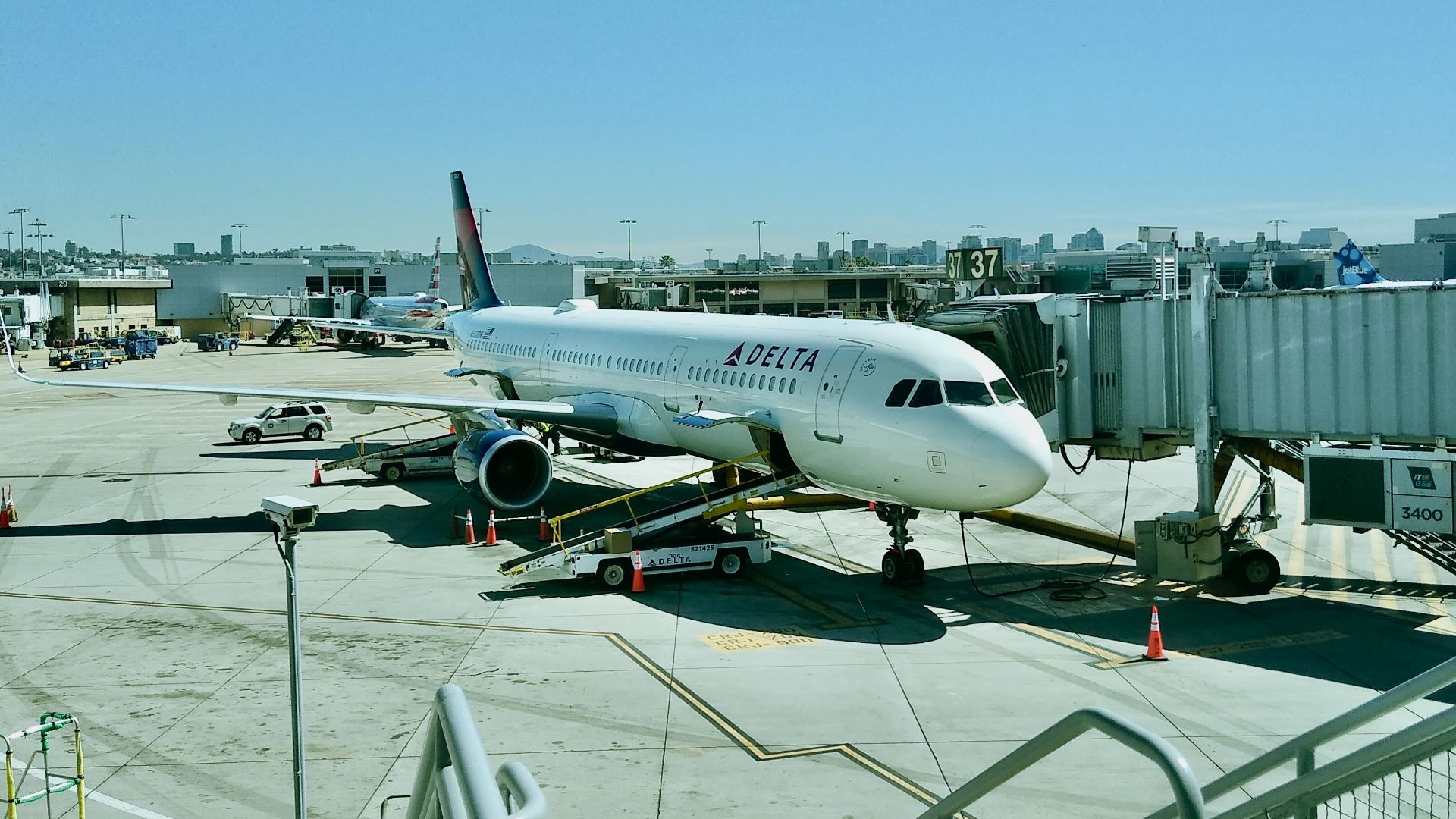
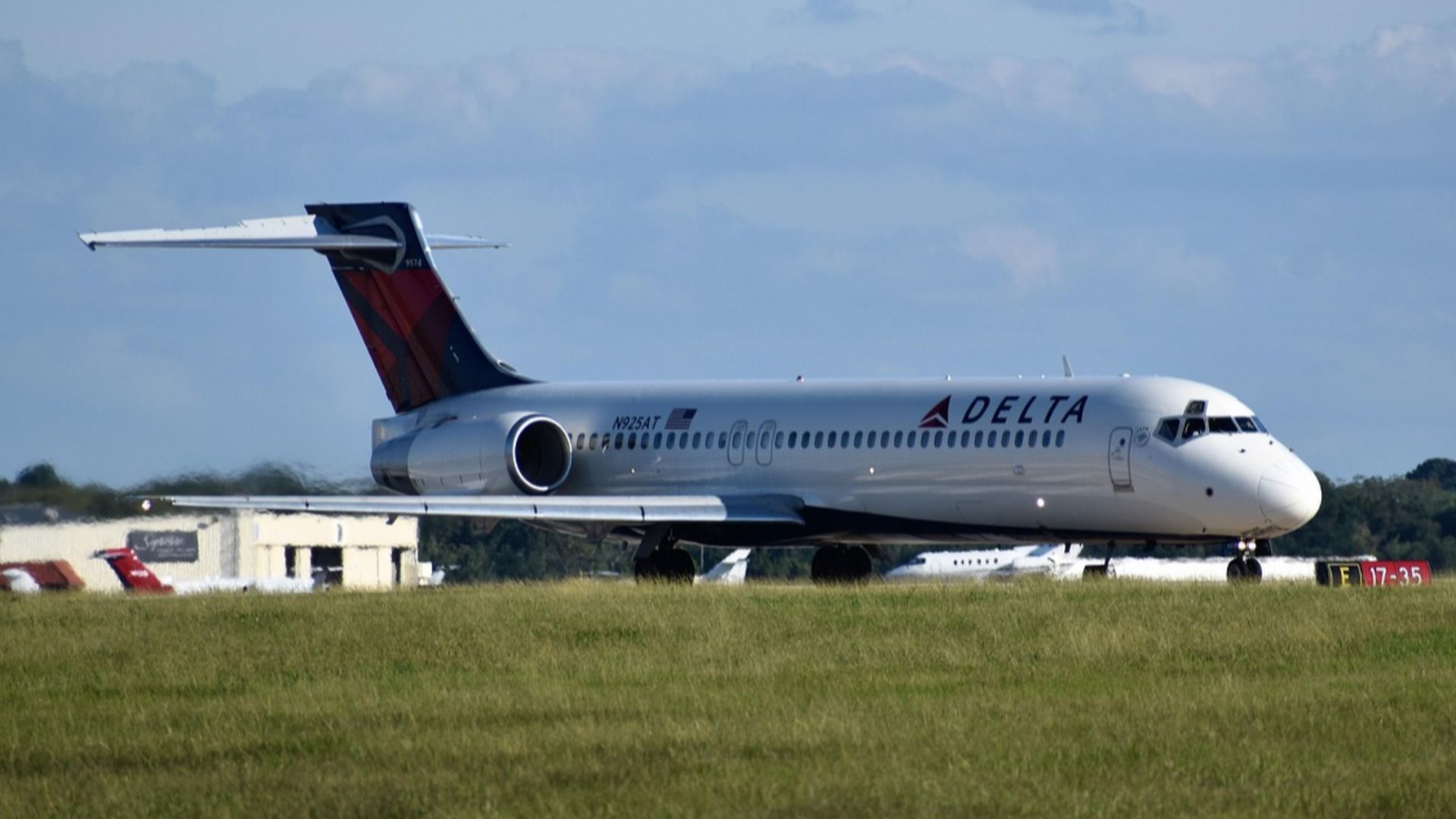
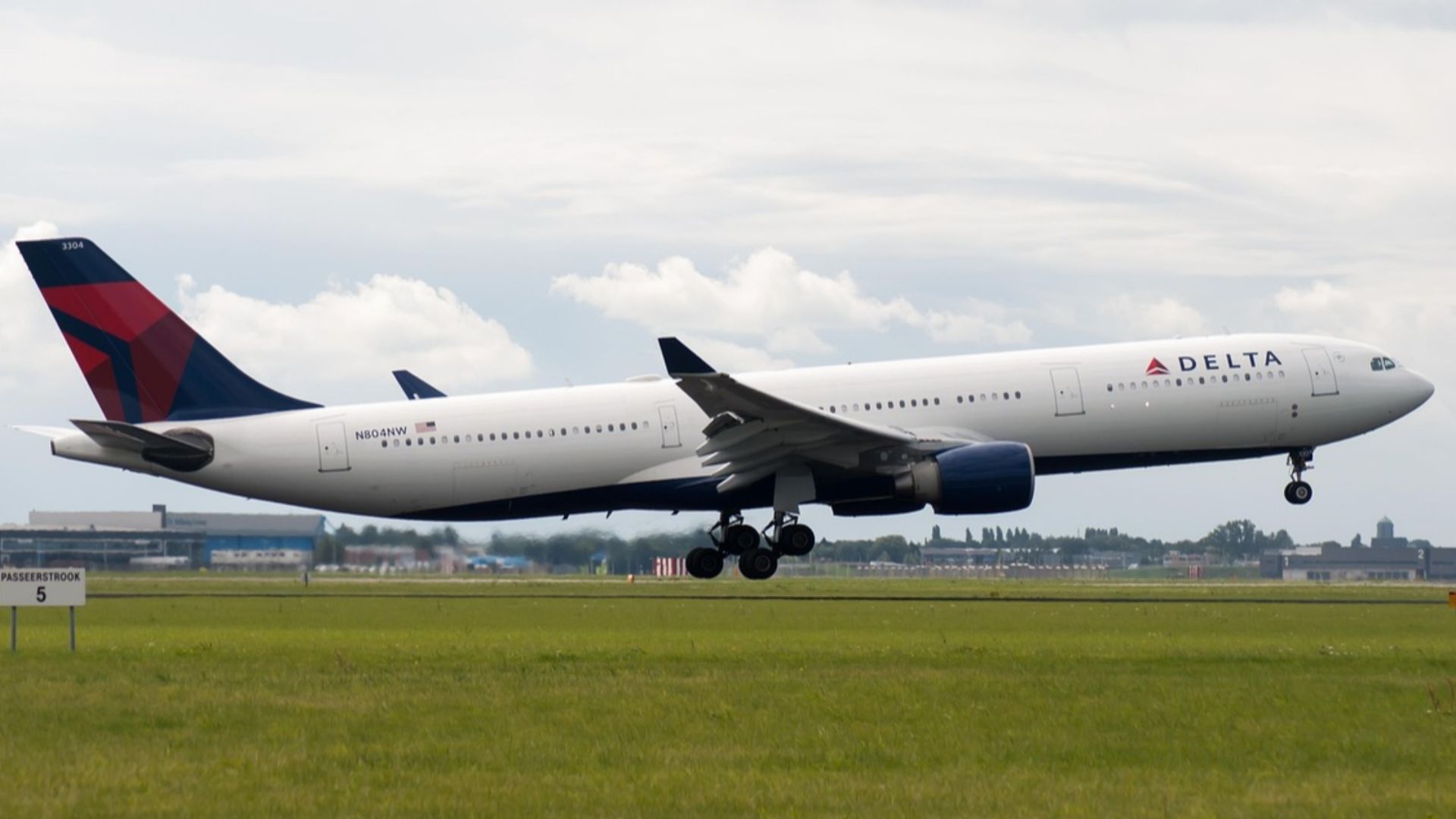
Delta said in early 2025 that customers could share an item’s live location with the airline for delayed baggage recovery. The airline said the goal was to reunite customers with their belongings faster. The key point is that tracker data becomes part of the airline’s process, not a replacement for it.
Air Canada Joined As Well
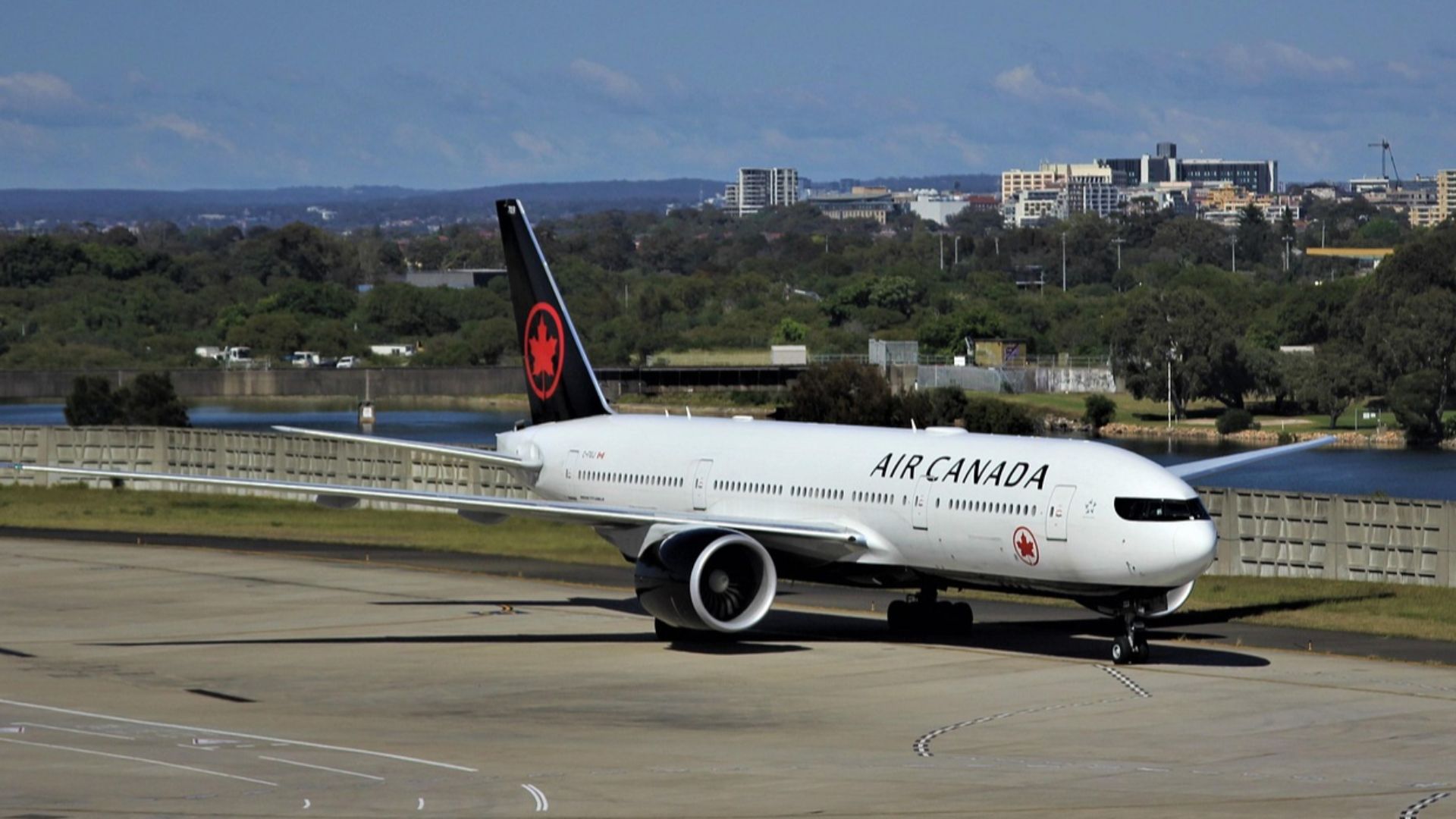
Air Canada also announced support for Apple’s shared item location feature in late 2024. The carrier said customers could securely share the location of an AirTag or Find My network accessory with customer service for missing or delayed bags. That helps show this is turning into a wider industry practice, not a one-airline experiment.
Why Desk Agents Still May Not Be Able To Help
The person at the baggage desk may believe you and still be unable to do much right away. Desk agents are often limited by the airline’s tracing system, local staffing, and handoff rules with baggage operations teams. If the system shows the bag as unlocated or still being processed, the agent may not be allowed to jump past that chain just because your tracker shows a dot on a map.
Bags Can Get Stuck In Transfer Problems
Missed connections and tight transfers are classic baggage trouble spots. SITA has long reported that transfer mishandling is one of the biggest causes of delayed bags, especially on international trips. In those cases, the bag may really be at the airport shown on your map, but still waiting to be identified, re-tagged, screened, or assigned to the next flight.
 CBP Photography, Wikimedia Commons
Customs Can Slow The Process
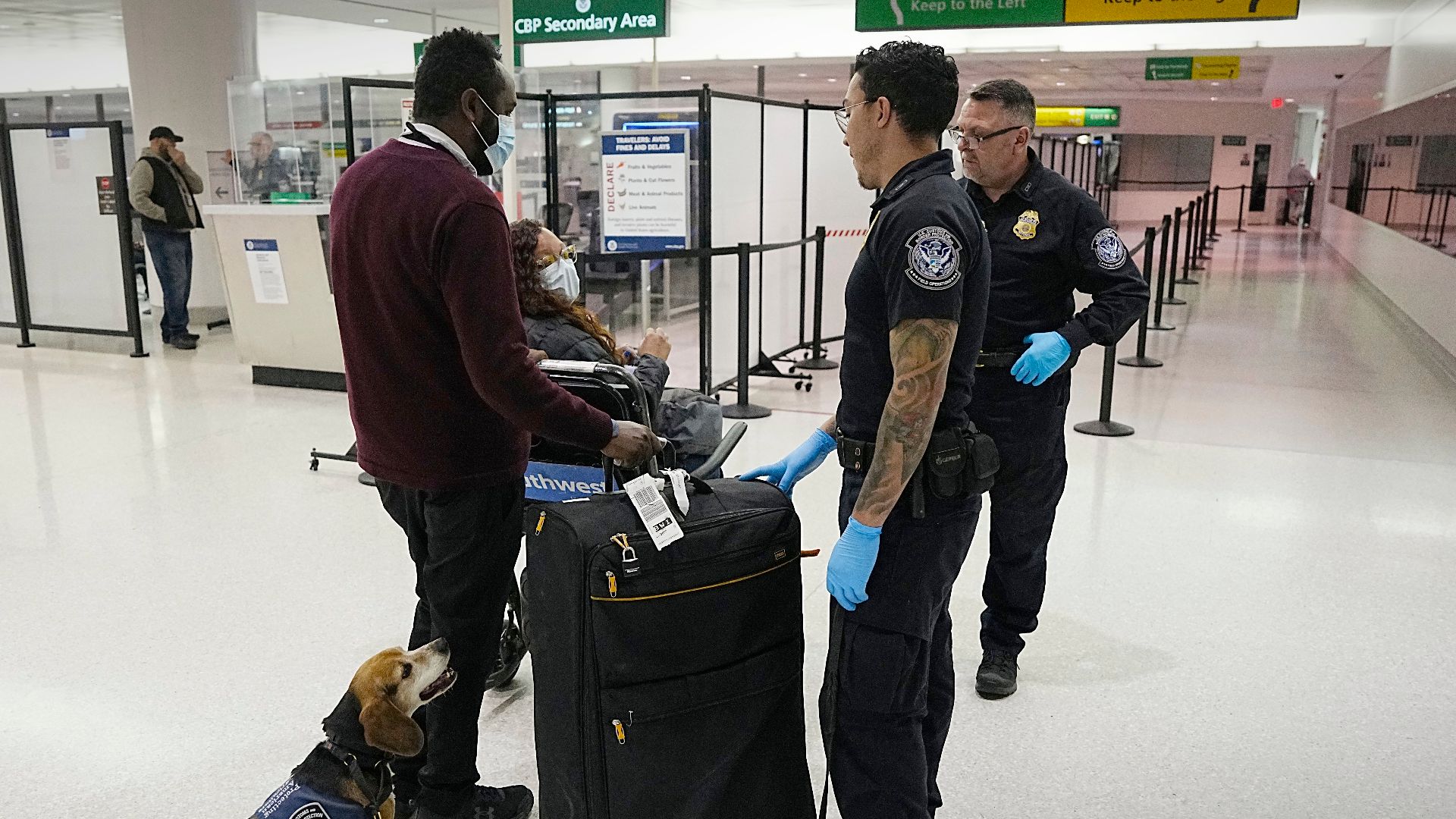
On some international routes, baggage can be held up by customs and screening rules. A bag may sit in an area where airline staff cannot simply hand it over without the right checks. That can make the tracker’s location feel frustratingly close while the real process moves much slower.
Third-Party Handlers Add Another Layer
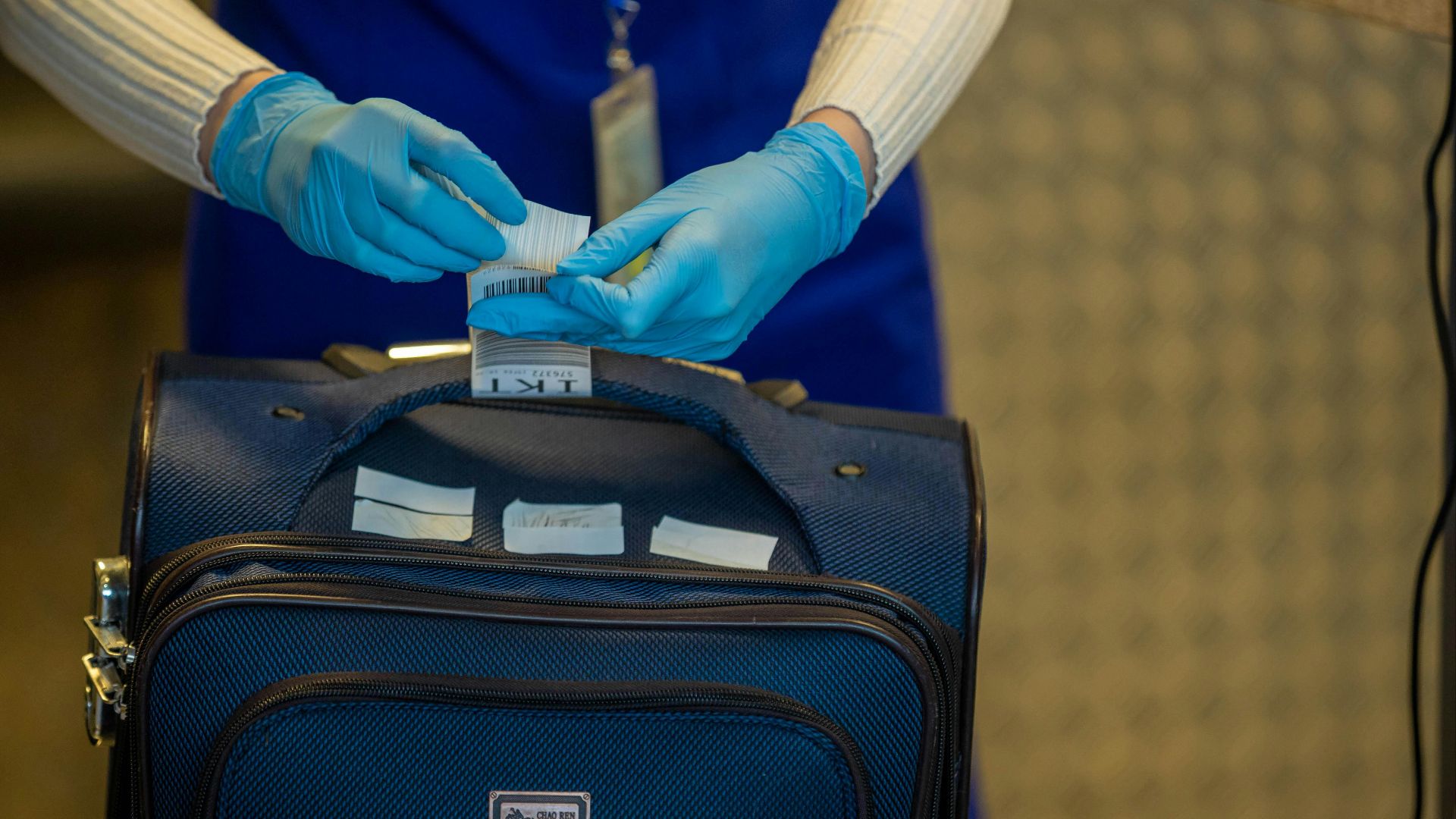
Not every bag is handled only by the airline on your ticket. Many airports use contracted ground handlers for baggage operations, which means the airline desk, baggage office, and ramp team may all be different groups. That split can slow things down between spotting a likely location and physically getting the suitcase back.
Your Tracker Still Helps
Even with all those limits, your tracker is still useful. It can show whether the bag likely stayed at your starting airport, made it to a connection point, or reached your destination. That can sharpen the airline’s search, especially now that some carriers accept Apple’s official shared-location links.

What To Do At The Airport
File a delayed baggage report before leaving the airport if you can. Ask for the report reference number, confirm your delivery address and phone number, and keep your bag tag receipt. If the airline accepts Apple’s Share Item Location feature, ask how to attach your link to the case.
What To Say If You Have A Tracker
Keep it calm and specific. Tell the agent the tracker last showed the bag at a certain airport and time, and ask for that note to be added to the file. If the airline supports shared location links, offer that instead of just waving a screenshot, since it is more likely to fit into the airline’s system.
Know Your Rights In The United States
The U.S. Department of Transportation says airlines are responsible for compensating passengers for reasonable, verifiable, and actual incidental expenses when bags are delayed, subject to limits. The department also says airlines must compensate for lost, damaged, or delayed checked baggage up to the maximum liability limits. Keep your receipts if you need to buy essentials while you wait.
Do Not Wait Too Long To Follow Up
If the bag is not moving and the updates stop, follow up through the airline’s baggage portal, app, or dedicated phone line. Ask whether the bag has been matched by tag number and whether delivery has been arranged. If you have a shared AirTag location link, add it to the case again if the airline allows that.
Why This Gap Is Finally Narrowing
For years, passengers could see more than airlines could really use. Apple’s 2024 sharing feature and the airline rollouts that followed started building a bridge between personal trackers and formal baggage recovery. It does not mean your suitcase becomes instantly reachable, but it does give the right team a better shot at acting on what you already know.
The Bottom Line For Travelers
If your airline says your bag is lost while your tracker says it is at the airport, the most likely reason is not laziness or disbelief. It is usually a mix of security limits, missing scan data, contractor handoffs, and baggage systems that were not built with passenger-owned trackers in mind. The good news is that, by late 2024 and into 2025, more airlines were finally giving those tracker clues a real place in the recovery process.