The Double Charge That Catches Travelers Off Guard
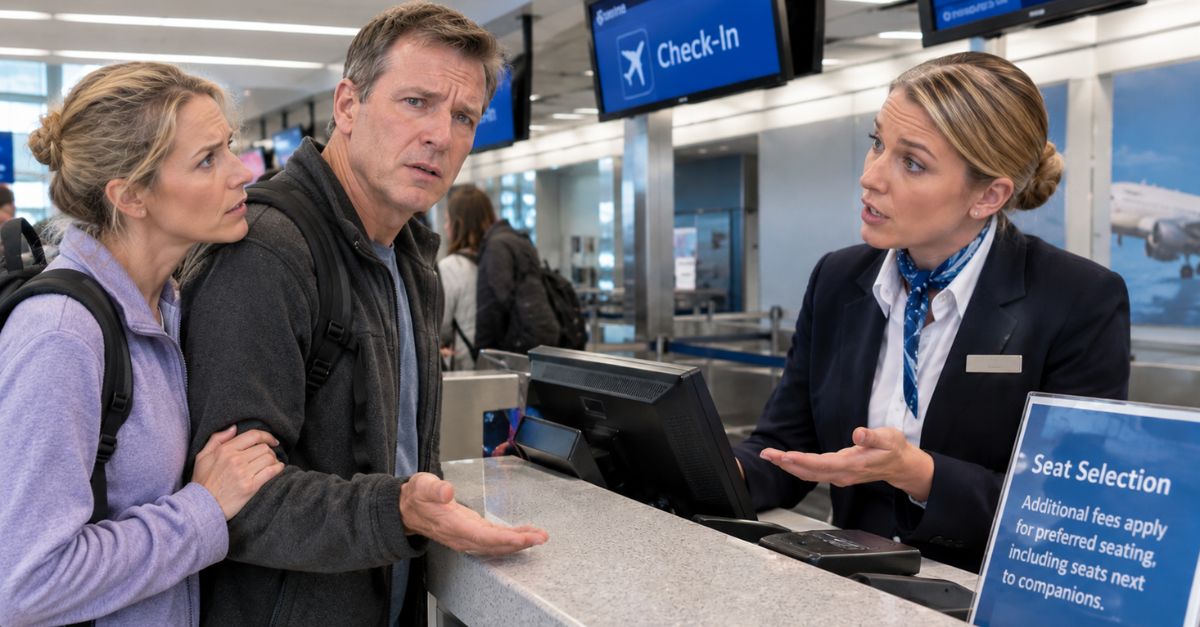
You pay to pick your seat, your flight gets canceled, and then the airline wants that fee again. It feels wrong because, from your point of view, you already paid for the same perk once. But airlines often treat seat selection as an extra tied to one specific flight, not something that automatically carries over to a new itinerary.
Why This Keeps Happening After A Rebooking
When an airline cancels a flight and rebooks you, the new reservation is often rebuilt in a different booking record or fare bucket. That matters because paid seats are usually handled separately from the base ticket. If the system does not automatically reconnect that extra purchase, the original seat fee may not transfer even when the disruption was the airline’s fault.

What Airlines Actually Sell When You Buy A Seat
Most airlines do not sell seat selection as a general travel credit. They sell it as an optional add-on for a specific flight, date, and cabin. American, Delta, United, and other carriers spell that out in their seat and ancillary policies, which is why rebookings can create problems even when the original payment still appears in your account.

The Fine Print Usually Favors The Airline
American Airlines says seat fees are generally nonrefundable unless the airline cannot provide the seat or there is an involuntary change and you do not get a comparable option. United says Economy Plus and some preferred seating charges can be refunded in certain irregular-operation cases, but not every reseating situation qualifies automatically. Delta also notes that paid seat products depend on availability and may not transfer if flights change.
 Krakenimages.com, Shutterstock
Why A Canceled Flight Changes Everything
A cancellation forces the airline to focus on moving passengers quickly onto whatever aircraft and seat map are available. In that scramble, the first goal is transportation, not preserving every paid extra. That is why travelers often end up rebooked into standard seats first and told to sort out paid seating later.
Seat Maps Are Not Universal Across Aircraft
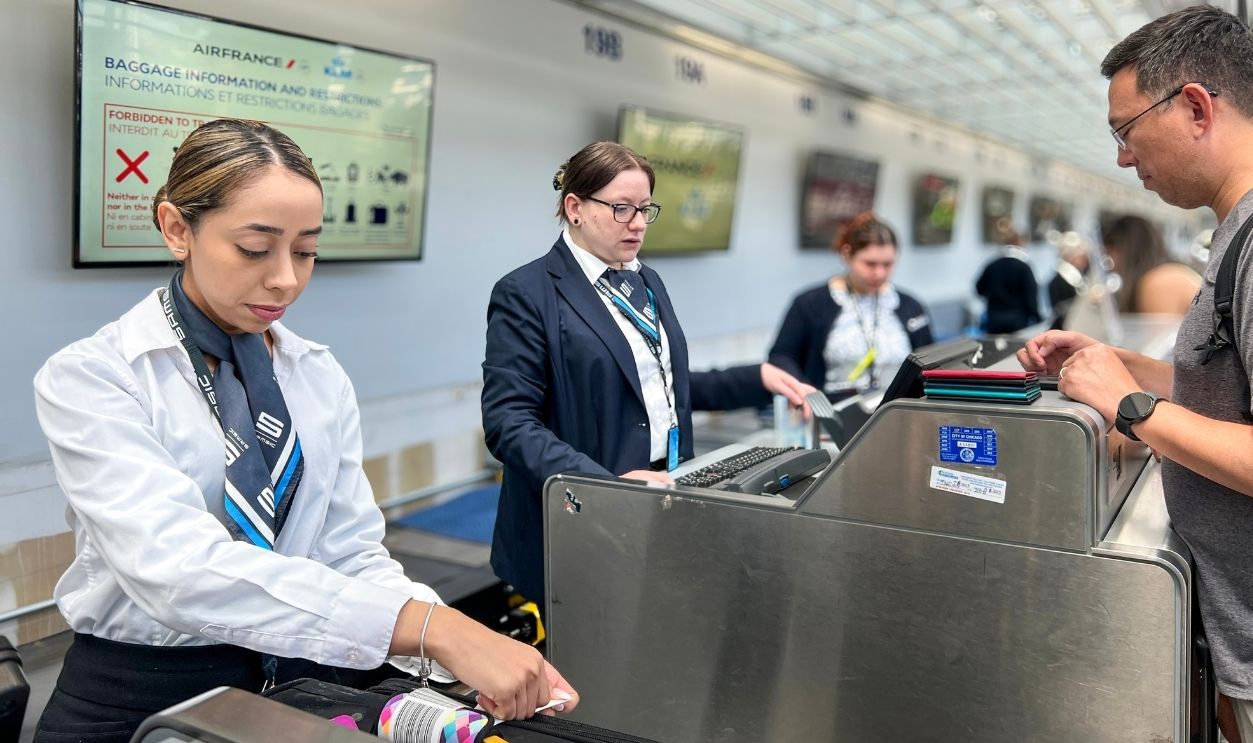
Your original seat may simply not exist on the replacement plane. A window exit row on one aircraft may line up with a different product category on another, or there may be fewer premium or preferred seats available. If the replacement flight uses a different layout, the old seat assignment can disappear even if the airline still plans to get you to your destination.
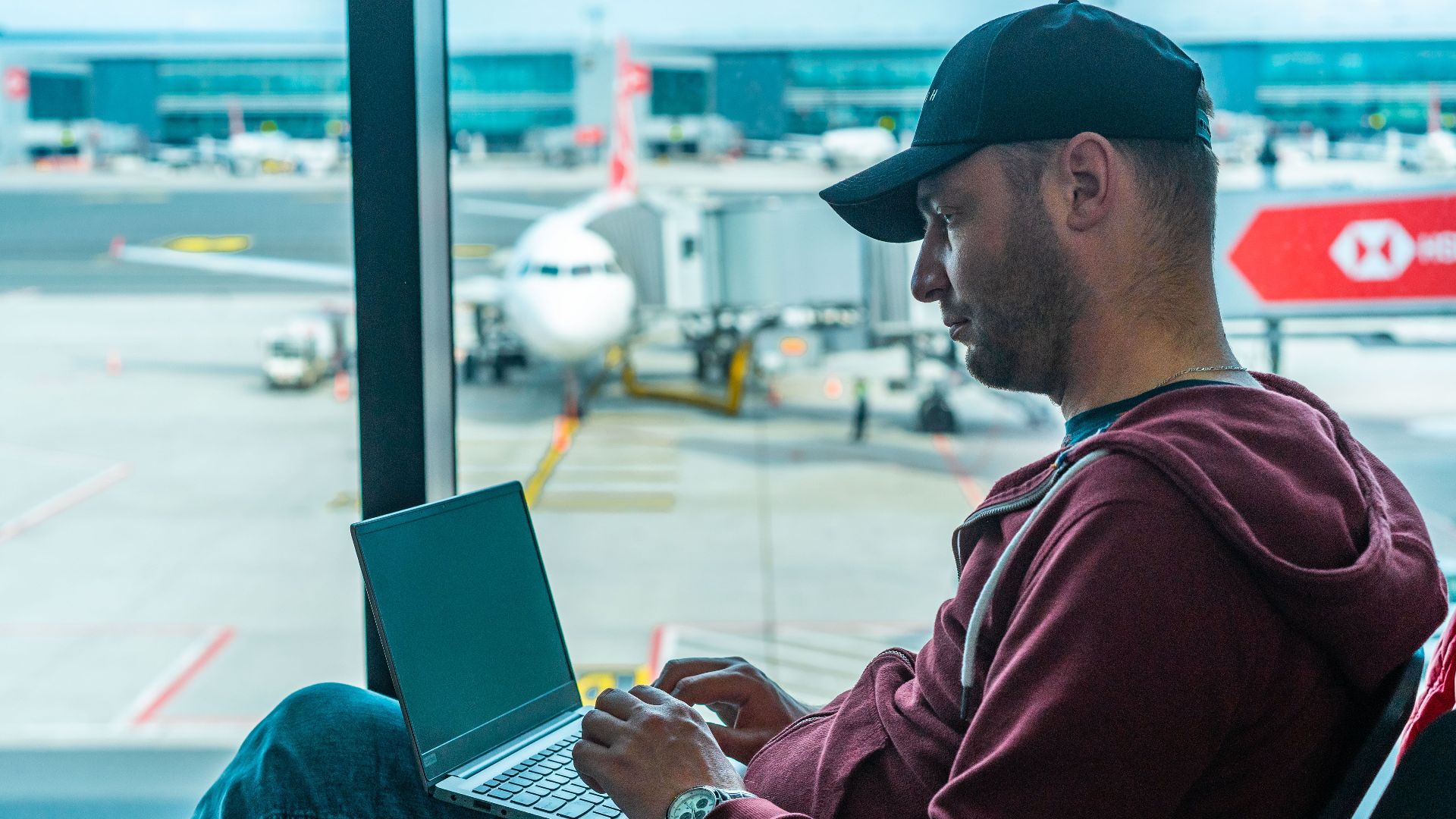
Government Rules Help, But Only Up To A Point
In the United States, the Department of Transportation requires refunds for certain canceled or significantly changed flights when passengers do not take the transportation offered. The DOT has also said ancillary fees, including paid seats, are refundable if the related service is not provided. What it does not require is automatic transfer of the exact same seat purchase to every replacement itinerary.
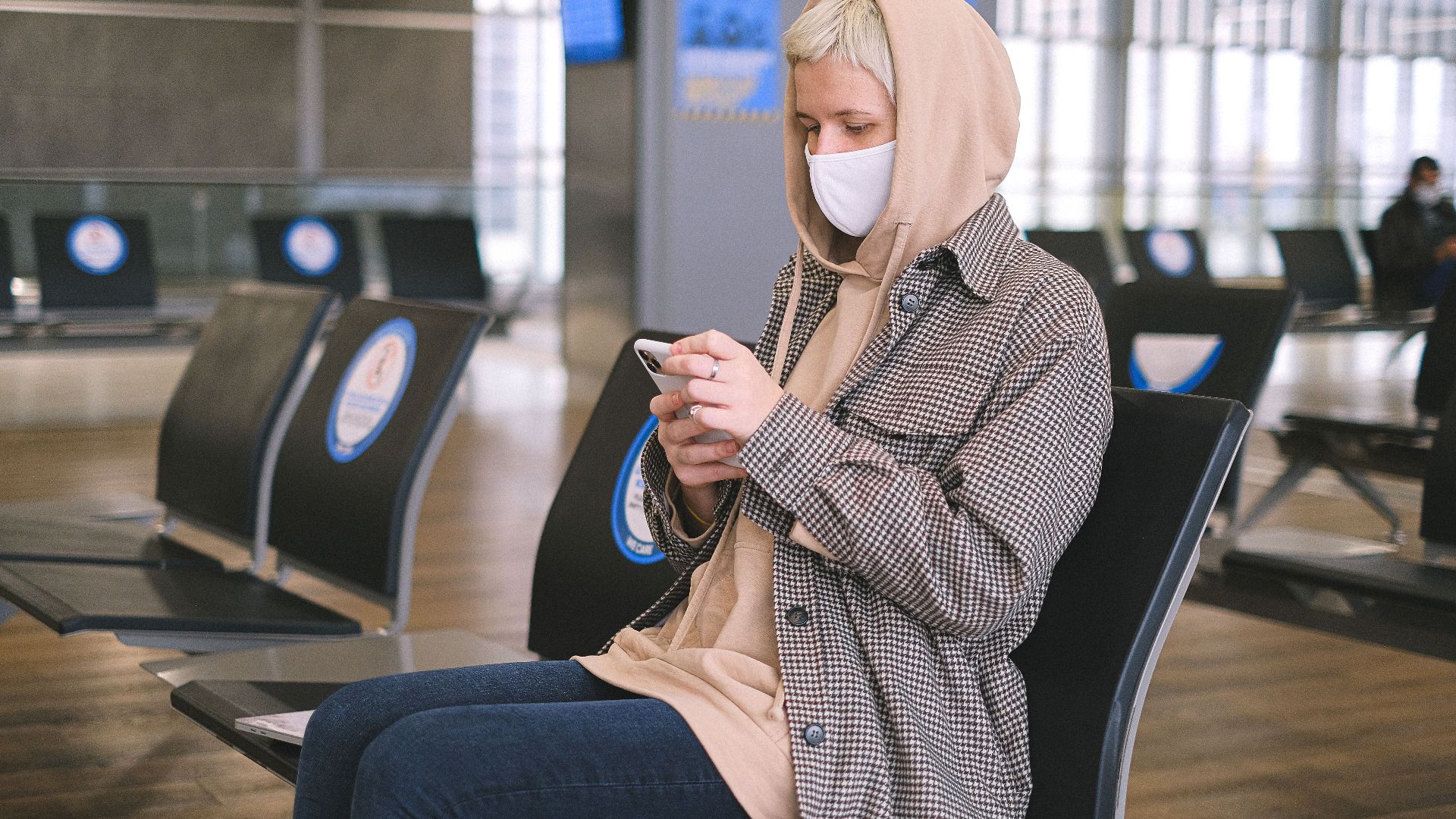
The DOT Put Ancillary Refunds In Plain English
The DOT’s aviation consumer guidance says passengers are entitled to a refund for fees paid for optional services if they could not use the service because of a canceled flight, schedule change, or other airline-caused disruption. That is the key point. If the airline will not or cannot honor the original paid seat on the rebooked trip, the strongest legal argument is often for a refund of the seat fee, not necessarily free reselection on the new flight.

That Is Why Agents Sometimes Say Pay Now, Refund Later
It sounds ridiculous, but it often reflects how airline systems and policies are set up. Airport and phone agents may be able to assign an available paid seat only by charging the current fee on the new flight. Then they tell customers to request reimbursement for the original purchase afterward if the first service was never delivered.
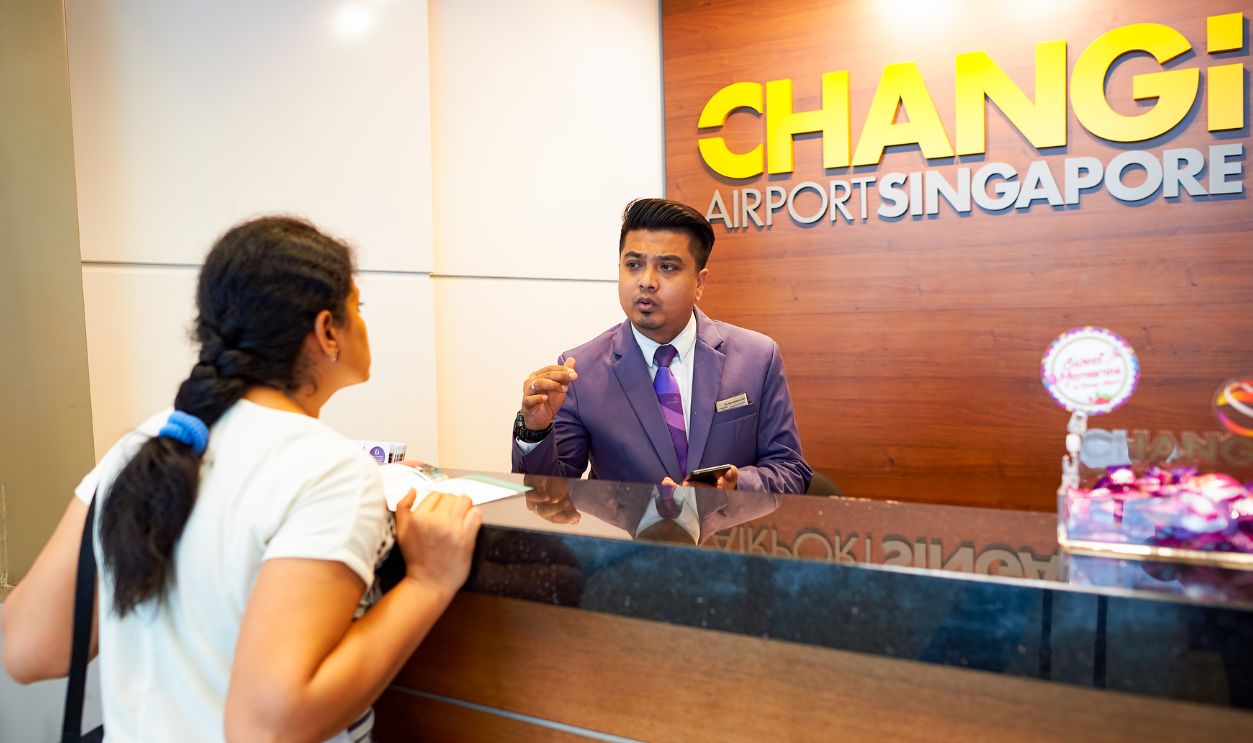
A Rebooked Ticket Is Not Always The Same Contract
To travelers, the trip feels like one continuous purchase. Inside the airline system, though, a cancellation can create a meaningfully different booking, with new flight numbers, fare inventory, and seat products. Because ancillary items are attached to the original flight segments, the replacement reservation may be treated as a fresh transaction for seat assignment purposes.
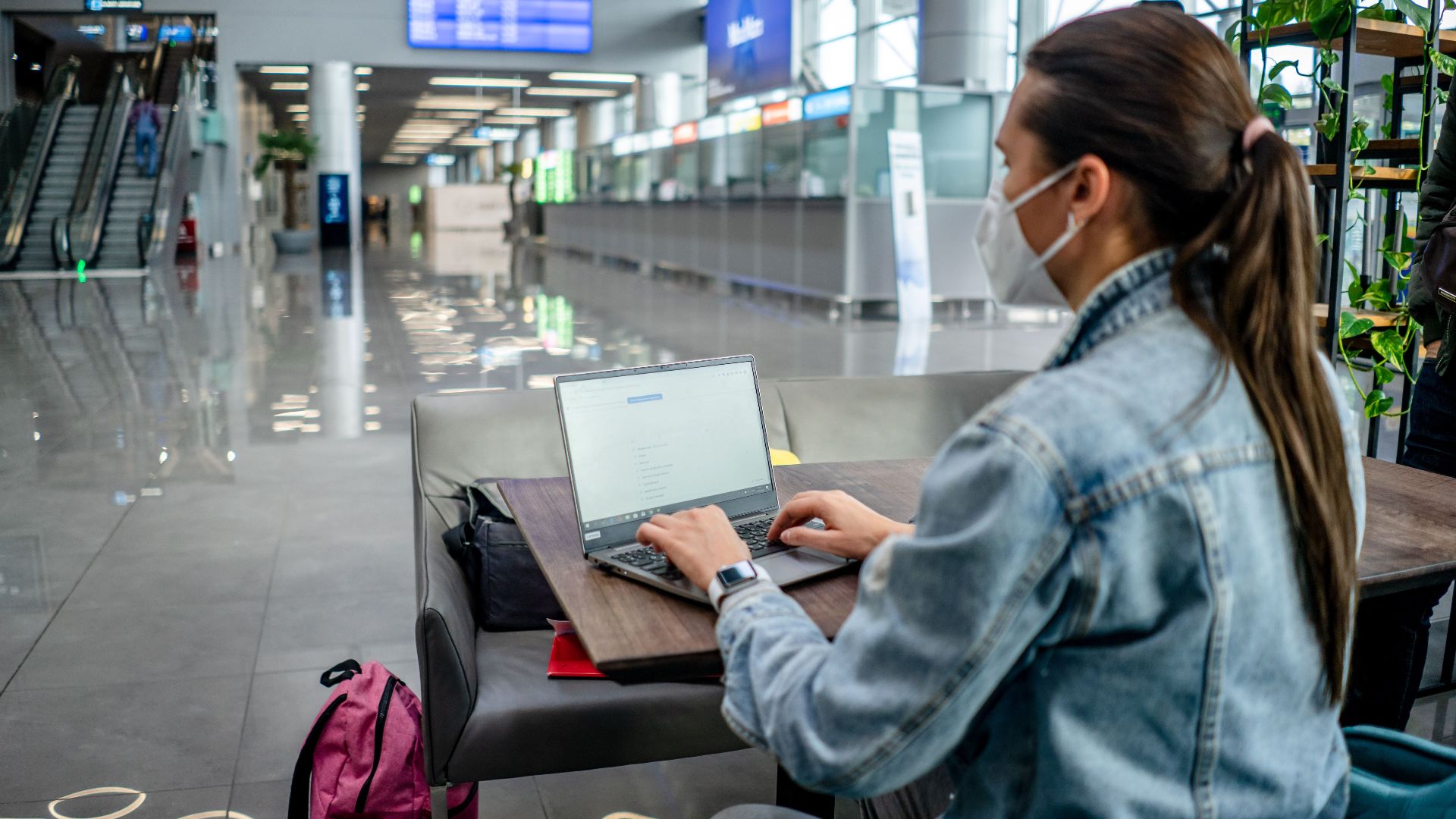
When You Probably Should Push Back
If the airline canceled your original flight and your paid seat did not transfer, you have a solid reason to ask for one of two things. First, ask for a comparable seat on the replacement flight at no extra charge. If that is not possible, ask for a refund of the original seat fee because the service you paid for was not provided.
Words Matter At The Service Desk
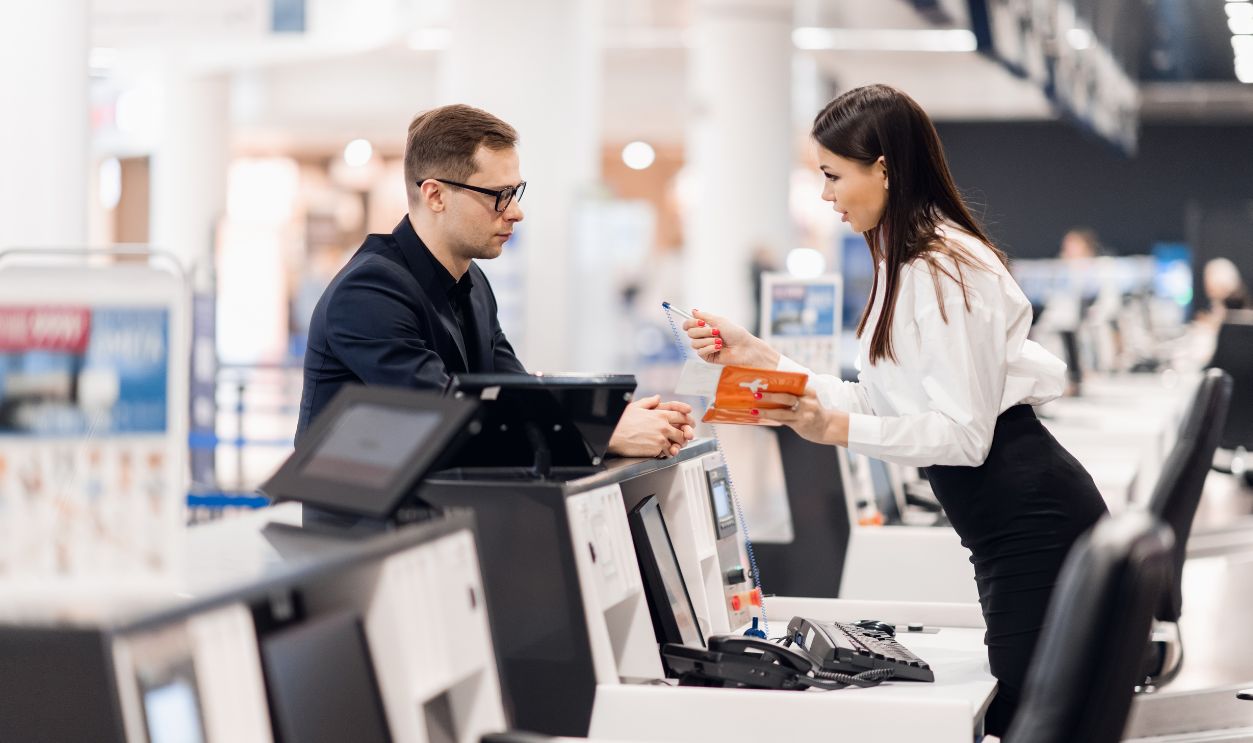
The best approach is usually simple and specific. Tell the airline you paid for seat selection on the canceled flight, the carrier canceled that segment, and the ancillary service was not delivered. Then ask whether they can honor a comparable seat on the new flight or process a refund under their ancillary refund policy.
 Frame Stock Footage, Shutterstock
Comparable Does Not Always Mean Identical
Aisle for aisle or extra-legroom for extra-legroom is usually the benchmark, not the exact row number. Airlines often reserve the right to substitute a similar seat if the aircraft changes. If you paid for extra space or a preferred location and were moved to a basic middle seat, your refund claim gets much stronger.

Documentation Can Make Or Break Your Claim
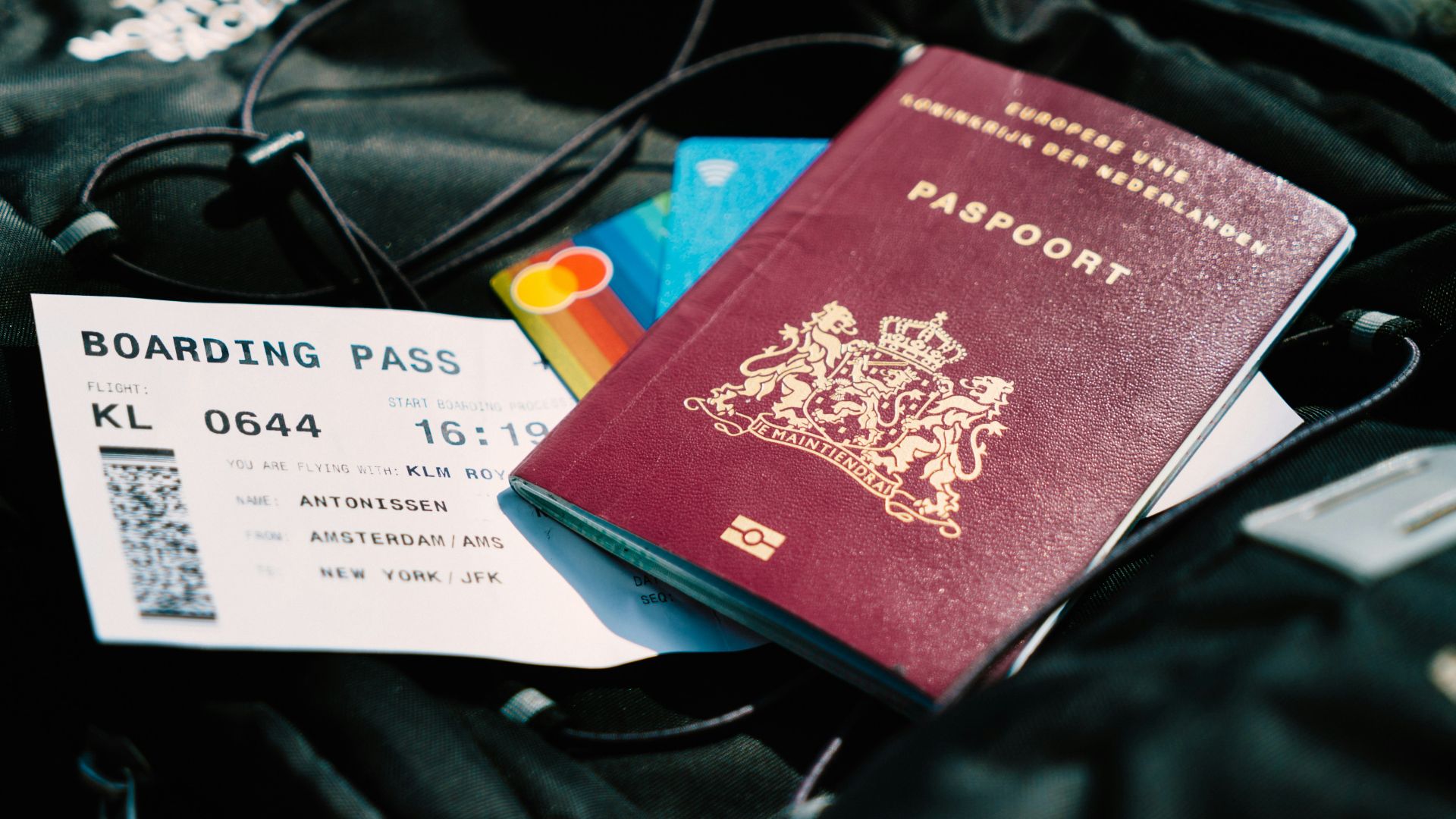
Save the receipt for your original seat purchase, your canceled flight notice, your new itinerary, and screenshots of the replacement seat map if possible. Those records show both what you paid and the fact that the original service disappeared after the airline changed the trip. Without them, customer service may treat your complaint as a general seating problem instead of an undelivered extra service.
Take Screenshots Before The App Refreshes
Airline apps are useful until they overwrite the old booking details. As soon as you get a cancellation or rebooking alert, capture the old seat assignment, the fee paid, and the new itinerary. That gives you a time-stamped record in case the original seat vanishes from your account history later.
 https://kaboompics.com/, Pexels
Timing Matters More Than Most People Realize
If you catch the problem early, an agent may still be able to manually restore a comparable seat before the cabin fills up. Once check-in opens or upgrades clear, the best alternatives often vanish. Acting fast gives you your best shot at avoiding both a bad seat and a refund fight.
The Credit Card Angle Is Your Safety Net
If the airline refuses both a comparable seat and a refund for the original fee, your card issuer may be worth contacting. Under the Fair Credit Billing Act, consumers can dispute certain charges for goods or services not delivered as agreed. A seat fee for a canceled segment that the airline would not honor or refund can fit that argument, especially if you have clear documentation.

Do Not Start With A Chargeback
A dispute should usually be the backup plan, not the opening move. Airlines are more likely to fix the issue directly if you first use their refund or complaint channel and keep your request focused on the unused seat fee. Going straight to a chargeback can complicate your broader reservation if parts of the trip are still active.

Schedule Change Versus Cancellation Can Affect The Outcome
A full cancellation is the clearest case because the original flight segment is gone. A smaller schedule change can be murkier if the airline argues the seat product is still close enough or that the customer accepted the new itinerary. Even then, if the paid seat itself was not provided, DOT refund guidance still gives passengers a useful point to raise.
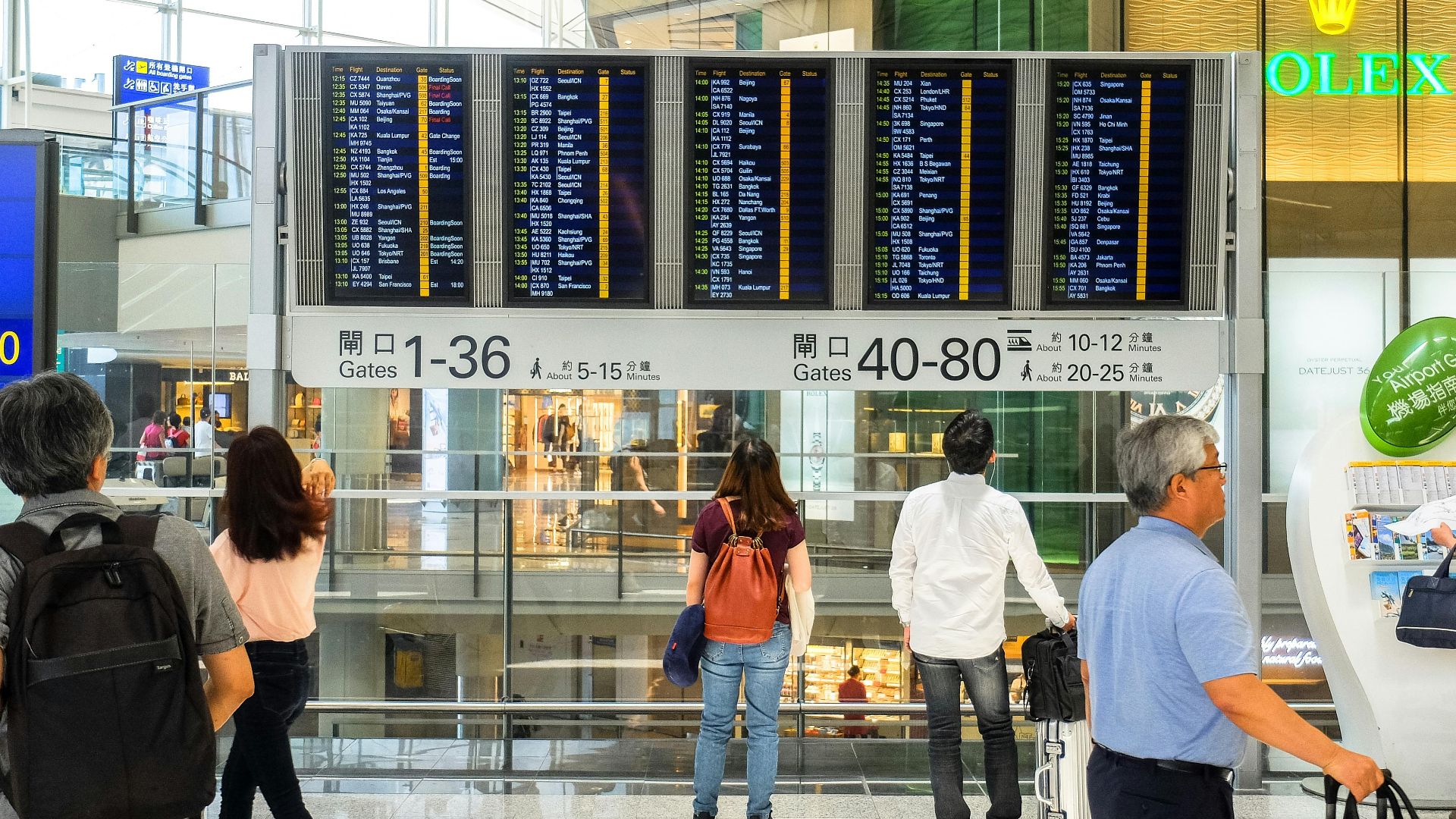
Basic Economy Makes These Disputes Even Messier
On Basic Economy tickets, seating restrictions are often tighter and automatic seat assignments more limited. If you separately bought seat selection and then lost it in a rebooking, the airline may still point to basic fare rules for what is and is not included on the new flight. The separate paid-seat receipt becomes especially important in proving you bought an extra service beyond the bare fare.
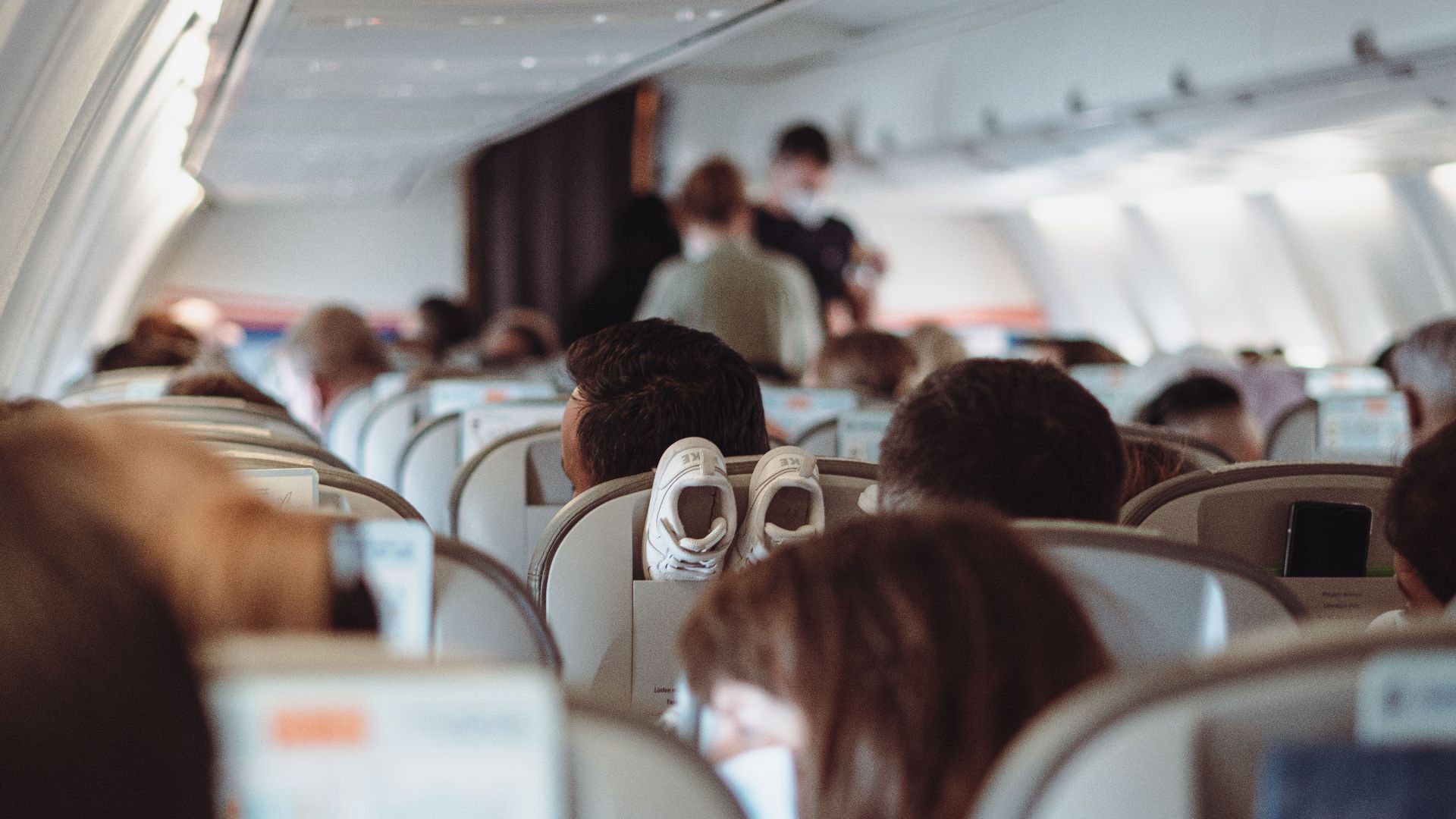
Partner Airlines Add Another Layer Of Confusion
Codeshares can turn a frustrating problem into a maze. The airline that sold the ticket and the airline operating the flight may use different ancillary systems, which can stop seat purchases from transferring cleanly after a disruption. In those cases, passengers often have to ask the ticketing carrier for the refund while dealing with the operating carrier for immediate seat assignment help.

What The Major Carriers Publicly Say
American Airlines’ customer-facing policies explain that purchased seats may qualify for a refund if the airline cannot provide the seat purchased. Delta’s seat selection terms similarly note that paid seat products may not be guaranteed after aircraft swaps or operational changes and direct customers to seek refunds when the product is not delivered. United’s policies for seat-related add-ons also describe refund situations tied to irregular operations and non-delivery of the purchased benefit.

Why Frontline Agents Sometimes Give Inconsistent Answers
One agent may see a manual waiver option while another follows the system prompt to charge again. That does not always mean someone is making things up. It often means airline staff are working across multiple tools, fare rules, and exception policies that do not line up neatly in real time.

The Best Escalation Path Is Usually Boring And Effective
Start with the phone line or airport desk if travel is close because they can fix the immediate seating issue. Then use the airline’s online refund form or written complaint channel for the money question, since ancillary refunds are easier to document in writing. Keep the request narrow, factual, and tied to the canceled flight date and the exact fee paid.

What To Say In A Refund Request
State the confirmation number, the canceled flight number and date, the amount paid for seat selection, and the new flight details. Explain that the airline canceled the original segment and the purchased seat service was not provided on the replacement itinerary. Then ask for reimbursement to the original form of payment or confirmation that a comparable seat fee has been waived on the new booking.

The Practical Bottom Line For Travelers
Your original payment often does not transfer because seat selection is usually sold as a flight-specific extra, and rebookings can break that link. That does not mean you have no rights. In many cases, the strongest position is to ask the airline to honor a comparable seat if one is available, or refund the original seat fee if the service you bought disappeared after the airline canceled your flight.
 PeopleImages.com - Yuri A, Shutterstock