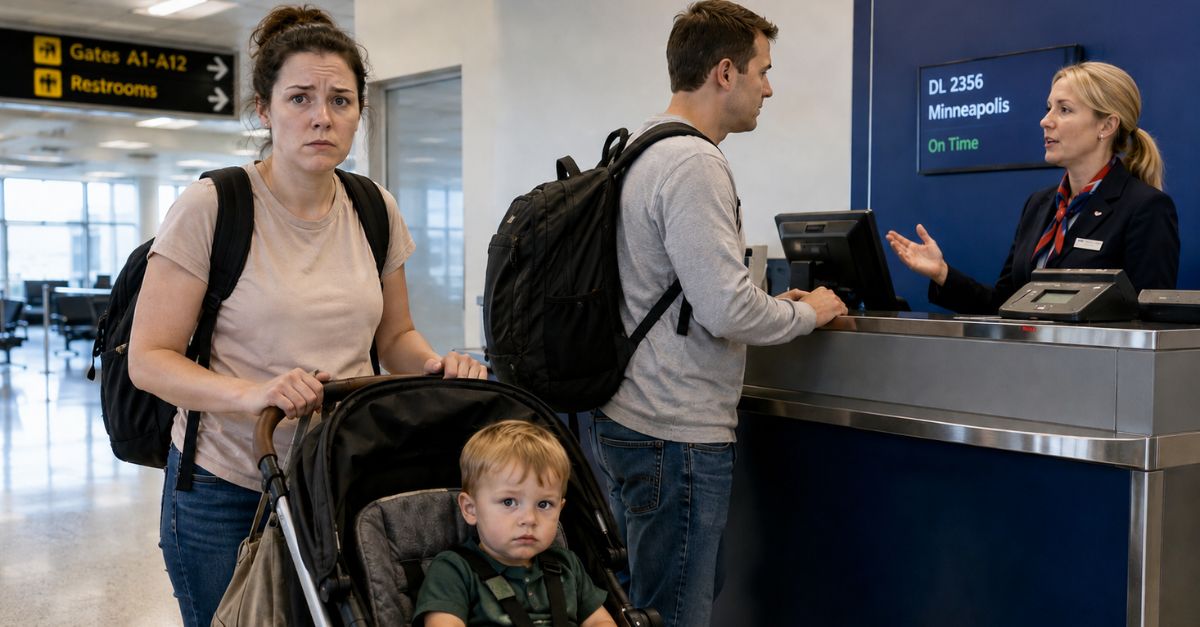
A Stroller Showdown At The Gate
Travelling with a toddler is bad enough, so few airport moments are more frustrating than being told your stroller cannot be gate-checked. Parents are left balancing a child, bags, boarding passes, and a rule they may not have seen coming. The problem usually comes down to this: Airlines allow strollers, but not every stroller can be checked at the gate or stored in the cabin.
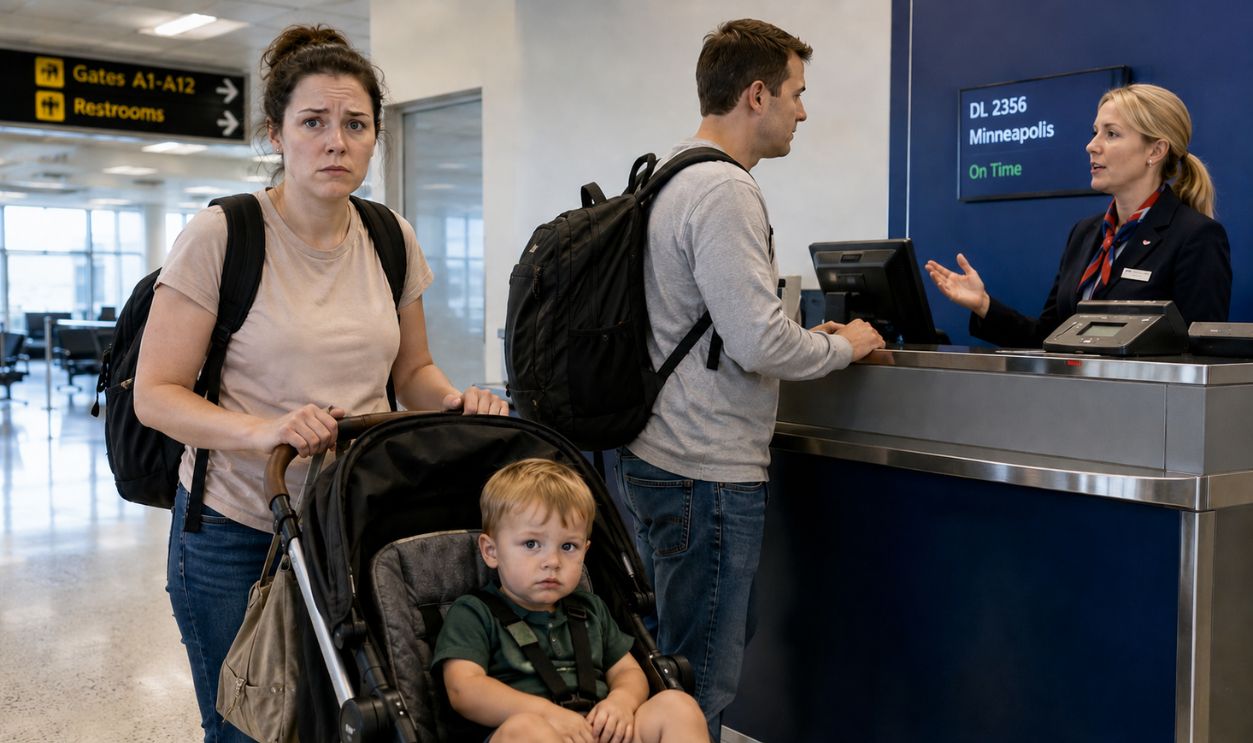
What Parents Think They Paid For
Many travelers assume a stroller will be handled the same way on every airline, especially if it worked on a previous trip. That assumption can fall apart fast because each carrier has its own rules on size, onboard storage, and gate-checking. That is how families end up stuck at the end of the jet bridge with no easy fix.
The Problem In Plain English
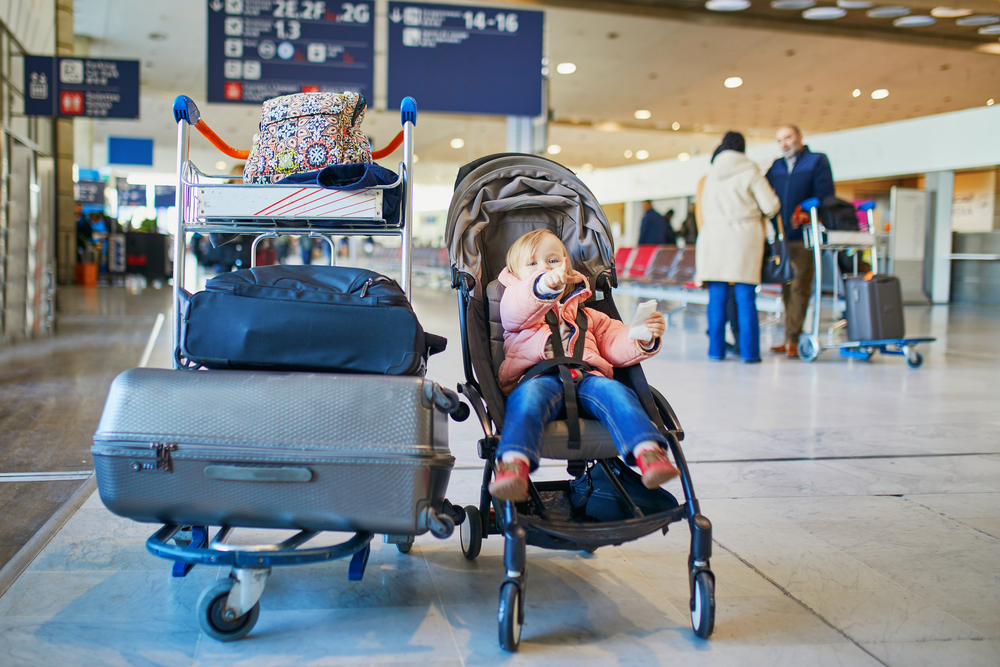
The most common issue happens when a stroller lands in the middle. It is too big to count as a carry-on stroller, but the airline also limits what it will accept at the gate. When that happens, staff may tell the parent to go back to the ticket counter or baggage check, which is a rough ask when boarding has already started.
 Ekaterina Pokrovsky, Shutterstock
What The Big U.S. Airlines Actually Say
American, Delta, United, Southwest, and JetBlue all allow strollers in some form, but the rules are not the same. Some clearly allow gate-checking, while others add conditions based on size or folding ability. So the answer to “what was I supposed to do?” often depends on the airline’s own policy.
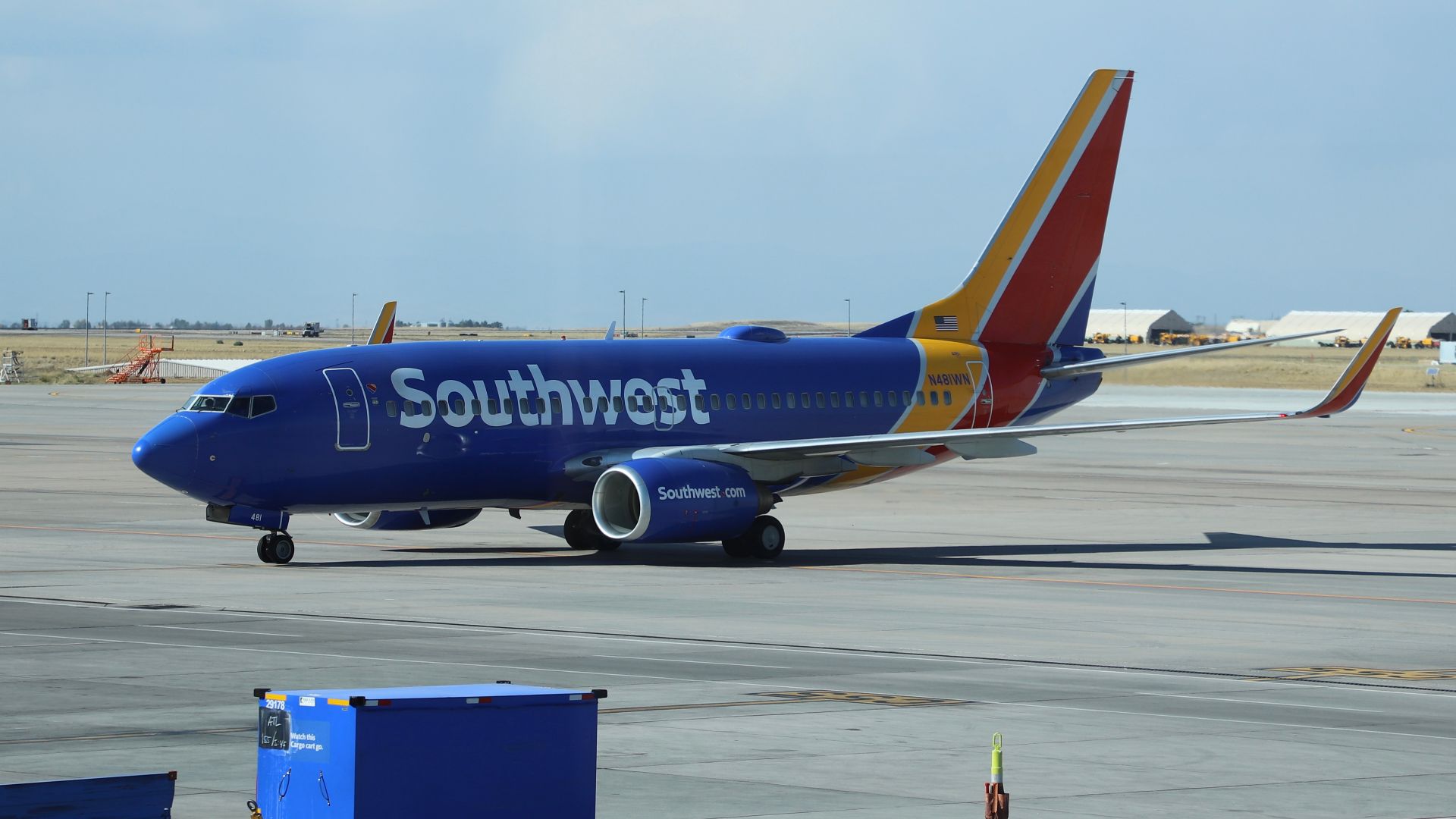
American Airlines Draws A Clear Line
American Airlines says each ticketed customer may check one stroller and one car seat for free. But it also says only small strollers, defined as up to 20 pounds, may be checked at the gate. Larger, non-collapsible, or heavier strollers must be checked at the ticket counter.
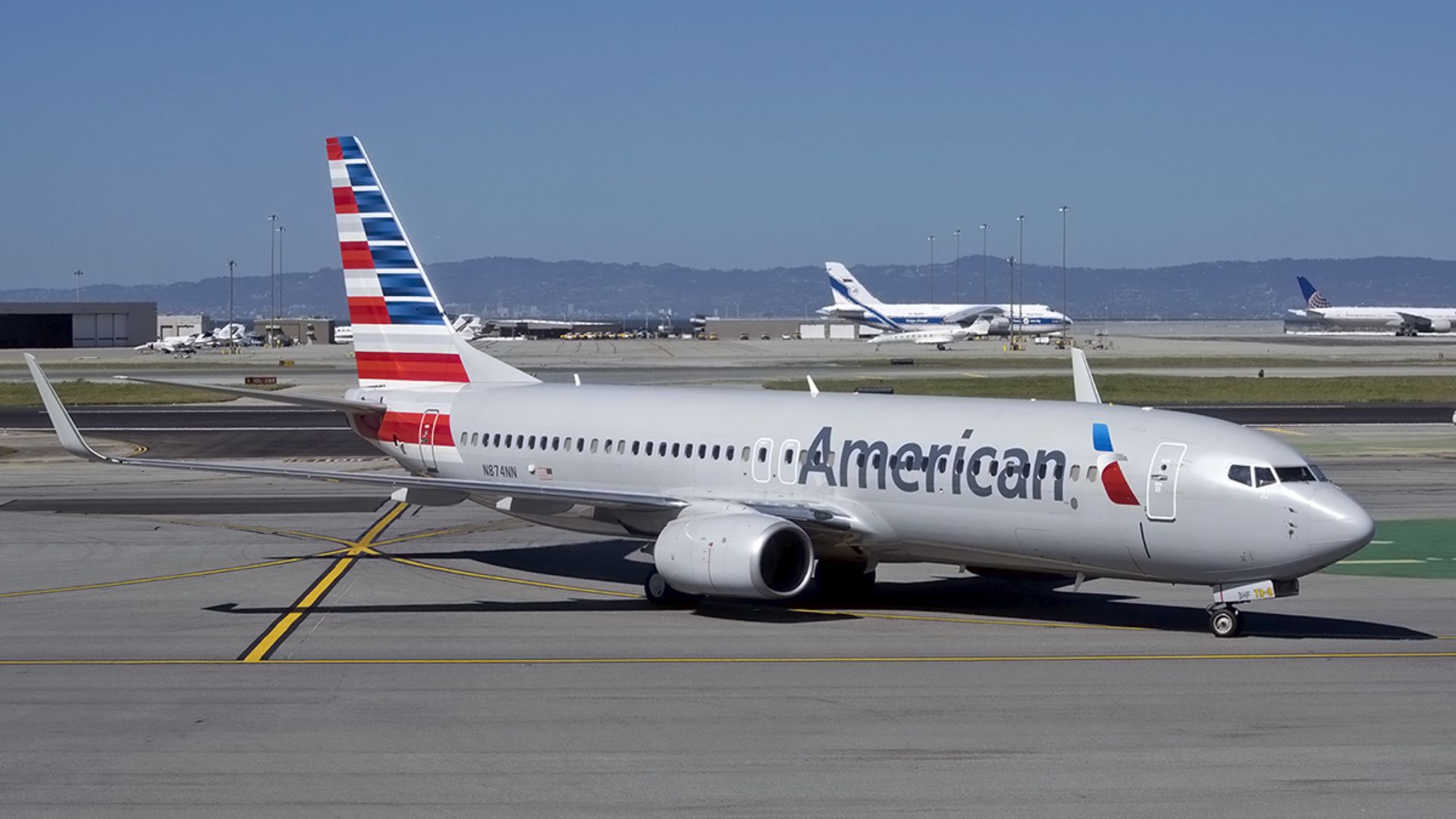 Richard Silagi, Wikimedia Commons
Why That Difference Matters
If a parent reaches the gate with a stroller that is over American’s gate-check limit, gate agents have a policy-based reason to reject it there. At the same time, that stroller probably will not be allowed in the cabin unless it fits normal carry-on rules and available storage space. That is how passengers can hear two answers that sound contradictory but both come straight from policy.
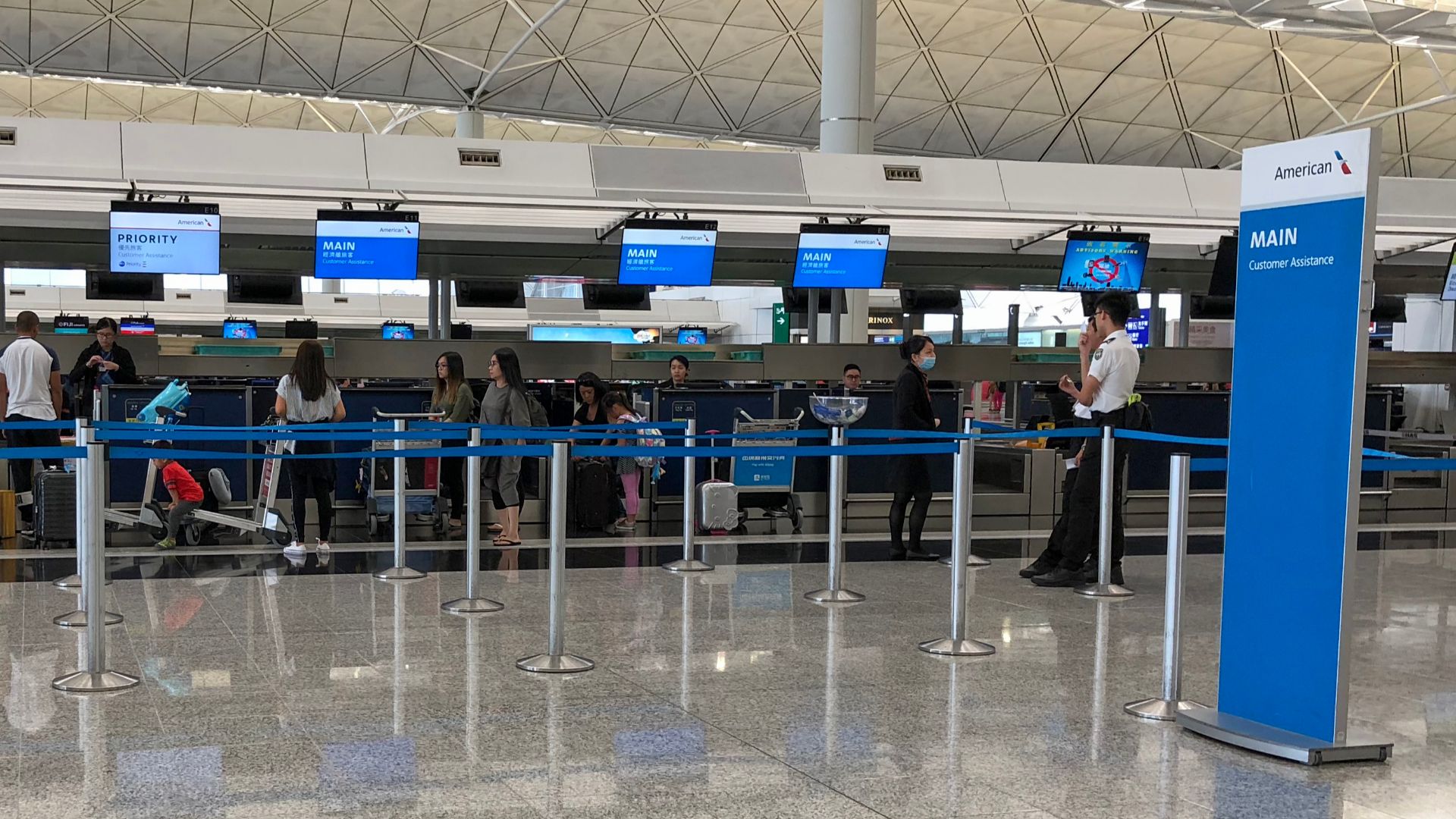
Delta Has Rules Too
Delta says strollers and child restraint seats do not count toward a passenger’s standard baggage allowance. The airline says these items can be checked for free at the curb, ticket counter, or gate. But Delta also says that if a large or non-collapsible stroller is checked at the gate, it must be picked up at baggage claim at the destination instead of at the aircraft door.
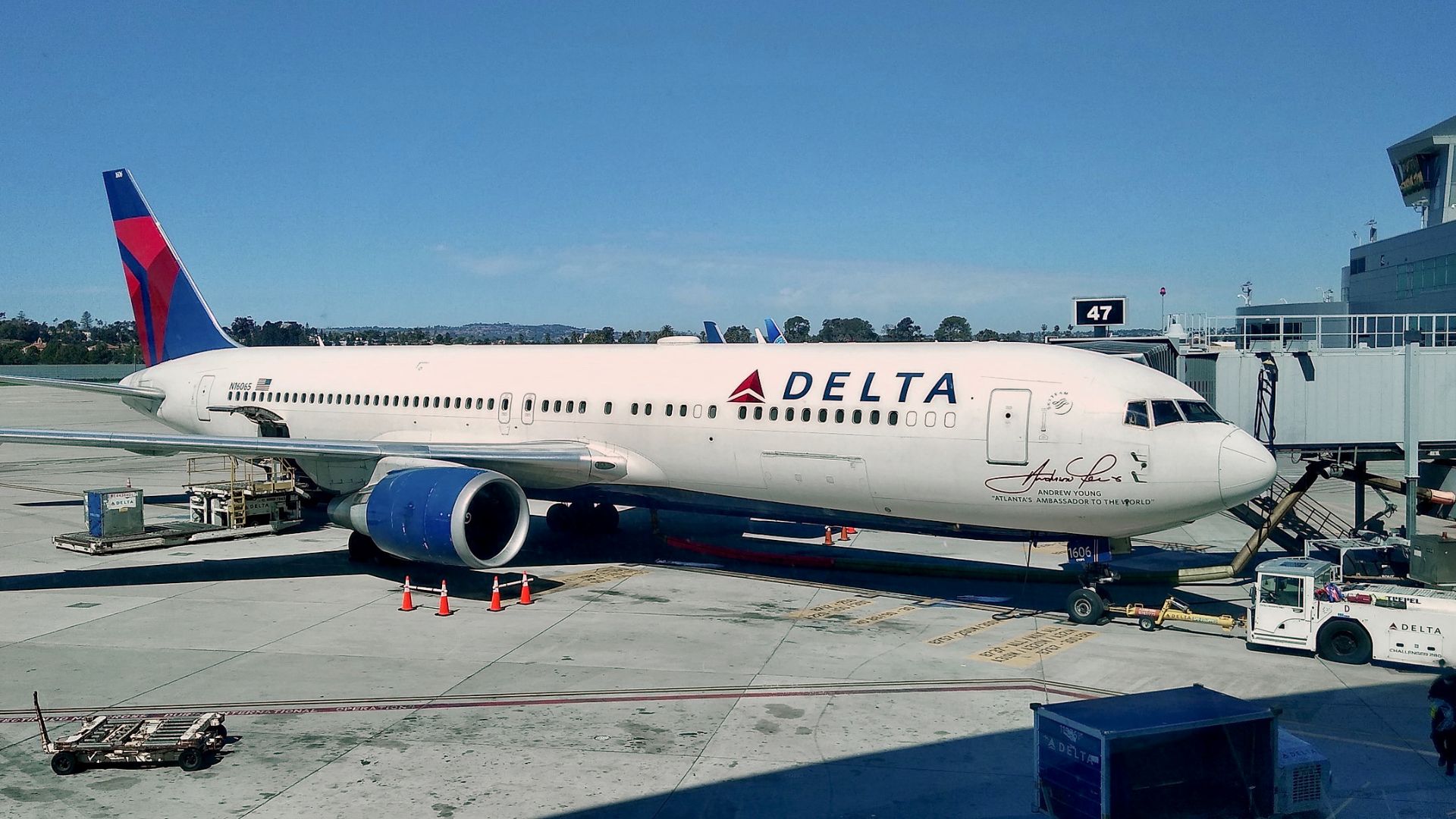
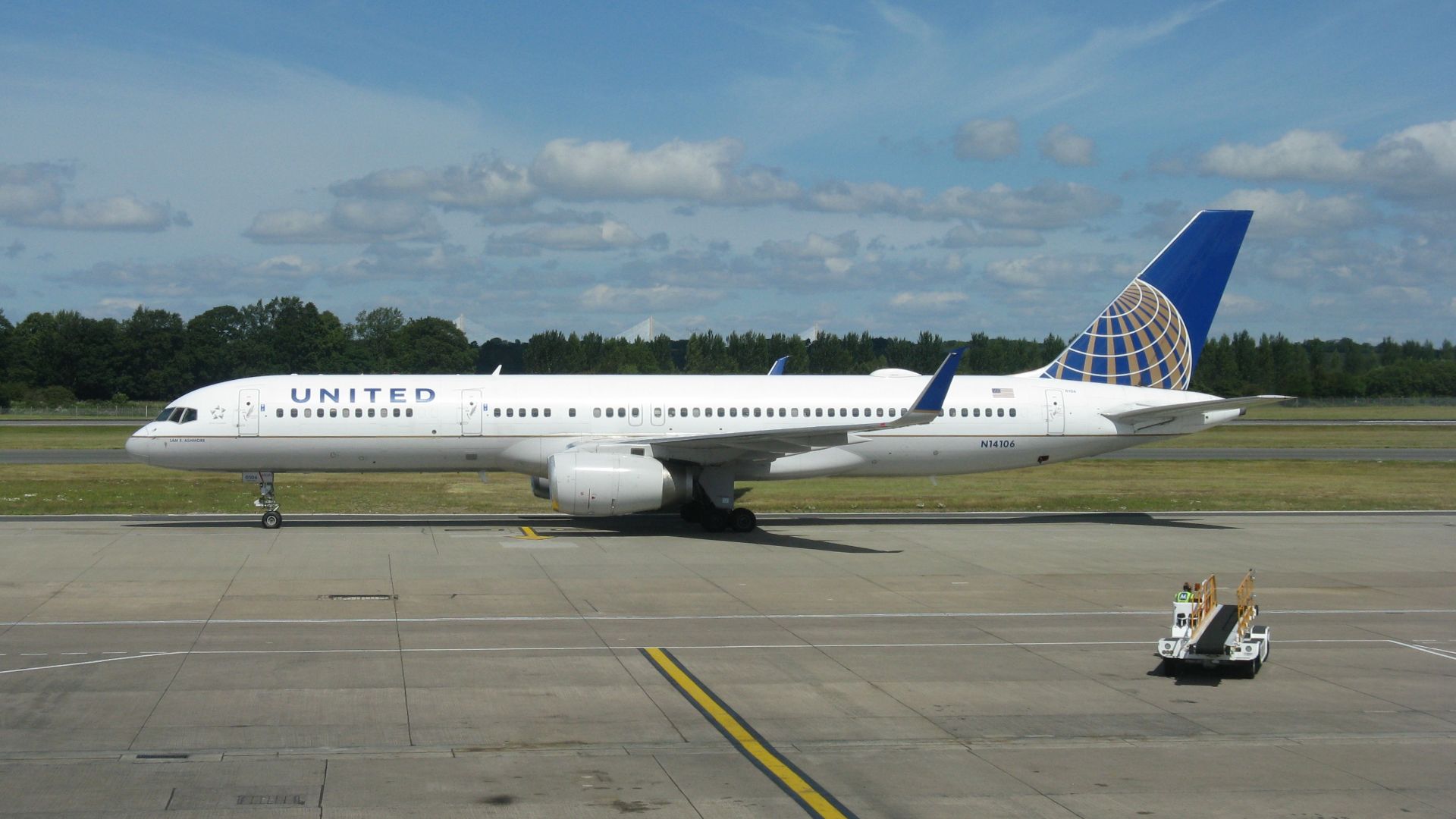
United Allows Gate-Checking With Limits
United says customers can bring a stroller, wagon, car seat, or child safety harness in addition to their normal carry-on allowance. It says these items can be checked at the gate for free, but folding wagons and similar large items may need to be checked at the ticket counter. United also says large, collapsible strollers can usually be checked only at the ticket counter.
 M J Richardson , Wikimedia Commons
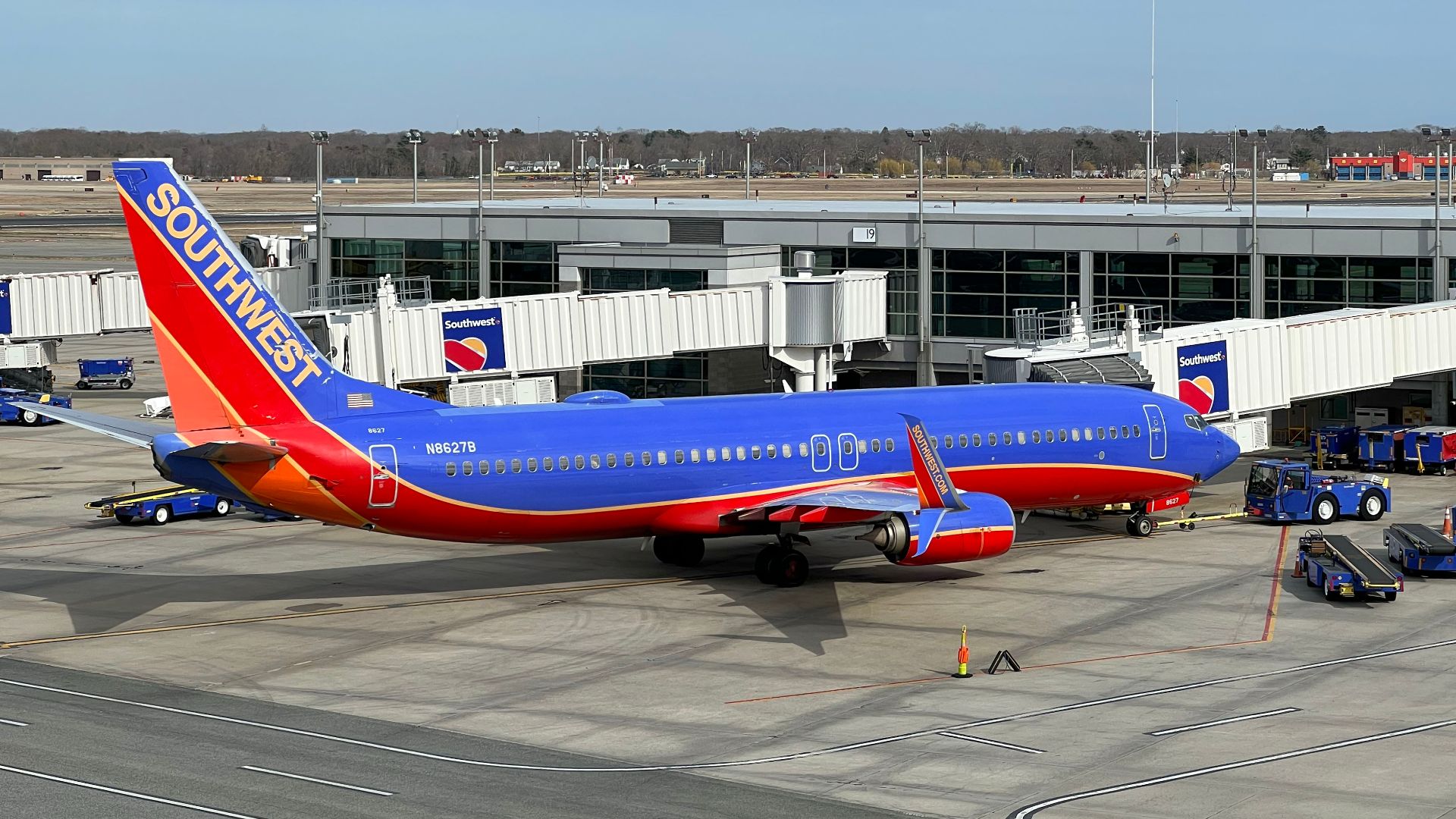
Southwest Keeps It More Straightforward
Southwest says customers traveling with a child may check one stroller and one child restraint system at no charge. The airline also says these items may be checked at the curb, ticket counter, or gate. Still, real-world limits apply because a stroller that is too large for cabin dimensions will not become an onboard item just because you brought it to the gate.
 Quintin Soloviev, Wikimedia Commons
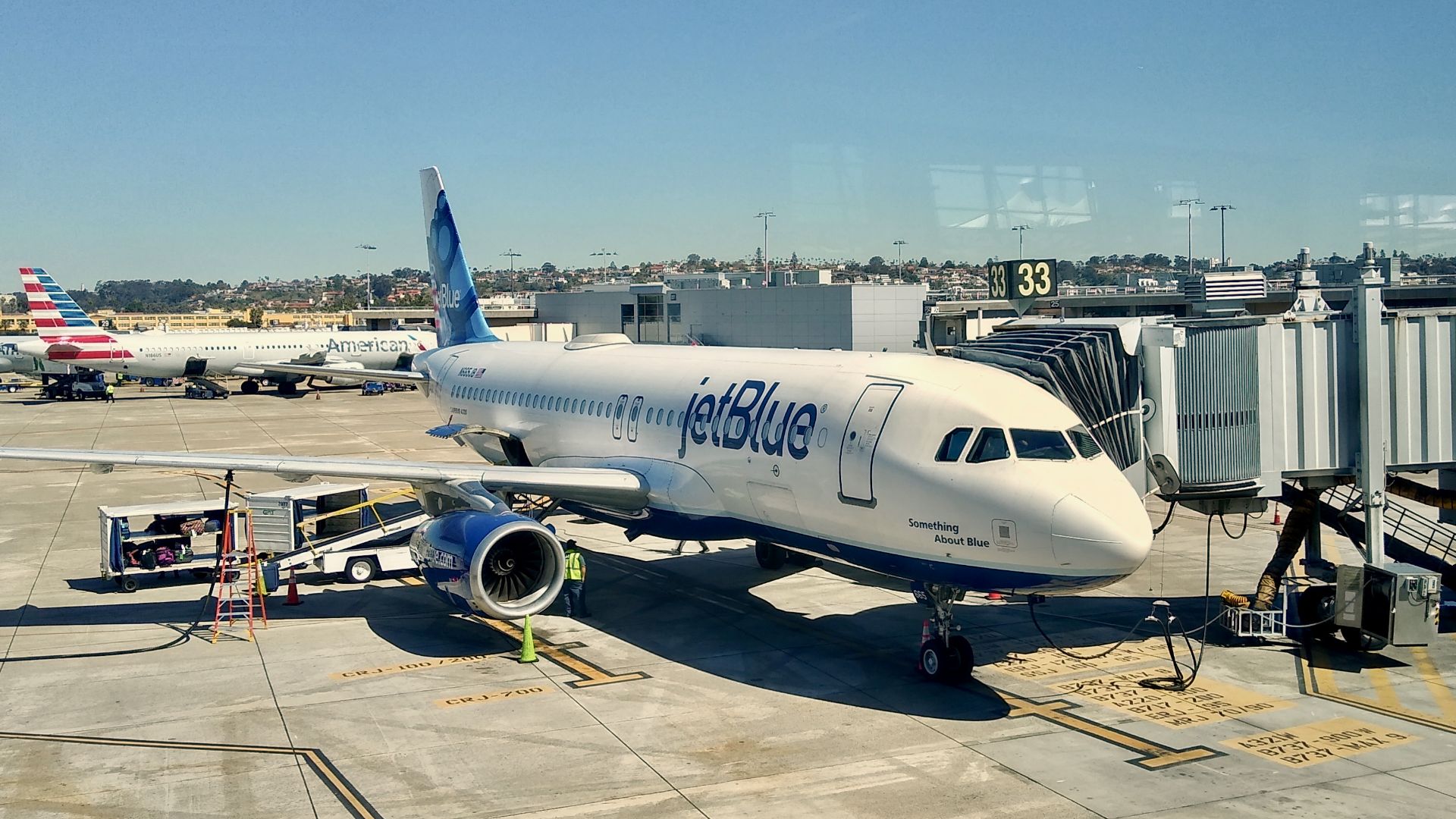
JetBlue Allows Strollers, But Space Is Space
JetBlue says one stroller, car seat, or booster seat may be checked at the ticket counter or gate at no extra cost. For onboard use, the airline says strollers count as carry-on items and must fit in the overhead bin or under the seat. If they do not fit, they cannot travel in the cabin.
The FAA Adds Another Rule
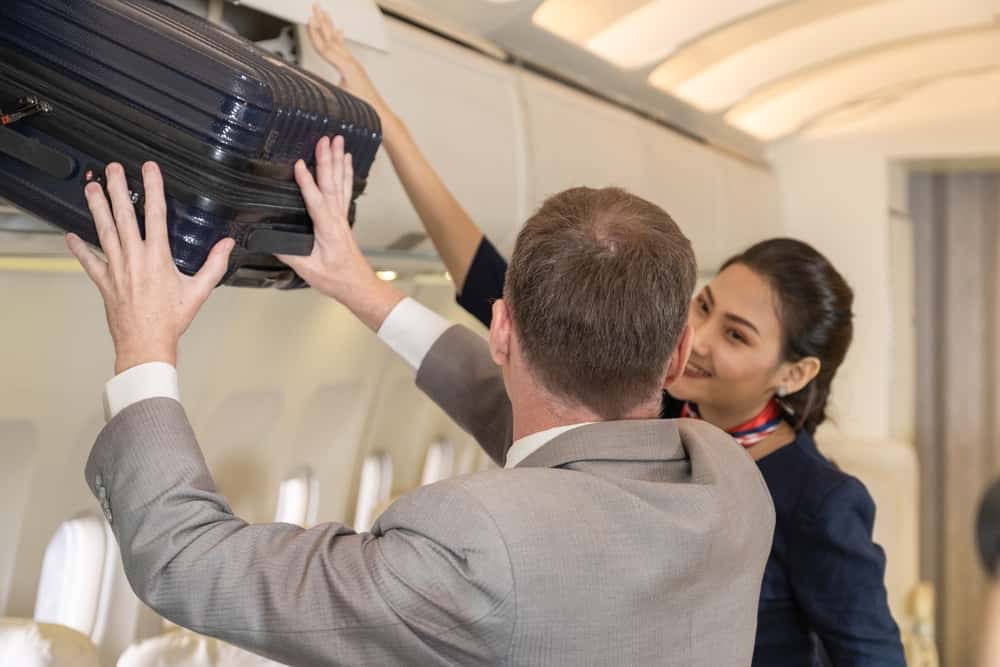
The Federal Aviation Administration does not write stroller policies for each airline, but it does require carry-on items to be stored safely. The FAA says carry-on baggage must be secured so it does not block aisles or create safety risks during taxi, takeoff, and landing. So even if a parent thinks a stroller is compact enough, the final call still depends on whether it can be stored in an approved space on that aircraft.
Why Gate Agents Sometimes Refuse
Gate agents are often dealing with two things at once: the airline’s written stroller rules and the actual limits of the plane. A stroller that looks compact in the terminal may still be too bulky for the bins or outside the airline’s gate-check rules. On top of that, tight turn times, limited staff, or small aircraft can make gate-checking more restricted than parents expect.
Regional Jets Cause A Lot Of Trouble
Smaller aircraft are often where the biggest surprises happen. Regional jets usually have tighter overhead bins and less storage space than larger planes. That means a stroller that worked on one leg of the trip may suddenly not work on the next, especially if the second flight uses a smaller aircraft.
What “Gate-Check” Really Means
Many travelers hear “gate-check” and assume the stroller will be waiting for them as soon as they step off the plane. That is not always how it works. Some airlines say larger gate-checked strollers may be sent to baggage claim instead of the aircraft door, which can be a nasty surprise during a connection or after a long flight.
The Best Warning Sign Is In The Fine Print
American’s current policy is especially specific because it lists a 20-pound limit for small strollers that qualify for gate check. Delta and United also make clear that larger or non-collapsible models may be handled differently. If your stroller is heavy, rigid, or closer to a full travel system than a compact umbrella stroller, that is your cue to check the rules before flying.
So What Were You Supposed To Do
Strictly speaking, the airline expects parents with bigger strollers to check them earlier if they do not qualify for gate-checking or cabin storage. That can mean checking the stroller at the ticket counter before security or at bag drop if the airline allows it. It is inconvenient, but in many cases that is exactly what the written policy calls for.
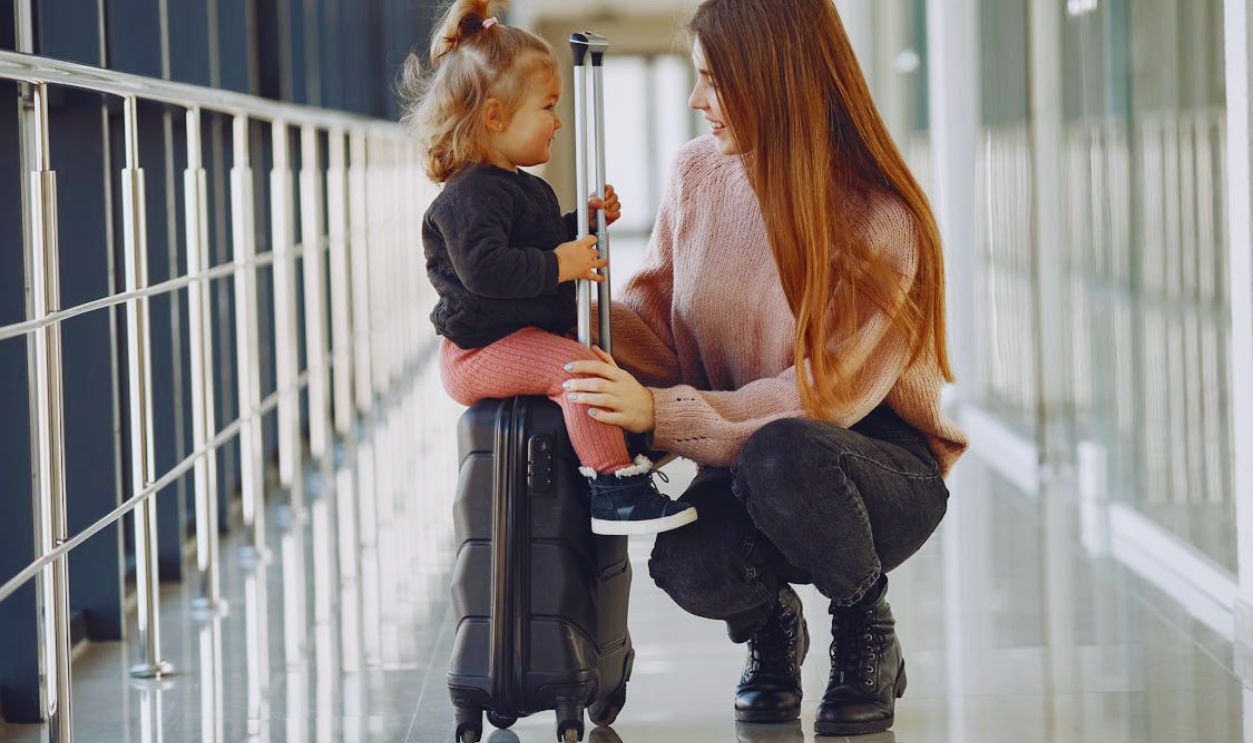
Why It Feels So Ridiculous
Parents often need a stroller all the way to the gate, especially with infants, toddlers, naps, and long airport walks. Being told to turn around and check it is not just irritating. In practical terms, it may be nearly impossible once you are through security or boarding has begun.
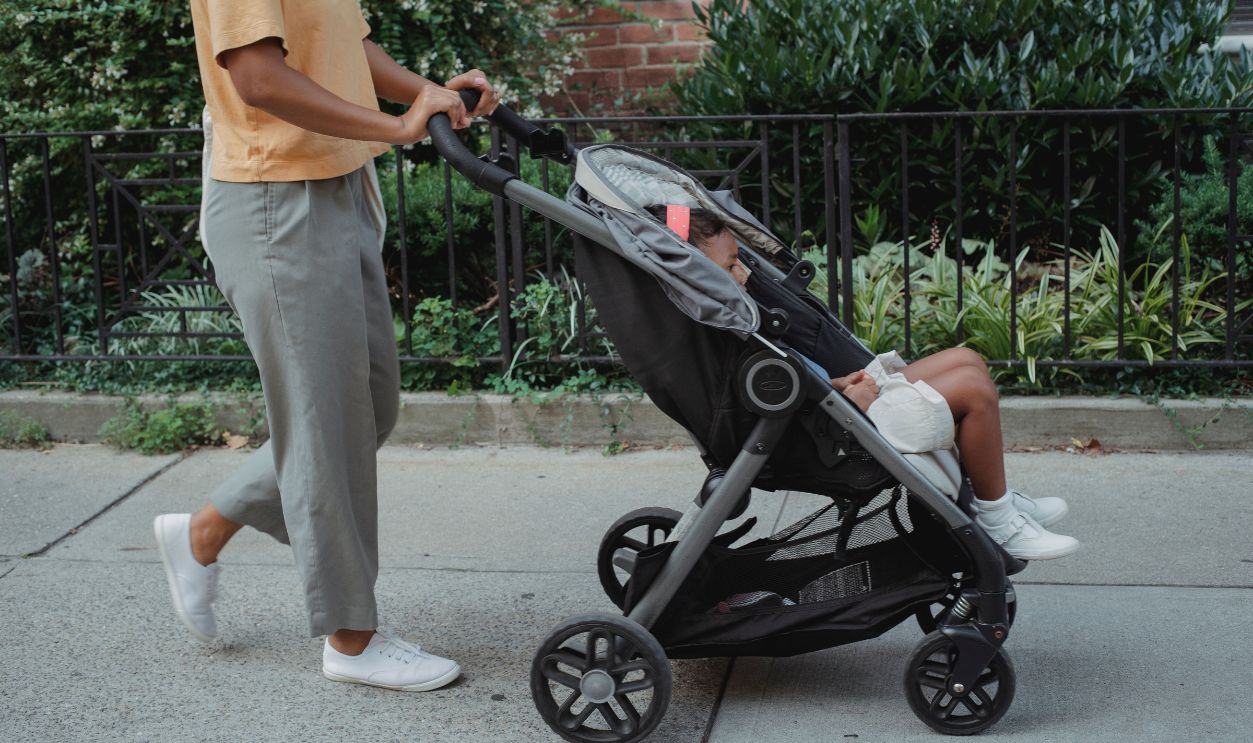
The Smart Move Before You Leave Home
Measure your stroller when folded and weigh it if the airline posts a weight limit. Then compare those details with the specific airline’s stroller and carry-on pages, not just a general family travel page. It also helps to save screenshots in case you need to show what the airline’s policy said on the day you traveled.
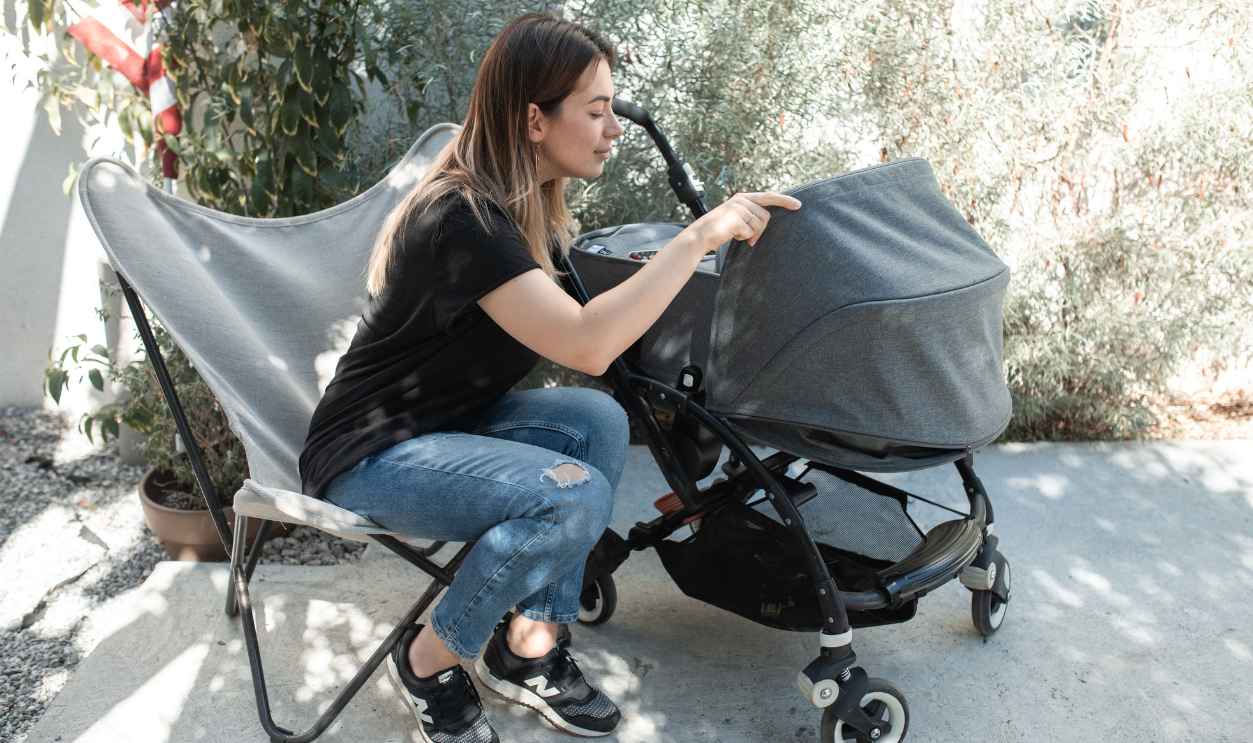
Ask One Very Specific Question
Do not just ask whether a stroller is allowed. Ask whether your exact stroller model can be gate-checked on every part of your trip, including regional flights run by partner airlines. That wording matters because the answer can change based on aircraft type, route, and whether the stroller folds down.

Cabin Strollers Still Have To Count As Carry-Ons
If you plan to bring a stroller onboard, think of it as a carry-on bag on wheels. JetBlue says an onboard stroller must fit in the overhead bin or under the seat. Other airlines may phrase it differently, but the same basic limit applies everywhere: if it does not fit safely, it does not fly in the cabin.
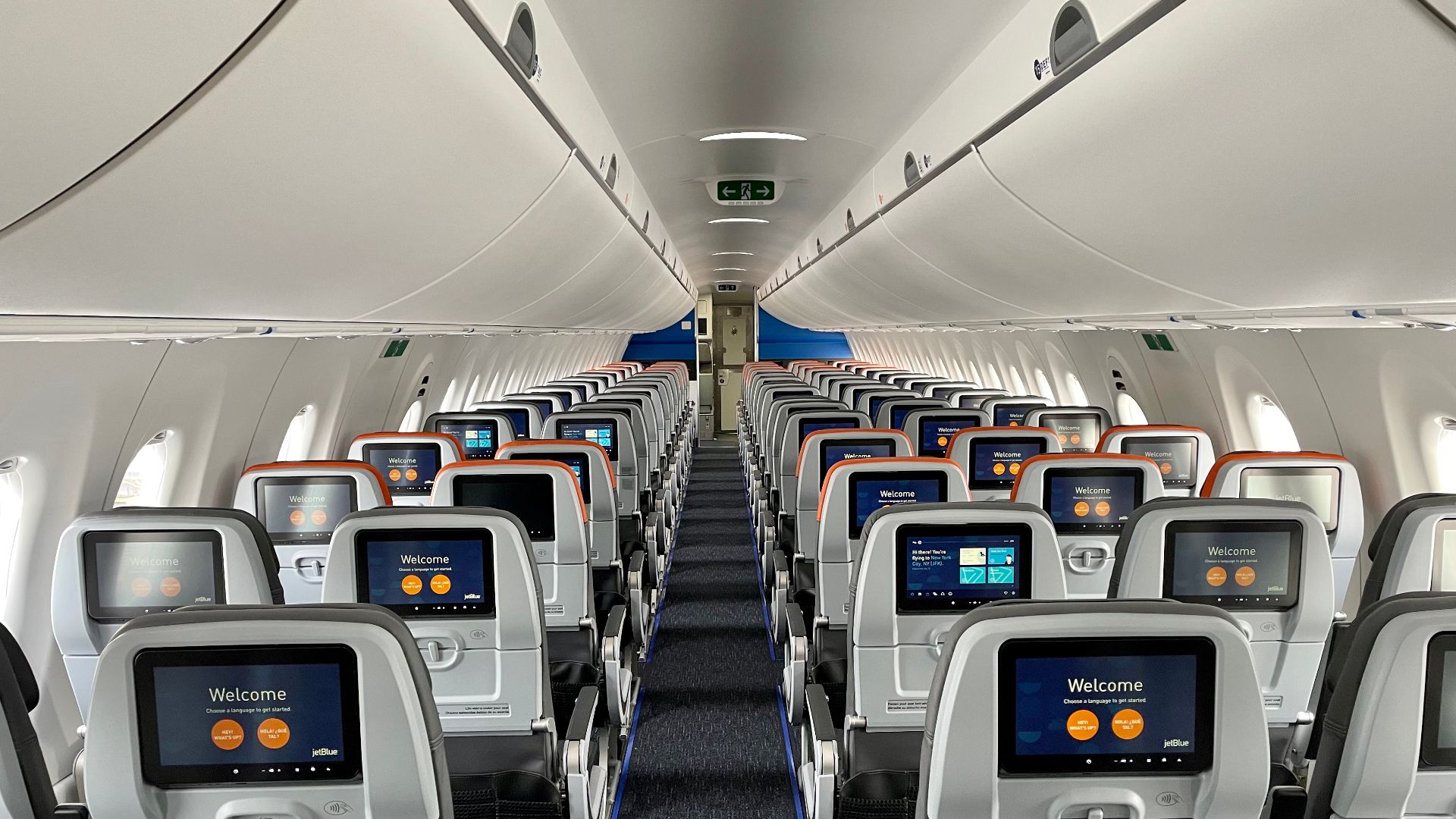
When A Travel Stroller Makes All The Difference
Compact folding strollers exist for exactly this kind of airport problem. A model that folds small enough to meet carry-on dimensions or gate-check limits can lower the chances of a last-minute dispute. It will not override every airline rule, but it gives families much more flexibility than a full-size travel system.
If You Need The Stroller Until Boarding
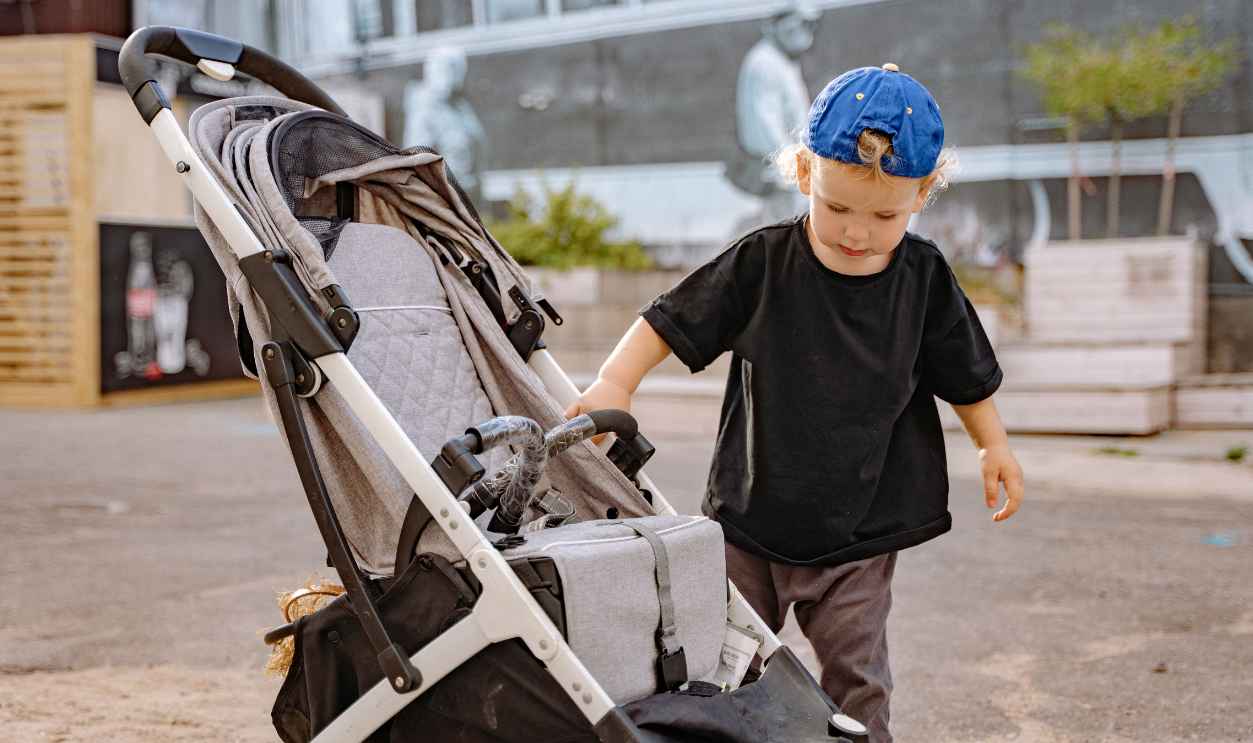
Call the airline ahead of time and ask for a note to be added to your reservation, then confirm again at check-in. A note is not a guarantee, but it can help cut down on confusion at the gate. Showing up early also gives you time to check the stroller at the counter if staff tell you your original plan will not work.
What To Do If You Are Denied At The Gate
Stay calm and ask the agent which specific rule applies, including whether the issue is size, weight, or aircraft limits. Ask what immediate option the airline can offer and where the stroller will be returned at your destination. If you think the policy is being applied incorrectly, politely show the airline’s own webpage or ask for a supervisor.
It Is Also Worth Protecting The Stroller
Even when checking it is free, damage is still a risk. A stroller travel bag and the removal of loose accessories can help reduce that risk. If the stroller is damaged, report it to the airline before leaving the airport and take photos right away.
 Frame Stock Footage, Shutterstock
Why This Keeps Happening
The airline industry loves broad promises about family-friendly travel, but the actual rules are often split across baggage pages, infant travel pages, and carry-on rules. That leaves families trying to sort out exceptions while standing in line with a tired child. Until policies are clearer and more consistent, parents will keep getting stuck in the gap between “allowed” and “allowed how.”

The Bottom Line For Parents
If an airline refused to gate-check your stroller and also said it was too large for the cabin, the most likely answer is that the stroller should have been checked earlier under that airline’s rules. That does not make the experience reasonable, but it is often how the policy is written. The safest move is to check the rules for your exact stroller, on your exact airline, on your exact aircraft, before you head to the airport.