That Gate Check Tag Can Change Everything
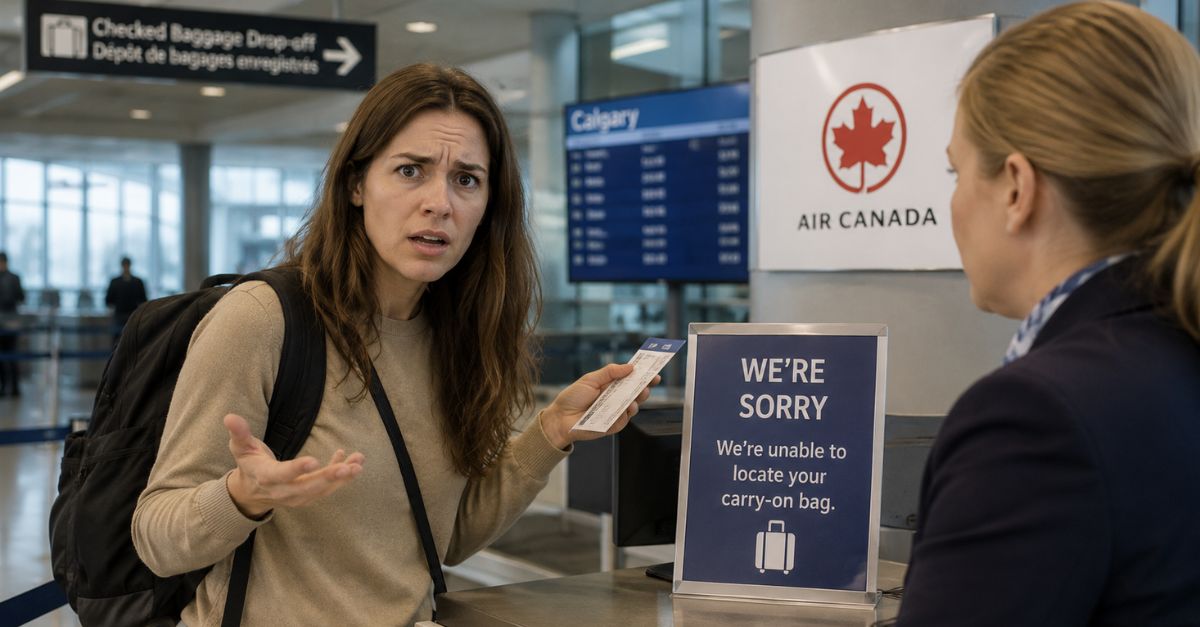
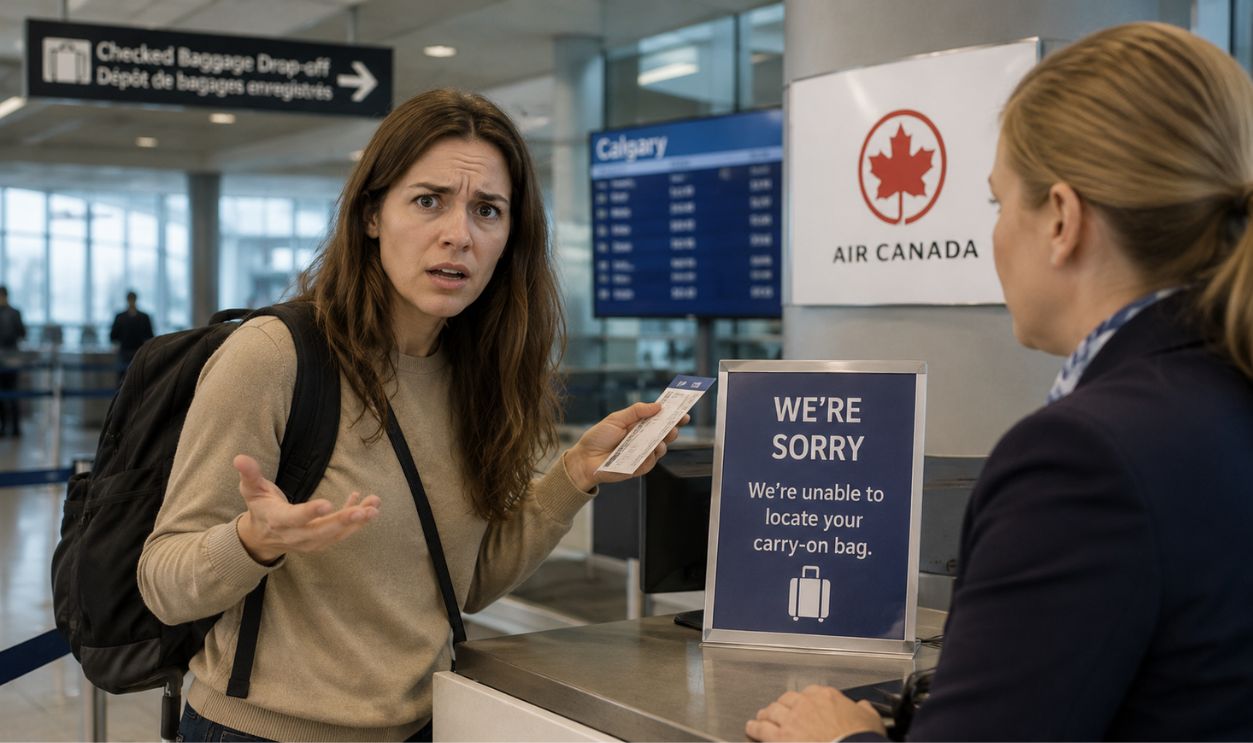
You packed your carry-on carefully with everything you'd need, it got through security—then right before you get on the play they say the bins are full and your bag had to be checked. When that bag goes missing, it's natural to wonder what exactly happens to last-second checked bags.
They obviously have a different protocol—so is that what the problem was?
The Short Answer
Usually, no. Once an airline takes your bag and checks it into the system, it is generally treated as checked baggage for liability purposes. That means the same domestic or international compensation rules usually apply, no matter how frustrating your experience was. But that doesn't mean there's nothing you can do.

Why It Feels Different
A lot of travelers think a gate-checked carry-on should get special treatment because they never wanted to hand it over in the first place. That makes sense. But the key issue is not whether you agreed to it. The key issue is whether the airline accepted the bag as checked baggage.

What The Transportation Department Says
The U.S. Department of Transportation says airlines are responsible for compensating passengers if checked baggage is lost, damaged, or delayed on domestic flights, up to federal liability limits. The agency also says airlines must refund any checked bag fee if a bag is lost. Those rules turn on the bag’s checked status, not on whether you planned to carry it on.

The Domestic Compensation Cap
For domestic U.S. flights, the DOT says airlines can cap liability for lost, delayed, or damaged baggage at a maximum set by federal rule. That amount is currently up to $4,700 per passenger on flights covered by U.S. domestic baggage rules. A gate-checked bag that disappears will usually fall under that same setup.

International Trips Follow Different Rules
International trips often fall under the Montreal Convention, a treaty that governs airline liability in many countries, including the United States. Under that system, baggage liability is typically capped at 1,519 Special Drawing Rights for checked and unchecked baggage unless a higher value was declared and accepted. Since exchange rates move around, the dollar amount can change.

What Counts As A Gate-Checked Bag
A gate-checked bag is usually taken at the gate because the overhead bins are full or the bag does not meet cabin size rules. Some of these bags are returned planeside after landing, while others go to baggage claim. That detail can matter because it affects how the bag is tracked and where it is supposed to be returned.

The Key Question Is Custody
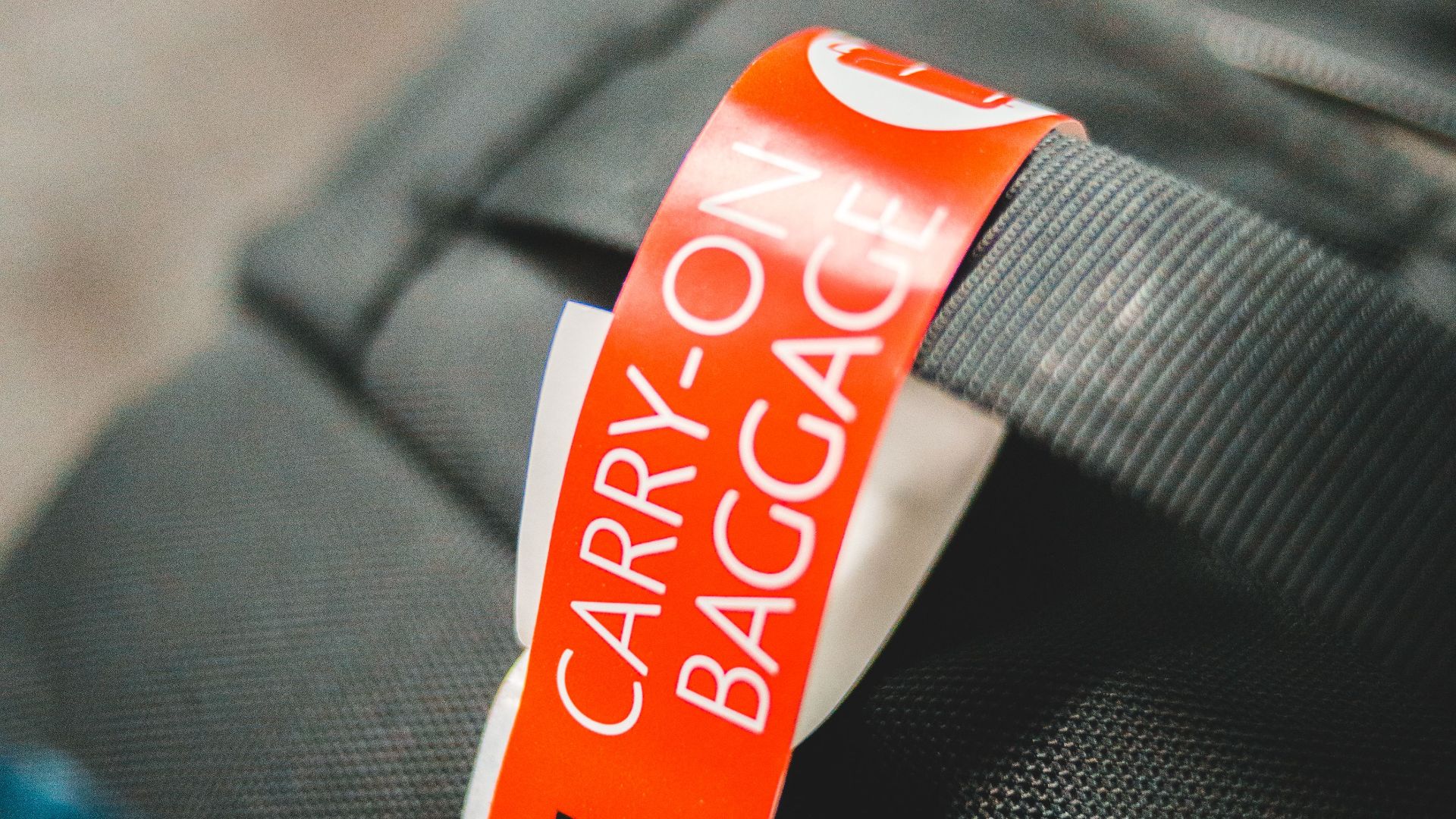
The most important moment is when the airline takes possession of your bag. Once it is tagged and accepted by airline staff, it usually becomes baggage in the carrier’s custody. That is when standard checked baggage liability rules generally kick in.
 Abdiel Hernandez Villegas, Pexels
Receipts Matter More Than Most People Think
If your forced checked carry-on goes missing, paperwork matters fast. Keep the bag tag, boarding pass, and any photos of the bag and its contents. The DOT advises passengers to file a claim with the airline promptly, and those records can help a lot.

There Is One Big Catch With Valuables
This is where many travelers run into trouble. Airlines often exclude or limit liability for fragile, valuable, or perishable items in checked baggage under their contracts of carriage. So if you were forced to check a carry-on with jewelry, electronics, cameras, or important documents inside, the airline may still say those items should not have been packed there.

Airlines Spell This Out In Their Contracts
Major U.S. airlines publish contracts of carriage that explain baggage liability and excluded items. American Airlines, Delta Air Lines, and United Airlines all list categories of valuables they tell passengers not to place in checked luggage. A forced gate check usually does not wipe away those exclusions.

American Airlines Has Specific Limits And Exclusions
American Airlines’ conditions of carriage say the airline assumes limited liability for checked bags and lists items for which it does not accept liability, including certain valuables and fragile goods. The airline also draws lines between standard checked baggage handling and bags accepted under certain conditions. In practical terms, a gate-checked carry-on may still be judged under the same exclusions that apply to any other checked suitcase.

Delta Uses Similar Fine Print
Delta’s contract of carriage also lays out liability limits and lists excluded items such as money, jewelry, electronics, and other valuables. So if a laptop is inside a carry-on you meant to keep with you but had to check at the gate, things can get messy if the bag is later lost. The compensation rules may still apply, but the contents can become the real fight.
 Jaromir Chalabala, Shutterstock
United Warns Passengers Too
United’s contract of carriage includes similar language on liability limits and categories of items for which the airline may deny responsibility. That is standard across the industry. It is also why frequent flyers often move medications, passports, and expensive electronics into a smaller personal item if a gate check looks likely.
 Ekaterina Pokrovsky, Shutterstock
When A Fee Refund Is Required
If you paid to check a bag and the airline loses it on a U.S. domestic trip, the DOT says the checked bag fee must be refunded. Gate-checked carry-ons are often checked at no extra charge, so there may be no fee to refund. Even so, your basic baggage claim rights can still apply.
 Monkey Business Images, Shuttestock
Delayed Is Not The Same As Lost
Airlines do not always call a bag lost right away. At first, it may be treated as delayed while the airline tries to locate and return it. The DOT says passengers can be entitled to compensation for reasonable, verifiable, and actual incidental expenses during that delay, subject to the same liability limits.

The Timing Of Your Claim Matters
Airlines often have deadlines for reporting missing baggage and filing claims, and international travel can bring treaty-based deadlines too. The smartest move is to report the problem before leaving the airport if you can. Ask for a written report, often called a Property Irregularity Report, and keep a copy.

International Trips Add Another Layer
Under the Montreal Convention, passengers usually must complain in writing within set time periods for damaged or delayed baggage claims, and lawsuits also have filing deadlines. The treaty does not create a special exception for forced gate checks. It focuses on whether the carrier had control of the bag and what kind of loss happened.

Planeside Return Can Complicate Things
Some regional jets require passengers to hand over larger carry-ons at the aircraft door for planeside pickup after landing. If that bag does not show up at the jet bridge, confusion starts quickly because you may not know whether the bag was treated like valet luggage or sent into the regular baggage system. In that moment, it is especially important to get an airline employee to document what happened.
Photos Can Help Later
A quick photo of your bag before handing it over can be surprisingly useful. It helps show the bag’s condition, size, and identifying features. If there is a dispute over damage or even whether the bag was handed over at all, those images can strengthen your claim.

What To Do At The Airport Right Away
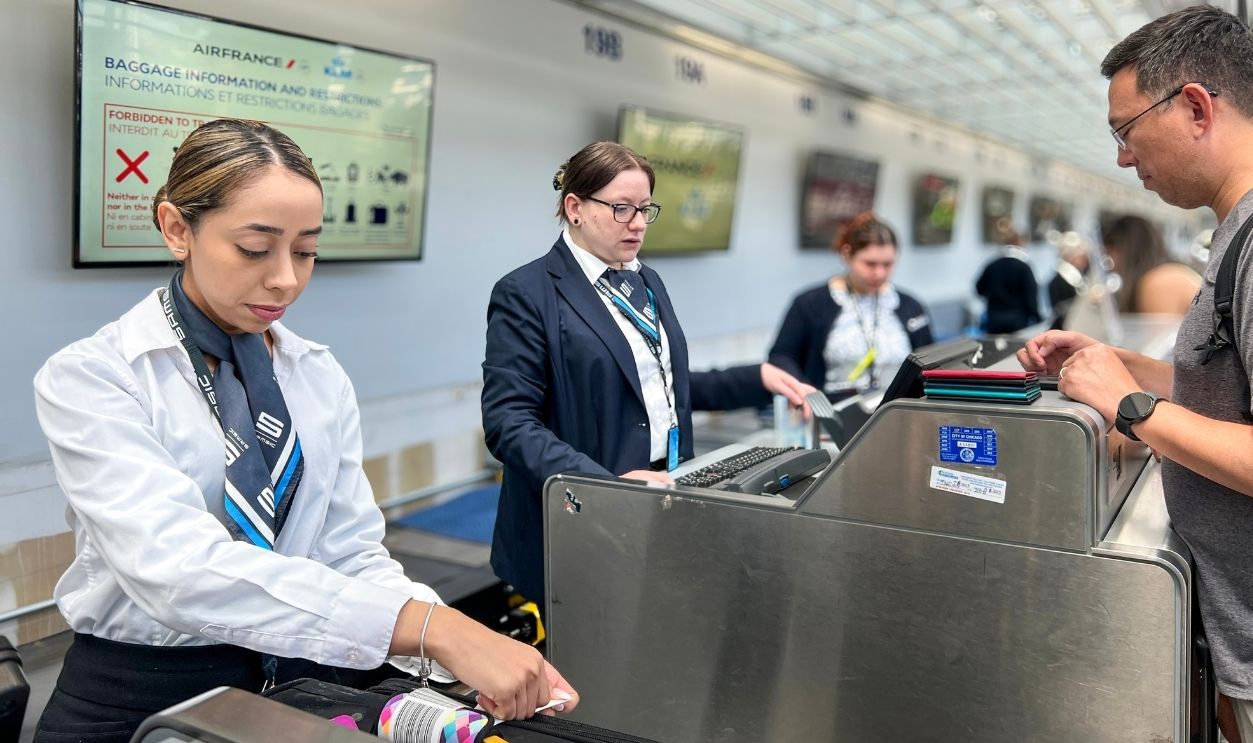
If your bag is missing, go to the airline’s baggage service desk before leaving the secure area or terminal if possible. File a report right away and ask for the claim number, direct contact details, and written instructions for reimbursement requests. Waiting until the next day can make a simple claim much harder.
 Frame Stock Footage, Shutterstock
What To Put In Your Claim
Your written claim should include your itinerary, bag tag number, receipts if you have them, and a clear list of the missing contents. Do not inflate values. Airlines may ask for proof, and exaggerated claims can backfire. Stick to accurate, documented losses and reasonable incidental purchases.
Credit Cards And Travel Insurance May Help
If the airline payout does not cover everything, your credit card or travel insurance policy may help. Benefits vary a lot, and some plans cover delayed baggage essentials or lost luggage after airline compensation runs out. That backup can be especially useful if your forced checked carry-on held items the airline excludes.

Prevention Starts Before Boarding
If overhead bin space looks tight, move essentials into your personal item before the final boarding call. Medications, IDs, keys, chargers, and anything expensive should stay with you whenever possible. That quick shuffle before boarding can save a much bigger headache later.
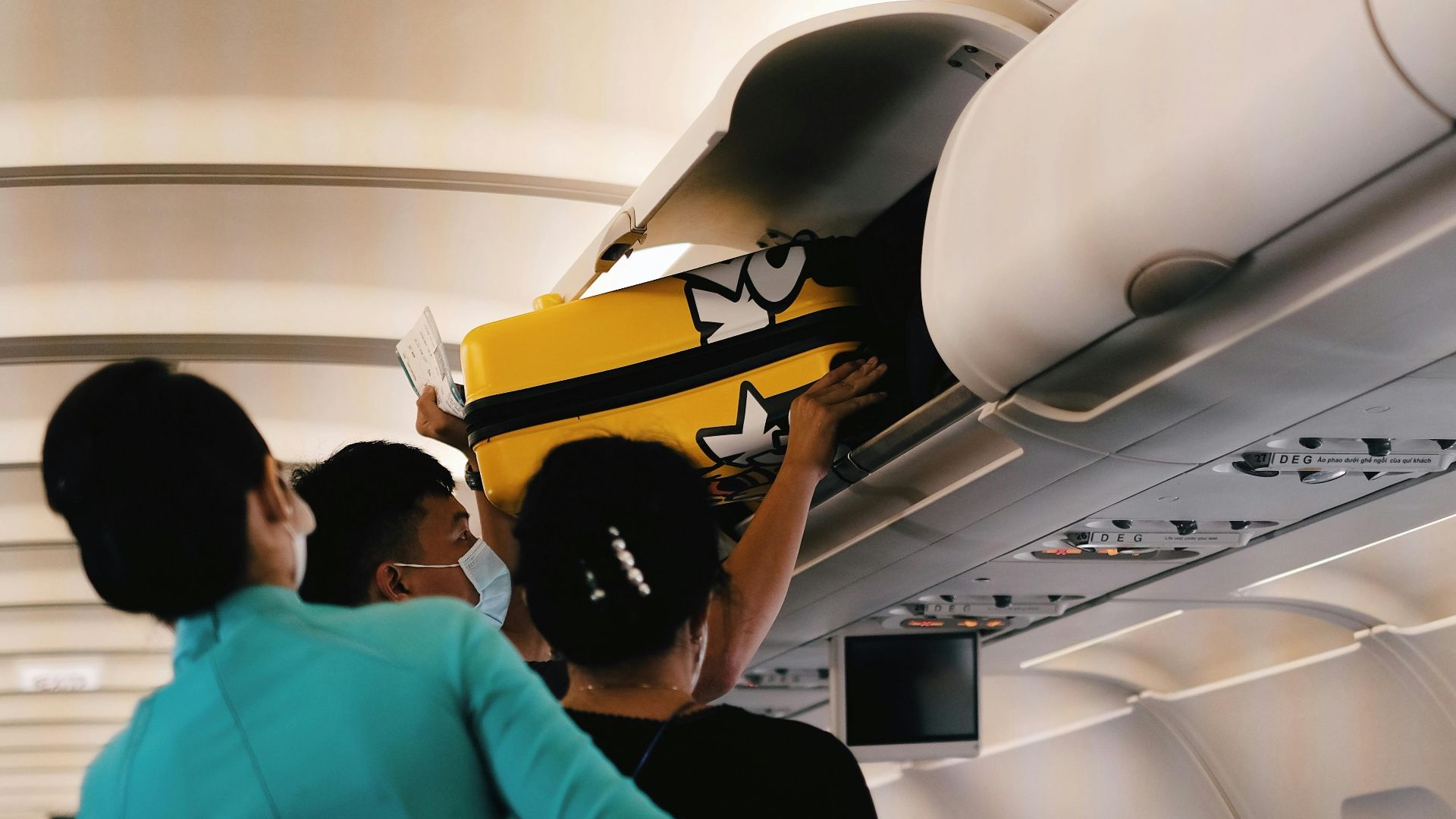
Do Gate-Checked Bags Ever Get Better Handling
Sometimes, yes, in practice. Bags taken at the gate may be loaded later and sometimes returned faster if they are tagged for planeside delivery. But that is an operational difference, not a separate legal protection that automatically gives you better compensation rights.
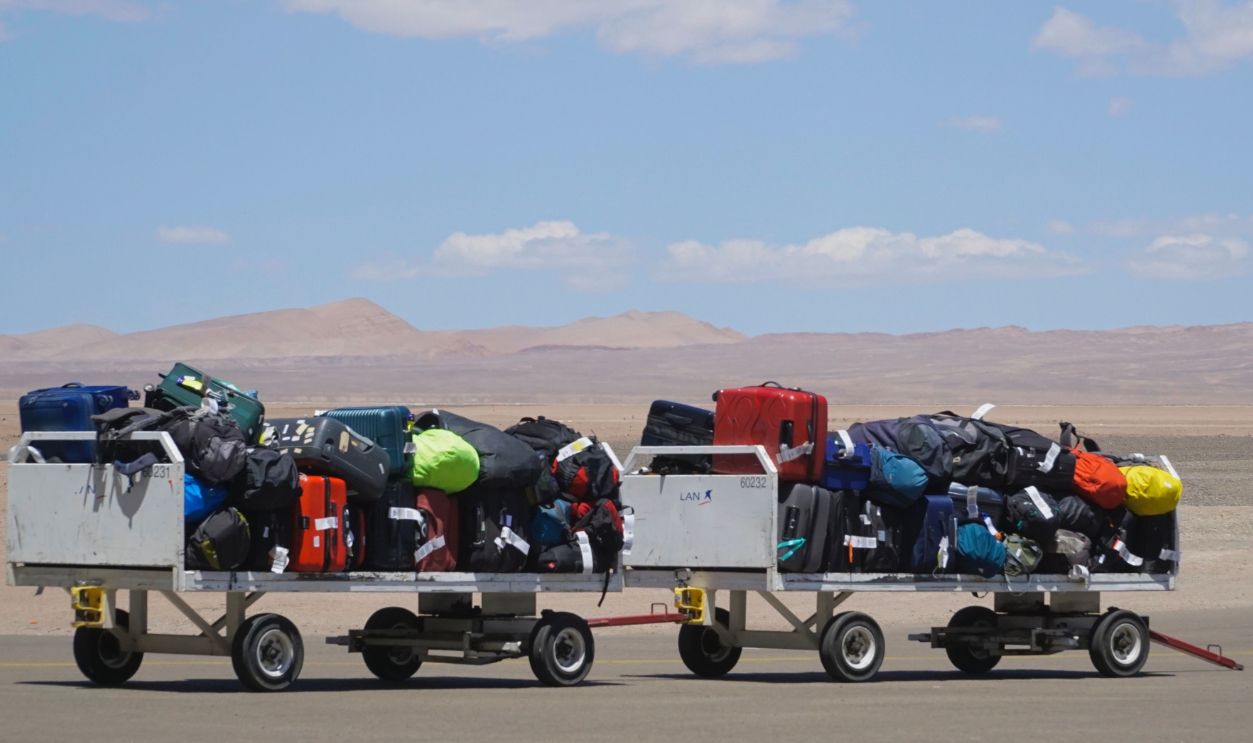
The Bottom Line
A forced checked carry-on usually does not create a special compensation category just because you did not want to check it. Once the airline accepts the bag, standard checked baggage rules generally apply, whether under DOT rules for domestic travel or the Montreal Convention for many international trips. The real issue is often not the bag itself, but whether the contents fall into categories airlines commonly exclude from liability.

How To Protect Yourself Next Time
If a gate check is unavoidable, you can still limit the damage. Keep valuables and essentials in a smaller item, photograph your bag, save every tag, and report problems immediately. Those simple steps can make a big difference if a forced checked bag disappears.
 PeopleImages.com - Yuri A, Shutterstock