The Trip You Bought Is Not The Trip You Got
You book a simple nonstop, pick your seats, and start picturing an easy arrival. Then the airline sends an email, and that clean itinerary has turned into two layovers and a much longer travel day. At that point, the question is obvious: when does a schedule change become a different trip?
 Mikhail Nilov, Pexels, Modified
Why This Keeps Happening
Airlines change schedules all the time after tickets are sold. Sometimes the change is minor, like a slightly different departure time or a new flight number. But when a nonstop turns into a trip with multiple connections, that is no small tweak. That is when airline policies and federal rules matter a lot more.

The Key Rule Travelers Should Know
The main federal protection comes from the U.S. Department of Transportation. The DOT says passengers are entitled to a refund if the airline cancels or significantly changes a flight and the passenger decides not to accept the alternative. That can apply even to nonrefundable tickets, based on the DOT’s Enforcement Notice first issued in April 2020 and still cited by the agency.

What Counts As A Significant Change
This is where things get a little murky. The DOT has said a significant change depends on the facts, including things like a departure or arrival time shift, added connections, a change in airport, a lower class of service, or a route that becomes less workable for a traveler with a disability. In other words, changing a nonstop into a trip with two layovers is exactly the kind of move the government has flagged as potentially significant.

A Big Update Arrived In 2024
In April 2024, the DOT announced a final rule on airline refunds and surprise fees. The agency said passengers are entitled to automatic cash refunds when they do not accept significant changes, including an itinerary change that causes a substantial increase in the number of connections. That was an important clarification because it gave travelers stronger language to point to when pushing back.

Two Layovers Is Not A Tiny Tweak
If your original booking was a direct flight, adding one connection is already a meaningful change for a lot of people. Adding two layovers usually means a much longer day, more chances for delays, and a higher risk of missed connections or lost bags. Common sense says that feels like a different trip, and DOT guidance strongly suggests regulators see it that way too.

Why Airlines Still Use Fuzzy Language
Many airlines set their own thresholds for what they call a significant schedule change. Those thresholds vary by airline and can change over time. That means a traveler may qualify for a refund under federal rules even if the airline’s first response is to push a voucher or a rebooking instead.

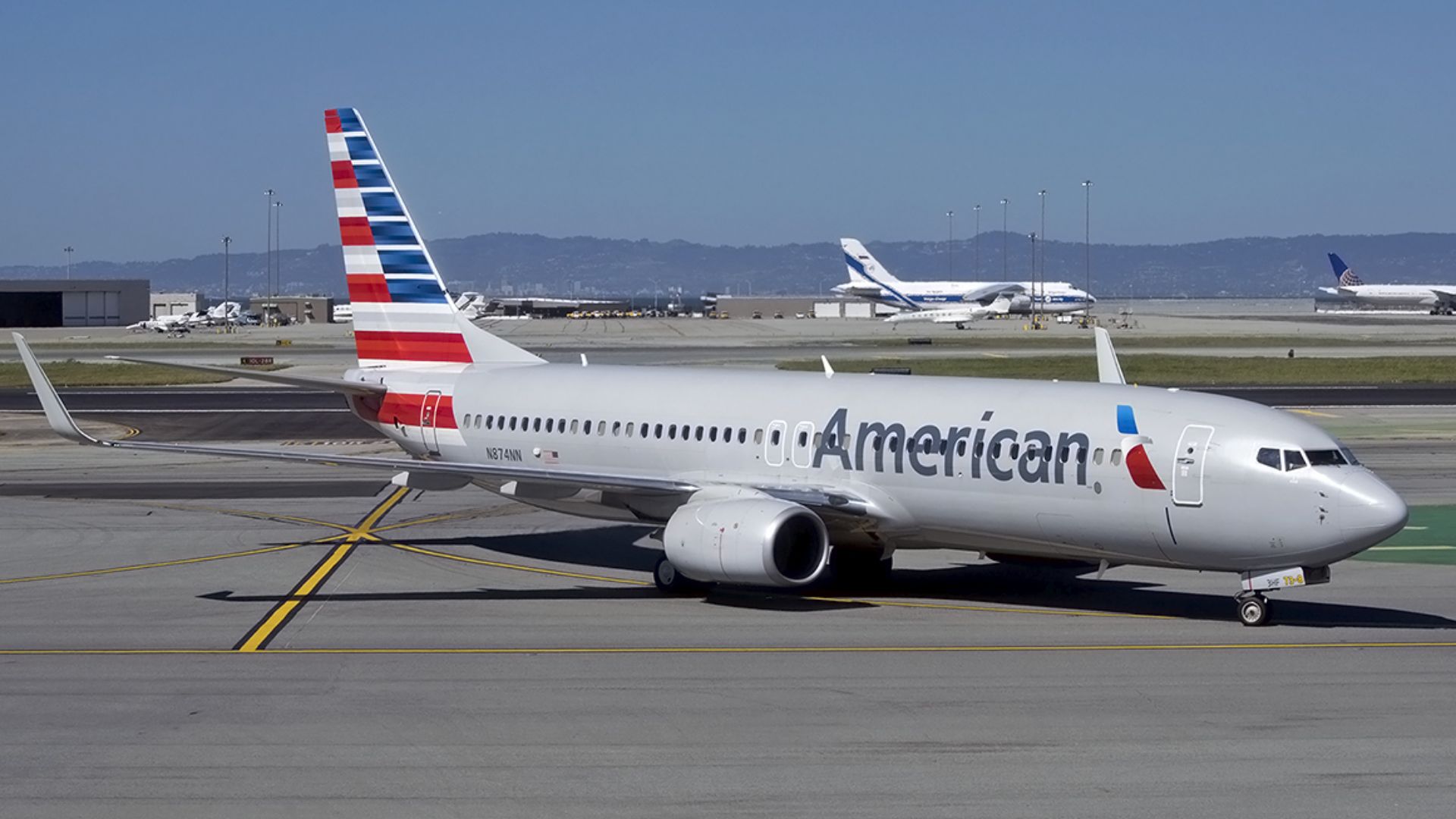
American Airlines Has A Public Threshold
American Airlines says in its customer service plan that if there is a schedule change of more than four hours, customers can ask for a refund. The airline also says refunds may be available if a schedule change causes a misconnect or if the new itinerary no longer matches what was originally purchased. If a nonstop becomes a two-stop trip, that mismatch can matter a lot.
 Richard Silagi, Wikimedia Commons
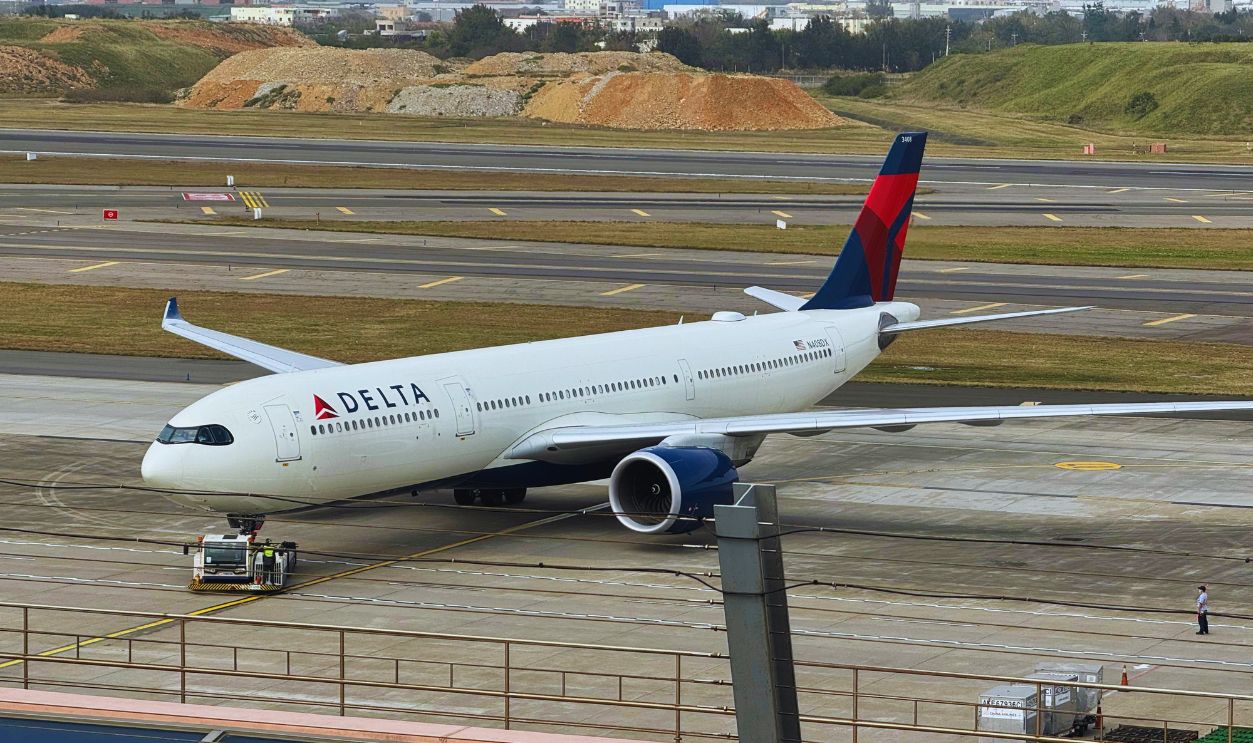
Delta Gives Travelers Some Room Too
Delta’s policy says a refund may be available when a schedule change leads to a delay of more than 120 minutes, certain routing changes, or added stops on some itineraries, among other situations. Delta also says a passenger can cancel remaining travel and request a refund if they choose not to accept the change and qualify under the policy. The exact result can depend on the fare and route, but the policy makes clear that a routing change can be a big deal.
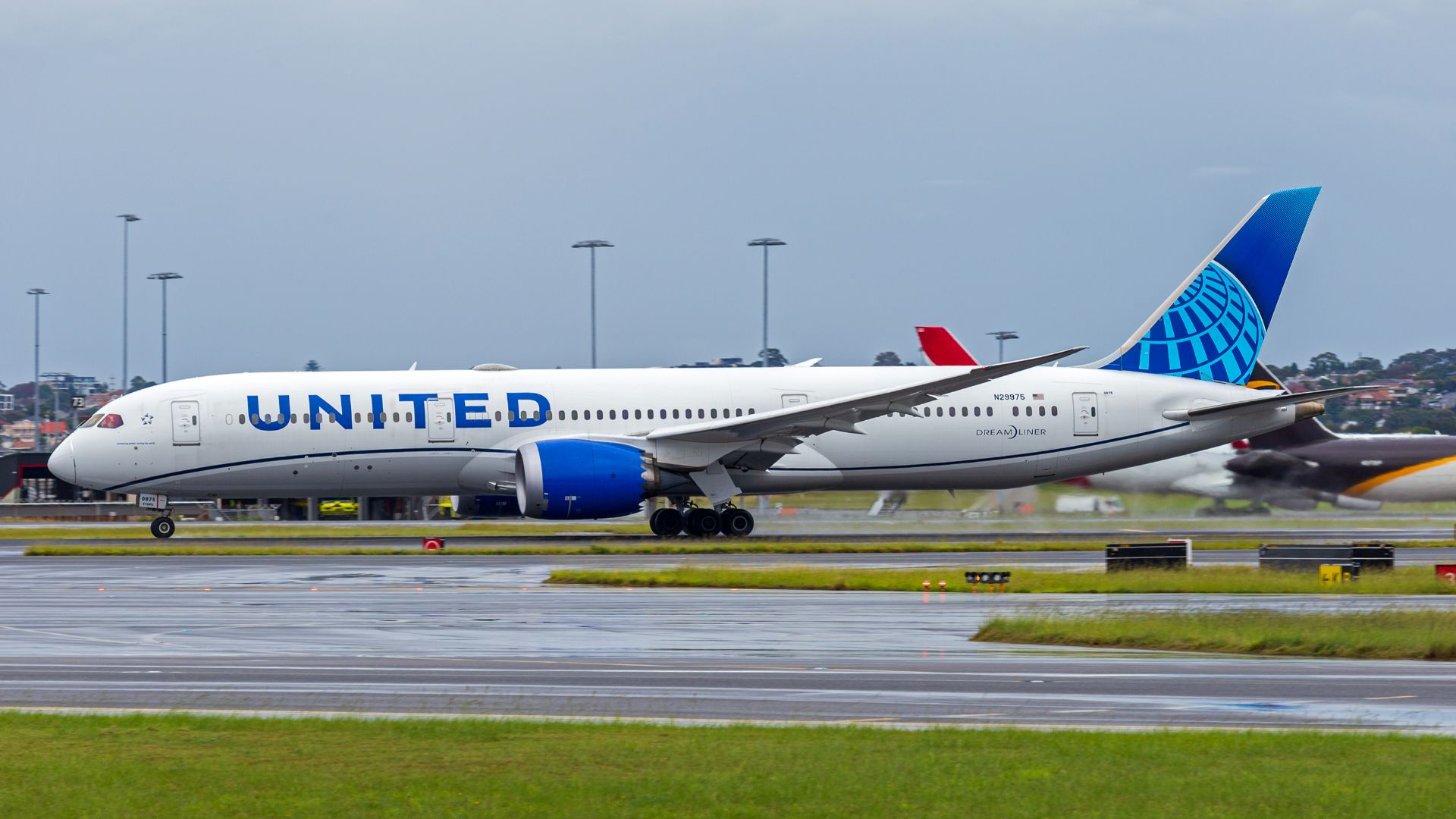
United Also Addresses Major Changes
United says customers may be eligible for a refund if the schedule change is more than 30 minutes on some tickets or if there are certain major disruptions, such as an added connection or a change in the departure or arrival airport. The details depend on the situation, but United’s public guidance does not treat routing changes as trivial. If you bought a direct flight and got switched to two layovers, that is the kind of change worth challenging right away.
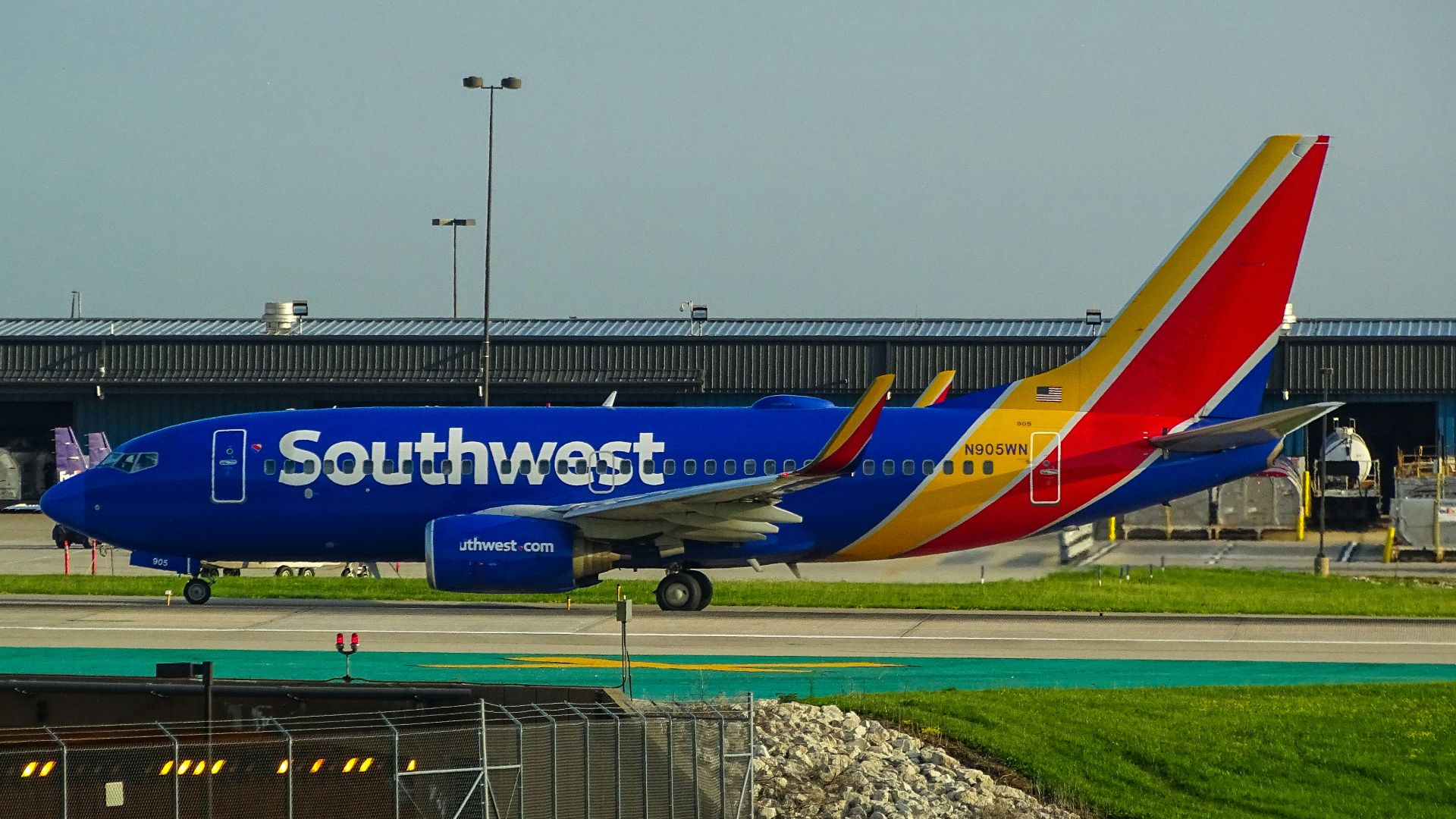
Southwest Has Its Own Approach
Southwest has long let travelers make changes without charging change fees, which can take some of the sting out of disruptions. But if the airline changes your itinerary and the replacement no longer works, refund rights still matter. The bigger point is simple: a flexible change policy helps, but it is not the same thing as your right to reject a major rewrite of your trip.
The Difference Between Direct And Nonstop Matters
Travelers often use direct and nonstop to mean the same thing, but airlines have historically used the terms differently. A nonstop flight goes from your origin to your destination without landing elsewhere. A direct flight can keep the same flight number but still make a stop, which is why the exact itinerary matters before you make your case.
If Your Original Flight Truly Had No Stops
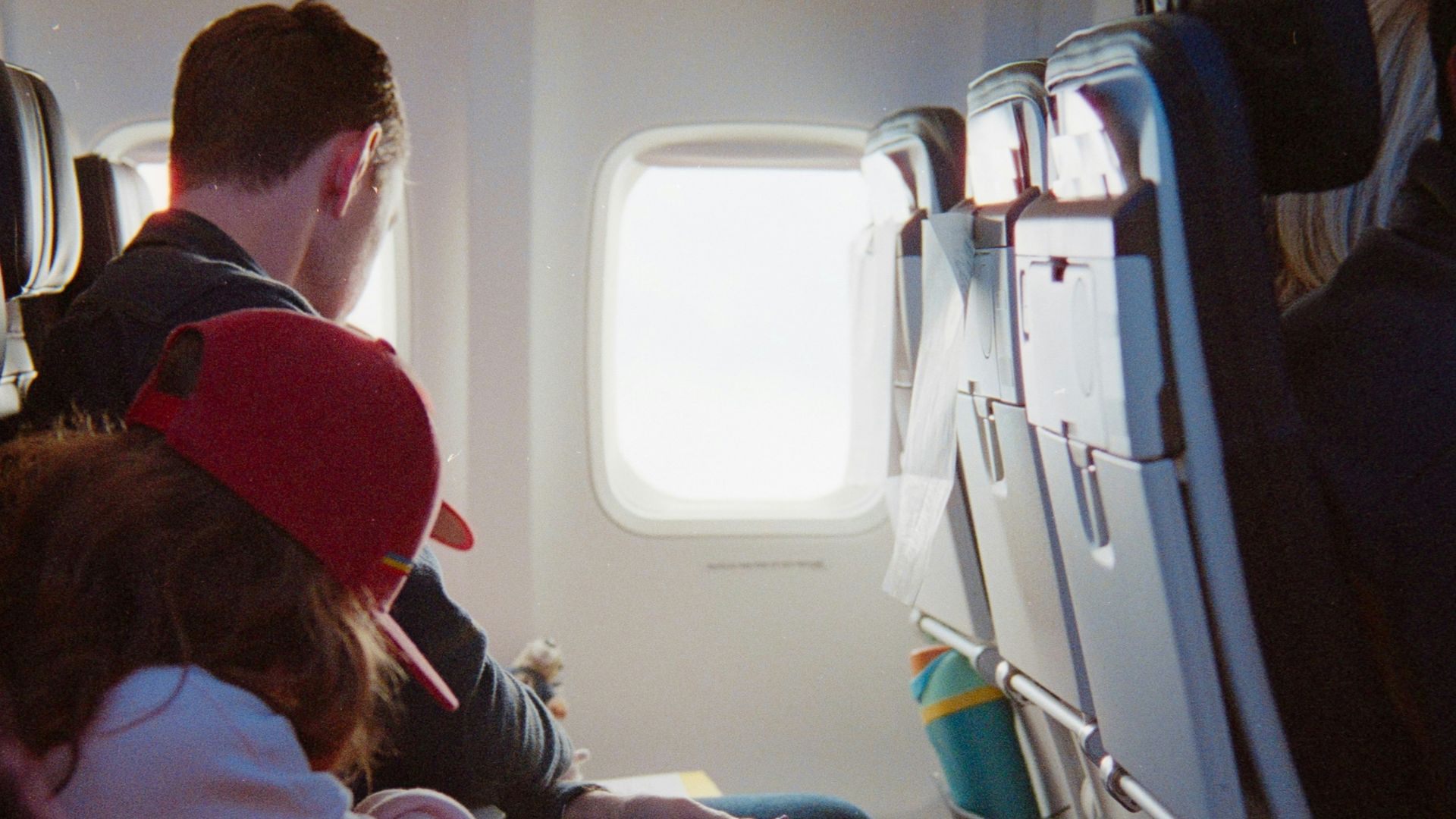
If the trip you bought had no scheduled stops and the new itinerary now has two layovers, your argument is especially strong. You did not just lose a little convenience. You lost the main thing you paid for, which was getting there in one shot.

Timing Still Matters
A two-layover replacement that arrives 40 minutes later is still annoying, but one that arrives six hours later is even easier to frame as a significant change. The DOT has made clear that time shifts are part of the analysis. So save both the original itinerary and the revised one, and compare the departure time, arrival time, and total travel length.

Connections Add Risk In The Real World
Every layover adds another chance for weather problems, crew shortages, maintenance issues, or gate chaos to throw off your trip. A route with two connections can also turn into an overnight mess if one segment slips. That real-world risk is one reason many travelers deliberately pay more for a nonstop in the first place.

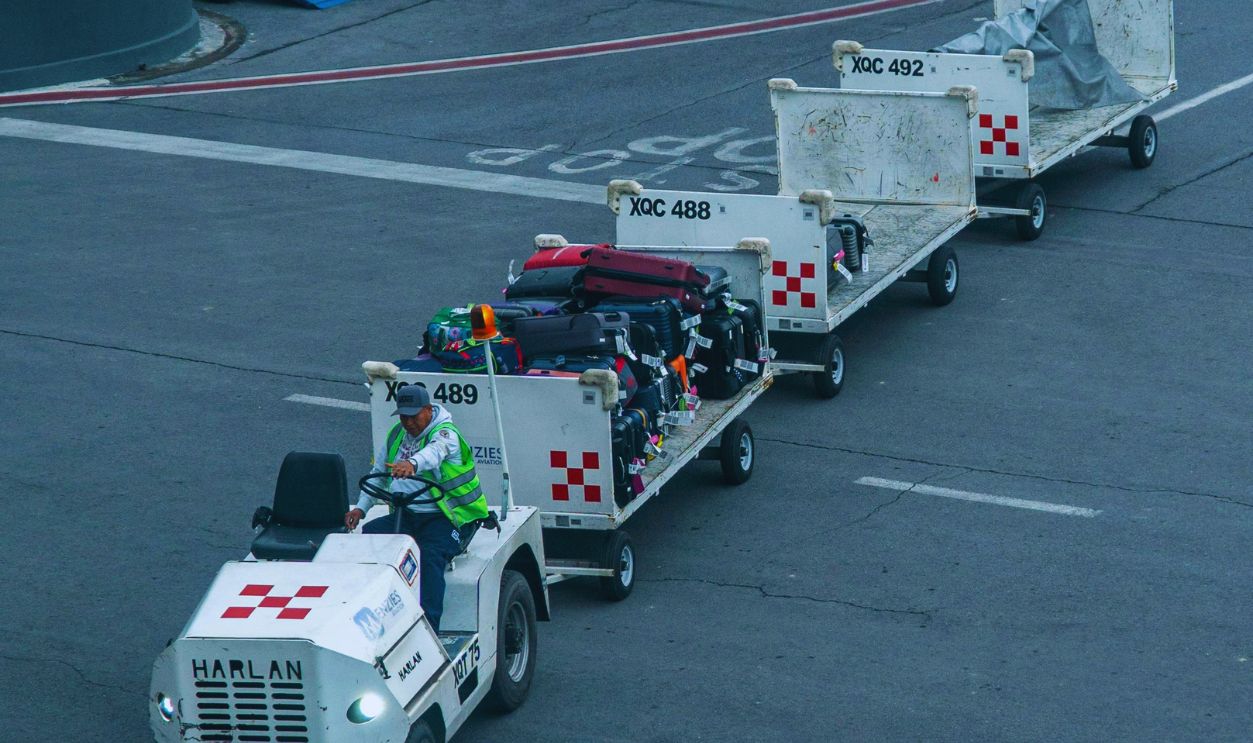
Baggage Problems Get More Likely
More flight segments mean more baggage handoffs. The DOT’s Air Travel Consumer Reports have repeatedly tracked mishandled baggage rates across carriers, and while no single itinerary guarantees trouble, extra connections raise the odds that your suitcase goes on its own adventure. If you paid for the simplicity of a direct trip, that extra risk is real.
 Abdiel Hernandez Villegas, Pexels
Families And Older Travelers Feel It Fast
Two layovers can be a pain for anyone, but they can be especially rough for families with small children, older adults, or travelers with mobility needs. The DOT specifically notes that accessibility-related impacts matter when judging significance. A change that looks manageable on paper may be totally unreasonable for the person actually taking the trip.
International Trips Can Raise The Stakes
On long-haul routes, replacing a nonstop with two layovers can create visa issues, overnight stays, airport transfers, or missed onward transportation. The European Union and the United Kingdom also have their own passenger-rights systems in some cases, though those rules are different from U.S. refund protections. The exact legal route depends on the airline, the route, and where the disruption happens.

So When Is It Basically A Different Trip
The practical answer is this: once the revised itinerary changes the basic nature of the journey, you are dealing with a different trip. Losing a no-stop route and picking up two layovers usually crosses that line. It changes travel time, complexity, comfort, and reliability, which is far more than an ordinary schedule adjustment.

What To Do The Moment You Spot The Change
First, take screenshots of the original itinerary, the updated itinerary, and any airline messages. Then check whether your original flight was canceled outright or simply replaced with a new routing. Having those records makes it much easier to show exactly what changed.

Ask For The Fix You Actually Want
When you contact the airline, be specific. If you want a refund, say you are declining the significantly changed itinerary and requesting a refund to the original form of payment. If you would rather be moved to another flight or a better same-airline option, ask clearly for that instead and point out that the revised itinerary adds connections and materially changes the trip.

Do Not Settle For A Voucher By Accident
One of the most common mistakes is accepting a credit or voucher before checking whether a cash refund is available. The DOT has repeatedly said passengers are entitled to refunds when they decline a canceled or significantly changed flight. Once you voluntarily take a voucher, it can be much harder to argue later that you should have gotten cash back.

If The First Agent Says No
Try again politely and escalate if needed. Frontline agents do not always read policies the same way, and some airline systems are much better at offering rebookings than refunds. If you get nowhere, file a complaint with the airline and, if necessary, with the U.S. Department of Transportation.

Credit Card Protections May Help Too
If the airline refuses to give a refund you believe is required, your credit card issuer may be another option. Billing dispute rights can get complicated and depend on the facts, but documentation helps. Keep records of what was sold, what changed, and what the airline offered afterward.

Travel Insurance Is Not A Magic Wand
Travel insurance can help in some disruption situations, but it is not the first place to look when the airline itself has significantly changed your itinerary. Start with the carrier and your refund rights under the law and the airline’s own policy. Insurance may matter later for extra costs or separate prepaid bookings the airline will not cover.

The Bottom Line For Travelers
If an airline changes your booked direct flight into an itinerary with two layovers, that is usually not just an inconvenience. It is often a strong candidate for a significant change under DOT guidance and the kind of overhaul many reasonable travelers would call a different trip. In plain English, if the airline sold you simplicity and later handed you airport hopscotch, it makes sense to push for a refund or a better rerouting.