The Seat You Paid For Disappeared
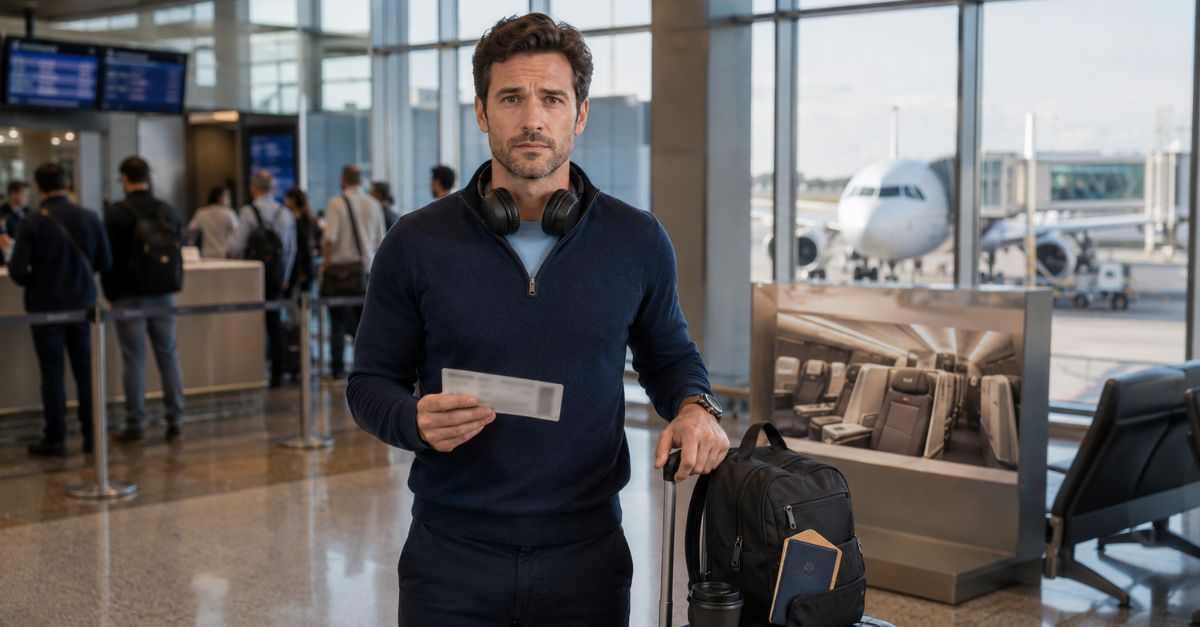
What seems like a reasonable change could be a different story when you paid for your preferred seats. Fortunately, if an aircraft change cost you your premium seats, you should get back the money you paid specifically for that seat. Getting a full ticket refund, however, is a different story.

Why This Happens So Often
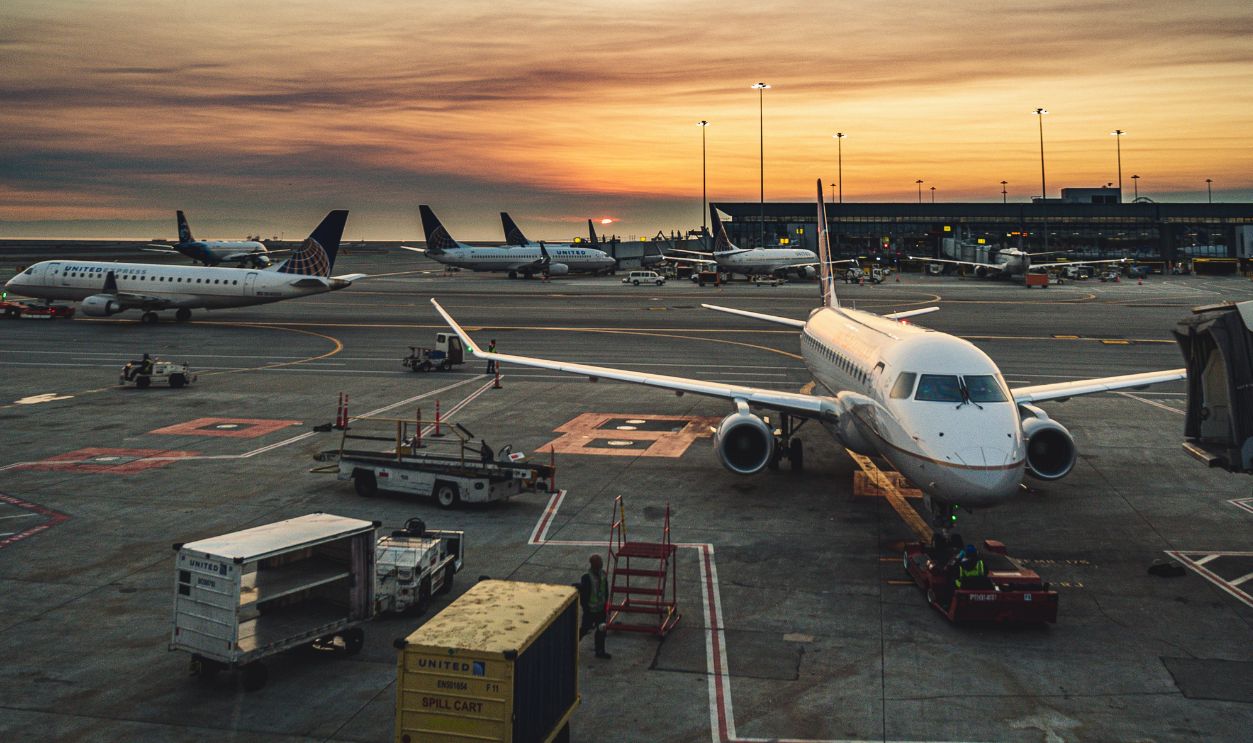
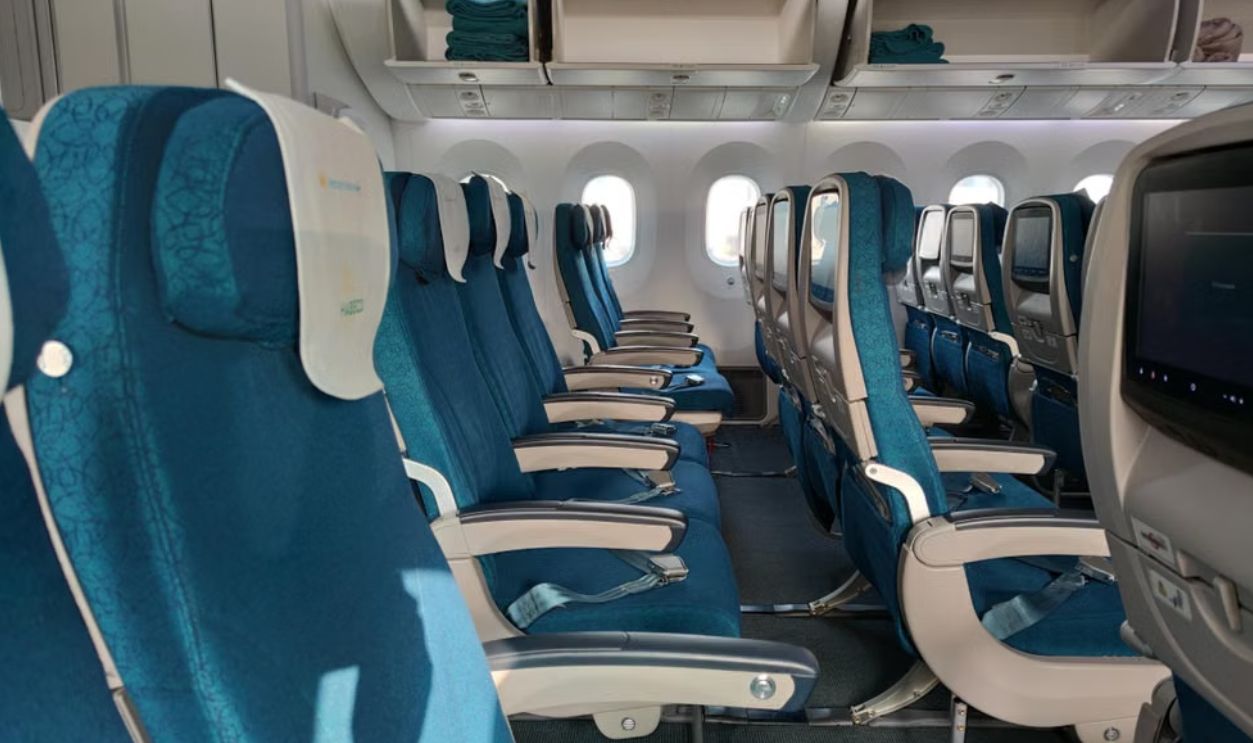
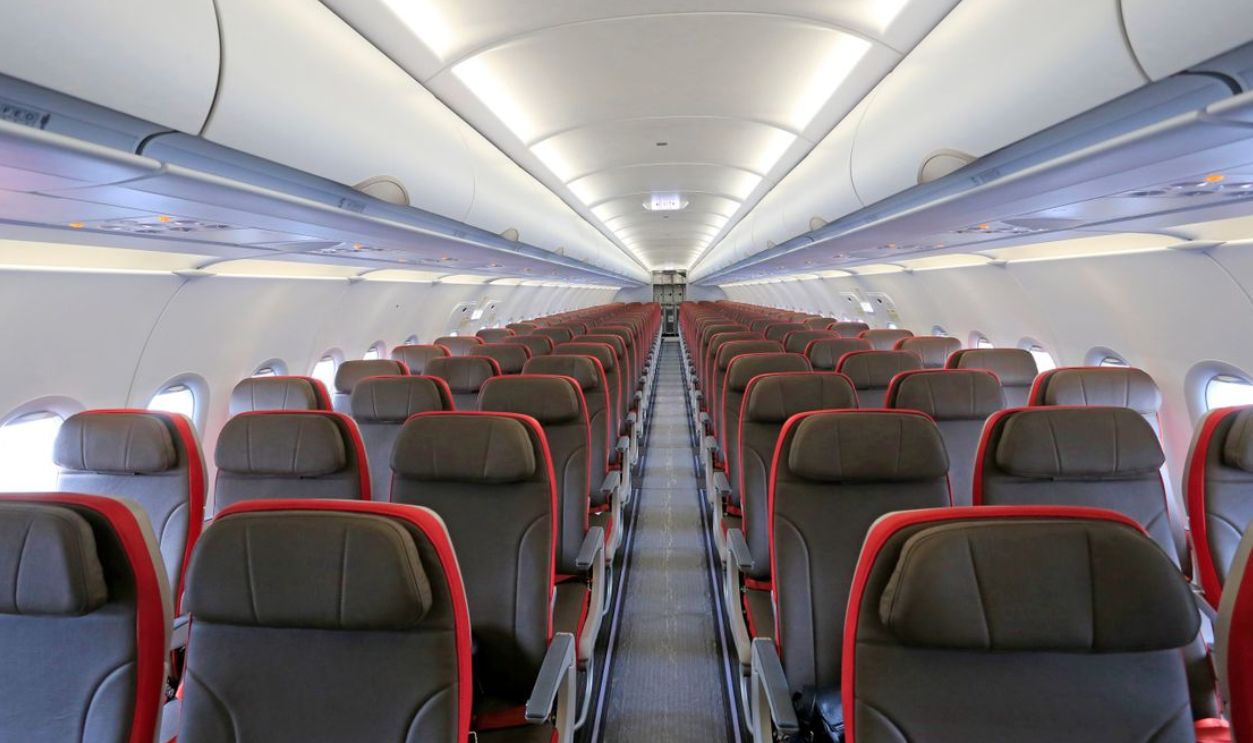
Airlines change aircraft all the time for scheduling, maintenance, or other operational reasons. When that happens, the new plane may have a different seat map, fewer extra-legroom seats, or a completely different cabin setup. The result is simple: what you bought is not always what shows up at the gate.
The Big Distinction: Ticket Price vs. Seat Fee
Your refund rights usually depend on what you actually paid for. If you bought a regular ticket and then paid a separate fee for a premium or preferred seat, that seat fee is usually what you can recover. If you paid for a higher cabin altogether, like premium economy or business class, and got bumped down, that is a bigger issue.
The DOT Has A Clear Rule On Optional Fees
The U.S. Department of Transportation says airlines must refund fees for optional services when the passenger does not get that service. That includes seat selection fees when you paid for a specific seat or type of seat and did not receive it. This is one of the strongest protections U.S. travelers have.
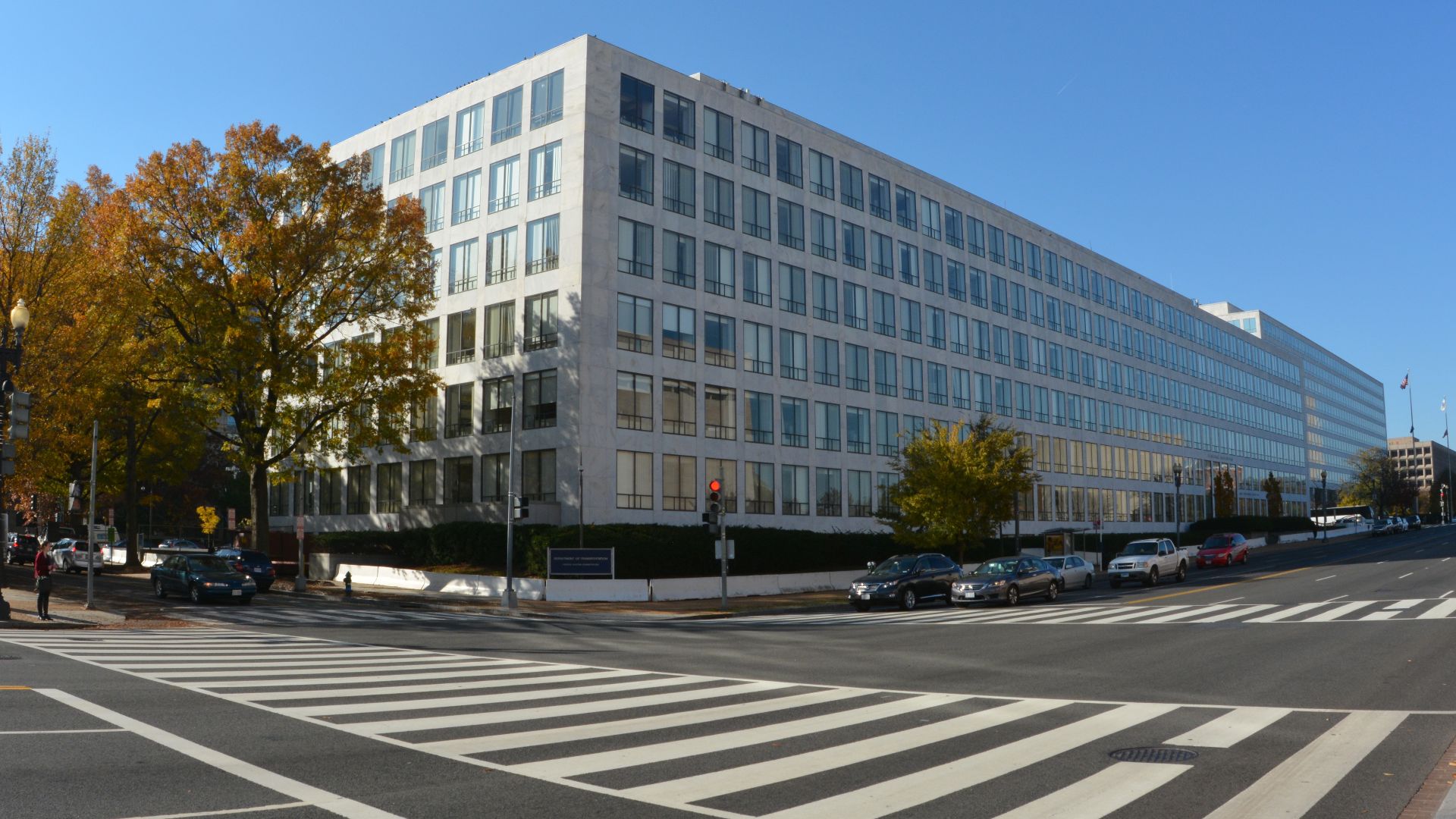 Don Ramey Logan, Wikimedia Commons
What The DOT's Refund Rule Says
In April 2024, the Department of Transportation announced a final rule that strengthened automatic refunds. The agency said airlines must automatically refund ancillary fees for services not provided, including seat selection, checked bags, and inflight Wi-Fi in some situations. That matters because passengers should not have to spend months chasing money for a seat they never got.
Why That Still May Not Mean A Full Ticket Refund
There is an important limit here. The DOT rule is about refunding the fee for the service that was not delivered. It does not automatically wipe out the whole ticket. If the airline still flew you from your starting point to your destination, it will usually say the main service was provided.
When A Full Refund Becomes More Possible
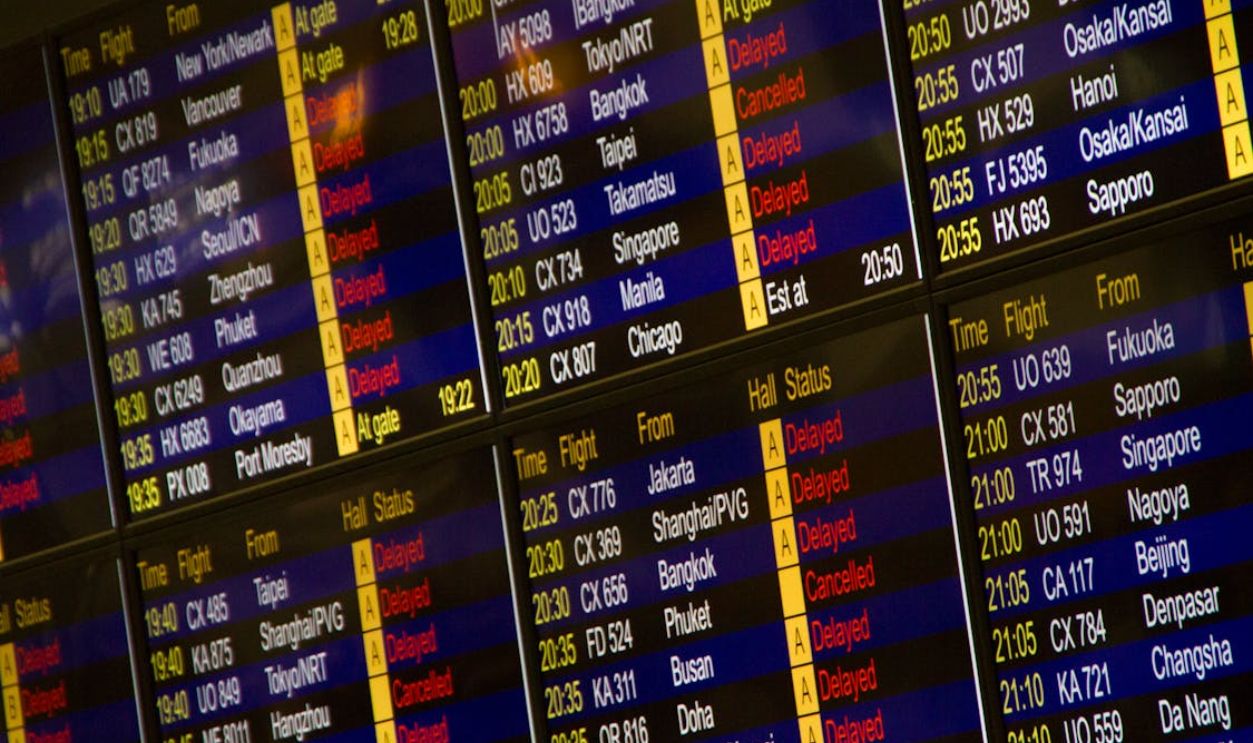
A full refund is more realistic when the aircraft change causes a major schedule problem, or when the airline makes a significant change and you decide not to travel. The DOT says passengers are entitled to a refund when a flight is canceled or significantly changed and they do not accept the alternative offered. That is a separate issue from simply losing a preferred seat.
A Cabin Downgrade Is More Serious
If you paid for a higher class of service and were moved to a lower one, the airline generally owes you compensation for the difference. The DOT specifically says consumers are entitled to a refund if they are involuntarily moved to a lower class of service. That is a stronger claim than losing a better seat within the same cabin.
Europe Has Important Rules Too
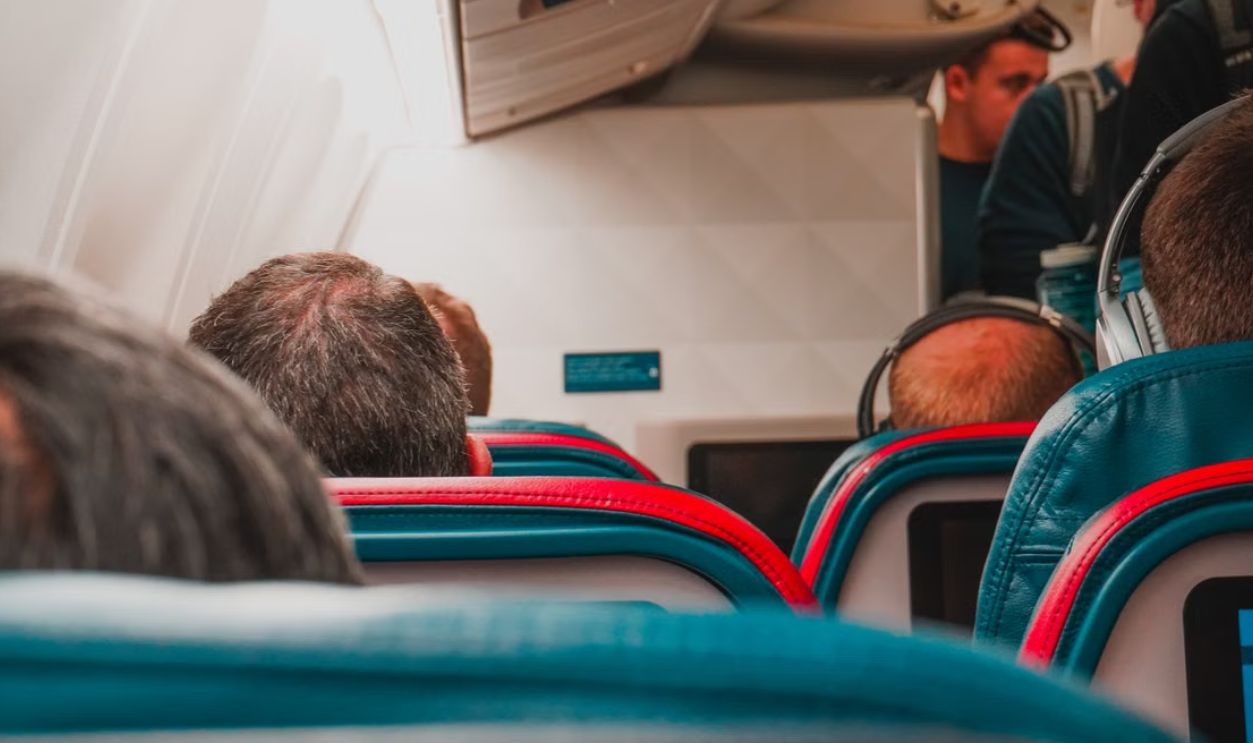
Travelers on flights covered by European passenger-rights rules may have more leverage. Under EU rules, reimbursement is available when a passenger is placed in a class lower than the one listed on the ticket. The amount depends on the length of the flight.
What EU Rules Actually Provide
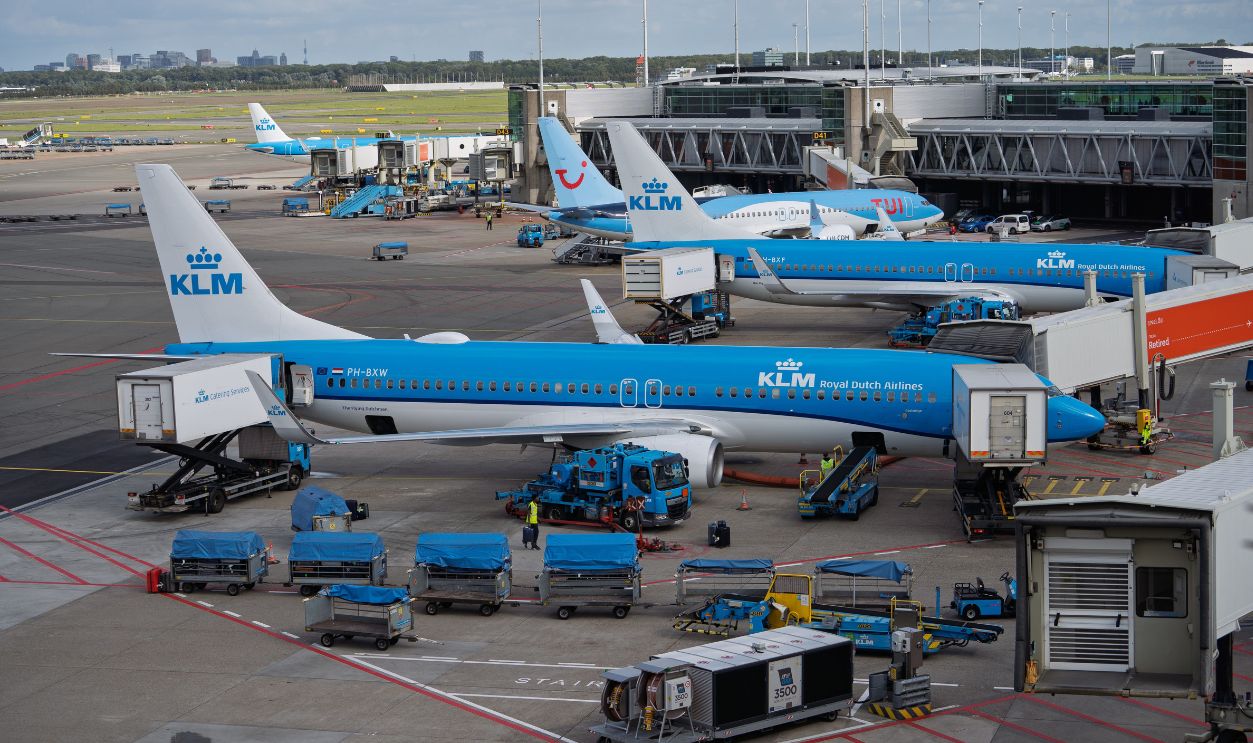
The European Commission explains that if an airline places a passenger in a lower class than the one purchased, the traveler is entitled to reimbursement of part of the ticket price. That reimbursement can range from 30 percent to 75 percent depending on the route. These rules apply to class downgrades, not just the loss of a preferred seat in the same cabin.
Airline Contracts Matter Too
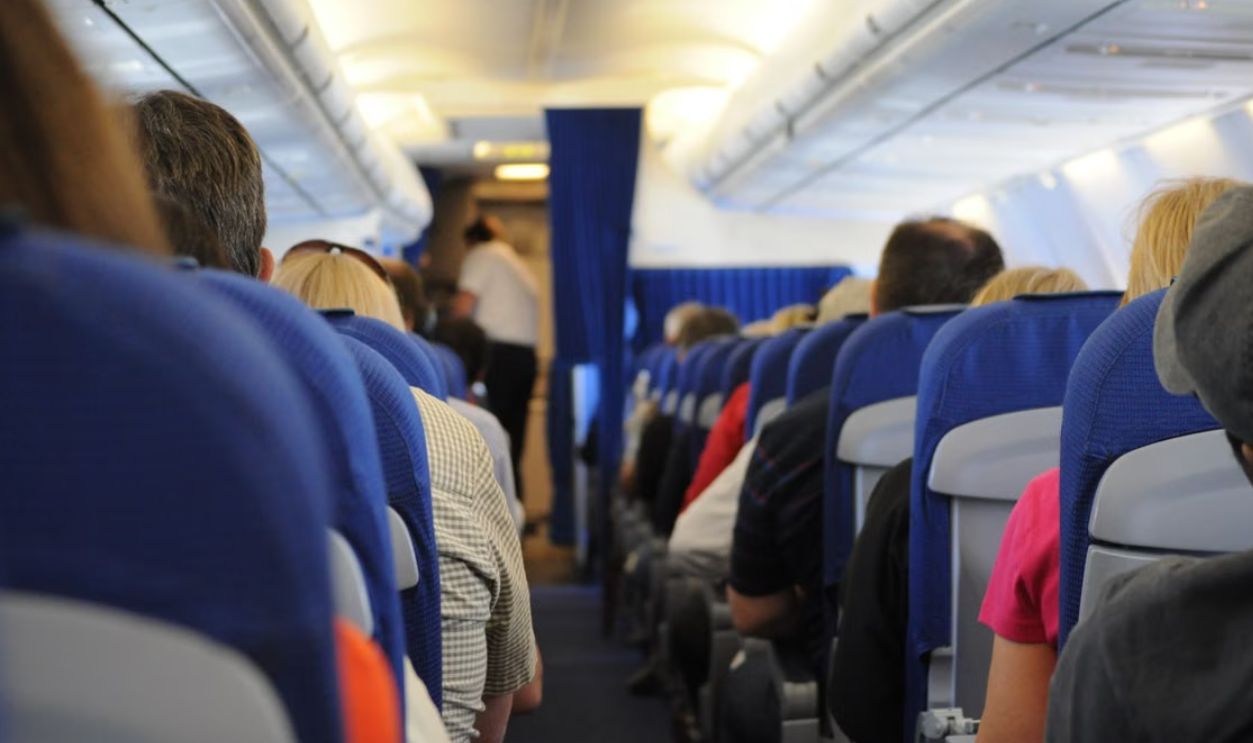
Government rules are only part of the picture. Each airline's contract of carriage can shape what happens next. These contracts often say seat assignments are not guaranteed and can change for operational, safety, or equipment reasons. That gives airlines room to switch planes without promising every passenger the exact seat shown at booking.
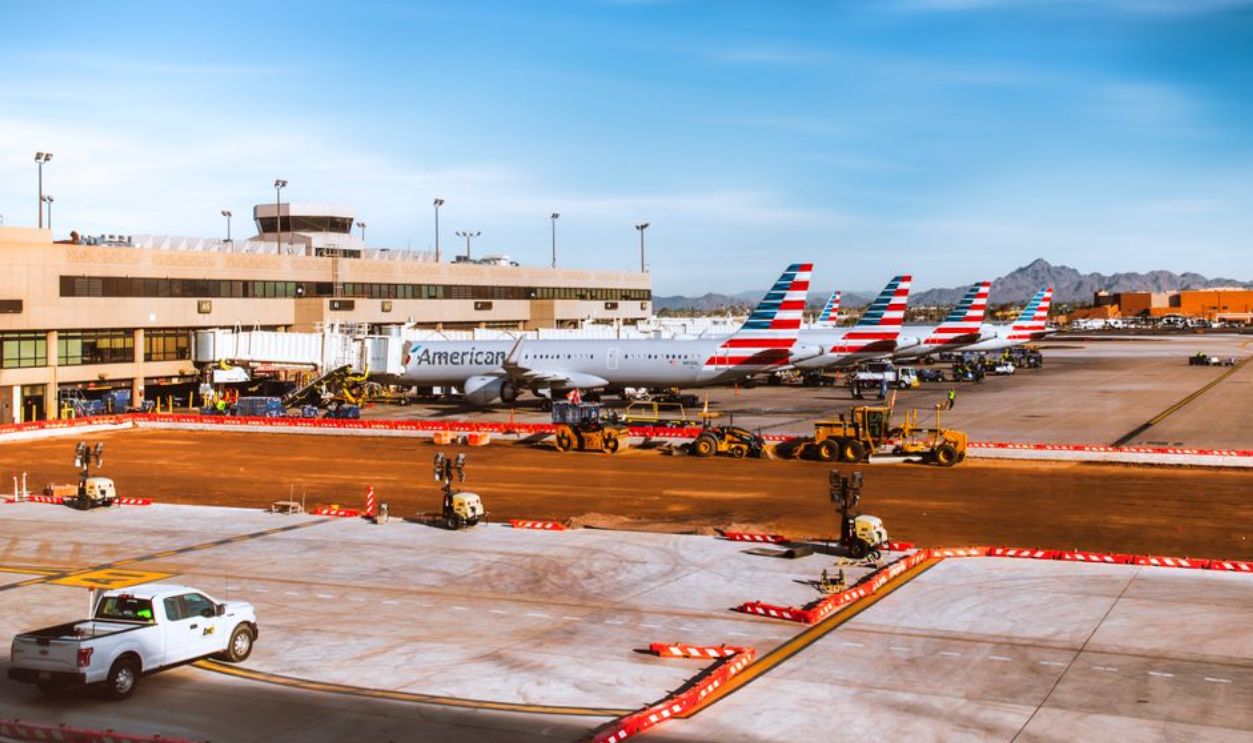
American Airlines Says It Plainly
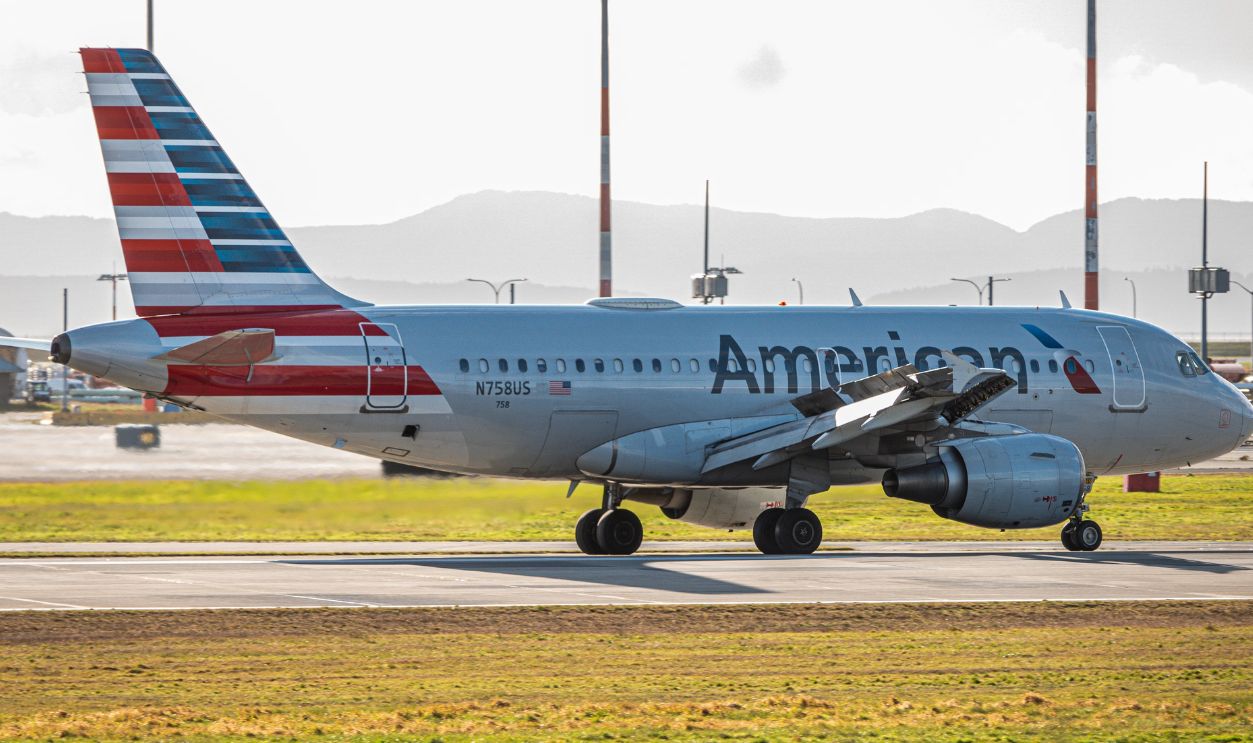
American Airlines says seat assignments can change and are not guaranteed. It also says customers can request a refund for certain seat fees if they were unable to use the seat they bought. That kind of wording is common among major airlines and often shapes how smooth the refund process is.
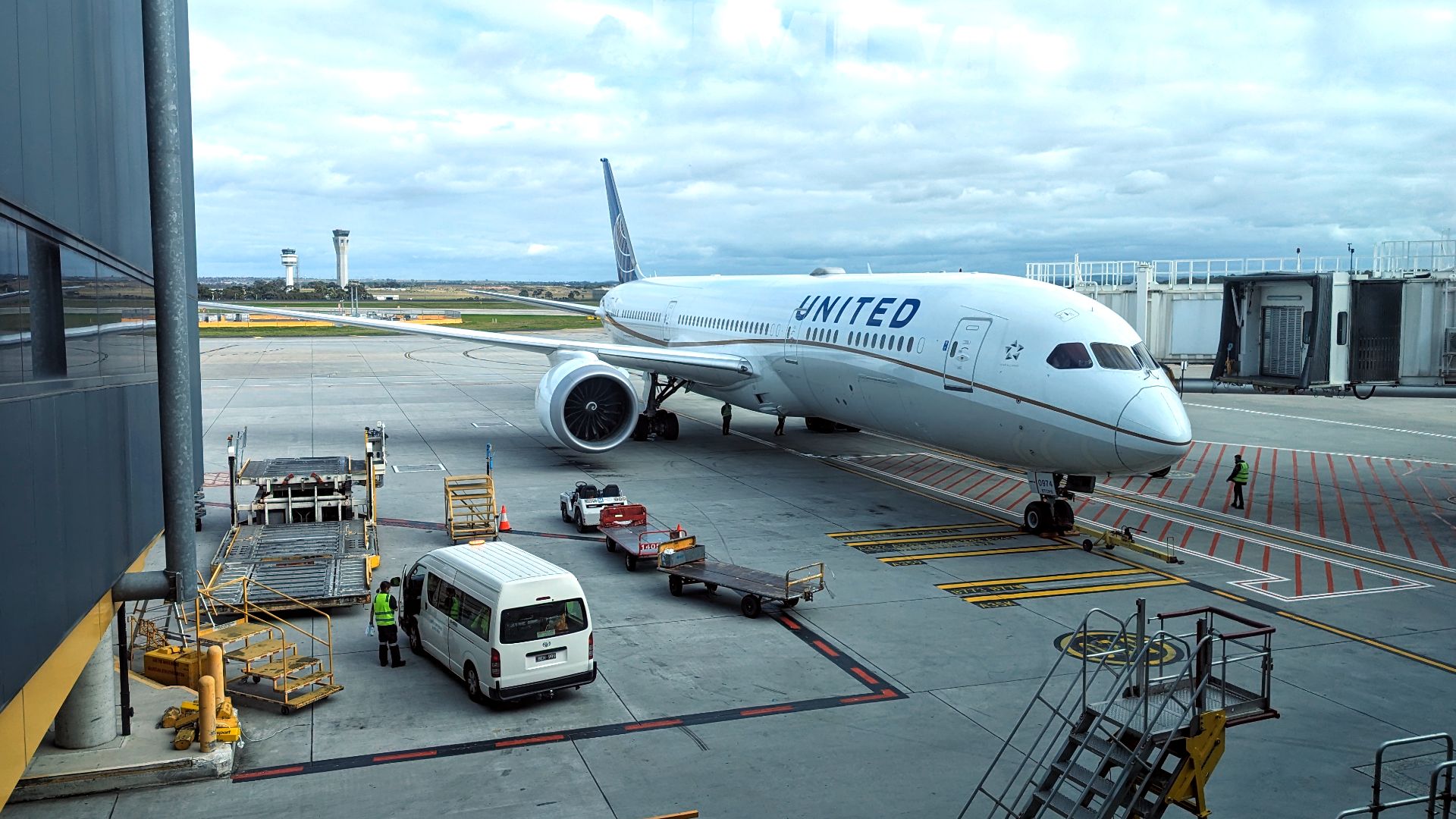
United Takes A Similar Approach
United Airlines says preferred and other seat purchases may be refundable if the airline cannot place the traveler in the purchased seat. It also notes that seats are not guaranteed and may change because of aircraft swaps. In practice, that usually means you can expect the seat fee back, but not necessarily the whole airfare.
 Philip Mallis, Wikimedia Commons
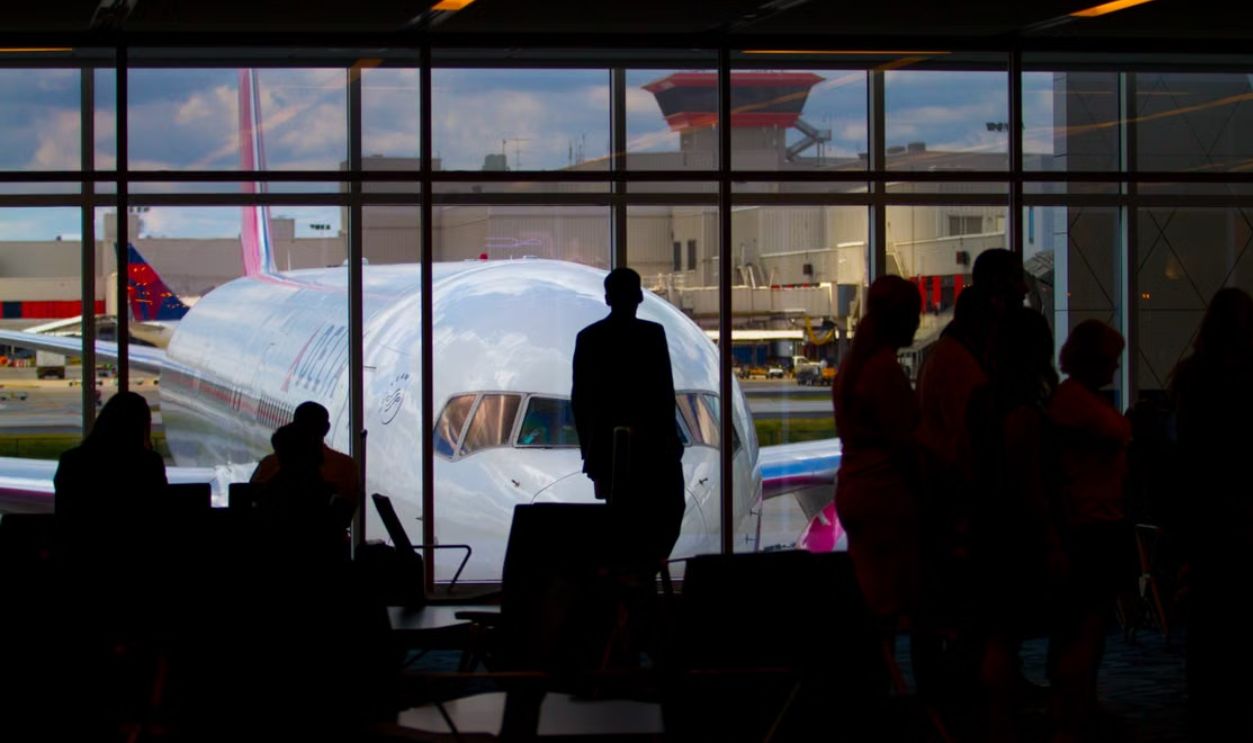
Delta Follows The Same Basic Rule
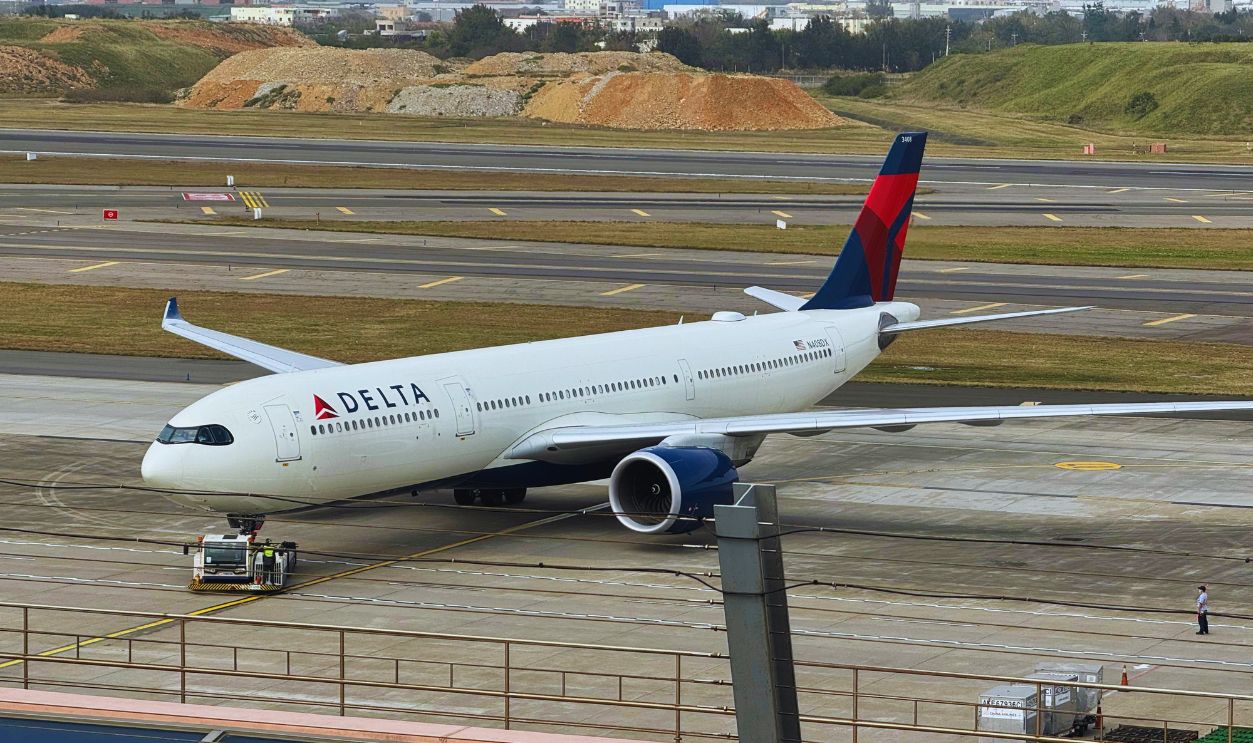
Delta says seat offerings can change and that purchased seat fees may be refundable in some cases when the seat cannot be provided. Like other major carriers, Delta reserves the right to substitute aircraft. It is frustrating, but it fits the broader legal picture.
So Should You Ask For A Full Refund
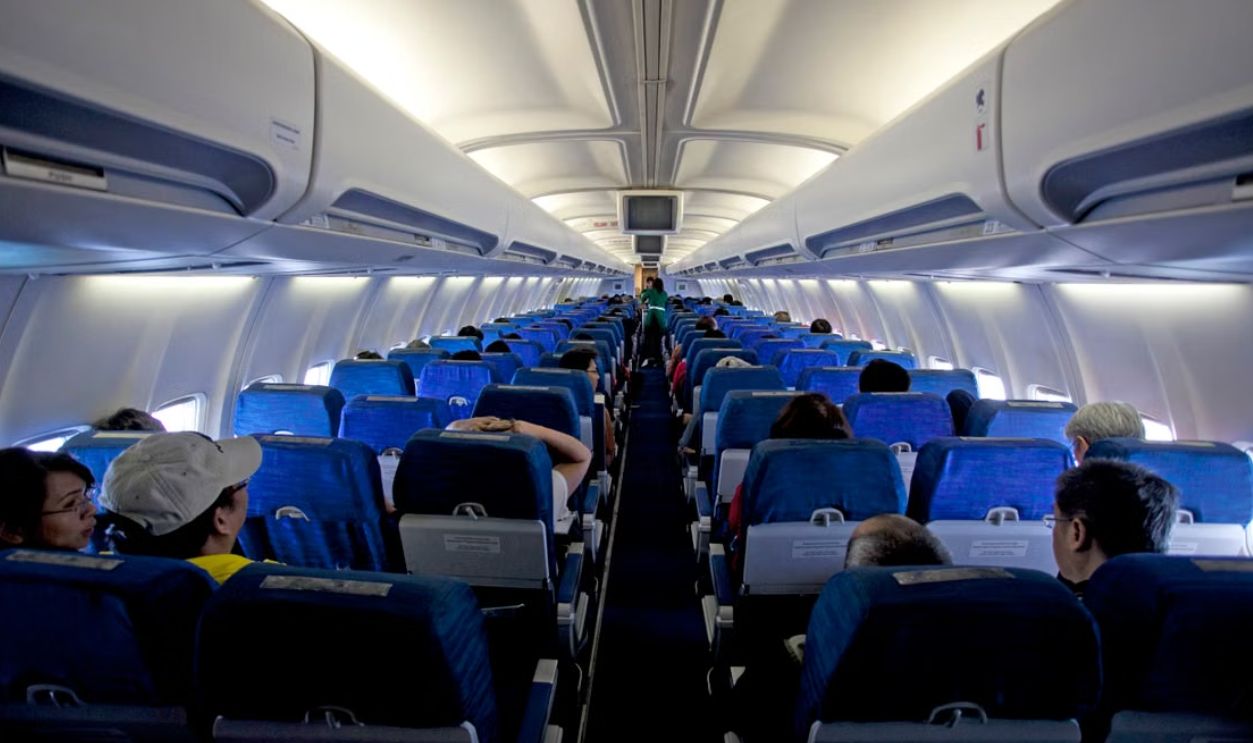
Usually not, at least not just because premium seats disappeared after an aircraft change. If you still took the trip and stayed in the same general cabin, your strongest claim is usually for a refund of the seat fee or the fare difference tied to the lost perk. A full ticket refund makes more sense if you decline travel after a major change or if you are involuntarily downgraded in cabin class.
 Frame Stock Footage, Shutterstock
First, Save Your Proof
Before the flight, take screenshots of the original booking, seat map, confirmation email, and any notice about the aircraft change. Keep receipts showing exactly what you paid for the seats. If the airline moves you, save the new seat assignment too.

Ask For The Refund That Fits
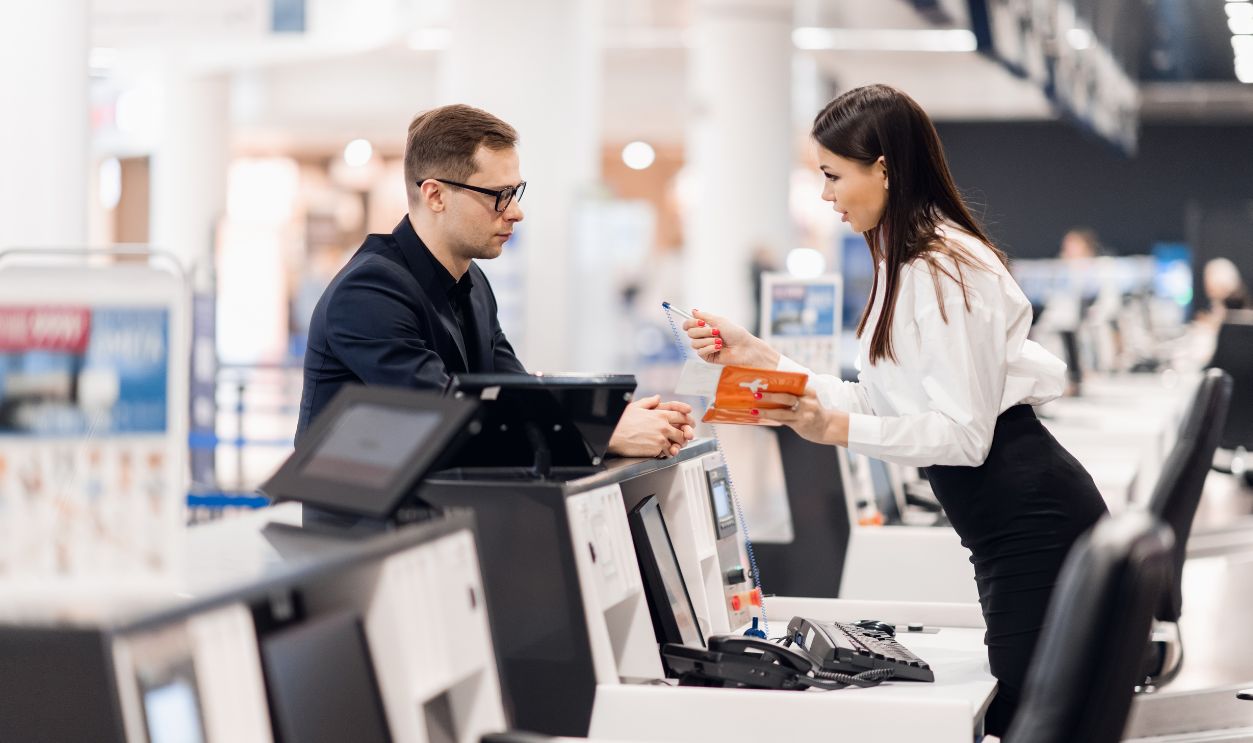
Be specific when you contact the airline. Ask for a refund of the seat fee, or if you were downgraded in class, ask for the fare difference or downgrade reimbursement. Broad demands for a full refund are easier for airlines to reject.
Use The Airline's Own Policy
Your request is stronger if you point to the airline's own refund policy for paid seats it could not provide. Mention the exact optional service that was not delivered. If this was a class downgrade, say that clearly because regulators treat it differently.

If The Airline Says No, Escalate
For U.S. flights or tickets involving U.S. carriers, you can file a complaint with the Department of Transportation. The DOT complaint process does not guarantee immediate payment, but it creates a record and often leads to a closer review. It can be especially useful when an airline ignores a straightforward seat-fee refund request.

A Credit Card Dispute May Help
If the airline charged a separate fee for a service it did not provide, a credit card dispute may be worth considering. This works best when the charge is clearly listed and your documentation is solid. It is less simple when the seat benefit was bundled into the fare.

Package Trips Can Complicate Things
If your flight was part of a package holiday or booked through a travel agency, another company may be involved in the refund process. Start with the airline if it collected the seat fee, but also check whether your agent handled the ticket and add-on charges. The paper trail matters.
Status Does Not Guarantee Protection
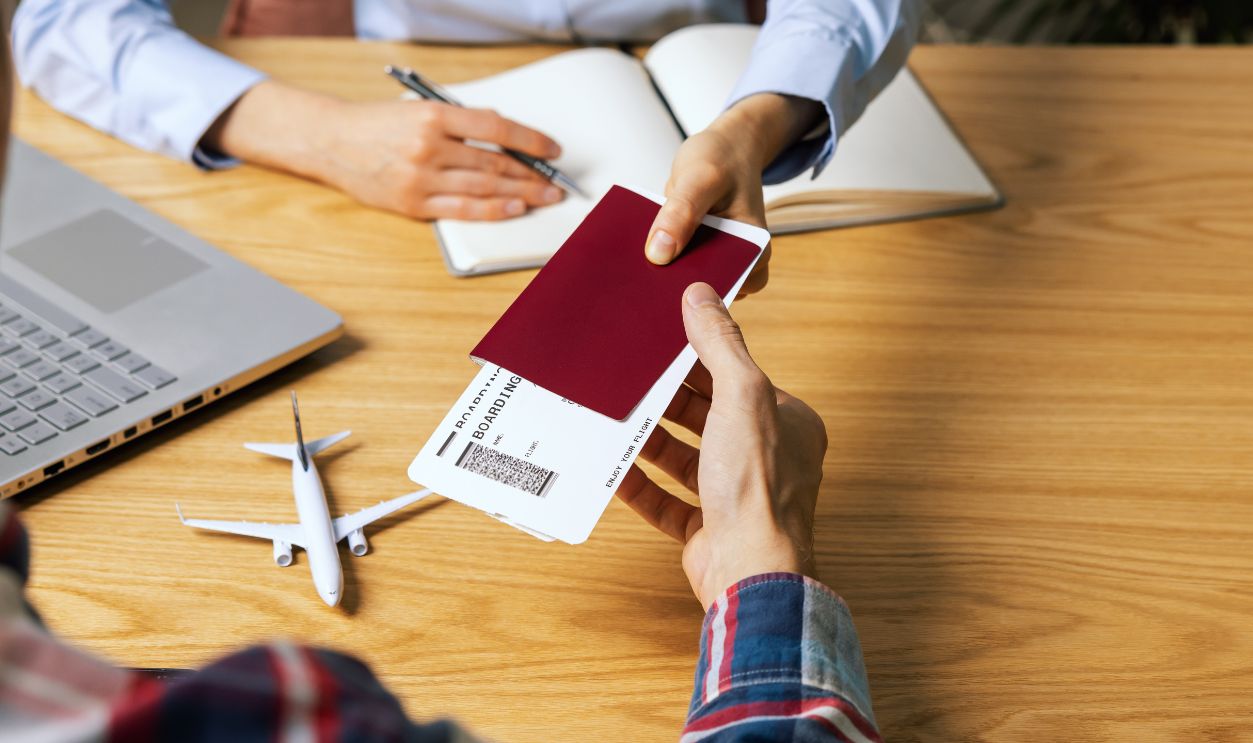
Frequent flyer status may help you get faster service, but it does not override the rules. Even top-tier travelers can lose specific seats after an aircraft swap. The real advantage is that experienced travelers often know to move quickly and keep records.

Basic Economy Can Be Trickier
Basic economy travelers may run into extra complications because seat assignment rules are often tighter from the start. Even so, if you paid a separate fee to choose a seat and did not get that service, the same refund logic still applies. What matters most is whether there was a clear paid add-on.
Timing Matters
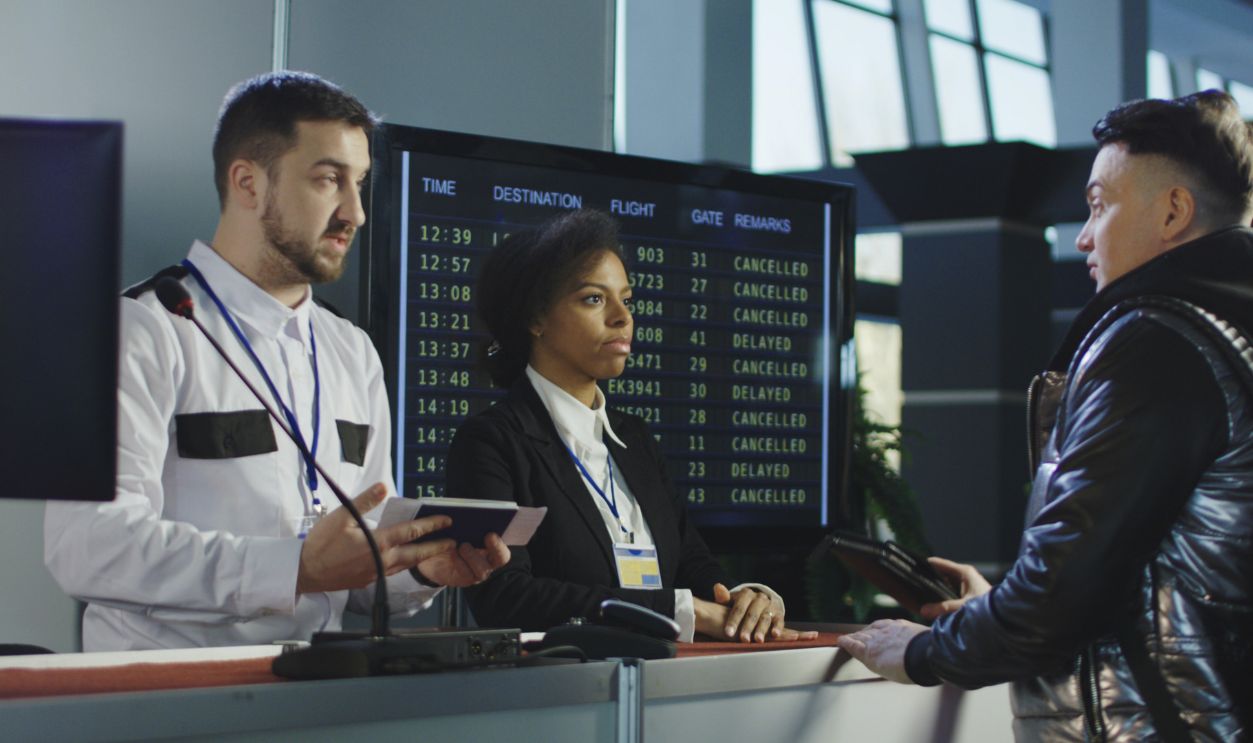
Do not wait too long after the trip. Airlines tend to respond more readily when the case is fresh and the booking records are easy to pull up. Acting quickly also helps if you later need to go to a regulator or your card issuer.
 Frame Stock Footage, Shutterstock
How To Word The Request
Keep it short and factual. State the original aircraft or seat product you bought, the date you learned about the equipment change, the replacement seat you received, and the exact amount you paid for the lost premium seat benefit. Then ask for the refund that matches the missing service.

The Bottom Line
If an airline changed your aircraft and took away the premium seats you paid for, you will usually have a strong case for a refund of that lost seat product. You should not assume that means a full ticket refund. The best approach is to ask for the specific refund the rules support and back it up with clear proof.
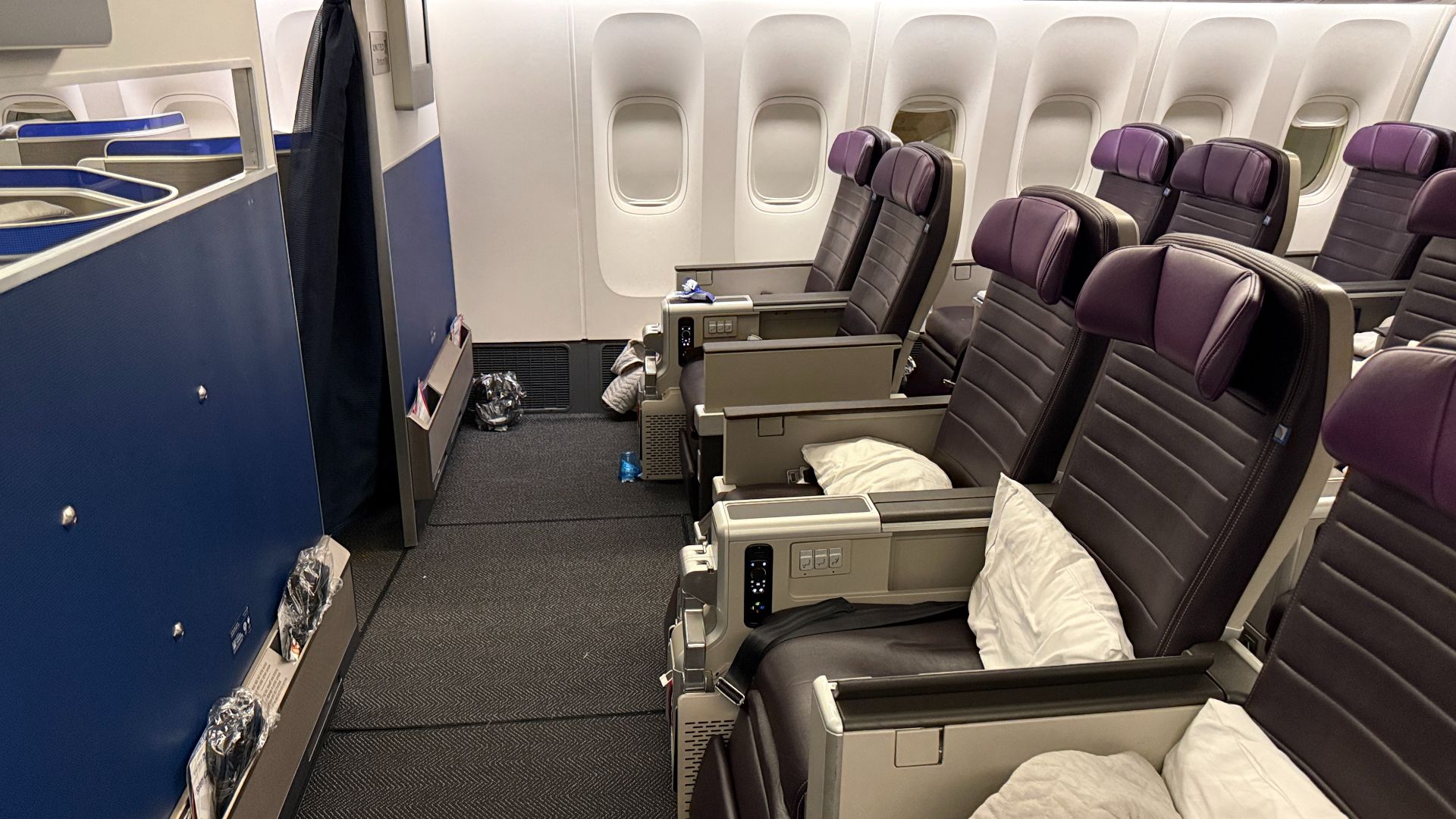 4300streetcar, Wikimedia Commons