The Direct Flight Disappeared Overnight
You booked a nonstop flight, picked your seat, and thought you were done with the hassle. Then the airline sent an update: Your direct trip's gone, replaced by a route that now stops in an entirely different country. Well, like it or not, airlines in 2026 can and do make changes that big. The better question is whether you're owed anything.
Yes, Airlines Really Do Change Itineraries
Airlines regularly adjust schedules for operational, business, and network reasons. The U.S. Department of Transportation says carriers have their own policies for delays, cancellations, and major schedule changes, and those policies are not all the same. So the real question usually is not whether the airline can change your trip. It is what your rights are after it happens.
The Main U.S. Rule To Know
One of the biggest protections for travelers in the United States is the DOT refund rule. If your flight to, from, or within the United States is canceled or significantly changed and you do not accept the replacement, the airline must give you a refund. According to the DOT, that can apply even to nonrefundable tickets.

A Reroute Through Another Country Can Be A Significant Change
The DOT's refund guidance says a major schedule change can include a routing change, such as adding a connection. So if your original nonstop becomes a trip that now passes through another country, that can absolutely matter. If you reject that new routing, you may be entitled to get your money back.
What Counts As Significant Is Not Always Clear-Cut
Travelers often want a simple rule, but it is not always that neat. The DOT says significance depends on the facts, including changes in departure or arrival times, airport swaps, and added connections. In other words, a reroute through another country can be a big enough change to matter, but the exact result can depend on the details.
A Refund Is Not The Same As A Better Rebooking
This is where people get frustrated. A refund right is valuable, but it is not the same as a guaranteed right to your ideal replacement flight. In the U.S., airlines generally have to refund you if you reject a significant change, but federal law does not automatically require them to build the exact new itinerary you want if it is not available.

The Airline Cancellation Dashboard Can Help
In the United States, the DOT has an Airline Cancellation and Delay Dashboard that shows what major airlines promise when the disruption is within the airline's control. Those commitments can include rebooking on the same airline, meal vouchers, hotel stays, and ground transportation. The details vary by carrier, so checking the dashboard is a smart first step.

If The Airline Caused It, Ask For More
If the cancellation was within the airline's control, you may be able to get more than just the basic replacement option. Some airlines also promise to rebook passengers on a partner or even another airline in certain cases, though not all do. It helps to ask directly and point to the airline's own customer service commitments.

Weather And Air Traffic Control Change The Picture
Not every cancellation comes with extra help. If the airline says the problem was caused by weather, air traffic control, or something else outside its control, many of those added commitments can disappear fast. You may still have a refund right if you turn down the changed itinerary, but hotel help, meals, or rebooking on another carrier may be much more limited.

Europe Has Stronger Standard Passenger Rights
If your flight leaves from the European Union, or arrives there on an EU carrier, different rules may apply. Under EU Regulation 261, passengers can have rights to reimbursement or rerouting after a cancellation, plus care like meals and hotel stays in some cases. Depending on the situation, compensation may also be owed, though extraordinary circumstances can change that.

Rerouting In Europe Can Be Better For Travelers
The European Commission's passenger-rights guidance says that after a cancellation, travelers can choose reimbursement or rerouting under comparable transport conditions at the earliest opportunity, or later if seats are available. That can be a stronger right than what many travelers are used to in the United States. If your reroute through another country involves the EU, you may have more leverage.
The United Kingdom Has Similar Protections
For flights covered by UK rules, the Civil Aviation Authority says that if a flight is canceled, airlines must offer a choice between a refund or an alternative flight. If the replacement leaves later, passengers may also be entitled to care and support. That makes it important to pin down exactly which rules apply to your ticket.
Canada Has Passenger Rights Too
Canada's Air Passenger Protection Regulations give travelers rights when flights are canceled or delayed, including standards for communication, assistance, and in some cases compensation. The Canadian Transportation Agency says the airline's duties can depend on whether the disruption was within its control and whether it was required for safety. If your revised itinerary runs through Canada or involves a carrier covered by Canadian rules, those details matter.
A New Country In The Itinerary Can Create Visa Problems
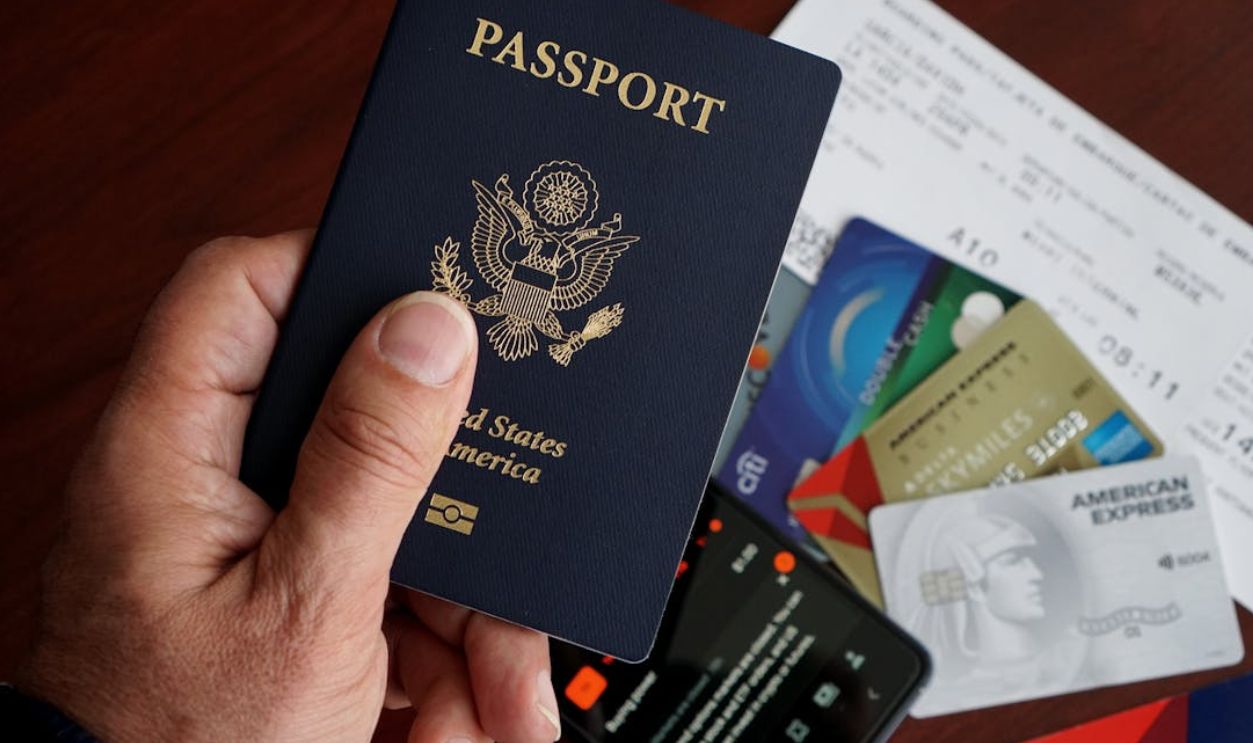
A reroute is not just an inconvenience. A new stop in another country can create passport, visa, transit-visa, or entry-document problems that did not exist on the original nonstop ticket. That is one reason this kind of change can be far more serious than just spending another hour in the air.
Do Not Assume You Can Transit Anywhere
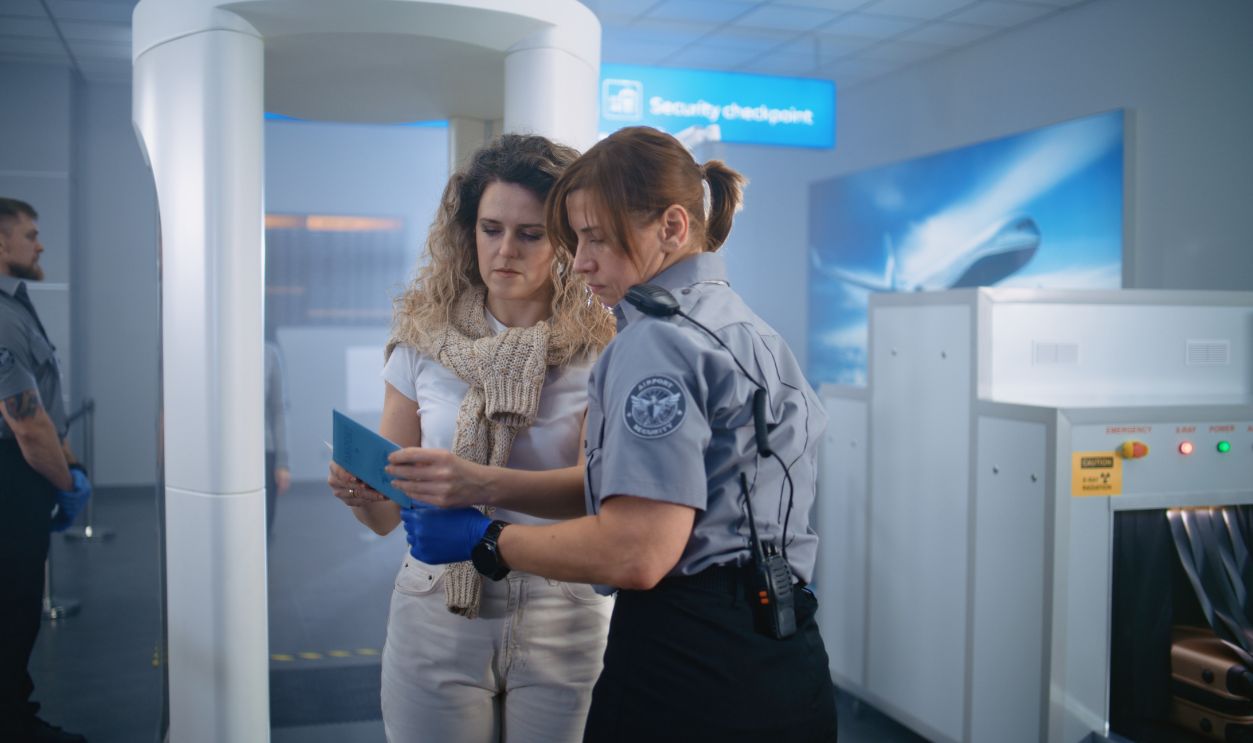
Some countries require transit visas for certain nationalities even if you never leave the airport. Others have passport-validity rules, health-entry requirements, or security restrictions that can wreck a rebooked trip. If the airline reroutes you through a place you cannot legally transit, push back right away and ask for a different option or a refund.
 Frame Stock Footage, Shutterstock
Airport Changes Can Matter A Lot
The DOT says a significant change may also include leaving from a different airport or landing at a different one. That matters if your revised itinerary swaps your local airport for one that is hours away, or if the connection forces you to transfer between airports on your own. Details like that can strengthen your case that the new itinerary is not a fair substitute.
Timing Still Matters
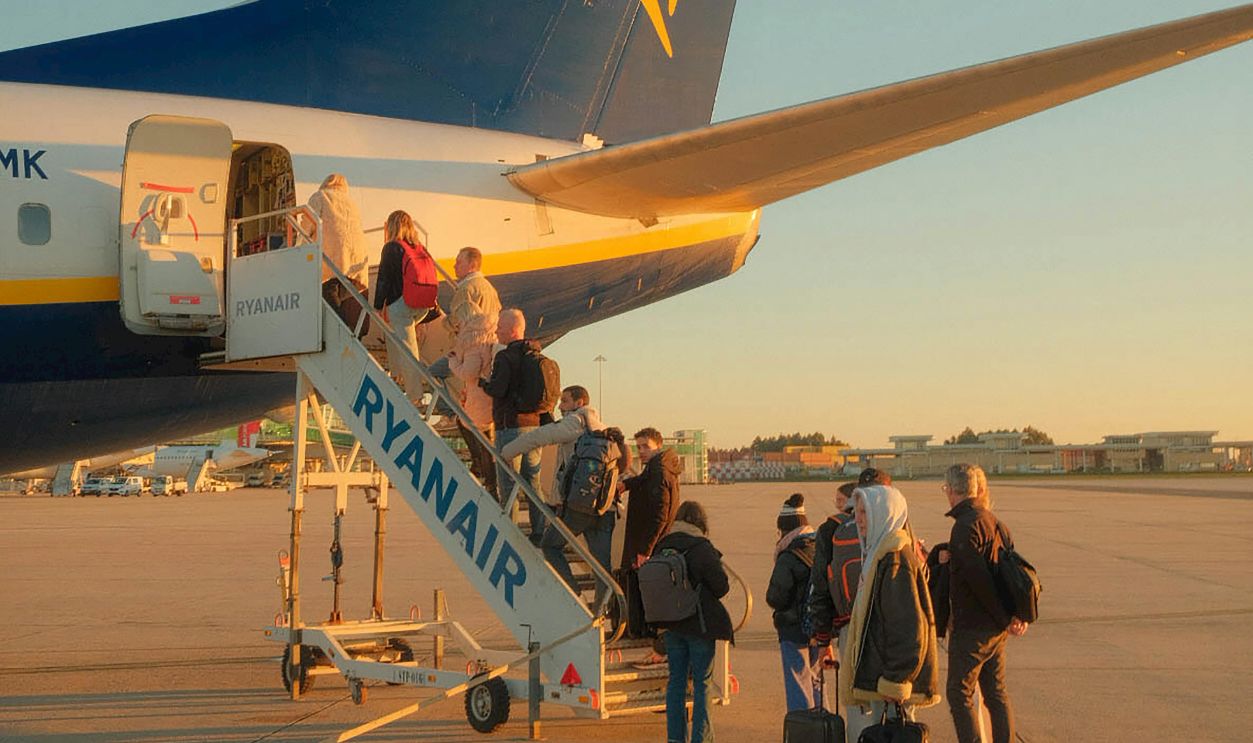
A reroute through another country often means leaving much earlier, arriving much later, or both. The DOT includes changes in departure and arrival times in its significant-change analysis. Save your original itinerary and compare it line by line with the new one.

Codeshares Can Make It Messy
Your ticket may be sold by one airline and operated by another. That can make customer service more confusing, especially if one carrier canceled the original nonstop while another is flying the replacement connection. Even so, the refund and rerouting discussion should usually start with the airline that issued your ticket.

Package Trips Add Another Layer
If your flight was part of a vacation package, the company that sold the trip may have obligations too. In the EU and UK, package travel rules can add more protections when a major part of the trip changes. If a tour operator built your plans around a nonstop flight, contact both the airline and the package provider.

Move Fast Before Better Options Vanish
When a direct flight is canceled, the best replacement seats can disappear quickly. Contact the airline as soon as you see the change, and if hold times are bad, try phone and chat at the same time. If a workable option still exists that day, acting fast can make all the difference.

Use Clear Language With The Airline
Be polite, but be specific. Say that your original nonstop was canceled, the new itinerary adds an international transit, and you are requesting either a refund or rerouting because the replacement is a significant change. Mention any real problem the new plan creates, such as visa issues, an airport change, an overnight layover, or a much later arrival.

Document Everything
Take screenshots of the original booking, the cancellation notice, the replacement itinerary, and any fare difference if the airline is still selling a better route. Save chat logs and confirmation emails too. If you later need to file a complaint or dispute a charge, that paper trail can be your best proof.

If You Paid By Credit Card, Remember That
If the airline refuses a refund you believe you are owed, your card issuer may end up playing a role. A chargeback is not the first move, but it can be a last resort if the service you paid for was not delivered and the airline will not follow the rules that apply. Before going there, give the airline a fair chance to fix it and keep your records organized.

Complaints Can Push A Stalled Case Forward
For U.S. flights, passengers can file a complaint with the DOT if they believe an airline ignored refund rules or misapplied its policies. In Europe, the UK, and Canada, other national bodies handle complaints and enforcement. Those processes can take time, but they can also put pressure on a case that has gone nowhere with customer service.

Travel Insurance Might Help, But Read The Fine Print
Insurance can sometimes cover extra costs tied to delays, missed connections, or overnight disruptions. It usually does not replace the airline's own duties, and many policies exclude certain schedule changes or require a specific trigger. Check whether your policy covers cancellations, trip interruption, or transit-visa issues caused by a reroute.

The Airline Can Make The Change, But You Can Still Refuse It
This is the core of the issue. Airlines generally can change schedules, cancel flights, and offer replacement itineraries, including routes through another country. But if the new trip is a significant change and you do not accept it, your rights may include a refund and, depending on the country and route involved, stronger rerouting or care obligations.

The Practical Bottom Line
Yes, an airline really can replace your nonstop with a connection through another country. No, that does not mean you have to quietly accept it. Check which rules apply, figure out whether the change is significant, ask for rerouting or a refund right away, and do not ignore transit-document problems created by the new itinerary.