The Checkout Chore List That Sparked Backlash
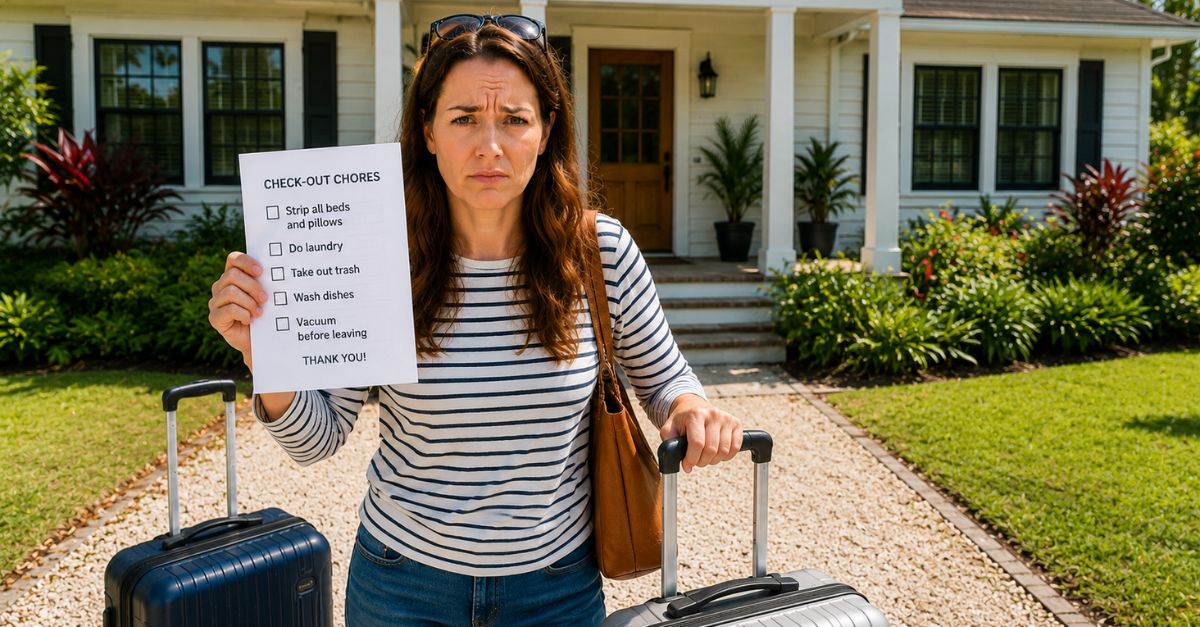
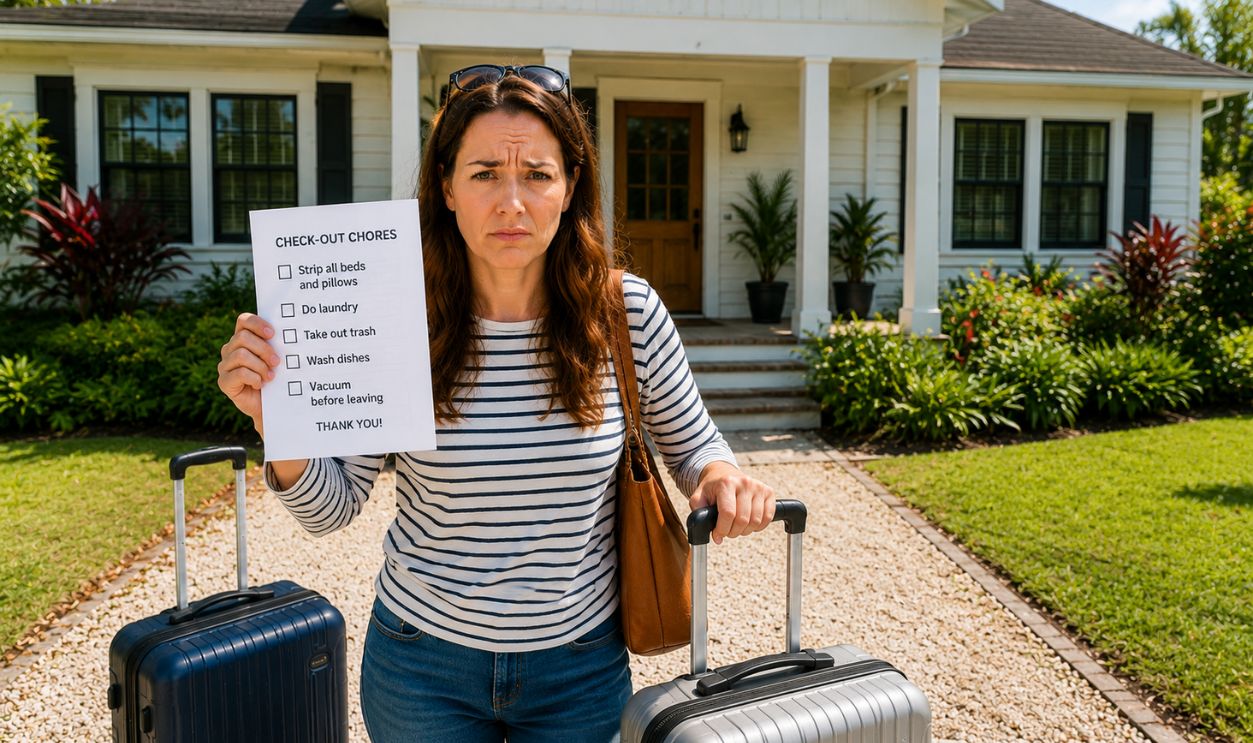
An Airbnb checkout list that feels like a part-time cleaning job feels bad, but it's getting more and more common. Guests often say they are asked to strip beds, start laundry, take out trash, wash dishes, and even vacuum before leaving. But this modern irritation gets worse when the booking also comes with a separate cleaning fee. The question is: What are they saying the fee is for—and should they still be allowed to charge it?
Why Travelers Keep Asking The Same Question
The complaint is pretty simple, and you may have even encountered this yourself. If a guest is paying a cleaning fee, it's natural to think that you shouldn't also be doing a big chunk of the cleaning. That tension has turned into one of the biggest sore spots in short-term rentals in recent years.

Airbnb Heard The Complaints
Airbnb publicly addressed the issue in late 2022. In November 2022, the company announced a set of changes that included making total pricing easier to see and telling hosts not to expect guests to handle unreasonable checkout chores. It was a clear sign the company knew this had become a real problem.

What Airbnb Said About Checkout Tasks
When Airbnb rolled out those updates, it said hosts could still ask guests to do basic things like turn off lights, throw food in the trash, and lock the doors. But Airbnb also said hosts should not ask guests to strip beds, do laundry, or vacuum. That line matters because it separates basic courtesy from unpaid cleaning work.

The Cleaning Fee Is Usually Set By The Host
One detail often gets lost in the outrage. On Airbnb, the cleaning fee is generally set by the host, not by Airbnb itself. That means the fee can vary a lot from one listing to another, and so can the host’s expectations at checkout.

What The Cleaning Fee Is Supposed To Cover
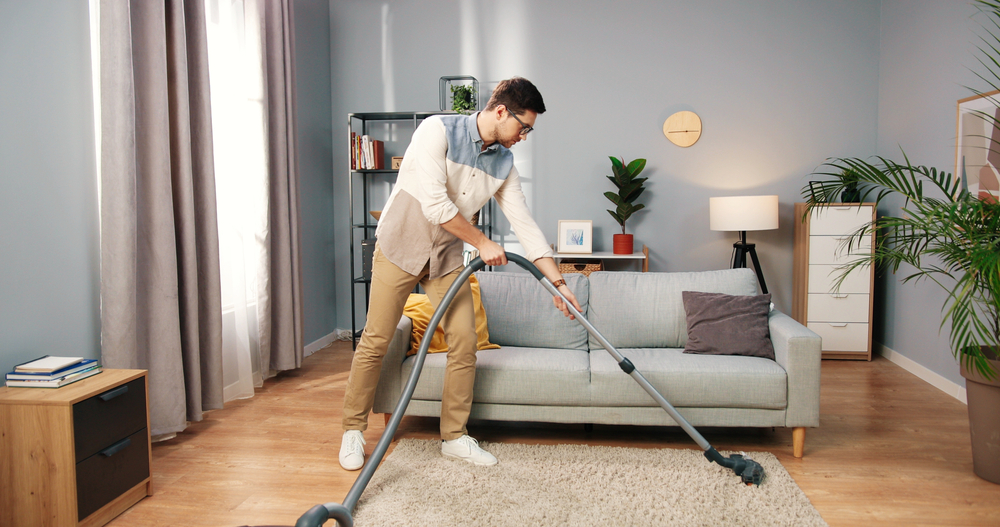
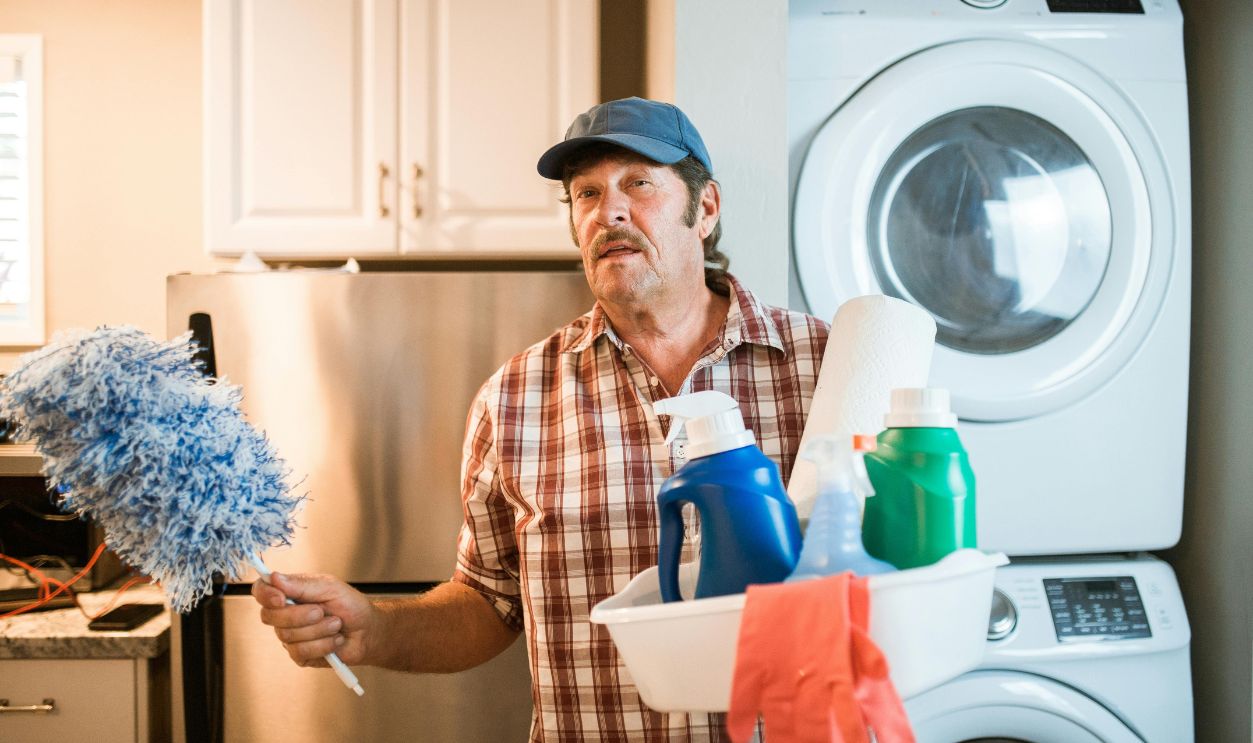
In most cases, the cleaning fee is meant to cover the turnover work needed to get the property ready for the next guest. That can include washing linens and towels, cleaning bathrooms and kitchens, dusting, mopping, vacuuming, restocking supplies, and paying professional cleaners. It can also help cover the extra time needed to clean larger homes or properties with more guests.
Why Some Hosts Charge It Separately
Hosts often break out the cleaning fee from the nightly rate because cleaning is a fixed turnover cost. Whether a guest stays one night or five, the property may still need a full reset before the next check-in. Listing it separately may make sense for hosts, even if guests often see it as an annoying add-on.
The Fee Can Make Short Stays Feel Worse
Cleaning fees usually sting most on short trips. A low nightly rate can suddenly look a lot less appealing when a one- or two-night stay gets hit with a big cleaning charge. That is one reason more travelers have started comparing Airbnb more closely with hotels.

Airbnb Tried To Make Pricing Clearer
Also in November 2022, Airbnb said it would begin showing total price in search results by default in many countries. The goal was to help users see the full cost, including fees, before getting to checkout. The move was widely seen as a response to years of complaints about surprise charges.

Clearer Pricing Does Not End The Resentment
Showing the total price up front helps, but it does not fix the emotional part of the problem. Guests may still feel annoyed if they pay a high cleaning fee and then get handed a list of chores. Better pricing answers one question, but it does not settle whether the deal feels fair.

Hotels Create A Different Expectation
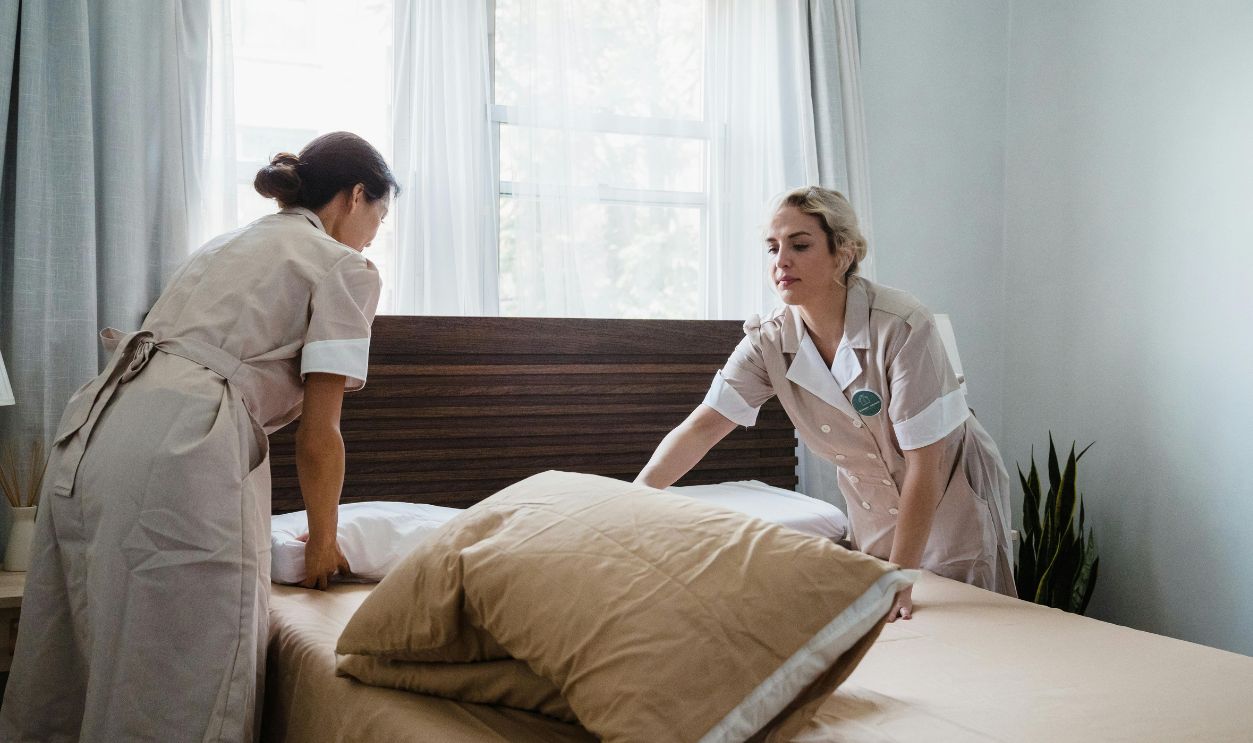
Part of the backlash comes from the obvious comparison. Hotel guests are not usually asked to wash sheets or vacuum the room before they leave, even though housekeeping is built into the price. When Airbnb prices get close to hotel prices, many guests expect hotel-level convenience too.
Hosts See It Differently
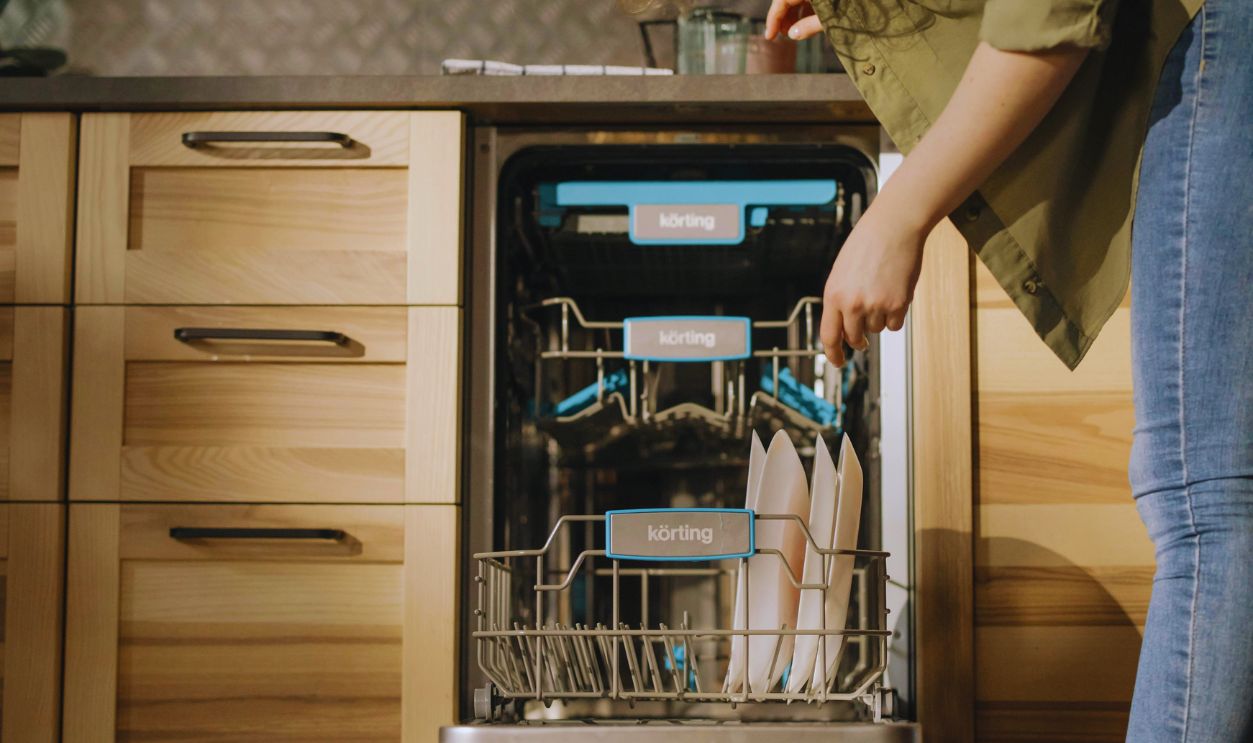
Many hosts argue that simple checkout requests are not about avoiding cleaning costs. They say tasks like taking out the trash or loading the dishwasher can help cleaners move faster and prevent odors, pests, or damage between same-day turnovers. For hosts working on tight schedules, even small guest tasks can matter.
But Airbnb Drew A Line For A Reason
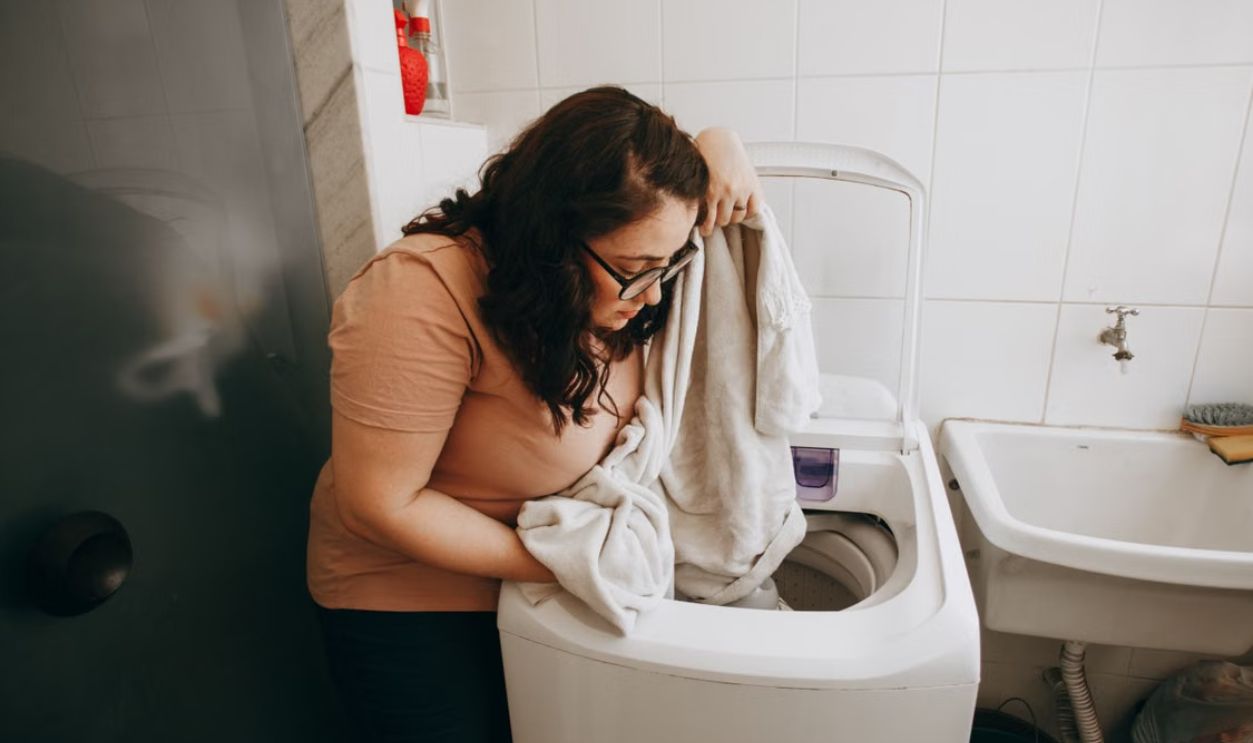
Airbnb’s guidance matters because some host demands clearly went too far. Reports of guests being asked to mow lawns, shovel snow, or handle long cleaning routines helped push the company to respond. By saying that stripping beds, doing laundry, and vacuuming are unreasonable, Airbnb gave guests a much clearer standard.
Consumer Watchdogs Also Pressed For Fee Transparency
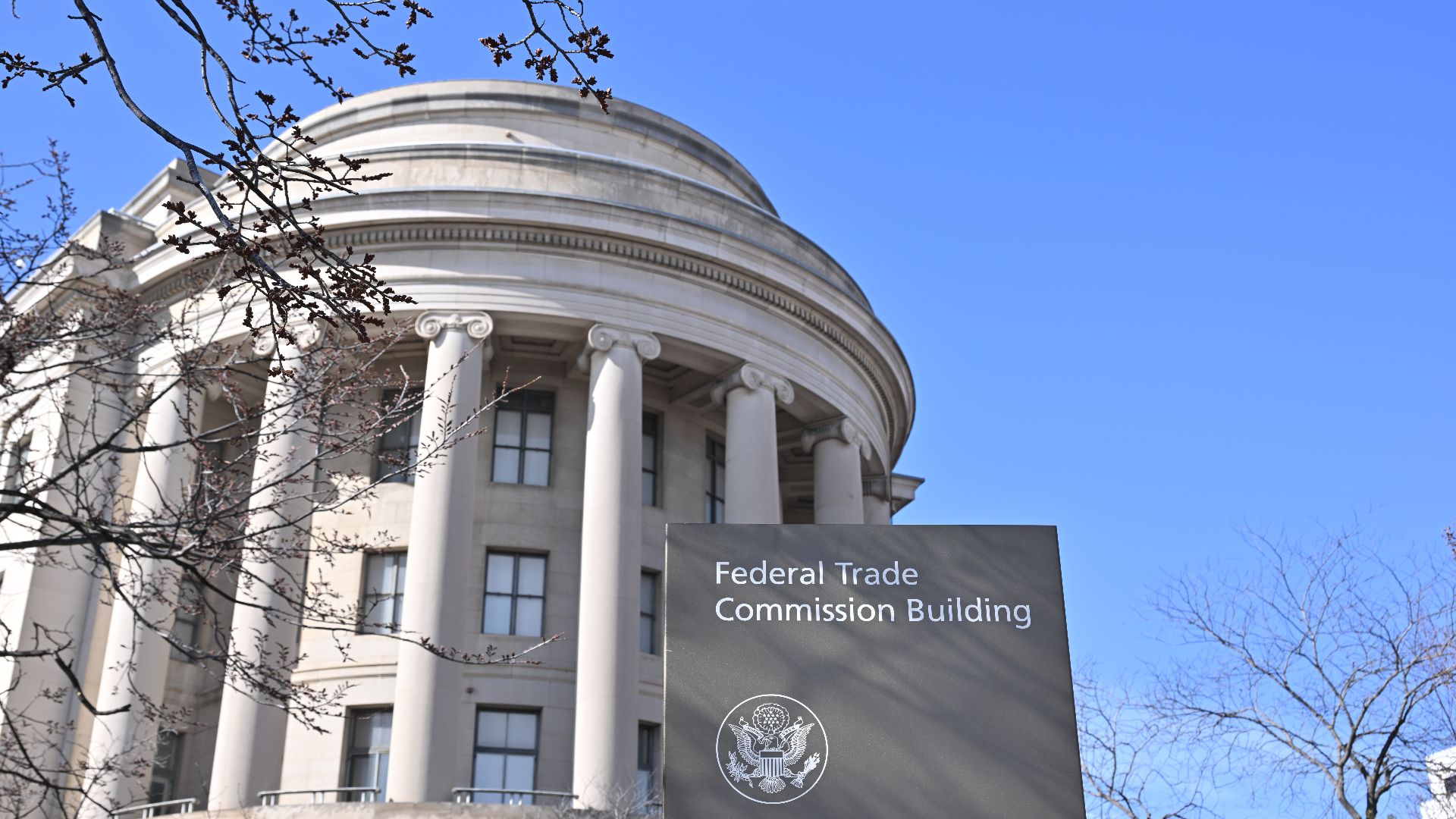
The Federal Trade Commission has spent the past few years paying closer attention to so-called junk fees across the economy, including short-term lodging. In December 2024, the FTC announced a final rule targeting unfair or misleading fee practices in live-event ticketing and short-term lodging. The bigger message was straightforward: consumers should be able to see the real price without games.
 G. Edward Johnson, Wikimedia Commons
Why That Matters For Airbnb Guests
The FTC rule does not ban every separate fee. What it targets is deceptive pricing that hides mandatory charges until later in the buying process. For travelers, that strengthens the idea that lodging platforms and hosts should be much clearer about what guests are paying and why.

Cleaning Fees Are Not Always Pure Profit
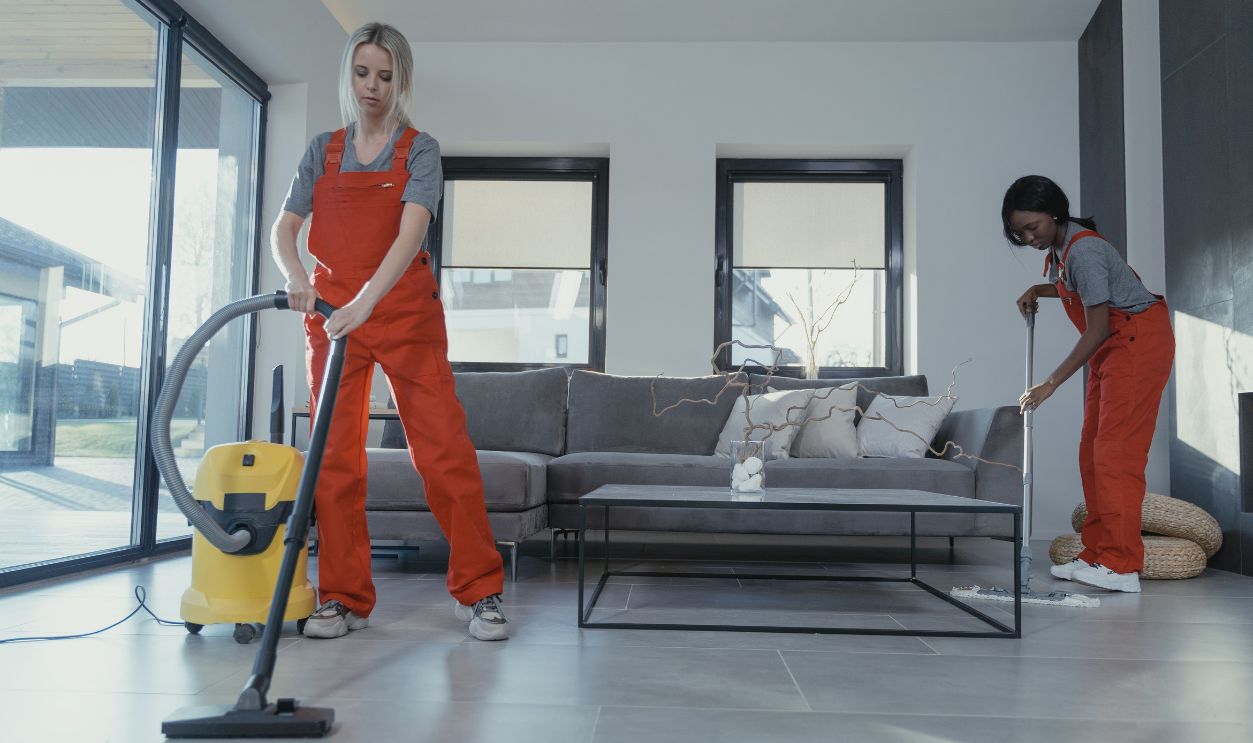
It is easy to assume every cleaning fee is a cash grab, but the reality can be more complicated. Professional cleaners can be expensive, especially in busy vacation markets with labor shortages or high wages. Laundry service, restocking supplies, and general wear and tear also add to turnover costs.
Still, Some Fees Really Do Look Excessive
Travelers are not imagining the sticker shock. In some listings, cleaning fees can look wildly out of proportion to the size of the property or the length of the stay. That is exactly why comparing the total price has become one of the smartest ways to shop for a rental.

The Fine Print Matters More Than Ever
Before booking, check the listing details, house rules, and checkout instructions carefully. Airbnb says hosts should disclose checkout tasks before a guest books. If you see a long list that reads more like a cleaner’s checklist, that is useful information to have before you commit.

What Counts As A Reasonable Checkout Request
Based on Airbnb’s policy direction, basic asks are the safer zone. Throwing away perishable food, placing used towels in a pile, turning off lights, and locking up are generally seen as reasonable. Those tasks are very different from chores that repeat what a paid cleaner would normally do.
What Counts As An Unreasonable One
Airbnb has explicitly said hosts should not require guests to strip the beds, wash the linens, or vacuum. If those tasks show up as mandatory checkout instructions, guests have strong reason to question them. That is especially true when the listing also has a meaningful cleaning fee.

Can Guests Push Back
Yes, but timing matters. The easiest time to push back is before booking, when you can ask the host to explain the cleaning fee and checkout expectations in writing. If the instructions show up only after booking and seem inconsistent with Airbnb policy or the listing disclosure, guests can raise the issue with the host and, if needed, Airbnb support.

How To Protect Yourself Before You Book
Start by looking at the total price, not just the nightly rate. Then read recent reviews with an eye out for comments about hidden chores, surprise rules, or aggressive cleaning demands. Reviews often reveal what the polished listing description leaves out.

Smart Questions To Ask A Host
You do not need to be confrontational. A simple question like, “Can you confirm the checkout tasks and what the cleaning fee covers?” can tell you a lot. Hosts with reasonable policies usually answer clearly and quickly.

When A Hotel May Be The Better Deal
If the rental has a high cleaning fee, strict checkout chores, and a short stay minimum, a hotel may offer better value and less hassle. That is especially true for one- or two-night trips, business travel, or quick city breaks. Convenience costs money, but so does frustration.

When An Airbnb Still Makes Sense
Short-term rentals can still be a great fit for longer stays, larger groups, or trips where you want a kitchen and more space. In those cases, even a cleaning fee may be easier to justify because the per-night cost spreads out over more days. The value equation changes depending on the trip.

The Real Answer To The Cleaning Fee Question
In theory, the cleaning fee pays for getting the property ready for the next guest. In practice, whether it feels fair depends on the amount charged, the length of the stay, and whether the host also expects guests to do chores that Airbnb itself says are unreasonable. That is why the same fee can feel totally normal in one listing and absurd in another.
The Bottom Line For Frustrated Travelers
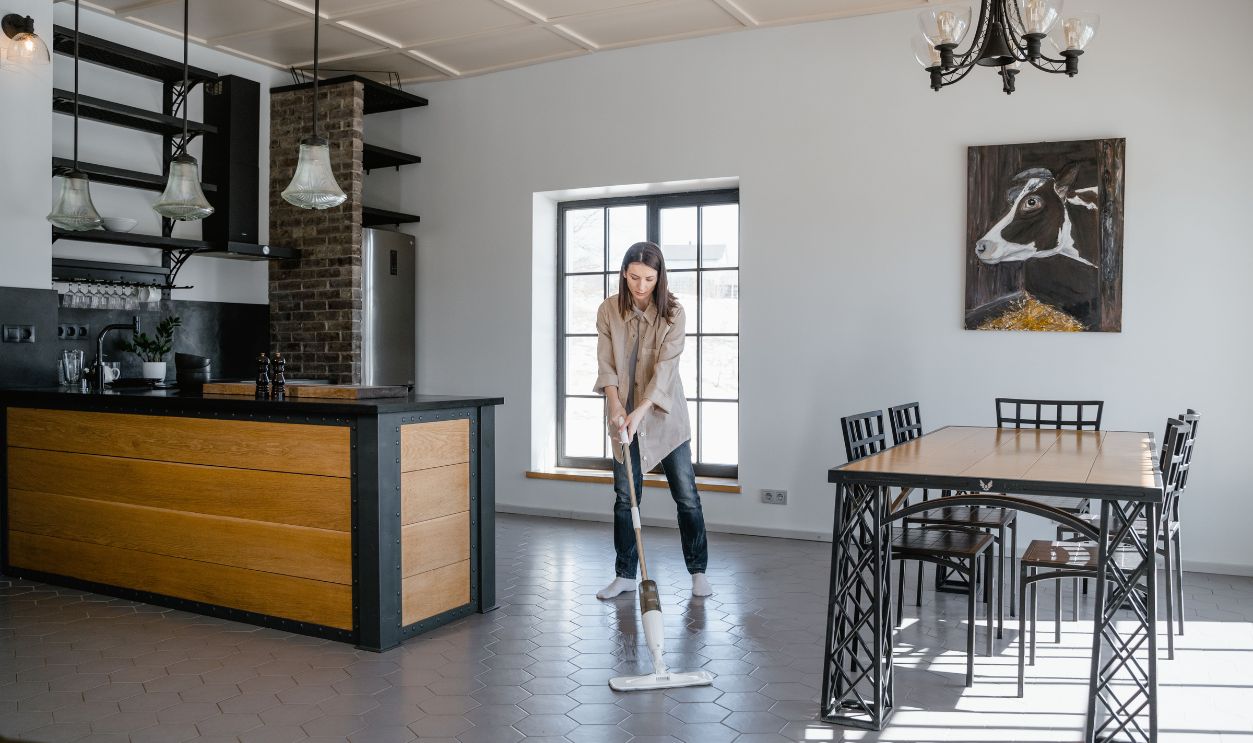
If a host asks you to strip beds, do laundry, and vacuum before checkout, it makes sense to wonder what the cleaning fee is actually covering. Airbnb has already signaled that those requests cross the line from basic courtesy into unreasonable territory. The best defense is to compare total prices, read the fine print, and avoid listings that treat guests like the cleanup crew.