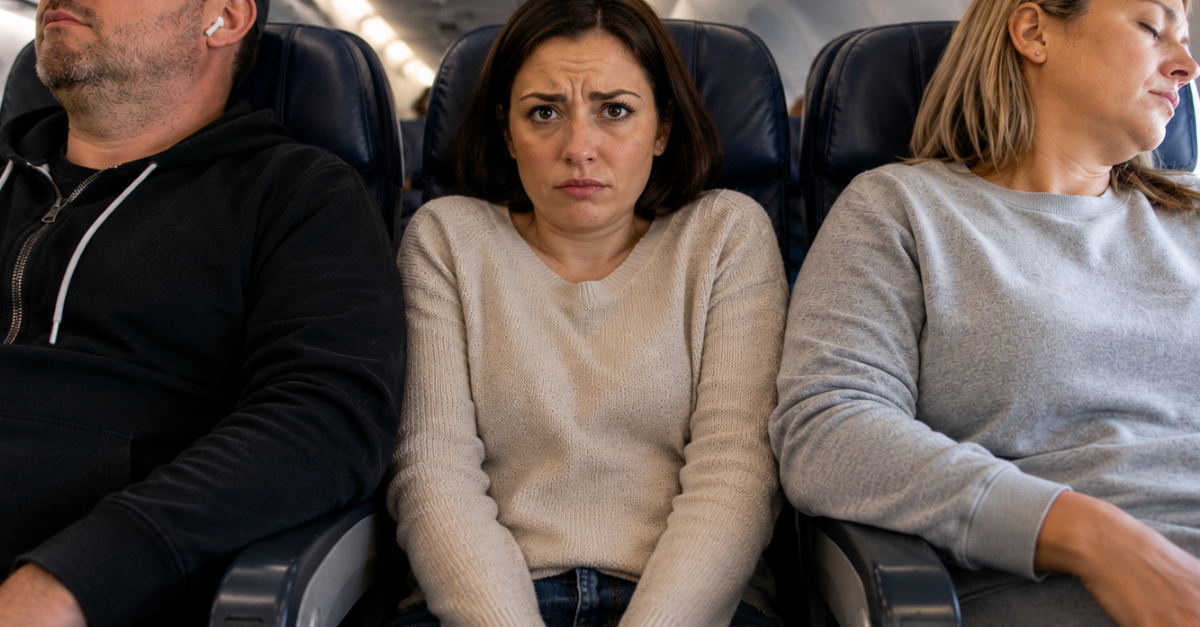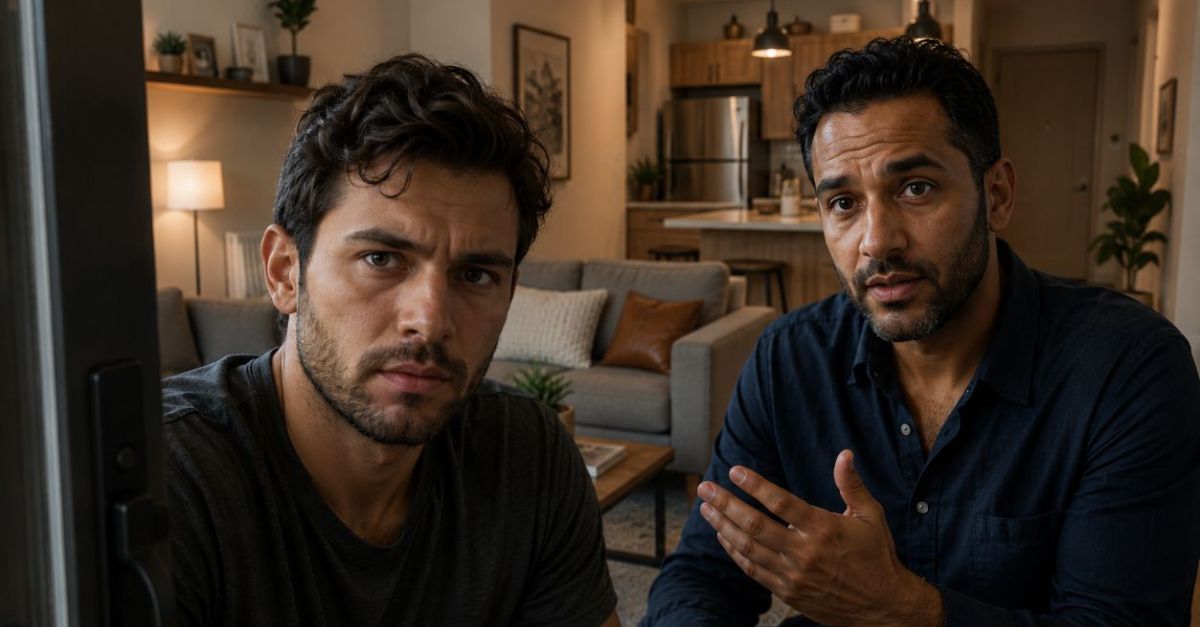
That “Pretend We’re Cousins” Line Is Not Cute
If an Airbnb host tells you to say you're his "cousin" if security asks questions, treat it as a serious warning sign. That kind of script usually means the host expects trouble with building staff, condo rules, or local law. In plain English, you may be walking into an unauthorized rental—or at the very least, one that isn't worth the trouble.
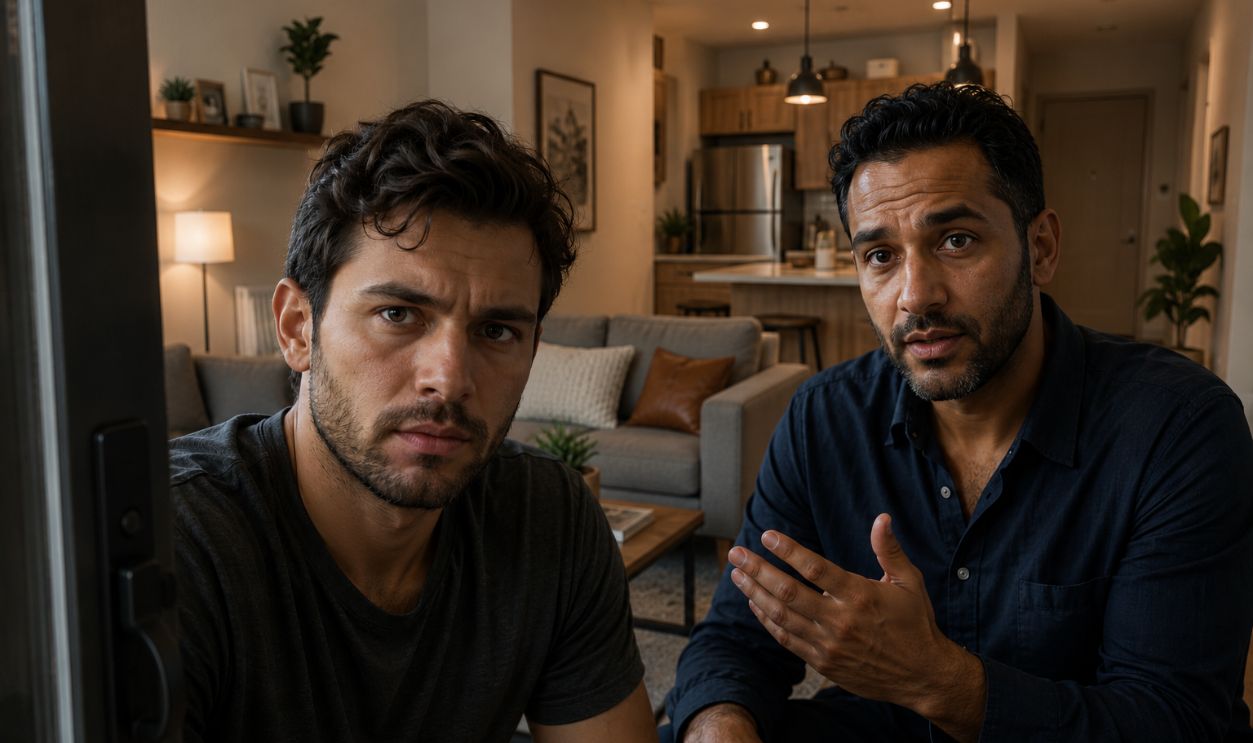
Why This Feels Shady Right Away
A normal, legal stay does not require a cover story. If a host is coaching you on what to say, they may be trying to avoid detection by a doorman, homeowners association, landlord, or city inspector. That shifts the risk to you the second something goes wrong.
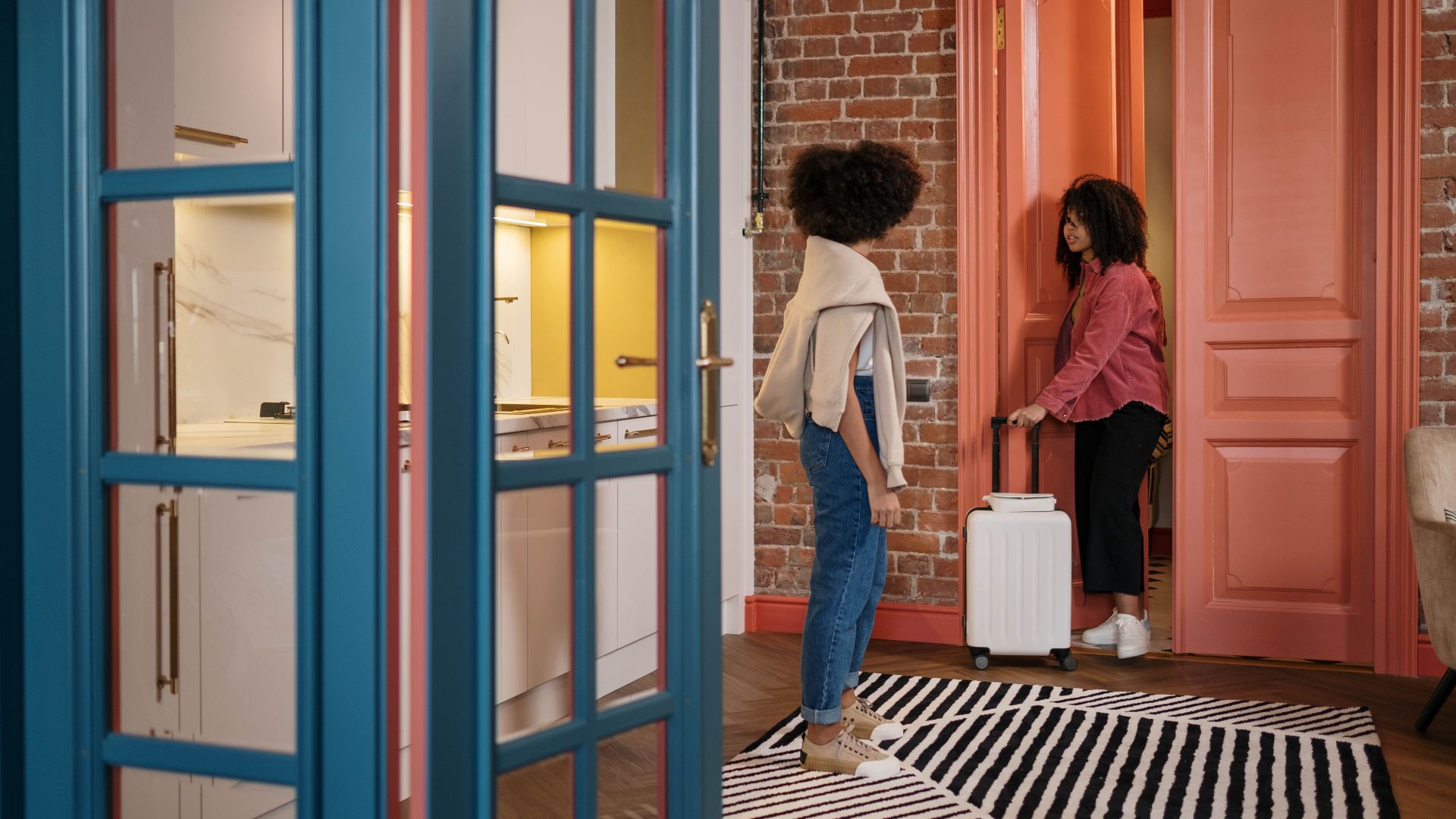
Unauthorized Rentals Are A Real Thing
This is not just travel paranoia. Airbnb says some listings may violate housing rules, leases, contracts, or community rules, and it tells guests to check local laws and listing details carefully. The platform’s own help pages make it clear that not every host is automatically operating by the book.
New York City Shows How Serious This Can Get
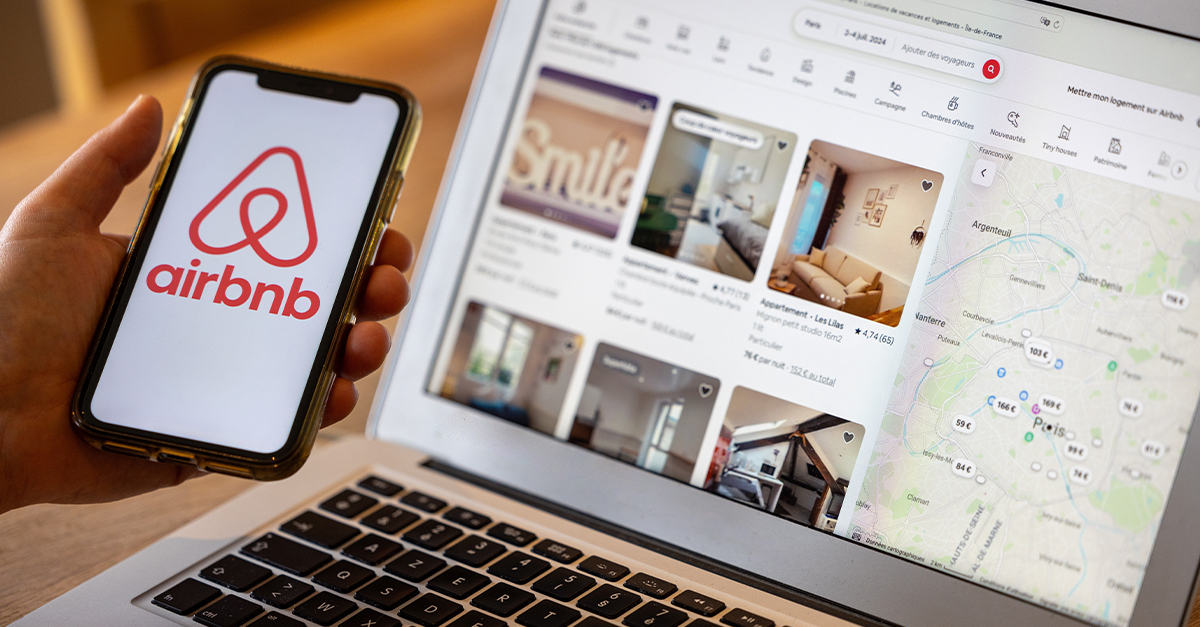
One of the clearest examples came in New York City when Local Law 18 took effect in September 2023. The law requires short-term rental hosts to register with the city, and it generally bans rentals of fewer than 30 days unless the host is present and other rules are met. If your host in a tightly regulated city is feeding you a fake family story, there is a good chance they are trying to dodge rules like these.
What New York Requires
New York City’s Office of Special Enforcement says hosts must be registered to legally offer short-term stays in most cases. Booking platforms are barred from processing transactions for unregistered short-term listings. So if a guest is told to lie to security in that setting, it is not just odd. It is a clue the booking may not comply with city rules.
Airbnb Fought The New York Crackdown
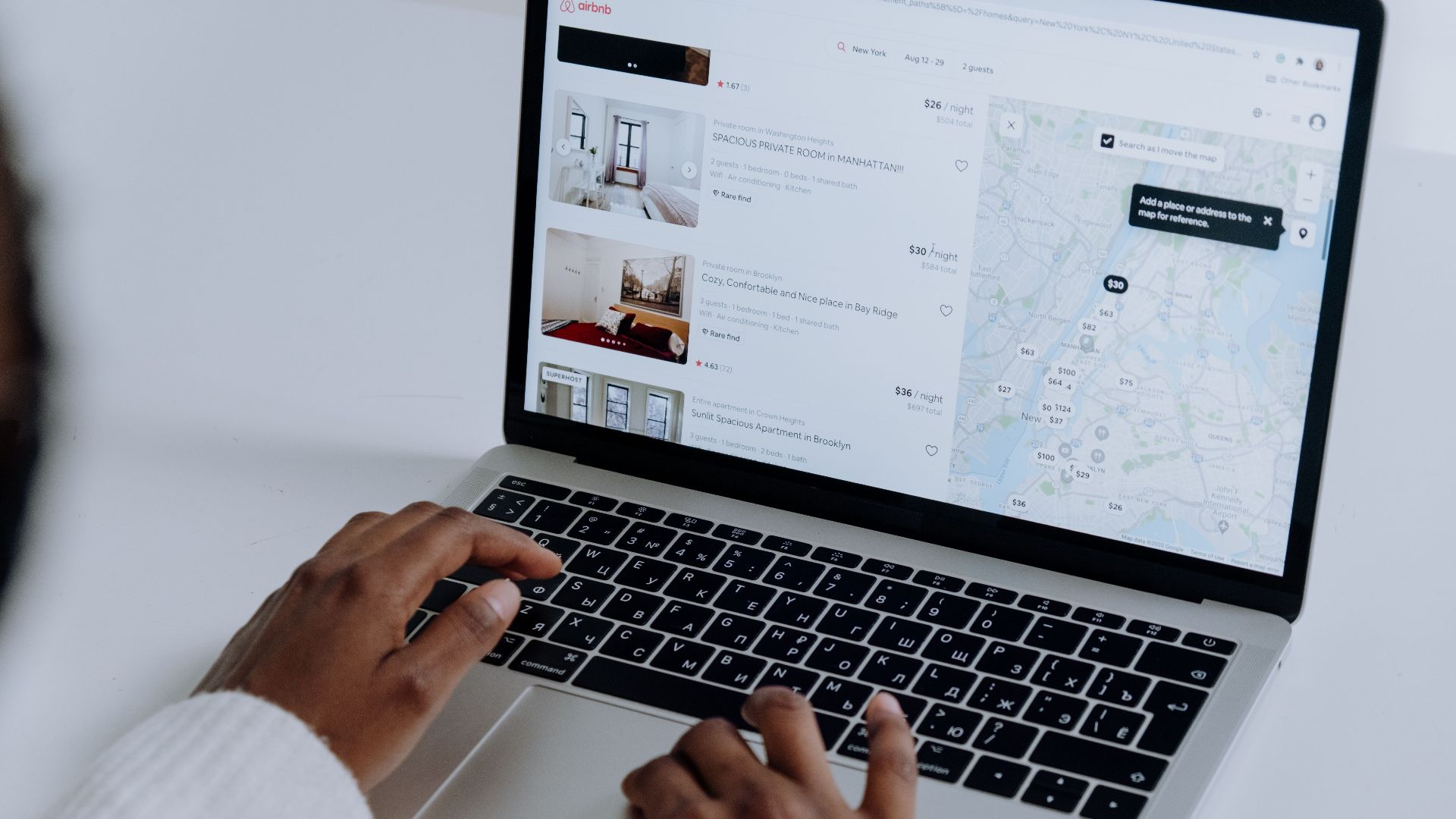
Airbnb challenged New York City’s registration law in court, which shows how big these rules are. In June 2023, a federal judge denied Airbnb’s request for a preliminary injunction, allowing the law to move forward. For travelers, the takeaway is simple: some cities actively police short-term rentals, and hosts know it.

Las Vegas Has Similar Red Flags
Las Vegas is another place where secretive check-ins can be a flashing warning light. Clark County requires short-term rental license holders to provide guests with a copy of the license and a summary of the rules. If a host acts like you need to sneak past security, that does not match the transparency local regulators expect.

Licenses Matter More Than Vibes
In many cities and counties, legal short-term rentals must display a permit or registration number. Some local governments also publish searchable databases so guests can verify whether a property is approved. A host who says “just tell them we’re family” is giving you a stronger signal than any polished listing photos ever could.
Condo And Apartment Buildings Often Ban This
Sometimes the problem is not city law but building policy. A host might own or rent a unit in a property that bans short-term stays altogether. Security staff asking questions can be a clue that the building has already dealt with unauthorized rentals before.
You Could Lose Your Stay Overnight
If the host is breaking building rules, your trip can fall apart fast. You might be denied entry, told to leave, or locked out if management shuts off access. Even if Airbnb helps later, that does not solve the immediate problem of standing in a lobby with your suitcase.
Safety Is The Bigger Issue
An unauthorized rental can also mean the property skipped requirements that regulated lodging is supposed to meet. Depending on local rules, legal operators may need permits, emergency contact information, occupancy limits, or safety notices. A host who is hiding from security is not exactly inspiring confidence.

Airbnb’s Own Policies Point To Transparency
Airbnb’s ground rules for hosts stress accuracy, clear communication, and honoring reservations. A cover story is the opposite of clear communication. Even if the apartment itself is real, the host’s behavior suggests the stay may not be what it was presented to be.

Guest Reviews Can Give The Game Away
Before you panic, read recent reviews carefully. Look for phrases like “easy self check-in,” “had to meet outside,” “doorman issues,” “strict building,” or “host asked us not to mention Airbnb.” Guests often hint at problems without saying outright that the listing may be illegal.
Look Closely At The Listing Details
Check whether the listing shows a permit, registration, or license number if your destination requires one. See whether the host explains the check-in process clearly and consistently. Vague instructions that only show up after booking are a bad sign.

Message The Host Directly
If you have not checked in yet, ask a calm, direct question in the Airbnb message thread. You can say, “Can you clarify why we would need to tell security we are cousins?” Keeping the conversation on the platform creates a record if you need Airbnb support later.

Do Not Move The Conversation Off The Platform
If the host starts texting or calling to explain the cover story, bring it back into Airbnb messages. Airbnb support can review on-platform communications much more easily than verbal claims. Documentation matters if you need a refund or help finding another place.

Take Screenshots Before Anything Changes
Save the listing, check-in instructions, and the host’s messages asking you to misrepresent your relationship. Keep the address, reservation details, and any building-specific instructions too. If the listing disappears or the host edits messages later, you will still have proof.

Contact Airbnb Support Quickly
Airbnb’s Help Center tells guests to report safety or listing issues and to contact support when a place is not as advertised or check-in is compromised. If the host’s request makes you think the stay is unauthorized, report it before the situation gets worse. The sooner you flag it, the better your chances of getting help.

If You Feel Unsafe, Do Not Check In
You are not required to walk into a situation that feels dishonest or unstable. If security is actively screening people and the host wants you to lie, think seriously about finding a backup hotel or legal rental. Losing one reservation is better than ending up stranded halfway through your trip.
Know What Airbnb’s Rebooking Help Covers
AirCover for guests says Airbnb may help with rebooking or refunds if a host cancels, you cannot check in, or the place is significantly different from what was advertised. It is not a magic fix, but it can be an important fallback. The key is reporting the problem through official channels and keeping records.
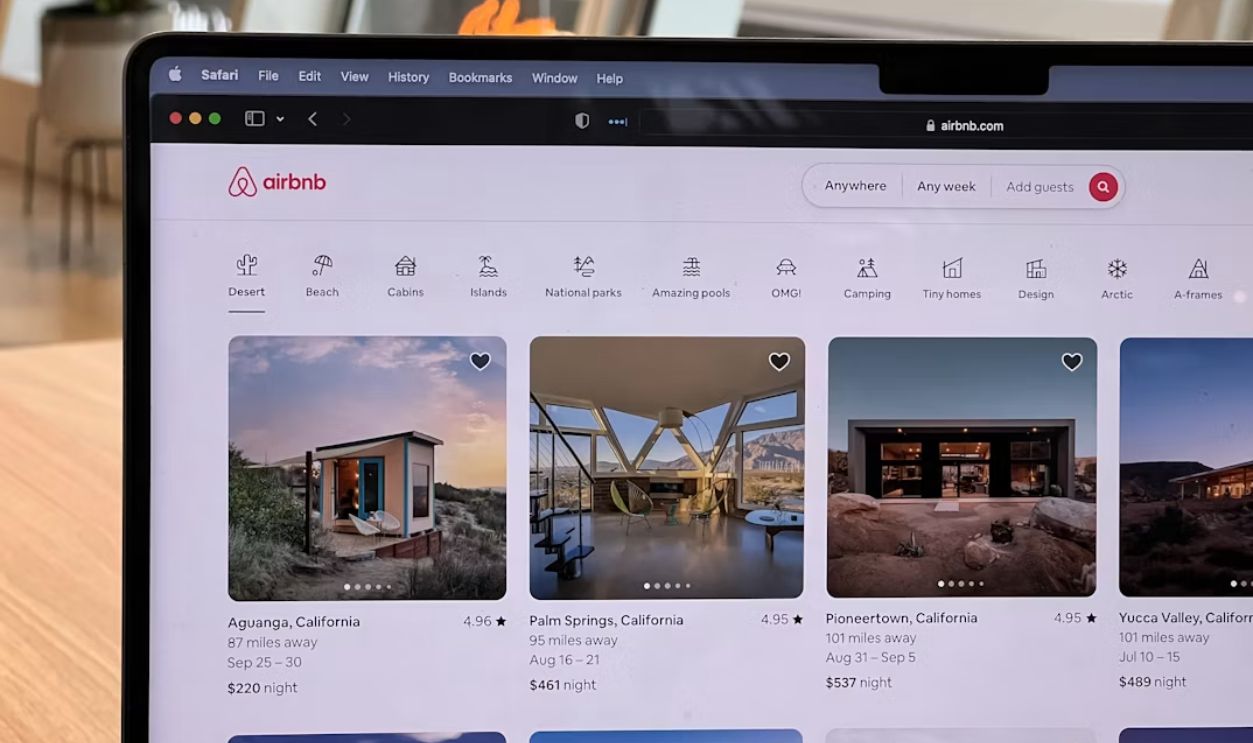 Oberon Copeland @veryinformed.com, Unsplash
Watch Out For Payment Tricks
A host who asks you to lie to security may also push for off-platform payments, deposits, or extra fees. Airbnb warns users to keep payments on the platform for protection. If the host is breaking one rule, do not assume they will stop there.

Check Local Rules Yourself
If you are in a city with aggressive short-term rental enforcement, search the local government website for registration rules. New York City and Clark County both publish clear guidance online. A quick search can tell you whether the host’s behavior fits a known pattern of noncompliance.

There Could Be An Innocent Explanation, But Not A Good One
Could there be a harmless reason for a weird instruction from a host? Maybe, but asking guests to invent a family relationship is hard to explain away. If the host simply wanted to smooth out check-in, they could tell security you are guests, which is true.
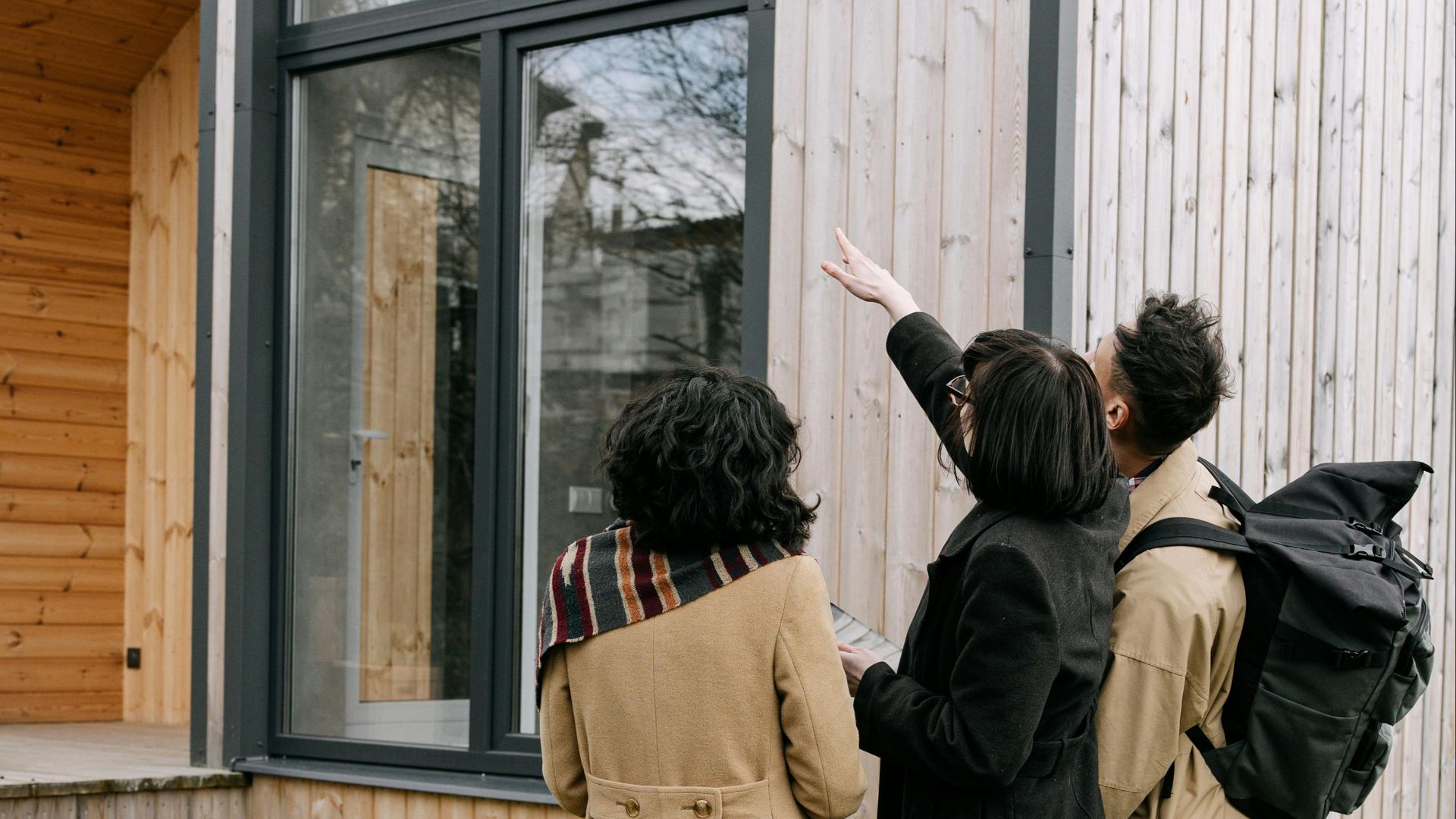
What To Say If Security Asks
You do not need to make up a fake backstory. You can say you booked a stay through Airbnb and are trying to reach the host. If that causes a problem, it is better to find that out right away than to become part of the deception.
How To Lower Your Risk Next Time
Book listings with lots of recent reviews, detailed house rules, and a visible legal registration number where required. Favor hosts with a long track record and clear check-in instructions provided before arrival. If a deal looks unusually cheap in a tightly regulated city, ask yourself why.

The Bottom Line For Travelers
Yes, this is a major warning sign. A host asking you to pretend you are cousins is signaling that the stay may violate building rules, lease terms, or local law. At a minimum, pause, document everything, and contact Airbnb before you put your luggage and your trip in the hands of someone else’s cover story.