The Vacation I Imagined Never Happened
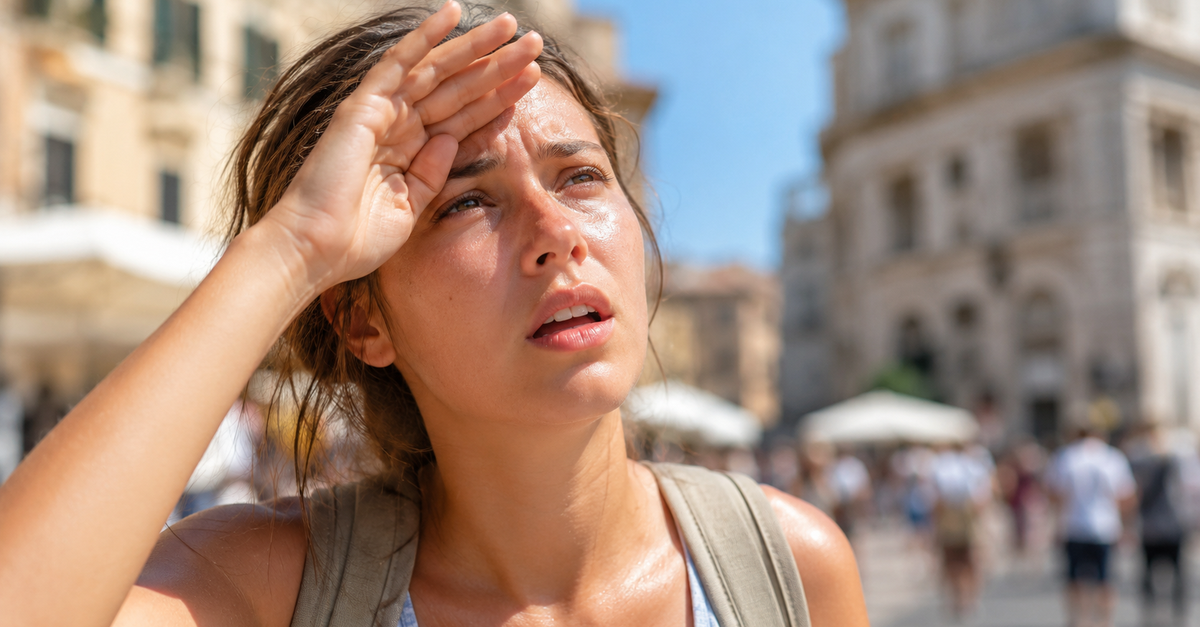
I pictured long walks, outdoor cafés, and afternoons exploring famous neighborhoods. Instead, I found myself searching for shade and checking heat alerts every few hours. It made me wonder whether planning a summer vacation has become far more complicated than it used to be.
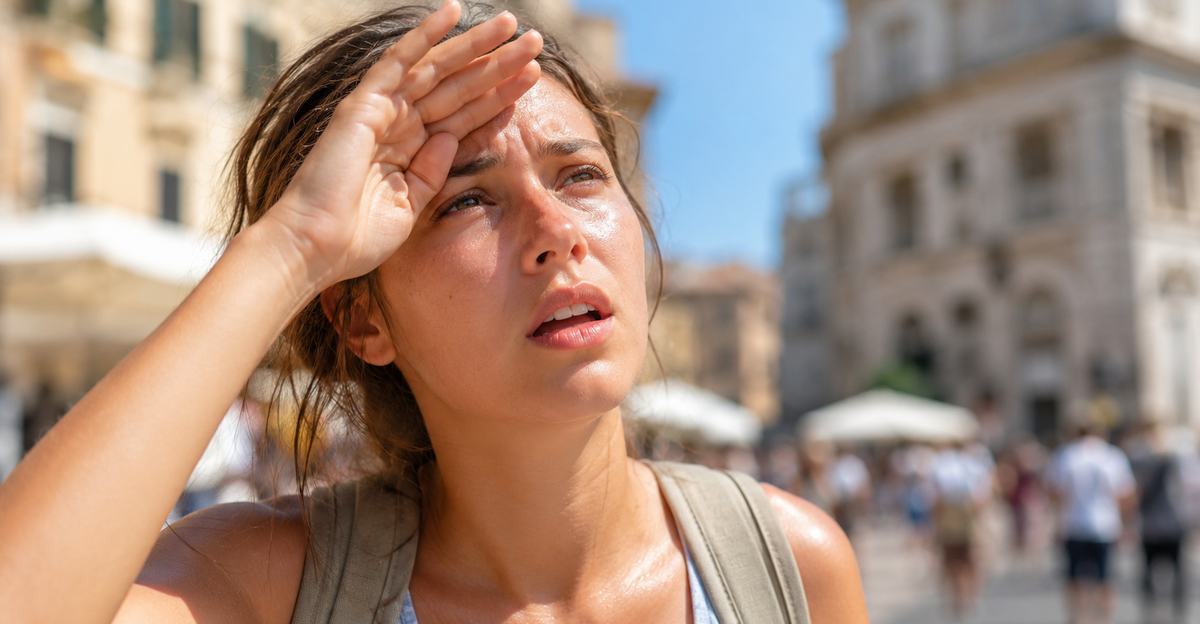
Heat Can Change A Trip Overnight
A vacation schedule often assumes comfortable weather for sightseeing and outdoor activities. During a severe heat wave, those plans may become unsafe rather than merely inconvenient. Health agencies increasingly advise travelers to modify plans when temperatures reach dangerous levels.

Cities Hold Onto Heat Longer
Urban areas often stay much warmer than surrounding countryside because pavement, concrete, and buildings absorb and slowly release heat. This "urban heat island" effect can keep evenings surprisingly warm after sunset. As a result, even nighttime offers less relief than many visitors expect.
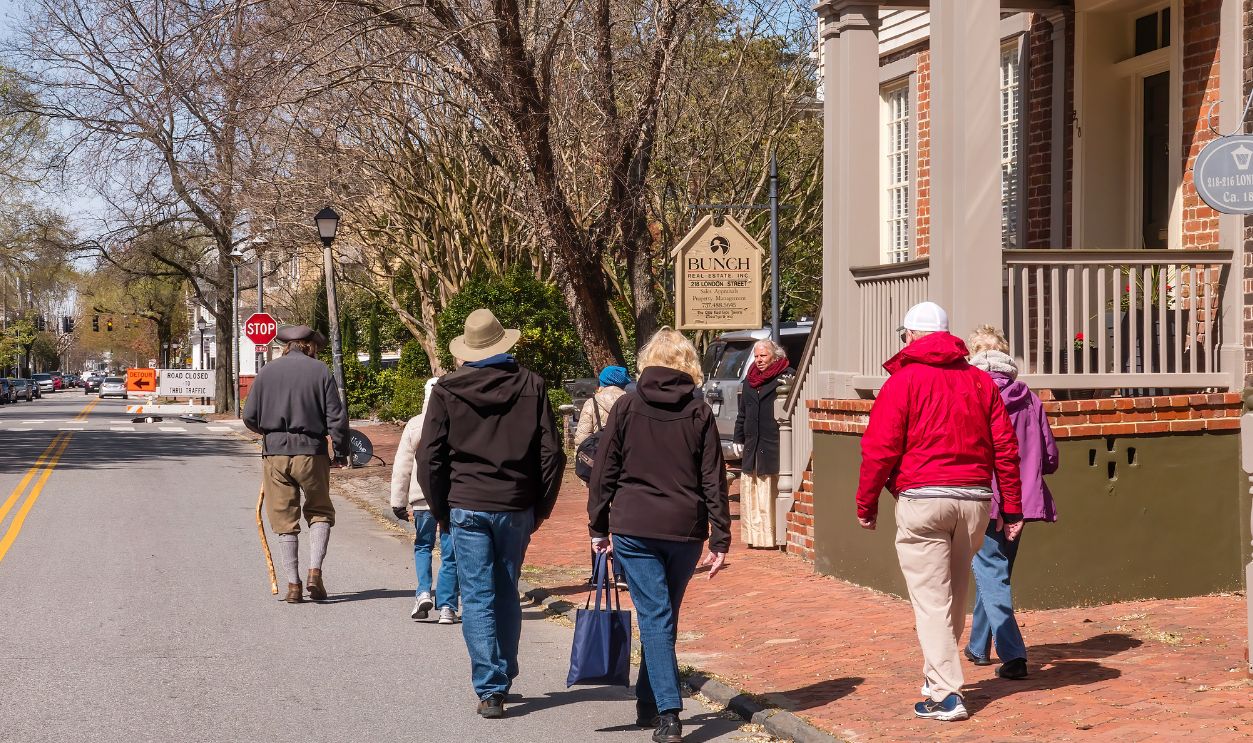
Famous Attractions Do Not Pause For Weather
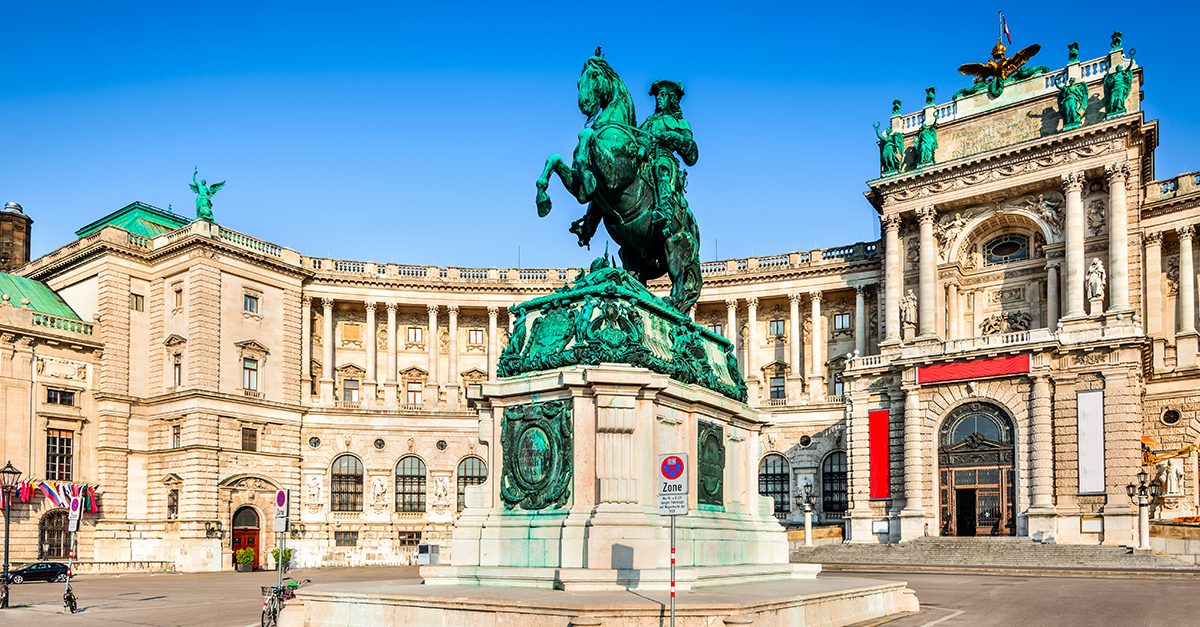
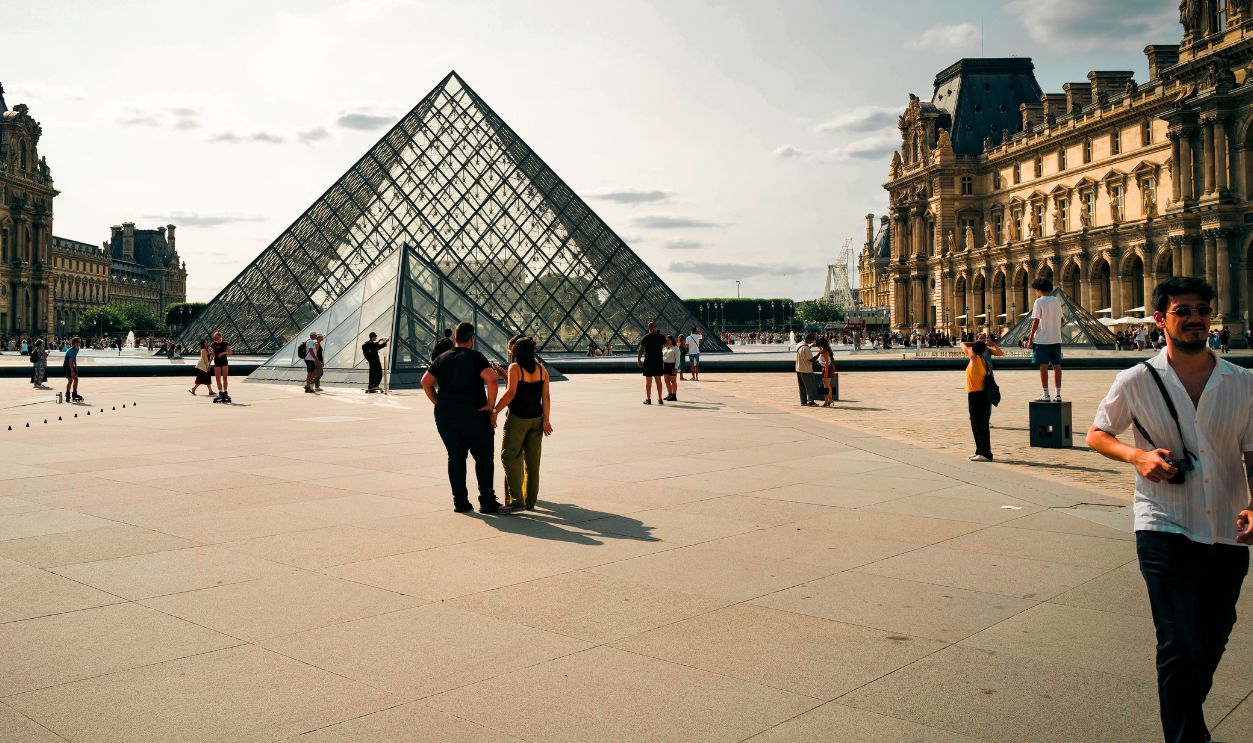
Landmarks may remain open during hot weather, but visitors often discover that waiting in outdoor lines becomes exhausting. Walking several miles between attractions can also become much more difficult. Even experienced travelers sometimes shorten their sightseeing days because of the heat.

Museums Suddenly Become The Best Stops
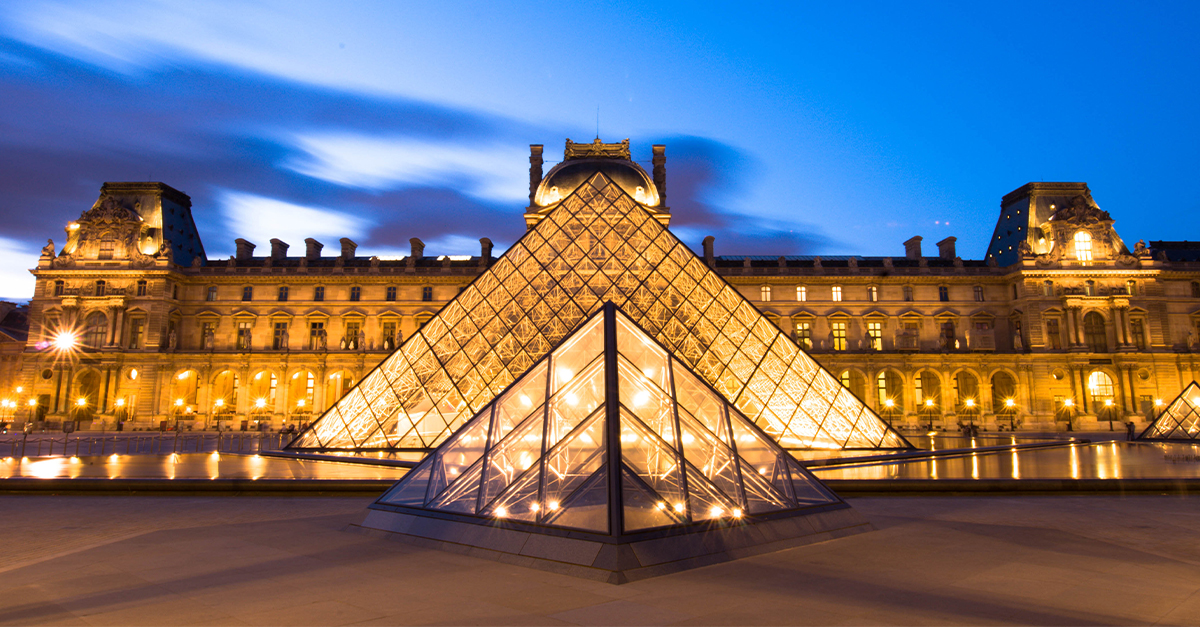
Many travelers discover that indoor attractions become the highlight of a heat wave vacation. Museums, galleries, libraries, and historic buildings usually provide air conditioning and a comfortable pace. Flexible travelers often end up enjoying places they never expected to visit.

Morning Becomes Prime Touring Time
Travel experts frequently recommend completing outdoor sightseeing early in the morning. Temperatures are generally lower before midday, making walking tours much safer and more pleasant. Afternoon hours often become better suited for indoor activities or rest.

Hydration Matters More Than Most People Realize
Sightseeing often distracts people from drinking enough water. Heat illness can develop surprisingly quickly during long walks in high temperatures. Carrying water and taking regular breaks are among the simplest ways to reduce risk.

Heat Does Not Affect Everyone Equally
Older adults, young children, pregnant people, and individuals with certain medical conditions face greater risks during extreme heat. Even healthy adults can experience heat exhaustion after prolonged exposure. Knowing personal limits becomes part of responsible travel planning.

Air Quality Can Become Part Of The Problem
Heat waves sometimes coincide with wildfire smoke or increased ozone pollution. Poor air quality can make outdoor activities uncomfortable or unhealthy, especially for people with respiratory conditions. Checking local air quality forecasts has become almost as important as checking the weather.
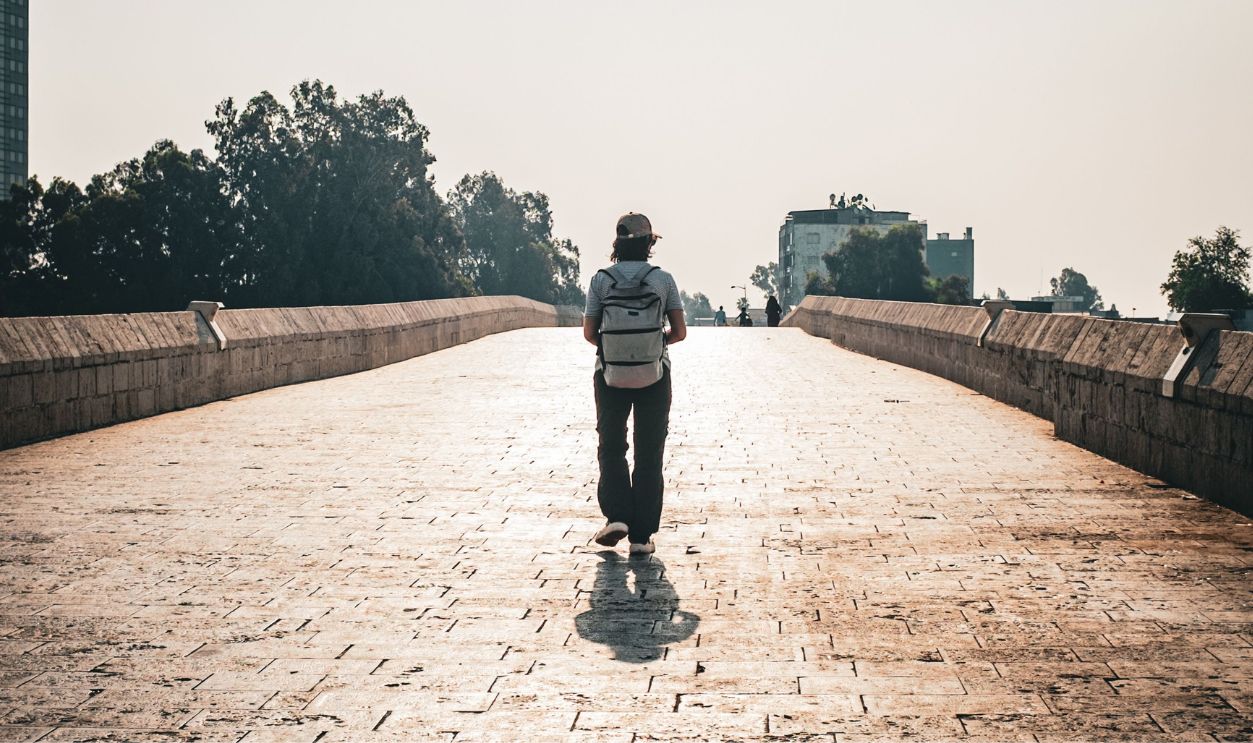
Weather Apps Become Essential Travel Tools
Checking the forecast once before departure is often no longer enough. Conditions can change rapidly over several days, especially during summer. Many travelers now monitor official weather alerts throughout their trips.

Flexible Itineraries Usually Win
Rigid schedules leave little room for changing conditions. Building extra time into each day allows travelers to swap activities when weather becomes extreme. That flexibility often leads to a more enjoyable vacation.
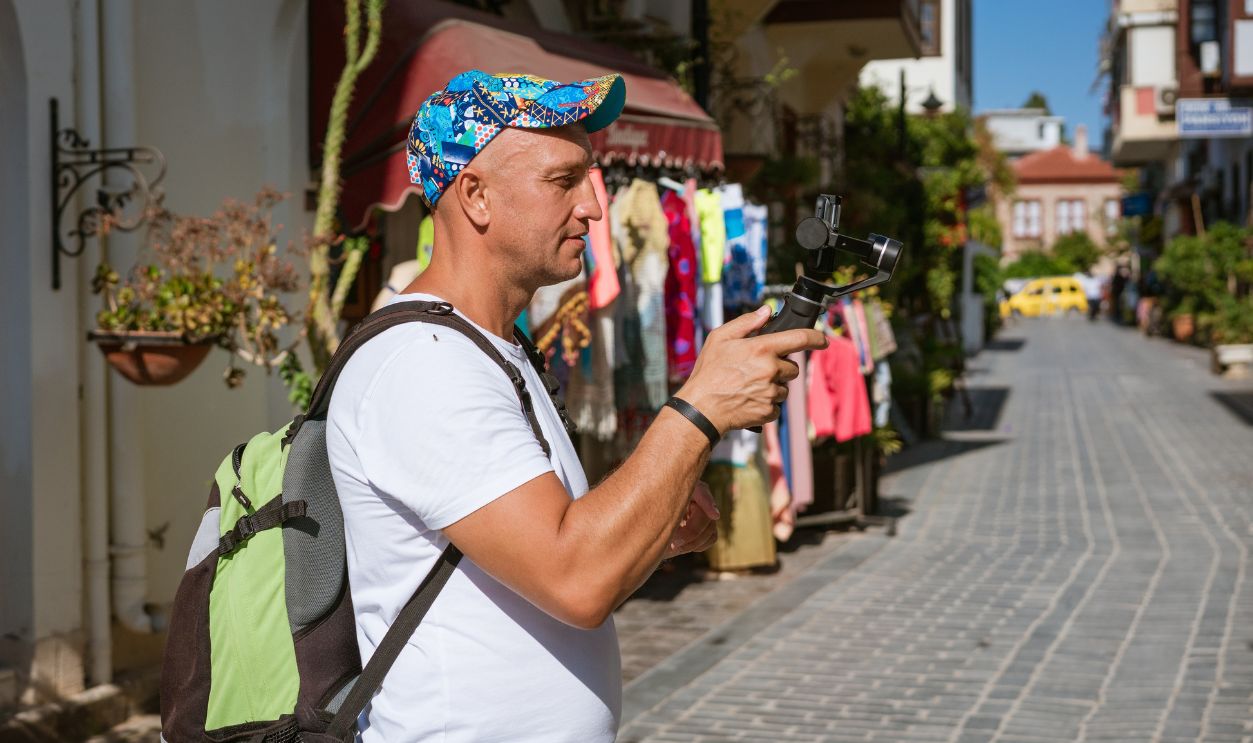 Pereslavtseva Katerina, Shutterstock
Restaurants Feel Different In Extreme Heat
Outdoor patios may look inviting online but become uncomfortable during record temperatures. Many visitors choose indoor dining instead of lingering outside. Reservations at air-conditioned restaurants can become especially valuable during busy travel seasons.

Public Transportation Can Be A Lifesaver
Walking several miles may seem reasonable on a pleasant day but much harder during a heat wave. Subways, buses, and trams often provide welcome relief between destinations. Using public transit can reduce both fatigue and heat exposure.
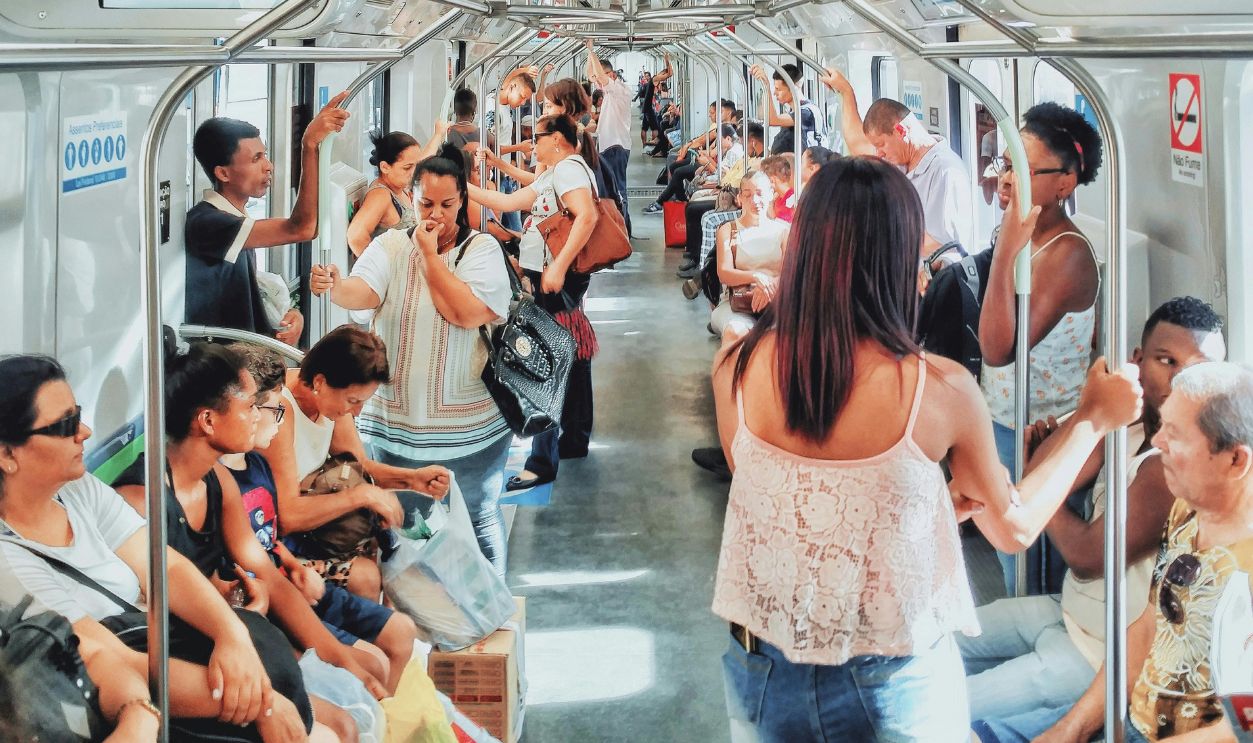
Hotels Become More Than A Place To Sleep
During extreme heat, travelers often spend far more time at their accommodations than expected. Reliable air conditioning, shaded outdoor spaces, and convenient locations become much more important. Hotel amenities may shape the overall vacation experience.

Festivals Sometimes Face Difficult Decisions
Outdoor concerts, sporting events, and festivals increasingly consider heat safety when planning operations. Organizers may adjust schedules, increase water stations, or issue health guidance. In rare situations, extreme weather can even lead to cancellations.
 Cristian Quinones Ramirez, Pexels
Climate Change Is Increasing Heat Risks
Scientists have found that climate change is increasing the frequency and intensity of many heat waves around the world. That does not mean every hot day is caused by climate change, but it does make extreme heat more likely in many regions. Travelers are increasingly encountering these conditions during summer vacations.
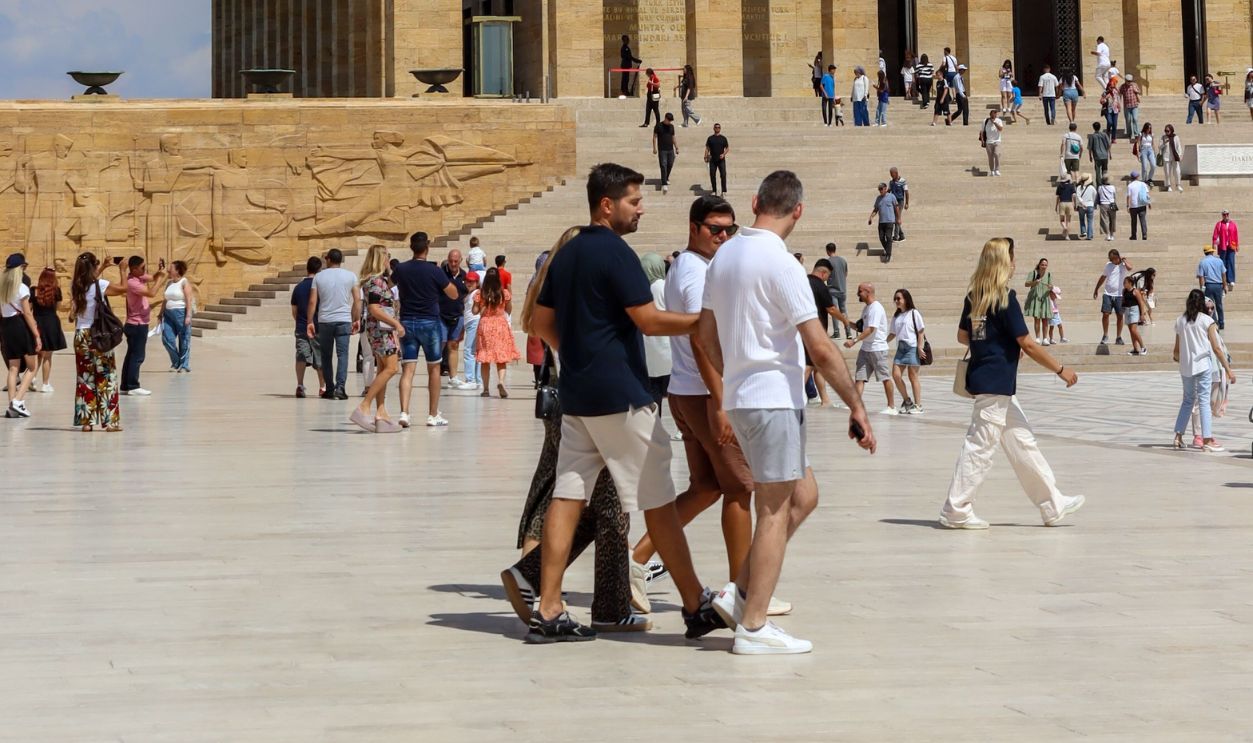
More Destinations Are Preparing For Heat
Cities are expanding cooling centers, planting trees, creating shaded public spaces, and improving emergency response plans. These efforts help residents first, but visitors also benefit from improved heat preparedness. Urban planning increasingly considers extreme temperatures.
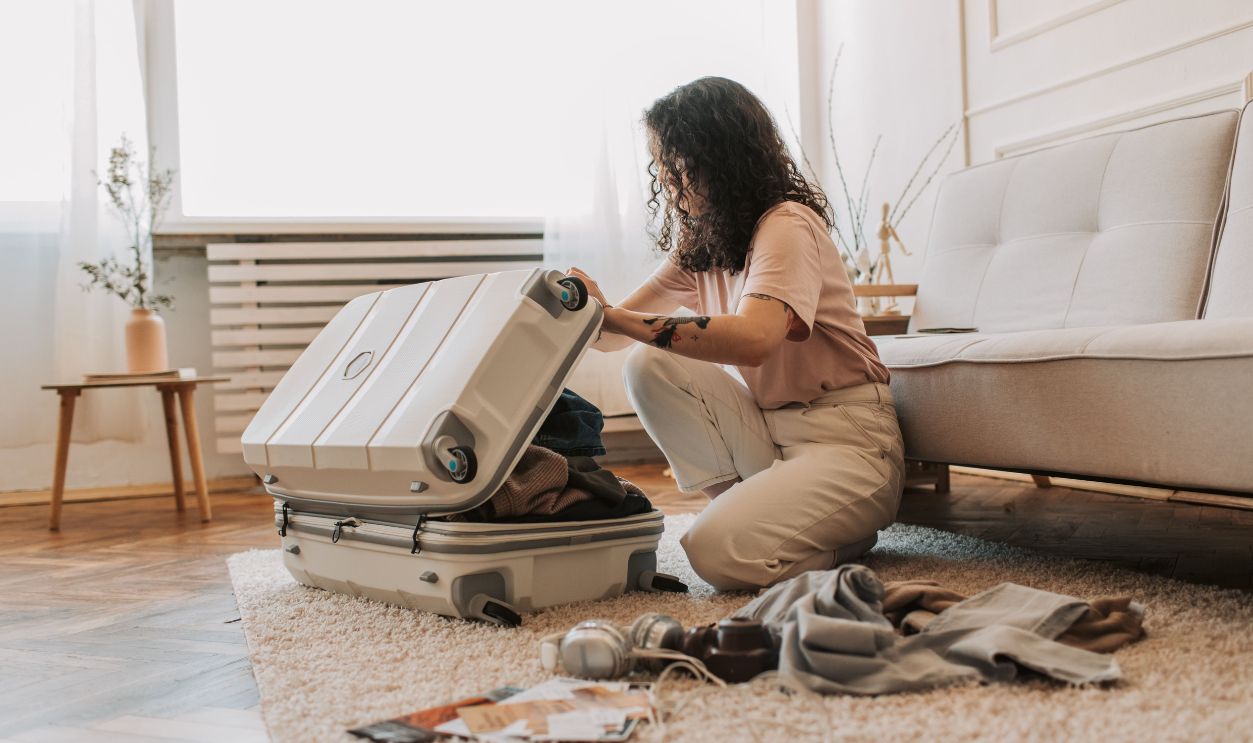
Packing Lists Need Updating
Reusable water bottles, sunscreen, lightweight clothing, hats, and portable fans have become common travel essentials. Cooling towels and electrolyte drinks also appear more frequently in vacation bags. Preparing for heat now starts before leaving home.
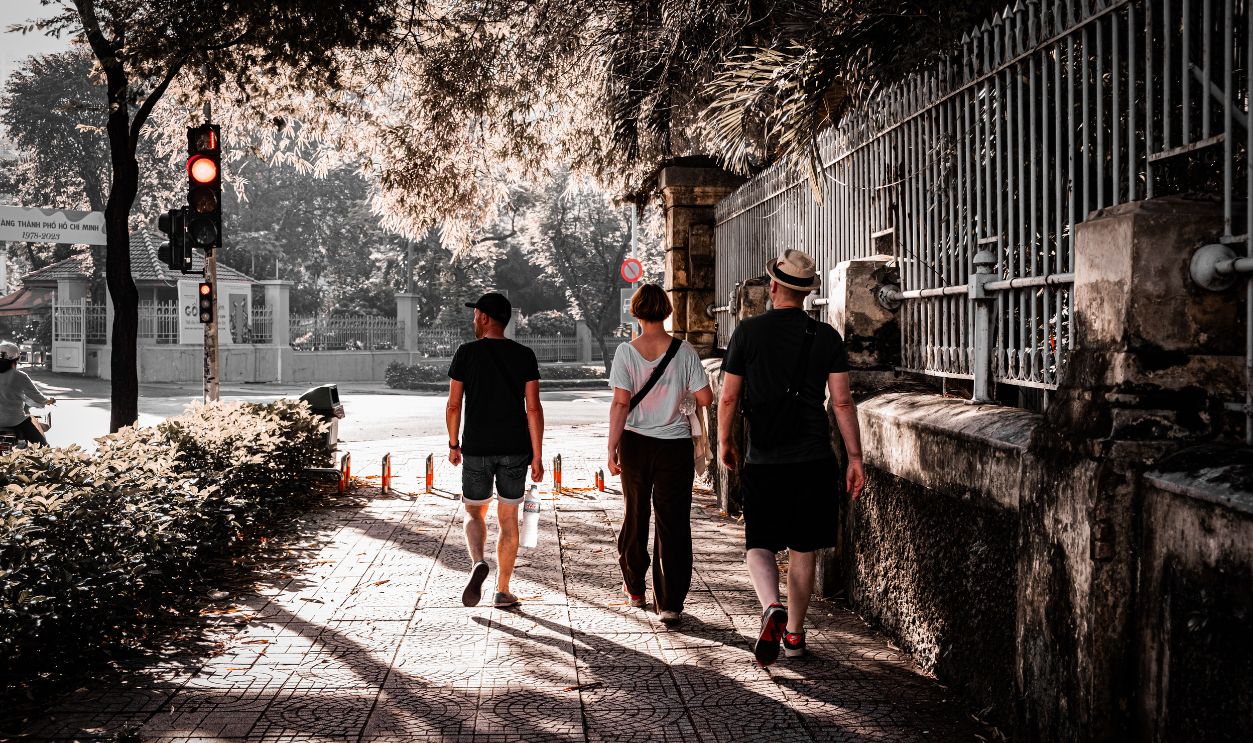
Walking Ten Miles May Not Be Realistic
Many guidebooks assume visitors can comfortably explore cities on foot. During extreme heat, covering long distances may become exhausting or unsafe. Breaking up sightseeing into shorter segments often works much better.
Vacation Photos Tell Only Part Of The Story
Social media images rarely show travelers searching for shade or taking long cooling breaks. Many memorable vacations include unexpected adjustments that never appear in photographs. A flexible mindset often matters more than a perfect itinerary.

Cooler Destinations Are Becoming More Appealing
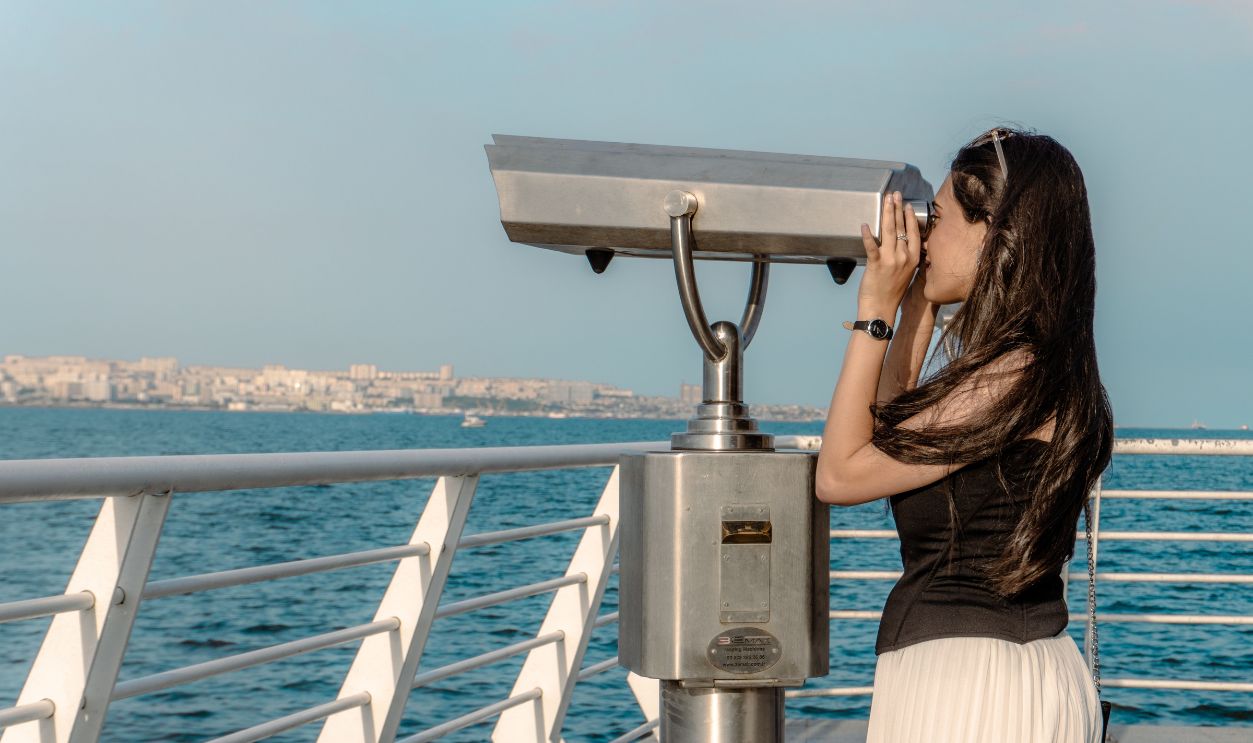
Some travelers now choose higher elevations, northern regions, or coastal destinations to avoid the hottest temperatures. Travel industry observers have noted growing interest in vacations that offer milder summer weather. Weather has become another important factor alongside cost and attractions.
Local Advice Becomes Invaluable
Residents often know which streets stay shaded, which parks provide relief, and when attractions are least crowded. Asking hotel staff or local guides can uncover better options than sticking to an original plan. Local knowledge often improves both comfort and safety.
 Hryshchyshen Serhii, Shutterstock
Travel Insurance Deserves A Closer Look
Some travelers review policies more carefully as extreme weather becomes more common. Coverage varies widely depending on the reason for trip interruptions or delays. Understanding those details before departure can prevent surprises later.

Accepting A Different Kind Of Vacation
Letting go of an ambitious schedule can actually improve the experience. Spending more time indoors, taking afternoon breaks, and slowing the pace may reveal parts of a city that rushed visitors often miss. Adapting does not necessarily mean missing out.

Summer Travel Requires More Flexibility Than Ever
A heat wave does not have to ruin a vacation, but it can completely reshape it. Successful travelers increasingly combine careful planning with a willingness to adjust as conditions change. Summer travel is still rewarding, yet predicting exactly how each day will unfold has become more challenging than many people remember.

You May Also Like: