The Lines Never Ended.
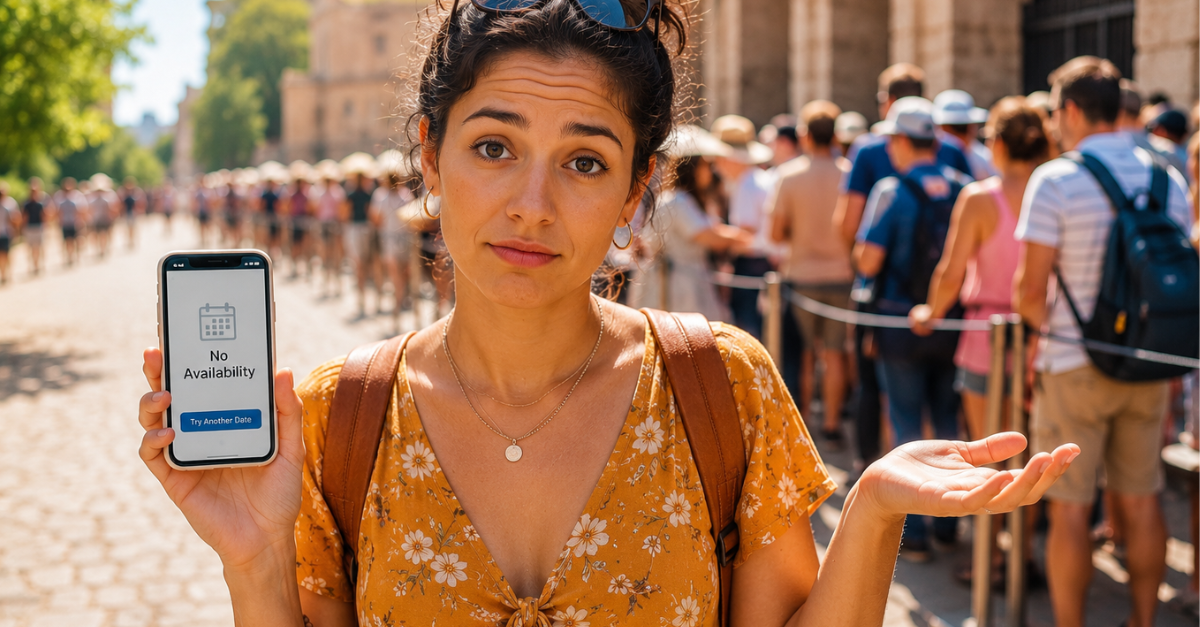
My friends wanted every day to feel spontaneous, but refusing to reserve anything left us waiting outside restaurants, attractions, and transportation hubs. Spontaneity was not the real problem because we had simply confused flexibility with having no plan at all.
Freedom Sounded Better At Home
Before the trip, avoiding reservations sounded adventurous. We imagined wandering through lively neighborhoods and choosing whatever looked interesting in the moment. Once we arrived, that freedom often meant searching for openings while organized travelers walked straight through the doors.

The Destination Had Other Plans
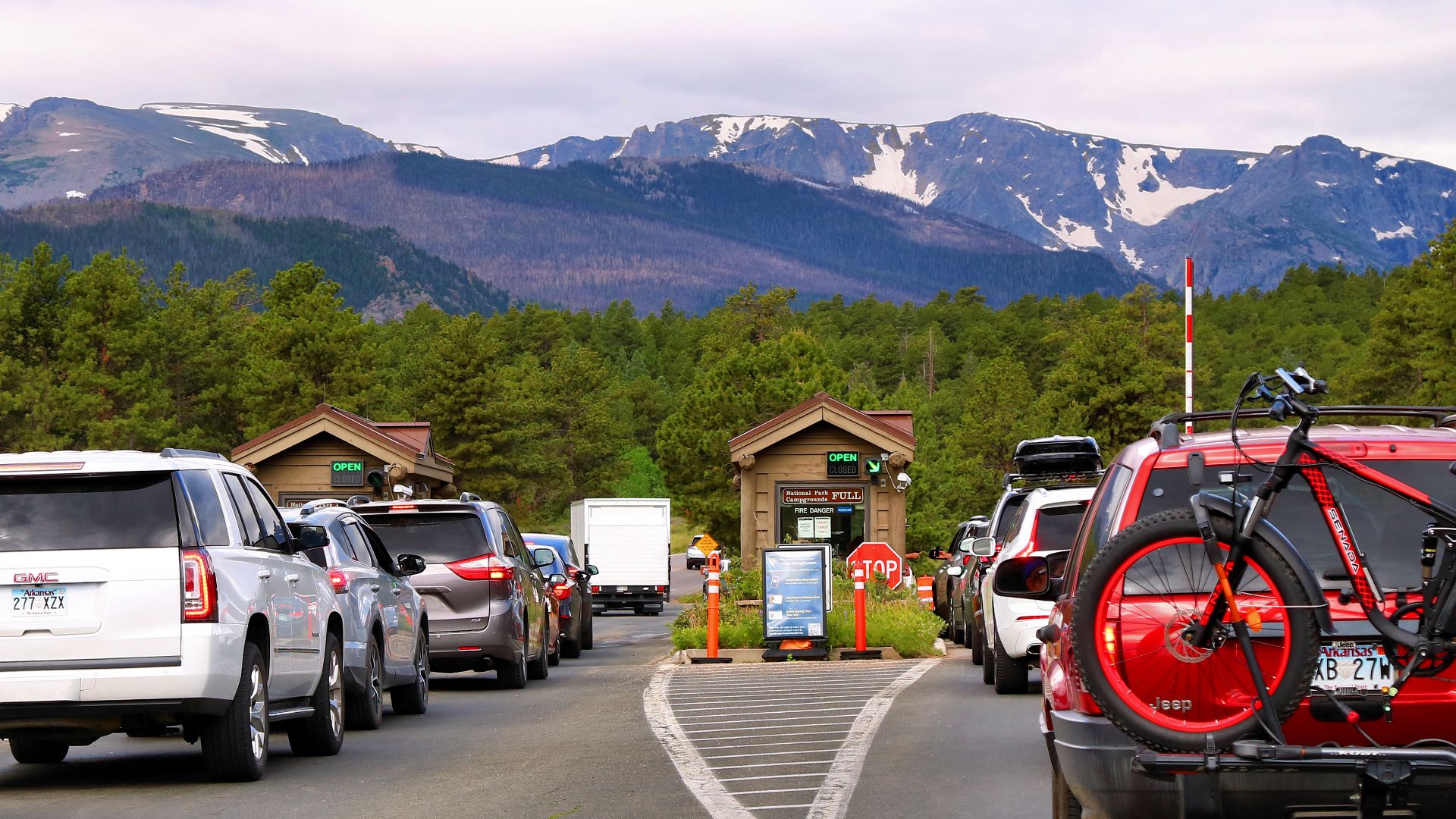
Many popular destinations now manage demand through advance tickets, timed admission, and limited booking windows. The National Park Service advises travelers to check whether reservations or timed entry are required before visiting a park. Ignoring those systems does not create spontaneity because it can eliminate the activity entirely.
 Larry D. Moore, Wikimedia Commons
Some Doors Simply Stay Closed
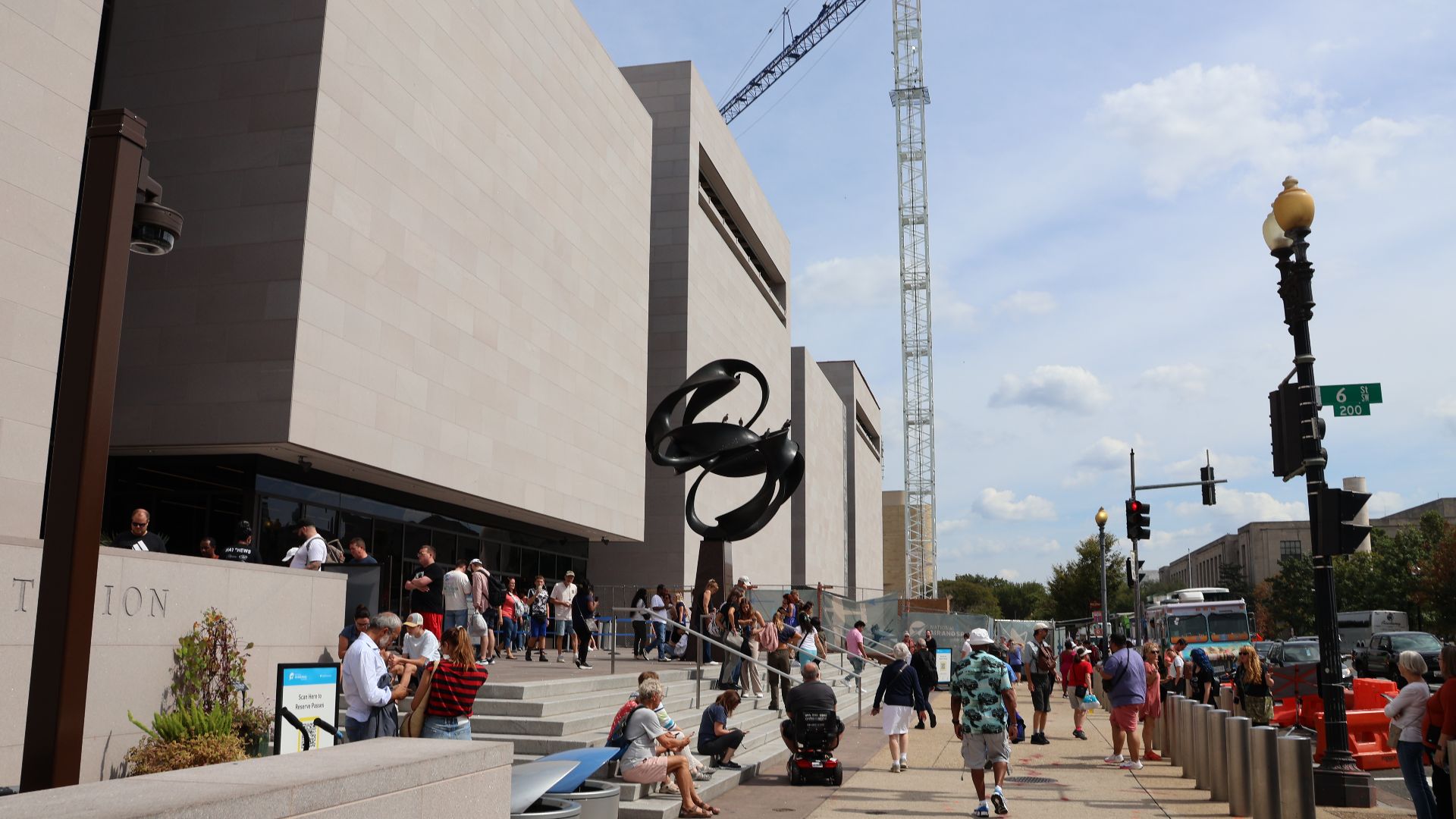
A reservation is occasionally more than a convenient way to avoid a queue. The National Air and Space Museum in Washington requires free timed-entry passes, while the National Museum of African American History and Culture also uses required timed admission. Travelers who arrive without checking entry rules may discover that waiting is not even an available option.
Famous Museums Reward Preparation
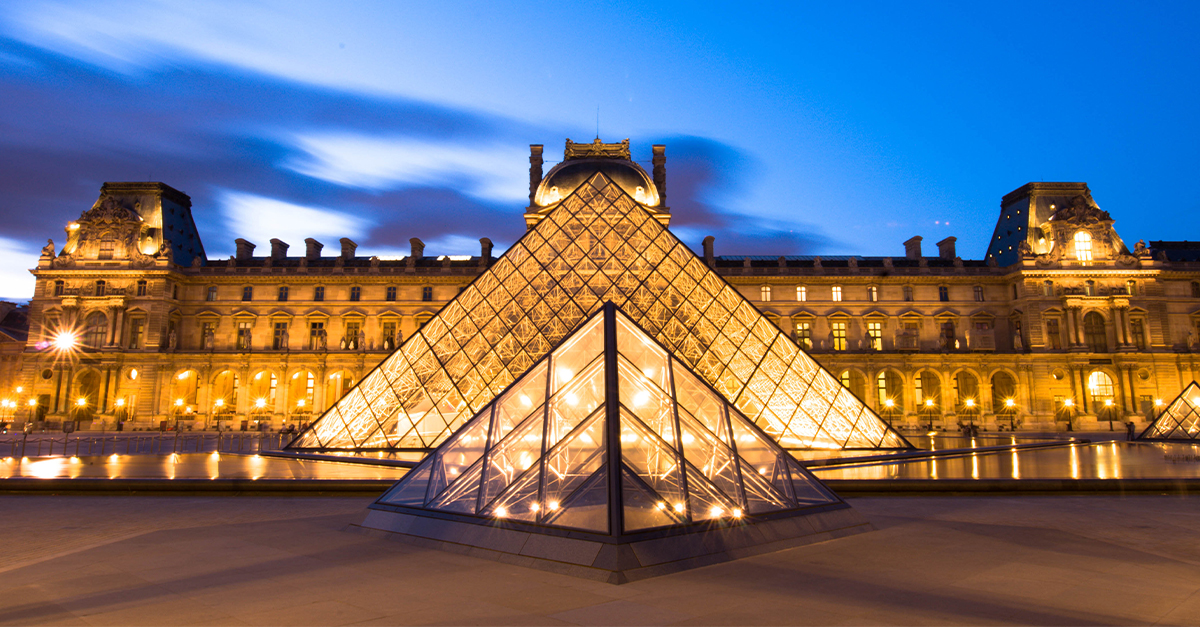
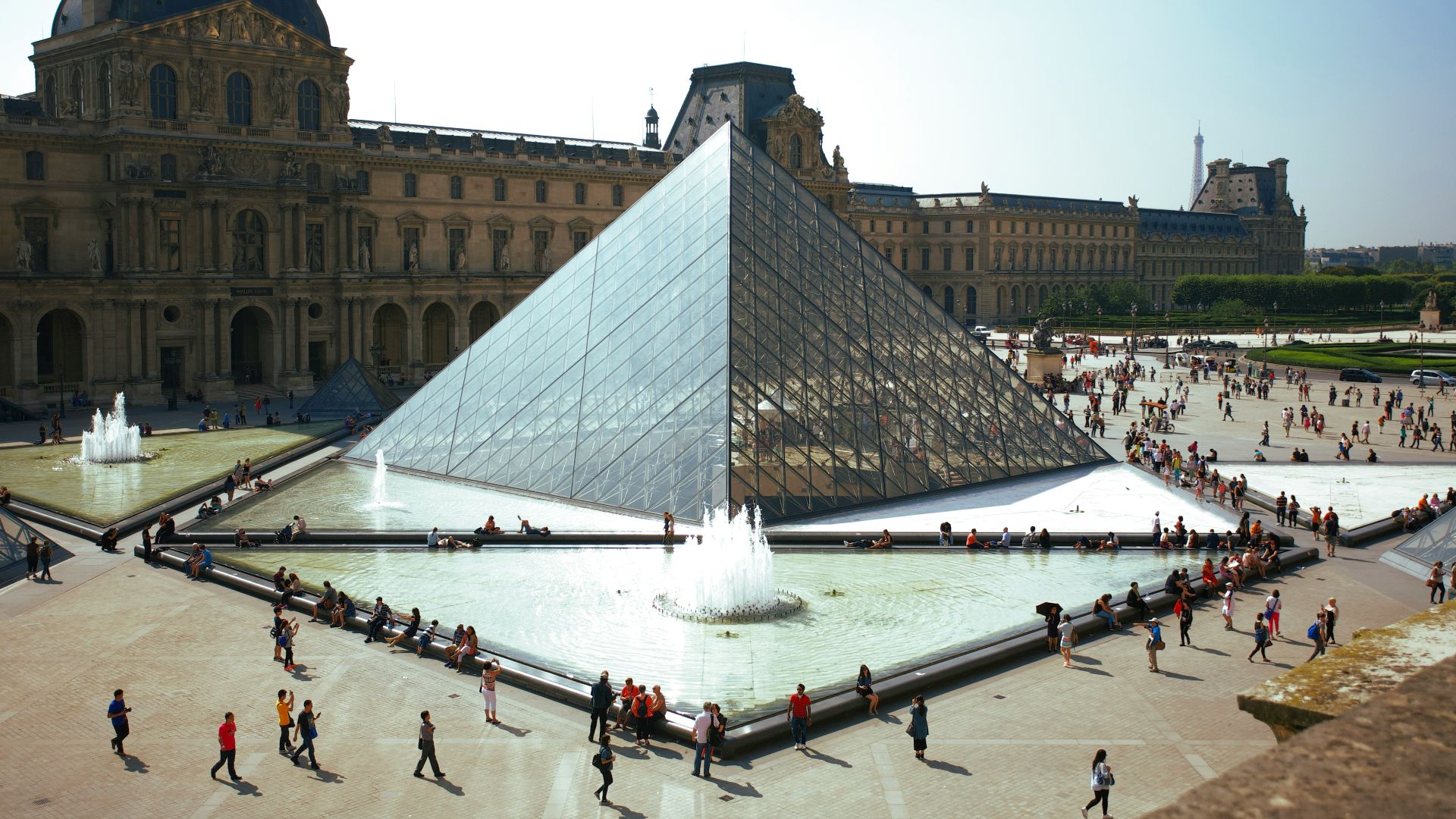
The Louvre recommends booking a time slot, including for visitors who qualify for free admission. Its official guidance says advance booking is the only way to guarantee museum access. Showing up without a reservation may therefore create both a long wait and the possibility of being turned away.
Reservations Cannot Remove Every Line
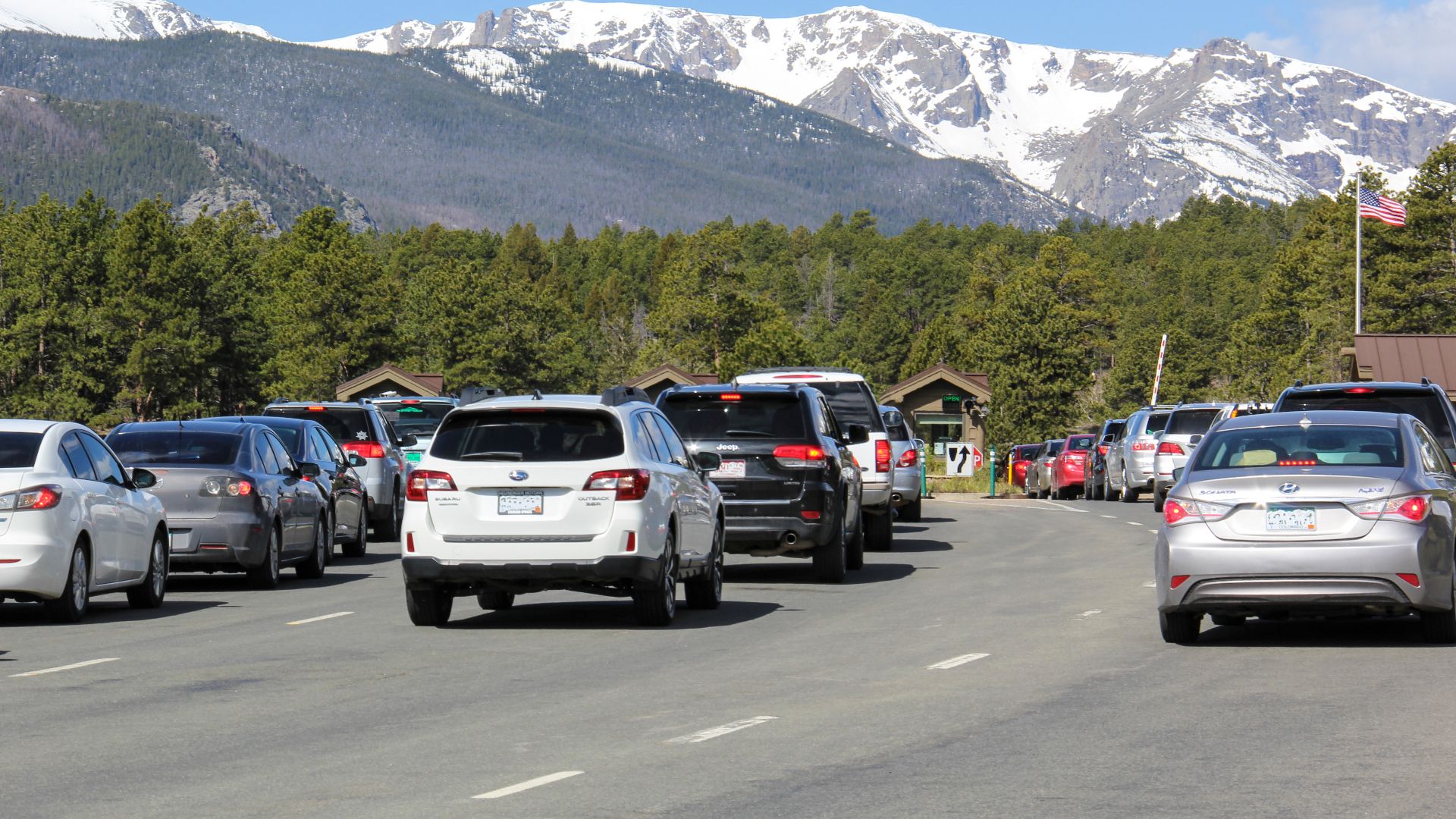
Booking ahead does not guarantee a completely queue-free day. The Louvre notes that reserved visitors still pass through security, and Rocky Mountain National Park warns that timed entry does not guarantee parking at a particular destination. A reservation usually controls access, not every delay that follows.
Restaurants Create Their Own Bottleneck
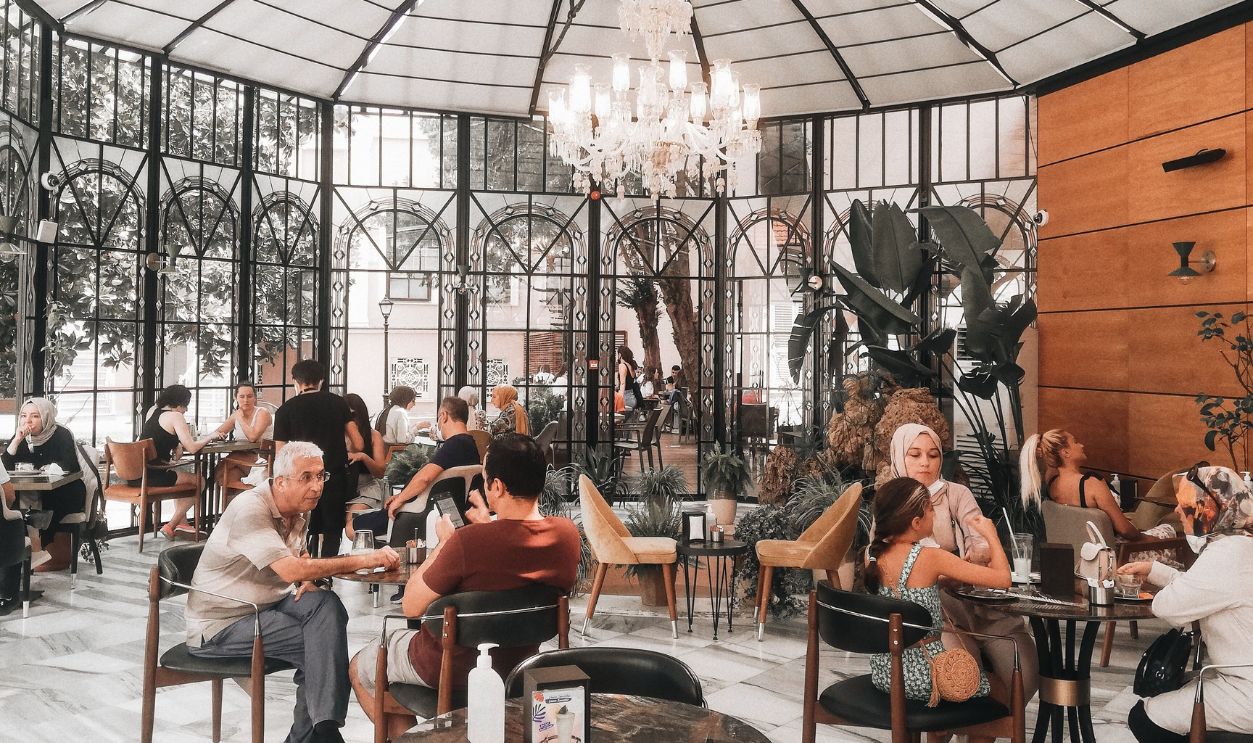
Popular restaurants have a limited number of tables, especially during peak dining hours. Walt Disney World allows advance reservations at many table-service restaurants and strongly recommends them. Travelers who reject all bookings may be left choosing between a lengthy wait and whatever restaurant still has space.
Hunger Makes Debate Less Fun
A relaxed discussion about dinner can deteriorate quickly when several tired people are already hungry. Searching restaurant apps, walking between crowded venues, and joining waitlists consumes time that could have been spent enjoying the evening. One strategically booked meal can prevent the nightly search from becoming the trip’s dominant ritual.

Transportation Is Less Forgiving
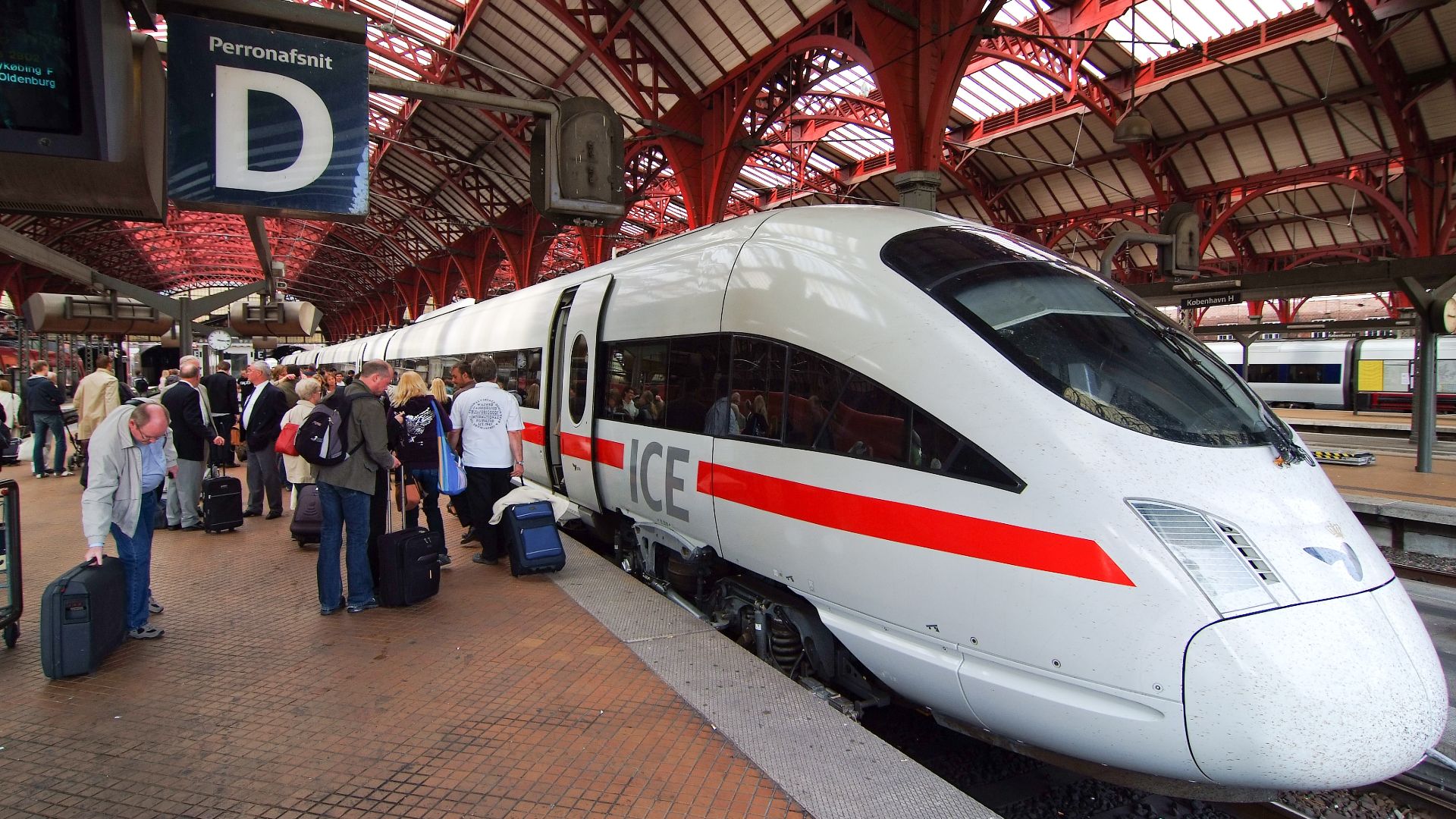
Some travel decisions cannot safely be postponed until everyone reaches the station. Eurail says reservations are required on most European high-speed trains and all night trains, with seats on popular routes filling quickly during summer. In that situation, refusing to reserve is not flexible because it reduces the journeys the group can take.
Last-Minute Choices Can Cost More
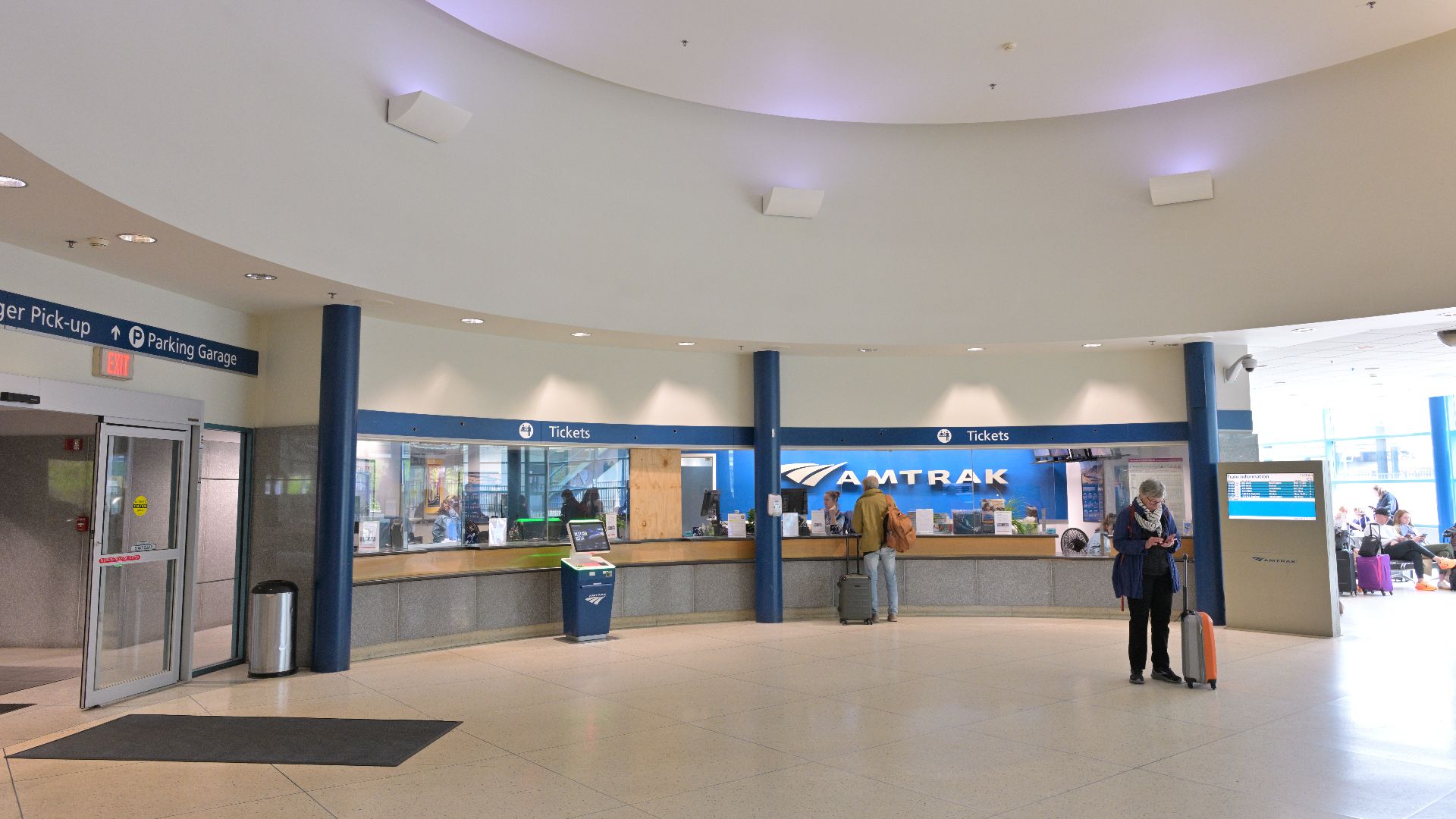
Waiting to purchase transportation can also affect price. Amtrak advises passengers to buy before boarding to secure the best available fare and notes that higher fares usually apply to tickets purchased onboard. Preserving every option until the last moment may therefore leave travelers with fewer choices at a higher price.
 4300streetcar, Wikimedia Commons
Waiting Changes The Mood
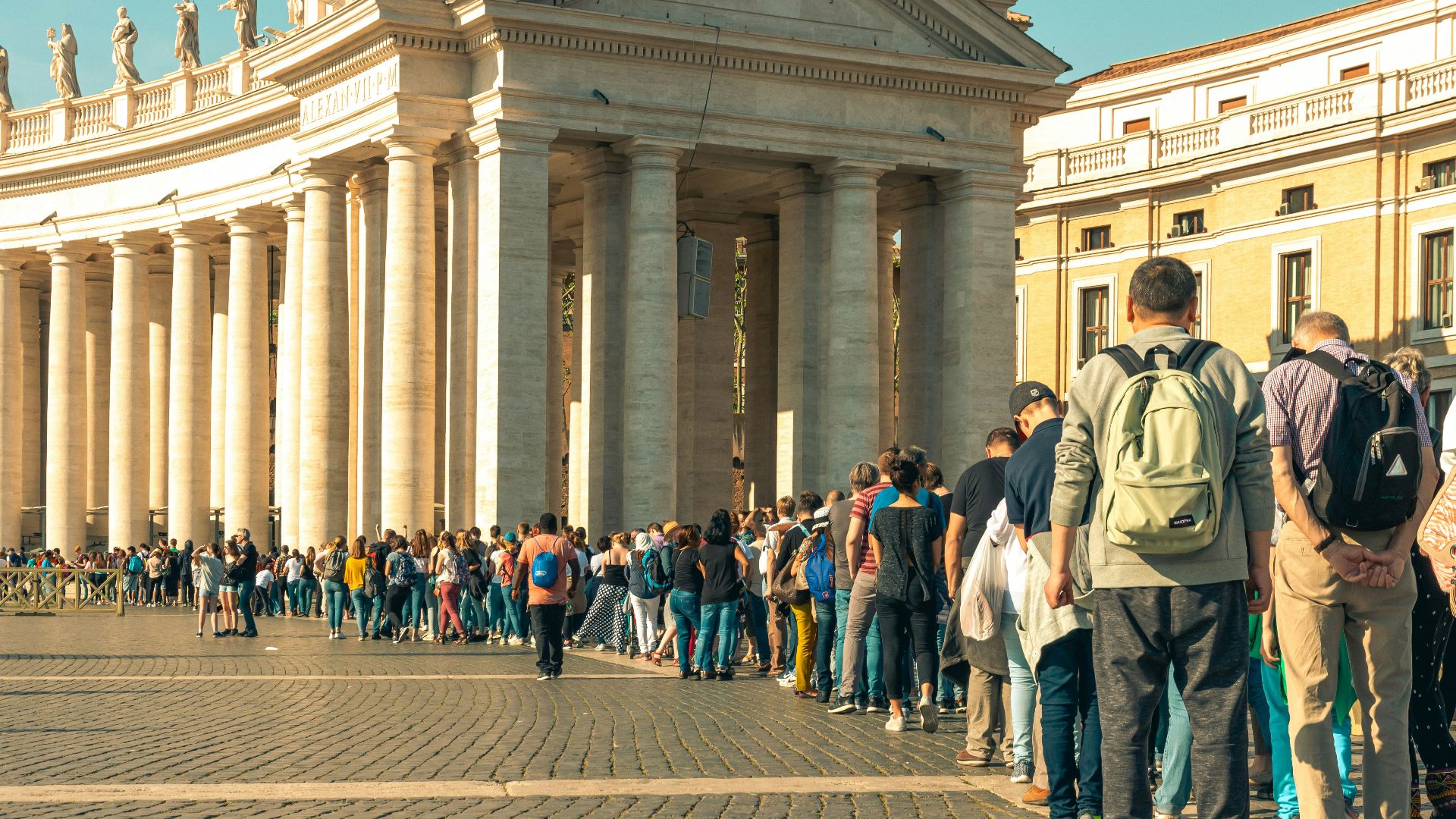
Lines feel especially frustrating when nobody knows how long the delay will last. Research summarized by the American Psychological Association found that satisfaction was associated more closely with whether a queue seemed to be moving quickly than with the perceived total wait. Uncertainty can make a disorganized travel day feel even longer.
The Group Started Keeping Score
After several delays, every missed opportunity became evidence in an unspoken argument. The planners blamed the spontaneous travelers, while the spontaneous travelers felt controlled by anyone who suggested tomorrow’s schedule. Once that pattern begins, even a minor restaurant wait can reopen the larger dispute.

Spontaneity Was Not The Villain
Unexpected discoveries remain one of travel’s great pleasures. A flexible afternoon can lead to a quiet café, an overlooked museum, or a neighborhood that never appeared on the original itinerary. The mistake is expecting highly popular, capacity-limited experiences to remain available whenever the group happens to arrive.

Book The Scarce Experiences
A useful compromise is to reserve only the activities that are difficult to replace. These may include timed-entry attractions, special restaurants, limited tours, intercity trains, and events with fixed seating. Ordinary walks, casual meals, shopping, and neighborhood exploration can remain open.

Build Around A Few Anchors
One confirmed activity can provide shape without controlling the entire day. A group might reserve a museum for late morning and dinner for the evening, leaving the afternoon unscheduled. These anchors protect the important experiences while preserving room for discoveries between them.
Stop Booking Every Minute
Overplanning creates a different kind of frustration. A schedule packed with consecutive reservations can make travelers rush through enjoyable places merely to reach the next appointment. The best compromise includes generous gaps, realistic travel time, and permission to skip lower-priority plans.
Rank The Group’s Priorities
Before departure, each traveler should name the experiences they would be genuinely disappointed to miss. The group can then reserve the overlapping priorities and leave less important possibilities undecided. This prevents one highly organized friend from quietly designing the entire vacation.

Establish A Booking Threshold
Friends can agree that reservations are required when an activity is mandatory, regularly sells out, involves costly transportation, or has no practical substitute. Everything below that threshold can remain flexible. A simple rule removes the need to repeat the same argument for every meal and attraction.

Appoint A Reservation Lead
Group bookings become confusing when everyone assumes somebody else is handling them. Choose one person to confirm dates, times, cancellation terms, and the correct number of travelers. The others should approve the choice promptly rather than criticizing the planner after availability disappears.

Read The Cancellation Rules
Reservations create security, but they can also introduce fees and deadlines. Travelers should check whether tickets can be refunded, modified, or transferred before paying. Flexible booking terms are especially valuable when weather, illness, or transportation disruptions could change the day.

Keep Everyone Informed
Every traveler should receive the confirmation, meeting location, arrival instructions, and required identification details. Store important bookings somewhere the entire group can access rather than leaving them in one person’s inbox. A reservation does little good when half the group arrives at the wrong entrance.

Plan For The Arrival Window
Timed admission creates a responsibility to arrive when promised. Rocky Mountain National Park requires reservation holders to enter within their designated window, while late Louvre ticket holders can lose their reserved entry conditions. Build in enough time for transit problems, security checks, parking, and wrong turns.
Let People Split Up
Friends do not need to make the same planning choice every day. Travelers who want a reserved tour can attend it while the others explore without a schedule. Reuniting later is often healthier than forcing the entire group into a compromise that pleases nobody.
Use The Queue Strategically
Some waiting will remain even on a carefully planned trip. Arriving near opening time, visiting outside peak periods, and checking official guidance can improve the odds of a smoother visit. The American Museum of Natural History, for example, specifically recommends advance ticket purchases for faster entry.
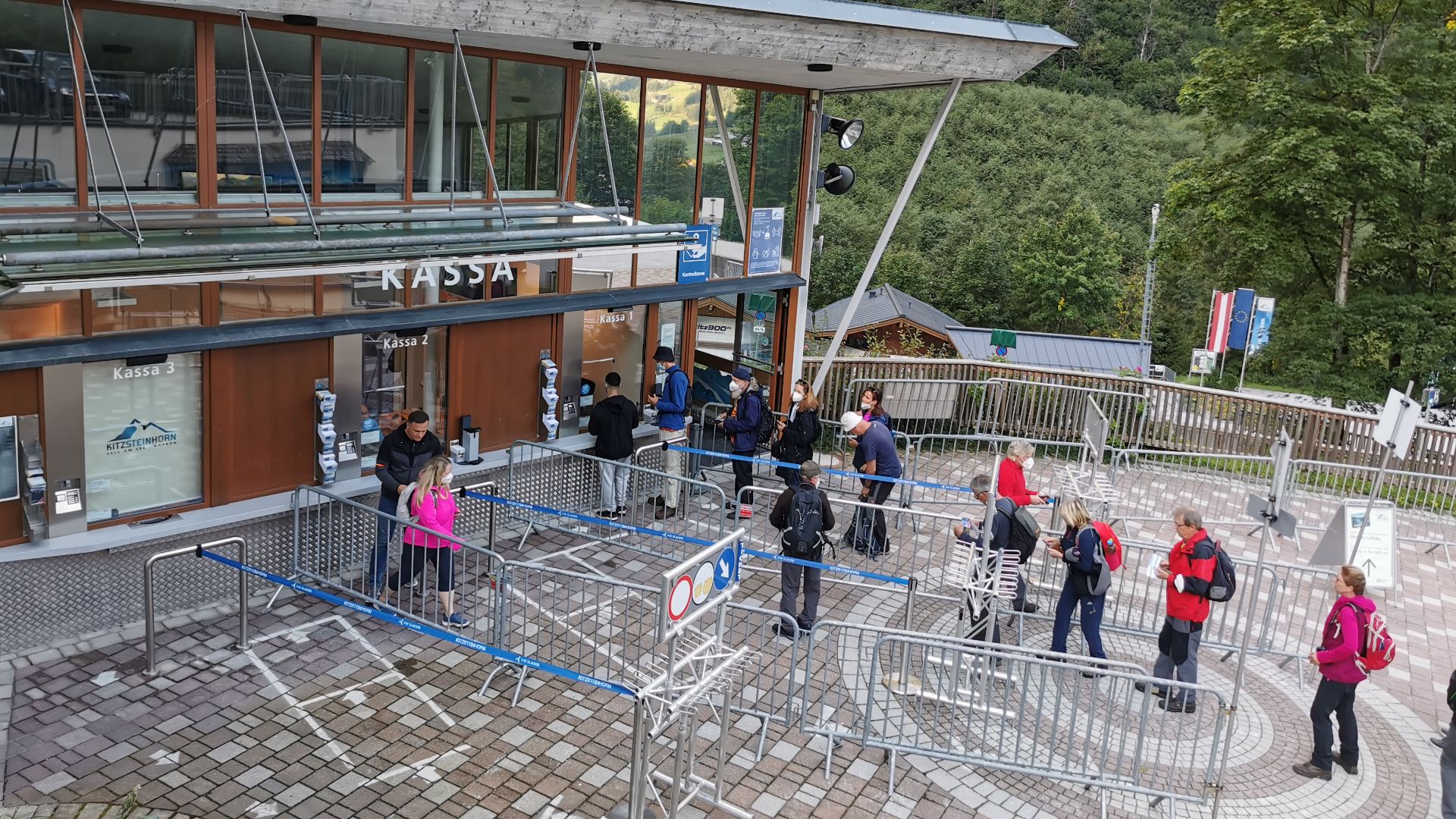 User:Mateus2019, Wikimedia Commons
Leave A Backup Nearby
Every unreserved activity should have a realistic alternative. If a restaurant has a two-hour wait, the group should already know of another neighborhood option rather than beginning a desperate search. A backup preserves spontaneity because it lets travelers change course without losing the rest of the day.

Discuss The Next Trip Before Booking
The friends should agree in advance on how much structure they actually want. That conversation should cover must-see attractions, dining expectations, transportation, budgets, cancellation comfort, and whether separating is acceptable. Compatibility as friends does not automatically mean compatibility as travel planners.

Plan Enough To Stay Free
Spontaneity is not overrated, but relying on it for every decision is risky in places built around limited capacity. Reserve the experiences that could sell out, create serious delays, or derail the trip if missed. Good planning does not destroy freedom because it protects more time for the unplanned moments that make travel memorable.

You May Also Like:
Sources: 1, 2, 3, 4, 5, 6, 7, 8, 9, 10, 11, 12, 13, 14, 15, 16, 17, 18, 19, 20, 21, 22, 23