The Setup: Crush City at 35,000 Feet
You’re on a short flight, maybe 1–2 hours. Seat belt on, knees cramped, and suddenly you press the recline button. Simple, right? Not quite. Turns out that tiny motion has become one of the most debated actions in modern travel.
Why This Even Matters
Airline seats are designed to recline—it’s literally a built-in feature you paid for. As etiquette expert Jan Goss put it: “It’s my seat, I paid for it… if the airline didn’t want me to recline, they wouldn’t have installed the button.”
Why Such a Small Movement Causes Big Reactions
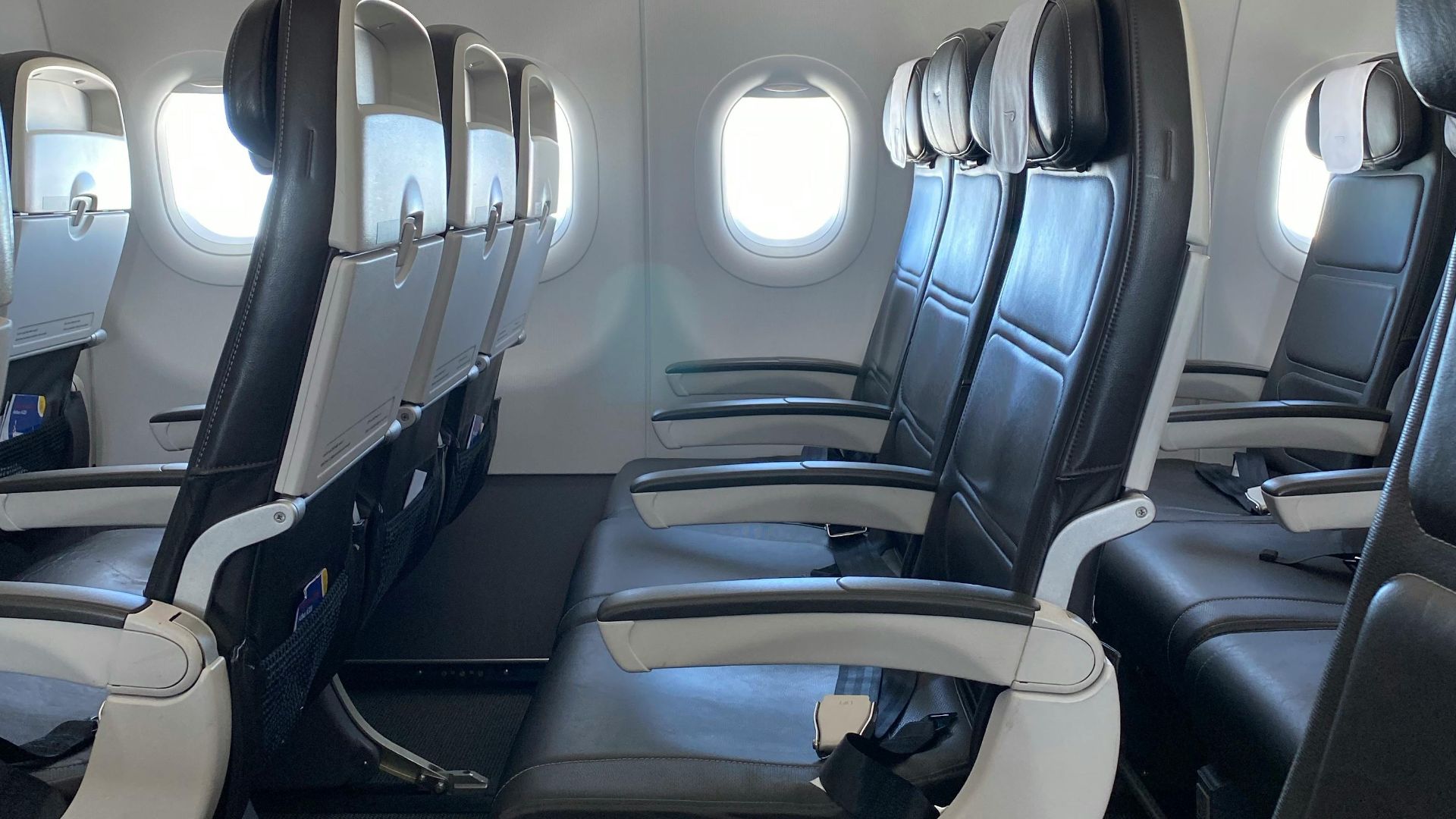
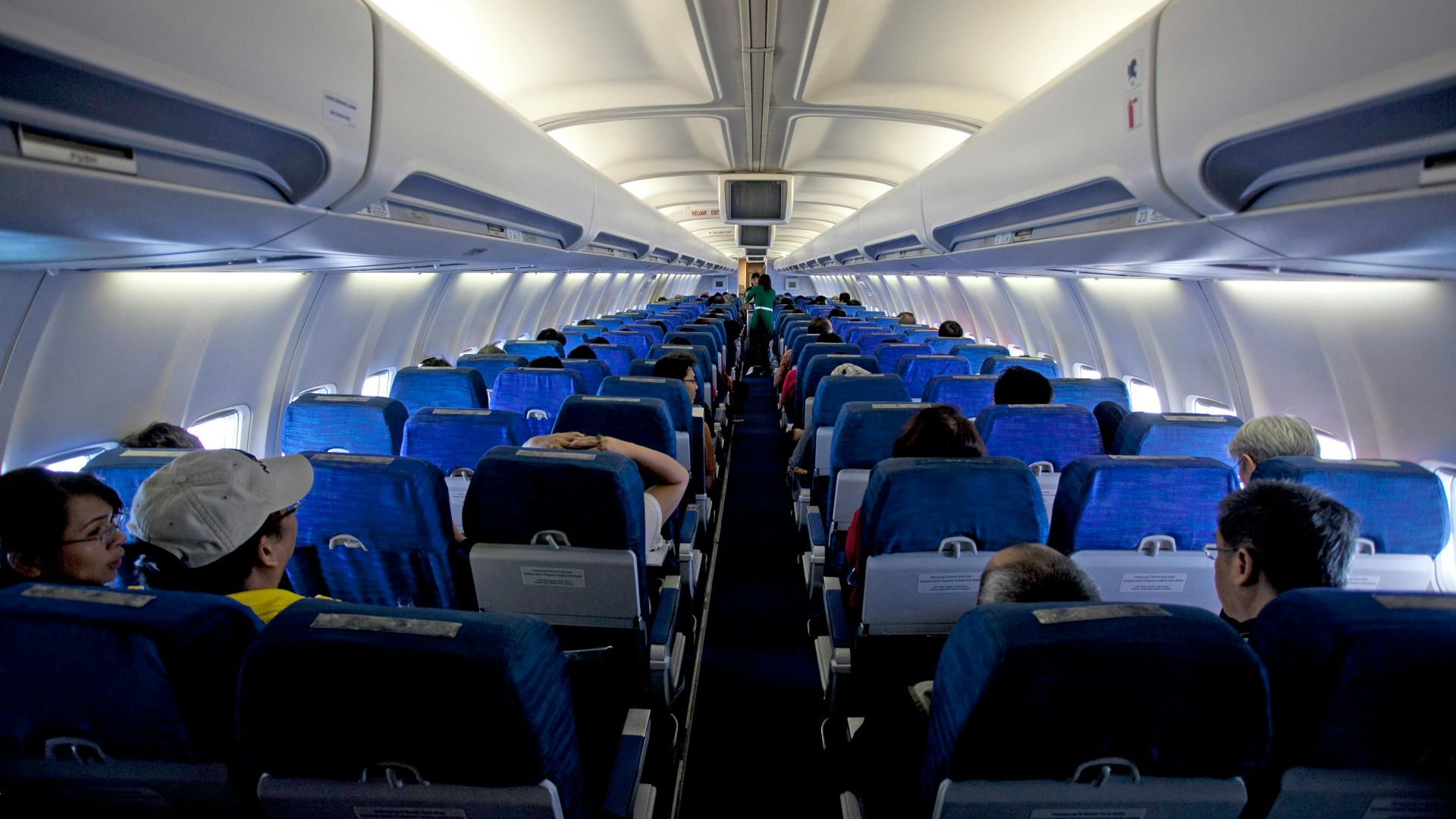
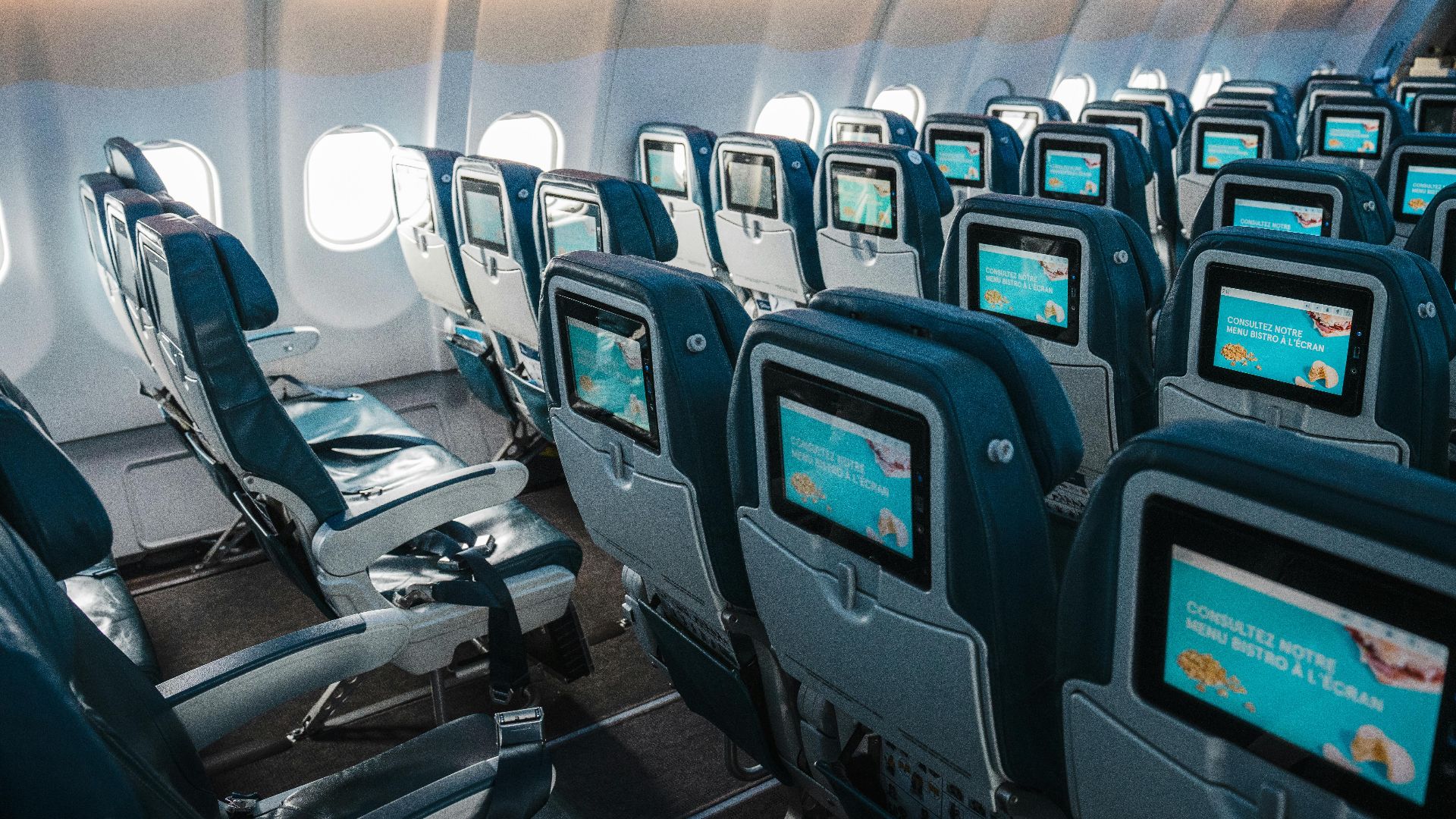
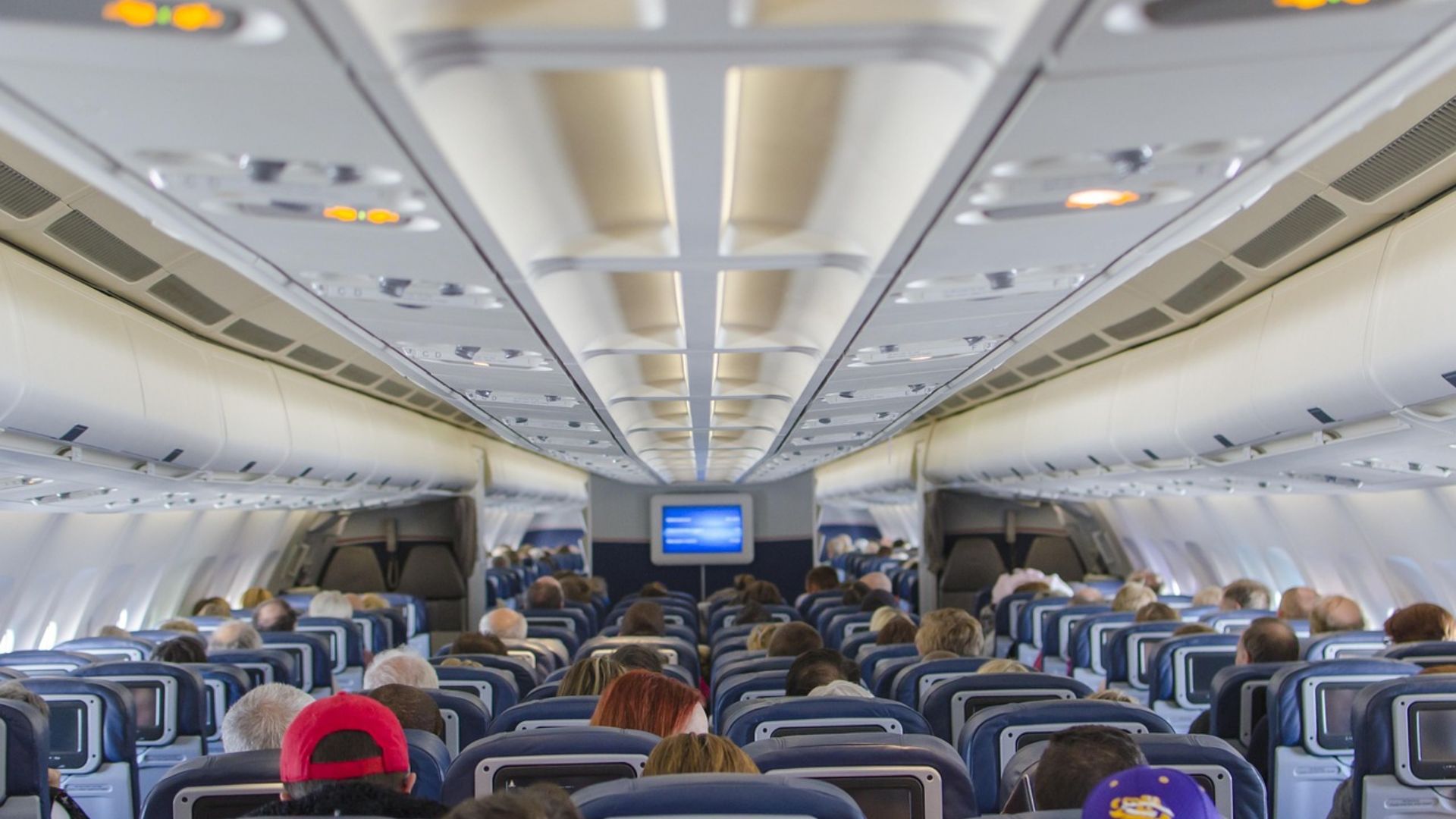
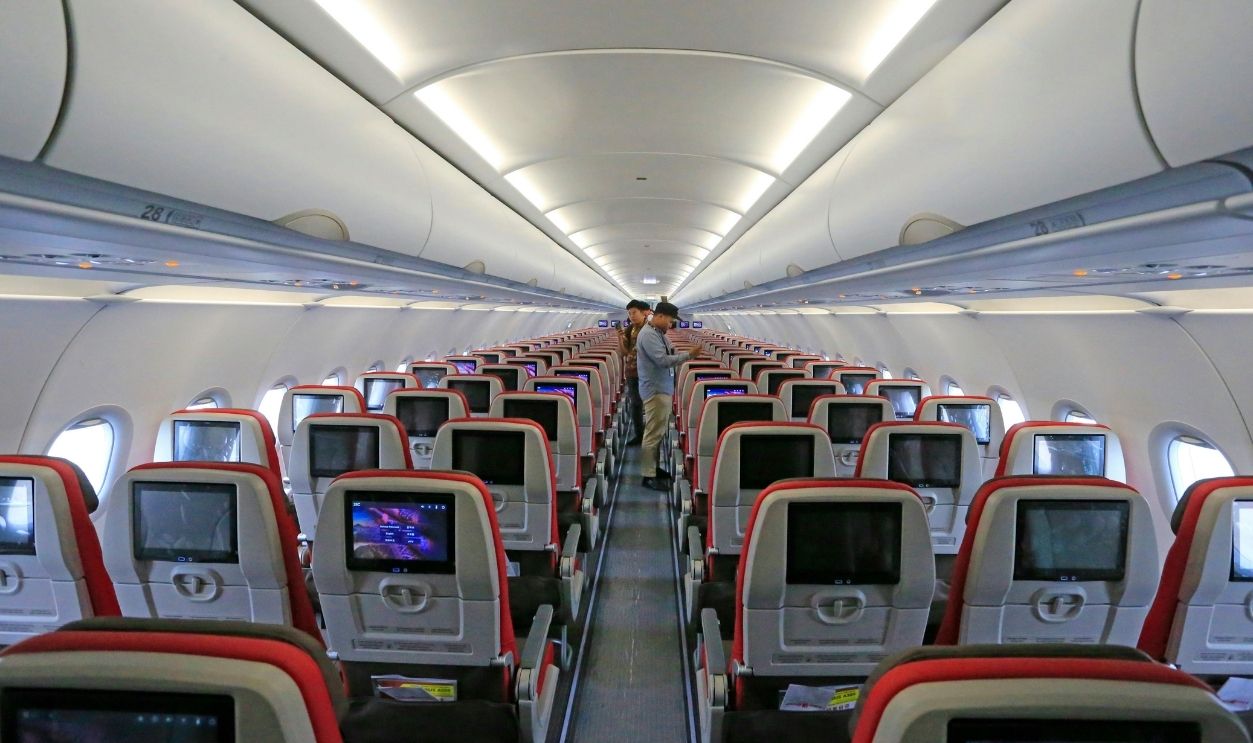
On modern planes, personal space is already limited. Economy seat pitch is now commonly just 30–32 inches, and reporting has noted it used to average closer to the mid-30s on many airlines. With so little room to begin with, even a slight recline can feel like a sudden invasion—especially without warning.
Short Flights Change Expectations
Many travelers mentally separate short flights from long ones. Reclining on overnight or cross-country flights feels normal. On short daytime hops, many passengers assume seats will stay upright. That unspoken expectation clash often sparks frustration before anyone says a word.
What Most Passengers Actually Think
Passenger opinion strongly leans against reclining. In one survey, over 77 percent of respondents said fully reclining is rude, particularly on short flights. The disconnect between what airlines allow and what passengers prefer helps explain why this issue keeps resurfacing.
Rights Versus Courtesy
Reclining is permitted, but etiquette isn’t just about rules. Planes force strangers into unusually close quarters, where even small actions feel personal. That’s why something technically allowed can still feel inconsiderate when comfort margins are razor thin.
What Etiquette Experts Usually Recommend
Most etiquette experts take a balanced approach. They don’t say reclining is wrong—they emphasize awareness. Timing, speed, and attention to the person behind you often matter more than whether the seat technically reclines at all.
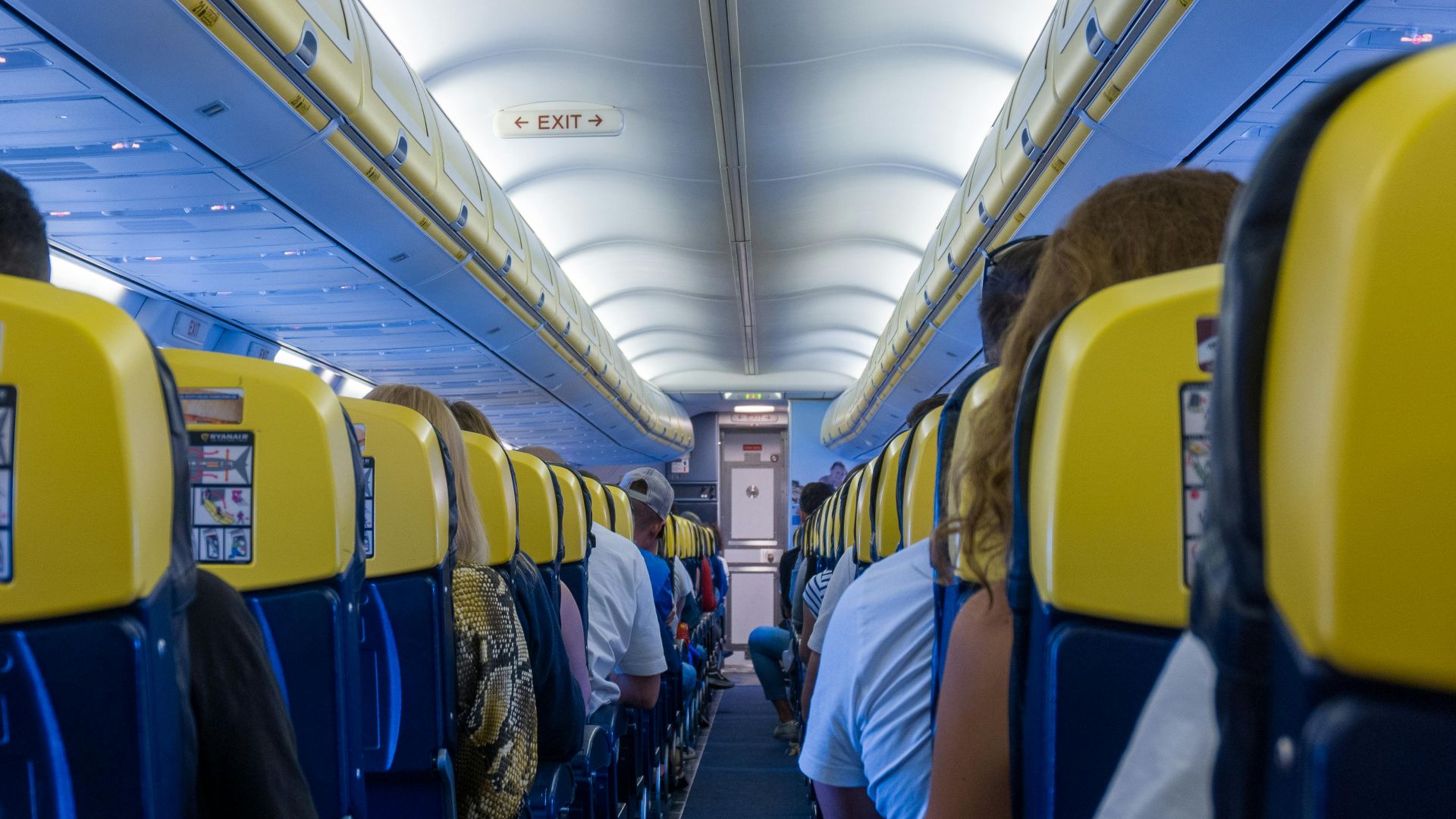
Why Sudden Reclining Makes Things Worse
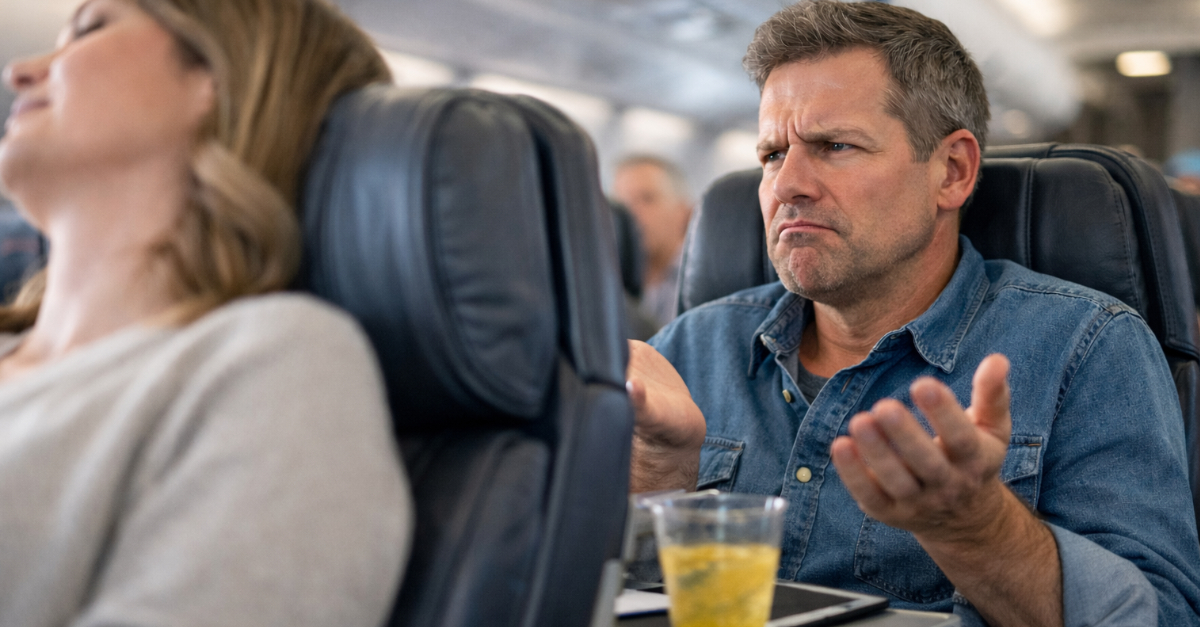
Many conflicts aren’t about reclining itself—they’re about surprise. Slamming a seat back can spill drinks, jam tray tables, or snap laptop screens shut. That sudden loss of space often triggers anger faster than the recline angle ever could.
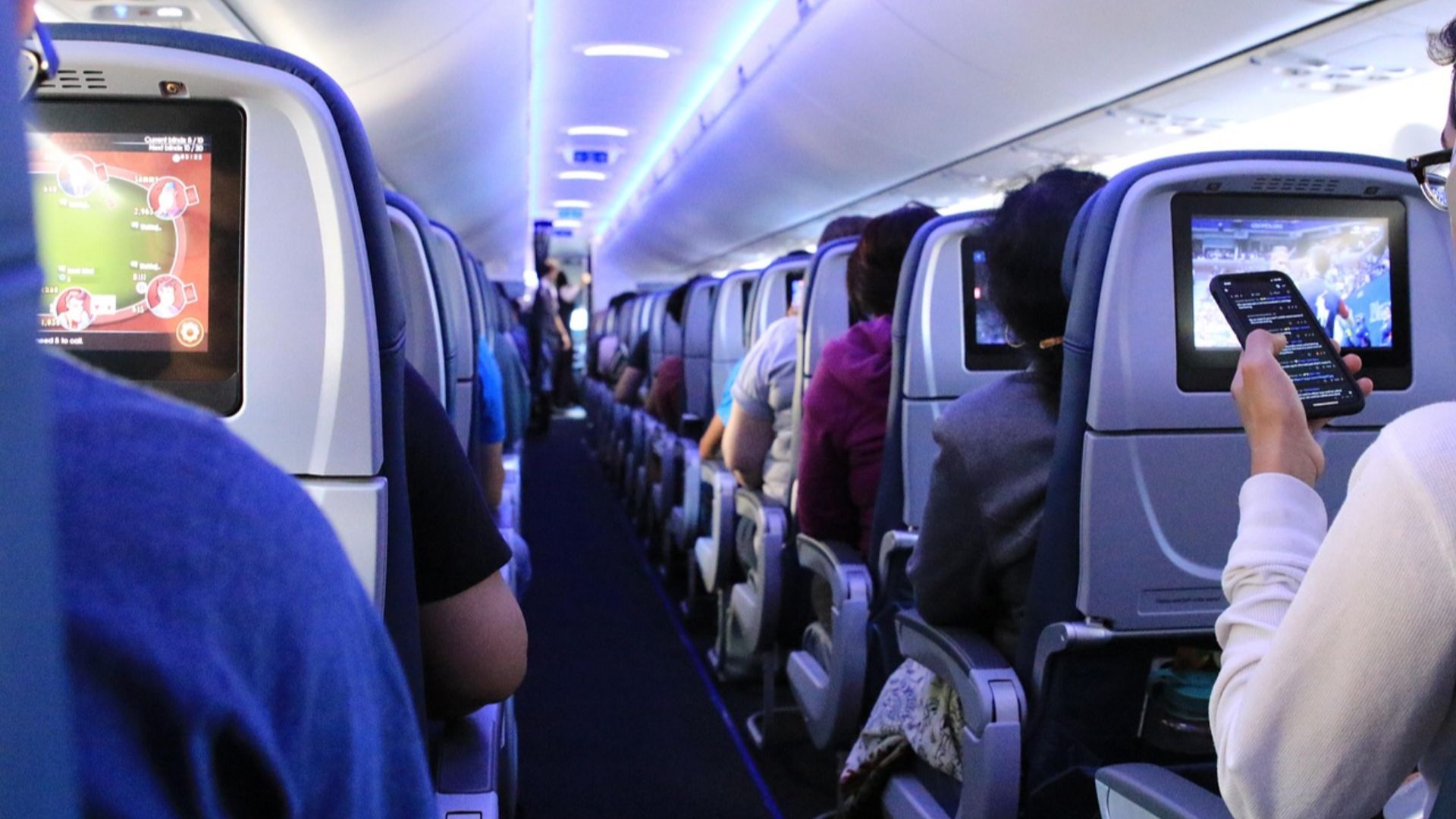
Flight Attendants See This Conflict Constantly
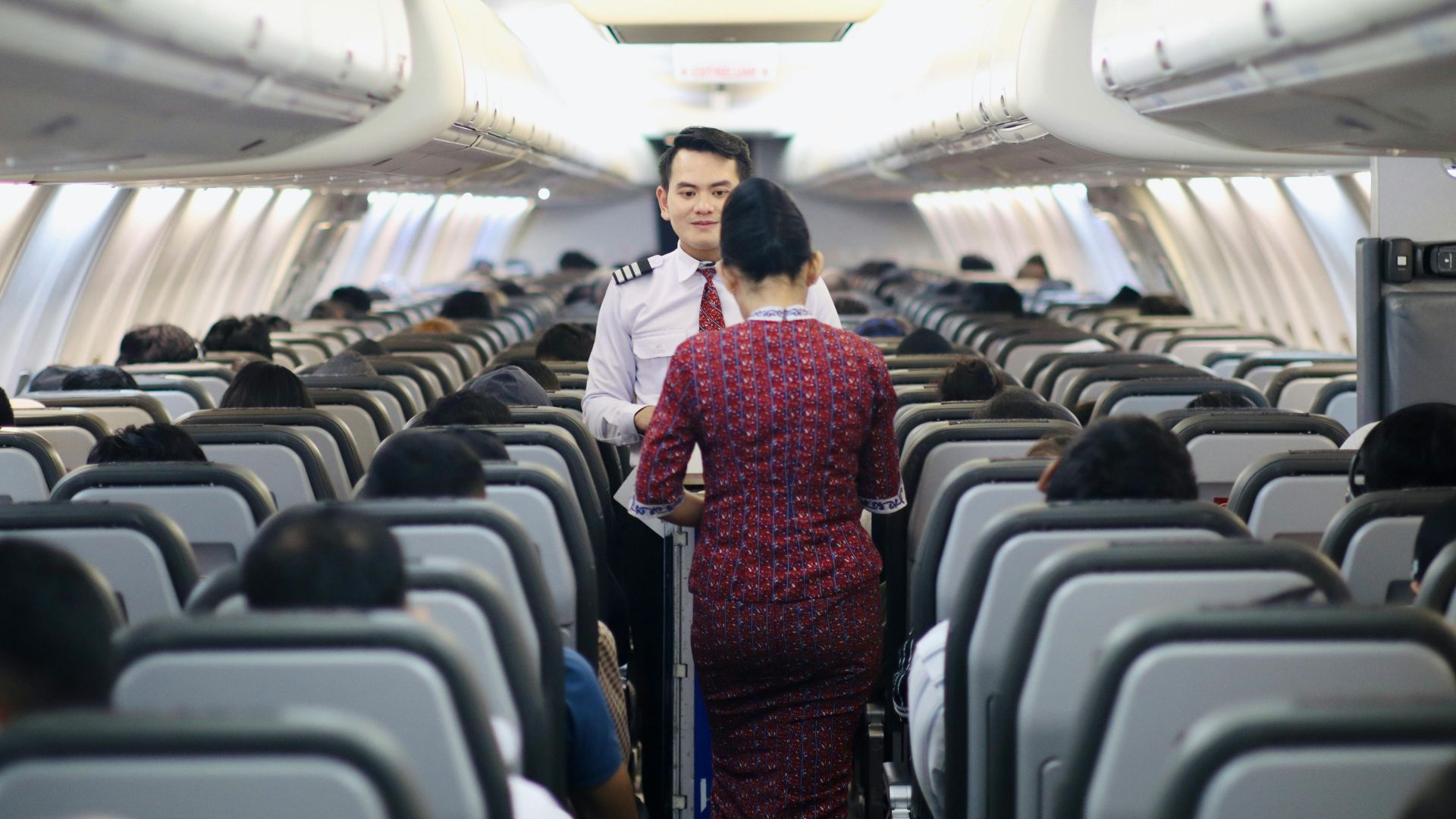
Flight attendants frequently cite seat recline disputes as one of the most common onboard arguments. Crews are often called in to mediate between passengers who both feel justified, reminding everyone that calm communication usually prevents escalation.
Yes, Flights Have Been Diverted Over Reclining
While rare, there are documented cases of flights being diverted after reclining disputes spiraled out of control. These extreme outcomes show how quickly minor discomfort can turn serious when emotions run high in a confined space.
Meal Service Is a Major Trigger Point
Reclining during meal service is especially controversial. With trays down and hot drinks involved, even a small recline can cause spills or crushed meals. Many flight attendants recommend waiting until service ends to avoid unnecessary conflict.
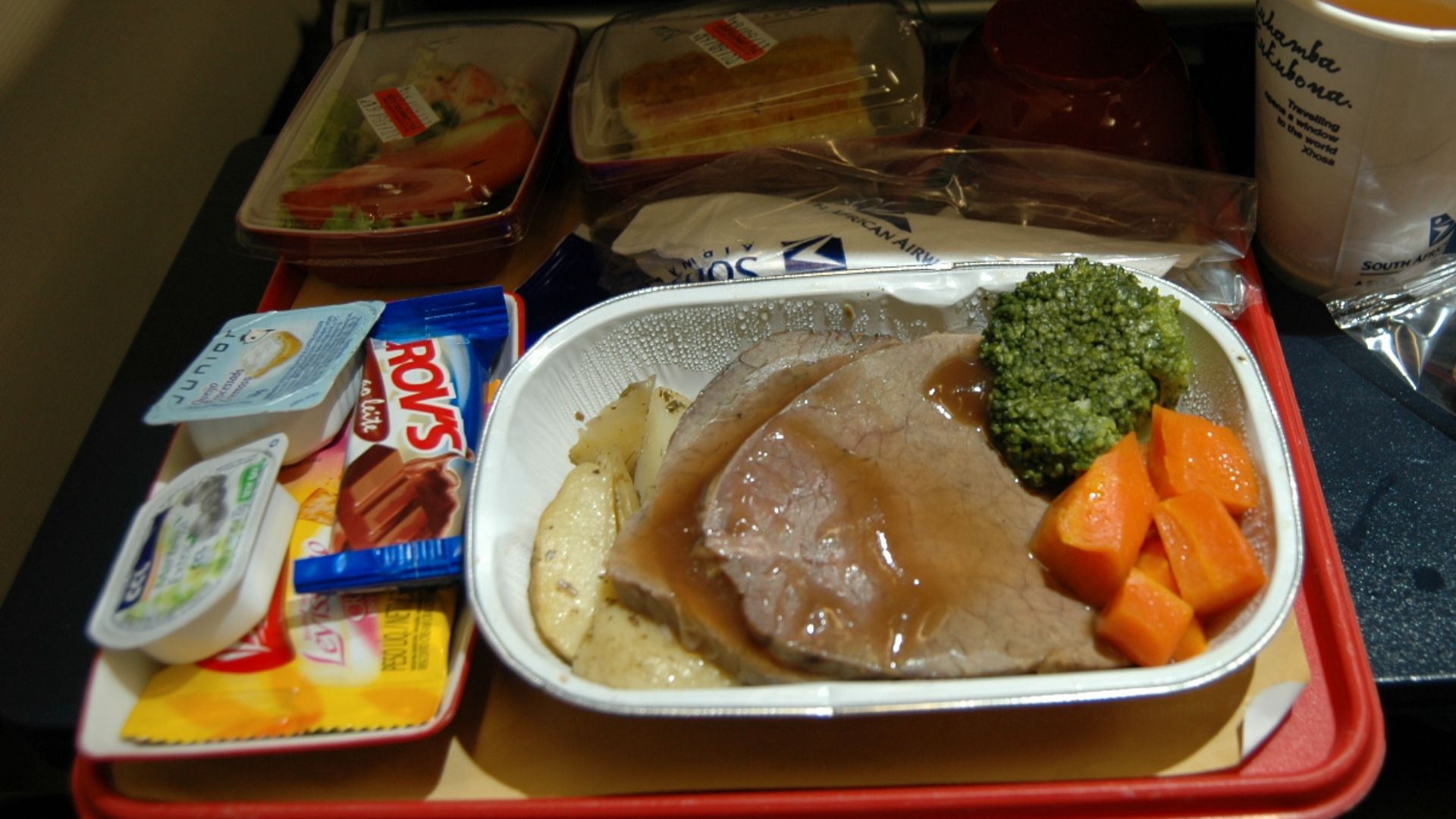 Monica Kaneko from Sao Paulo, Brasil, Wikimedia Commons
A Simple Courtesy That Helps a Lot
A quick glance behind you before reclining can defuse tension instantly. That small gesture signals awareness and gives the person behind time to adjust. It doesn’t mean asking permission—just acknowledging shared space.
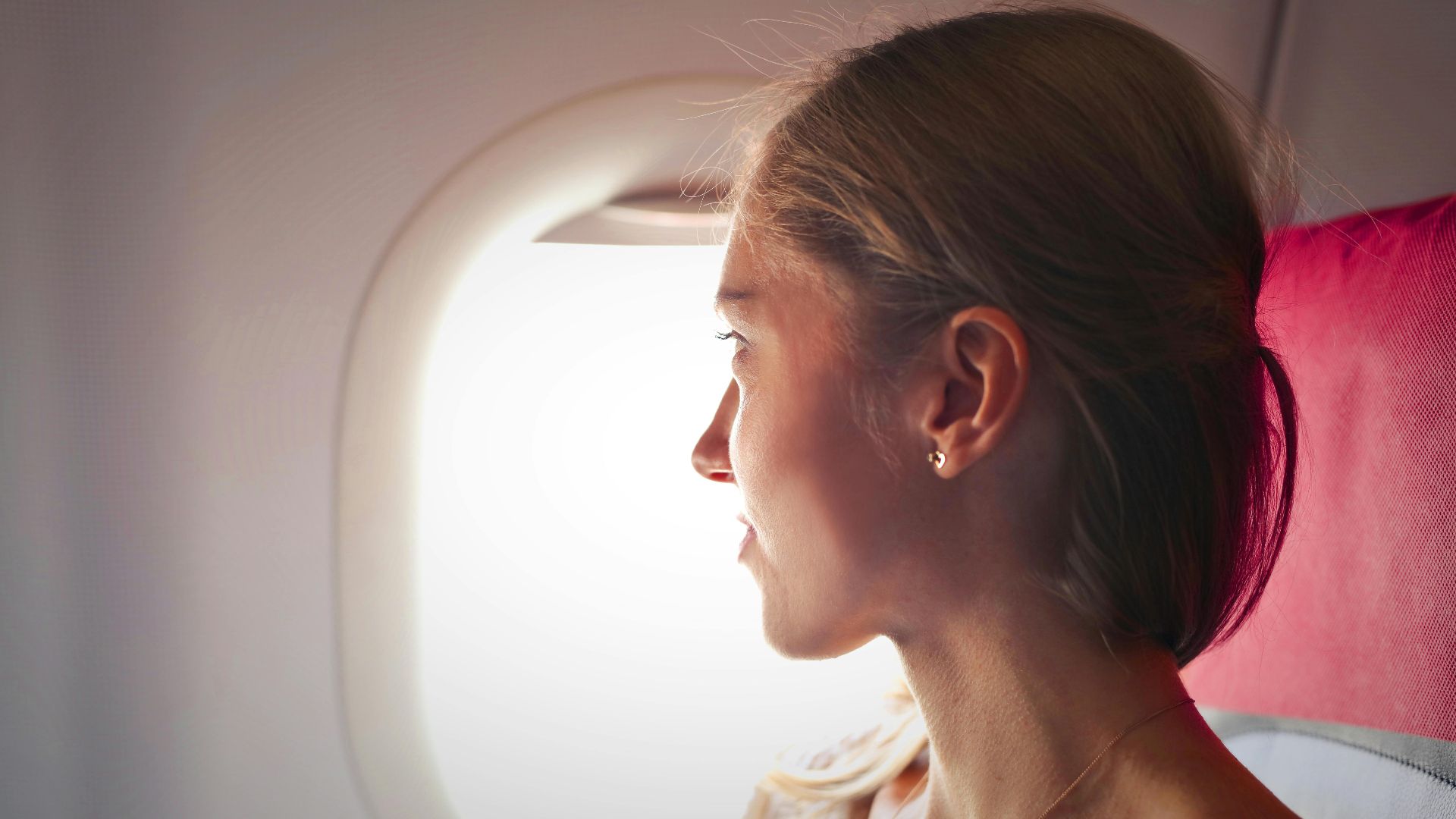
How Slowly Reclining Changes the Reaction
Reclining slowly makes a noticeable difference. Gradual movement allows knees, screens, and drinks to shift naturally, reducing the shock factor. Many seat disputes could be avoided simply by easing back instead of snapping the seat into place.
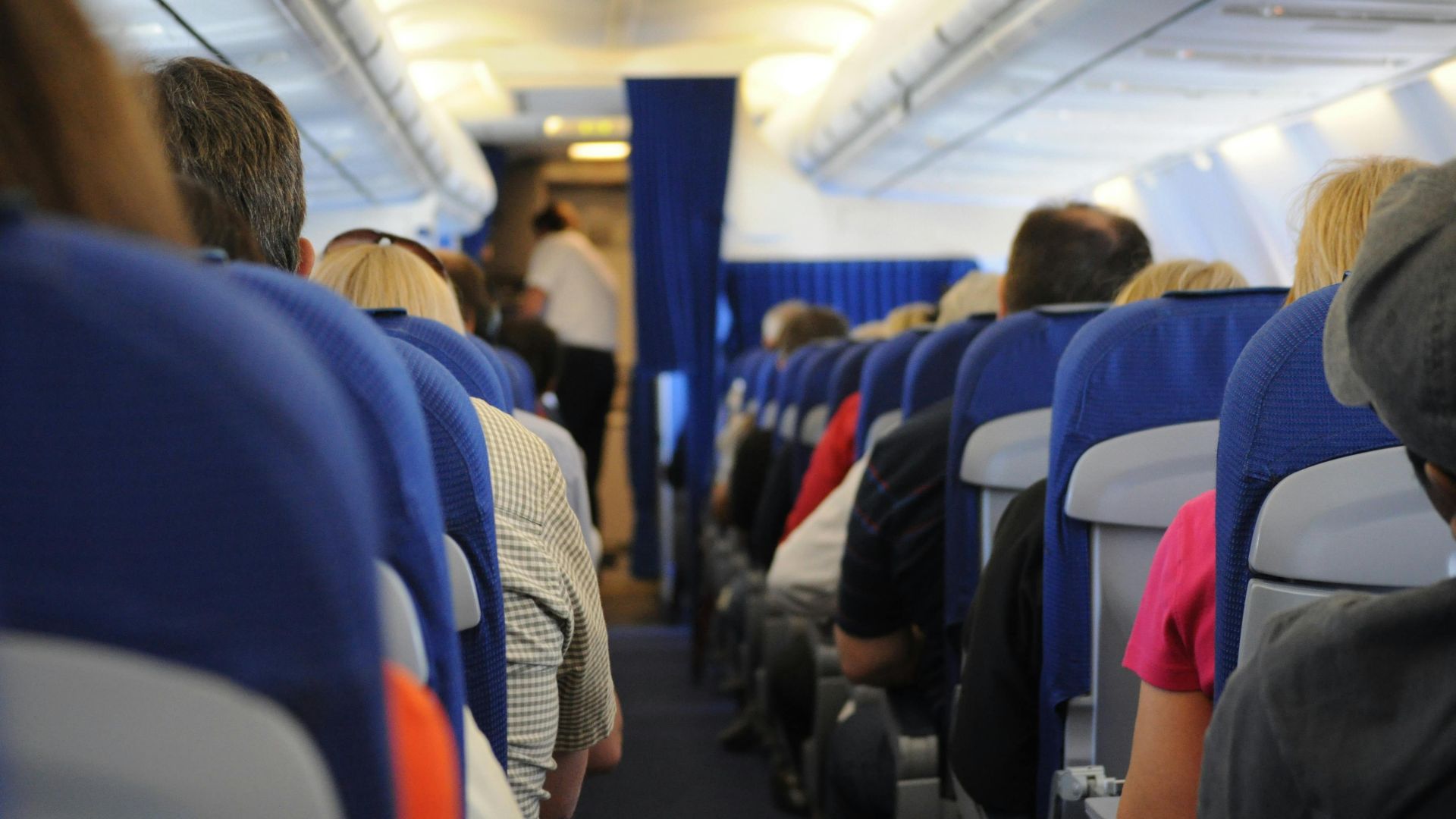
Why Seats Feel Worse Than They Used To
Airlines have steadily reduced legroom while passenger body sizes have increased. A consumer advocacy group has argued that only about 25 percent of travelers comfortably fit in modern economy seats, intensifying tension when any space is taken away.
Some Airlines Are Trying to Eliminate the Issue
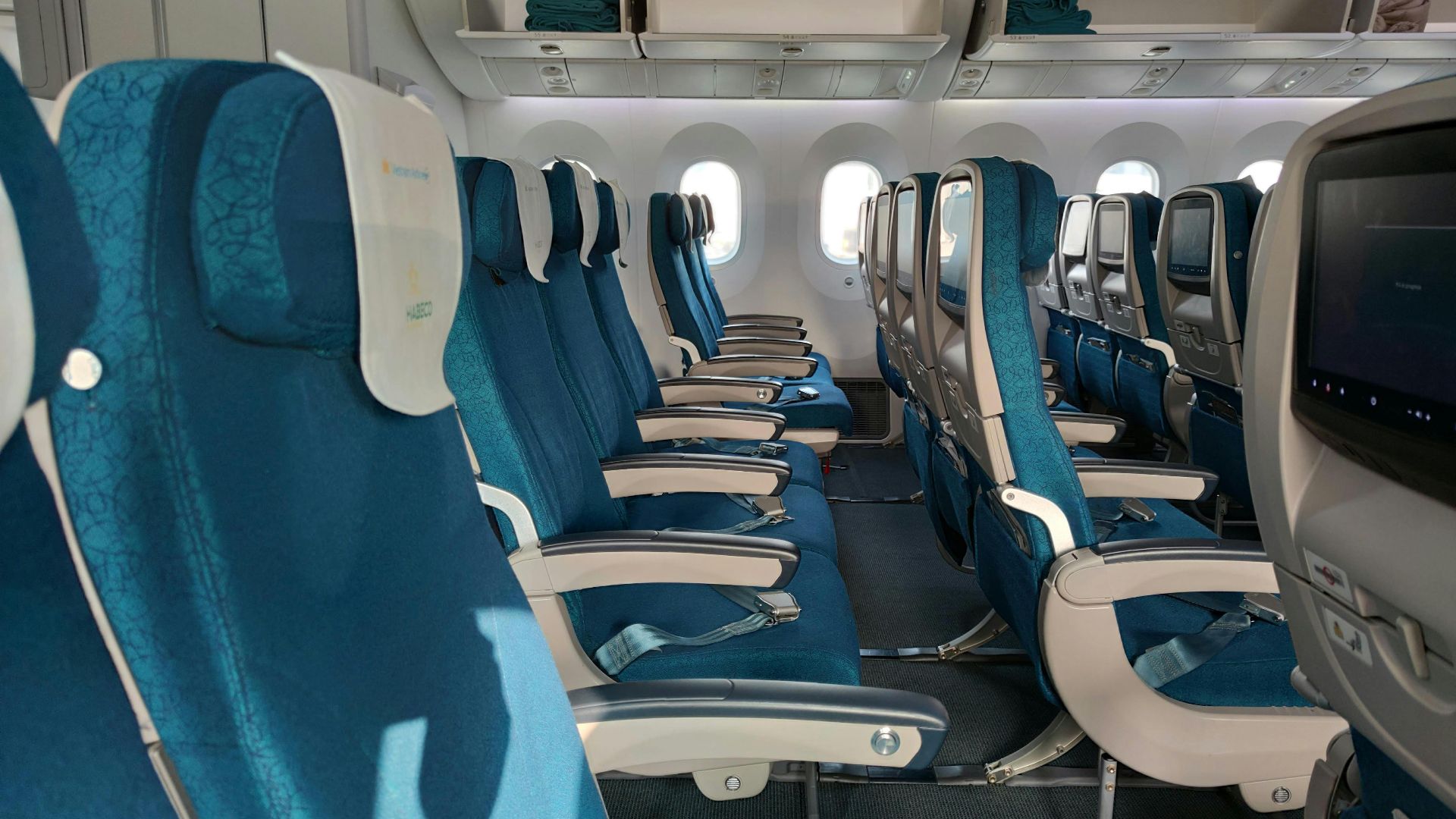
To reduce conflict, some airlines have removed reclining seats entirely. Others have limited recline distance—Delta, for example, reduced recline on parts of its A320 fleet from about four inches to roughly two. These changes acknowledge the problem is real.
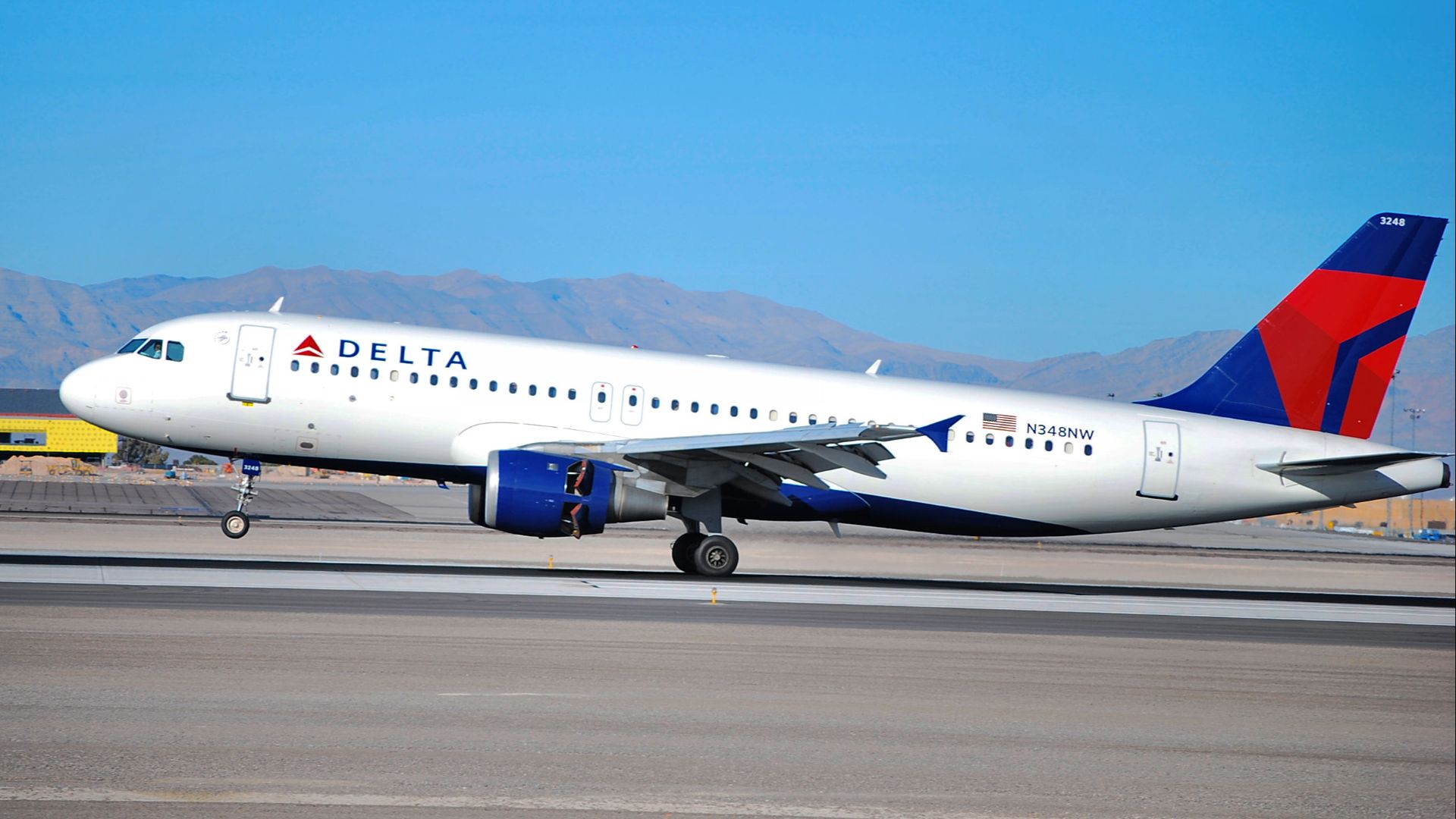 Tomas Del Coro from Las Vegas, Nevada, USA, Wikimedia Commons
Regulators Haven’t Stepped In
Despite tens of thousands of public comments submitted to the FAA calling for minimum seat size standards, there are still no federal rules governing legroom or seat width. That leaves airlines free to keep tightening cabins—and passengers stuck negotiating space themselves.
Why Tall Passengers Feel Especially Targeted
For taller passengers, a reclined seat can mean knees pressed into hard plastic for hours. While that doesn’t negate the recliner’s rights, it explains why reactions can feel emotional. Physical discomfort often escalates faster than polite conversation.
So Who’s Actually in the Wrong?
Most of the time, no one is fully wrong. Reclining is allowed, and frustration is understandable. These situations usually come down to mismatched expectations, shrinking space, and lack of communication—not malicious intent.
The Most Reasonable Middle Ground
If you plan to recline on a short flight, awareness goes a long way. Look back, recline slowly, avoid meals, and be open to compromise if someone asks politely. Comfort matters—but so does coexistence.
The Real Problem Isn’t the Button
This debate isn’t really about manners. It’s about shrinking seats, packed cabins, and designs that force passengers to negotiate personal space midair. Reclining didn’t suddenly become rude—flying just became less forgiving.
The Bottom Line
Reclining your seat doesn’t make you a villain—and being annoyed doesn’t make someone unreasonable. On short flights especially, a little awareness can prevent a lot of tension. Comfort counts, but empathy makes the flight easier for everyone.
You Might Also Like: