
My card paid for everything.
I booked the rooms, covered the taxis, and handled restaurant bills while my friends repeatedly promised to repay me later. By the end of the trip, I felt less like a traveler and more like an interest-free lender chasing clients.
Generosity Became The Default
Covering one dinner or taxi can be a harmless favor between friends. The problem begins when the same person automatically pays for every large expense because everyone else expects to settle up eventually. A temporary convenience can quickly become a pattern that places the organizer’s available cash and credit at risk.

“Forgetting” Still Has Consequences
A friend may genuinely overlook one small payment during a busy trip. Repeated delays after several reminders are different because the unpaid balance still affects the person who advanced the money. Intent does not erase the financial pressure created by carrying everybody else’s share.

Money Stress Follows You
Financial worries can affect stress levels, relationships, and everyday decision-making. An unpaid group balance may make it harder to enjoy meals or activities because every new purchase increases the tension. Addressing the problem early is healthier than pretending the resentment will disappear after the flight home.

Stop Paying Before The Conversation
Do not continue covering new expenses while privately hoping the old ones will be repaid. Tell the group that you have reached your personal spending limit and need everyone to pay directly from that point onward. A boundary becomes meaningful only when your behavior changes with it.

Use Clear Numbers
Avoid sending a message that merely says everyone owes “a bit of money.” List the expense, date, total amount, calculation, and exact balance owed by each traveler. Specific numbers are harder to misunderstand or dismiss than a vague request to settle up soon.

Record Expenses Immediately
Shared-expense tools allow travelers to enter purchases while details are still fresh. Everyone can see who paid, how the cost was divided, and the remaining balances. Recording the expense at the restaurant or ticket counter reduces arguments about forgotten purchases later.

Choose The Splitting Rules First
Not every expense should automatically be divided equally. A rental home may be split by room, night, couple, or number of occupants, while restaurant bills may reflect what each person ordered. Agreeing on the method before paying prevents the organizer from making unpopular fairness decisions afterward.

Get Deposits Before Booking
Large prepaid expenses should not be financed by one friend whenever it can be avoided. Collect each traveler’s share before purchasing accommodation, tours, tickets, or transportation. A reservation is not confirmed for the group until the necessary money has actually arrived.

Set A Payment Deadline
“Pay me whenever” gives procrastination unlimited room. Set a concrete deadline such as the evening before the booking, the end of each travel day, or 24 hours after receiving the request. A clear date turns repayment from an informal intention into a visible expectation.

Settle Every Day
Waiting until the end of a week creates a large balance that can surprise everyone. A quick nightly review keeps errors small and gives travelers a chance to ask questions while they remember the day. Frequent settlement also reveals early when someone is unable or unwilling to keep up.

Rotate Who Pays
One person should not automatically place every group charge on the same card. Rotate responsibility for groceries, transportation, meals, and attractions when practical. This spreads the temporary financial burden and helps everyone appreciate how quickly small shared purchases accumulate.

Let People Pay Separately
Splitting a restaurant bill or buying attraction tickets individually may take slightly longer at the moment. It can still be easier than calculating debts and sending repeated reminders after the trip. Ask whether the business can provide separate checks or process several cards before assuming one person must cover everything.

Use A Shared Spending Fund
Friends can contribute an agreed amount to a common spending pool before departure. That fund can cover approved group expenses such as groceries, fuel, tolls, or shared taxis. When the balance runs low, everyone adds more before additional purchases are made.
 https://kaboompics.com/, Pexels
Track Foreign Currency Carefully
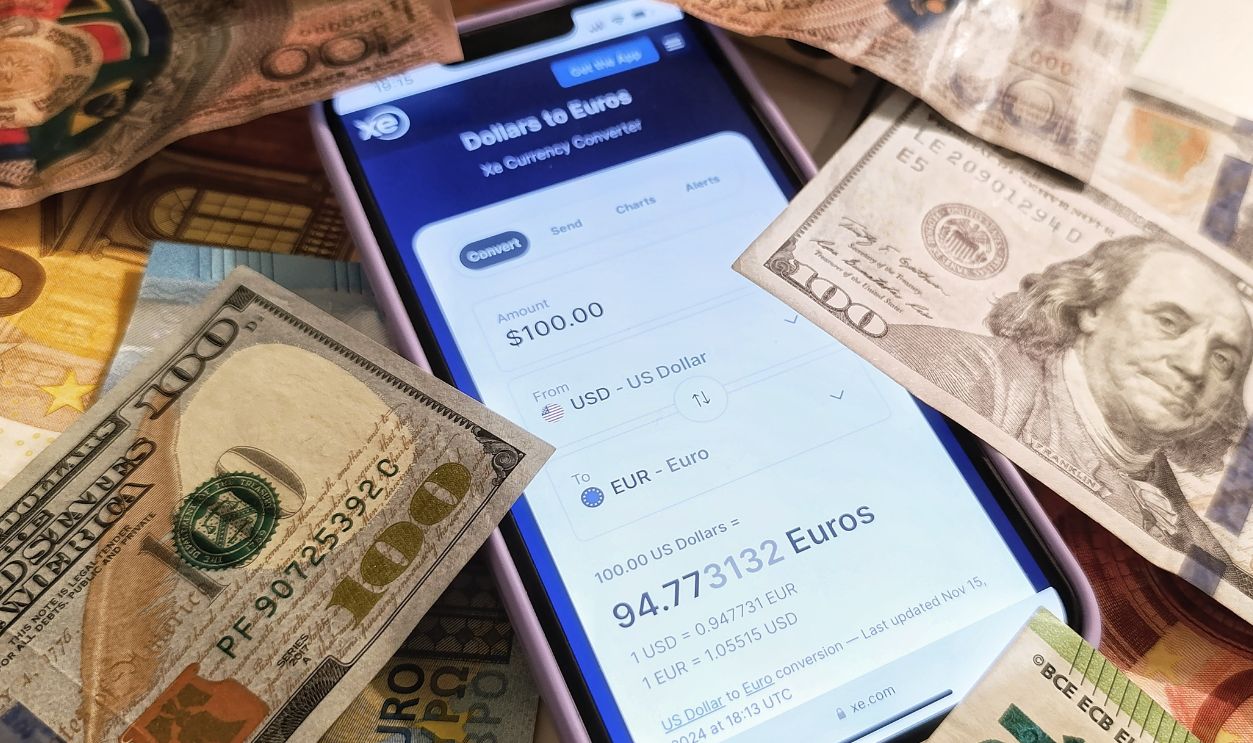
International travel creates another opportunity for disagreement because exchange rates can change and card issuers may add foreign transaction fees. Record the original currency, converted amount, and any clearly attributable fee. Decide in advance whether repayment will use the actual card statement amount or an agreed exchange rate.
Do Not Hide Card Fees
The person advancing money should not quietly absorb legitimate charges generated by group purchases. Foreign transaction fees, booking fees, taxes, and required service charges may belong in the shared total when everyone agreed to the expense. Show the documentation so the additional amount does not appear invented.
 Henri Mathieu-Saint-Laurent, Pexels
Verify Payment-App Details
Person-to-person payment apps make repayment fast, but money can be difficult to recover when sent to the wrong account. Confirm the recipient’s username, telephone number, or email address before transferring funds. Travelers should also protect their accounts with available security features and avoid leaving large balances stored in an app unnecessarily.

Requests Are Not Repayments
Sending a payment request does not mean the debt has been settled. Check that the transfer was completed and received before marking the balance as paid. Screenshots of an unsubmitted request or an app notification are not substitutes for money arriving in the correct account.

Send One Group Summary
Separate reminders can create different stories about what each traveler was told. Send one clear summary showing all expenses, payments received, and balances outstanding. A shared record also allows friends to identify genuine errors without forcing you to reconstruct the entire trip privately.

Use Assertive Language
Assertiveness allows a person to communicate a need directly without becoming insulting or aggressive. Try saying, “I cannot cover more group costs until the outstanding balance is repaid.” That message describes your financial limit instead of launching a personal attack about somebody’s character.

Do Not Apologize For Collecting
You are not being greedy by asking people to repay expenses they agreed to share. Over-apologizing can make an ordinary request sound optional or unreasonable. Keep the message polite, brief, and focused on the agreed numbers.

Avoid Lending More Money
A friend who still owes hundreds of dollars should not receive another informal loan for dinners, shopping, or excursions. They can choose a less expensive activity, use their own payment method, or sit out the purchase. Protecting your budget is not the same as excluding someone unfairly.

Protect Your Credit Limit
Group purchases can consume available credit needed for emergencies, deposits, or the remainder of the trip. The cardholder remains responsible for paying the issuer even when friends have not reimbursed their shares. Do not risk interest charges or a missed payment to preserve the group’s temporary convenience.
Keep Receipts And Confirmations
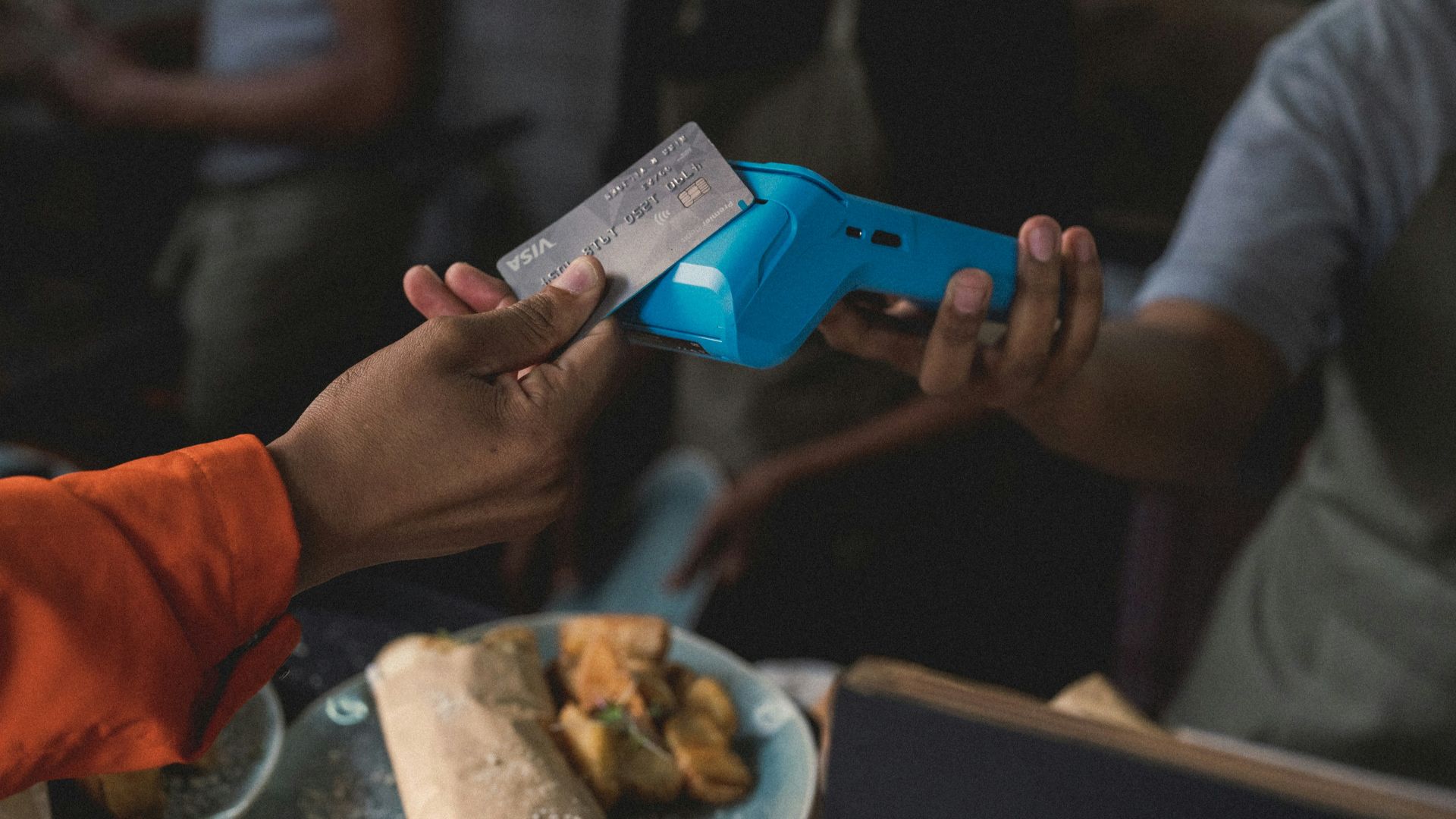
Save hotel invoices, restaurant receipts, fuel purchases, transportation charges, and booking emails until everyone has settled. These records support the calculations and distinguish shared expenses from personal purchases. Digital photographs of paper receipts can prevent important details from disappearing.
Offer A Private Conversation
A friend may be avoiding repayment because of embarrassment or an unexpected financial problem. Speak privately and ask for a specific payment plan rather than discussing their situation in front of the entire group. Compassion is possible without allowing the debt to remain undefined indefinitely.

Change Future Travel Rules
Before another group trip, establish who books, when deposits are due, how expenses are divided, and which payment system everyone will use. State that nobody is expected to advance large amounts for others. Friends who reject those basic terms may not be compatible travel partners.

Friendship Does Not Require Financing
A supportive friendship can include occasional generosity, but it should not depend on one person continually providing credit. Healthy boundaries protect both the traveler’s finances and the relationship from growing resentment. Stop being the group bank by collecting money before major purchases, settling frequently, and refusing to fund new expenses while old balances remain unpaid.

You May Also Like:
What Flight Attendants Wish All Travelers Knew
Things European Visitors Find Confusing About American Hotels
The Most Dangerous Selfie Spots In The World
Sources: 1, 2, 3, 4, 5, 6, 7, 8, 9, 10, 11, 12, 13, 14, 15, 16, 17, 18, 19, 20, 21