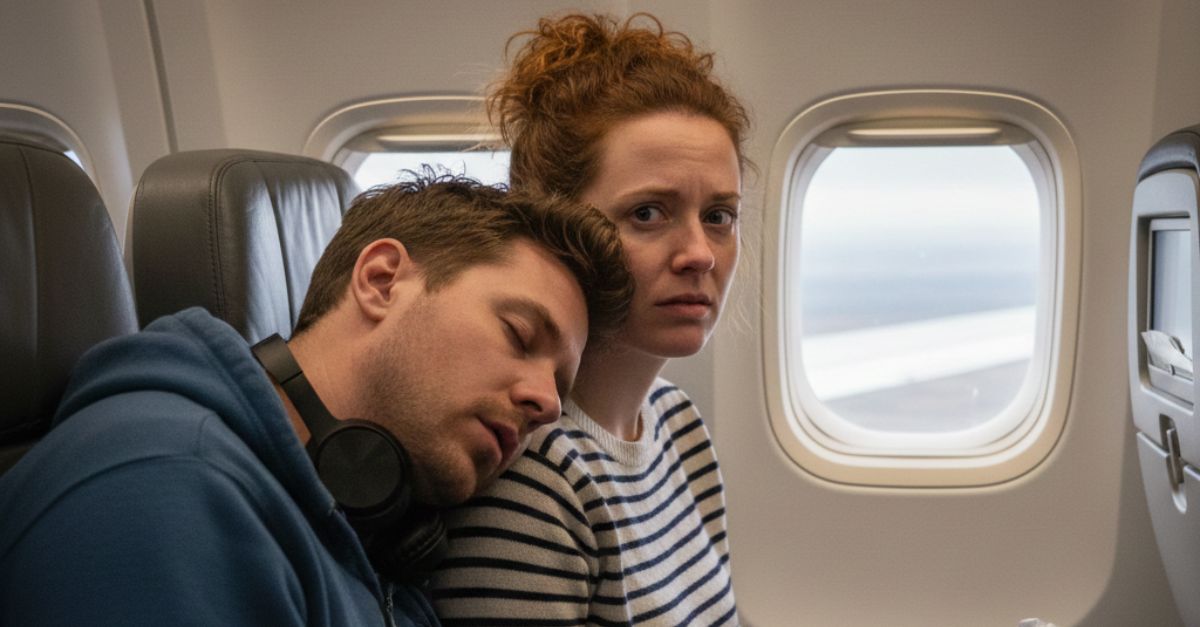
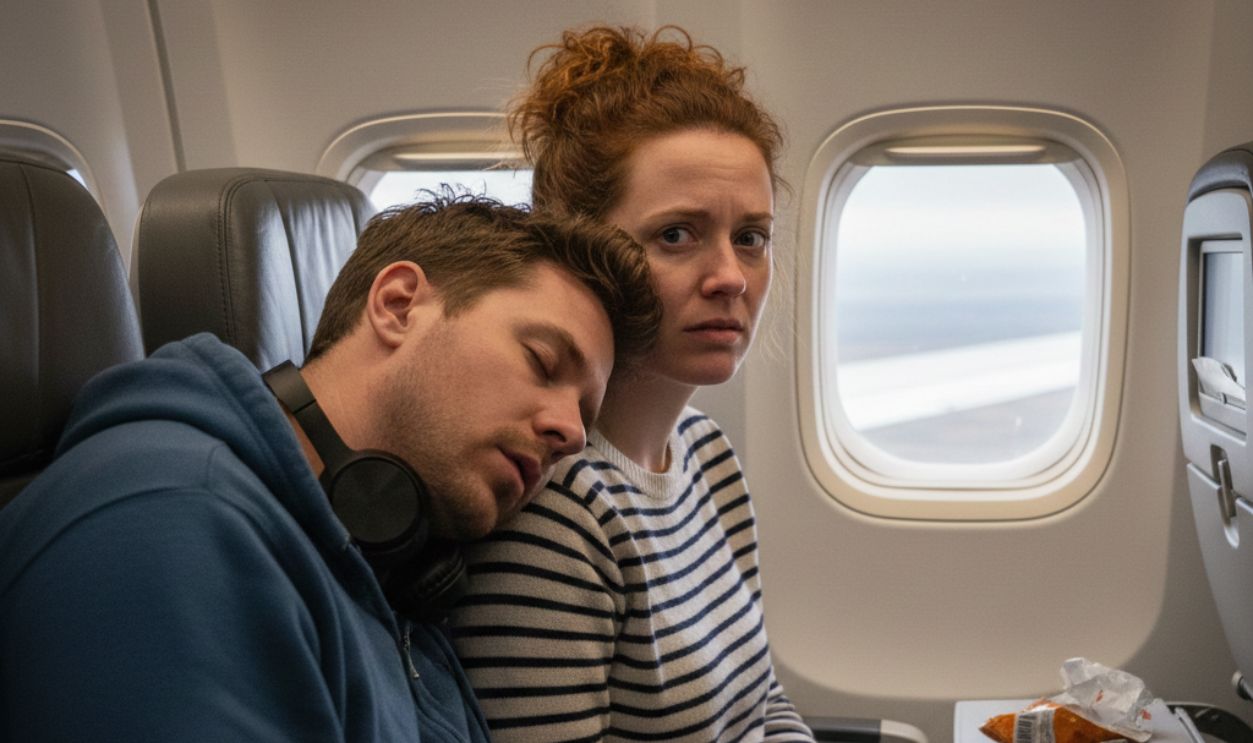
Long-haul flights turn strangers into temporary neighbors crammed into metal tubes hurtling through the sky at 500 miles per hour. You've settled into your seat, maybe scored the window spot, popped in your earbuds, and drifted off somewhere over the Atlantic. Then you wake up to an unexpected situation: your seatmate has turned your shoulder into their personal pillow. Their head's resting there, possibly drooling on your favorite travel hoodie, and you're stuck in this weird limbo between politeness and personal space violation. The question isn't just whether you can report this behavior, but whether you should, and what actually counts as reportable conduct at 35,000 feet. Airlines deal with thousands of passenger complaints annually, but where does uninvited shoulder-napping fall on the spectrum of airplane etiquette violations?
What Actually Constitutes Reportable Behavior On Flights
Airlines distinguish between minor annoyances and genuine violations requiring crew intervention. According to Federal Aviation Administration guidelines and airline policies, reportable incidents typically involve safety threats, harassment, physical assault, or behavior that disrupts flight operations. Someone accidentally falling asleep on your shoulder doesn't automatically qualify as harassment under most airline codes of conduct. The International Air Transport Association notes that physical contact becomes problematic when it's intentional, unwanted after clearly communicated boundaries have been crossed, or crosses into threatening territory. Flight attendants receive training to handle everything from medical emergencies to passenger disputes, but they're instructed to prioritize safety-related issues first. A sleeping passenger who's simply leaned too far isn't creating a safety hazard in most cases. However, if that contact makes you uncomfortable or if the person refuses to respect your space after you've asked them to move, the situation shifts into different territory where crew involvement becomes more appropriate.
Your Rights To Personal Space And How To Assert Them
Airline passengers have reasonable expectations of personal space within their ticketed seat area, though airline policies don't always spell out exact boundaries for situations like unwanted leaning. Your purchased seat includes the armrests, your seat back, and the physical space your body occupies, but the gray area emerges when tired passengers drift into adjacent territory. Most airlines' contracts of carriage include clauses about passenger conduct and the right to a comfortable flight experience without interference from others. You're absolutely entitled to wake your seatmate and politely ask them to adjust their position, and flight attendants can assist if the situation becomes awkward or if the passenger responds poorly. Delta, United, and American Airlines all include provisions in their customer service policies about maintaining respectful behavior toward fellow passengers. The key is addressing the issue directly first, rather than immediately escalating to crew involvement. A gentle shoulder nudge and a quiet "excuse me" resolve most accidental invasions without creating confrontation. If your seatmate apologizes and corrects their position, the situation's handled without needing official intervention.
When To Involve Flight Attendants And What To Expect
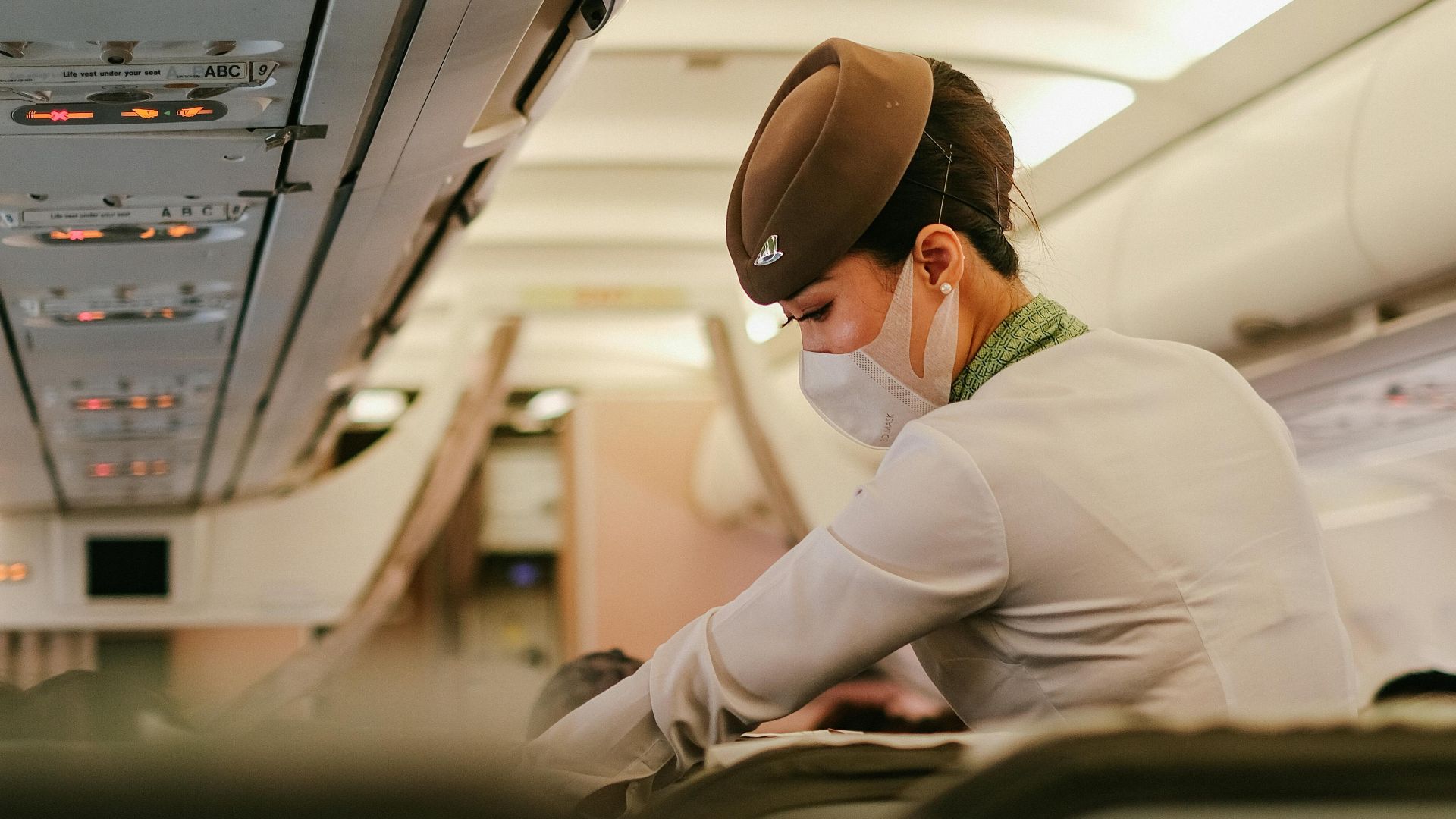
Call the flight attendant if your polite request gets ignored, if the person becomes defensive or aggressive, if the physical contact feels intentional rather than accidental, or if you're genuinely uncomfortable handling the situation yourself. Flight crews are trained in conflict de-escalation and can reposition passengers when necessary, though moving someone on a full flight isn't always feasible. When you report the incident, attendants will typically speak with both parties, assess whether the behavior violated airline policies, and determine an appropriate course of action, ranging from a simple warning to seat reassignment.
Airlines document passenger complaints, and repeated violations by the same traveler can result in consequences, including a ban on travel. However, for a one-time sleeping incident without aggressive or other overtones, expect the crew to mediate rather than punish. The Aviation Consumer Protection division of the Department of Transportation handles serious complaints about airline customer service, but minor seat disputes rarely reach that level unless they escalate into something more problematic. Your comfort matters, your boundaries deserve respect, and speaking up is completely reasonable when someone's invaded your personal space, even unintentionally. Most importantly, trust your instincts.