My vacation needed a calendar.
I thought a museum-heavy trip would mean wandering into galleries whenever the mood struck, but reserved entry times quickly turned sightseeing into a chain of appointments. Timed admission is now common at many heavily visited museums, although plenty of major institutions still welcome visitors without reservations.
The Clock Started Running The Vacation
One museum needed us at 10:30, another had a special exhibition at 2:00, and suddenly lunch had become a scheduling problem. Timed admission can make a popular attraction easier to enter, but several reservations on the same day can make leisure travel feel strangely similar to a work calendar. The frustration is less about any one ticket than the cumulative effect of planning every movement around the next deadline.

Appointment Travel Is Common, Not Universal
There is no global rule requiring museum reservations. The Smithsonian says only a handful of its locations require passes or tickets for general admission, while Washington’s National Gallery of Art requires none at all. Travelers therefore need to check each institution individually rather than assuming every famous museum works the same way.
The Pandemic Accelerated The Shift
Timed admission became especially visible when museums reopened during the COVID-19 pandemic. The UK Museums Association explained in 2020 that reservation systems allowed institutions to set capacity limits and distribute visitors more evenly throughout the day. Some museums later dropped those systems, while others retained versions that remained useful for crowd management.
Capacity Is The Big Reason
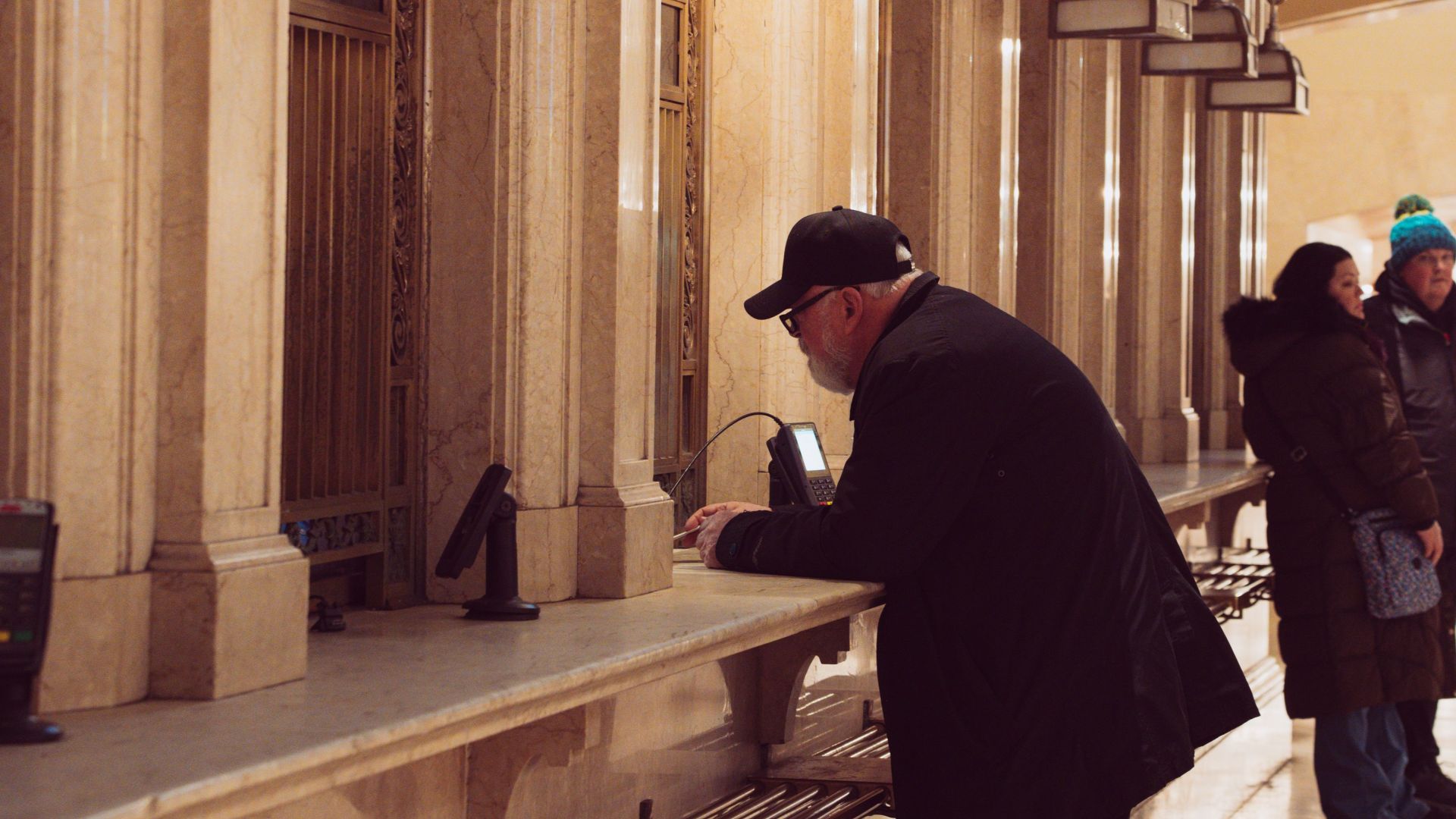
A time slot lets a museum control how many people are expected to arrive during a particular period. That can reduce pressure on entrances, security screening, galleries, cloakrooms, and other spaces with finite capacity. The system benefits institutions most when visitor demand is concentrated around famous collections and peak travel periods.
 Marialaura Gionfriddo, Unsplash
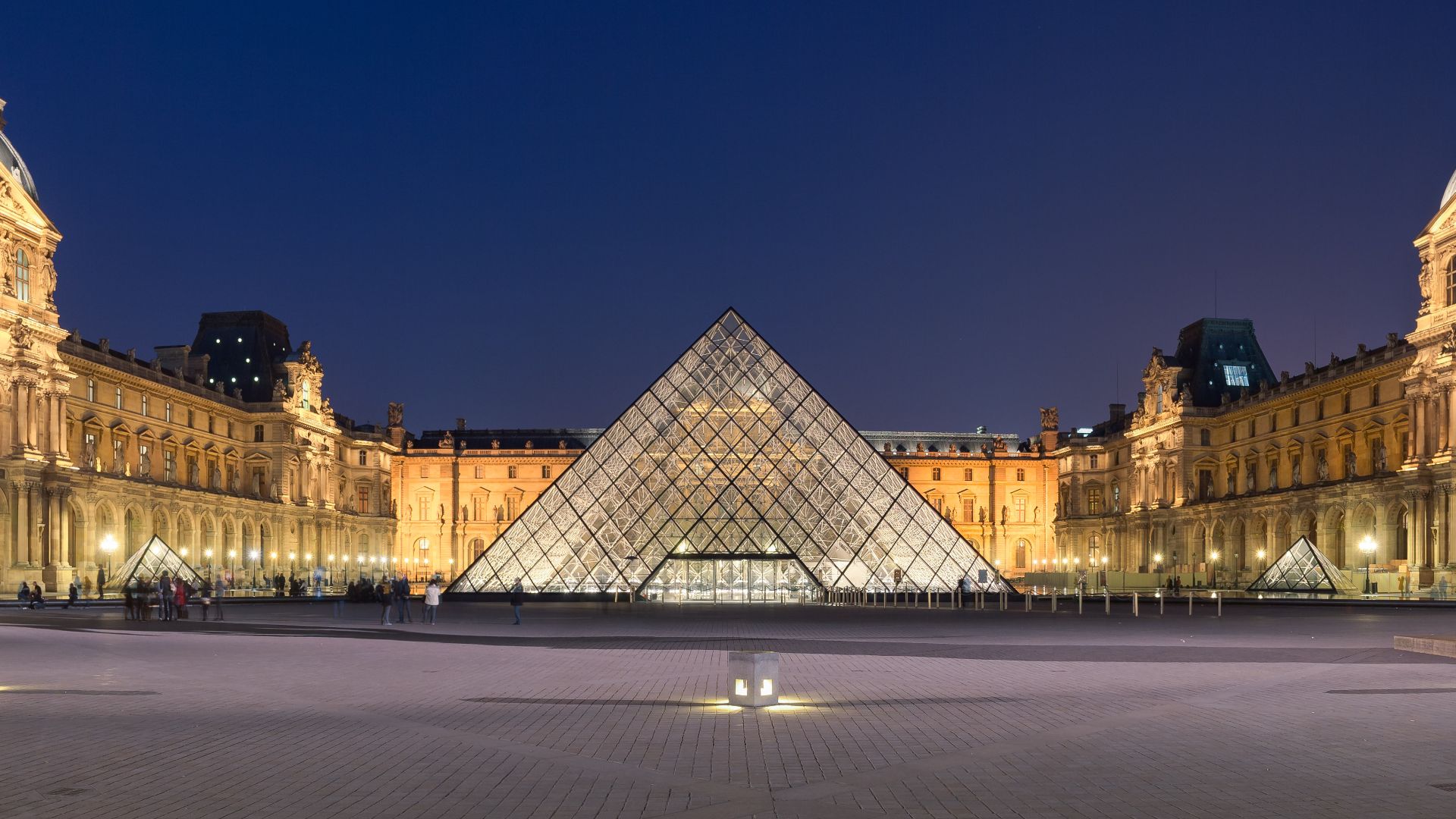
The Louvre Can Require Reservations
The Louvre normally recommends time-stamped reservations, but the policy can become stricter during high-demand periods. For July and August 2026, the museum made reservations compulsory for most visitors in order to maintain acceptable visiting conditions. That is a useful reminder that admission rules can change by season even at the same museum.
 Benh LIEU SONG (Flickr), Wikimedia Commons
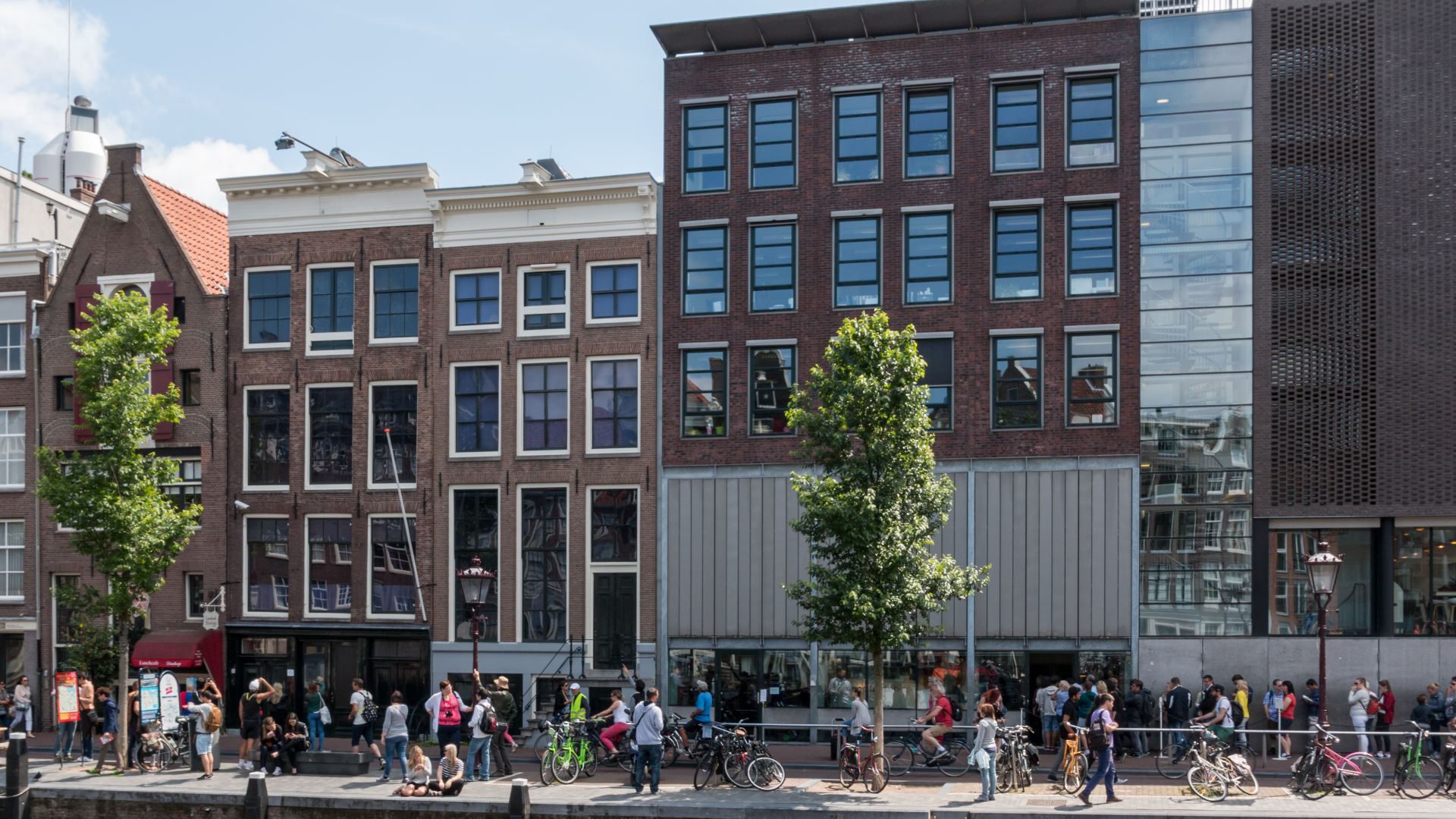
Anne Frank House Requires Precision
Amsterdam’s Anne Frank House is one of the clearest examples of appointment-based sightseeing. Visitors can enter only with an online ticket purchased for a specific time slot, and tickets are released six weeks ahead every Tuesday. There are no ordinary tickets sold at the door, so spontaneous arrival is not a viable strategy.
 Dietmar Rabich, Wikimedia Commons
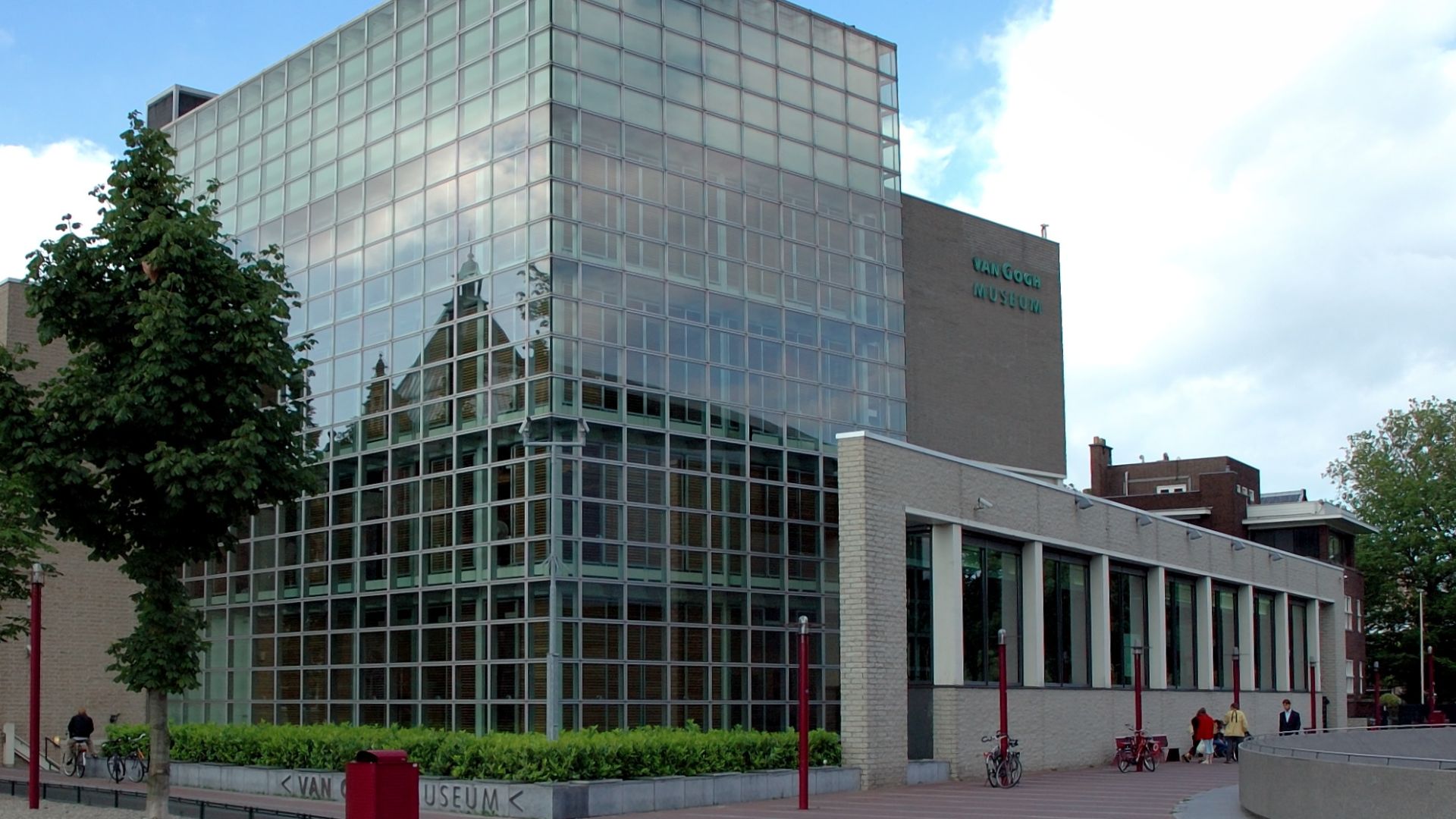
Van Gogh Comes With A Start Time
The Van Gogh Museum also ties tickets to a selected date and entry time. Its current ticketing rules state that purchased tickets are valid only for that selected slot and are nonrefundable. A traveler building an Amsterdam itinerary around several major museums therefore needs to think about the order of the day before purchasing.
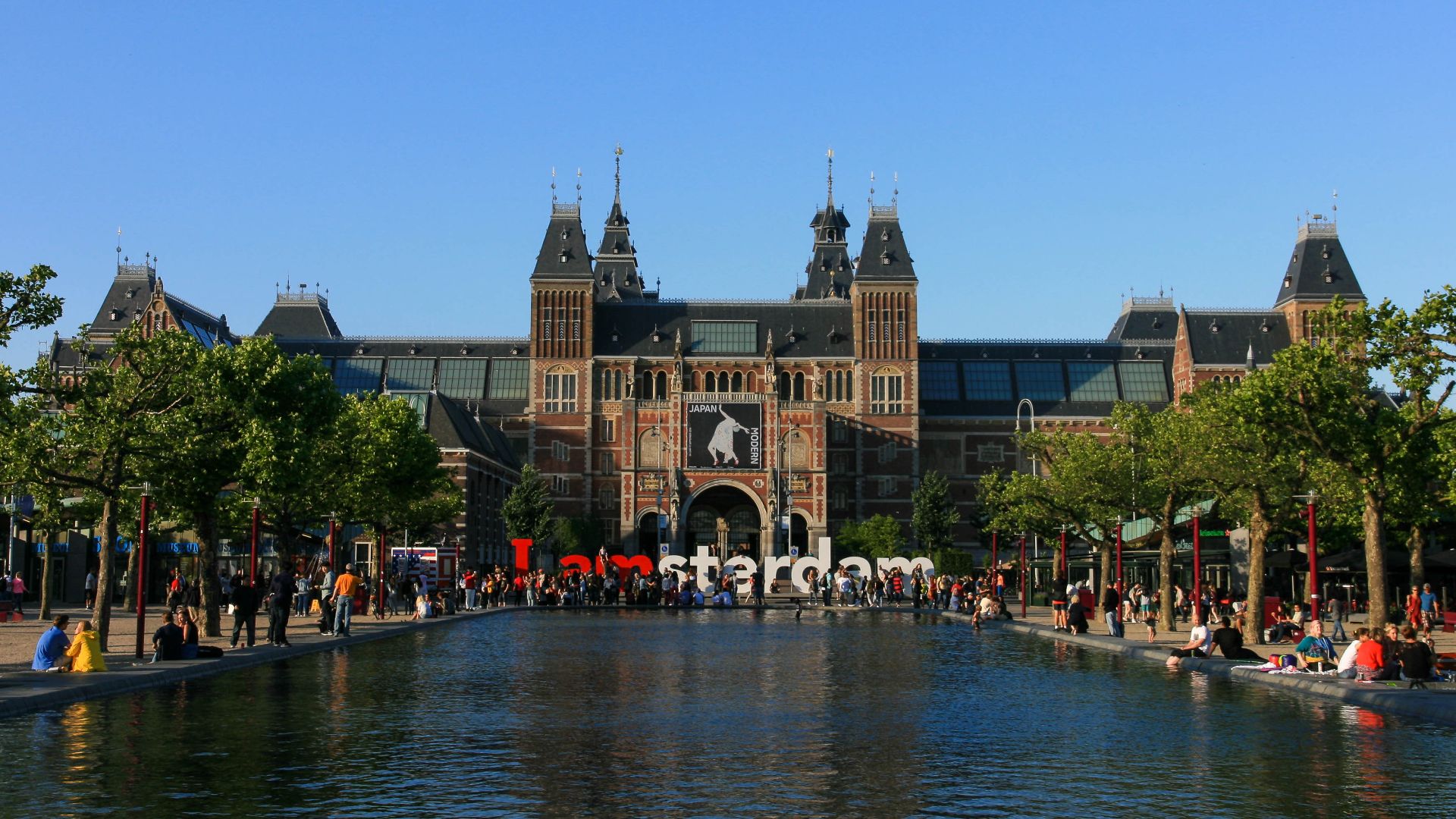
The Rijksmuseum Wants A Booking Too
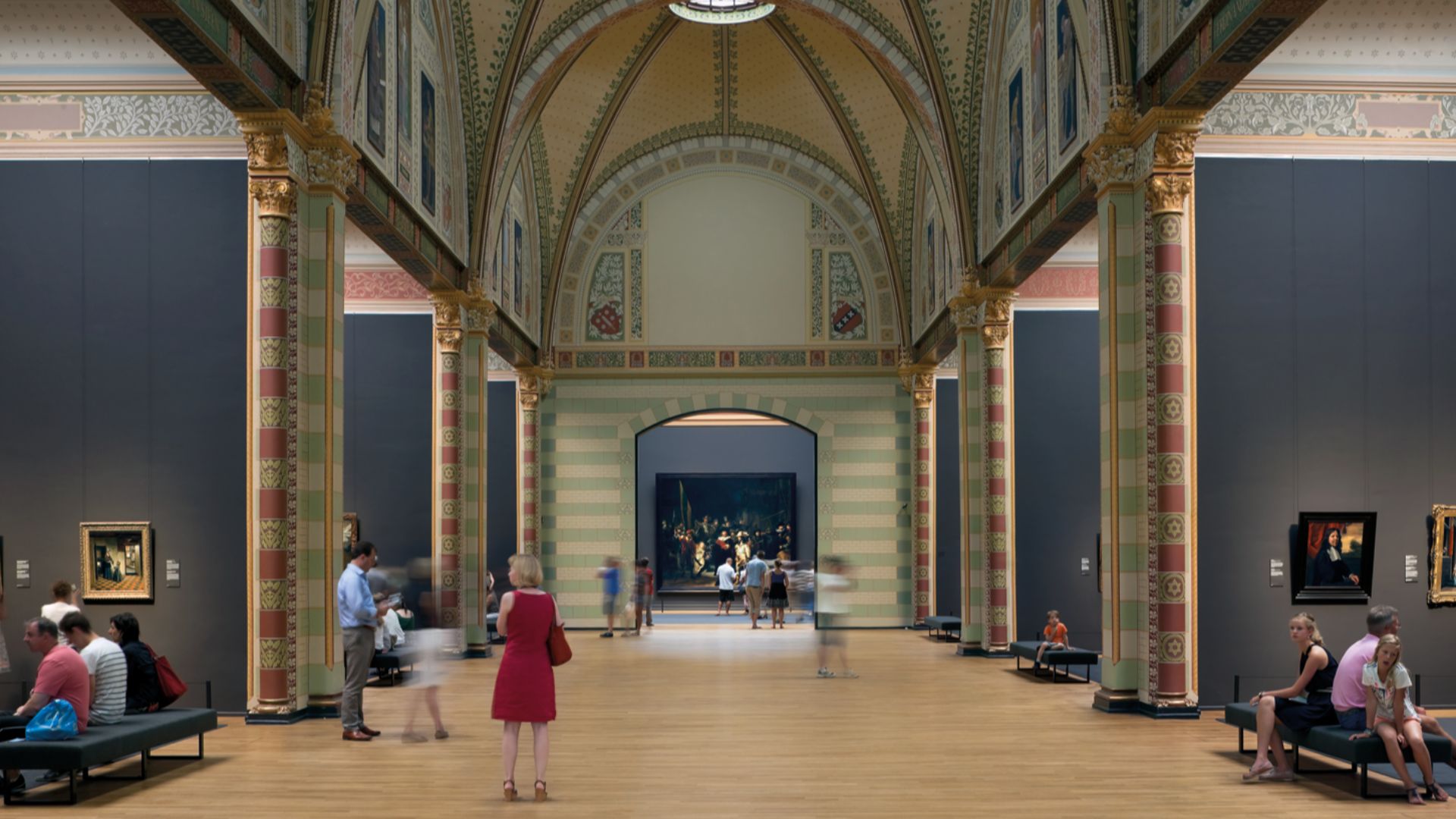
Every visitor to the Rijksmuseum is required to book a start time, with limited exceptions for certain membership categories. The good news is that the start time controls when the visit begins rather than when it ends. Once inside, visitors can remain until closing instead of watching another clock inside the galleries.
 Marco Almbauer, Wikimedia Commons
Madrid Has Joined The Calendar
The Prado requires a time pass for museum access and allows visitors to select the date and time while purchasing a ticket. The museum also recommends online purchasing to avoid waiting at the ticket office. Madrid can still support spontaneous wandering, but one of its biggest cultural attractions deserves a place on the calendar.
 Emilio J. Rodríguez Posada, Wikimedia Commons
Free Museums Can Require Reservations
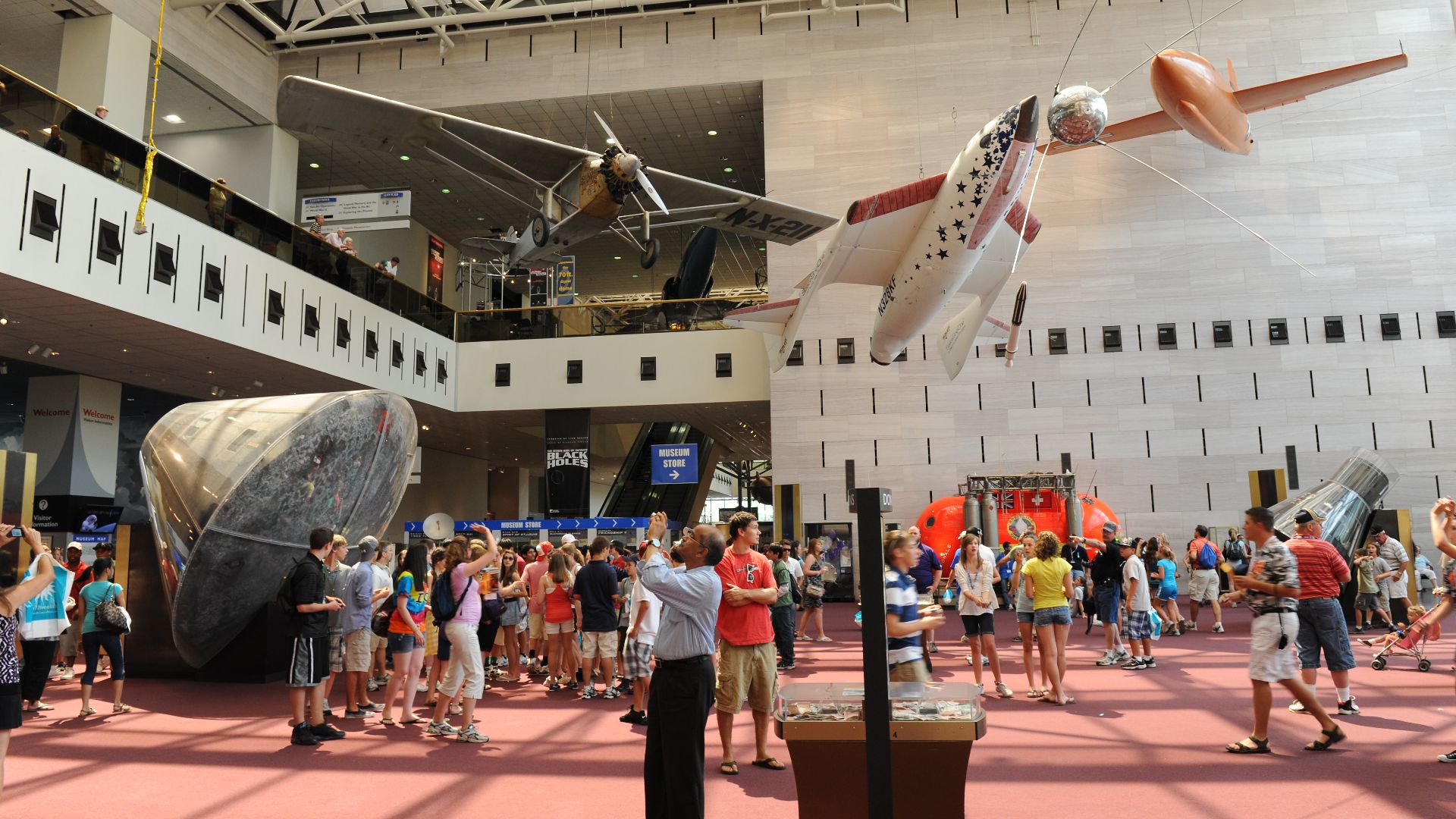
A ticket price of zero does not necessarily mean unrestricted entry. Washington’s National Air and Space Museum requires free timed-entry passes for its National Mall location. Visitors may stay as long as they wish after entering, but they still need to secure that initial reservation.
 Jawed Karim, Wikimedia Commons
Another Smithsonian Uses The Same Idea
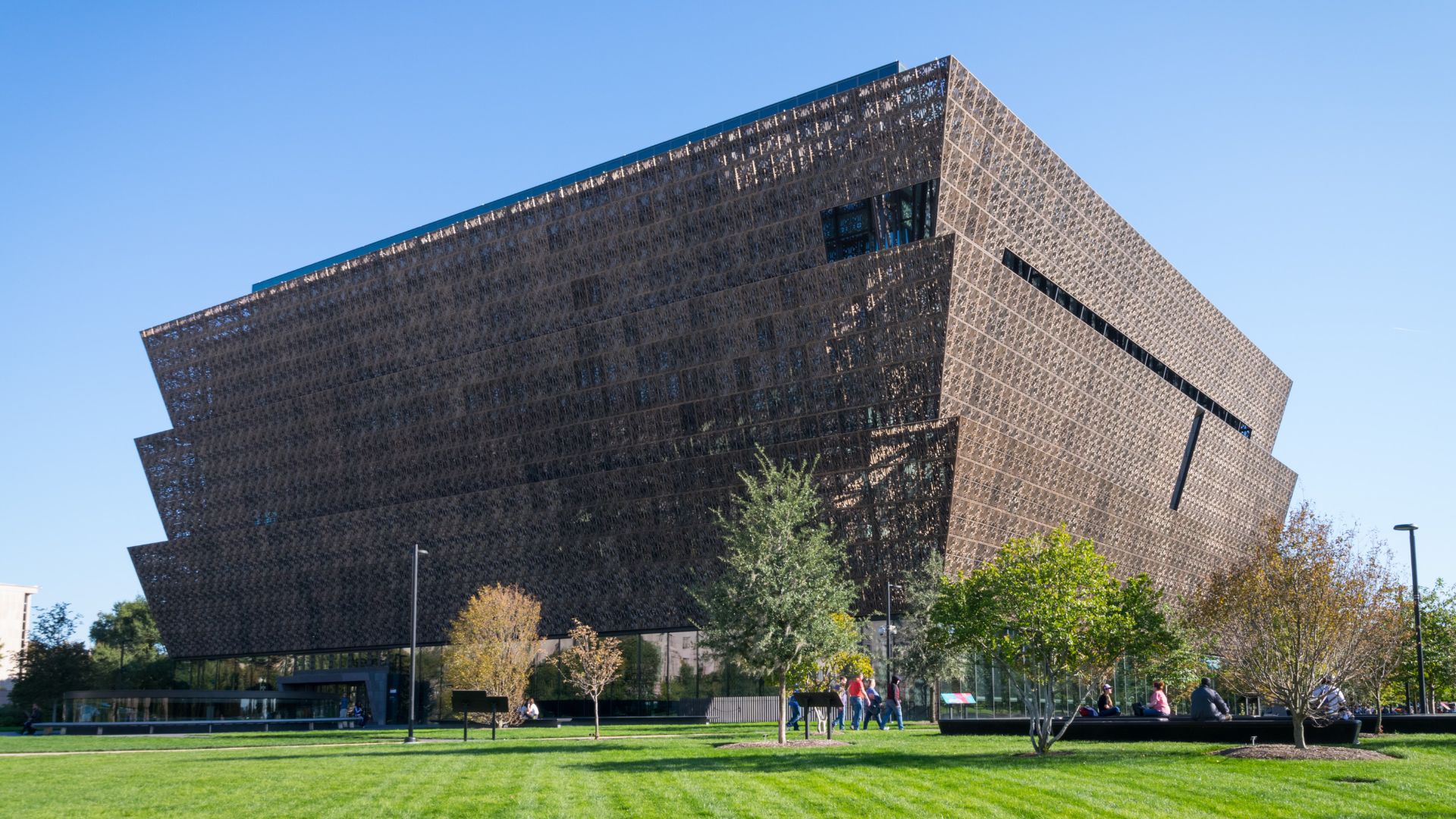
The National Museum of African American History and Culture also requires free timed-entry passes. Advance passes are released on a rolling basis, and the museum additionally releases a limited supply of same-day passes. Capacity can still cause waits during busy periods, showing that a reservation manages demand without making crowds disappear.
 Difference engine, Wikimedia Commons
Even The Getty Uses Time Slots
Admission to both the Getty Center and Getty Villa in Los Angeles is free, but timed-entry reservations are required. Parking carries a separate charge, while many tours inside are free and operate on published schedules. A supposedly casual museum day can therefore accumulate several layers of timing before visitors see their first artwork.

The British Museum Is More Flexible
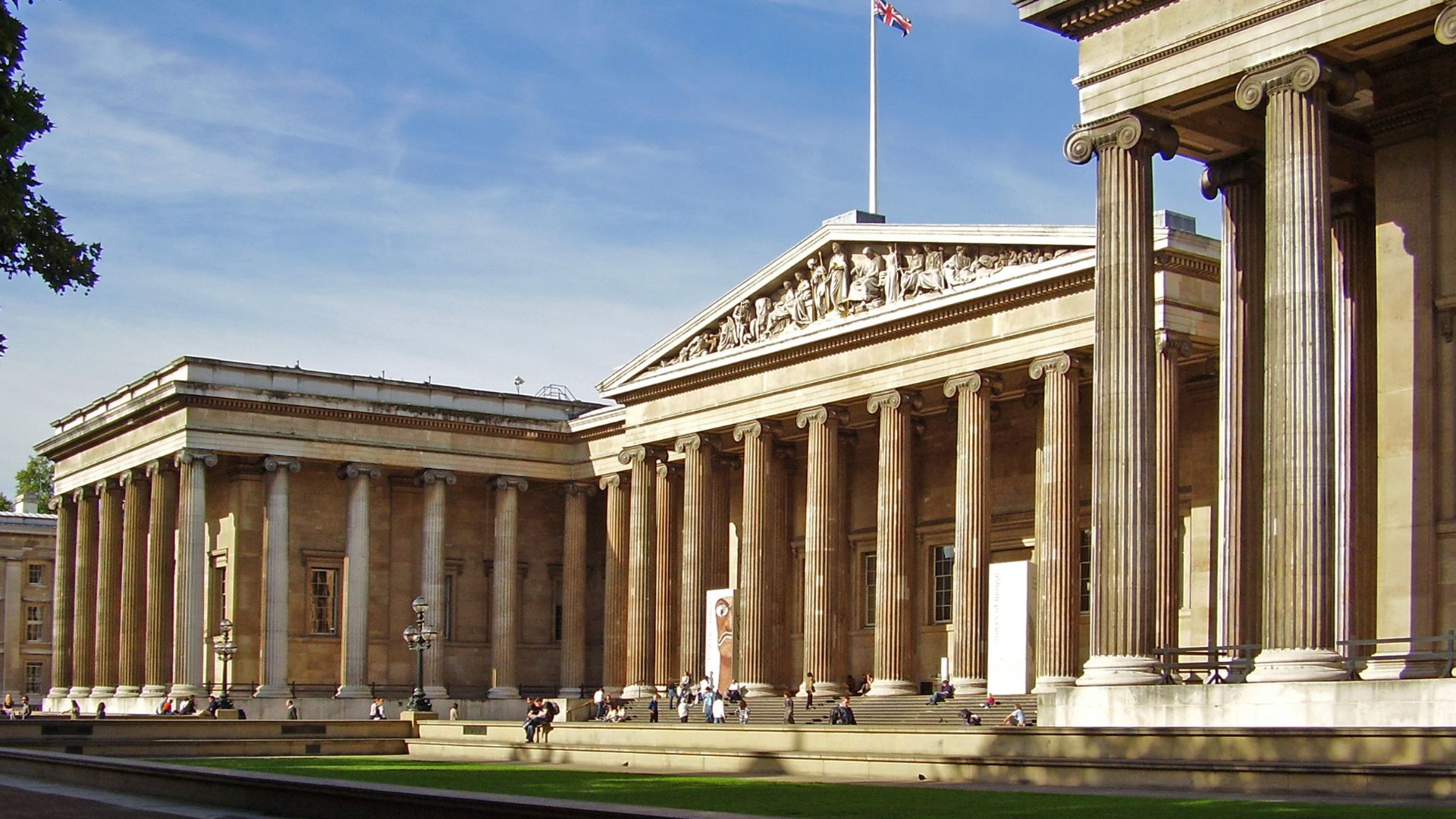
London’s British Museum advises visitors to reserve a free timed slot, particularly for guaranteed or priority entry during busy periods. It does not generally make that reservation mandatory for every ordinary visitor. That distinction is important because “recommended” and “required” create very different levels of flexibility.
Some Major Museums Still Welcome Walk-Ins
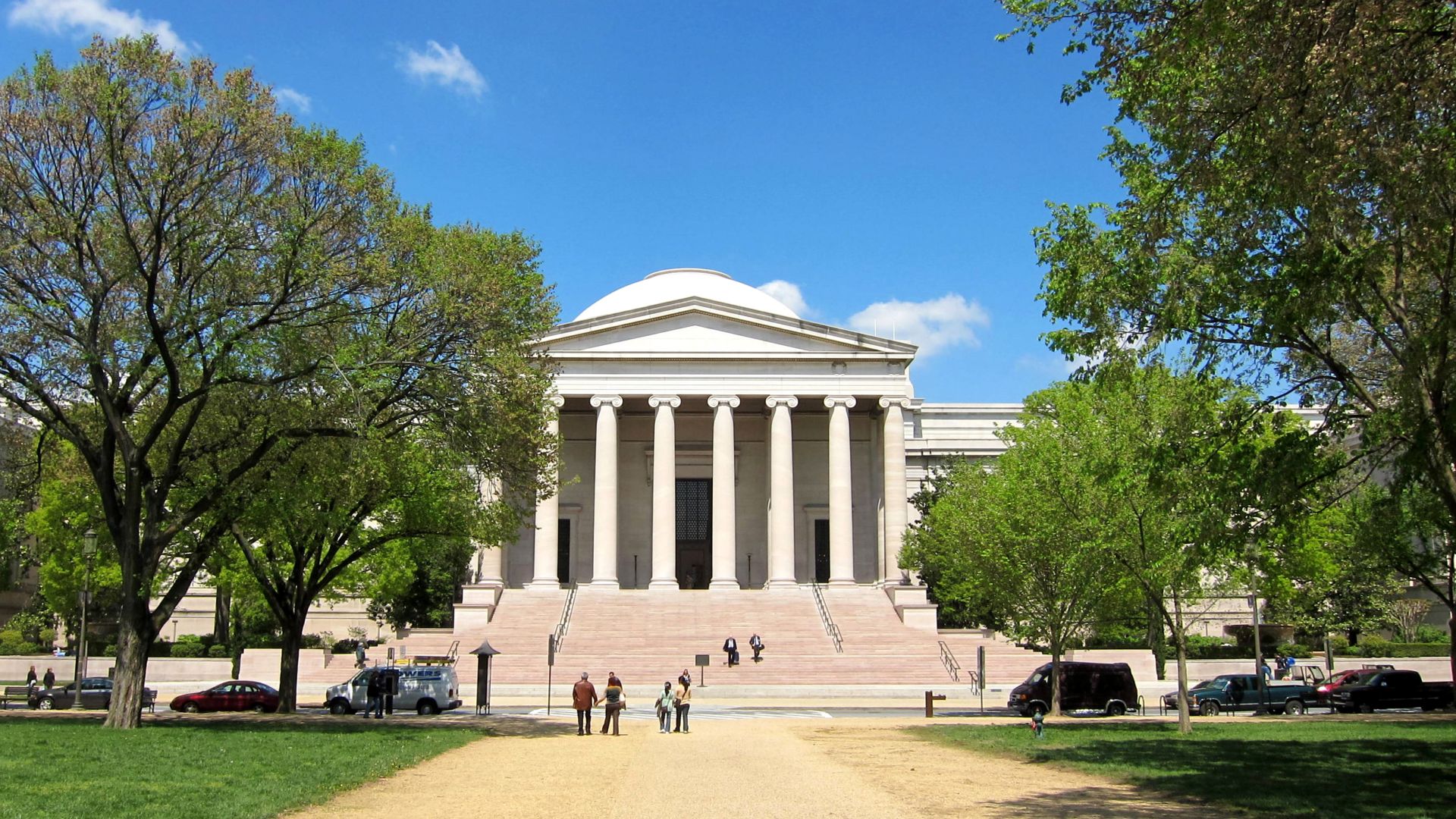
Washington’s National Gallery of Art provides the clearest counterexample to the idea that appointments have taken over completely. Admission is free, and visitors do not need passes or tickets for the galleries, exhibitions, or regular guided tours. A museum-heavy itinerary becomes much easier when attractions like this are used as flexible spaces between fixed reservations.
 AgnosticPreachersKid, Wikimedia Commons
A Time Slot Often Controls Only Arrival
One reassuring detail gets overlooked when travelers see a specific hour printed on a museum ticket. At the Rijksmuseum, Air and Space Museum, and National Museum of African American History and Culture, ordinary timed admission does not impose a fixed length on the visit. The reservation frequently regulates the flow through the front door rather than dictating how quickly you must look at the collection.
 Bond van Nederlandse Architecten, Wikimedia Commons
Reservations Do Not Eliminate Lines
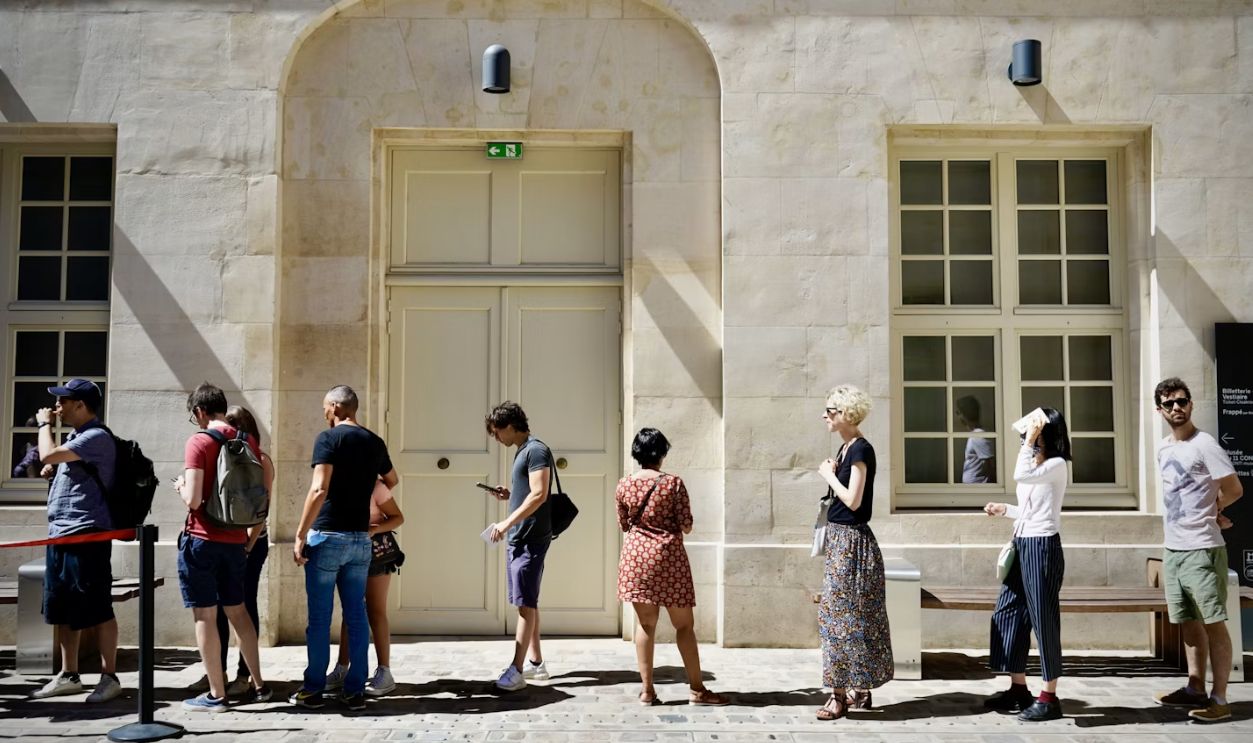
A time on your phone is not a magical queue remover. The Air and Space Museum warns that lines can still form outside on busy days because visitors must pass through security, while the African American History and Culture Museum may delay entry when the building approaches capacity. Timed admission can smooth crowds without guaranteeing an instantaneous entrance.
Late Arrivals Are Treated Differently
Museum policies vary sharply when travelers miss their assigned time. The Rijksmuseum warns that it cannot assist visitors who fail to make their booked start time, while the African American History and Culture Museum allows later entry until its cutoff subject to capacity. Never assume that a fifteen-minute delay will be handled the same way at the next attraction.

Refund Rules Can Be Unforgiving
Appointment-based sightseeing becomes more stressful when tickets cannot easily be moved. The Louvre says its tickets generally cannot be modified, exchanged, or refunded after booking, and the Anne Frank House likewise states that its tickets are nonrefundable and valid only for the specified date and time. The Van Gogh Museum also describes purchased tickets as nonrefundable.

Booking Windows Become Part Of Planning
Popular attractions do not necessarily release every ticket months in advance. Anne Frank House tickets become available six weeks before the visit, while the National Museum of African American History and Culture releases advance passes on a rolling basis around 30 days ahead. Travelers now sometimes need a reminder simply to make a future reservation.

Special Exhibitions Add Another Layer
A general museum reservation does not always unlock everything inside. The Louvre notes that some temporary exhibitions require their own specific time slots, while the Rijksmuseum can require a separate start time for a temporary exhibition even when a visitor already holds admission to the permanent collection. Read exactly what each ticket covers before constructing the day around it.
Do Not Stack Museums Back To Back
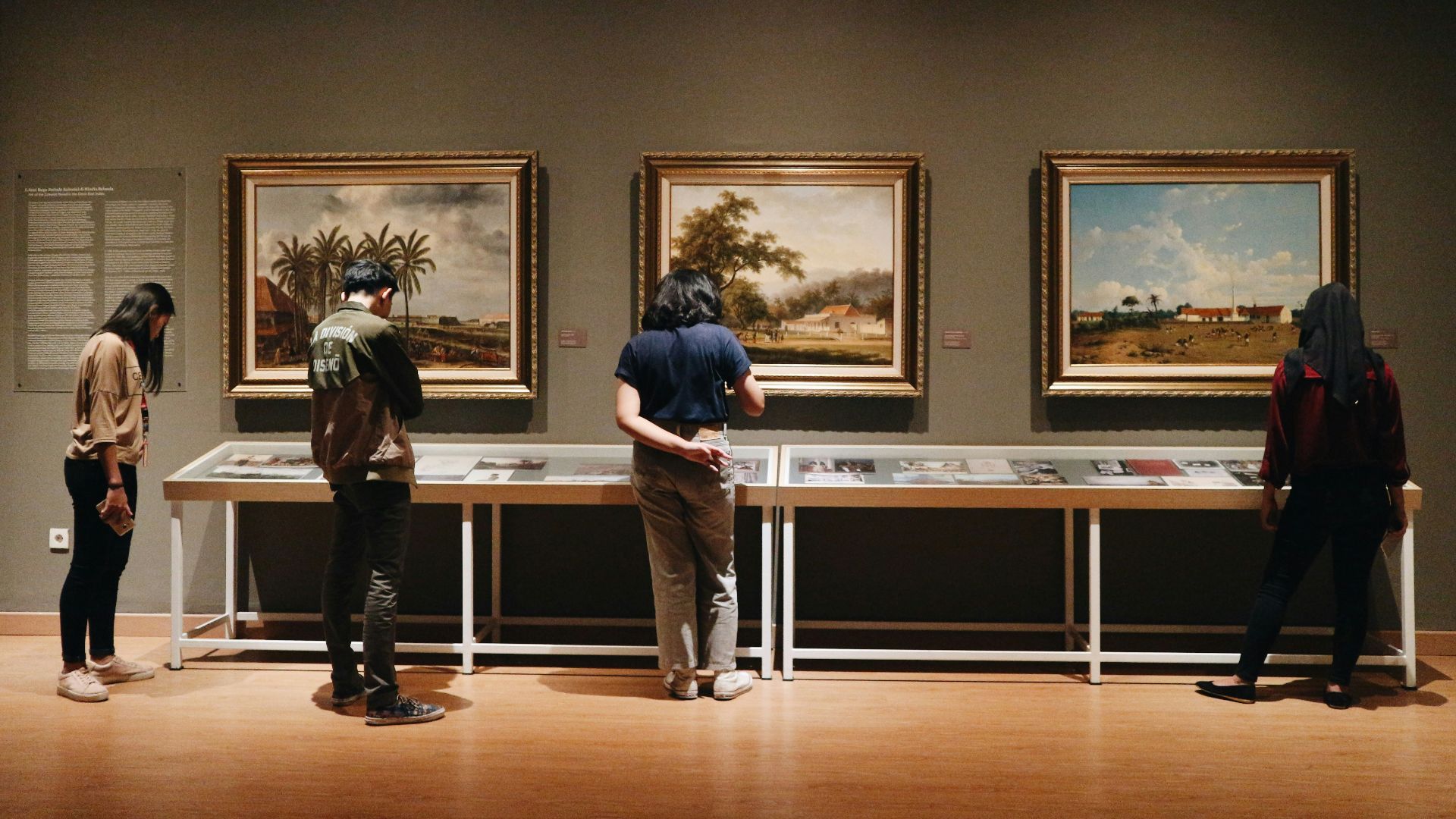
The quickest way to make timed admission miserable is to treat every available slot as another opening in the calendar. Security lines, large collections, coffee breaks, transit delays, and simple museum fatigue can make a mathematically possible itinerary unpleasant in practice. Give major institutions enough room to run longer than expected.
Travel Time Belongs On The Calendar
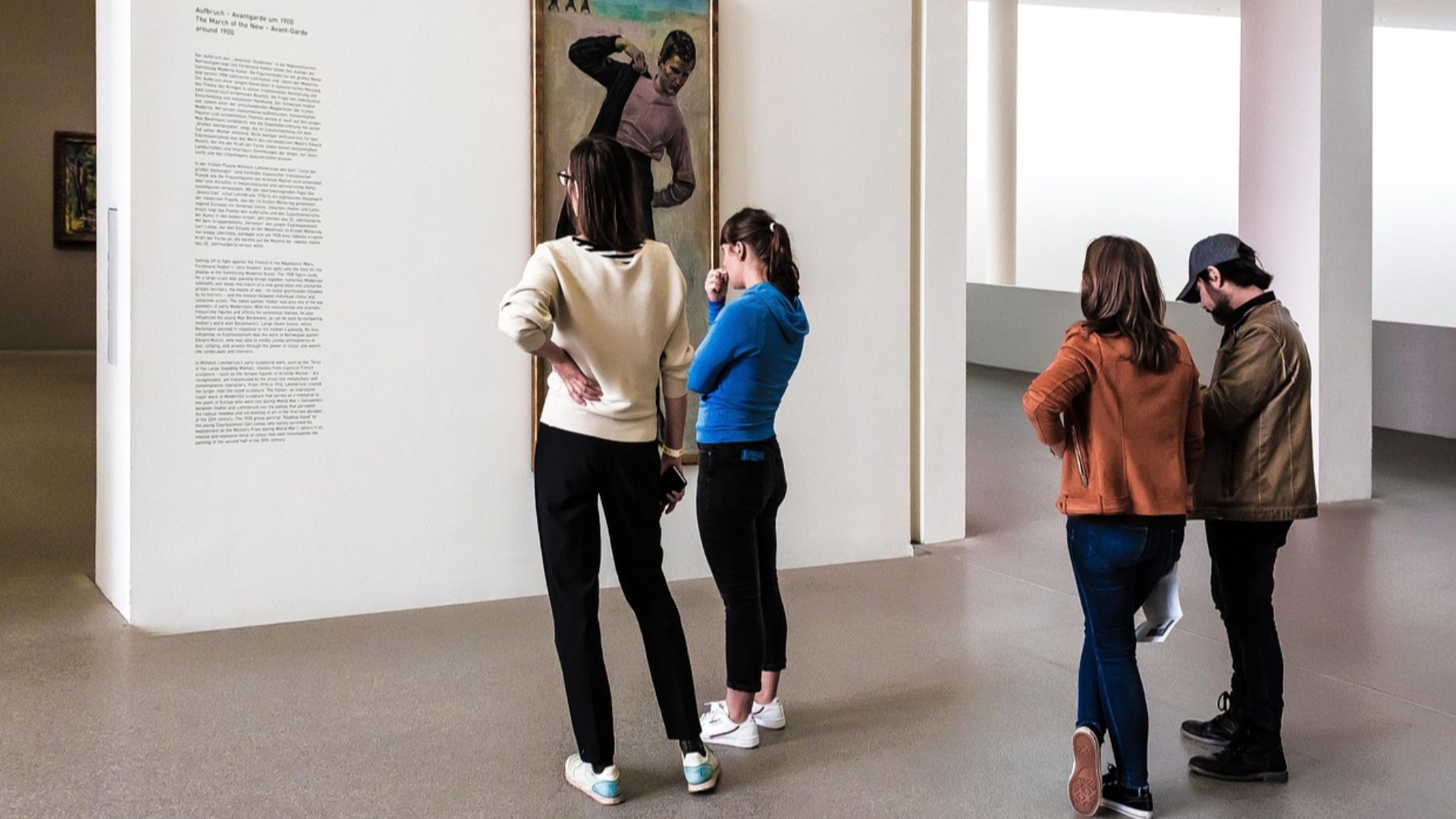
A 1:00 museum ticket does not mean the day is free until 12:59. Visitors may need to cross a city, locate the correct entrance, store bags, clear security, and find the ticket-scanning line. Treat the journey and arrival process as part of the reservation rather than invisible time between attractions.

One Anchor Can Organize A Half Day
A useful compromise is to book one difficult attraction for the morning or afternoon and leave the surrounding hours flexible. A 10:00 museum reservation can be followed by an unscheduled lunch and neighborhood walk instead of another timed entrance at noon. The reservation provides structure without turning every hour into an obligation.

Mix Fixed And Flexible Museums
Cities with several cultural institutions often allow travelers to combine reservation-heavy attractions with places that accept walk-ins. Washington offers a particularly clear example because the Air and Space Museum requires passes while the National Gallery of Art does not. Using flexible museums as backup options creates room for weather, fatigue, and changed plans.
Book The Hardest Ticket First
Begin itinerary planning with attractions that provide no realistic walk-up alternative. Anne Frank House belongs in that category because visits require an online timed ticket and admission is not sold at the door. Once the hardest reservation is secured, build the rest of the trip around it instead of purchasing easier tickets first.

Quieter Hours Can Restore Some Freedom
Choosing a less popular entry period may reduce the feeling that every museum visit is a crowd-control exercise. The Rijksmuseum says it is generally quieter before 11:00 a.m. and after 3:30 p.m., with Tuesdays and Wednesdays relatively calm. Off-peak scheduling can create a more relaxed experience even when a reservation remains necessary.
Leave Lunch Out Of The Appointment Chain
A timed museum followed by a timed lunch followed by another timed museum leaves almost no room for discovery. Unless a particular restaurant is essential, keeping at least one meal flexible creates a valuable buffer when the first attraction runs long. It also gives travelers permission to linger somewhere unexpectedly enjoyable.

Keep Every Confirmation Accessible
Timed travel works only when the correct reservation can be found at the correct entrance. Many museums accept mobile tickets or passes, including the Rijksmuseum and Smithsonian institutions. Save confirmations somewhere accessible without relying on a difficult email search while standing in a busy entrance queue.

Release Reservations You Cannot Use
Free reservations still occupy capacity that another visitor may want. The National Museum of African American History and Culture allows visitors who cannot attend to cancel or exchange their passes, while the Getty provides a process for canceling unused reservations. Releasing an unwanted slot is good etiquette and can help somebody else visit.

Do Not Confuse Planning With Seeing More
A calendar packed with bookings may technically maximize the number of attractions entered. It can also minimize the time available to sit with a painting, revisit a gallery, or change direction because something unexpected looks interesting. Museum travel works best when scheduling protects access rather than becoming the purpose of the trip.

Appointment Travel Is Only Partly The New Norm
Timed entry has clearly become an established feature at many high-demand museums, and systems introduced or expanded during the pandemic proved useful for managing crowds. Yet the National Gallery of Art and most Smithsonian locations demonstrate that open admission still exists at major institutions. The new skill for museum travelers is not scheduling every minute, but identifying which doors truly require an appointment and leaving the rest of the vacation free.
You May Also Like:
The Most Peaceful Countries In The World—Ranked According To Data
Small Canadian Towns Americans Say Feel Like Hidden Gems
Things Canadian Retirees Miss Most When They Spend Winter In The United States
Sources: 1, 2, 3, 4, 5, 6, 7, 8, 9, 10, 11, 12, 13, 14, 15, 16, 17, 18, 19, 20, 21, 22, 23