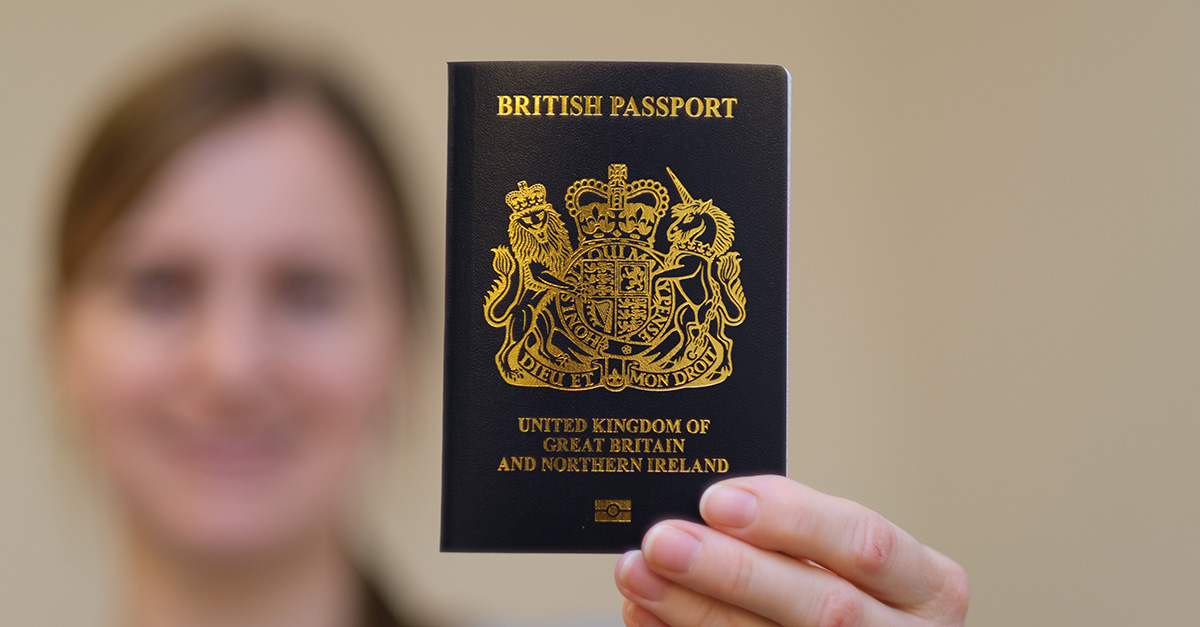
Don’t Panic, It’s Just Water
You spot the smudged page, your stomach drops, and suddenly your passport looks less like a travel document and more like the star of a minor disaster movie. The good news is that a little water damage does not automatically mean your trip is over. The bad news is that whether you can still travel depends on how readable and usable the passport still is.

What Counts As A Damaged Passport?
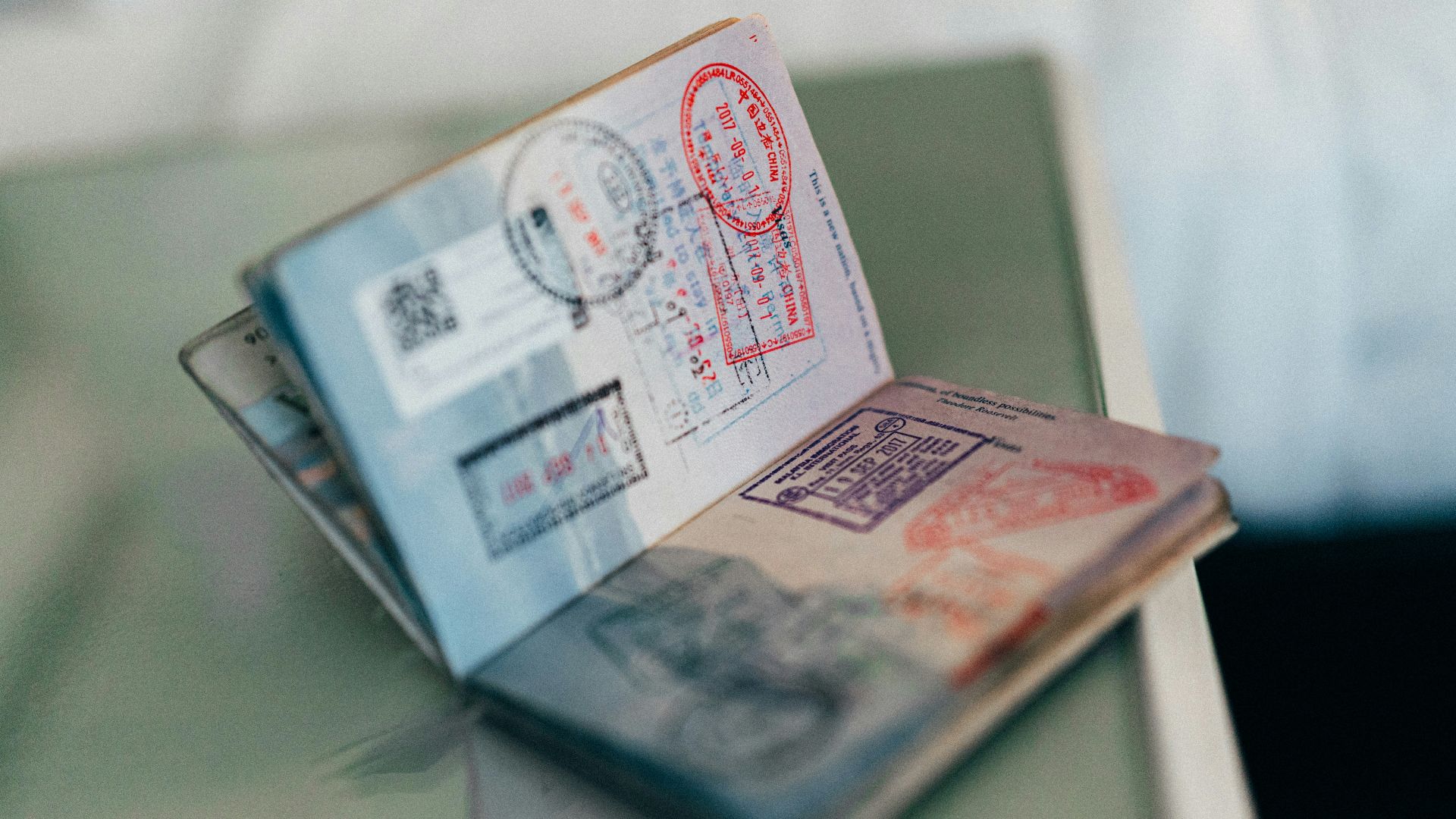
A damaged passport is any passport that has been changed enough that it may not be trusted as a valid ID or travel document. That can mean torn pages, loose binding, ink smears, stains, warped pages, or water damage that affects important details.
 Kit (formerly ConvertKit), Unsplash
Why Water Damage Makes People Nervous
Water is sneaky. Even when a passport looks mostly fine, moisture can wrinkle pages, blur stamps, lift the laminate on the photo page, or distort the chip in newer passports. That is why travelers panic fast when even a few drops land in the wrong place.

The Short Answer
Maybe, but it is not guaranteed. If the passport is still clearly readable, the photo page is intact, and nothing important is missing or obscured, you may be allowed to travel. Still, airline staff and border officers have the final say, and they can be stricter than you hope.
 Global Residence Index, Unsplash
The Most Important Page In Your Passport
The biographical page matters most. That is the page with your name, photo, passport number, birth date, and expiration date. If that page is wrinkled, smeared, peeling, or hard to scan, your chances of trouble jump quickly.
 Kit (formerly ConvertKit), Unsplash
Smudged Pages Are Not Always A Dealbreaker
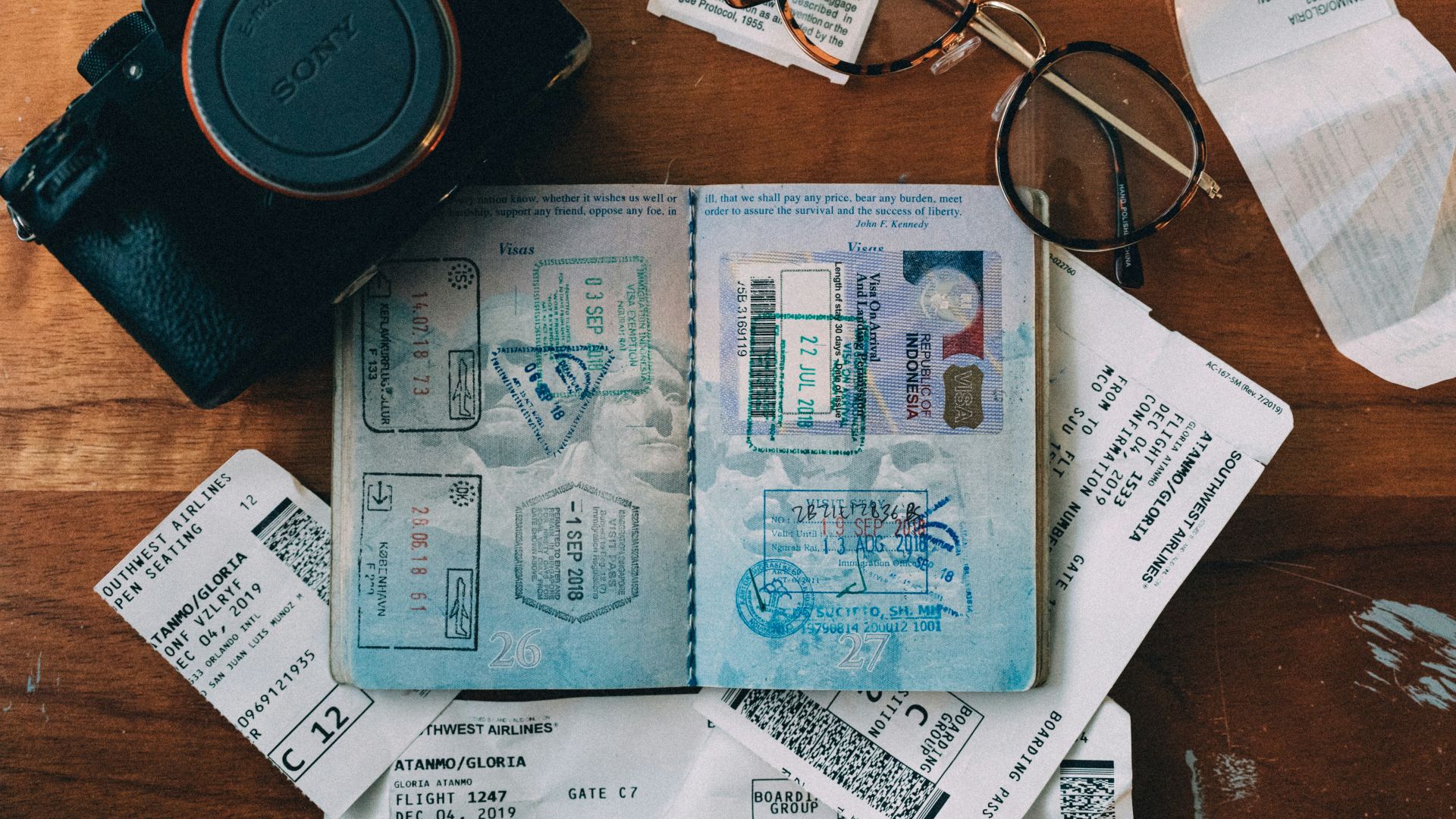
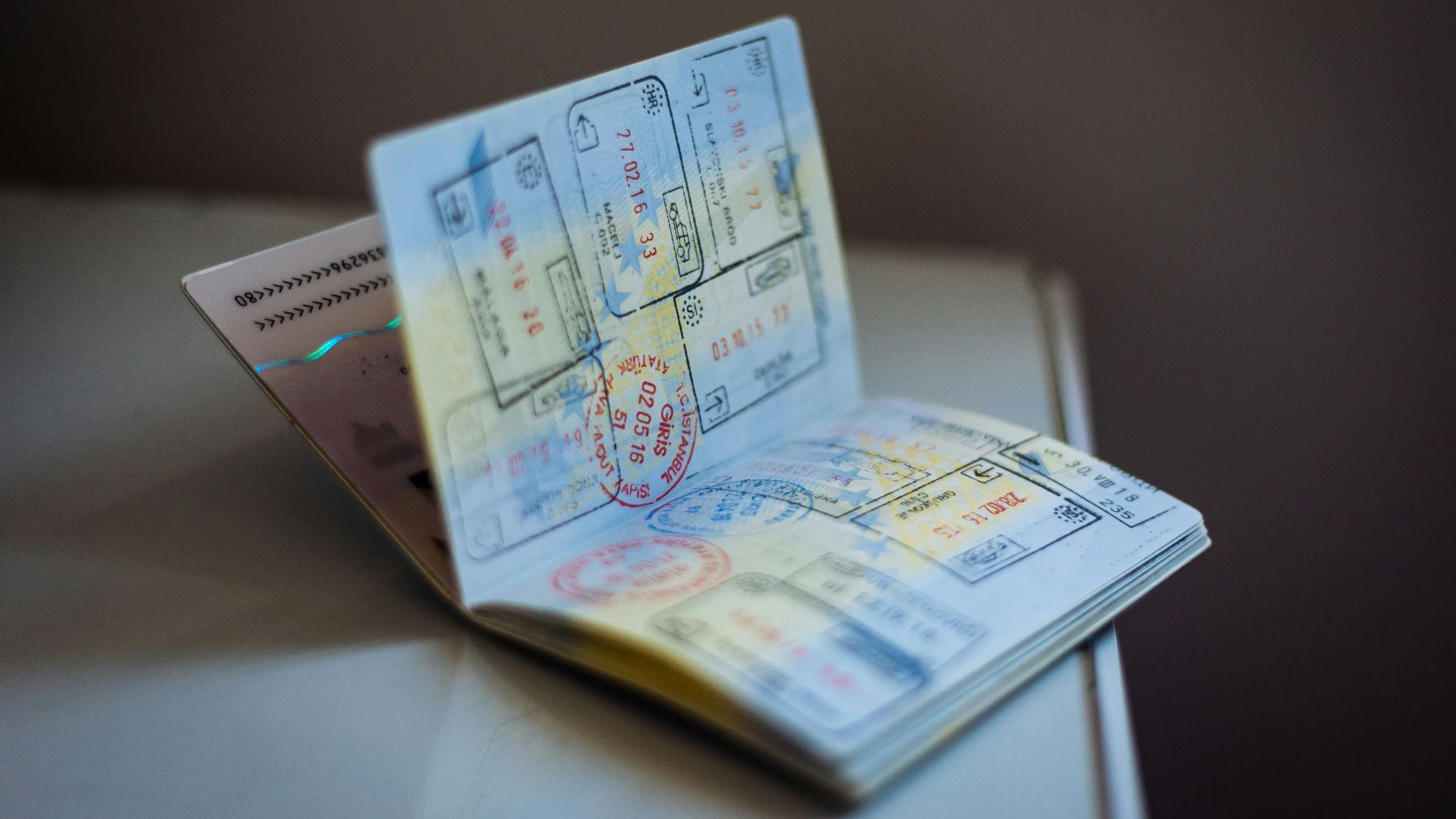
A few smudged visa pages or lightly blurred stamps do not always mean disaster. Many passports survive small accidents and still work fine. The real question is whether the damage makes the passport look altered, unreadable, or suspicious to someone checking it in a hurry.
 Global Residence Index, Unsplash
Airlines Can Stop You Before Immigration Does
This is the part travelers forget. Even if a border officer might let you through, an airline can deny boarding if staff think your passport will cause problems on arrival. Airlines hate paperwork, fines, and stranded passengers, so they often play it extra safe.

Border Officers Have Broad Discretion
Immigration officers are not robots scanning for perfection. They use judgment, and that can work for or against you. One officer may shrug at a slightly wrinkled page, while another may see the same passport and decide it is too damaged to trust.

Check If The Photo Page Still Scans
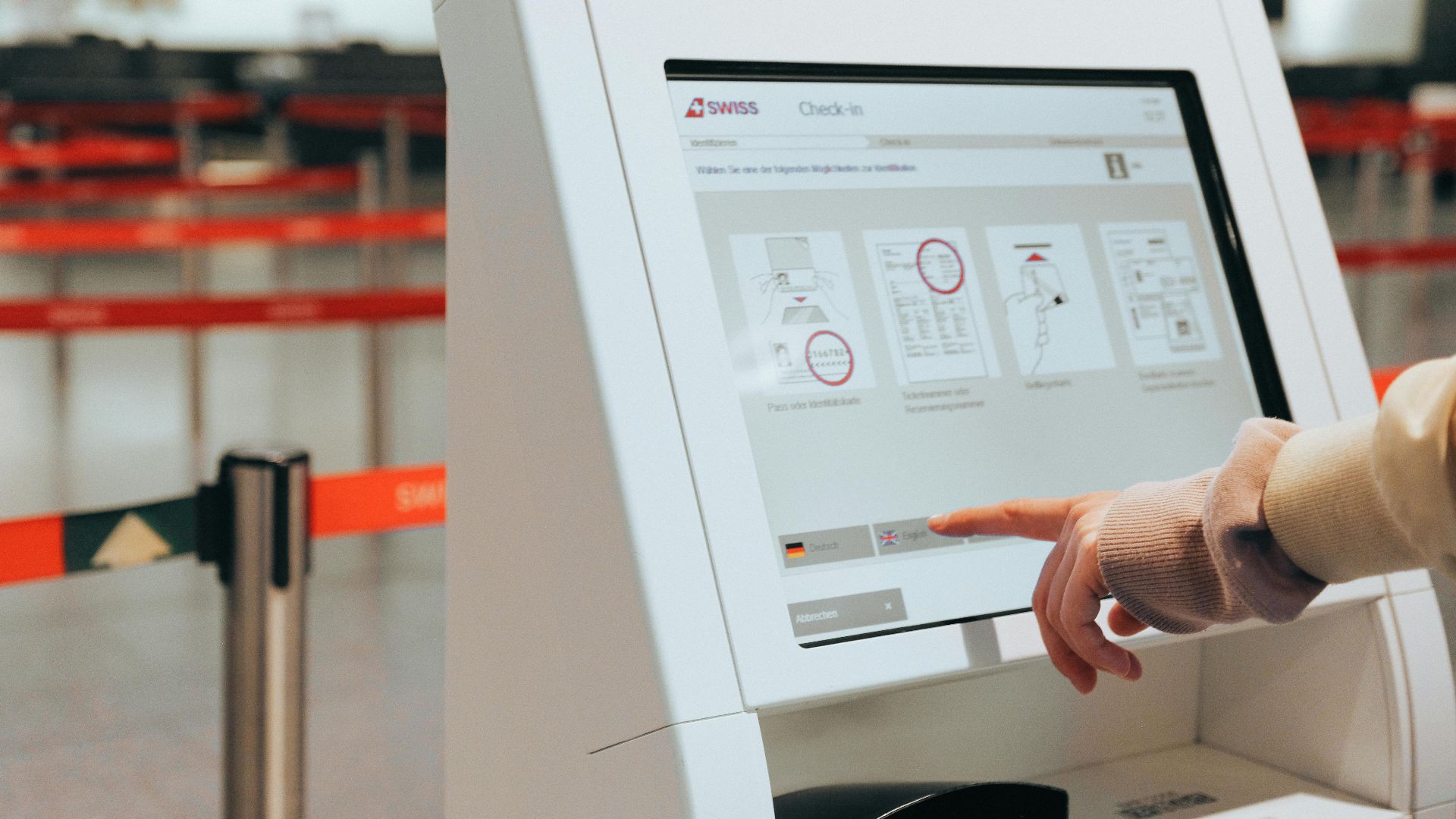
If you can, look closely at the page with your personal details and machine-readable lines. If the text is crisp, the page is flat enough to handle, and nothing is obscured, that is a good sign. If it looks bubbled, smeared, or split, take it seriously.
Don’t Forget The Passport Chip
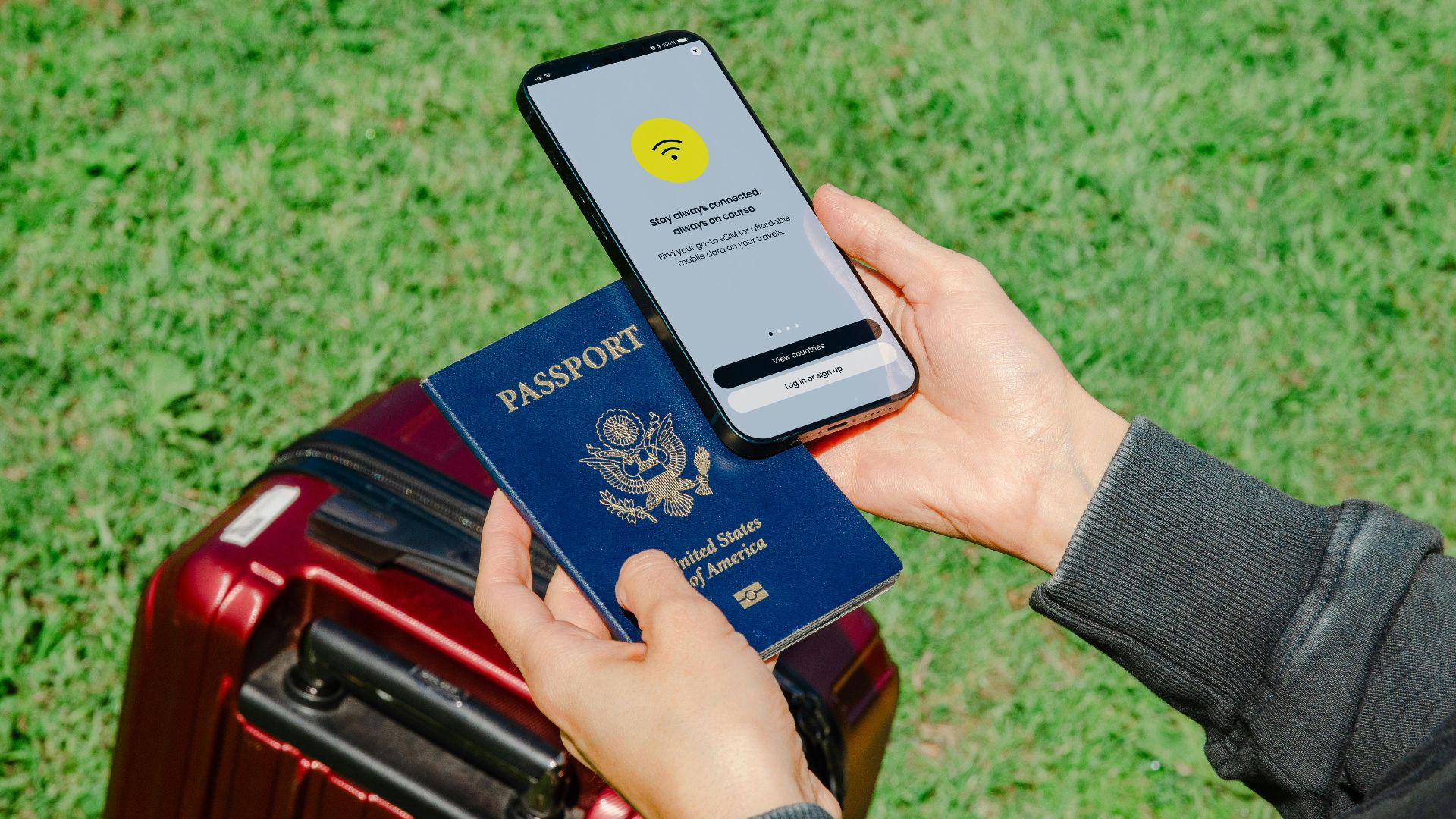
Many passports now contain an electronic chip, and water can sometimes affect it. A passport may look acceptable but still fail when scanned. You may not know the chip is a problem until airport check-in or border control, which is exactly the kind of surprise nobody wants.
Look For These Red Flags
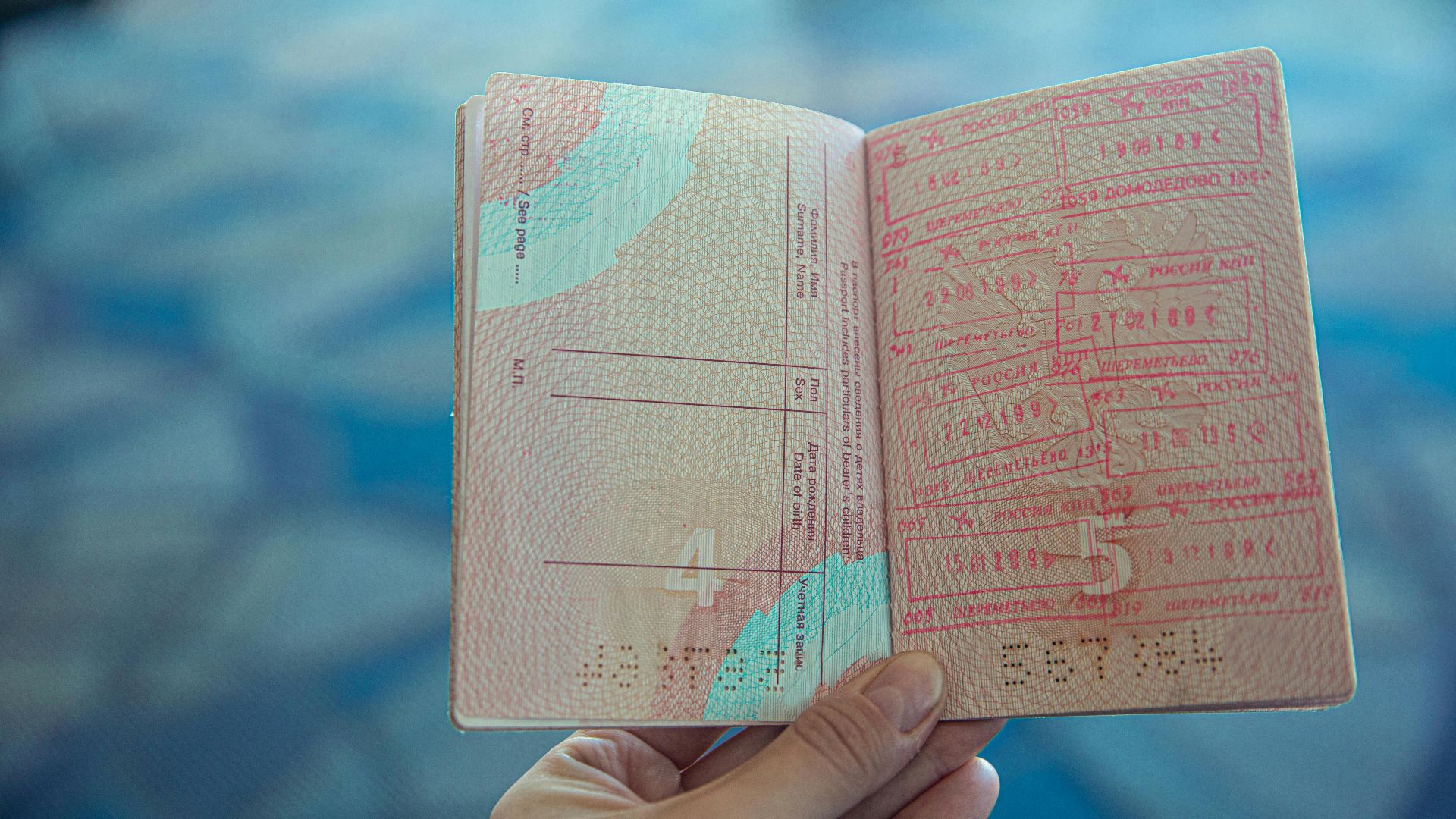
Major warning signs include a warped cover, pages stuck together, torn corners on the ID page, faded personal details, water stains across your photo, or missing pages. Any of those can push your passport from “slightly messy” into “please step aside.”
A Little Wrinkle Is Different From Real Damage
Passports are used, stuffed into bags, and dragged across continents. A bit of wear is normal. Slight rippling or minor cosmetic marks may not matter much. Trouble starts when the damage affects identity details, security features, page integrity, or the ability to scan the document.

Think About Your Destination
Some destinations, airlines, and border crossings are more relaxed than others, while some are famously strict. If your trip includes visas, multiple layovers, or entry rules that are already complicated, a damaged passport becomes a bigger gamble than it would on a simple direct trip.

Timing Matters More Than You Think
If you are flying tomorrow, you may need to make a risk decision fast. If your trip is next month, you have room to be smart instead of hopeful. A passport that might technically work is still stressful to travel with if you have time to replace it.
 Vodafone x Rankin everyone.connected, Pexels
Check With Your Passport Authority First
Your country’s passport office or official travel authority is the best place to start. They can tell you whether the document is considered damaged enough to replace. That answer is far more useful than a dozen forum posts from strangers who once flew to Lisbon in 2019.

Call The Airline Before You Head Out
It is worth calling the airline and describing the damage clearly. They may not give a perfect guarantee, but they can often tell you how strict their check-in process is and what documentation they suggest bringing. That one phone call could save an airport meltdown.

Bring Backup Identification
A damaged passport is still your main document, but extra identification can help support your case. Bring another government ID, your itinerary, copies of your passport, visa paperwork if relevant, and any confirmation from your passport authority. Backup documents do not replace a passport, but they can help.

Don’t Try To Fix It Yourself
This is not the moment for glue sticks, hair dryers, laminate hacks, or internet genius. A homemade repair can make a small issue look like tampering. If the passport is damaged, leave it alone and let officials see it as it is rather than as your latest arts-and-crafts project.

If You’re Already Abroad
If you are overseas and your passport gets wet, contact your embassy or consulate as soon as possible. They can tell you whether the passport is still usable, whether you need an emergency replacement, and how to handle onward travel without turning your vacation into a bureaucratic scavenger hunt.

Emergency Passports Can Be A Lifesaver
If the damage is bad and travel is urgent, an emergency passport may be an option. These are not ideal for every itinerary, and some countries have limits on how they are accepted, but they can be the difference between making it home and sleeping beside an airport vending machine.
 Global Residence Index, Unsplash
Domestic Travel Is A Different Story
If you are not leaving the country, the rules may be less dramatic. Some domestic routes do not require a passport at all if you have another accepted ID. Still, do not assume. Check the rules for your airline and departure country before celebrating too early.

Cruises And Closed-Loop Trips Can Be Tricky
Cruises, especially closed-loop itineraries, sometimes tempt travelers into thinking the rules are softer. They can be, but damaged documents still create risk. Boarding staff may deny travel if they think the passport or other proof of citizenship will not hold up during the trip.

If The Damage Is Minor, Be Realistic
If the smudging is light, the main page is clean, and the passport opens, scans, and looks legitimate, you may be fine. But “may” is doing a lot of work there. If the trip matters, avoid treating blind optimism as a travel strategy.
 Global Residence Index, Unsplash
If The Damage Is Noticeable, Replace It
This is the boring answer, which usually means it is the right one. If the photo page is affected, pages are badly warped, or anything important is hard to read, replacing the passport is the safer move. Travel is expensive enough without adding document roulette.
How To Protect It From More Damage
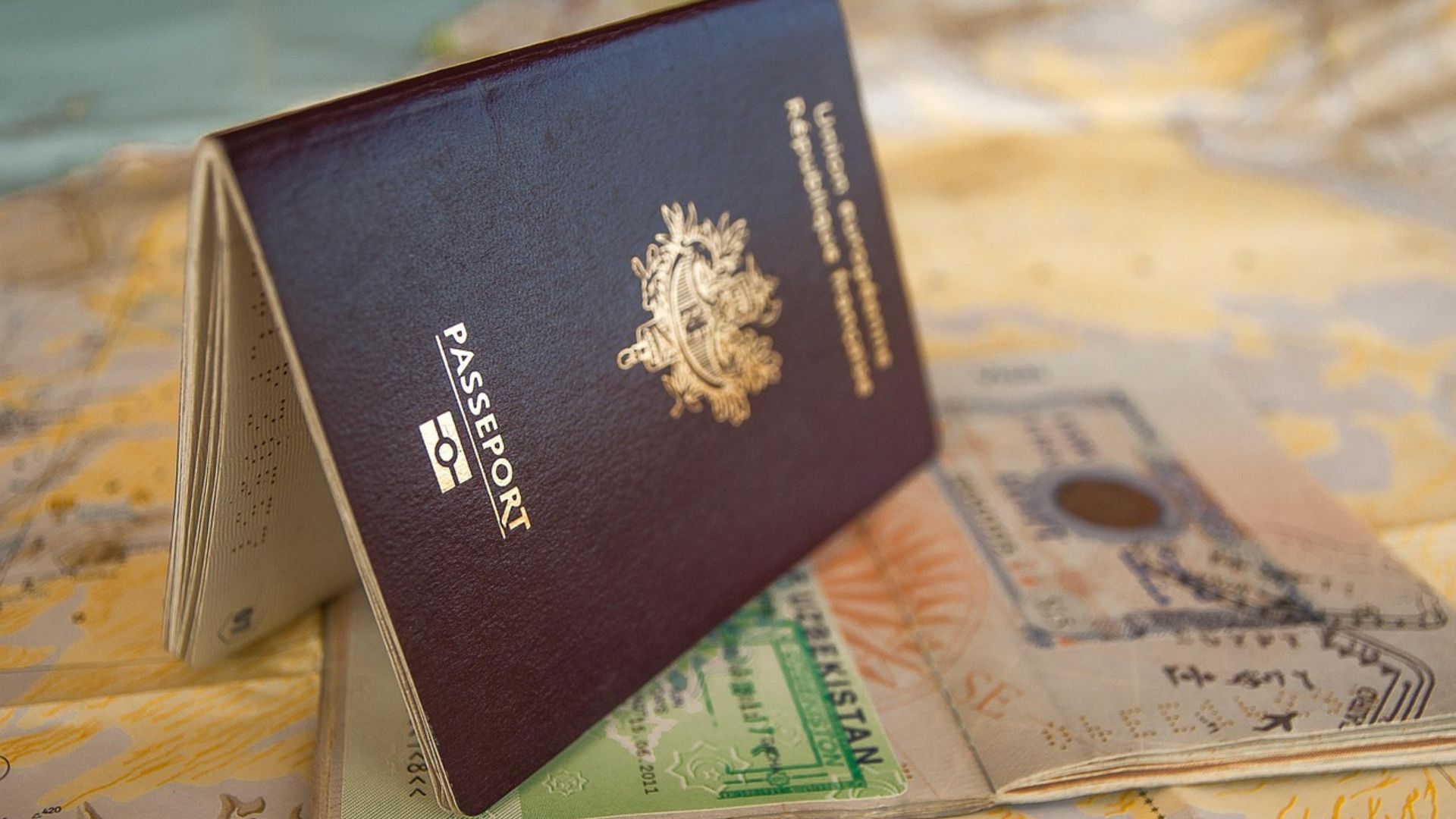
Once a passport gets wet, handle it gently and let it dry naturally in a safe, cool place. Store it flat, use a protective holder later, and keep it away from drink bottles, beach bags, bathroom counters, and all the other places passports go to suffer.

The Rule To Remember
A passport does not need to look brand new, but it does need to look trustworthy. That is the standard that matters most. If the damage makes a reasonable person pause, it could also make an airline or border officer say no, and that is the risk you are really managing.

Better Safe Than Stuck
So, can you still travel with a passport that got a little wet and ended up slightly smudged? Possibly, yes. Should you count on it without checking? Absolutely not. When in doubt, confirm with the airline and passport authority, and replace it if there is any real question. A new passport is annoying, but missing your trip is worse.

You May Also Like:
My hotel charged me a "no-show fee," but I'd already canceled online. How can they still bill me?