An Unexpected Charge
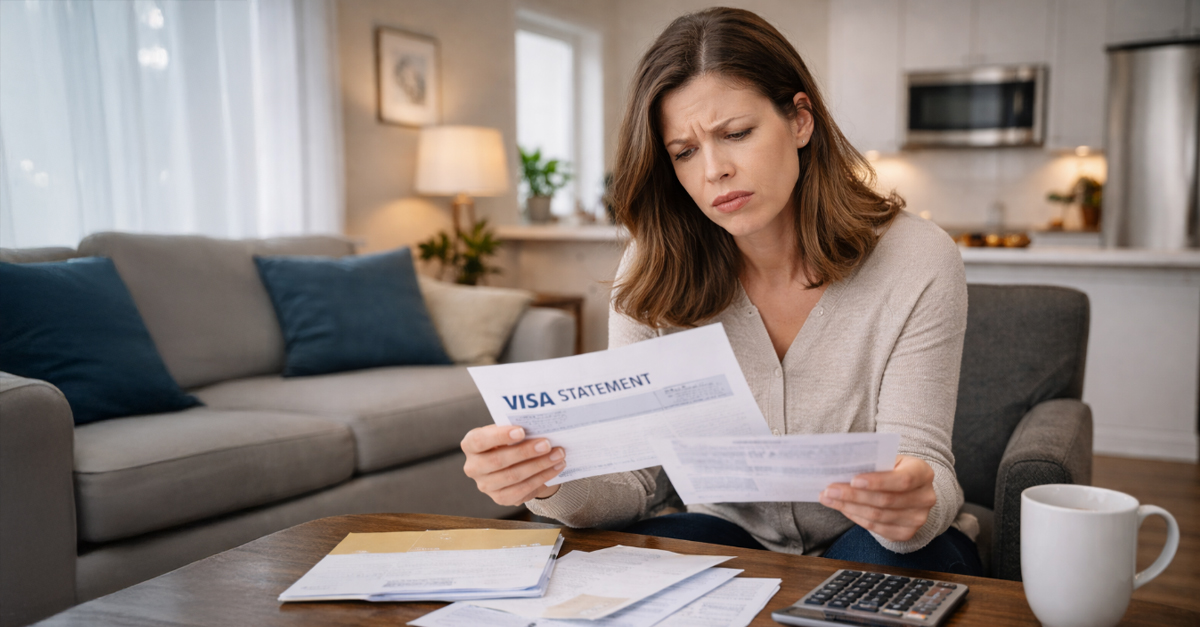
You got home from your trip only to see a $200 smoking fee added to your Visa statement by the hotel you stayed at. Neither one of you is a smoker. Nevertheless, the hotel is adamant that the room showed signs of smoking. Now you’re stuck trying to reverse a charge tied to something you that you are 100% sure never happened.
Confirm The Charge Details
Before you fly off the handle or start yelling and screaming, just take a deep breath and review your folio and receipt carefully. Confirm if the charge is labeled as a smoking fee, cleaning fee, or damage fee. Hotels sometimes use different terminology. Make sure the amount matches what is listed in their guest policies.

Review The Hotel’s Smoking Policy
Go back to the hotel’s website or booking confirmation. Most properties will specify the exact parameters and penalties for smoking in non-smoking rooms. Some list flat fees ranging from $150 to $500. Familiarizing yourself with their posted policy strengthens your position when you go to dispute the charge.

Contact The Hotel Immediately
Call the hotel directly and ask to speak with a manager. Without raising your voice, calmly explain that you both are non-smokers and dispute the charge. Request a detailed explanation of why this fee was assessed and ask what their evidence is that supports their decision.

Get Written Documentation
Phone conversations aren’t enough. Ask the hotel to provide written documentation outlining the substance of their findings. This could include housekeeping reports, timestamps, or incident notes. You want specifics, not vague claims that the room “smelled like smoke.”
Understand How Hotels Detect Smoking
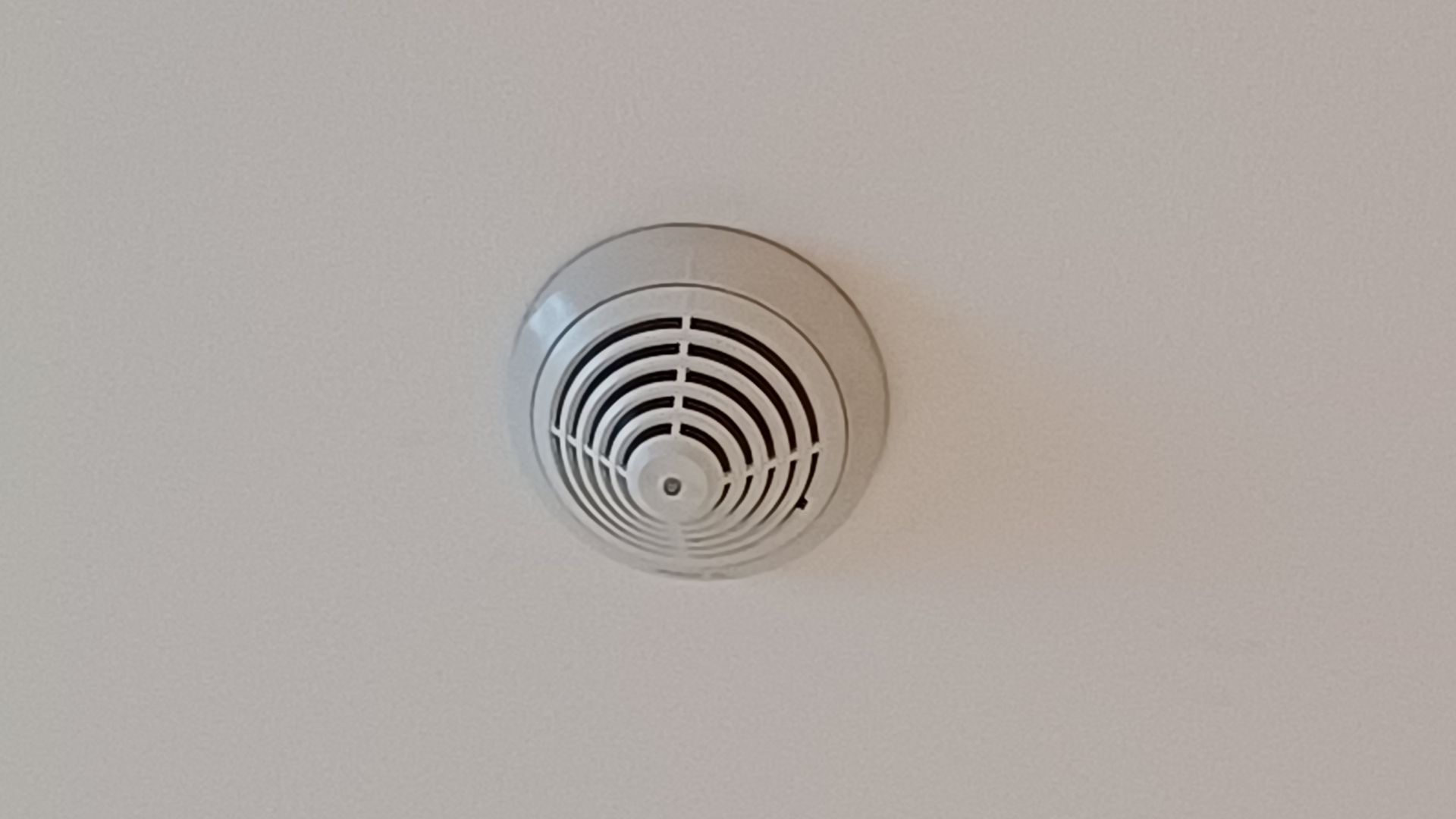
Many hotels rely on nothing more complicated than housekeeping staff reporting back such observations as smell, visible residue, or cigarette butts. Some hotels use electronic smoke or vape detection sensors that identify airborne particles. These sensors can detect combustion byproducts but will sometimes struggle with precision.

Smoking Vs Vaping Confusion
Some sensors detect both smoke and aerosol vapor from e-cigarettes. Even if a prior guest was vaping in the room before you stayed there, residual odor or device readings could trigger suspicion. Clarify whether the hotel specifically claims someone was smoking cigarettes or vaping.
Request Proof Of Physical Evidence
Hotels should be able to explain what physical evidence they were going on. Was there ash, burn marks, or lingering odor noted immediately after checkout? If they can’t provide any concrete findings, that weakens their position.

Ask About Timing Of Inspection
Housekeeping timing also matters. If your room sat vacant for hours before anyone inspected it, external odors could have seeped in. Ask at what time the alleged smoking was detected and how soon after your departure the room was evaluated.

Neighbor Complaints And Witnesses
Sometimes hotels go by complaints from other guests nagging the front desk about persistent smoke odors. If that’s the case, ask whether staff verified the complaint independently. Third-party complaints alone may not hold up as definitive proof.

Security Camera Considerations
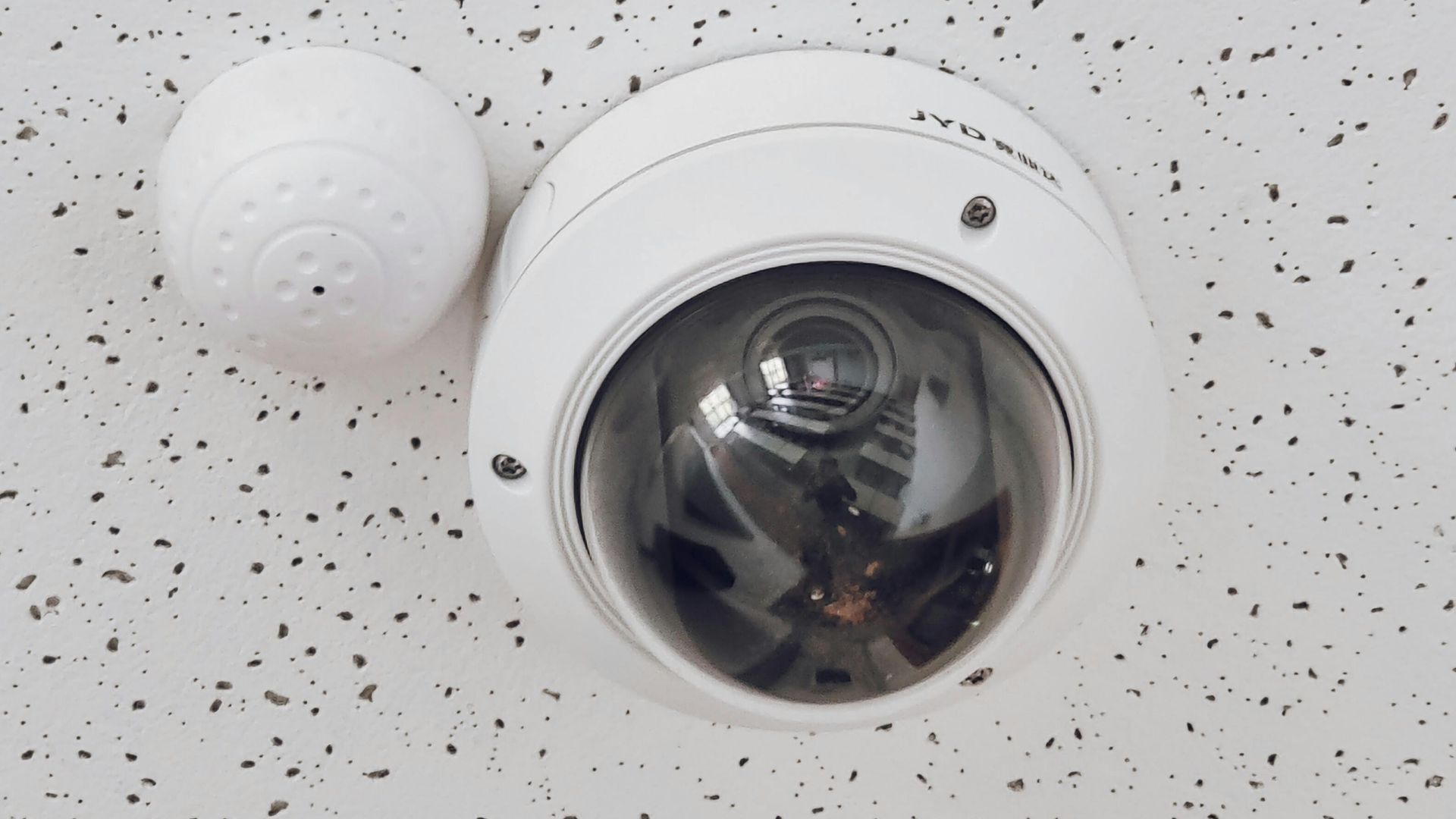
Hotels normally aren’t going to place security cameras inside people’s rooms, but the hallways are often monitored. While hallway video can’t prove in-room activity, it may show whether guests carried visible smoking materials. You can ask whether they reviewed any of this footage.
Clarify Cleaning And Remediation Costs
Smoking fees are usually intended to cover deep cleaning, ozone treatment, and potential room downtime. Ask the hotel manager for an itemized explanation of how the $200 was calculated. Excessive or unsubstantiated fees are a lot easier to challenge.

Provide Evidence Of Your Evidence
If you have photos or video of the condition of the room upon your departure, use them. Dated images showing a clean, intact room can support your claim. Even proof that you’re a non-smoker, while it’s not decisive on its own, helps build your credibility.

Escalate To Corporate Management
If local hotel staff refuse to reconsider, escalate to the hotel’s corporate customer service department. Larger hotel chains often have centralized dedicated review teams that take the time to examine disputed fees more carefully than the harried staff of a fast-paced hotel handling a never-ending stream of complaints.

Make A Credit Card Dispute
If resolution stalls at an impasse, contact Visa (or whichever credit card company issued the card) and dispute the charge as unauthorized or improperly assessed. Credit card companies normally will open some kind of an investigation and request supporting documentation from the merchant.

The Chargeback Process
During a chargeback, the hotel can’t just slap the charge on your card willy-nilly. They have to supply supporting evidence justifying the fee. This can include signed agreements, inspection reports, or policy acknowledgments. If their evidence is flimsy, your credit card issuer may reverse the charge.
Be Aware Of Potential Pushback
You may get the charges reversed, but understand that hotels sometimes respond by banning guests who successfully reverse charges. While this is not a common practice, policies vary. Weigh the importance of future stays at that particular property when you arrive at your ultimate decision on how aggressively you want to pursue reversal.

Consider Small Claims As A Last Resort
If this amount is substantial to you and the evidence seems to be in your favor, small claims court may be a viable option. Judges typically take a close look at whether the hotel met its burden of proof for imposing the fee.
Protect Yourself On Future Stays
To avoid any future issues like this, document your room at check-in and checkout. A quick video scan showing no smoke smell indicators or ash damage can prevent any disputes from arising later.

Final Practical Advice
Act promptly, stay calm, and insist on seeing some kind of tangible evidence. Hotels have the right to charge legitimate smoking fees, but they also have to justify them. If you truly didn’t smoke, documentation and the chargeback process are your strongest tools for overturning the charge.

You May Also Like:
If You Want A Relaxing Vacation This Winter, Avoid These Overcrowded Tourist Hotspots