How A Common Flight Annoyance Can Turn Into A Legal Problem
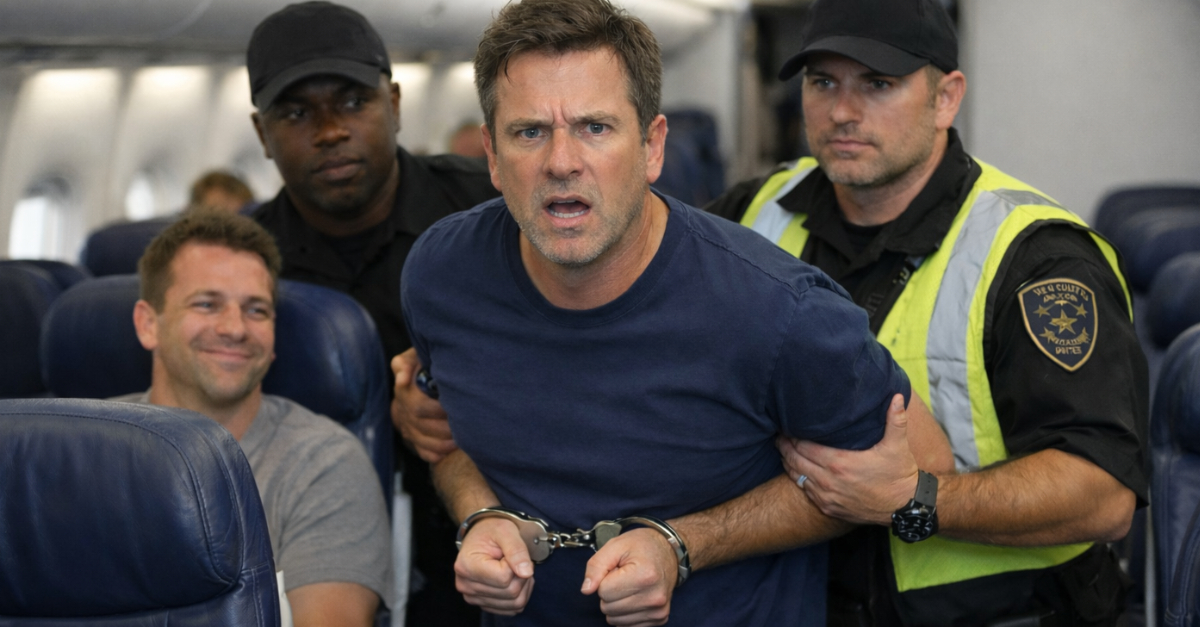
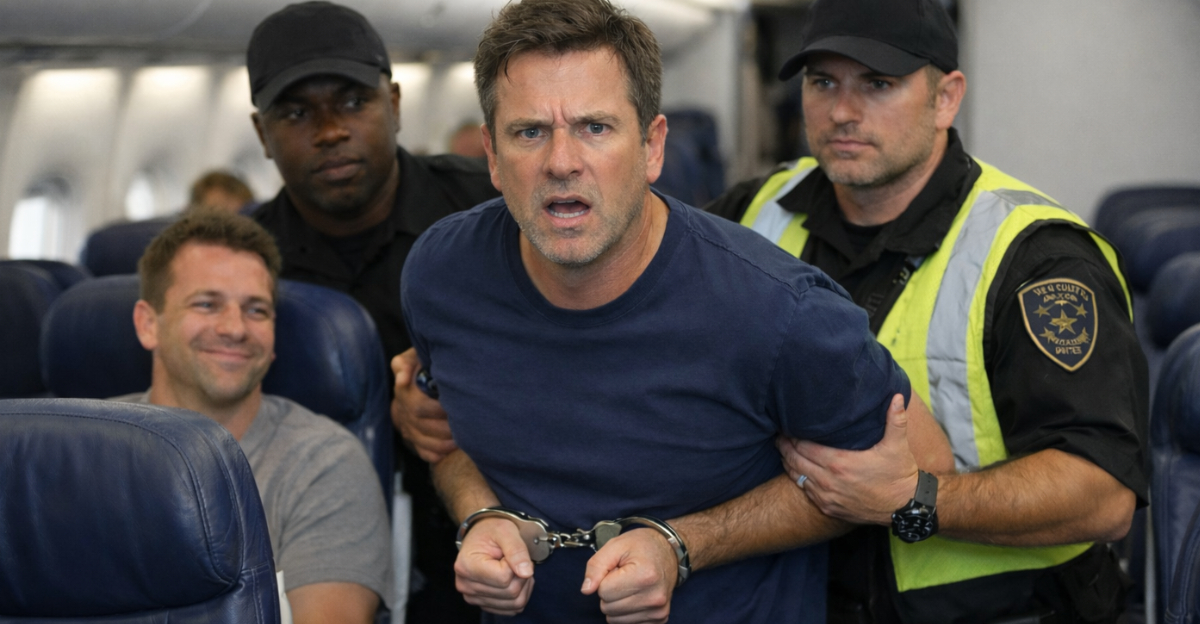
Seat-kicking is one of the most common complaints on airplanes, and most people assume it is just part of flying. But what happens when it does not stop, the crew does not fix it, and you finally lose your patience? Handcuffs. Seriously?
Seat-Kicking Is Annoying But Rarely A Major Violation
Seat-kicking complaints are extremely common, along with reclining disputes and armrest arguments. But unless it continues after warnings or becomes clearly aggressive, it is usually treated as a minor issue, not something that leads to real enforcement.
Short Answer
Yes, you can be considered in the wrong for how you reacted, even if the other passenger started it. From the airline’s perspective, yelling crosses into “disruptive behavior,” and that is what they respond to first, not the original cause of the issue.
Why Airlines Don’t Focus On Who Started It
Airlines are not judging fairness in the moment. Their job is to maintain control of the cabin. Once a situation becomes loud or tense, the priority shifts to stopping escalation, not figuring out who was right.
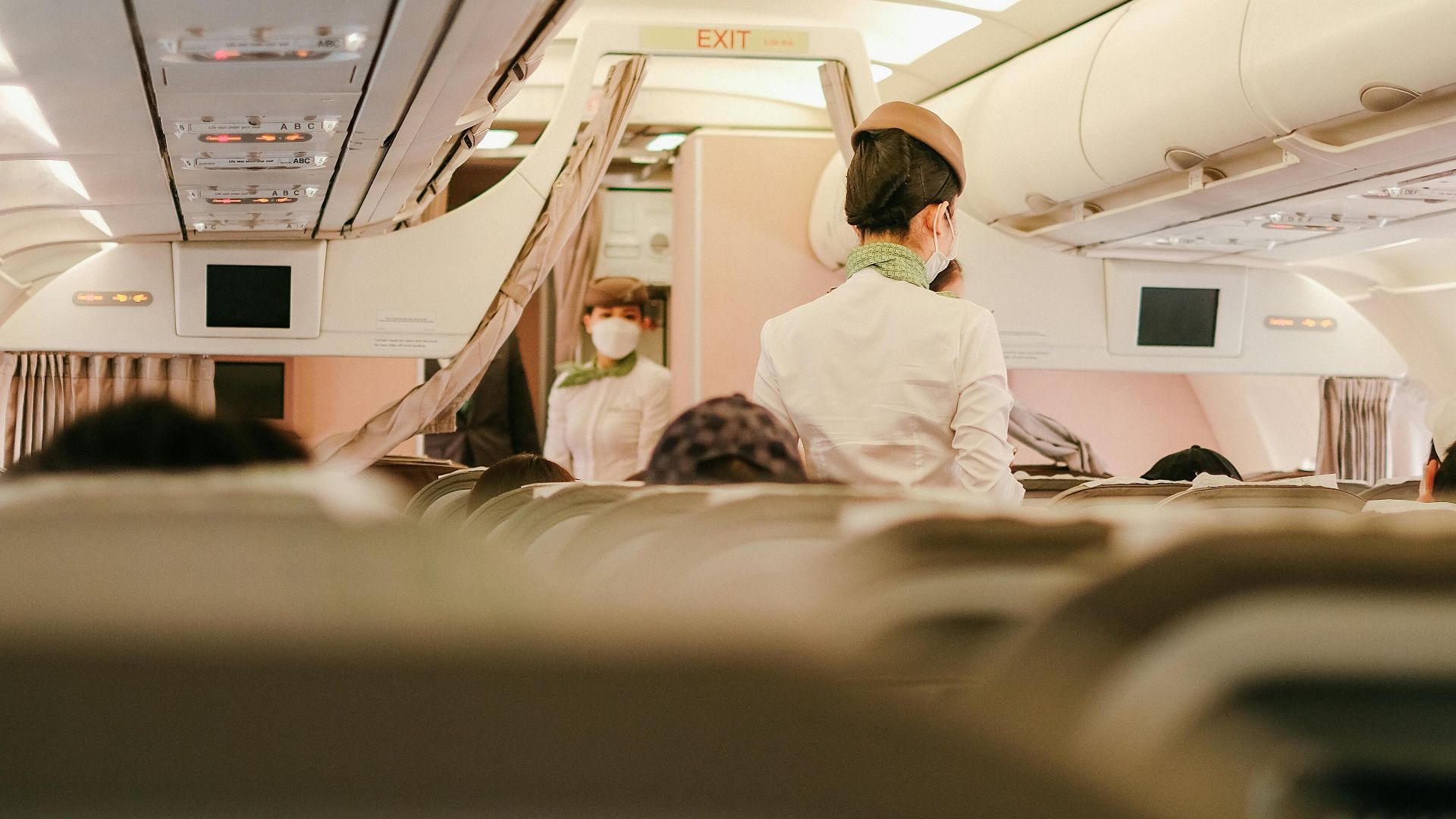
The Moment Things Crossed The Line
The second voices were raised, the situation changed. What started as an annoying but common issue became a disturbance. That shift is what triggers a stronger response from both the crew and, in some cases, the pilot.
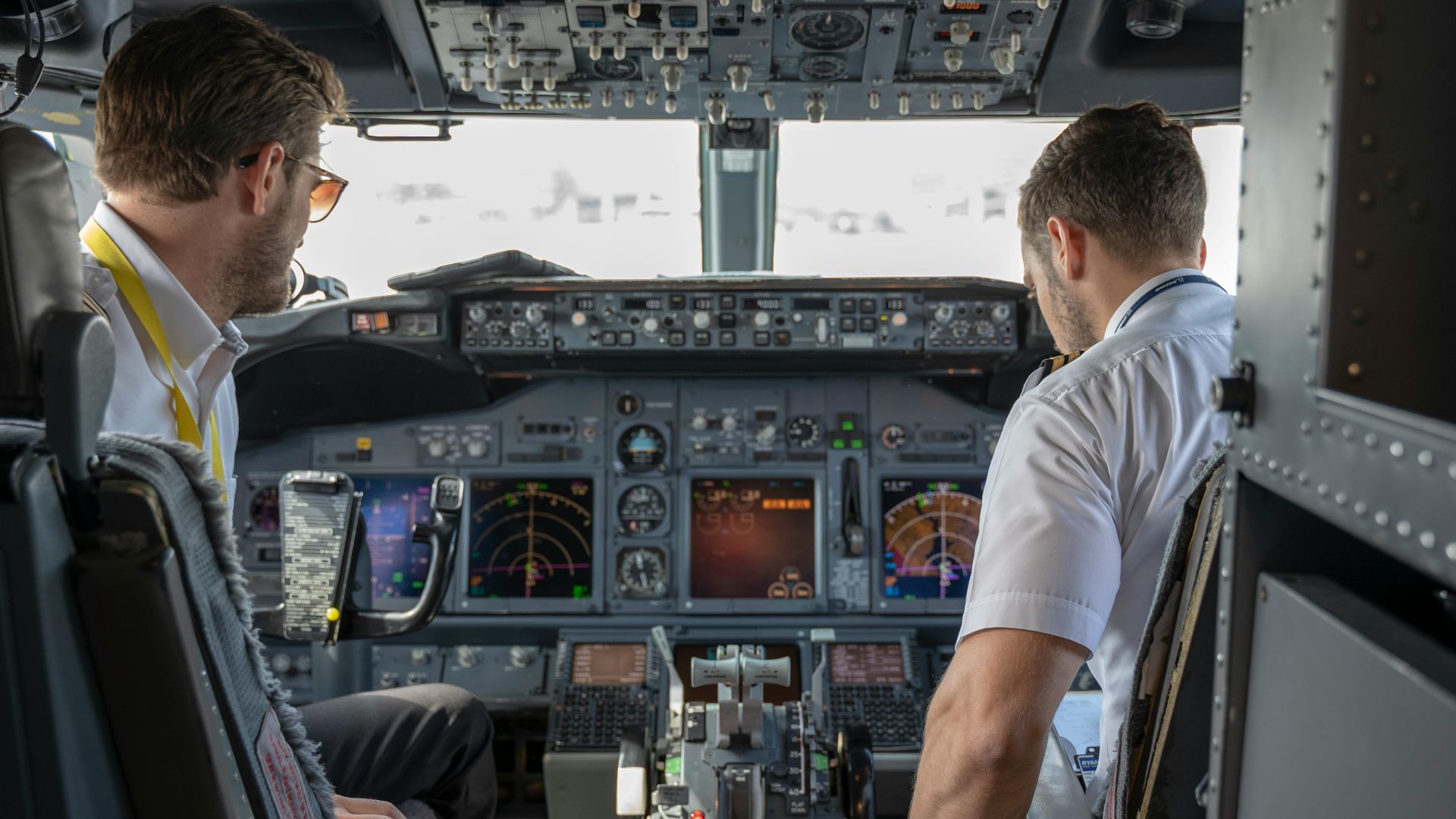
Why Yelling Is Treated So Seriously
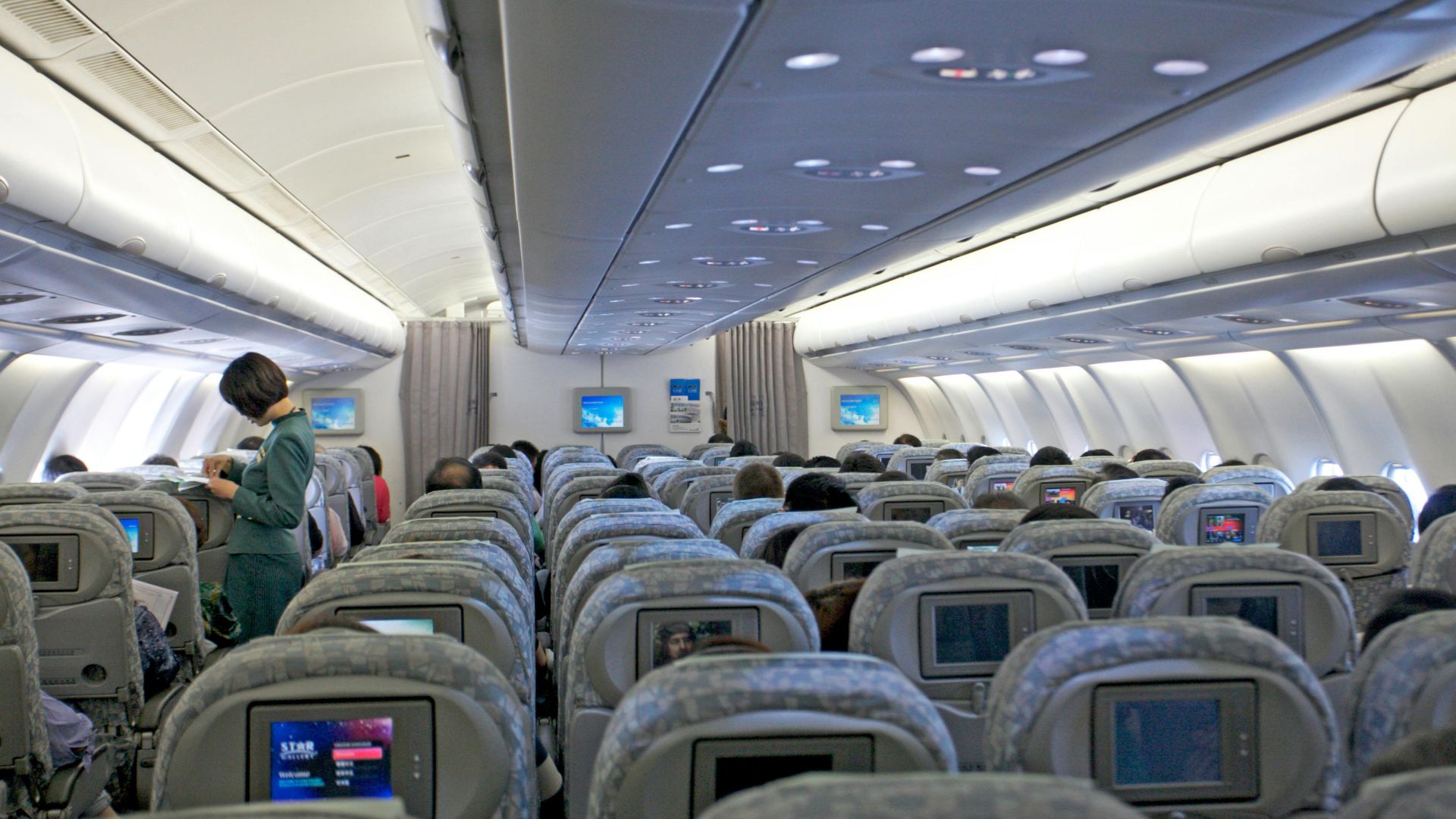
Airplanes are confined environments where tension spreads quickly. A loud confrontation can make nearby passengers uneasy and escalate fast, which is why raised voices are treated as a potential safety concern.
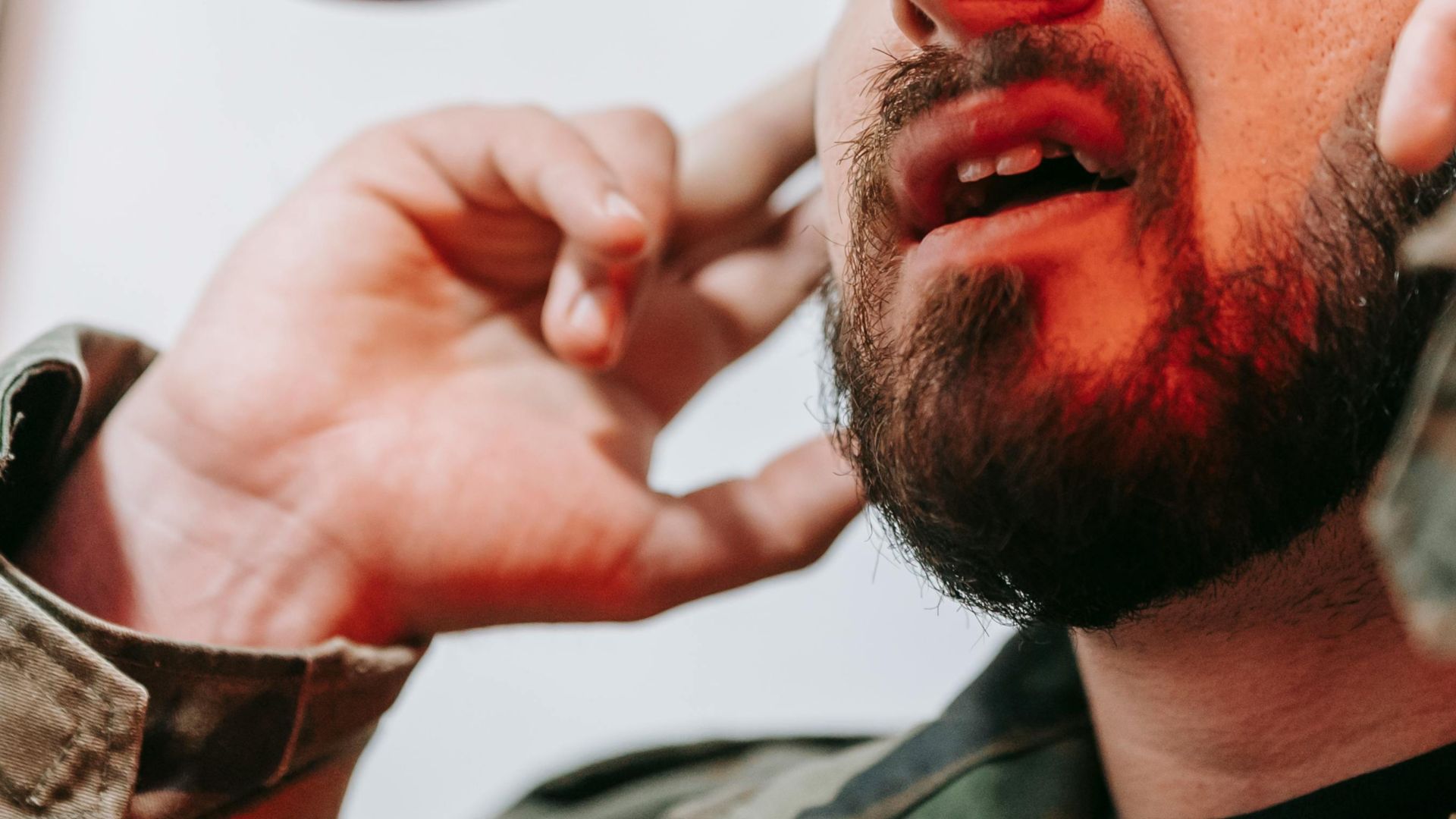
Disruptive Behavior Is Broader Than You Think
It does not take a physical altercation. Yelling, arguing, refusing instructions, or creating a noticeable disturbance can all qualify. Even without contact, the behavior itself can be enough to trigger action.

This Isn’t Just Policy, It’s Federal Law
In the U.S., interfering with flight crew duties is a federal offense. Flight attendants are legally designated as safety personnel, so disrupting their ability to manage the cabin can carry real consequences.
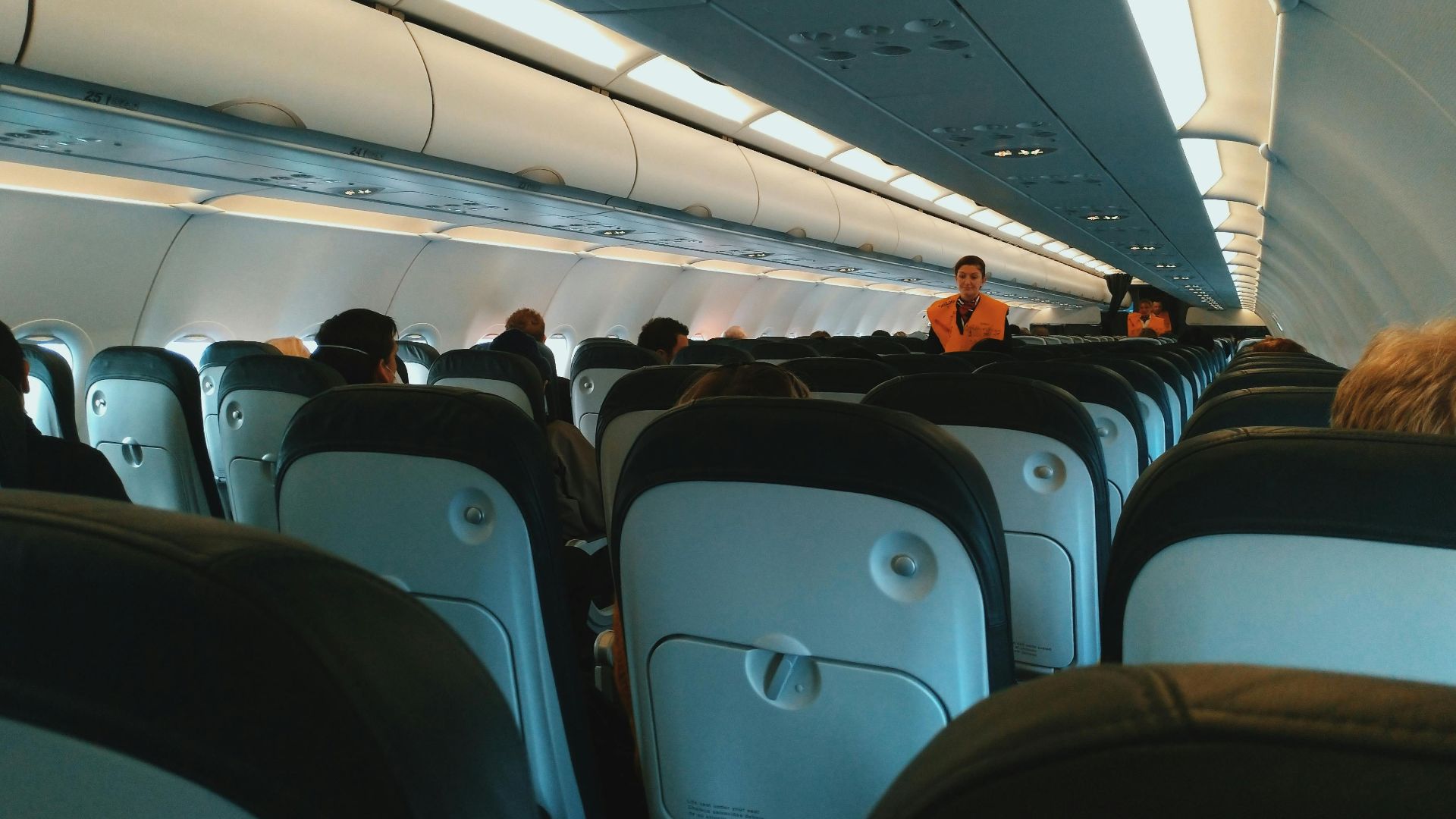
Why The Crew Focused On Him
Once he raised his voice, he became the immediate issue. Even if someone else caused the problem, escalation is what triggers action. The louder, more visible disruption becomes the priority for crew trying to maintain control in a confined environment.
Why The Flight Attendant Didn’t Do Much
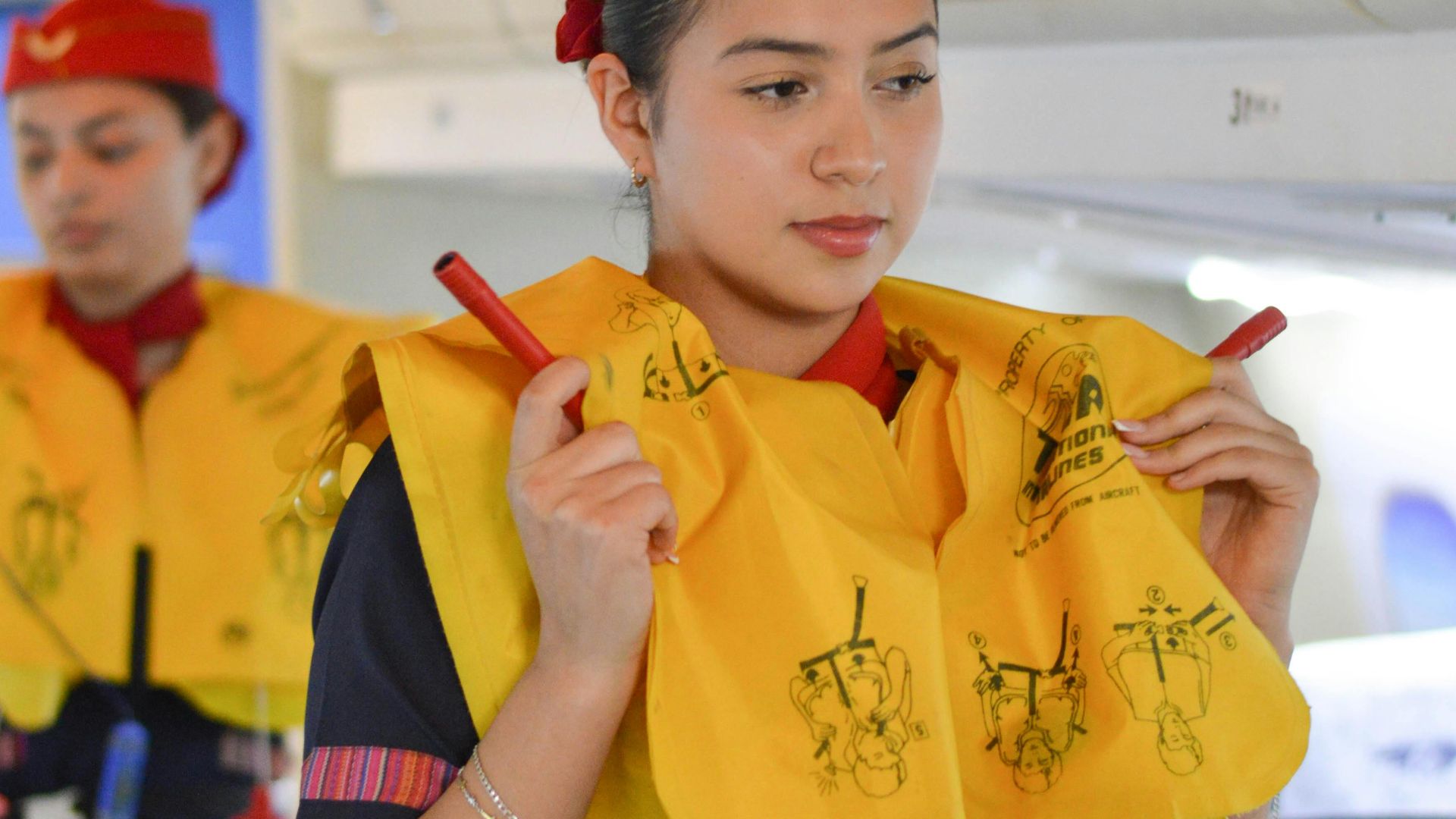
Crew deal with constant minor complaints during every flight. If something does not immediately threaten safety, they may give a quick warning and move on, especially if the behavior appears to stop briefly after being addressed.
Why Authorities Were Waiting At The Gate
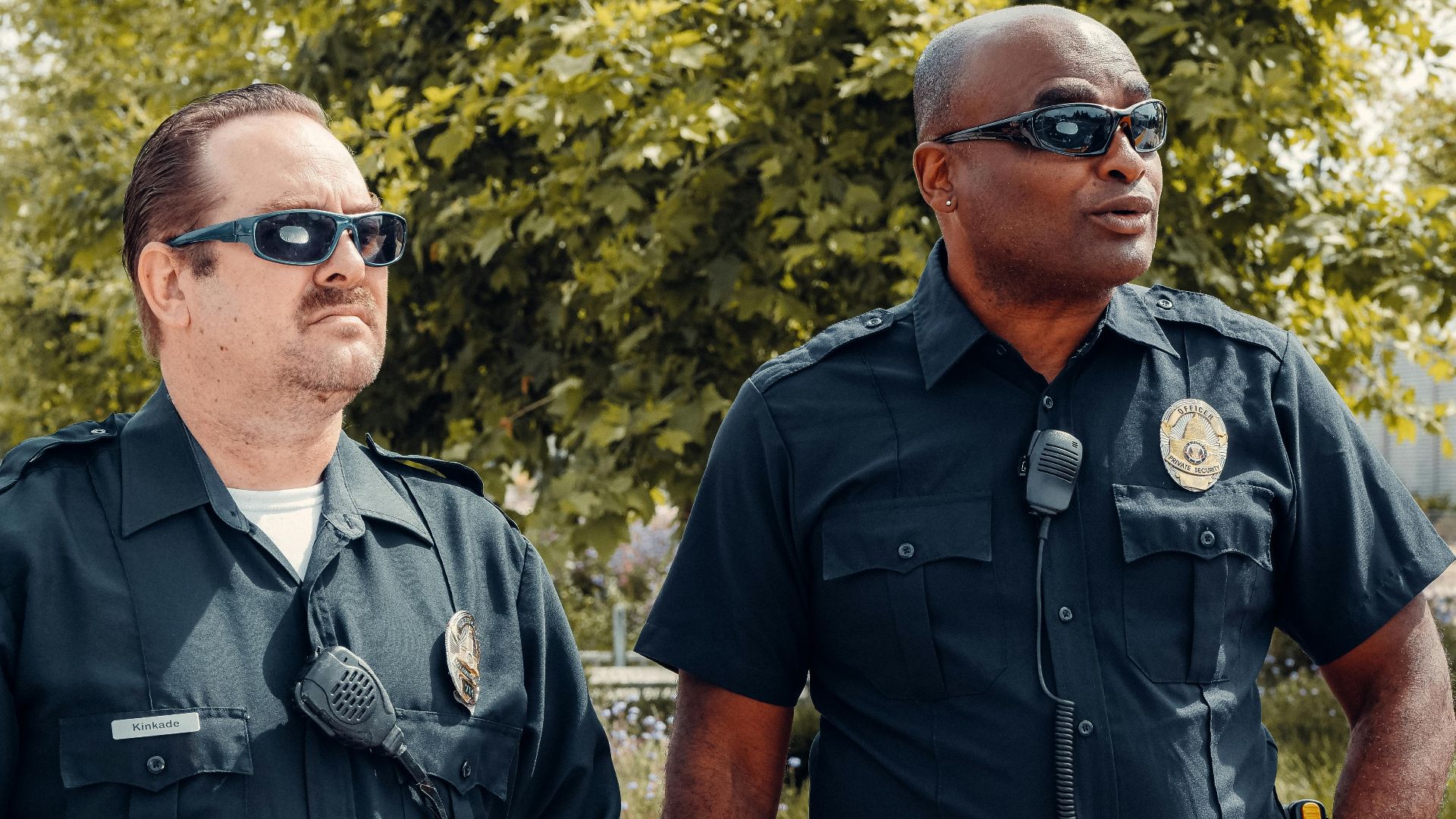
Flight attendants can escalate concerns to the pilot, who can request law enforcement before landing. When that happens, authorities are already waiting, turning what felt like a small issue into a formal situation immediately upon arrival.
Landing Doesn’t End The Incident
Many passengers assume that once the plane lands, everything resets and the situation is over. It does not. If disruptive behavior is reported, what happened during the flight can still lead to consequences on the ground.
This Happens More Than People Realize
The FAA recorded nearly 6,000 unruly passenger incidents in 2021. While that spike has eased, thousands are still reported each year. Airlines are far more sensitive to escalation now than they were just a few years ago.

Being Escorted Off Isn’t That Unusual
Passengers being removed after landing happens more often than people expect. It does not always mean charges, but it does mean the situation was serious enough for authorities to step in and follow up.
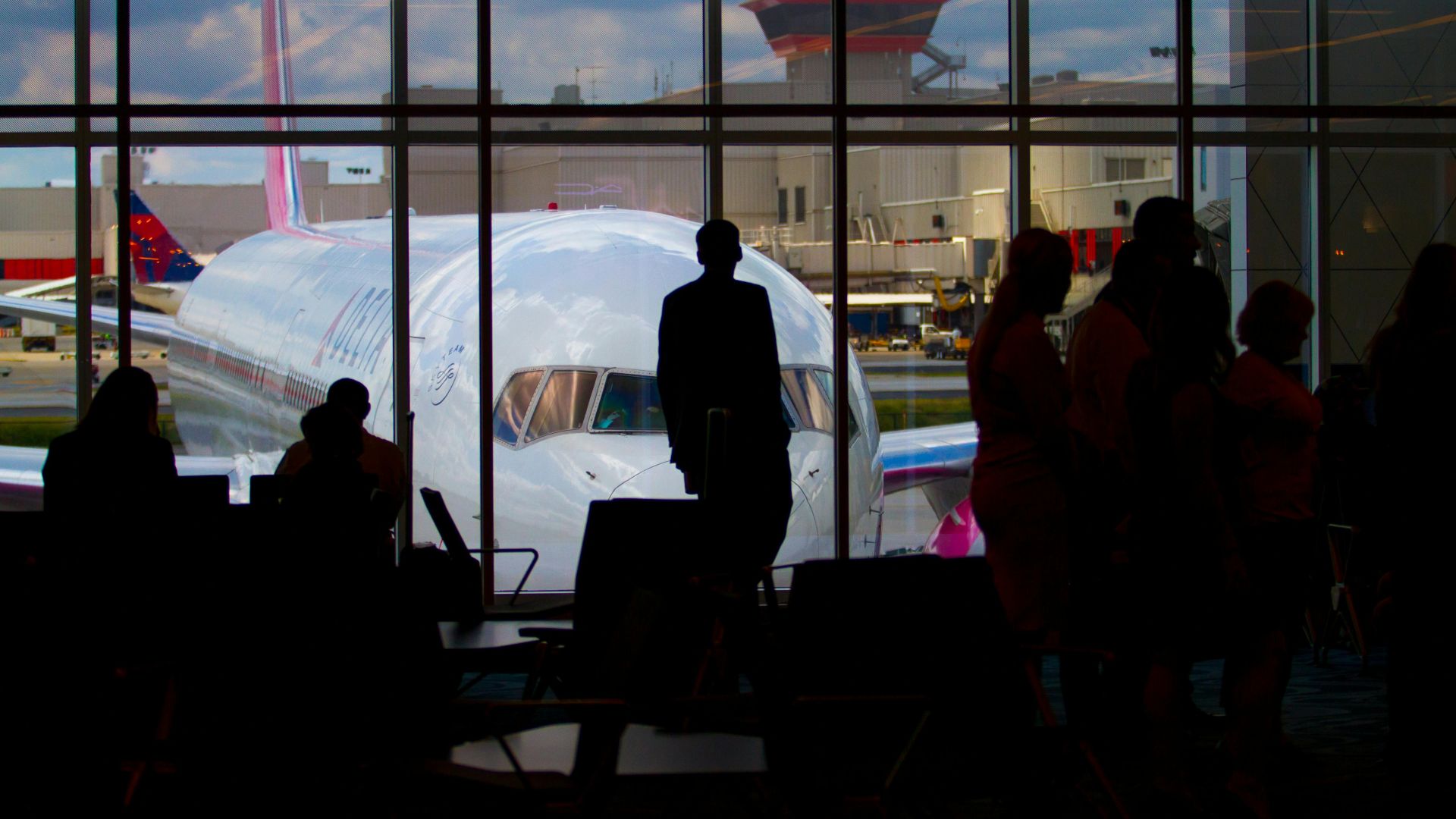
Why He Was Taken Off First
Standard procedure is to remove the reported passenger before others deplane. This prevents further conflict and allows authorities to assess what happened without distractions or the risk of the situation escalating again in a crowded aisle.
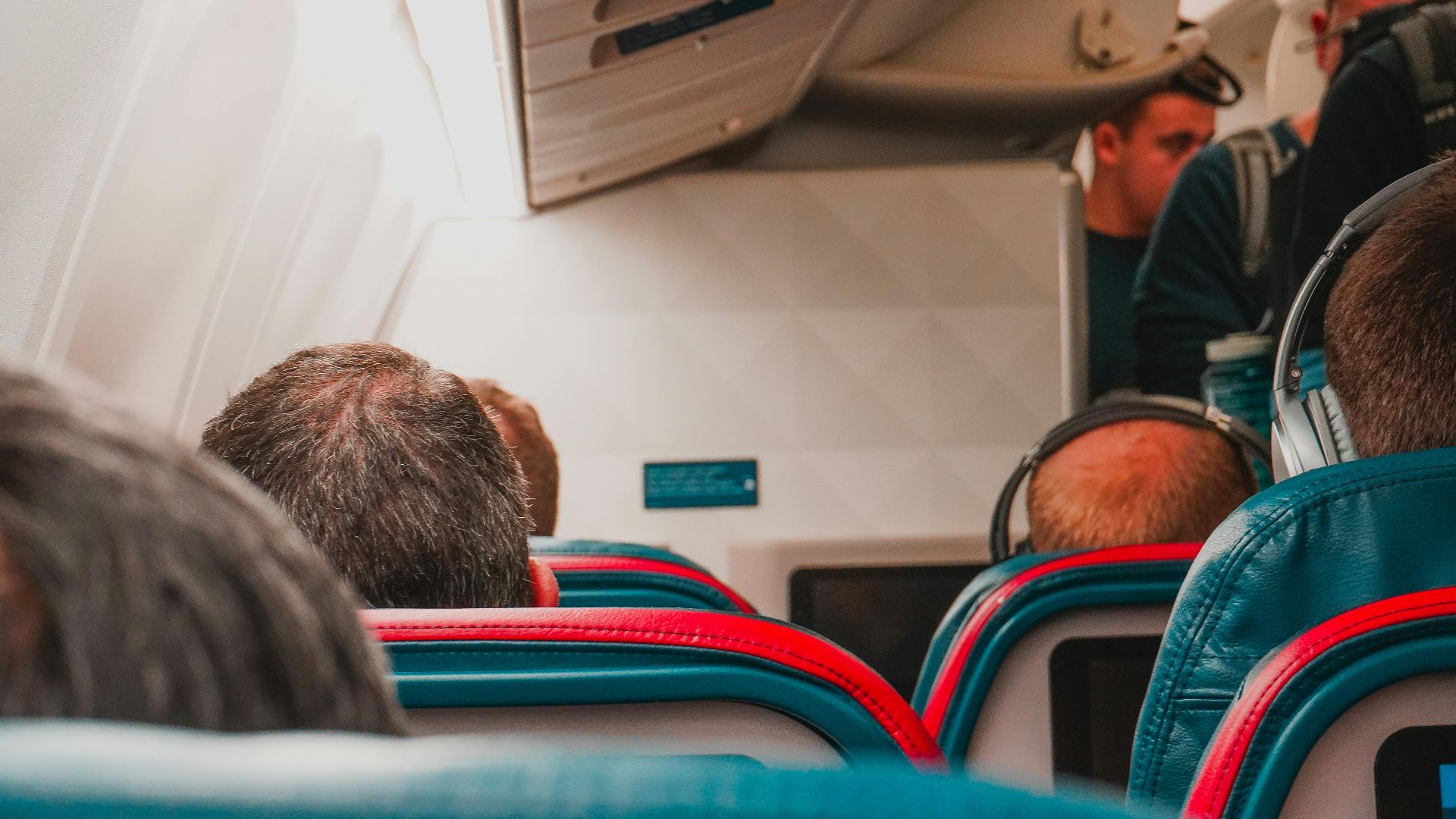
The Handcuffs Part Explained
Handcuffs do not automatically mean charges are coming. They can be used as a precaution if there is concern about compliance or how the situation might unfold while authorities assess what actually happened and determine next steps.
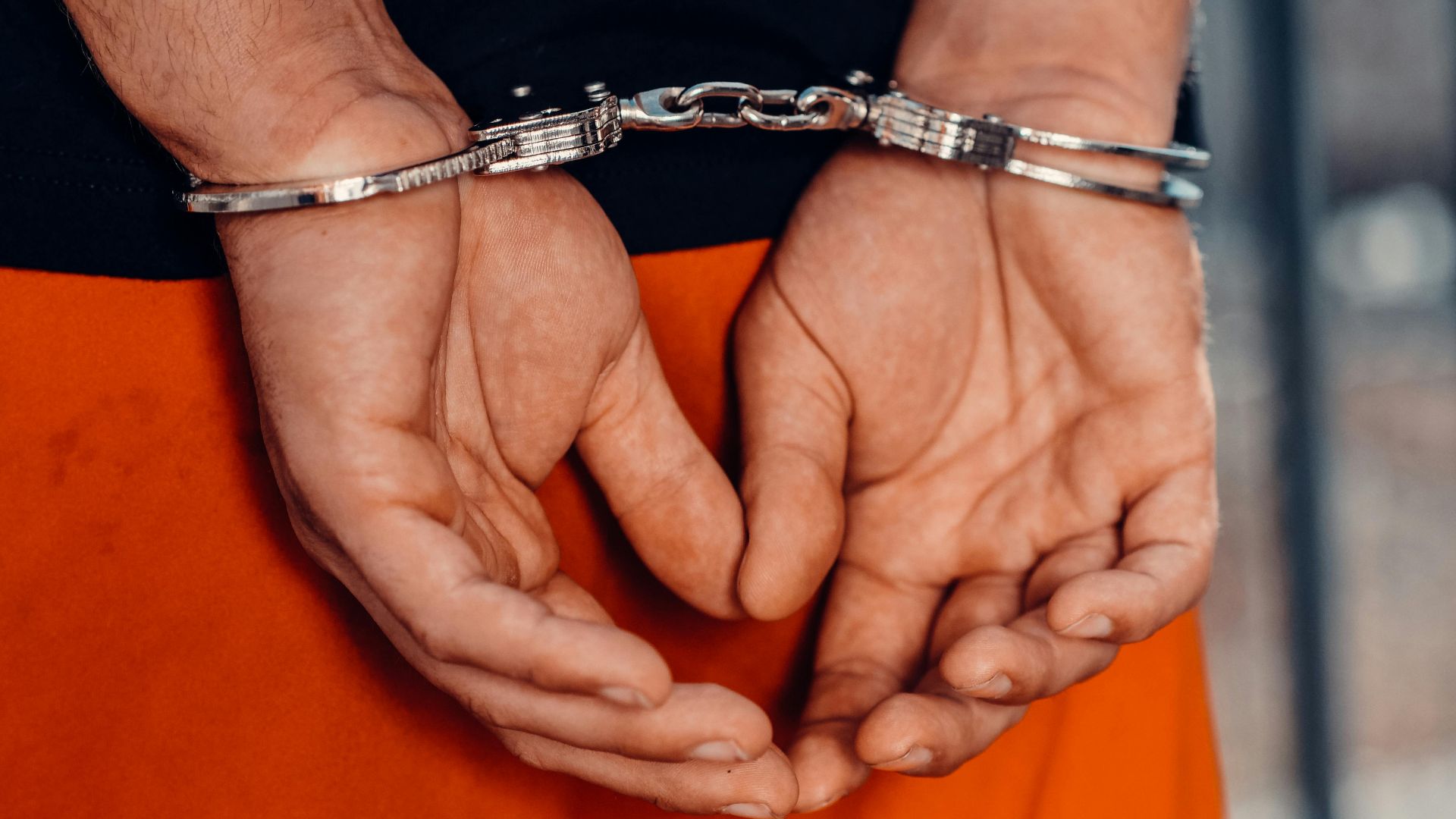
Could He Actually Face Charges?
Yes. Disruptive behavior can lead to civil penalties or even criminal charges, especially if it is seen as interfering with crew duties or creating a safety concern that affects the operation of the flight.

Those Fines Can Be Significant
The FAA can impose fines of up to about $37,000 per violation. If multiple actions are considered violations, those penalties can add up quickly and turn a moment of frustration into a very expensive mistake.

The Airline Can Come After You Too
In more serious cases, airlines have pursued passengers to recover costs tied to disruptions, especially if the situation delays the flight, requires additional staffing, or creates operational issues that affect schedules and passengers.

If The Flight Gets Diverted, It Gets Expensive Fast
Diversions can cost tens of thousands of dollars. In rare cases, airlines have attempted to recover those costs from the passenger responsible, especially when the disruption is serious enough to change the flight’s destination.
 Rafael Minguet Delgado, Pexels
Flying Isn’t A Right, It’s Conditional
Airlines have broad authority to remove passengers if they believe there is a disruption. You do not need to break a major law, creating a situation that affects order or safety can be enough to justify removal.
The Unfair Part Of Situations Like This
The passenger causing the original annoyance may face little consequence, while the person who reacts ends up dealing with authorities, fines, or restrictions that follow them beyond just that one flight experience.

What He Should Have Done Instead
The safest move is to report the issue early, keep reporting it if it continues, and avoid direct confrontation, even if it feels justified. Letting the crew handle it protects you legally, even if it does not fix the problem immediately.
Why That Advice Feels Unsatisfying
Because it is. It relies on crew intervention, which does not always fix the problem, but it prevents the situation from escalating in a way that can turn against you and lead to consequences you did not expect.
Airlines Are Stricter Than They Used To Be
Since 2020, airlines have taken a stricter approach to unruly passenger behavior. Even smaller incidents can escalate quickly if they involve raised voices, visible tension, or anything that could affect the cabin environment.
Bottom Line
He was not wrong to be frustrated, but yelling is where things shifted legally. On a plane, staying calm protects you more than being right, because once it escalates, the consequences usually fall on the person who reacts.

You Might Also Like:
The Most Misunderstood States In America, Ranked By Other Americans