The Differences Start Immediately.
European visitors may recognize the language, brands, and entertainment, yet everyday travel across the United States and Canada can still feel surprisingly unfamiliar. From restaurant bills to road-trip distances, ordinary North American habits often require a quick cultural adjustment.
The Tip Is Part Of The Price
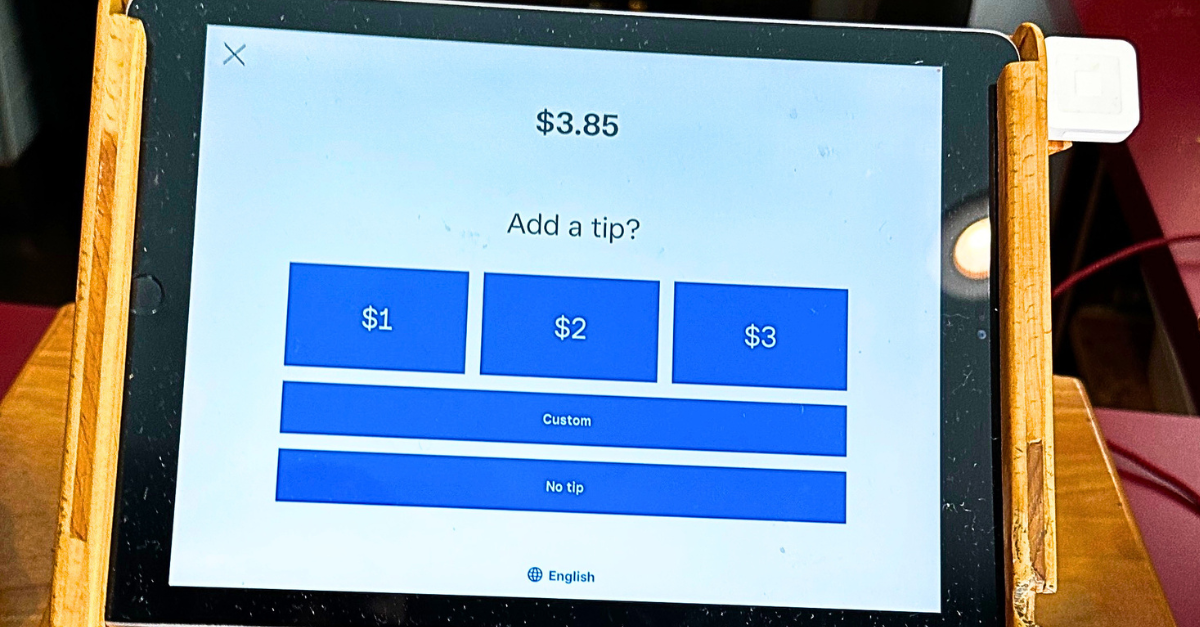
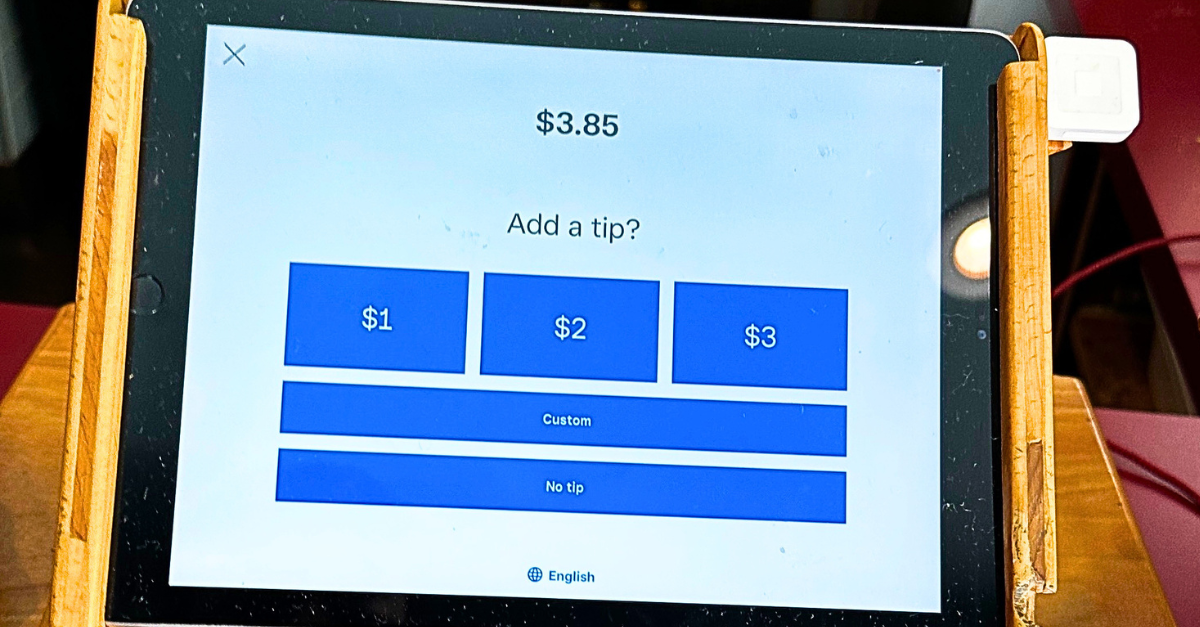
One of the first surprises arrives when the restaurant bill lands. In the United States and Canada, customers are generally expected to add a substantial tip at full-service restaurants instead of treating gratuity as an occasional reward. Visitors from European countries where service is included or smaller tips are customary may find themselves calculating percentages throughout the trip.
The Tip Screen Appears Everywhere
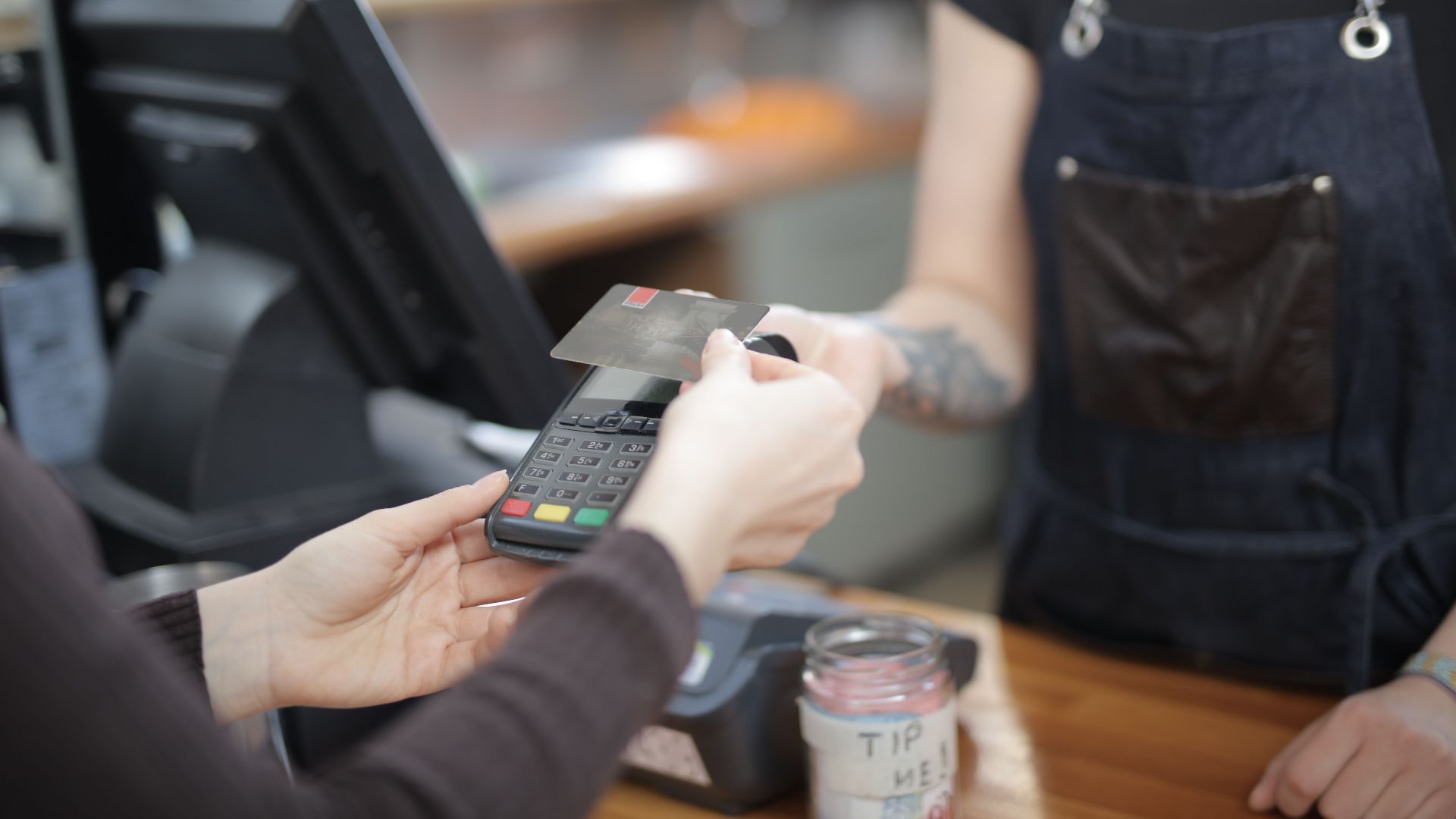
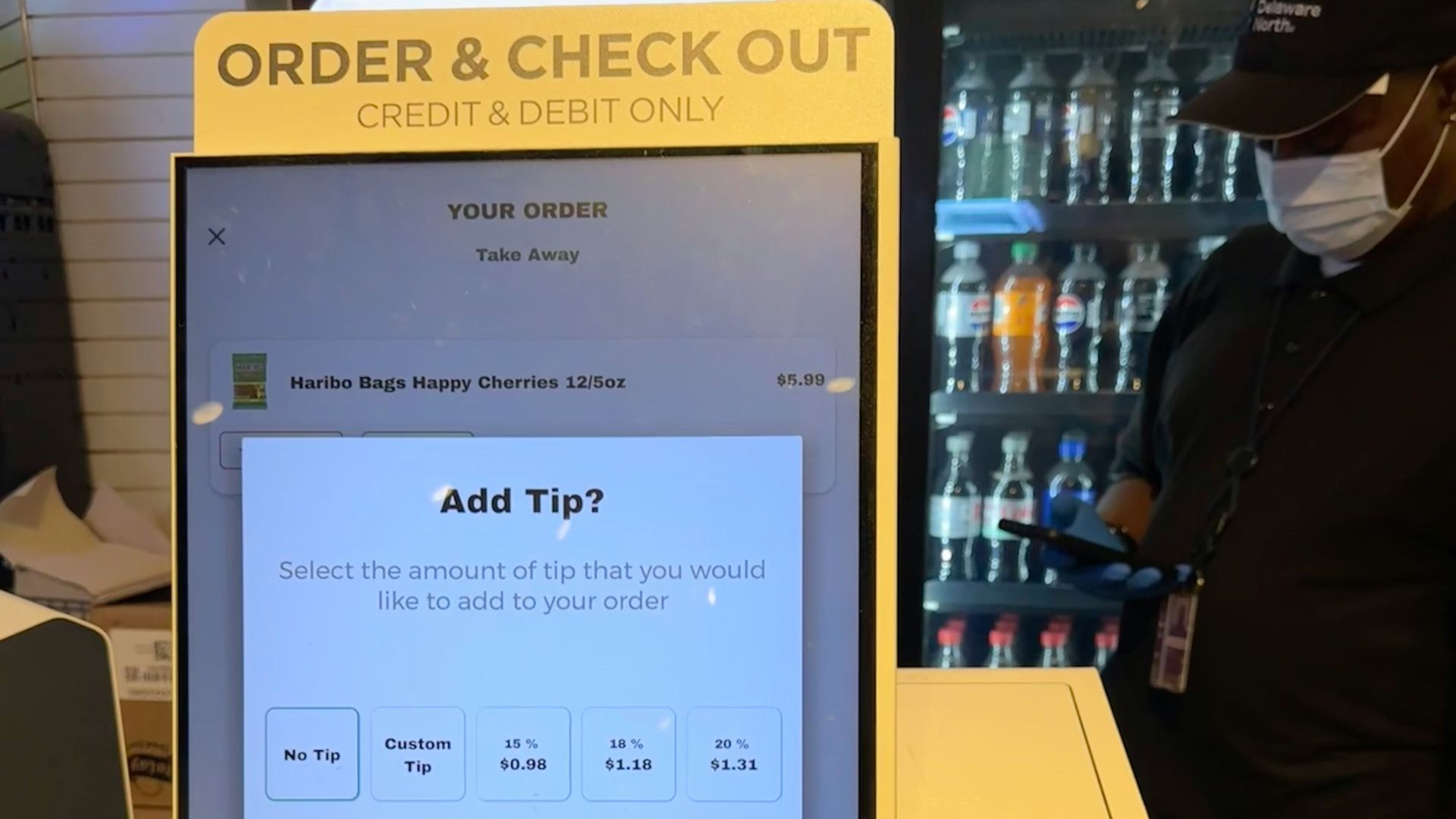
The confusion does not end at sit-down restaurants. Digital payment terminals may suggest tips at cafés, counters, airport shops, and businesses where little or no table service was provided. Even many Canadians have reported feeling pressured by the expanding number of gratuity prompts, so overseas visitors are not alone in finding the practice awkward.
The Advertised Price Is Not Always Final
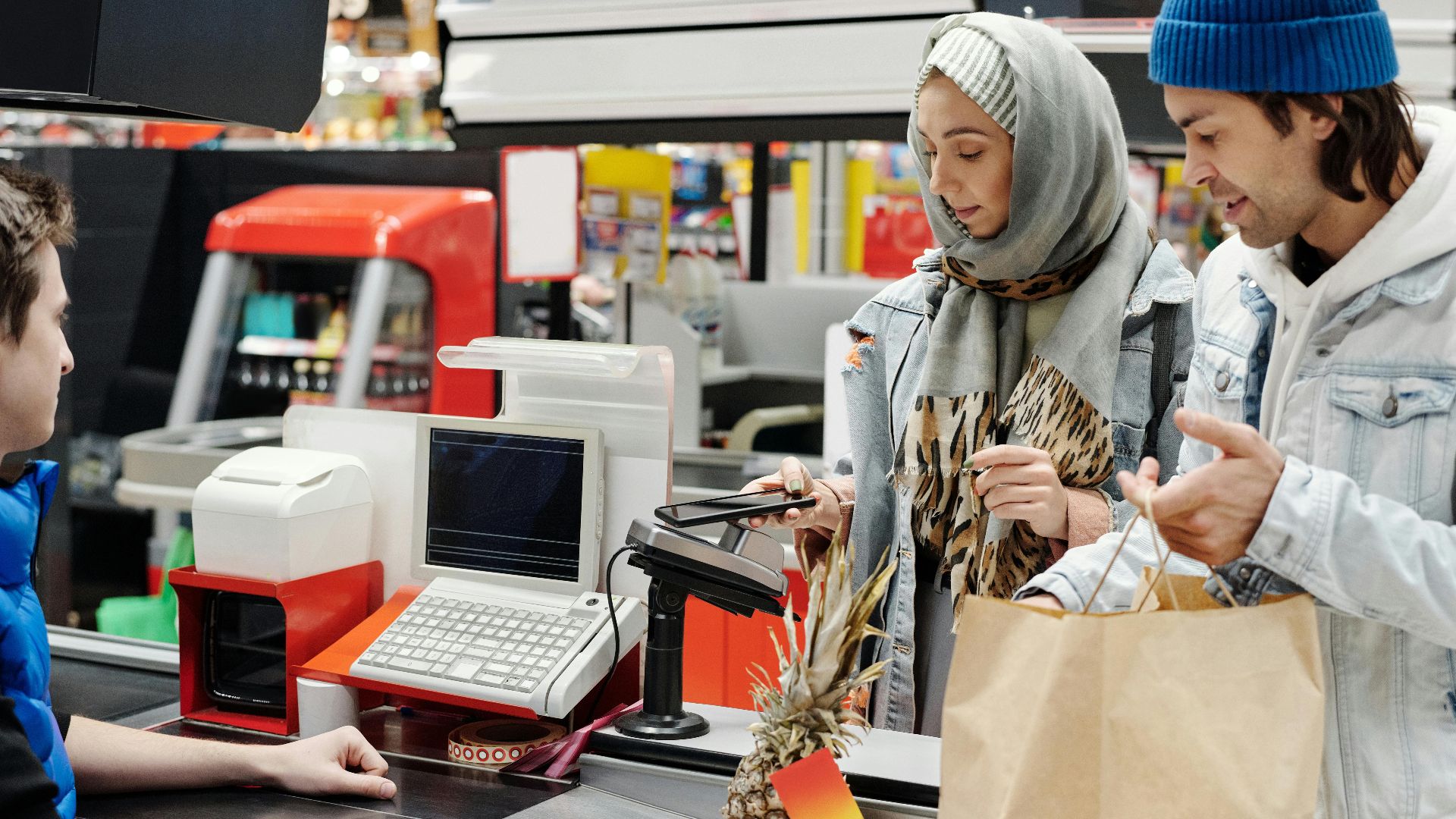
European travelers often expect a displayed retail price to include consumption taxes. In much of North America, applicable sales taxes are calculated and added during checkout, meaning the total can be higher than the shelf label suggests. Canadian rates also vary by province or territory, so the same pre-tax purchase can produce a different final bill in different places.
Restaurant Portions Can Become Tomorrow’s Lunch
A North American entrée may arrive on a plate large enough to cover more than one meal. The practice is so familiar that asking for a container and taking leftovers away is entirely routine. Visitors should not feel obligated to finish everything, especially when nutrition labels indicate that a package or meal contains multiple servings.

Calories Are Printed Beside The Meal
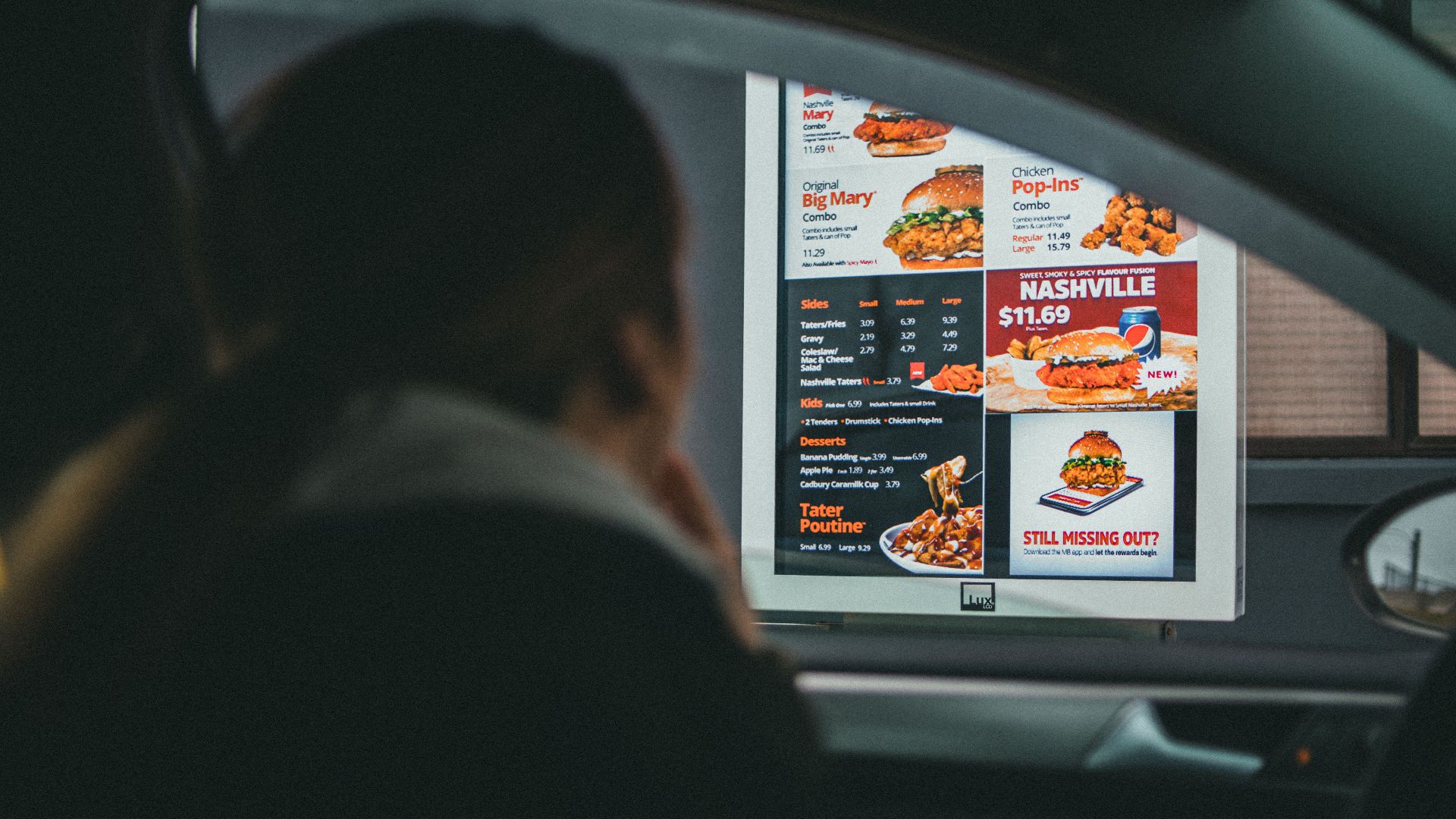
Menus at many large American restaurant chains display calorie totals beside standard items. Federal rules generally apply to covered chains with 20 or more locations, making the information highly visible before customers order. A traveler unfamiliar with the system may be startled to see the nutritional impact of a burger, dessert, or sweetened drink written directly on the board.
Refills May Keep Coming
At some North American restaurant chains, soft drinks, coffee, fries, or other items can be refilled without another full charge. Promotions involving bottomless sides and unlimited beverages are marketed as selling points rather than exceptional favors. Europeans accustomed to paying for each drink may initially wonder whether the replacement beverage will appear on the bill.
Coffee Is Designed To Travel
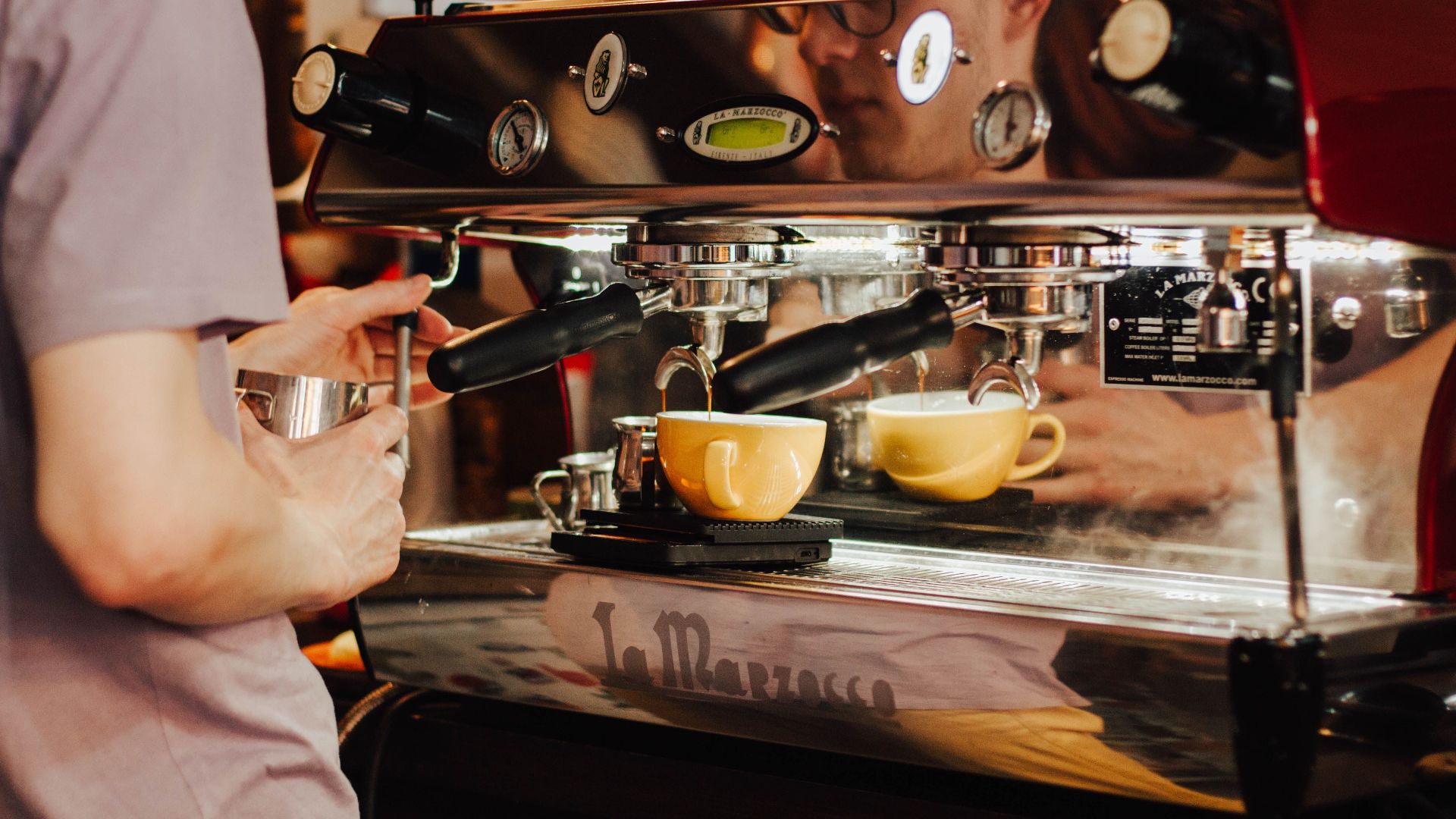
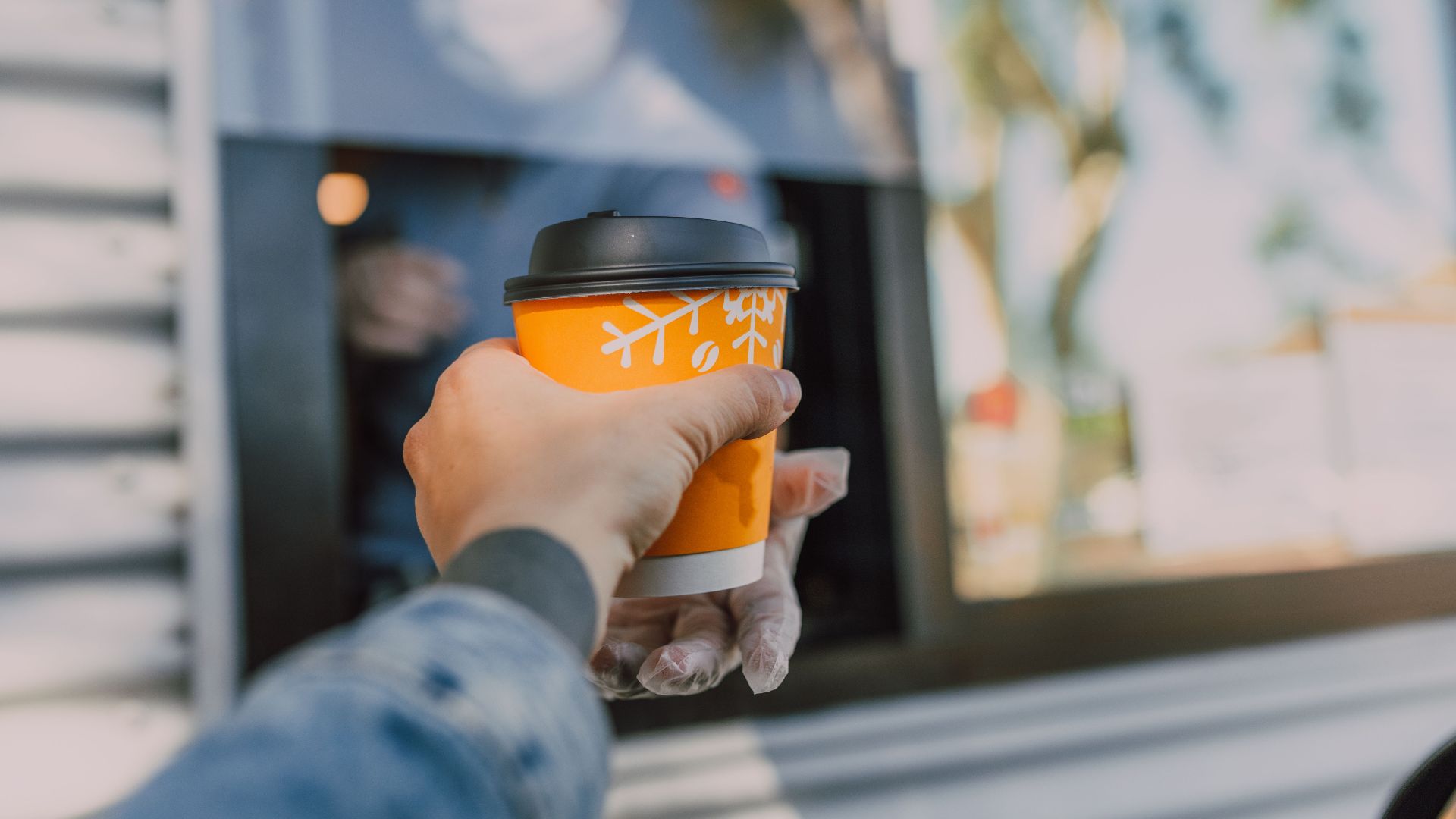
North American coffee culture is strongly associated with paper cups, lids, drive-through lanes, and drinking while moving. The disposable cup sleeve itself became a familiar solution for customers carrying hot drinks away from cafés. A European visitor who associates coffee with sitting at a table may be surprised by how often breakfast is consumed in transit.
Cold Drinks Arrive Very Cold
Water and soft drinks in North American restaurants are frequently served chilled and packed with ice. This can feel excessive to travelers accustomed to receiving less ice or ordering bottled water separately. The generous cup size makes the amount appear even more dramatic, although customers can simply request little or no ice.

Air Conditioning Can Feel Arctic
Hotels, shops, restaurants, and vehicles across the United States commonly rely heavily on air conditioning. The technology became deeply embedded in American homes, transportation, workplaces, and public life. Visitors arriving from European cities where air conditioning remains less universal may find themselves carrying a sweater during the hottest part of summer.

The Car Is Often The Default
In many North American destinations, having access to a car is not merely convenient. Suburban development, highway investment, and widely separated services have made driving the practical choice for countless everyday journeys. European visitors who normally combine walking, trains, buses, and cycling may be surprised when a short-looking trip is considered undriveable without a vehicle.

Walking Distance Means Something Different
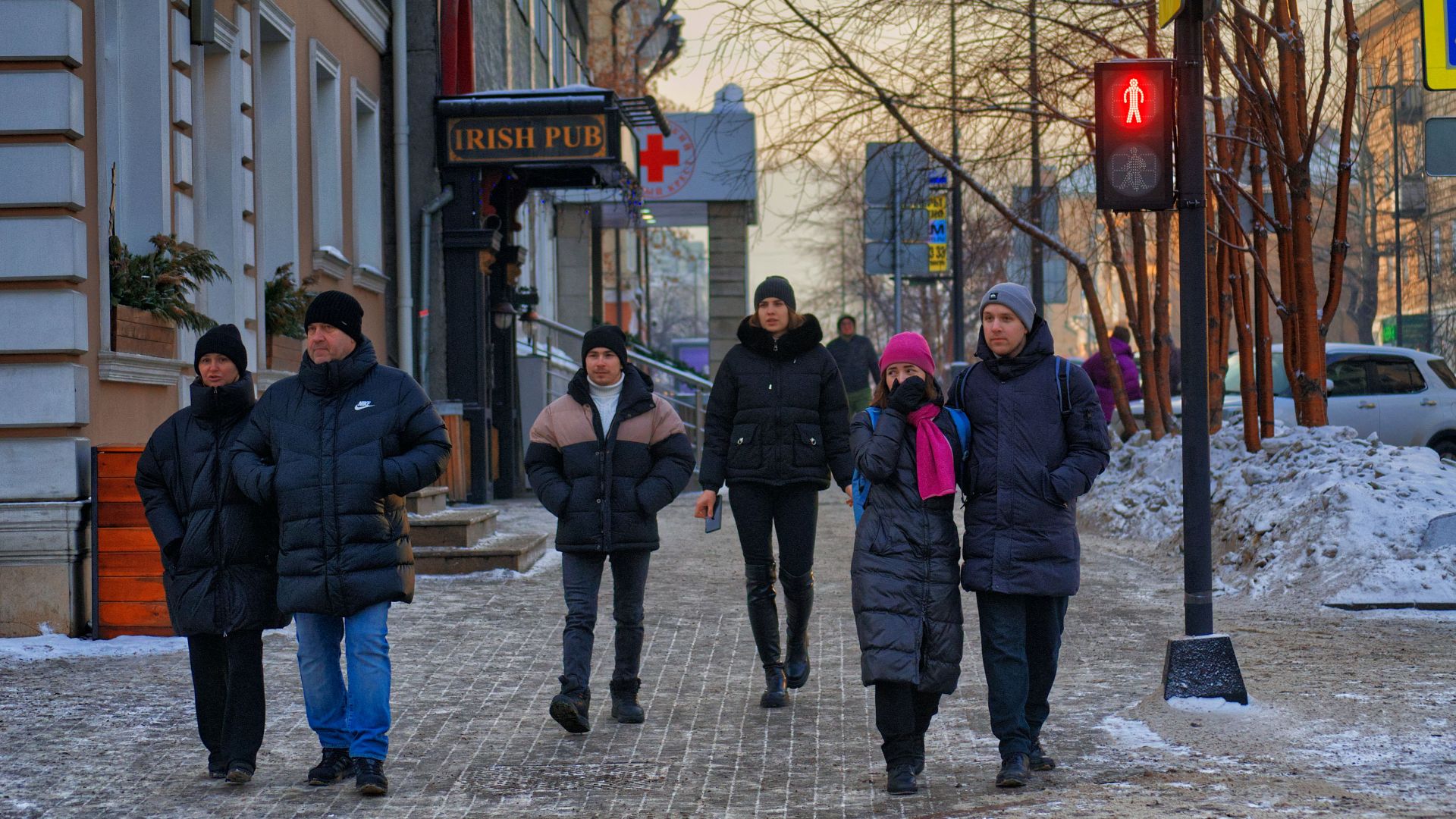
A hotel may be described as close to an attraction even when reaching it on foot is inconvenient. The route can involve wide roads, sprawling parking lots, missing sidewalks, or intersections designed primarily for vehicles. Checking the actual pedestrian route matters more than relying on the number of miles shown on a map.
A Five-Hour Drive Sounds Reasonable
North America’s scale changes the way residents discuss distance. Driving several hours for a weekend, family visit, sporting event, or national park trip may be presented as perfectly ordinary. Europeans can cross multiple borders in the same amount of time, while a North American traveler may not even leave one state or province.
The Road Trip Is The Vacation
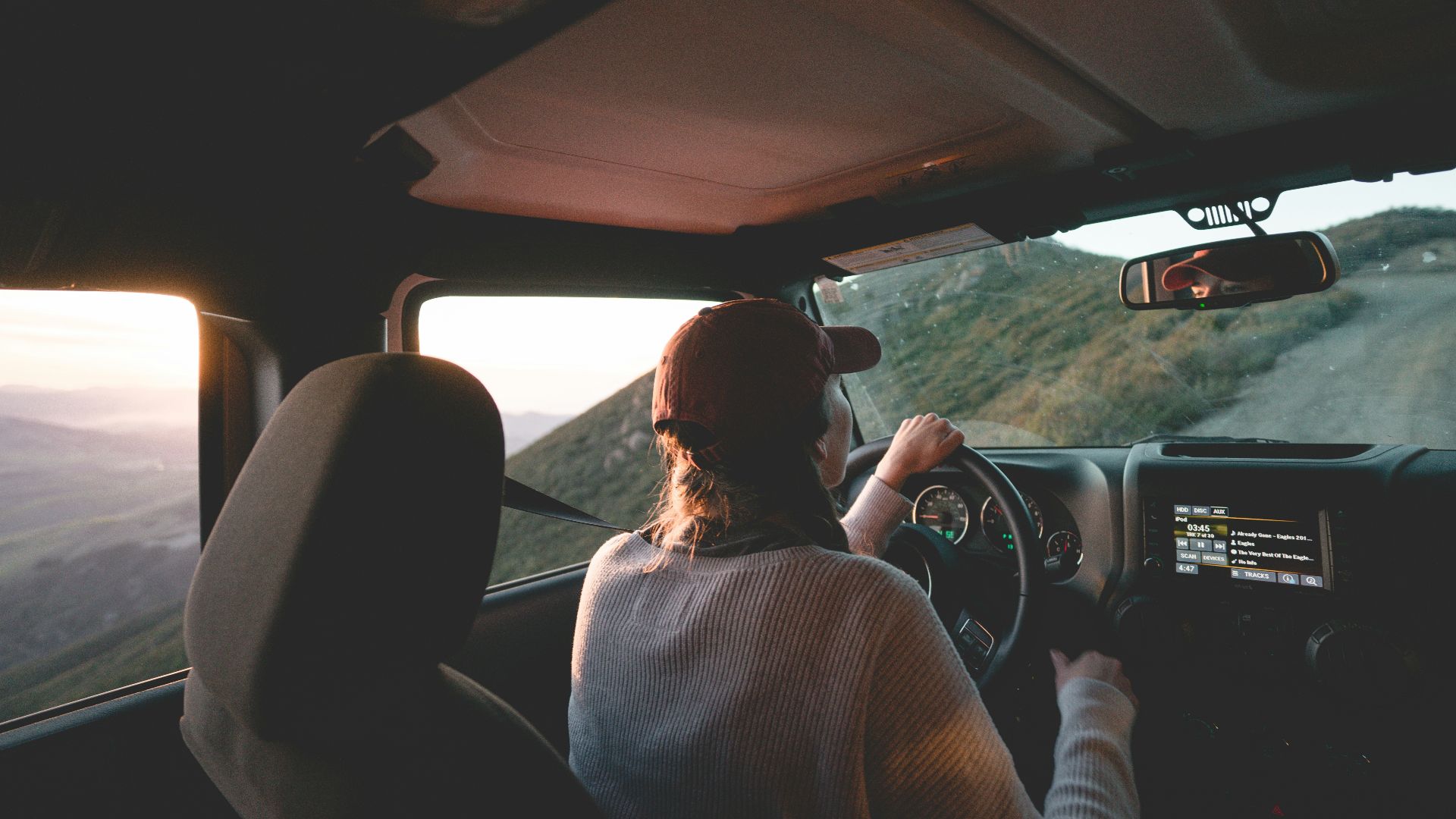
Driving is not always treated as an obstacle between attractions. Scenic highways, roadside stops, diners, motels, and national park roads can become central parts of the experience. The National Park Service notes that thousands of miles of paved roads cross the American park system, and many were deliberately designed to make the journey itself memorable.
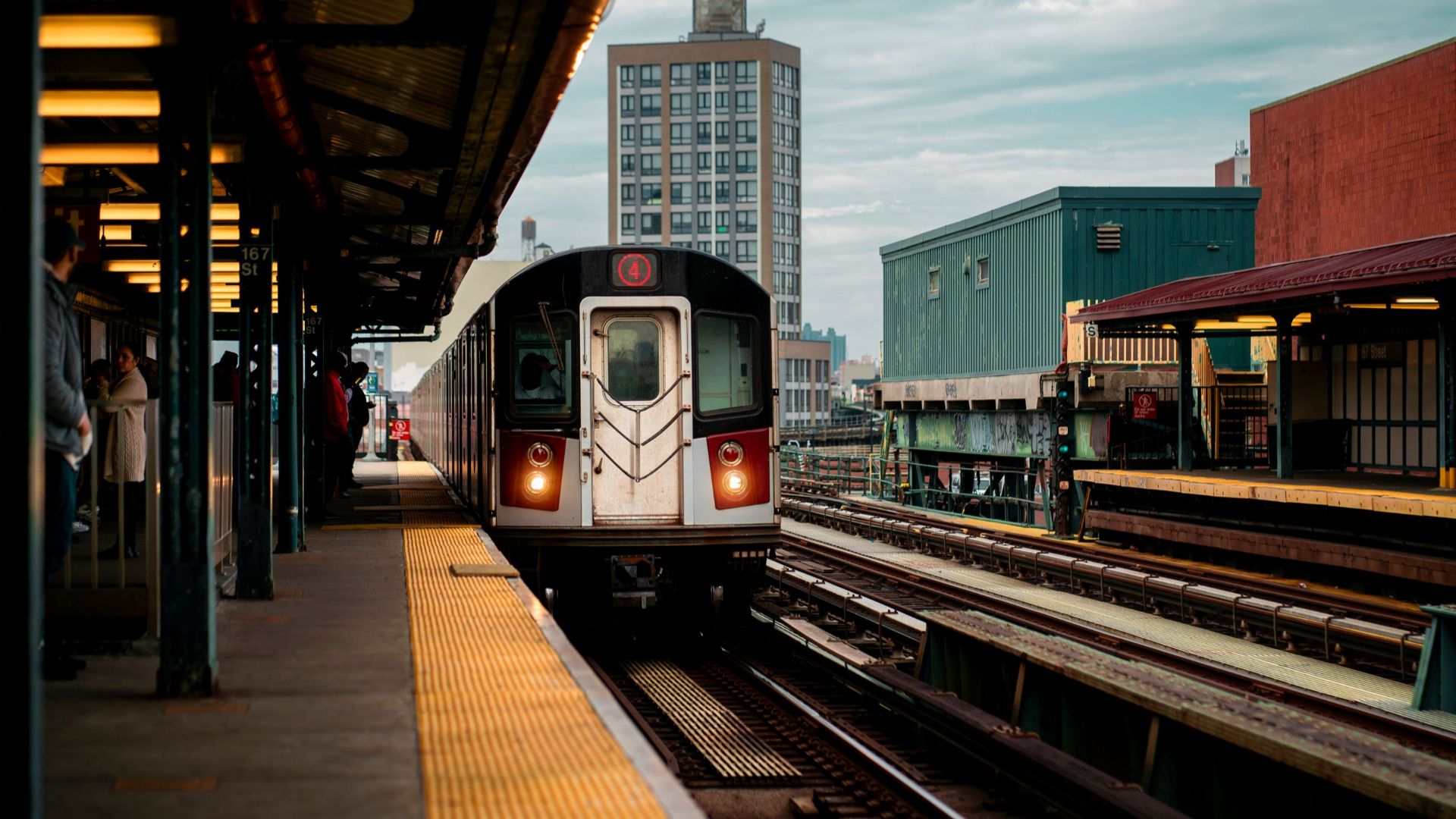
Public Transportation Varies Wildly
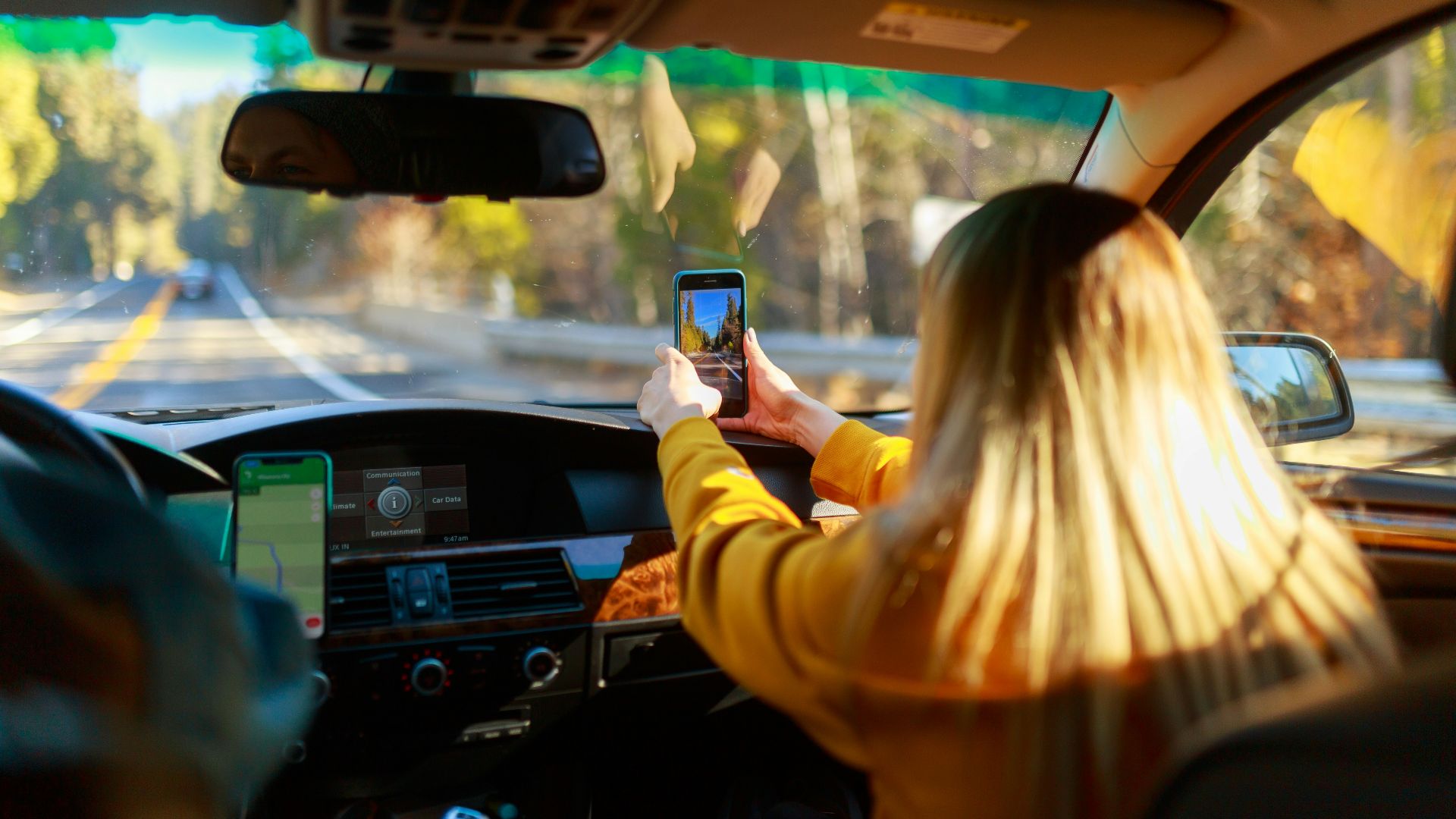
New York, Toronto, Montreal, Chicago, Vancouver, and several other major cities offer substantial transit networks. Outside major urban centres, however, schedules may be limited and destinations can be difficult to reach without a car. Travelers should investigate the complete route before booking accommodation based only on the presence of a bus or train symbol.
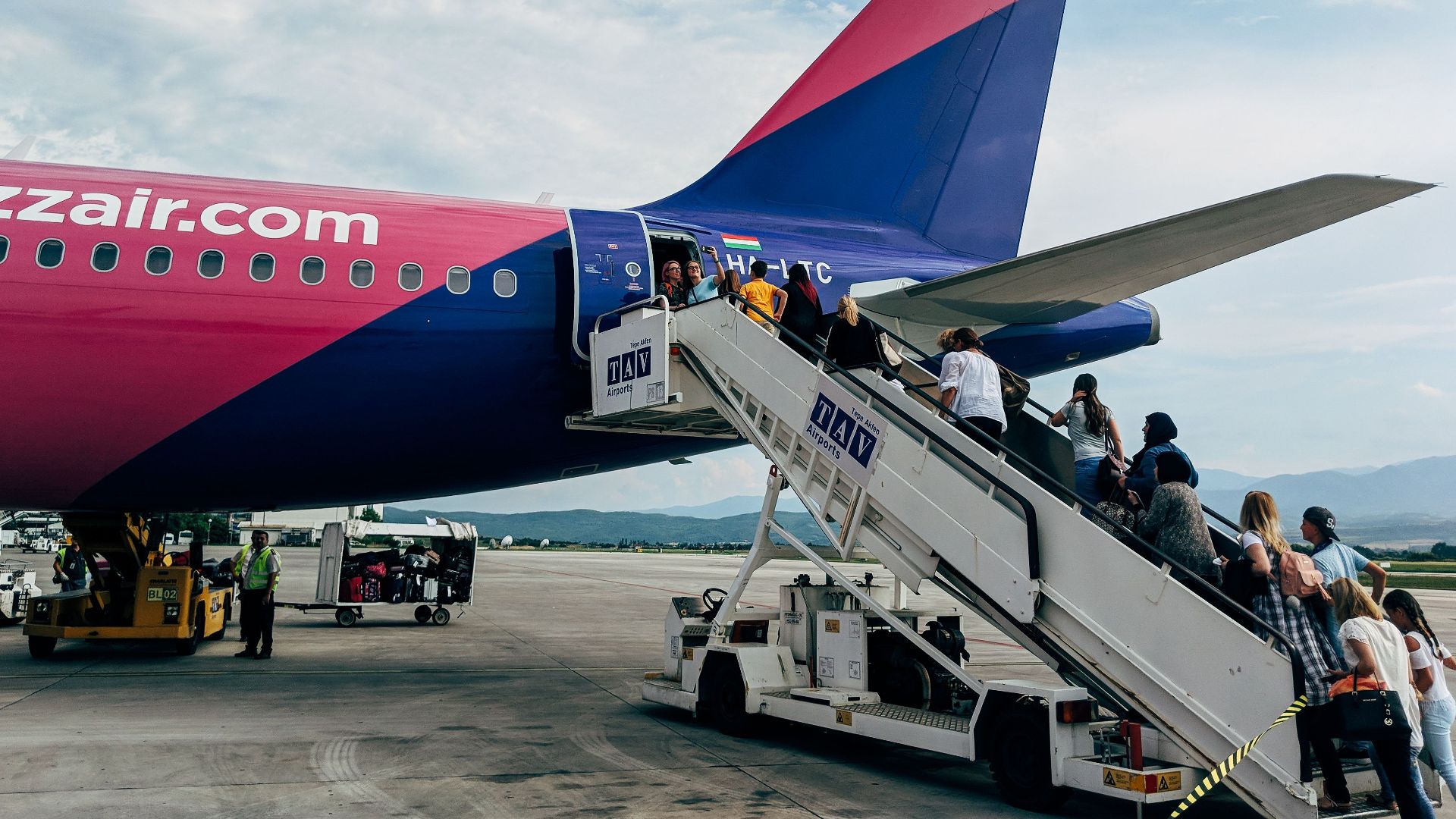
Domestic Flights Feel Routine
The enormous distances between North American cities make flying within one country commonplace. A traveler may board a multi-hour flight without crossing an international border or passing through passport control. Europeans accustomed to reaching neighbouring countries quickly by rail may find the scale of domestic aviation remarkable.
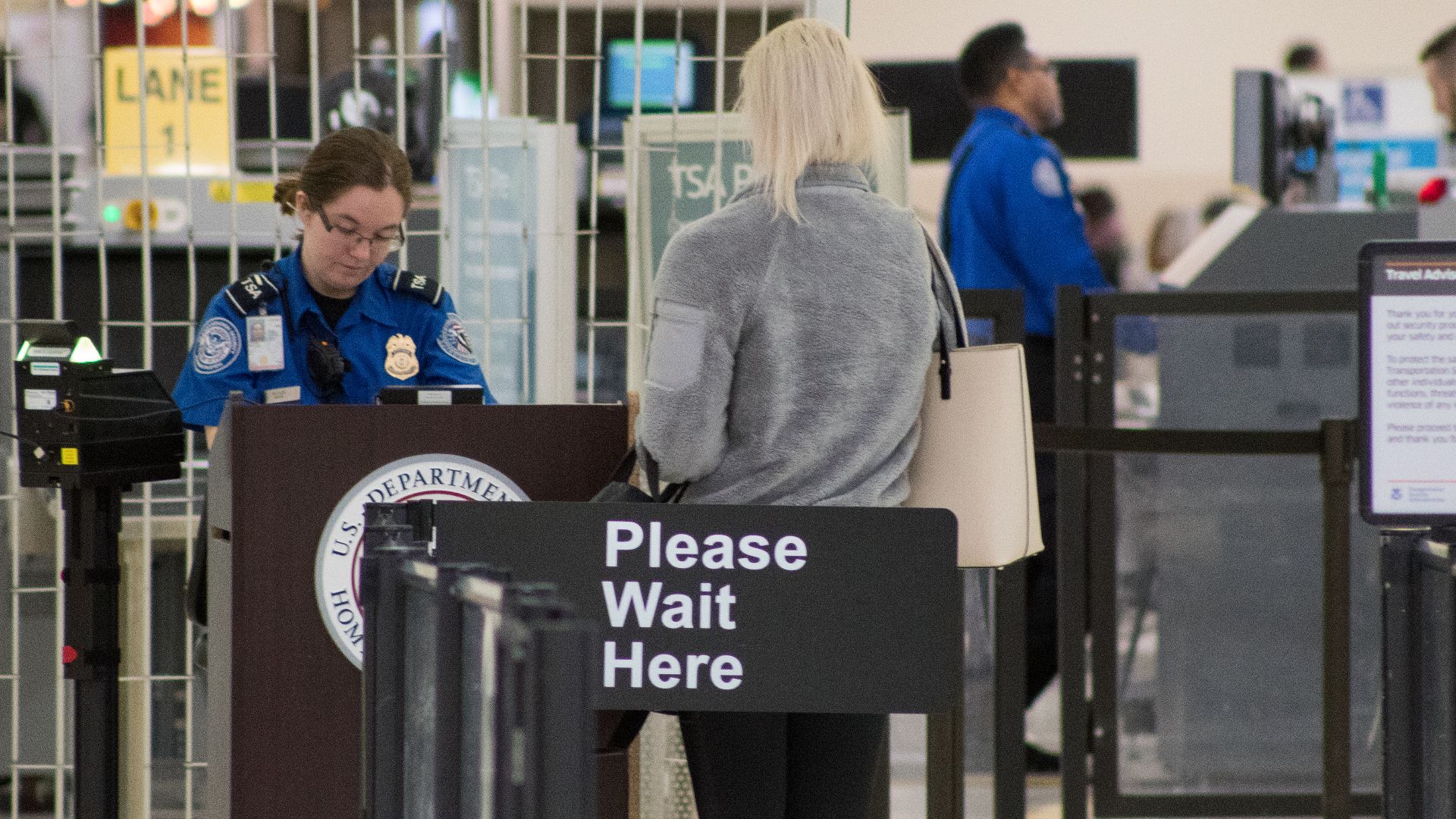
Airport Security Requires A Routine
Travelers flying from American airports pass through procedures administered by the Transportation Security Administration. Shoes, liquids, electronics, identification, and screening instructions can require more preparation than some visitors expect. Rules can also differ according to the traveler, checkpoint technology, and trusted-traveler status, so checking current official guidance before departure is sensible.
 Michael Ball, Wikimedia Commons
Driving Rules Change Across Borders
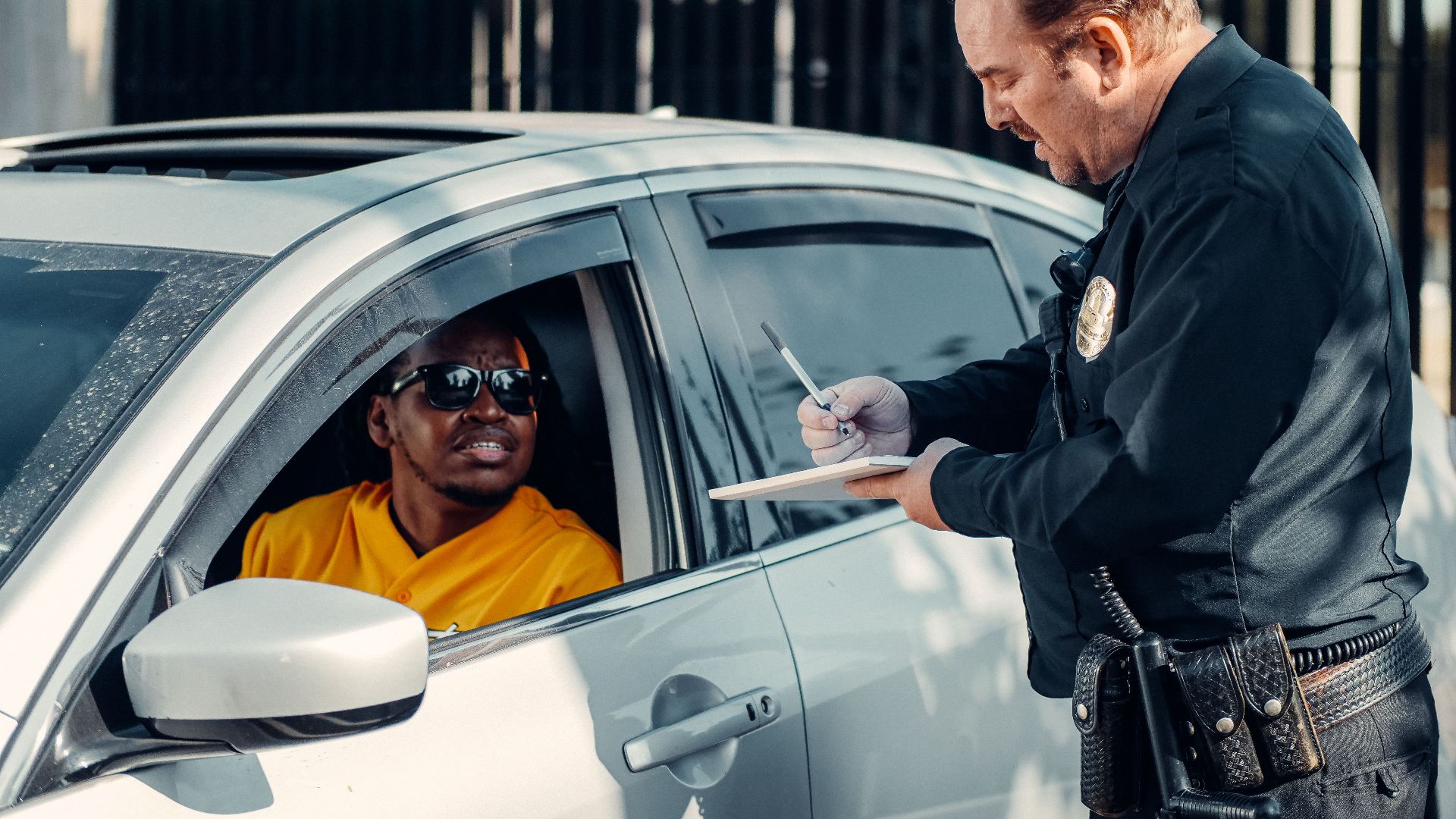
North America does not have one universal traffic code. Rules are set by states, provinces, territories, and local authorities, creating differences involving speed limits, school buses, mobile phones, winter equipment, and turning procedures. Rental-car drivers should review the regulations for every jurisdiction on their itinerary instead of assuming one set of rules applies everywhere.
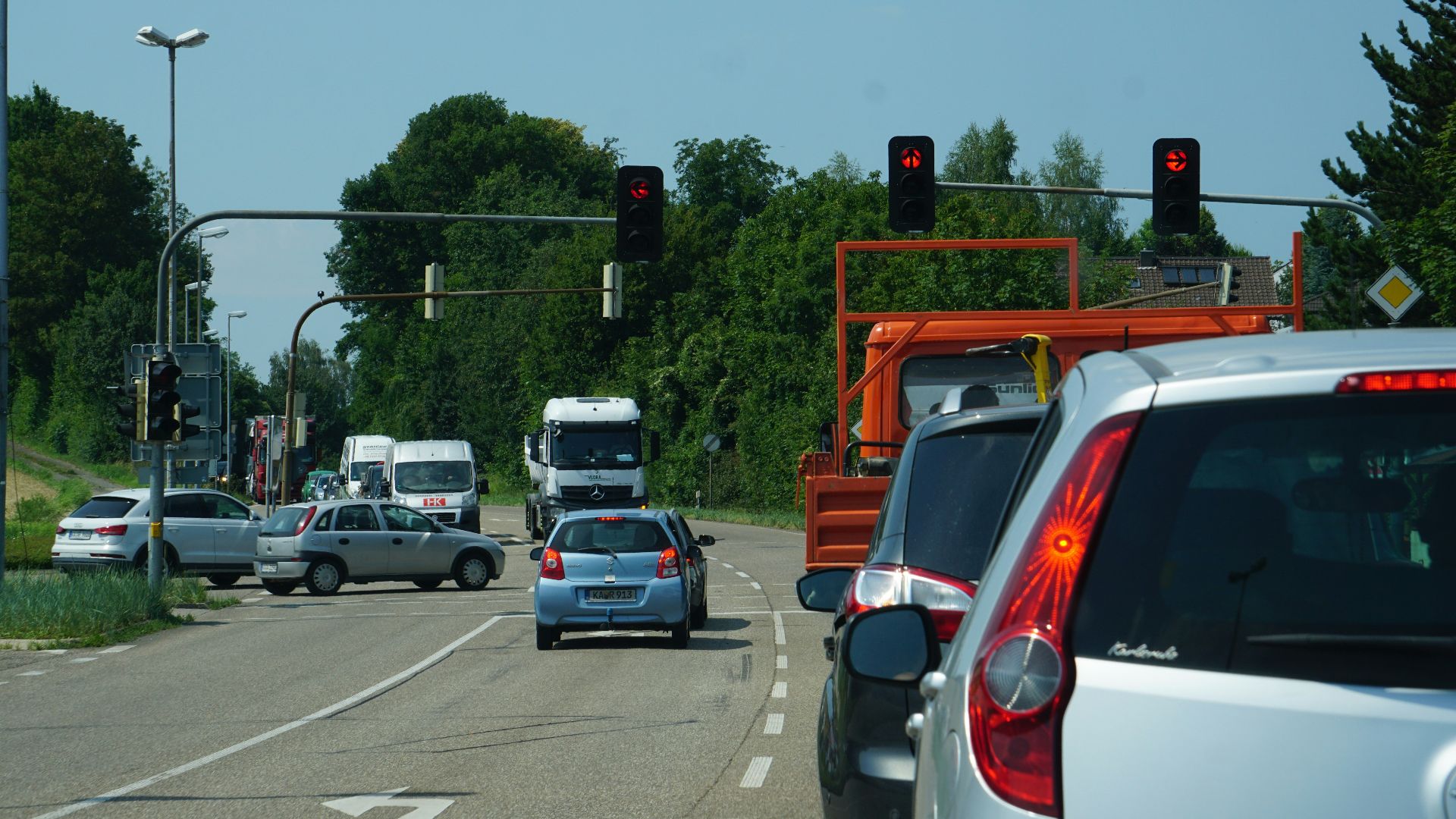
Turning Right On Red Feels Unnatural
In much of the United States and Canada, drivers may turn right at a red light after stopping unless a sign or local rule prohibits it. That maneuver can feel deeply uncomfortable to visitors from countries where red normally means no movement at all. Pedestrians should also remain alert because a driver may legally be preparing to turn across the crossing.
 Georg Arthur Pflueger, Unsplash
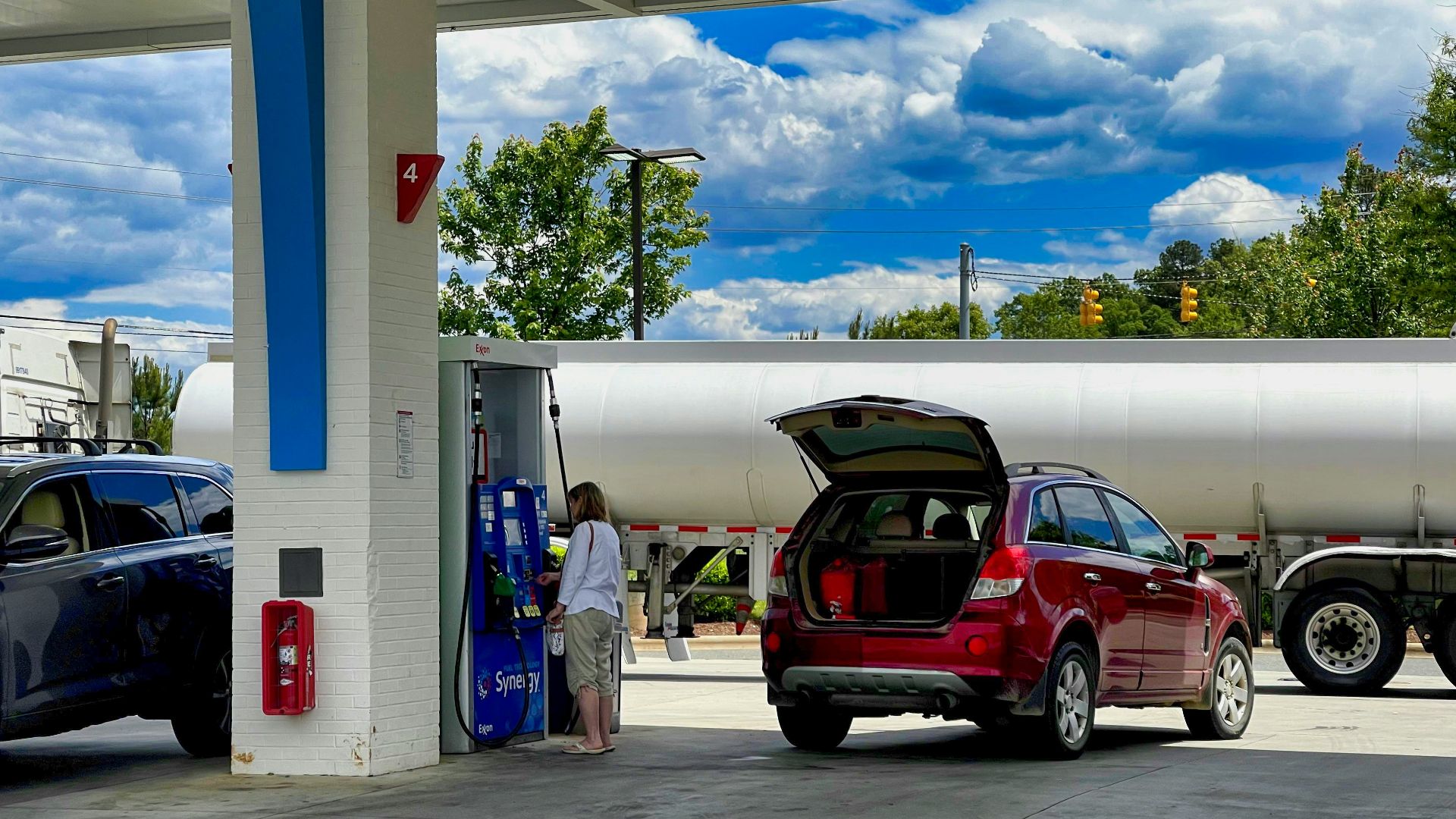
Fueling The Car Is Usually Your Job
At most North American gas stations, drivers pay at the pump or inside and then fill the tank themselves. Full-service attendants are unusual enough to become memorable when travelers encounter them. Oregon loosened its historic restrictions in 2023, although stations there must continue offering attended service under specified rules.
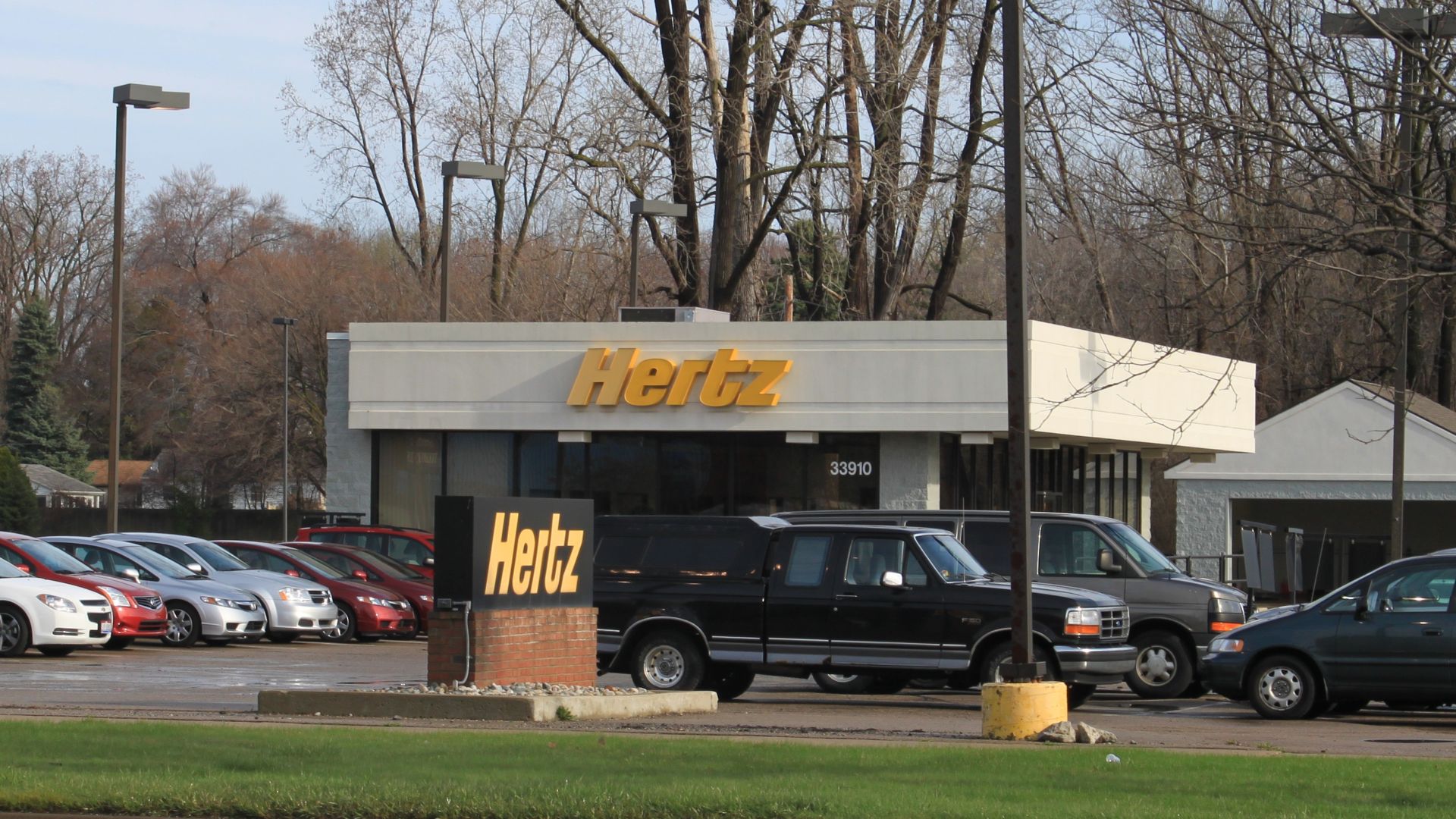
Automatic Cars Dominate Rental Lots
A European traveler who learned on a manual transmission may assume rental cars will offer the same choice. North American fleets are heavily oriented toward automatic vehicles, especially in mainstream categories. The pedals are simpler, but visitors must still become comfortable with unfamiliar road markings, larger vehicles, and local traffic rules.
 Dwight Burdette, Wikimedia Commons
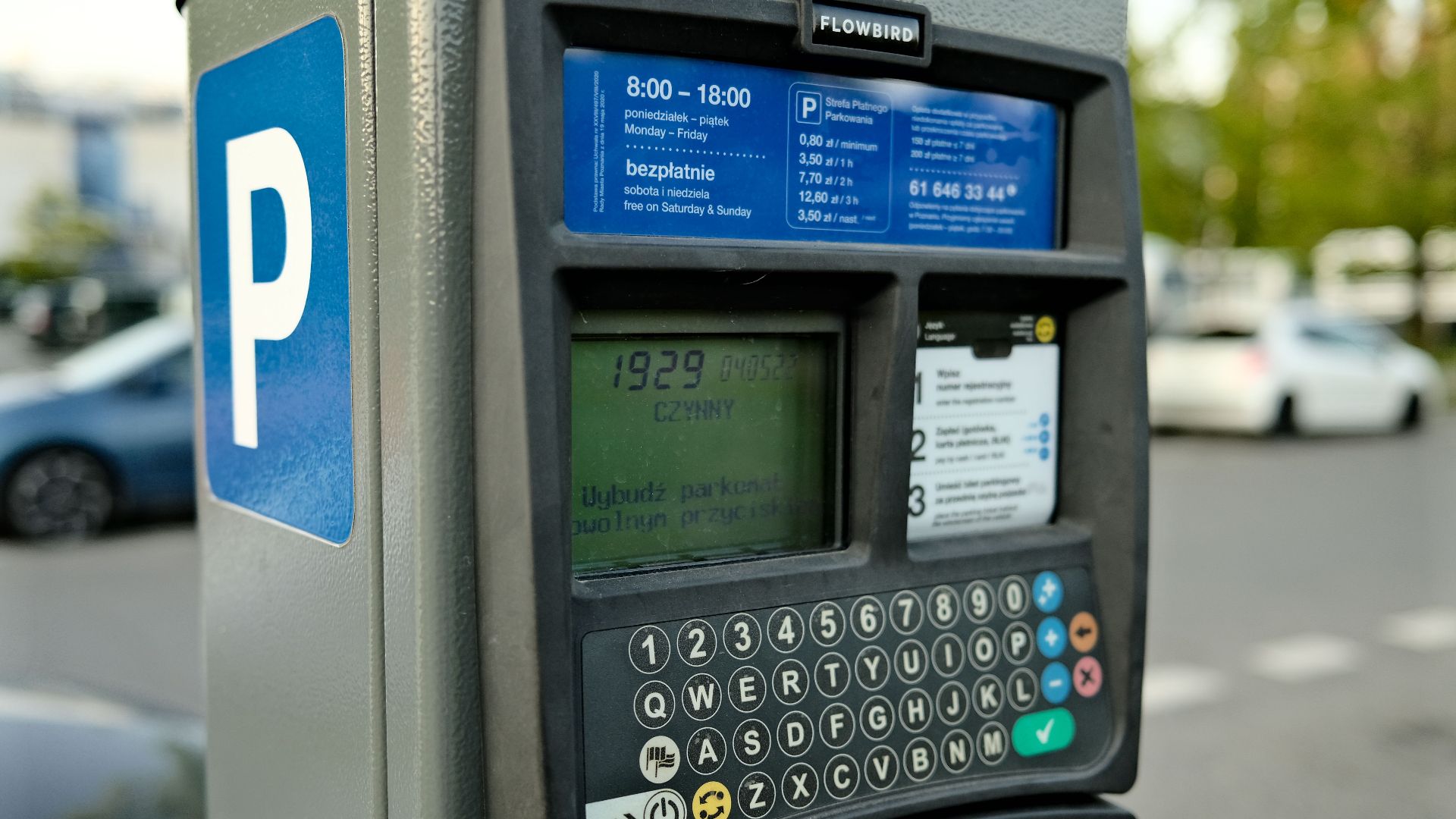
Parking Can Become A Major Expense
Hotels, attractions, downtown garages, and event venues may charge separately for parking. The fee can transform what appeared to be an affordable rental-car trip into a much more expensive itinerary. European visitors accustomed to arriving by train should compare the full cost of fuel, tolls, insurance, and parking before committing to drive everywhere.
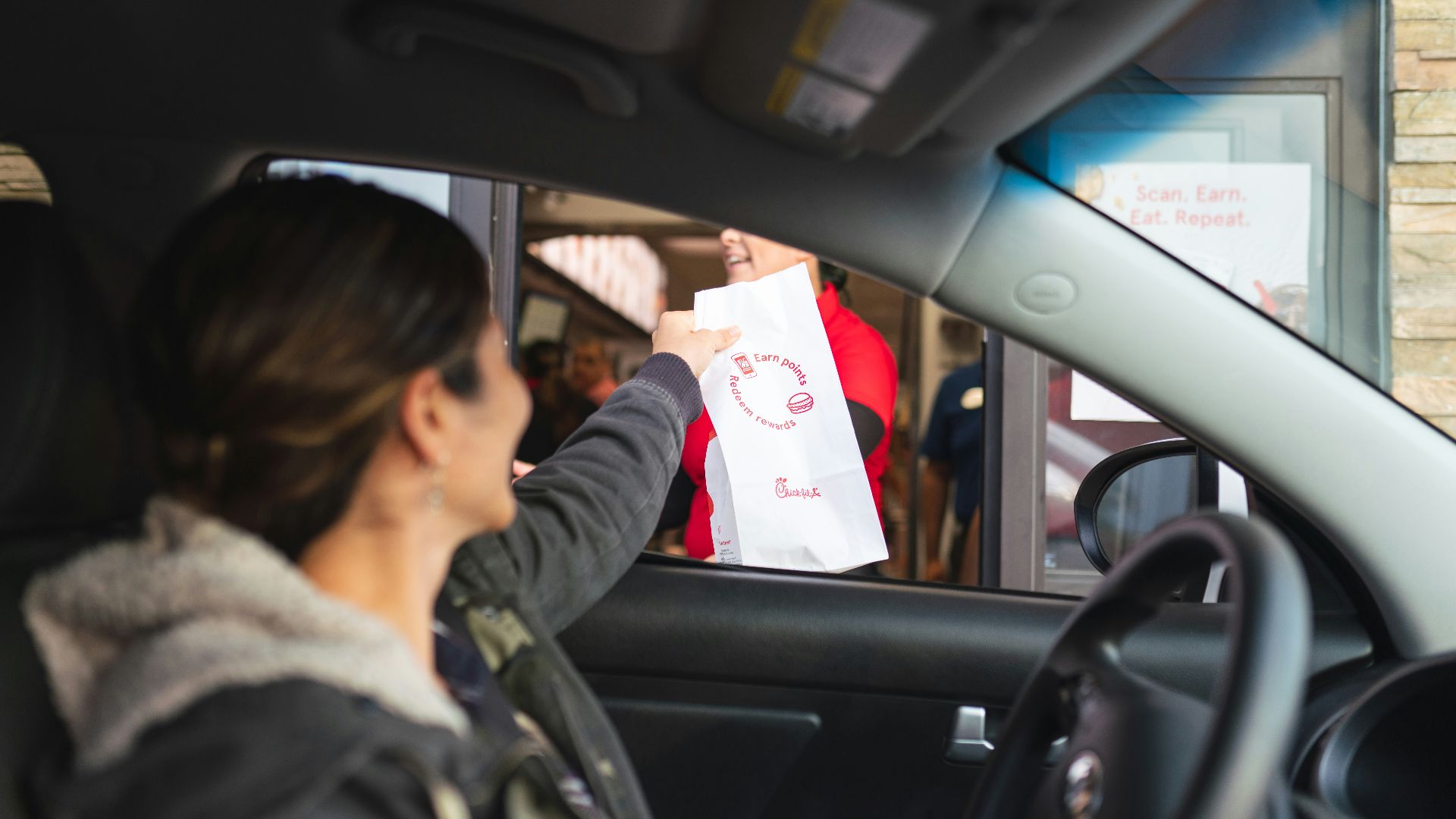
Drive-Through Service Is Not Just For Burgers
North Americans can conduct an impressive range of errands without leaving the vehicle. Depending on the community, drive-through lanes may be available for coffee, pharmacies, banks, alcohol retailers, and other services. The arrangement reflects both customer convenience and an environment built around frequent car use.
Cash Is Becoming Optional
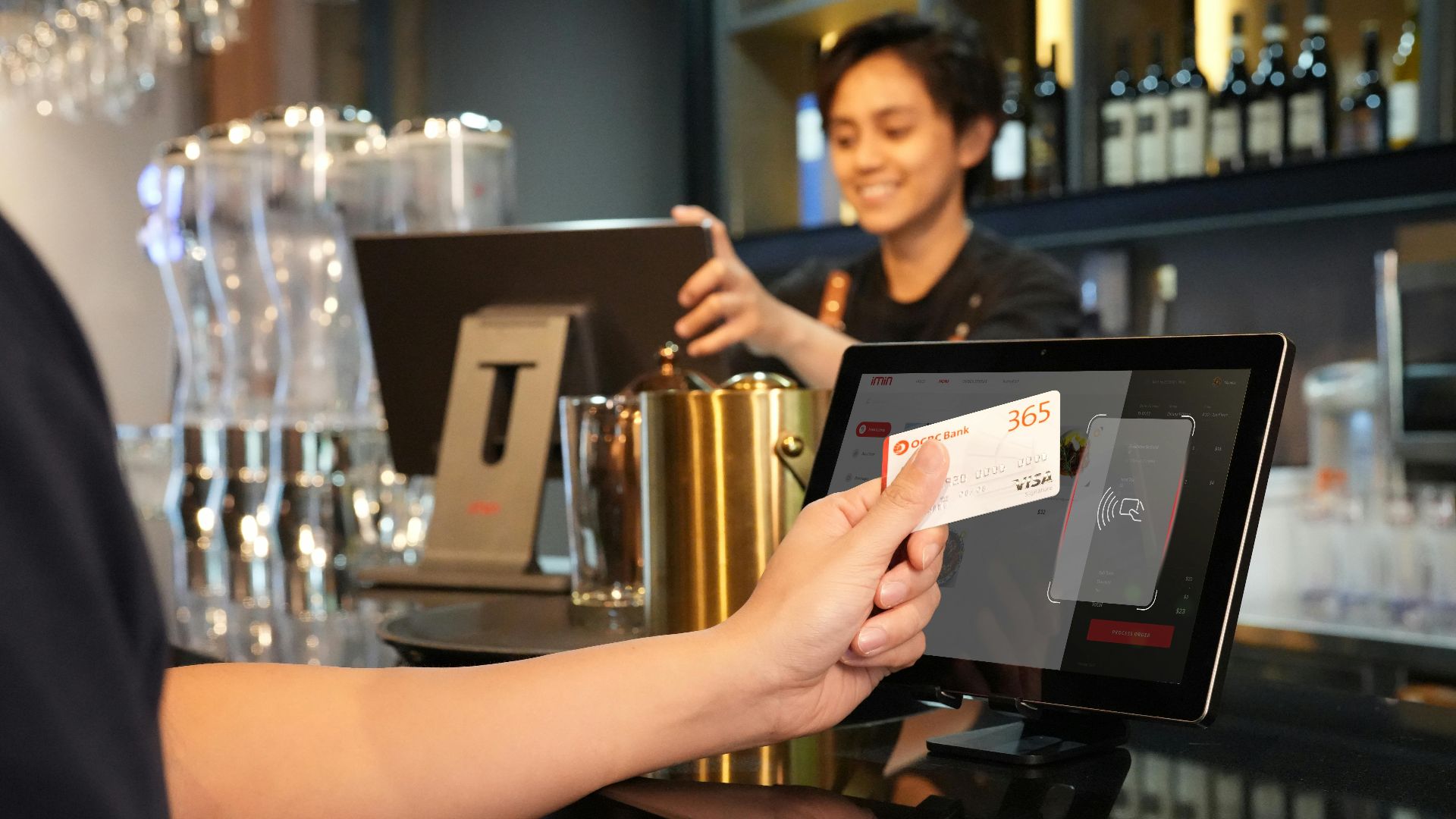
Many North American travelers use cards or digital payment methods for even very small purchases. Pew Research Center found that the share of Americans going through a typical week without using cash rose considerably over the preceding decade. Visitors should still carry some local currency, but a contactless card can be more useful than a thick bundle of bills.
Paying At The Table Works Differently
At many American restaurants, a server takes the customer’s payment card away from the table and returns with a receipt. Although portable terminals are becoming more common, the older system remains unfamiliar to Europeans accustomed to keeping the card in sight. The receipt may then require the customer to write in the tip and calculate the final total manually.

Friendly Questions Come Quickly
Servers, hotel staff, drivers, and strangers may ask where a visitor is from or how the trip is going. The exchange is generally intended as casual friendliness rather than an intrusive interrogation. Europeans from more reserved cultures may need a moment to adjust, but a short answer is usually all that is expected.

The Differences Are Part Of The Trip
North American travel habits are not uniform, and neither are European reactions to them. Practices change between cities, rural areas, states, provinces, businesses, and individual households. The easiest approach is to research the practical rules, remain curious, and enjoy the everyday differences as part of the travel experience.

You May Also Like:
Things Europeans Love About America That Americans Take For Granted
Things Americans Wish Were Normal In Europe, But Europeans Would Never Want
The World's Safest Destinations For Solo Travelers
Sources: 1, 2, 3, 4, 5, 6, 7, 8, 9, 10, 11, 12, 13, 14, 15, 16, 17, 18, 19, 20, 21, 22, 23