
When Your Vacation Turns Into Floating Store Credit
You booked the cruise, counted down the days, and probably already started shopping for tropical shirts you’d never wear anywhere else. Then the cruise line canceled the trip and handed you future cruise credits instead of a refund. The good news is that passengers do have options. The bad news is that cruise lines love making future credits sound like a glittery prize when many travelers just want their money back. Here’s what you should know before accepting that onboard “gift”.
 CrizzyStudio, www.shutterstock.com
Read The Cruise Contract Before You Panic
Cruise lines bury important cancellation rules deep inside passenger contracts. Those terms explain whether the company can legally offer credits instead of cash. Some lines promise refunds for company-caused cancellations, while others leave themselves enormous wiggle room.

The Reason For The Cancellation Matters
Mechanical failures, weather disasters, political instability, and public health emergencies all trigger different policies. A hurricane cancellation may be handled differently from a staffing issue or ship malfunction. The cruise line’s obligation often depends on what caused the sailing to disappear.

Credits Sometimes Come With Sneaky Expiration Dates
Future cruise credits often sound generous until you read the fine print. Many expire within a year or come with blackout dates, meaning travelers must rush to rebook instead of vacationing on their own schedule. Suddenly your “compensation” feels more like homework.

Refund Rules Change Between Cruise Lines
Carnival, Royal Caribbean, Norwegian, and other companies all have different cancellation policies. Some provide automatic refunds for canceled sailings, while others heavily encourage guests to accept credits by offering bonus percentages or onboard perks.
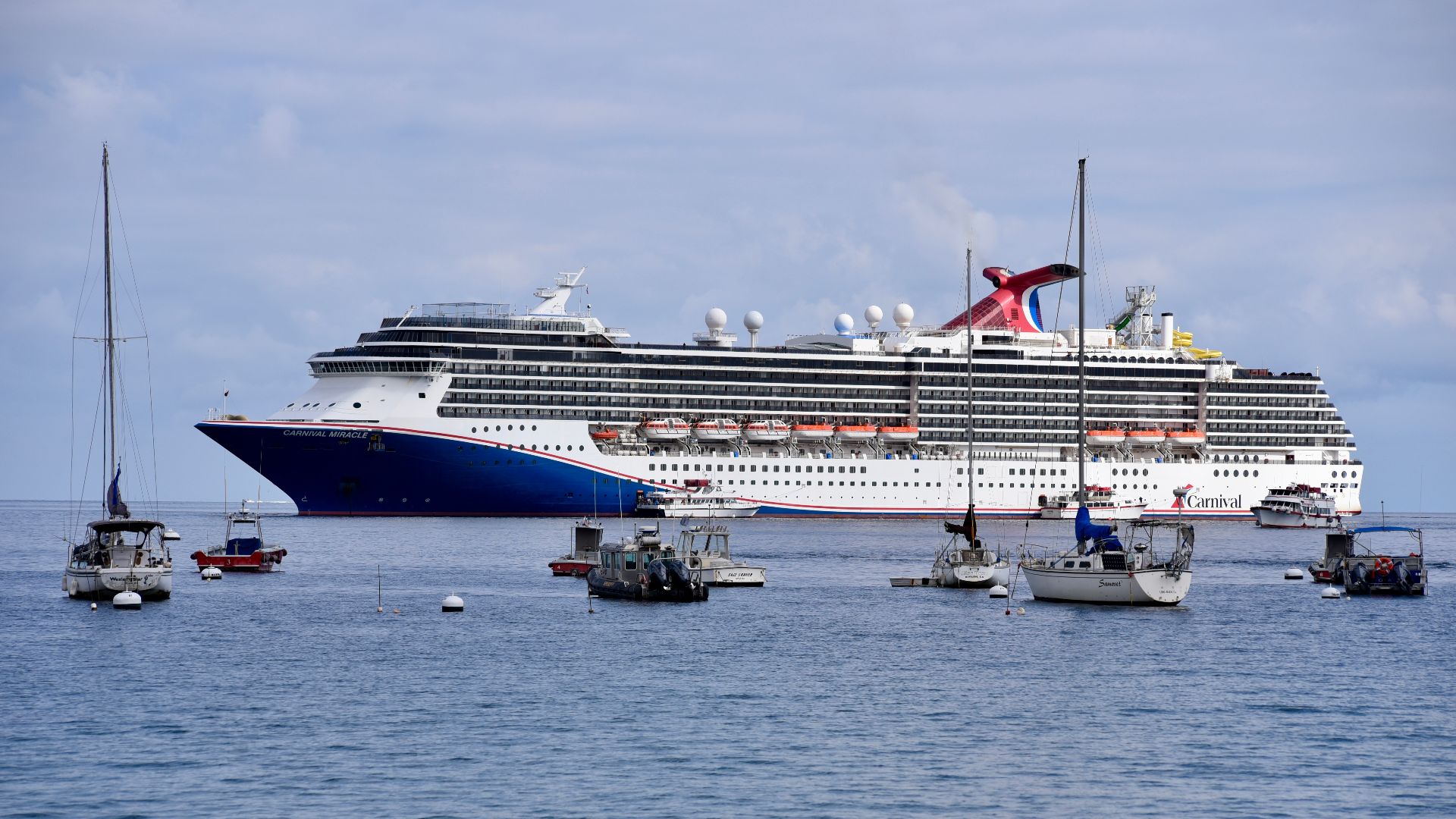 Sergey Yarmolyuk, Wikimedia Commons
Timing Can Affect Your Rights
If the cruise line cancels months before departure, policies may look different than a last-minute cancellation. Travelers stranded after booking flights and hotels often face extra headaches because those outside expenses may not automatically qualify for reimbursement.

Travel Insurance Can Save Your Wallet
Travel insurance sometimes covers non-refundable expenses connected to a canceled cruise. Policies with “cancel for any reason” coverage usually provide the strongest protection, though they cost more upfront. Standard policies may only cover cancellations tied to specific events.

Don’t Accept Credits Too Quickly
Once travelers officially accept future cruise credits, they may accidentally waive their right to demand cash later. Before clicking “accept,” read every email carefully and confirm whether taking the credit locks you into the offer permanently.

Ask For The Refund In Writing
Phone calls can disappear into customer service limbo faster than buffet shrimp on embarkation day. Send refund requests through email or certified communication whenever possible so you have proof of your request and the company’s response.

Credit Card Protections Might Help
If the cruise line refuses to cooperate, credit card chargebacks can sometimes become your backup weapon. Some card issuers allow disputes when services paid for were never delivered. Timing matters though, since dispute windows are often limited.

Keep Every Piece Of Documentation
Save cancellation emails, booking confirmations, receipts, screenshots, and chat transcripts. If you escalate the issue later, detailed records help show exactly what the cruise line promised and whether it failed to follow through.

Airlines And Hotels Complicate Everything
A canceled cruise rarely exists in isolation. Travelers may already have prepaid airfare, hotel rooms, excursions, parking, or pet boarding. Recovering those costs depends on each company’s policies and whether travel insurance applies.

Customer Service Representatives Have Limited Power
The first representative answering your call usually cannot authorize exceptions. If you hit a wall, politely escalate to supervisors or executive customer support teams. Calm persistence often works better than furious shouting.

Future Cruise Credits Aren’t Always Terrible
Sometimes credits genuinely offer better value than refunds. Cruise lines occasionally add bonus percentages, cabin upgrades, or onboard spending money to encourage rebooking. Travelers who already planned another cruise may actually come out ahead.

Watch For Refund Processing Delays
Even when refunds are approved, they may take weeks or months to appear. Cruise companies often process huge waves of cancellations at once, creating long delays that leave travelers nervously refreshing banking apps.

Government Agencies Can Sometimes Step In
The Federal Maritime Commission accepts complaints involving cruise refund disputes. Filing a complaint won’t magically summon instant cash, but it may pressure companies to respond more seriously when passengers feel ignored.
 Photo Credit: U.S. Federal Maritime Commission, Wikimedia Commons
Social Media Complaints Can Get Attention
Cruise lines hate public relations disasters almost as much as rough seas. Calmly posting factual complaints online sometimes speeds up responses because companies prefer handling problems before angry screenshots start spreading.

Booking Through A Travel Agent Can Help
Experienced travel agents often know the loopholes and escalation channels regular passengers never see. They may advocate for refunds, negotiate alternatives, or explain policy details hidden inside complicated cruise contracts.

Rebooking Isn’t Always The Same Vacation
A replacement cruise may sail from a different port, visit different destinations, or cost more than the original booking. That shiny “equivalent sailing” sometimes turns out to be equivalent in the same way frozen pizza equals Italian cuisine.

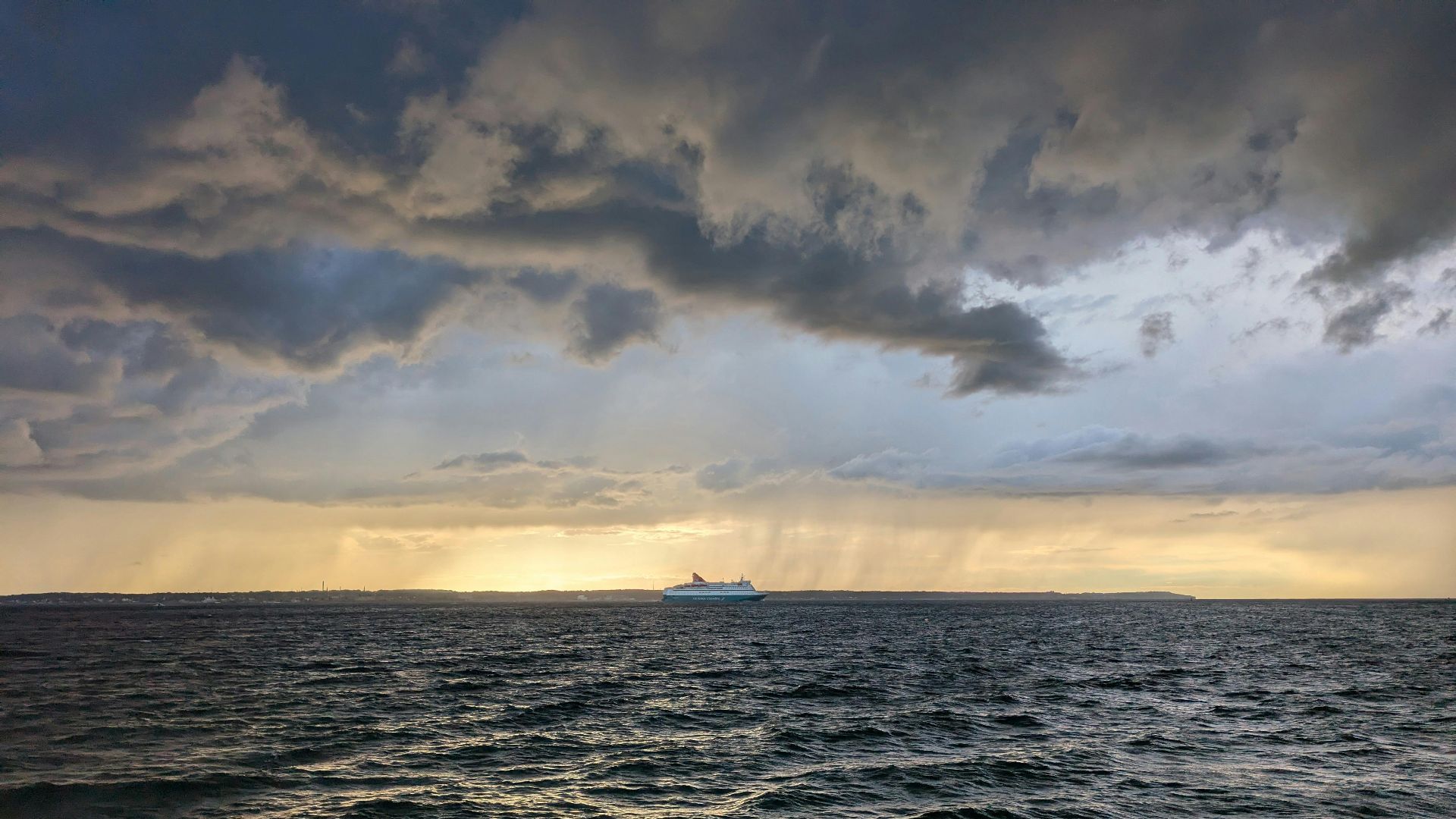
Weather Cancellations Create Gray Areas
Cruise lines usually have broad flexibility during dangerous weather events. If ports become unsafe due to hurricanes or storms, companies often rely on contract language limiting compensation beyond future credits or partial refunds.
Pandemic Policies Changed The Industry
The pandemic reshaped how cruise companies handle cancellations. Many lines shifted heavily toward future cruise credits during widespread shutdowns, creating lasting confusion among travelers about what compensation they’re truly owed.

Persistence Usually Matters Most
Passengers who stay organized, document everything, and continue escalating politely often have the best shot at recovering money. Cruise lines count on frustrated travelers giving up halfway through the process. Sometimes the biggest victory comes from simply refusing to disappear quietly.

You May Also Like: