Star Power On A Plate
If food had an Oscars ceremony, the Michelin Guide would be the Academy—and these countries would be giving very long acceptance speeches. Michelin stars aren’t handed out for good vibes or pretty plating alone. They recognize technique, consistency, creativity, and the kind of flavor that makes you pause mid-bite and reconsider your life choices.
Using the official Michelin star counts, we’re ranking the top 20 countries from 20 to 1 based on total starred restaurants. From rising culinary capitals to the undisputed heavyweights of haute cuisine, here’s where the world is eating best.
Denmark
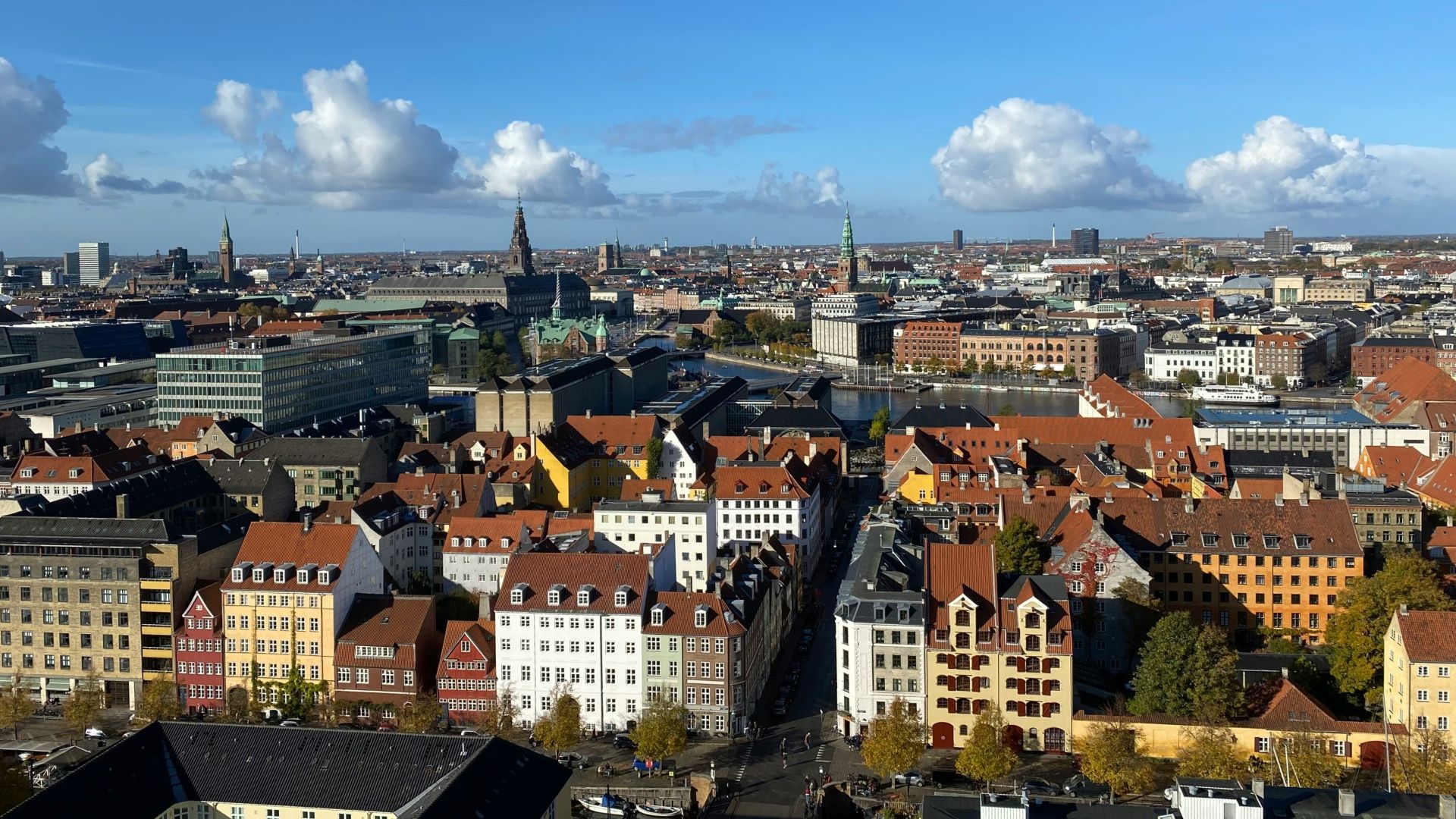
Denmark may be small, but its culinary reputation is towering. Copenhagen alone has become a pilgrimage site for serious food lovers, thanks to its hyper-seasonal New Nordic philosophy and boundary-pushing kitchens.
With 27 one-star, 8 two-star, and 3 three-star restaurants, Denmark proves that minimalism can still pack maximum flavor. Clean lines, foraged ingredients, and plates that look like modern art? Yes, please.
Canada
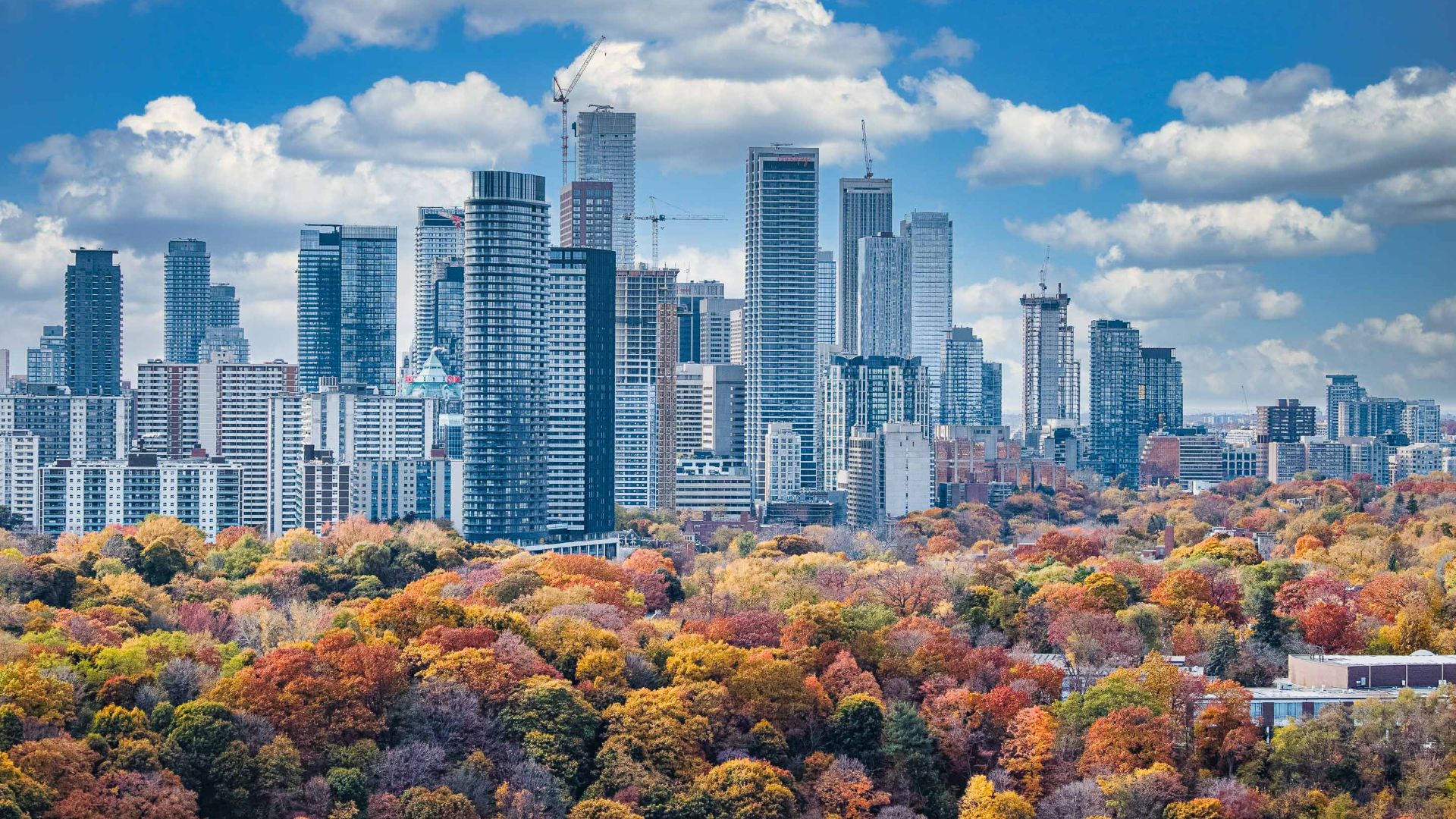
Canada matches Denmark in total stars but takes a different culinary path. With 36 one-star and 2 two-star restaurants, its Michelin presence is largely driven by multicultural cities like Toronto and Vancouver.
Canadian fine dining thrives on global influence—French technique meets Asian precision meets local produce. The result? A scene that feels fresh, inclusive, and deliciously ambitious.
 Randolph Croft, Wikimedia Commons
South Korea
South Korea’s culinary ascent has been nothing short of thrilling. Seoul’s dining scene blends centuries-old fermentation traditions with sleek, modern tasting menus.
With 30 one-star, 8 two-star, and 1 three-star restaurant, Korea’s chefs are proving that bold flavors and refined technique are not mutually exclusive—they’re magic together.
 cloud.shepherd, Wikimedia Commons
Singapore
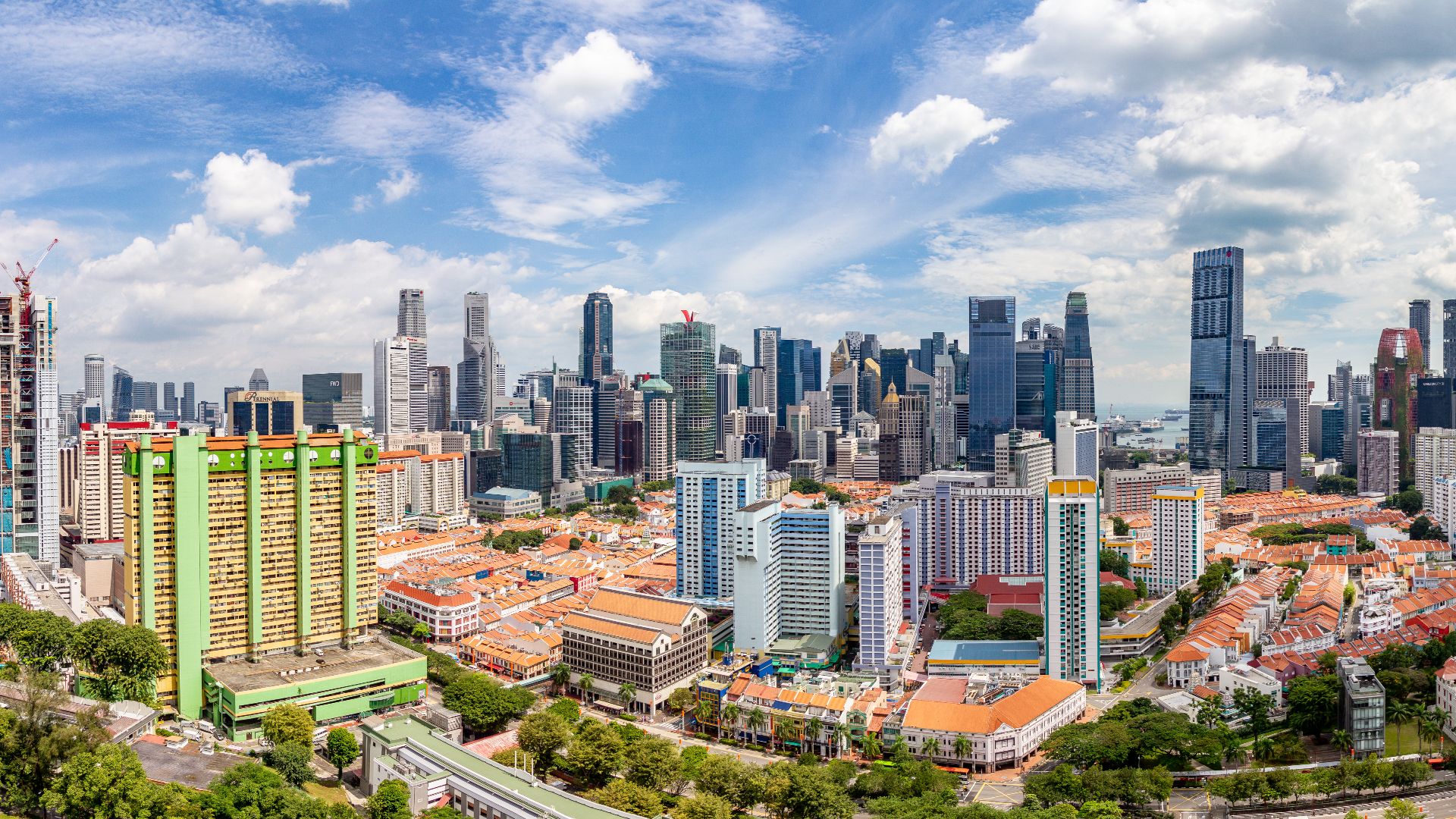
Singapore punches far above its weight. This compact food capital boasts 30 one-star, 7 two-star, and 3 three-star restaurants.
Where else can you find hawker-inspired dishes sharing the spotlight with ultra-luxury tasting menus? Singapore’s dining scene is a joyful collision of cultures—and it works beautifully.
 Aatu Dorochenko, Wikimedia Commons
Portugal
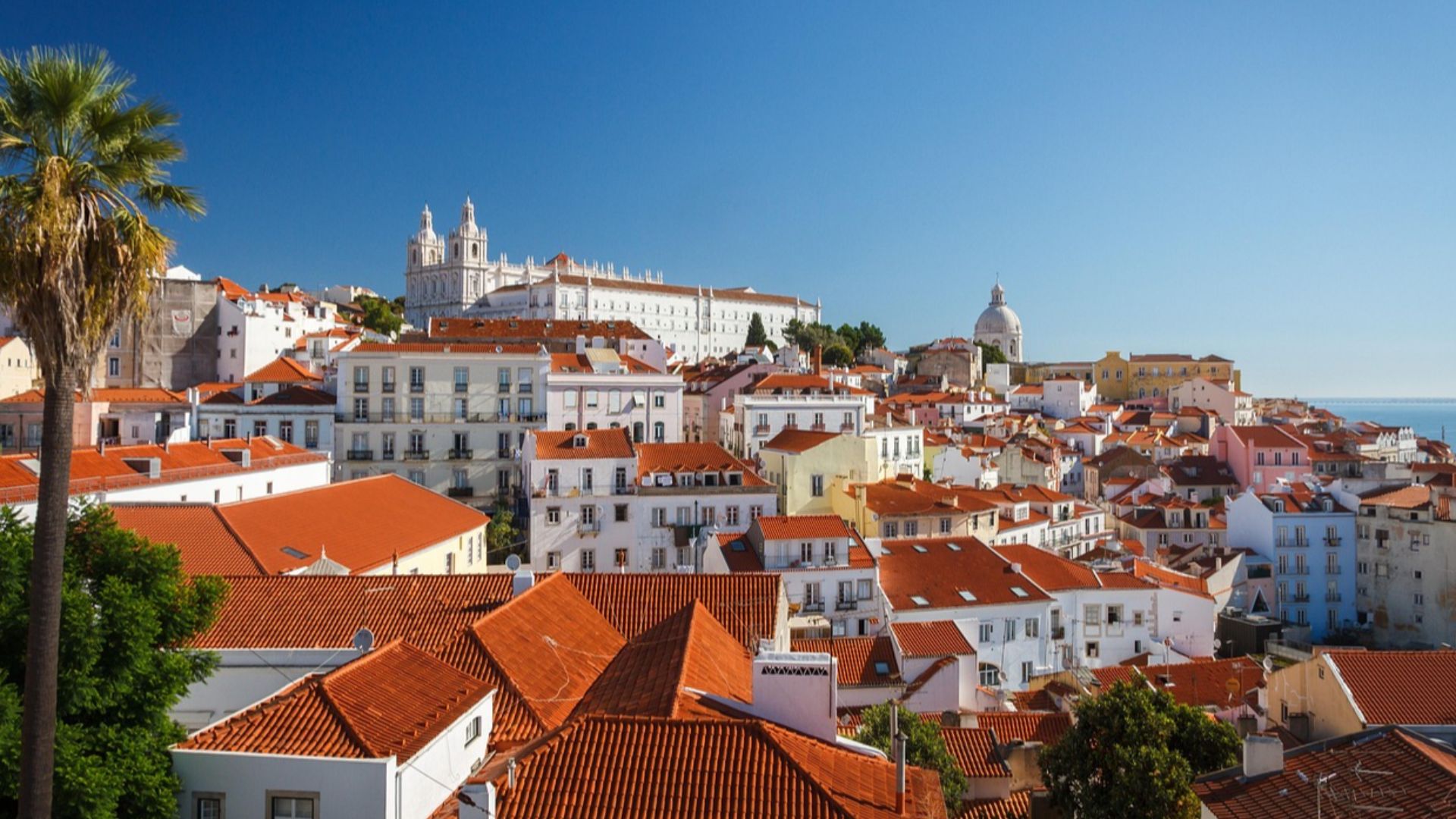
Portugal’s star is rising—literally. With 38 one-star and 8 two-star restaurants, its culinary scene celebrates seafood, sunshine, and soulful simplicity.
Lisbon and Porto are leading the charge, turning rustic coastal traditions into elegant plates that still taste like home. Portugal feels warm, generous, and quietly confident.
Taiwan
Taiwan’s 43 one-star, 7 two-star, and 3 three-star restaurants reflect a food culture obsessed with balance and depth.
From delicate dumplings to intricate tasting menus, Taiwanese cuisine honors tradition while embracing modern precision. It’s the kind of place where texture, aroma, and flavor all get equal billing.

Hong Kong
Hong Kong’s dining scene is legendary—and the numbers back it up. With 57 one-star, 11 two-star, and 7 three-star restaurants, it’s one of Asia’s glittering culinary hubs.
Classic Cantonese cuisine sits comfortably beside French fine dining and global fusion. The energy is fast, the flavors are bold, and the standards are sky-high.

Austria
Austria brings elegance to the table. With 60 one-star, 18 two-star, and 2 three-star restaurants, it’s more than schnitzel and strudel.
Vienna in particular balances imperial tradition with modern finesse. The result is food that feels timeless—but never boring.
 Sharon Hahn Darlin, Wikimedia Commons
Netherlands
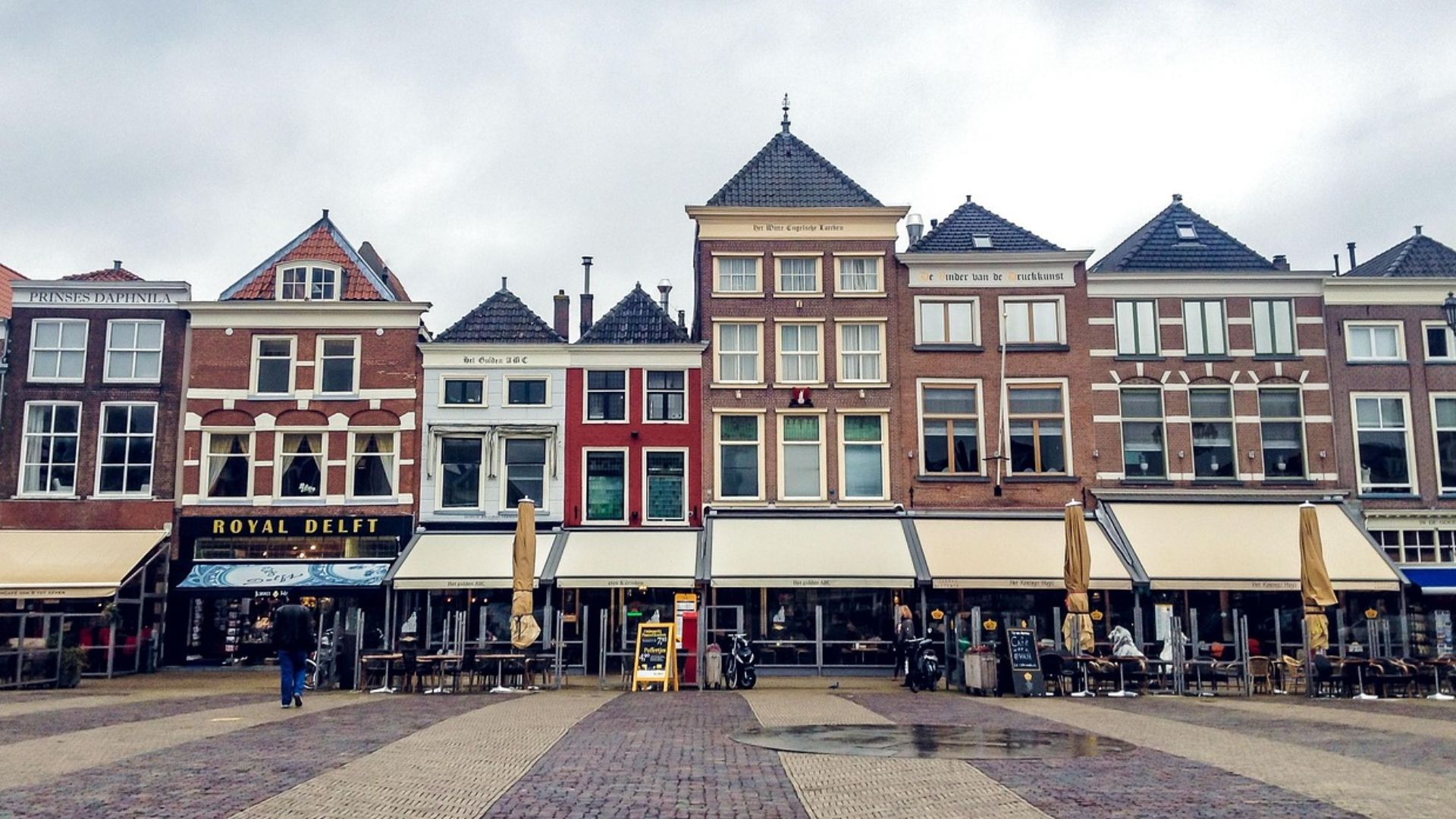
The Netherlands boasts 98 one-star, 20 two-star, and 1 three-star restaurant. Dutch chefs have mastered the art of refinement without losing personality.
Expect creative presentations, precise technique, and a playful spirit that keeps things interesting. Subtle? Sometimes. Memorable? Absolutely.
Belgium
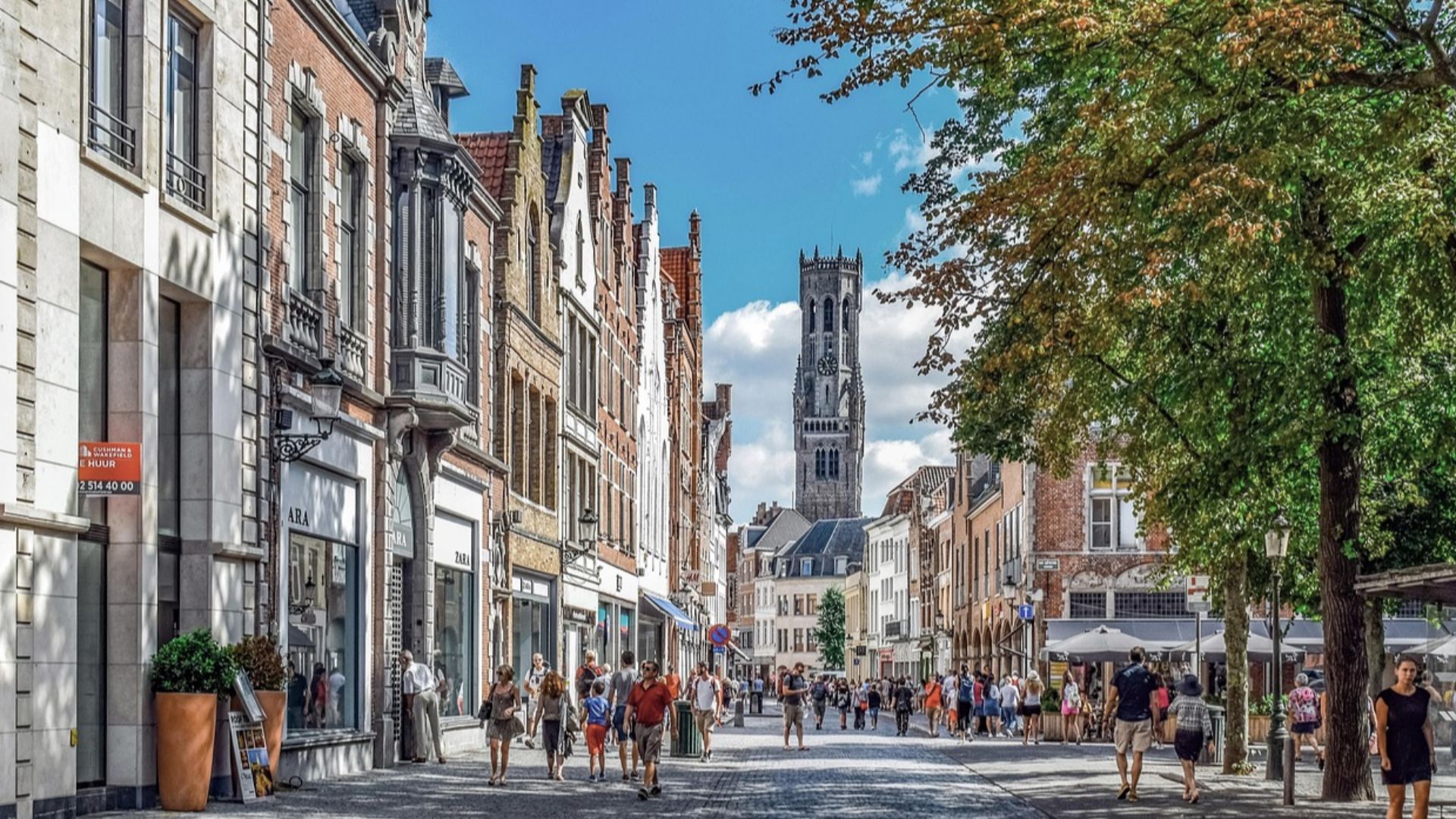
Belgium is often overshadowed by its neighbors—but not in the Michelin universe. With 109 one-star, 18 two-star, and 2 three-star restaurants, it’s a serious culinary contender.
Belgian chefs embrace indulgence—rich sauces, pristine seafood, and impeccable desserts. It’s refined comfort food at its finest.
China
China’s 114 one-star, 21 two-star, and 3 three-star restaurants reflect staggering regional diversity. From fiery Sichuan cuisine to delicate Cantonese dishes, the range is extraordinary.
Fine dining here doesn’t erase tradition—it elevates it. Every region brings something distinct to the table, and Michelin has taken notice.
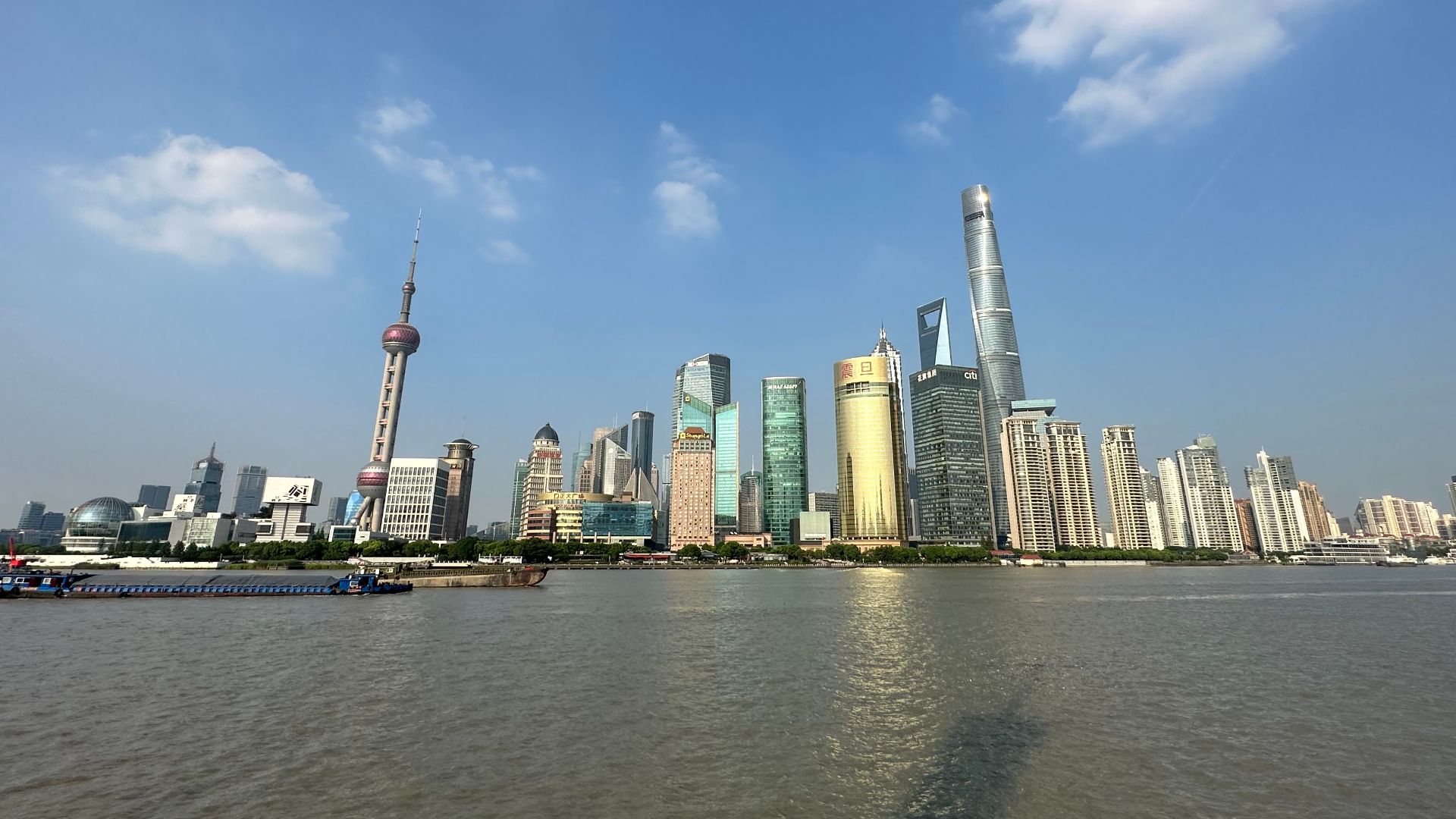 A Chinese ID, Wikimedia Commons
Switzerland
Switzerland quietly dominates with 112 one-star, 27 two-star, and 4 three-star restaurants.
Precision isn’t just for watches—it’s for kitchens too. Swiss chefs combine alpine ingredients with international flair, creating plates that are as exacting as they are delicious.

United Kingdom
The UK has undergone a culinary renaissance. With 161 one-star, 22 two-star, and 10 three-star restaurants, it’s now one of Europe’s dining powerhouses.
London leads the way, but excellence stretches far beyond the capital. Tradition meets innovation—and the results are impressive.

United States
The U.S. delivers 224 one-star, 36 two-star, and 16 three-star restaurants. From New York’s precision-driven tasting menus to California’s ingredient-forward cuisine, America’s diversity is its strength.
There’s no single “American cuisine”—and that’s exactly why it thrives. Bold, eclectic, and unapologetically creative, the U.S. has carved out a major place in the Michelin world.

Spain
Spain’s 235 one-star, 32 two-star, and 16 three-star restaurants tell a story of fearless experimentation.
From molecular gastronomy pioneers to deeply rooted regional cooking, Spain balances avant-garde brilliance with rustic soul. Few countries have reshaped modern fine dining quite like this one.

Germany
Germany boasts 278 one-star, 46 two-star, and 12 three-star restaurants. Precision and discipline shine here, but so does creativity.
Hearty traditions meet sleek innovation, resulting in a dining scene that’s far more dynamic than stereotypes suggest.
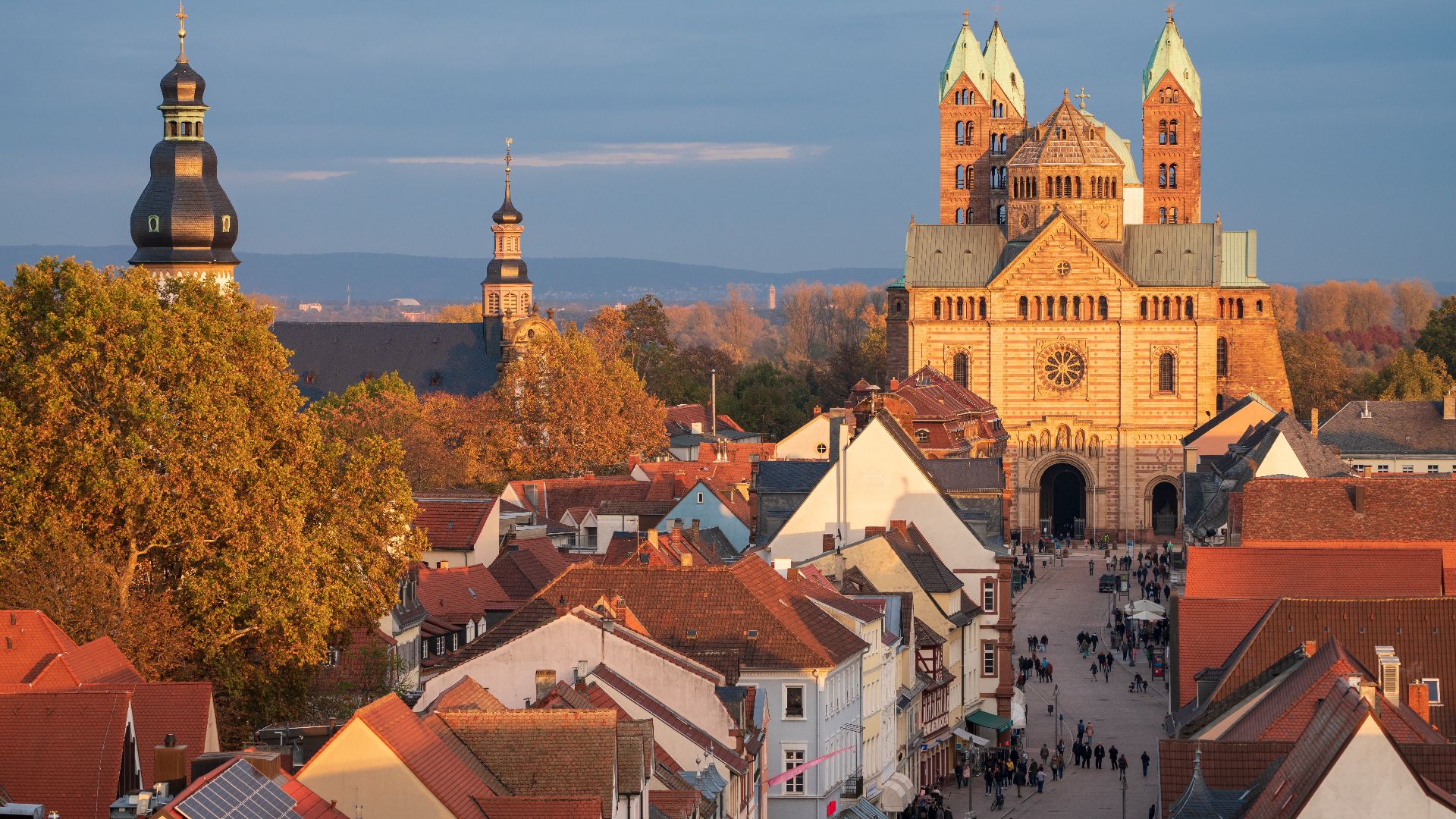 Roman Eisele, Wikimedia Commons
Japan
Japan’s 274 one-star, 57 two-star, and 20 three-star restaurants make it one of the most decorated culinary nations on Earth.
From sushi counters to kaiseki temples of flavor, Japanese cuisine celebrates restraint, balance, and obsessive attention to detail. Every movement in the kitchen feels intentional—and it tastes that way too.

Italy
Italy pairs 324 one-star, 38 two-star, and 14 three-star restaurants with a culinary heritage that needs no introduction.
Pasta, risotto, seafood, truffles—Italian cuisine is beloved worldwide. Yet at the Michelin level, it transforms into something even more extraordinary: tradition elevated without losing heart.

United Arab Emirates
With 385 one-star, 58 two-star, and 26 three-star restaurants, the UAE has rapidly emerged as a luxury dining giant.
Dubai and Abu Dhabi attract global talent, blending Middle Eastern influences with international sophistication. It’s ambition on a plate—and it sparkles.

France
France reigns supreme with 530 one-star, 80 two-star, and 31 three-star restaurants. It’s the spiritual home of Michelin—and it shows.
French cuisine is technique-driven, tradition-rich, and endlessly influential. From Parisian palaces to countryside inns, France doesn’t just participate in fine dining—it defines it.

The Final Bite
Michelin stars don’t tell the entire story of a country’s food culture—but they do highlight where culinary excellence thrives at the highest level. From Denmark’s Nordic precision to France’s timeless mastery, these 20 nations prove that unforgettable meals are worth traveling for.
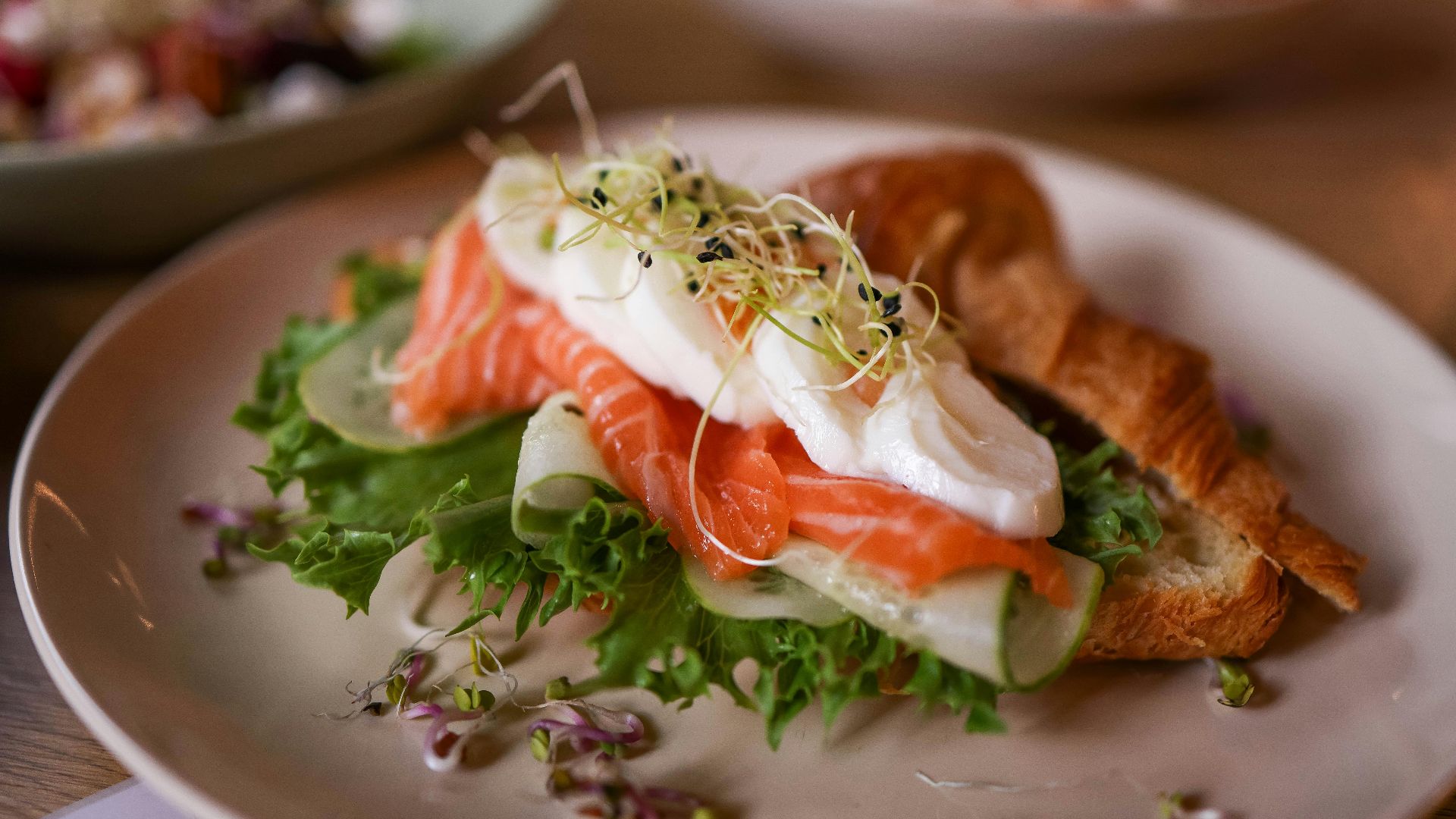
Hungry yet?
You May Also Like:
Top Three Hotels For Adventurers
Solo Travel: How To Make The Journey Alone
What Flight Attendants Wish All Travelers Knew
Source: 1