


The Temptation Of The Cheap Business-Class Deal
You spot a business-class fare that looks too good to be true. The catch is that it departs from a different city. Before you book, it is worth slowing down and doing the math.

Why These Deals Exist In The First Place
Airlines price tickets based on competition, demand, and local markets. A nearby city might have more airline competition or lower taxes. That can lead to dramatically cheaper premium fares.
What A Positioning Flight Really Is
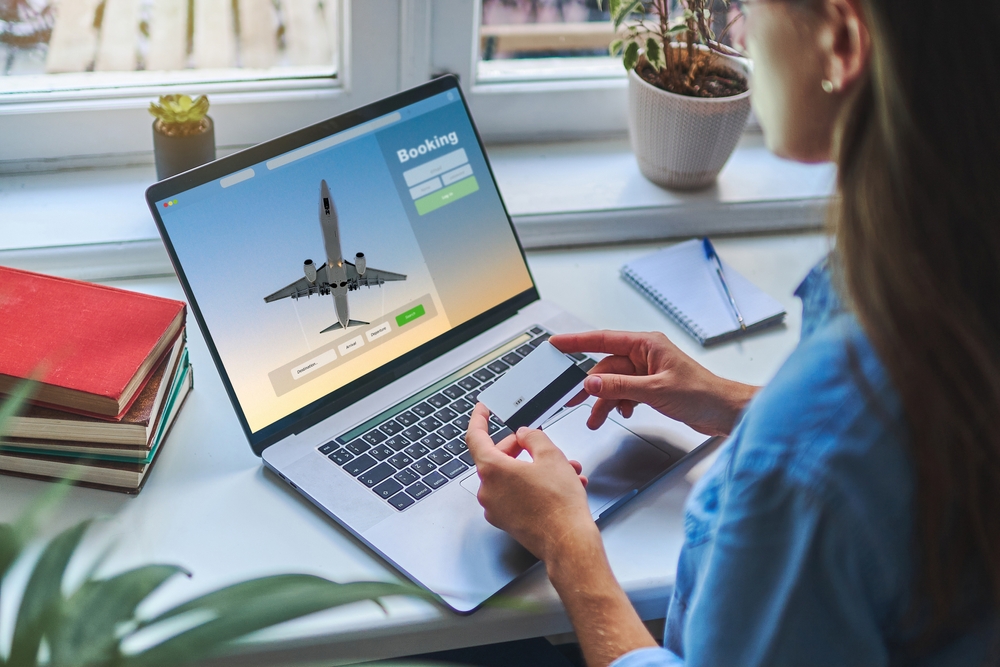
A positioning flight is a separate ticket that gets you to the city where your main trip begins. It is not connected to your long-haul booking. That separation creates both opportunity and risk.
 WANGBI Leiams, Wikimedia Commons
Start With The True Total Cost
Add the price of the positioning flight to the cost of the business-class ticket. Include baggage fees, seat selection, and airport transfers if needed. Sometimes the savings disappear once everything is added up.

Do Not Forget About Time Costs
A cheaper fare often means extra travel time. You may need to leave a day earlier or arrive home later. Decide whether the time trade-off feels reasonable for you.

The Biggest Risk Is Missed Connections
If your positioning flight is delayed, the airline is not obligated to help you. Your long-haul ticket can be canceled if you miss check-in. This risk is the number one reason travelers hesitate.

Build In A Safety Buffer
Whenever possible, arrive in the departure city the day before. An overnight buffer dramatically reduces stress. It also gives you more options if something goes wrong.

Same-Day Positioning Is Risky
Flying in on the same day can work, but it is a gamble. Even short delays can derail your plans. This approach is best left to very experienced travelers.

Look Closely At Baggage Rules
Different airlines have different baggage policies. A cheap domestic ticket may charge for carry-on or checked bags. Make sure your luggage plan works across both flights.

Think About Overnight Costs
Hotels near airports can add to your expenses. Factor in lodging, meals, and transportation. Sometimes a modest hotel stay is still worth the overall savings.

Check The Departure Airport Experience
Some airports are far easier to navigate than others. A complex airport can increase stress during a tight connection. Ease of travel matters, especially before a long flight.
 Nina L/peopleimages.com, Adobe Stock
Consider The Return Trip Carefully
Your return may land in the original departure city, not your home airport. You will need another positioning flight to get back. Make sure the return timing works just as well as the outbound.

Weather And Seasonal Risks Matter
Winter weather increases the risk of delays in many regions. Storm seasons can also disrupt flights. Seasonal reliability should factor into your decision.

Elite Status And Lounge Access Can Help
Frequent flyers may have priority rebooking or lounge access. Lounges can make long waits more comfortable. Status does not eliminate risk, but it can soften the blow.
 andreyandreevphotography, Shutterstock
Travel Insurance Is Worth Reviewing
Some policies cover missed connections on separate tickets. Many do not. Read the fine print carefully before relying on insurance as a safety net.

Credit Cards With Trip Protection
Certain premium credit cards offer limited protection for delays or missed flights. Coverage varies widely. Use this as a backup, not a guarantee.

When The Savings Are Truly Worth It
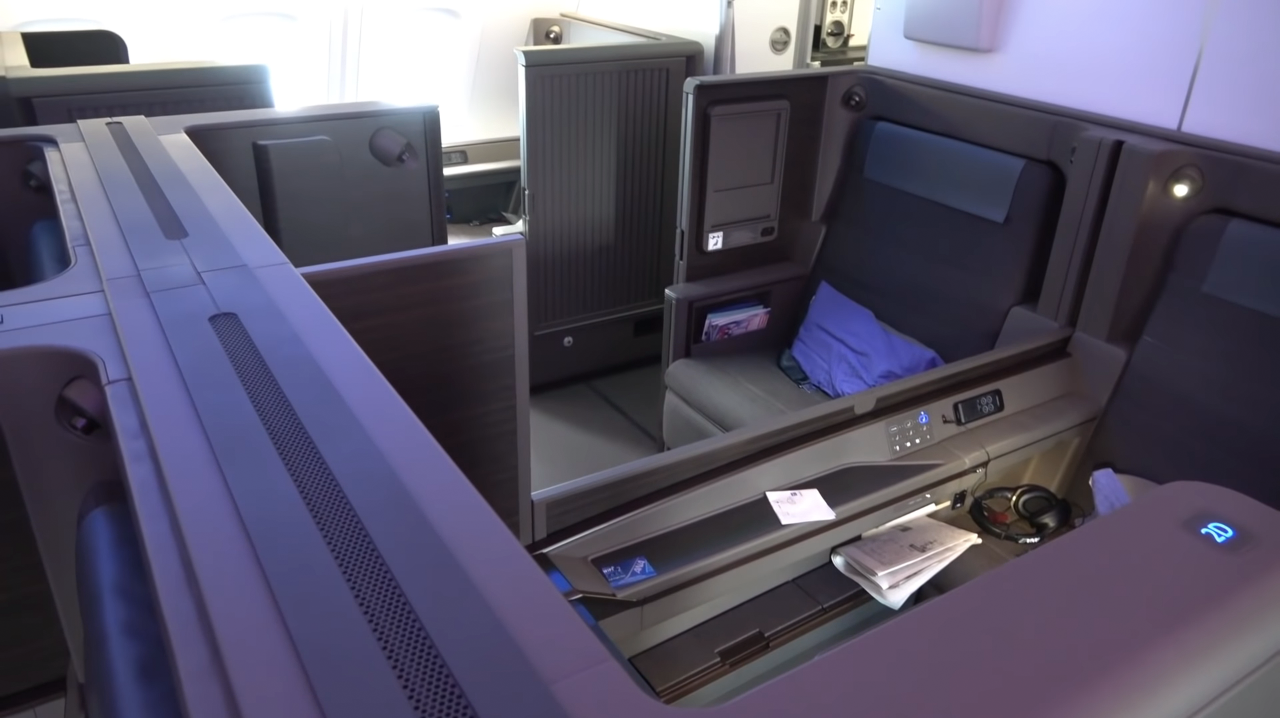
Large savings on long-haul business class can justify the effort. This is especially true for flights over eight hours. Comfort, sleep, and arrival quality have real value.
 Suit Travel, CC BY 3.0, Wikimedia Commons
When It Probably Is Not Worth The Hassle
Small savings rarely justify extra complexity. If you save only a few hundred dollars, the stress may outweigh the benefit. Simplicity has its own value.

Couples And Groups Should Be Extra Careful
Coordinating multiple people increases risk. Rebooking several travelers is harder and more expensive. Groups should plan even larger buffers.

Solo Travelers Have More Flexibility
Traveling alone makes it easier to adapt if plans change. One seat is easier to rebook than four. Solo travelers often benefit most from positioning flights.
International Versus Domestic Positioning
International positioning adds immigration and customs into the mix. That can increase risk and time. Domestic positioning is usually simpler and more predictable.
Red-Eye And Early Morning Flights
Early flights are often more on time than late ones. Red-eyes can be efficient but exhausting. Choose options that leave room for error.

Tools That Can Help You Decide
Flight tracking apps and historical on-time data are useful. They show which routes are most reliable. Data-driven decisions reduce guesswork.
A Simple Rule Of Thumb
If you can arrive the day before and still save significantly, it is often worth considering. If you must cut things close, think twice. Peace of mind is part of the travel experience.
Final Takeaway For Smart Travelers
Positioning flights can unlock incredible value in business class. They require planning, patience, and flexibility. For the right trip, they can be absolutely worth it.
 Mihailomilovanovic, Getty Images






.png)