
Should I?
You don’t expect a routine border check to turn into something like this. But one reader says that’s exactly what happened.
A border agent found more than $10,000 in their bag—money they didn’t declare. Then instead of filing anything or confiscating it, he allegedly took $2,500…and let them go.
Now the question isn’t just what happened, it’s what to do next. And whether staying quiet is the safer move.

The Situation, Exactly As It Happened
The reader says they were carrying just over $10,000 in cash when re-entering the country. They didn’t declare it. During inspection, a border agent found the money, then allegedly took $2,500 and allowed them to leave without filing anything officially.
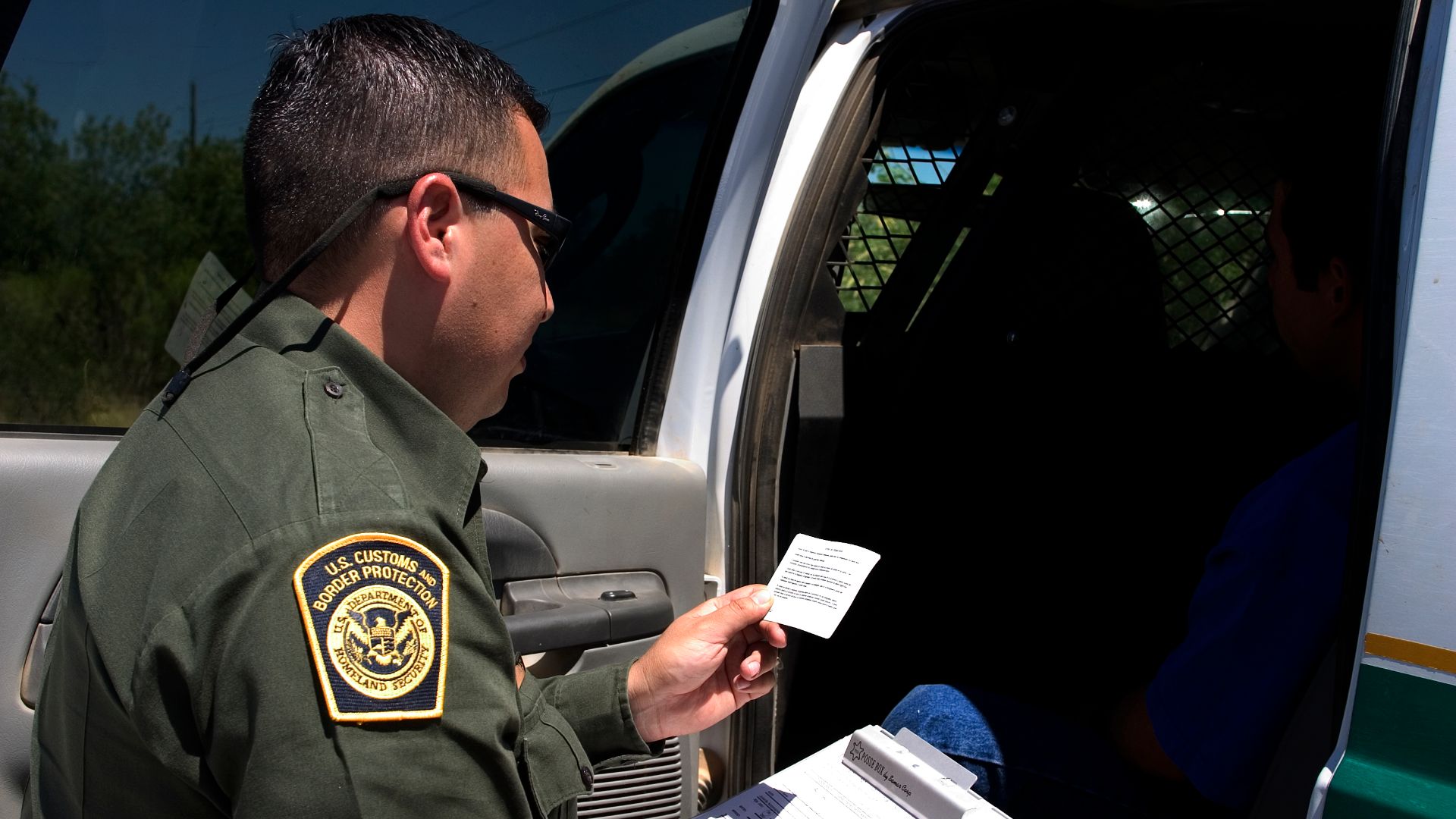 Gerald L. Nino, CBP, U.S. Dept. of Homeland Security, Wikimedia Commons
First Things First. Was This Even Illegal?
Yes, sort of. In the U.S., carrying more than $10,000 across the border is legal. The problem is failing to report it. CBP says amounts over $10,000 must be declared when entering or leaving the United States.

What The Law Actually Says
Travelers entering or leaving the U.S. with more than $10,000 in currency or other monetary instruments must report it to CBP and file FinCEN Form 105. The rule is based on the aggregate amount being transported. CBP also says a family filing a joint declaration must declare if they are collectively carrying more than $10,000, and any individual family member carrying over $10,000 must file FinCEN Form 105.
It is also not limited to paper cash. CBP and FinCEN include currency, traveler’s checks, money orders, and certain negotiable instruments in the reporting rule.

What Happens If You Don’t Declare It?
CBP says penalties for noncompliance can include civil penalties, seizure of the currency, and even arrest in some cases. Federal forfeiture law also allows property to be pursued through civil or administrative forfeiture processes, which are separate from a criminal conviction.
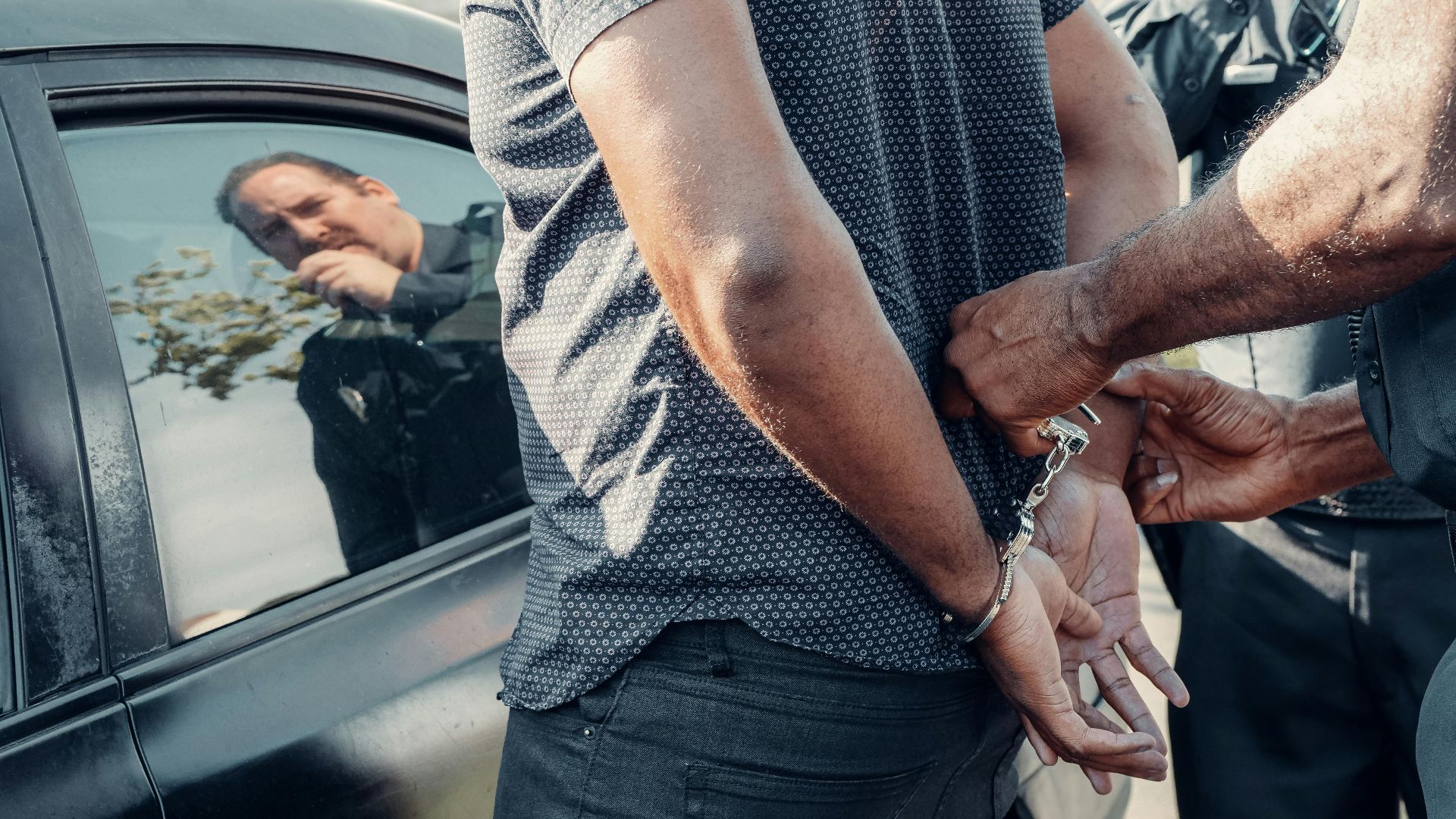
And Yes, They Really Do Take It
This is not some obscure rule that never gets enforced. CBP publishes a currency-seizure dashboard, and a recent CBP release said officers and agents seized an average of $152,418 in unreported or illicit currency every day during fiscal year 2024. That works out to roughly $55.6 million over a full year.
And yes, the whole amount can be at risk. The reporting obligation is triggered once the transported total exceeds $10,000, and forfeiture proceedings can target the seized property itself, not just the amount over the threshold.

Why This Feels Like A ‘Lucky Escape’
From the traveler’s perspective, it might feel like they dodged a worse outcome. Losing $2,500 hurts, but official seizure of the entire reported amount, or at least a much bigger legal mess, is very much on the table in undeclared-currency cases.

So…What About This Agent?
If the story is accurate, the agent’s behavior would be extremely serious. CBP is a federal law-enforcement agency, and DHS OIG says it investigates border corruption, bribery, acceptance of gratuities, and other criminal misconduct involving DHS personnel.
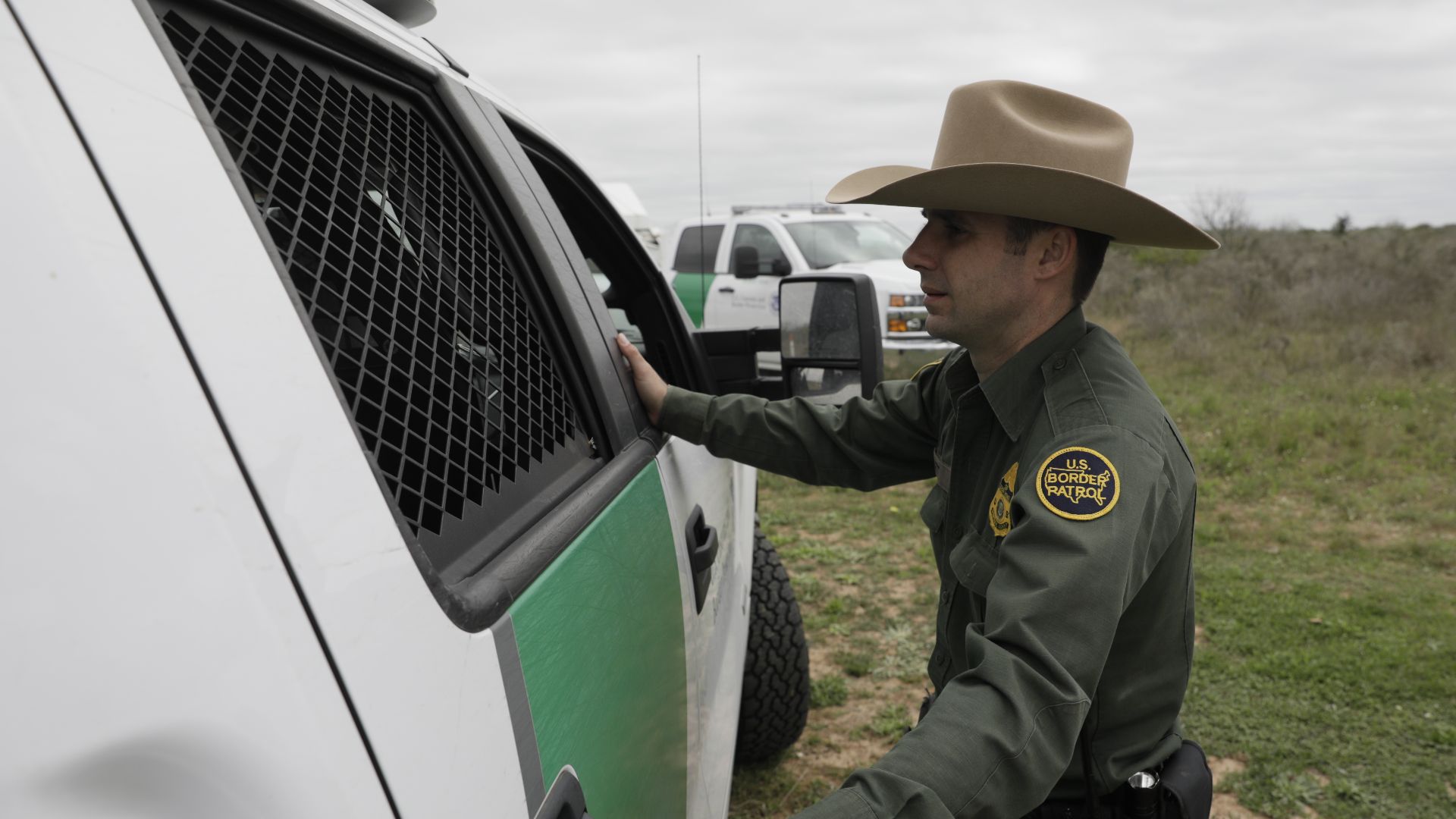 CBP Photography, Wikimedia Commons
This Is Not ‘Normal Discretion’
Border officers can exercise discretion in how they handle inspections and referrals. But when money is officially seized, there is supposed to be an actual process behind it, not an off-the-books side deal. That is what makes the allegation so alarming.
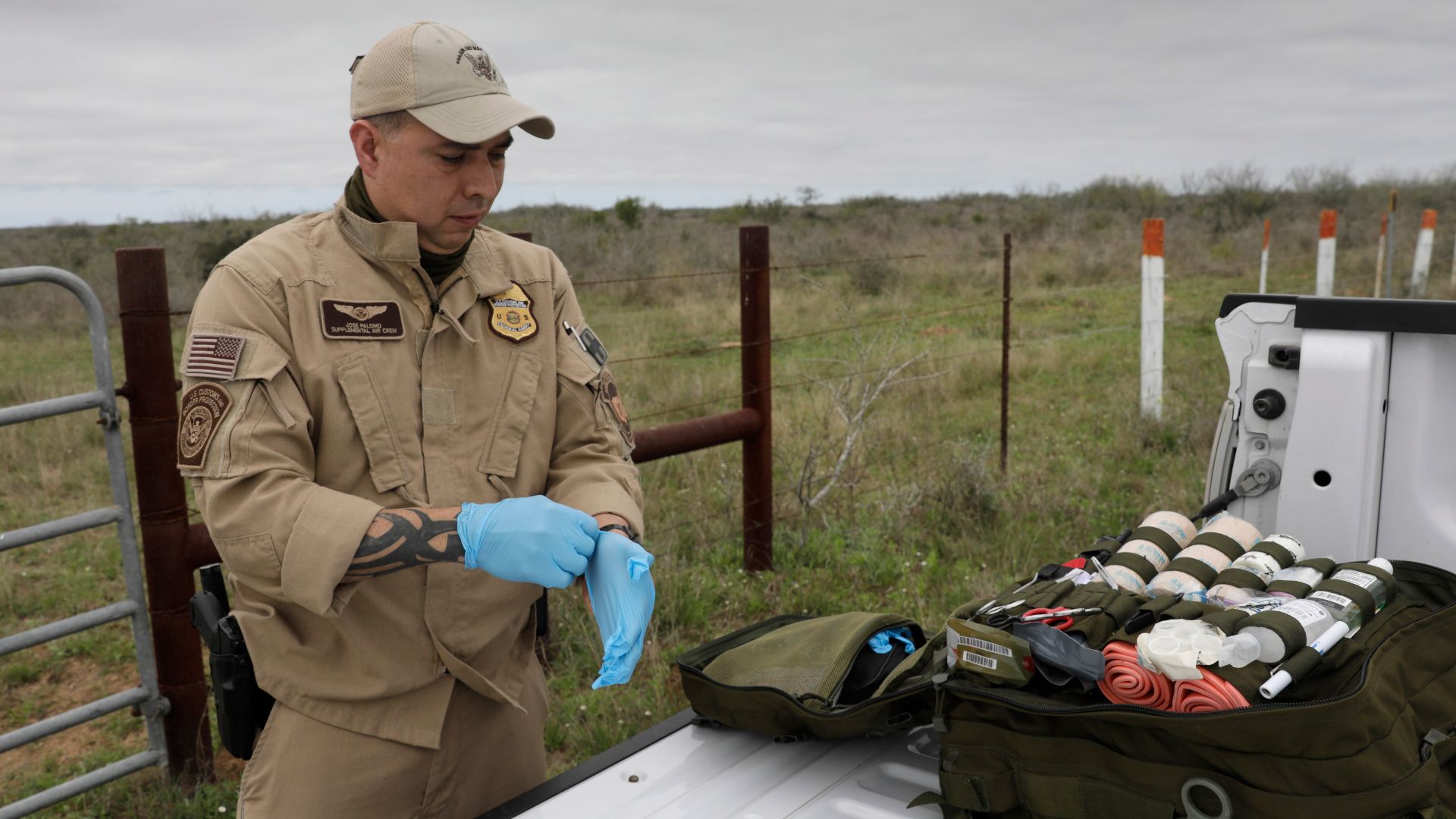 CBP Photography, Wikimedia Commons
You Should Have Gotten Paperwork
If money is officially seized, there is normally notice and a formal process to contest the forfeiture. Forfeiture.gov says a claim must be filed with the agency that gave notice, and petitions generally must be filed within 30 days of the relevant notice or publication deadline. No receipt or paperwork would be a major warning sign here.
 Oregon Department of Transportation, Wikimedia Commons
But That Feeling Can Be Misleading
What feels like a break might actually be something much worse. A traveler might feel relieved they were not formally cited, but if an officer really took money personally, that would raise entirely separate corruption issues on top of the original reporting violation.

Here’s The Legal Risk On Your Side
The traveler’s side of the story still matters. Failing to report more than $10,000 is a real violation under federal law. Even if no citation was issued at the time, talking about it later could invite scrutiny. That part is less a formal rule than a practical reality.

And The Risk On His Side
If an officer were reported and investigators substantiated the allegation, the consequences could be severe. DOJ has prosecuted former CBP officers in bribery and corruption cases, including cases involving money paid in exchange for improper passage through ports of entry.
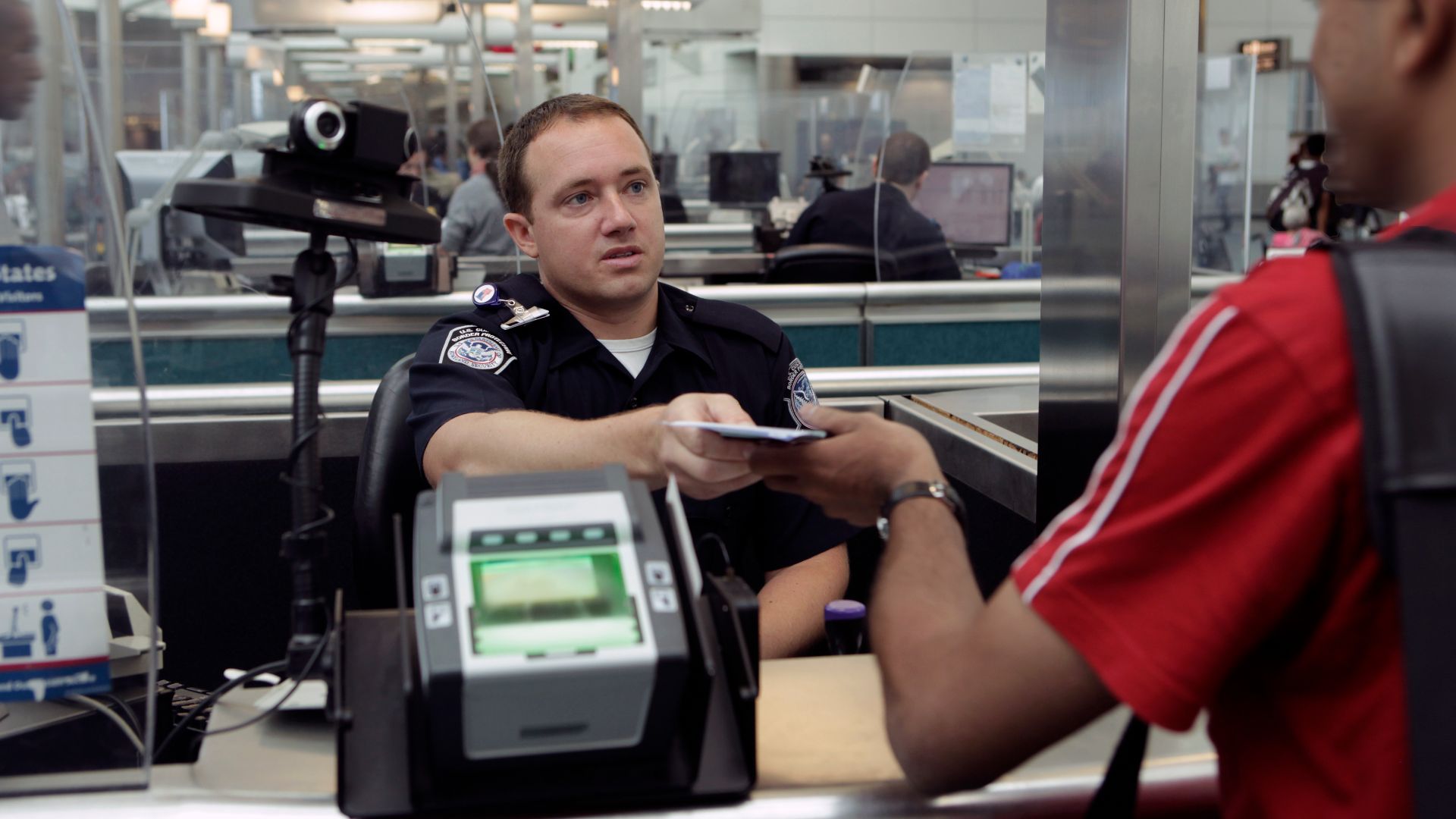 CBP Photography, Wikimedia Commons
This Isn’t Completely Unheard Of
That does not mean every allegation is true, but it does mean misconduct cases involving border personnel are not imaginary. There are real DOJ cases showing former CBP officers have been charged and sentenced in bribery-related matters.

So…Should You Report It?
Ethically, there is a strong argument for reporting it. DHS OIG explicitly invites complaints involving border corruption, bribery, and acceptance of gratuities.

But It’s Not That Simple
It is also easy to see why someone would hesitate. Reporting the incident could mean explaining why the money was not declared in the first place. The misconduct allegation and the reporting violation are two different issues, but they can still collide in the same conversation.

There’s A Middle Ground
A complaint can be made through the DHS OIG hotline. OIG says it may redact identifying information if a matter is referred elsewhere, but it also warns that a complainant’s identity may still need to be disclosed during processing or when required by law. So “confidential” is more accurate than promising “anonymous.”

Documentation Matters. A Lot
If someone did report it, details would matter: the date, port of entry, approximate time, what was said, how much money was involved, and anything else memorable. Investigators need specifics, especially in cases that may otherwise come down to one person’s account against another’s.

Proof Is Tough
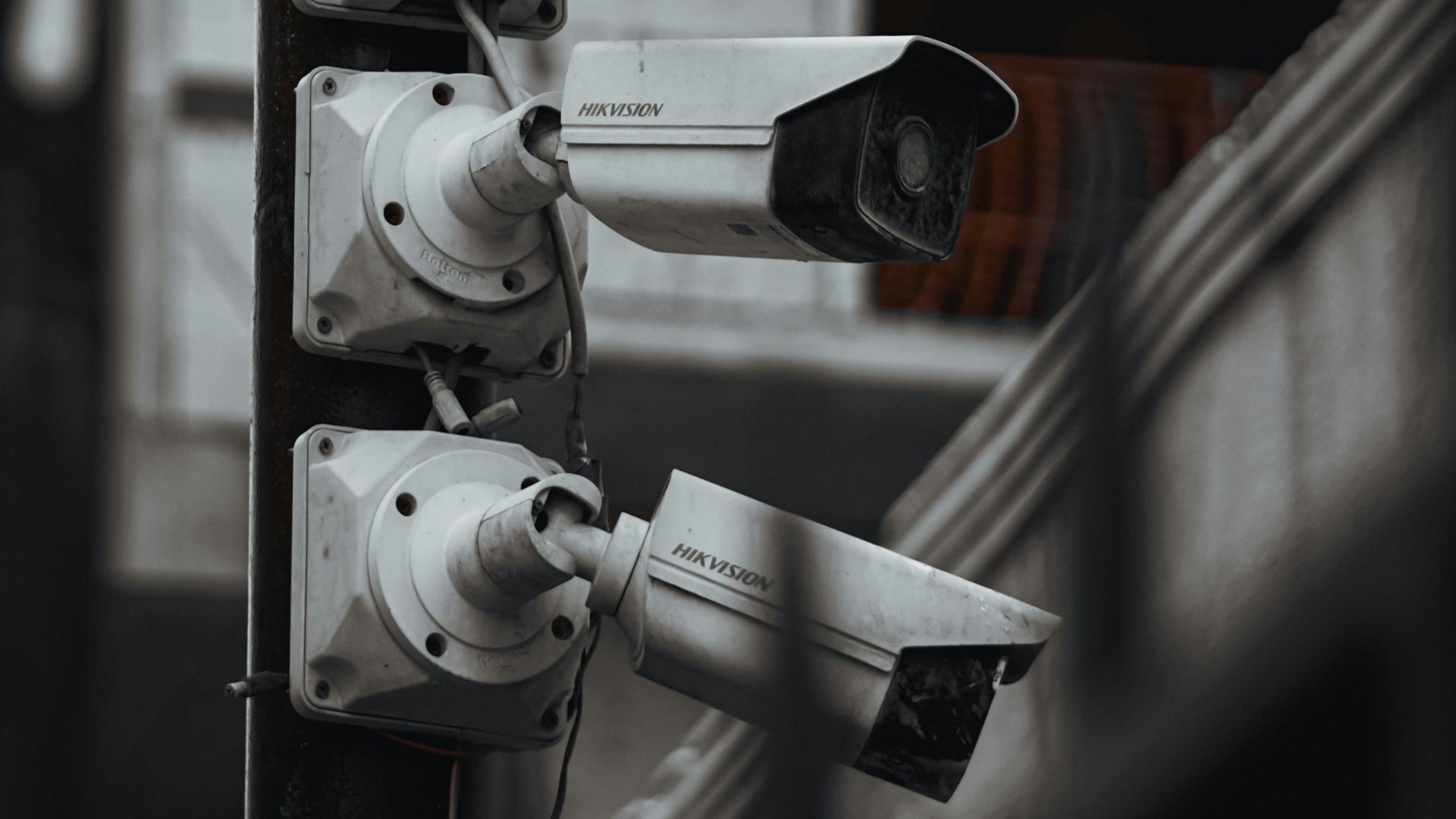
Proof could be difficult. DHS OIG has reported that CBP uses a centralized video surveillance system at land ports of entry, but it also found video and audio coverage gaps. So footage may exist, but not always—and not necessarily from every angle or interaction.
Why This Question Hits So Hard
This is why the dilemma works so well as a reader question. The traveler may feel both relieved and cheated at the same time: relieved they were not formally busted, but uneasy because the whole thing sounds deeply wrong.

What Experts Usually Recommend
The safest real-world move would usually be to talk to a lawyer before doing anything. That is not because the corruption should be ignored, it is because the traveler may want advice on their own exposure before deciding whether and how to report it.

The Bottom Line
The traveler should have reported the money. The agent, if the story happened as described, absolutely should not have taken part of it and waved them through. One issue does not erase the other.

So…What Would You Do?
Report it and risk reopening the whole mess? Or stay quiet and treat the $2,500 as a brutal lesson in how expensive “getting away with it” can be? it is messy, uncomfortable, and not nearly as simple as it first sounds.

You Might Also Like:
I’m moving from New York to Texas for work and honestly I’m a little nervous. What should I expect?