The Duty-Free Trap That Catches Travelers Off Guard
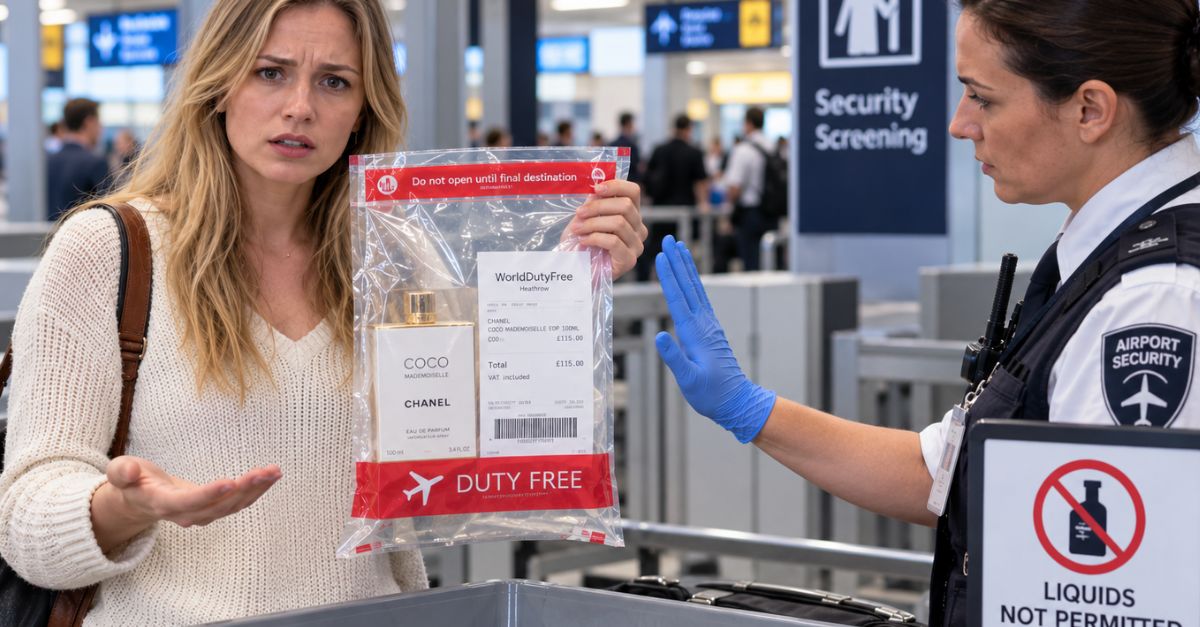
You clear security, buy an expensive bottle at duty-free, and stow it in your carry-on. Then a later checkpoint tells you that same sealed purchase cannot come through. If it was already through security, most people would assume that you're in the clear. But while it was duty-free, there are still rules in the airport that your bottle is subject to.
Airports Are Complicated And Unique
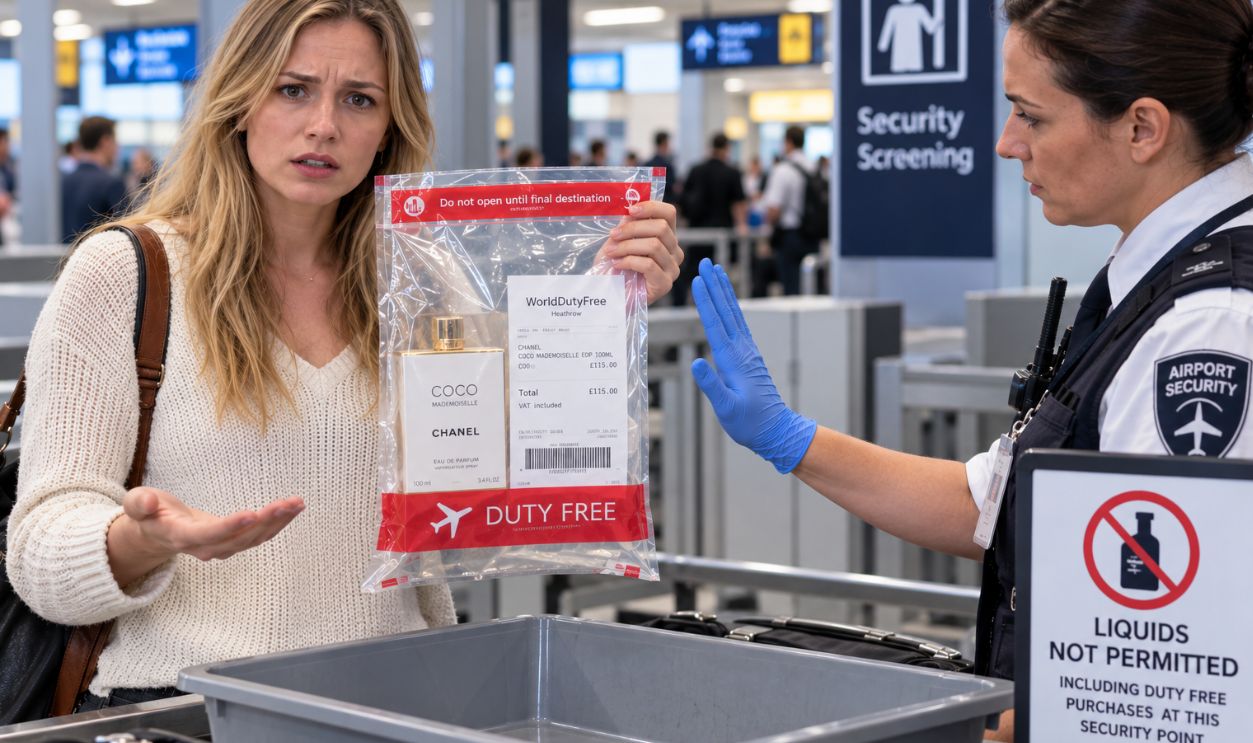
Airport security rules are not identical across every country or every checkpoint. A liquid bought legally in one secure area may still get screened again during a connection, and if that checkpoint does not allow it, the bottle can be taken. But what gets taken will not always be consistent.
The Core Rule On Liquids
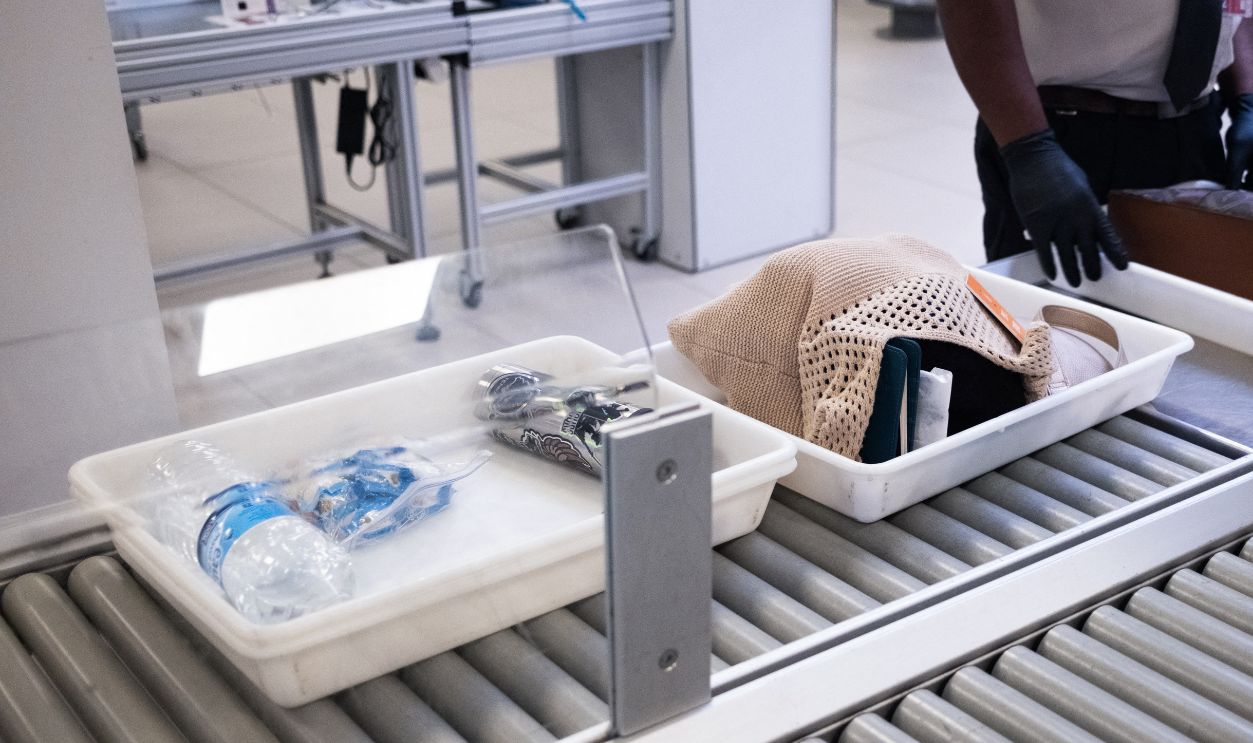
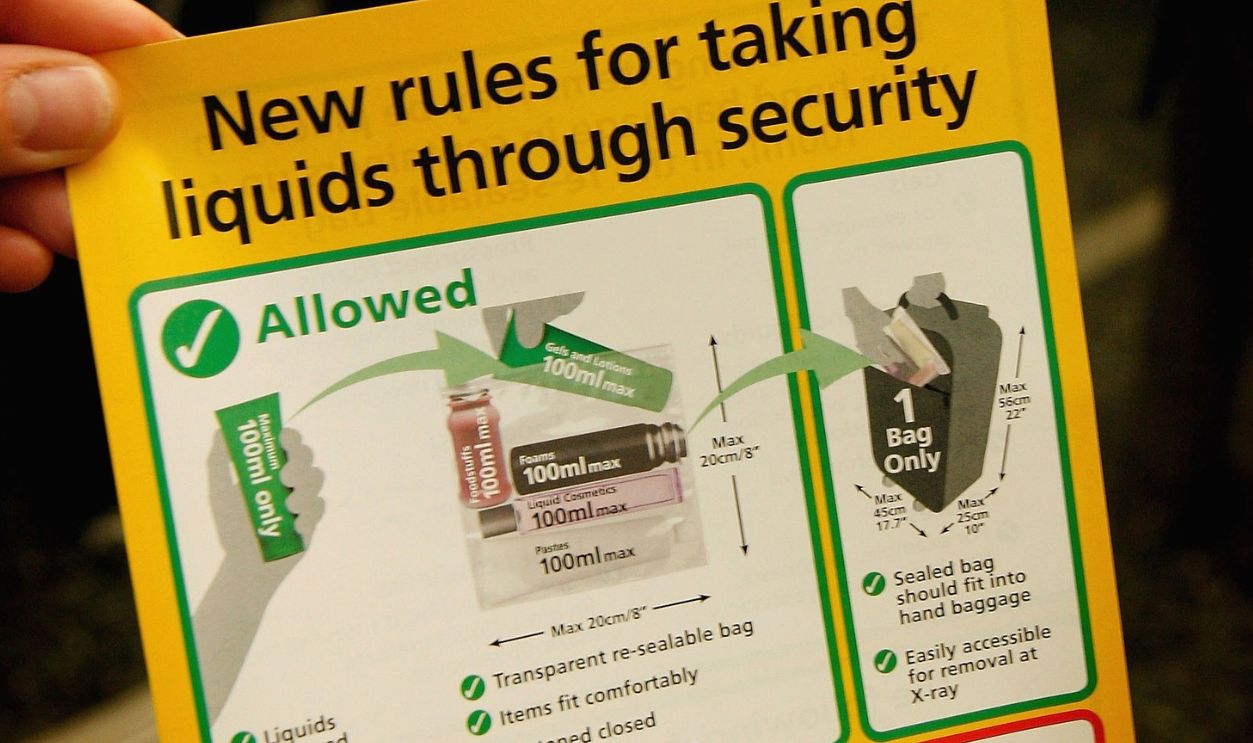
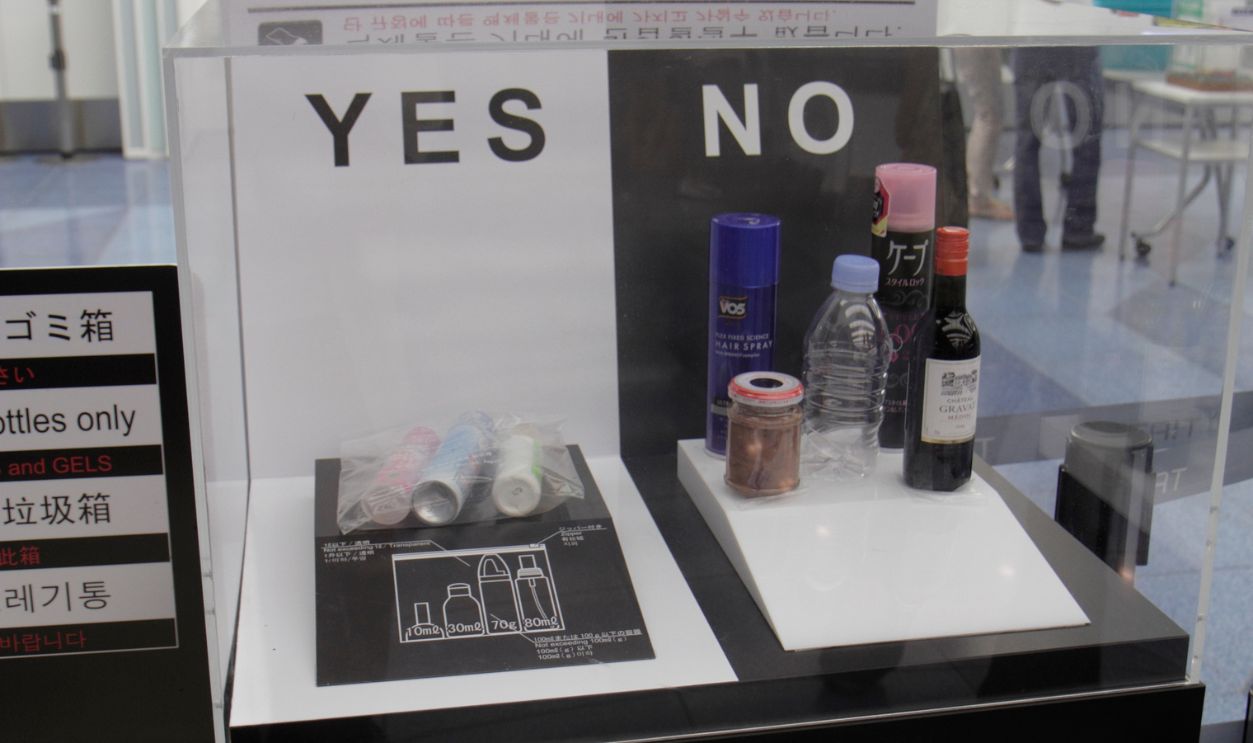
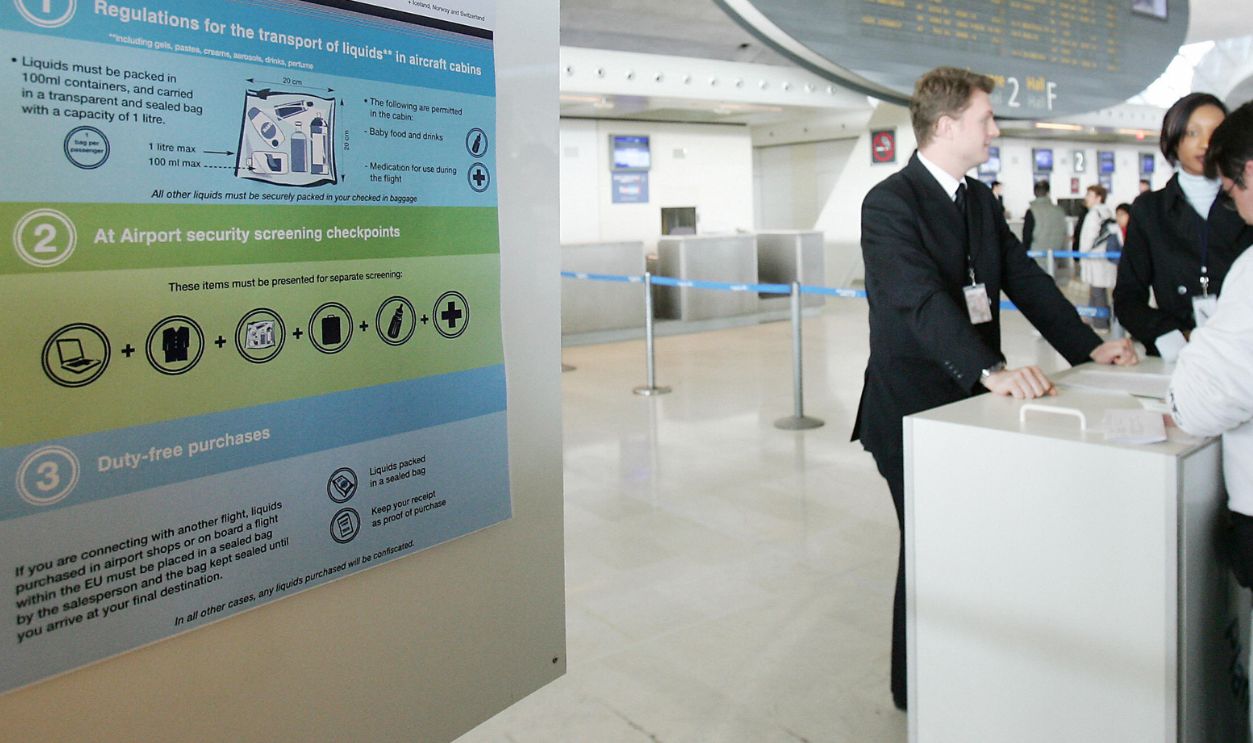
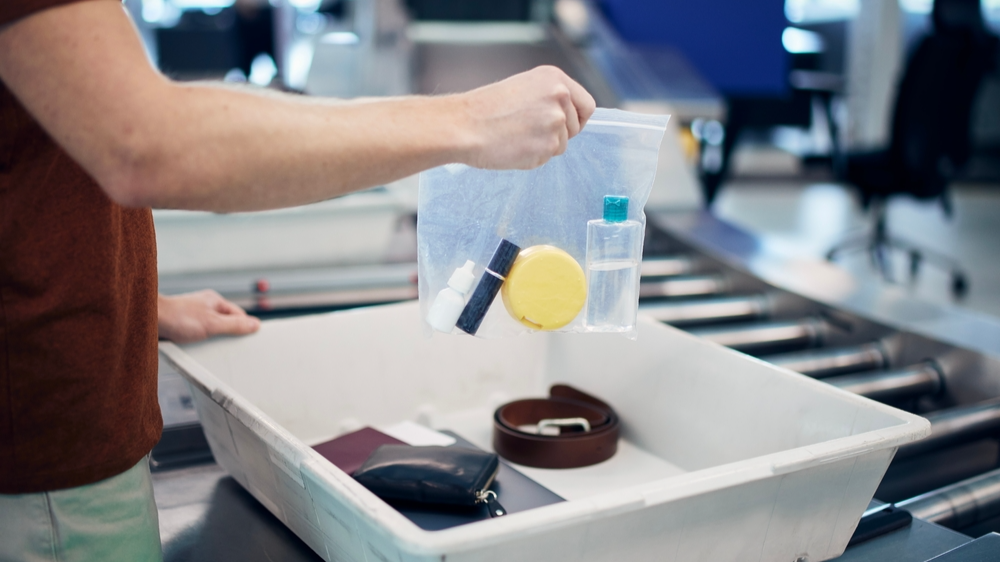
Many aviation security systems still use the 100 milliliter limit for liquids, aerosols, and gels in carry-on bags. In the United States, the Transportation Security Administration says larger liquids usually have to go in checked baggage, with a few exceptions. In the European Union, the same basic carry-on rule still mostly applies, even as some airports bring in newer scanners.
 Daniel Berehulak, Getty Images
Why Duty-Free Is Supposed To Be Different
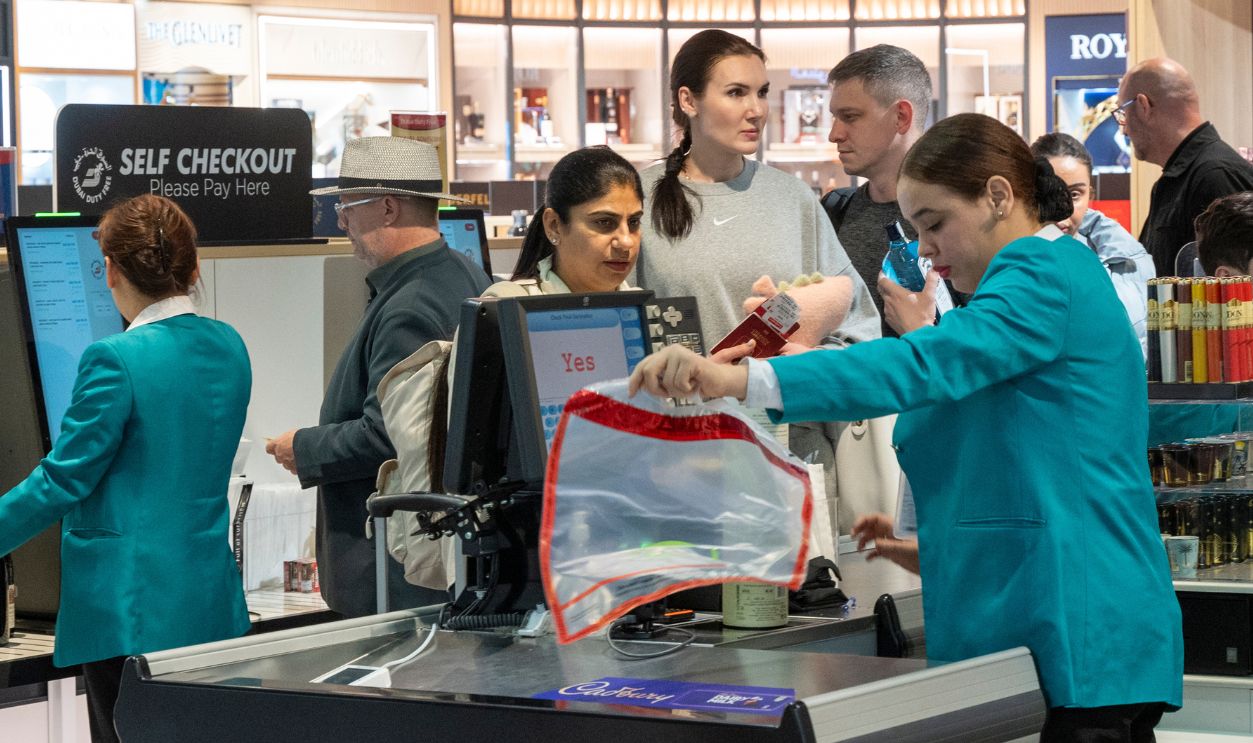
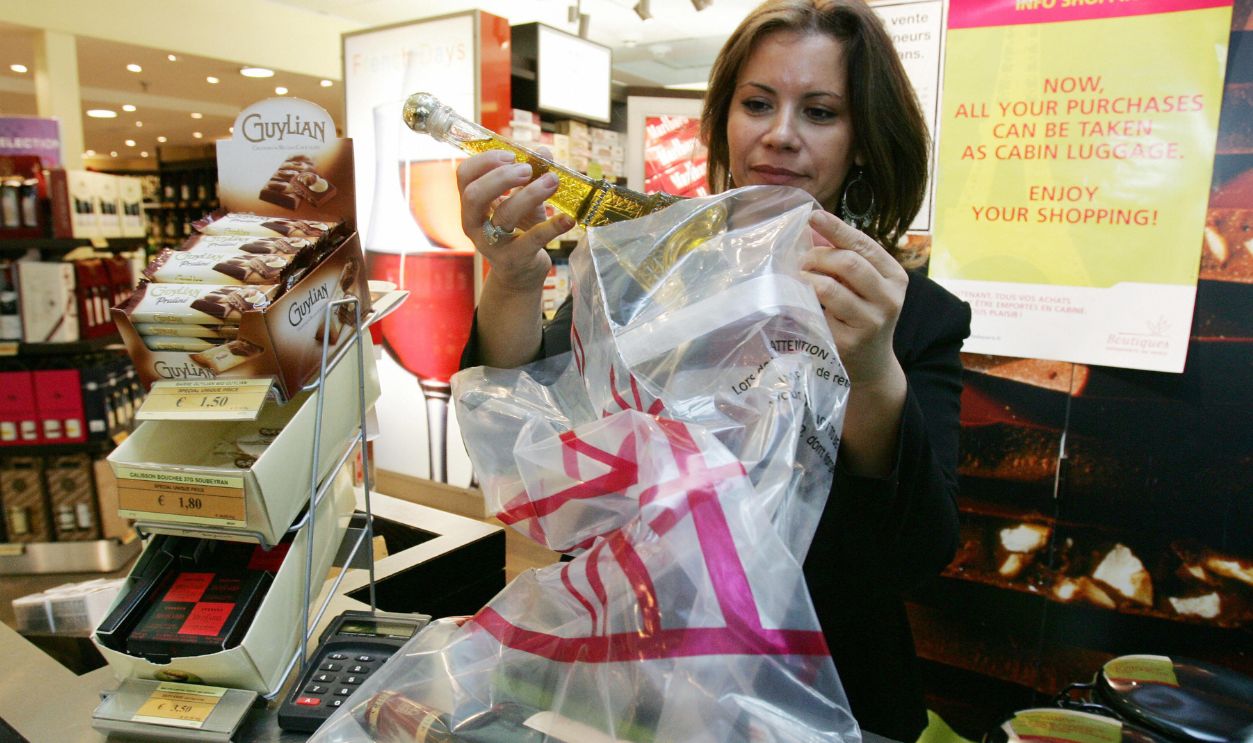
There has long been a system meant to let passengers carry duty-free liquids bought after screening. The International Civil Aviation Organization set standards for sealed tamper-evident bags, often called STEBs, to support transfers. In theory, the sealed bag, the receipt, and the screening chain should let the item pass through some connecting checkpoints.
 Horacio Villalobos, Getty Images
The Bag Matters More Than Most Travelers Realize
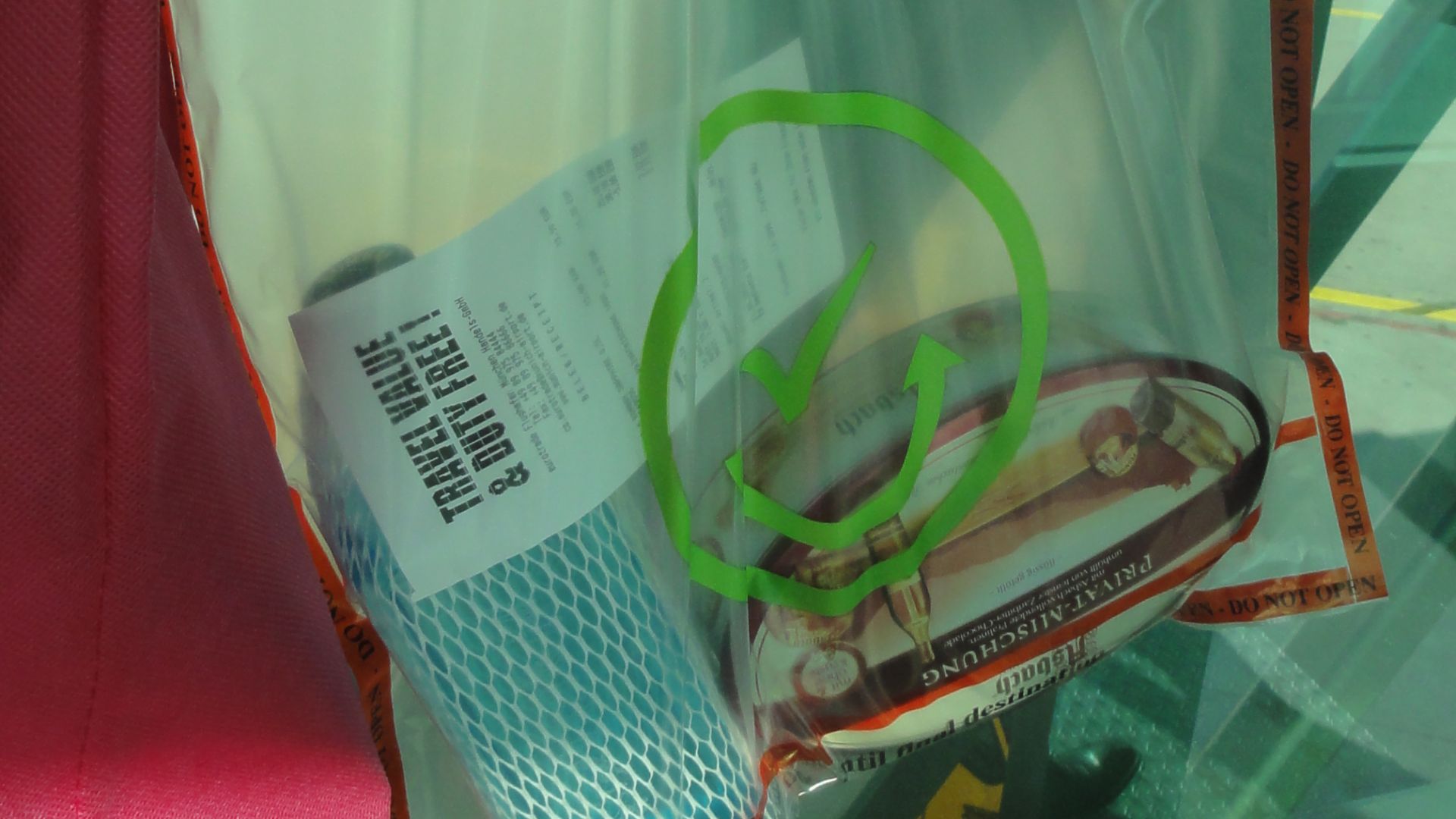
If your bottle is packed in an official sealed tamper-evident bag, that packaging is not just for convenience. It is meant to show security staff that the item was bought in a controlled area and has not been opened. If the bag is opened, damaged, or packed the wrong way, the exemption can vanish fast.
But The Exemption Is Not Global
This is where costly mistakes happen. Not every country accepts every other country’s duty-free screening setup, and not every checkpoint handles transfer liquids the same way. ICAO itself has said that countries may use different procedures.
The United States Adds A Major Complication
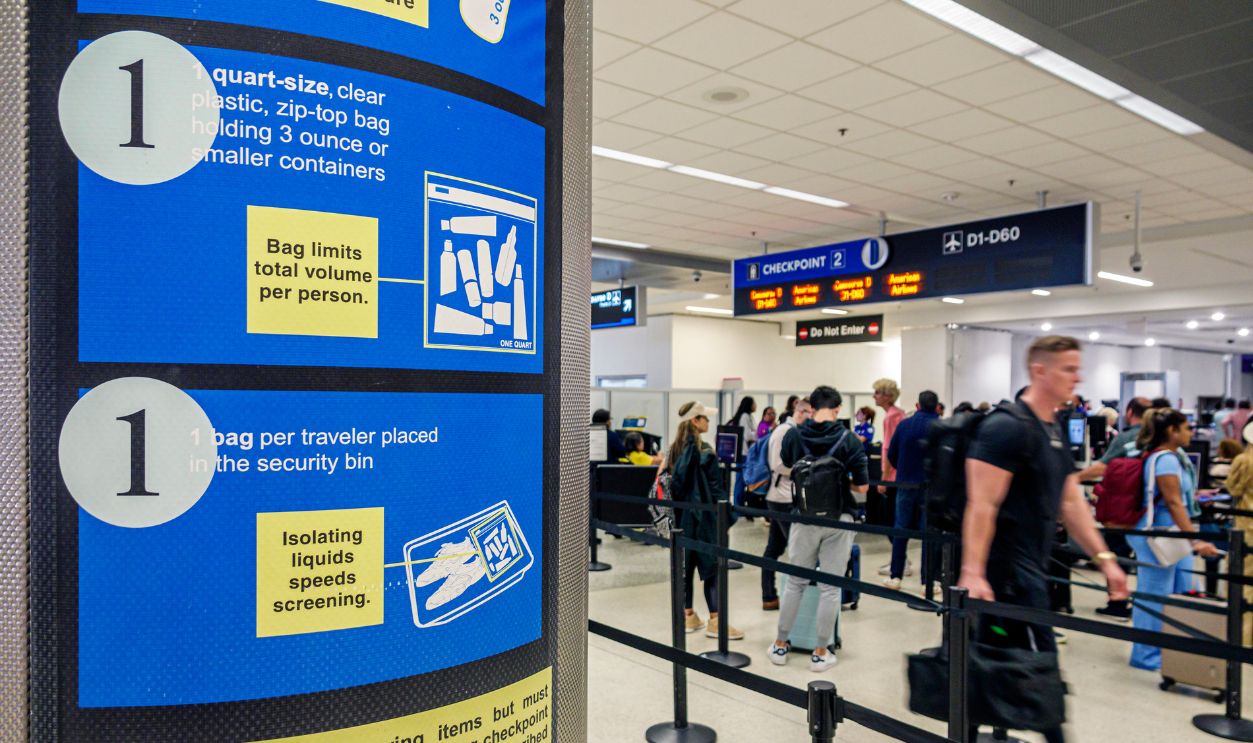
In the US, the TSA allows duty-free liquids over 3.4 ounces in carry-on bags only if they were bought internationally and packed in a secure, tamper-evident bag, with the receipt showing the purchase was made within 48 hours. Even then, the items still have to be screened and may get extra inspection. If those conditions are not met, the bottle is at risk at the checkpoint.
A Connection Can Reset The Clock
This is the part that catches travelers by surprise. A connection can mean going through security all over again. You may have boarded one flight with a legal duty-free purchase, landed, and then walked into a new screening setup with stricter or just different rules. The fact that it was sold to you does not mean it will make it through the next checkpoint.
Europe Has Its Own Patchwork
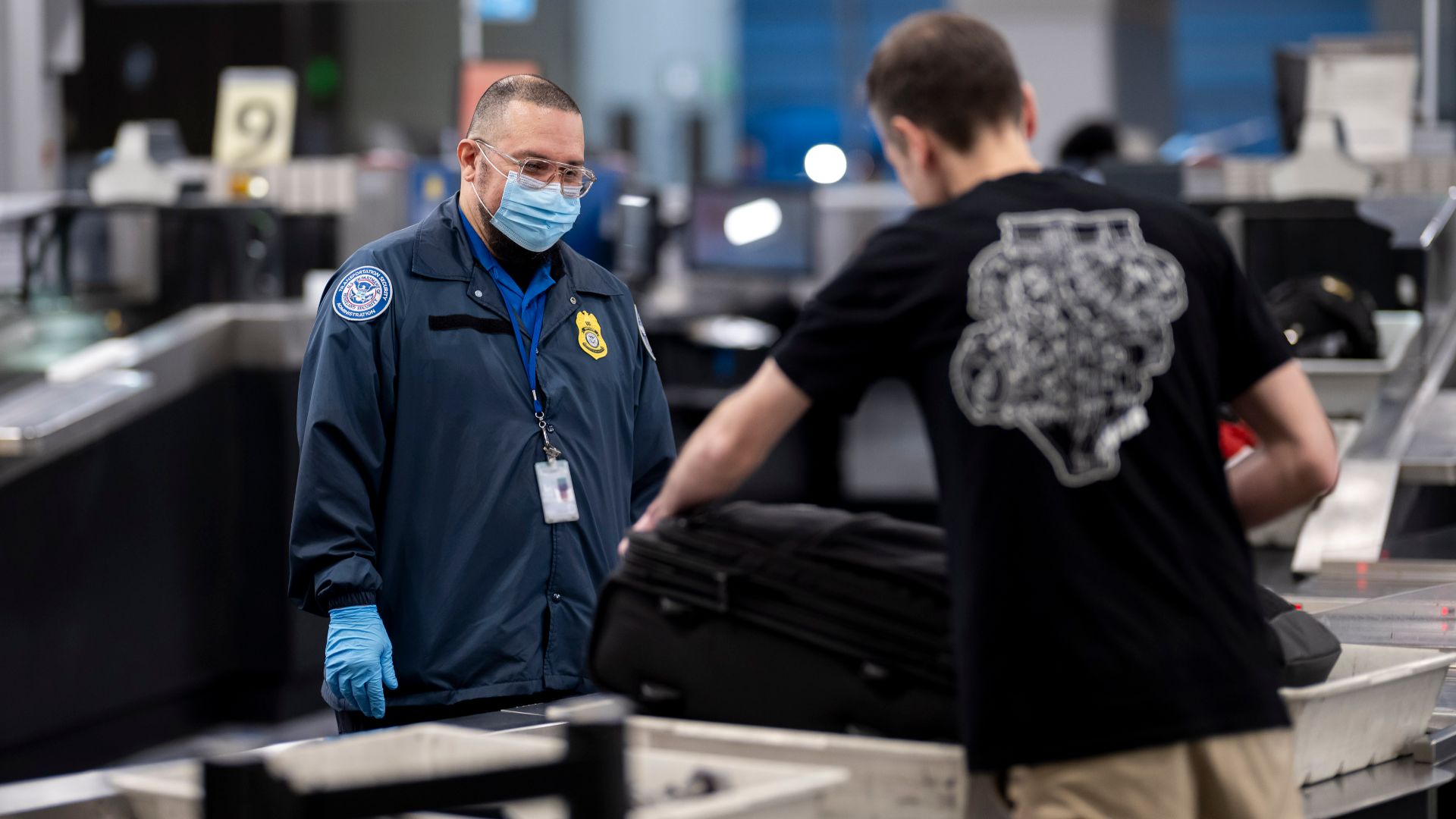
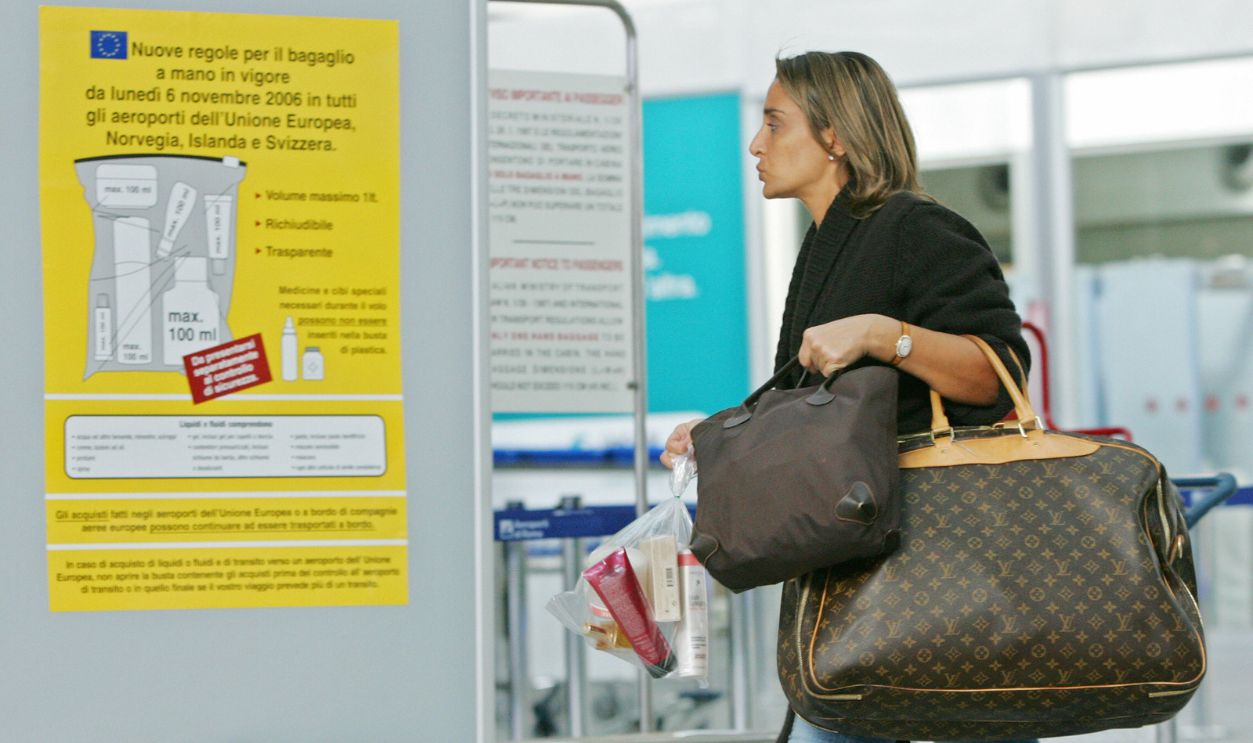
The European Commission has rules covering liquids and duty-free purchases, including rules for sealed bags and receipts. But it also notes that what happens can depend on where the item was bought and where the passenger is transferring. So a bottle accepted on one trip may be rejected on another that looks nearly the same to the traveler.
New Scanners Have Not Solved Everything
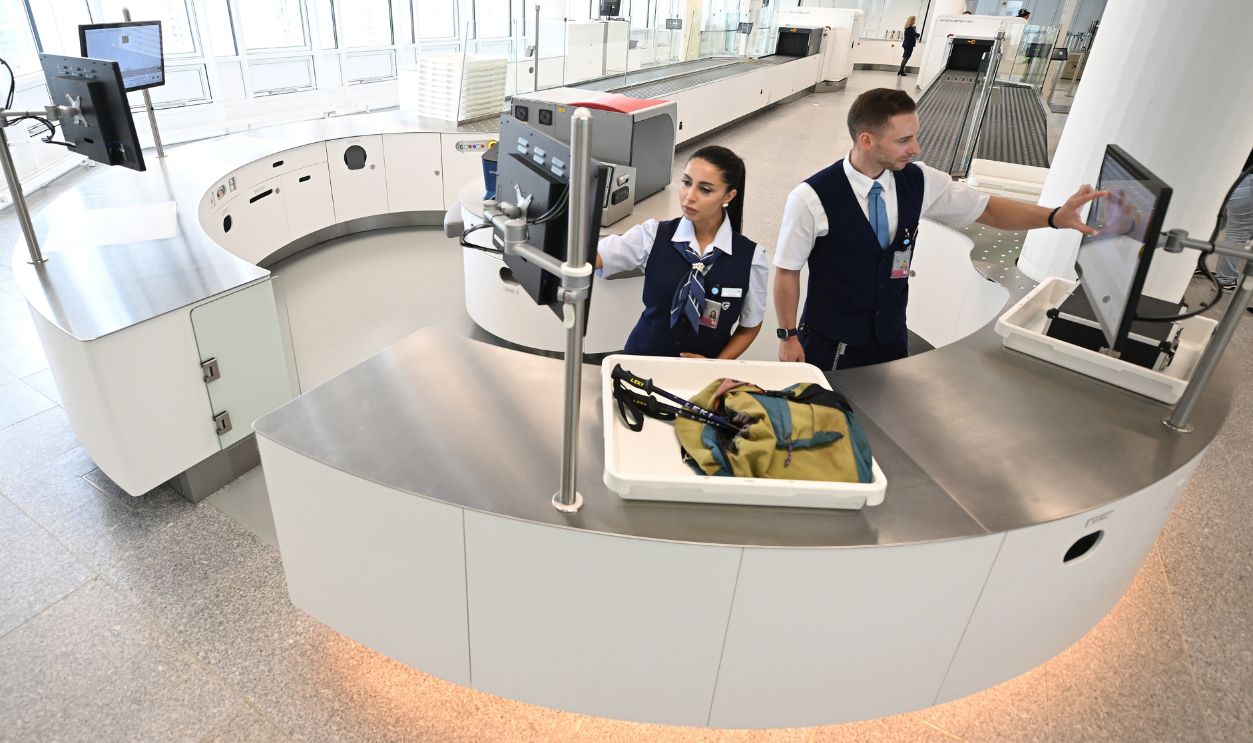
Some airports now use computed tomography scanners that can screen liquids more effectively. That has raised hopes that the old 100 milliliter problem is on the way out. But the European Commission confirmed in 2024 that restrictions on liquids over 100 milliliters still mostly remained in place across EU airports, even where some newer technology exists.
 picture alliance, Getty Images
The 2024 EU Reminder Caught Attention
In 2024, the European Commission said airports in the EU must again apply the 100 milliliter liquid rule for hand baggage. The message was clear: passengers should still follow the standard limit unless their airport says otherwise. That mattered because some travelers had started to think easier liquid screening had already arrived.
What Security Officers Actually Look For
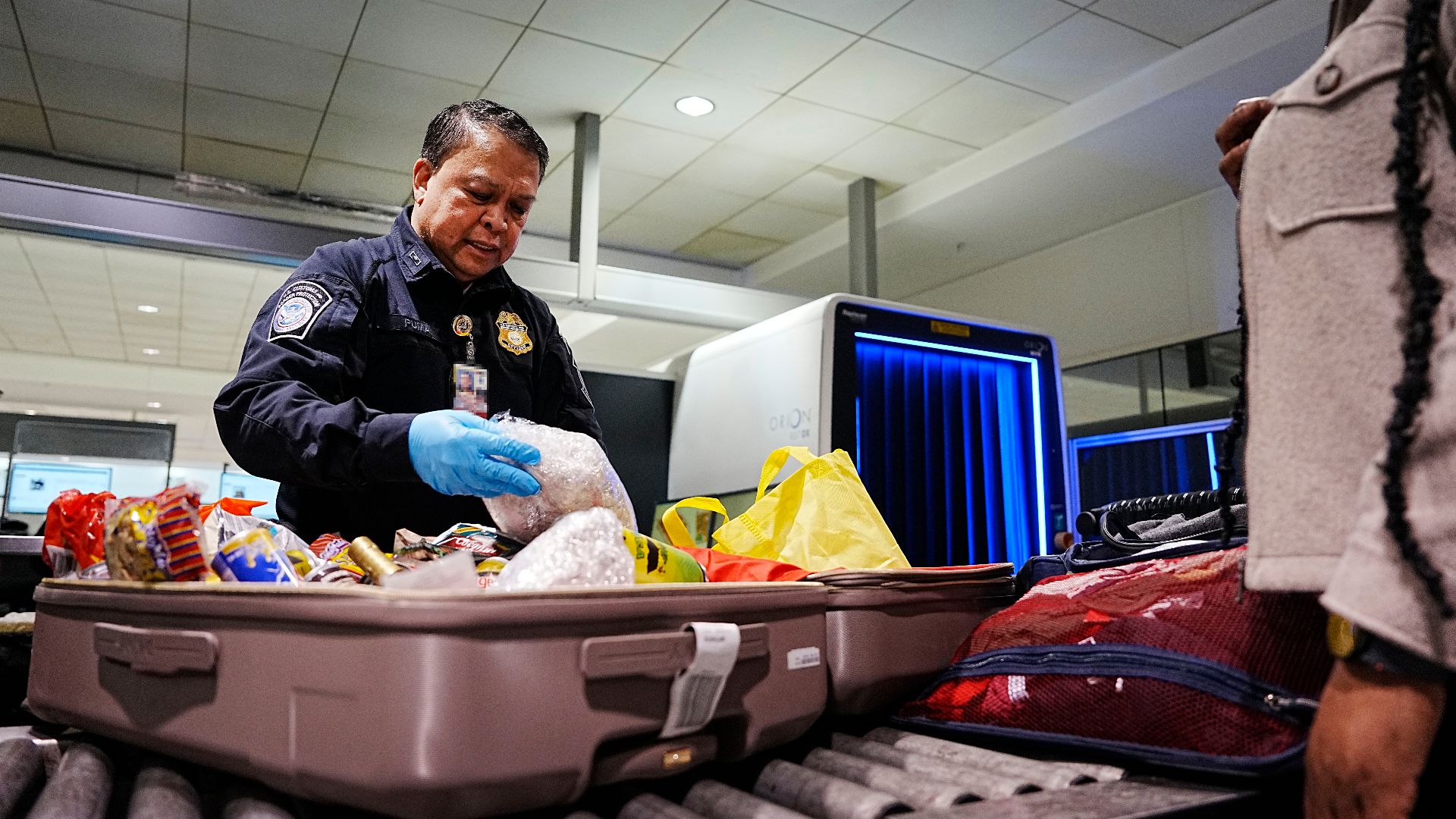
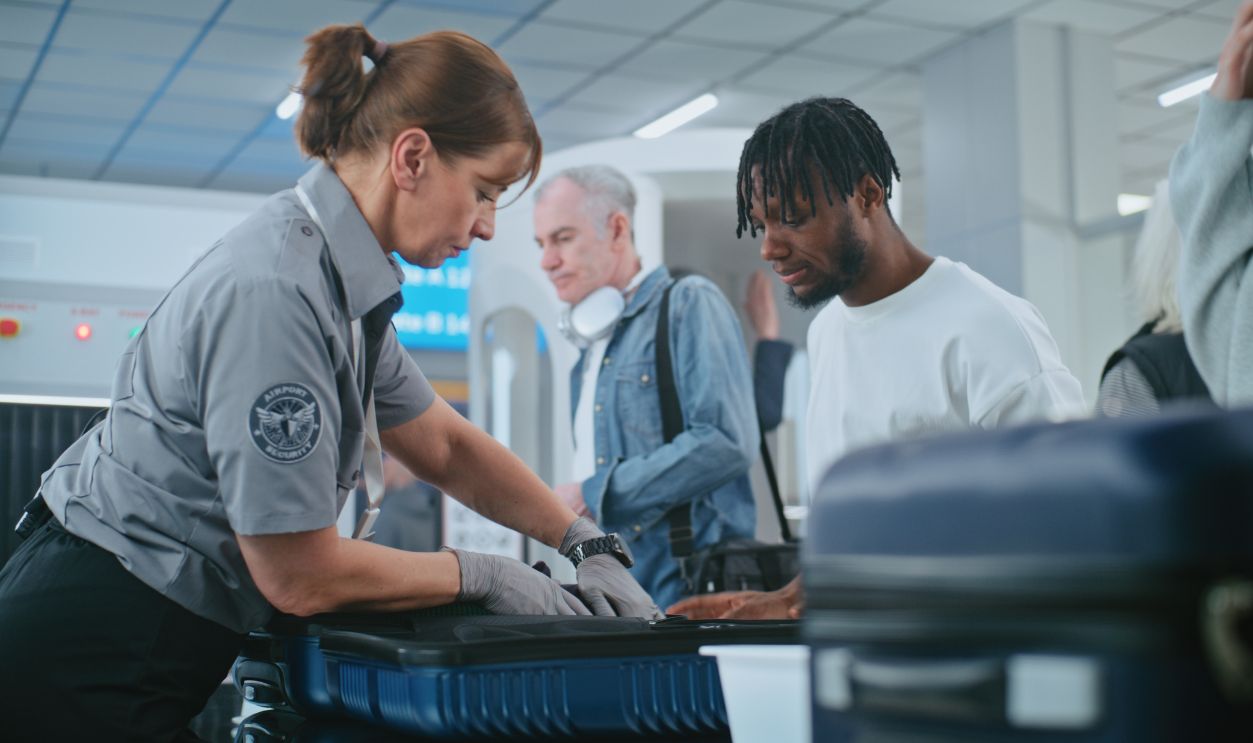
At a checkpoint, staff may check the size of the liquid, the condition of the tamper-evident bag, and the receipt. They may also apply local rules about whether they recognize that duty-free purchase. If anything is missing, or if the route falls outside accepted arrangements, they can make you give it up.
 Jaromir Chalabala, Shutterstock
Why Stores Still Sell The Bottle
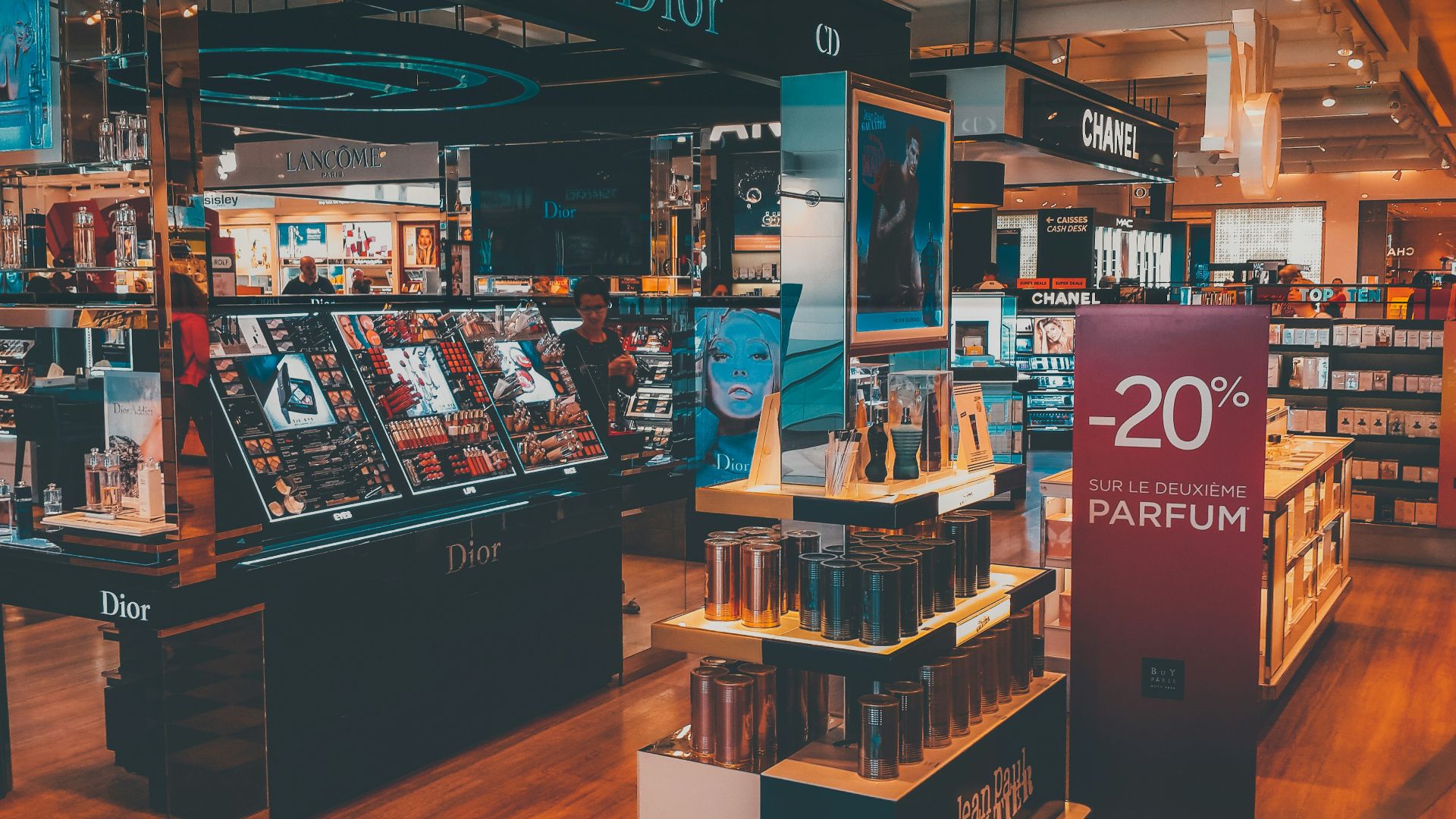
Duty-free shops are usually not promising that every later checkpoint on your trip will accept the purchase. They are selling under the rules of that airport at that moment. In practice, the burden often falls on travelers to know whether the next transfer point will honor the exemption.
That Is Why Passengers Feel Misled
From a traveler’s point of view, the setup can feel like a trap. The bottle is sold inside a secure airport area, which makes it seem safe to carry onward. But unless the shop or airline clearly warns you about transfer restrictions, many passengers only learn the real rule when the item is taken away.
Airports And Airlines Do Issue Warnings
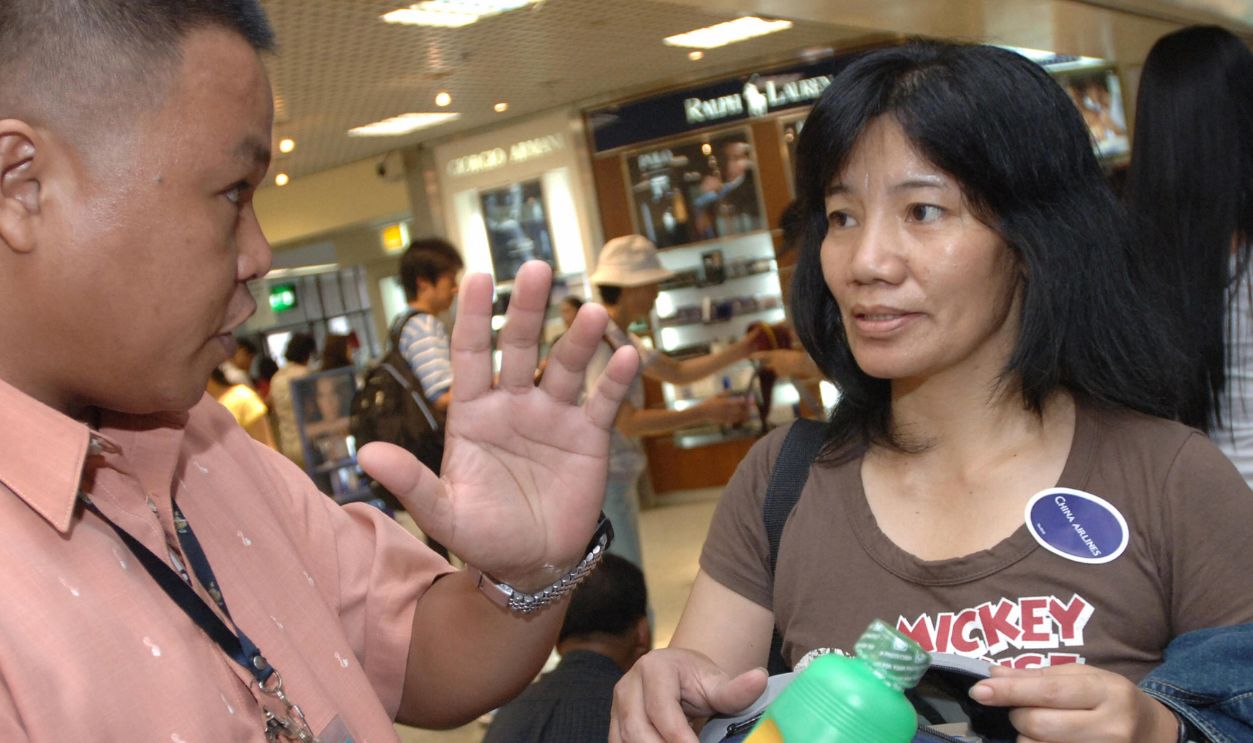
Some airports do warn connecting passengers to check transfer rules before buying liquids. Heathrow, for example, tells travelers to review liquid restrictions at both their destination and any transfer points. The warning helps, but it is easy to miss when you are rushing through the airport or grabbing a last-minute gift.

The Receipt Is Not Just A Receipt
If you buy duty-free liquids and plan to connect, keep the receipt with the item and do not open the sealed bag. TSA guidance specifically says the receipt should show the liquid was bought within the past 48 hours for qualifying international duty-free carriage. Without that proof, even a valid purchase can become a checkpoint casualty.
 User:Mattes, Wikimedia Commons
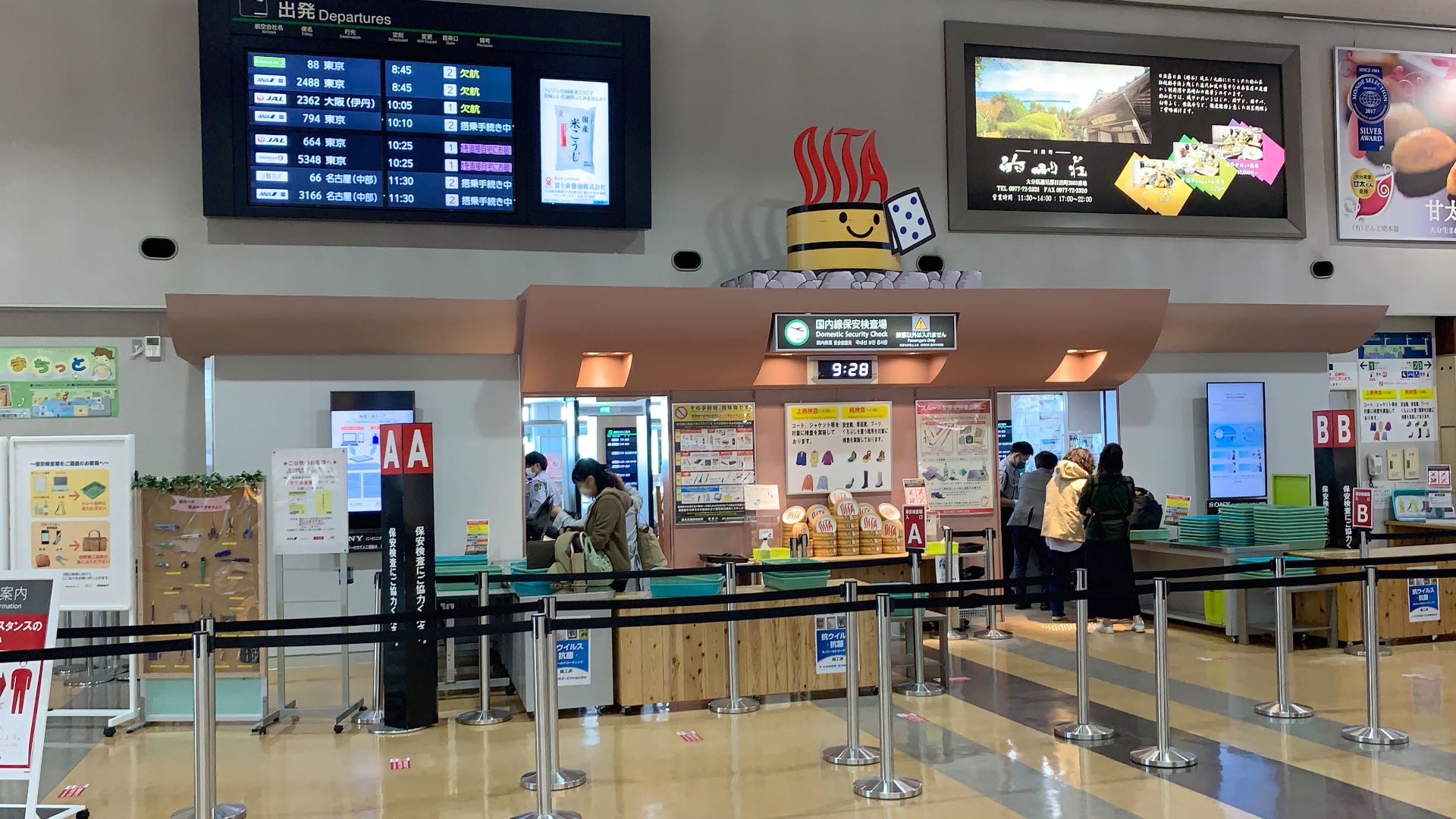
Domestic Connections Are Usually Less Forgiving
Once a traveler leaves a protected international transfer channel and goes back through standard screening, the usual liquids rule often comes roaring back. That matters most in places where passengers have to reclaim bags or clear customs before continuing. A large bottle in your carry-on can suddenly be treated like any other oversized liquid.
 Project Kei, Wikimedia Commons
Customs And Security Are Not The Same Thing
Another point that confuses travelers is that duty-free shopping rules and security screening rules are two different systems. Paying no duty, or reduced duty, does not automatically make an item acceptable at the next checkpoint. Customs may allow the product into the country while security still blocks it from the cabin.
 CBP Photography, Wikimedia Commons
The Safest Option Is Often Checked Baggage
If your connection gives you access to checked baggage, putting the bottle into a checked suitcase is usually the safest move. TSA and EU rules are much more flexible with large liquid containers in checked luggage. Of course, that only works if your trip and baggage setup make it possible.
When Through-Checking Helps
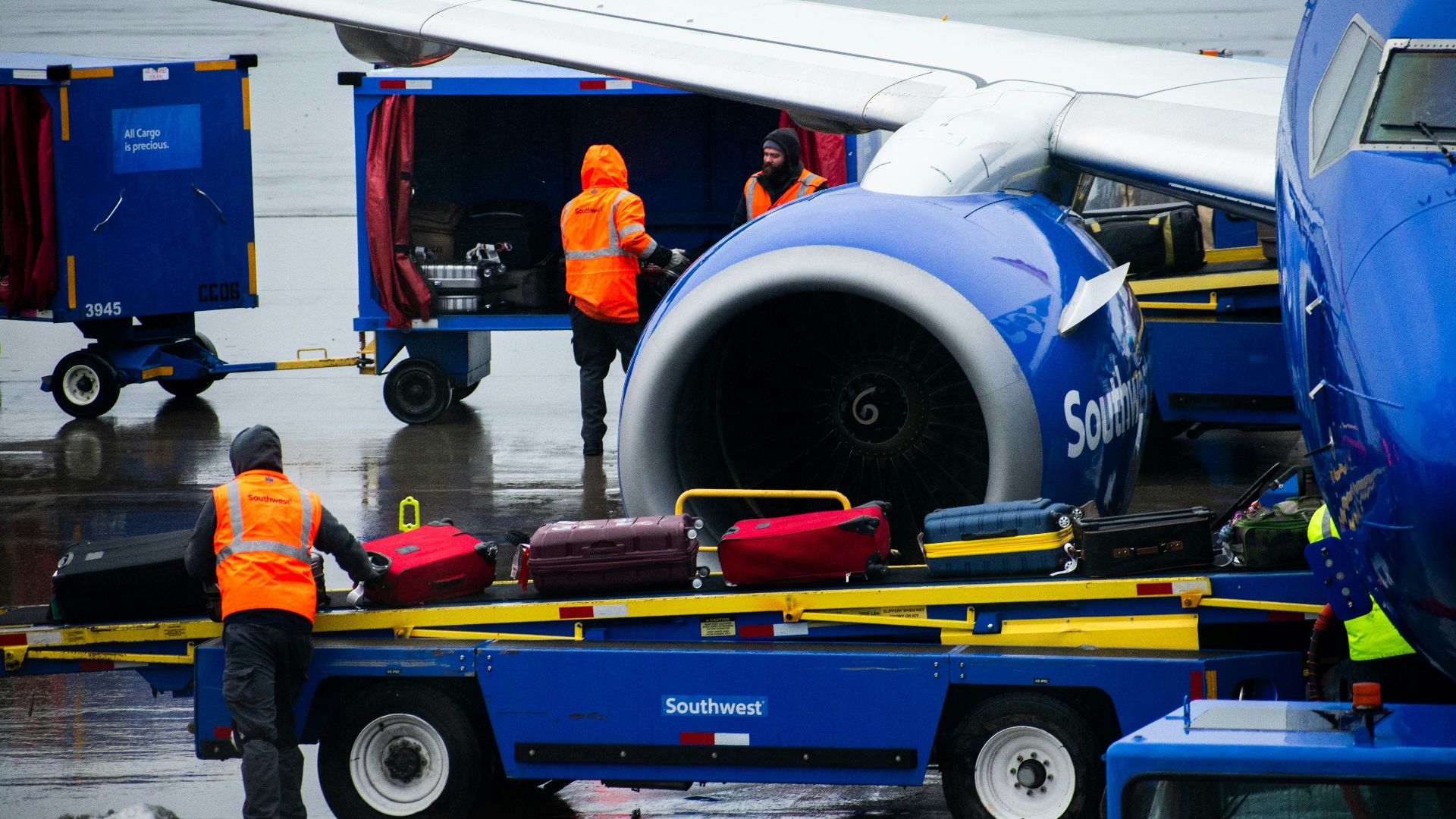
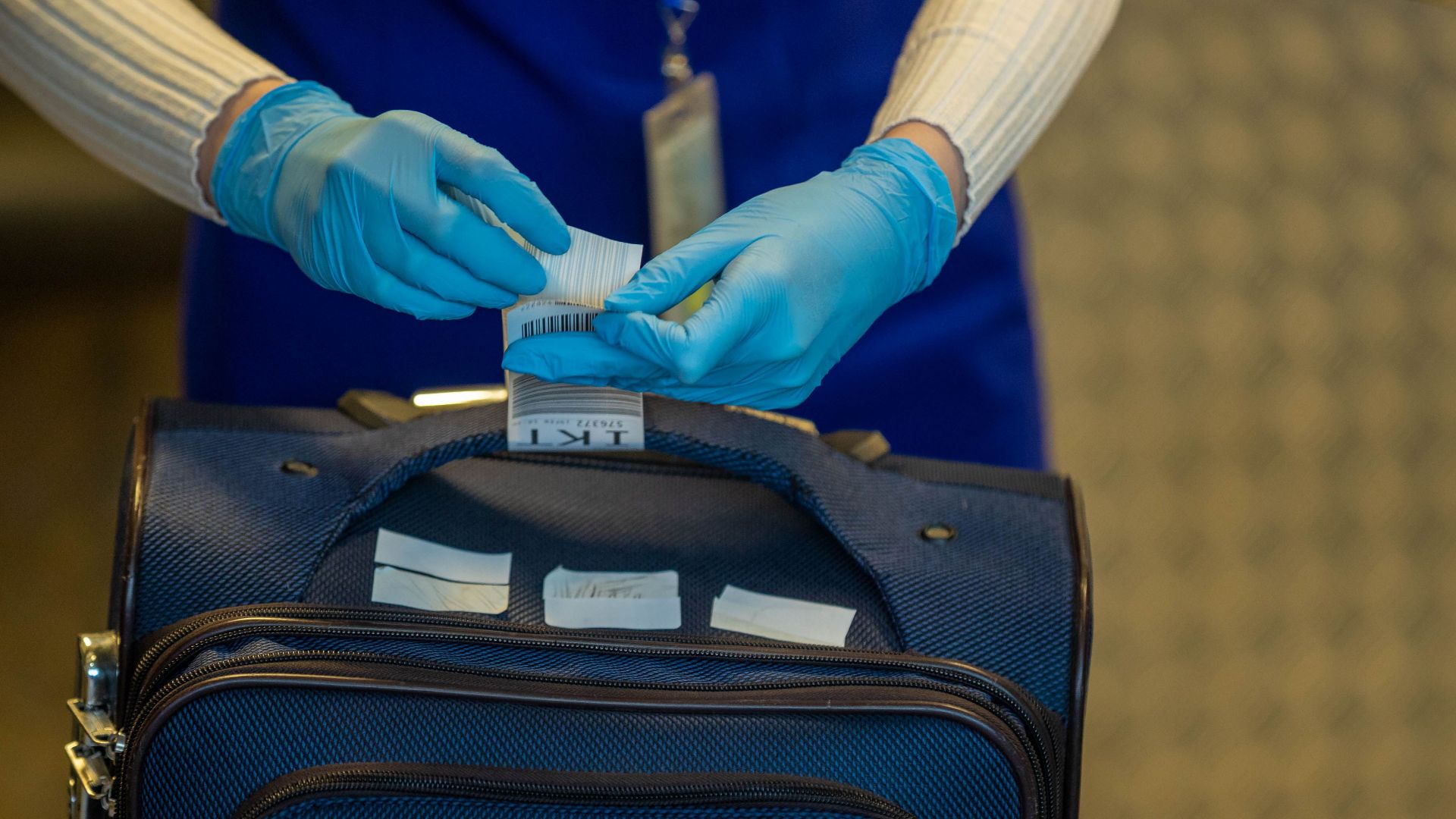
On some trips, checked baggage can be tagged all the way to your final destination, which means you do not have to deal with duty-free liquids in the middle of the journey. That can save you from a second screening headache. But baggage procedures vary by country, airline, and whether customs clearance happens during the connection.
How To Protect Yourself Before Buying
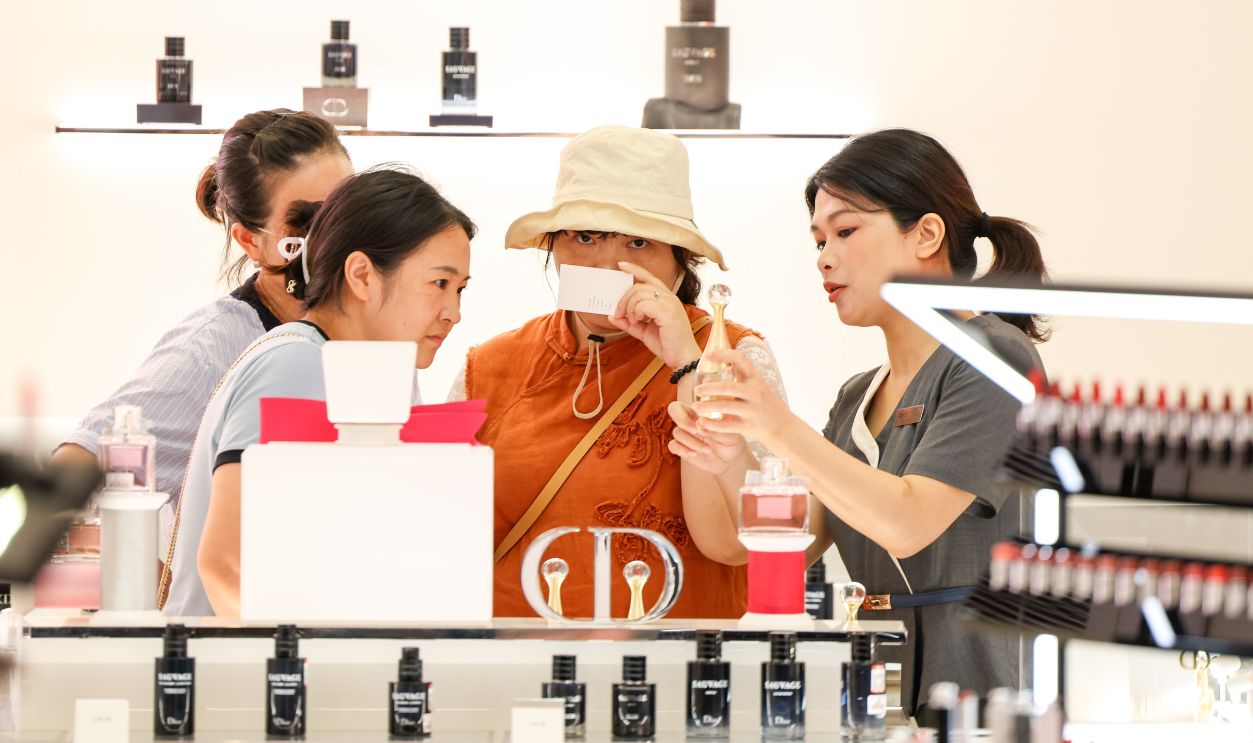
Before you buy a pricey bottle, ask the shop staff a direct question: will this item be accepted at my connection airport and final destination if I am traveling with carry-on only? If the answer is vague, assume you are taking a chance.
 Xinhua News Agency, Getty Images
Questions Worth Asking The Airline Too
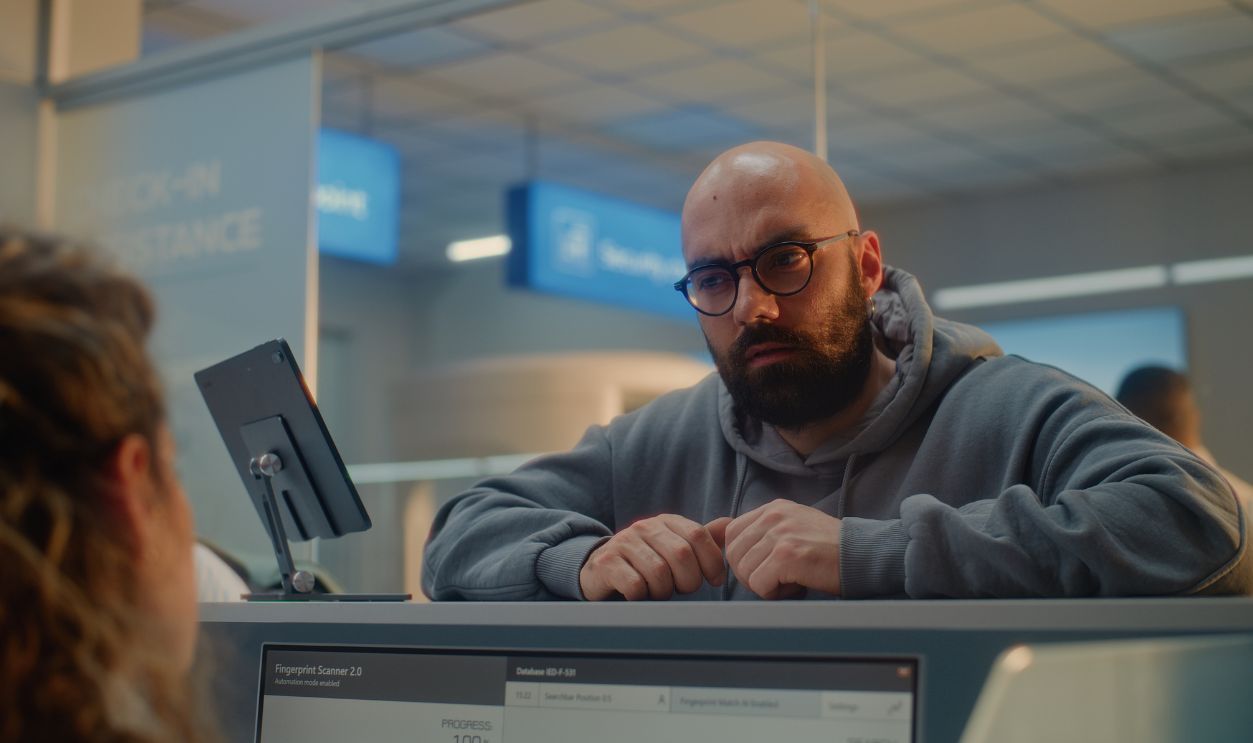
Your airline or the airport handling the transfer checkpoint may have the most useful information for your exact route. Ask whether you will need to go through security again, whether tamper-evident bags are accepted, and whether duty-free liquids from your origin are recognized. It is not exciting trip planning, but it can save you an expensive loss.
 Frame Stock Footage, Shutterstock
Why This Problem Has Not Gone Away
Air travel is global, but security enforcement still depends heavily on national regulators and local airport operations. That leaves passengers moving through a maze of overlapping rules, exceptions, and technology gaps. Until the system becomes more consistent, duty-free liquid confiscations will remain a costly travel problem.
 Frame Stock Footage, Shutterstock
There Is No Grand Mystery Here
Airports sell these bottles because the sale may be perfectly valid under local rules, even if your onward trip triggers different ones. The mismatch feels absurd, but it comes from fragmented policy, not a hidden trick.
The Best Rule Of Thumb For Travelers
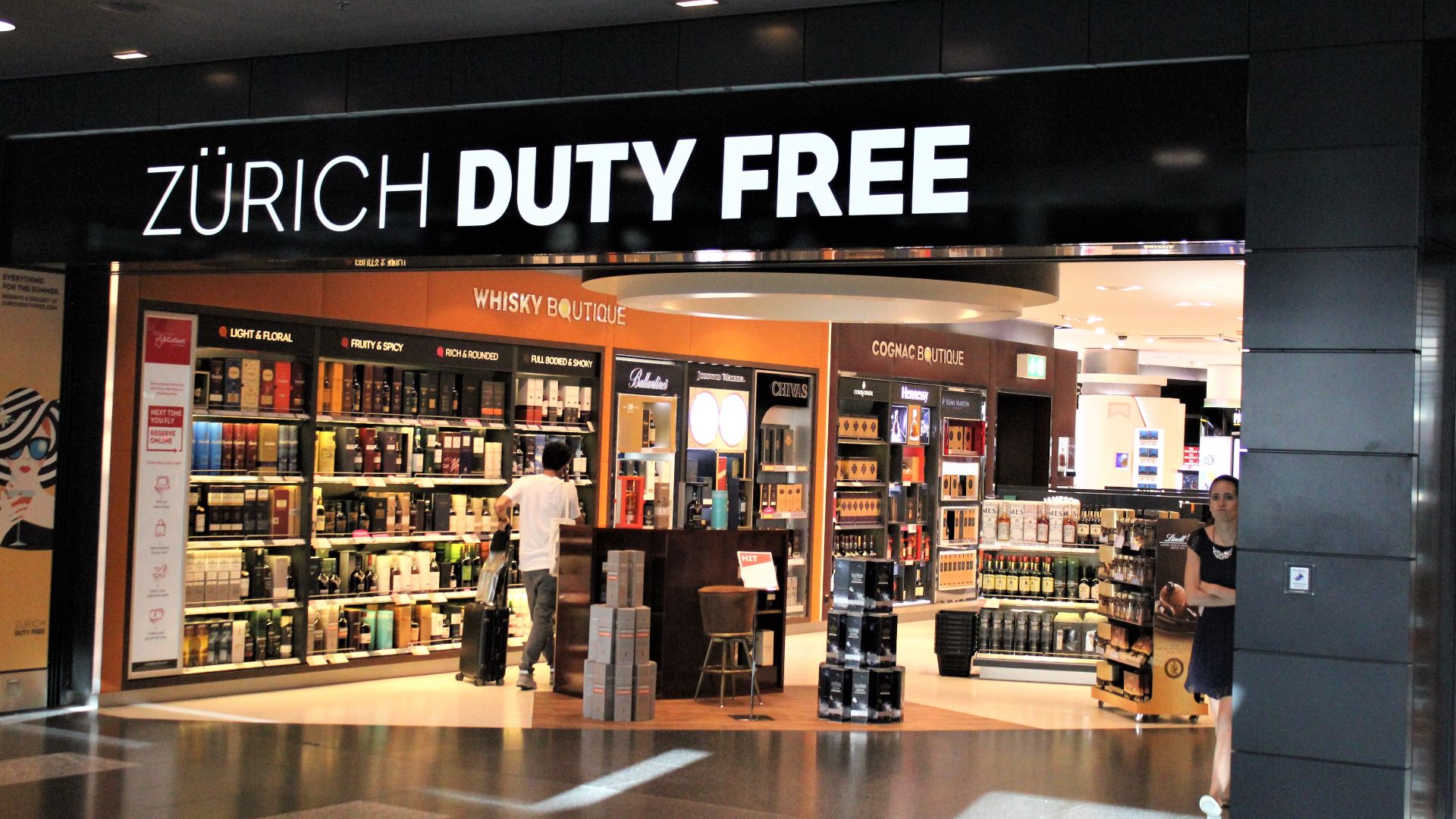
If you have a connection and are traveling with hand luggage only, treat any large duty-free liquid as a risk unless you have checked the rules for every airport on your route. Keep the bottle sealed, keep the receipt, and do not assume one checkpoint’s approval means the next one will agree. That small bit of caution can be the difference between bringing home a great souvenir and watching it disappear into a surrender bin.
 Horacio Villalobos, Getty Images, Modified
What Travelers Should Push For
Passengers should not have to solve a global rules puzzle while standing in a liquor or perfume shop. Clearer warnings at the point of sale, better airline guidance, and more consistent transfer rules would make a big difference. Until then, the smartest move is to shop with your connection in mind, not just your destination.
 Xinhua News Agency, Getty Images