A World Seemed To Vanish
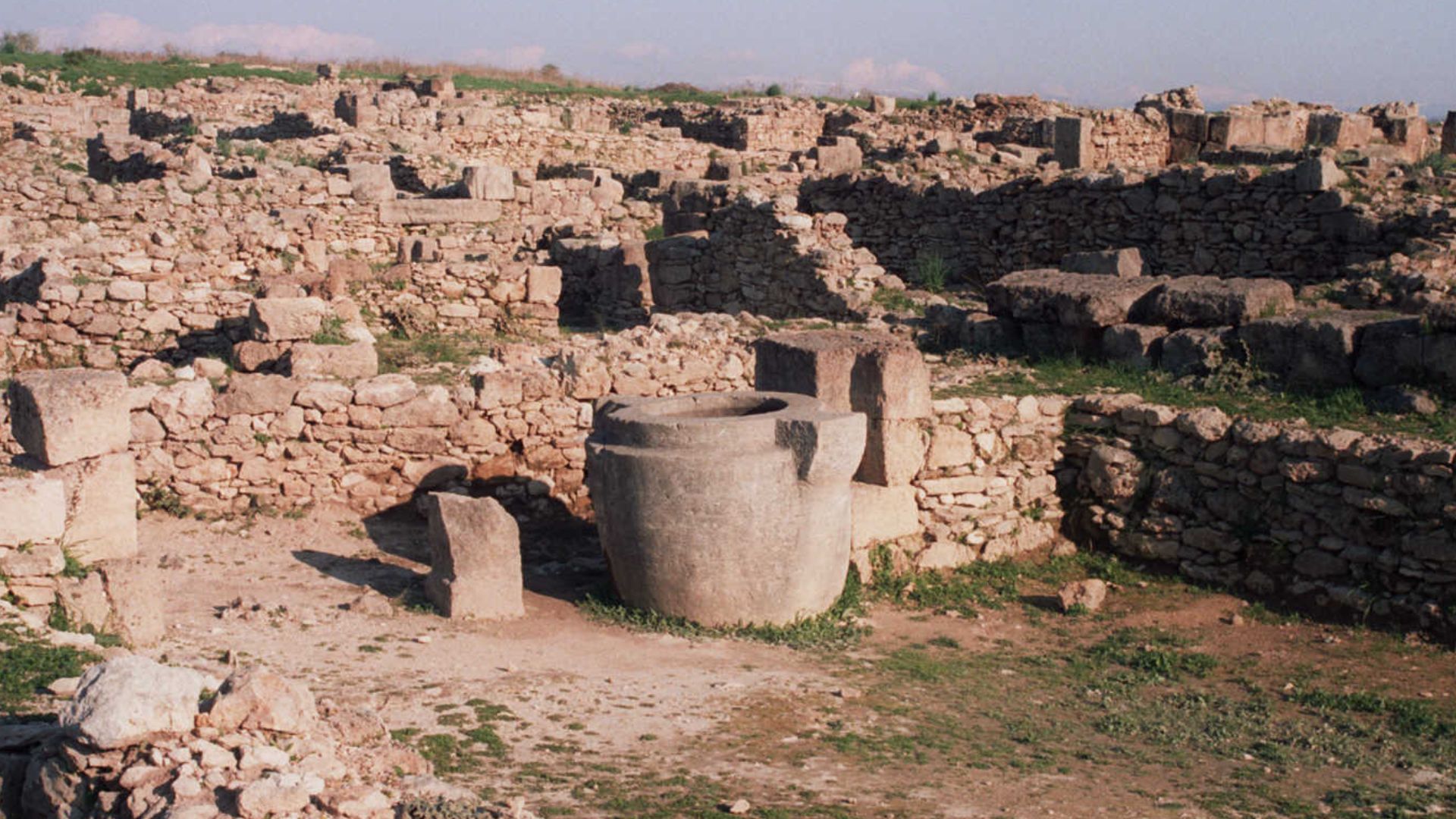
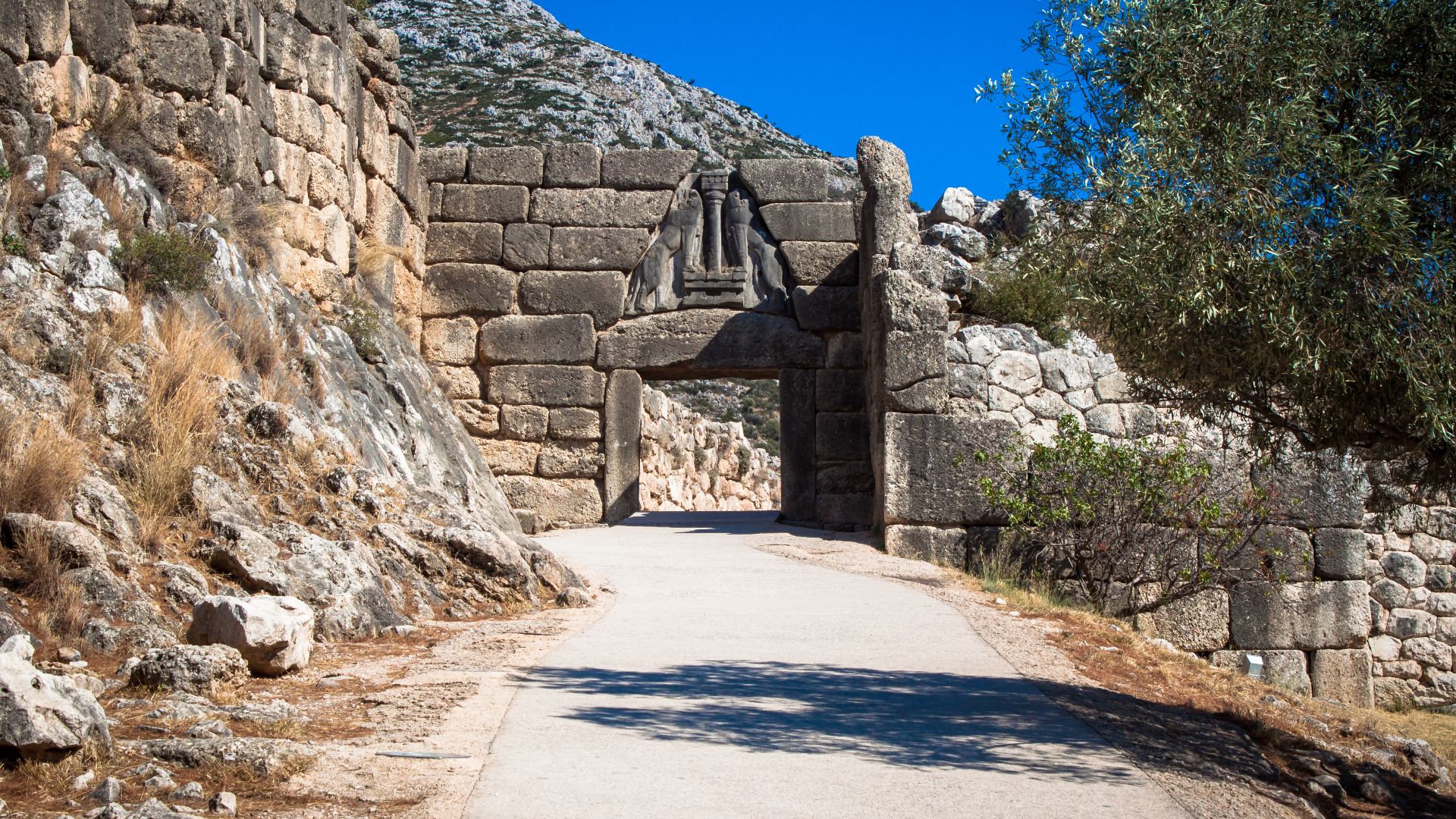
Around 1200 BCE, several of the eastern Mediterranean’s most powerful societies entered a period of extraordinary disruption. The powerful Hittite Empire in Turkey disappeared, the Mycenaean palace governments of Greece collapsed, and major cities in the Levant such as Ugarit were destroyed. And despite such widespread destruction, we're still not sure why it happened.

Not Every City Was Destroyed
It's widely believed that all civilization in the Mediterranean collapsed around 1200 BCE, but modern scholarship considers this an exaggeration. Some settlements survived, some declined gradually, and others show no destruction layer from the period.
But what we know for sure is that the thriving, cosmopolitan world of the Bronze Age Mediterranean disappeared in seemingly the blink of an eye.
 Loris RomitoThe original uploader was LorisRomito at Italian Wikipedia., Wikimedia Commons
The Ruins Could Not Tell Everything
Burned palaces and abandoned settlements reveal how the Bronze Age ended, but they offer only fragments of the world that existed beforehand. Perishable goods vanished, cargoes were scattered, and trade records usually represented royal administrators rather than ordinary voyages. Archaeologists needed something closer to a complete snapshot.
 Georges Jansoone (Jojan, Wikimedia Commons
One Unlucky Ship Provided It
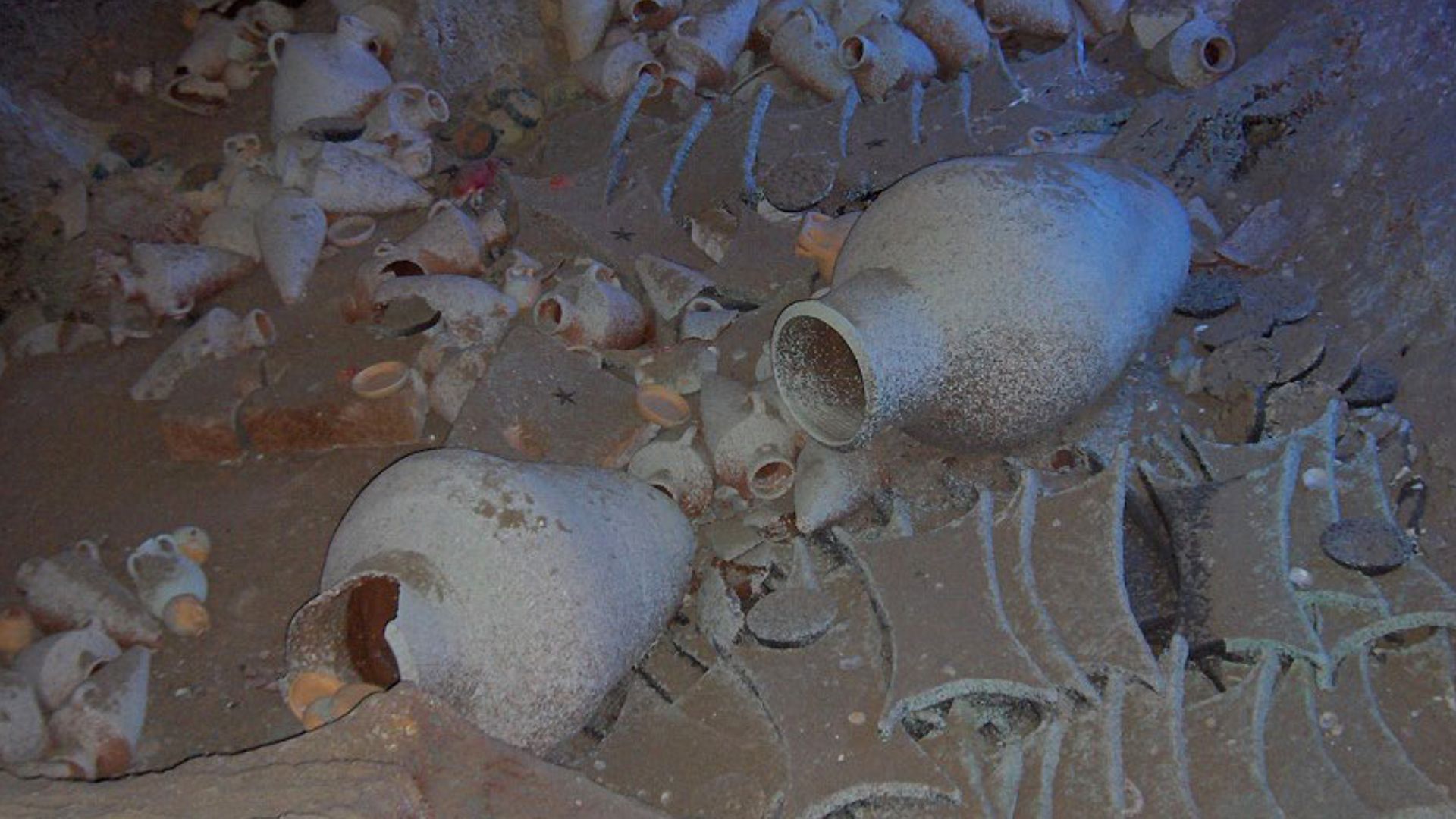
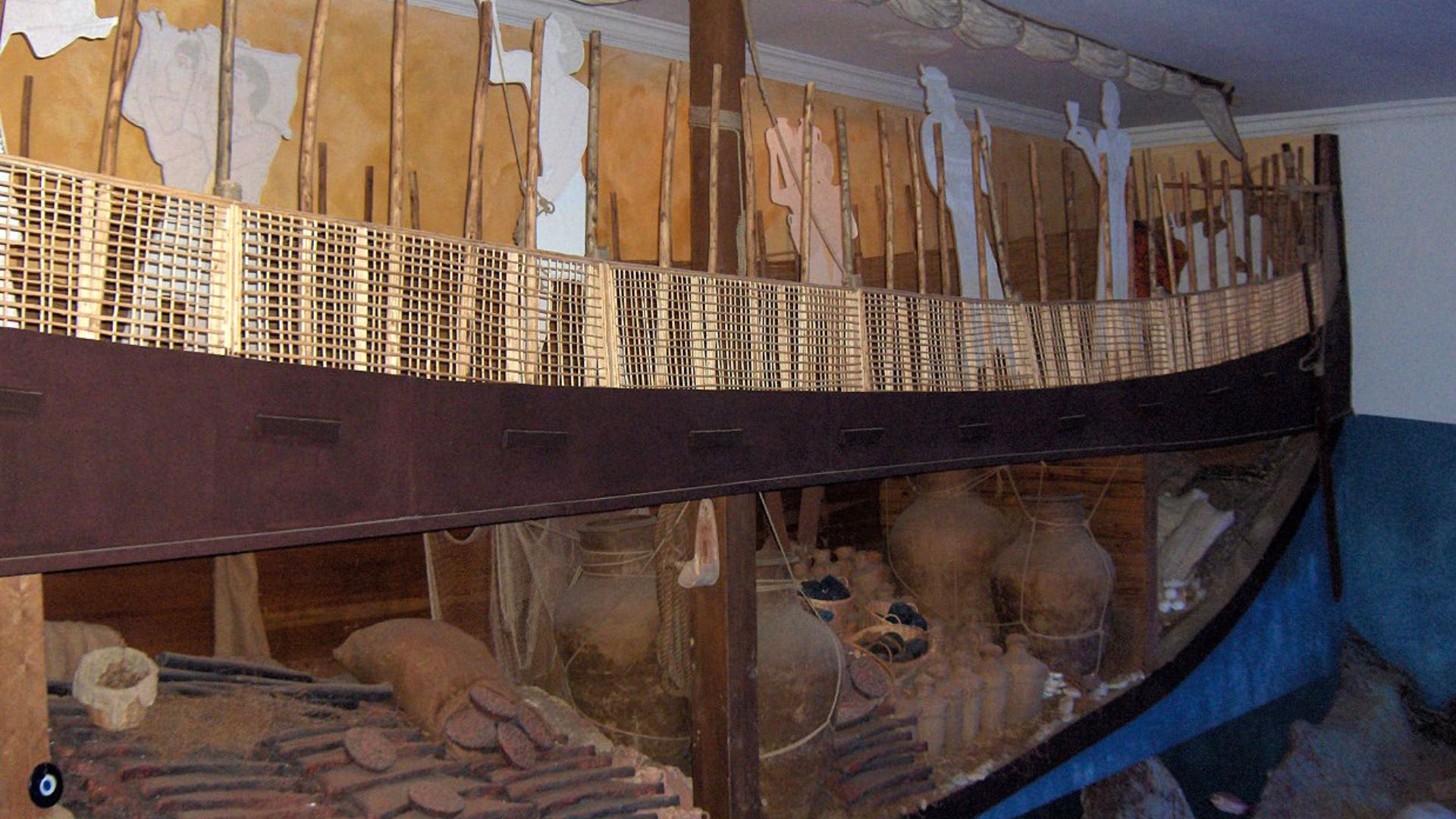
Off Turkey’s Mediterranean coast, a merchant vessel sank during the late 14th century BCE. Its cargo settled on a steep underwater slope and remained largely undisturbed for more than 3,000 years. The wreck became known as Uluburun, after the nearby headland where it was found.
 Georges Jansoone (Jojan, Wikimedia Commons
The Discovery Began With A Sketch
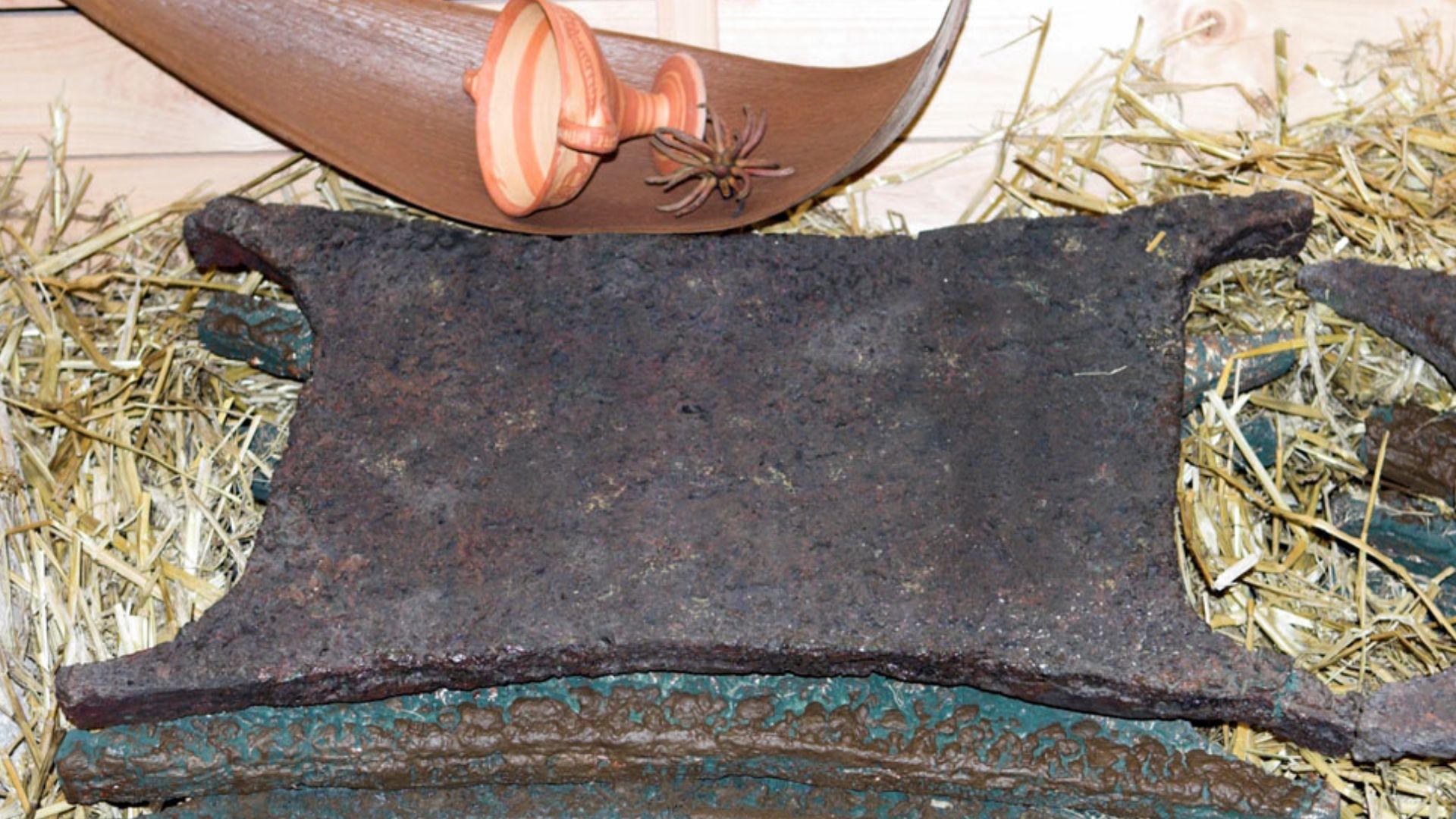
In 1982, Turkish sponge diver Mehmed Çakir noticed unusual metal objects underwater near Kaş. He described them as metal biscuits with ears and drew their distinctive shapes. Archaeologists recognized the objects as Bronze Age copper ingots and realized that an ancient wreck might be waiting below.
 Martin Bahmann, Wikimedia Commons
Excavating It Was An Ordeal
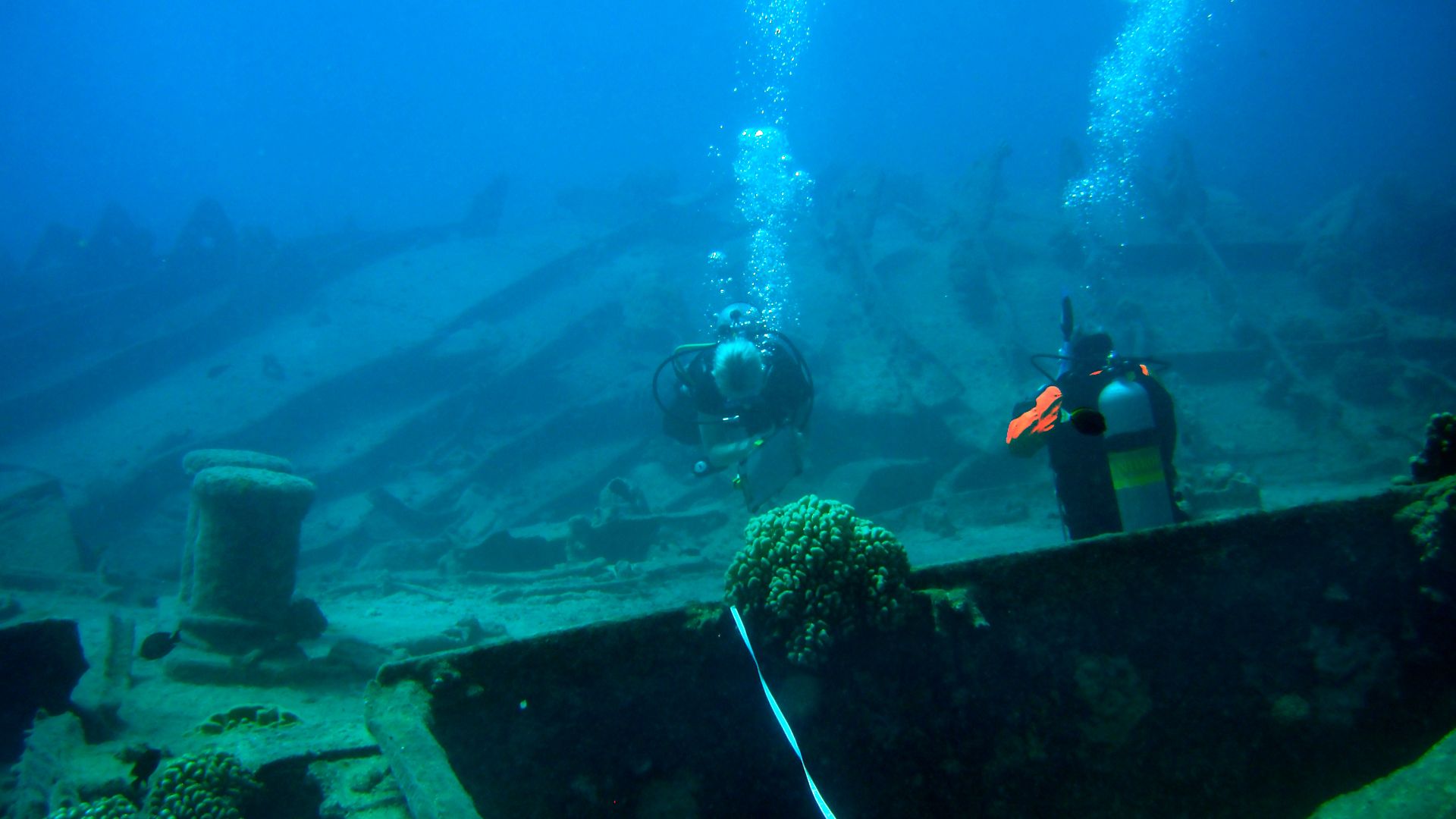
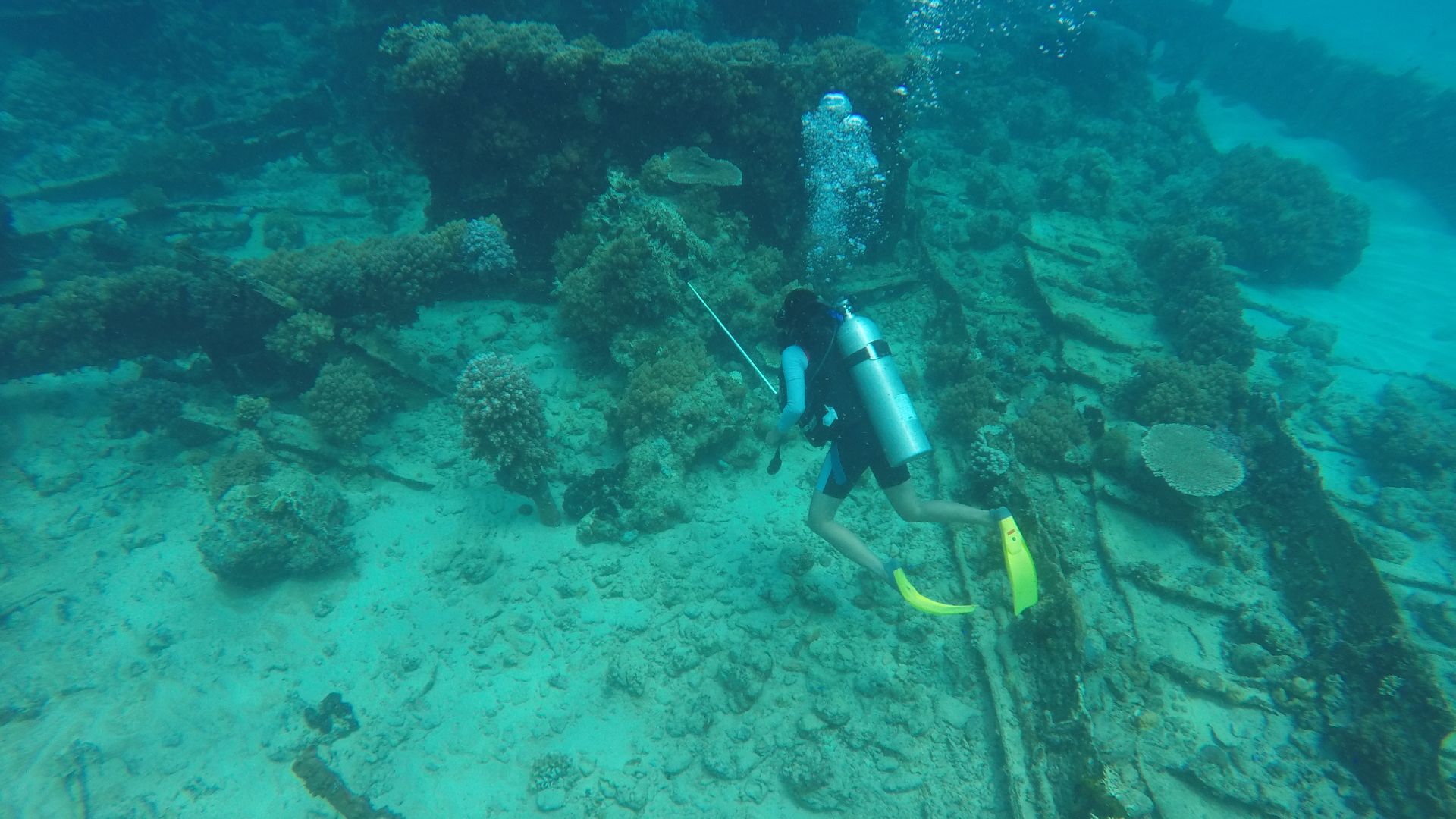
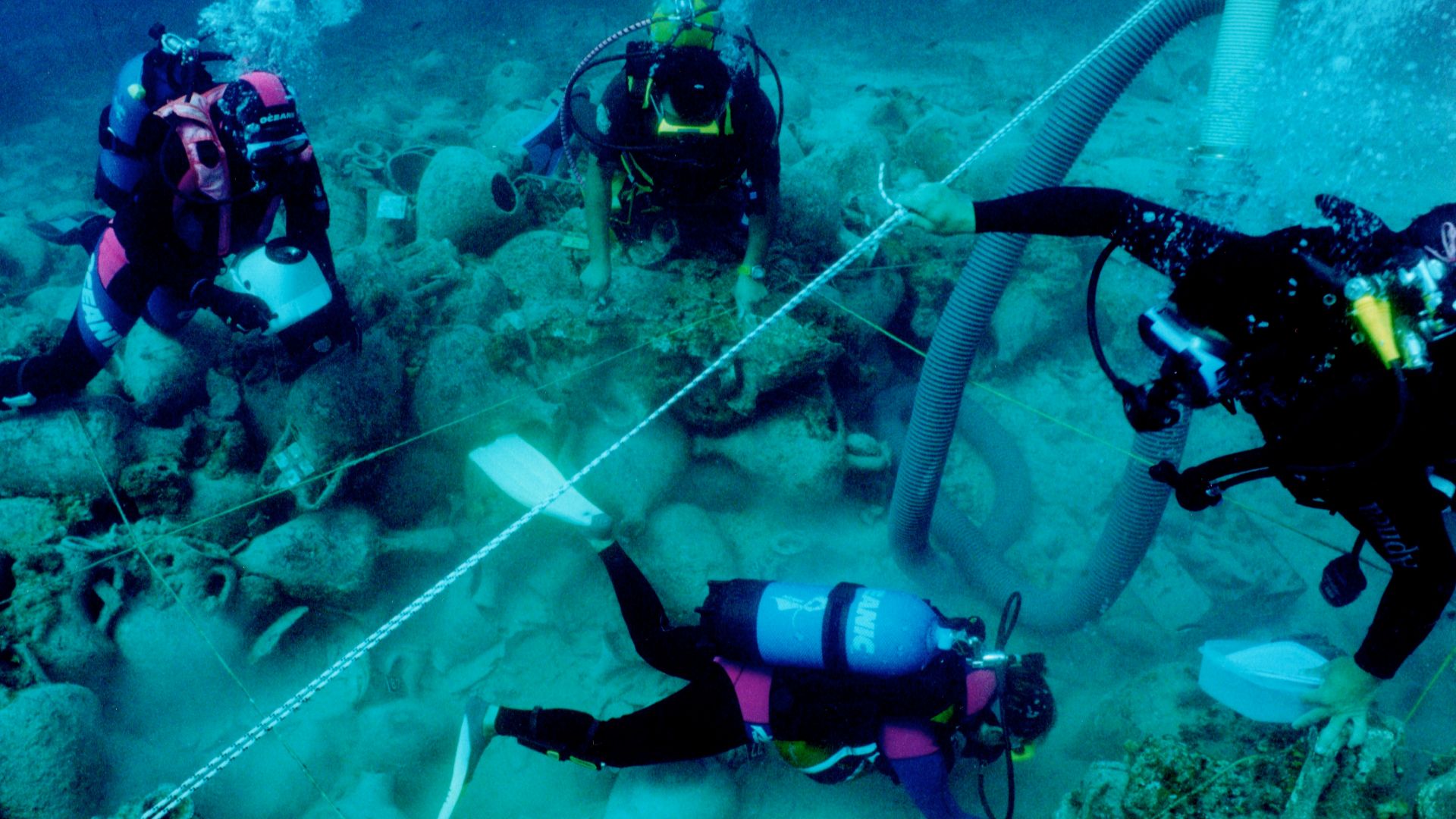
The wreck lay roughly 44 to 61 metres below the surface, limiting how long divers could remain near the artifacts. The Institute of Nautical Archaeology excavated the site over 11 seasons between 1984 and 1994. The project required more than 22,000 dives under demanding conditions.
 Dwi sumaiyyah makmur, Wikimedia Commons
The Ship Predated The Collapse
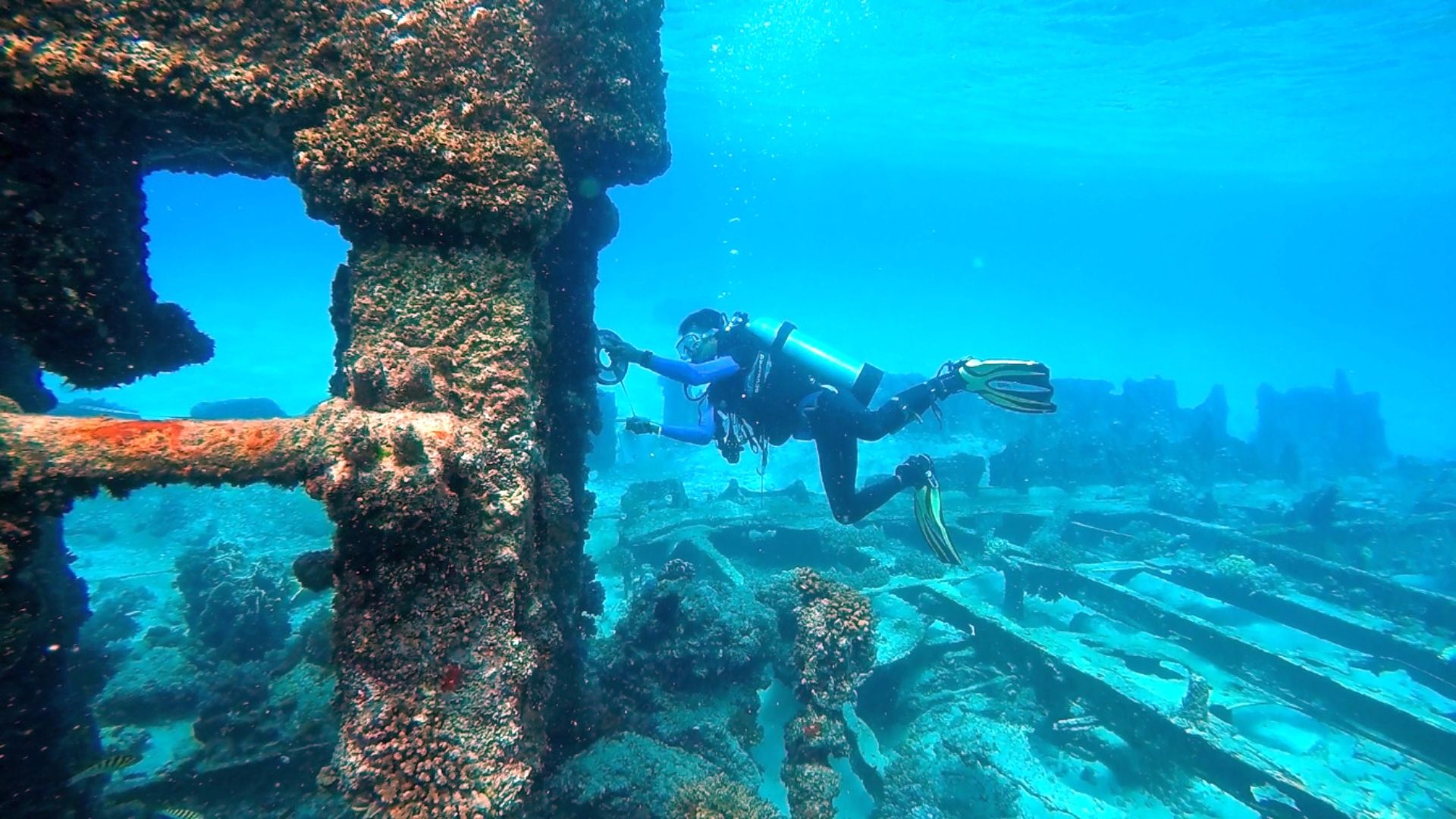
Evidence places the sinking around 1320 BCE, approximately a century before the worst destruction associated with the Late Bronze Age collapse. That timing made the wreck especially valuable. It preserved the trading system near its height rather than capturing its final, troubled years.
 Dwi sumaiyyah makmur, Wikimedia Commons
This Was No Modest Fishing Boat
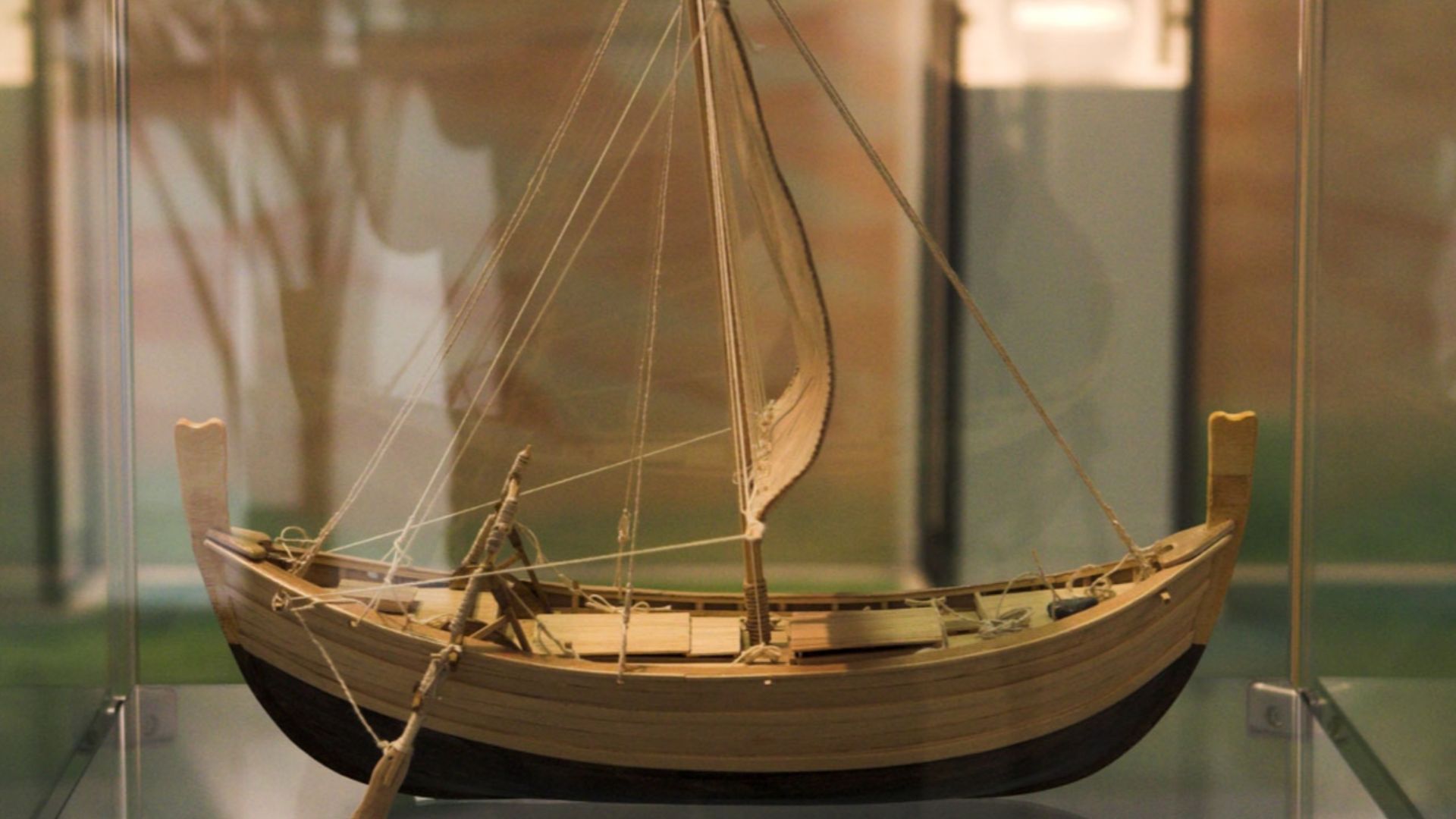
Researchers estimate that the wooden vessel was approximately 15 metres long and capable of carrying close to 20 tons. Surviving timbers indicate that its hull was constructed largely from cedar using pegged mortise-and-tenon joints. Only a small portion of the ship survived, but enough remained to study its construction.
 Martin Bahmann, Wikimedia Commons
Ten Tons Of Copper Filled The Hold
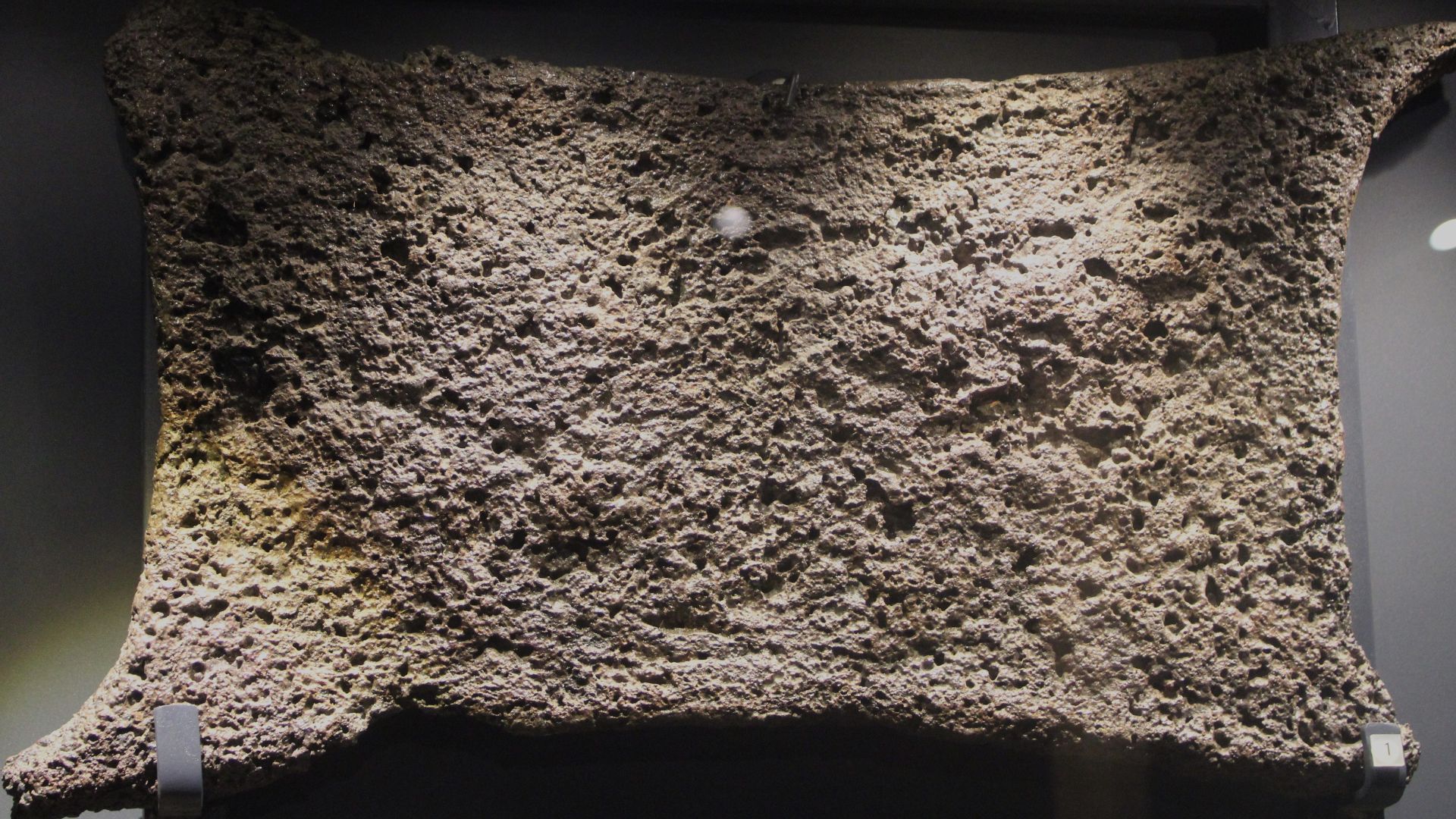
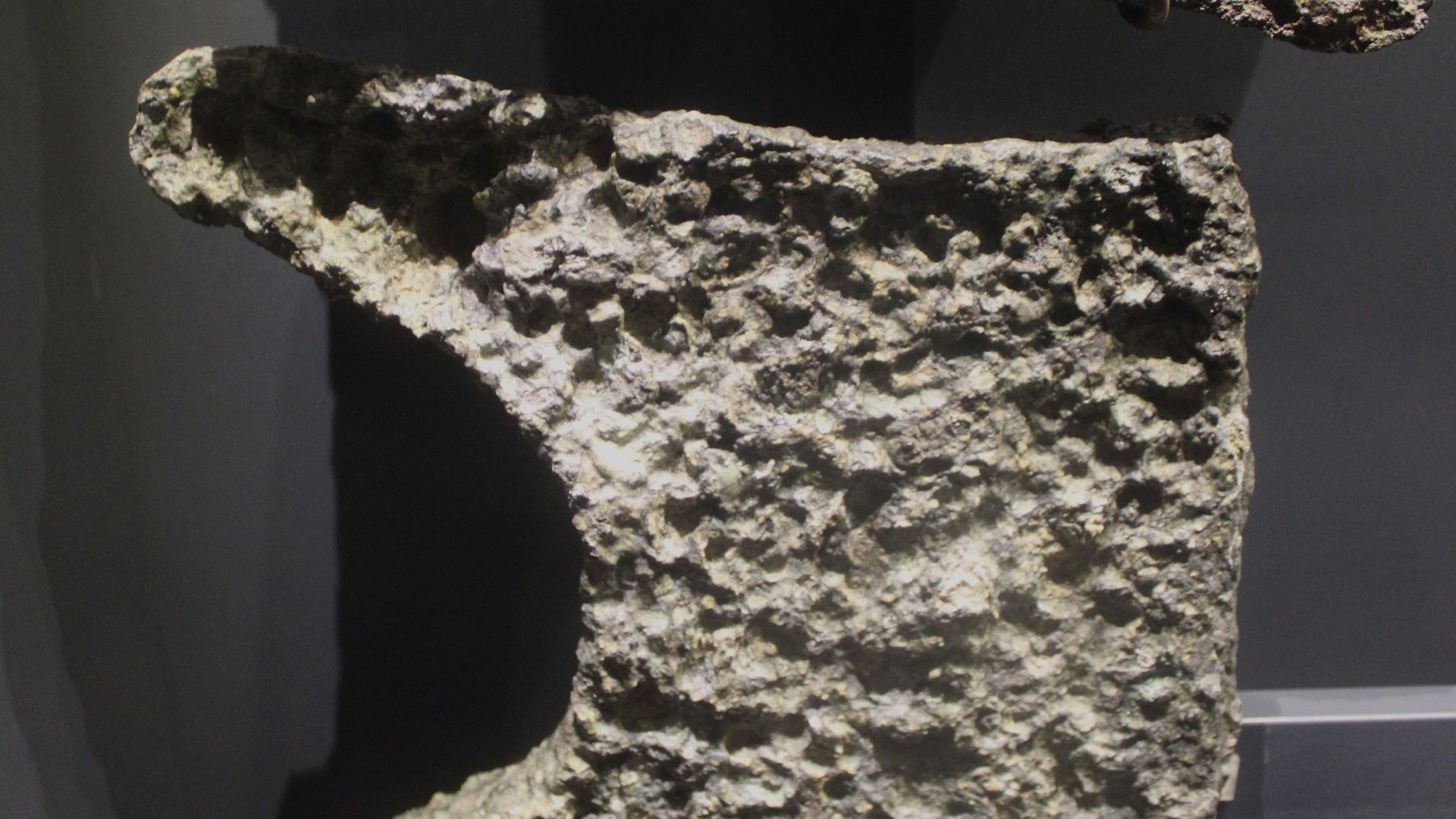
The largest part of the cargo consisted of roughly ten tons of copper, much of it formed into distinctive oxhide-shaped ingots. Their projecting corners made the ingots easier to lift, secure, or transport. Chemical analysis connected most of the copper to Cyprus, one of the ancient Mediterranean’s great metal-producing centres.
The Ship Also Carried Tin
More than a ton of tin accompanied the copper. The approximate ten-to-one proportion closely matched the amounts needed to manufacture bronze, the essential alloy used for weapons, tools, vessels, and prestige objects. The cargo represented enough raw material to produce thousands of valuable bronze artifacts.
Bronze Required International Cooperation
Copper was widely available in places such as Cyprus, but tin was far more difficult to obtain. Producing bronze therefore depended on merchants carrying separate materials across enormous distances. A political crisis, closed harbour, failed harvest, or disrupted route could affect metal production far beyond the original disturbance.
 Brunodambrosio, Wikimedia Commons
The Hold Resembled A Floating Market
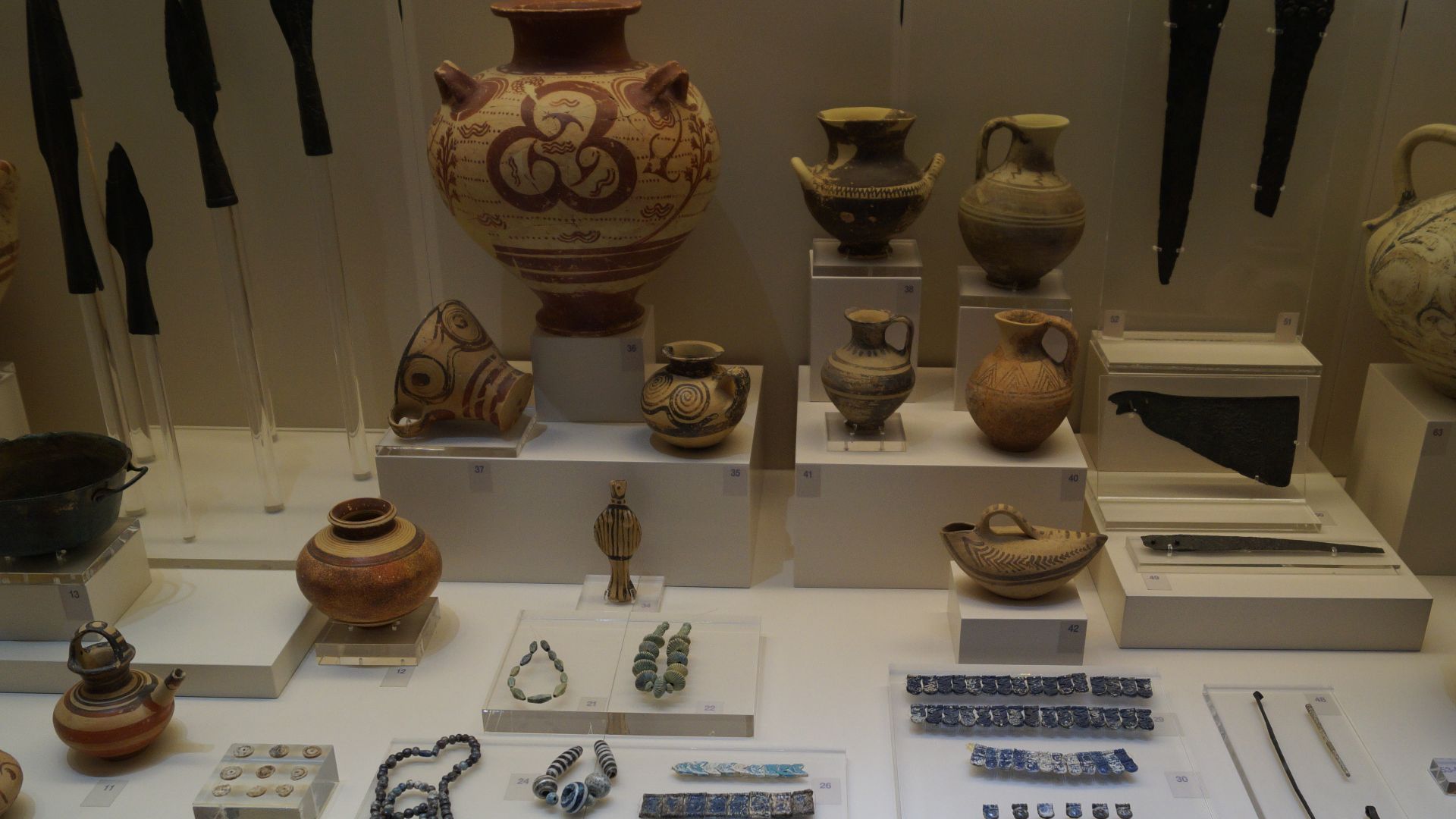
The wreck held a lot more than metal. Divers found pottery, glass, resin, timber, ivory, jewelry, tools, weapons, food, and personal possessions. But it wasn't just their variety that was astounding—it was where they came from.
Artifacts From Far And Wide
The goods in the Uluburun shipwreck originated in regions stretching from northern Europe and the western Mediterranean to Mesopotamia, Egypt, and sub-Saharan Africa. No single palace or settlement could have demonstrated this remarkable geographic reach so clearly.
 Buried Treasure | The Nile, Nat Geo Animals
Brilliant Glass Crossed The Sea
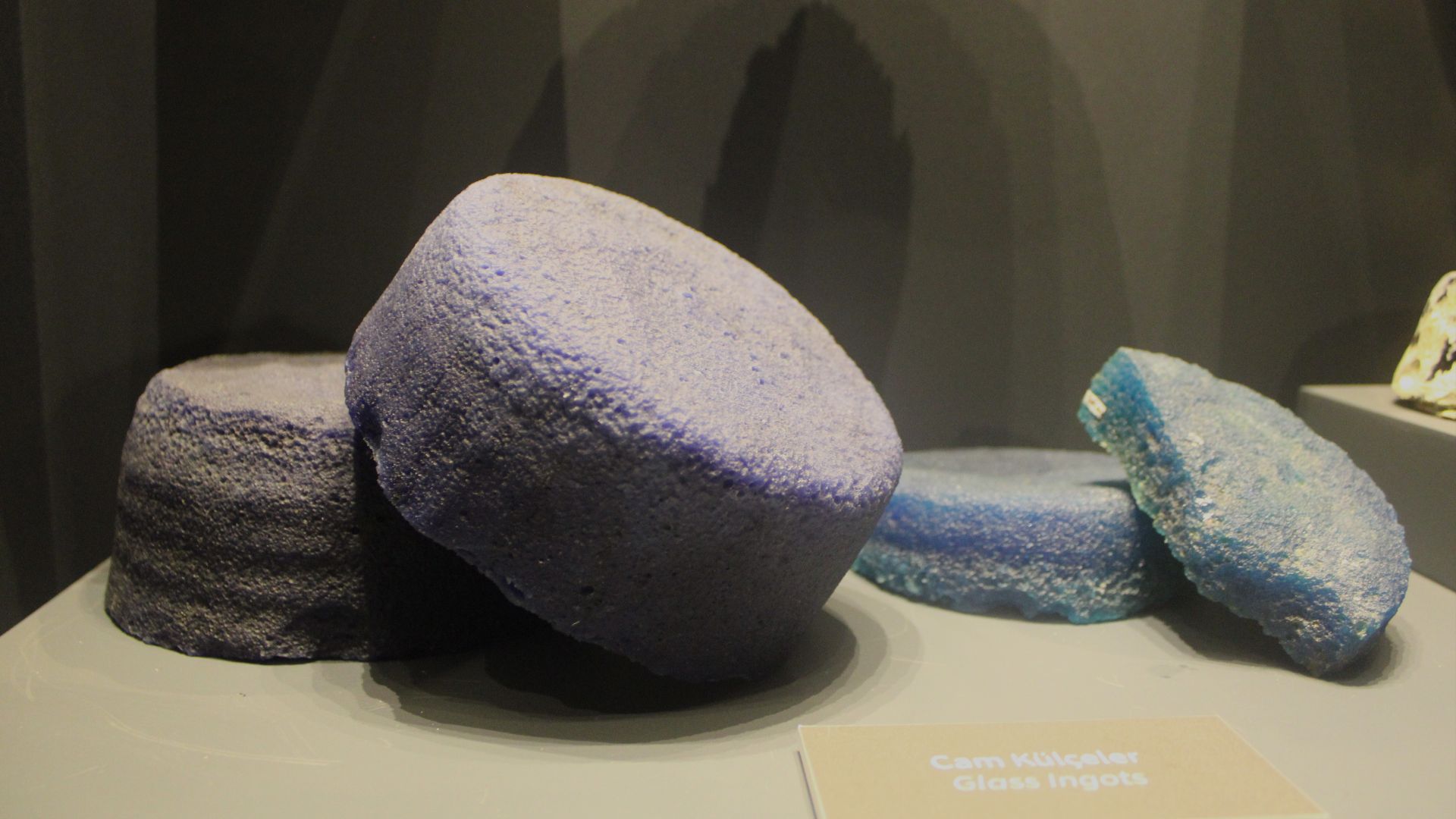
Among the cargo were raw glass ingots in colours including cobalt blue and turquoise. Craftspeople could melt and reshape this glass into beads, vessels, inlays, and decorative objects. Their presence showed that specialized industries relied on maritime shipments of partly processed materials, not merely finished luxuries.
Ordinary Jars Held Valuable Resin
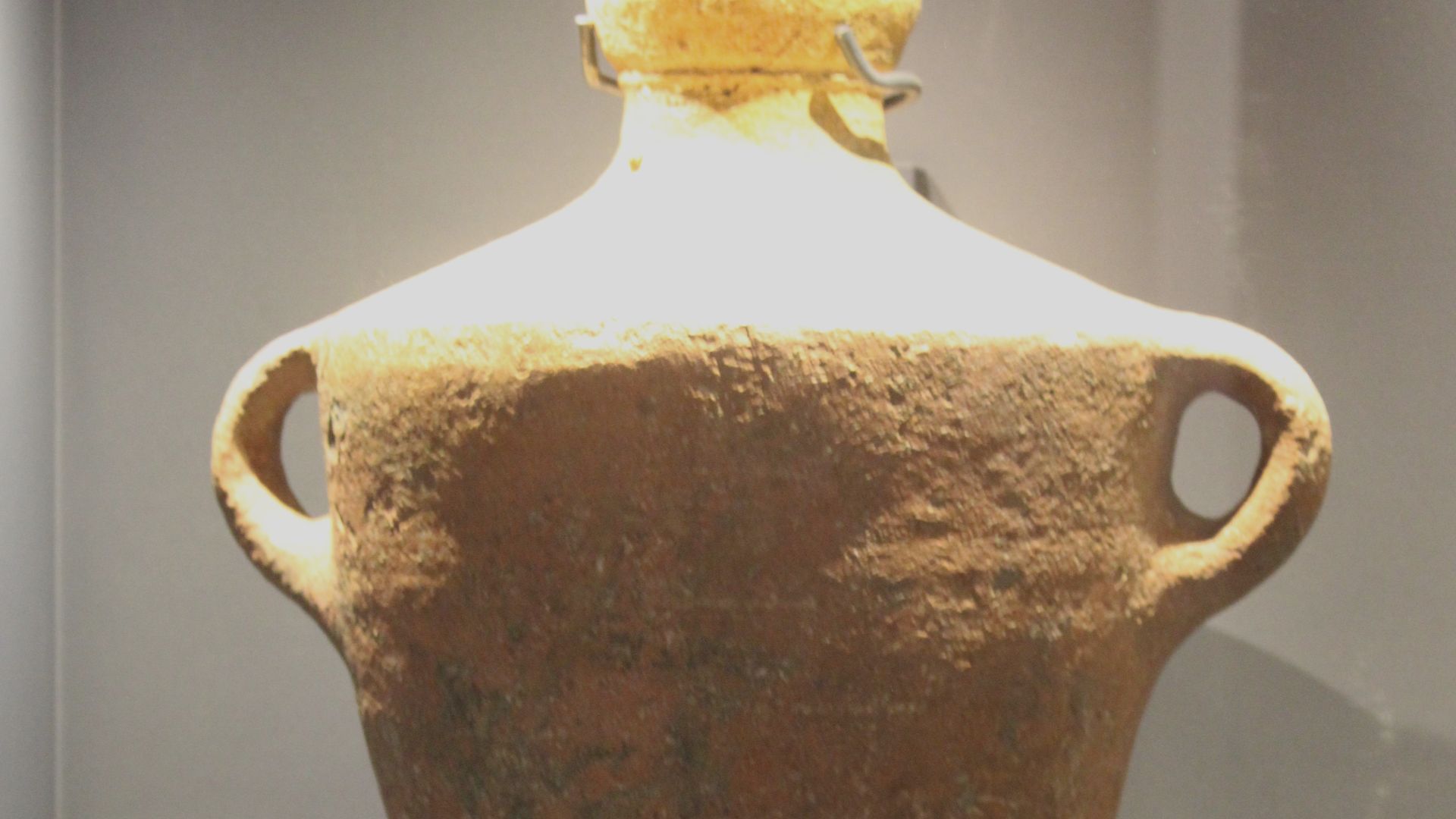
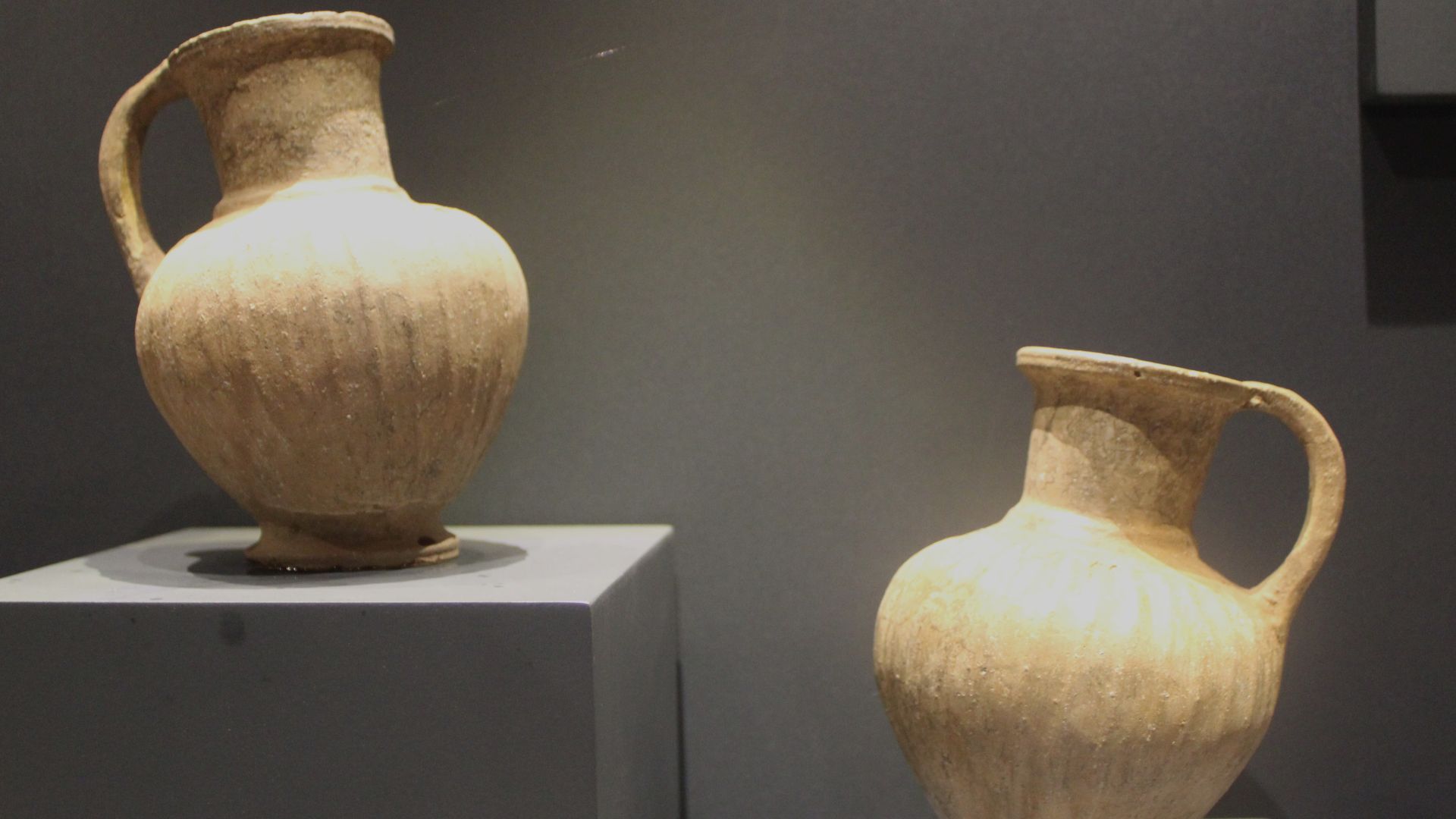
The ship carried at least 149 Canaanite jars, many containing terebinth resin. This aromatic substance could be used in incense, perfume, medicine, and other preparations. The containers demonstrated that ancient merchants moved chemical and organic products alongside metals and precious objects.
Luxury Came From Living Creatures
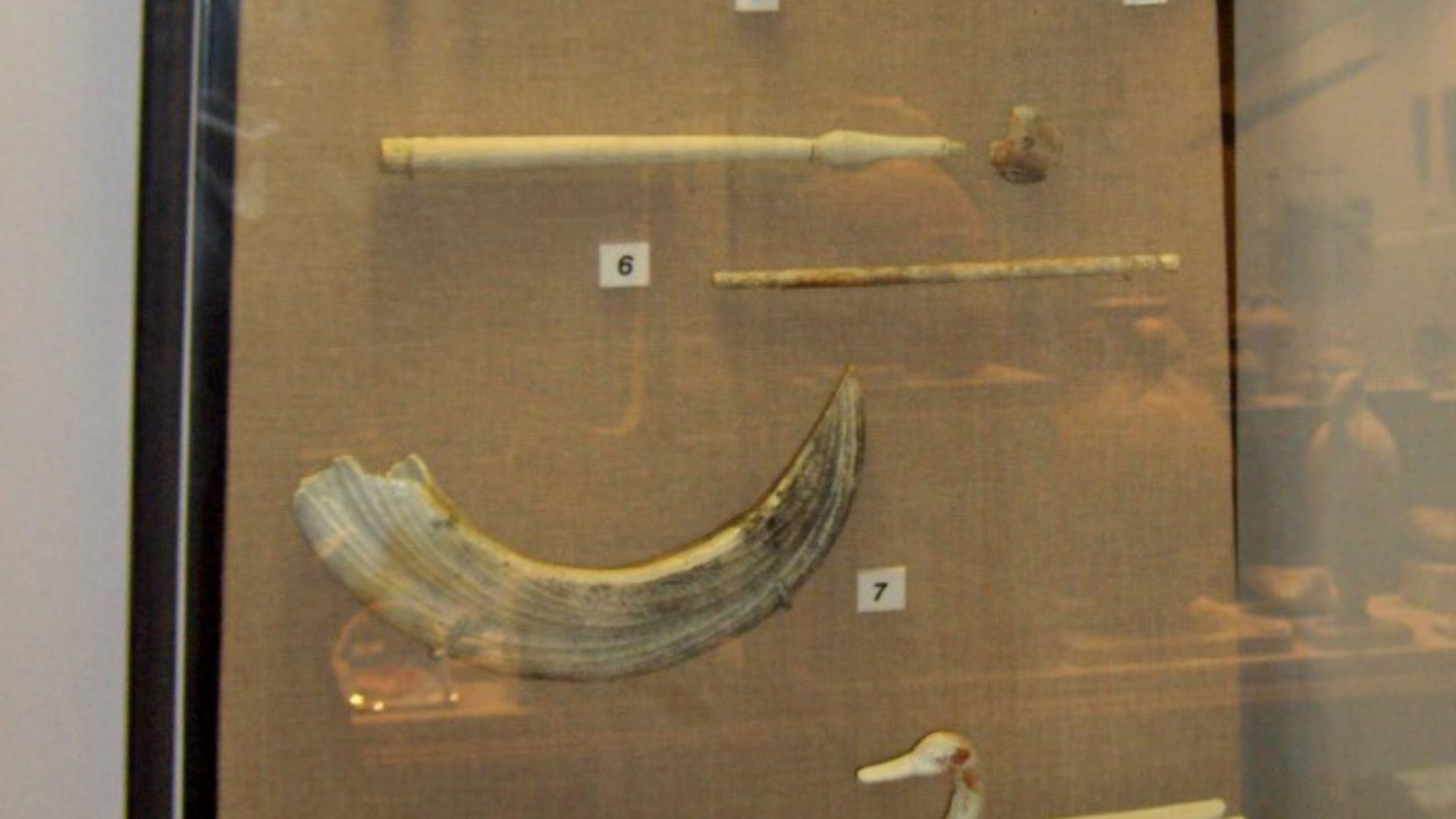
Elephant tusks, hippopotamus teeth, ostrich eggshells, and tortoise shells appeared among the recovered material. These items could be transformed into containers, inlays, musical instruments, and elite decorations. Their survival reveals a trade in animal products that connected distant environments with palace workshops.
 Georges Jansoone (Jojan), Wikimedia Commons
Ebony Travelled From Africa
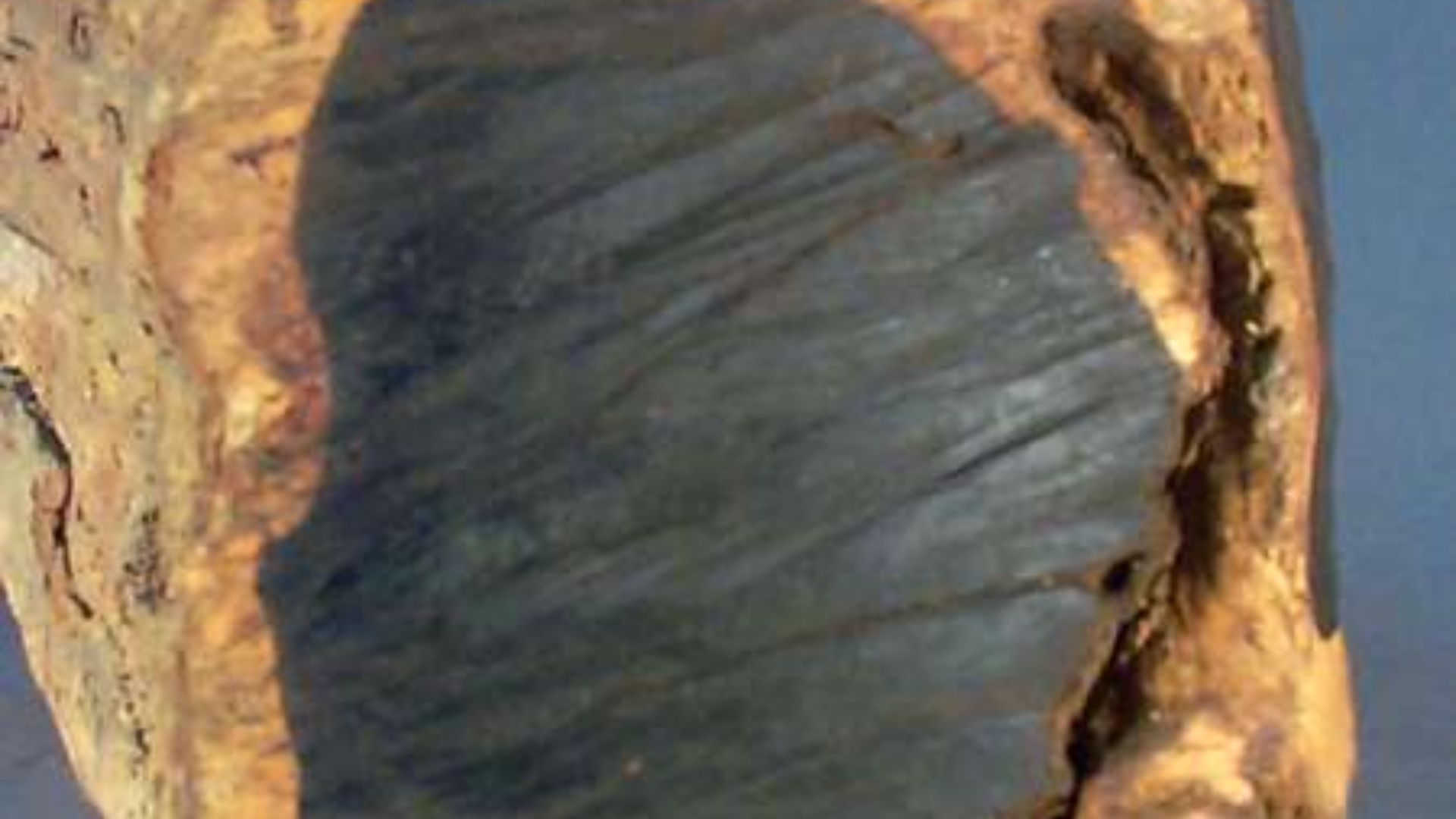
Divers also recovered ebony logs associated with northeastern Africa. Ebony was prized for its dark colour, density, and polished appearance. Transporting unworked logs allowed craftspeople at the destination to shape the wood for furniture, boxes, handles, and decorative fittings.
Amber Came From Far To The North
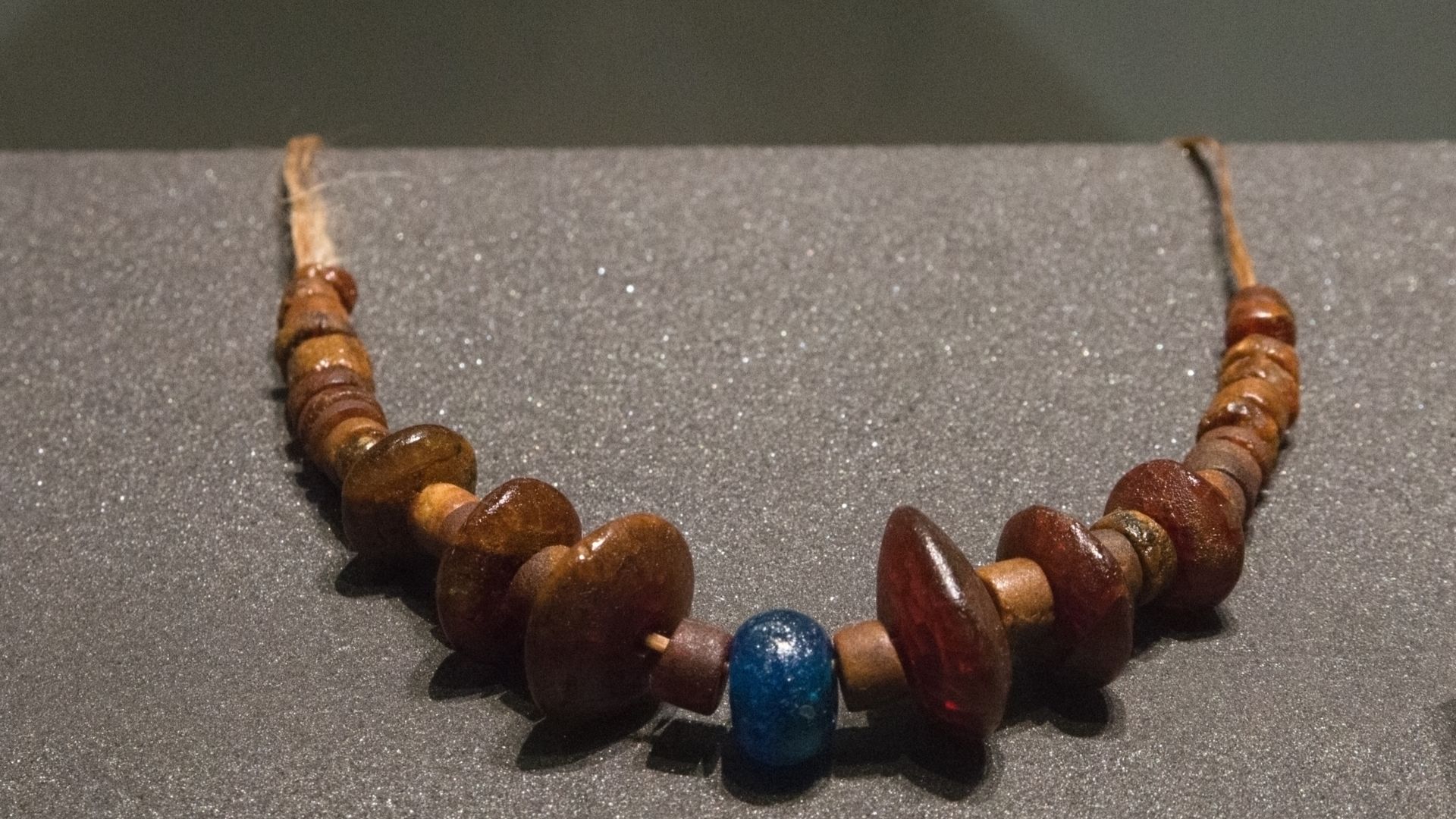
Pieces of amber found aboard the vessel had connections to the Baltic region. That did not necessarily mean a single merchant travelled directly from the Baltic to Turkey. Instead, the material probably passed through several communities and exchange networks before reaching the eastern Mediterranean.
A Pharaoh’s Queen Appeared In Gold
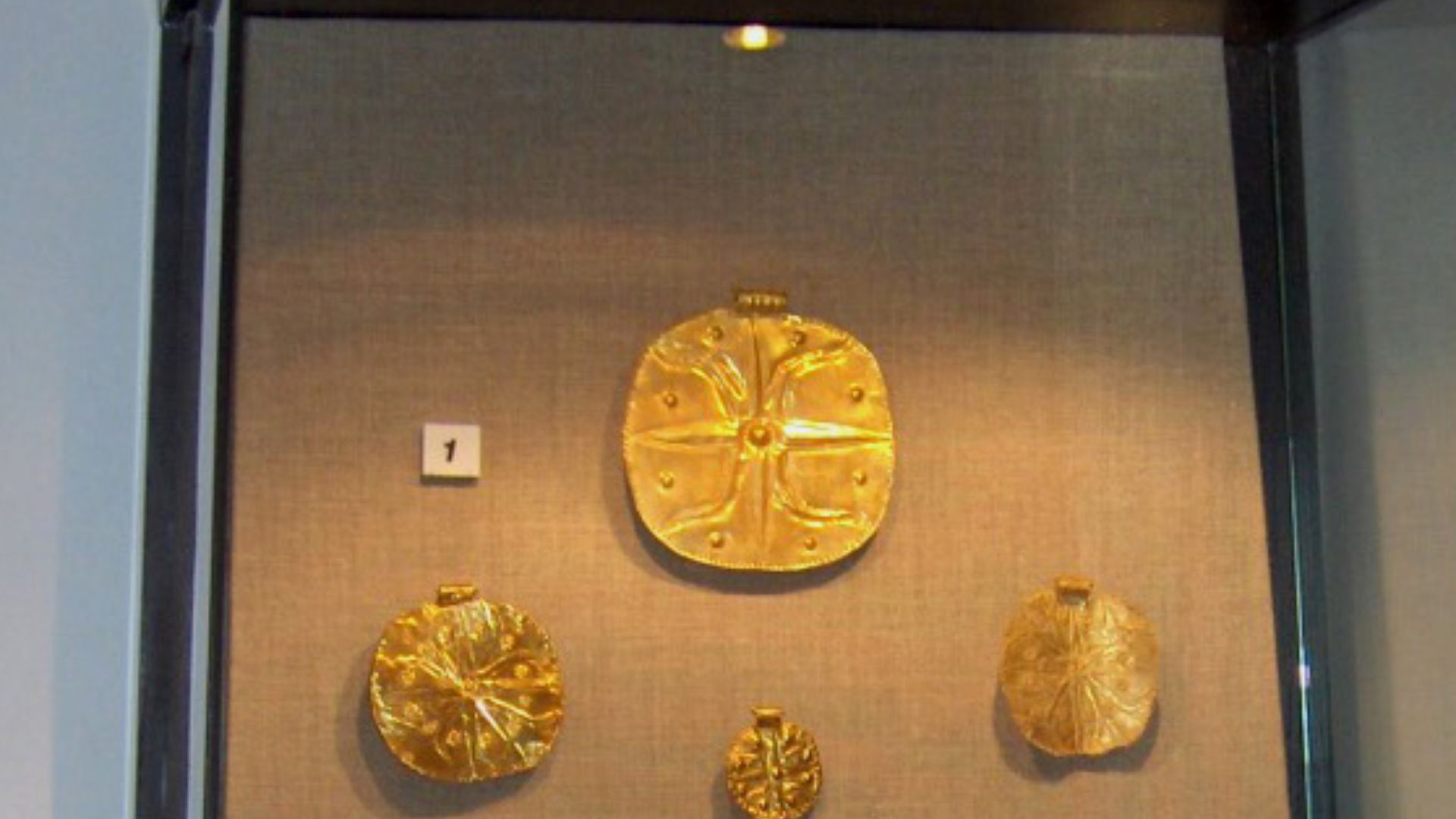
One of the most famous discoveries was a gold scarab bearing the name of Nefertiti, the wife of Pharaoh Akhenaten. The small object helps place the ship within the political world of Egypt’s Amarna period. Whether it was merchandise, a diplomatic gift, or recycled precious material remains uncertain.
 Georges Jansoone (Jojan, Wikimedia Commons
The Cargo Looked Almost Royal
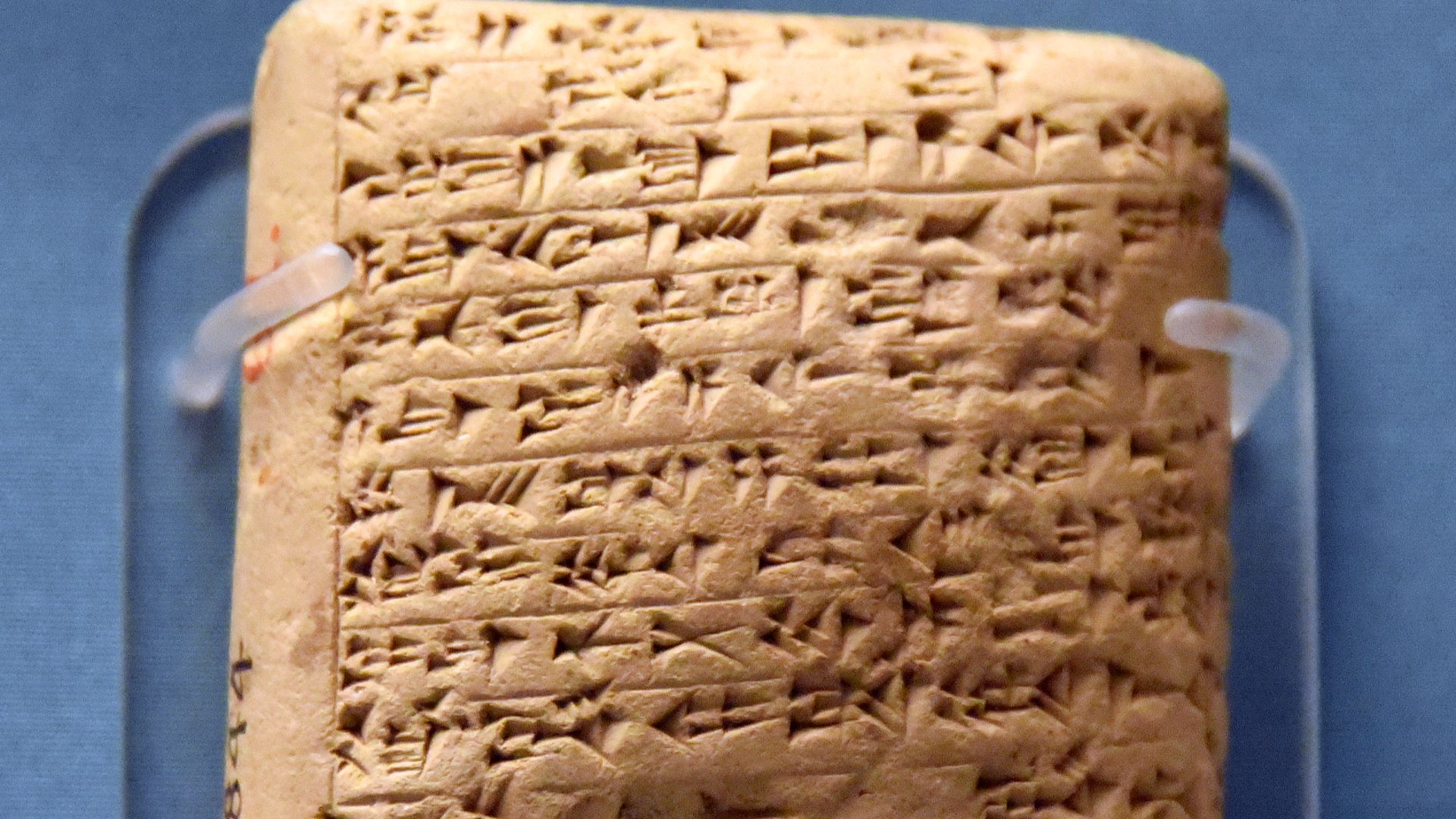
Several goods resembled valuable gifts described in the Amarna Letters, diplomatic correspondence exchanged among Late Bronze Age rulers. Kings sent metals, jewelry, luxury vessels, and other prized materials to maintain relationships. Uluburun may have carried commercial freight, diplomatic gifts, or a mixture of both.
 Osama Shukir Muhammed Amin FRCP(Glasg), Wikimedia Commons
Merchants Were Measuring Everything
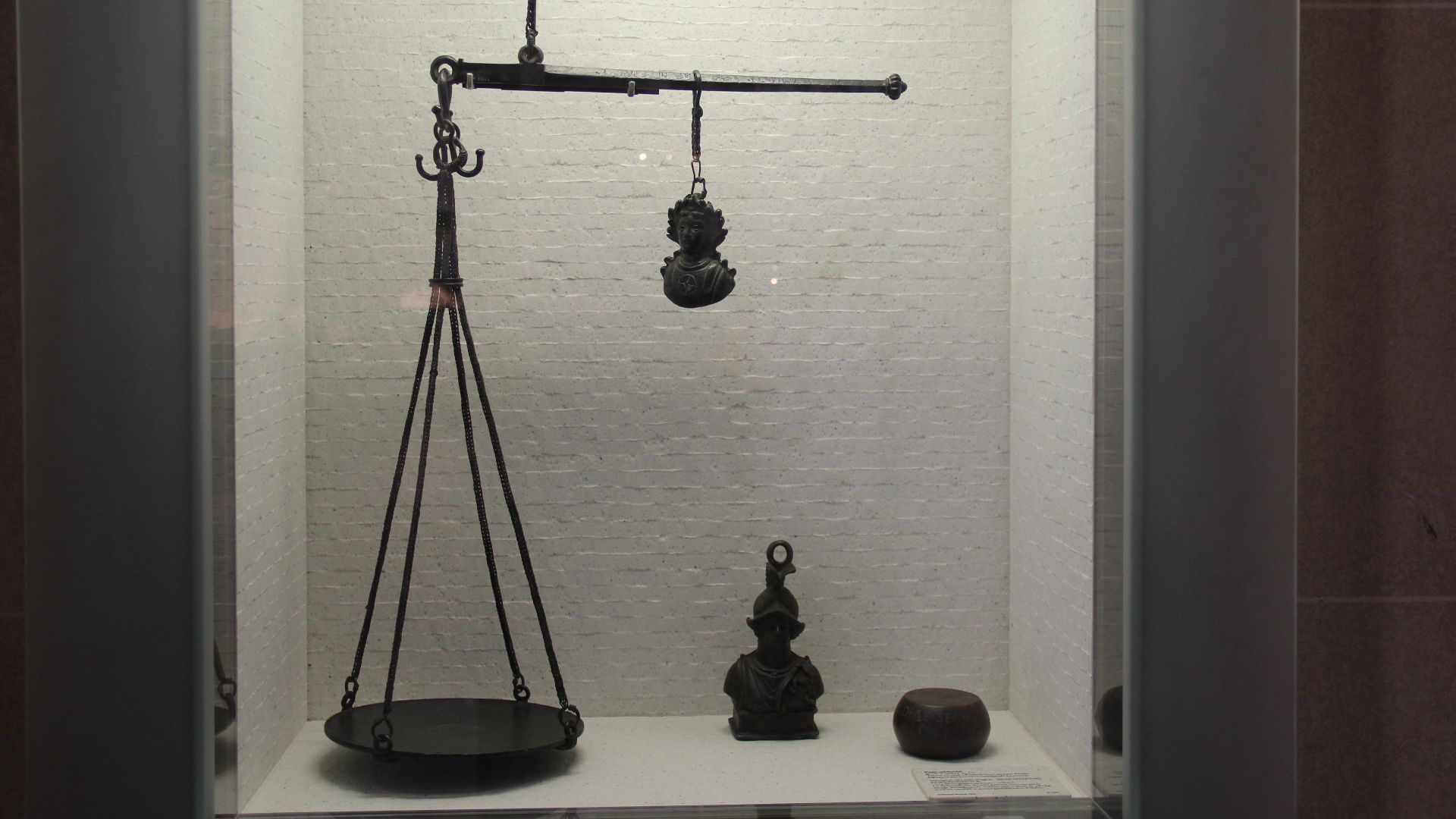
Balances and sets of weights were found among the wreckage. They allowed merchants to evaluate metal and other commodities in economies where value was frequently determined by weight. Their presence suggests that transactions, accounting, and negotiations could continue during the voyage.
 Gary Todd from Xinzheng, China, Wikimedia Commons
The Crew Left Personal Clues
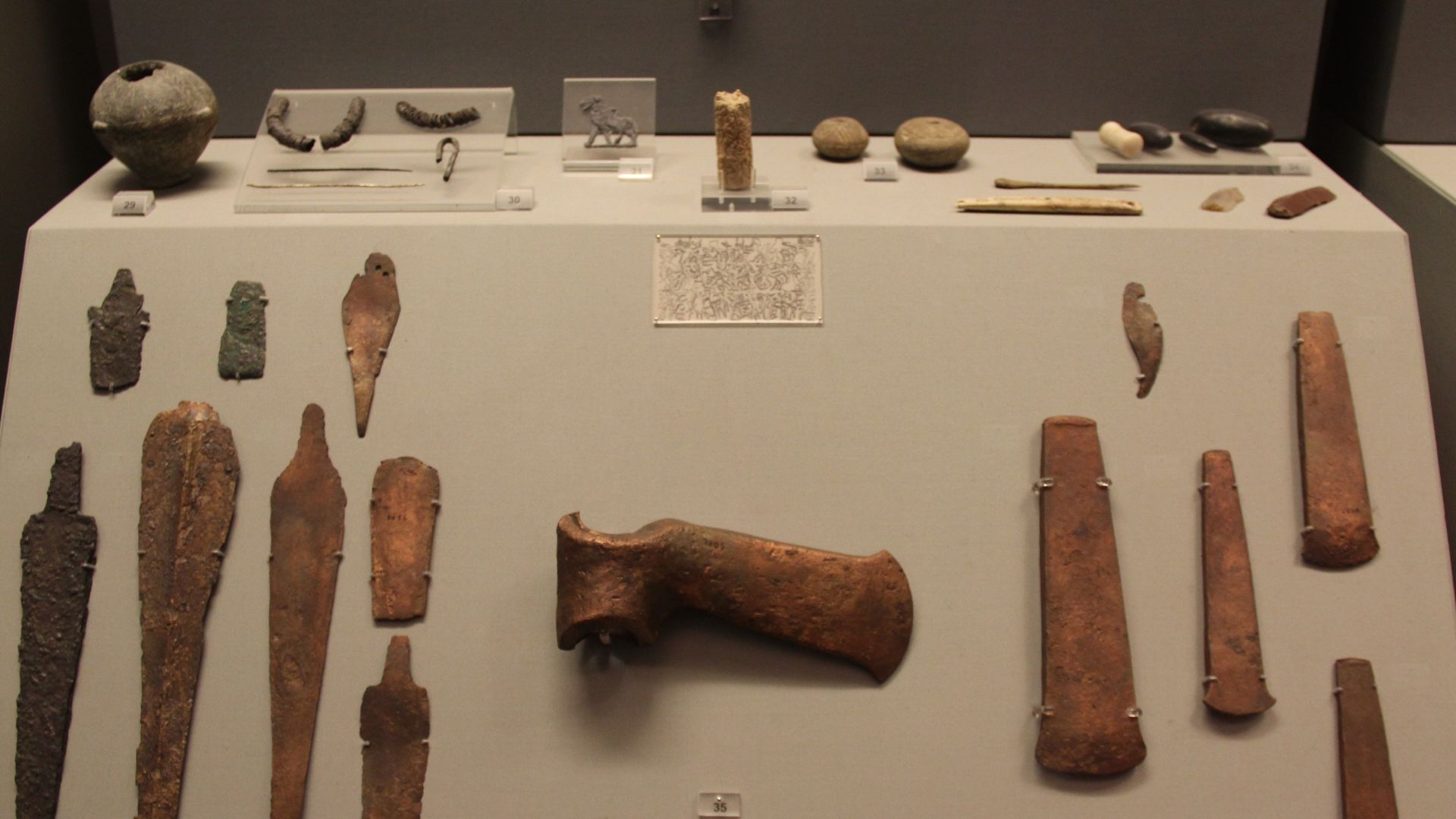
Cooking equipment, fishing gear, lamps, tools, weapons, and musical instruments provided glimpses of life aboard the vessel. Archaeologists have linked much of the shipboard material to a Syro-Canaanite crew. Objects associated with mainland Greece suggest that Mycenaean passengers may also have been present.
 Gary Todd from Xinzheng, China, Wikimedia Commons
The Destination Remains Uncertain
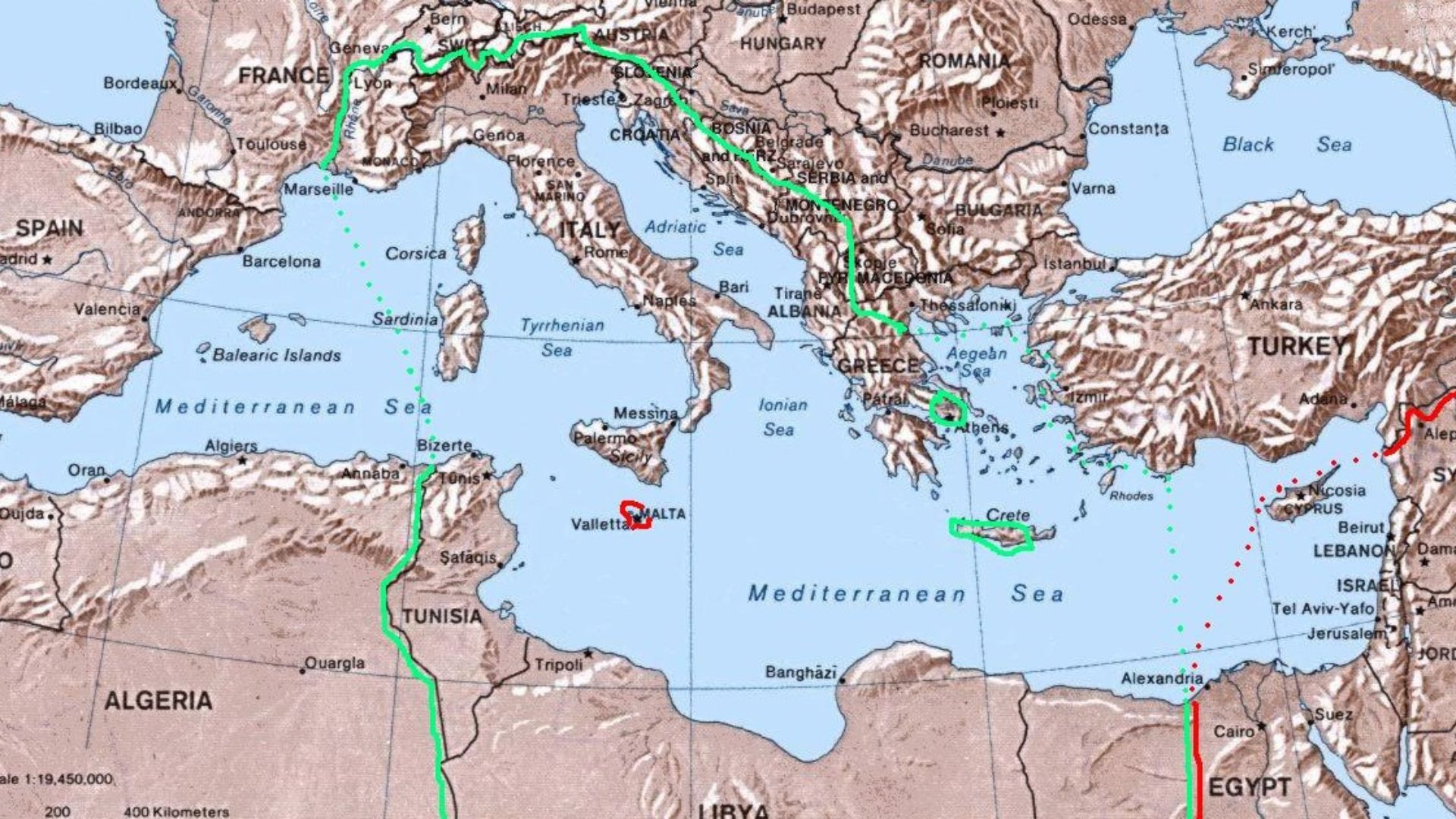
Most researchers agree that the vessel was travelling westward when it sank. Mainland Greece may have been its eventual destination, although the surviving evidence cannot establish its full itinerary. The ship could have stopped repeatedly, loading and unloading goods at several ports.
 Elpida Hadjidaki, Wikimedia Commons
The Mediterranean Was Already Globalized
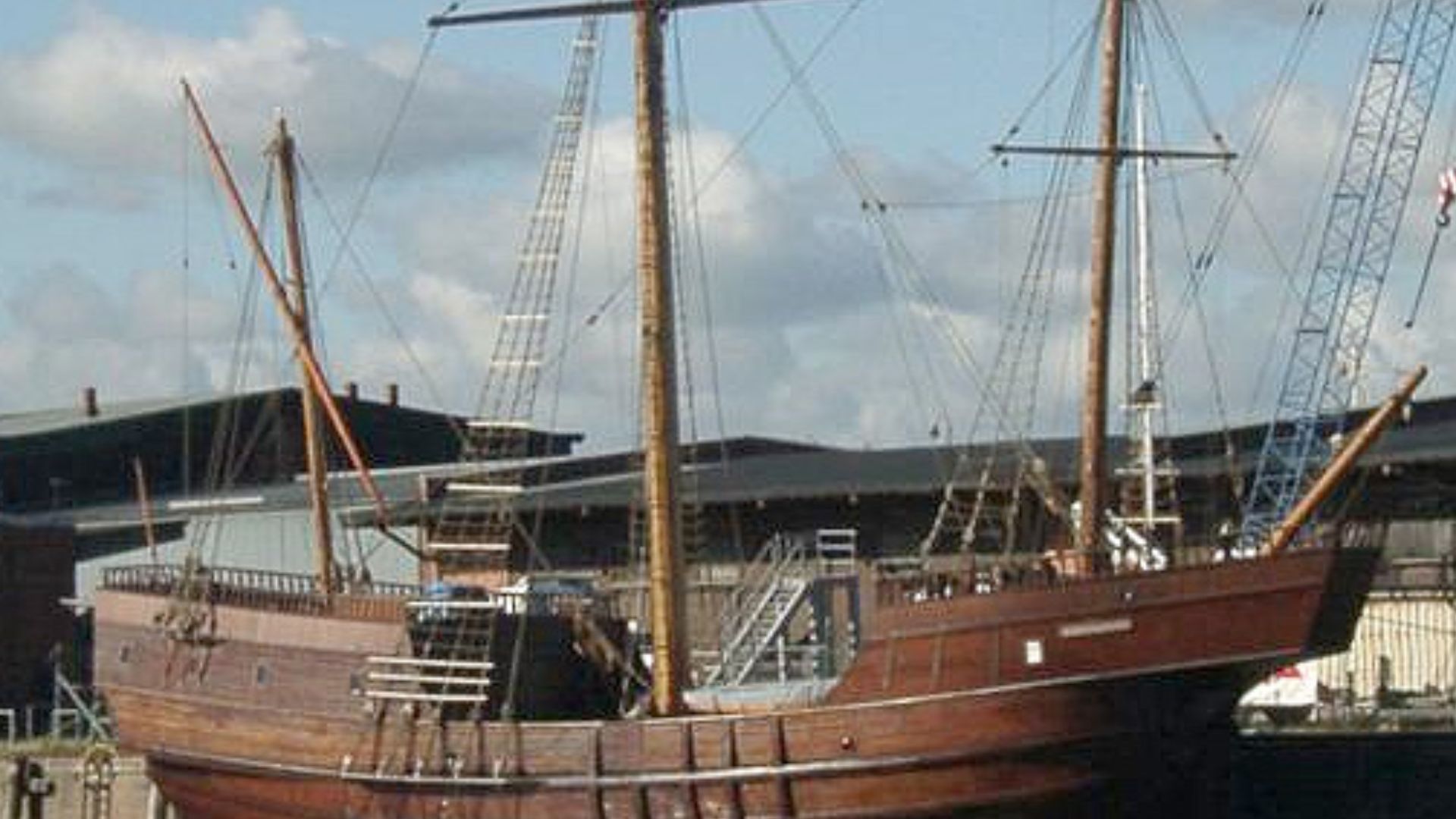
This one shipwreck off Turkey's coast demolished the old picture of isolated kingdoms producing everything they needed at home. Royal courts and workshops depended on metals, timber, glass, resins, ivory, and prestige goods from distant regions. Trade also carried artistic styles, technologies, languages, and political influence across the sea.
 Steinsplitter, Wikimedia Commons
Prosperity Created Vulnerability
Such connections made Late Bronze Age kingdoms remarkably wealthy, but they also created dependencies. Palace economies collected resources, employed specialized workers, and redistributed finished products through centralized administrations. When trade, agriculture, or political authority failed, several parts of the system could unravel together.
 Andy Hay from UK, Wikimedia Commons
Drought Added Enormous Pressure
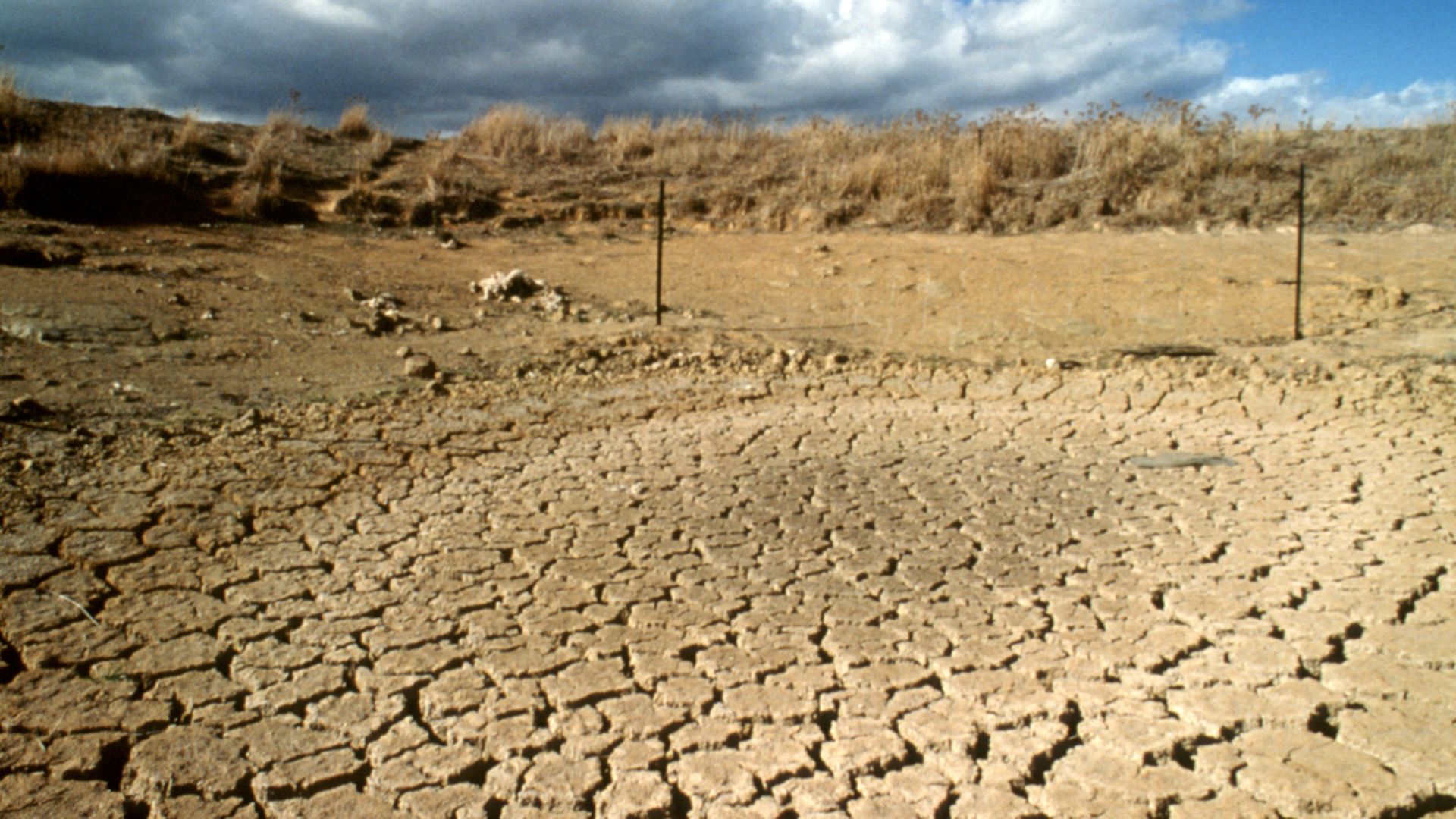
Climate evidence indicates that parts of the eastern Mediterranean experienced serious drought near the end of the Bronze Age. Tree-ring research identified an exceptionally dry three-year period in central Anatolia from 1198 to 1196 BCE. Other studies of ancient pollen have found evidence of longer regional aridity and declining agriculture.
 Plant Industry, CSIRO, Wikimedia Commons
Raiders Were Part Of The Crisis
Egyptian inscriptions describe groups commonly called the Sea Peoples fighting in the eastern Mediterranean during this turbulent era. They may have included raiders, migrants, displaced communities, mercenaries, or several different populations. But most modern interpretations treat their movements as one part of the collapse rather than its single cause.
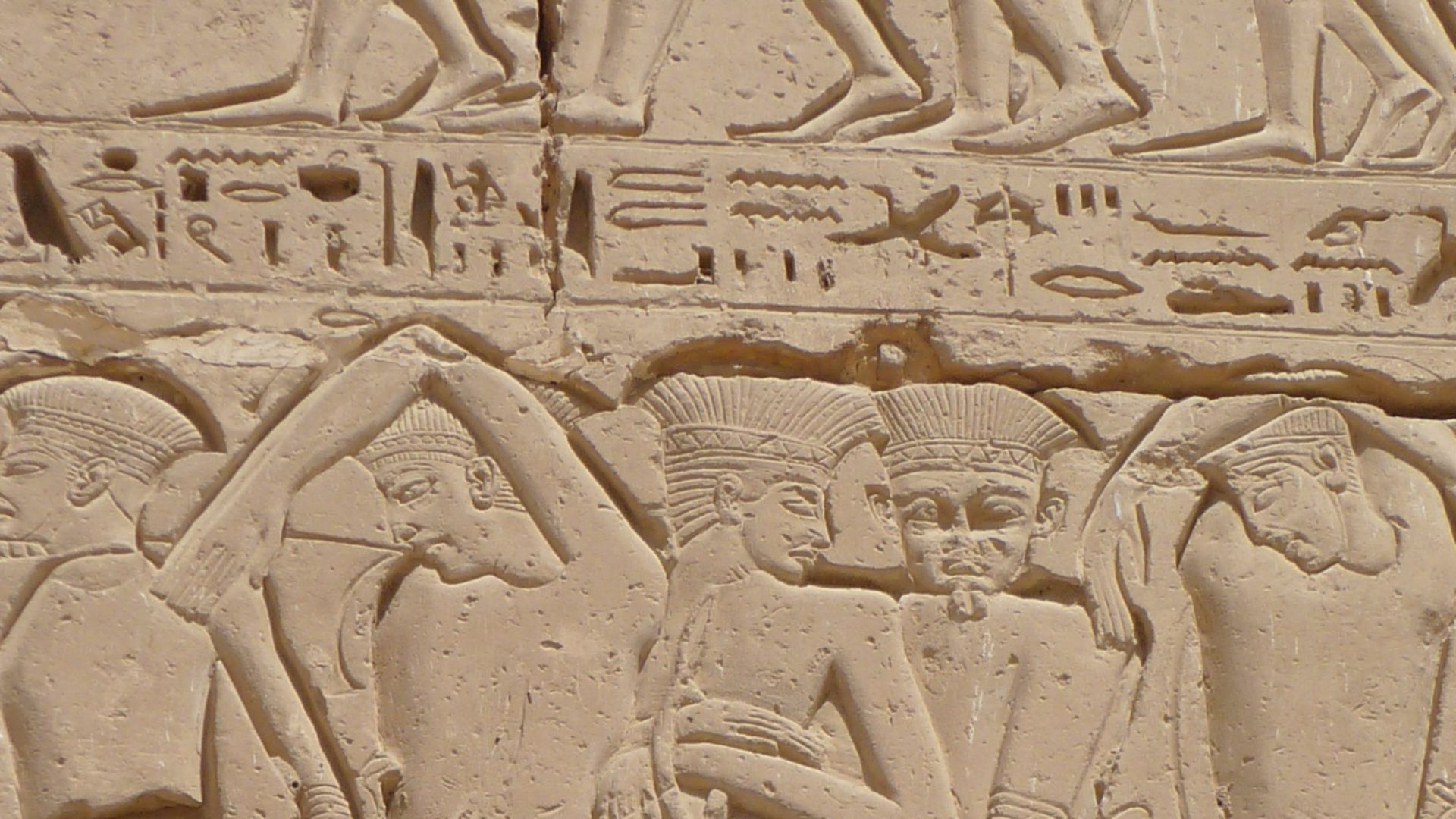
Violence Was Not The Whole Answer
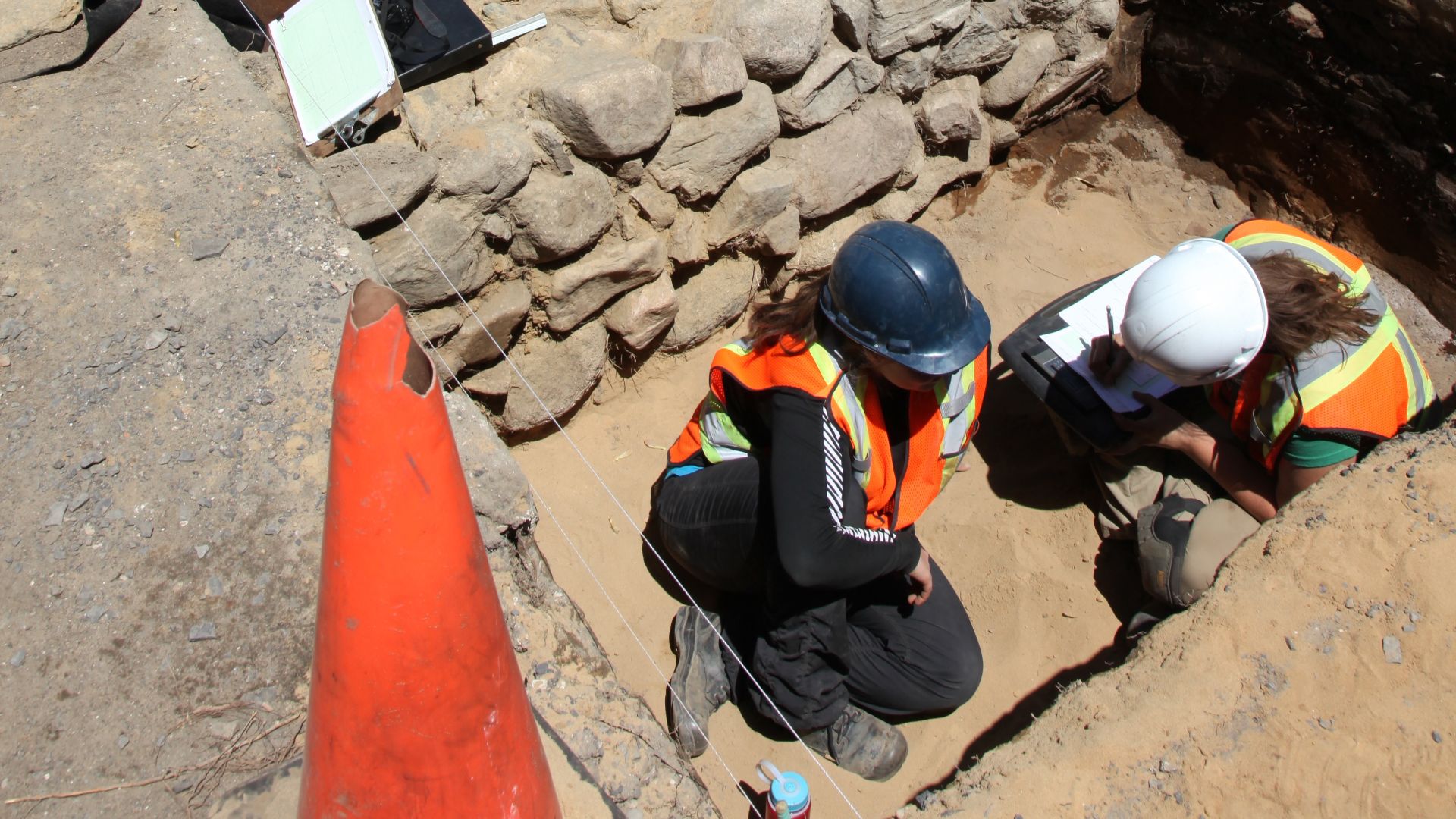
Warfare, political rebellion, earthquakes, famine, migration, and interrupted trade have all been proposed as contributing forces in the Bronze Age Collapse. The evidence varies from one region and settlement to another. A combination of pressures probably overwhelmed governments that might have survived any single disaster by itself.
 Marc-Lautenbacher, Wikimedia Commons
Uluburun Revealed What Disappeared
The ship did not explain exactly why the Bronze Age world collapsed. Instead, it revealed the astonishing scale of the economic and cultural network that was eventually broken. Metals, luxury materials, specialist knowledge, and human relationships had linked communities across thousands of kilometres.
One Wreck Preserved An Entire System
In its day, Uluburun was a tragedy for the people aboard and for whoever expected its valuable cargo. For archaeology, however, its survival was extraordinary. The ship preserved a version of the Mediterranean that burned cities alone could never show: prosperous, mobile, multicultural, and deeply dependent on connections that would not endure.