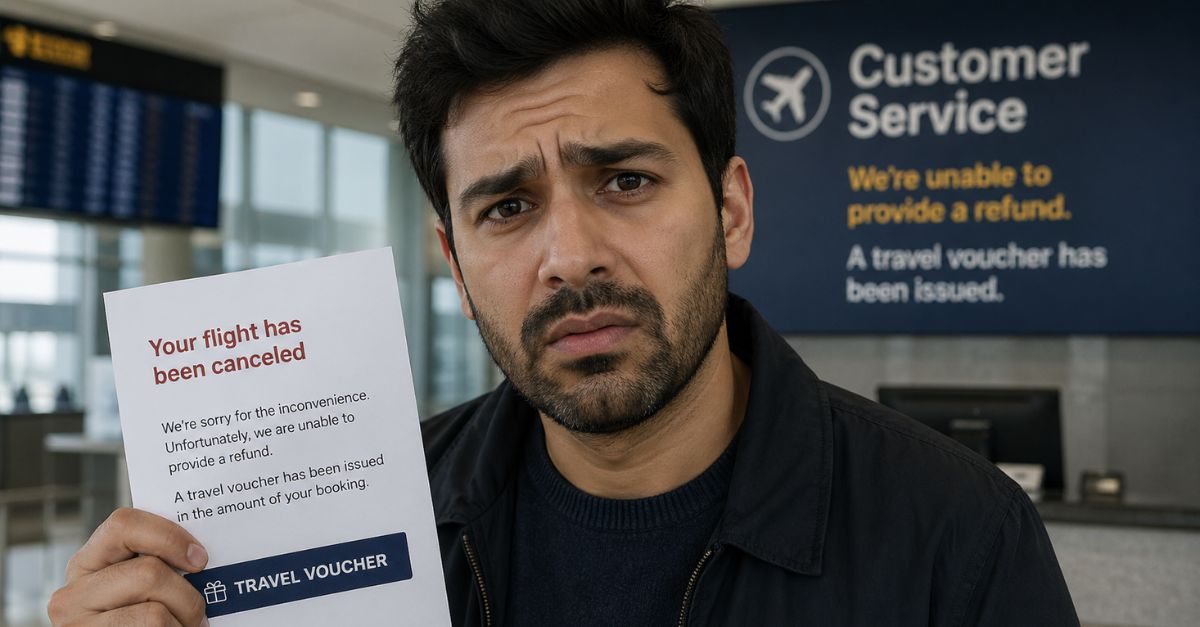
The Voucher Pitch That Trips Up Travelers
Anyone who flys regularly has had their flight cancelled. But for many Americans, the airline won't even offer you a refund, just a travel voucher. That can sound official and final. But in a lot of cases, especially in the United States, that is not the full story.
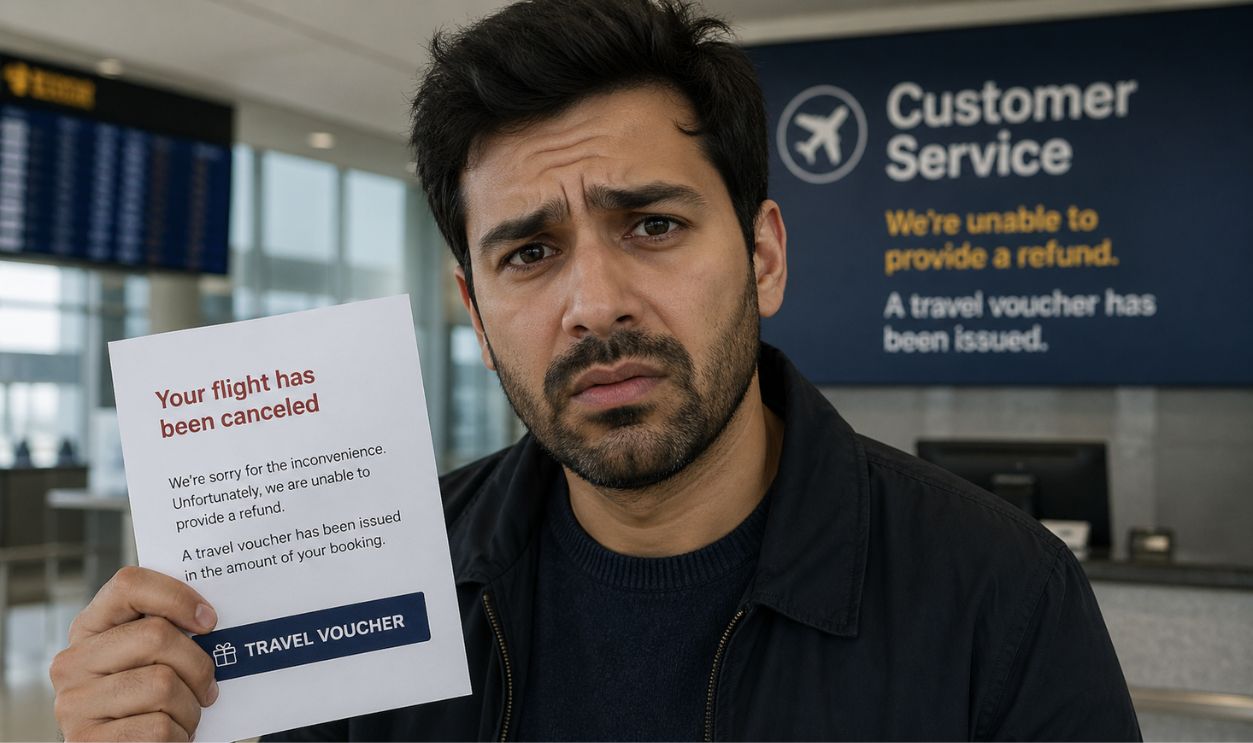
The Short Answer
If the airline canceled your flight and you decide not to travel, a voucher often is not enough. The U.S. Department of Transportation has said for years that passengers are entitled to a prompt cash refund when an airline cancels or significantly changes a flight and the passenger does not accept the alternative offered. In other words, a forced voucher is often not valid.
 Don Ramey Logan, Wikimedia Commons
Why This Matters
This issue blew up during the pandemic, when airlines canceled huge numbers of flights and many travelers said they were pushed toward credits instead of getting their money back. In April 2020, the DOT responded with an Enforcement Notice that reminded airlines and ticket agents of their refund duties. It became one of the clearest federal statements passengers can rely on.
What The DOT Said In 2020
On April 3, 2020, the DOT’s Office of Aviation Consumer Protection issued an Enforcement Notice on refunds. It said airlines still have to provide a prompt refund when the carrier cancels a flight or makes a significant schedule change and the passenger chooses not to accept the alternative. The department made clear that this rule still applies during major disruptions.
 AgnosticPreachersKid, Wikimedia Commons
Vouchers Are Usually Optional, Not Required
The key question is whether you chose the voucher. If you willingly accept a credit instead of cash, that is usually allowed. If the airline tells you a voucher is your only option after it canceled the flight, that is where the problem begins.

The Rule Covers U.S. And Foreign Airlines
The DOT’s refund rules do not apply only to one kind of airline. The department has said the requirement applies to flights to, within, or from the United States, including foreign airlines operating in that market. So if your canceled trip involved the U.S., federal refund protections may still apply.
What Counts As A Cancellation
A cancellation is the clearest case. If the airline scrapped the flight you booked and you do not want the replacement itinerary, the DOT says you are generally owed a refund. That includes the ticket price and any fees for optional services you paid for but did not get.
The Gray Area Is A Significant Change
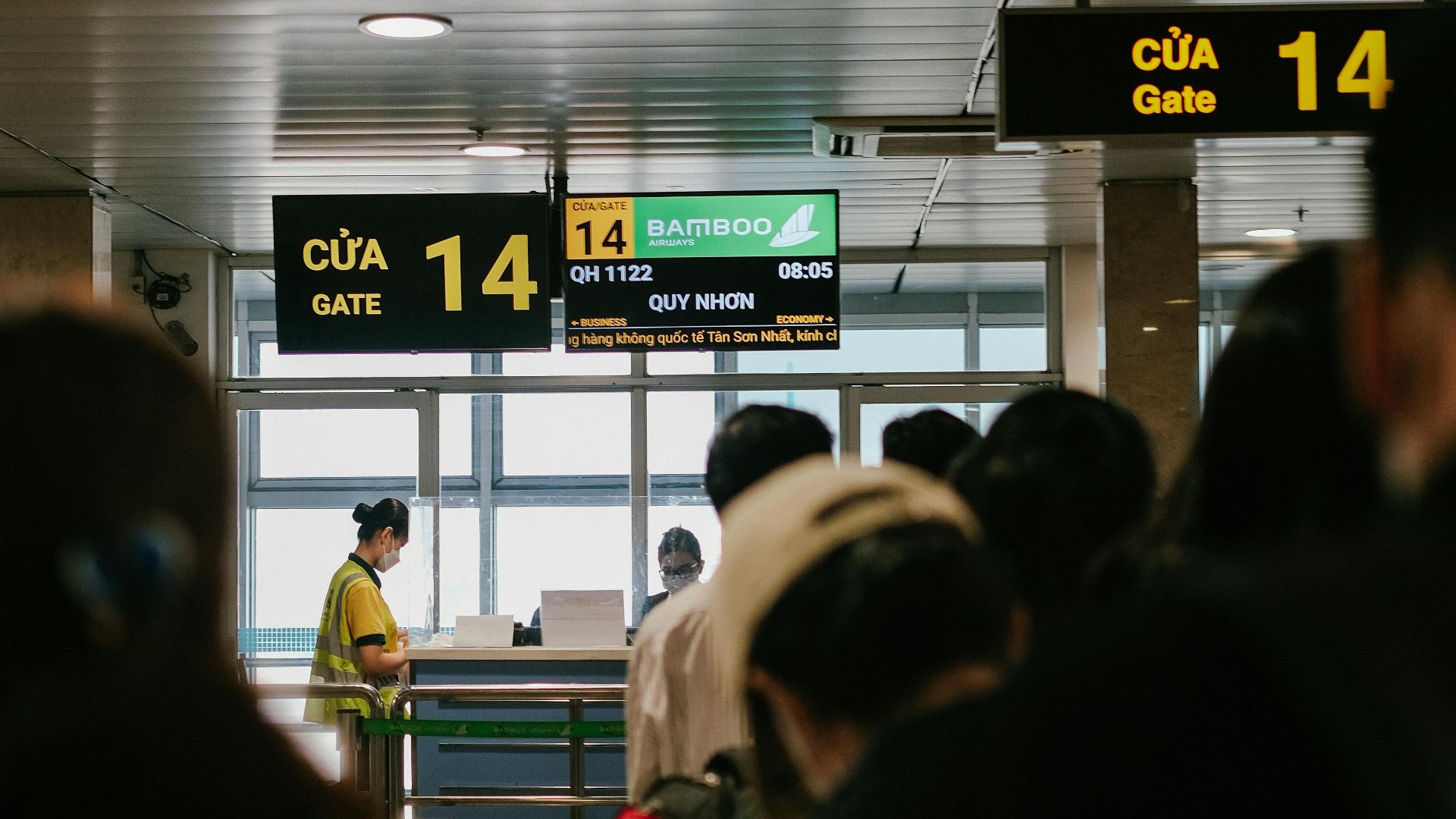
Travelers often get stuck when the airline does not call it a cancellation but makes major changes to the trip. The DOT has long said refunds are also due after a significant schedule change if the traveler rejects the new arrangement. In April 2024, the department finalized rules requiring airlines to automatically provide refunds for canceled flights and significant changes, while also defining those terms more clearly.

What Changed In 2024
On April 24, 2024, the DOT announced a final rule on automatic refunds and surprise airline junk fees. The rule requires airlines to provide automatic cash refunds when they are owed, without making passengers jump through extra hoops. It also spells out when changes are significant enough to trigger refund rights.

Automatic Means Less Runaround
Before the 2024 rule, passengers often had the right to a refund but still had to fight for it. Airlines could make people call, wait, or click through confusing voucher screens. The new rule is meant to cut down on that by requiring automatic refunds to the original form of payment when the airline owes one.

How Fast Is A Prompt Refund
The DOT says prompt has a real deadline in many cases. For credit card purchases, airlines generally must process refunds within seven business days. For other forms of payment, the timeframe is usually 20 calendar days.

Refund Means Money Back To Your Original Payment Method
A real refund is not a coupon for future travel. The DOT’s consumer guidance says refunds should go back to the original form of payment. If you paid by credit card, the refund should go back to that card unless you knowingly agree to something else.

Optional Fees Count Too
This is where a lot of travelers miss money. If you paid bag fees, seat selection fees, or other extras and the airline did not provide those services because of the cancellation or disruption, those charges may also be refundable. The DOT has repeatedly said extra fees can be part of the refund obligation.
What If You Already Took The Voucher
This is the tough part. If you clearly accepted a voucher or travel credit, the airline may argue that you agreed to that outcome. Whether you can still push for cash may depend on exactly what you clicked or said, and whether the airline misrepresented your legal rights when steering you toward the credit.

Documentation Can Decide The Fight
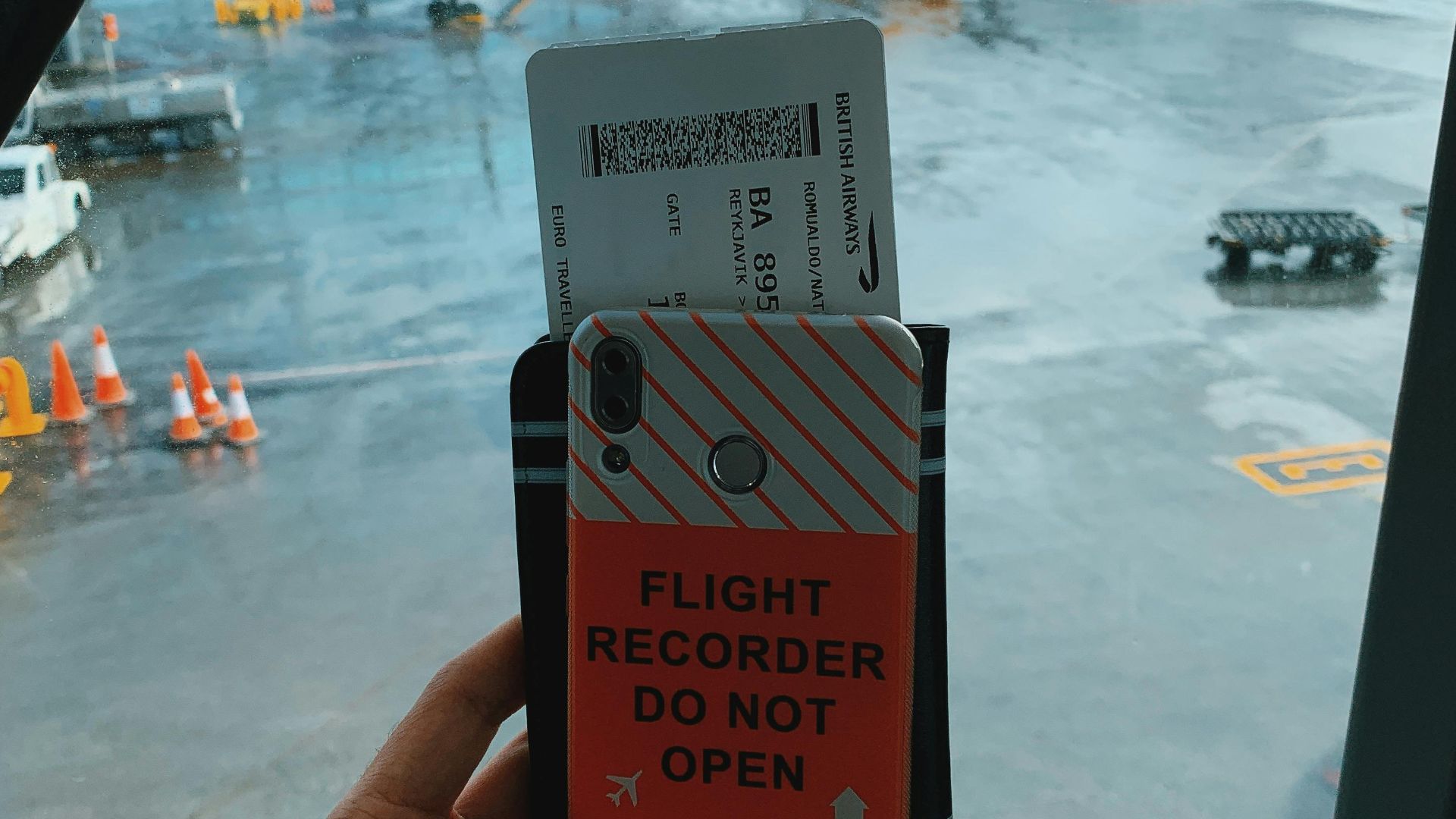
Save the cancellation email, the app alert, screenshots of the airline’s offer, and any chat transcript that says a voucher was your only choice. Those records matter if you later file a complaint. They can show whether the carrier gave you accurate information or tried to funnel you into a weaker option.
The DOT Has Punished Airlines Over Refund Problems
The federal government has not treated this like a minor customer service dispute. In recent years, the DOT has announced enforcement actions against airlines over what it said were extreme delays in providing refunds during the pandemic. That history is one reason airline refund language now gets much more scrutiny.

One Big Enforcement Case Made Headlines
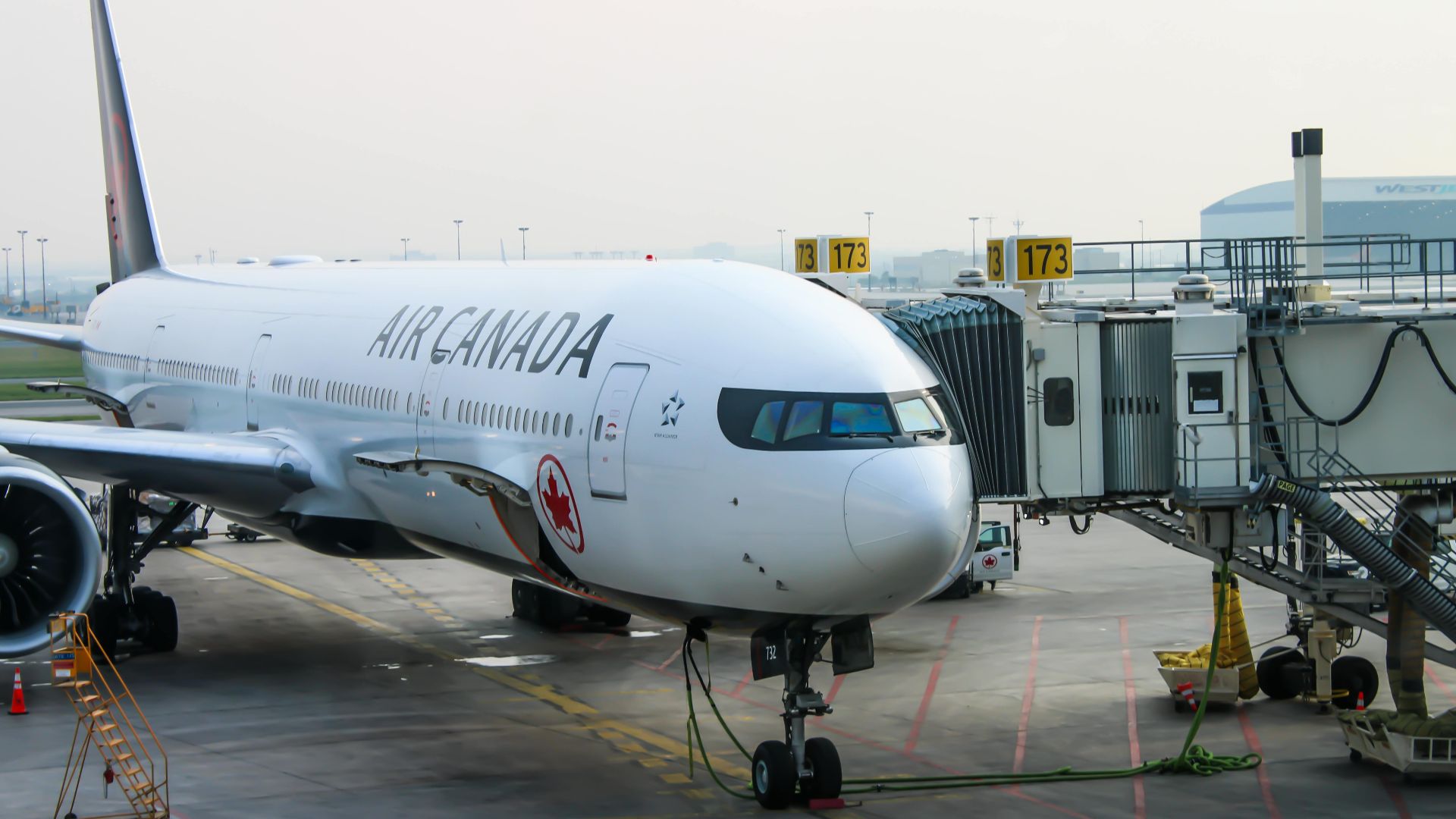
In November 2022, the DOT announced enforcement actions against six airlines for what it said were extreme refund delays. The department also announced a $25 million penalty against Air Canada, with part of that amount credited for compensation paid to affected passengers. The message was clear: refunds are not just a courtesy.
Airlines Can Offer Credits, But They Cannot Rewrite Your Rights
There is nothing automatically wrong with an airline offering a voucher as one option. The problem is when the airline presents it as the only option when a refund is legally owed. The DOT has made clear that consumers must not be denied the refund they are entitled to receive.
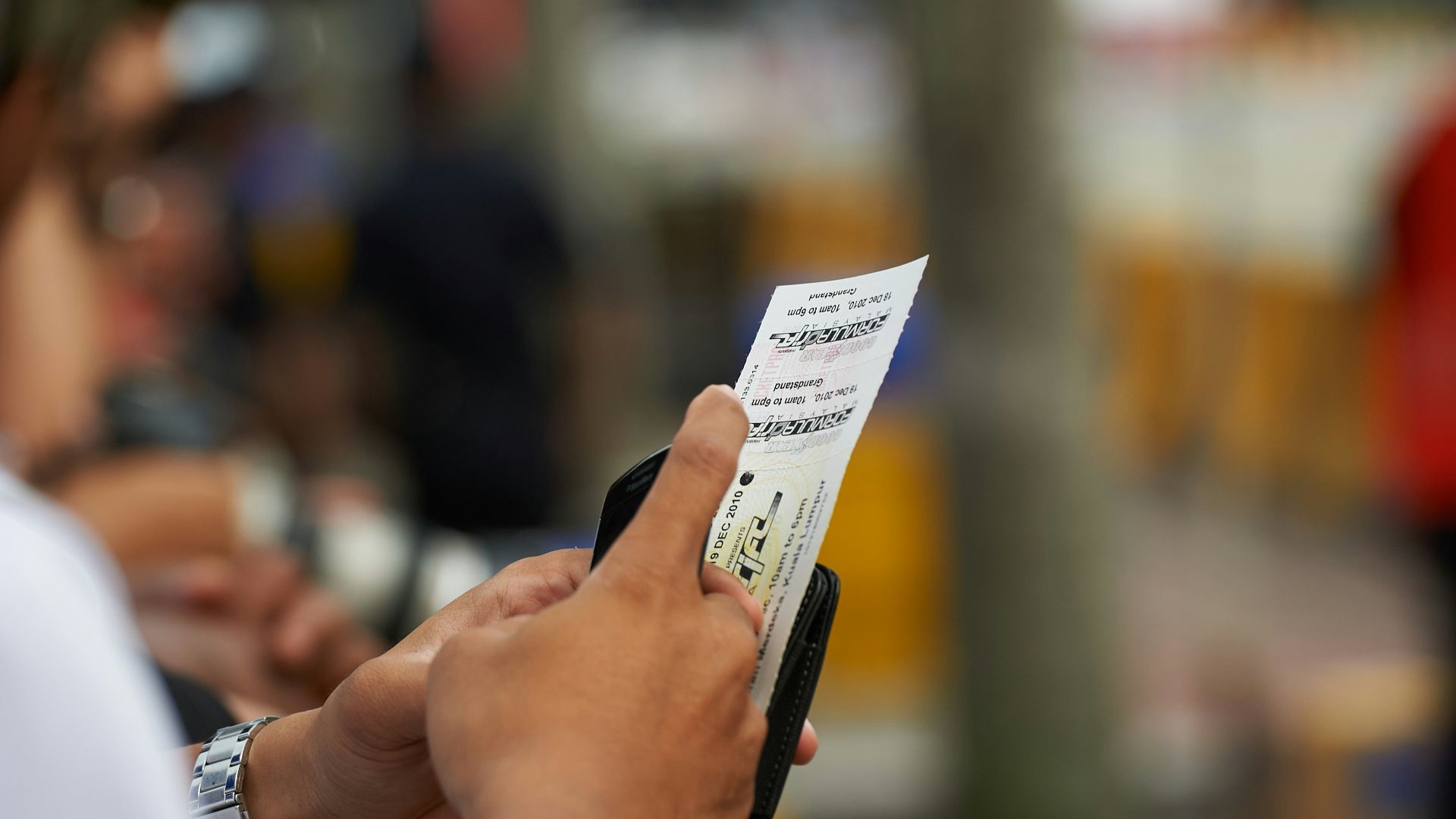
Weather And Other Causes Usually Do Not Change This
Passengers often hear that a cancellation happened because of weather, air traffic control issues, or some other event outside the airline’s control. That may matter for compensation in some places, but for U.S. refund rights it usually does not erase the duty to refund a canceled flight if the passenger does not travel. The key fact is the cancellation itself.

If You Canceled Voluntarily, The Story Changes
This is where many disputes turn. If you chose to cancel a nonrefundable ticket and the airline did not cancel or significantly alter the flight, you may be stuck with a credit or nothing at all under the fare rules. Refund rights are strongest when the airline made the change, not the passenger.
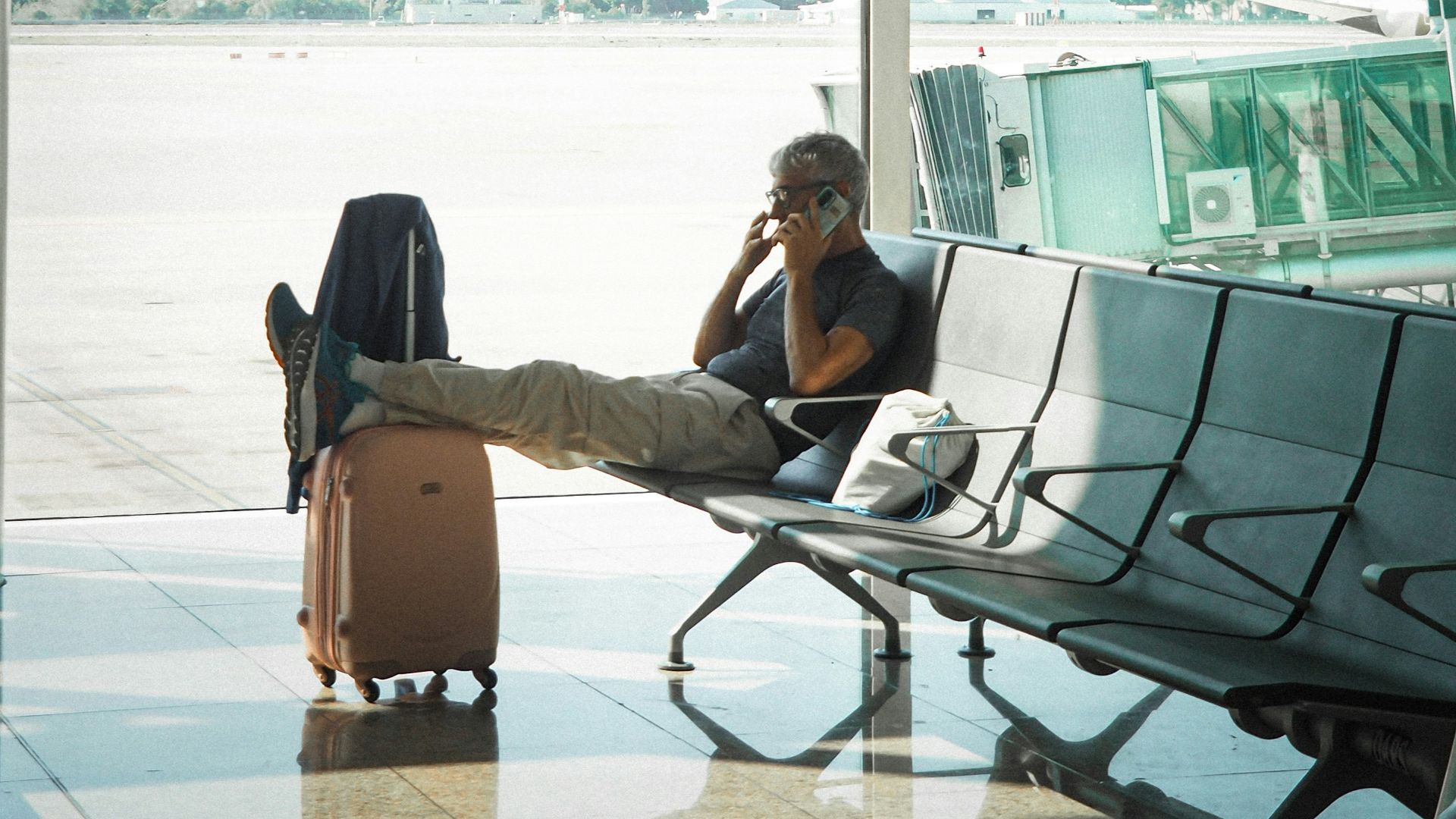
Booking Through A Third Party Can Make It Messier
Online travel agencies can complicate the process because the airline and the ticket agent may point at each other. The DOT’s 2020 Enforcement Notice covered both airlines and ticket agents. If the flight was canceled, the middleman does not erase your rights.

There Is A Clear Federal Complaint Route
If the airline refuses to issue a refund you believe is required, you can file a complaint with the DOT. The department has an online consumer complaint form for aviation issues. Complaints can help with your own case and can also feed broader enforcement investigations.

How To Ask For The Refund
Keep it short and direct. State that the airline canceled your flight, you are declining the alternative itinerary or voucher, and you are requesting a prompt refund to the original form of payment under DOT refund rules. Include your record locator, travel dates, and supporting screenshots.

A Credit Card Chargeback Can Be A Backup Plan
If the airline still refuses, a credit card dispute may be worth considering. Card issuers have their own rules and deadlines, so move quickly and provide evidence that the service you paid for was not delivered. It is not always necessary, but it can add pressure when a refund is clearly owed.
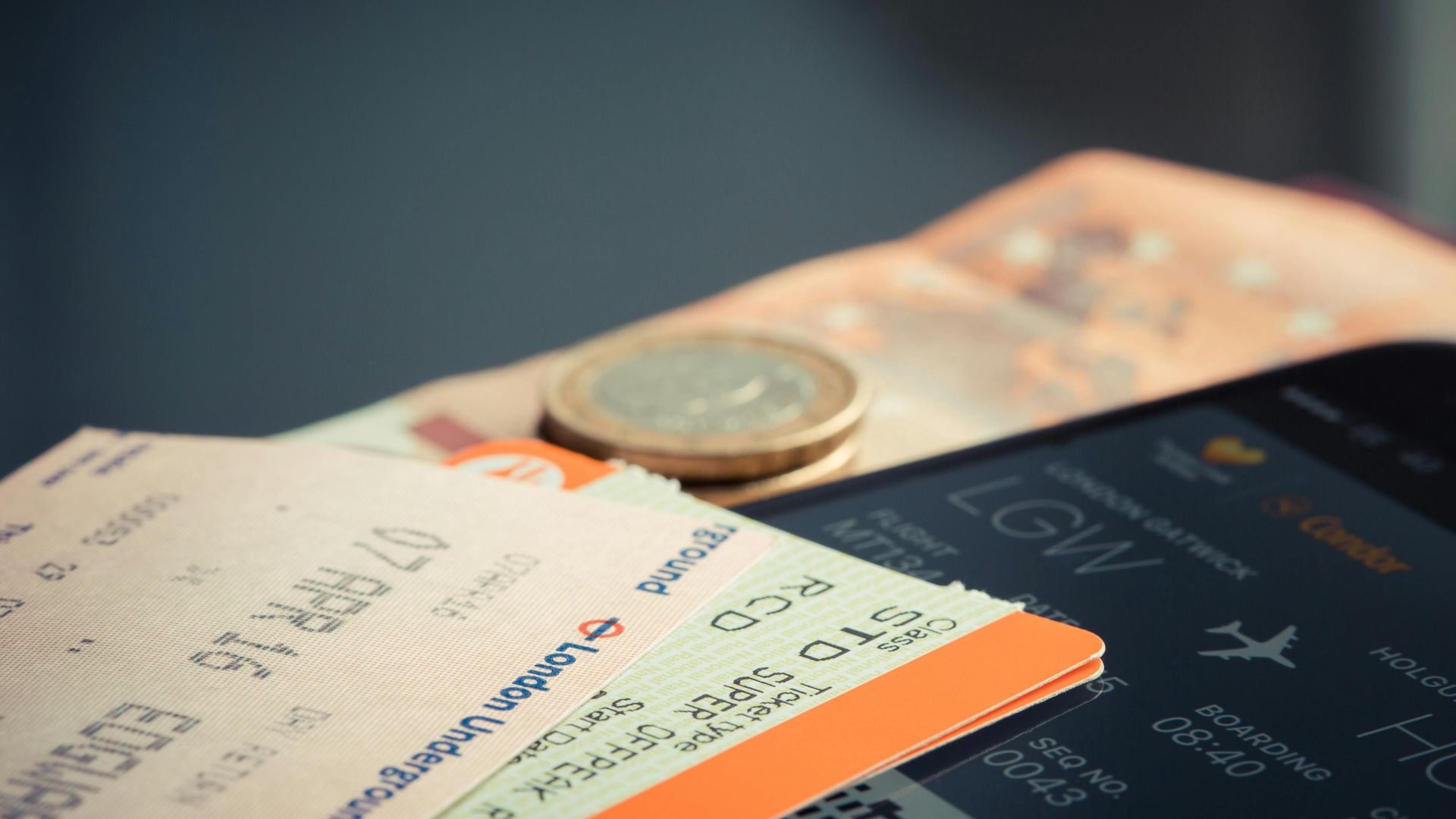
Travel Insurance Usually Is Not The Main Fix
Many travelers assume insurance should solve the problem, but insurance claims can be slower and more limited than a direct refund right. If the airline owes you a refund because it canceled the flight, that is usually the first route to pursue. Insurance is more relevant when your costs go beyond the ticket itself.

International Trips Can Bring In Other Rules Too
Depending on where you were flying, other protections may apply. For example, flights covered by European Union rules can involve separate cancellation and reimbursement rights. But if your itinerary involved the United States, the DOT refund framework is still central and often the easiest place to start.
 Thijs ter Haar, Wikimedia Commons
The Biggest Mistake Is Clicking Too Fast
When a trip falls apart, travelers often accept credits without reading the fine print. Airlines know stress and speed work in their favor. Take a second before hitting the voucher button, especially if the airline canceled first.

So, Is It Legit
Usually not, if the airline canceled your flight and told you a voucher was mandatory. U.S. regulators have repeatedly said passengers are entitled to a cash refund when the airline cancels or significantly changes a flight and the traveler turns down the alternative. The smart move is to ask clearly for a refund, keep records, and escalate to the DOT if the airline refuses.