The Awkward Announcement At The Gate
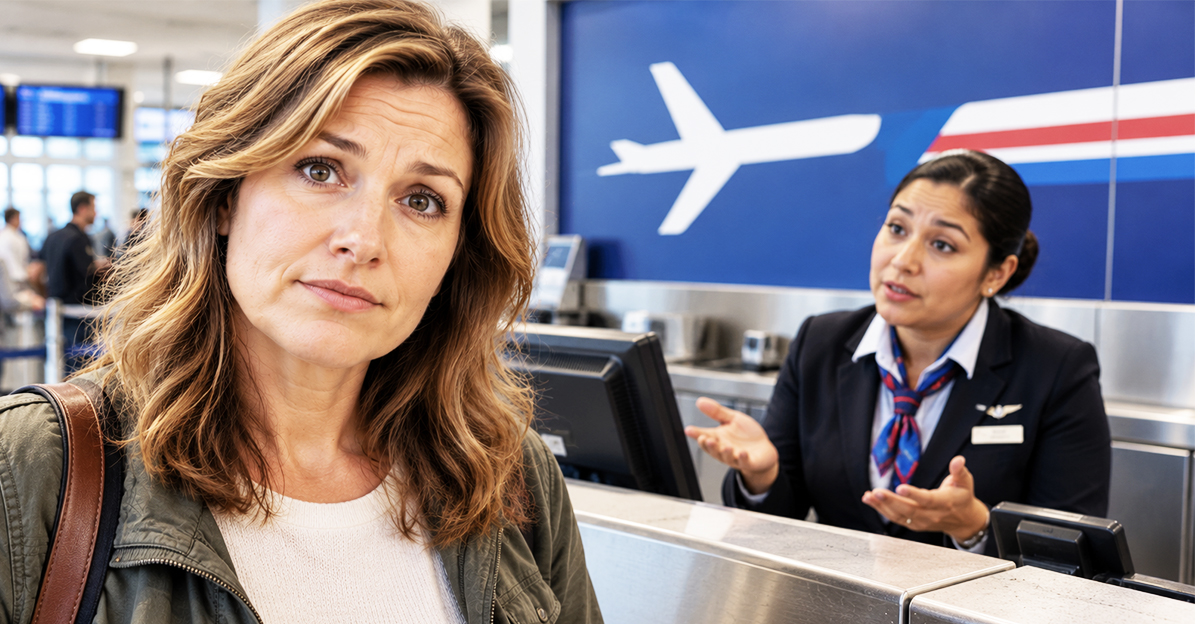
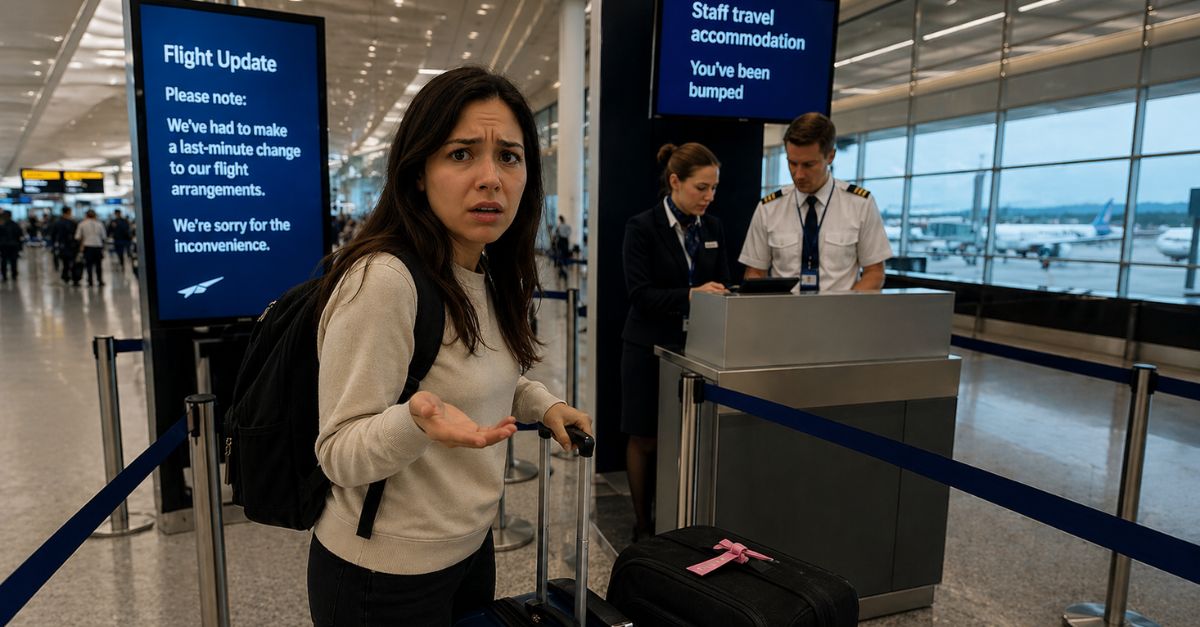
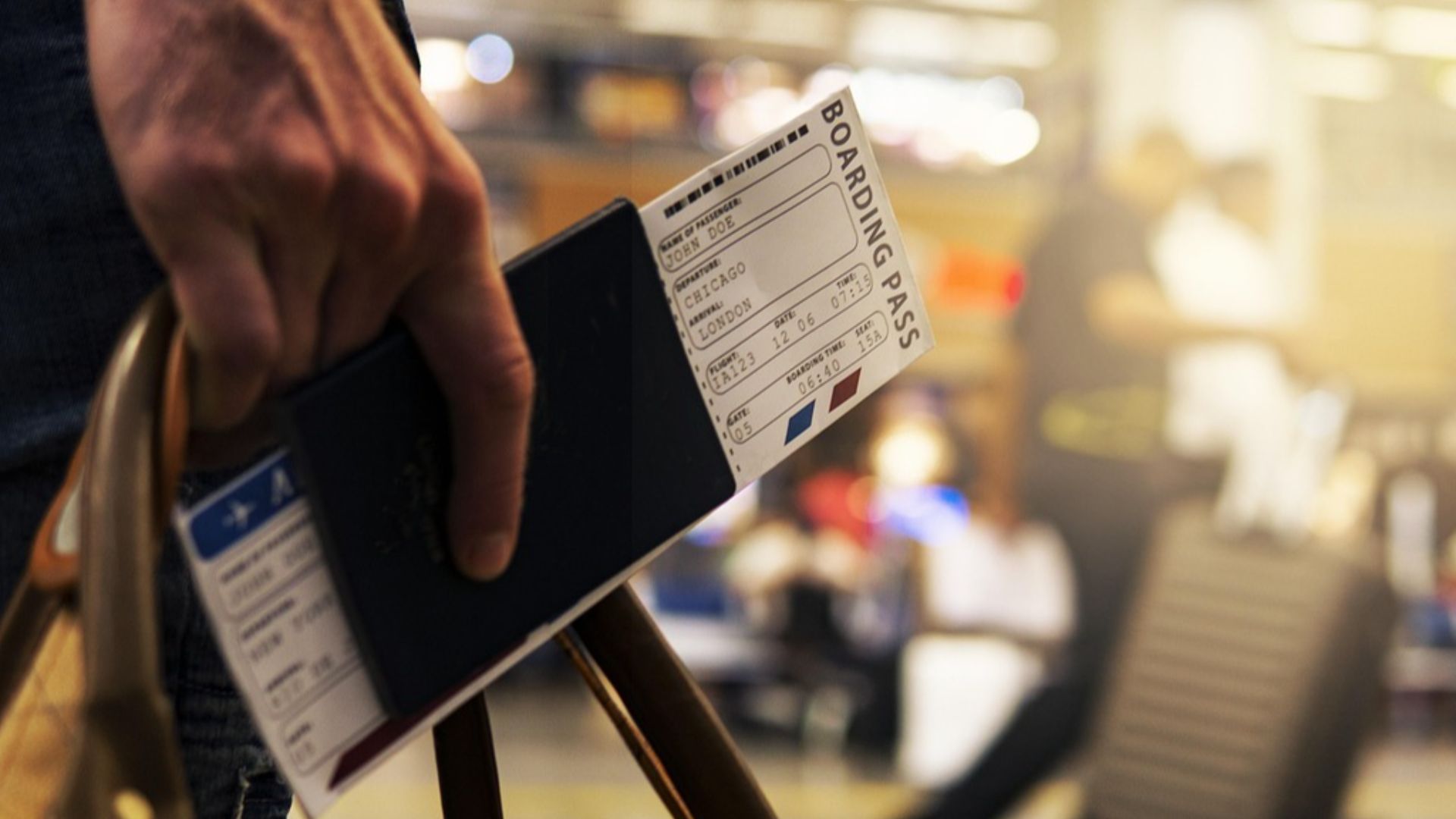
You've finally made it to your assigned seat, boarding pass in hand, and then an airline agent tells you to move because a staff member needs to travel. It sounds outrageous, and for many travelers it feels unfair. But in some situations, yes, airlines can reassign your seat, even after it seemed settled.
Why This Feels So Wrong
Most passengers hear “seat assignment” and assume it is final. In reality, many airline contracts say seat assignments are not guaranteed and can change for operational, safety, or security reasons. That does not mean an airline can do whatever it wants, but it does mean your exact seat is often less protected than you think.
The First Big Distinction To Know
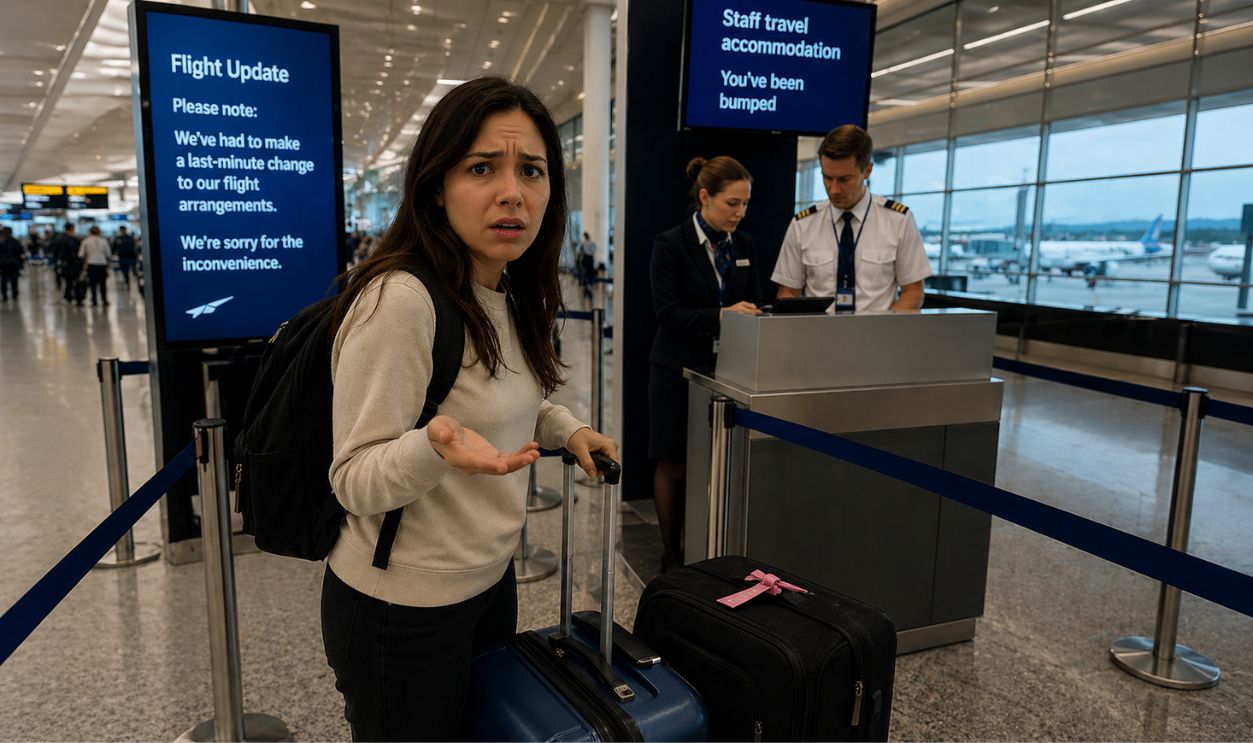
There is an important legal difference between being moved to another seat and being denied boarding altogether. If the airline gives you a different seat in the same cabin, compensation rules may be limited or may not apply at all. If you are bumped off the flight entirely, a different set of consumer protections can kick in, especially in the United States and Europe.
What U.S. Rules Say About Being Bumped
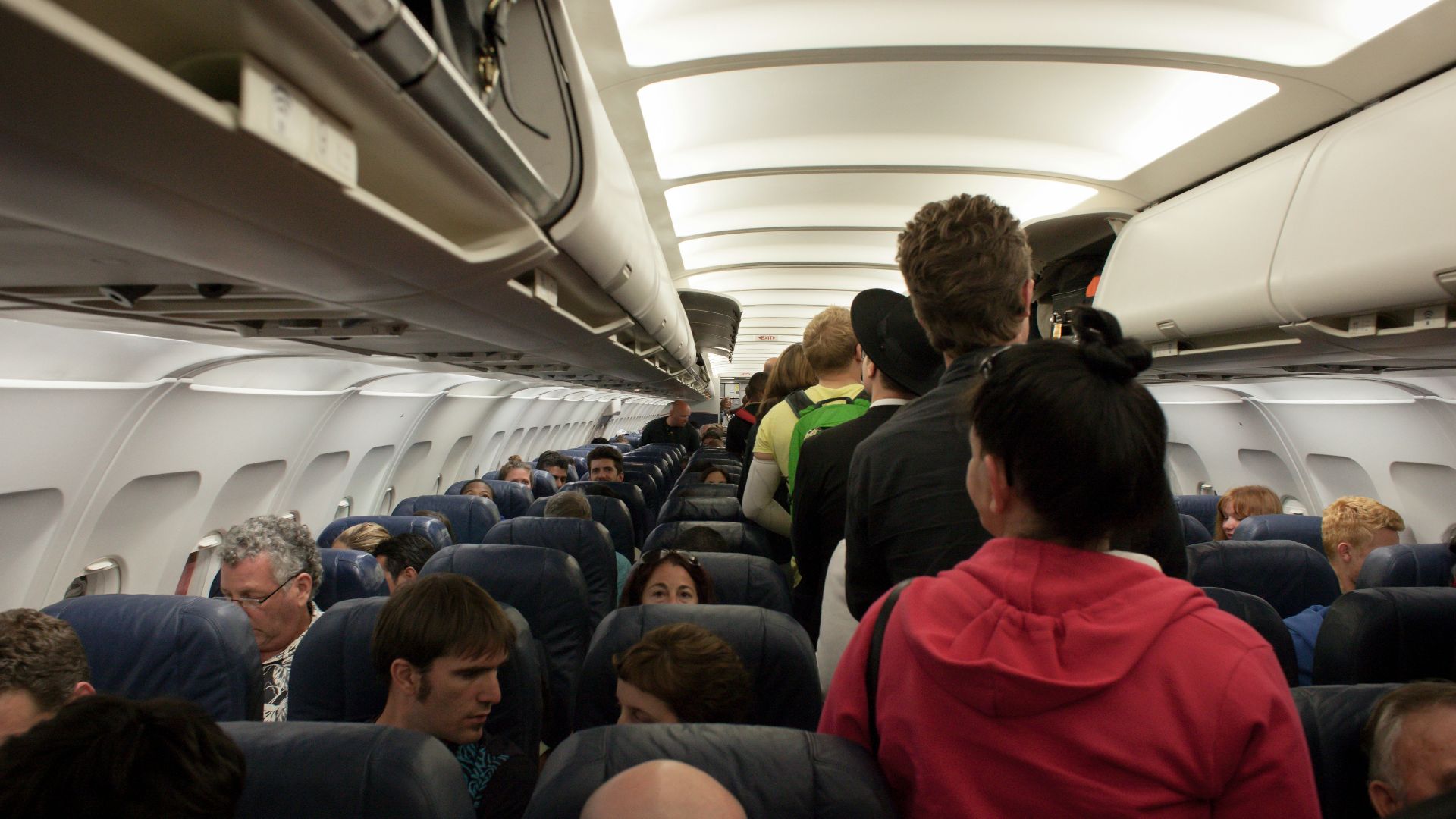
The U.S. Department of Transportation says airlines may oversell flights and can deny boarding when more passengers check in than there are seats available. Before doing that, carriers are supposed to ask for volunteers. If you are involuntarily denied boarding, federal rules may require compensation unless an exception applies, such as safety or weight restrictions on small aircraft.

Staff Travel Is Not Always Just A Free Perk
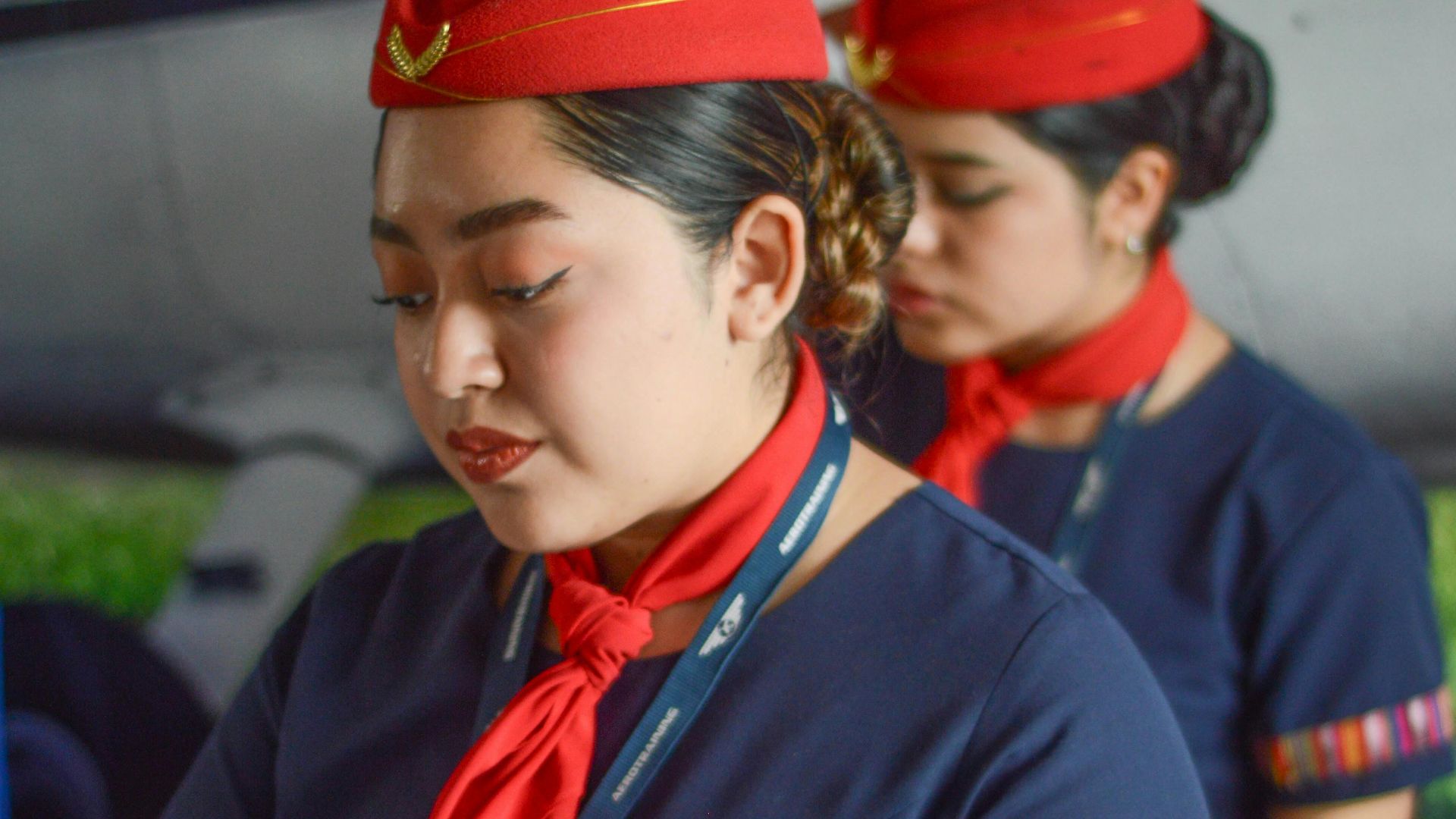
This is where things get more complicated. Not every airline employee on a flight is taking a casual personal trip on standby. Some staff are “deadheading,” which means the airline is moving pilots or flight attendants so they can work another flight, and that can count as an operational need.
Deadheading Can Change The Equation
When a crew member is deadheading to work another flight, the airline may argue that moving that employee is necessary to keep the wider schedule running. That can affect whether a passenger is moved and whether compensation is owed. The frustrating but important point is that a staff member heading to work can be treated very differently from one flying for leisure.
The Fine Print Usually Favors The Airline
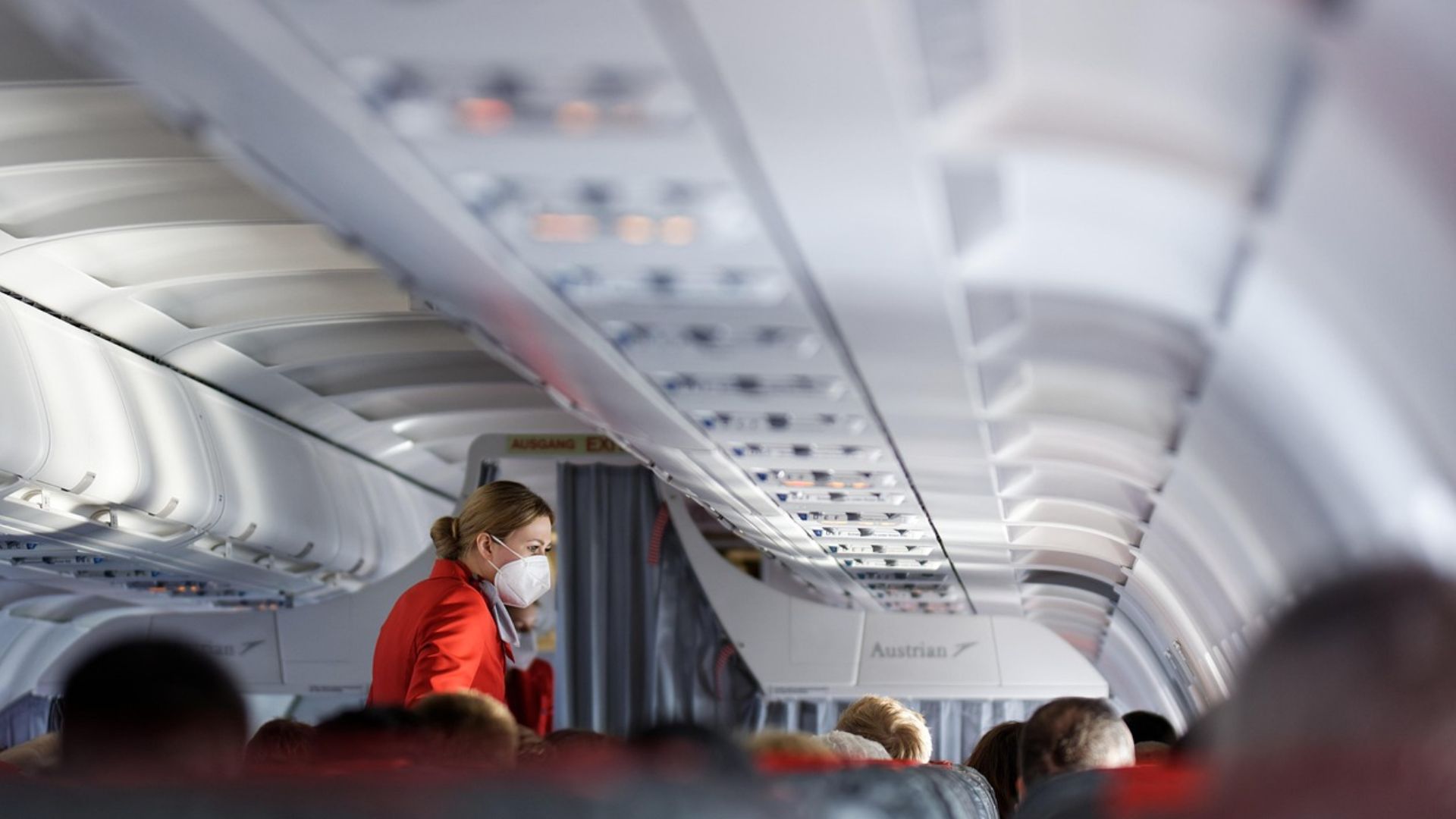
Major U.S. airline contracts of carriage usually reserve the right to assign or reassign seats at any time. These contracts are the legal terms passengers accept when they buy a ticket. They are not exactly fun reading, but they matter when problems break out at the gate.
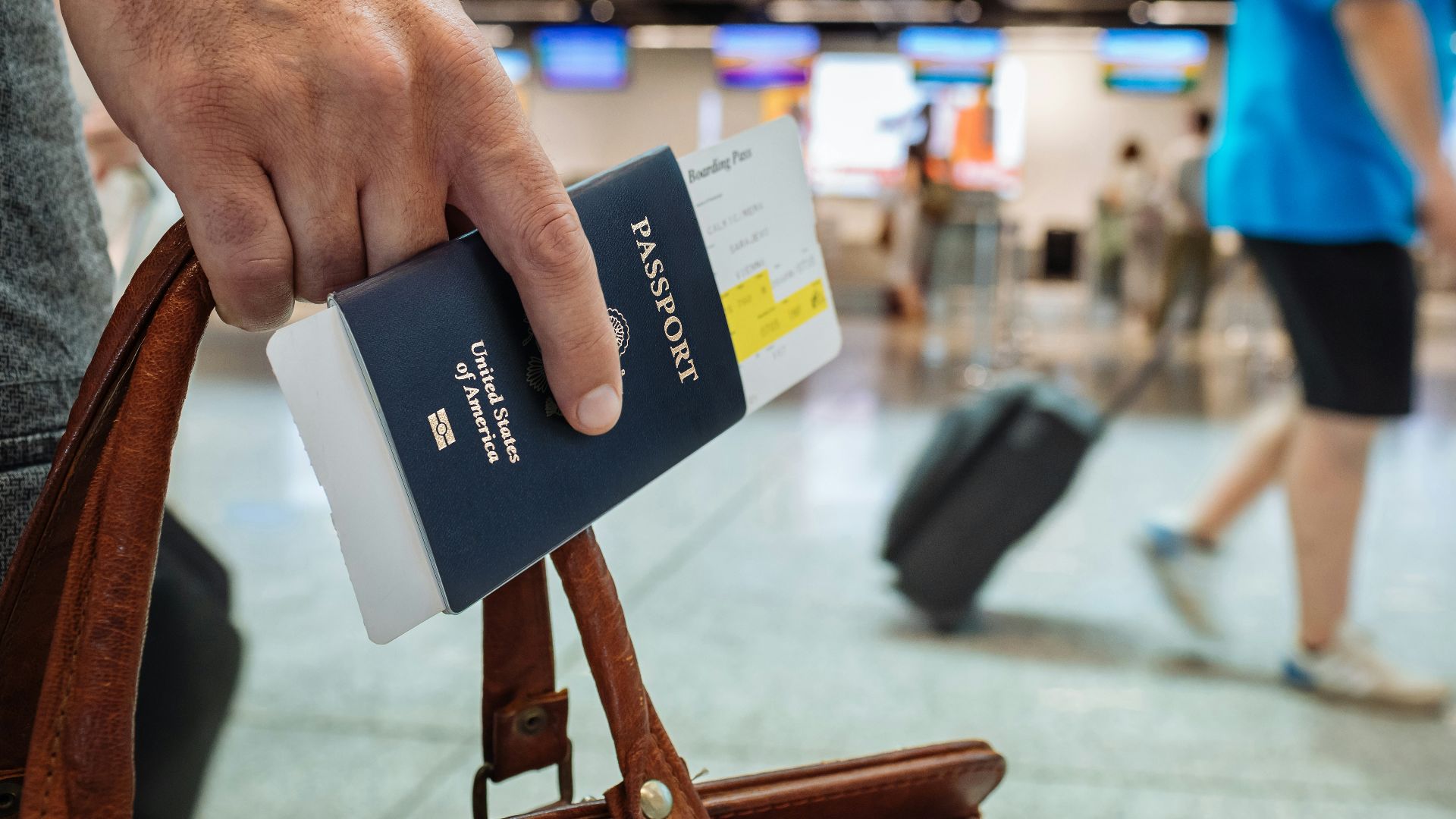 Global Residence Index, Unsplash
American Airlines Spells It Out
American Airlines says in its contract of carriage that it does not guarantee any particular seat and may substitute aircraft, change seat assignments, or reassign seats for operational or safety reasons. That language gives the airline broad flexibility when a flight is disrupted or staffing needs change. For passengers, it is a reminder that buying a ticket does not always lock in the exact seat shown at booking.
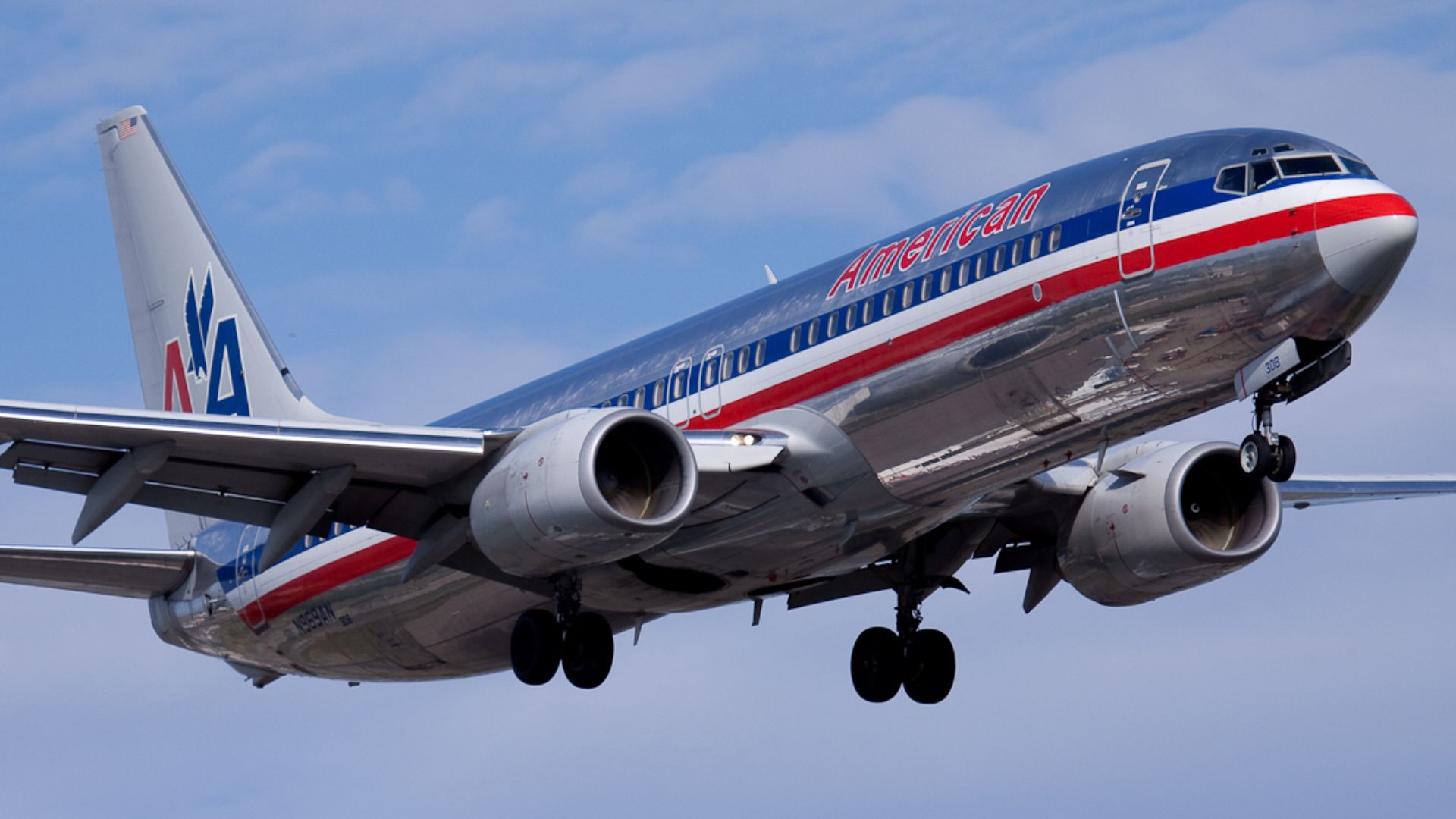 Patrick Cardinal, Wikimedia Commons
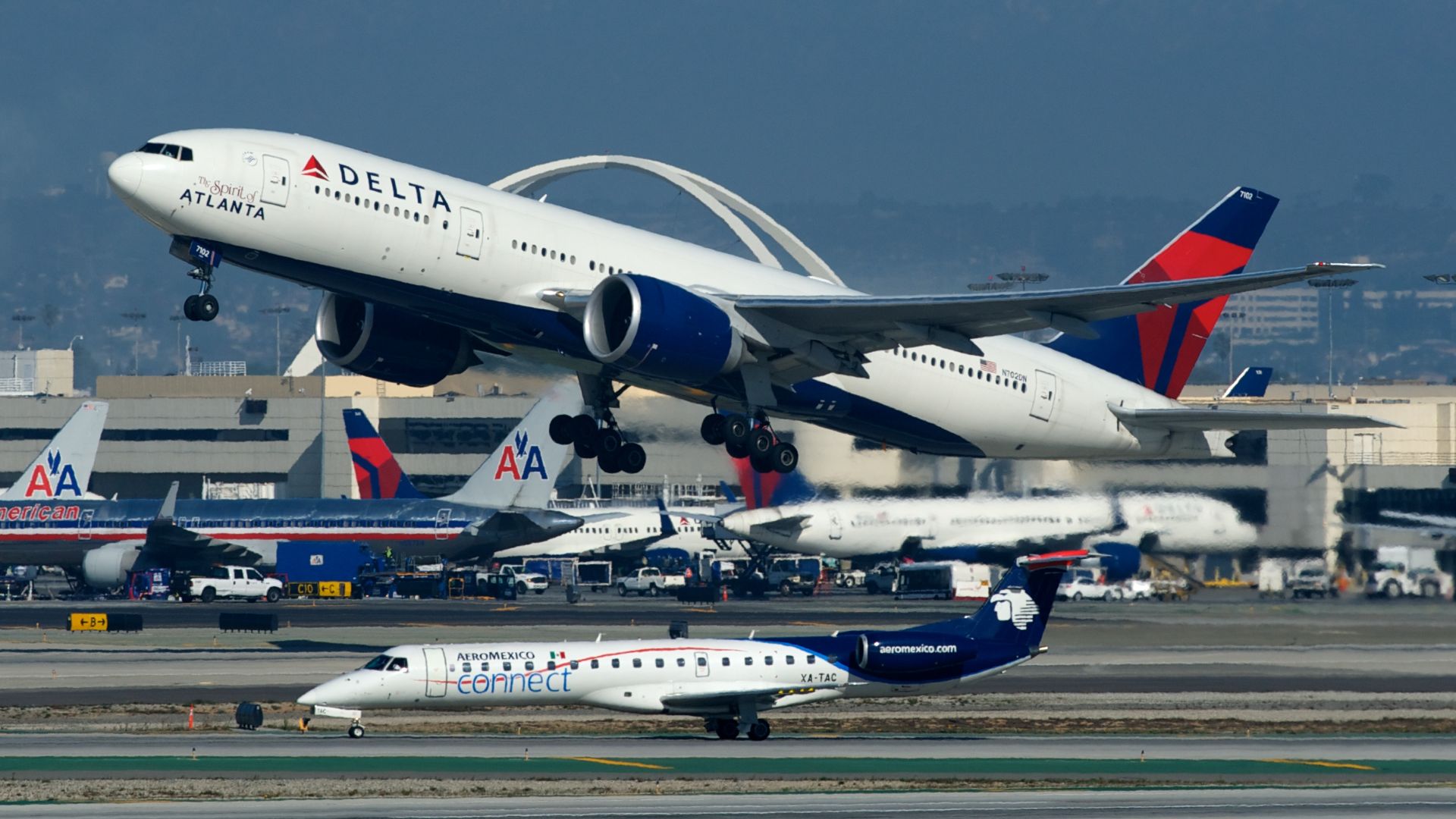
Delta Uses Similar Language
Delta’s contract of carriage also says seat assignments are not guaranteed and can be changed without notice. Airlines rely on this kind of clause to handle aircraft swaps, weight and balance issues, disability accommodations, and crew movement. That is why a gate agent can sometimes legally tell a customer that a previously assigned seat is no longer available.
United Also Keeps The Door Open
United’s contract has similar language, allowing seat changes when operational needs require them. This is not some hidden loophole unique to one carrier. It is standard airline practice, even if many travelers do not realize it until they are the ones being moved.
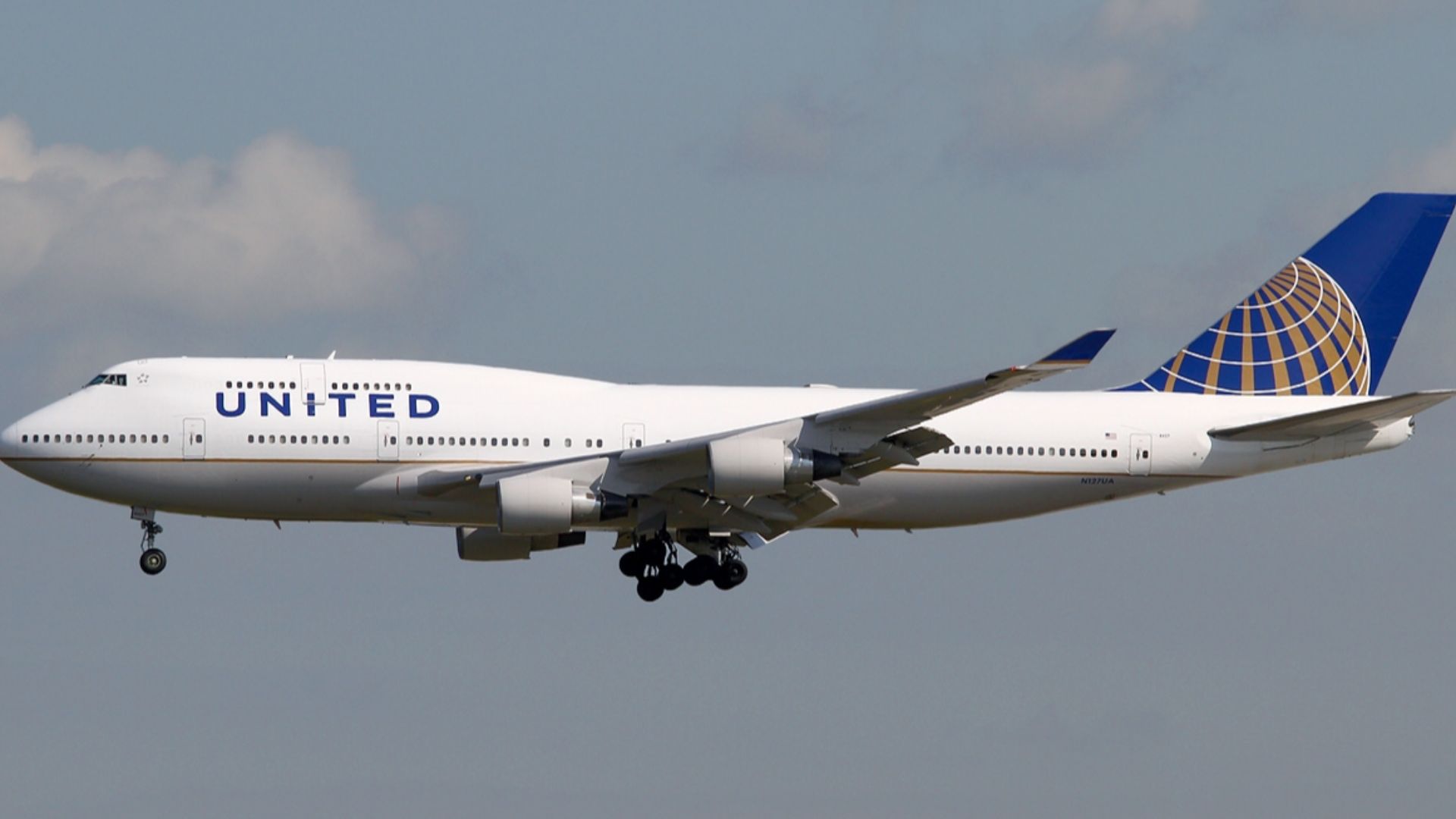 Konstantin von Wedelstaedt, Wikimedia Commons
Being Moved Is Not Always Being “Bumped”
Airlines and regulators use the term “bumping” in a more specific way than most passengers do. In everyday speech, losing your seat feels like getting bumped. In federal consumer rules, though, “denied boarding” usually means you are not transported on that flight at all.
If You Still Fly, Your Rights May Be Narrower
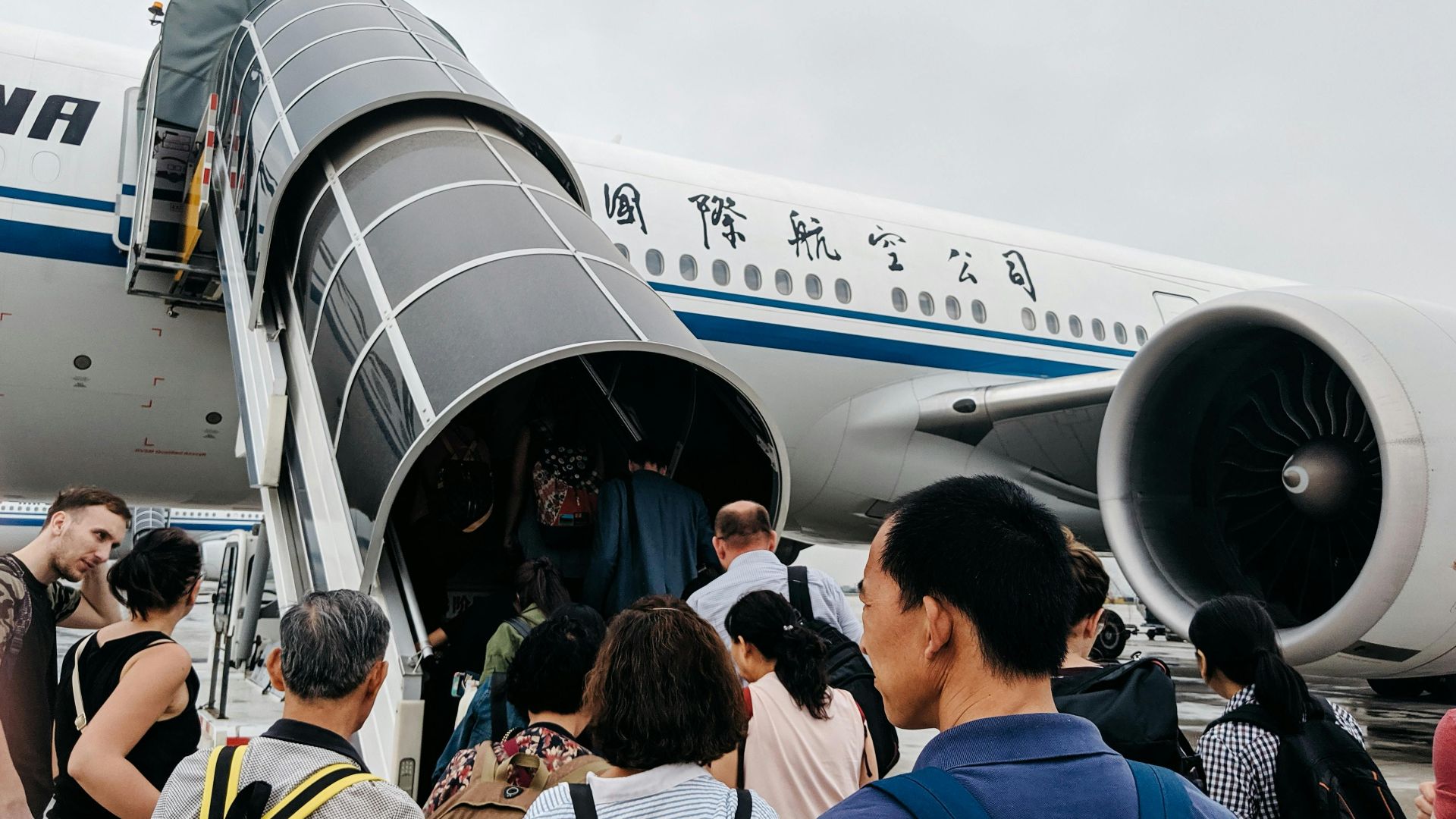
If the airline moves you from 12A to 22B but you still travel on the same flight, denied boarding compensation rules generally do not apply. You may still have a claim if you paid extra for a preferred seat, extra legroom, or a premium cabin and did not get what you bought. In that case, a refund for the seat fee or fare difference may be appropriate.
Cabin Downgrades Are A Different Story
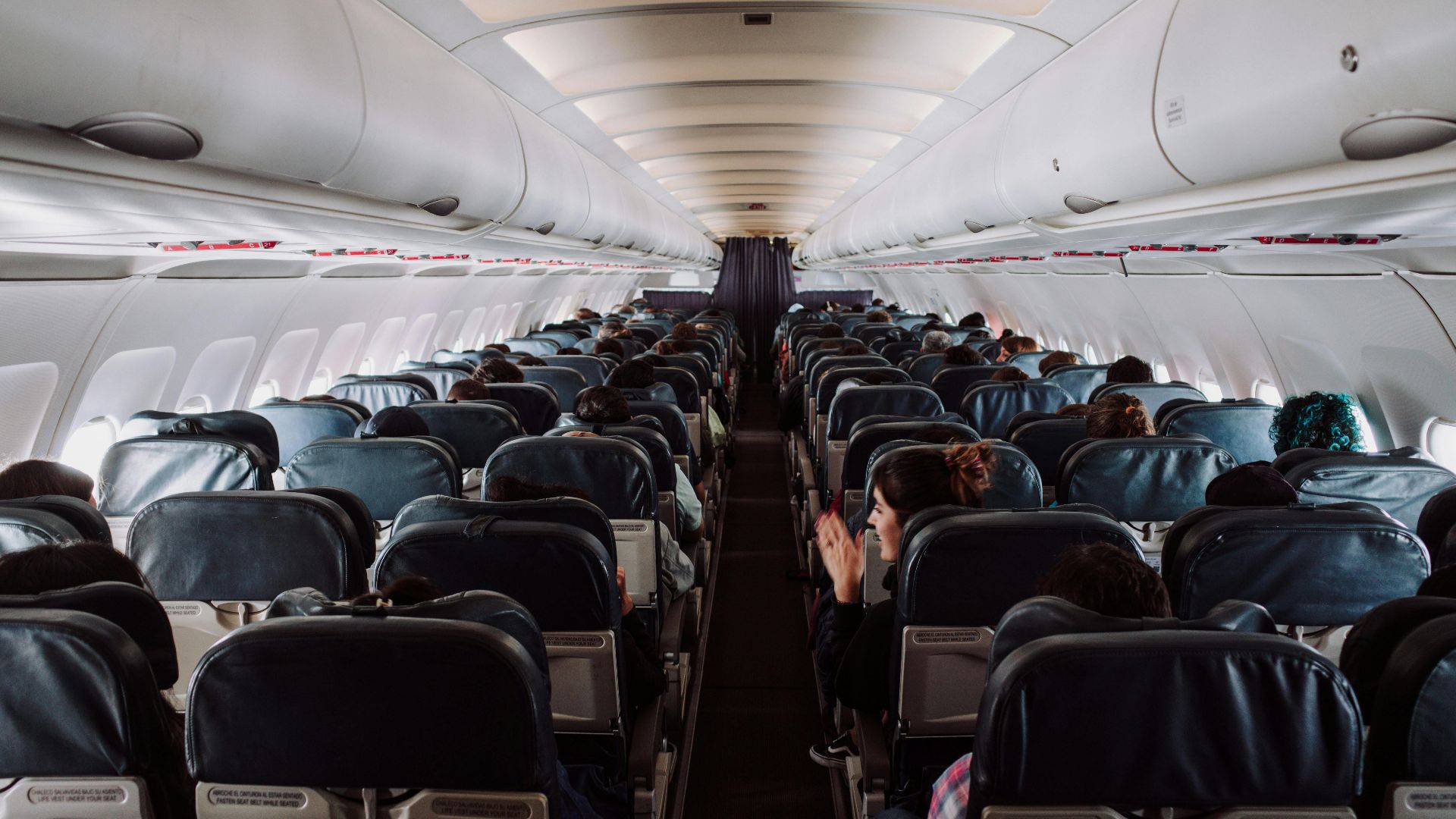
If you bought business class and the airline pushes you into economy so a working crew member can fly, the money at stake can be much bigger. In the United States, airlines generally must refund the fare difference for an involuntary downgrade. In Europe and the United Kingdom, downgrade rights are spelled out more clearly under passenger-rights rules.
Europe Has Sharper Passenger Protections
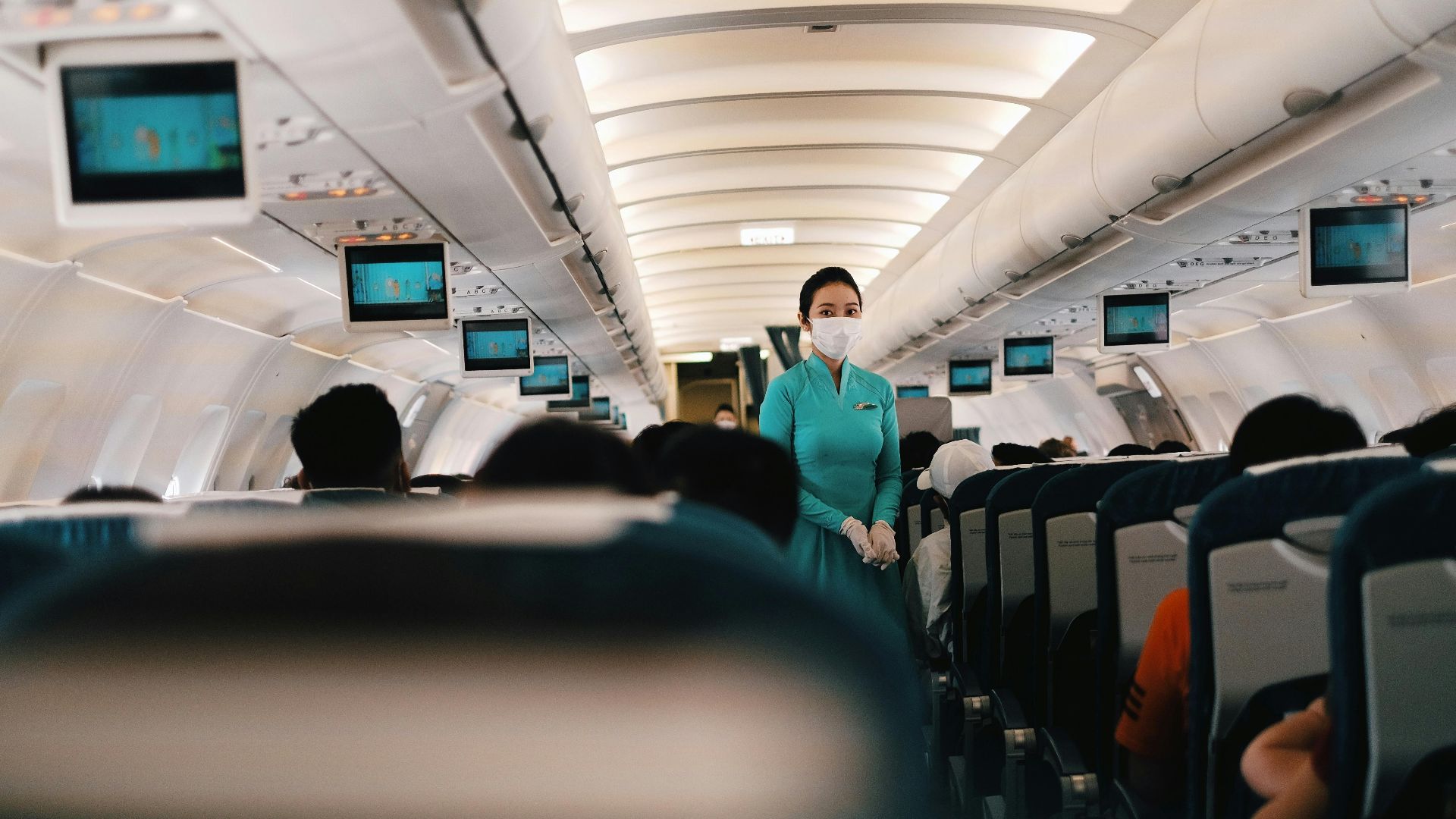
Under EU rules, if you are denied boarding against your will, you can be entitled to compensation unless there are reasonable grounds such as health, safety, or security, or inadequate travel documents. The rules also provide set reimbursement levels for involuntary downgrades. That makes the European framework more explicit than the U.S. one in several key situations.
The U.K. Follows A Similar Model
The U.K. Civil Aviation Authority explains that airlines must first seek volunteers before denying boarding and may owe compensation if you are involuntarily denied boarding. It also lays out refund percentages for passengers downgraded to a lower class. So if this happens on a U.K.-covered itinerary, the answer may be more favorable to the traveler than on a purely domestic U.S. trip.
 Kingofseals, Wikimedia Commons
Safety Can Override Almost Everything
Airlines also have broad authority to move passengers for safety and security reasons. That can include balancing the aircraft, keeping certain seats open, accommodating accessible seating needs, or positioning crew required by regulation or operations. When the airline frames the move as operational or safety-related, challenging it becomes much harder in the moment.
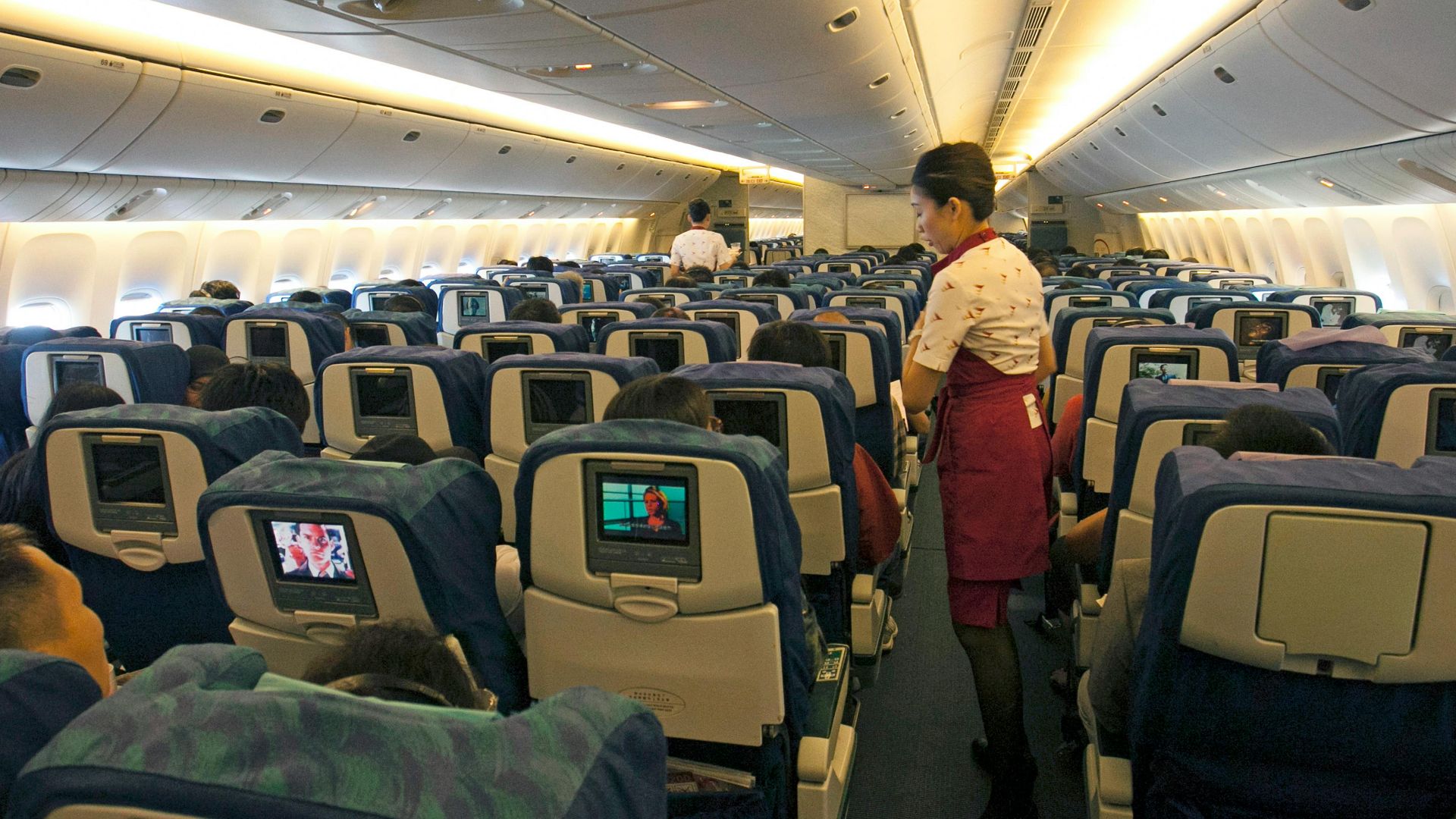
What About A Nonworking Employee On Leisure Travel
That is the scenario that usually sparks the strongest reaction. If an off-duty employee traveling for personal reasons is given priority over a confirmed paying passenger, many travelers would see that as hard to defend. In practice, airlines usually board leisure standby travelers only after confirmed passengers are accommodated, but disputes can arise when the line between operational and non-operational travel is unclear.
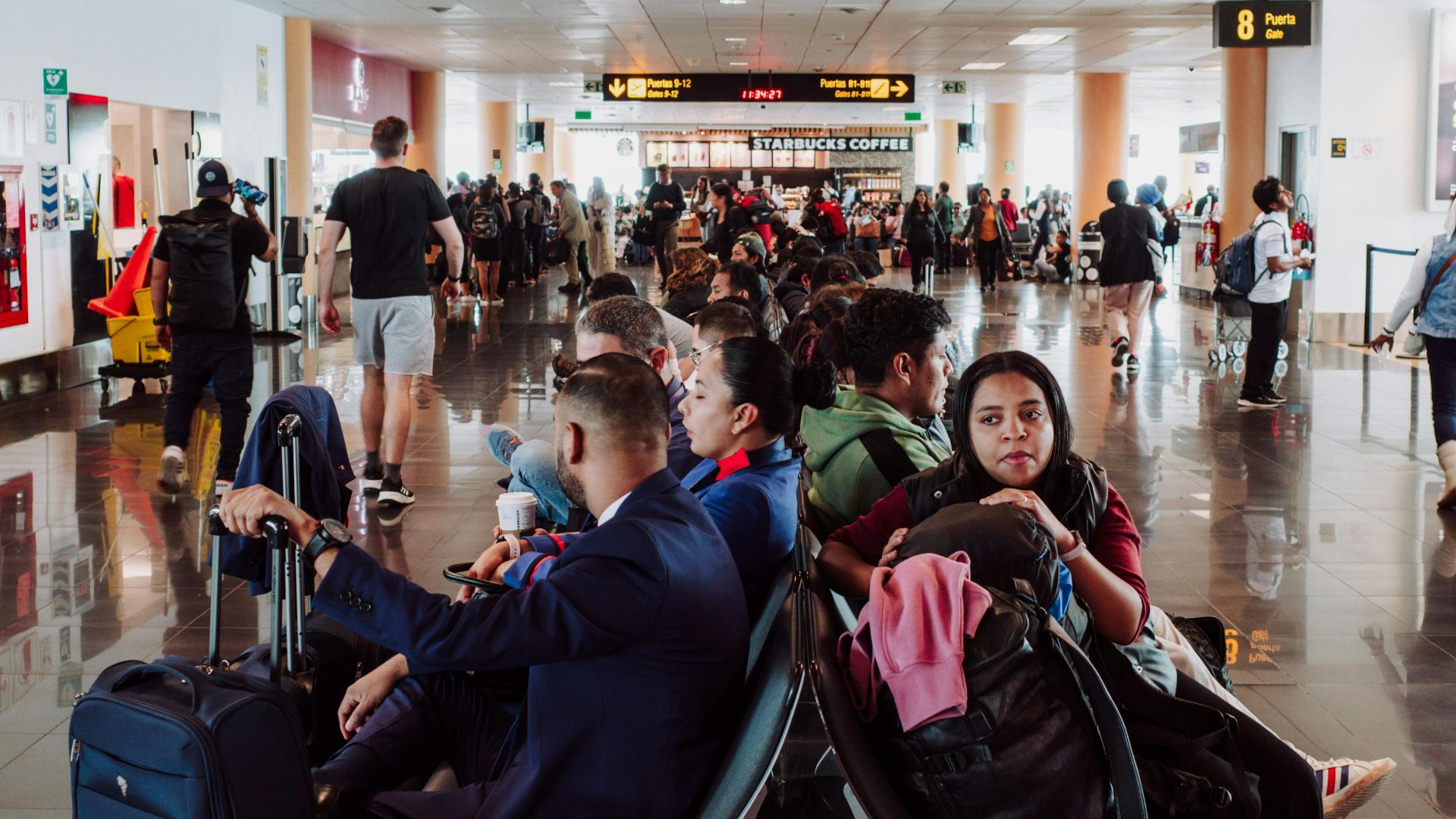
The Most Important Question To Ask
If this happens to you, calmly ask whether the staff member is deadheading to work another flight or traveling standby for personal reasons. That question matters because it helps show whether the airline is making an operational decision or simply reshuffling scarce seats. It can also shape what remedy you should ask for next.
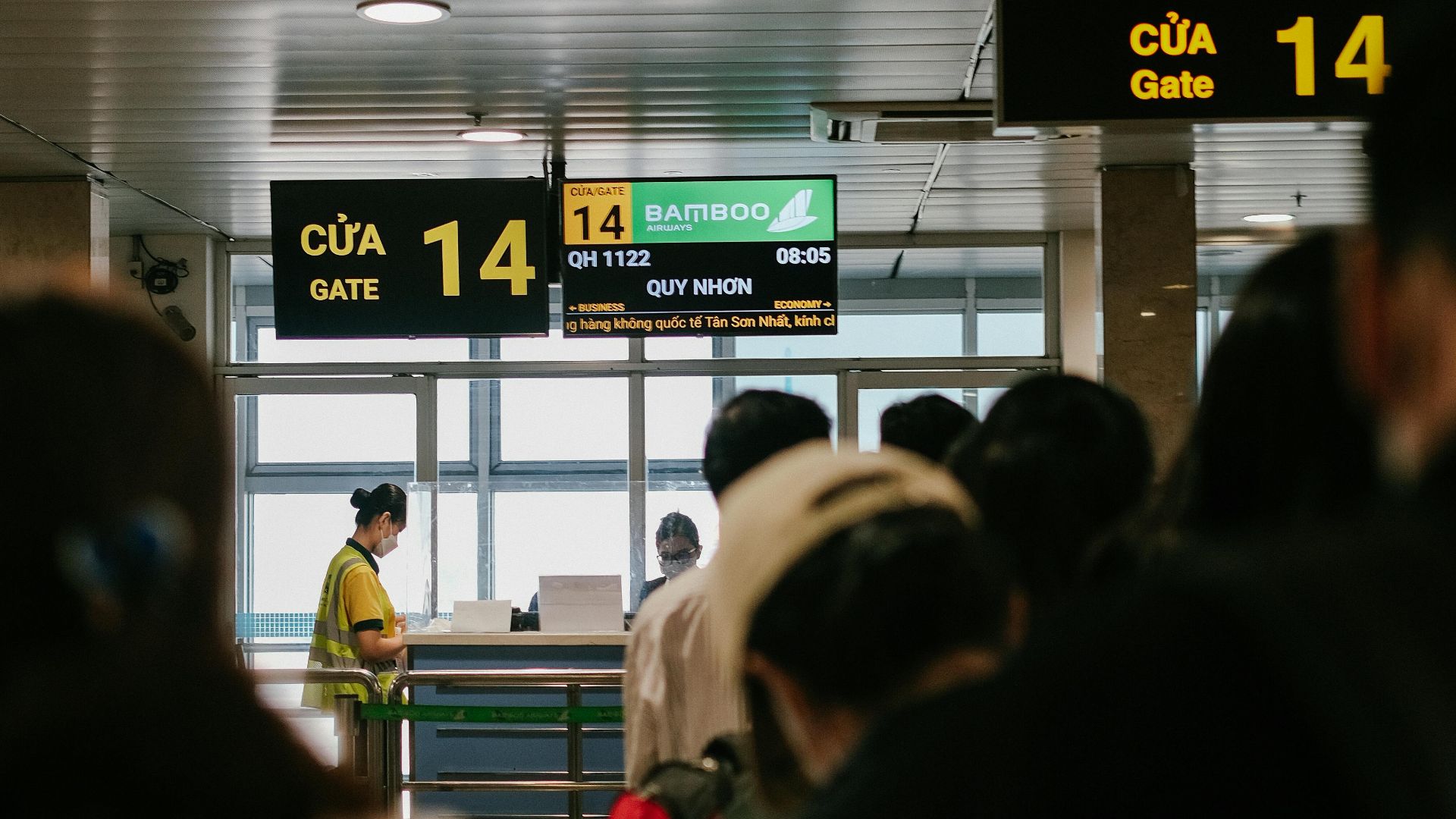
Ask For The Reason In Writing If Possible
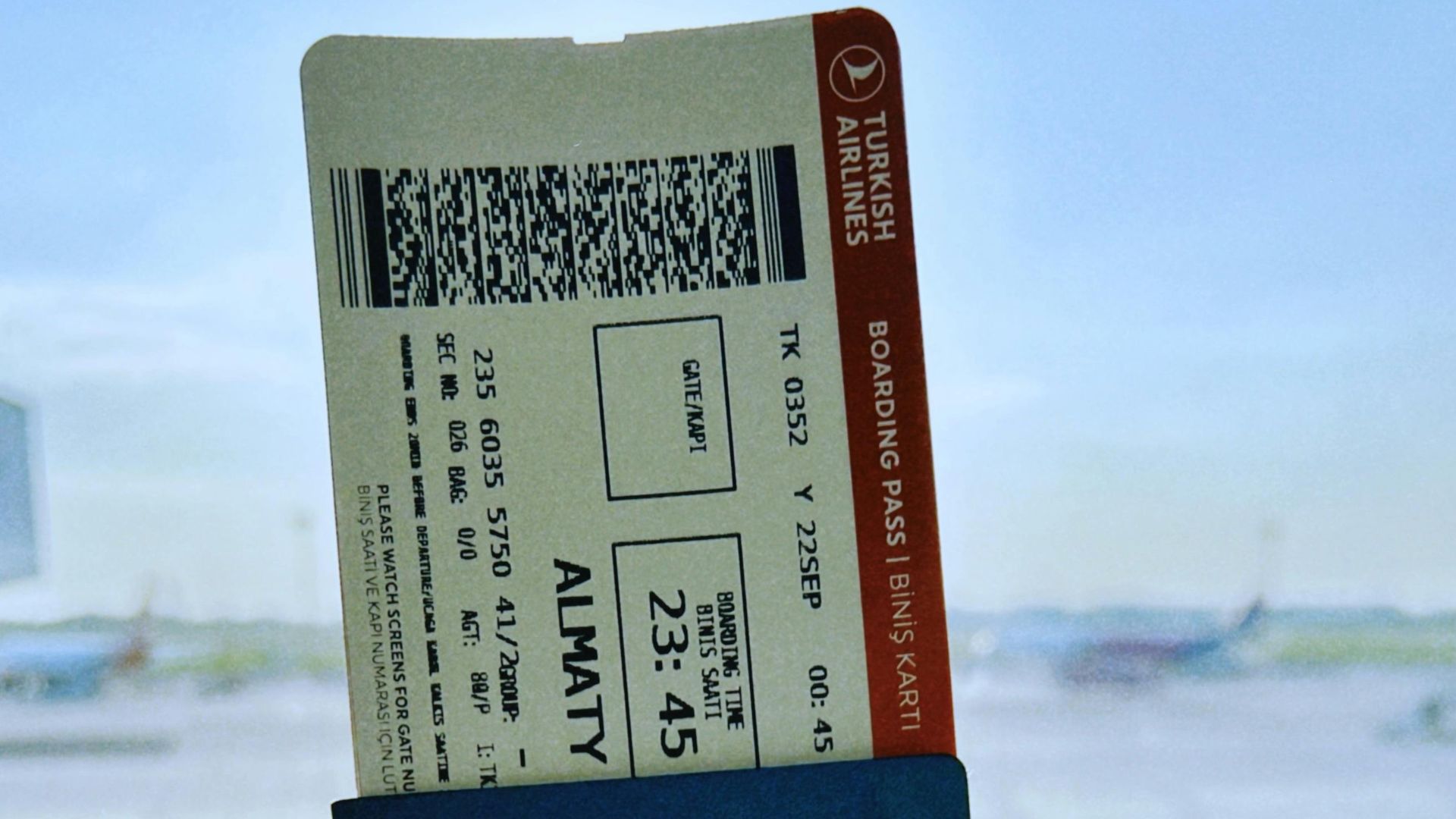
You may not get a detailed letter at the gate, but it is worth asking an agent to note the reason for the seat reassignment or denied boarding in your reservation. Save screenshots of your original seat assignment and keep any messages from the airline app. Those records can make a big difference if you later seek a refund, compensation, or regulatory review.
Do Not Leave Money On The Table
If you paid for a specific seat and lost it, ask for that fee back. If you were involuntarily downgraded, ask for the fare difference and cite the carrier’s policy or the relevant passenger-rights rule. If you were denied boarding entirely, ask whether you are entitled to compensation under U.S., EU, or U.K. rules.
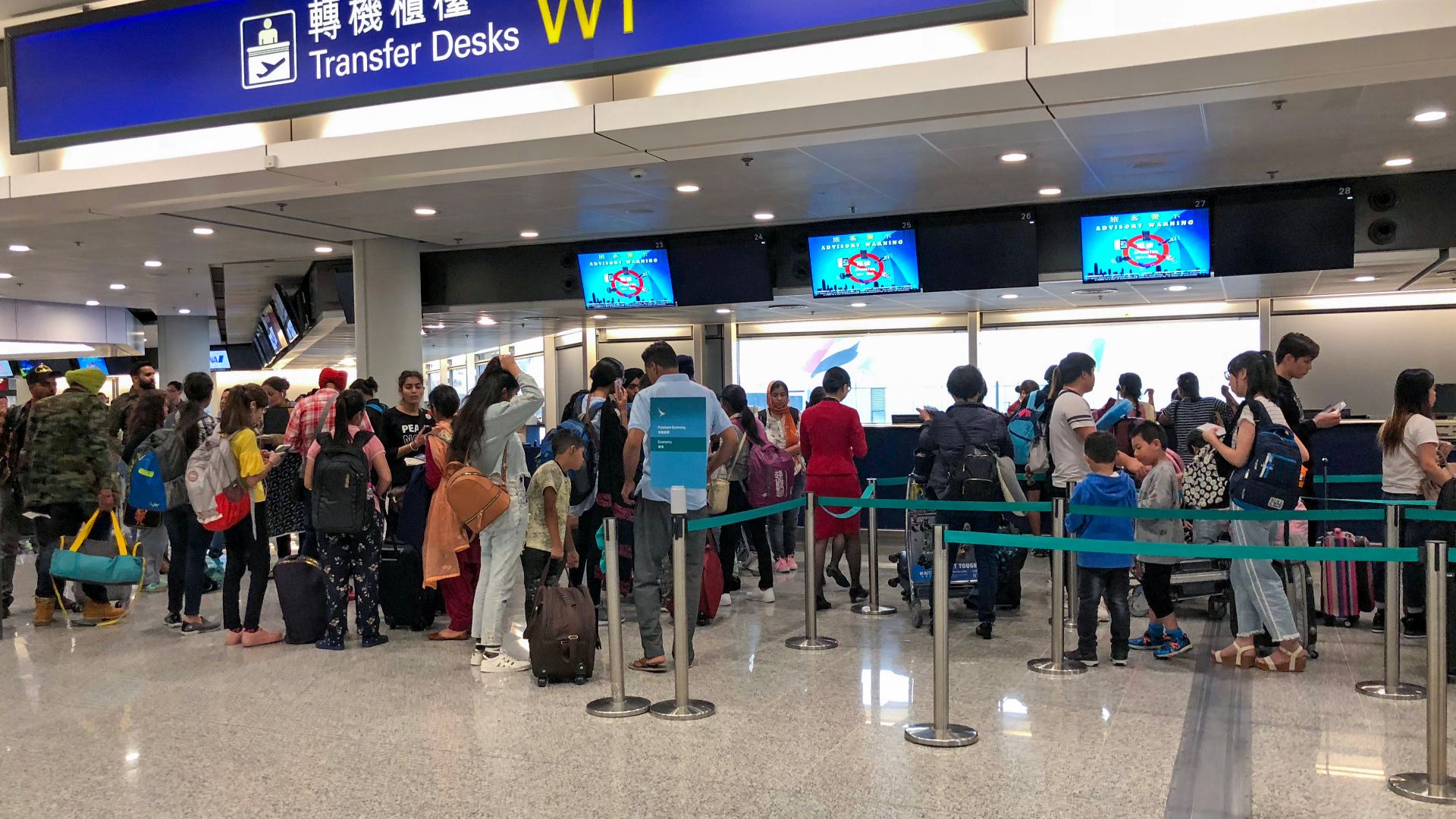
The Department Of Transportation Wants Complaints Filed
The U.S. Department of Transportation encourages travelers to complain directly to the airline first, then to the DOT if the issue is not resolved. Regulators use those complaints to spot patterns and enforce consumer rules. If an airline’s explanation does not add up, a formal complaint is often the cleanest next step.
 AgnosticPreachersKid, Wikimedia Commons
Europe’s Enforcement System Can Help Too
For flights covered by EU rules, passengers can also escalate complaints to national enforcement bodies if the airline refuses a valid claim. That process can take time, but it gives travelers another route beyond arguing with customer service. In the U.K., the Civil Aviation Authority provides guidance and points travelers toward dispute-resolution channels.

Social Media Can Be Useful, But Facts Matter More
Posting a gate-side horror story can get attention fast, especially when the phrase “I was bumped for an employee” enters the mix. But if you want an actual remedy, specifics beat outrage. Focus on the flight number, date, route, the seat you lost, what replacement seat you got, and exactly what staff told you.

Travel Insurance Usually Will Not Solve This
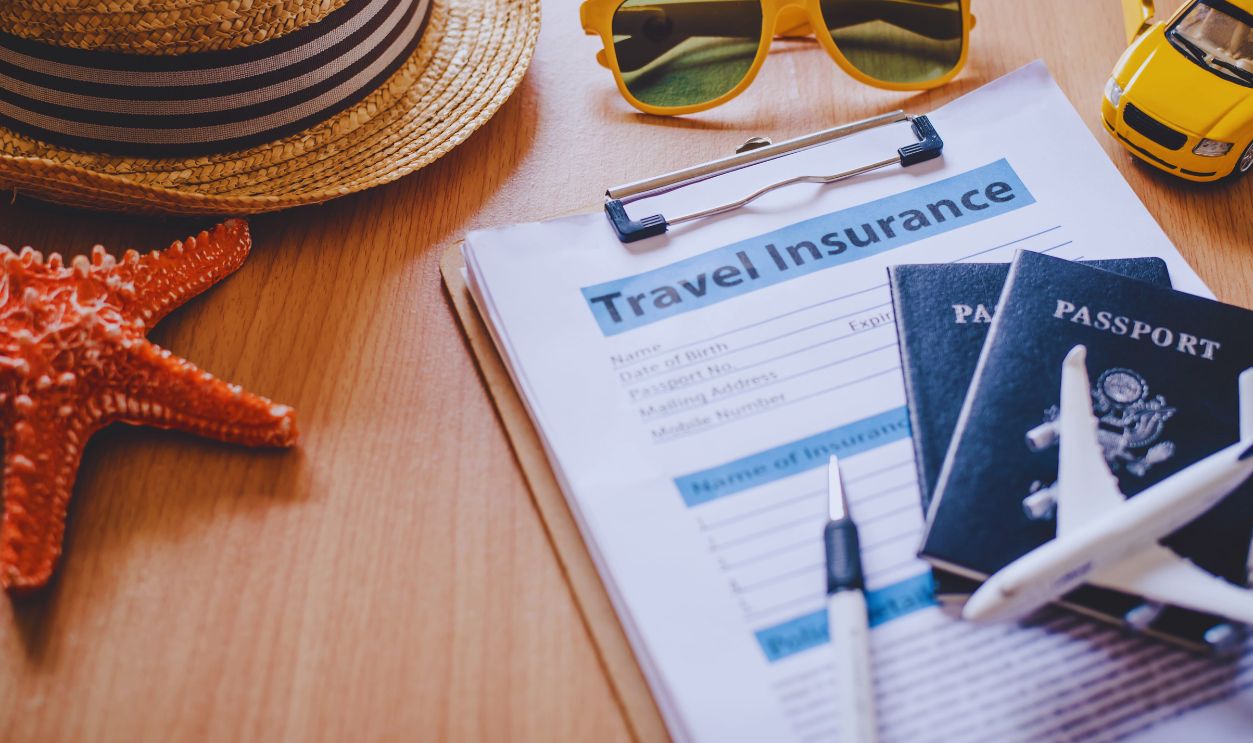
Most travel insurance policies are not designed to cover ordinary airline seat reassignments. Some may help with delays or missed connections caused by denied boarding, depending on the policy terms. But the main responsibility usually remains with the airline under its contract and the passenger-rights rules that apply.
How To Protect Yourself Before It Happens
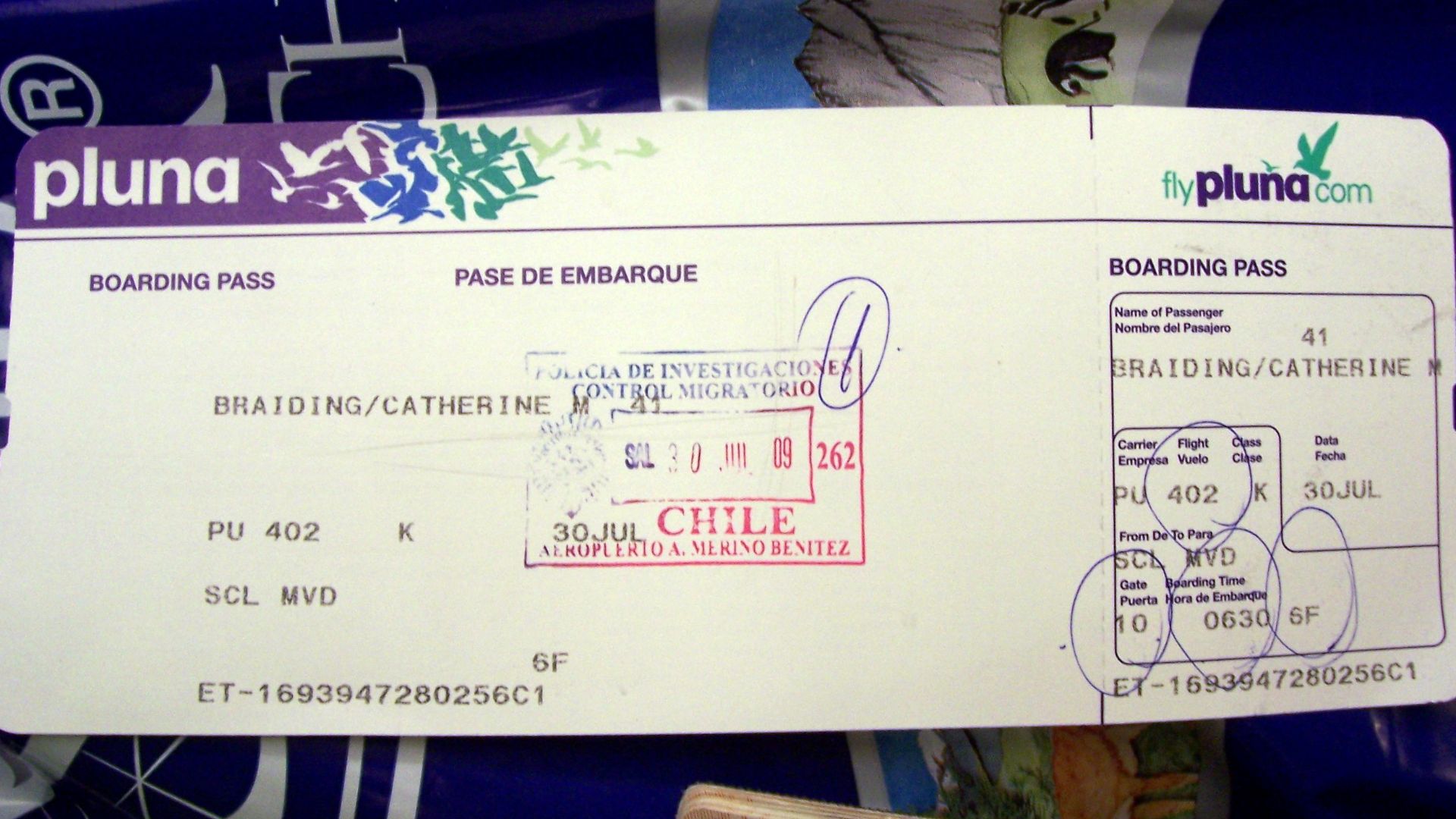
Check in as early as possible, save a copy of your boarding pass, and keep receipts for any seat-selection fees. If your trip is especially important, consider arriving early enough to speak with gate staff before boarding starts if anything looks odd in the app. None of this guarantees your seat, but it puts you in a stronger position if the airline changes plans.
 Catherine from Australia, Wikimedia Commons
The Hard Truth About “Your” Seat
The uncomfortable reality is that your confirmed seat is often not legally yours in an absolute sense. It is a seat assignment the airline can usually change under its contract, especially for operational or safety reasons. Your strongest rights usually appear when the airline keeps you off the flight entirely or pushes you into a lower cabin than the one you purchased.
So, Is It Even Allowed?
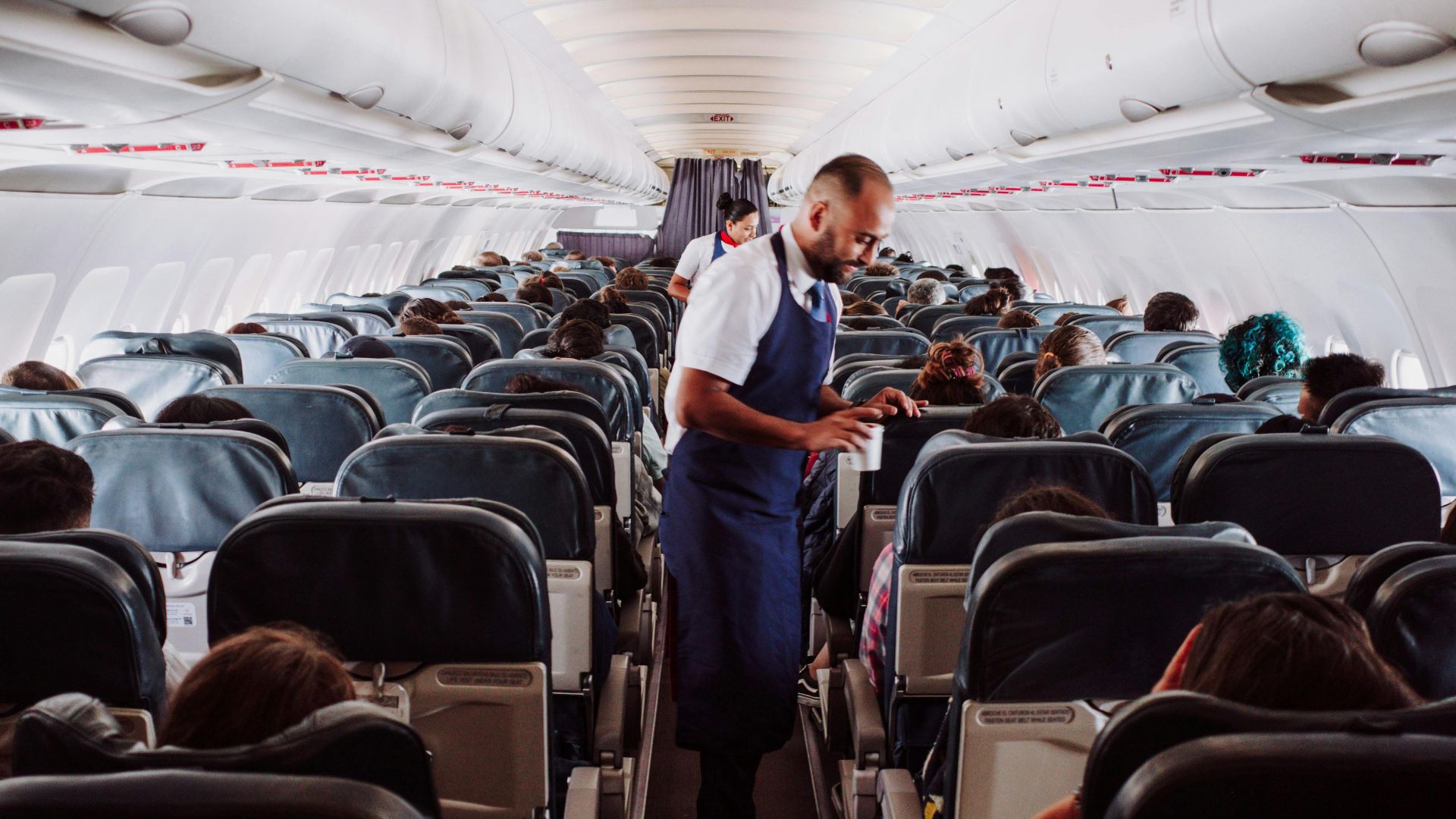
Often, yes. If the airline is reassigning your seat for operational reasons, including transporting working crew, it is usually within its rights under standard contracts and aviation rules. But if you are denied boarding or downgraded, the law may entitle you to compensation or a refund, and that is where knowing the exact reason becomes critical.
The Bottom Line For Travelers
If an airline tells you a staff member needs your seat, do not panic and do not accept a vague explanation without questions. Ask whether the employee is deadheading, ask what rule or policy applies, and document everything. The airline may be allowed to do it, but that does not mean you have to walk away empty-handed.