
The Big Idea
It feels like the age-old advice of "save at least $1 million to retire comfortably" is fading fast, but it's not gone yet. A $1 million nest egg can still buy a comfortable retirement in America in 2026, but location does a lot of the heavy lifting. Prices vary widely by state, and housing is usually the biggest swing factor.

Why Location Matters More Than Ever
Inflation has cooled from the peak years, but everyday costs still creep up over time. The Consumer Price Index rose 2.7% from December 2024 to December 2025, which is enough to quietly raise a retiree’s “normal month.”

What “Comfortable” Means Here
“Comfortable” does not mean luxury. It means you can cover housing, healthcare, food, transportation, and fun without constant budget panic, assuming you avoid the priciest ZIP codes in a state.

The $1 Million Math Most Planners Use
A common starting point is the “4% rule,” which comes from historical research on retirement withdrawals. In plain English, it suggests withdrawing about 4% in year one (then adjusting for inflation) to reduce the risk of running out of money over a 30-year retirement.

What That Looks Like In Dollars
Using that guideline, $1,000,000 supports about $40,000 in first-year spending from your portfolio. Some households can safely spend more, and some should spend less, but $40,000 is a reasonable baseline for comparisons.
 Hans Jurgen Eisenmann, Unsplash
Social Security Often Provides The “Other Half”
As of November 2025, the average monthly benefit for retired workers was about $2,013, or roughly $24,000 a year. That means many retirees are effectively trying to fund “comfortable living” with a blend of Social Security and portfolio withdrawals.
 Centre for Ageing Better, Unsplash
Healthcare Is The Budget Line You Cannot Ignore
Medicare is a huge help, but it is not free. In 2026, the standard Medicare Part B premium is $202.90 per month, and the Part B annual deductible is $283, before you even talk about prescriptions or supplemental coverage.

How We Picked The States On This List
We prioritized states with below-average overall price levels, using the BEA’s Regional Price Parities as a benchmark. For context, the BEA lists Arkansas (86.9), Mississippi (87.0), Iowa (87.8), and Oklahoma (87.8) as the lowest-price states in 2024, meaning prices there were well below the national average of 100.

Arkansas
Arkansas is consistently among the lowest-cost states on the BEA measure, which is a strong signal for retirement affordability. The trade-off is that “best value” often means smaller cities and suburbs rather than the hottest metros.

Mississippi
Mississippi also sits at the very bottom of the price-level rankings, which helps a $1 million portfolio stretch further. If you can match the state with the right community and healthcare access, the math can work nicely.
 James Case from Philadelphia, Mississippi, U.S.A., Wikimedia Commons
Oklahoma
Oklahoma’s low price level is a core reason it shows up in many affordability comparisons. Retirees usually get the best results by avoiding the fastest-growing, most bid-up neighborhoods.

Iowa
Iowa ranks among the lowest-price states on the BEA yardstick, and that steady affordability is valuable for long retirements. Comfort here often comes from stable housing costs and predictable day-to-day expenses.
 Christiane Tas, Wikimedia Commons
Alabama
Alabama is not in the absolute bottom four on the BEA list, but it is still part of the broad “low-cost South” pattern many retirees rely on. Your budget goes further if you prioritize areas with strong hospital systems and reasonable property costs.
 Quintin Soloviev, Wikimedia Commons
Missouri
Missouri shows up as a low-cost option in multiple datasets, including MERIC’s cost-of-living tracking. A retiree budget can work well here, especially if you are flexible on neighborhood and home size.
 Mark Ravenscraft, Wikimedia Commons
Kansas
Kansas tends to benefit from Midwest pricing on housing and services, which is exactly what a $1 million plan needs. The comfort play is usually “small-to-mid city living” rather than big-city core neighborhoods.
 Dean Hochman from Overland Park, Kansas, U.S., Wikimedia Commons
Kentucky
Kentucky often looks strong on affordability because the state has many markets where housing is still reasonable relative to incomes. If you keep fixed costs low, you can allocate more of your budget to healthcare and travel.
 Tamanoeconomico, Wikimedia Commons
Indiana
Indiana is a practical pick for retirees who want Midwest prices with lots of livable mid-sized cities. A $1 million portfolio tends to feel more comfortable when housing and transportation costs are not fighting you every month.
 Daniel Schwen, Wikimedia Commons
Tennessee
Tennessee is a popular retirement destination, and it helps that the state has no wage income tax. It is not uniformly cheap, but many parts of the state still support a comfortable budget if you avoid the most expensive hot spots.
 Quintin Soloviev, Wikimedia Commons
West Virginia
West Virginia stands out because housing rents are exceptionally low on the BEA data, which can matter more than almost anything else for retirees. It is also notable for recent retiree-tax changes that can improve the net budget for some households.
 ForestWander, Wikimedia Commons
Georgia
Georgia can work for retirees because many areas outside the priciest neighborhoods remain relatively affordable, and the state has meaningful retirement-income tax breaks for older residents. The best results usually come from choosing a lower-cost region with solid healthcare access.
 AtlChampion, Wikimedia Commons
Pennsylvania
Pennsylvania is worth a look because it is widely cited as friendly to many forms of retirement income, which can help your net spendable budget. As always, comfort depends heavily on where you live within the state.

Illinois
Illinois can still be workable on $1 million in lower-cost regions, especially outside the most expensive metro areas. The state’s retirement-income tax treatment is often described as favorable, but retirees should watch local property taxes when choosing a home.
 Colin J Bird, Wikimedia Commons
Michigan
Michigan can be a “watch this space” state for retirees, because tax rules affecting retirement income have been changing and phasing over time. A $1 million plan can pencil out well in lower-cost parts of the state, particularly if housing stays modest.
 Christopher L. Riley, Wikimedia Commons
The Hidden Strategy: Pick The Right Zip Code
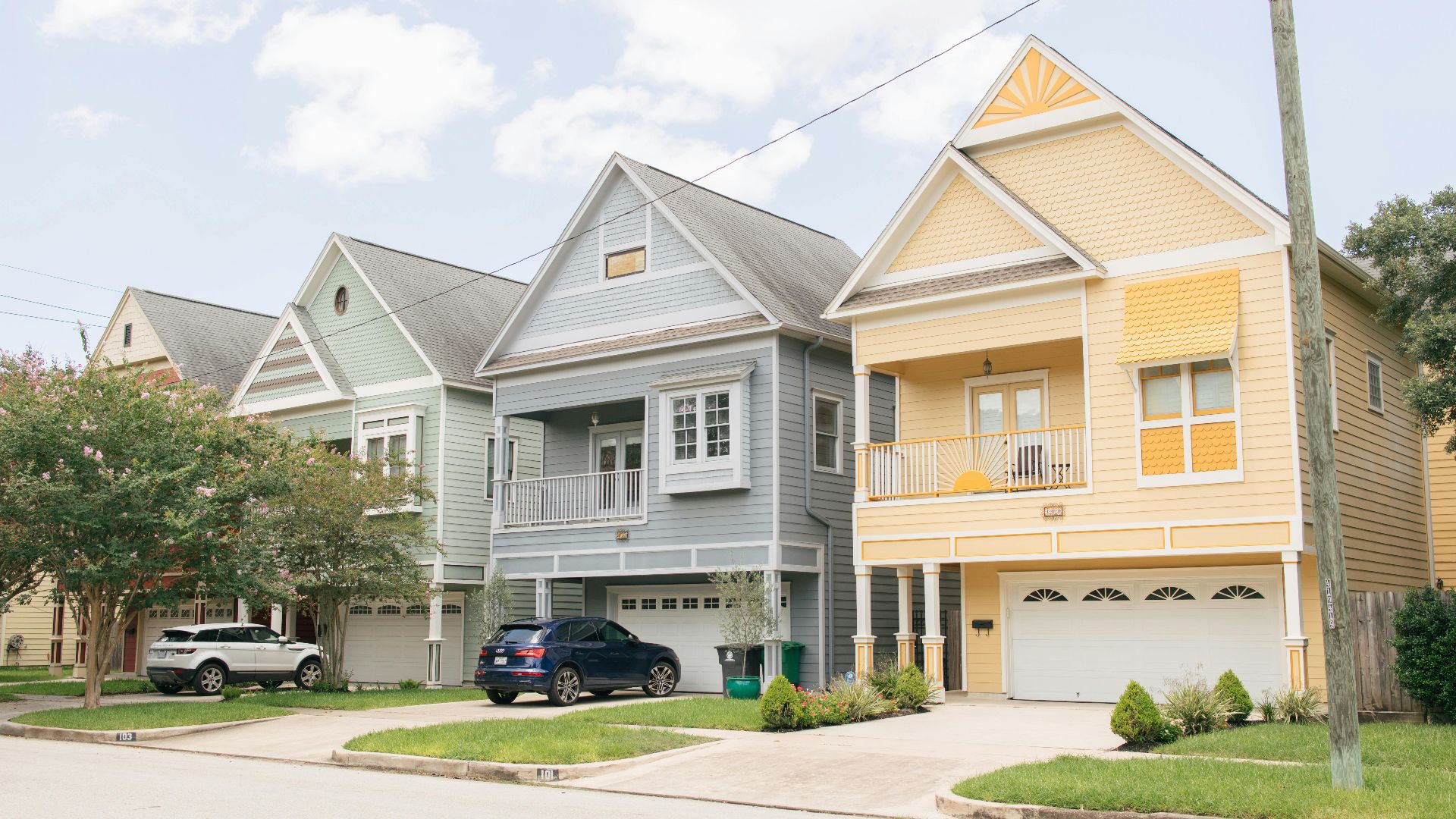
Even in “affordable” states, the most desirable neighborhoods can cost double the rest of the market. The easiest way to make $1 million feel comfortable is to choose a region where housing does not dominate your monthly budget.
A Simple Stress Test Before You Move
Run your plan using conservative assumptions, like a 4% starting withdrawal and realistic healthcare costs. The goal is not to be perfect, but to make sure a bad market year does not force you into unwanted lifestyle cuts.

The Medicare Premium Trap For Higher Earners
If your income is high enough, Medicare premiums can jump because of IRMAA, which is based on your tax return from two years prior. It is one more reason to plan withdrawals and Roth conversions with intention, not vibes.

Taxes Are Not Just Income Taxes
State income tax is only one lever. Property taxes, sales taxes, insurance costs, and even local utility costs can swing the “real” affordability of a state for retirees.

The Bottom Line
In 2026, $1 million can still support a comfortable retirement in multiple states, especially where price levels are below the national average. The states above are not “magic,” but they stack the odds in your favor because your money buys more of the basics.