
A Disney Bill That Sparked A Family Debate
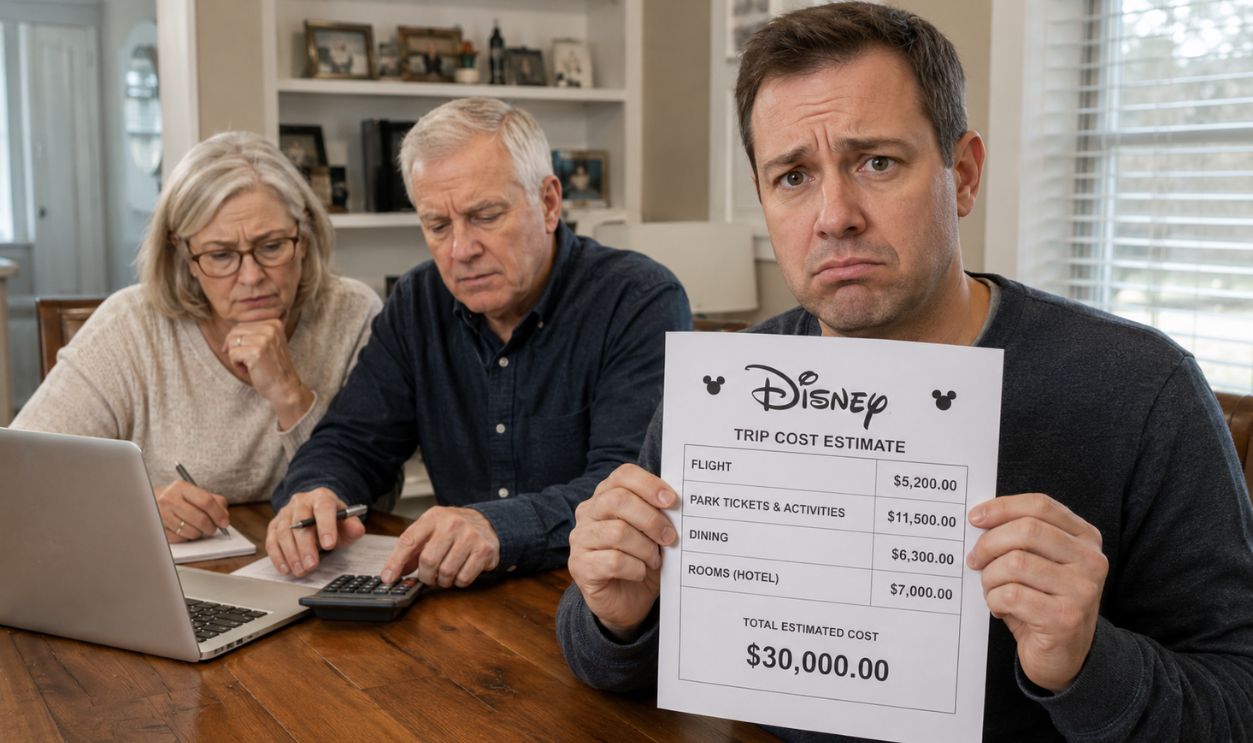
A family Disney vacation is supposed to be fun, but the money part can get awkward fast. One especially tricky version is when parents plan a group trip and then expect everyone to split the full cost evenly, including relatives who are not even going. They call it "a gift for the whole family." That may happen in some families, but etiquette experts and travel advisors say it is not the normal or fairest way to divide vacation costs.
What Equal Split Usually Means
In most group travel plans, an equal split only applies to the people actually taking the trip. That usually means the travelers divide shared costs like a rental house, groceries, or transportation if they all agreed to those expenses ahead of time. Asking non-attendees to help pay for a vacation they will not use is outside the usual travel norm.

Why This Feels So Uncomfortable
The problem is not just the dollar amount. It is the assumption that family members should help cover someone else’s vacation choice. Money boundaries can get blurry on family trips, especially when parents or grandparents make the plans first and treat the cost as a done deal instead of a conversation.
 Inside Creative house, Shutterstock
Etiquette Experts Have Addressed Similar Disputes
Advice columns and etiquette experts have long said people should not be expected to pay for travel they are not taking. The Emily Post Institute, one of the best-known names in etiquette, stresses clear communication and consent when money is involved. If someone did not agree to be part of the trip, there is no automatic duty to help pay for it.

Consent Matters More Than Family Pressure
That is the key point many families skip. Book first and bill later is a good way to create resentment, no matter how exciting the destination is. A Disney trip can cost thousands of dollars, so treating it like a surprise group invoice is almost guaranteed to cause tension.

Disney Vacations Are Not Cheap
There is a reason these fights get heated. Walt Disney World tickets, hotels, food, and transportation can add up quickly, and Disney’s own vacation pages show that prices vary by resort, date, and ticket type. Even a short trip for one family can turn into a major expense.

What The Numbers Look Like In Real Life
Disney’s booking platform makes it clear how fast prices climb once you combine park tickets with a resort stay. Add Lightning Lane, meals, souvenirs, and airfare, and the total can jump even higher. That is why travel advisors often say the budget talk needs to happen before anyone locks in reservations.

Travel Advisors See This Problem Often
Group trips can be great, but advisors regularly warn that money details should be settled before deposits are paid. The American Society of Travel Advisors has long encouraged travelers to understand cancellation rules, final payment deadlines, and exactly who is responsible for each cost. Those details matter even more when family pressure enters the picture.

Nonrefundable Deposits Change The Stakes
Sometimes the person who booked the trip argues that everyone should help because deposits are already down. That may explain the pressure, but it does not make the request fair. If someone was not asked before the booking, they should not be assigned part of the bill afterward.

A Gift Is Different From A Group Expense
There is one version of this that can confuse families. If parents say they are treating everyone to Disney and later ask for reimbursement, that is very different from openly planning a shared-cost trip. A gift should not quietly turn into an invoice after the fact.

What Financial Experts Say About Boundaries
Personal finance experts regularly advise people not to take on costs they cannot comfortably afford, even when relatives are involved. Consumer advice from places like NerdWallet stresses setting a budget before travel and having direct conversations about expectations. Family pressure does not turn a bad money decision into a smart one.

Fairness Usually Follows Usage
In most travel situations, the fairest rule is simple. People pay for what they use, or they split only the parts they agreed to share. If Aunt Lisa is not going to Disney, she would not usually be expected to help pay for park tickets, hotel nights, or character breakfasts for everyone else.

Shared Costs Can Still Be Split Sensibly
There are cases where a wider family contribution might make sense. Relatives might choose to help cover a grandparent’s room as a gift, or siblings might split the cost of a reunion rental home that everyone will use. The key word is choose. Voluntary help is not the same as a mandatory charge.

Disney Planning Makes Assumptions Dangerous
Disney trips often involve dining reservations, park choices, and hotel categories decided months ahead of time. That level of planning can make the organizer feel heavily invested, but it still does not justify billing people who never agreed to go. Detailed planning is not the same thing as permission.

Why Parents Sometimes Think It Is Normal
Some parents come from a family culture where expenses are pooled widely and younger relatives are expected to go along with it. Others may think they are spreading the burden evenly so no one household pays too much. But both etiquette advice and financial guidance point back to the same rule: informed agreement should come before money changes hands.

What To Ask Before You Respond
If this situation lands on your doorstep, start with calm and specific questions. Ask what the total bill includes, who is attending, when the trip was booked, and whether each person was asked before reservations were made. Those facts can quickly show whether this is a misunderstanding or an unreasonable demand.

Get The Costs Itemized
An itemized breakdown can clear up a lot. Disney costs often include resort fees, tickets, dining costs, transportation, and extras that not everyone wants or values the same way. Once the numbers are laid out, it gets much easier to separate true shared costs from someone else’s vacation choices.

The Timing Of The Booking Matters
When the trip was booked matters more than it may seem. If your parents reserved everything first and told relatives later, they took the risk that not everyone would join in. If they discussed it ahead of time and people agreed, then the issue becomes more about honoring a commitment than creating one after the fact.

How To Say No Without Starting A War
The best response is usually polite and direct. You can say you hope everyone has a great trip while making it clear that you cannot contribute to travel you are not taking. If you keep the message focused on budget and principle instead of blame, you have a better shot at protecting the relationship.

A Sample Response That Works
You do not need a big speech. Something like, “I hope everyone has a great time, but I can’t contribute to a trip I’m not attending, especially since I wasn’t part of the booking decision,” is clear and respectful. It sets the boundary without turning the conversation into a fight about Disney magic.

When A Partial Contribution Could Make Sense
Some adults may decide to chip in a small amount if the trip marks a major milestone, like a 50th anniversary, and they truly want to help. That would be a personal gift, not proof that the original request was normal. The difference matters because generosity should never be confused with obligation.

What If They Say Family Helps Family
That phrase can carry a lot of emotional force. But healthy family support is usually tied to real need, not to covering part of a vacation that others planned without broad agreement. Disney is a fun trip, but it is not an emergency expense.

Group Travel Works Better With Rules Up Front
Travel experts often recommend setting payment deadlines, cancellation terms, and room assignments before anyone books. That is especially important for multigenerational vacations, where budgets can vary a lot from one household to the next. A little structure early can prevent a very expensive mess later.
 ElenaKaretnikova, Shutterstock
Why Disney Trips Need Extra Clarity
Disney vacations are more layered than a simple beach weekend. Park tickets are date-based, resort levels can differ a lot in price, and dining choices can turn one family’s budget trip into another family’s splurge. Without clear expectations, one person’s dream itinerary can become someone else’s money headache.

So, Is It Normal
In short, no. It may happen, and some families may treat it as normal in their own circle, but it is not standard travel practice to charge non-attending relatives an equal share of a Disney vacation. Fairness usually follows attendance, actual use, and prior agreement.

The Practical Bottom Line
If you are not going, you generally are not expected to split the bill. If you never agreed before the booking, the case for saying no is even stronger. The most practical path is to ask for details, respond calmly, and keep a clear financial boundary.

Keep The Magic And Lose The Mess
A Disney trip can create great family memories, but only if the planning does not leave half the group feeling cornered. The best family vacations are built on transparency, not surprise invoices. If everyone wants the trip to stay fun, the simplest rule is also the fairest one: only charge the people who are actually going.