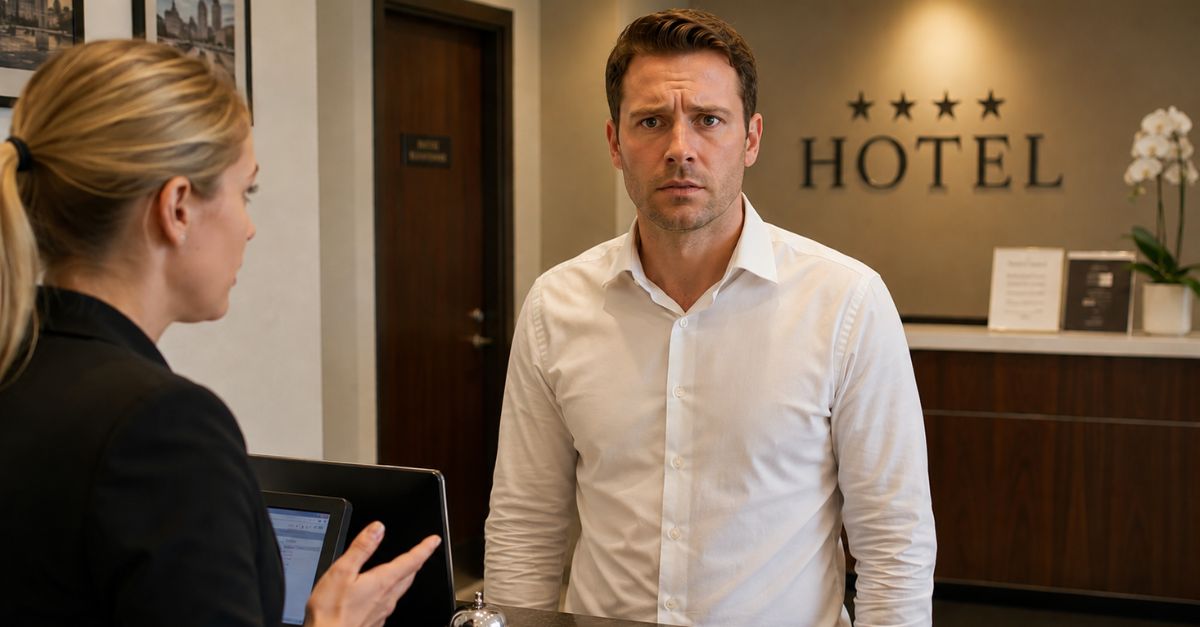
The Surprise Waiting At Check-In
You show up tired, bags in hand, only to hear the hotel has moved you to a sister property 20 minutes away. It feels like a real a bait and switch, especially if you chose that hotel specifically for the location. The hotel may say it's still honoring your booking, but that really depends on what you originally paid for and what you are getting instead.

What This Is Usually Called
In the hotel world, this is called being “walked.” That means a hotel cannot or will not give a guest the room they booked and sends them to another property instead. It is a known practice, but that does not mean every version of it is fair.

Why Hotels Move Guests
The most common reason is overbooking. Hotels often sell more rooms than they actually have because they expect some cancellations or no-shows. When more guests arrive than expected, somebody gets bumped.

It Is Not Always About Overbooking
Sometimes the reason is a maintenance problem, safety issue, or sudden outage that takes rooms out of service. That can mean plumbing trouble, HVAC problems, or storm damage. In those cases, the hotel may have a valid reason to move guests, but the replacement still should be reasonably comparable.

A Confirmation Email Does Not Guarantee Everything
Many travelers assume a confirmation email locks in a specific room at a specific hotel no matter what happens. In reality, hotel terms often leave room for operational changes, and problems still happen at check-in. A confirmation matters, but it does not always stop a hotel from trying to send you somewhere else.

Location May Be The Whole Point
A sister property 20 minutes away is not a small change if you booked the original hotel because it was near a convention center, airport, beach, train station, or family event. That extra distance can mean more money, more stress, and a lot more wasted time. If location was a big part of the deal, moving you can change the value of the stay in a major way.

What Travel Advice Usually Says
SmarterTravel notes that if a hotel walks you, it should pay for your room at a comparable property and cover transportation to get you there. That is a solid baseline for what travelers can reasonably ask for. It does not mean every hotel will offer it without being pushed.

What Hotels Are Told To Do
Hotel management guidance from SiteMinder describes walking guests as a last resort and says hotels should arrange comparable accommodations and transportation. It also stresses clear communication and guest care. That matters because even hotel industry advice says the burden should fall on the hotel, not the guest left standing at the desk.

Comparable Is The Key Issue
A sister property is not automatically comparable just because it is tied to the same company. Room quality, amenities, neighborhood, transit access, and hotel class all matter. If your original booking came with things you needed, like free breakfast, parking, beach access, or meeting access, the replacement should match those as closely as possible.

Twenty Minutes Away Can Be A Big Deal
Travel time is rarely just a simple number. A 20-minute drive can turn into much longer in traffic, and it can be a real problem if you do not have a car. It may also add taxi or rideshare costs you never planned to pay.

What The FTC Says About Bait Advertising
The Federal Trade Commission’s guidance on bait advertising is not written specifically for hotel walking situations, but the idea is still useful. Advertising one thing and then steering people to something else can raise consumer protection concerns if the substitute is not a real equivalent. That does not make every relocation illegal, but it helps explain why travelers often feel misled when the replacement is worse.

Why Branding Can Be Misleading
Many hotel brands are franchised, which means properties with the same name may be owned and run by different companies. Calling another hotel a “sister property” may sound reassuring, but it does not promise the same quality or experience. What matters is not the label but the actual hotel you are being sent to.

The First Thing To Ask At The Desk
Ask why you are being moved. Get a plain answer, whether it is overbooking, maintenance, or something else. If the staff are vague, politely ask them to write down the reason or email it to you.

The Next Question Is Just As Important
Ask whether the new hotel is covering the full room cost at the same or better rate you booked. If your original reservation included perks, ask whether those carry over too. If they do not, ask for compensation for the difference.
 Zoshua Colah, Unsplash, Modified
Transportation Matters Too
If the replacement hotel is 20 minutes away, transportation is a real issue, not a side detail. Ask whether the hotel will provide a shuttle, taxi voucher, rideshare reimbursement, or parking coverage. SmarterTravel and hotel industry guidance both point to transportation as part of the hotel’s responsibility when it walks a guest.

Get Everything In Writing
Take screenshots of your reservation, rate, room type, and hotel description before anything changes in an app or listing. Save texts, emails, and chat messages about the relocation. Good records can make a huge difference if you later challenge the charge with the hotel, brand, booking site, or your credit card company.

Photos And Notes Can Help Your Case
If the new property is clearly worse, document it. Take photos of the room, note any missing amenities, and keep receipts for extra transportation or meals caused by the move. That kind of proof can strengthen your complaint and show that the replacement was not truly comparable.

If You Booked Through A Third-Party Site
If you made the reservation through an online travel agency, contact both the hotel and the booking platform right away. The hotel controls the rooms, but the booking site may be able to help with rebooking, refunds, or escalation. It is best to do this while the problem is happening, not days later.

If You Booked Directly
Booking direct can make it easier to push the issue up the chain. Ask for the front office manager, then the general manager if needed. If the hotel is part of a major chain, you can also contact the brand’s customer care team while you are still at the property.

Loyalty Status Can Affect The Outcome
Frequent guests and elite members are often less likely to be walked because hotels usually try to protect their most valuable customers. If you have status, mention it calmly and ask for a better solution. Even if you do not, a confirmed reservation still gives you a strong reason to ask for fair treatment.

When The Hotel Probably Did Not Really Honor Your Booking
If the new property is clearly worse, farther from the reason for your trip, or missing key amenities, many travelers would reasonably say the booking was not honored in any meaningful way. A different hotel in a different location is not the same product. In that case, the original charge may need to be reduced or refunded, even if the hotel insists it still accommodated you.

When A Replacement May Be Reasonable
If the substitute hotel is truly comparable or better, transportation is covered, and your rate and perks stay the same, the hotel has a stronger case that it handled the situation fairly. That is especially true in a real emergency, such as a safety or maintenance issue. Even then, the disruption is still real, and some goodwill compensation is often reasonable.

What You Can Reasonably Ask For
Ask for the same or better room rate, paid transportation, reimbursement for extra travel costs, and compensation for lost amenities or inconvenience. That compensation could come as a partial refund, points, meal credits, or a future stay certificate. What makes sense depends on how much worse the replacement actually was.
 Monkey Business Images, Shuttestock
A Chargeback Should Not Be Your First Move
If the hotel refuses to fix the problem, a credit card dispute may be an option, but it usually works best after you have tried to resolve things directly. Your confirmation, receipts, screenshots, and photos will matter. Credit card issuers usually want proof that what you received was not what you paid for.

Consumer Complaints Can Also Help
You can also file complaints with your state attorney general’s consumer office, local consumer protection agencies, or the Better Business Bureau when appropriate. Those paths may not get instant results, but they can create pressure and help document repeat behavior. That can matter if a hotel regularly sends guests to worse alternatives.

How To Lower The Chances Of Being Walked
Late arrivals are often more at risk because the hotel has more time to run out of rooms before they show up. Calling ahead on the day of arrival, confirming a late check-in, and joining the hotel’s loyalty program may help. Booking directly can also make communication and problem-solving easier if things go wrong.

The Bottom Line
Moving you to a sister property 20 minutes away is not automatically the same as honoring your booking. It might be a fair emergency fix, or it might be a downgrade wrapped in friendly language. The real question is whether the new hotel matches what you booked in location, quality, cost, amenities, and transportation.