The Taylor Swift Travel Crunch
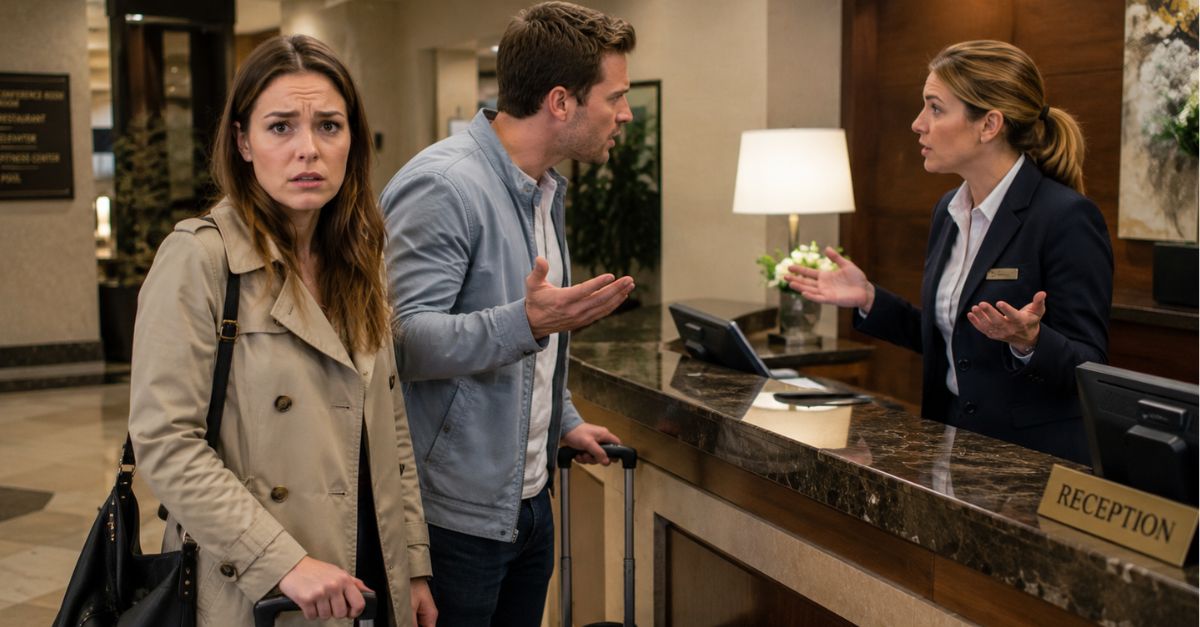
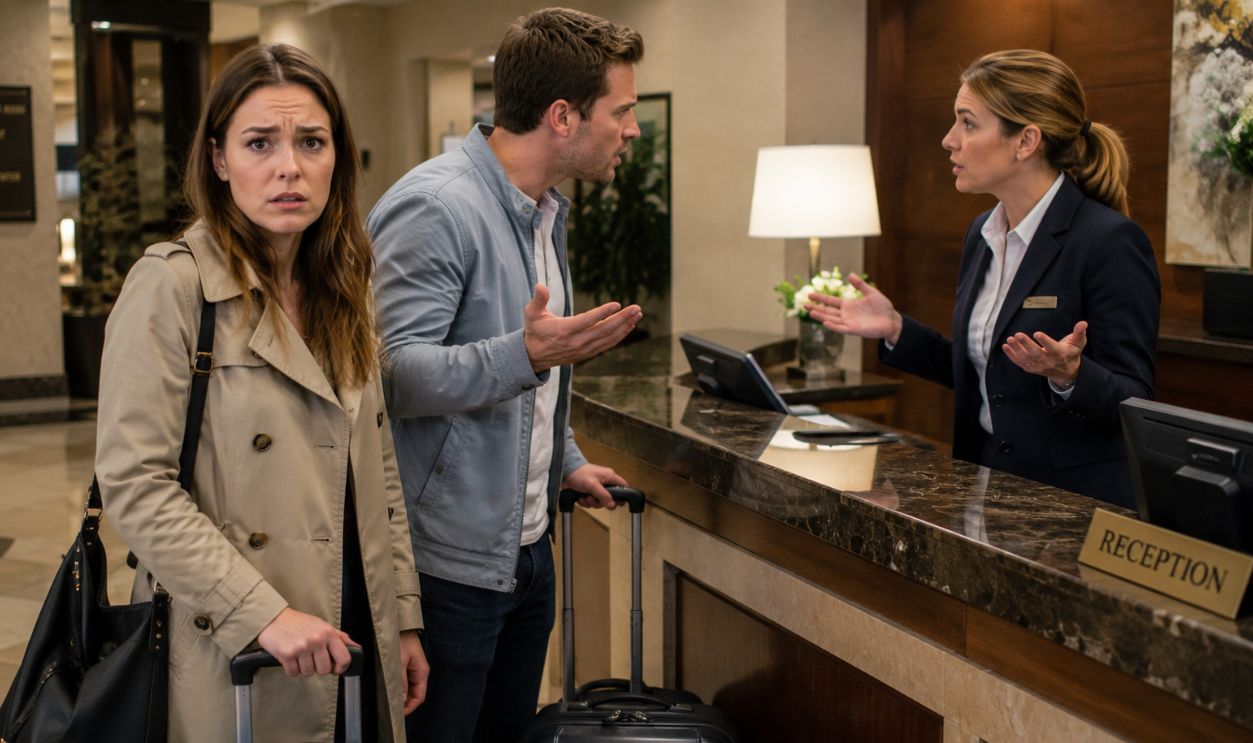
When Taylor Swift’s Eras Tour hit a city, hotel prices shot way up, but some travelers reported something worse than high rates: A reservation that suddenly vanished. It sounds incredibly shady, but whether a hotel can cancel and resell the room for more money depends on the booking terms, state law, and what exactly happened.
Why People Keep Asking About This
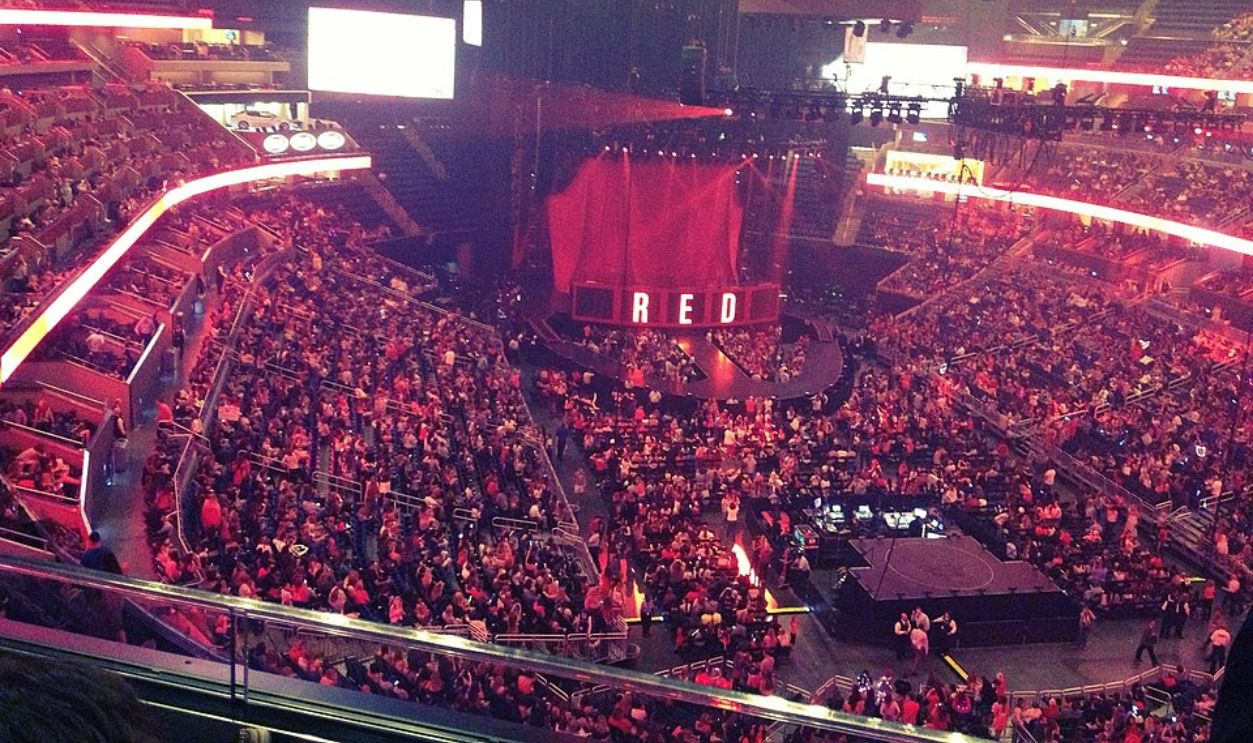
Big events always push hotel demand higher, and Taylor Swift concerts have been one of the clearest examples in recent years. In 2023 and 2024, local news reports and travelers described sharp hotel price jumps around tour stops across the United States. That kind of spike naturally makes people wonder whether a hotel might cancel an older, cheaper reservation and put the room back on the market at a much higher rate.
 Ryan and Sarah Deeds, CC BY-SA 2.0, Wikimedia Commons
The Indianapolis Case Put The Issue In The Spotlight
One of the most public examples came out of Indianapolis before Swift’s November 2023 shows. Fox59 reported in January 2024 that some fans said their hotel reservations had been canceled. In at least one case, a guest said the room was no longer available even though it had been booked months earlier. News outlets also reported that rooms for the same weekend were being advertised at much higher prices.
What Was Happening In Indianapolis
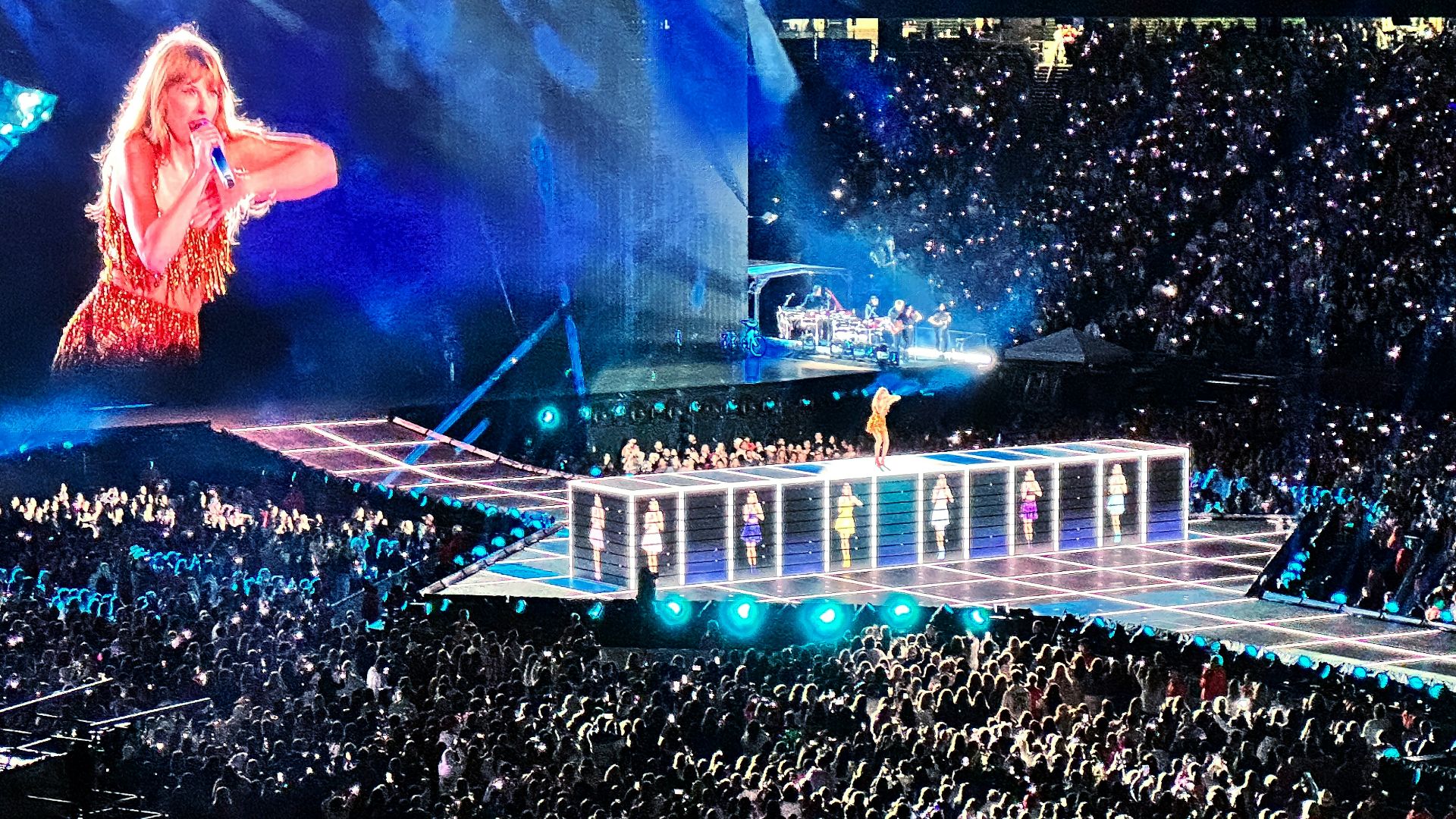
According to Fox59, some fans booked rooms well in advance for the November 1 through November 3, 2024 concert weekend at Lucas Oil Stadium. Later, some got cancellation notices or discovered problems with those reservations. By then, replacement rooms were far more expensive.
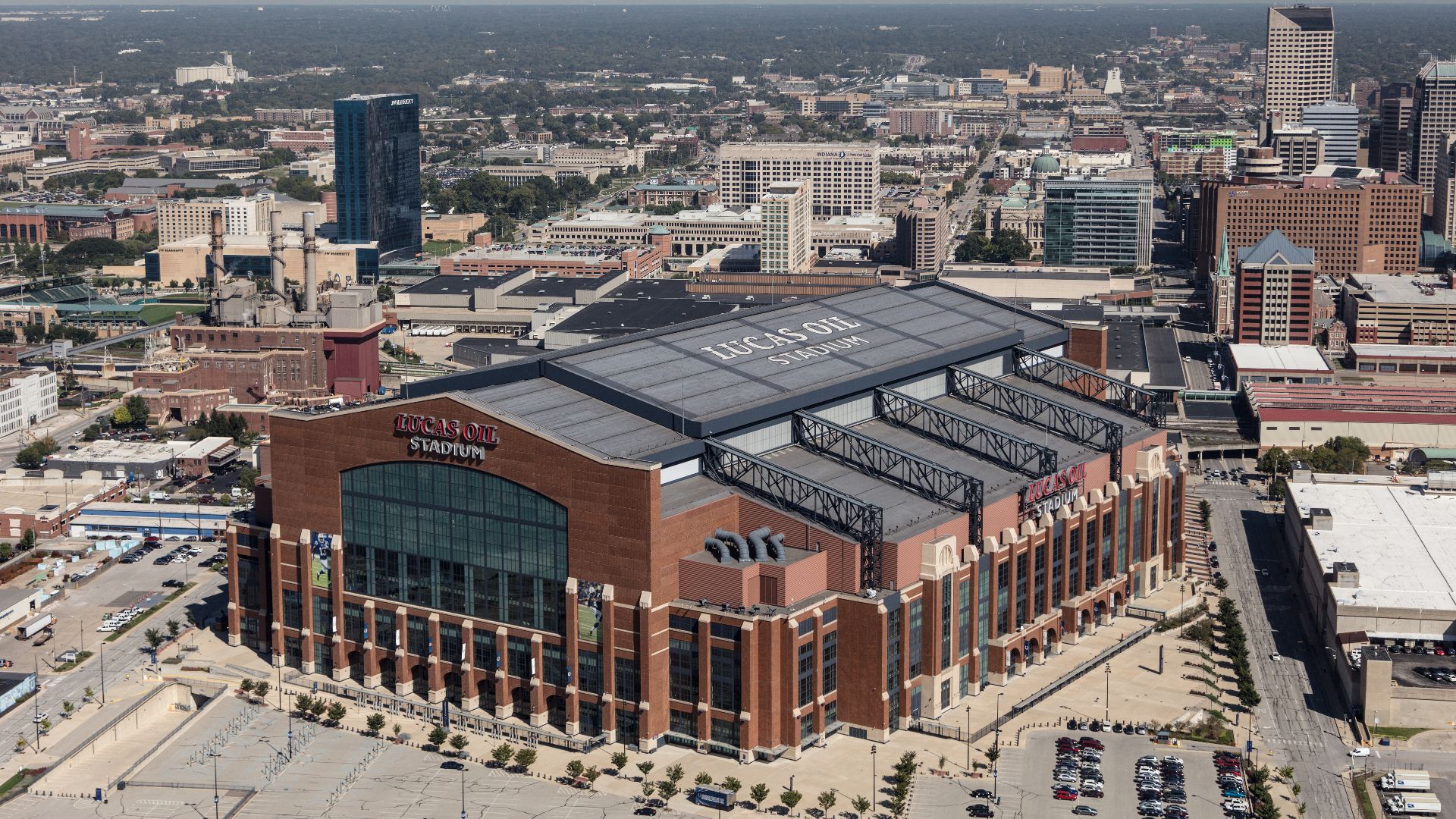 Carol M. Highsmith, Wikimedia Commons
How A Huge Event Changes Hotel Pricing
Hotels use dynamic pricing, which means rates rise when demand rises. That part is normal and happens during championships, conventions, festivals, and major concerts. The problem starts when a guest believes the hotel canceled an existing reservation just to sell the same room again at the new, higher price.

Can A Hotel Cancel Your Reservation
Sometimes, yes. The answer usually comes down to the booking terms and whether the hotel followed consumer protection rules. A prepaid nonrefundable reservation is often stronger than a loosely held booking, but the contract language still matters.

The Fine Print Often Decides Everything
Many reservations include terms that let a hotel cancel under certain conditions, such as payment issues, overbooking, obvious booking errors, property damage, force majeure, or violations of house rules. Those terms vary by hotel brand, booking site, and rate type. That is why two people in the same city on the same weekend can end up with very different rights.

Hotels Do Not Have Unlimited Freedom
There is no simple nationwide rule saying a hotel can cancel any reservation whenever it wants. The Federal Trade Commission bars unfair or deceptive acts or practices, and a hotel that makes misleading claims about guaranteed reservations could face scrutiny. The bigger issue is honesty: what was promised, what the written terms said, and whether the hotel followed through.

State Law Often Matters More
These disputes are often shaped more by state contract law and consumer protection law than by any single federal rule. States can ban deceptive business practices and let attorneys general investigate complaints. In many cases, that is where the real legal fight would happen.

Indiana’s Attorney General Responded
After complaints surfaced in Indianapolis, Indiana Attorney General Todd Rokita issued a consumer alert in October 2024. The alert warned consumers about possible consumer scams and related problems tied to the Taylor Swift concert weekend. It also encouraged people who believed they were misled to file complaints with the attorney general’s office.
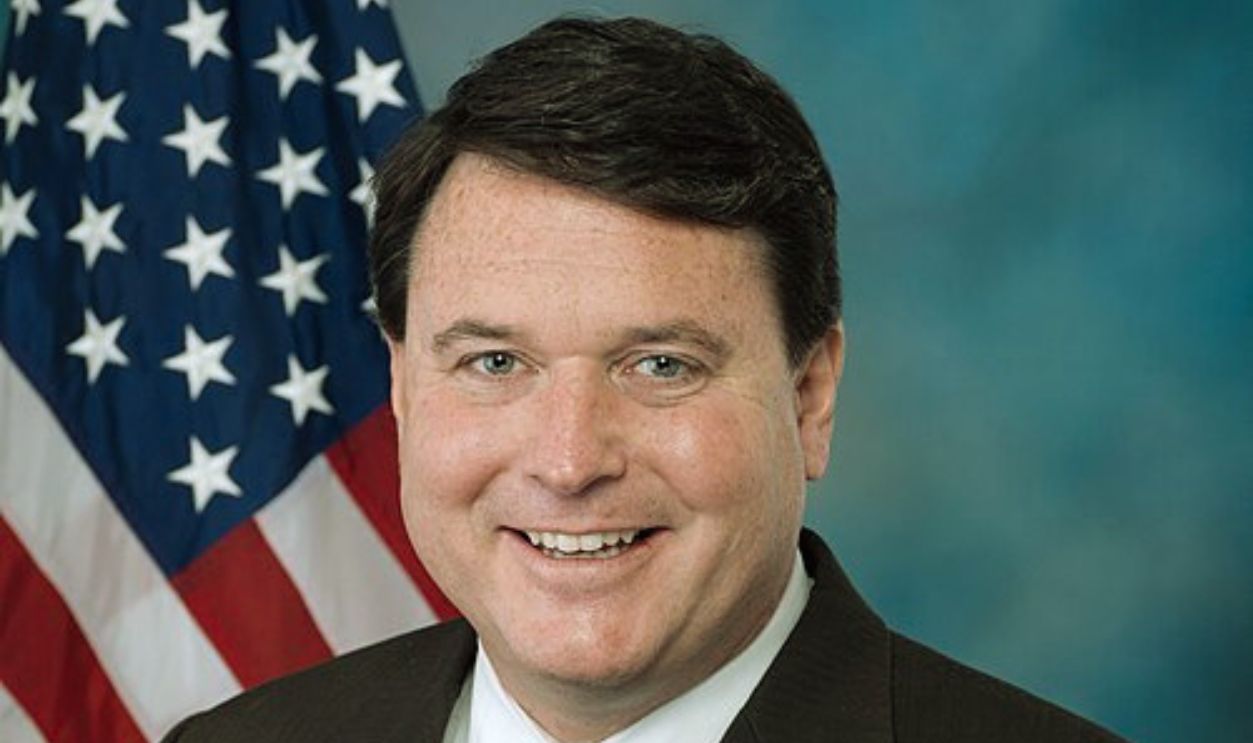 US House of Reps, Wikimedia Commons
What That Alert Did And Did Not Say
While every cancellation wasn't necessarily illegal, officials urged travelers to keep records, confirm bookings directly with hotels, and be careful when using third-party sites. That matters because a suspicious cancellation is not always unlawful, but it can still raise red flags if the facts suggest deception.

Overbooking Is Common
Hotels sometimes overbook on purpose because they expect some guests to cancel or never show up. It is a common industry practice. If too many guests arrive, the hotel may have to “walk” someone to another property. That is frustrating, but it is not automatically illegal if it is handled according to policy and without deception.

Overbooking Is Different From Chasing A Higher Rate
There is a big difference between a real overbooking problem and a cancellation meant to cash in on a rate spike. Overbooking is a long-running inventory practice, even if guests hate it. Canceling a confirmed booking so the room can be resold for more money raises much more serious questions, especially if the reservation was marketed as guaranteed.

Third-Party Bookings Can Get Messy Fast
Bookings made through online travel agencies can be harder to sort out. Sometimes the hotel blames the platform, and the platform blames the hotel, leaving the traveler stuck in the middle. That is one reason consumer agencies often advise people to keep confirmation numbers, screenshots, and copies of the terms.

Guaranteed Does Not Always Mean Ironclad
The word guaranteed can sound stronger than it really is. In some cases, it only means the hotel will hold the reservation until a certain time, not that every room type or rate is protected no matter what. What counts is the contract language and the actual policy, not just the marketing wording.

When A Cancellation Starts To Look Like A Problem
A hotel may be on shakier ground if it confirms a room, takes payment, then cancels without a valid reason while listing the same room again at a higher price. That can start to look like a bait-and-switch. Whether it is illegal depends on the facts, the written terms, and the state law that applies.

What Travelers Should Check First
Start with the confirmation email, the rate rules, and whether the charge was prepaid or only authorized. Then compare that with the hotel’s cancellation policy and any later messages you received. If the hotel gave different explanations at different times, save all of them.

The Payment Side Matters Too
If your card was charged and the hotel did not provide what was promised, you may have the option to dispute the charge or seek a chargeback, depending on how the payment was processed. The Consumer Financial Protection Bureau says credit card users can dispute charges for goods or services not delivered as agreed. It is not a perfect fix, but it can be useful.

What To Do If Your Room Disappears
Ask the hotel to explain the cancellation in writing and ask for the name of a manager or a corporate contact. If the property is part of a major chain, contact the brand’s customer service team right away and ask whether the hotel is following brand standards. If you are already on site with nowhere to stay, ask the hotel to move you to a similar nearby property and cover the price difference.

Save Everything
Take screenshots of the original booking, the cancellation notice, and the current public rate for the same dates if the room is still being sold. Keep emails, app messages, text messages, and notes from phone calls. If you later file a complaint with your credit card issuer, a state attorney general, or another consumer agency, those records can make a big difference.

How To Reduce The Risk
Reservations made very far in advance for major event weekends can be more vulnerable if rates or inventory were not fully set when the booking was made. That does not mean you should wait to book. It just means you should check the reservation from time to time and get fresh written confirmation as the event gets closer.

Why Booking Direct Can Help
For weddings, sold-out concerts, and other high-stakes trips, booking directly with the hotel or chain can make problems easier to solve. It cuts down on confusion about who controls the reservation. It also gives you a cleaner paper trail if something goes wrong.

Choose The Rate Carefully
A refundable rate gives you flexibility, but depending on the terms, it can also mean a weaker commitment from the hotel. A prepaid nonrefundable rate may create a stronger expectation that the booking will be honored, though it still is not bulletproof. The safest move is to read the actual rules before booking.

Loyalty Status Might Help A Little
Elite members in hotel loyalty programs sometimes get stronger service guarantees or faster help when something goes wrong. That can matter during a major event weekend. Still, status does not erase the contract terms or guarantee a win in every dispute.

Where To File Complaints
If you think the cancellation was deceptive, start with the hotel and the brand, then consider filing complaints with your state attorney general and the Federal Trade Commission. If payment is involved, contact your credit card issuer quickly. If the hotel is part of a franchise chain, complain to both the local property and the corporate brand.

So, Can Hotels Really Do This
Sometimes a hotel can cancel a reservation, but not just because it sees a chance to make more money if the booking terms and consumer protection rules do not allow that. A hotel may have legal reasons tied to policy, overbooking, or operations. What it generally cannot safely do is mislead guests, ignore its own promises, or use deceptive tactics because demand suddenly exploded.
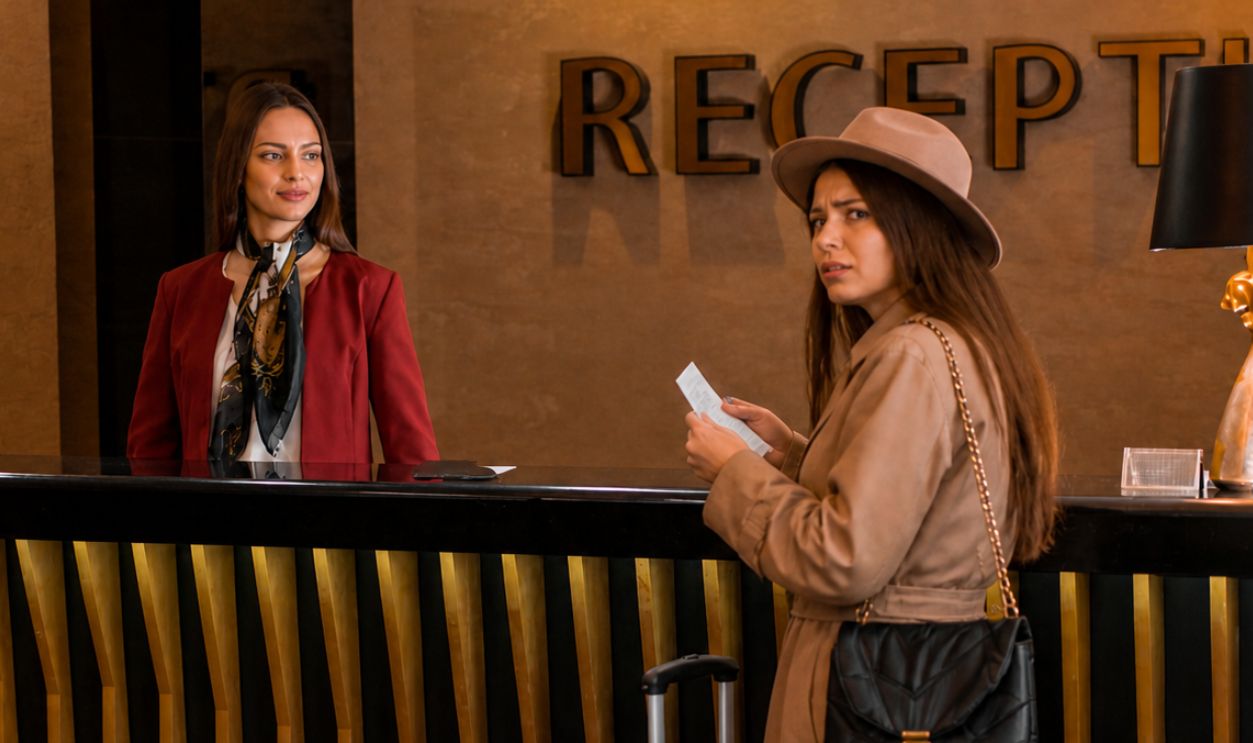 Mikhail Nilov, Pexels, Modified
The Bottom Line
If your hotel cancels before a major event and the same room suddenly shows up again at a much higher price, do not just let it go. Save your records, move fast, ask for a written explanation, and push for compensation or a replacement booking. The law is not always simple, but good documentation and quick action can make a real difference.