You Made It To The Front Desk And Then The Bad News Hit
After a long travel day, you arrive at the hotel you booked months ago. You step up to the front desk, pull up your confirmation, and the clerk says your reservation was canceled or there is no room for you. It seems like a nightmare, but unfortunately, this is the world we live in now, and this could be perfectly legal. However, the hotel may still owe you help, a refund, or compensation depending on what happened and where you are.
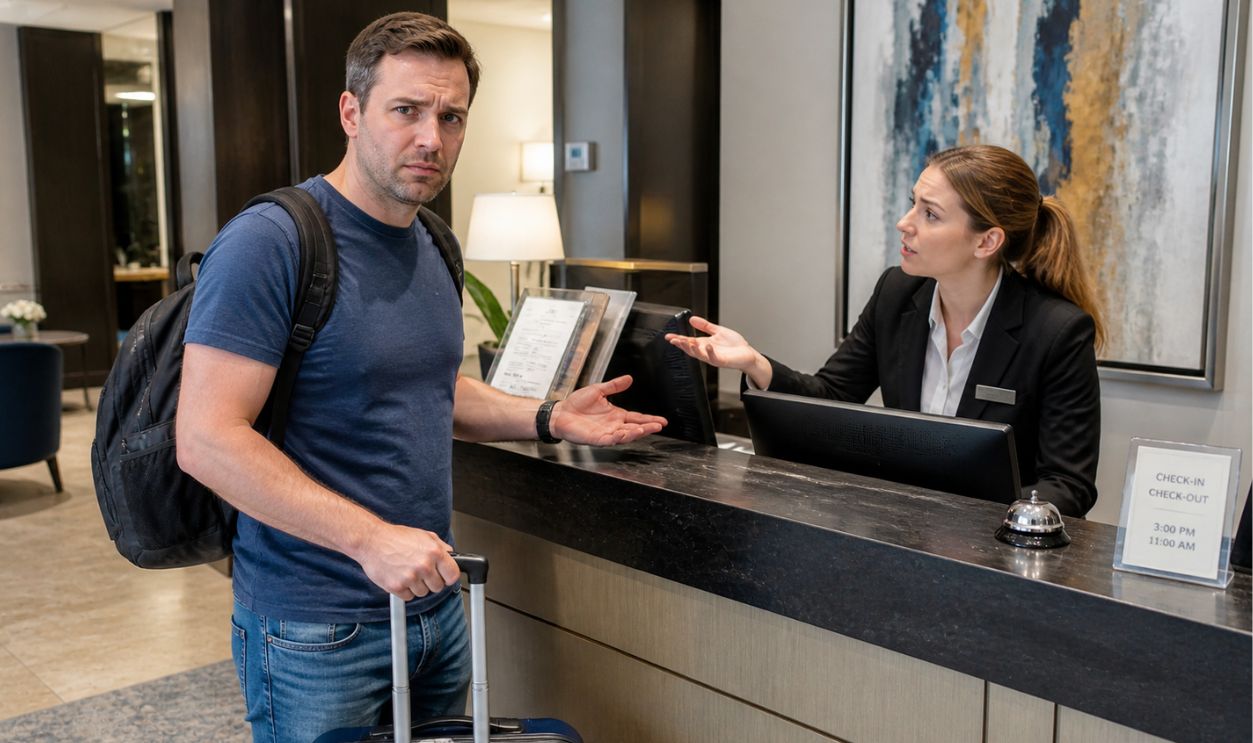
A Hotel Cancellation Is Not Always Illegal
In the United States, there is no single federal law saying a hotel can never cancel a reservation after you arrive. Hotel stays are usually controlled by contract terms, state consumer protection rules, and the hotel’s own policies. So the answer often comes down to the booking terms you agreed to, whether the hotel overbooked, and whether deception or discrimination was involved.

The Fine Print Matters More Than Most People Think
When you book a room, you are usually entering into a contract. The important terms often cover guaranteed reservations, cancellation windows, check-in times, no-show rules, and what happens if the hotel cannot honor the booking. Major brands publish these rules, and they can decide whether the hotel had the right to cancel or whether it broke the agreement.

Guaranteed Reservation Is The Key Phrase
Hotels often make a distinction between a standard reservation and a guaranteed reservation. A guaranteed reservation usually means the hotel will hold the room until at least the next day’s checkout time if you secured it with a credit card or prepayment. If your reservation was guaranteed and the hotel still could not honor it, that is when compensation policies often come into play.

Overbooking Is Real And It Happens A Lot
Hotels, like airlines, sometimes overbook on purpose. Industry guidance from the American Hotel & Lodging Association says properties may sell more rooms than they physically have because they expect some cancellations and no-shows. When that gamble fails, a traveler can get “walked,” which means sent to another hotel.

What It Means To Be Walked
Being walked does not mean your booking never existed. It means the hotel cannot give you the room you reserved and moves you to another property instead. AHLA says hotels often arrange alternate accommodations and transportation, especially if the reservation was guaranteed, but the exact response depends on the property and the rate terms.
 Mikhail Nilov, Pexels, Modified
Major Hotel Chains Do Promise Remedies In Some Cases
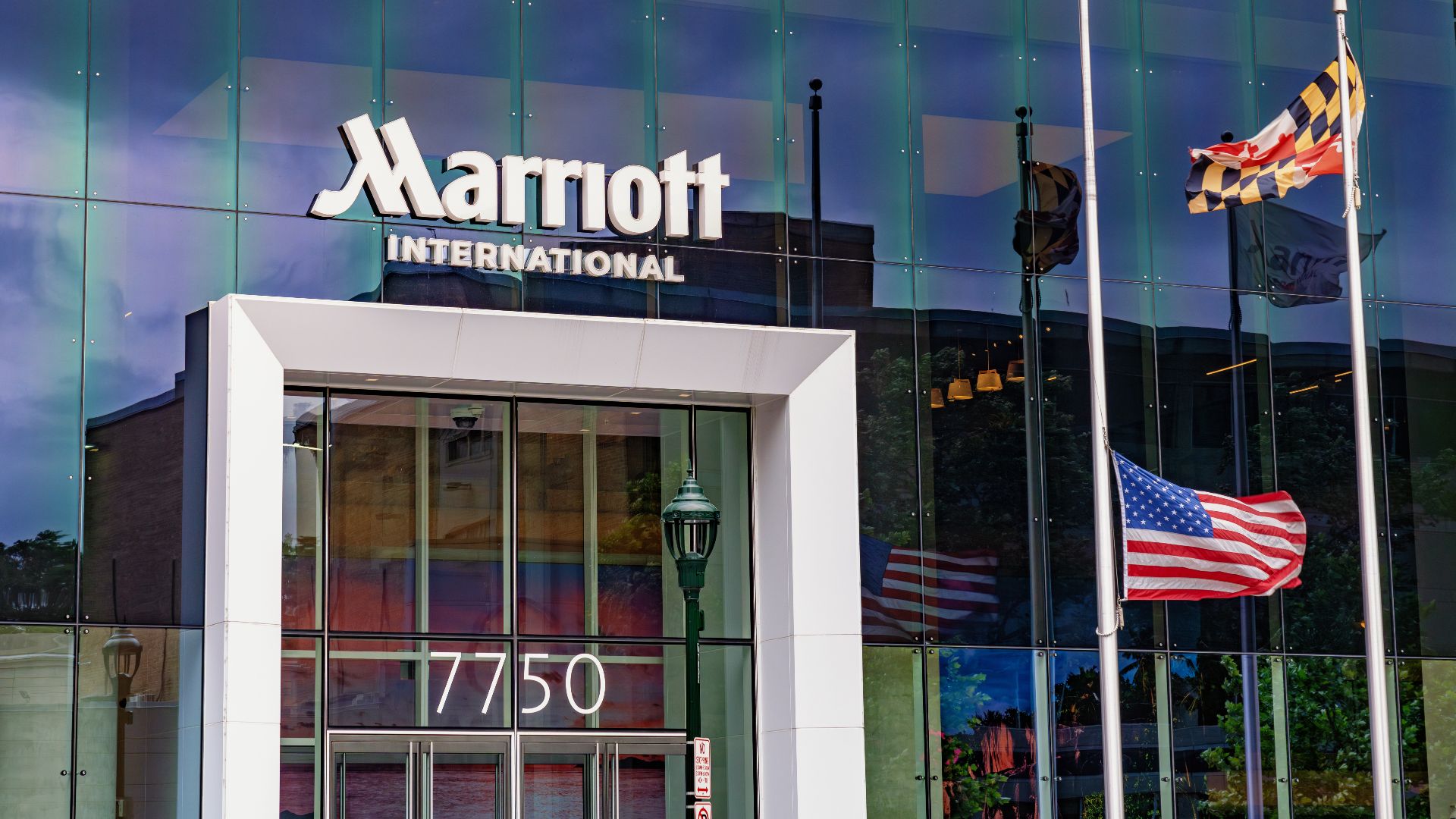
Big hotel brands have published reservation guarantee policies that spell out what happens if a hotel cannot honor a guaranteed booking. Marriott says that if a participating property cannot honor a reservation made directly through Marriott channels, it will pay for a nearby hotel that night and provide compensation that varies by brand. Hilton and Hyatt publish similar commitments, though the details and exclusions differ.
 Tony Webster, Wikimedia Commons
Marriott’s Policy Gets Pretty Specific
Marriott’s Ultimate Reservation Guarantee says a participating hotel that cannot honor a guaranteed reservation made directly through Marriott channels will pay for your accommodations that night at a nearby hotel and provide compensation. The amount depends on the brand, and Marriott also lists exceptions and eligibility rules. That policy matters because it shows that even if a cancellation may be allowed in some situations, the chain may still owe you a real remedy.

Hilton Also Has A Walk Policy
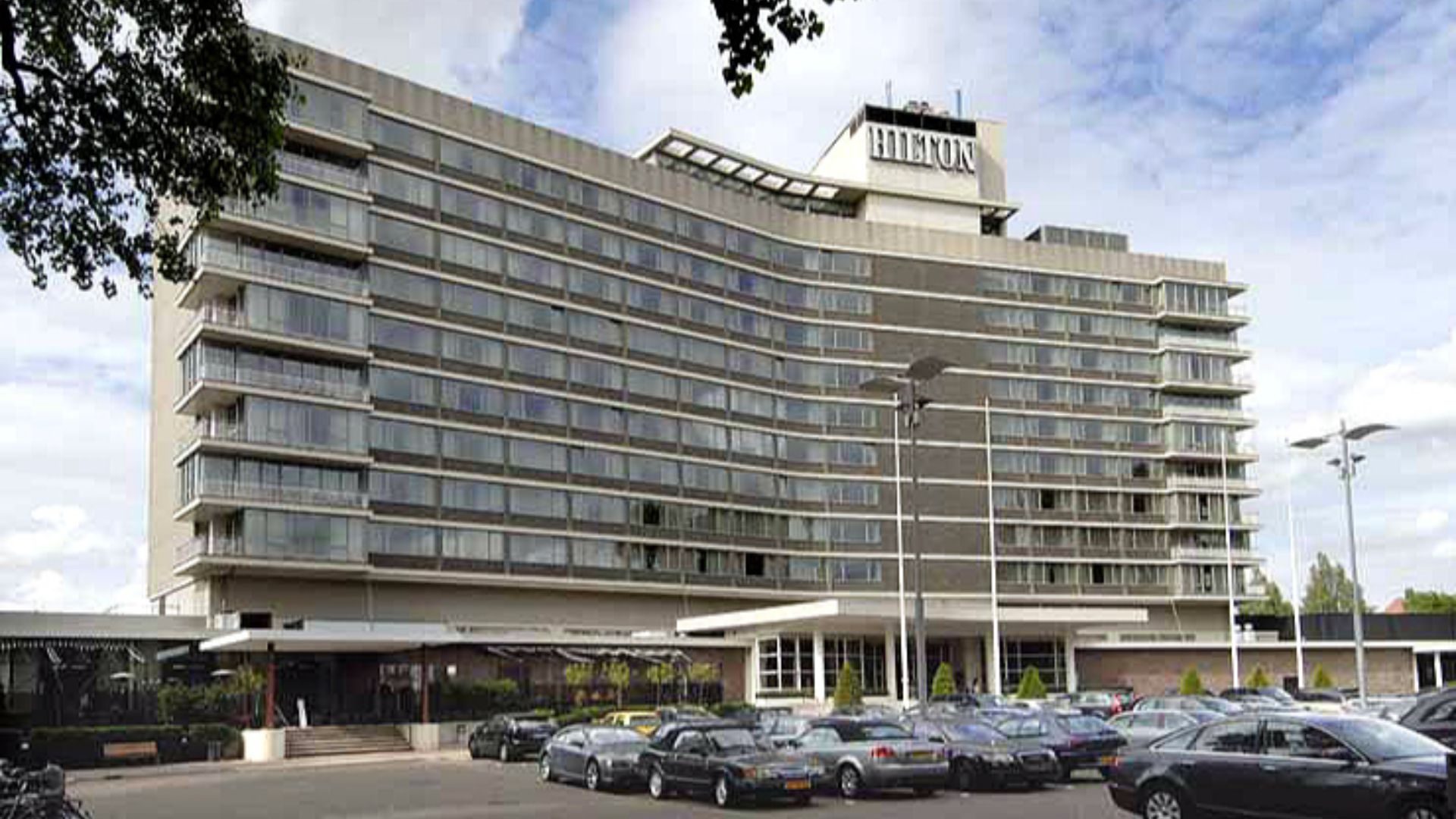
Hilton’s Reservation Guarantee says that if a hotel cannot honor your reservation, the hotel will arrange and pay for another convenient, available room and cover a phone call to let someone know where you are. Hilton also promises transportation to the alternate property in some cases. Like Marriott, Hilton ties the benefit to certain qualifying reservations and participation rules.
 bureau Monumenten & Archeologie (bMA), Wikimedia Commons
Hyatt Has Its Own Version Too
Hyatt publishes a Reservation Guarantee that applies to certain reservations made through Hyatt channels. If a participating hotel cannot honor the reservation, Hyatt says it will arrange alternate accommodations at no cost to the guest for that night and provide free transportation to the alternate hotel. Hyatt also lists specific compensation by brand in many cases.

Third-Party Bookings Can Get Complicated Fast
If you booked through an online travel agency such as Expedia, Booking.com, or another middleman, things can get messy quickly. The hotel may tell you to contact the booking platform, while the platform may point back to the hotel. Your rights may still exist, but getting them enforced often takes longer because multiple contracts are involved.

Prepaid Does Not Always Mean Safe
Many travelers assume prepaying locks everything in. It does help your position because the hotel has already taken your money, but overbooking, system failures, or other operational problems can still lead to a cancellation or a walk. In those cases, the hotel or booking platform generally needs to refund you if it cannot provide the room you paid for.

If The Hotel Canceled Because You Arrived Late, Timing Is Everything
Some reservations get canceled because the property treated the guest as a no-show. That often depends on whether the reservation was guaranteed and whether the hotel clearly disclosed a latest check-in time. Consumer guidance from the Federal Trade Commission says it is smart to ask about cancellation and refund policies before booking and to keep a record of any promises made.

Deception Is Where Legal Trouble Begins
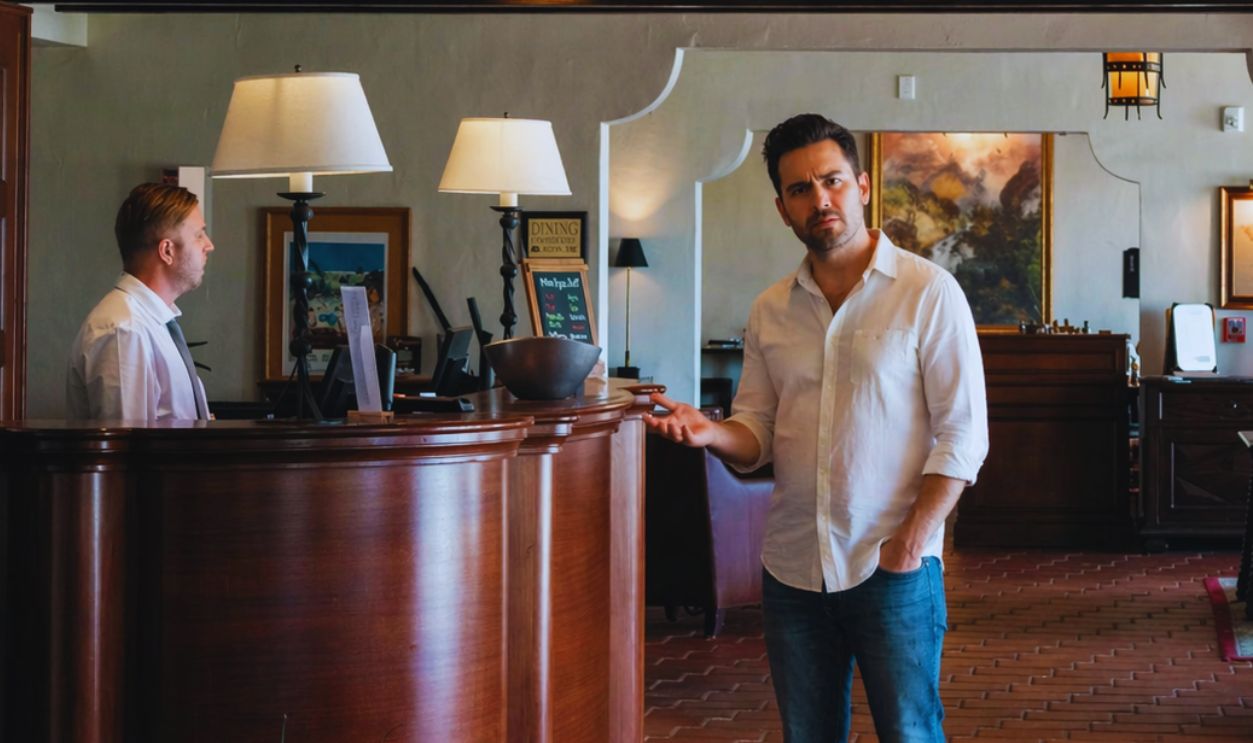
If a hotel advertises available rooms, takes payment, and then refuses to honor bookings in a misleading or unfair way, that can raise consumer protection issues. The FTC Act broadly bans unfair or deceptive acts or practices in commerce, and state attorneys general enforce their own consumer laws too. That does not mean every cancellation is illegal, but false promises and hidden terms can create real legal risk.
 Zoshua Colah, Unsplash, Modified
Discrimination Is A Different Matter Entirely
If a hotel canceled your reservation or denied you a room because of race, color, religion, sex, disability, or another protected characteristic covered by law, that is more than bad service. It may violate federal or state civil rights laws. The Civil Rights Act of 1964 bars discrimination in places of public accommodation, including hotels, and the Department of Justice explains how those protections work.

Disability Rights Apply At Hotels Too
Hotels are also covered by the Americans with Disabilities Act. The ADA requires places of lodging to provide accessible rooms in line with the law and to hold accessible room reservations for people who need them under specific booking rules. If a hotel canceled or mishandled an accessible reservation improperly, the issue may involve more than a basic contract dispute.

Europe Can Be More Traveler-Friendly
If your trip is in Europe, the answer may look different. The European Consumer Centres Network explains that if accommodation is not provided as booked, travelers may have rights under national contract law and, for package travel, stronger protections under package travel rules. That can matter if the hotel was part of a bundle sold by a travel company rather than a stand-alone room booking.

Package Travel Can Mean Extra Protection
When a hotel stay is sold as part of a package with transportation or other travel services, the organizer may be responsible for fixing the problem. The European Commission’s package travel framework gives travelers remedies if promised services are not provided. That can make a big difference compared with a simple room-only reservation.

The Most Important Thing To Do At The Desk
Start gathering proof before you leave the front desk. Ask for a written explanation saying that the hotel canceled the reservation or could not honor it, and note the time, date, and names of the employees involved. Save screenshots of your confirmation, receipts, chat logs, and any cancellation notice.

Ask For These Remedies Right Away
Request re-accommodation at a similar nearby hotel, transportation to that property, and a refund if you were charged. If the reservation was guaranteed, ask the front desk to apply the brand’s reservation guarantee policy on the spot. If you booked through a third party, ask both the hotel and the platform to clearly document who is paying for the replacement stay.

Do Not Leave Money On The Table
If you had to pay more for a last-minute room somewhere else, keep every receipt. You may later be able to seek reimbursement for the difference in room cost, transportation, and other direct expenses, especially if the hotel broke a guarantee or a booking platform failed to deliver what it sold. Good records give you a much better shot.

Credit Card Protections May Help
If the hotel or booking platform refuses to refund a charge for a room that was never provided, a credit card dispute may be an option. The Consumer Financial Protection Bureau explains that consumers can dispute billing errors and charges for goods or services not delivered as agreed under the Fair Credit Billing Act process. It is not a magic fix, but it can give you leverage.

Escalate In The Right Order
First ask for the manager on duty, then contact the hotel brand’s customer care line if it is a chain. After that, use the booking platform’s support channel if you booked through a middleman. If the problem still is not fixed, consider filing a complaint with your state attorney general, a local consumer agency, or the FTC, depending on the facts.

Social Media Can Speed Things Up, But Stick To Facts
Public posts sometimes get faster responses from travel brands, but keep to the facts. Share your confirmation date, arrival time, what the front desk told you, and what remedy was or was not offered. Exaggeration can hurt your credibility, while clear details often help.

Small Claims Court May Be The Next Step
If the amount is modest and the hotel or platform refuses to compensate you, small claims court may be worth a look. These courts are built for fairly simple money disputes, and travelers often use them for unreimbursed room costs and related expenses. Your confirmation, written denial, and receipts will be the backbone of the case.

How To Lower The Odds Of This Happening Again
Book directly with the hotel when you can, especially for late arrivals or high-demand dates. Confirm your reservation on the day of arrival, note your expected arrival time, and ask whether the booking is guaranteed and what happens if the hotel cannot honor it. If you need an accessible room or expect a very late check-in, call the property directly and keep a record of the conversation.

So Is It Legal
Sometimes yes, at least in the narrow sense that a hotel may be allowed to cancel or fail to honor a reservation under certain terms. But legal does not mean consequence-free, and hotels may still owe you a room elsewhere, transportation, compensation, or a refund. If discrimination, deception, or violations of accessibility rules are involved, the issue can become much more serious very quickly.