
When The Group Chat Turns Into A Pressure Cooker
If you're the family member who always gets tagged as the “travel person,” you know what this is all about. Travel bundles money, time off, expectations, logistics, and old family dynamics into one high-stakes package. That is why a simple beach week can start to feel like a test of your competence and everyone else’s happiness. The question is: How do you make it work?

Why Travel Feels Bigger Than It Is
A vacation is not just a purchase. It is tied to precious vacation days, a limited budget, and the hope of making memories that feel worth the effort. When people invest heavily in a leisure experience, expectations tend to rise right along with the price tag.

The Planner Becomes The Lightning Rod
In many families, one person ends up doing the research because they are organized, decisive, or just willing. That sounds flattering until every choice, from flight times to restaurants, gets treated like your personal responsibility. The more invisible labor you take on, the easier it becomes for everyone else to forget they had agency too.
 Cast of Thousands, Shutterstock
Decision Fatigue Starts Before You Even Leave
Psychologists have studied decision fatigue for years, and the basic idea is simple. The more decisions people make, the harder it gets to make thoughtful ones later. Planning a trip can involve dozens of choices, so the person in charge may already be mentally wiped out before the vacation even begins.

Family Roles Travel With You
Vacations do not magically reset family dynamics. The bossy sibling, the picky eater, the chronically late parent, and the peacemaker usually keep playing the same roles in a new zip code. Travel just magnifies them because everyone is together for longer stretches, often in unfamiliar settings with less privacy.

Expectations Are Often Wildly Different
One person wants museums and walking tours. Another wants naps, pool time, and room service. A third claims to be “easygoing” and then complains when the plan is not what they secretly wanted, which is one of the oldest vacation plot twists around.

Money Makes Everything More Sensitive
The numbers matter more than many families admit out loud. U.S. Bureau of Labor Statistics consumer spending data shows households spend real money on travel-related categories such as lodging and transportation, which can raise tension when people disagree about value. Even smaller costs can trigger resentment if one person feels they are paying too much for someone else’s dream itinerary.

Scarcity Raises The Stakes
Time off is limited for many American workers, and that matters. The U.S. Travel Association has repeatedly highlighted how unused vacation time and barriers to taking leave shape how Americans think about trips. When people feel they only get one or two big chances a year to relax, every choice can start to feel oddly loaded.

The Myth Of The Perfect Trip
Social media does families no favors here. Beautiful photos can create the impression that a successful vacation should run smoothly, look stylish, and satisfy everyone at once. Real trips involve delays, bad weather, sore feet, and moments where someone clearly needs a snack and an attitude adjustment.

Travel Is A Known Stressor
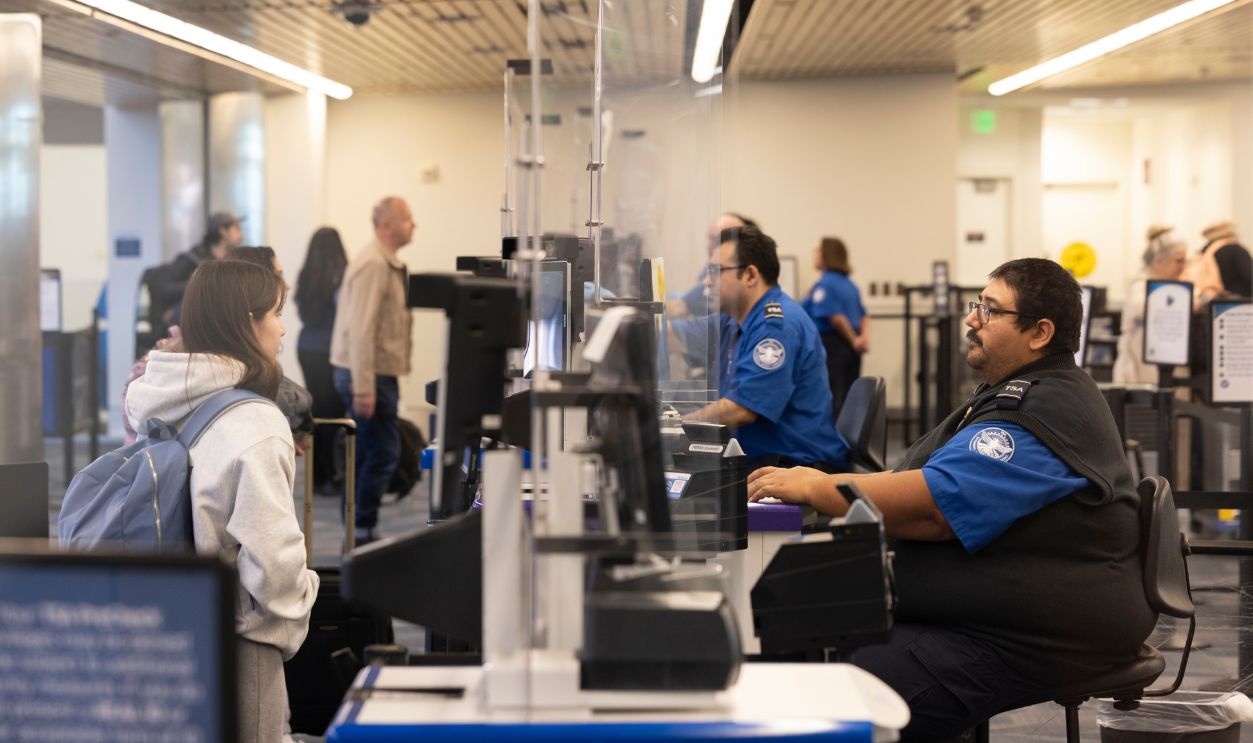
Even before you get to your destination, the mechanics of travel can fray nerves. Airports, security lines, traffic, packing, and sleep disruption all add strain. The Centers for Disease Control and Prevention notes that travelers should plan ahead for health and safety, which is practical advice and also a reminder that travel itself takes work.
Air Travel Adds Its Own Chaos
Flying can turn minor personality quirks into major conflict. Delays, cancellations, cramped seating, and missed connections create a perfect environment for blame. The U.S. Department of Transportation tracks consumer frustrations around air travel, and none of those headaches improves the mood of a family already teetering on the edge.
Everyone Wants Control, But Only One Person Has The Spreadsheet
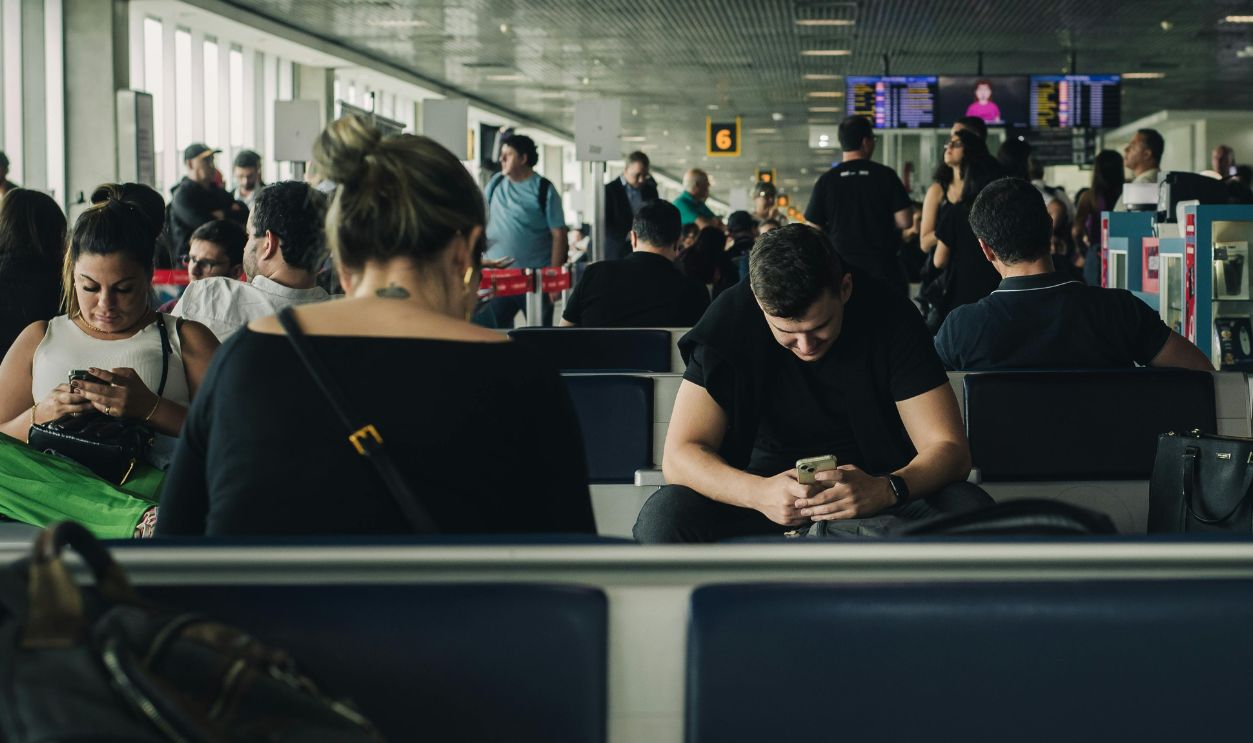
This is where resentment gets especially sharp. The planner often has to make choices quickly, but the rest of the family still wants veto power without doing the research. That imbalance is a classic setup for criticism because people feel ownership over the outcome without sharing the labor behind it.

Choice Overload Can Backfire
Modern travel planning offers an almost absurd number of options. Hotels, vacation rentals, flights, activities, and restaurant lists can make “having choices” feel more exhausting than freeing. Research on choice overload suggests that too many options can reduce satisfaction because people keep wondering if a better pick was just one tab away.
Group Trips Magnify Tiny Preferences
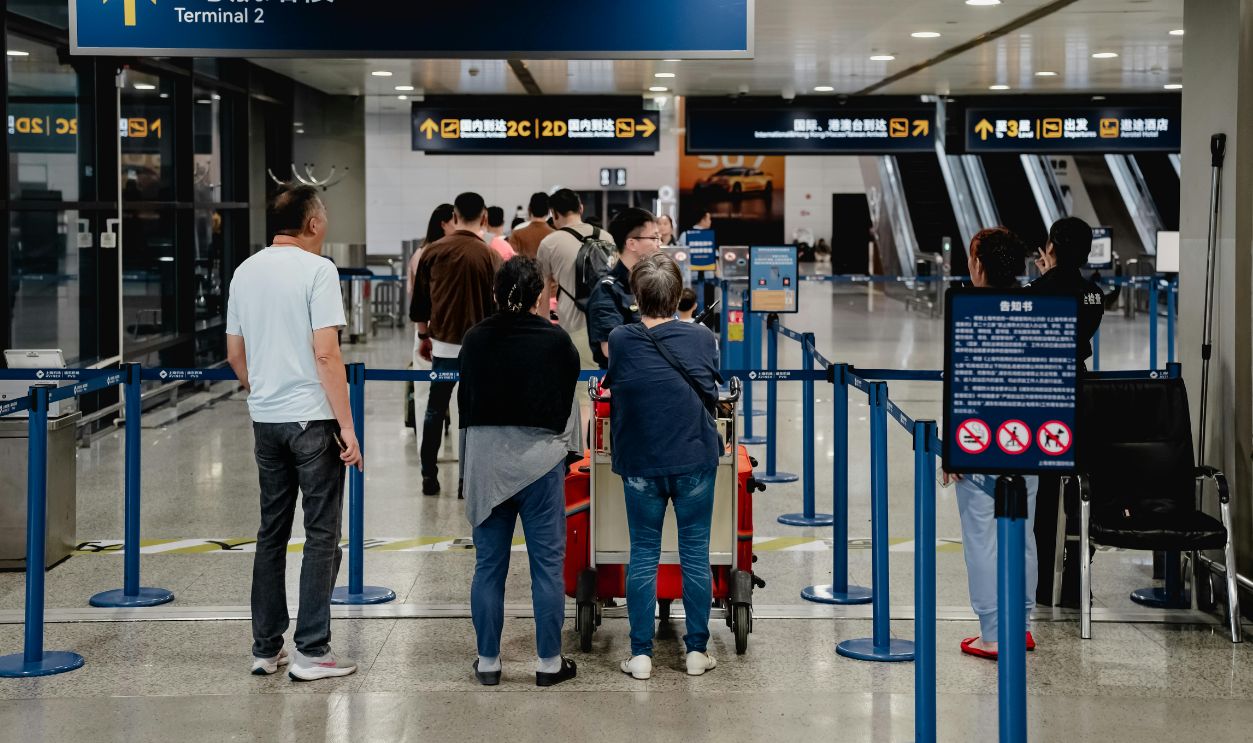
At home, it is easy to spread out and do your own thing. On vacation, people often share transportation, meals, budgets, and schedules. That means small differences in sleep habits, spending comfort, and pace suddenly become daily friction points.
 William Perugini, Shutterstock
The Planner Often Carries Invisible Emotional Labor
There is practical labor, and then there is emotional labor. The planner is often the person anticipating meltdowns, smoothing conflicts, checking cancellation policies, and trying to keep everyone comfortable. That can create a lopsided dynamic where one person is expected to absorb stress while everyone else focuses on enjoyment.

Complaints Are Sometimes About Anxiety, Not The Itinerary
People often express stress in messy ways. A complaint about the hotel, the dinner reservation, or the walking distance may really be a complaint about feeling tired, out of routine, or financially stretched. The trip becomes the stage where those feelings come out, even when the real issue started long before takeoff.
 Ljupco Smokovski, Shutterstock
There Is Also A Memory Problem
Families often forget how many decisions were discussed in advance. Once something goes wrong, people tend to rewrite the story and act as if the planner chose everything alone. That selective memory can make the designated organizer feel unfairly blamed for compromises the whole group accepted.

Why The “You’re Good At It” Line Feels So Annoying
Because it usually means, “Please do unpaid labor for the group.” Competence is often rewarded with more responsibility, not more gratitude. In travel planning, that can turn your skill into a trap where you become the default coordinator, concierge, and complaint desk all at once.

What Experts Suggest About Shared Planning
Practical travel advice from consumer and family experts tends to come back to one theme. Set expectations early, discuss budget clearly, and divide responsibilities before booking anything. People are far less likely to gripe later when they helped shape the plan in the first place.

Start With Non-Negotiables
A smart way to reduce vacation conflict is to ask each traveler for a short list of priorities before any reservations are made. One person may care most about a central hotel. Someone else may care about keeping daily costs low or avoiding early flights. Those specifics are much more useful than vague promises to “go with the flow.”

Put The Budget In Writing
This part is not glamorous, but it is one of the biggest drama reducers. Agree on a target range for lodging, transportation, meals, and activities before anyone starts sending links. Written numbers help expose mismatched expectations before they turn into a mid-trip argument over whether brunch was “ridiculously expensive.”

Assign Real Jobs, Not Fake Input
If everyone gets an opinion, everyone should get a task. One person can research flights, another can handle lodging, and another can build a shortlist of activities. Shared work makes shared ownership much more likely, and that usually means fewer complaints aimed at one exhausted planner.

Build In Free Time
Families often overschedule because they want to maximize a trip. Ironically, that can make the experience feel more draining than restorative. Leaving room for solo walks, naps, separate meals, or low-stakes downtime can prevent a lot of friction, especially on longer trips.

Plan For Things To Go Wrong
This is not pessimism. It is realism, and realism is one of the best gifts you can give a group trip. If you assume there may be a delay, a weather problem, or one disappointing meal, those moments feel like normal travel hiccups instead of total failures.

Set A Complaint Rule Before Departure
It may sound silly, but families benefit from a simple agreement. If someone objects strongly to a plan, they should offer an alternative and help make it happen. That shifts people from passive criticism to active problem-solving, which is much fairer to the person who has been carrying the whole operation.

Protect Yourself From Becoming The Default Martyr
If travel planning always leaves you feeling resentful, that is a useful signal. You may need to step back, rotate the role, or plan only the parts you actually enjoy. Being good at organizing does not mean you have to accept full responsibility for everyone’s moods.

The Real Reason Travel Creates Drama
Travel compresses pressure, hope, money, personality, and family history into a short stretch with very little escape. That is why it can feel magical one hour and mildly unhinged the next. The trip is not creating every problem from scratch, but it is revealing the ones your family already had, just with boarding passes attached.

The Good News For Tired Family Planners
You are not failing because people complain. In many cases, you are seeing what happens when one person carries too much responsibility for a group experience that was never fully shared. The fix is not perfect planning. It is clearer expectations, better boundaries, and a little less pretending that “family vacation” automatically means harmony.