Oops, What’s Underfoot?
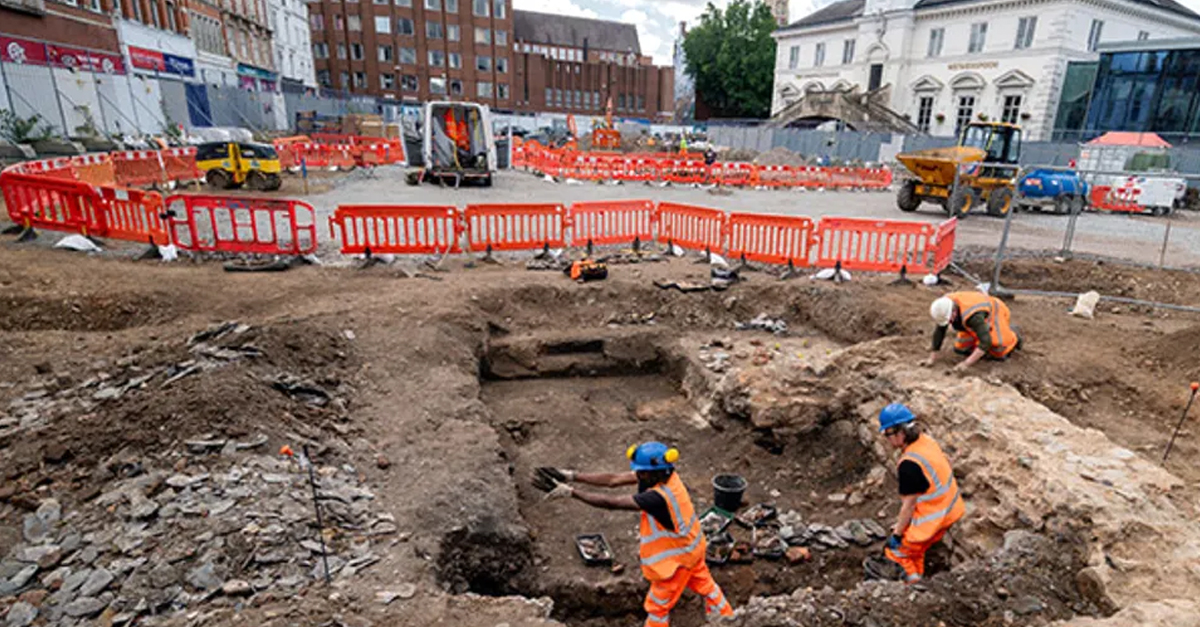
During a routine redevelopment, construction workers in Leicester’s Market Square accidentally uncovered what archaeologists now call one of the city’s darkest secrets: A medieval dungeon once described as “a most vile prison” had been lying under tourists’ feet for centuries.
Market Stalls Today, Prison Walls Tomorrow
The redevelopment of Leicester’s Market Square, budgeted at about £7.5 million, gave archaeologists a rare chance to peek beneath a site long ignored by serious digs. What they discovered went far beyond market history or ordinary foundations.
Layers, Layers, Archaeological Cake
The team described the site as an “archaeological cake,” with layers of Roman, Anglo-Saxon, medieval, and later remains. They found multiple surfaces and artifacts that each told part of Leicester’s long human story.
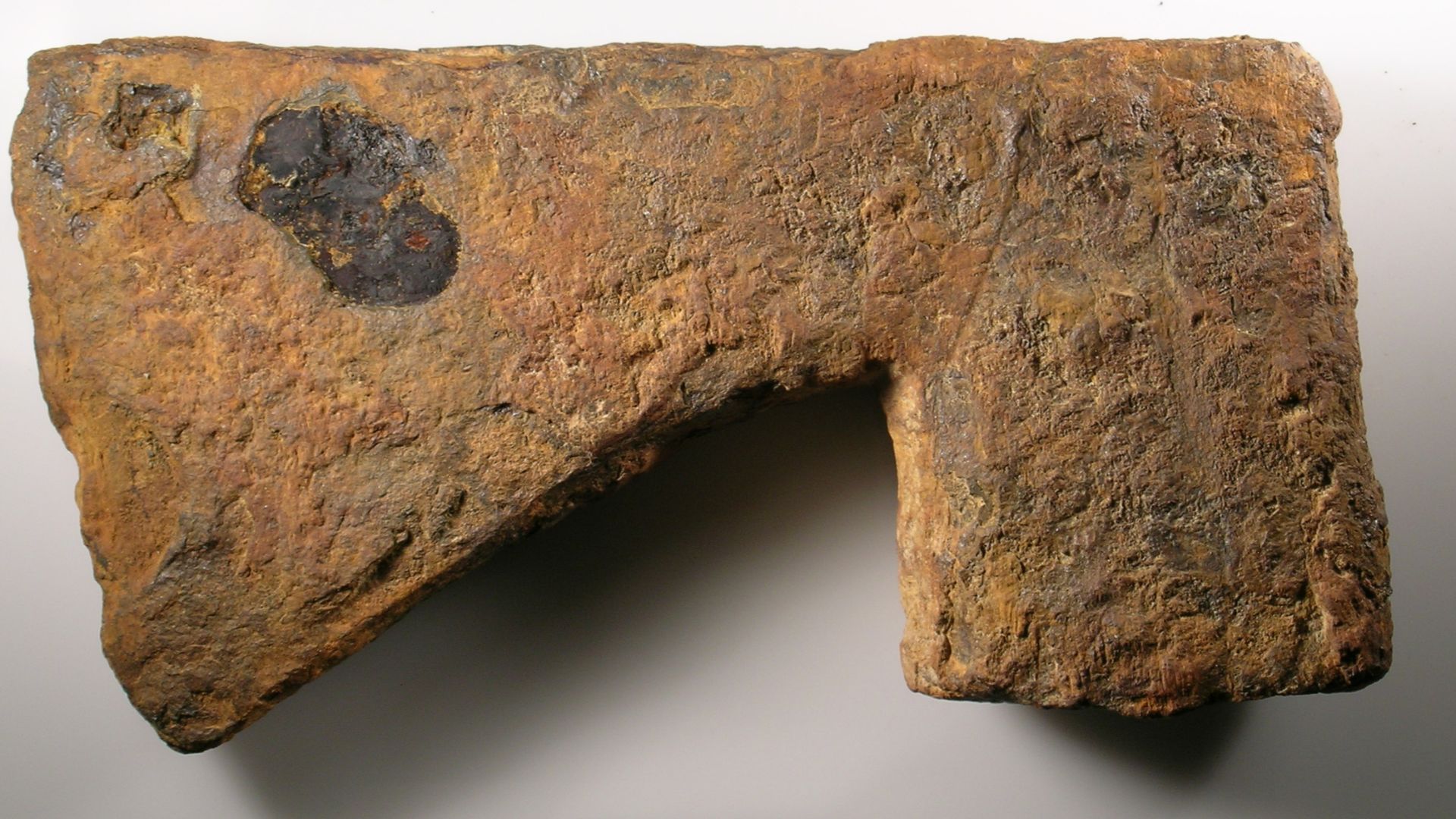 Sussex Archaeological Society, Liz Wilson, 2006-12-07 12:33:00, Wikimedia Commons
The Dungeon Unmasked
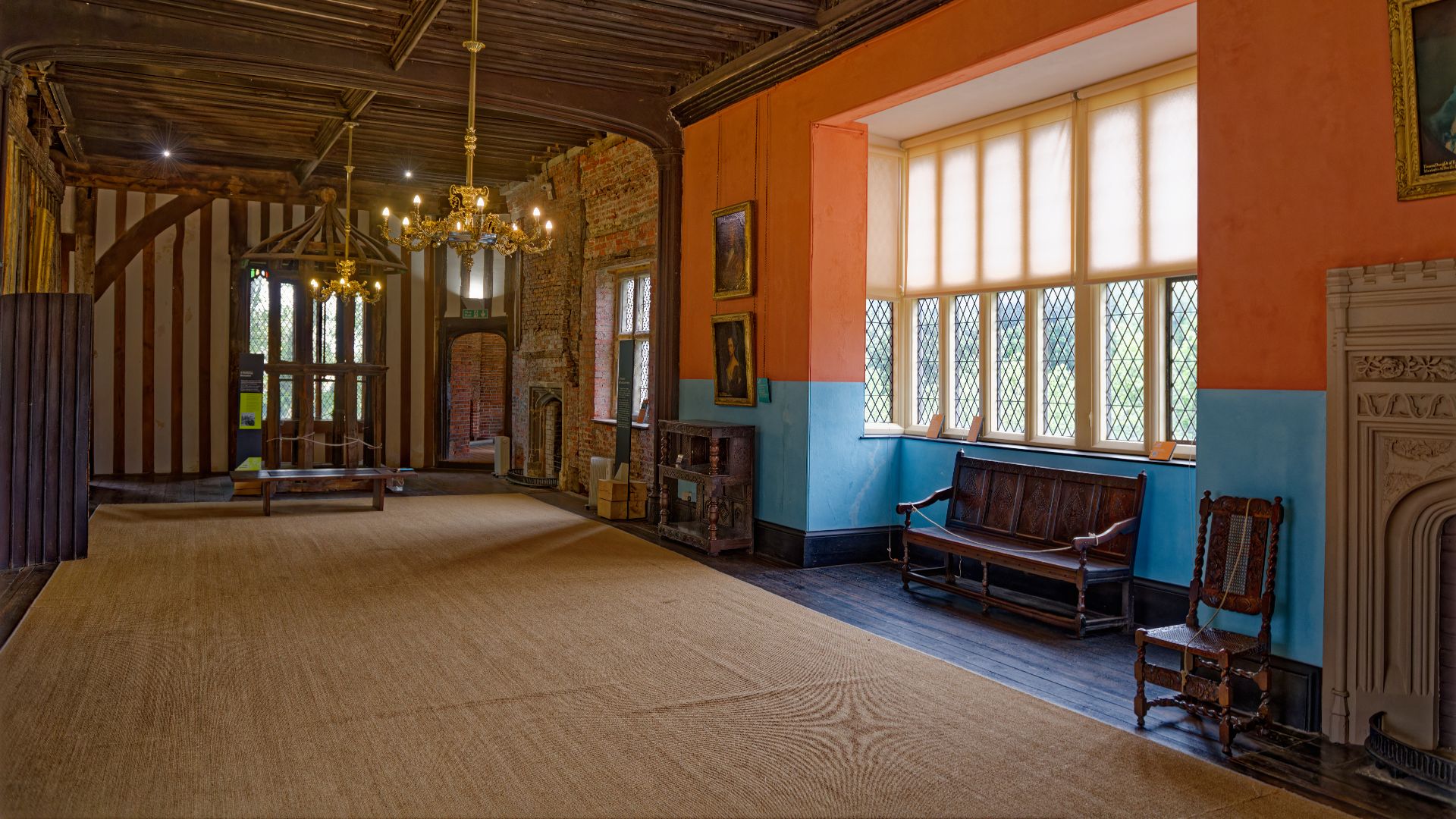
At the heart of the find is a dungeon that was once attached to a civic building known as the Gainsborough Chamber, first recorded in the 1530s. Historical sources refer to this space as “a most vile prison.”
Archaeological evidence confirms it was a cramped and harsh underground cell.
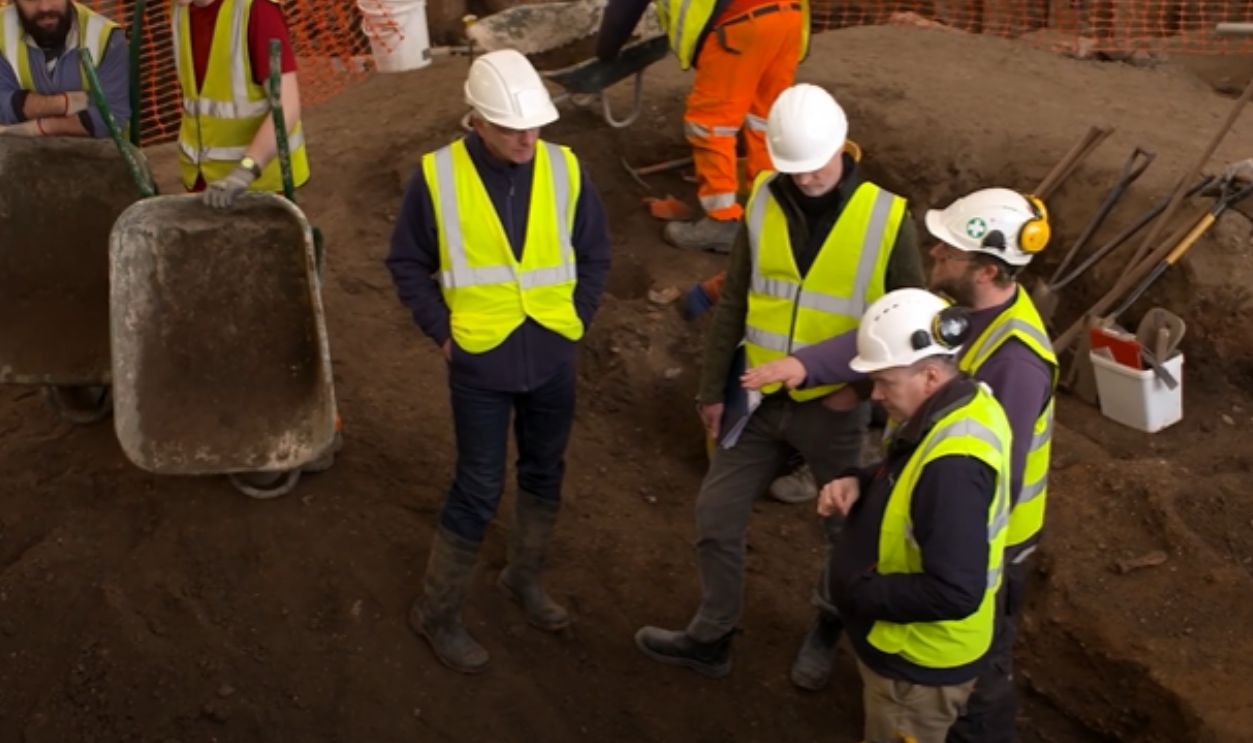 1,800 year-old evidence of Roman worship found in Leicester Cathedral dig, University of Leicester
Gainsborough Chamber: More Than Just A Dungeon
The Gainsborough Chamber was a high-status civic building used for mayoral functions, legal proceedings, feasts, and ceremonies. Beneath its public face lurked the dungeon, a grim symbol of civic justice.
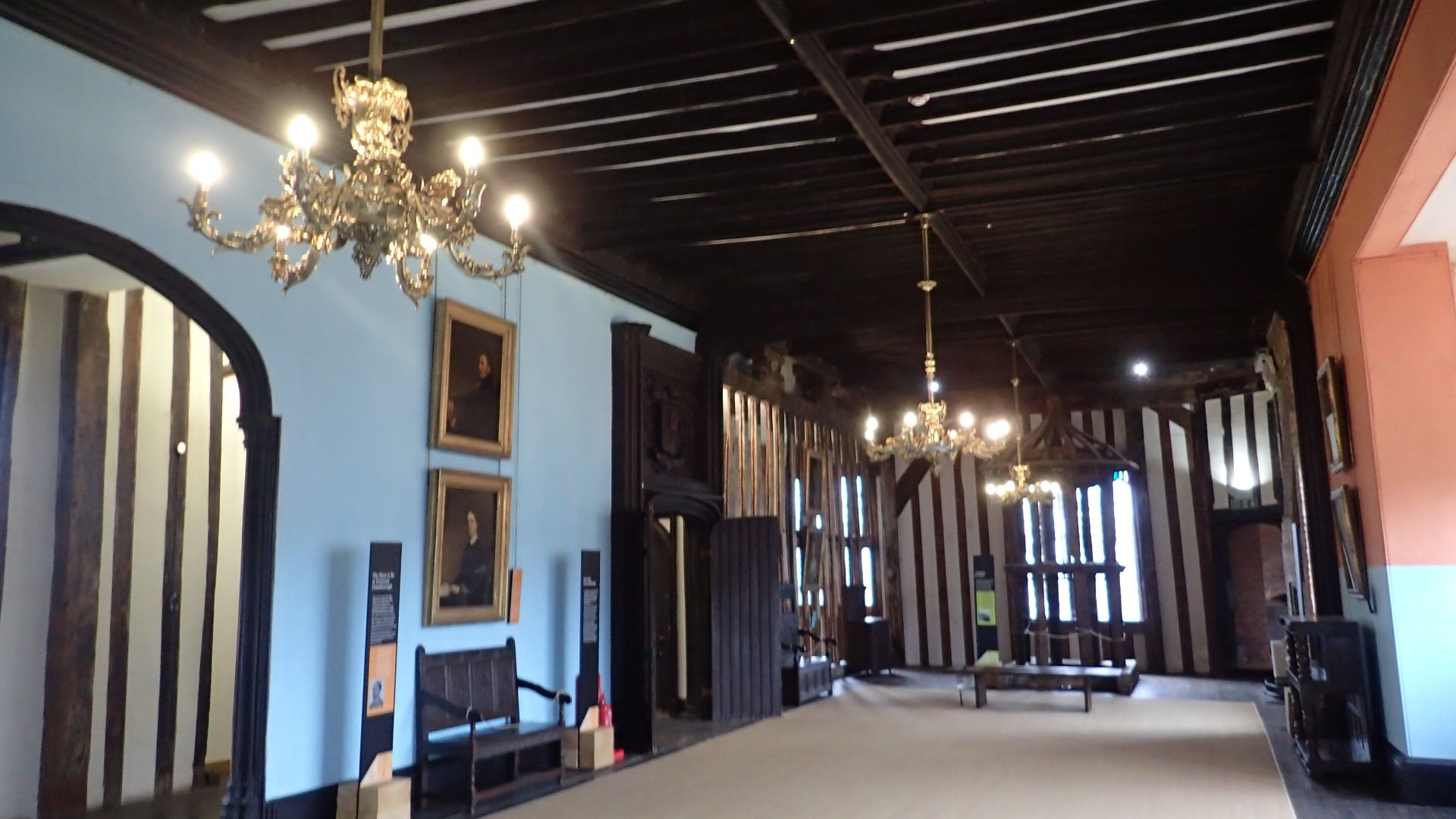
Torture? Hard Boards, No Straw
A surviving prison complaint from the mid-16th century offers a chilling firsthand glimpse. The prisoner said he was made to lie “upon hard planks without bed or straw and without company or comfort.” The account condemns the dungeon as “a most vile prison,” a label echoed in the archaeological announcement.
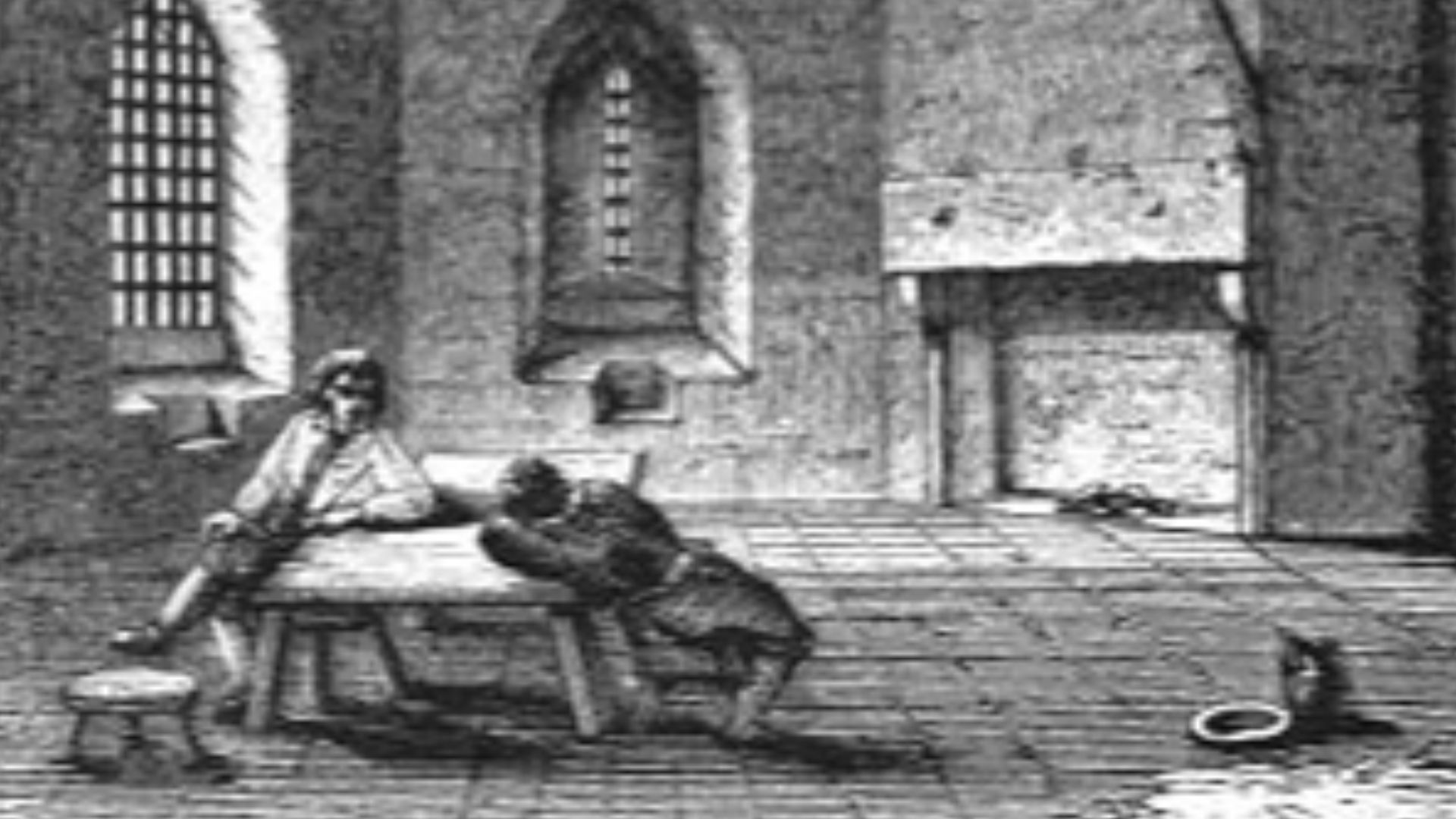 Henry Nicholls, Wikimedia Commons
Stone Walls And Narrow Gloom
Excavations revealed thick stone walls consistent with a purpose-built underground space and confined dimensions that match the torture narrative. It was not a casual cellar or storage vault. It was a constructed dungeon likely integrated into the civic building above.
Romans, Babies, And Pottery Surprise
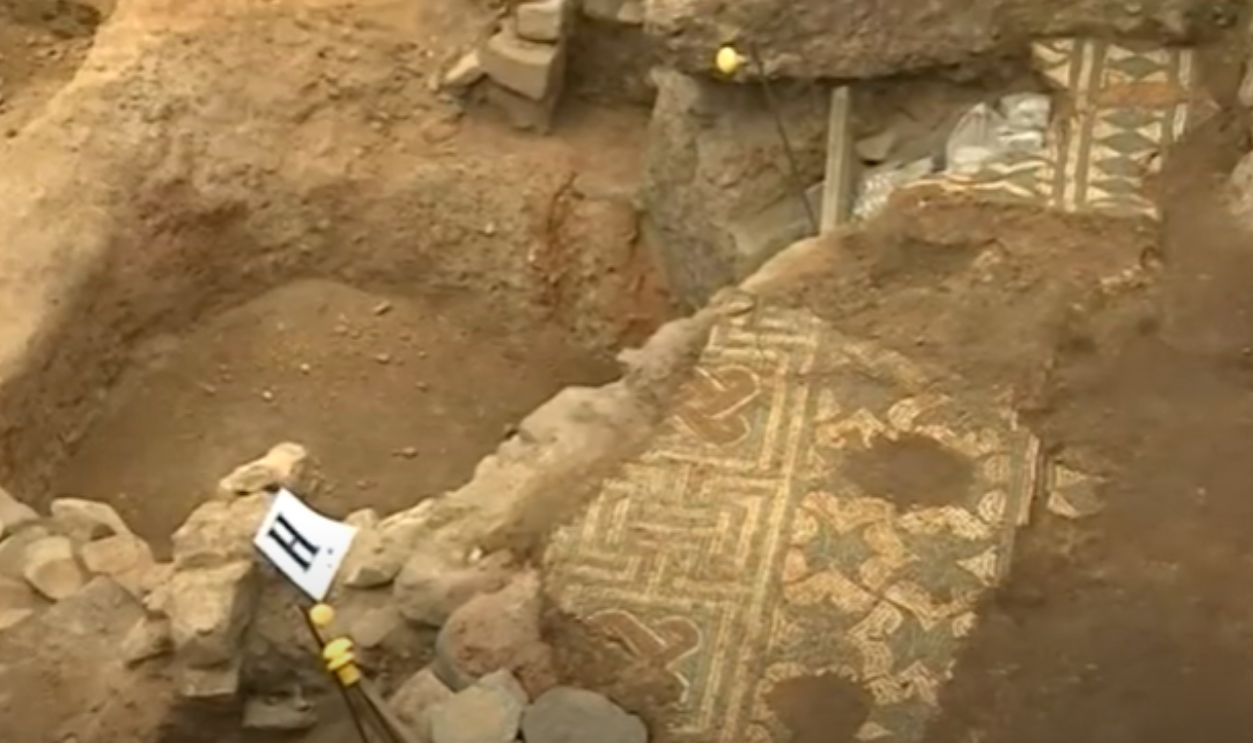
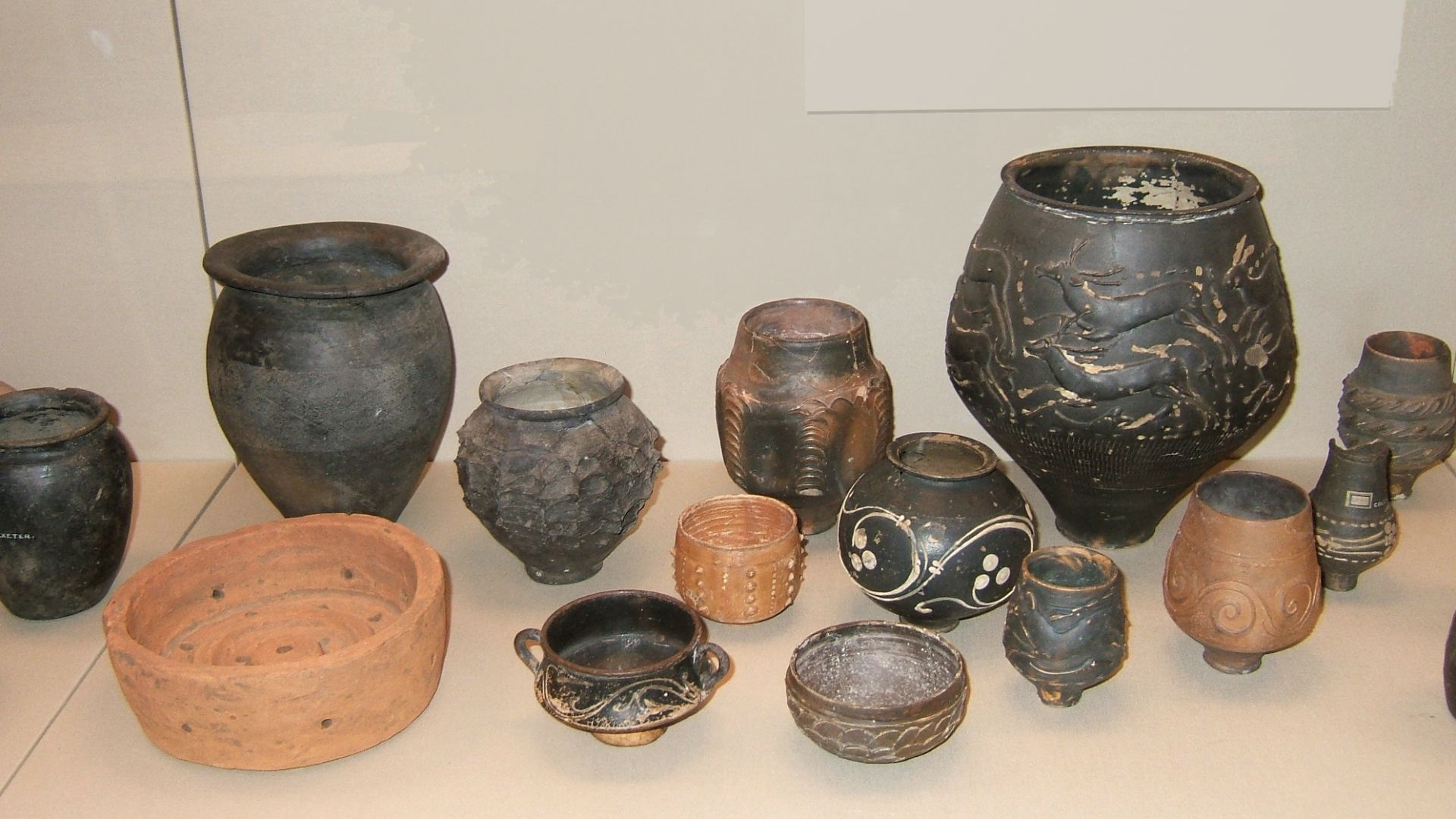
Below the medieval layers, the team uncovered Roman treasures including kilns, pottery, coins, jewelry, and the grave of a Roman infant beneath a timber house floor. The infant burial may reflect Roman practices of home burials in the early centuries CE.
From Ratae Corieltauvorum To Modern Leicester
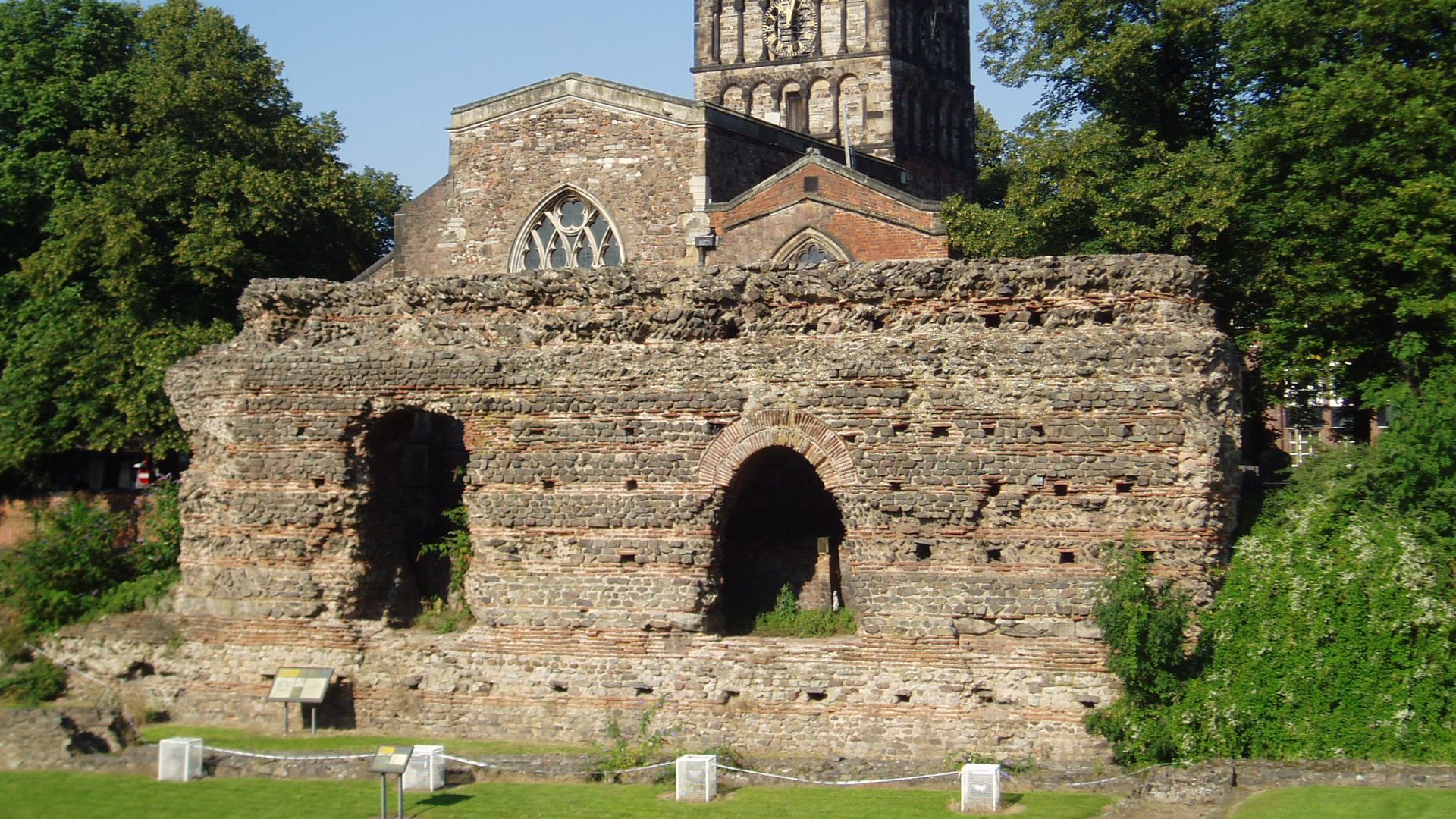
In Roman times, Leicester was known as Ratae Corieltauvorum, a regional hub for administration and trade.
The Market Square lies in what would have been the southeast corner of that Roman settlement, making it a strategic spot for centuries of human activity.
 Steve Cadman (stevecadman), Wikimedia Commons
Why Wasn’t It Discovered Before?
Leicester is one of the UK's most studied archaeological cities, but this part of the square escaped deep investigation until now. Redevelopment work, paired with careful archaeological supervision, finally allowed the dig to reach deeper layers safely.

Excavation Team And Methodology
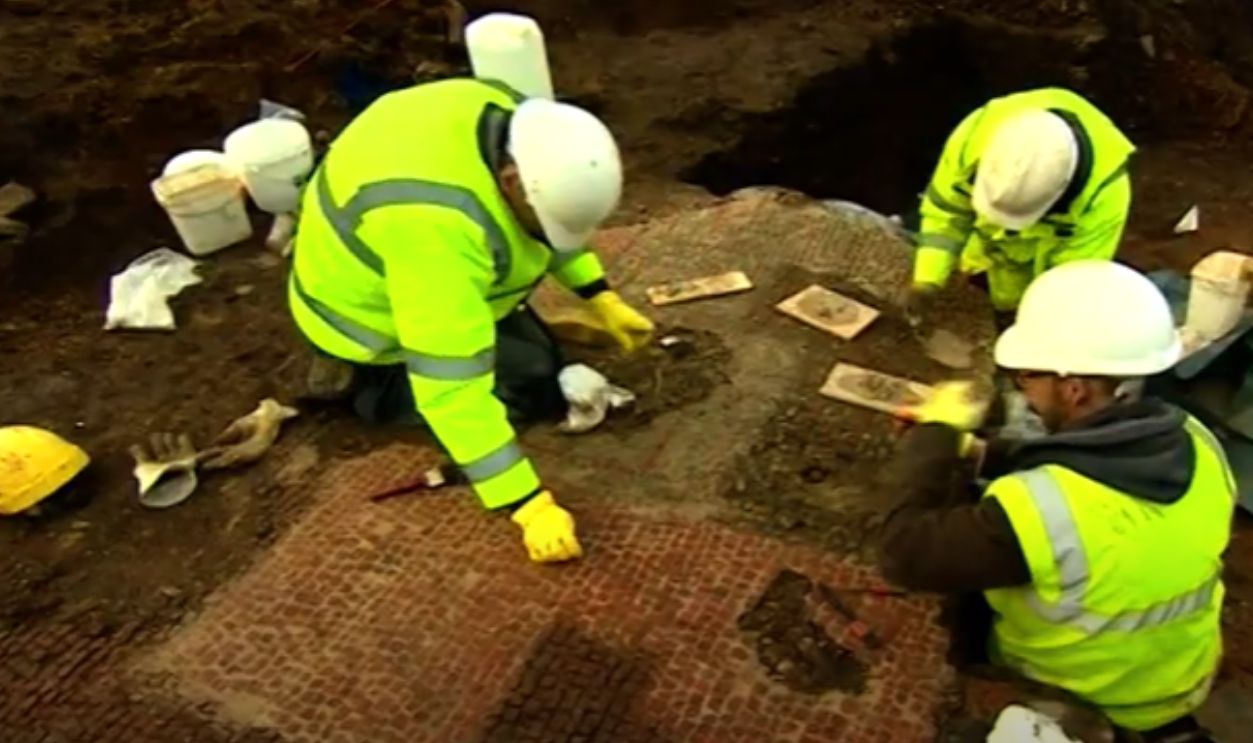
The excavation is being conducted by the University of Leicester Archaeological Services, which began work in July 2025. They are using detailed excavation, micro-archaeology, and precise recording to preserve every artifact and feature.
 NotFromUtrecht, Wikimedia Commons
Public Reaction: Shock And Awe
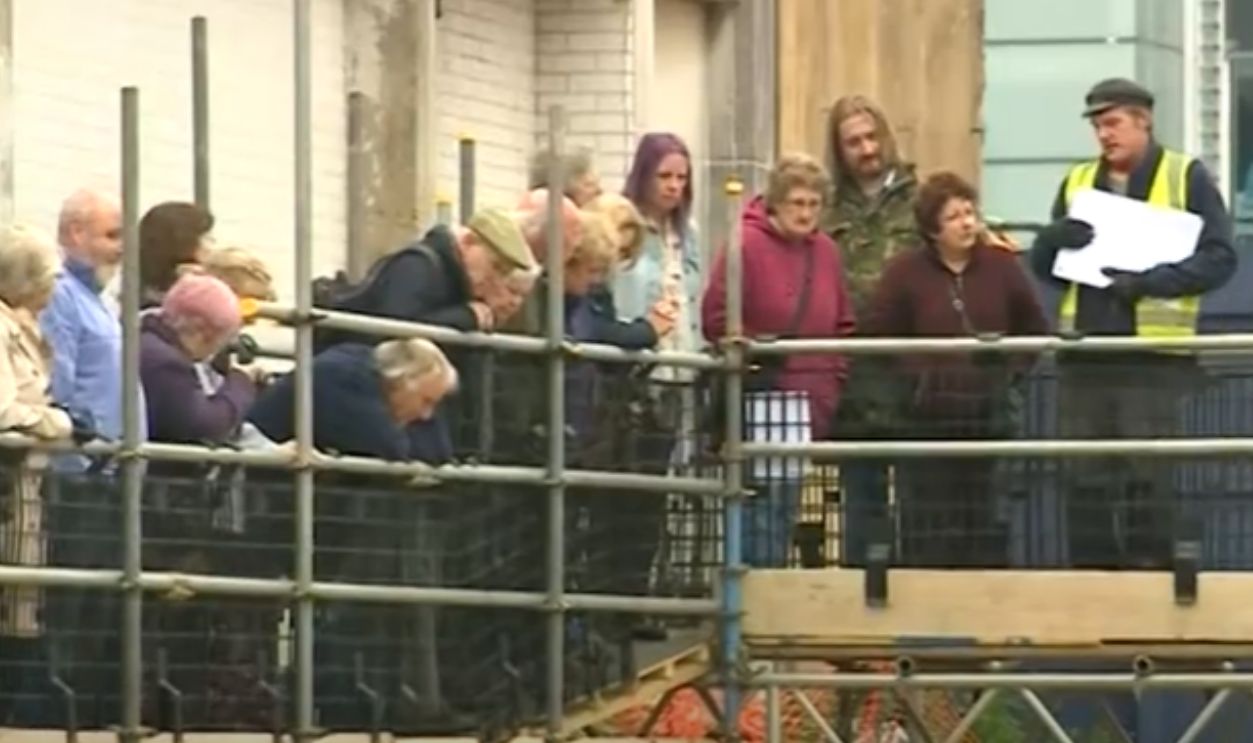
News of the dungeon discovery has fascinated the public and sparked sensational headlines calling it “the most vile prison beneath tourists’ feet.” City officials and historians see this as an opportunity to celebrate Leicester’s heritage and attract new visitors.
Mayor And Council Weigh In
Leicester’s mayor expressed enthusiasm for displaying the finds publicly and using them for education. He said the discovery connects modern Leicester to its long and often dramatic past.

Timeline: Gainsborough Chamber’s Rise And Fall
The Gainsborough Chamber was first recorded in civic documents around 1533. By 1748 it had been demolished, leaving behind only its underground remains.
A Prisoner’s Plea Echoes Through Time
The 16th-century prisoner’s complaint describes being forced into “gyves and fetters,” or leg irons, adding vivid detail to the dungeon’s grim history. Those words now resonate as archaeologists reveal the physical space where they were written.

What Daily Life Looked Like For Authorities
While prisoners suffered below, the Gainsborough Chamber above hosted legal hearings, banquets, and civic events. This contrast between grandeur and cruelty reflects the dual nature of Tudor power.

What The Dungeon Didn’t Reveal Yet
Archaeologists have not found preserved remains of prisoners, written records buried in the soil, or personal items clearly tied to inmates. This may be due to acidic soil, later construction, or the sparse nature of medieval imprisonment.
What’s Next: Careful Excavation And Conservation
The team plans further work to map the dungeon walls, scan for organic traces, and conserve the stone structure.
They hope to integrate the remains into the redesigned Market Square or display them in a local museum.
 Axel Hindemith, Wikimedia Commons
Interpreting The Layers: Everyday Life Through Time
Beyond the dungeon, the site tells a larger story about Leicester’s evolution from Roman town to medieval market to modern city. Each archaeological layer adds to the portrait of a community built and rebuilt across centuries.
 Me.Autem.Minui, Wikimedia Commons
Lessons In Urban Archaeology
This discovery shows how much history can lie hidden beneath the surface of modern streets. It also proves the value of combining construction and archaeology in urban redevelopment.

Comparisons: York, London, And Other Surprises Underground
Cities like York, London, and Oxford have revealed medieval hospitals, crypts, and Roman ruins beneath their streets. Leicester’s dungeon now joins that list of remarkable urban discoveries.
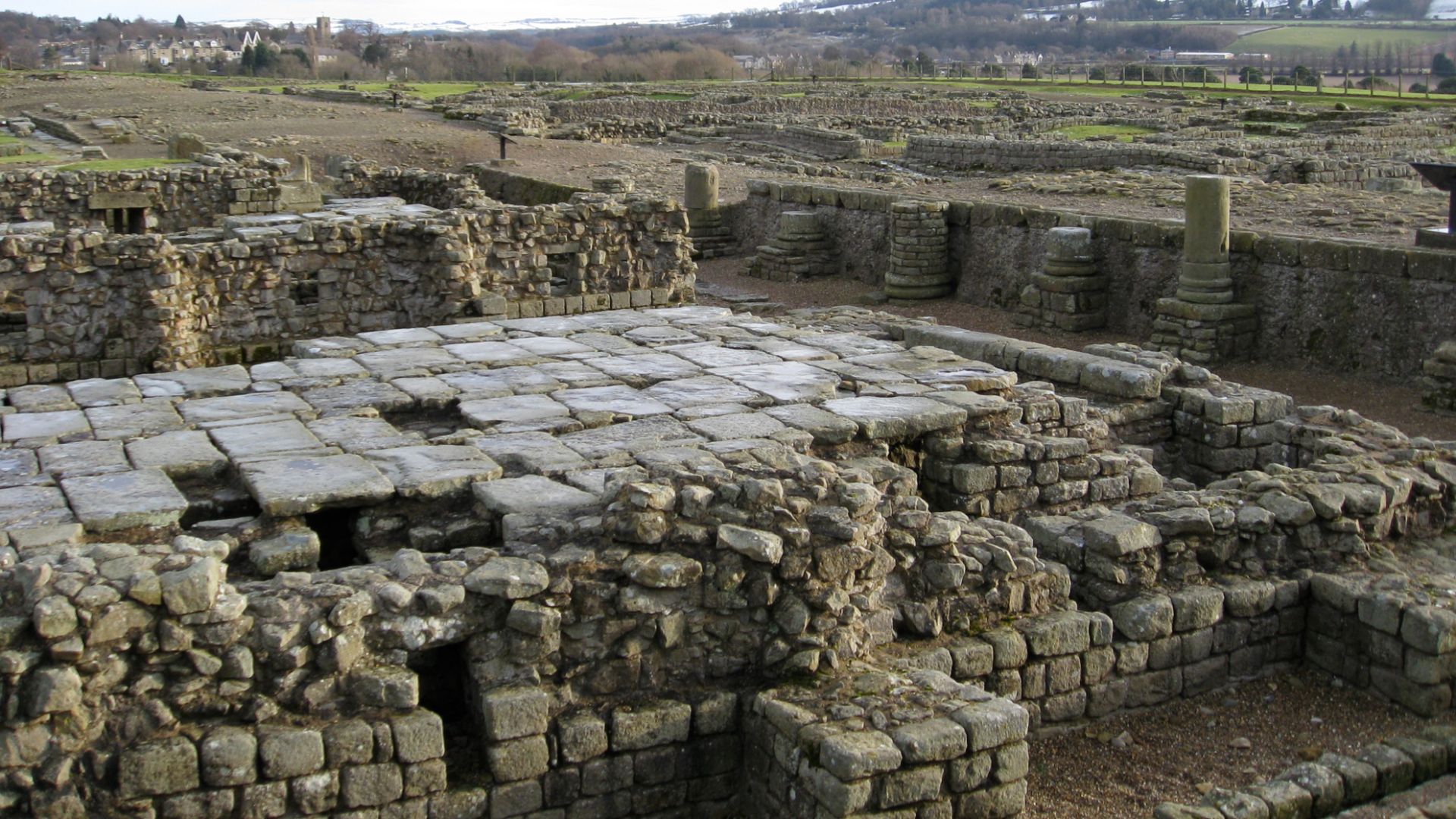 Glen Bowman from Newcastle, England, Wikimedia Commons
Potential For Tourism And Education
Once preserved, the dungeon could become a powerful attraction where visitors can view its walls and learn about its grim past. Virtual reconstructions and guided tours could bring the “most vile prison” back to life for modern audiences.
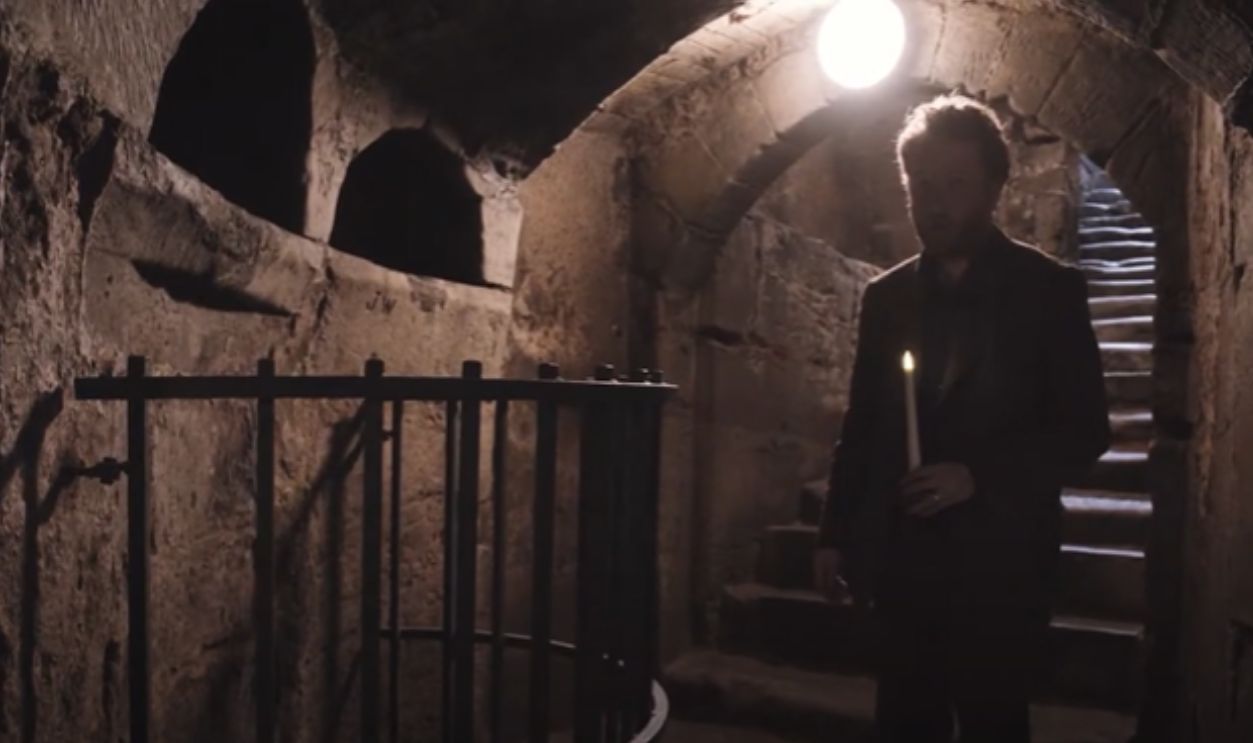 Pontefract Castle Dungeon Tour, Wakefield Museums And Castles
Challenges: Preservation, Access, And Ethics
Exposing an ancient dungeon to light, weather, and visitors creates challenges for preservation. Balancing access with conservation and handling potential human remains requires care and ethical oversight.
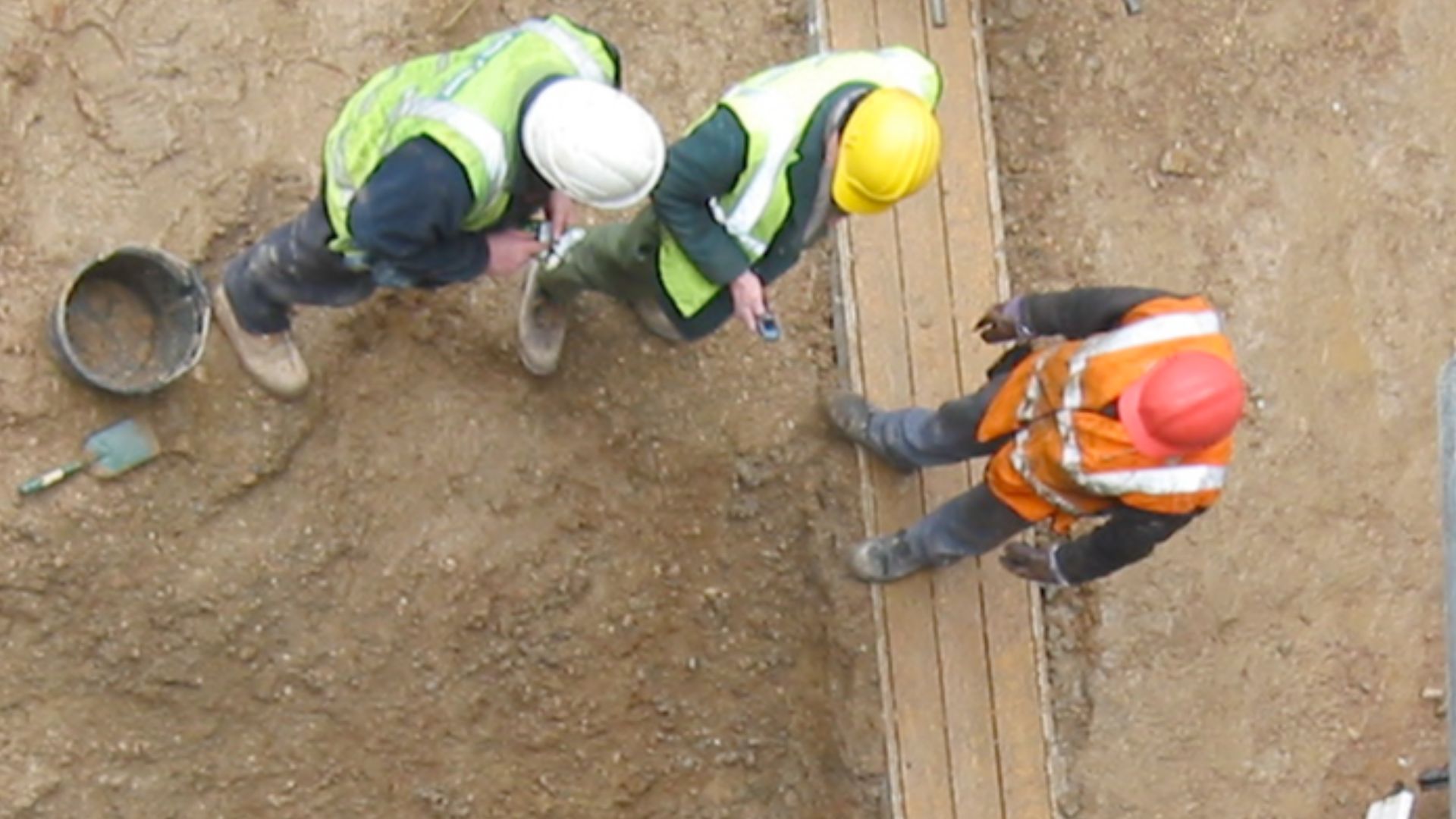 Mididoctors (talk · contribs), Wikimedia Commons
The Irony: Feet Of Visitors Above Suffering Souls Below
For centuries, people shopped, walked, and gathered above this hidden dungeon without knowing what lay beneath. Now every step in the square connects them to the suffering and history buried below.

From Dark Pit To Light Of Discovery
What began as a simple construction project has become one of Leicester’s greatest archaeological discoveries.
A “vile prison” once forgotten is now emerging into the light, reminding us how close the past still is beneath our feet.
You May Also Like:
Photos Of The Ancient Tribe Whose Handmade Creations Outlasted Empires
Archaeologists Find Ancient God In A Sewer
 Nikola Milosevic, Getty Images