


A Remarkable Discovery In Lower Saxony
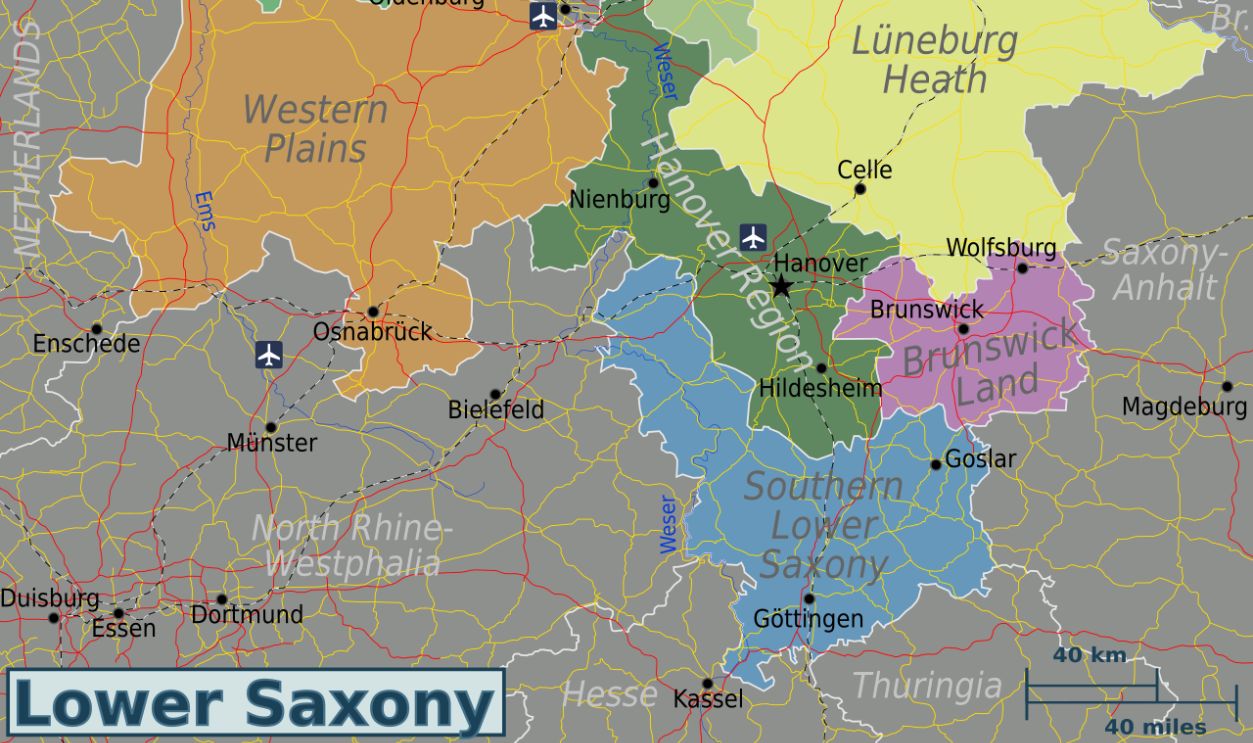
In 2017, a hobby metal detectorist made an extraordinary find near Borsum, a district of Harsum in Lower Saxony, Germany. Buried underground was a cache of Roman precious metal objects. But the anonymous hobbyist didn't have a permit, so this find went unreported for nearly a decade.

A Hoard Of 450 Silver Coins
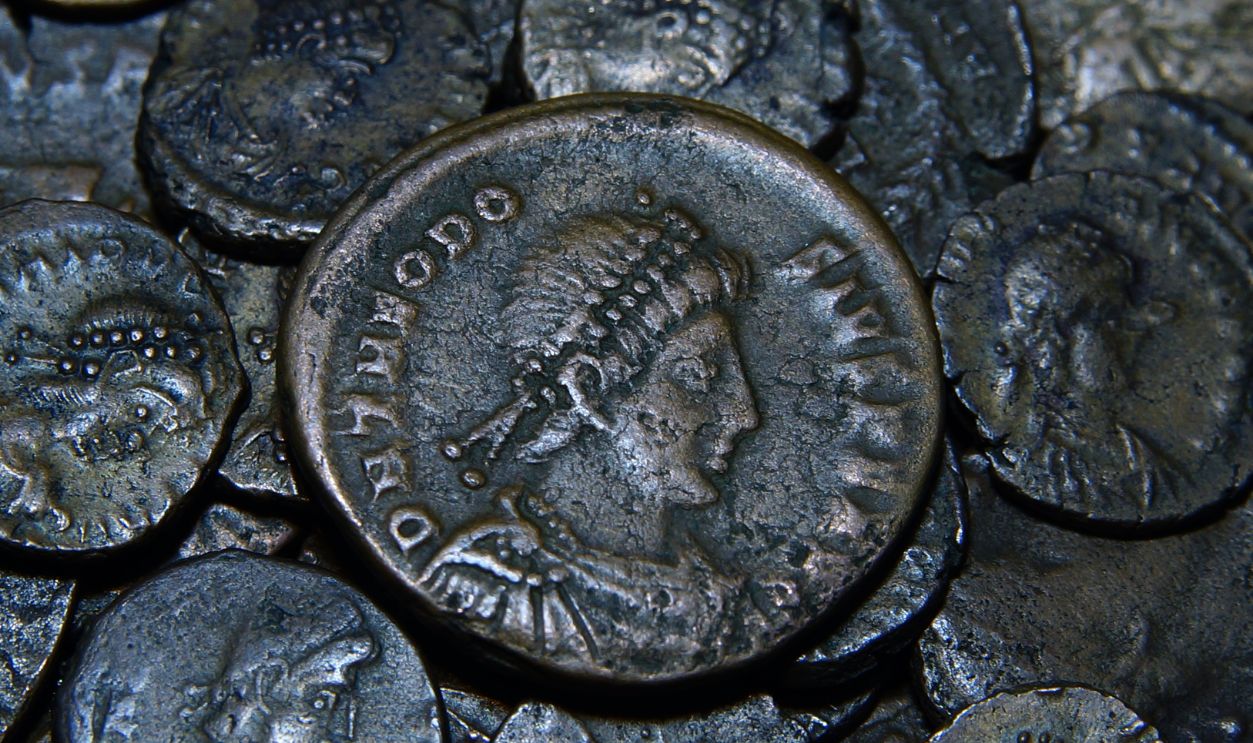
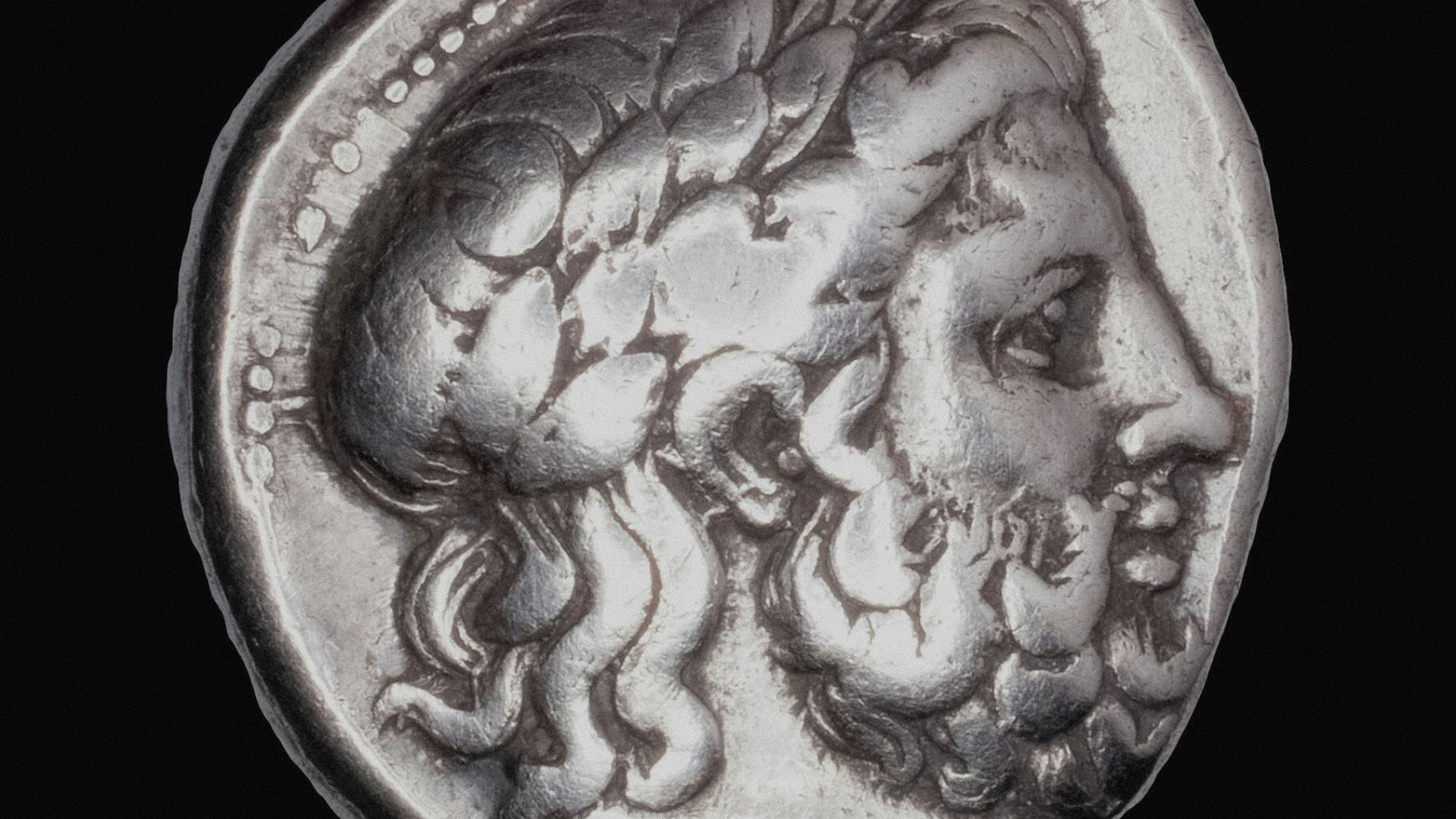
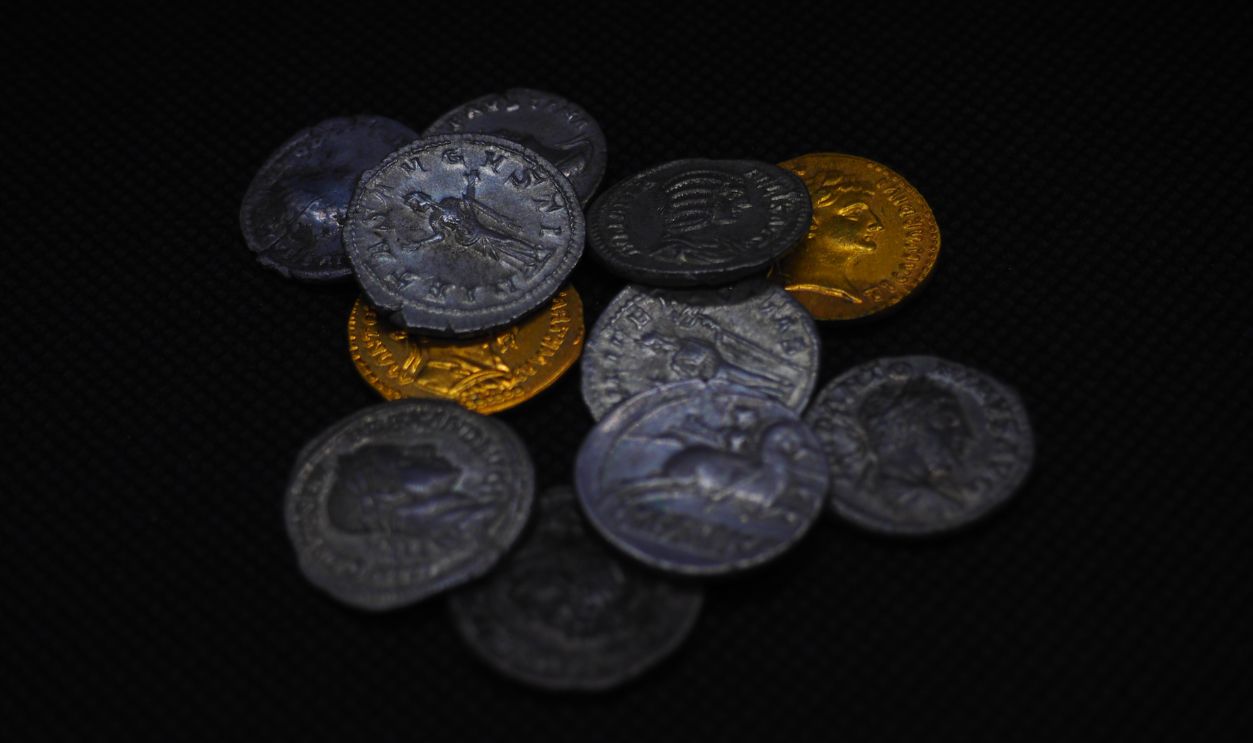
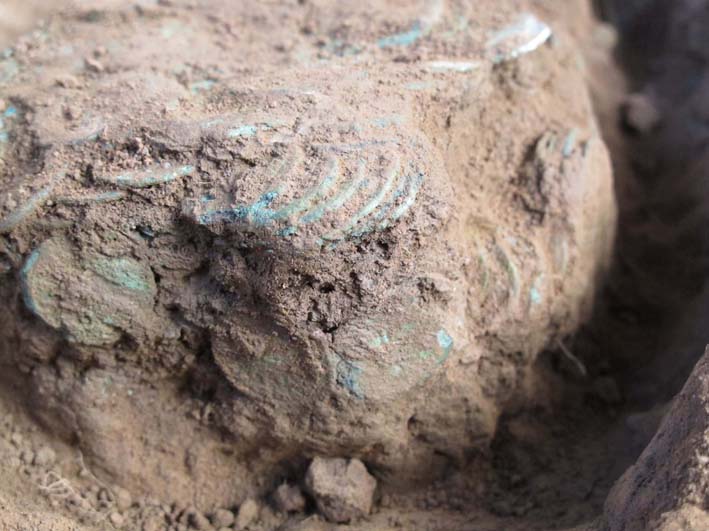
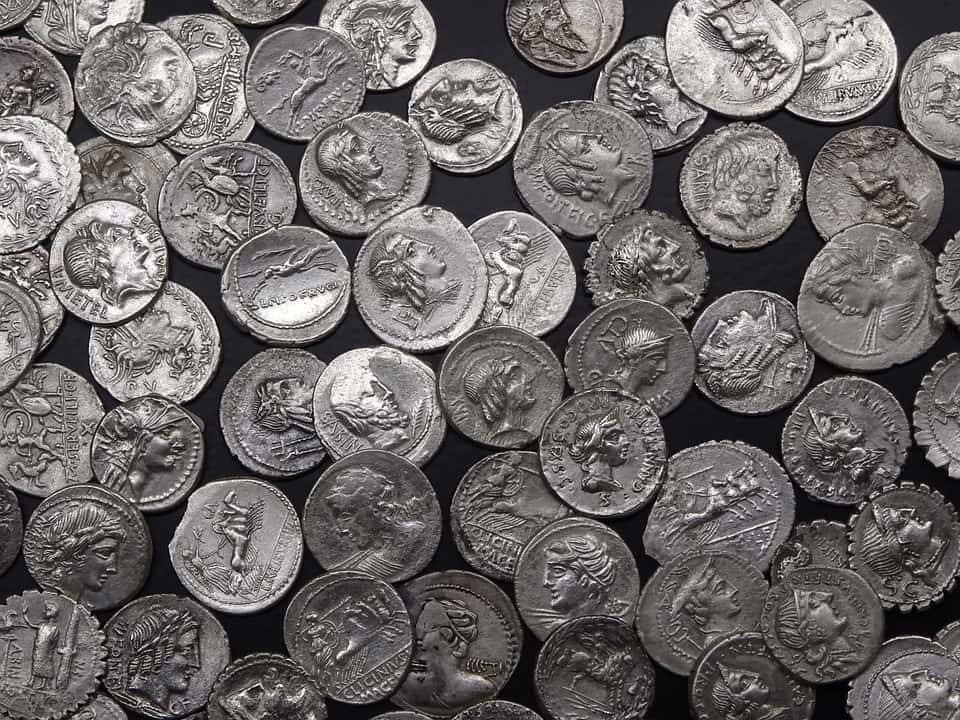
The treasure ultimately consisted of 450 Roman silver coins. Archaeologists now date the hoard to the early Roman Imperial period, roughly 2,000 years ago. Finds of this size are rare in northern Germany.
More Than Just Silver Coins
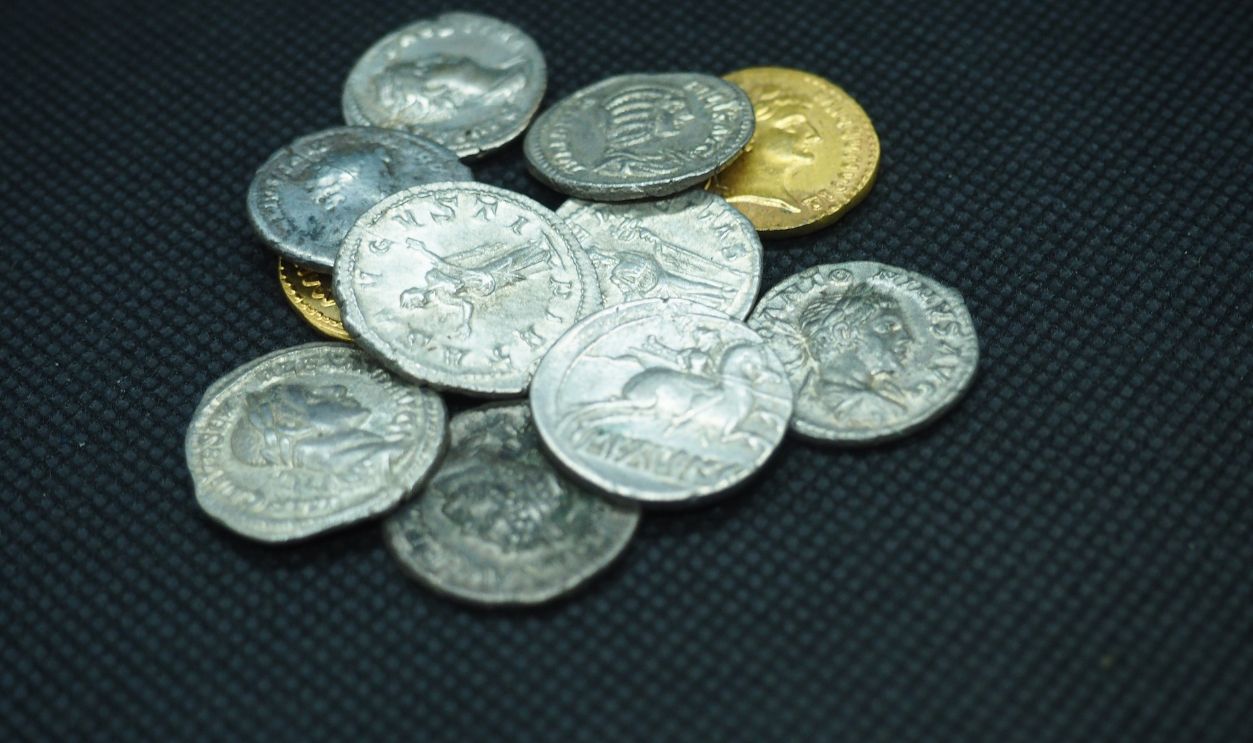
The hoard also included several silver bars. In addition, authorities reported a gold coin and a gold ring among the finds. These objects suggest the cache represented considerable wealth for the region and time it originates from.
On The Edge Of Roman Influence
Lower Saxony actually lay beyond the formal borders of the Roman Empire. However, Roman goods circulated far beyond imperial frontiers through trade, diplomacy, and conflict. The Borsum hoard highlights those cross-border connections.
 Globe-trotter, CC BY-SA 3.0, Wikimedia commons
A Discovery Made Without A Permit
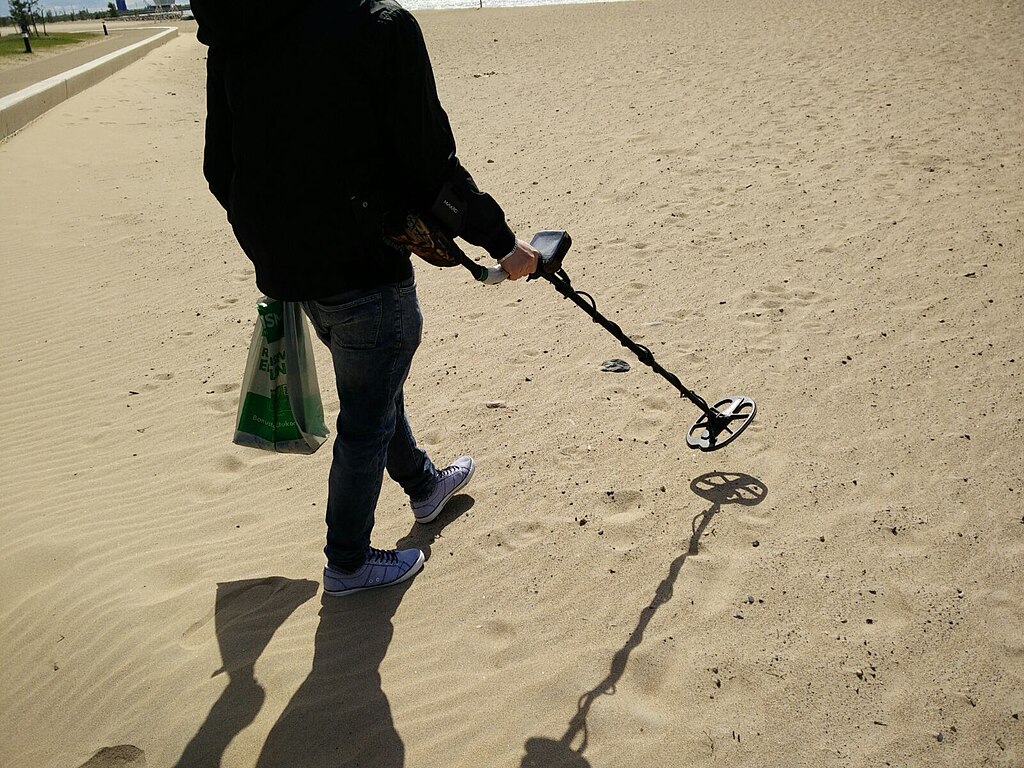
Metal detecting in Lower Saxony requires an official permit. The finder did not have authorization to search for archaeological material. Under state heritage law, such activities are regulated to protect cultural assets. But in this case, it led to a discovery remaining a secret for nearly a decade.
 Santeri Viinamäki, Wikimedia Commons
Eight Years Of Silence
After uncovering the hoard in 2017, the young detectorist did not notify authorities for fear of repercussions. The discovery remained unreported for eight years as the statute of limitations ticked by. During that time, archaeologists had no opportunity to investigate the site properly.
 All rights reserved, Amy Downes, 2014-06-09 14:21:04, Wikimedia Commons
Why Reporting Is Crucial
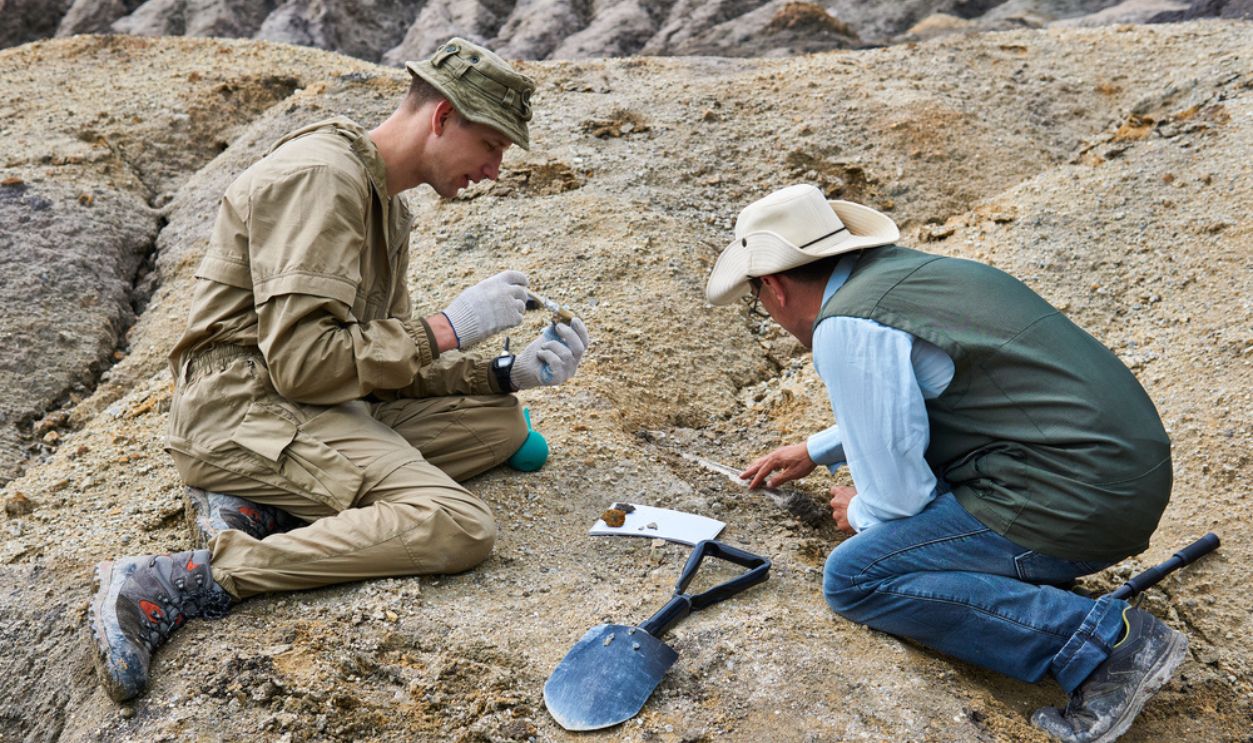
Archaeology is all about the details. When finds are reported promptly, specialists can document their precise location and context. Soil layers, spatial distribution, and associated materials all help reconstruct history. Delays risk losing important archaeological information.
But eventually the anonymous finder had a change of heart—especially after he could no longer be held legally responsible.
An Official Announcement
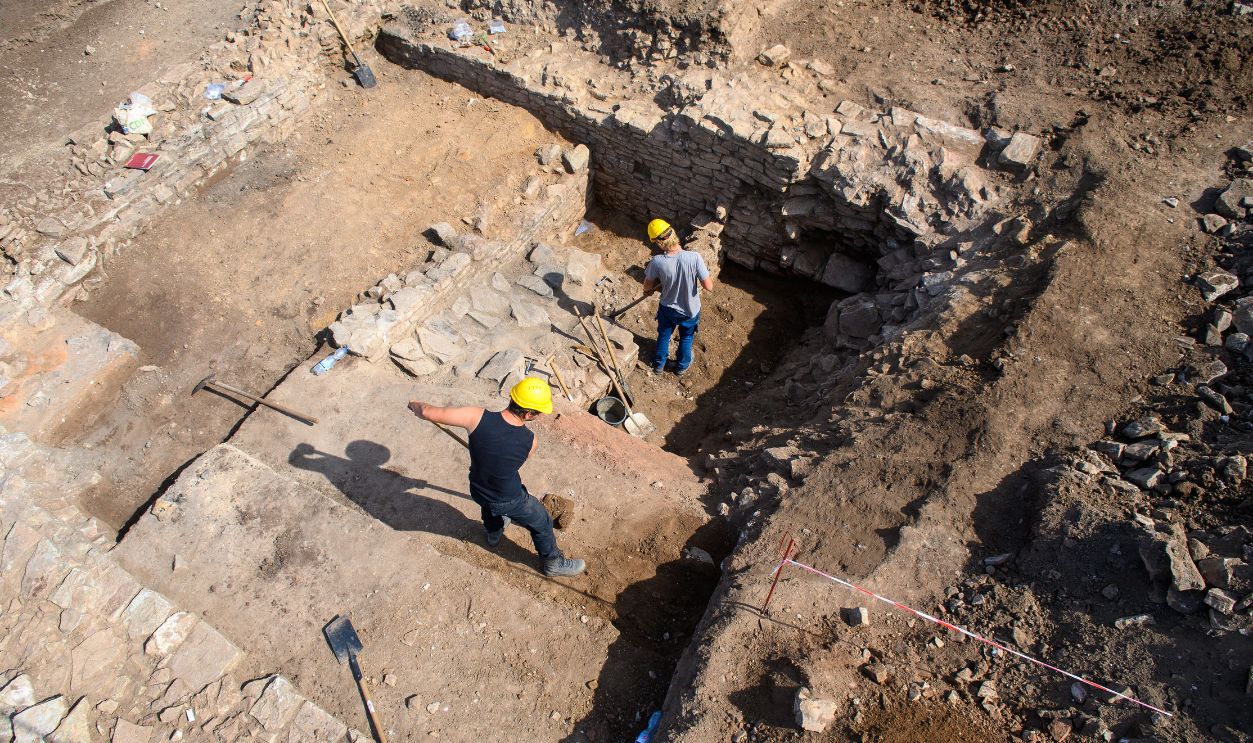
In 2025, the State Office for Monument Preservation of Lower Saxony publicly announced the hoard. By then, the objects had been handed over to authorities. Archaeologists were finally able to examine and document the priceless collection.
The Legal Investigation
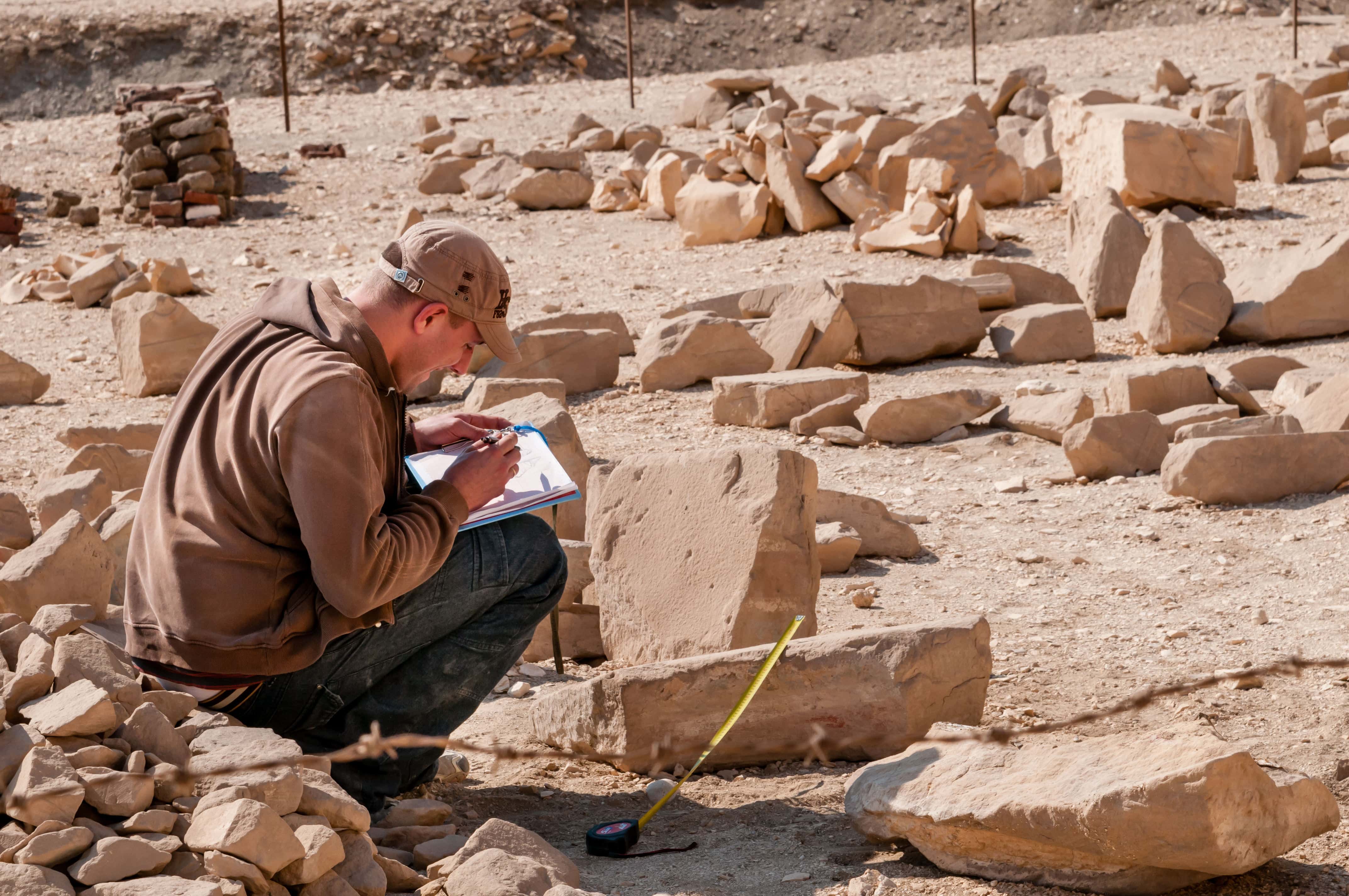
Because the detectorist searched without a permit and failed to report the find, prosecutors did open an investigation. However, the case was ultimately discontinued. Authorities stated that the statute of limitations had expired, and since the hoard was eventually reported and studied, they settled with "no harm, no foul."
 picture alliance, Getty Images
Protected Under Heritage Law
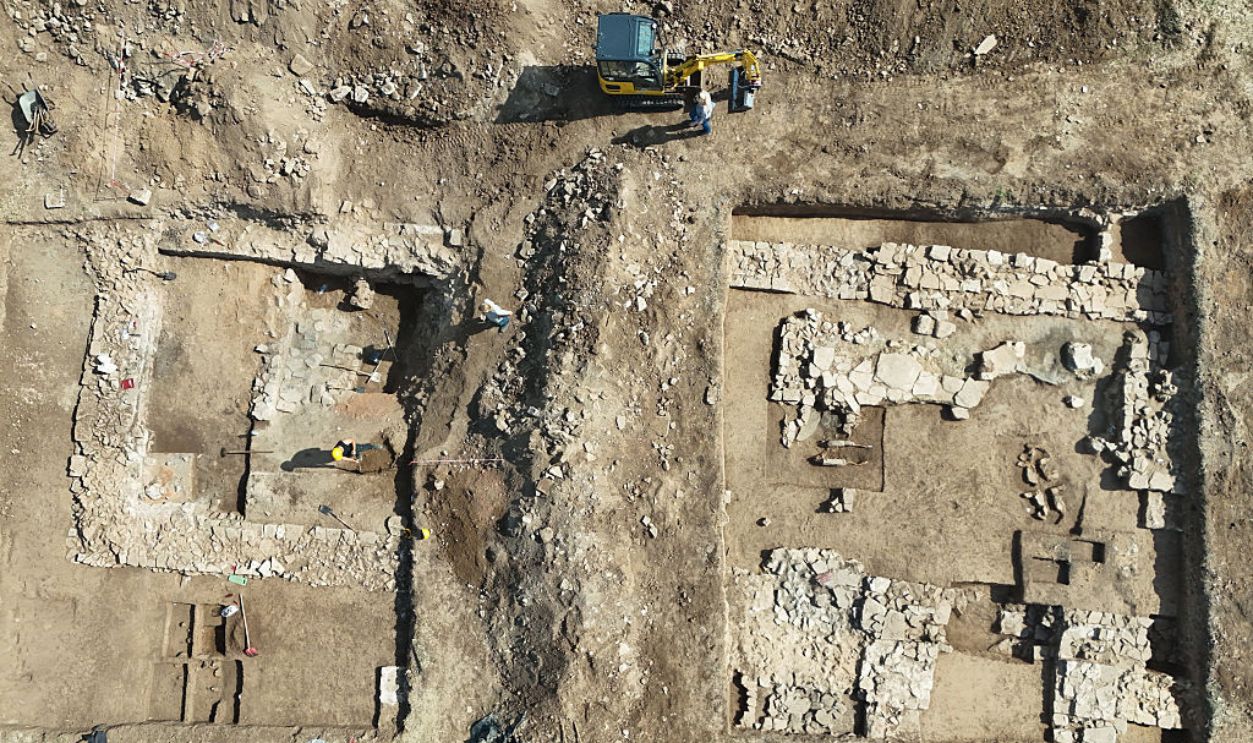
Lower Saxony’s monument protection law governs archaeological discoveries. Significant finds must be reported and may fall under state ownership provisions. These regulations are designed to safeguard historical heritage for the public. Unfortunately, it led this particular detectorist, then a man in his early 20s, to make a bad decision.
 Tim Rademacher, Wikimedia Commons
A Carefully Hidden Treasure
Experts believe the hoard was deliberately buried around 2,000 years ago. Hoards are often interpreted as valuables concealed during uncertain times. In uncertain times, the original owner likely never had the chance to return and recover it.
 Art Institute of Chicago, Unsplash
Dating The Hoard
Archaeologists place the find in the early Roman Imperial period. This era spans the first centuries A.D., when Rome was consolidating power across Europe. The coins help anchor the burial in that timeframe.
 Steerpike and ArdadN, Wikimedia Commons
Roman Wealth Beyond The Frontier
Although the region where the coins were found was outside formal Roman control, Roman silver reached Germanic territories. Such objects could arrive through trade, military payments, or diplomatic exchanges. The hoard underscores how interconnected these worlds were.
Scientific Examination And Conservation
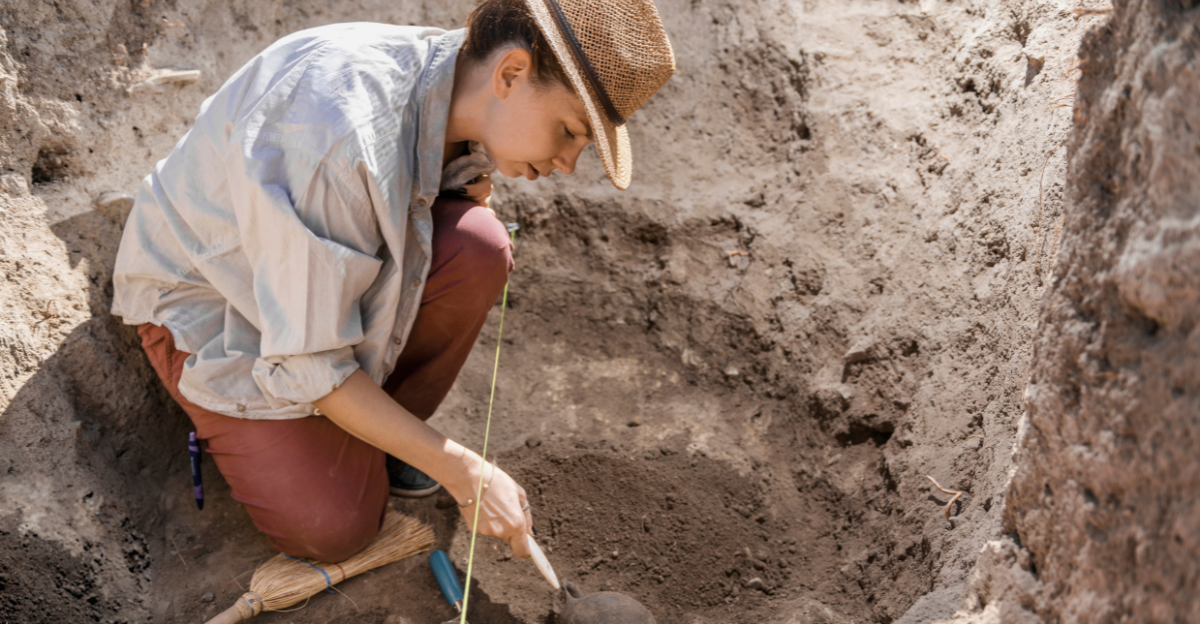
After recovery, specialists began cleaning and cataloging each object. Conservation work ensures the metals remain stable for long-term preservation. Detailed study may reveal mint origins and circulation patterns.
The Significance Of Silver Bars
The presence of silver bars alongside coins adds depth to the find. Bars suggest bullion storage rather than simple currency use. This detail may reflect wealth accumulation or trade practices.
A Gold Coin And A Gold Ring
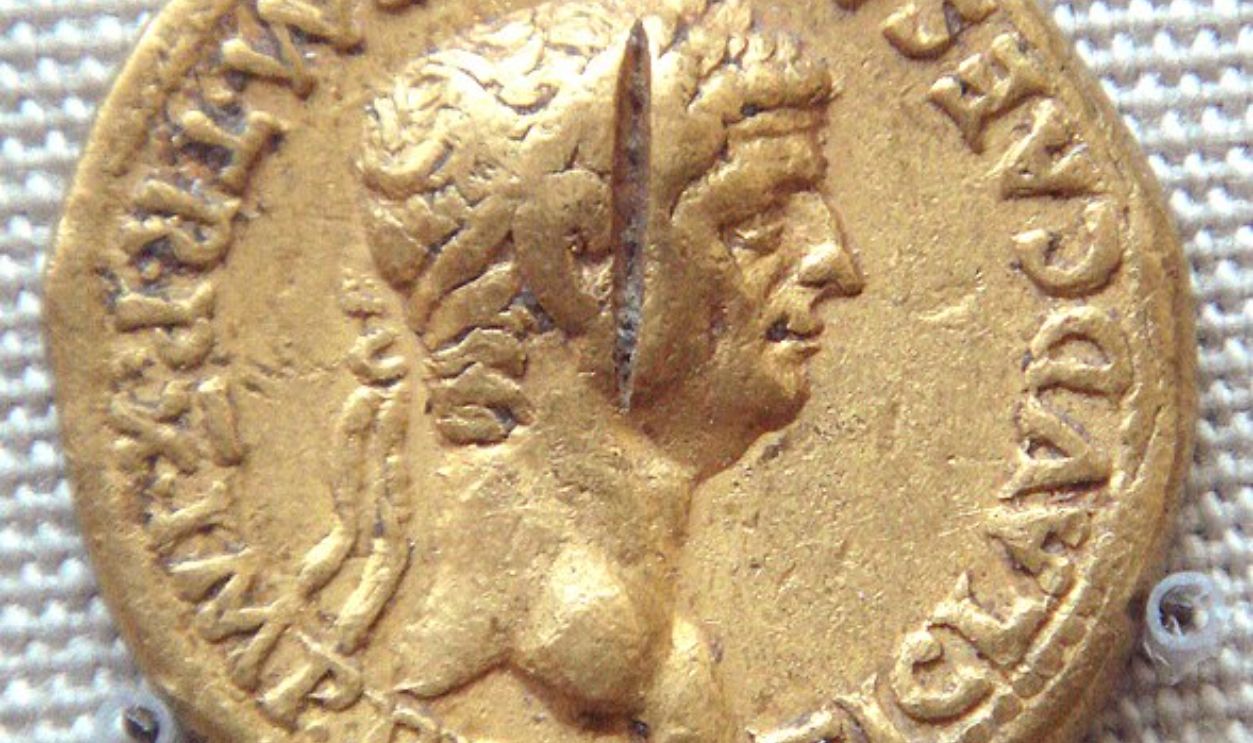
Among the silver were items of gold. A gold coin and a gold ring indicate that the hoard was not limited to everyday currency. These pieces elevate the status and value of the cache. Especially this far on the Roman frontier, the gold pieces would have been extremely valuable.
 Uploadalt, CC BY-SA 3.0, Wikimedia Commons
Rare For Northern Germany
Large Roman hoards are more commonly found within former imperial provinces. Discoveries in northern Germany are less frequent. That rarity increases the importance of the Borsum find, and the seriousness of the deception.

Media Attention Across Borders
Once authorities announced the hoard, international outlets covered the story. Reports highlighted both the scale of the discovery and the legal complications. A hobbyist, slightly outside the law, keeping such a big find a secret for so long quickly captured public interest.
A Cautionary Tale For Hobbyists
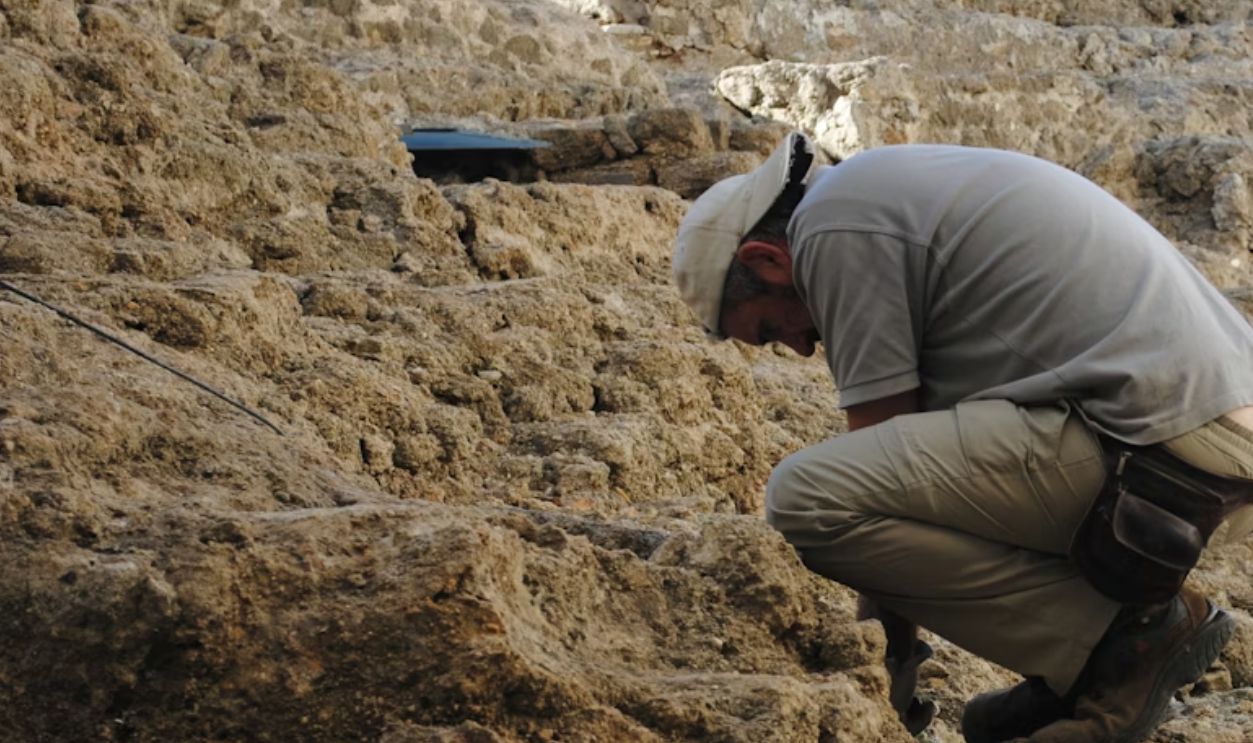
Metal detecting can be an engaging hobby. However, it carries legal and ethical responsibilities, especially in cases of rare antiquities. This case illustrates the risks of searching without proper authorization.
 Kyösti Viinamäki, CC BY-SA 4.0, Wikimedia Commons
The Value Of Context
Archaeological objects are most informative when studied in context. Precise documentation can reveal patterns of deposition and historical circumstances. Even a spectacular hoard loses value if context is compromised.
From Secret To Public Record
Though it took a while, what began as a private, illicit discovery eventually entered the official record. Authorities now have the opportunity to integrate the hoard into broader research on Roman-era northern Europe. The find contributes to a more nuanced picture of the past.
 Evgeny Haritonov, Shutterstock
Preserved For Future Generations
The recovered objects are now under state supervision. They will be preserved, studied, and potentially displayed. Their story has shifted from hidden treasure to shared heritage.
 Birmingham Museums Trust, CC BY 2.0, Wikimedia Commons
A Window Into Roman-Era Networks
The Borsum hoard offers insight into how Roman wealth circulated beyond imperial borders. It reminds us that cultural and economic exchange did not stop at frontier lines. Even in regions outside Rome’s rule, Roman silver found its way into local hands.
Eight Years Later
Although the discovery was delayed, it has now been documented and secured. Archaeologists can continue analyzing the coins, bars, and gold objects. The hoard’s long silence has ended, and its historical value is finally accessible to the public.
You May Also Like:
Photos Of The Ancient Tribe Whose Handmade Creations Outlasted Empires
Archaeologists Find Ancient God In A Sewer









.jpg)