Boundaries No One Can Cross
There are corners of the planet no one can step into. Guarded by fences, laws, and silence, they remain untouched by ordinary travel. Each one holds secrets the world prefers to keep sealed behind barriers and mystery.
Heard Island, Australia
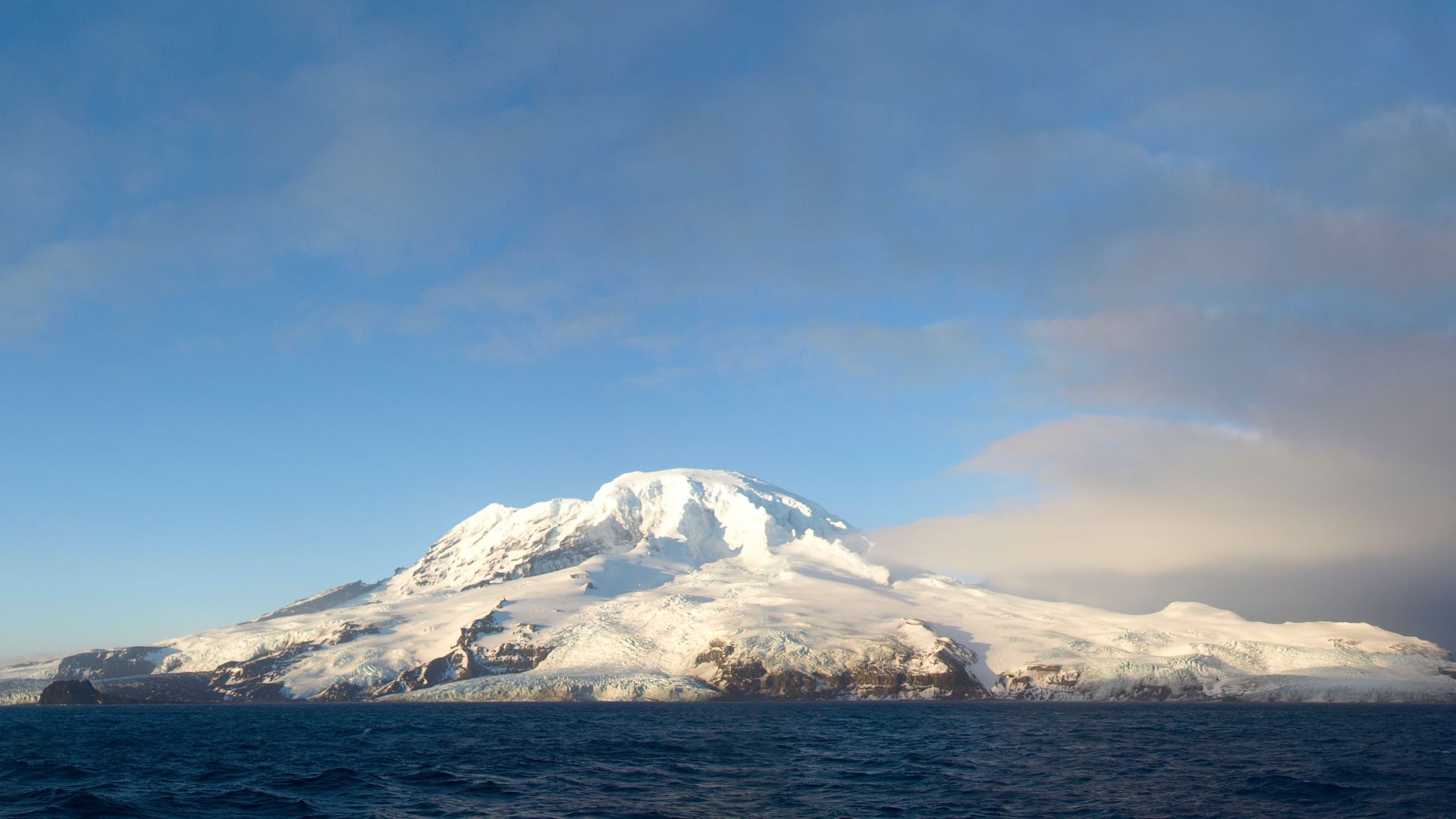
Heard Island feels like the end of the world. Uninhabited and governed by Australia, it allows entry only through rare scientific permits. Home to the active volcano Big Ben, it’s also one of the few subantarctic places where glaciers slide straight into the sea.
 Tristannew (original) Derivative: SHB2000 (cropped), Wikimedia Commons
Poveglia, Italy
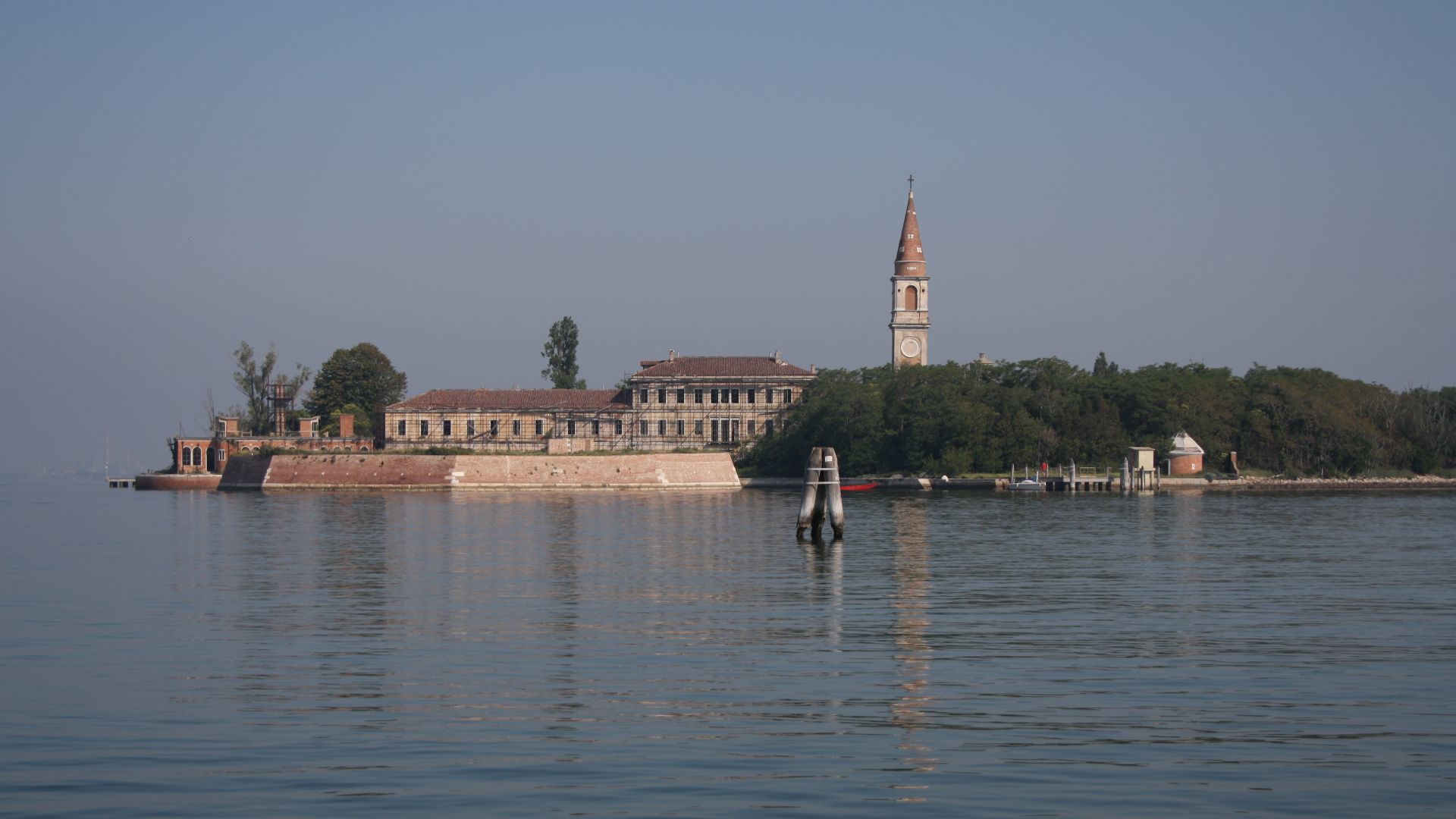
Italy doesn’t hand out passes to Poveglia. The island’s dark history—once a plague zone, then an asylum—earned it a permanent off-limits status. Locals call it haunted, and with crumbling ruins rising out of the lagoon, it’s easy to believe them.
Chapel Of The Tablet, Ethiopia
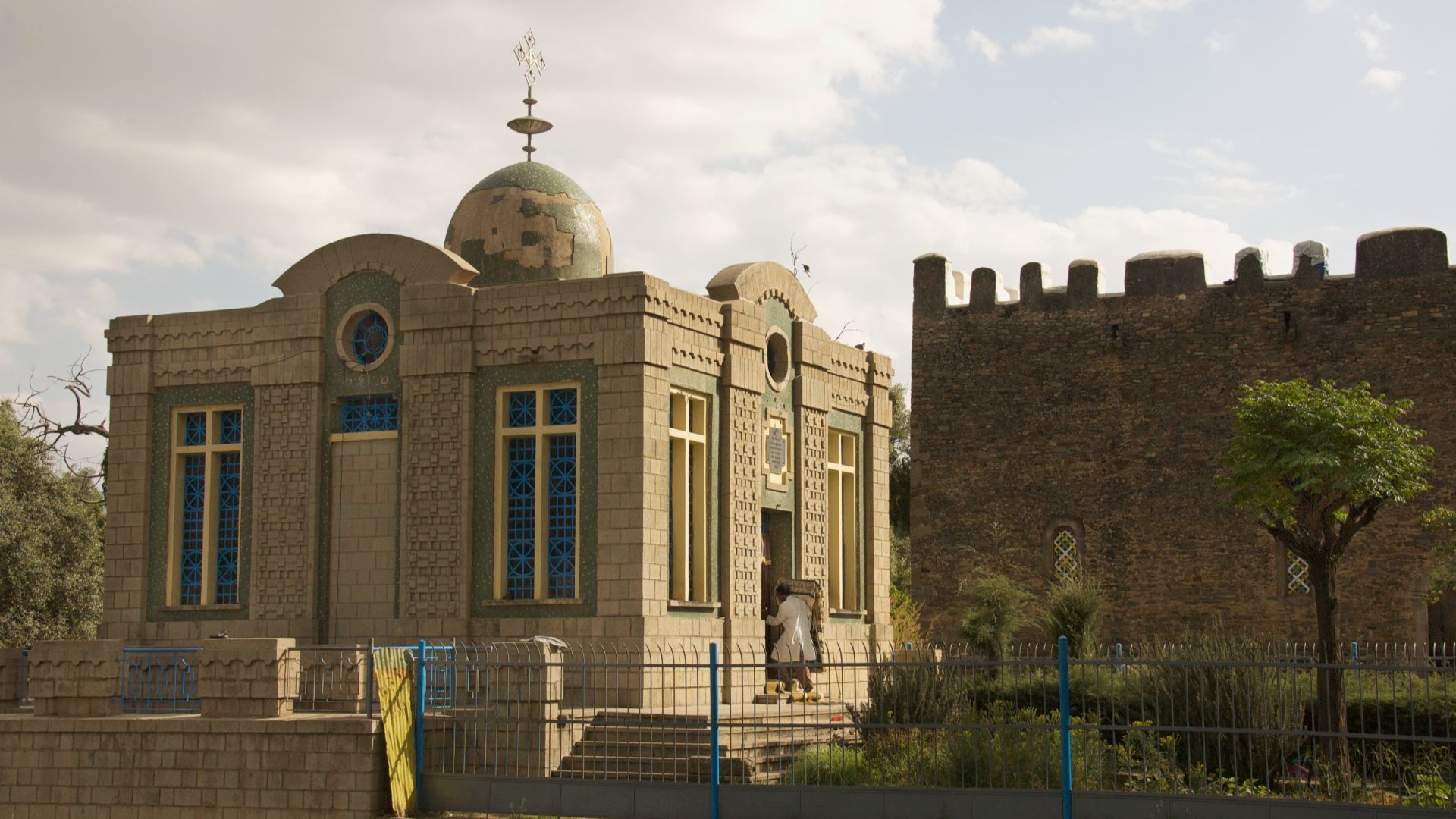
In the city of Axum stands the Chapel of the Tablet, believed to house the Ark of the Covenant. Only one monk may ever enter, dedicating his life to its protection. No one else has seen what’s inside, which only adds to its mystery.
 A. Davey from Where I Live Now: Pacific Northwest, Wikimedia Commons
Svalbard Global Seed Vault, Norway
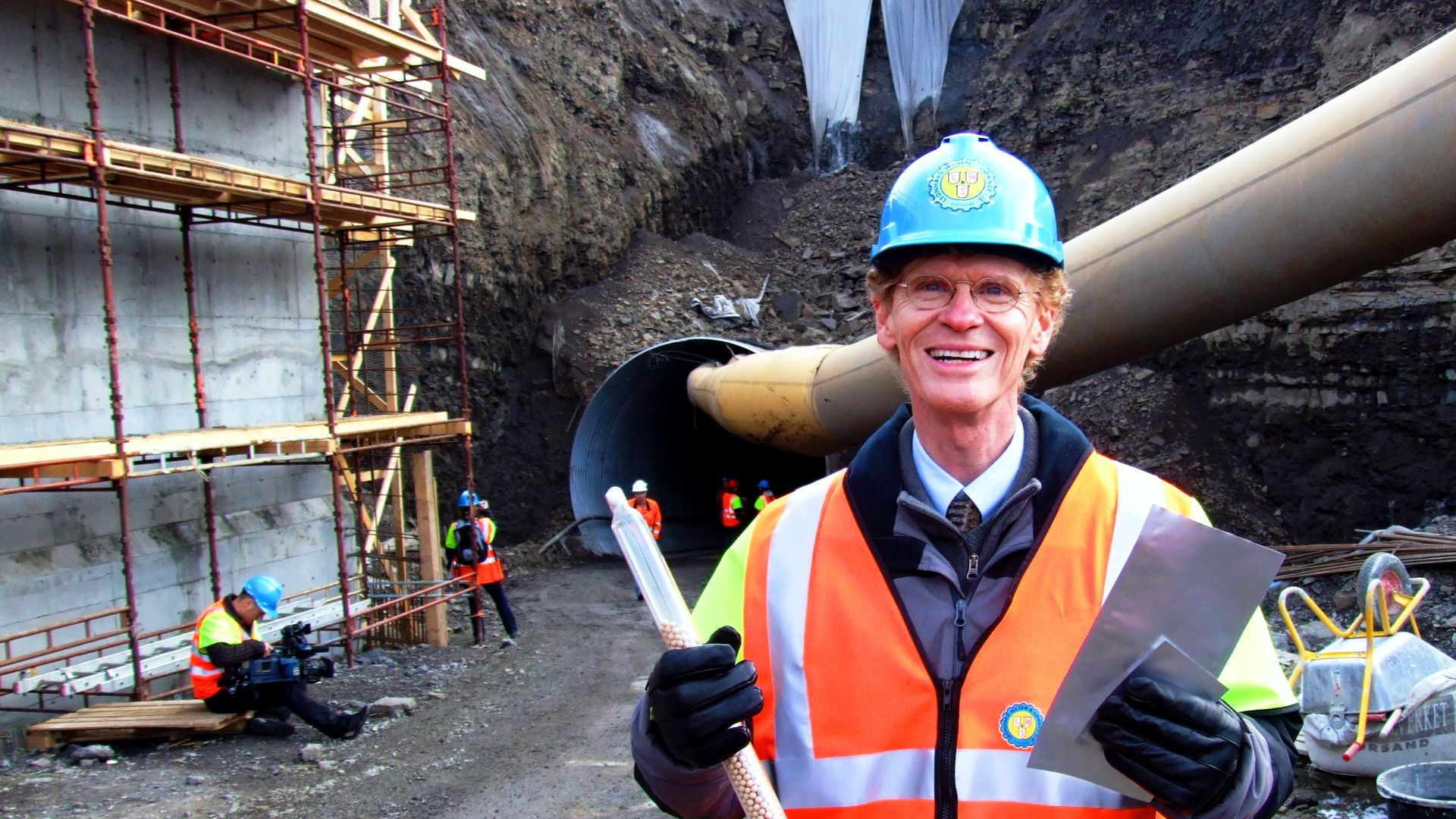
Buried deep inside a mountain on Spitsbergen Island, the Svalbard Global Seed Vault protects humanity’s future food supply. It stores millions of crop seeds from around the world in freezing conditions. Only a handful of scientists and technicians have access to its secure chambers.
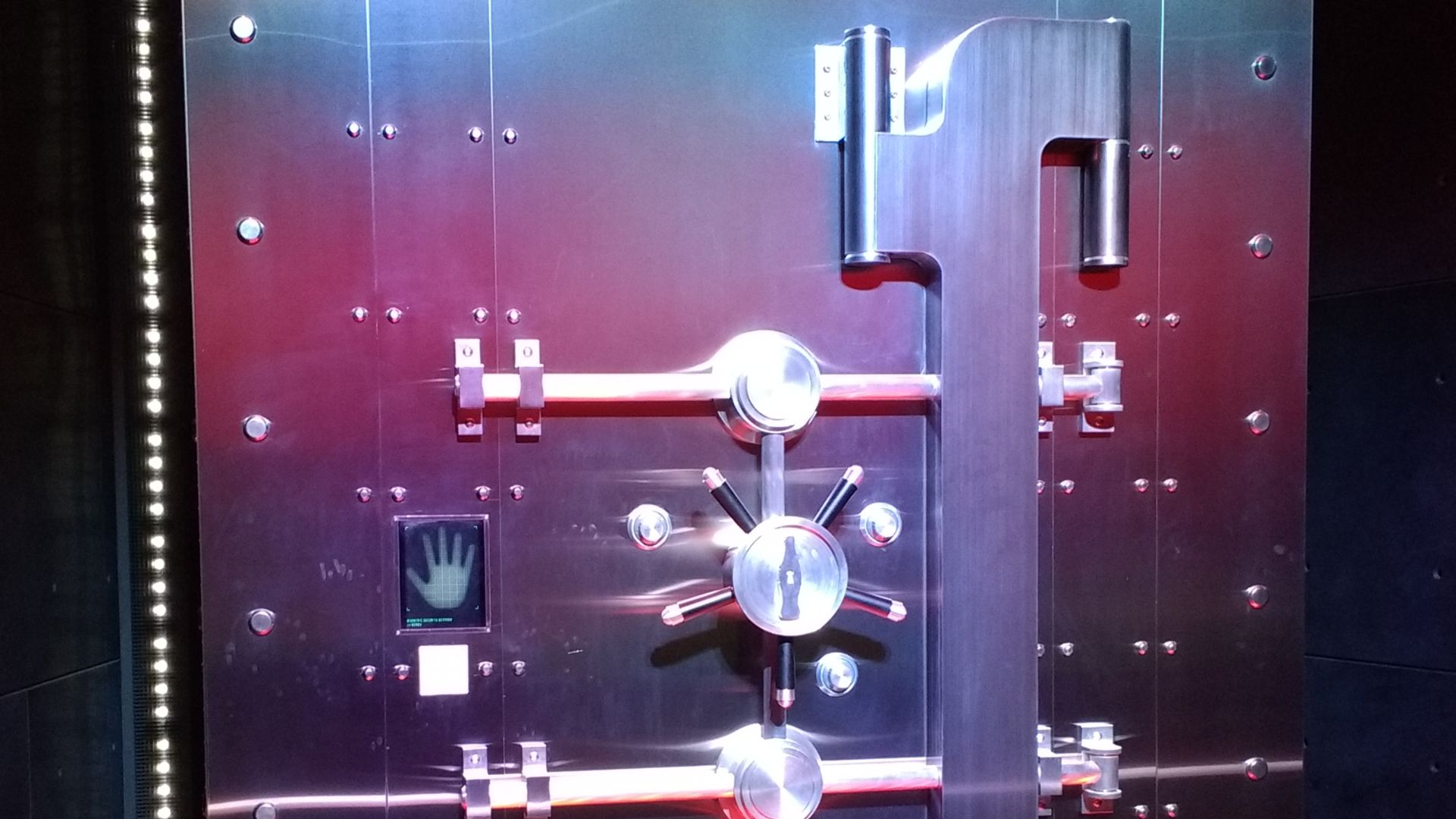
Coca-Cola Vault, Atlanta, Georgia
That legendary Coca-Cola recipe? Locked tight inside a high-security vault in Atlanta. Visitors can view the exterior, but only a few top executives know what’s written inside. The formula’s been under wraps since 1886, and no one’s managed to crack it.
 Mx. Granger, Wikimedia Commons
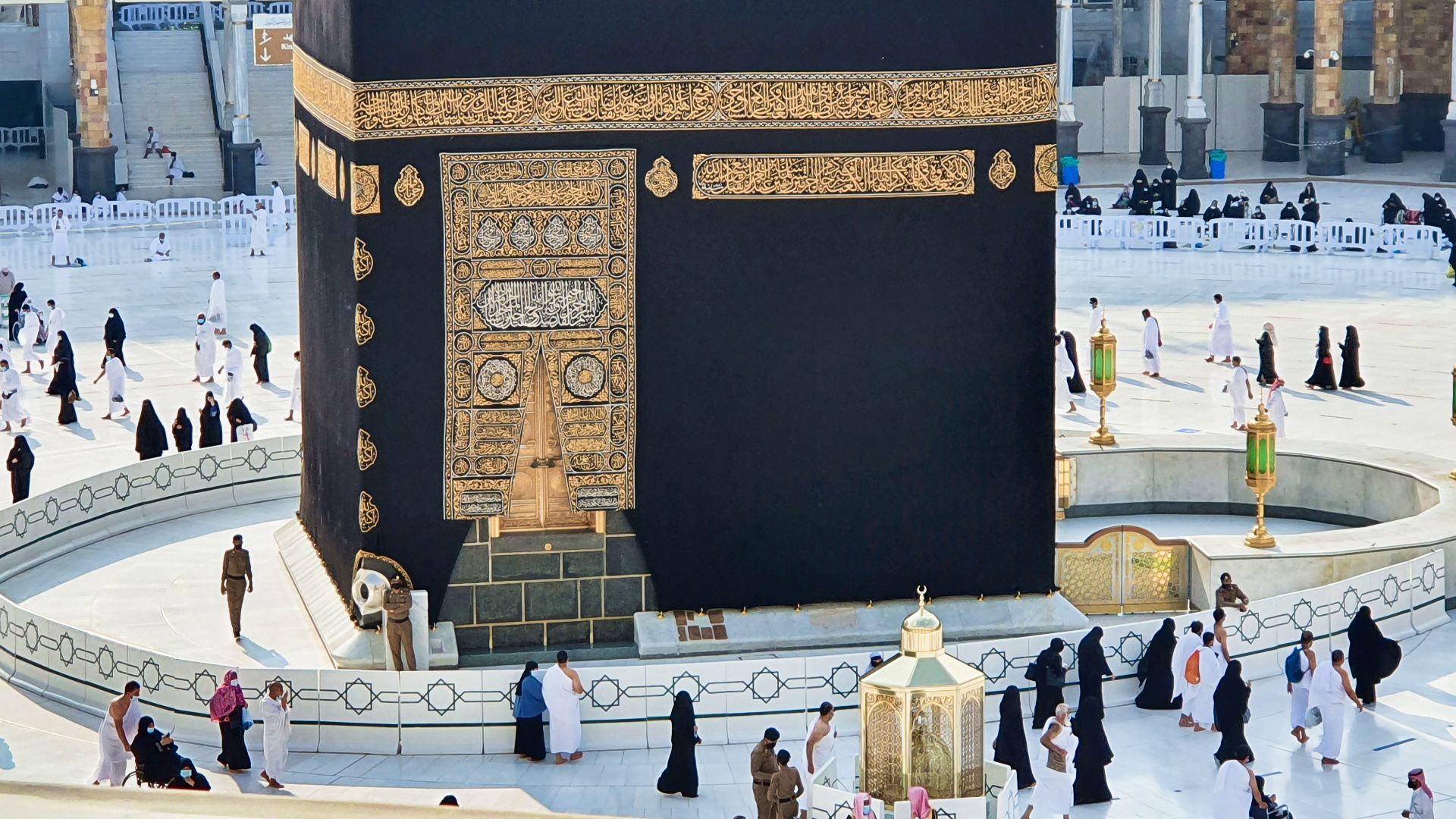
Mecca, Saudi Arabia
Only Muslims can set foot in Mecca. Saudi law enforces it strictly to guard Islam’s holiest city. Each year, millions arrive for Hajj to circle the Kaaba, while everyone else can only imagine the energy inside its sacred heart.
 Richard Mortel, Wikimedia Commons
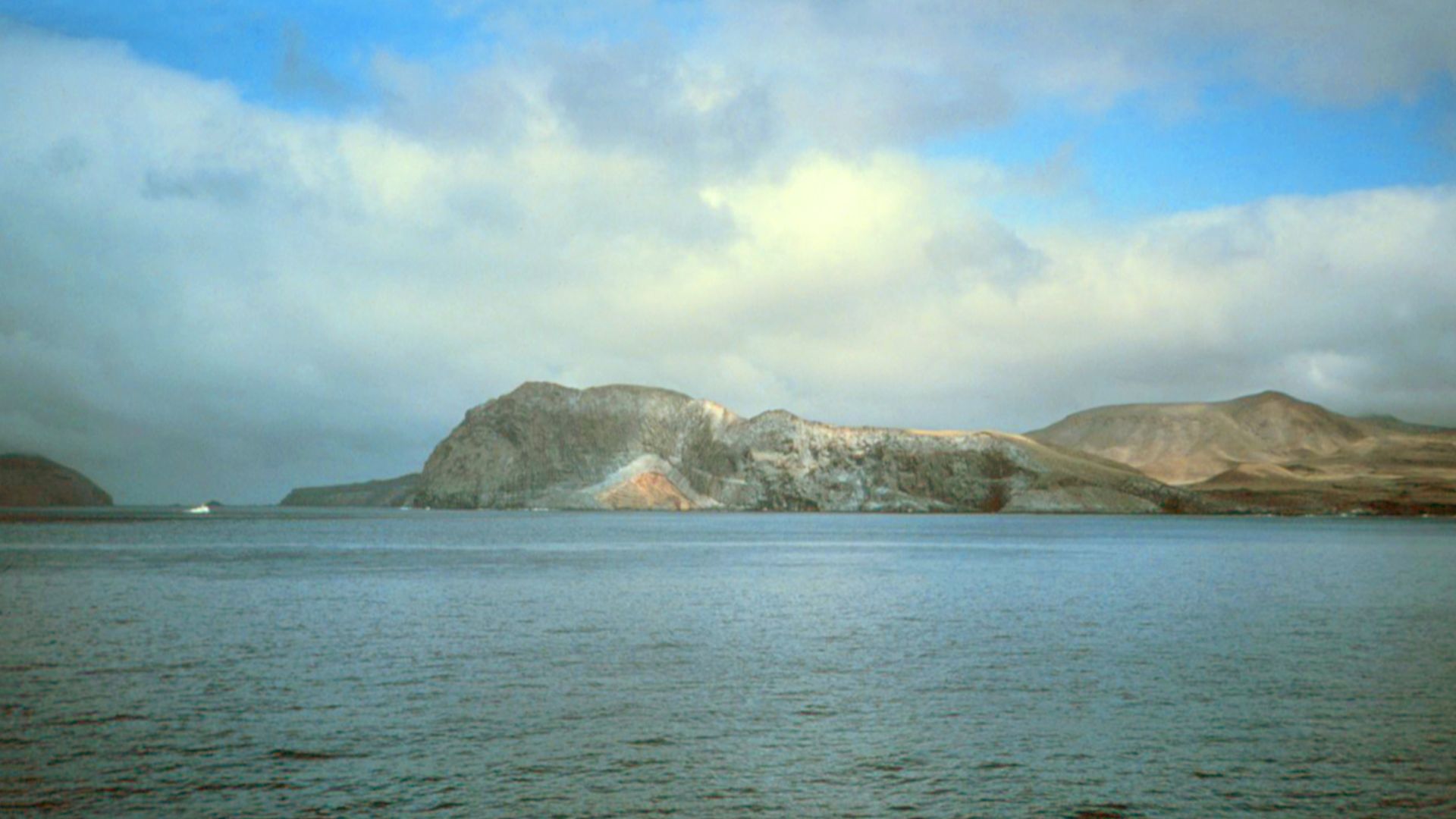
Guadalupe Island, Mexico
Guadalupe Island isn’t for casual travelers. It’s a protected biosphere reserve, home to fur seals and great white sharks. The Mexican government only lets scientists and a few eco-tours in to keep this wild, remote island exactly as nature intended.
 Captain Albert E. Theberge, NOAA Corps (ret.), Wikimedia Commons
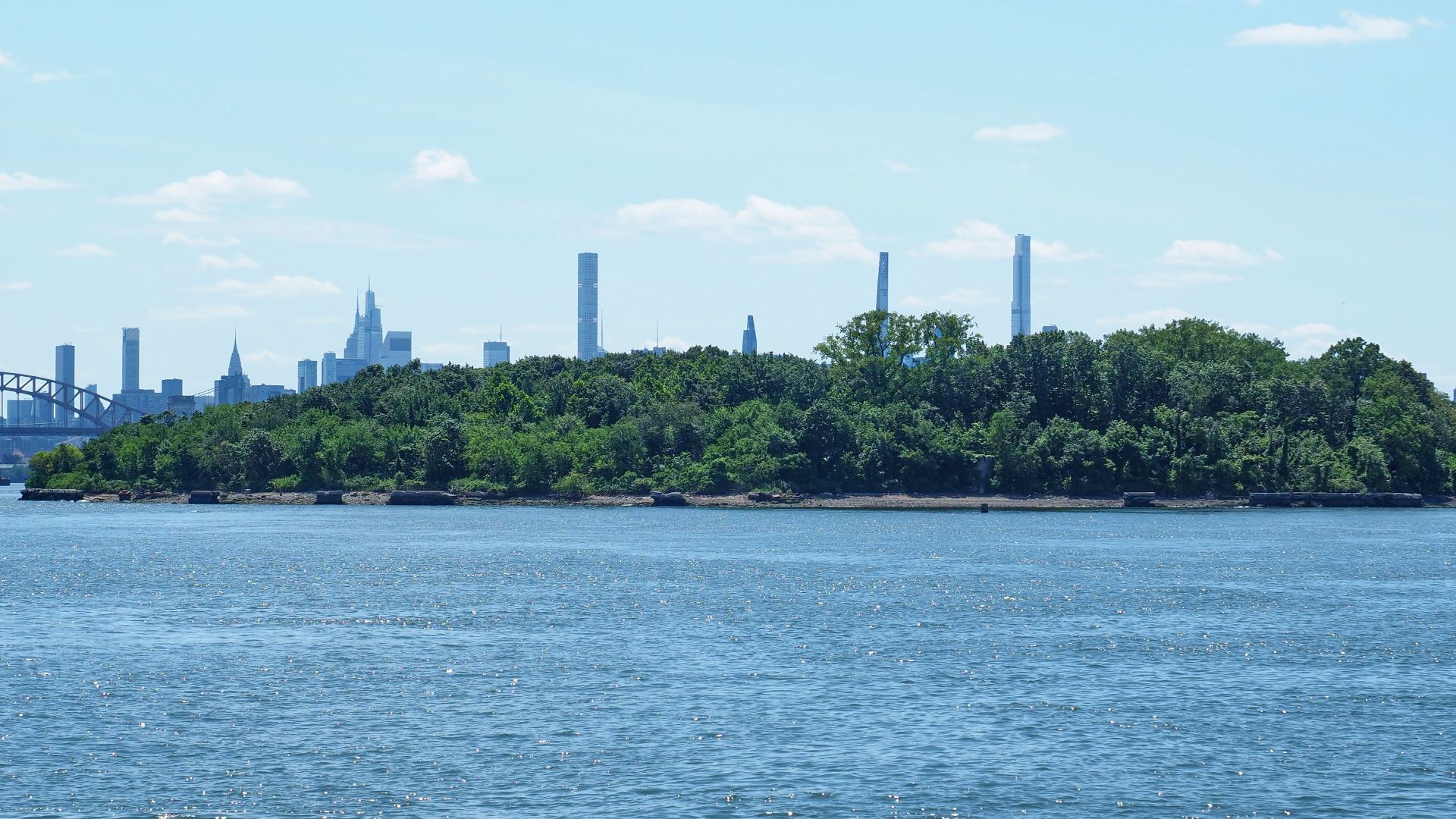
North Brother Island, NYC
Right in the middle of New York’s East River sits an island you’ll never visit. North Brother is closed off as a bird sanctuary, long after serving as a quarantine site. Also, Typhoid Mary spent her final years here, far from the city’s chaos.
Area 51, USA
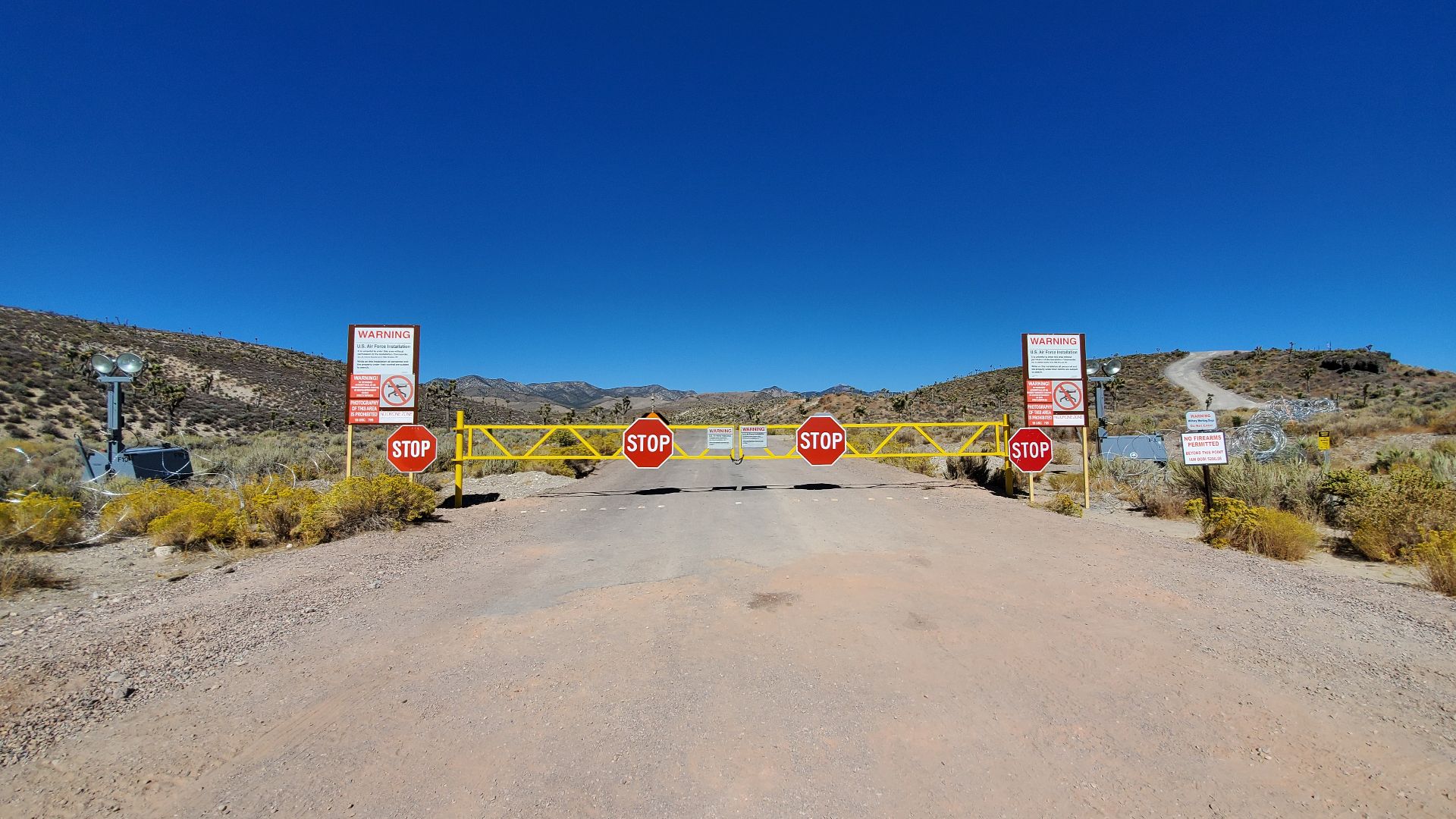
Forget trying to sneak a peek at Area 51—no one gets close. Hidden in Nevada’s desert, it’s surrounded by sensors, fences, and mystery. The CIA didn’t even admit it existed until 2013, long after the alien rumors took over.
 David James Henry, Wikimedia Commons
Cuba
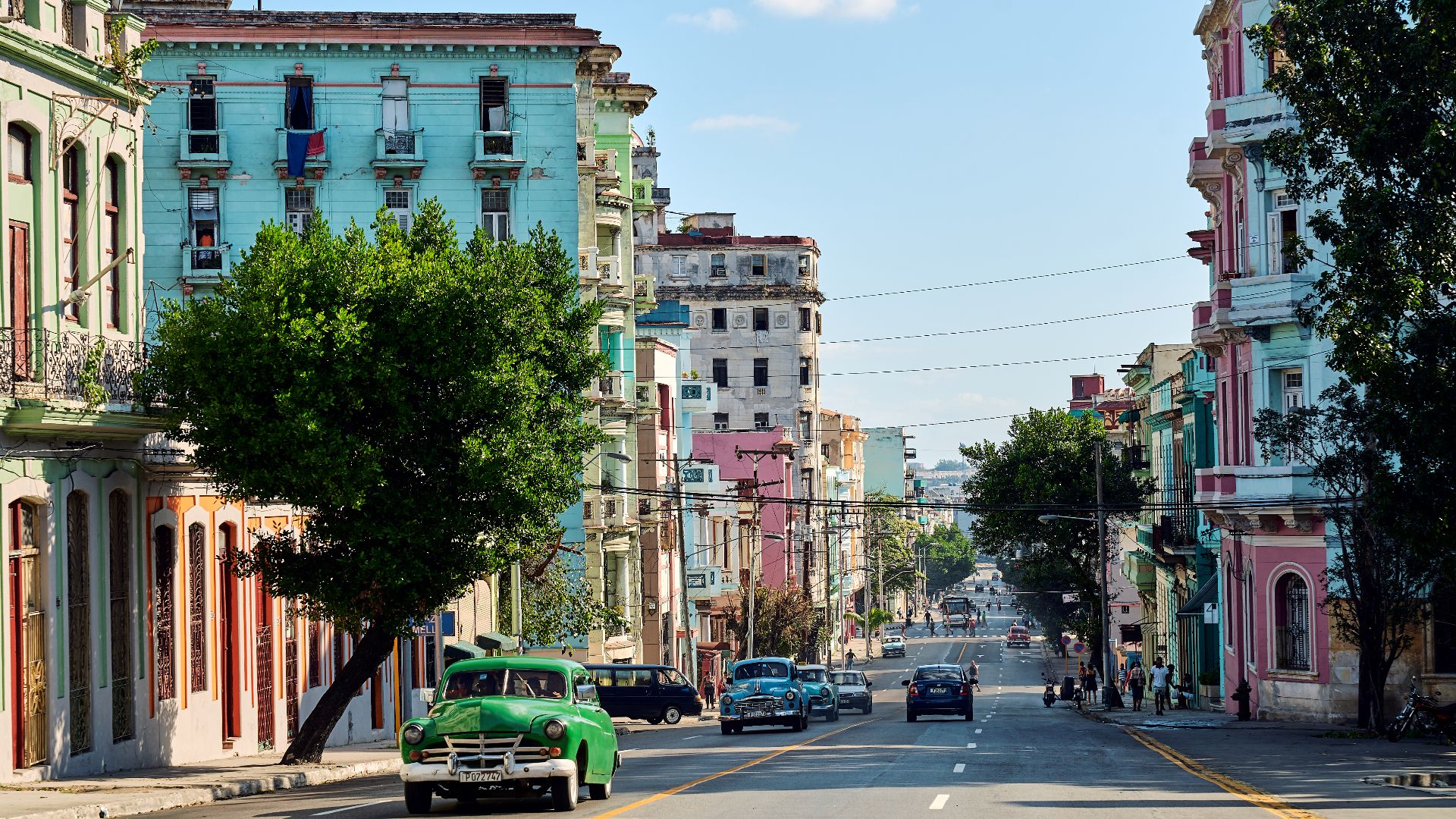
Cuba’s doors are open—just not for every passport. Americans still face travel limits, allowed only for specific visits like education or culture. Everyone else can explore its classic cars and colorful streets from a distance.
 Pedro Szekely from Los Angeles, USA, Wikimedia Commons
North Sentinel Island, India
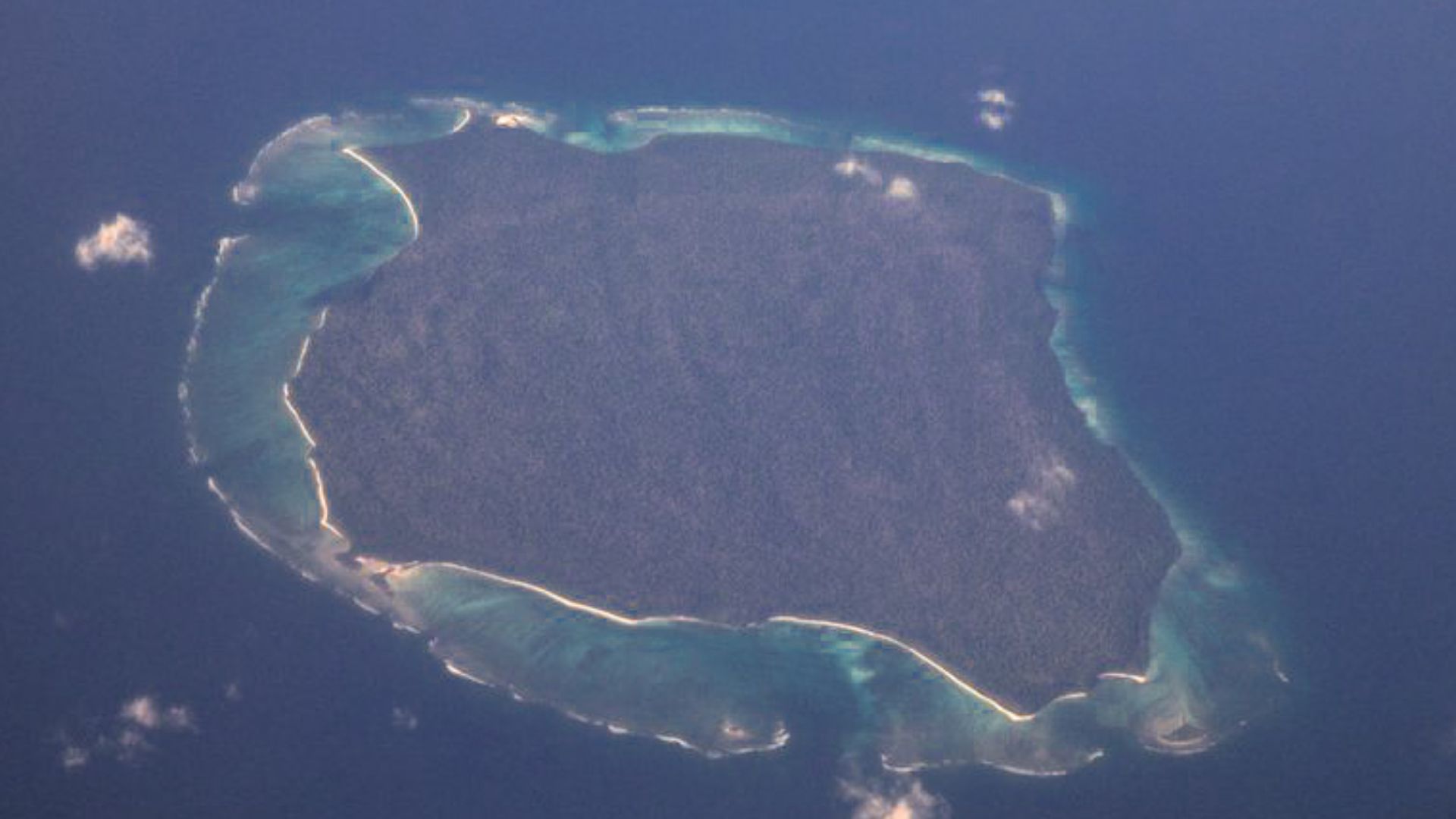
Some places don’t want visitors, and North Sentinel Island tops that list. The Sentinelese tribe keeps to themselves, fiercely protecting their home. Indian law even backs their isolation to help preserve one of the last truly untouched cultures on the planet.
Pine Gap, Australia
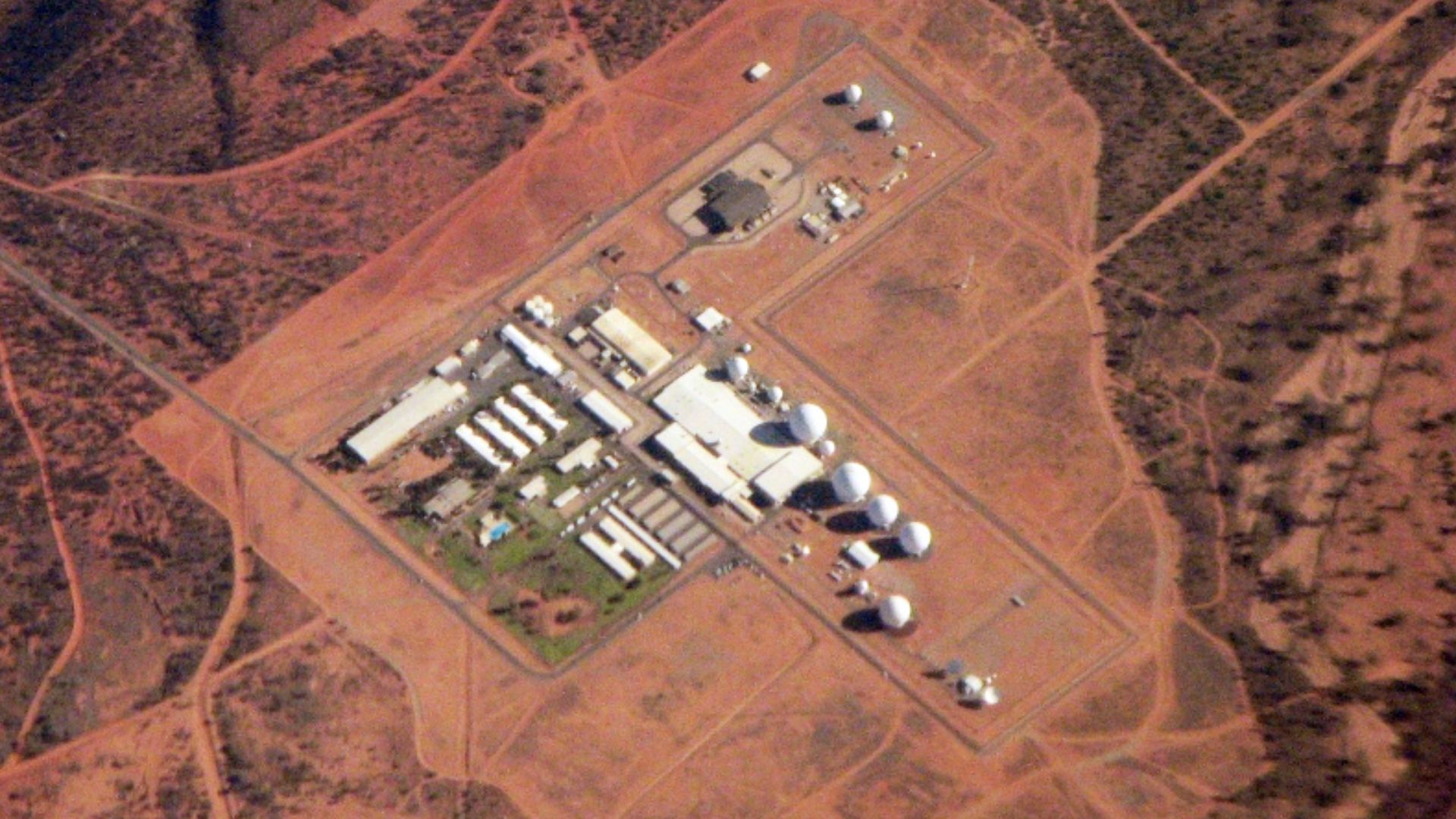
Hidden in the desert near Alice Springs, Pine Gap is a top-secret intelligence base run by the US and Australian governments. It tracks satellites and global signals, making it one of the world’s most closely guarded sites. Civilian entry is completely prohibited.
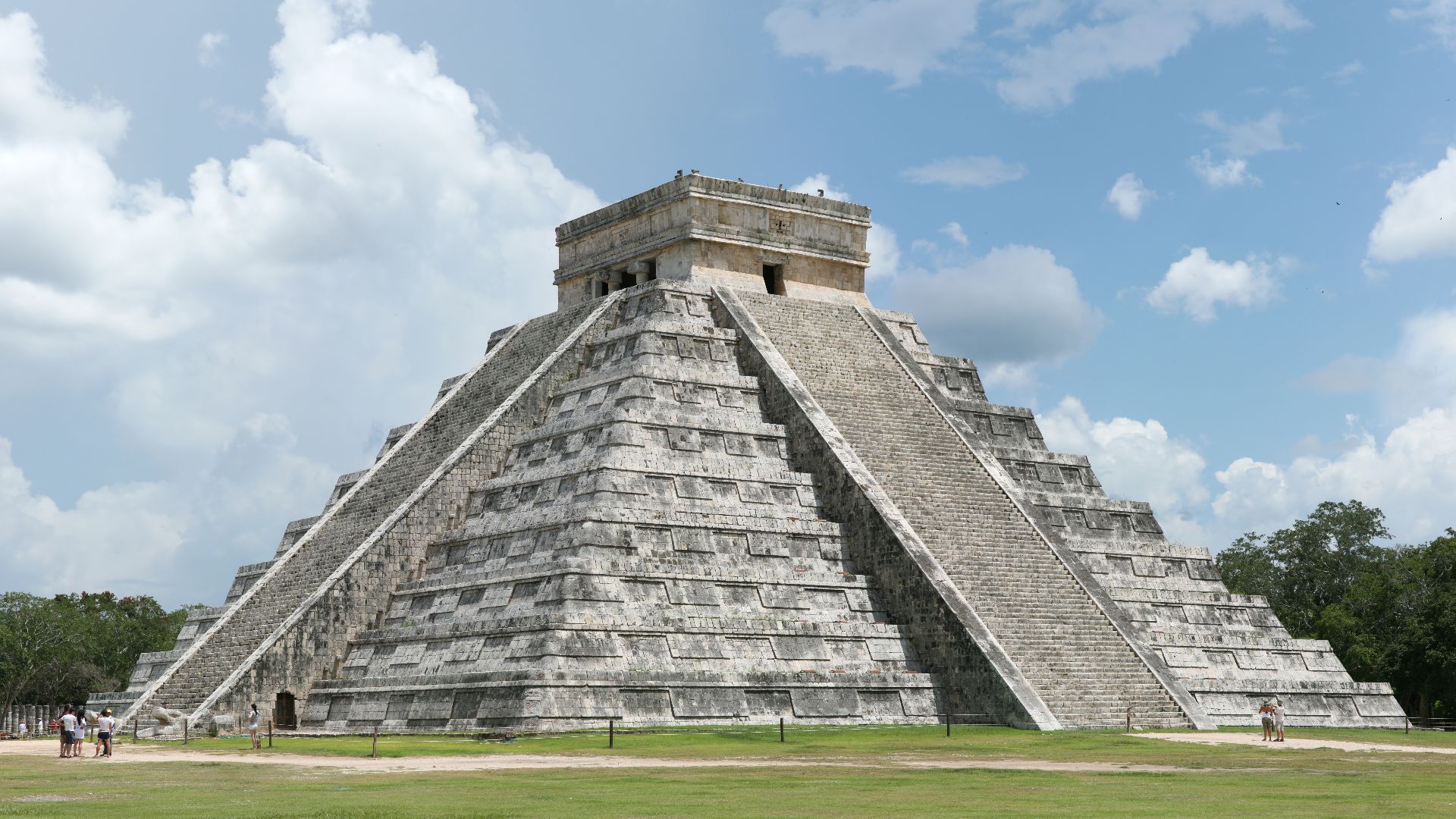
El Castillo, Chichen Itza, Mexico
Tourists once climbed El Castillo’s steep steps, but those days are over. Mexican law now protects the pyramid from damage by keeping visitors at ground level. The ancient structure stands untouched, a monument to preservation that still commands awe from every angle.
 Daniel Schwen, Wikimedia Commons
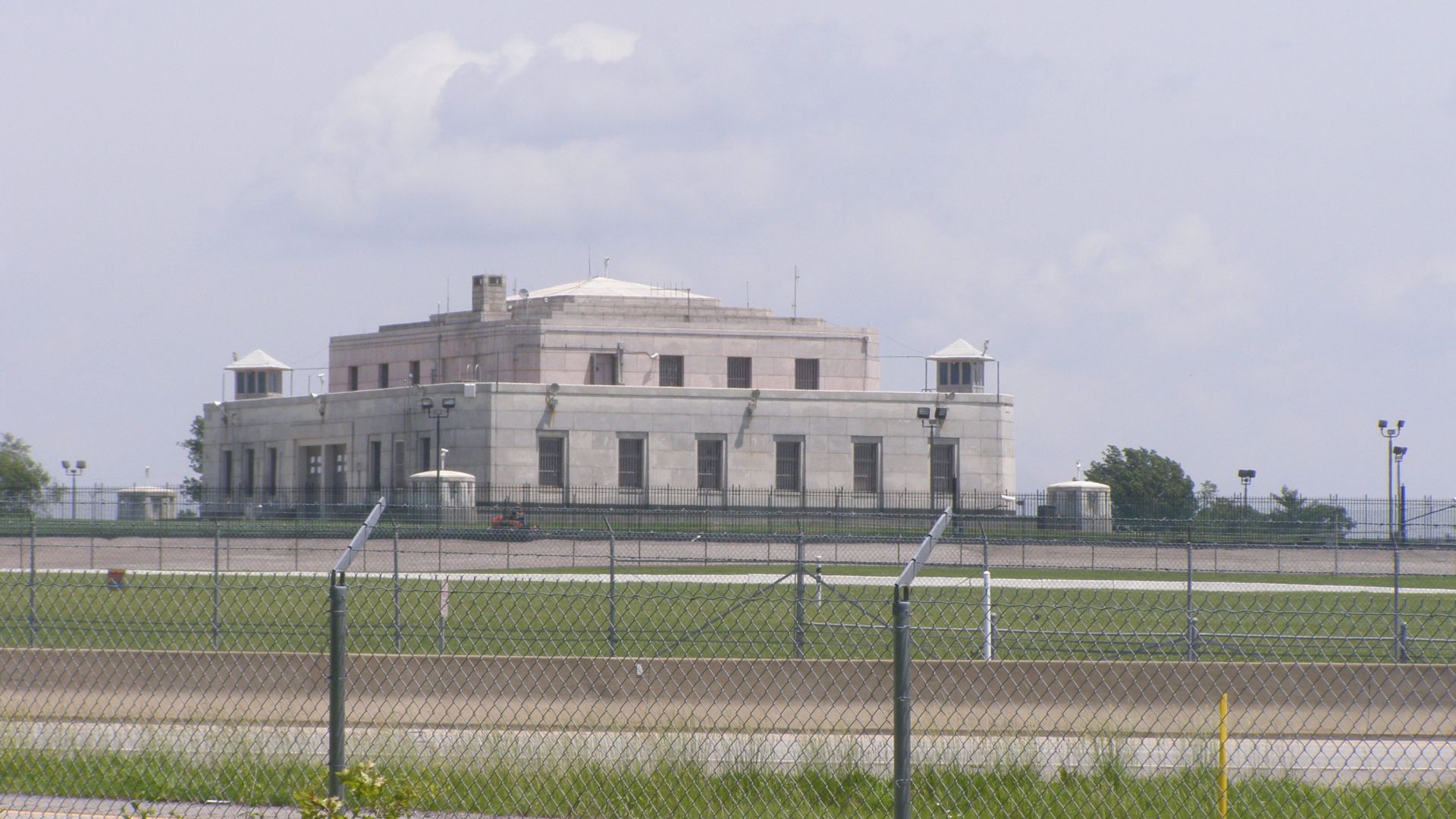
US Bullion Depository, Kentucky
Fort Knox holds America’s gold behind reinforced walls and tight security. Built in 1936, it’s one of the world’s most secure facilities, visited by only a few officials. Its reputation for safety became so legendary that “as safe as Fort Knox” became a saying.
 Chris Light, Wikimedia Commons
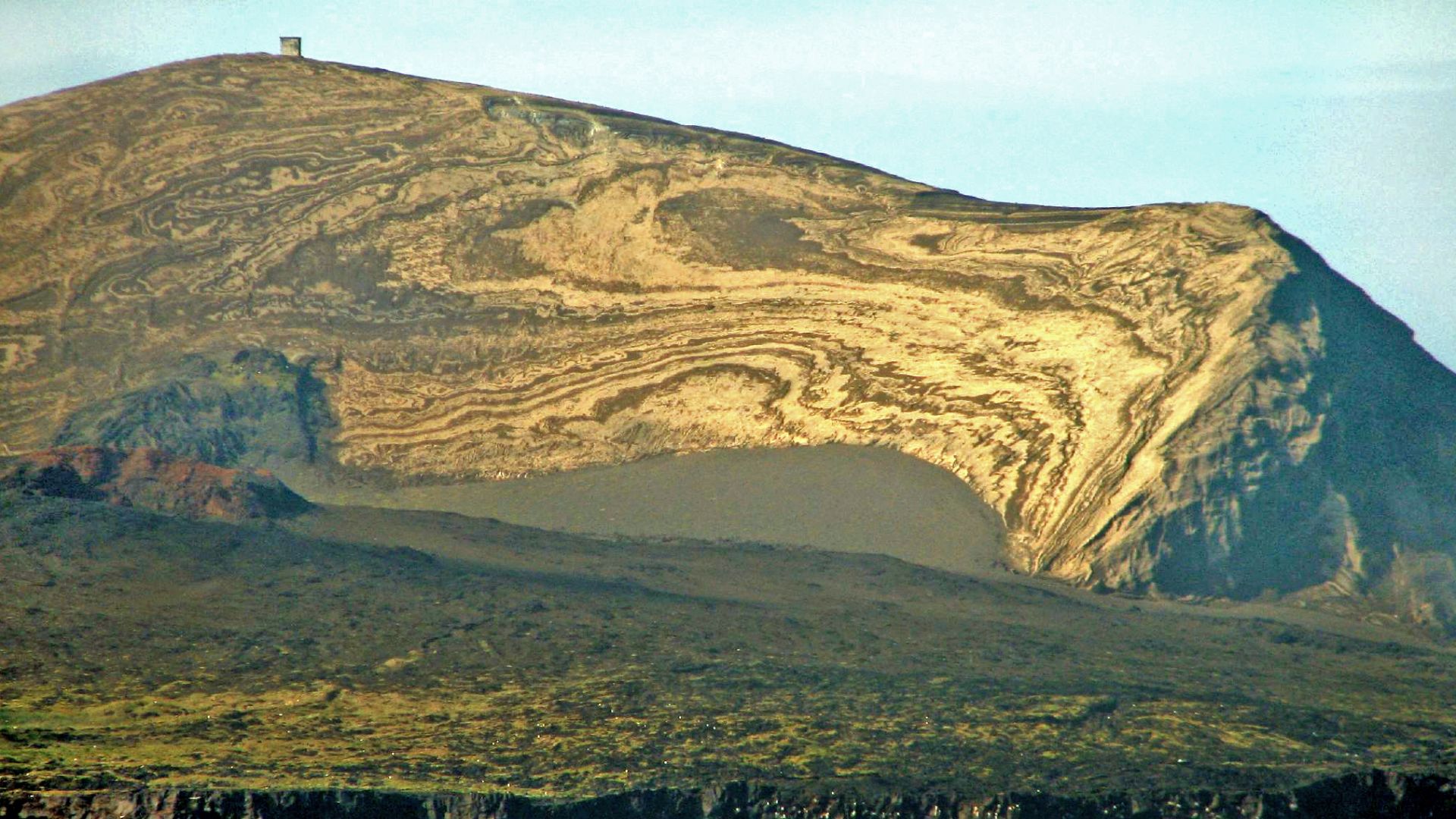
Surtsey, Iceland
Born in fire in 1963, Surtsey remains off-limits to almost everyone. Only scientists with special permits can land there to study how life forms on the new land. It’s one of the few places on Earth where nature’s story began before human footprints.
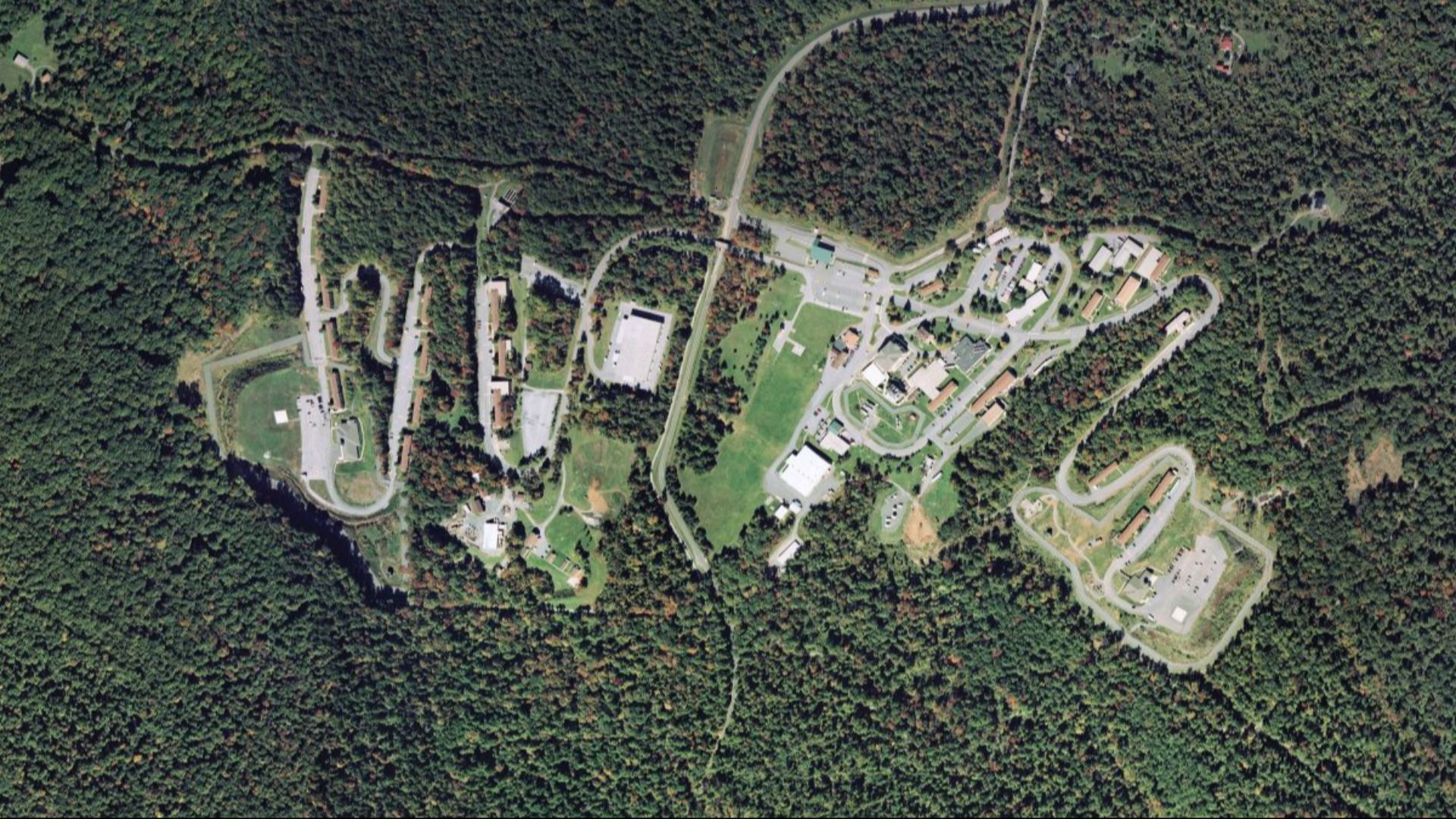
Mount Weather, USA
In Virginia’s mountains lies Mount Weather, a restricted FEMA facility built for national emergencies. It’s meant to shelter government leaders if disaster strikes. Though ordinary people can’t get near it, its existence often inspires stories about hidden plans beneath the surface.
 Unknown authorUnknown author, Wikimedia Commons
Niʻihau, Hawaii
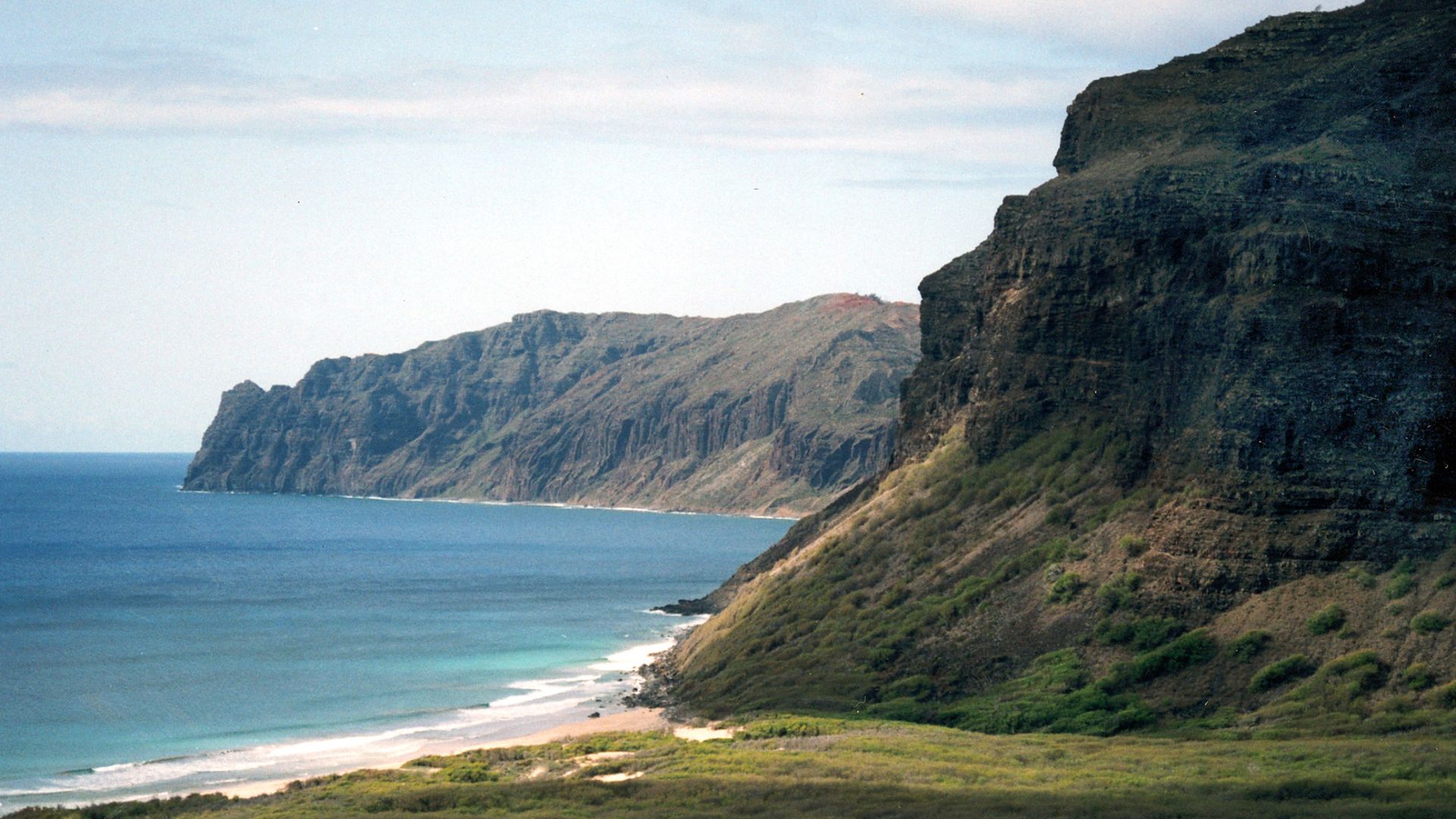
Hawaii’s “Forbidden Isle” truly lives up to its name. Niʻihau is privately owned and closed to outsiders unless personally invited. There are no hotels, stores, or paved roads, and the small local community still lives traditionally, far from modern tourism.
 Christopher P. Becker (Polihale), Wikimedia Commons
Tomb Of Qin Shi Huang, China
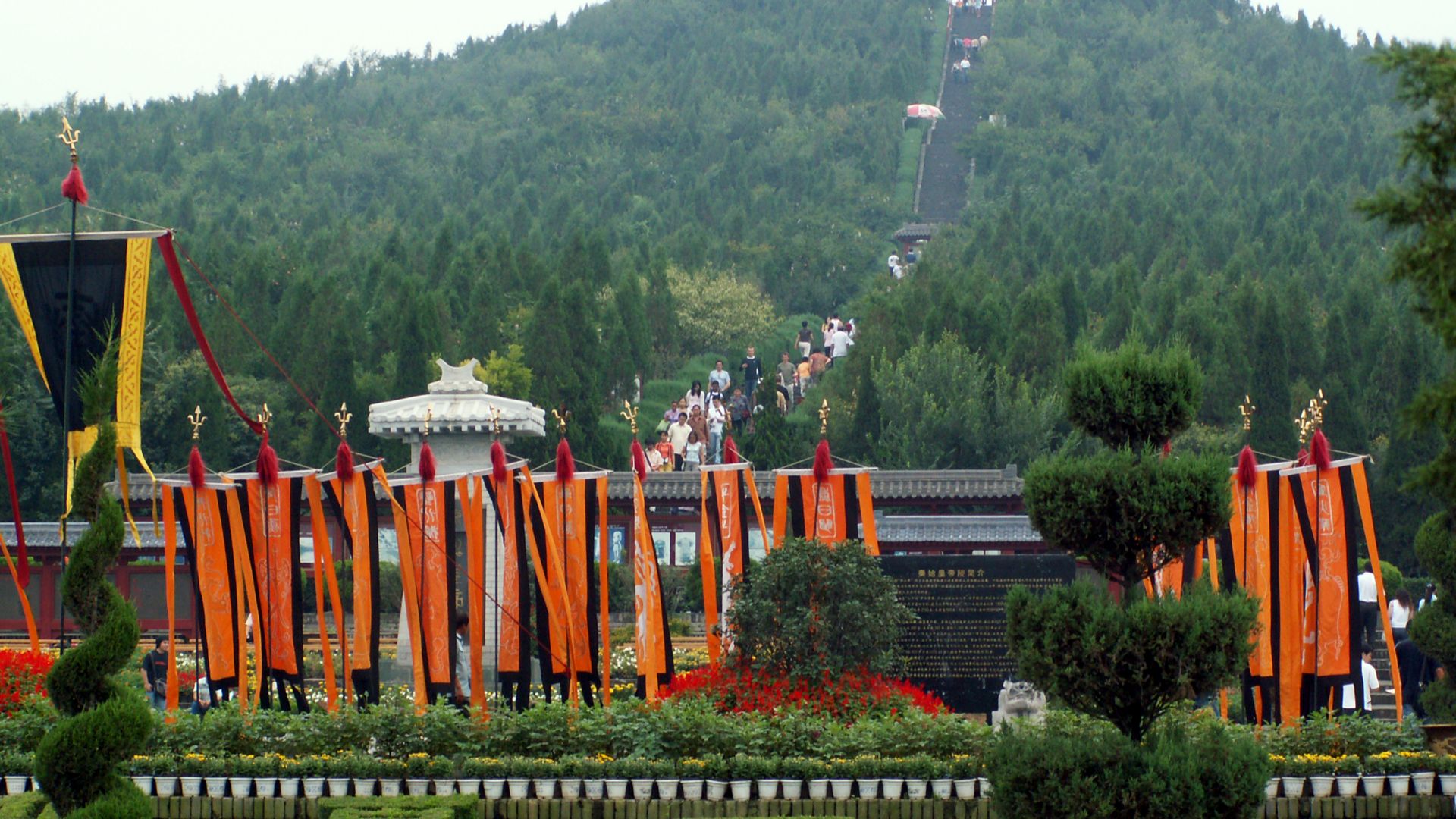
Archaeologists know better than to open this one. The tomb of China’s first emperor, Qin Shi Huang, remains by government order to prevent damage. Located near the Terracotta Army, it’s rumored to contain mercury rivers and deadly traps still waiting inside.
The Vatican Secret Archives, Vatican City
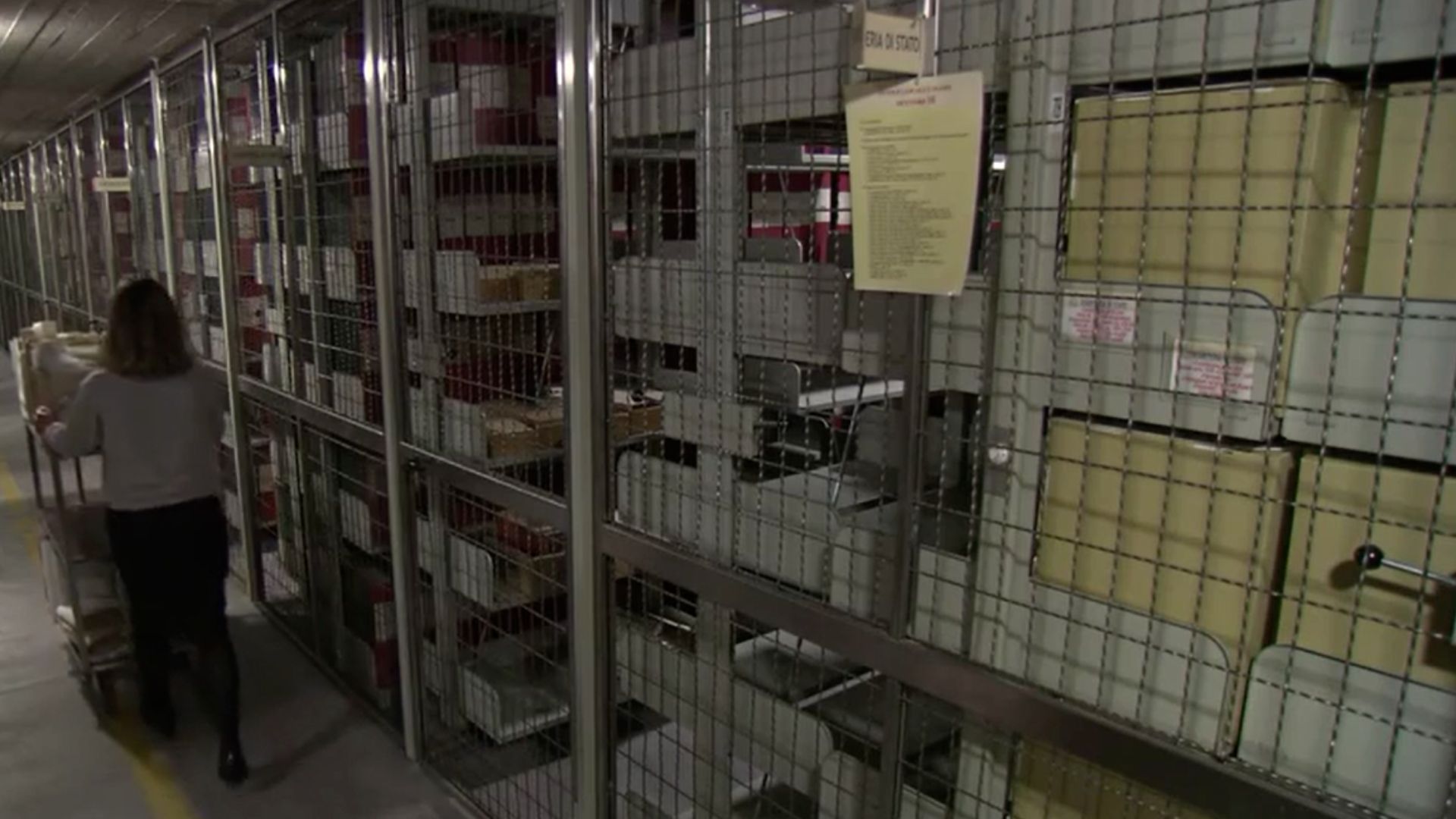
You can’t wander into the Vatican’s famous archives without serious credentials. Only approved scholars get access to its 53 miles of documents, including centuries of papal letters. In 2019, the Church even renamed it the Apostolic Archive to sound less mysterious.
The Lascaux Caves, France
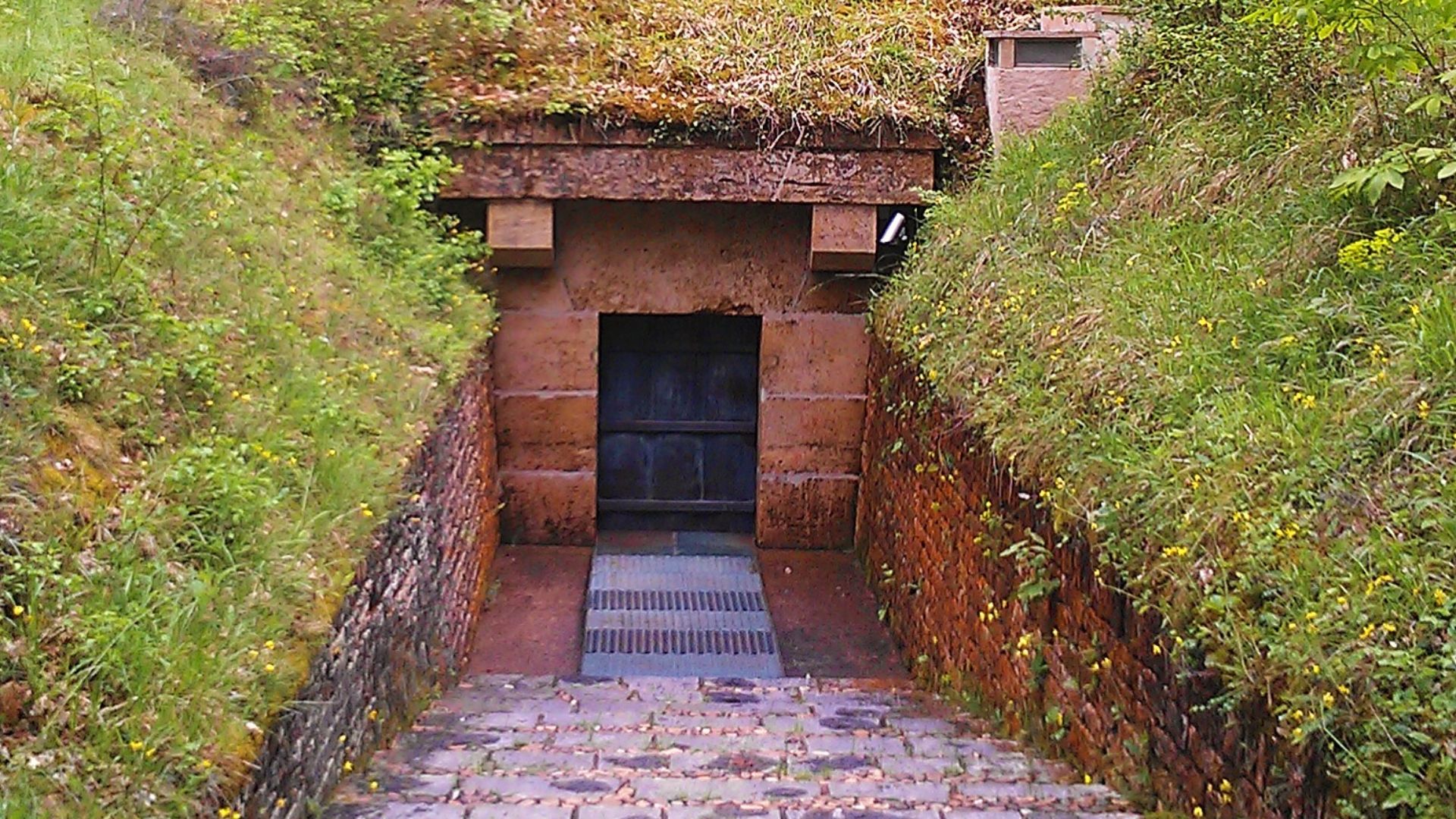
The original Lascaux Caves are permanently closed, sealed to protect ancient art painted over 17,000 years ago. Four teenagers discovered the site in 1940, but today visitors explore a full-scale replica nearby. It’s the safest way to see humanity’s first masterpieces.
 Ethan Doyle White, Wikimedia Commons
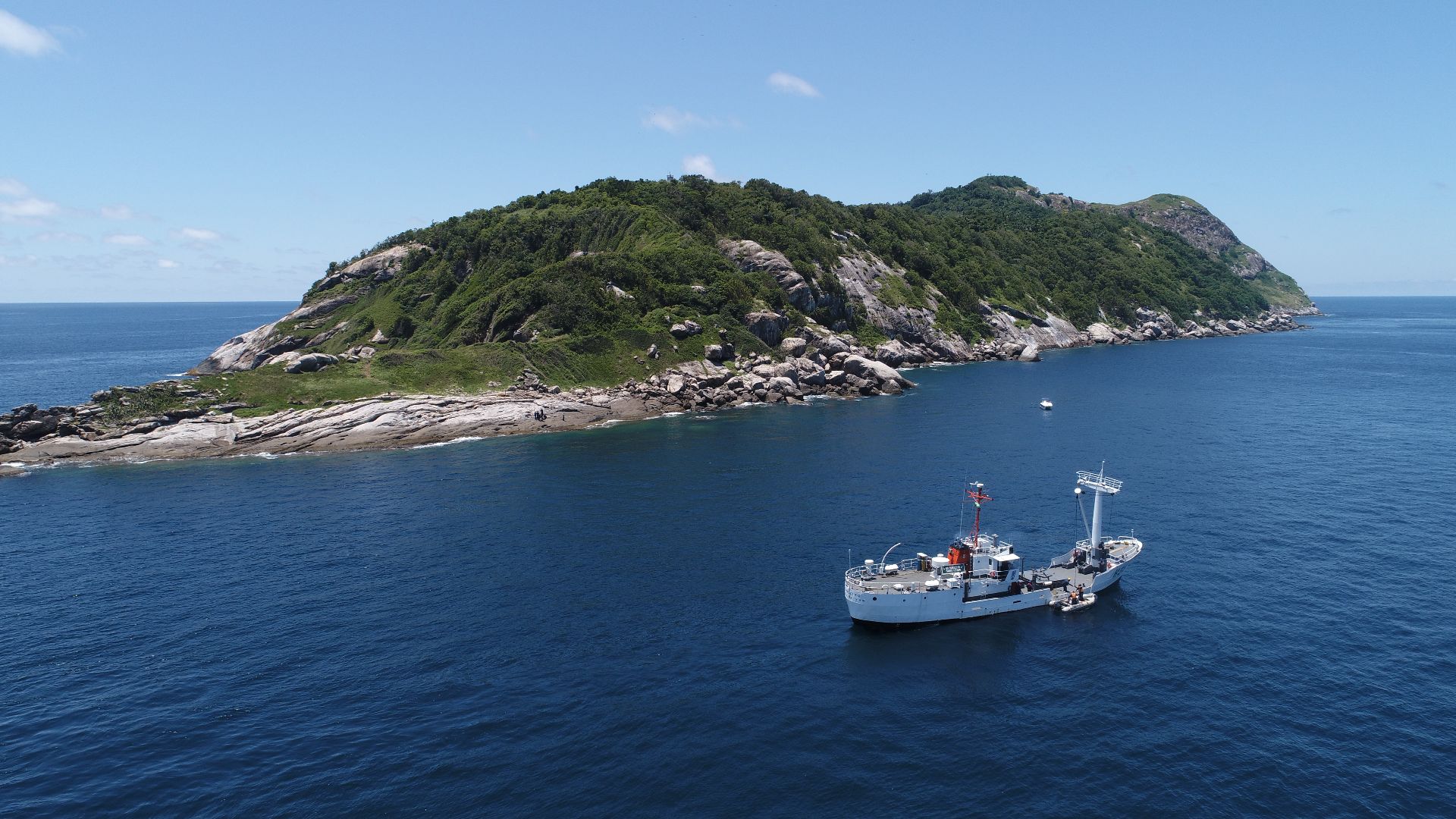
Snake Island, Brazil
Brazil doesn’t take chances with Snake Island. The small stretch of land is home to thousands of golden lancehead vipers, among the world’s deadliest snakes. Only researchers with permits are allowed in, while everyone else stays far from its shores.
 Marinha do Brasil, Wikimedia Commons
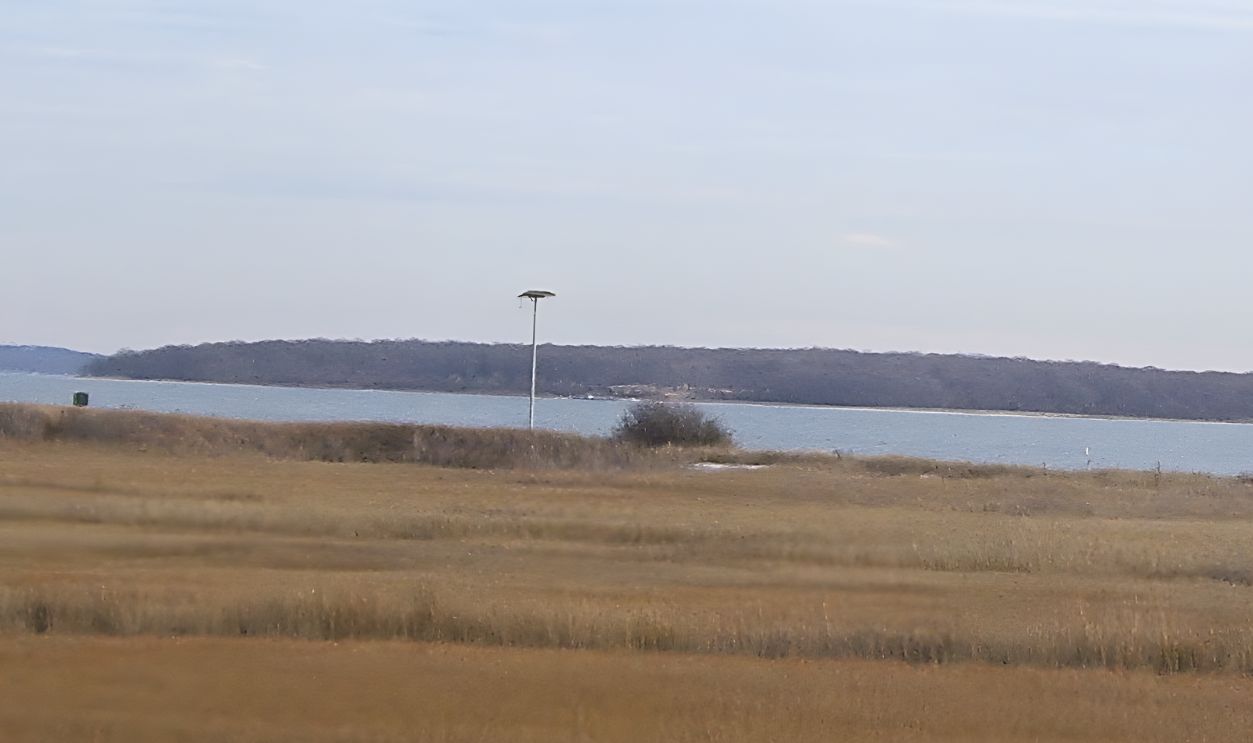
Robins Island, New York
Hidden between Long Island’s forks, Robins Island is privately owned by billionaire Louis Bacon, who keeps it closed to the public. No one can land without permission, and access depends entirely on the owner’s approval, keeping this 435-acre paradise quiet and untouched.
 Dmadeo, CC BY-SA 4.0, Wikimedia Commons
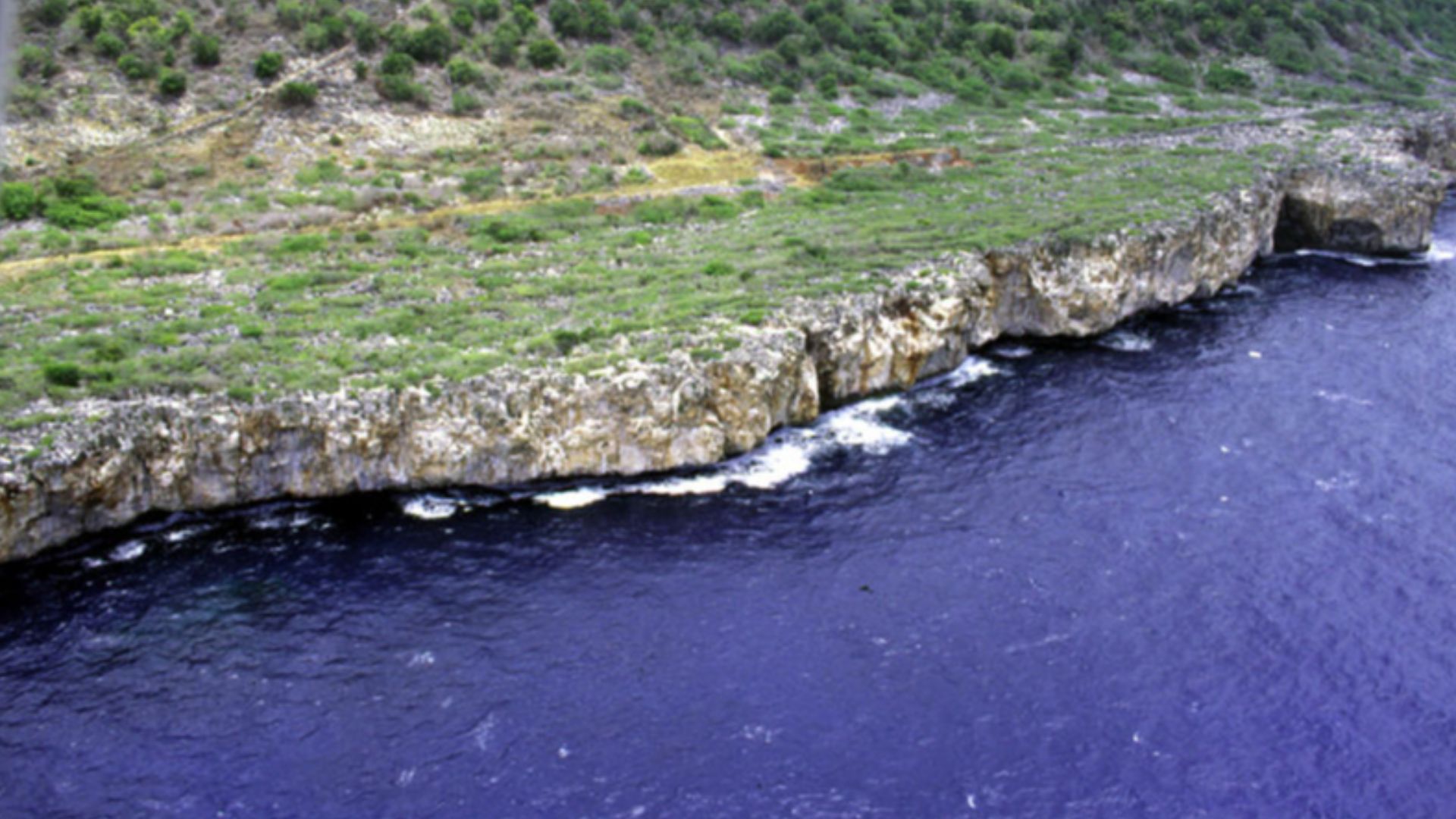
Navassa Island, Caribbean
Few people have ever set foot on Navassa Island. Managed by the US Fish and Wildlife Service, it’s a protected reserve requiring special entry permits. Both the United States and Haiti claim it, but no one lives there, and ordinary visitors aren’t allowed.
 Motthoangwehuong, Wikimedia Commons
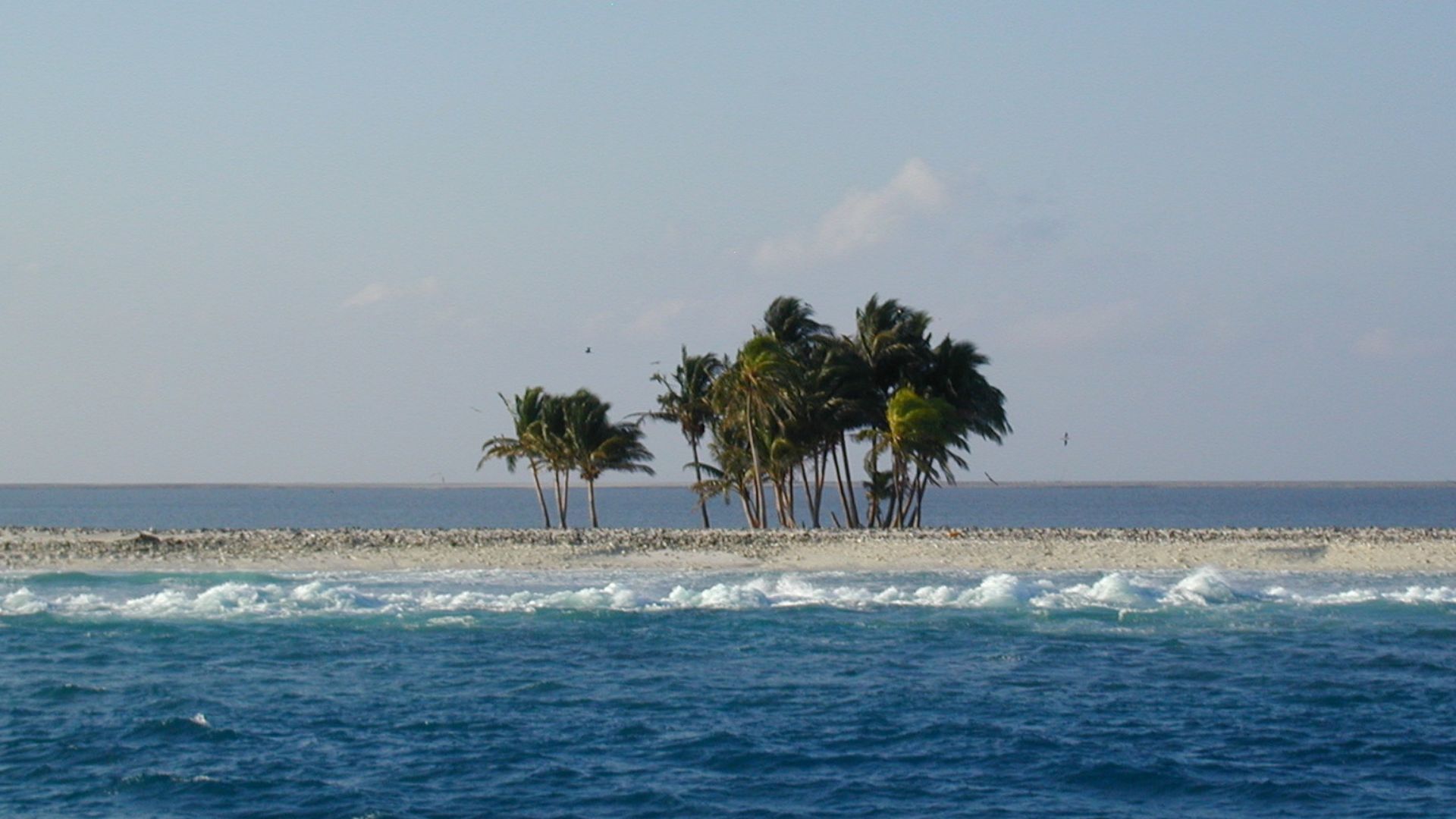
Clipperton Island, Pacific Ocean
The French keep Clipperton Island to themselves. Uninhabited and remote, it’s open only for research or official missions with government approval. Once home to a failed colony that ended in tragedy, the island now sits empty, surrounded by turquoise waters and silence.
Diego Garcia, British Indian Ocean Territory
Visitors aren’t welcome on Diego Garcia. This island serves as a joint UK–US military base and remains tightly off-limits. Only authorized personnel may enter, while trespassers risk arrest or deportation under BIOT law. It’s the only inhabited island in the entire territory.
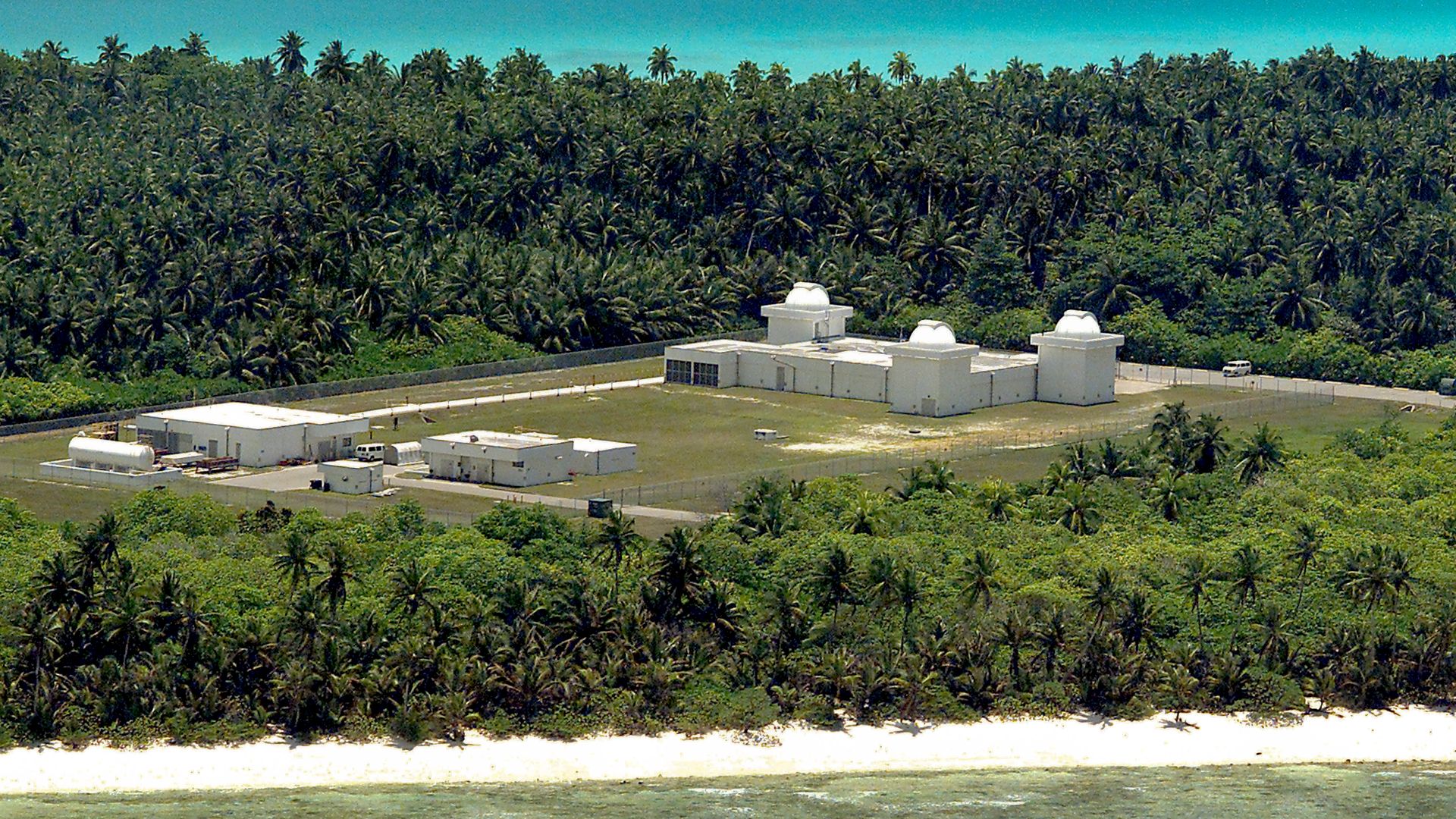 U.S. Air Force photo/Senior Master Sgt. John Rohrer, Wikimedia Commons
Chernobyl Exclusion Zone, Ukraine
Some parts of Chernobyl are still too dangerous for anyone to enter. Ukrainian law forbids access to the reactor’s core zones except for trained workers. Radiation lingers where even robots have failed, yet wildlife thrives in the absence of people.
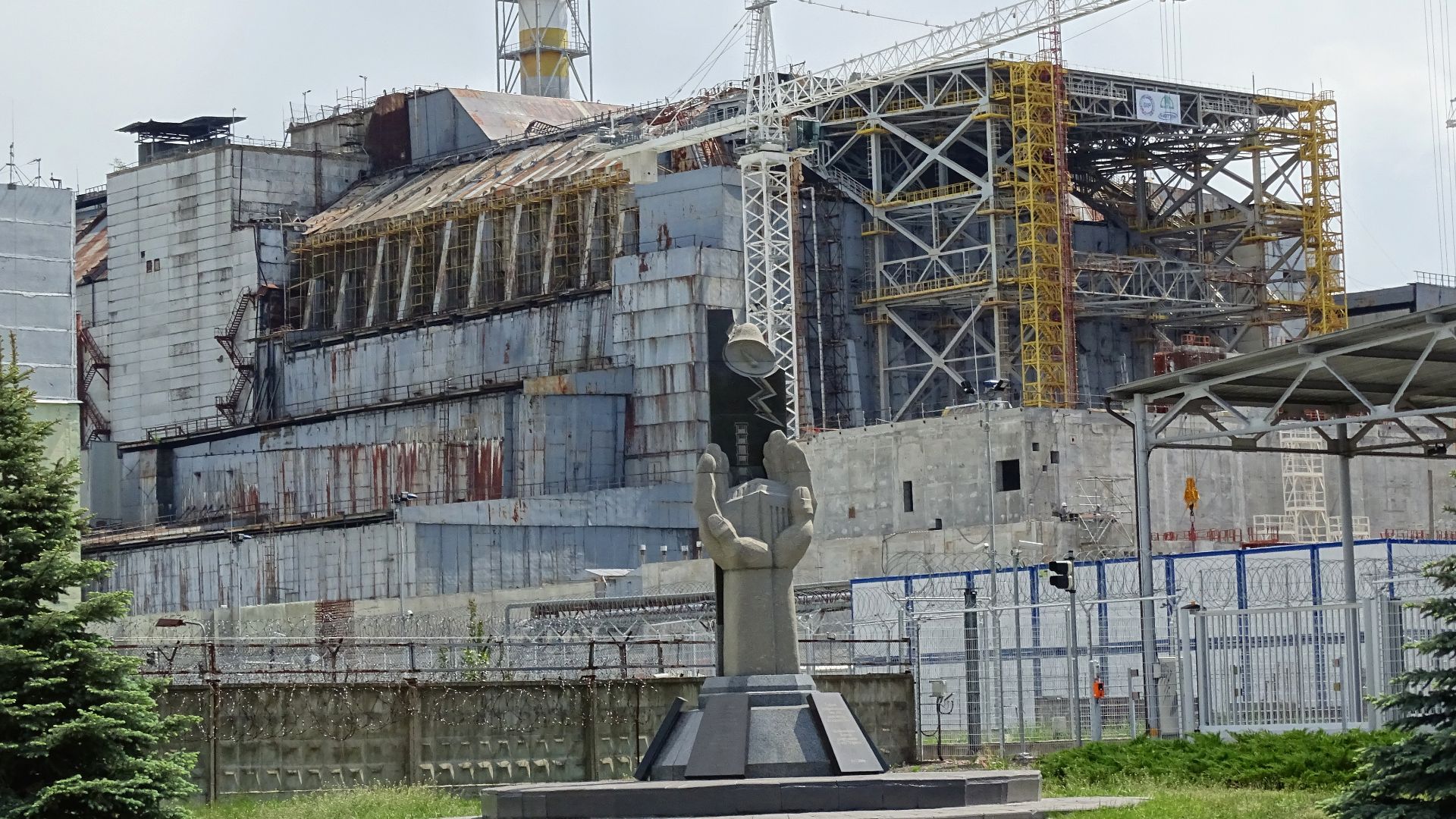 Adam Jones from Kelowna, BC, Canada, Wikimedia Commons
Novaya Zemlya, Russia
Russia doesn’t hand out passes to Novaya Zemlya’s nuclear test sites. Once the stage for the Tsar Bomba (the world’s largest bomb), they’re now closed by law. Polar bears roam among decaying bunkers, a haunting reminder of Cold War power and fallout.
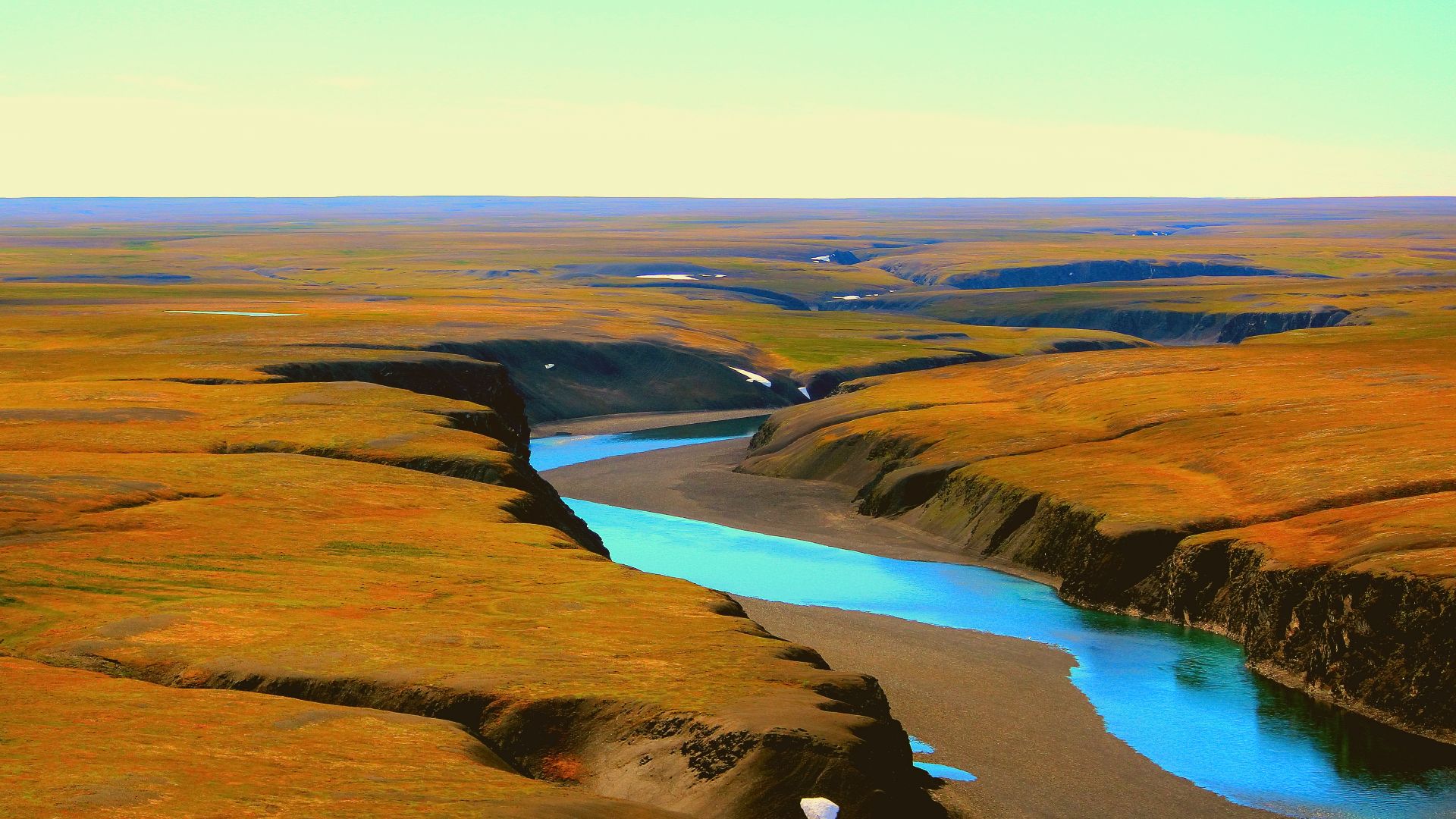
Fukushima Daiichi Exclusion Zone (Inner), Japan
The inner zone around Fukushima Daiichi remains off-limits due to high radiation. Only authorized workers in protective gear can enter, while robotic tools handle the most hazardous areas. A decade later, abandoned homes still stand untouched, frozen in the moment disaster struck.
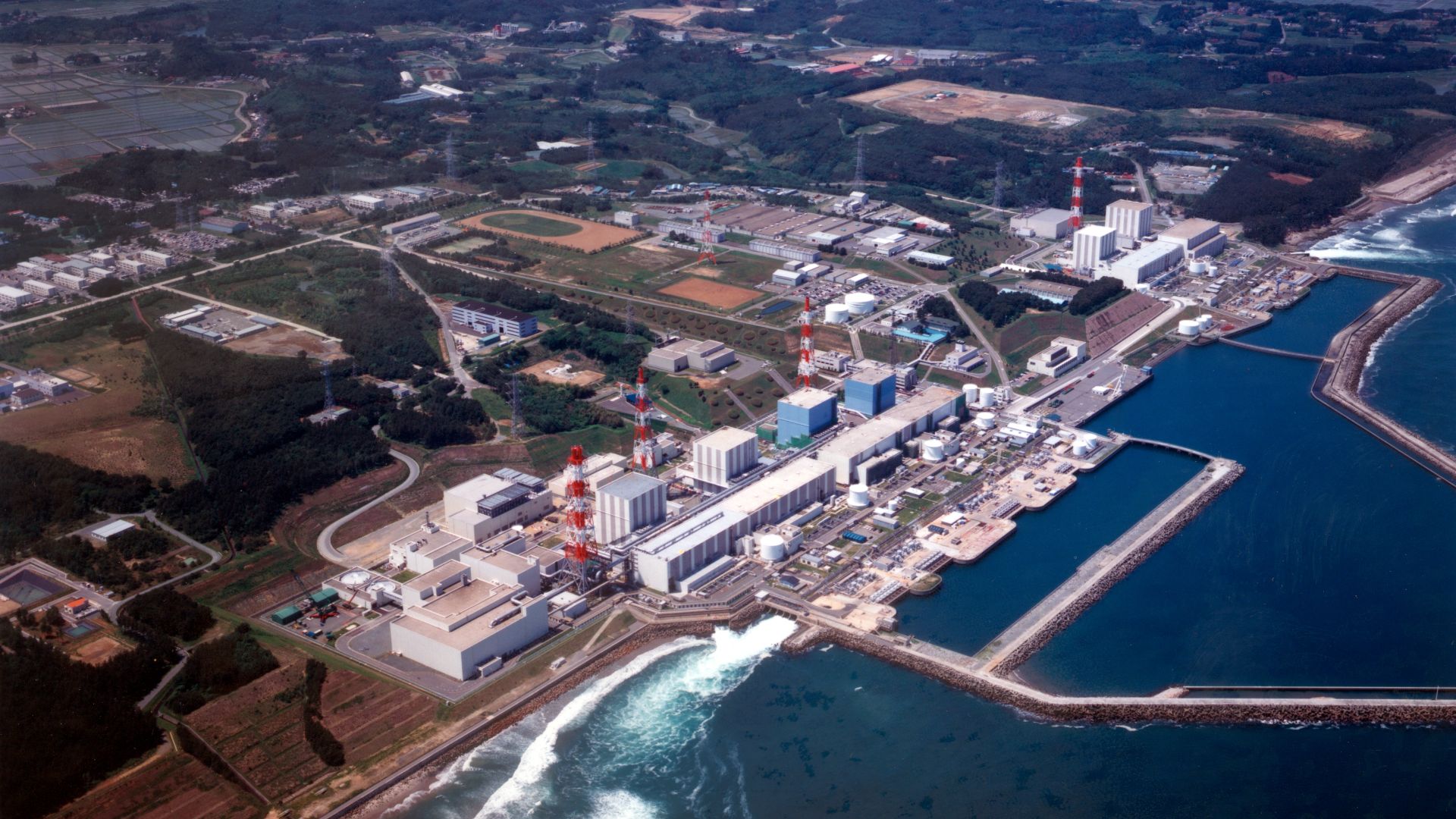 IAEA Imagebank, Wikimedia Commons
Bohemian Grove, California, USA
Behind the redwoods of Northern California lies Bohemian Grove, a private retreat for the ultra-powerful. Members of the Bohemian Club gather here for summer events filled with rituals and theater. The grounds stay under guard year-round, closed to outsiders entirely.
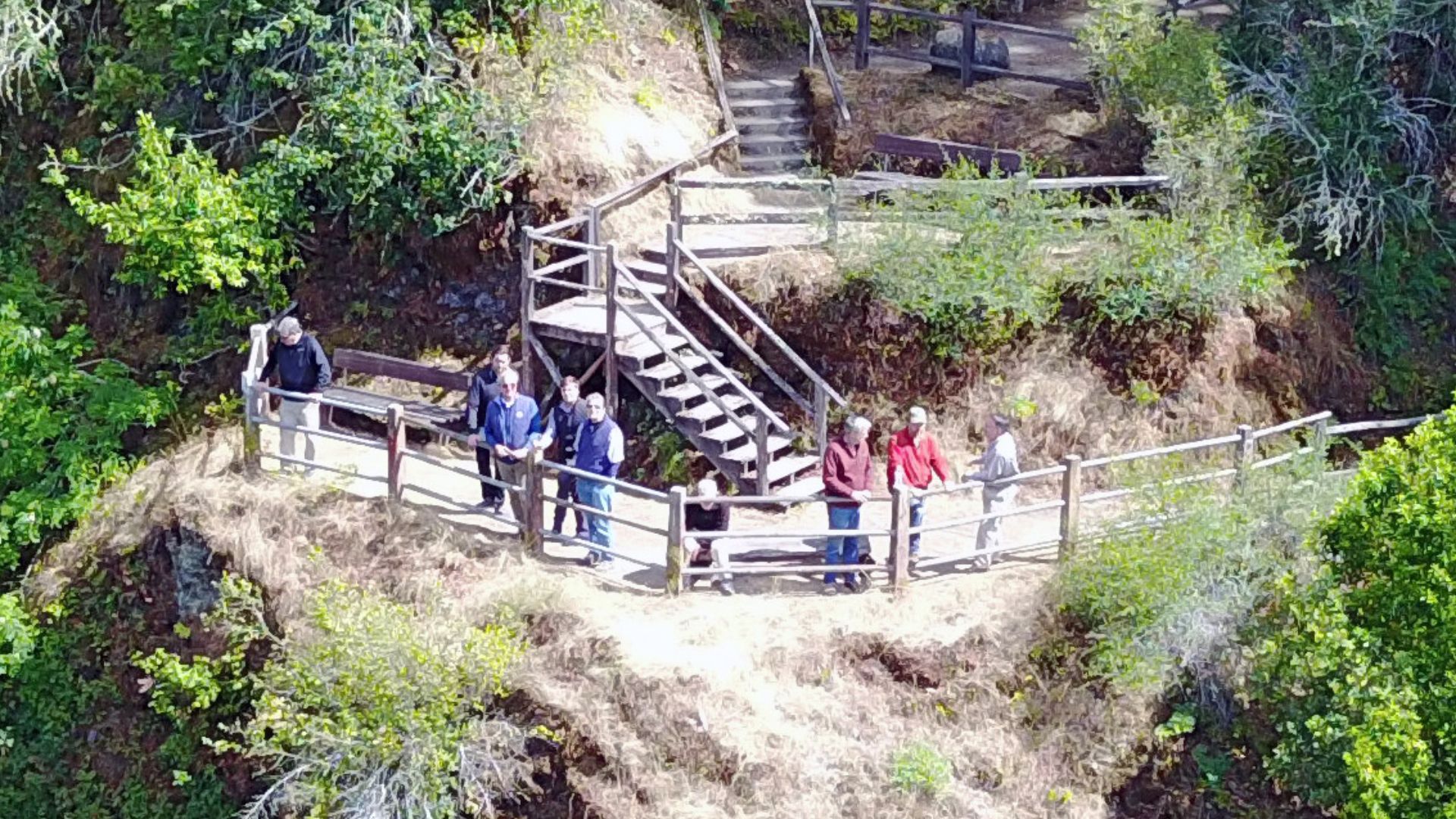
Snake River Plains (INL Site), USA
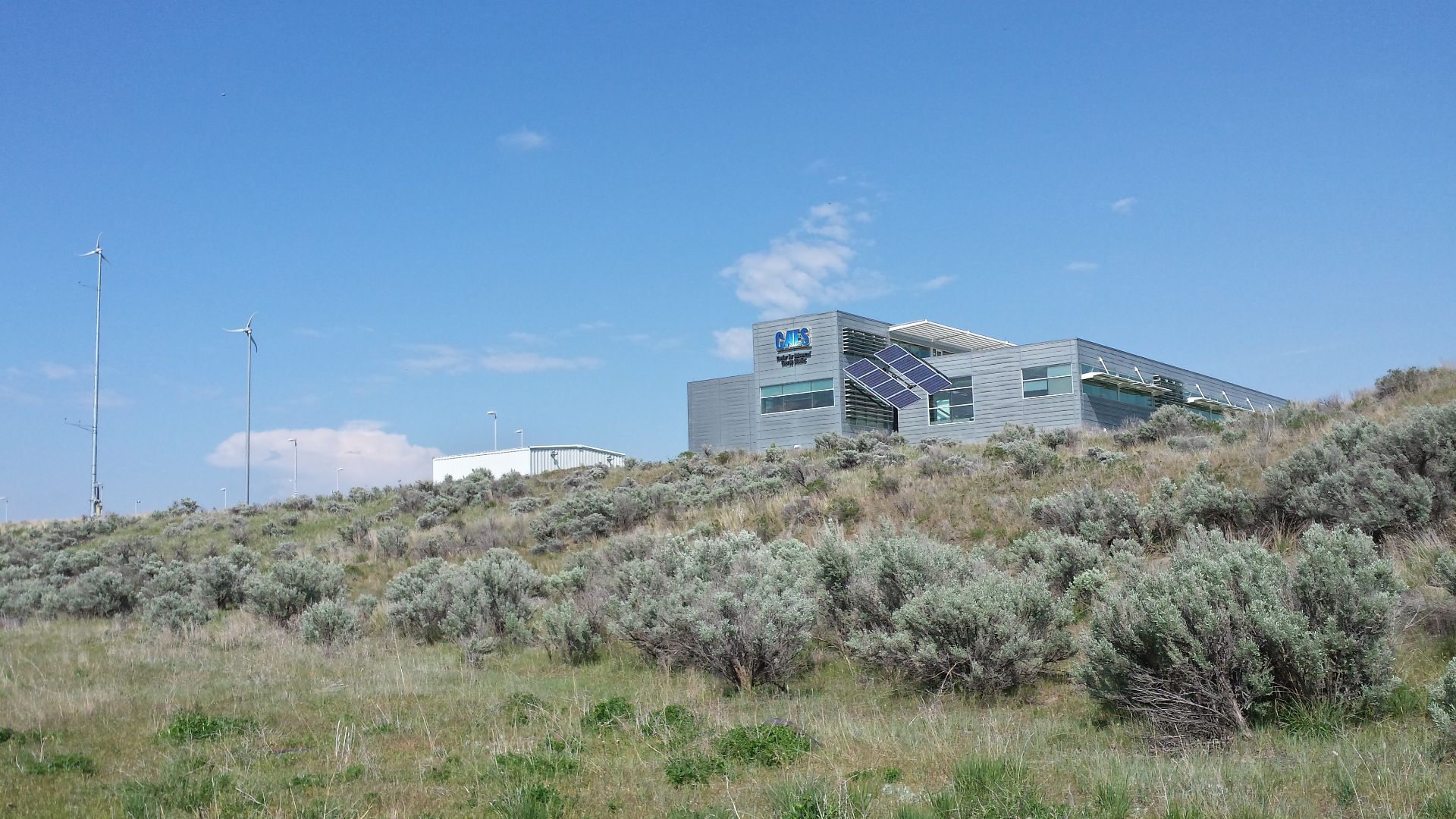
The Idaho National Laboratory on the Snake River Plains doesn’t take visitors. Armed security and federal law keep its gates locked, guarding one of America’s key nuclear research sites. It’s where the world’s first usable nuclear power was created, spanning 890 square miles.
 Whharris917, Wikimedia Commons
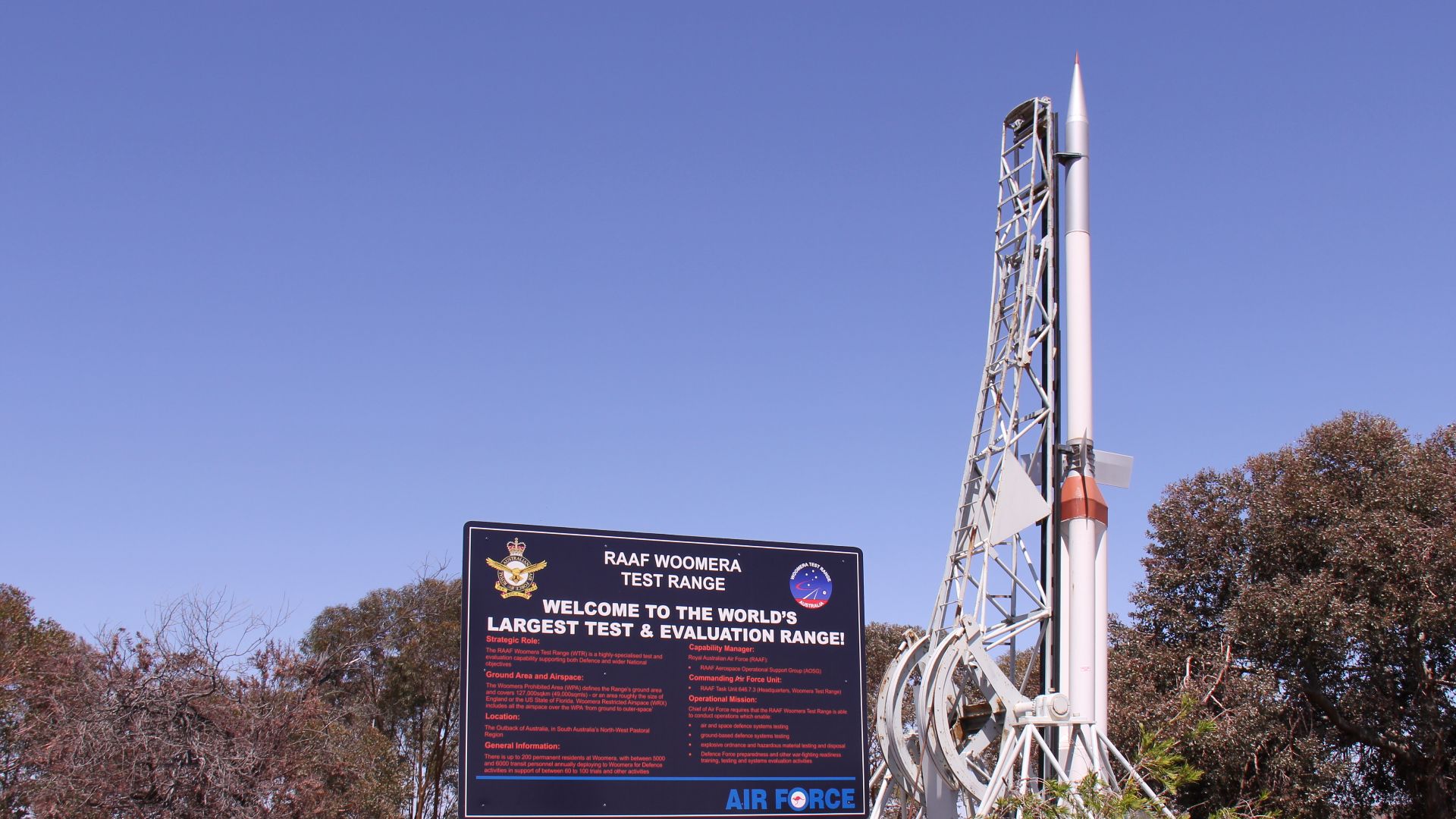
Woomera Prohibited Area, Australia
Stretching across South Australia’s desert, the Woomera Prohibited Area is larger than England. It’s used for weapons testing, and entering without permission can bring legal trouble. Once a hub for rocket launches, it’s still off-limits to everyone except those with clearance.
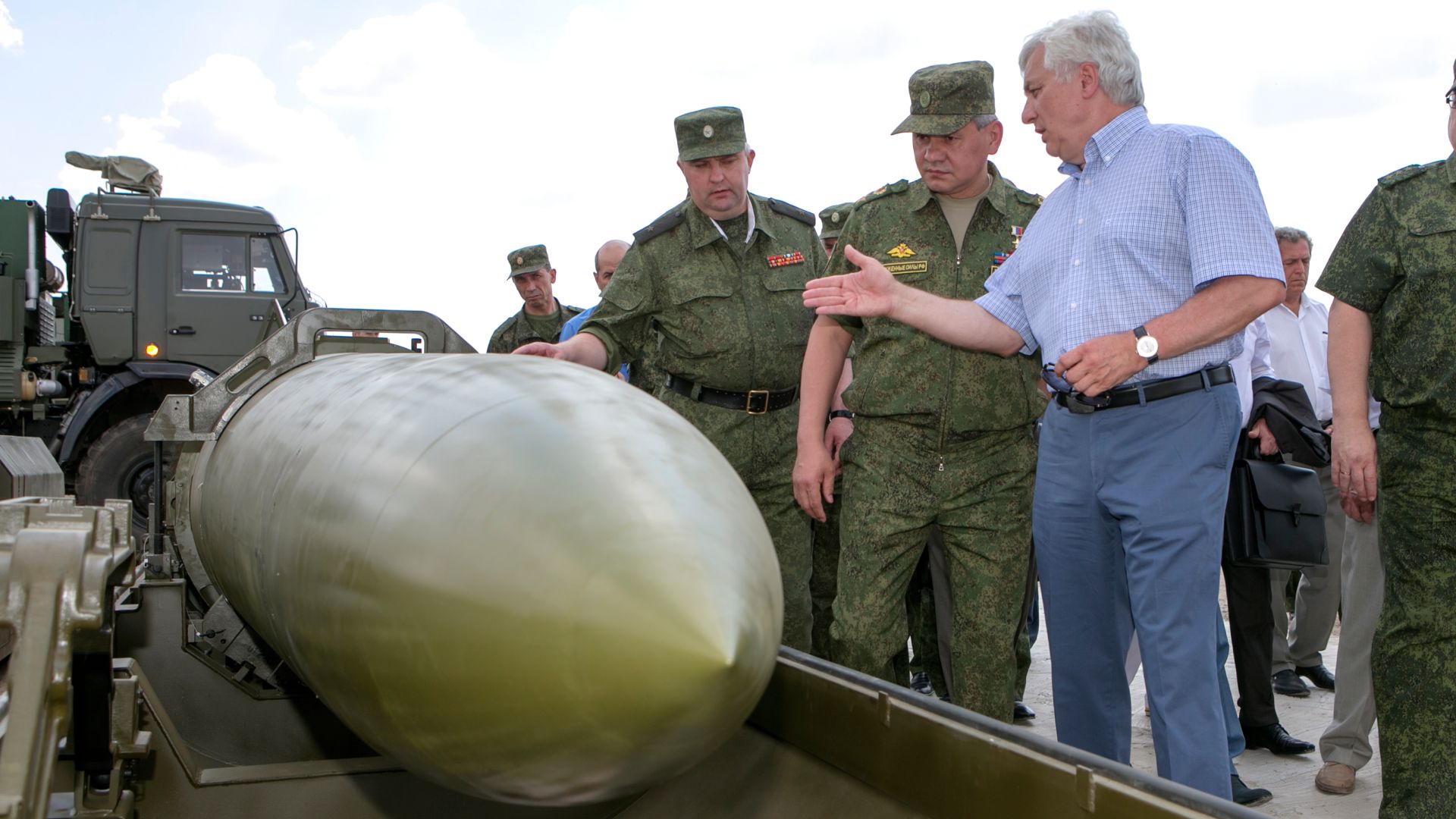
Kapustin Yar, Russia
Trespassing at Kapustin Yar isn’t an option. This top-secret Russian test site is run by the Ministry of Defence, known for its rocket and missile experiments. Some call it “Russia’s Area 51”, thanks to its history of Cold War launches and mystery.
 Vadim Savitsky, Wikimedia Commons
Yulin Naval Base, China
On China’s Hainan Island lies Yulin Naval Base, home to nuclear submarines hidden behind fortified walls. The site’s underground submarine pens are visible only by satellite. Strict laws keep civilians out, and for good reason—it’s one of China’s most strategic military strongholds.
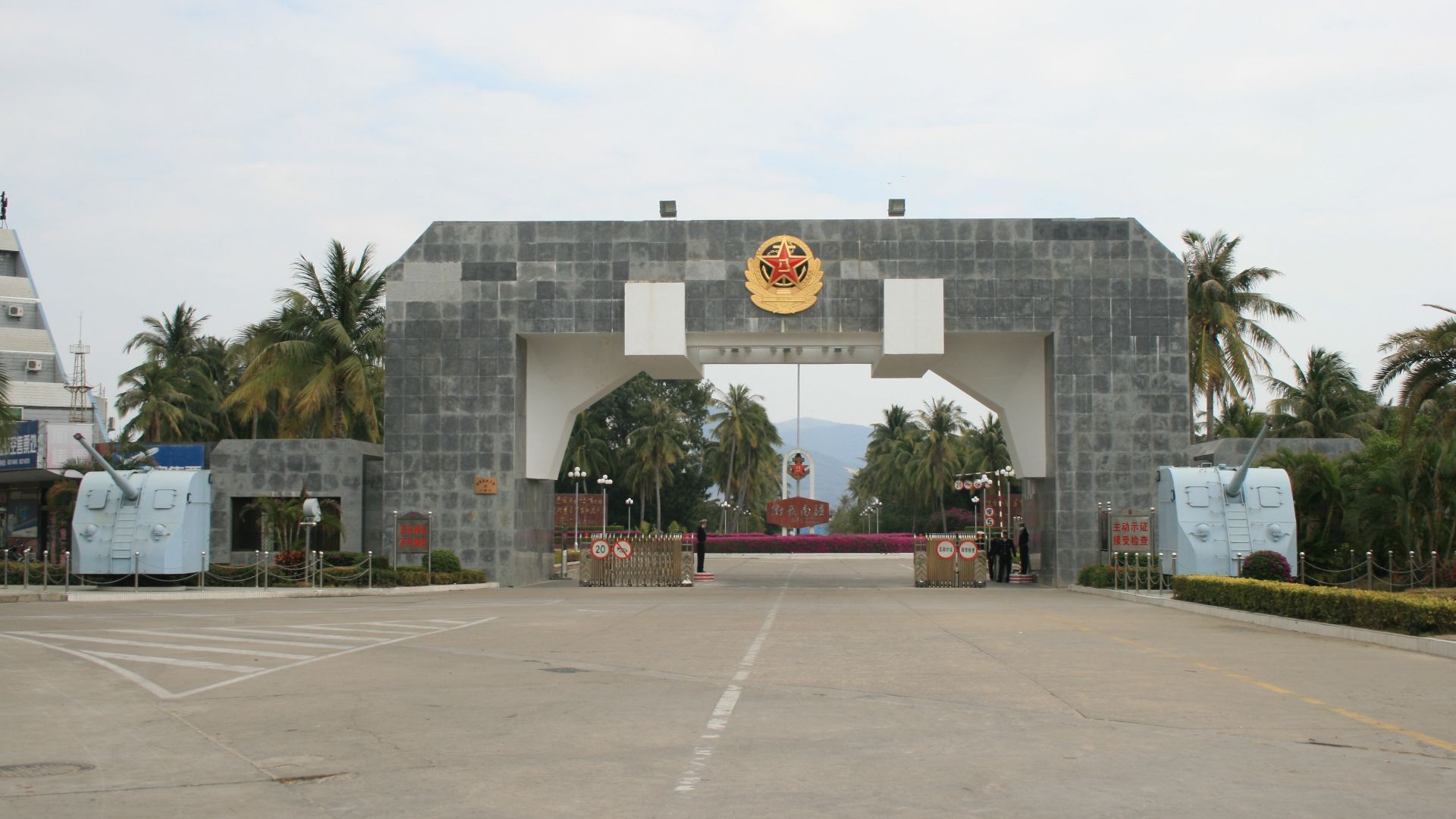 Gary Todd from Xinzheng, China, Wikimedia Commons
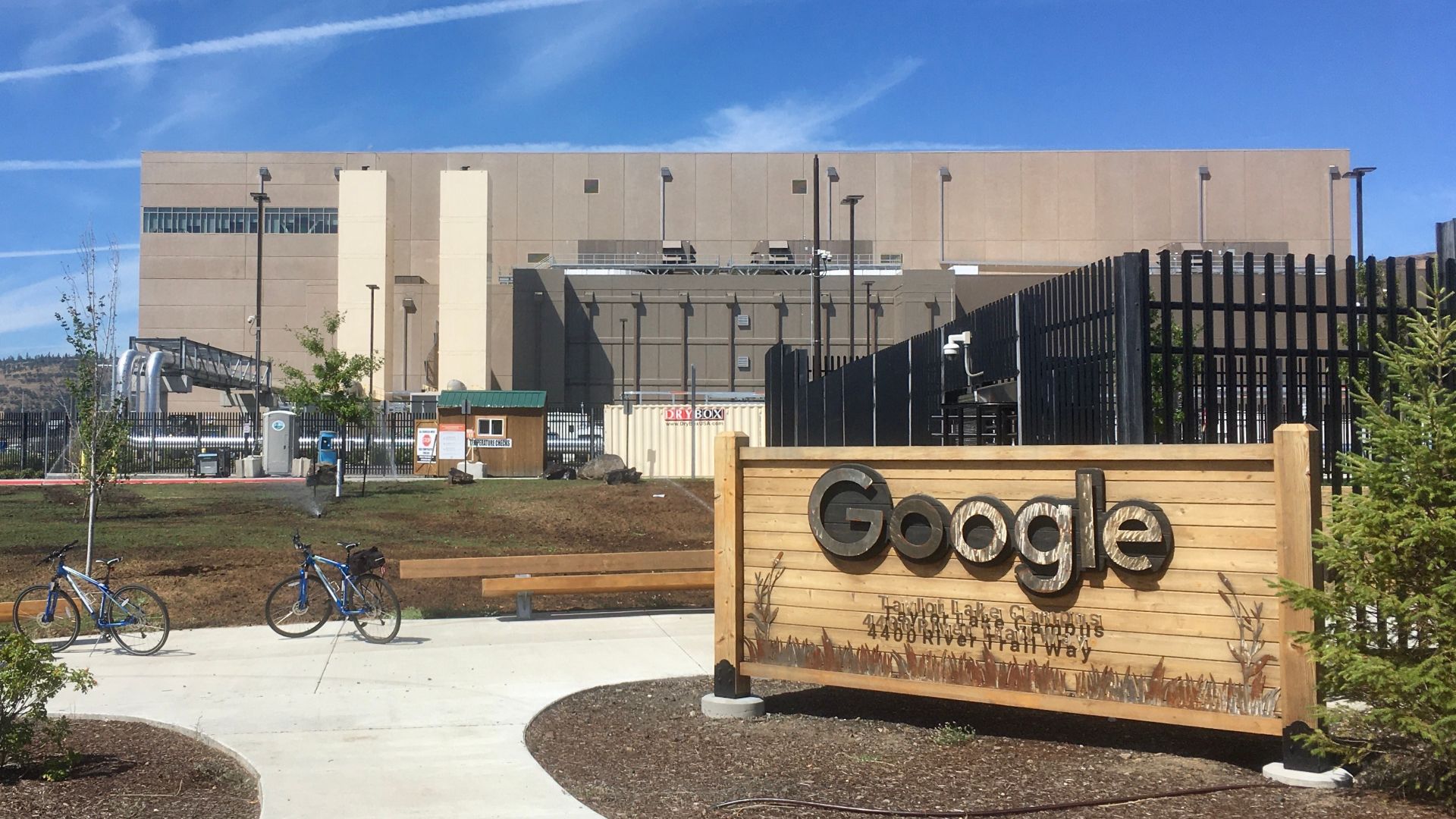
Google Data Center Restricted Areas, Worldwide
Google’s data centers guard the internet’s brain. Only authorized staff pass the biometric scanners, while 24-hour surveillance tracks every corner. Custom servers and colorful murals fill the secure spaces that keep your searches running—but the public will never see them.
Gangkhar Puensum, Bhutan
No one has ever climbed Gangkhar Puensum, and no one ever will. Bhutan forbids it out of respect for spiritual beliefs. Meaning “White Peak of the Three Spiritual Brothers”, it stands as the world’s highest unclimbed mountain, untouched by human footsteps.
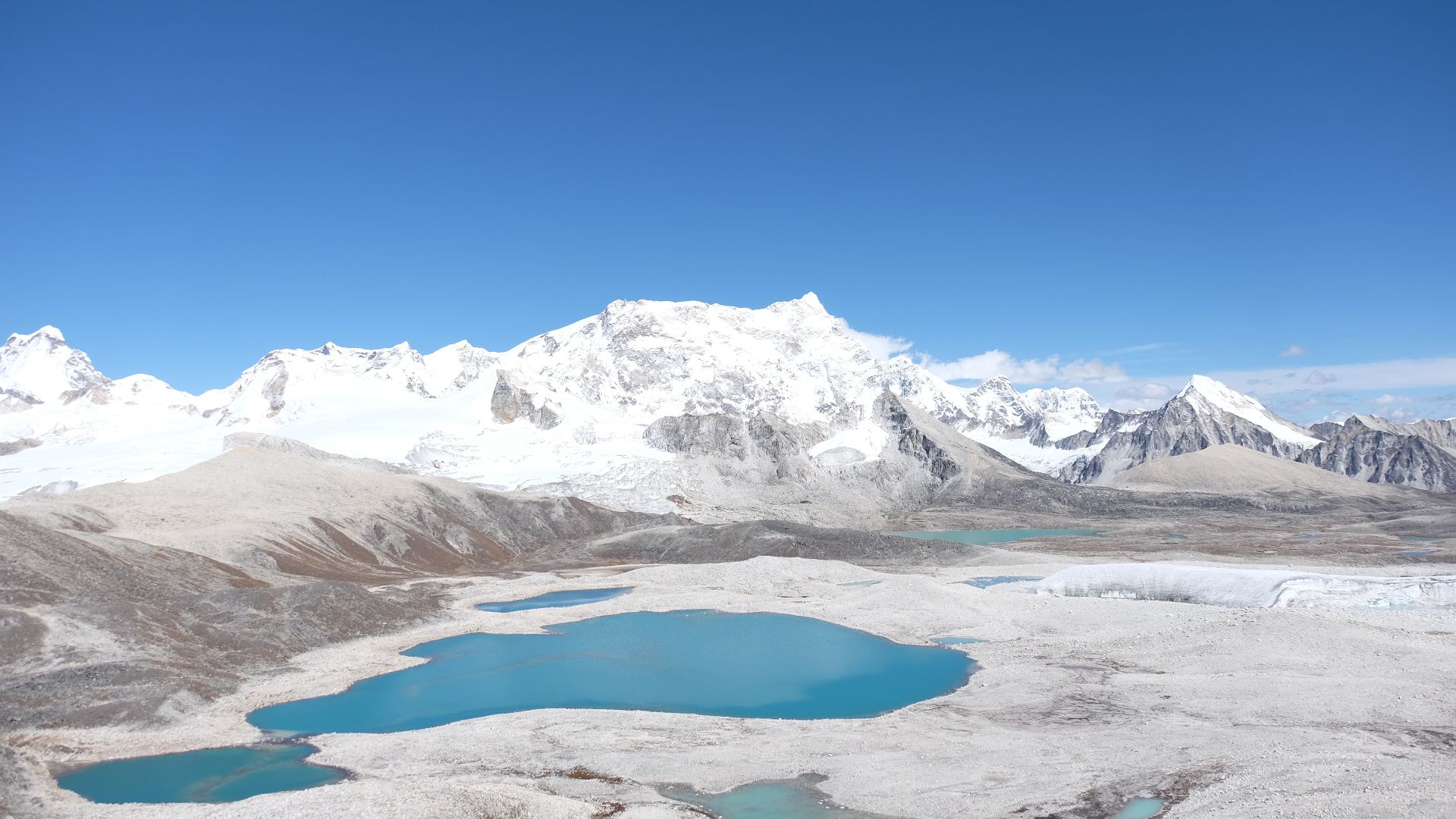 Gradythebadger, Wikimedia Commons
Mount Kailash, China
Climbing Mount Kailash is completely off-limits. Chinese authorities enforce the ban to protect religious traditions, as the peak is sacred in Hinduism, Buddhism, Jainism, and Bon. Pilgrims walk around it instead, honoring the belief that no one should disturb its summit.
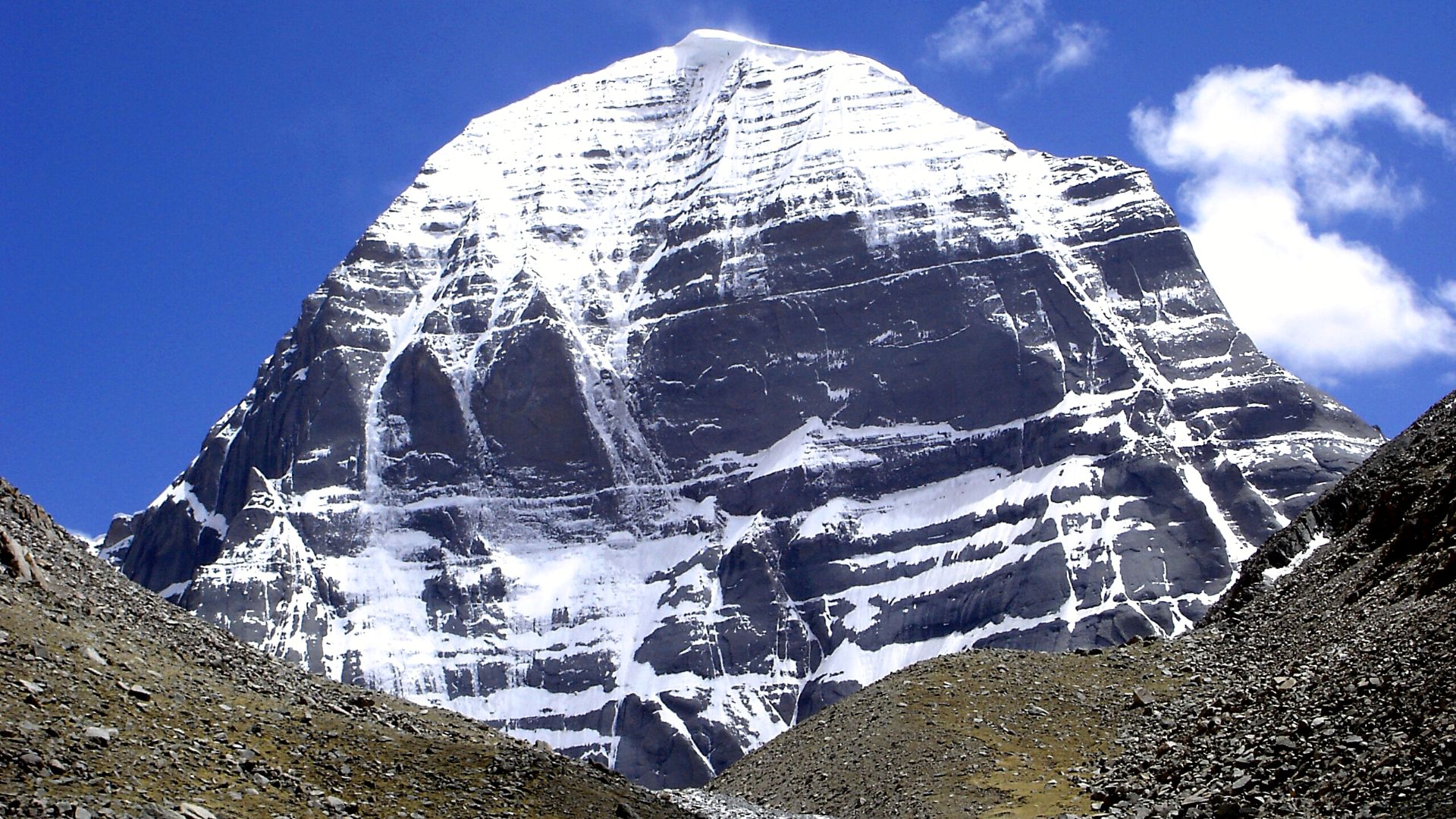 Ondrej Zvacek, Wikimedia Commons
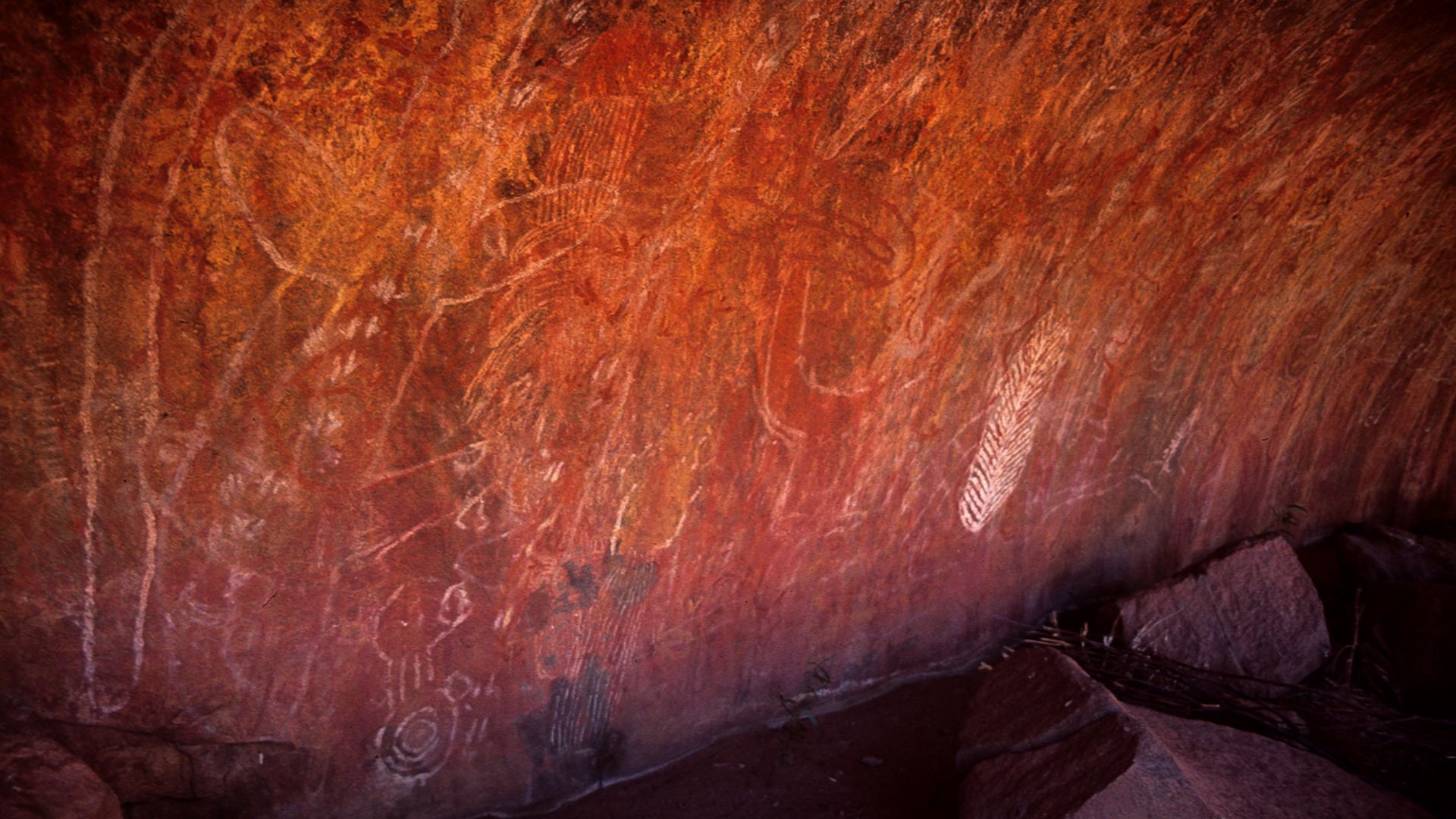
Kerguelen Islands, French Southern And Antarctic Lands
They call them the “Desolation Islands”, and the name fits. The Kerguelen Islands sit alone in the southern Indian Ocean, battered by wind and sea. France tightly controls access, allowing only scientists and support crews to visit this wild, uninhabited frontier.
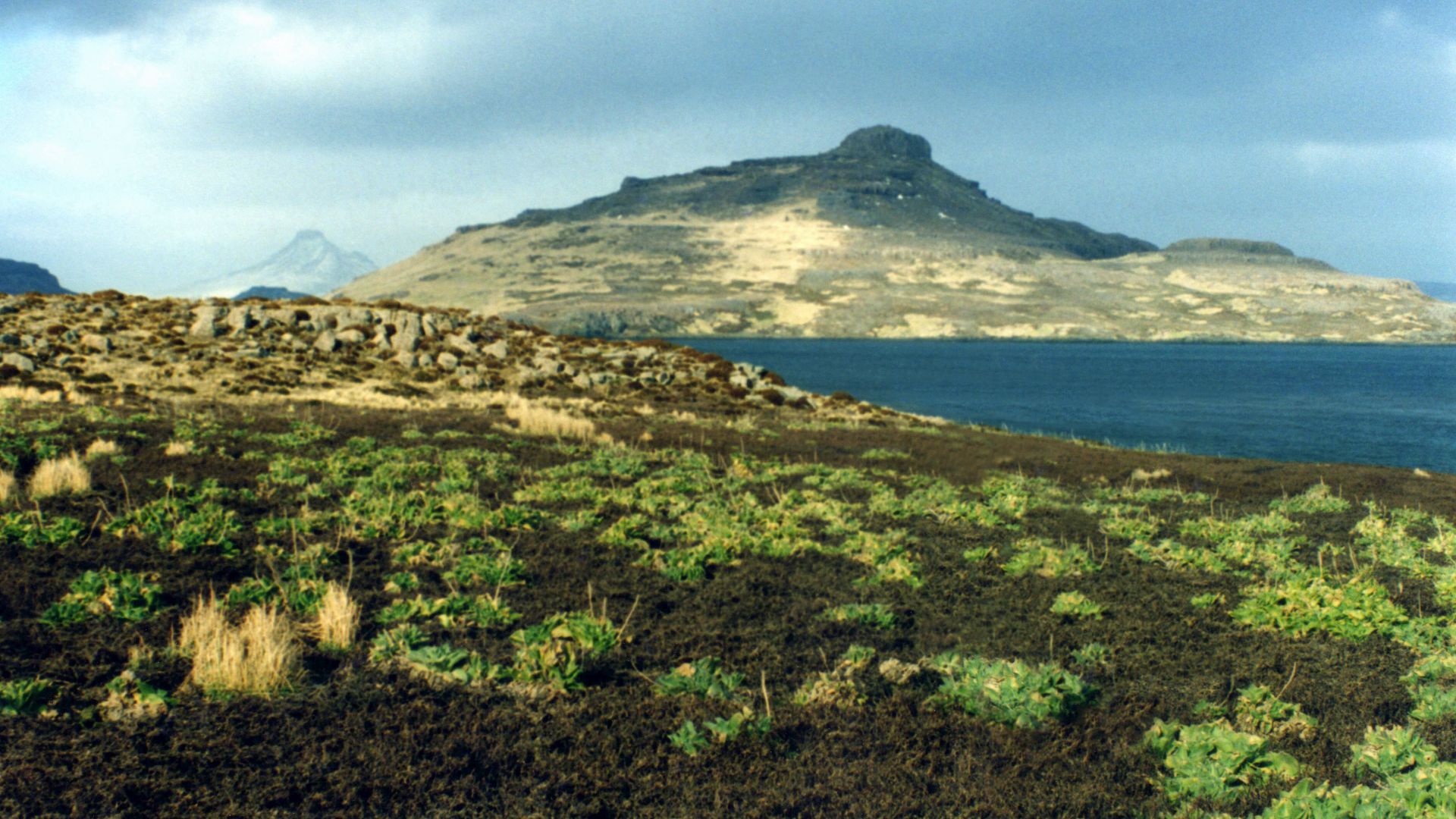
Pravcicka Gate, Czech Republic
This towering sandstone arch is one of Europe’s natural wonders—but you can’t walk across it anymore. Erosion made the rock too fragile, so Czech authorities closed it to protect its structure. Visitors now admire it safely from scenic lookout points nearby.
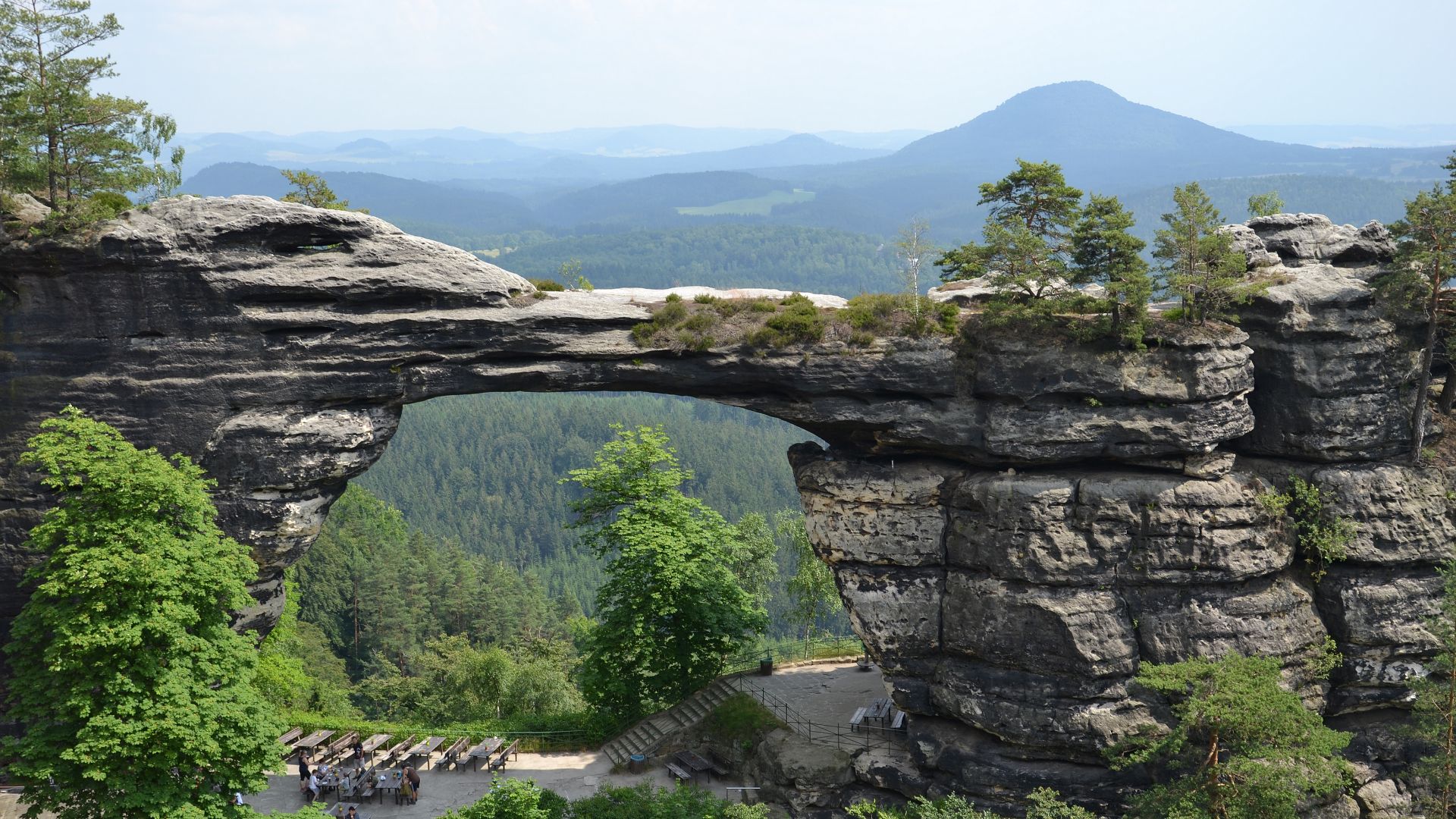
Uluru Caves, Australia
Around Uluru’s base lie several caves that remain off-limits out of respect for Aboriginal traditions. These sacred spaces hold rock art and cultural stories too important for outsiders to see. Visitors can still explore the area’s trails, but never enter the restricted sites.
 Dagmar Hollmann, Wikimedia Commons
Bank Of England Gold Vaults, United Kingdom
Far below London’s streets lie the Bank of England’s gold vaults, storing hundreds of billions in bullion. Only authorized staff can access the underground chambers, protected by motion sensors and reinforced doors. Even visiting officials rarely get a glimpse of the treasure inside.

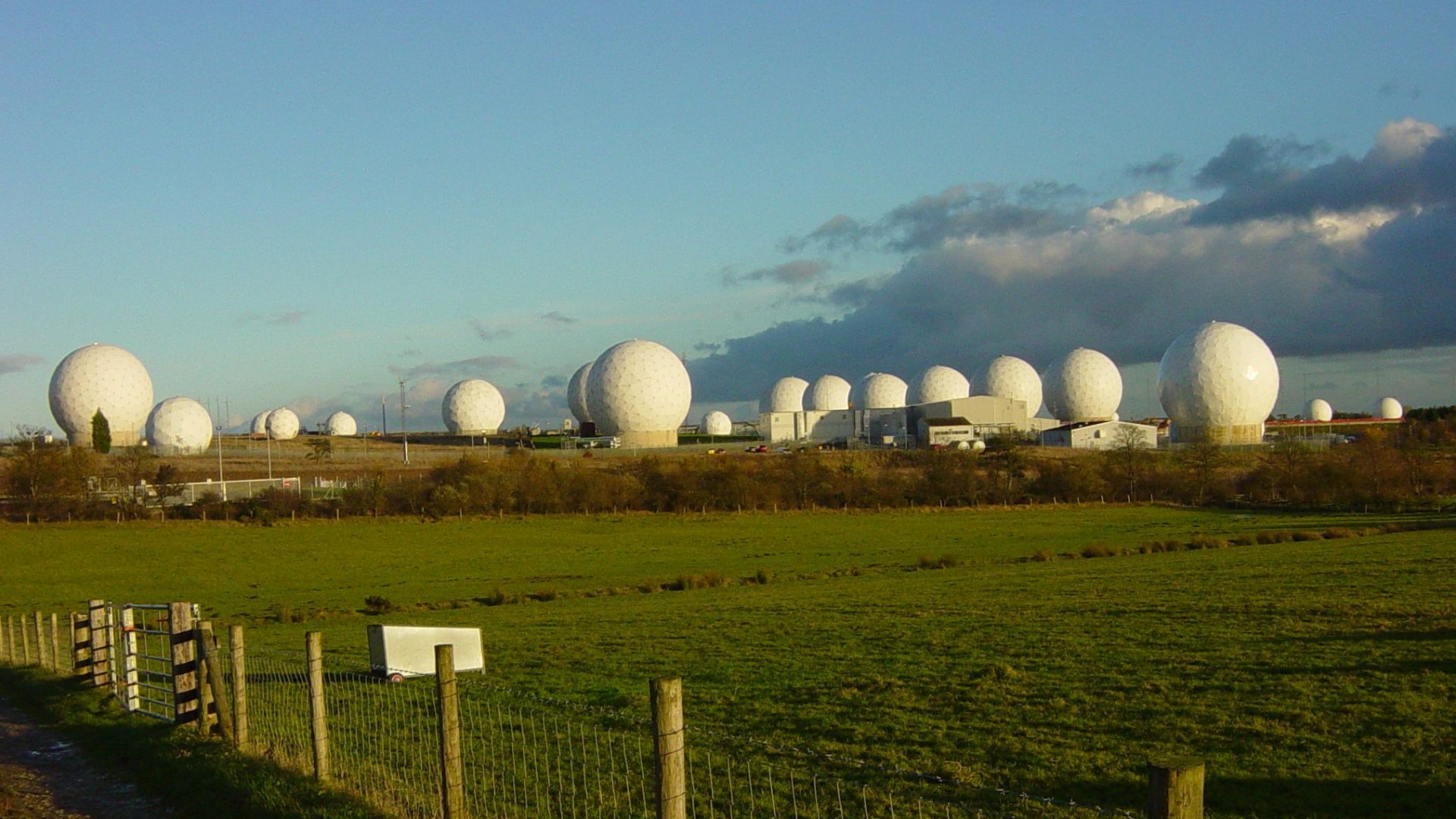
RAF Menwith Hill, United Kingdom
Set among Yorkshire’s green hills, RAF Menwith Hill doesn’t give away much. The US and UK jointly operate this communications intelligence base to monitor global data traffic. Its white radar domes are visible for miles, but entry beyond the fences is impossible.
 Matt Crypto, Wikimedia Commons
Porton Down, England
Porton Down is one of Britain’s most secretive science sites. It’s where researchers study chemical and biological materials under tight military control. Civilians can’t step inside, and much of its work stays classified by the Ministry of Defence to this day.
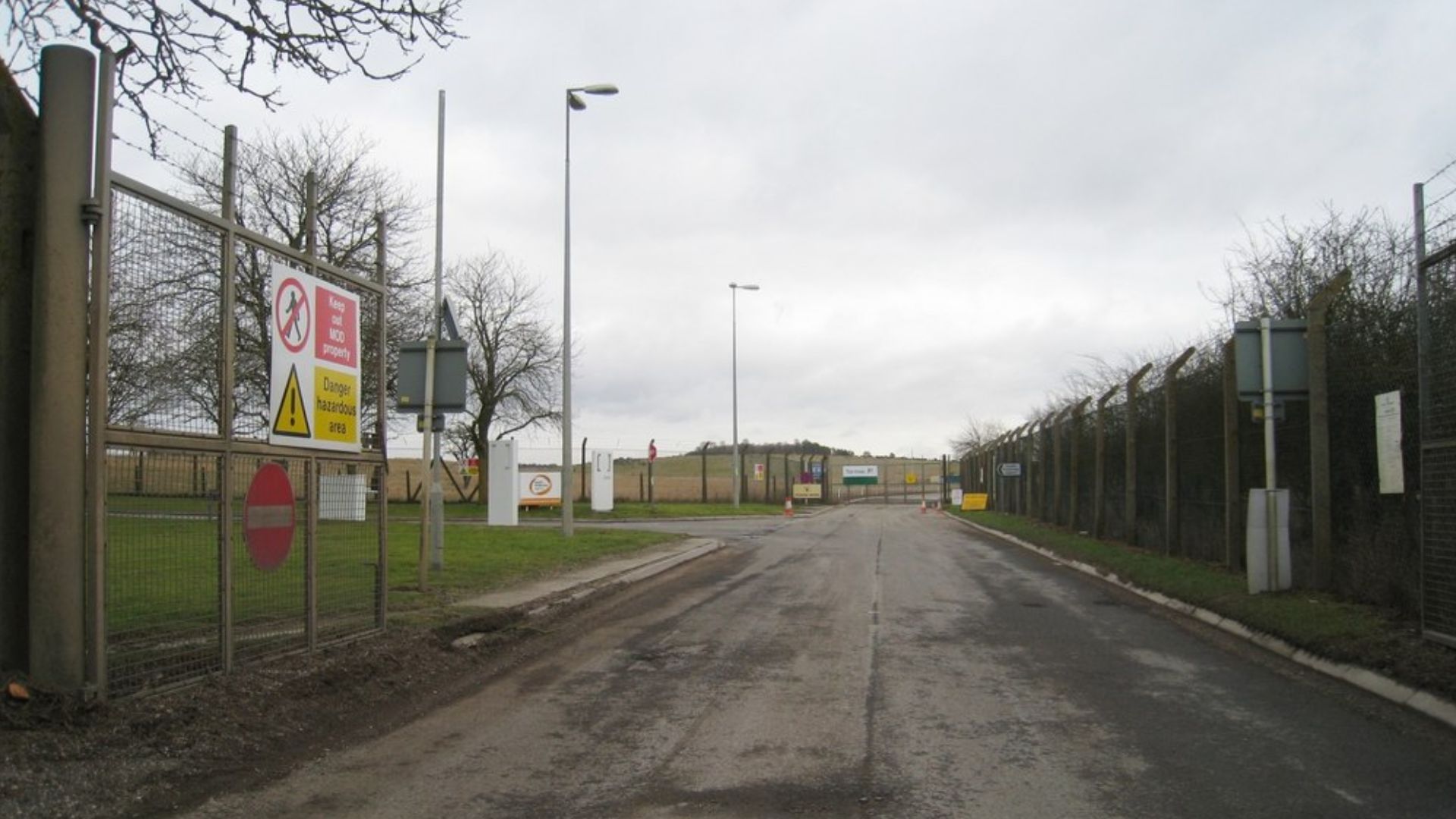 Sebastian Ballard, Wikimedia Commons
Cheyenne Mountain Complex, USA
Buried deep inside Colorado’s Cheyenne Mountain sits one of the world’s most secure military bunkers. Built to withstand nuclear attacks, it once housed NORAD’s command center. Today, it remains operational under strict US Air Force control, sealed away from public eyes.
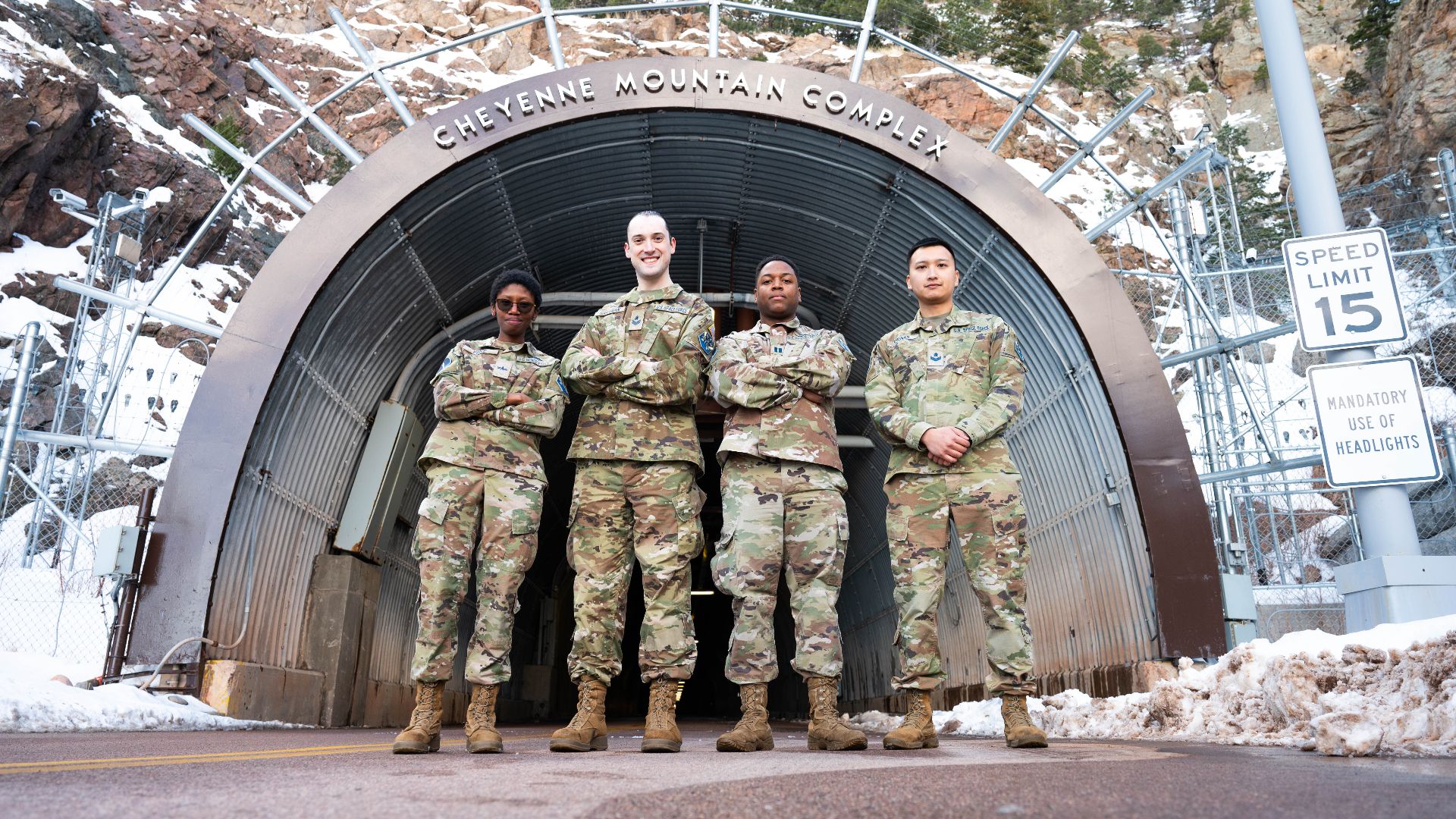 U.S. Space Force photo by Airman 1st Class Justin Todd, Wikimedia Commons
Ulleungdo Radar Station, South Korea
Perched on a remote volcanic island, Ulleungdo’s radar base scans the East Sea for missile activity. Only South Korean military staff are permitted inside. Its sensitive technology and strategic position make this windswept outpost one of the nation’s most tightly secured sites.
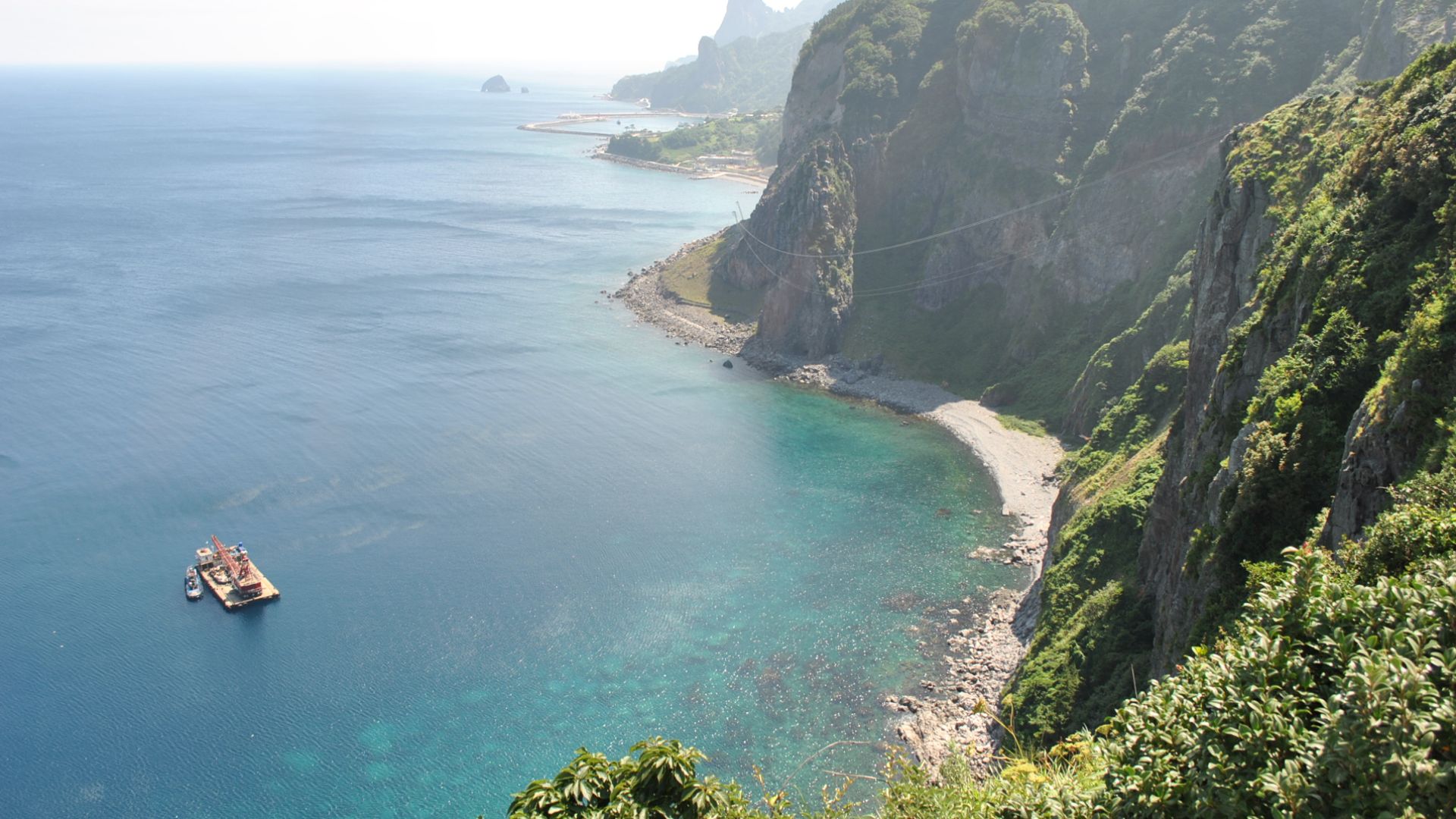 Korea.net / Korean Culture and Information Service, Wikimedia Commons