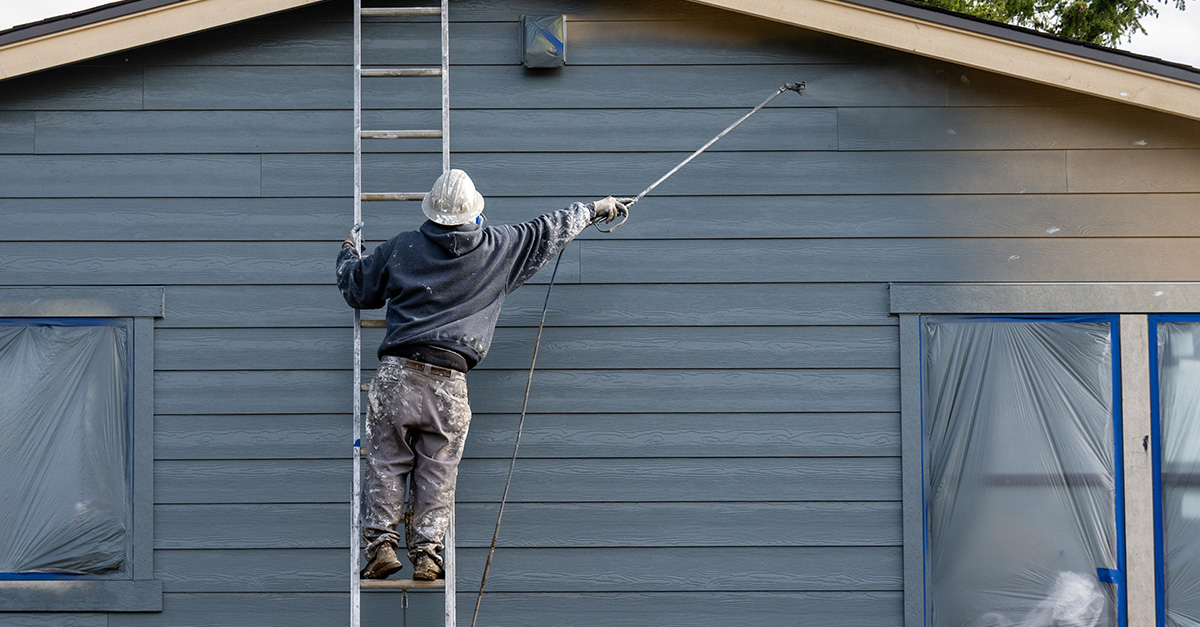
Vacation Mode, Meet Paint Roller Panic
You leave for a relaxing vacation, come home with a tan, a suitcase full of laundry, and a house that suddenly looks like it joined a neighborhood cult. Same trim, same siding color, same everything as the homes around it. And the worst part? You hate the shade they chose, and the HOA insists they “sent notice.” If this sounds like the kind of homeowner nightmare that makes your eye twitch, take a breath. You may have more options than your freshly painted facade suggests.

Start By Not Panicking
First things first: do not march straight into the HOA office breathing fire. Tempting, yes. Smart, not always. A bad first move can make a fix harder later. Treat this like a dispute you may need to prove, not just a neighborhood feud you need to win in one dramatic afternoon.

Take Photos Of Everything
Before you do anything else, document the paint job from every angle. Photograph the front, sides, trim, shutters, garage, and any spots where the work looks sloppy or incomplete. If you have older photos showing the previous color, save those too. A clear before-and-after record can help if you end up challenging the HOA’s decision.

Gather Every HOA Document You Have
Now it is time to go digging through that folder, email archive, or kitchen junk drawer where HOA paperwork goes to hide. Pull out the bylaws, CC&Rs, architectural guidelines, enforcement policies, and any meeting notices you can find. The answer to your next move is usually buried somewhere in the fine print.

Check Whether The HOA Had Authority
Not every HOA can repaint a home whenever it feels like it. Some can enforce maintenance rules, but only after specific notice and hearing procedures. Others may control color palettes but still need owner approval before making changes. The key question is simple: did the HOA actually have the legal authority to paint your house without your consent?

Look Closely At The Notice Rules
This is where your missing email becomes very important. HOA rules often spell out exactly how owners must be notified before fines, hearings, maintenance action, or so-called self-help remedies. If the policy requires mailed notice, posted notice, multiple contact attempts, or a hearing, a single email may not be enough.

Do Not Assume Email Counts
A lot of HOAs love email because it is easy, cheap, and fast. That does not automatically mean it is valid notice under the governing documents or state law. In some communities, email is only allowed if the owner agreed to receive official notices that way. If you never consented, the HOA may be on shaky ground.

Search Your Inbox And Spam Folder
Annoying as it is, you should still do a full search of your inbox, spam, trash, promotions tab, and old filters. Search the HOA’s name, the management company, key board members, and words like “notice,” “hearing,” “violation,” and “paint.” You want to know whether the email truly never came or whether it was buried somewhere ridiculous.

Ask For Proof Of Delivery
If the HOA says it emailed you, ask them to prove it. Calmly request the date sent, the exact email address used, a copy of the message, and any delivery logs they have. A board saying “we sent something” is not the same as showing it was sent correctly, to the right address, and in the way the rules require.

Request The Board’s Written Decision
You also want the paper trail behind the repainting itself. Ask for meeting minutes, violation notices, contractor approval, invoices, color selection records, and the board decision authorizing the work. This is not being difficult. This is basic homeowner survival. If the HOA cannot explain how the decision was made, that is useful information.

Read The Self-Help Clause Carefully
Some HOAs have what is called a self-help provision. That means if a homeowner fails to maintain property after notice, the HOA can step in, do the work, and bill the owner. But these clauses usually come with strict procedure. If the board skipped steps, the self-help power may not protect what it did.

Figure Out Whether This Was Maintenance Or Aesthetic Control
There is a big difference between repainting a peeling, damaged exterior to prevent decay and repainting a home just to make it match the block. If your house was in decent condition and this was mainly about uniform appearance, the HOA may have a weaker argument than if it was fixing obvious neglect.

Check State HOA Laws
State law matters more than many homeowners realize. Some states require specific notice periods, hearing rights, or dispute procedures before an HOA can take action against an owner. Others regulate electronic notice or owner access to association records. Even if the HOA handbook sounds confident, state law may say otherwise.

Write A Calm, Formal Objection
Once you know the basics, send a written objection. Keep it polite, clear, and boring in the best possible way. State that you dispute the HOA’s authority to repaint your house without proper notice, that you did not receive valid notice, and that you are requesting records and a remedy. Leave the all-caps rage for your group chat.

Ask For A Hearing Or Internal Appeal
Many HOAs have a process for hearings, reconsideration, or internal dispute resolution. Use it. Ask to appear before the board and explain your position on the record. Even if you think the board is made of tiny neighborhood tyrants, exhausting the internal process can help if you later need mediation, arbitration, or court.

Push For A Practical Solution
You do not always need to go nuclear. Ask whether the HOA will repaint the house in an approved color you actually like, split the cost, credit your account, or let you choose from the community palette. If the board senses it may have messed up, it may prefer compromise over a bigger conflict.

Review The Contractor Work
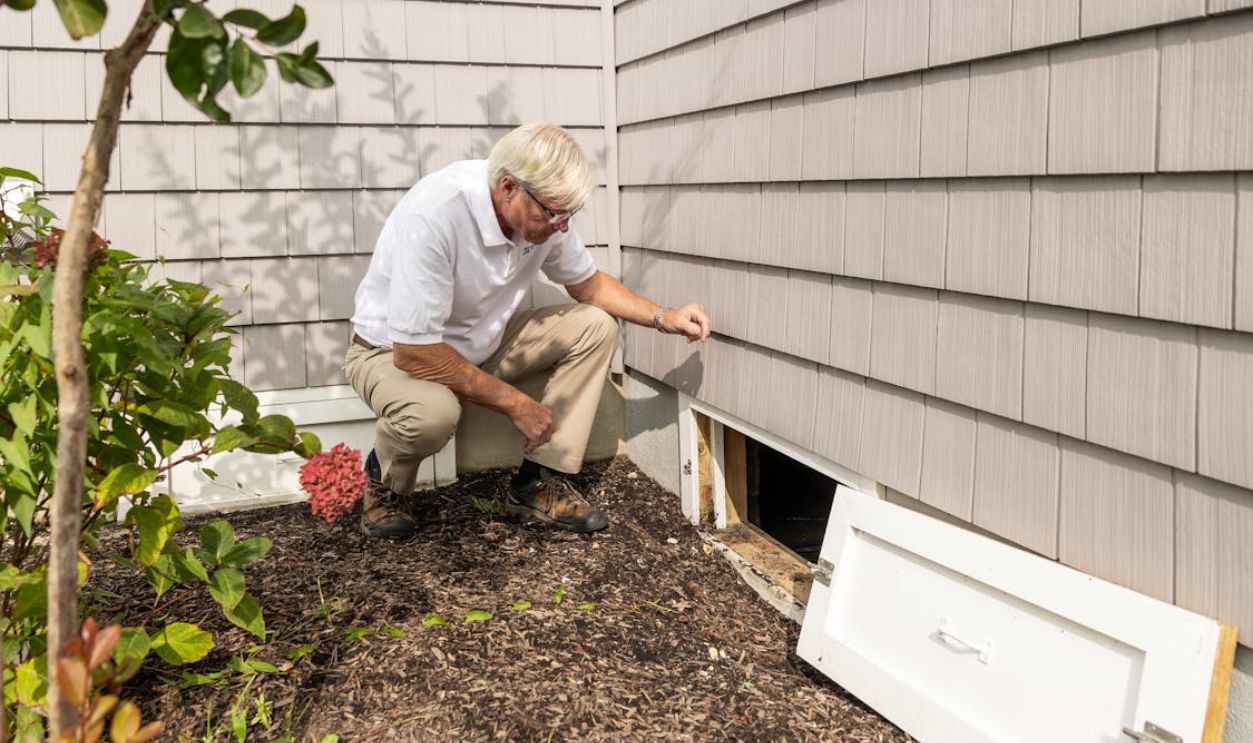
While everyone is arguing about notice, do not forget to inspect the actual paint job. Was the prep work poor? Are there drips, overspray, missed trim lines, or damage to landscaping, fixtures, or brick? Bad workmanship gives you a second lane of complaint, and sometimes that is easier to prove than procedural violations.
Keep A Timeline Of Events
Make a simple timeline starting with the last day you were home and ending with the day you discovered the repaint. Include vacation dates, any messages from neighbors, HOA emails, calls, and contractor activity. Disputes get messy fast, and a clean timeline can make your story feel far more credible and far less emotional.

Talk To Your Neighbors
This may not be just your problem. Ask nearby homeowners whether they received similar notices, whether anyone attended a board meeting about repainting, or whether others were pushed into the same color change. If several owners were surprised, the issue starts looking less like a misunderstanding and more like a process problem.

Do Not Ignore Any Bill
If the HOA sends you an invoice for the painting, do not toss it on the counter and hope it disappears. Dispute it in writing right away. Some associations can add charges, late fees, interest, or even lien-related pressure if an owner ignores assessments or reimbursement demands. Silence can cost you.

Consider Mediation Before Court
Court sounds satisfying in theory, but it is expensive, slow, and stressful. If your documents or state law allow mediation or arbitration, that may be the faster path. A neutral third party can sometimes get a stubborn board to admit the notice process was flawed and work out a repaint or reimbursement deal.

When To Call A Lawyer
If the repaint cost is high, the HOA is threatening collections, or the rules clearly seem to have been violated, talk to a lawyer who handles HOA or real estate disputes. A short legal letter can sometimes do wonders. Nothing focuses a board’s attention like realizing this is no longer just an angry email chain.

Save Every Message Going Forward
From this moment on, keep everything. Emails, letters, envelopes, photos, invoices, voicemail notes, screenshots, and meeting summaries all matter. If you speak with the manager or a board member by phone, send a follow-up email confirming what was said. The person with the best records often has the strongest position.

Update Your Contact Information
Even if the HOA dropped the ball, use this mess as a reminder to confirm your official contact details. Make sure they have your correct mailing address, email, phone number, and emergency contact preferences. It will not fix the ugly paint, but it can help prevent the sequel nobody asked for.

Learn The Approval Process For Repainting
If you end up changing the color again, do it by the book. Ask for the approved palette, submit the proper architectural request, and get written confirmation before hiring anyone. HOA disputes have a nasty habit of multiplying, and the last thing you need is to win one fight only to start another.

This Is About More Than Color
Yes, the color matters. You are the one living with it. But this fight is really about notice, property rights, and whether the HOA followed its own rules before making a major change to your home. When you frame it that way, your complaint sounds a lot more reasonable and a lot less like “I just hate beige.”
You May Still Have A Way Back
Coming home from vacation to a surprise paint makeover is the kind of HOA drama that sounds fake until it happens to you. But if the board acted without proper authority or valid notice, you may have grounds to challenge the decision, dispute the bill, or demand a better solution. The paint may already be dry, but the matter itself is far from settled.

You May Also Like: