When Big Tour Stops Get Cut
Obviously, when you book a tour of a major city, you're hoping to see its headline attractions. But then the bus rolled right past them without a peep. It feels like a bait and switch, especially if the company still charged full price. Sometimes that is allowed, but whether it is fair or legal depends on the booking terms, the reason for the change, and the consumer rules that apply where you booked.

It Happens More Often Than People Expect
Tour companies often build flexibility into their terms. That means itineraries can change because of weather, closures, safety issues, strikes, transport problems, or overcrowding. But just because a company can change plans does not mean it gets a free pass to cut major sights without offering any remedy.
Start With The Booking Terms
The first thing to check is the confirmation email, brochure, or online listing you agreed to when you paid. Many operators say itineraries are subject to change, and some explain whether missed stops lead to refunds, credits, or substitutions. If the main attraction was advertised as a core part of the trip, that wording matters a lot.

Package Holidays Get Extra Protection
In the European Union, package travelers have specific rights under the Package Travel Directive. The rules say organizers are responsible for the travel services included in the package, and travelers may be entitled to a price reduction if there is a lack of conformity. That does not automatically mean a full refund, but it does mean skipped highlights can matter legally.

What The EU Rules Say
The Package Travel Directive was adopted in 2015 as Directive (EU) 2015/2302. It says organizers must fix a lack of conformity unless that is impossible or would cost too much compared with the problem. If they do not, travelers may be entitled to an appropriate price reduction and, in some cases, compensation.

In The UK, Similar Rules Apply
The UK kept package travel protections through the Package Travel and Linked Travel Arrangements Regulations 2018. Guidance from the Competition and Markets Authority has also stressed that contract terms must be fair. If a company gives itself a very broad right to change essential parts of a trip without consequences, that can raise fairness issues.

In The United States, The Fine Print Matters More
In the US, a lot depends on state contract law, the seller's terms, and the exact facts. The Federal Trade Commission says advertising must be truthful and not misleading, which matters if a tour was sold around famous sites the company never realistically intended to include. But disputes often come down to documentation, complaint escalation, and sometimes a credit card dispute rather than an automatic refund rule.

Not Every Missed Stop Is The Same
There is a big difference between skipping a bathroom break and skipping the attraction that sold the whole trip. If the Eiffel Tower summit, the Blue Lagoon, or a major museum entry was central to the offer, the missing item is more likely to count as a major change. The more important the missing experience was to the tour, the stronger your complaint usually is.

Why Operators Skip Attractions
Sometimes the reasons are legitimate and easy to document. Extreme weather, wildfire risk, political unrest, road closures, labor strikes, or official limits on visitor numbers can make a stop impossible or unsafe. If that happens, the company should usually explain what changed, why it changed, and what substitute or refund policy applies.
Closures Are More Common Than Many Travelers Realize
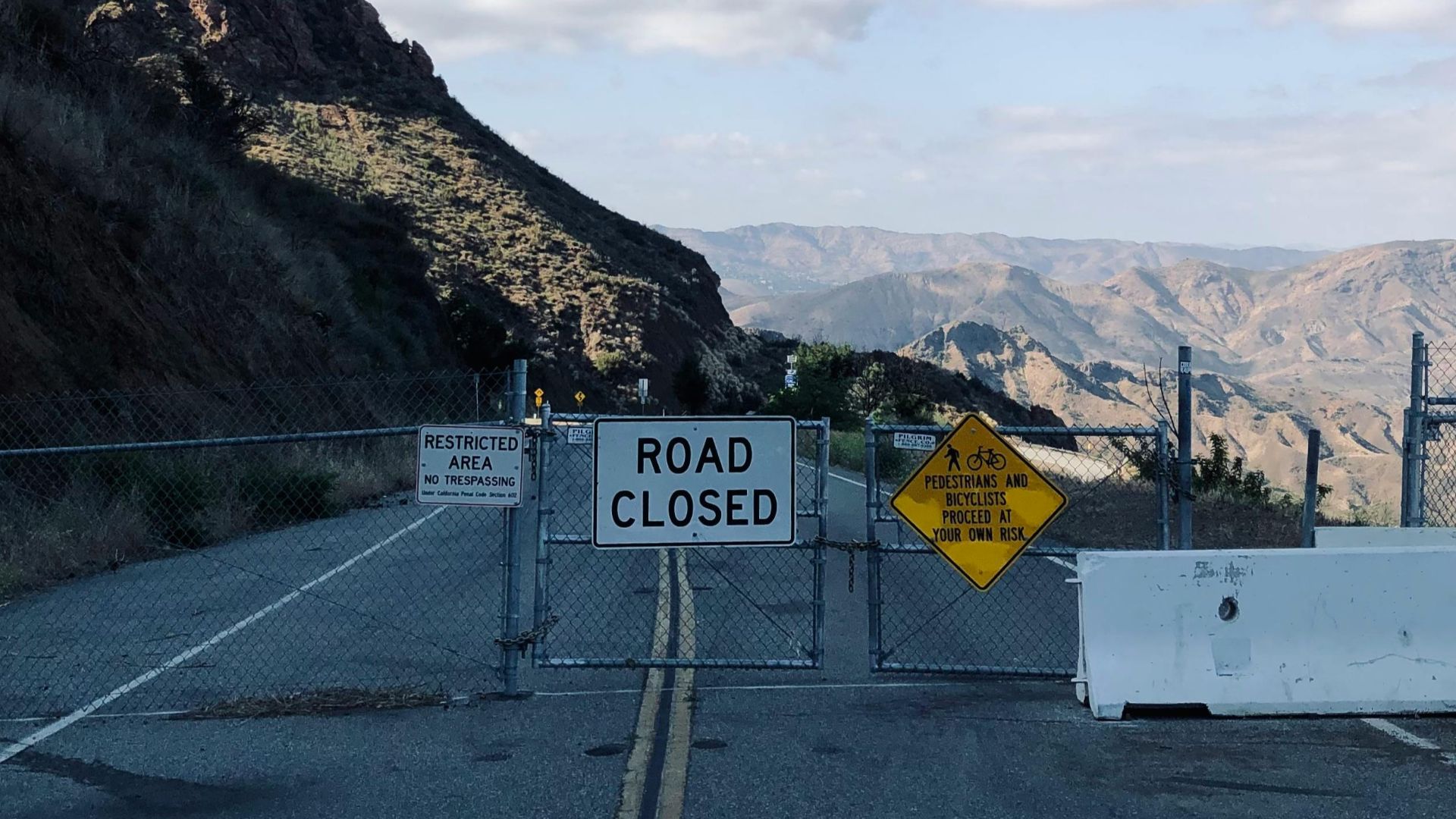
Attractions can shut down with little warning for maintenance, conservation, crowd control, or security reasons. National parks and major monuments also close access areas seasonally or during severe conditions. A tour operator cannot force a site to open, but it still needs to treat customers fairly when a big selling point disappears.

Advertising Matters
If the website put a famous attraction front and center and called it a highlight, that is important evidence. If the same page also said admission was not guaranteed or that the stop was only a panoramic view, that matters too. Screenshots from the day you booked can be some of your best proof.

Watch For Words Like “Highlight” Or “Includes”
Tour descriptions often separate included items from optional extras or drive-by views. If a major attraction appears under “includes,” “entry tickets,” or “guided visit,” your case is stronger than if it was listed as something you may see depending on time. Small wording differences can shape whether a missed stop looks like a breach or just an unfortunate change.

Was There A Substitute Of Similar Value
Consumer rules often turn on whether the operator offered a reasonable alternative. Replacing one landmark with a snack stop is unlikely to satisfy disappointed travelers. Replacing a closed museum with another major museum and clearly adjusting the day may be more defensible, though it still depends on what was promised in the first place.

Charging Full Price Does Not End The Story
A company can charge the original amount at the time of travel and still later owe you a partial refund or compensation. So “they charged full price” is not the final word. The real question is whether the service delivered matched the agreement closely enough.

Ask Whether The Change Was Major
EU guidance draws a line between routine hiccups and significant changes. If a change substantially affects a main feature of the travel service, the traveler may have stronger rights, especially if the company gave notice before departure. Problems that happen during the trip can also trigger remedies if what was delivered fell short of the package terms.

Document Everything Right Away
If a major stop gets cut, take notes on the spot. Save the itinerary, booking confirmation, app messages, emails, photos of posted closures, and any announcements from the guide. Ask politely why the attraction was skipped and whether the operator will offer a refund, credit, or substitute.

Complain Quickly And In Writing
Most regulators and consumer groups say you should complain to the company as soon as possible. Put it in writing and be specific about which advertised attractions were missed, when it happened, and what remedy you want. A calm, factual complaint usually works better than an angry rant.

How Much Refund Is Reasonable
Travelers often want a full refund, but that is not always realistic if transportation, lodging, guides, and other parts of the tour were provided. A partial refund is more common when one or more included attractions were missed. The amount should reflect the value of what was lost and how central it was to the trip.

If Tickets Were Included, Start There
If the package price clearly included admission fees, that gives you a solid starting point. Ask for at least the unused ticket value if entry never happened, and possibly more if the stop was a key reason you booked. If the operator saved money by not delivering an included part of the package, that is a strong point in your claim.

Credit Card Protections Can Help
If the company refuses to deal with the complaint, paying by credit card may give you another route. Card issuers sometimes allow chargebacks for services not provided as described, though outcomes vary by network, issuer, and timing. Gather your evidence before filing because the bank will usually want documents, not just frustration.

Travel Insurance Usually Has Limits
Travel insurance is not a cure-all for itinerary disappointments. Many policies focus on cancellation, medical issues, baggage, or delays rather than frustration over a changed sightseeing plan. Still, if the change came from a covered event such as severe weather, some related losses may be worth raising with the insurer.

Booking Through A Platform Changes The Process
If you booked through an online travel agency or experiences platform, check its customer service and refund rules too. Some platforms have their own standards for major service failures or misleading listings. You may need to pursue both the tour operator and the platform, especially if the listing overstated what the tour would include.

Group Tours And Fine Print
Large coach tours and budget day trips often come with broad itinerary flexibility clauses. That does not mean every skipped attraction is automatically acceptable. Consumer authorities have repeatedly warned that terms must be fair and clear, not so one-sided that a business can strip out key features with no remedy.

Red Flags Before You Book
Watch for vague itineraries, overloaded schedules, and listings that promise too many famous sights in too little time. Be careful if reviews repeatedly mention skipped stops, surprise substitutions, or “panoramic views” replacing actual visits. If a tour sounds too packed to be realistic, something may have to give.

How To Protect Yourself Next Time
Take screenshots of the listing, especially the inclusions and cancellation terms, before checkout. Ask whether entry to the main attractions is guaranteed, timed, or subject to conditions. If one specific stop is the whole reason you are booking, get that clarification in writing.

So, Is It Normal
It is normal for tours to change some details, and sometimes that cannot be avoided. It is not automatically normal or fair to skip major advertised attractions and keep full payment without any explanation or remedy. If the missed stop was central to the tour, you may have a solid case for a partial refund, price reduction, or compensation depending on the laws and terms that apply.

The Best Next Step
Do not assume you are powerless, but do not assume a full refund is guaranteed either. Start with the itinerary, compare it with what actually happened, and make a documented written complaint. Many travelers lose out not because they were wrong, but because they never collected the proof needed to show it.