Cruise Plans Washed Away
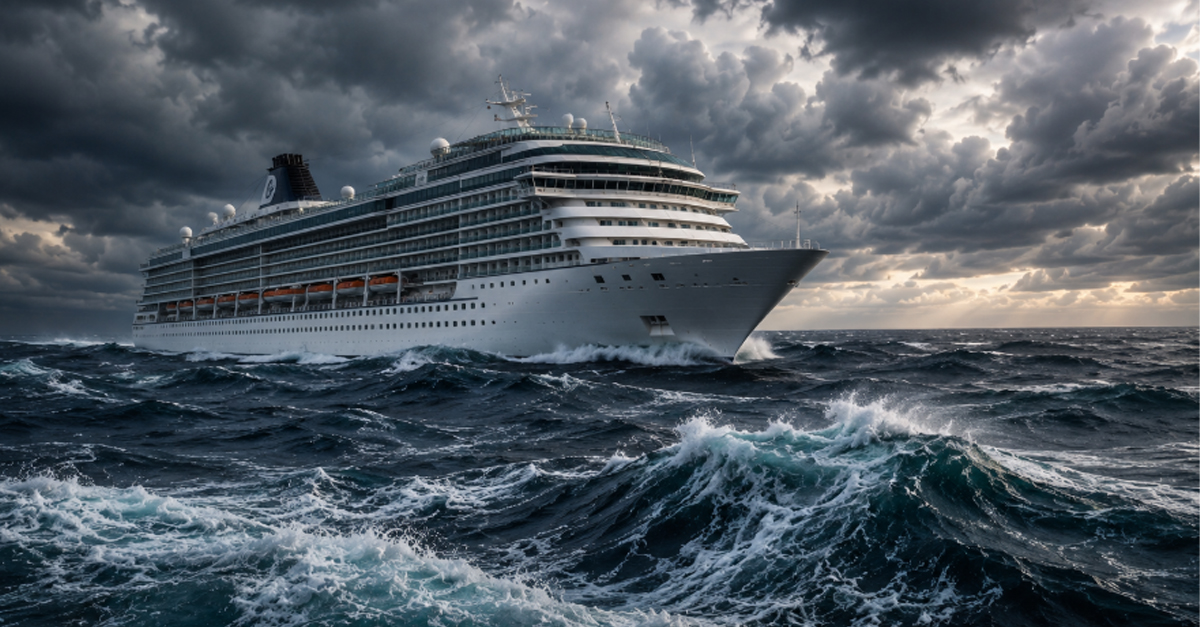
You booked a South American cruise expecting sunny beaches, island excursions, and relaxing port days. Instead, rough seas and storms forced the captain to skip two scheduled destinations entirely. Worse, the cruise line refused compensation and insisted the itinerary was always subject to change. Is this normal? What rights do cruise passengers have and how can they avoid similar disappointments in the future?
Why Cruise Lines Skip Ports
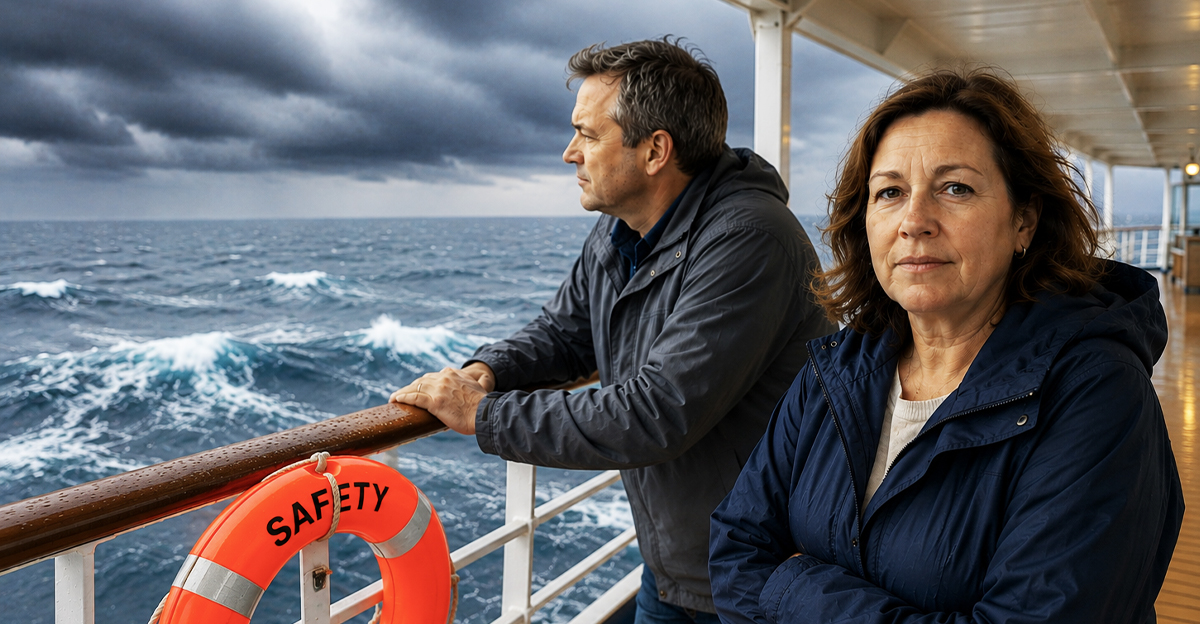
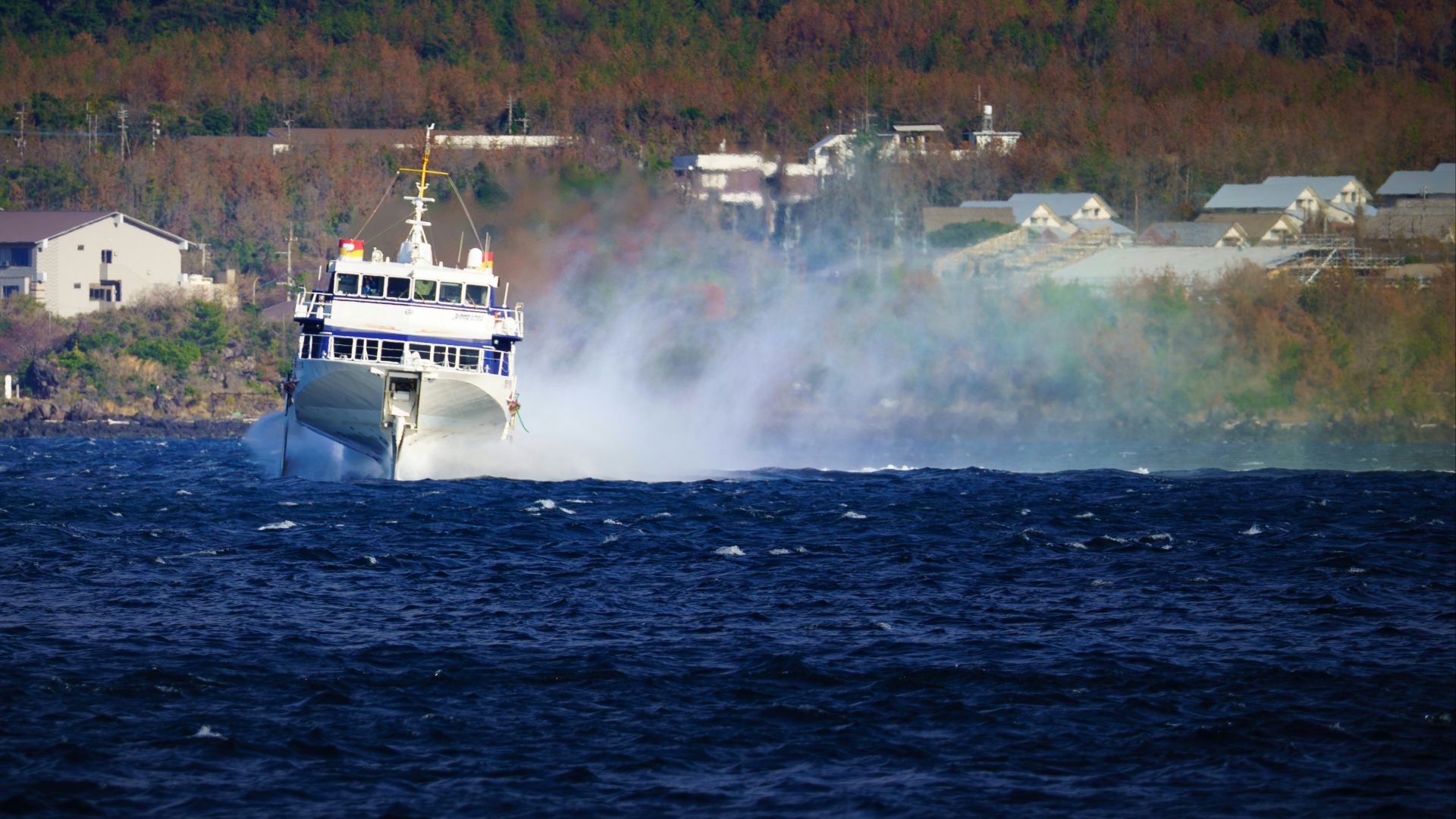
Cruise lines rarely skip ports casually. Docking a massive ship requires calm enough conditions for safe maneuvering, passenger transfers, and pier operations. Strong winds, rough seas, poor visibility, or dangerous swells can quickly turn a routine stop into a serious hazard. Captains generally have wide authority to alter itineraries whenever safety becomes a concern, even if passengers are frustrated by the changes.
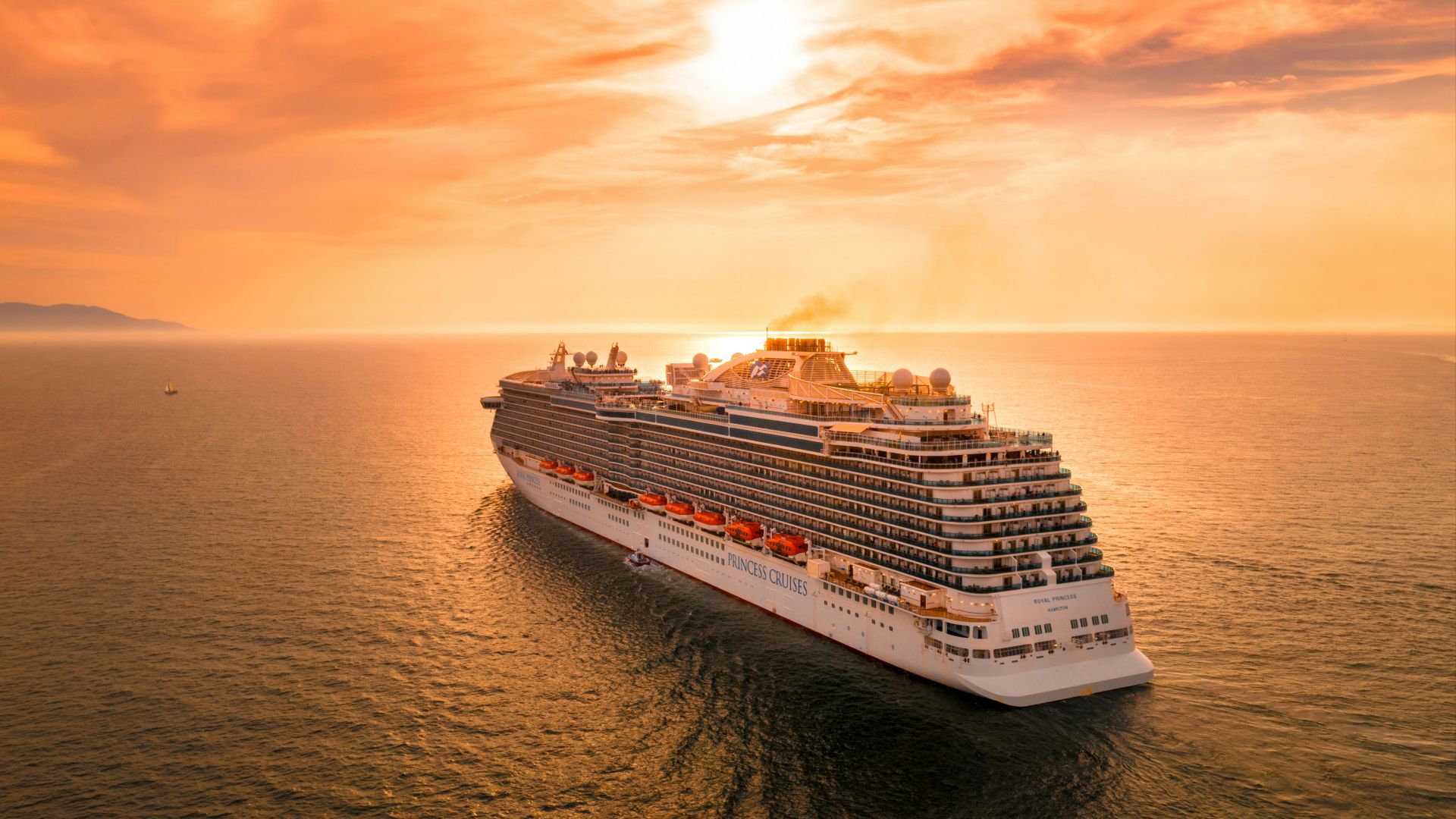
The Captain Has Final Authority
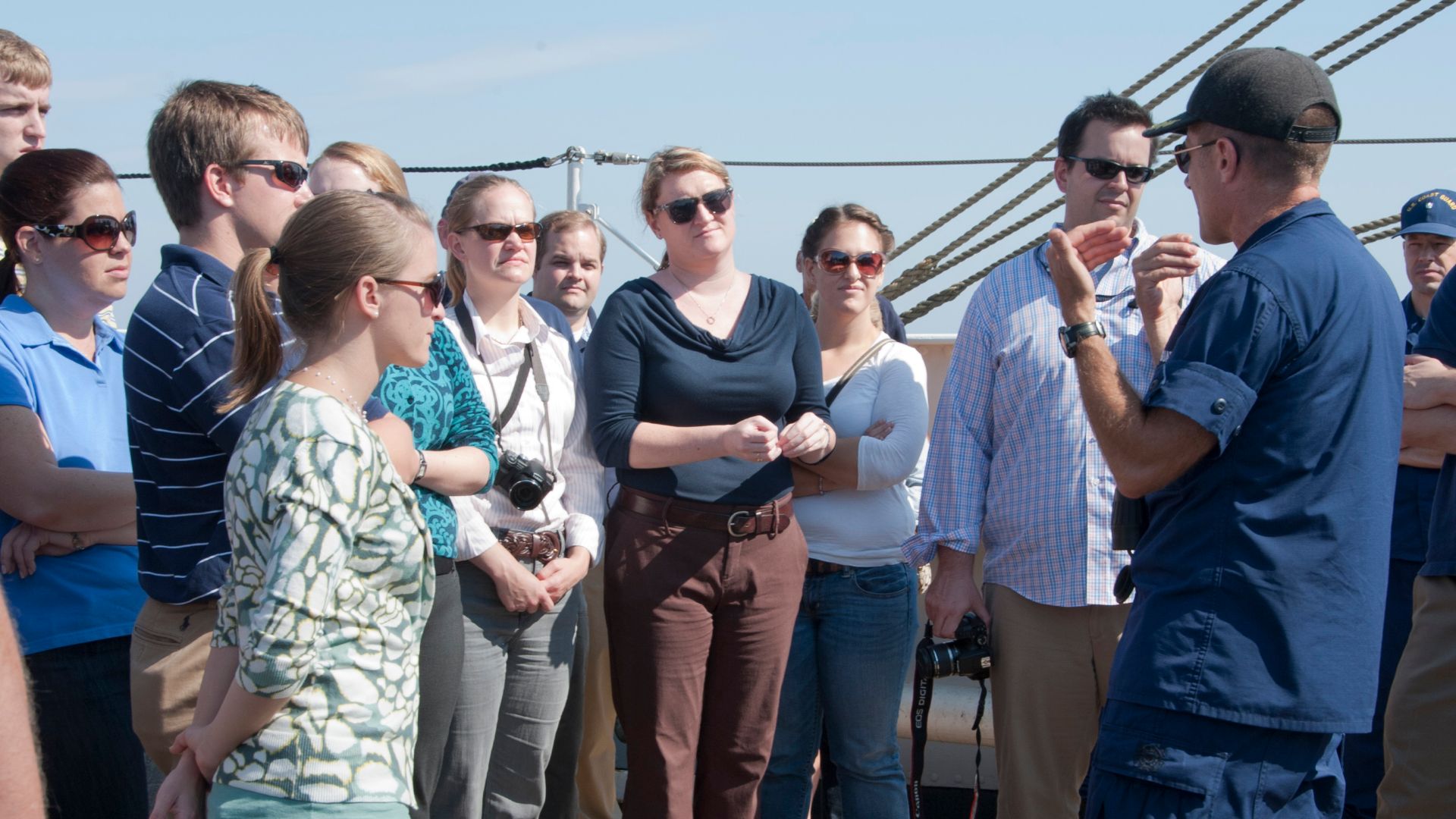
Most cruise contracts make it very clear that the captain has ultimate authority over routing decisions. That means passengers usually cannot force the cruise line to stick to a specific itinerary. If weather conditions deteriorate, the captain can reroute the vessel, delay arrival, substitute ports, or skip stops altogether. Cruise lines emphasize that passenger safety outweighs vacation expectations every single time.
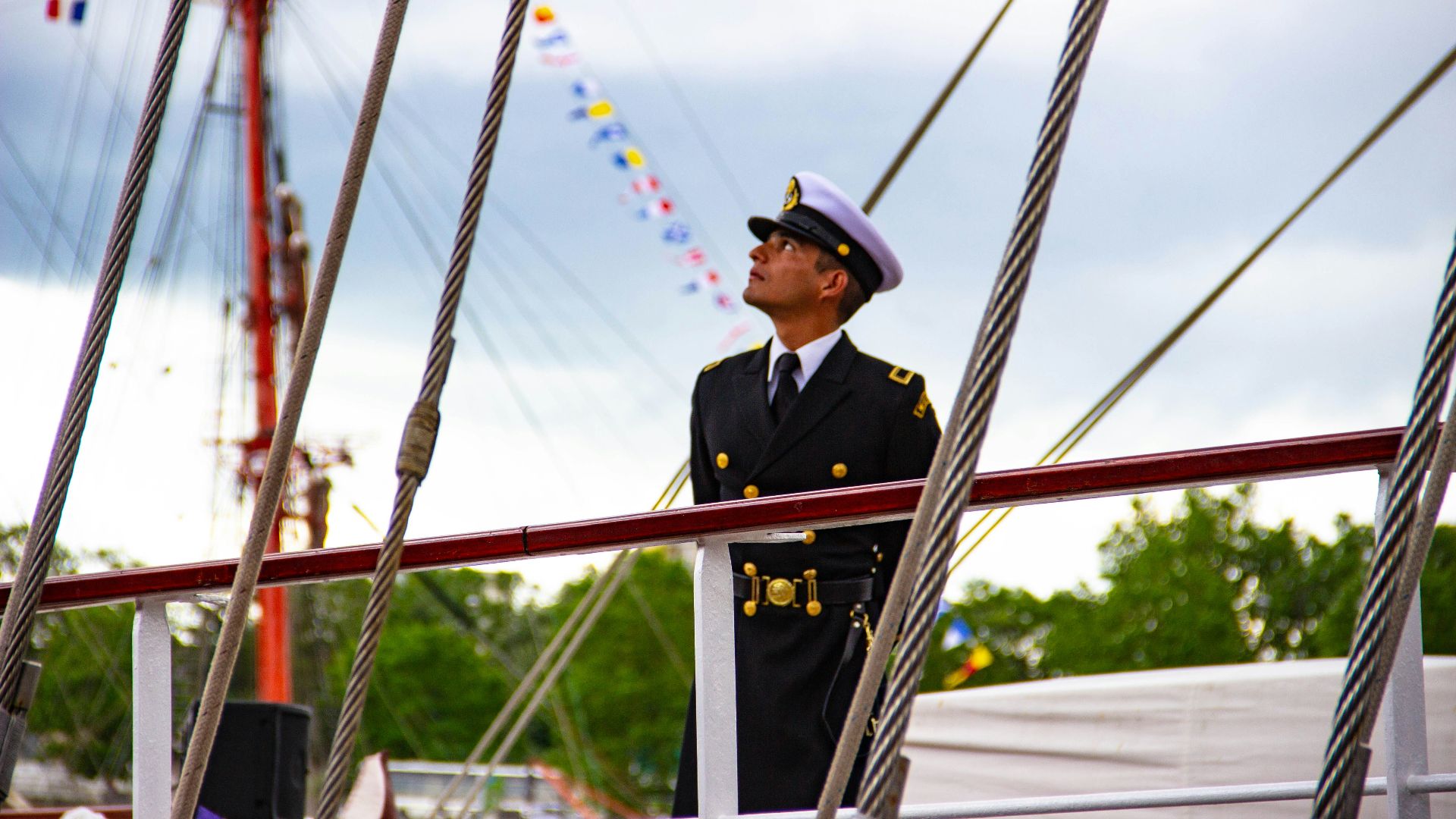
Hurricanes Cause Major Disruptions
The Atlantic hurricane season goes from June through November, with August through October typically being the most disruptive months for Caribbean cruises. During this period, cruise ships frequently adjust routes to avoid tropical storms and hurricanes. Even if the storm is hundreds of miles away, large swells and dangerous winds can still make docking conditions unsafe at nearby ports.
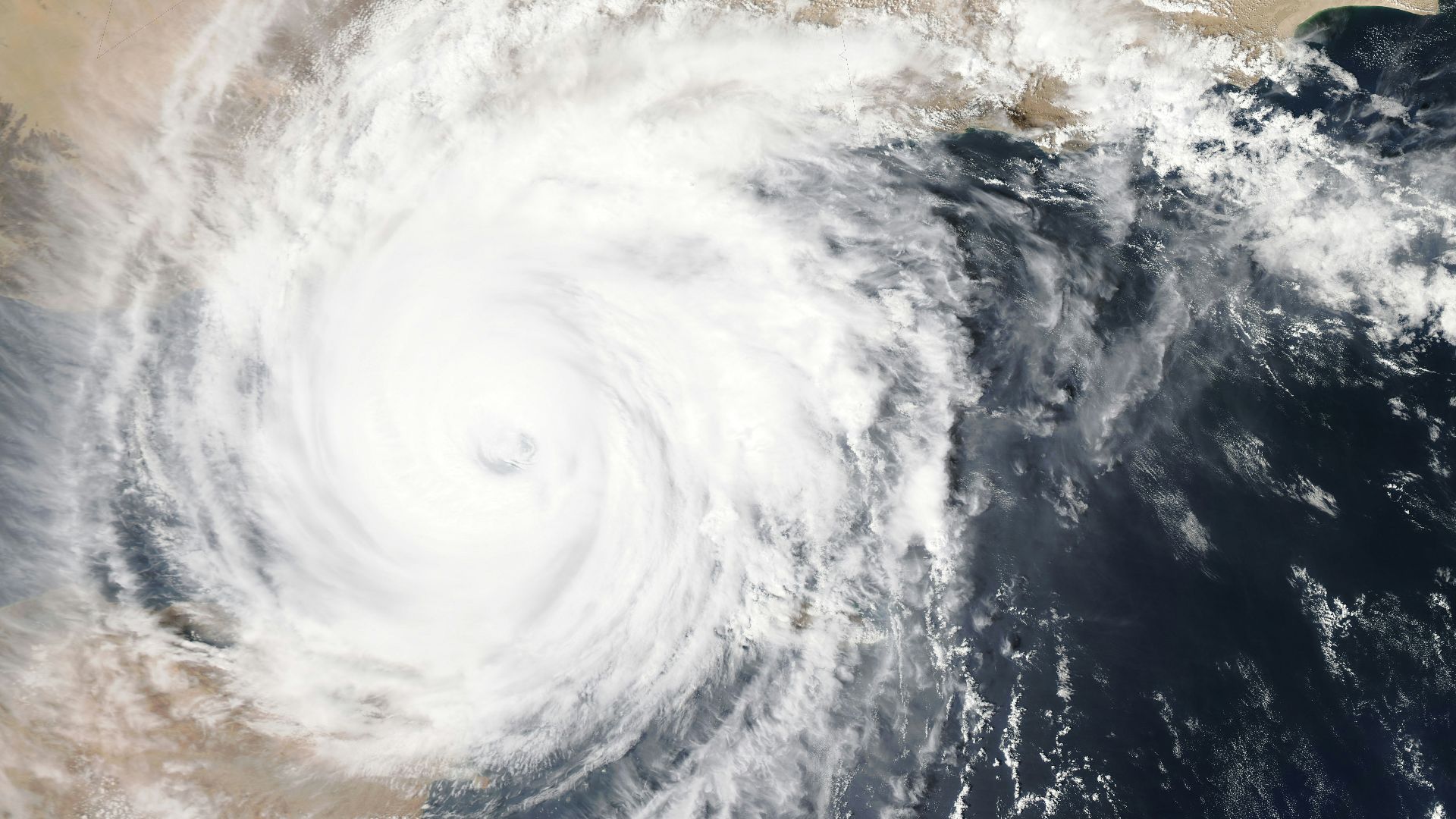
Alaska Cruises Face Different Risks
Alaska cruises encounter very different weather issues. Heavy fog, cold rain, strong winds, and rough Gulf of Alaska seas can all disrupt schedules. Glacier viewing may also be affected by visibility conditions or ice hazards. Travelers sometimes assume Alaska itineraries are more stable because hurricanes aren’t a factor, but northern weather can bring its own unpredictable navigation problems.
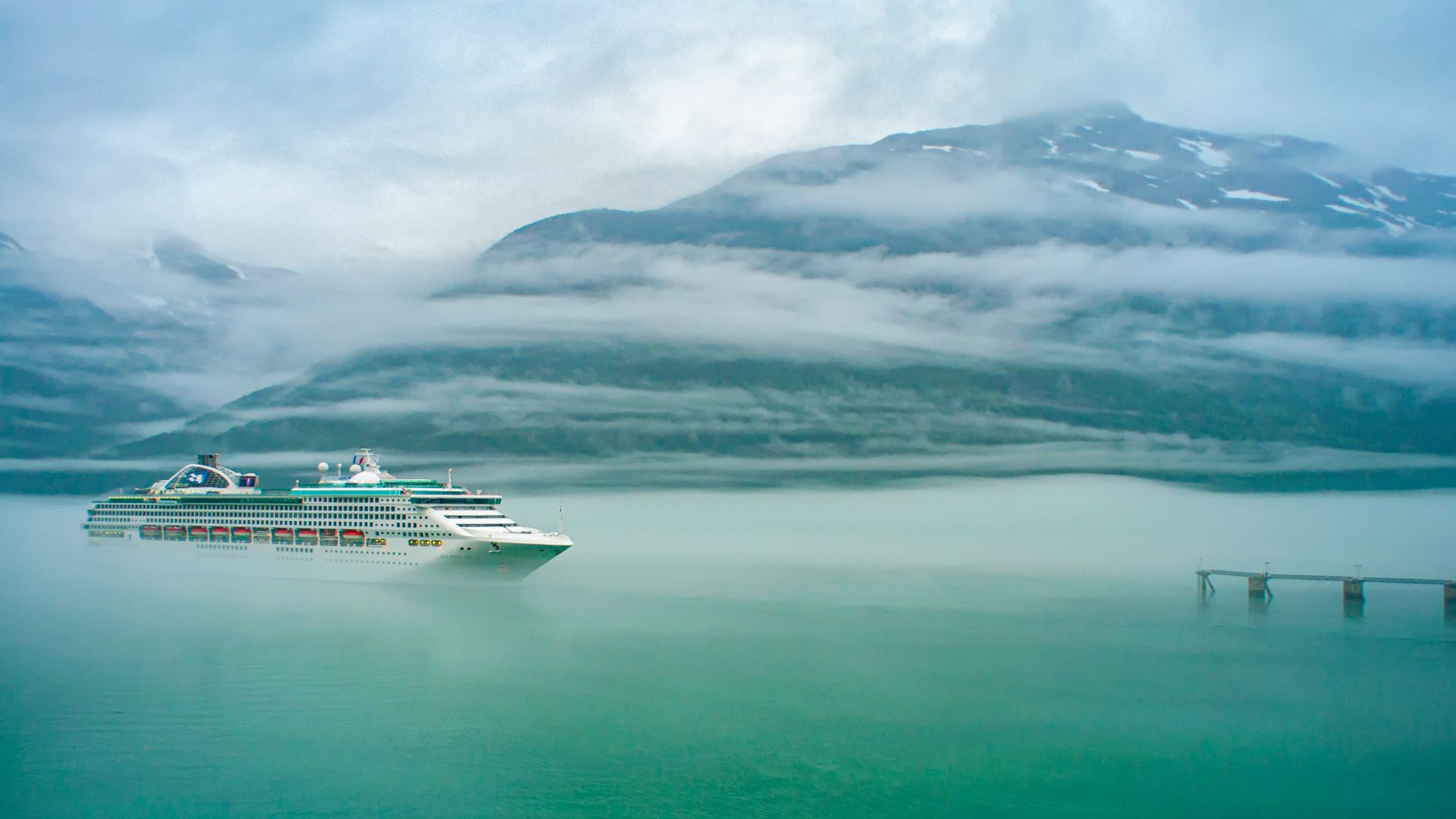
Mediterranean Cruises Are Not Immune
Mediterranean cruises can also see some weather-related changes, especially during the fall and winter months. Strong winds such as the mistral in southern France or rough seas around the Greek islands sometimes force ships to bypass ports. While the Mediterranean often looks calm in advertisements, seasonal storms can still affect itineraries and create difficult docking conditions.
Tender Ports Are Especially Vulnerable
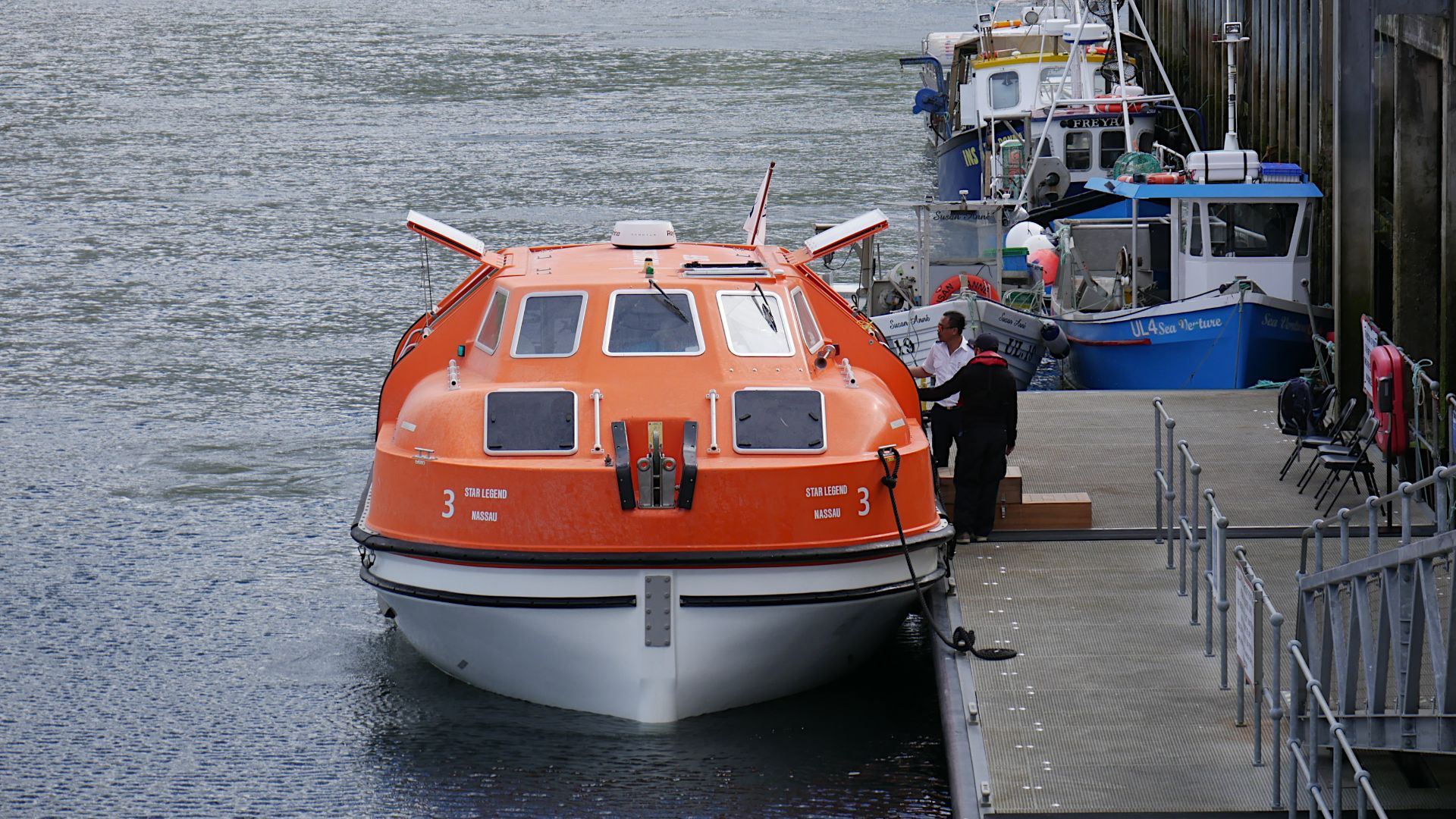
Some cruise destinations require passengers to transfer from the ship to shore using smaller tender boats instead of docking directly at a pier. These ports are especially sensitive to rough water conditions. Even moderate swells can make tender operations dangerous. Cruise passengers visiting places like Grand Cayman or certain private islands often experience cancellations because of sea conditions near shore.
 Craig Wallace , Wikimedia Commons
Cruise Contracts Favor The Cruise Line
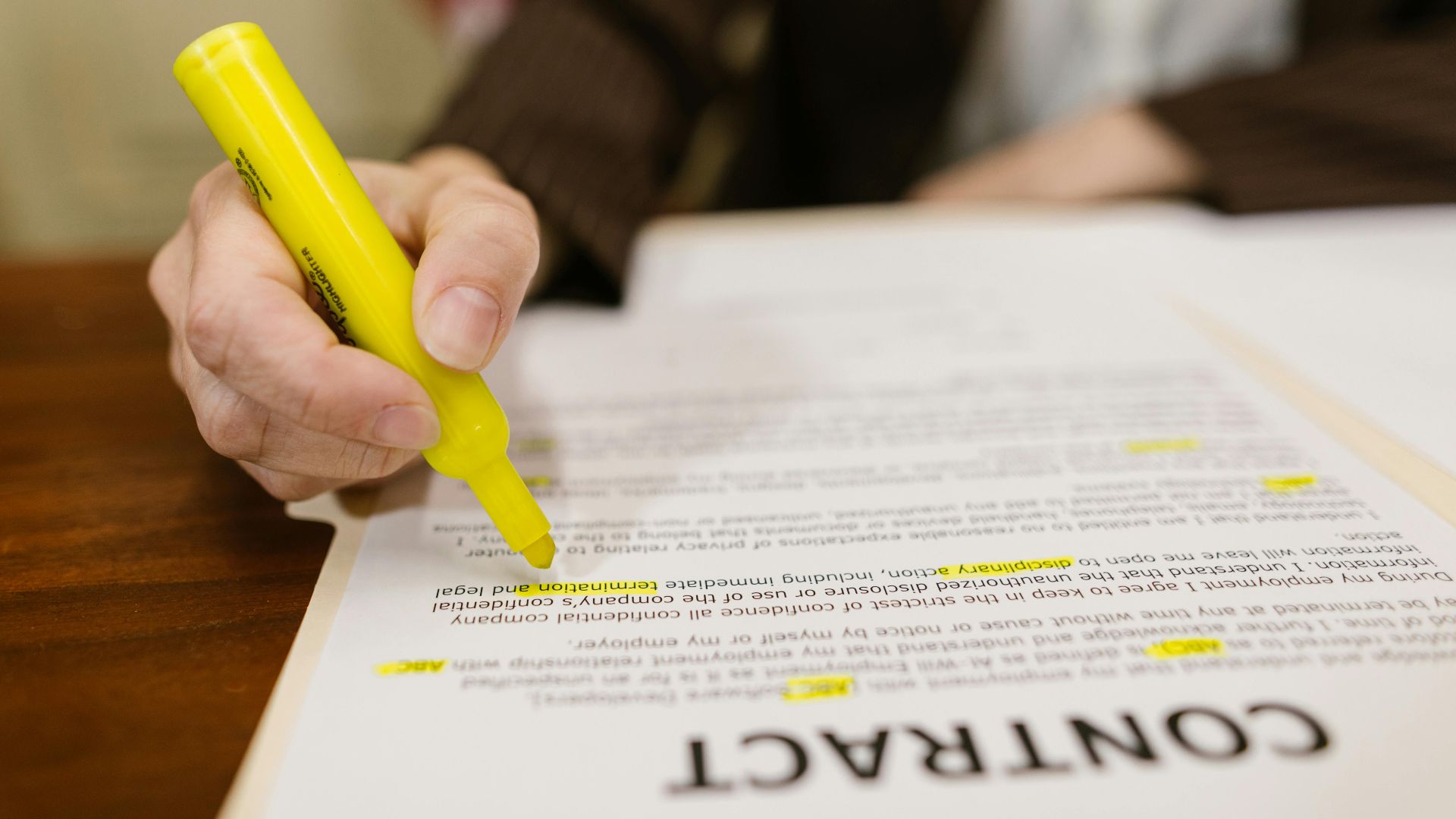
Most cruise tickets contain lengthy contract language explaining that itineraries are not guaranteed. Buried in the fine print are clauses allowing changes for weather, mechanical issues, political instability, medical emergencies, or operational concerns. While many passengers never even bother to read these contracts carefully, courts often uphold them because travelers technically agreed to the terms when they booked the cruise.
Refunds Are Often Limited
Cruise passengers are often surprised to find out that missed ports don’t automatically result in refunds. In many cases, cruise lines only refund prepaid port taxes and fees connected to the canceled stop. Some lines may offer onboard credits as a goodwill gesture, but full compensation for disappointment or lost vacation experiences is usually not required under standard cruise contracts. Your attempts at getting your money back will be anything but smooth sailing.

Some Cruise Lines Offer Better Compensation
Not all cruise lines handle disruptions the same way. Some companies are more generous with onboard credits, partial refunds, complimentary excursions, or future cruise discounts after major itinerary changes. Luxury lines sometimes provide stronger customer service responses because they compete heavily on passenger satisfaction. Budget-focused lines may stick more strictly to the contract language regarding missed ports.
 Petty Officer 3rd Class Diana Honings, Wikimedia Commons
Travel Insurance Usually Has Limits
Many passengers assume travel insurance will compensate them automatically for missed ports, but policies vary widely. Standard travel insurance often focuses more on medical emergencies, cancellations, or trip interruptions than unforeseen itinerary changes. Some premium policies include “missed port” coverage, but any payout you receive in these cases may be modest compared to the total cost of the cruise vacation itself.

Excursions Can Create Extra Frustration
Missed ports often become even more frustrating when passengers had expensive shore excursions planned. Cruise line sponsored excursions are typically refunded automatically if the ship skips the stop. Independent tours booked through third parties can be more complicated. Some operators offer refunds, while others pocket the deposit or require travelers to purchase separate cancellation protection.

Weather Technology Has Gotten Better
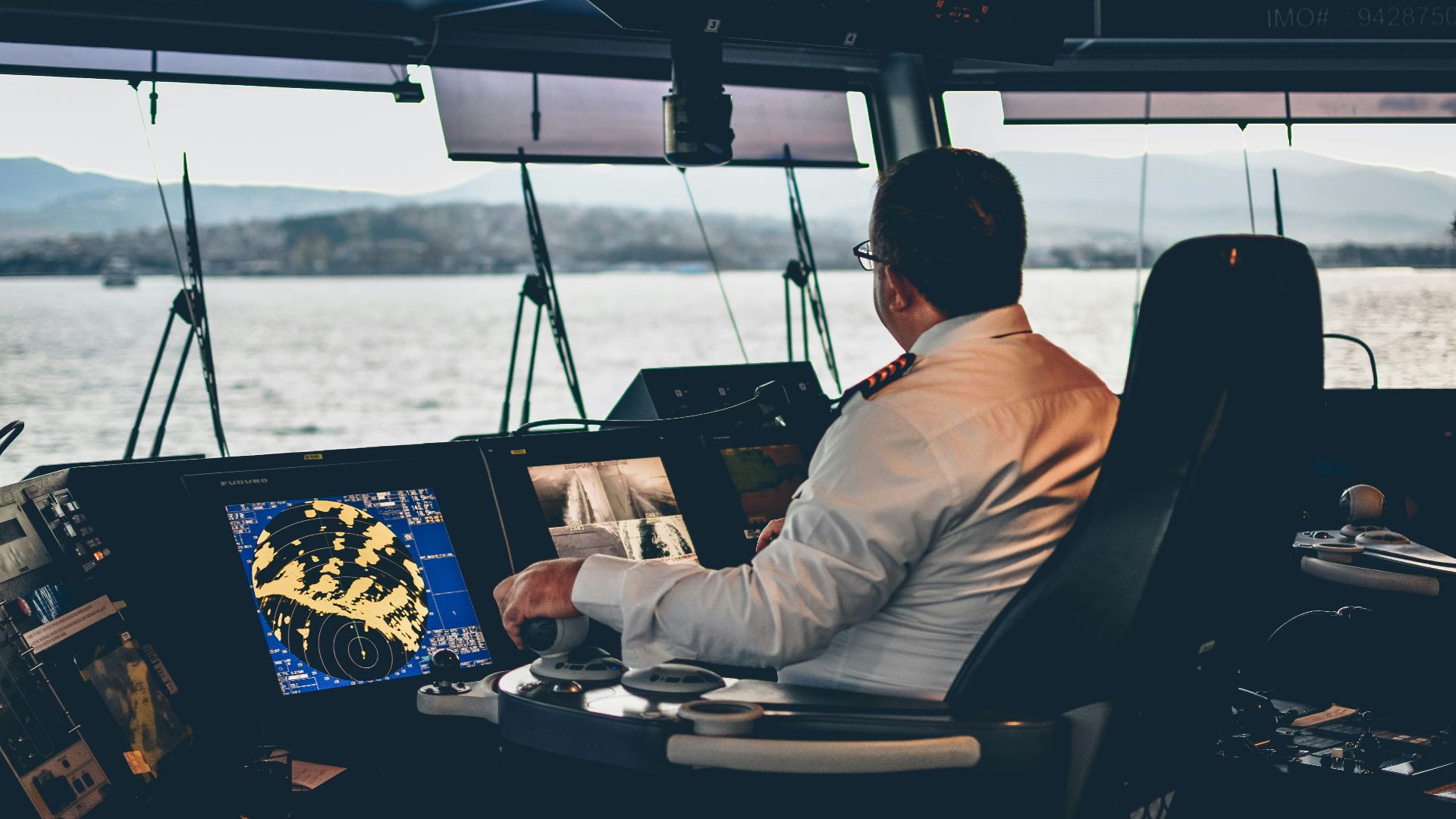
Modern cruise ships rely on sophisticated weather forecasting systems that track storms, wind patterns, wave heights, and ocean currents in great detail. Cruise captains often start rerouting long before passengers notice any danger. While guests may feel frustrated seeing only cloudy skies, the crew may be avoiding conditions that could become much worse several hours later along the planned route.
Rough Seas Affect More Than Docking
Even if a port itself seems calm, rough seas elsewhere along the route may create broader safety concerns. Cruise ships need enough time and stable conditions to stay on schedule while protecting passengers and crew. Large waves can also complicate fuel usage, navigation timing, and emergency response planning. Captains therefore take into consideration the entire voyage, not just the immediate port conditions.
Repositioning Cruises Carry Higher Risks
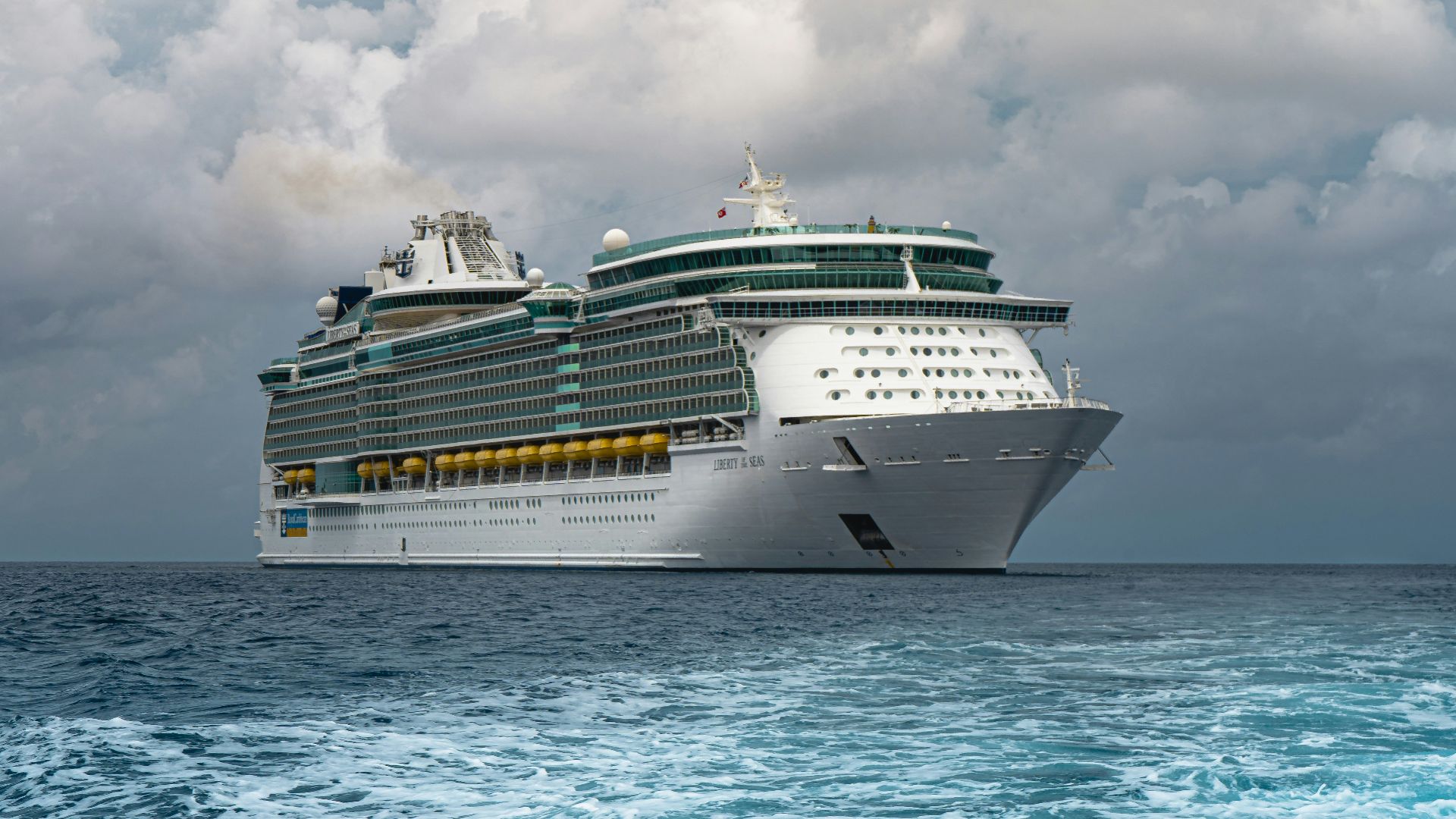
Long repositioning cruises, such as voyages crossing the Atlantic or Pacific during seasonal transitions, often face rougher conditions than shorter Caribbean itineraries. Travelers booking these cruises should expect a higher possibility of itinerary changes or uncomfortable sea days. These sailings can still be enjoyable, but flexibility becomes especially important when crossing large stretches of open ocean.
Booking During Shoulder Seasons Helps
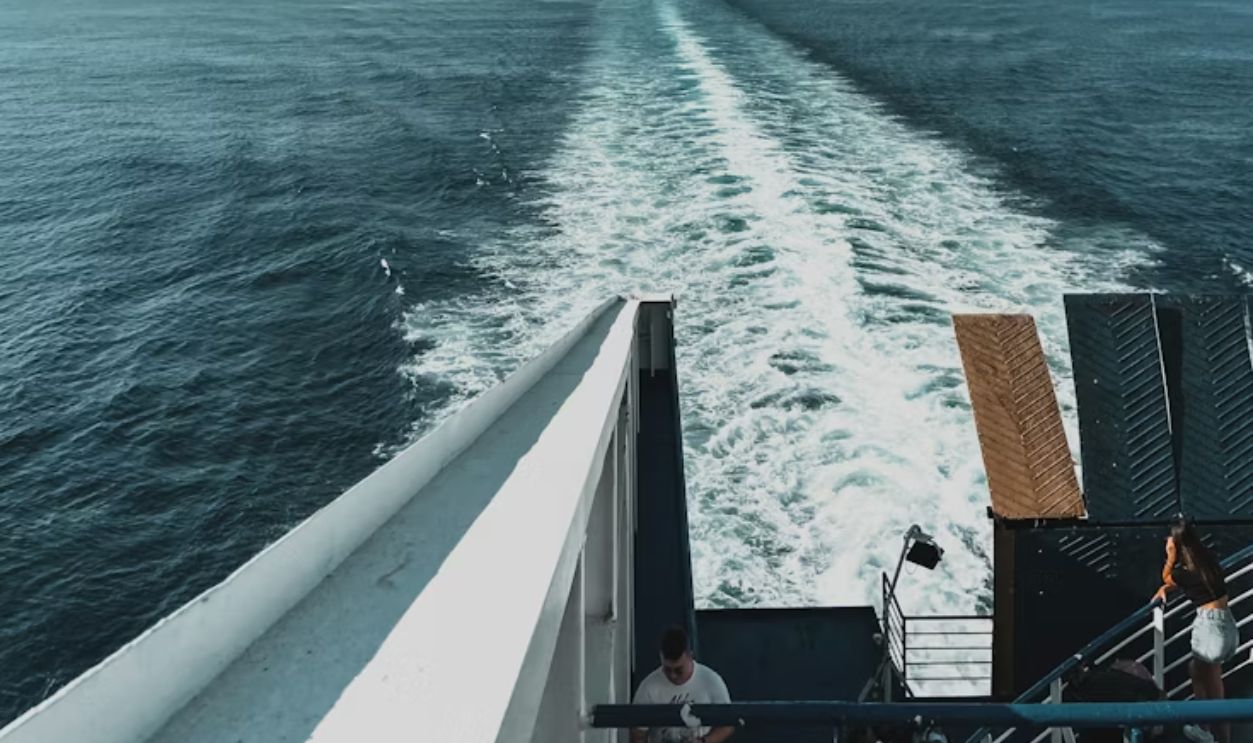
If you want fewer weather disruptions, consider booking cruises during shoulder seasons rather than peak storm periods. Caribbean sailings in late winter or spring often experience calmer conditions than late summer voyages. Mediterranean cruises are generally steadier during late spring and early summer. No season guarantees perfect weather, but careful timing can lower your odds of having major itinerary problems.
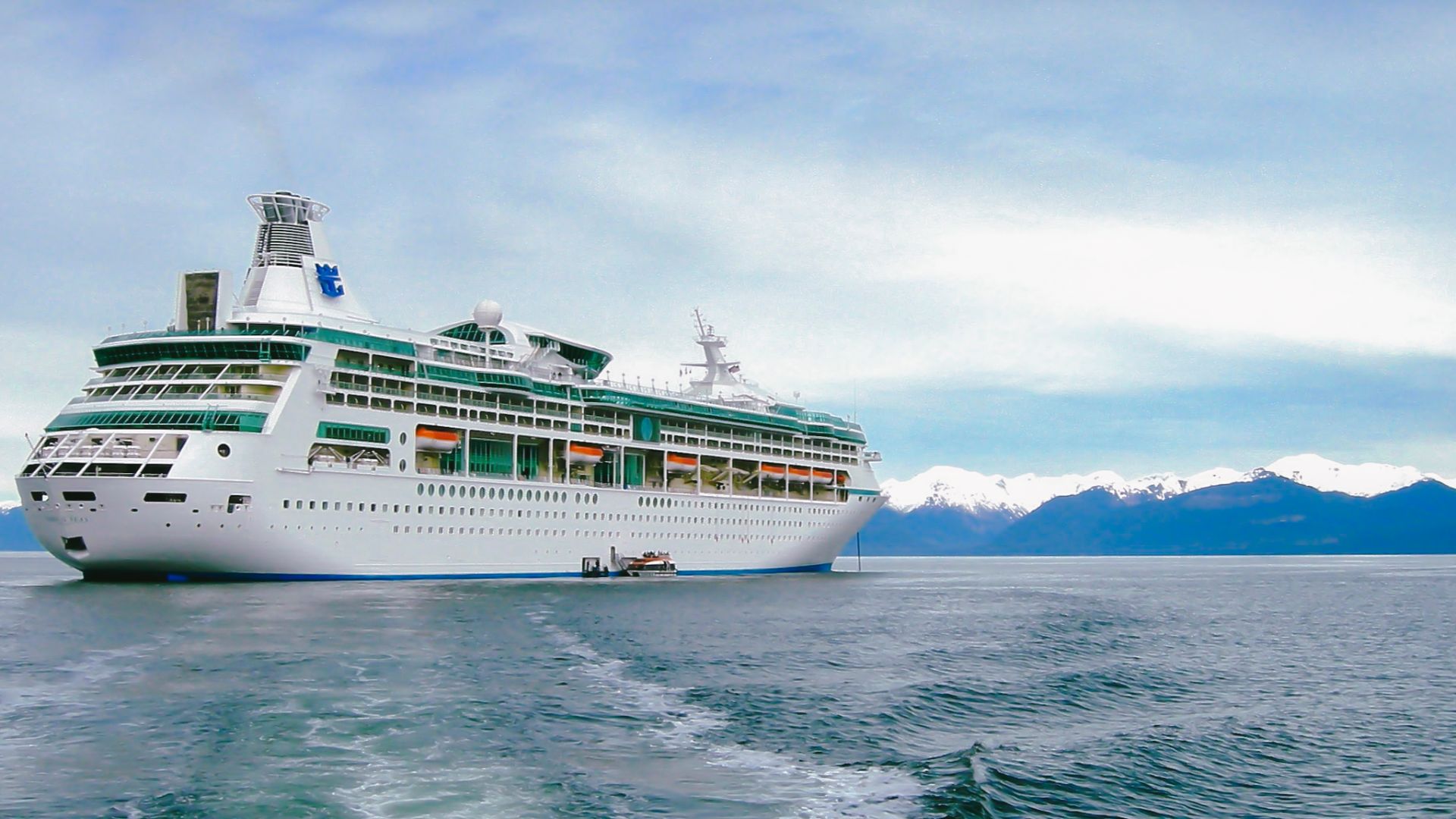 Matthew T Rader, Wikimedia Commons
Larger Ships Handle Weather Better
Modern mega ships are generally more stable in rough conditions than older or smaller vessels. Advanced stabilizer systems help reduce motion on rough seas, improving passenger comfort. Larger ships can also sometimes maintain schedules more effectively because of their stronger engines and improved navigation technology. However, even the biggest ships may still skip ports when conditions become unsafe.
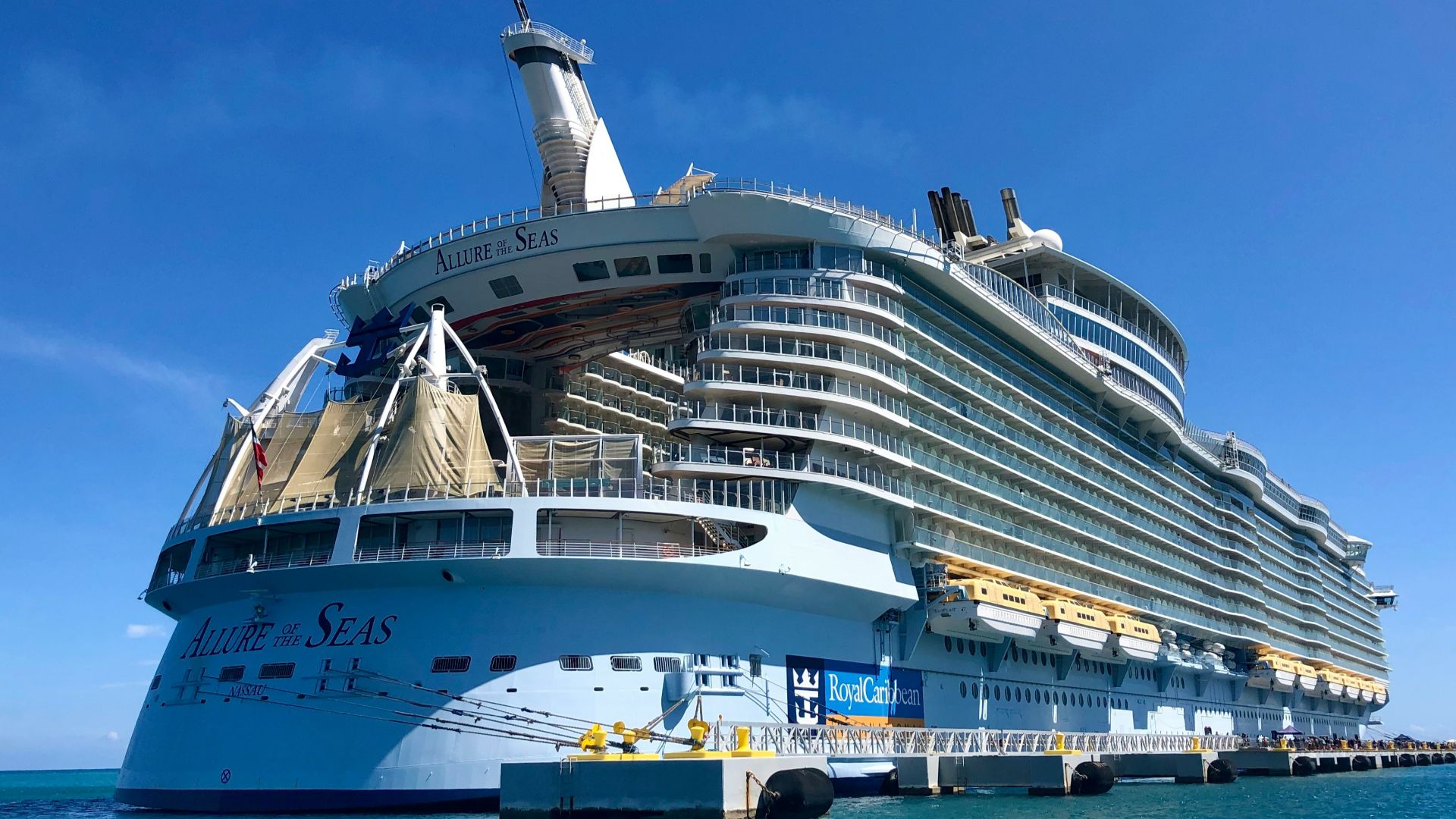
Flexibility Is Part Of Cruise Travel
Cruise vacations differ from land vacations because travelers surrender some control over schedules and destinations once the voyage begins. Experienced cruisers often treat the itinerary as flexible rather than guaranteed. Adopting that mindset can ease frustration if plans change unexpectedly. Passengers who maintain an adaptable attitude often enjoy the onboard experience more, even when ports are canceled.
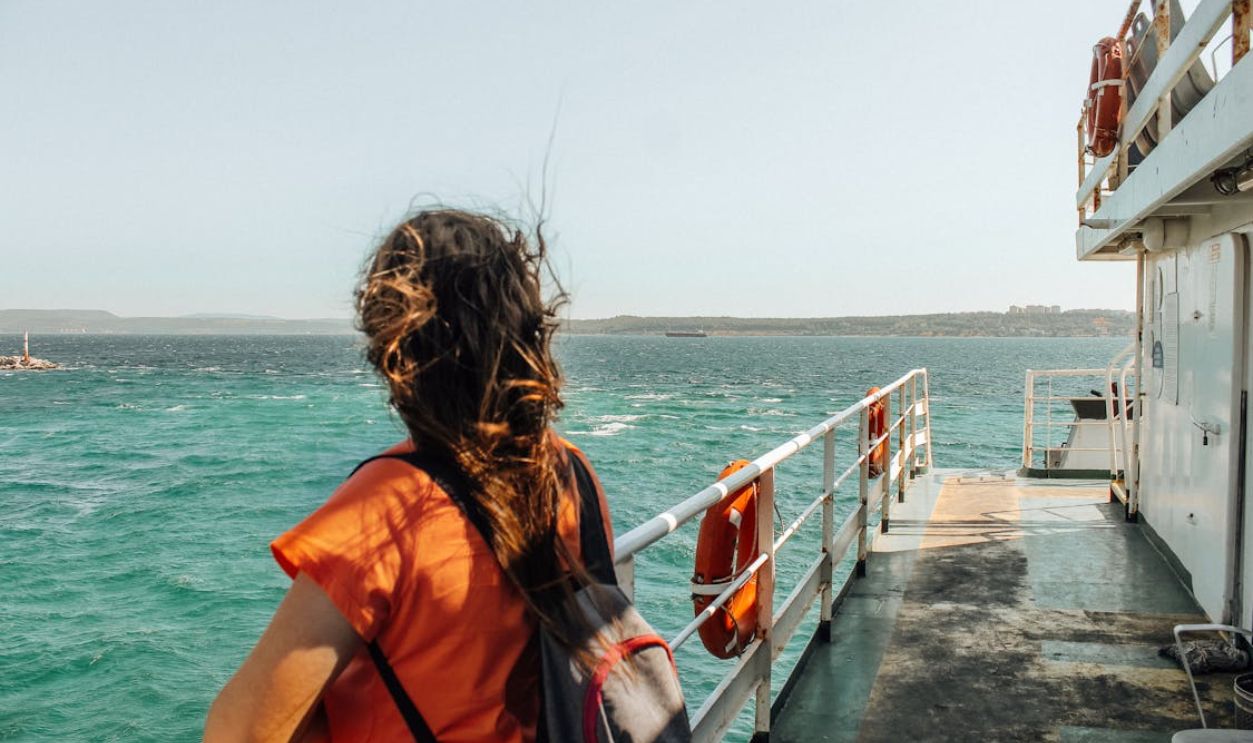
Future Cruise Credits Can Ease The Blow
If you do encounter significant itinerary disruptions, it may still be worthwhile to politely contact customer service after the trip. Cruise lines occasionally issue future cruise credits or goodwill offers to preserve customer loyalty, especially after multiple missed ports. Remaining calm and reasonable generally produces better results than issuing angry and reproachful demands, particularly when safety concerns are clearly what drove the decisions.

Planning Ahead Makes A Difference
Before booking future cruises, research seasonal weather patterns, itinerary reliability, and the specific ports involved. Look into purchasing travel insurance that includes missed port coverage if itinerary stability is important to you. It also helps to view cruises as floating vacations rather than guaranteed destination packages. That perspective makes weather disruptions a lot easier to accept when the ocean ultimately dictates the schedule.

You May Also Like: