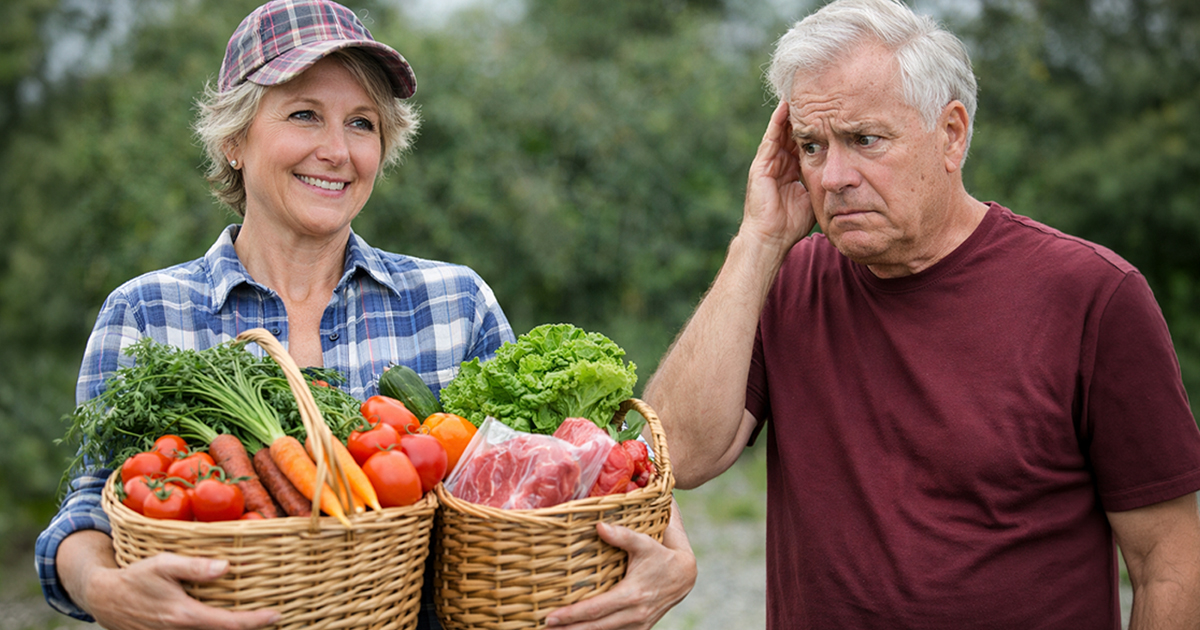
Auntie Wants To Share Her Goods
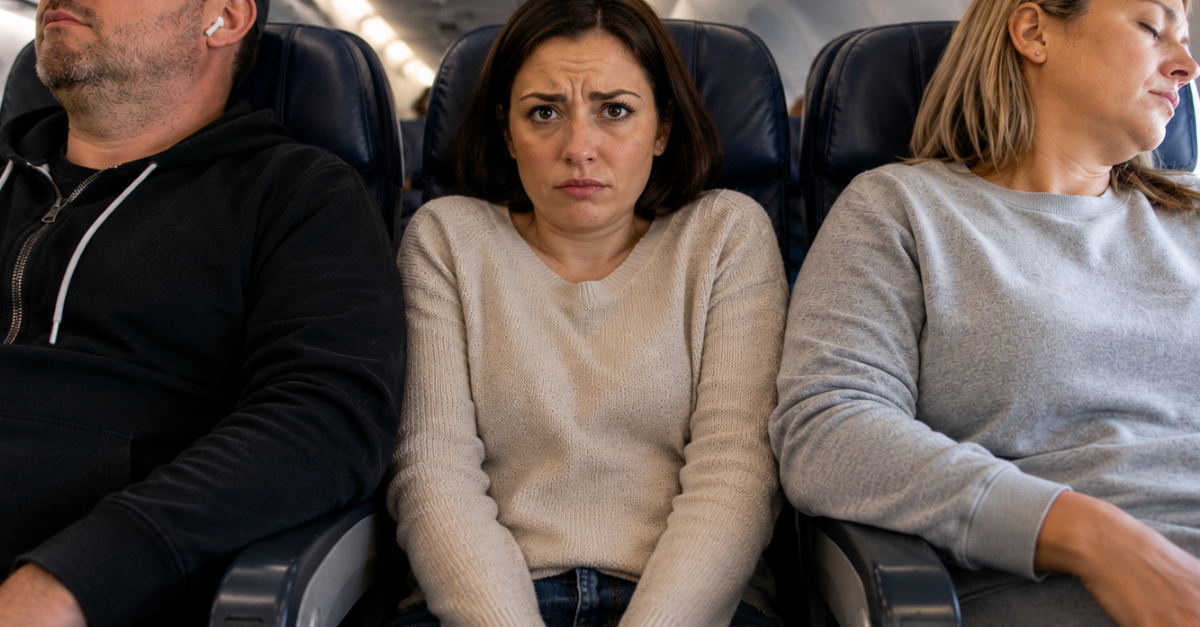
Your aunt’s rolling in from Canada with farm-fresh goodies, and suddenly your parents are debating like it’s a courtroom drama. One says “illegal,” the other says “no one checks.” So… who’s right? Well, it might surprise you.
So… Is It Actually Illegal?
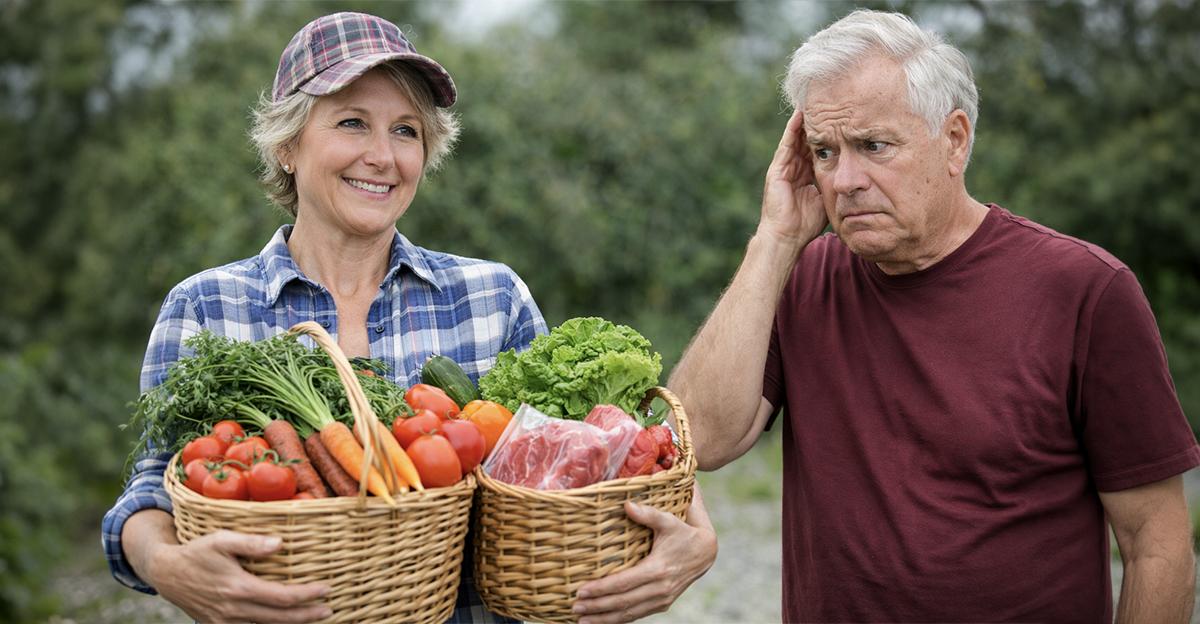
Here’s the truth: it’s not automatically illegal to bring food across the border—but it’s heavily regulated. Certain items are allowed, others are restricted, and some are completely banned. The key detail? You must declare everything you’re bringing, no exceptions.
But food is where things can get confusing.
The Border Isn’t Guessing—They Have Rules
US Customs and Border Protection (CBP) and the USDA have strict guidelines about food imports. These rules exist to prevent pests, diseases, and contamination. It’s not about ruining your aunt’s farm-to-table moment—it’s about protecting agriculture and public health.
This doesn’t necessarily mean it’s not allowed, though.
Fresh Produce: The Big Question Mark
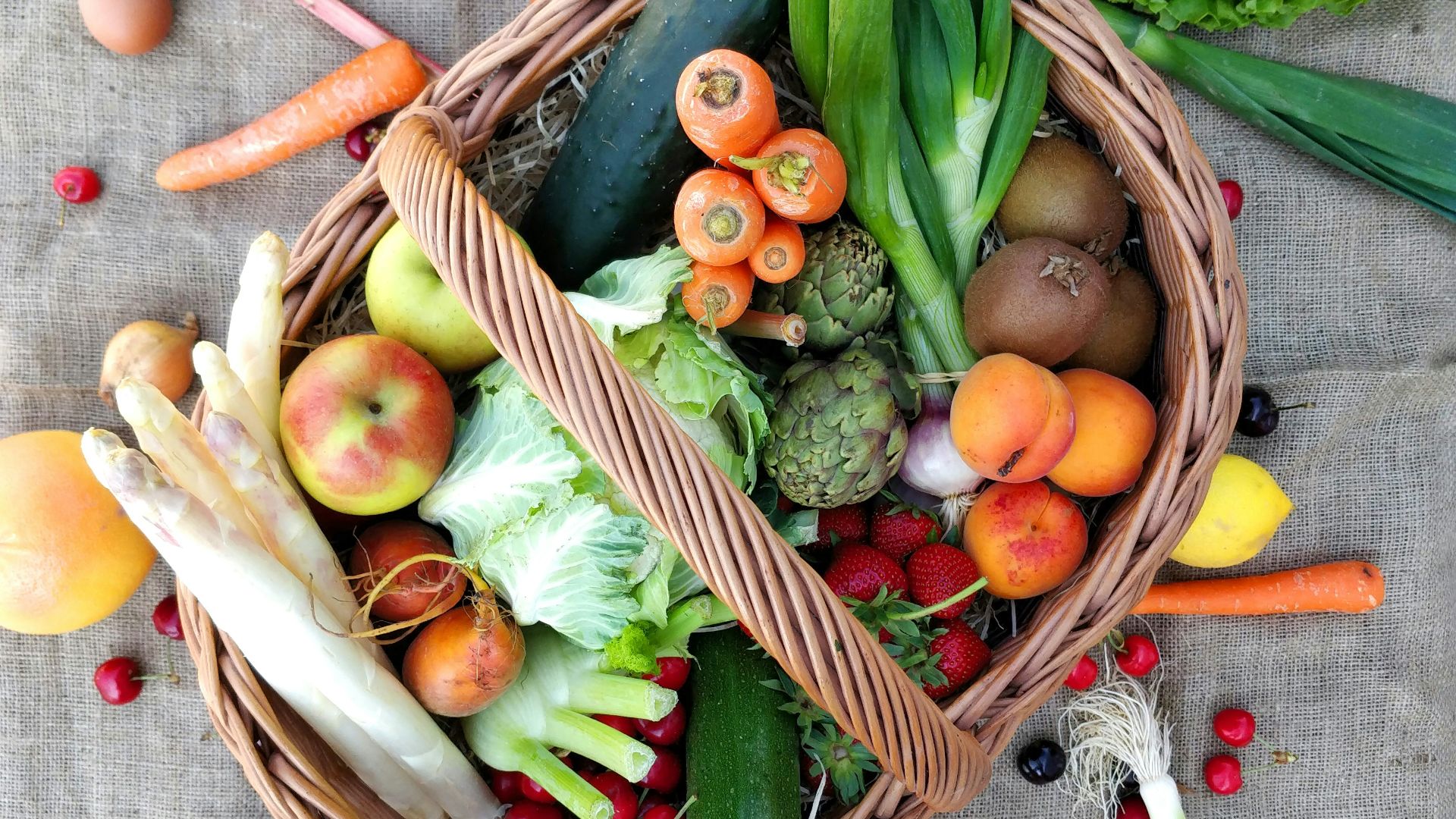
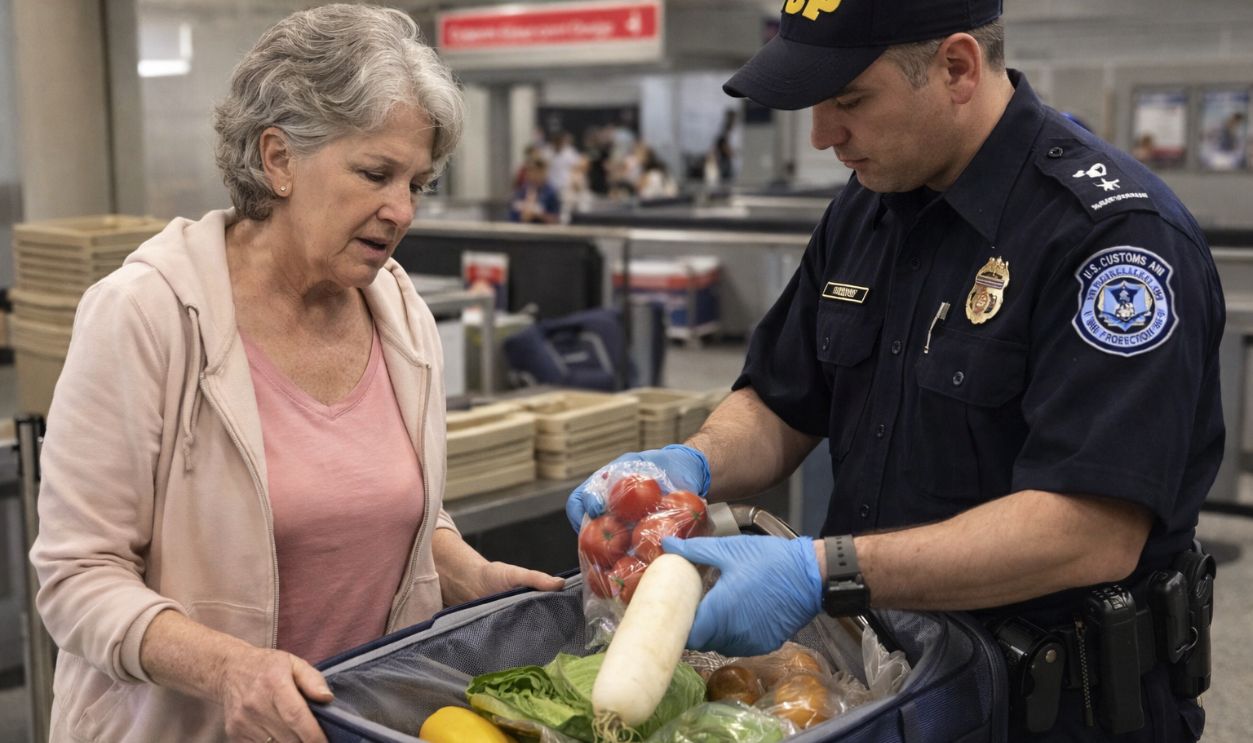
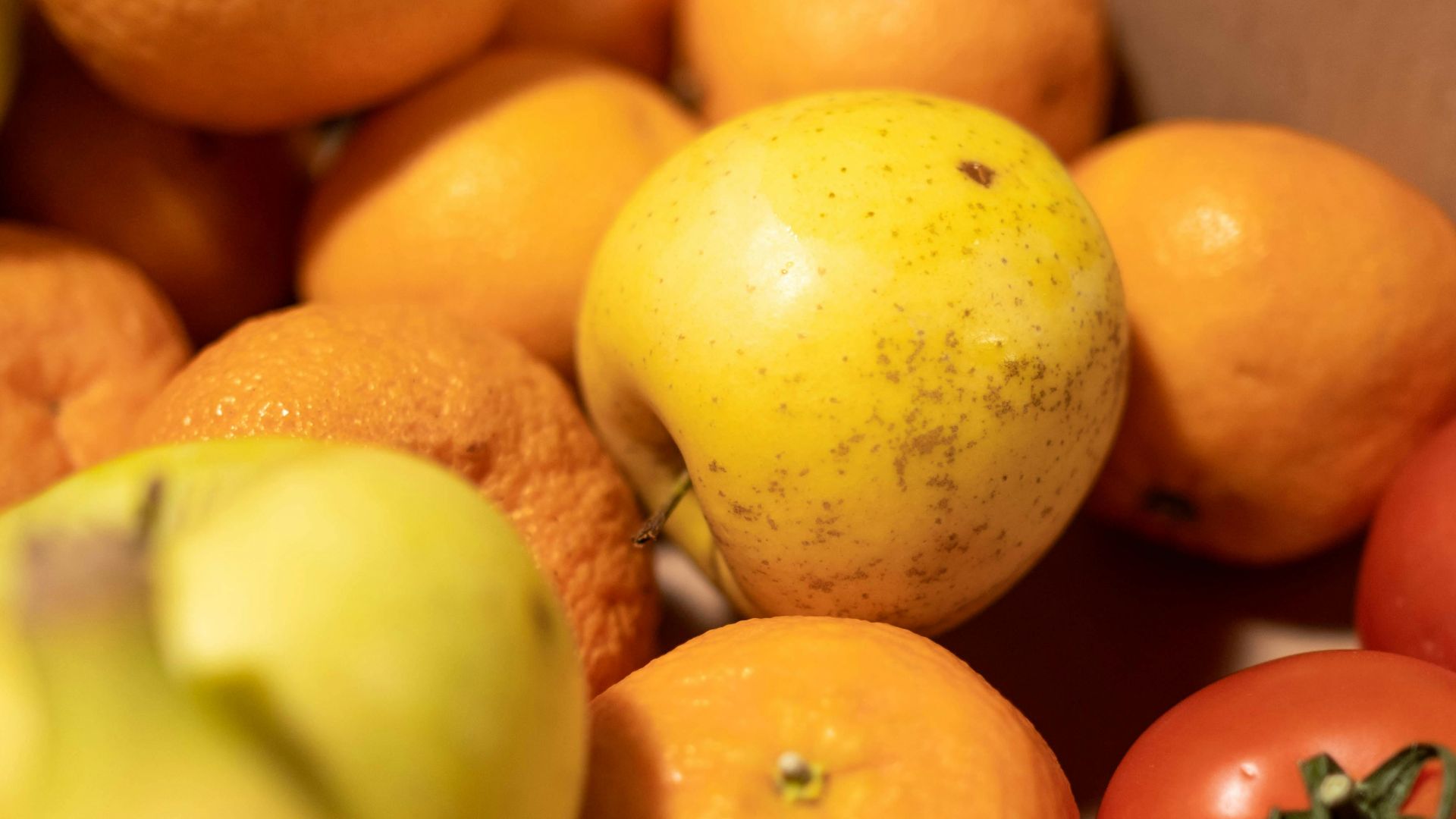
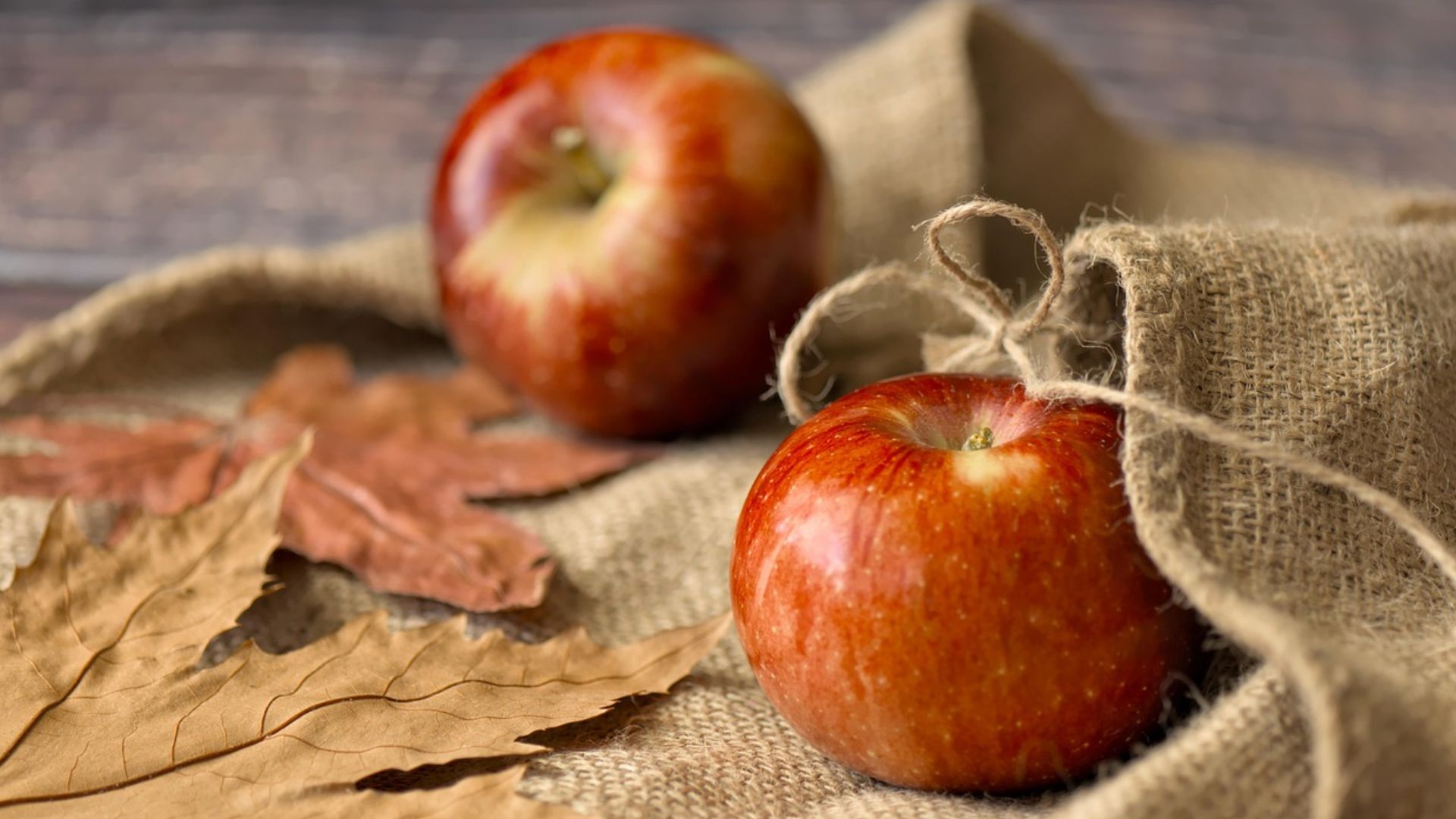
Fresh fruits and vegetables are where things get tricky. Some are allowed, but many are restricted depending on origin and current agricultural risks. Items like apples, potatoes, or citrus can be flagged or confiscated at the border.
And they’re pretty firm in their reasons.
Why Produce Gets So Much Attention
It might seem harmless, but fresh produce can carry invasive pests or plant diseases. Even one contaminated item can cause massive agricultural damage. That’s why border agents take fruits and vegetables very seriously—even if they look perfectly fine.
What about meat?
Meat From The Farm? Even More Complicated
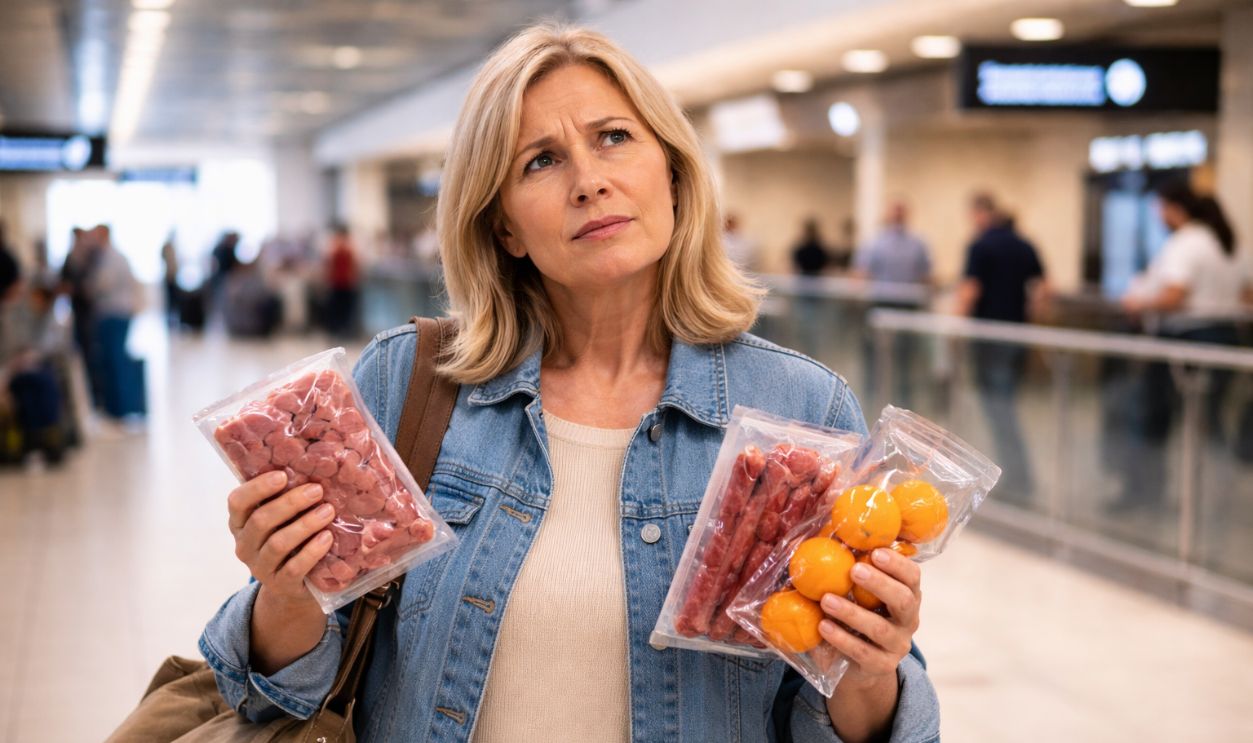
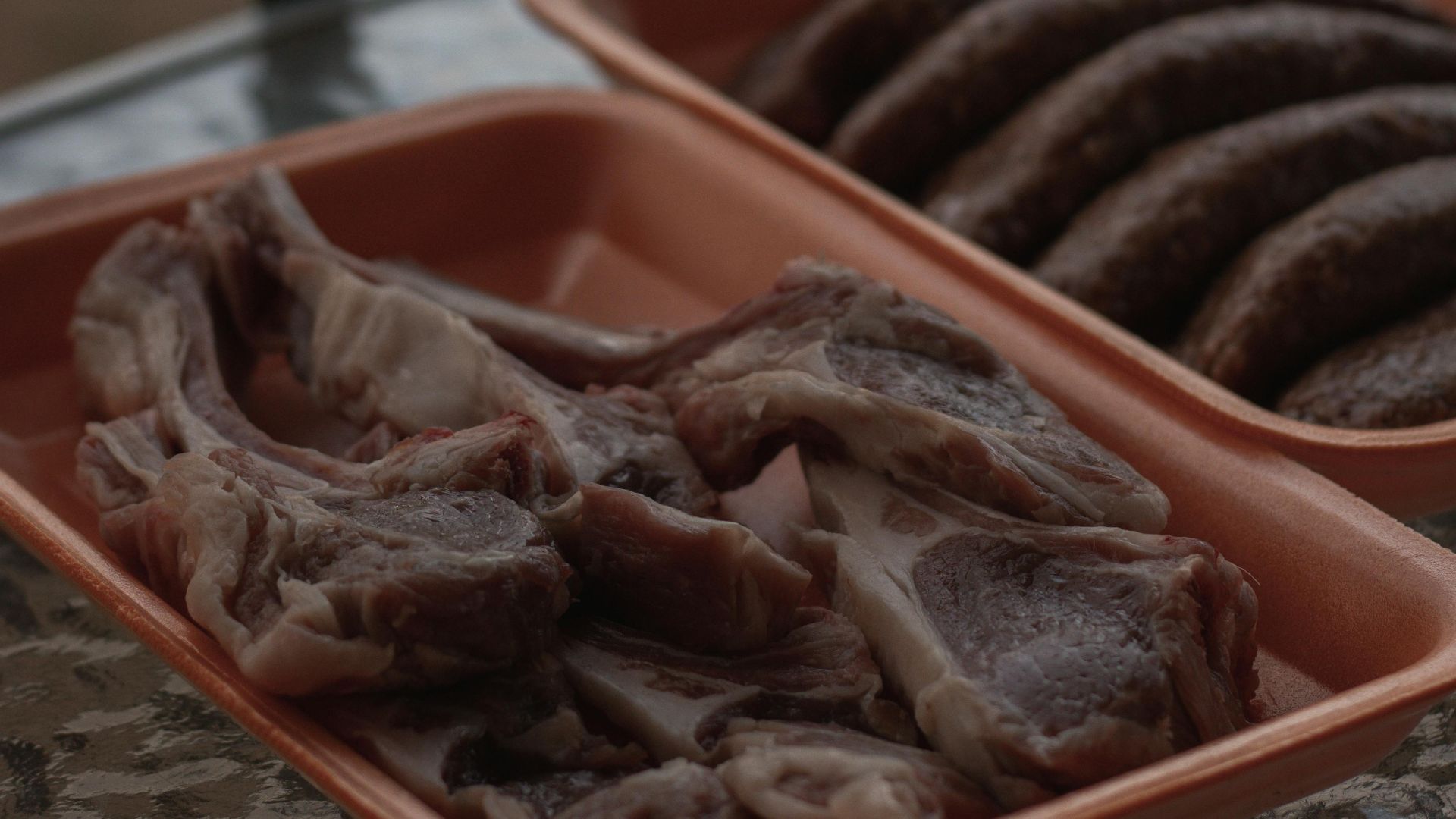
Bringing meat across the border is more restricted than produce. While some commercially packaged meats are allowed, farm-raised or homemade meat products are often prohibited. This includes fresh cuts, sausages, or anything not officially processed.
There is one key factor to remember.
The Packaging Rule You Didn’t Expect
Here’s a detail most people miss: packaging matters. Meat typically needs to be commercially packaged, labeled, and from an approved source. Farm meat without inspection labels? That’s almost guaranteed to be denied entry at the border.
Dairy is a whole other conversation.
Dairy Products: Not Always Safe Either
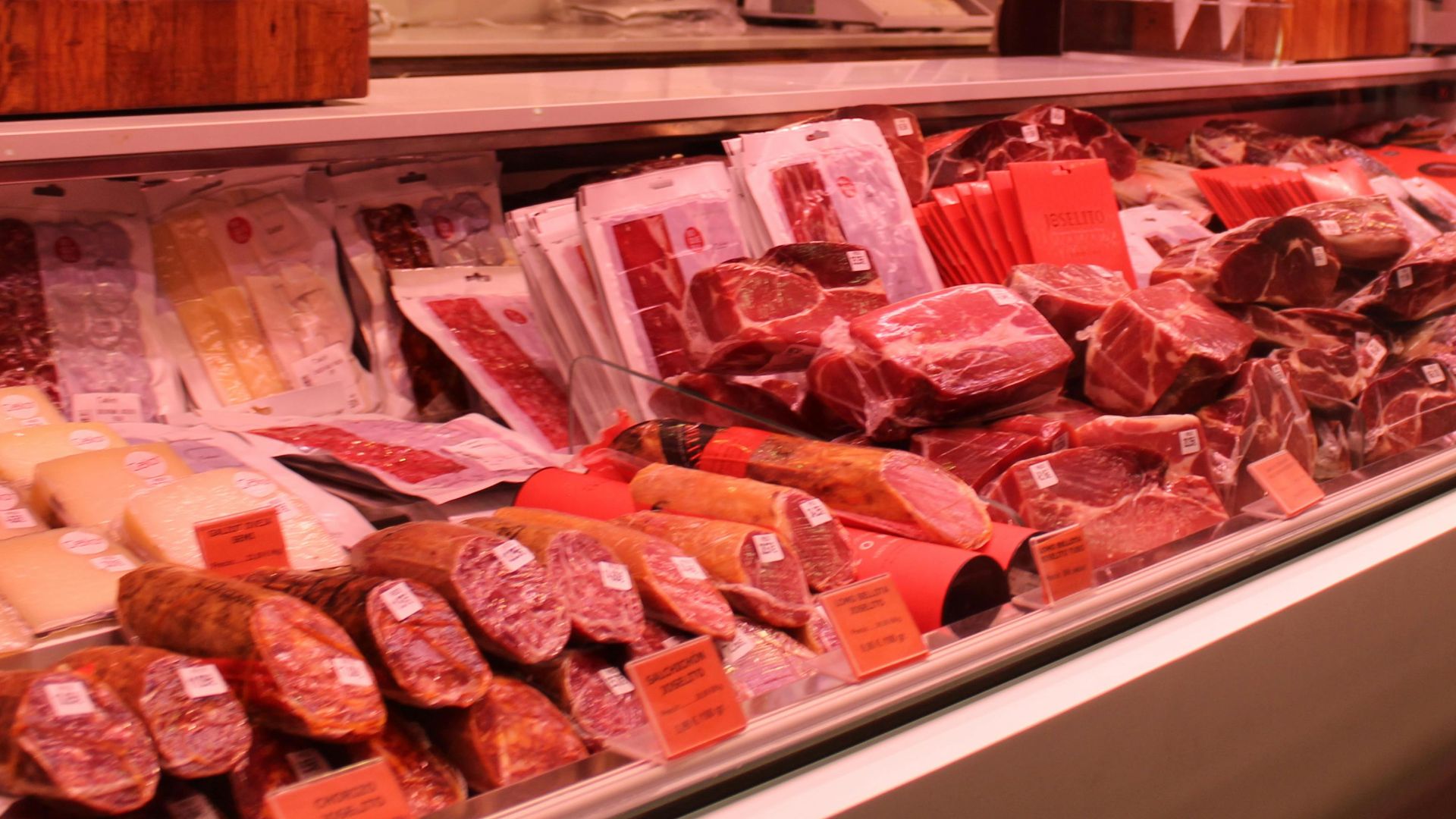
Think cheese, milk, or butter is fine? Not always. Some dairy products are allowed in limited quantities, but others may be restricted depending on disease concerns. Again, it comes down to origin, packaging, and whether it’s declared properly.
So, who checks?

“No One Checks” Is a Risky Assumption
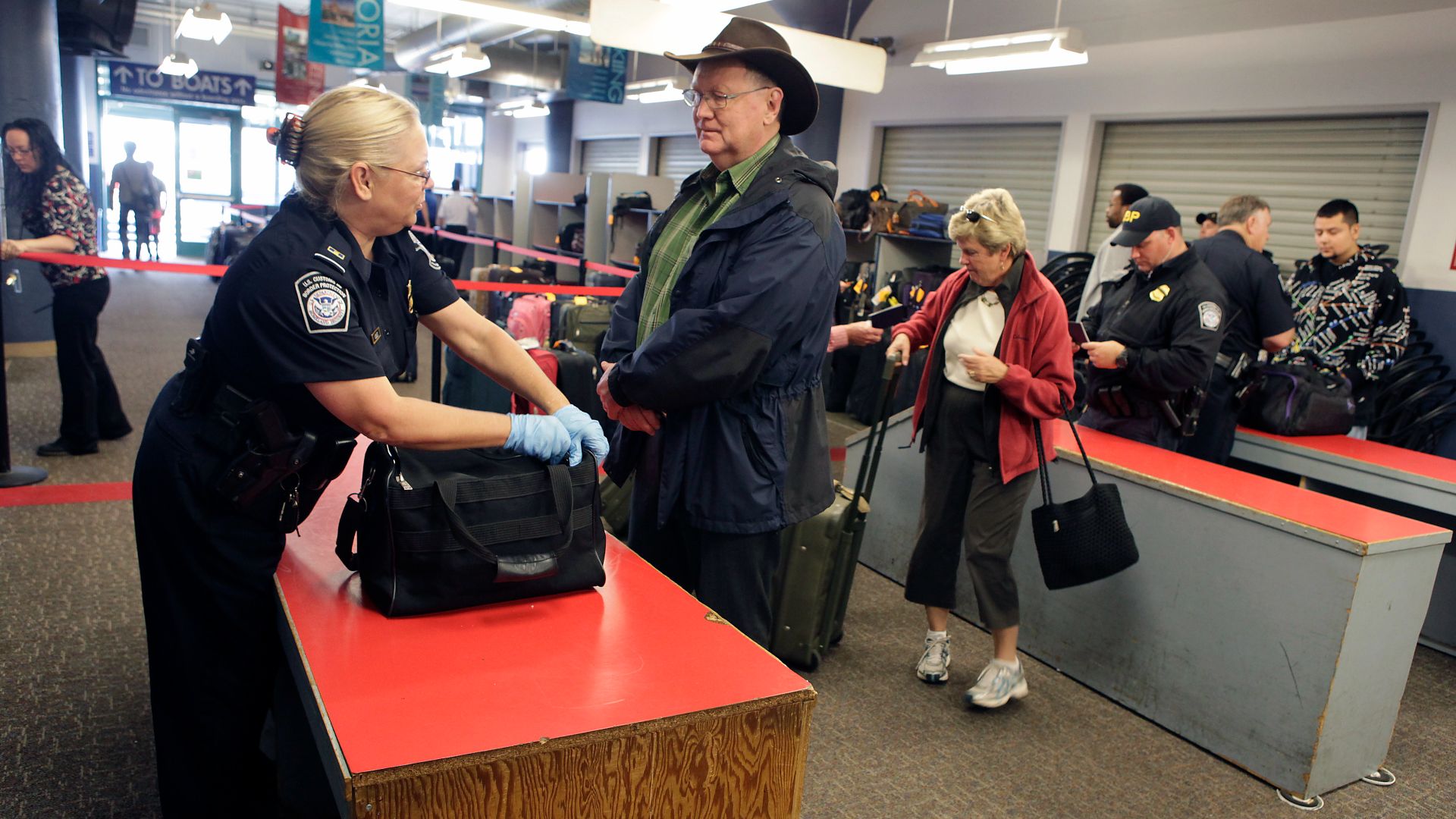
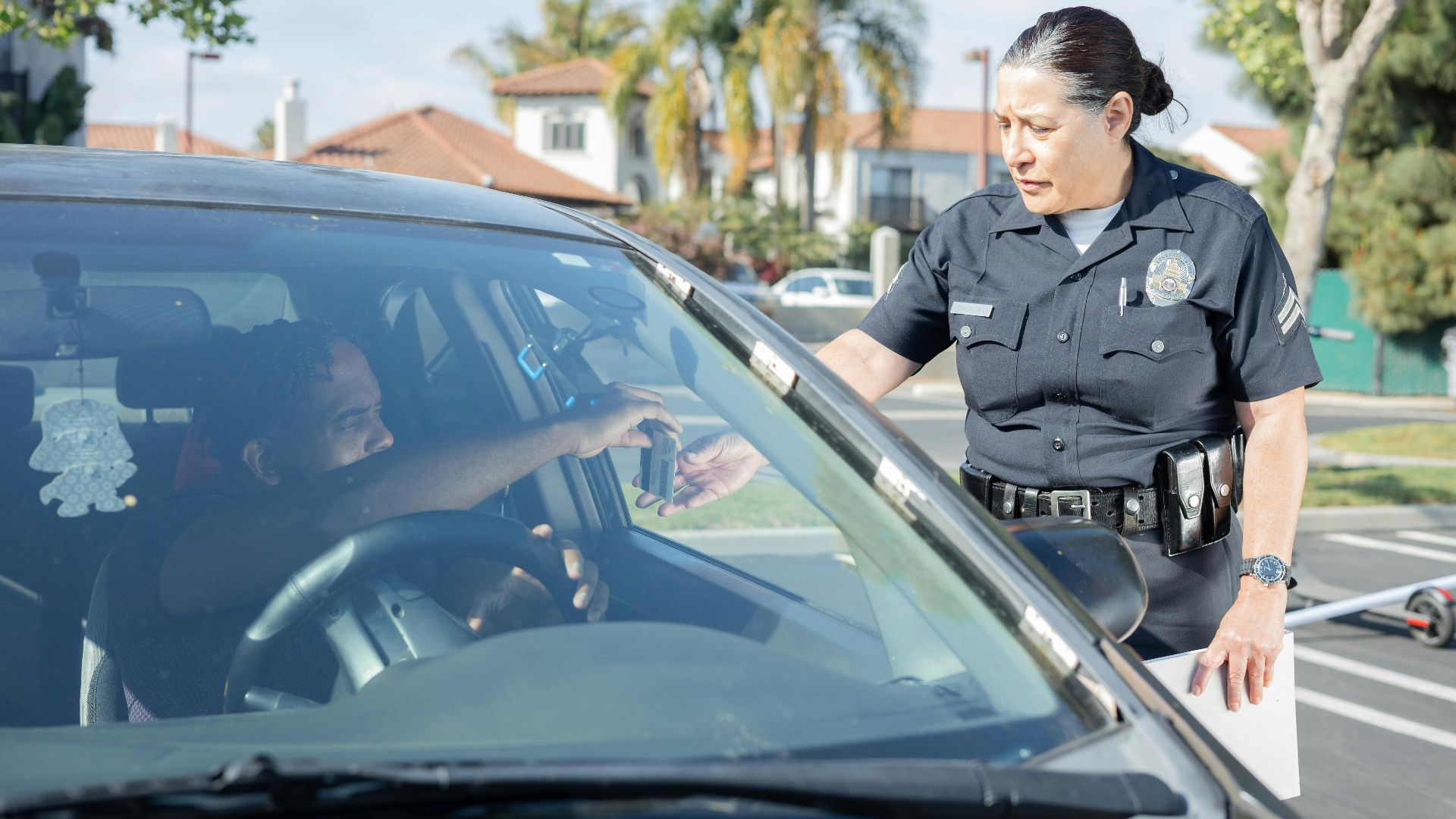
Your mom’s not entirely wrong—sometimes people cross without issues. But that doesn’t mean it’s not monitored. Border agents conduct random inspections, and if you’re selected, they will check your vehicle and ask detailed questions.
This is where things can go sideways fast.
 CBP Photography, Wikimedia Commons
What Happens If You Don’t Declare?
If your aunt doesn’t declare food items and they’re discovered, she could face fines, confiscation, or even be flagged for future crossings. It’s not worth the risk for a box of vegetables.
Declaring Doesn’t Mean You’re In Trouble
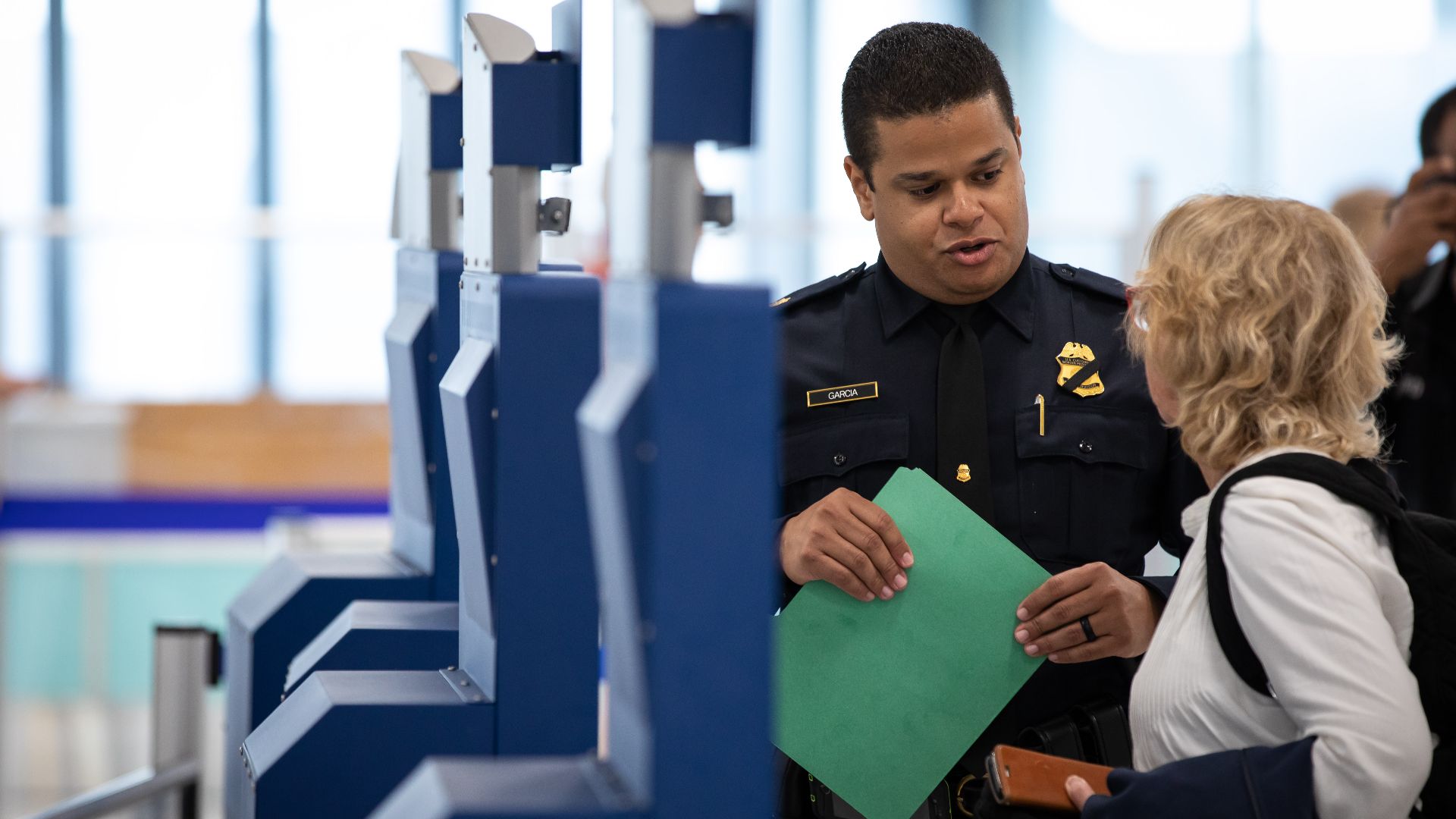
Here’s the good news: declaring food doesn’t automatically mean it will be taken away. Border agents will simply assess whether the items are allowed. Being honest actually works in your favor and avoids penalties.
 CBP Photography, Wikimedia Commons
Some Foods Are Surprisingly Allowed
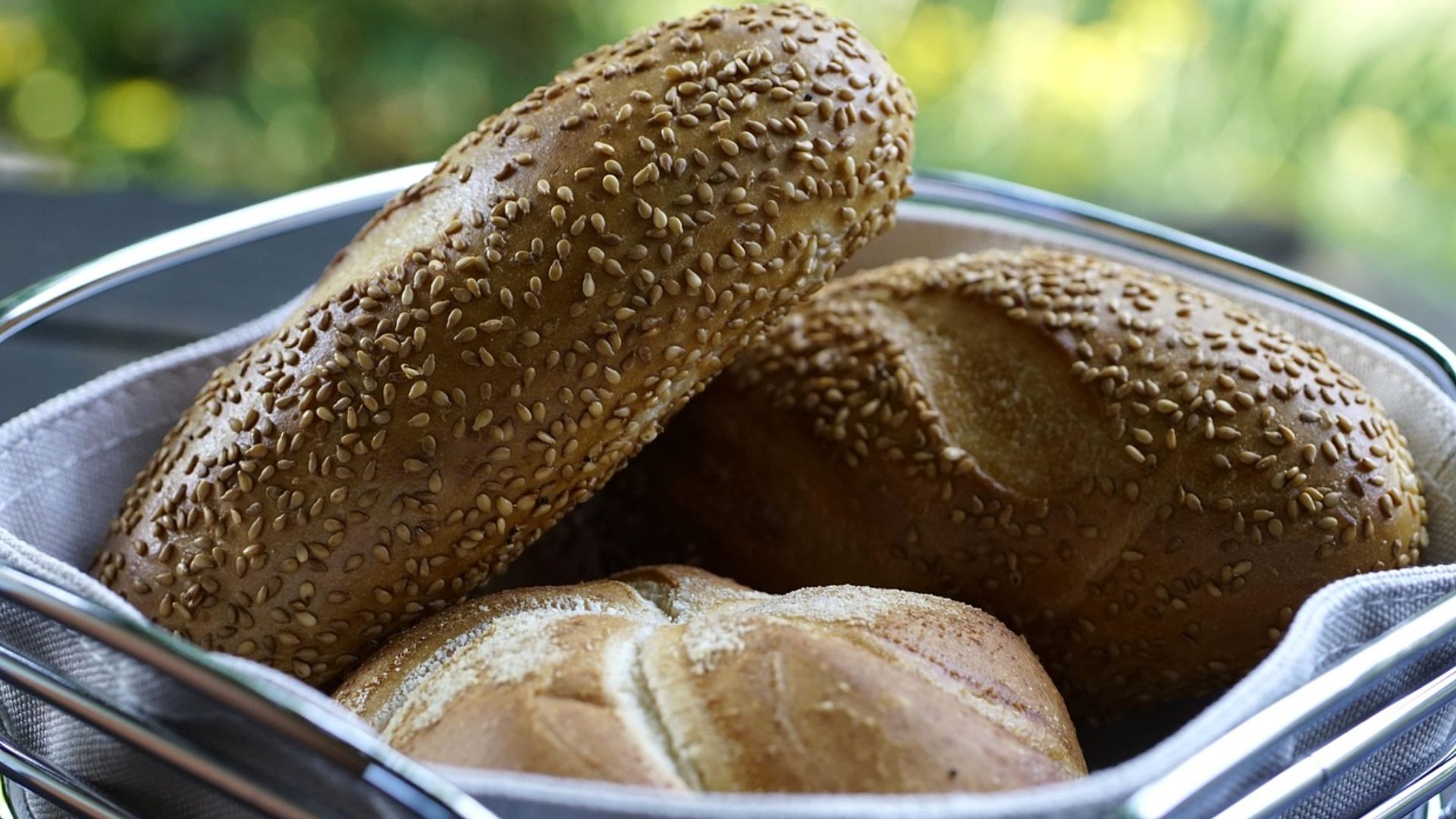
Certain items like baked goods, processed foods, and commercially packaged snacks are often allowed. Even some fruits and vegetables can pass inspection depending on current regulations. It’s not all bad news—but it’s very case-specific.
The Real Risk Is Disease Control
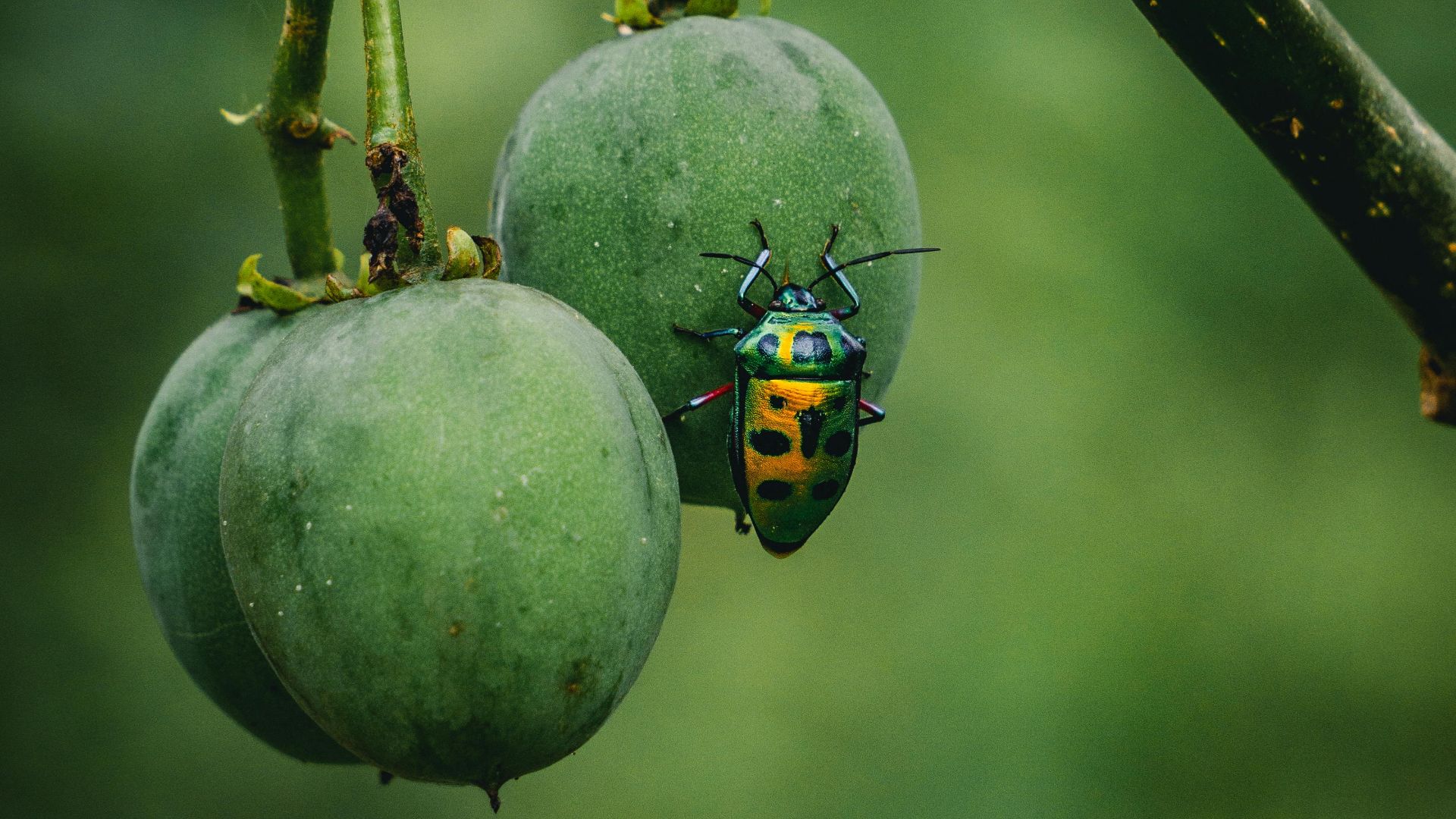
The biggest concern isn’t smuggling—it’s disease. Things like foot-and-mouth disease or plant pests can travel through food. That’s why farm products are more restricted than store-bought ones, especially if they lack official inspection.
But there’s one factor that raises more red flags than others.
Farm-Fresh Sounds Great… But Raises Flags
Ironically, the fresher the food, the more suspicious it becomes at the border. Homemade, unprocessed, or farm-direct items don’t go through inspection systems, which makes them higher risk in the eyes of border officials.
Does the mode of transportation matter?
Crossing By Car vs Flying
Whether your aunt is driving or flying doesn’t change the rules much. The same regulations apply. The only difference is how inspections happen—airports tend to be stricter and more structured, while land crossings can vary.
What’s the worst that could happen?
Could She Be Turned Away?
In most cases, she won’t be denied entry just for carrying food. However, the items themselves could be confiscated. Only in extreme situations—like repeated violations—would it affect her ability to cross the border.
What About Small Amounts?
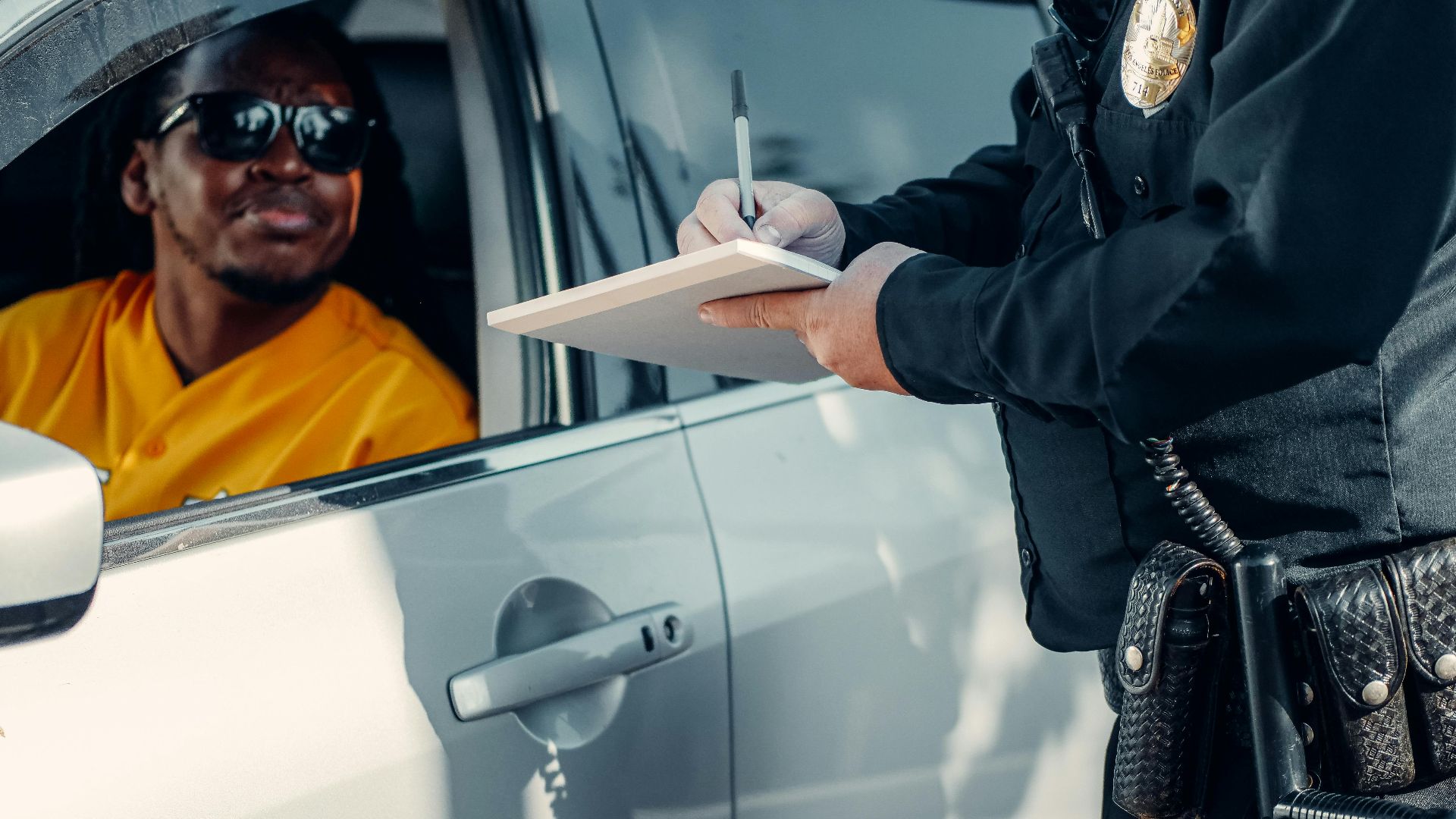
People often assume small quantities are fine. Sometimes that’s true, but not always. Even a small amount of restricted produce or meat can be confiscated if it doesn’t meet regulations. Size doesn’t guarantee approval.
How To Check Before Crossing
There are official tools online, like the USDA’s import guidelines and CBP resources. These let you check specific items before traveling. It takes a few minutes—and can save a lot of confusion at the border.

The Smart Way To Bring Food
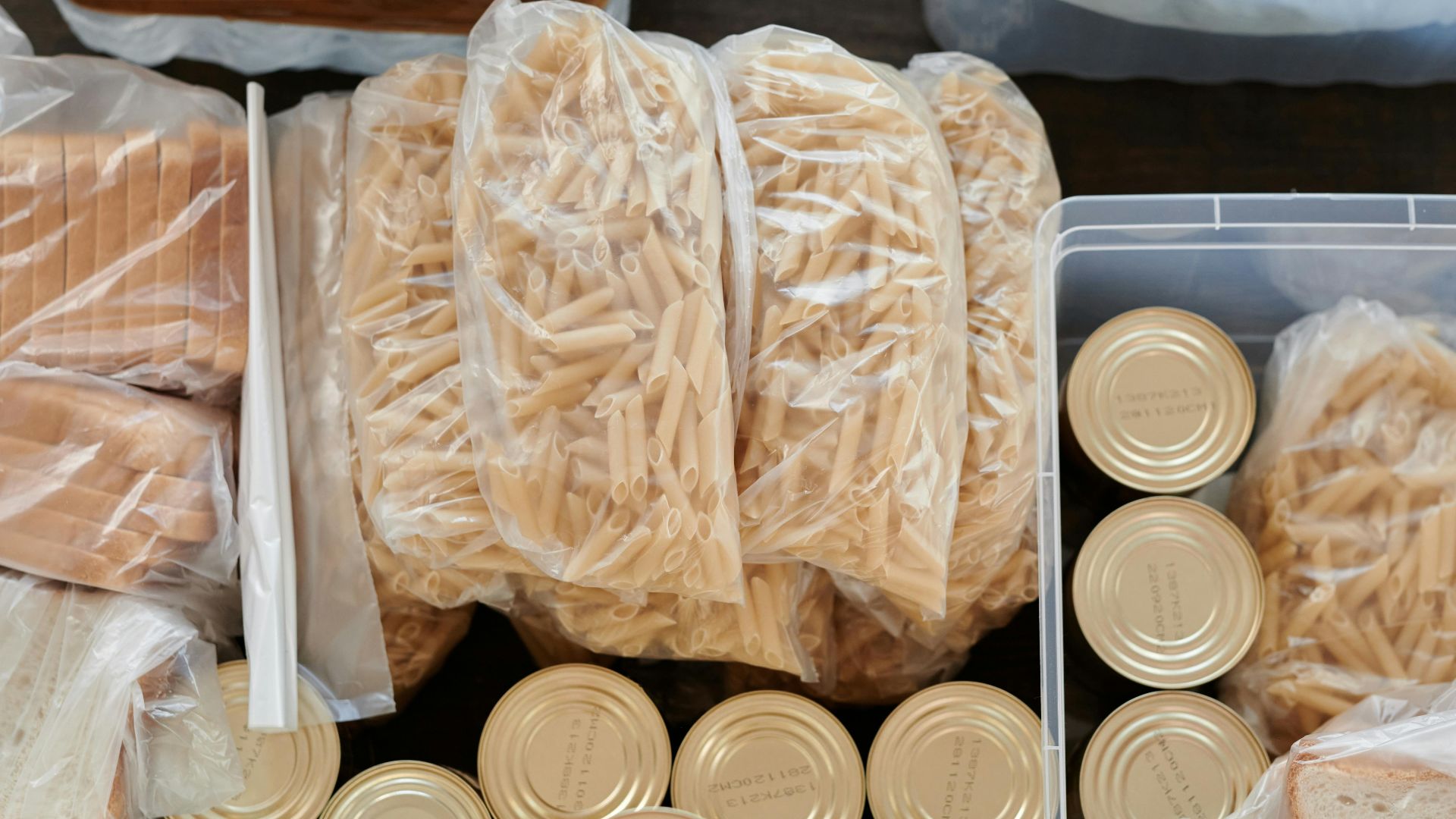
If your aunt really wants to bring food, stick to commercially packaged items with labels. Avoid raw meat or high-risk produce. And most importantly—declare everything. That’s the difference between smooth entry and unnecessary trouble.
So… Who’s Actually Right?
Here’s the honest answer: your dad is closer to the truth. It’s not completely illegal, but it’s definitely regulated and monitored. Your mom is right that people sometimes get through—but that doesn’t mean it’s allowed.

The Bottom Line Before She Arrives
Your aunt can bring some food—but not everything from the farm. Fresh produce and farm meat are the most likely to be restricted or confiscated. If she declares everything and follows the rules, she’ll avoid problems.
You May Also Like:
I booked “hidden city” flights to save money, but my dad says airlines can ban me for that—is that actually true?
My friend says TSA can’t make you unlock your phone. My cousin says they absolutely can at some airports. Who’s telling the truth?