
I've Camped Here For Years, But Now My RV Isn’t Good Enough?
For many RV owners, a seasonal campsite becomes a second home. Some people spend years, or even decades, returning to the same campground and building relationships with neighbors and staff. That's why it can be so shocking to suddenly receive notice that your RV is considered too old and must be removed. The good news is that while campgrounds often have broad authority to set rules, they are not always free to enforce those rules however they want.
The First Question Is Whether The Rule Actually Exists
Before assuming the campground is acting unfairly, ask to see the specific rule being enforced. Many parks have written policies addressing RV age, appearance, condition, or eligibility requirements. Some impose a strict "10-year rule," while others evaluate older units on a case-by-case basis. The exact wording matters because it often determines whether management is acting within its own policies.

The Famous "10-Year Rule" Is Real
Many RV parks and resorts have adopted some version of a 10-year rule. Under these policies, RVs older than a certain age may require approval before entering or remaining in the park. The rule is especially common at higher-end RV resorts and destination properties. However, not every campground uses the same standards, and many parks grant exceptions.
Age Is Not Always The Real Issue
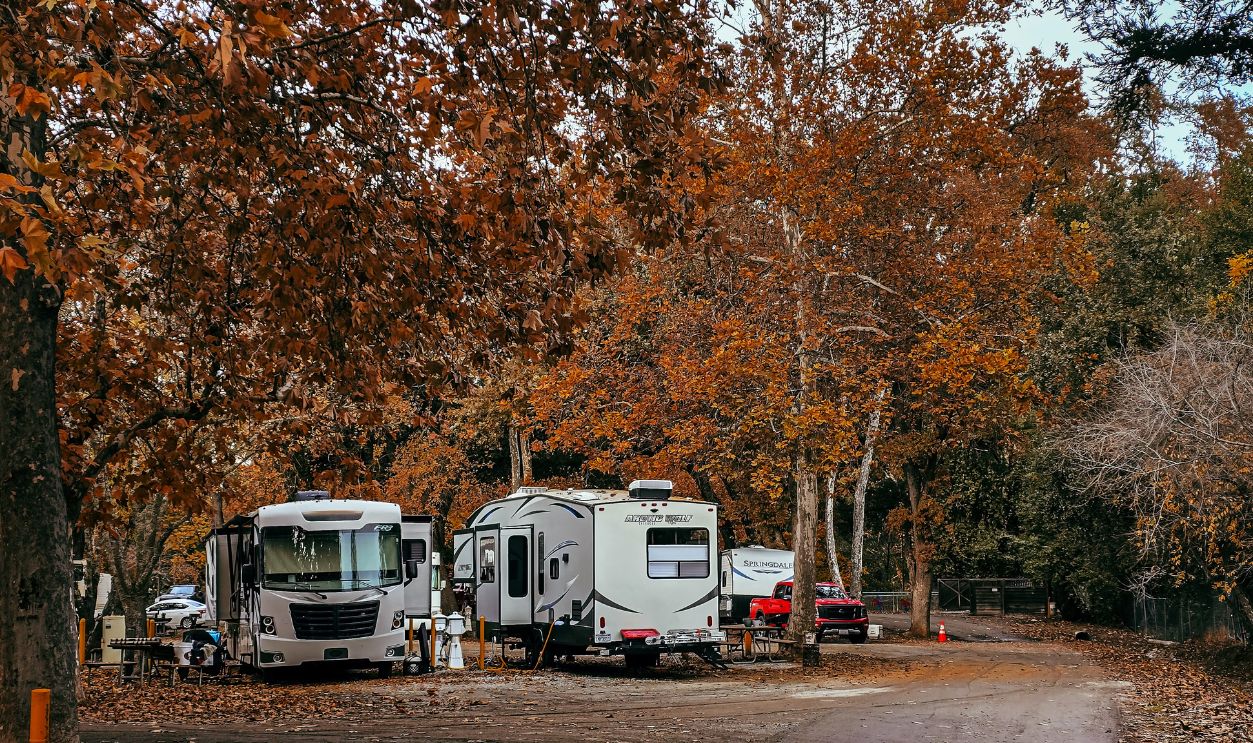
In practice, many campgrounds are less concerned about the model year and more concerned about condition. A well-maintained 20-year-old motorhome may be welcomed while a poorly maintained 8-year-old RV may face scrutiny. Managers often use age rules as a shorthand way to maintain the appearance of the property. That distinction can become important when disputes arise.
Some Parks Grandfather Existing Campers
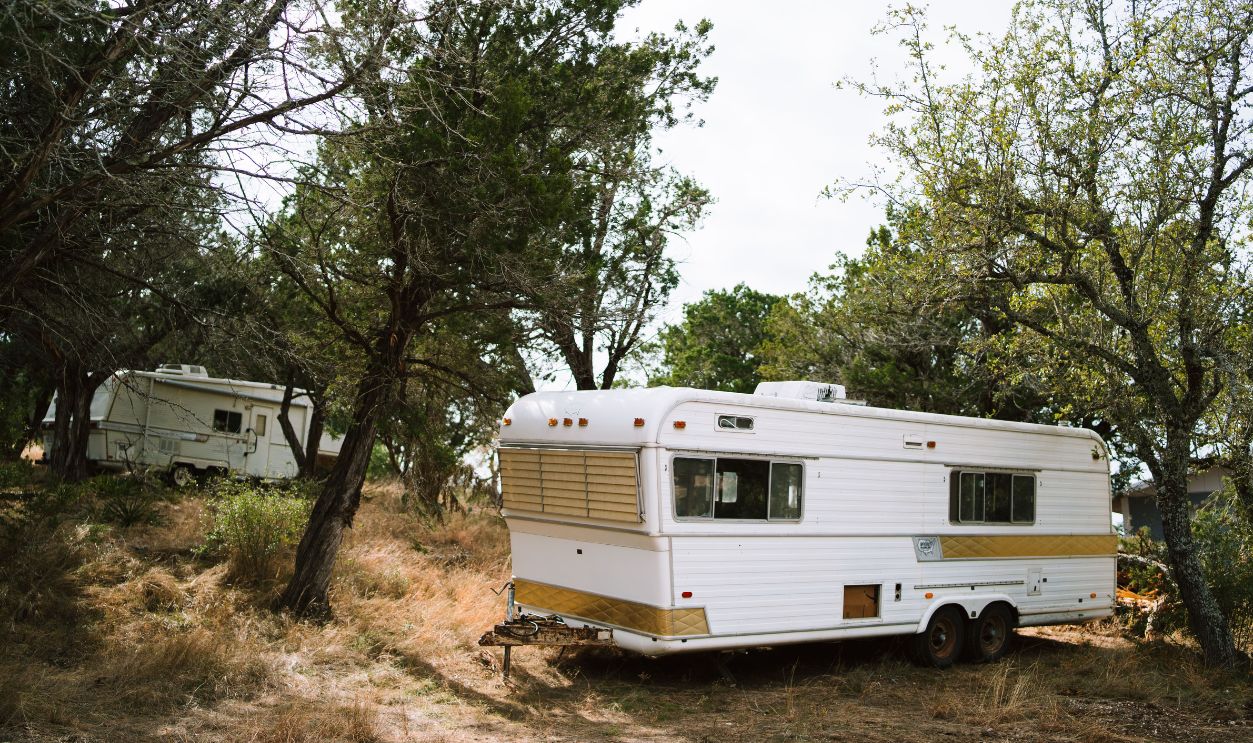
One of the biggest issues in these disputes is whether longtime campers were promised protection from future rule changes. Some campgrounds allow existing RVs to remain even after new standards are adopted. Others apply the new rules to everyone regardless of how long they have occupied a site. Reviewing old agreements and park communications may reveal whether any grandfathering provisions exist.
Long-Term Occupancy Can Create Expectations
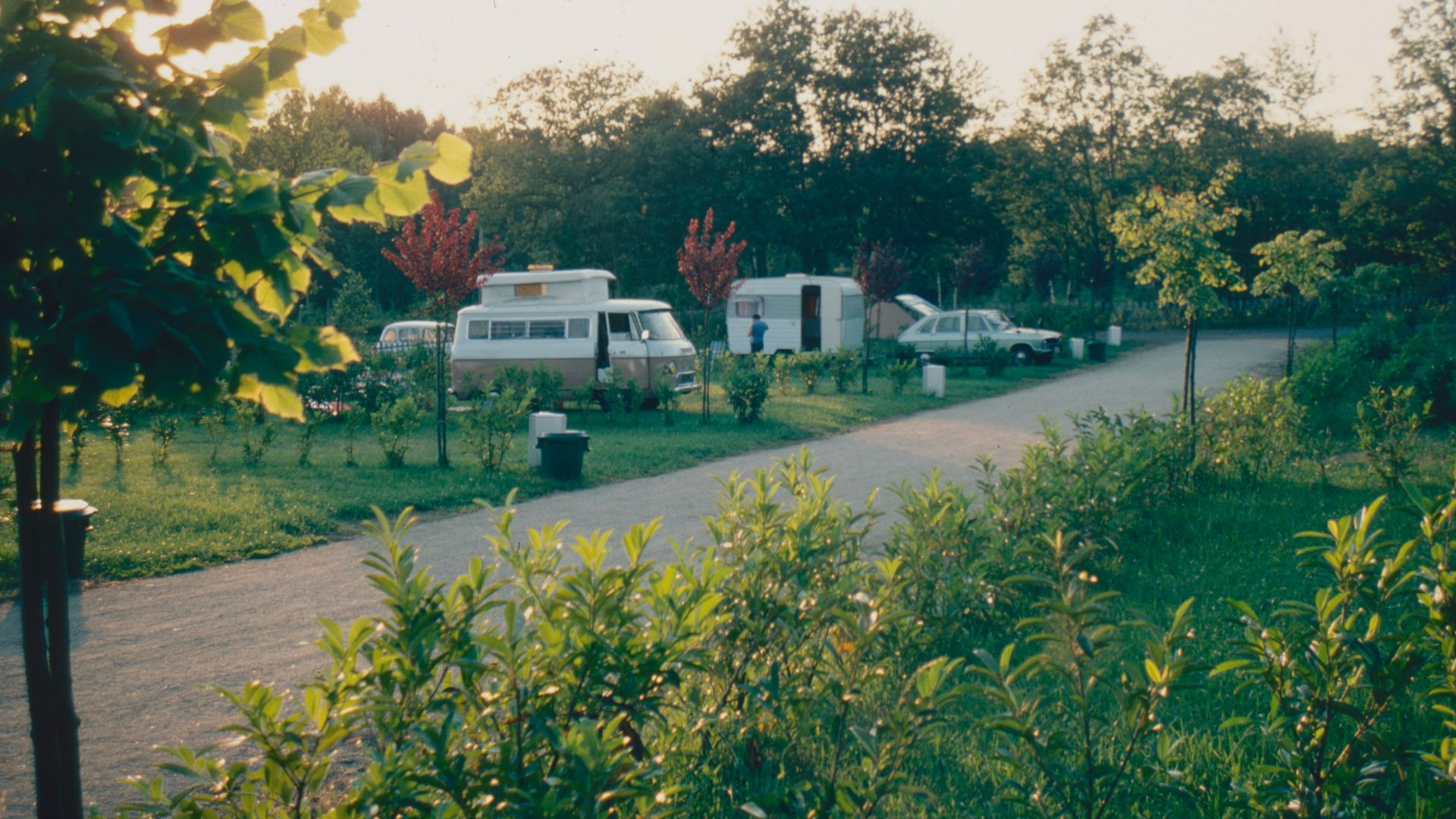
Many RV owners feel blindsided because they have stayed at the same campground for years without any complaints. They may have invested thousands of dollars into site improvements, decks, landscaping, storage sheds, or utility hookups. While those investments do not automatically guarantee permanent occupancy, they often contribute to the owner's sense that the arrangement should continue.

Read Your Site Agreement Carefully
The site agreement is often the most important document in the entire dispute. Some agreements give campground management broad authority to change rules and terminate occupancy. Others contain specific provisions regarding renewals, site eligibility, and notice requirements. Understanding exactly what you agreed to is essential before deciding how to respond.

Campgrounds Usually Have More Flexibility Than Landlords
Many RV owners assume campground relationships work the same way as apartment leases. In reality, campgrounds often operate under different legal frameworks than traditional residential housing. Depending on local laws, park operators may have greater flexibility to establish eligibility requirements and modify park rules. That does not mean they can do anything they want, but the rules are often different.

State Laws Can Make A Huge Difference
The legal rights of campground operators and RV owners vary dramatically from one state to another. Some jurisdictions have specific laws governing recreational vehicle parks and long-term campsite occupants. Others treat these arrangements more like private membership agreements or lodging relationships. Local law can significantly affect your options.

Ask Whether The RV Can Be Inspected
If management is relying on an age-based policy, ask whether they offer inspections or exceptions. Many campgrounds with age restrictions allow older RVs if they remain in good condition. Recent photographs, maintenance records, and inspection reports may help demonstrate that your unit is well cared for. You may discover that the issue is more flexible than the initial notice suggested.

Condition Often Matters More Than Age
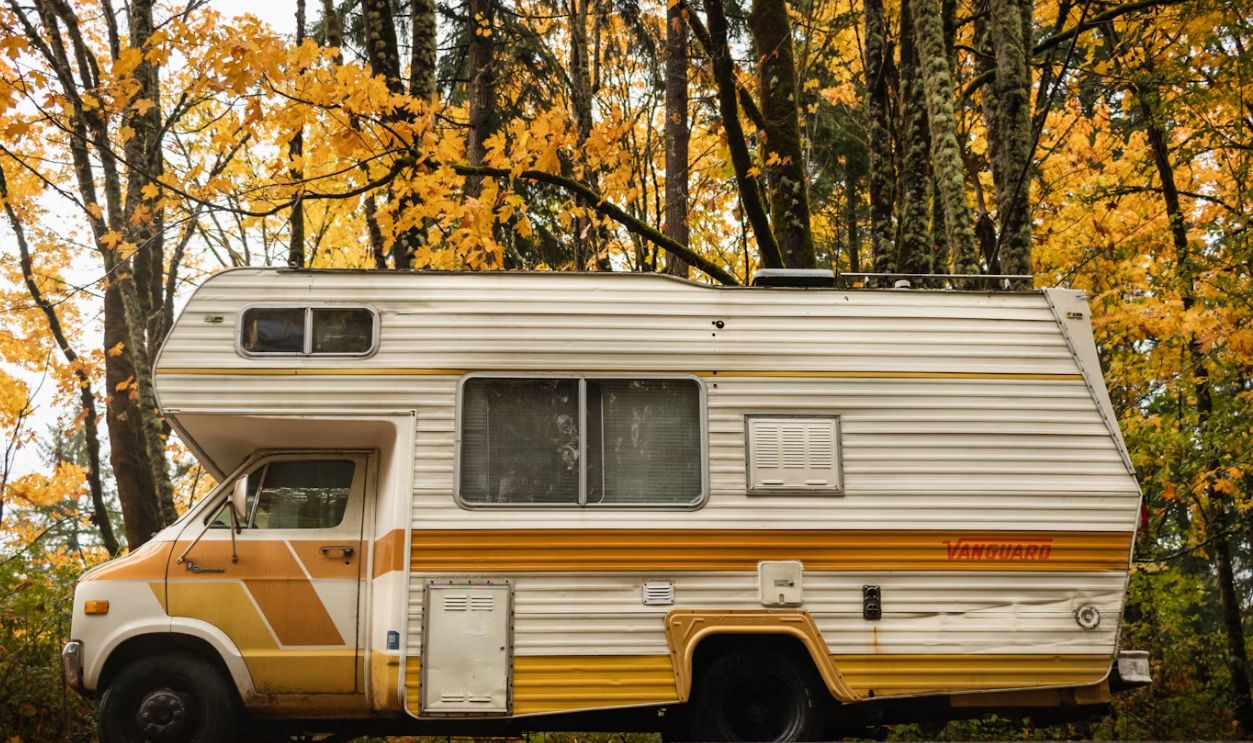
Campground managers are frequently trying to avoid units with extensive cosmetic damage, visible deterioration, broken windows, roof issues, or major structural problems. If your RV is clean, functional, and well maintained, make sure management understands that. Documentation can help separate your situation from the types of units the rule was originally designed to address.
Request The Decision In Writing
If management insists the RV must be removed, ask for a written explanation. You want to know exactly which rule is being applied, when it was adopted, and how it affects your site. Written explanations are often easier to evaluate than verbal conversations. They also create a useful record if the dispute escalates.

Look For Consistent Enforcement
One issue that sometimes arises is selective enforcement. If numerous older RVs remain in the campground while only certain owners are targeted, questions may arise about how the rule is being applied. Consistency matters because arbitrary enforcement can create disputes. That does not automatically make the rule invalid, but it may become relevant.

Speak With Other Longtime Campers
Other campers may have valuable information about previous policy changes, grandfathering arrangements, or exceptions granted in the past. They may also know whether management has recently changed ownership or adopted new standards. Understanding the broader context can help you evaluate your position.
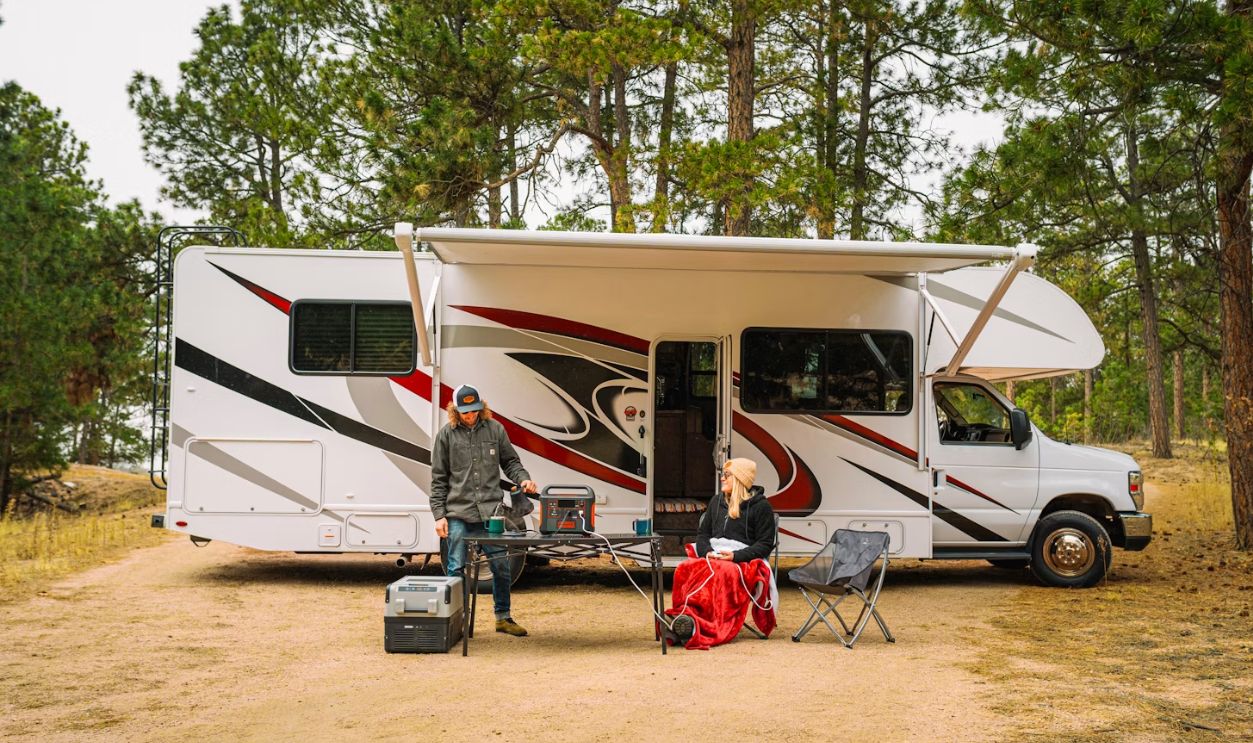 Jackery Power Station, Unsplash
New Ownership Often Leads To New Rules
Many RV park disputes begin after a campground changes ownership. New operators may attempt to reposition the property, attract different customers, upgrade amenities, or enforce standards that were previously ignored. Longtime campers often find themselves caught in the middle of those business decisions.
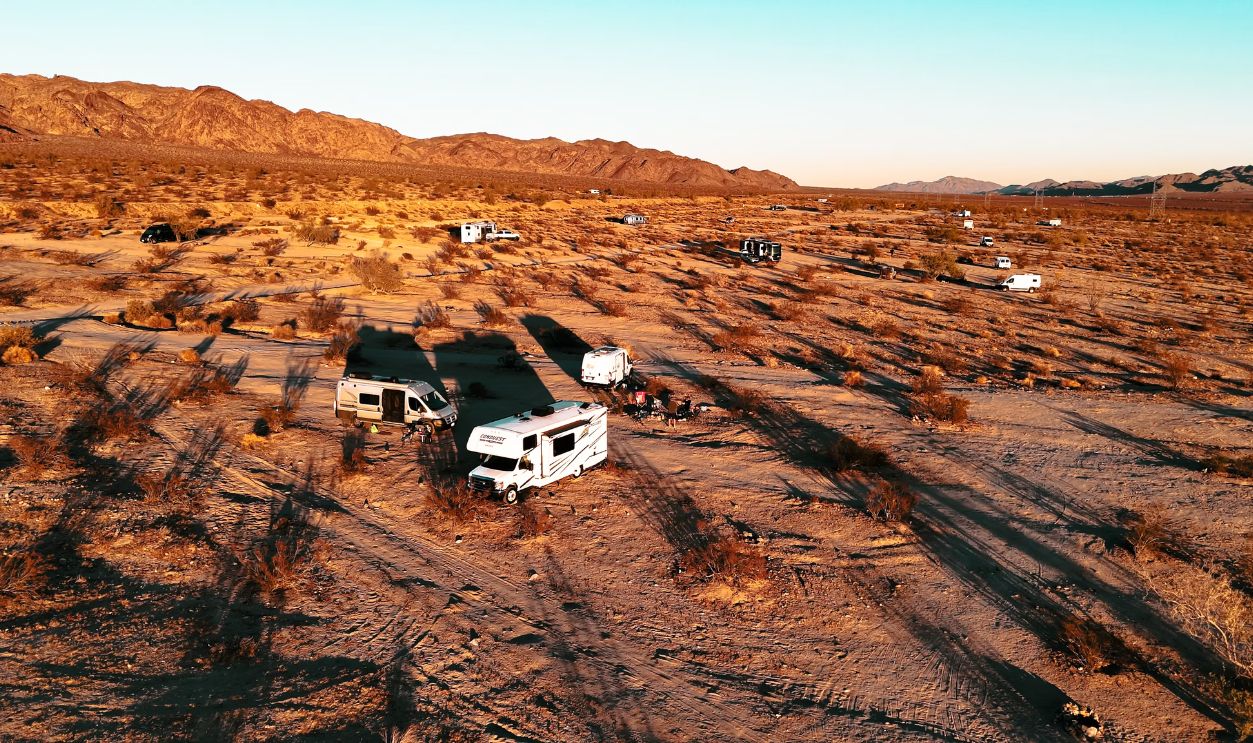
The Campground May Be Chasing A Different Market
Some parks intentionally rebrand themselves as premium destinations. Age restrictions, appearance standards, landscaping requirements, and site upgrades are sometimes part of that strategy. While existing campers may view these changes as unfair, management often argues they are necessary for the future success of the property.

Photos Can Help Your Case
If your RV is in excellent condition, document it thoroughly. Take photographs of the exterior, roof, windows, awnings, tires, and overall appearance. A visual record may help demonstrate that your RV does not present the concerns the rule was intended to address. Sometimes a good presentation changes the conversation.

Consider A Formal Appeal
Some campgrounds have appeal processes or management review procedures. Even if they do not, a respectful written request for reconsideration may be worthwhile. Explain your history with the campground, the condition of the RV, and any investments you have made in the site. A professional approach often works better than an angry confrontation.

Do Not Ignore The Notice
Even if you believe the campground is wrong, ignoring the notice is rarely a good strategy. Failure to respond can limit opportunities for negotiation and may weaken your position later. It is usually better to engage with management while preserving your rights.

An Attorney May Be Worth Consulting
If substantial money, long-term occupancy rights, or significant site improvements are involved, legal advice may be worthwhile. An attorney familiar with local property and campground laws can review the agreements and explain your options. The cost of a consultation may be small compared to the value of what is at stake.

Social Media Usually Won't Solve The Problem
Many frustrated campers consider posting negative reviews or public complaints immediately. While public pressure occasionally gets attention, it rarely resolves the underlying legal issues. It is usually better to gather facts and understand your rights before taking the dispute public.

You May Have More Leverage Than You Think
Longtime customers often have stronger relationships with campground management than they realize. Years of positive interactions, consistent payments, and good site maintenance can sometimes create opportunities for compromise. A respectful conversation may produce alternatives that were not initially offered.

Not Every Removal Notice Is Final
An initial notice does not always mean the decision is irreversible. Campgrounds sometimes grant extensions, inspections, conditional approvals, or exceptions after reviewing additional information. Owners who engage constructively often have more success than those who assume the matter is already settled.
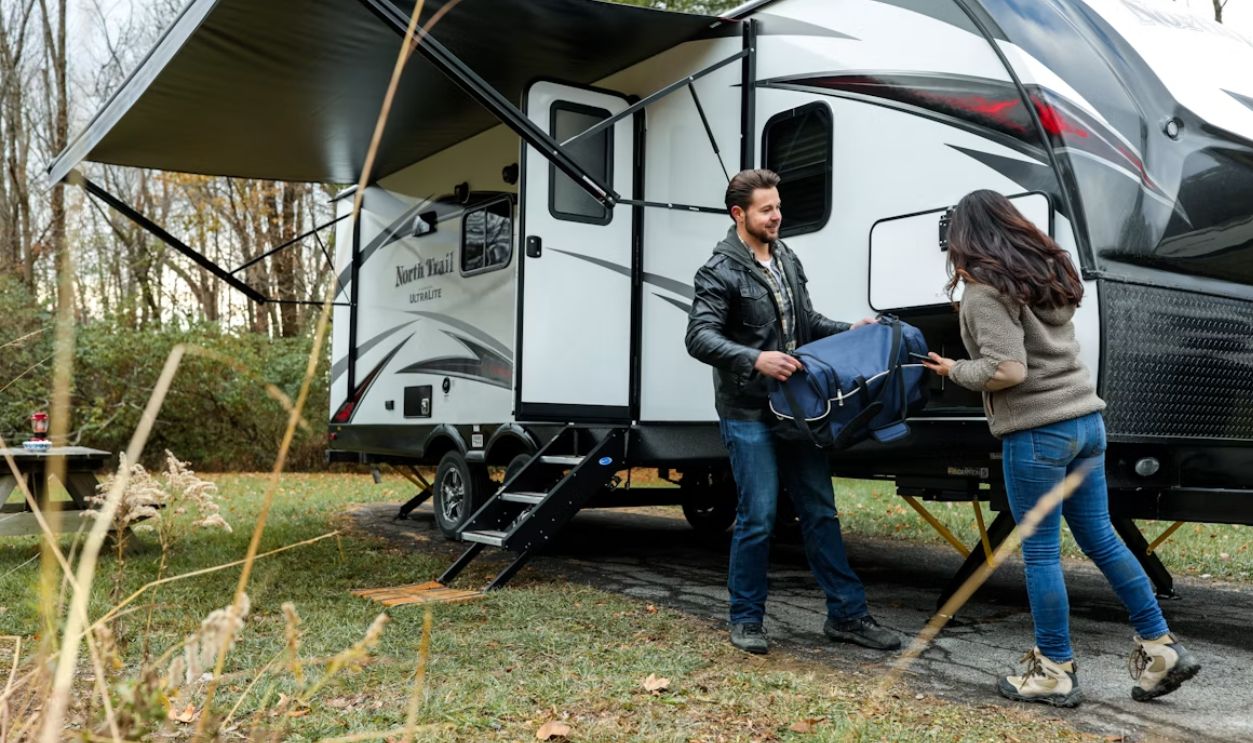
Sometimes Relocation Becomes The Practical Choice
Even if you disagree with the decision, there may be situations where relocating ultimately makes more sense than pursuing a lengthy dispute. Knowing your rights remains important because it helps you negotiate from a position of knowledge. A better outcome is often possible when you understand all of your options.
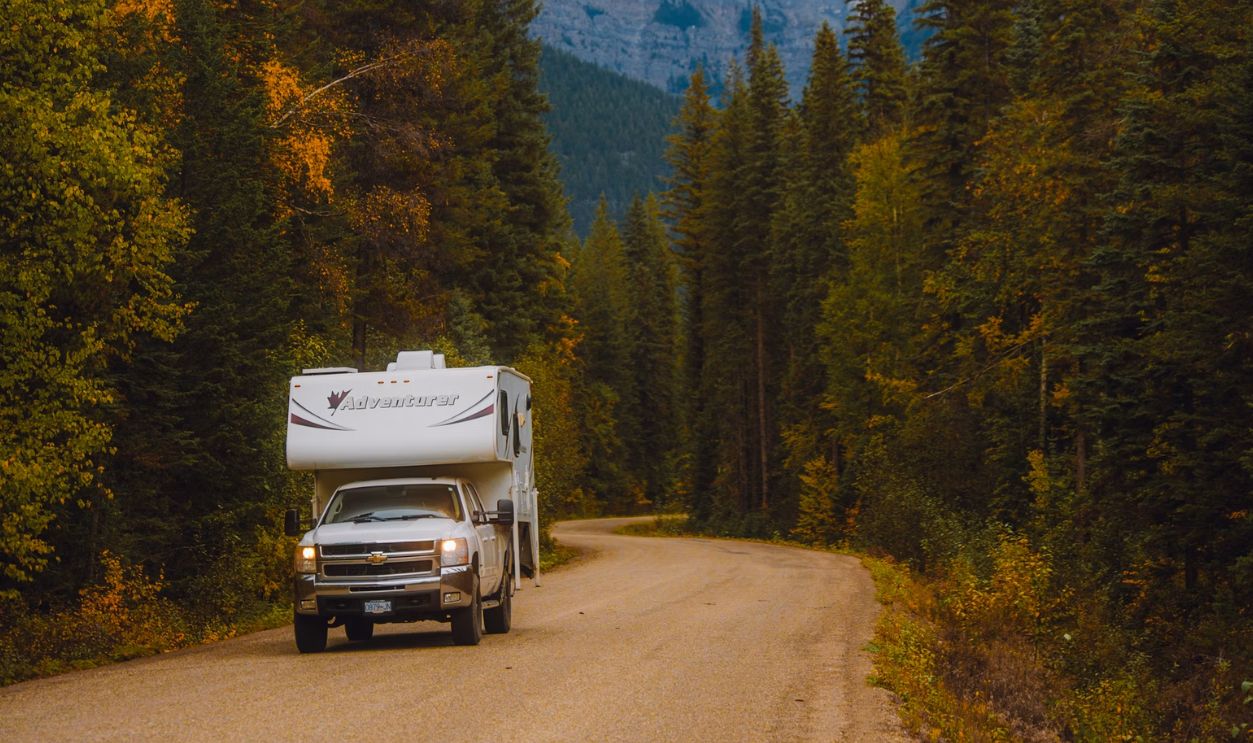
The Answer Depends On More Than The RV's Age
If management says your RV is too old to remain in the campground, the answer is not always as simple as checking the model year. The campground's written rules, your site agreement, local laws, the condition of the RV, and the history of your occupancy all matter. Before assuming you have no choice but to leave, gather the documents, ask questions, and determine whether the campground is applying the rules fairly and consistently.

You May Also Like: