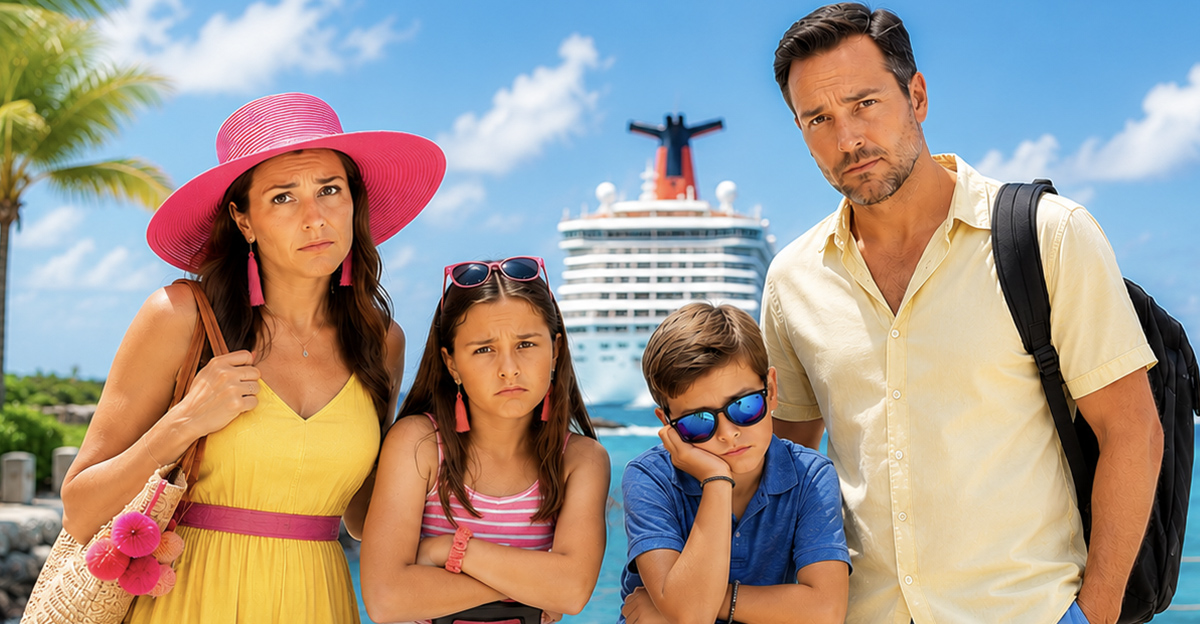
The Cruise Company Says Our Travel Disaster Isn’t Their Problem
Most people book cruises assuming the itinerary is basically locked in once the trip starts. So when the cruise suddenly skips ports, changes schedules, or returns somewhere unexpected, it feels incredibly unfair when passengers are left scrambling to rebook flights, hotels, and transportation themselves. A lot of travelers assume the cruise line should automatically cover those costs, but cruise contracts often give the companies far more flexibility than most people realize. The good news is that depending on what went down, there are still ways to recover some of your money.
Cruise Lines Change Itineraries More Often Than People Think
A lot of first-time cruisers assume the itinerary printed on the booking confirmation is basically guaranteed. In reality, cruise lines change ports, schedules, and even entire routes surprisingly often because of weather, mechanical issues, political problems, port congestion, or operational decisions. Most cruise contracts give the company broad authority to make those changes without much warning.
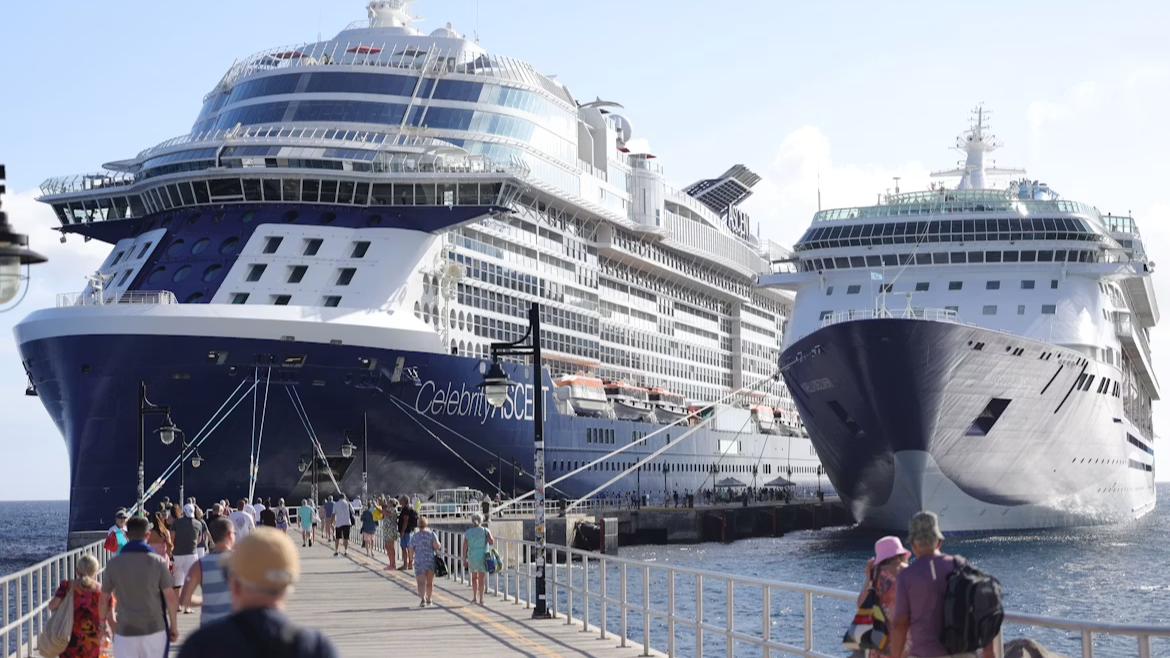
The Cruise Contract Usually Protects The Cruise Line
This is the frustrating part most passengers never realize until something goes wrong. Buried inside the cruise ticket contract is usually language saying the company can alter itineraries, cancel ports, or change schedules without being financially responsible for most passenger expenses afterward. In plain English, you’re often buying transportation and accommodations, not a legally guaranteed vacation route.

That Doesn’t Mean The Cruise Line Never Has To Help
Even though the contracts heavily favor cruise companies, there are still situations where compensation may happen. If the cruise line caused the disruption through preventable operational problems, miscommunication, or major scheduling failures, passengers sometimes receive reimbursements, future cruise credits, hotel coverage, or transportation assistance as goodwill gestures.
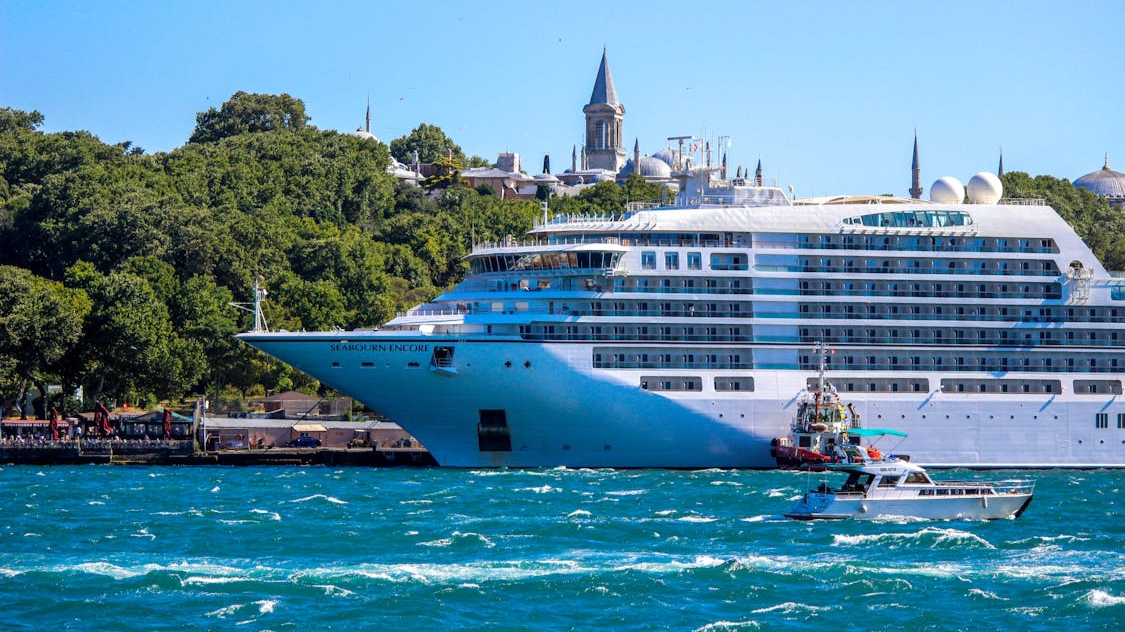
Flights Become A Huge Problem When Ports Change
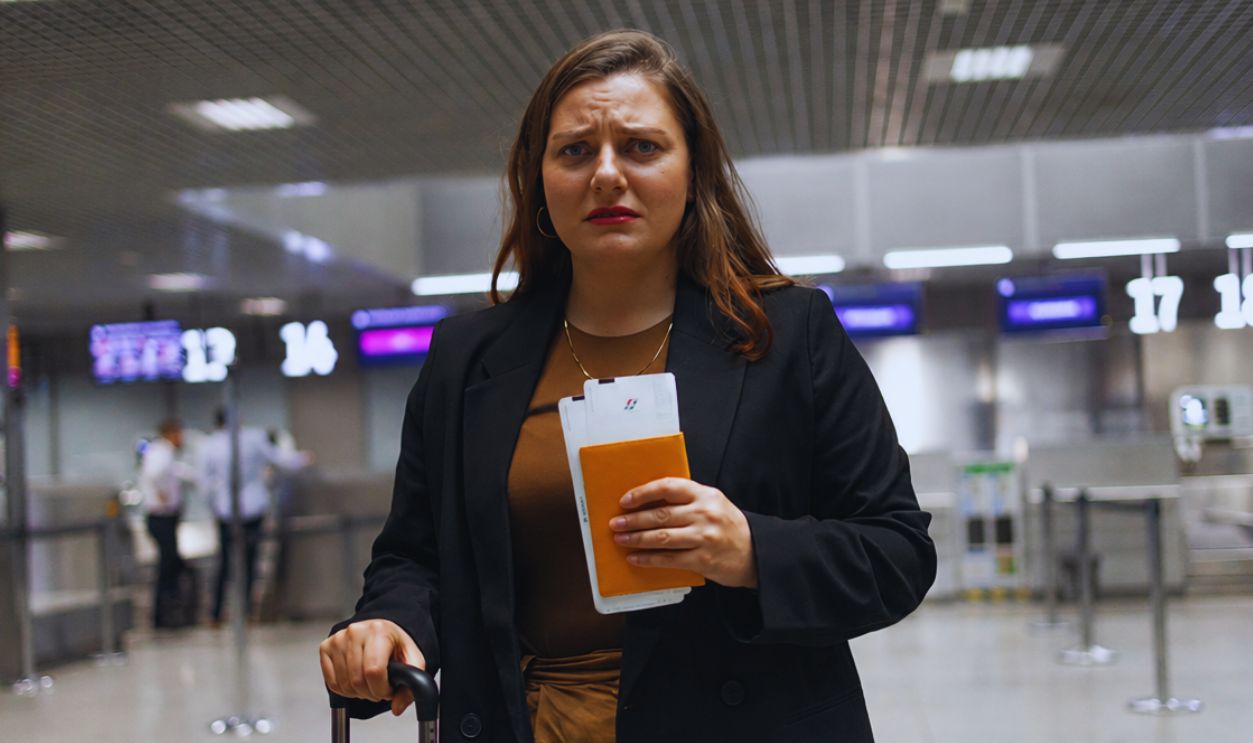
This is where things often get financially ugly for travelers. If the cruise ends in a different city or returns late, passengers may suddenly miss flights home or need to buy extremely expensive last-minute airfare. International cruises can make this even worse because immigration rules and limited flight availability complicate everything further.
 Irina Shatilova, Shutterstock, Modified
Package Bookings Sometimes Offer More Protection
Passengers who booked airfare directly through the cruise line sometimes have stronger protection than people who arranged flights independently. When flights and cruises are sold together as part of one package, the cruise company may bear more responsibility for helping passengers get home after major itinerary disruptions.

Independent Travel Plans Usually Leave You More Exposed
Travelers who booked their own flights separately often discover they’re largely responsible for fixing the mess themselves. Cruise companies frequently point to the contract and argue that independent airfare, hotels, and transportation were never part of the cruise agreement in the first place.

Weather Changes Usually Favor The Cruise Line Legally
A lot of itinerary changes happen because of storms, rough seas, hurricanes, or unsafe port conditions. In those situations, cruise companies almost always argue the changes were necessary for passenger safety and outside the company’s control. Courts and consumer agencies generally give cruise lines a lot of flexibility during weather disruptions.

Mechanical Problems Create More Complicated Situations
Passengers often get angrier when itinerary changes stem from engine trouble or maintenance issues instead of weather. If travelers believe the company knowingly operated a ship with preventable problems, complaints about refunds or compensation tend to become much more aggressive.

Some Passengers End Up Literally Stranded
There have been real situations where cruise passengers were left behind in foreign ports after schedule changes or confusion about departure times. In several high-profile cases, travelers had to scramble across multiple countries trying to reconnect with the ship or get home independently.
 Vidar Nordli-Mathisen, Unsplash
Cruise Ships Usually Won’t Wait Long
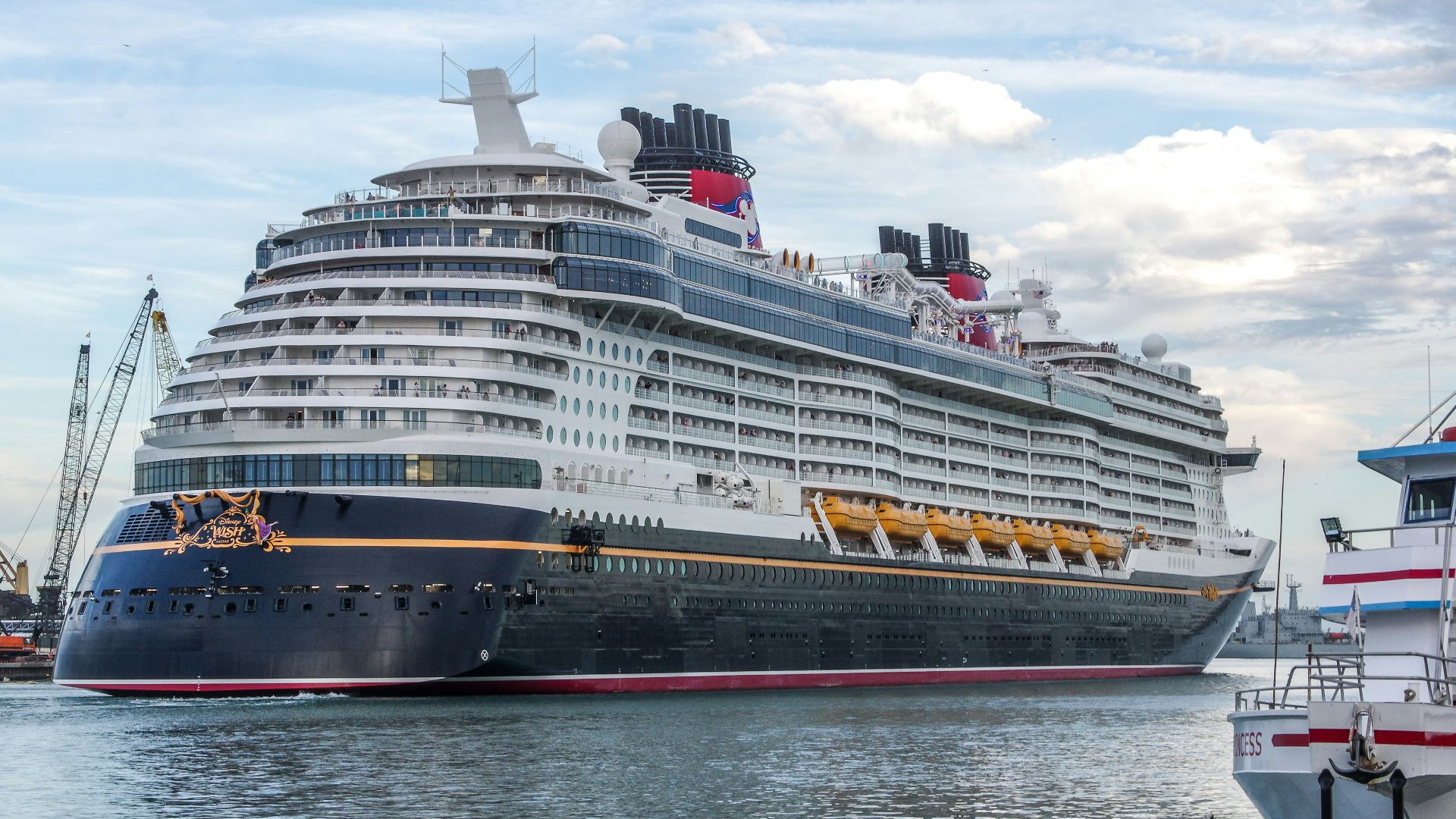
This shocks a lot of travelers initially, but cruise ships operate on strict schedules tied to port fees, staffing, fuel costs, and international clearances. Once the final boarding time passes, ships often leave whether passengers made it back or not. Cruise companies generally expect passengers to return well before departure deadlines.
Cruise-Sponsored Excursions Sometimes Offer More Protection
Passengers who book shore excursions directly through the cruise line usually receive more protection if delays happen. In many cases, the ship will wait for cruise-sponsored excursions running late. Private tours booked independently usually do not receive that same protection.

Travel Insurance Can Become Extremely Important
A lot of travelers don’t think much about travel insurance until they’re suddenly buying emergency flights home from another country. Certain travel insurance policies may help cover missed connections, trip interruptions, emergency transportation, hotels, or unexpected travel delays tied to itinerary changes.

Documentation Matters A Lot In Refund Disputes
If you’re trying to recover money later, documentation becomes incredibly important. Save emails, itinerary updates, receipts, screenshots, announcements from the ship, flight cancellation notices, and any communication with cruise staff. The more organized your records are, the stronger your argument usually becomes.

Cruise Lines Sometimes Offer Credits Instead Of Refunds
Even when passengers feel entitled to cash reimbursement, cruise companies often prefer offering onboard credits or future cruise vouchers instead. Those offers can feel frustrating if you never want to cruise with the company again, but many travelers still accept them rather than fighting longer battles.
Customer Service Outcomes Vary Wildly
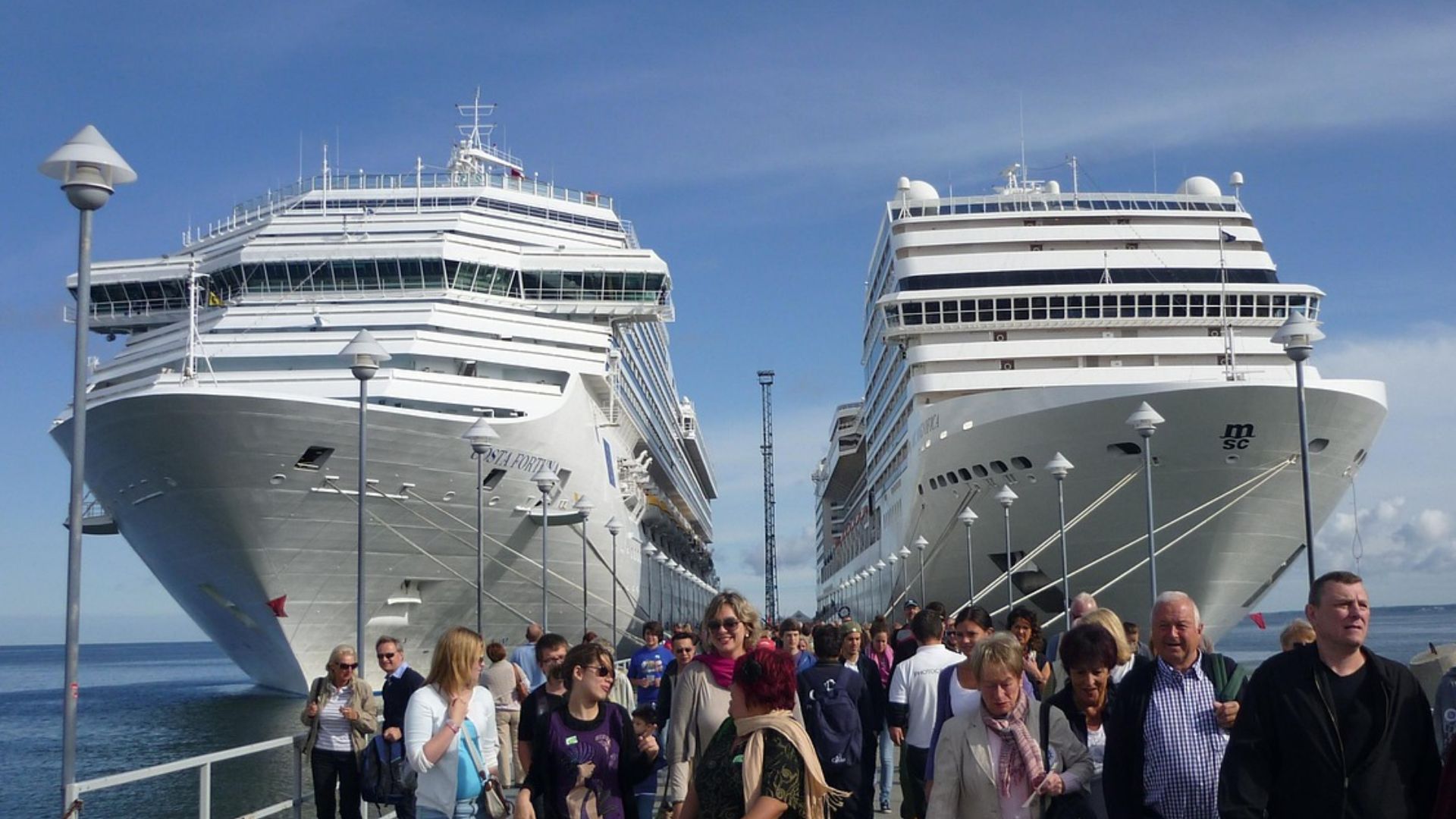
Some passengers report surprisingly generous treatment after major disruptions, while others say the cruise line refused almost everything. A lot depends on how severe the disruption was, whether the company believes it was at fault, and how aggressively the situation spreads publicly online.

Social Media Pressure Sometimes Changes The Outcome
Cruise lines care a lot about reputation, especially when stranded passenger stories start going viral. Public complaints showing families stuck overseas, missing medication, or paying thousands unexpectedly sometimes push companies to offer assistance they originally refused privately.

Credit Card Protections Occasionally Help
Certain travel-focused credit cards include trip interruption or travel delay protections that may help cover emergency expenses. Some passengers also attempt charge disputes if they believe the cruise line fundamentally failed to deliver the vacation that was promised originally.

Suing A Cruise Line Usually Isn’t Easy
Cruise contracts are heavily written in the company’s favor, and many disputes must be handled under very specific legal rules. Some contracts even require lawsuits to be filed in particular states or countries regardless of where the passenger actually lives.

Honestly, A Lot Of Passengers Never Read The Contract
This situation catches people off guard because almost nobody sits down and reads the giant cruise contract before clicking “agree.” Most travelers assume common sense or fairness will protect them if something major changes. Unfortunately, cruise companies rely heavily on those contracts once problems start costing money.

Panicking Usually Makes The Situation Worse
Getting stranded in another city or country creates a huge amount of stress, especially if flights, hotels, and transportation suddenly become expensive. But rushing into bad travel decisions or screaming at customer service usually doesn’t improve the outcome. Staying calm and organized gives you a much better chance of recovering costs later.

So What Should You Do Right Now?
First, gather every document connected to the itinerary change and your extra expenses. Then contact both the cruise line and your travel insurance provider immediately to see what assistance or reimbursement options exist. If airfare was booked through the cruise company, push hard on that point specifically because package bookings sometimes create stronger obligations.

Final Thoughts
Cruise lines absolutely can change itineraries with surprisingly little warning, and unfortunately, the contracts often protect them from paying many passenger expenses afterward. But that doesn’t always mean stranded travelers are completely out of luck. Depending on how the disruption happened, you may still recover money through travel insurance, credit card protections, package travel rules, goodwill compensation, or persistent negotiation with the cruise line itself. The key is acting quickly, documenting everything, and understanding that the first “no” from customer service isn’t always the final answer.

You May Also Like: