Familiar But Surprisingly Different
The United States and Europe share centuries of history, language, and cultural influence. Even so, everyday life often works very differently on each side of the Atlantic. Many Europeans are fascinated by American customs, but some habits leave them genuinely puzzled.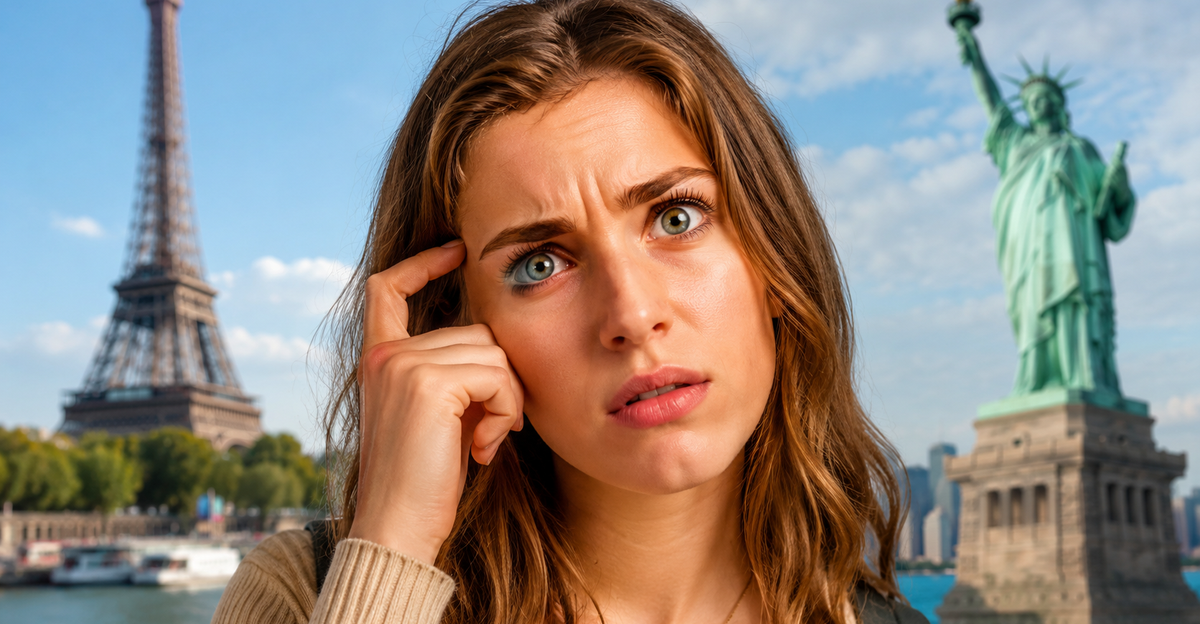 Factinate Ltd
Tipping Feels Like A Second Bill
One of the biggest surprises for many European visitors is America's tipping culture. In much of Europe, restaurant workers receive higher base wages, and service charges are often included or tipping is limited to rounding up the bill. In the United States, customers are generally expected to leave around 15 to 20 percent for table service, making the final cost much higher than the listed menu price.

Prices Rarely Match The Checkout Total
Many Europeans expect the shelf price to match what they pay. In most American states, sales tax is added only at checkout, meaning the final total is higher than the advertised price. Visitors often describe this as confusing because taxes are usually included in displayed prices throughout Europe.

Free Refills Feel Almost Unlimited
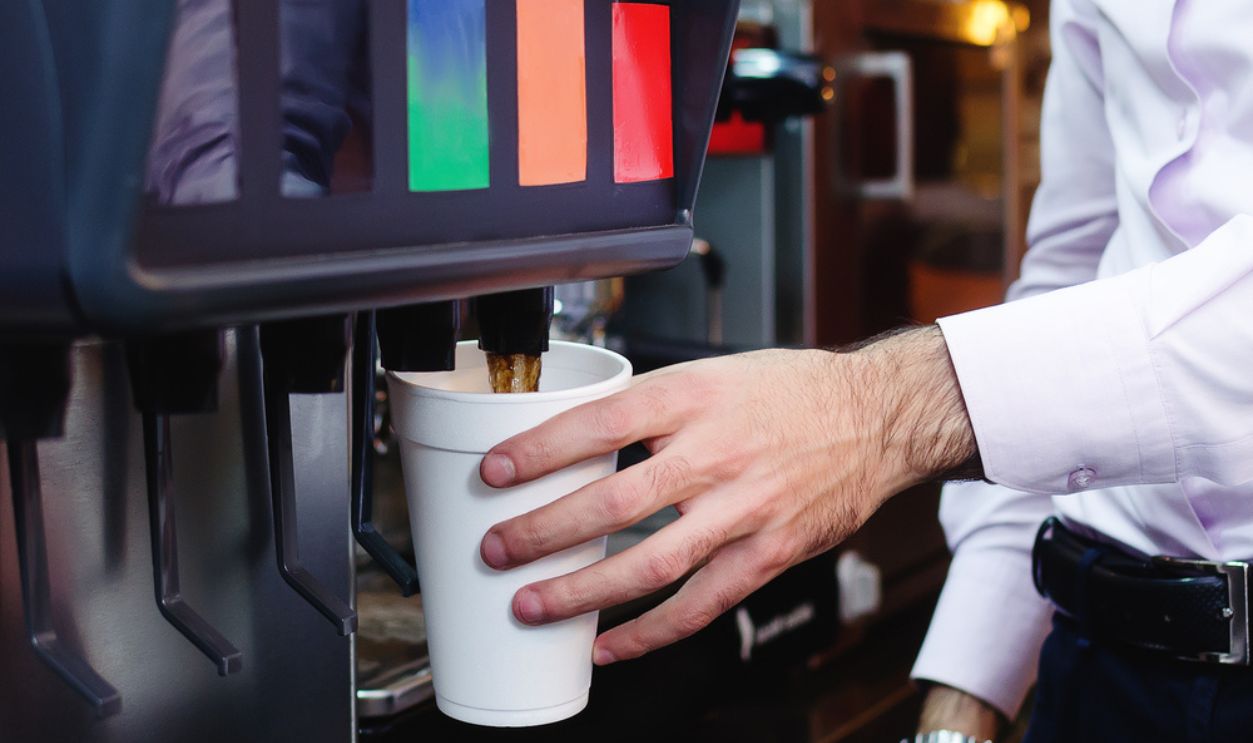
Unlimited soft drink refills are common at many American restaurants. In much of Europe, beverages are sold individually, and refills usually cost extra. Visitors often enjoy the generosity, even if they find it unusual.
Ice Seems To Be Everywhere
American restaurants frequently serve drinks packed with ice. Europeans often expect beverages to be chilled but not overflowing with cubes. The difference reflects varying preferences rather than a right or wrong approach.

Restaurant Portions Look Gigantic
Large serving sizes are one of the first things many European tourists notice. American restaurants often provide portions large enough to share or take home. Taking leftovers home in a "to-go" container is also much more common in the United States than in many European countries.

Bathroom Stall Gaps Raise Eyebrows
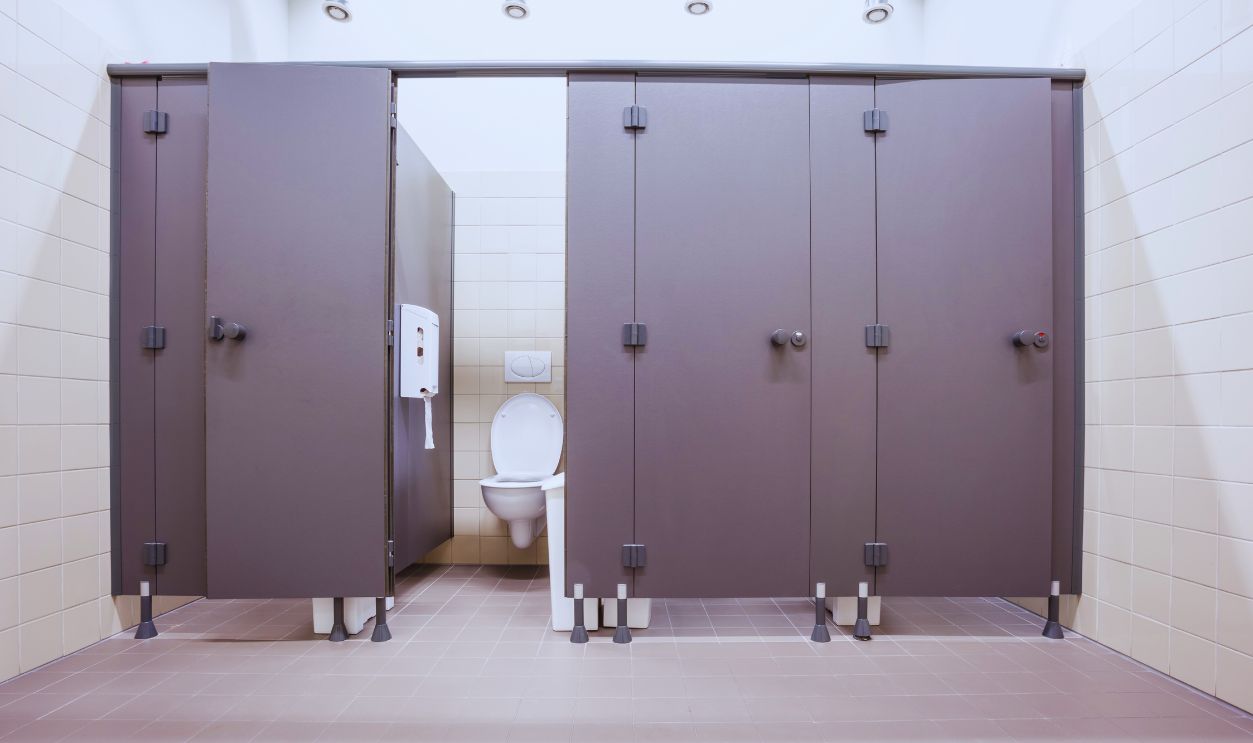
Public restroom stalls in the United States often have noticeable gaps around the doors and partitions. Visitors from Europe regularly comment that they feel there is less privacy than they are accustomed to. This topic appears frequently in travel discussions from international visitors.
 Marcel Derweduwen, Shutterstock
Friendly Small Talk Starts Everywhere
Americans frequently chat with strangers while waiting in line, riding elevators, or shopping. Many Europeans appreciate the friendliness but may find the conversations unexpectedly personal or enthusiastic. Social norms surrounding casual conversation vary widely across Europe.

Customer Service Can Feel Extra Cheerful
American service workers often greet customers warmly and check on them several times during a meal. In many European countries, attentive service means giving diners space unless they request assistance. Neither approach is better, but they can feel very different.
Air Conditioning Is Everywhere
Many American buildings keep indoor temperatures quite cool during the summer. Europeans often notice the strong air conditioning in hotels, offices, restaurants, and shopping centers. Since air conditioning is less widespread in many parts of Europe, the contrast stands out immediately.

Driving Almost Everywhere
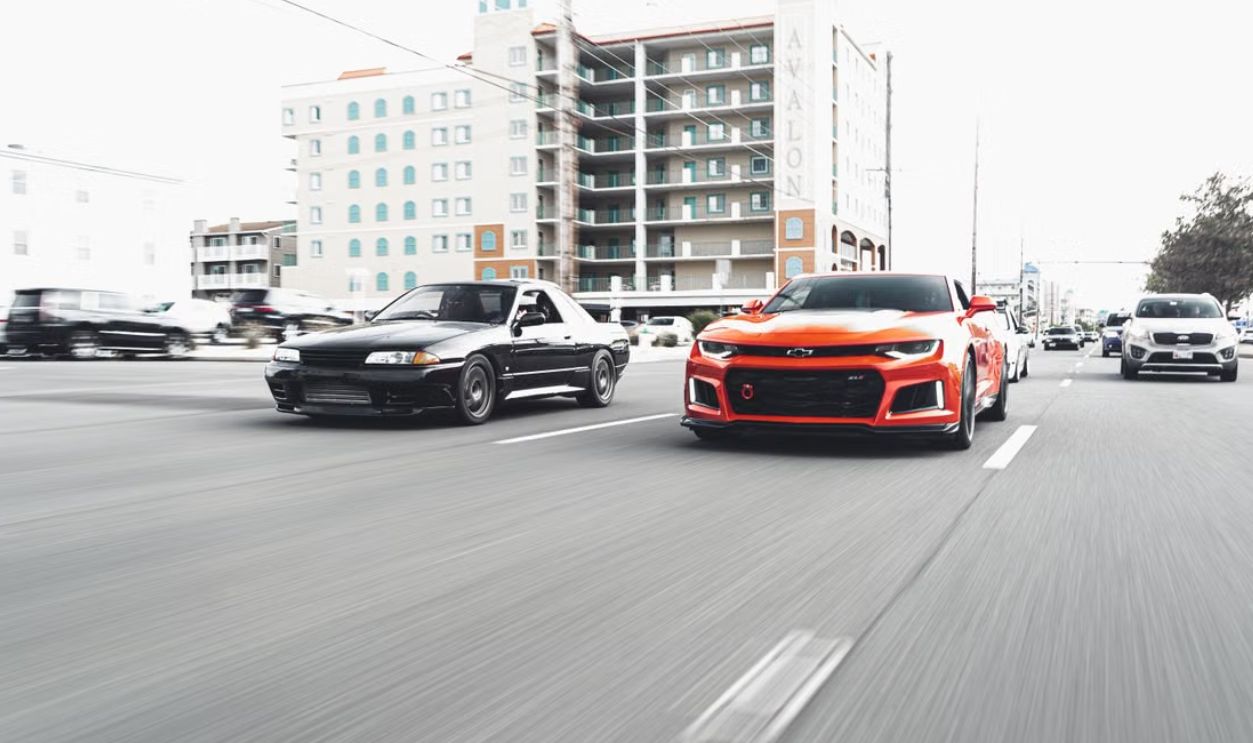
Outside major American cities, daily life often depends on owning a car. Many European cities developed around walking, cycling, and public transportation long before automobiles became common. Visitors sometimes find the distances between destinations surprisingly large.
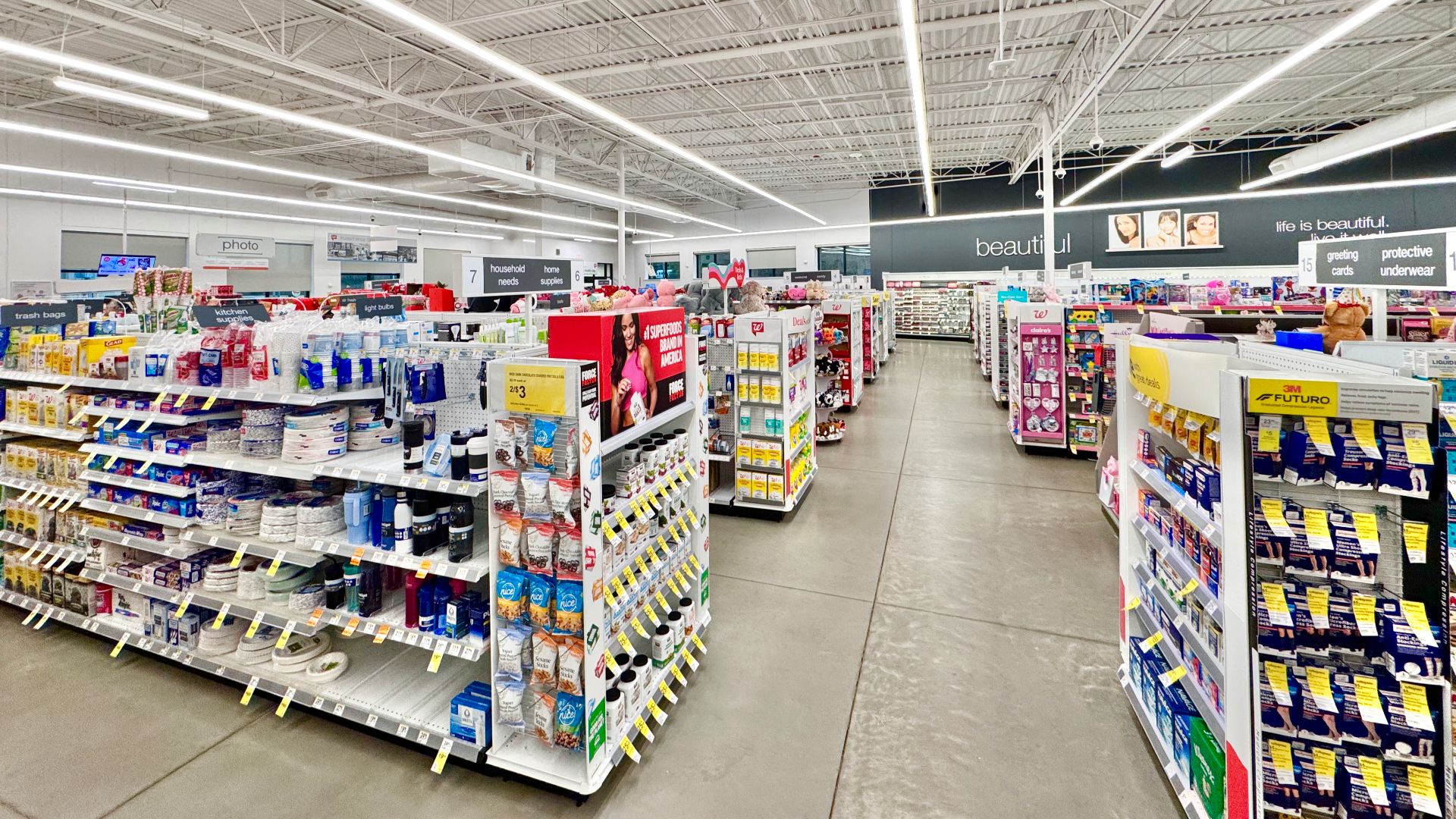
Pharmacies Sell Much More Than Medicine
American drugstores often stock groceries, cosmetics, snacks, seasonal decorations, and household goods. Europeans are sometimes surprised to see pharmacies functioning almost like convenience stores. The retail model differs considerably across countries.
 Harrison Keely, Wikimedia Commons
Smiling At Strangers Is Common
Many Americans smile when making eye contact with people they do not know. In several European cultures, smiling is usually reserved for friends or situations with a clear reason. That difference can lead to amusing misunderstandings during travel.
 Centre for Ageing Better, Unsplash
Flag Displays Are More Visible
American flags appear outside homes, businesses, schools, and public buildings throughout the country. Europeans often notice how visible patriotic symbols are during everyday life. Public displays of national identity are generally less common in many European nations.

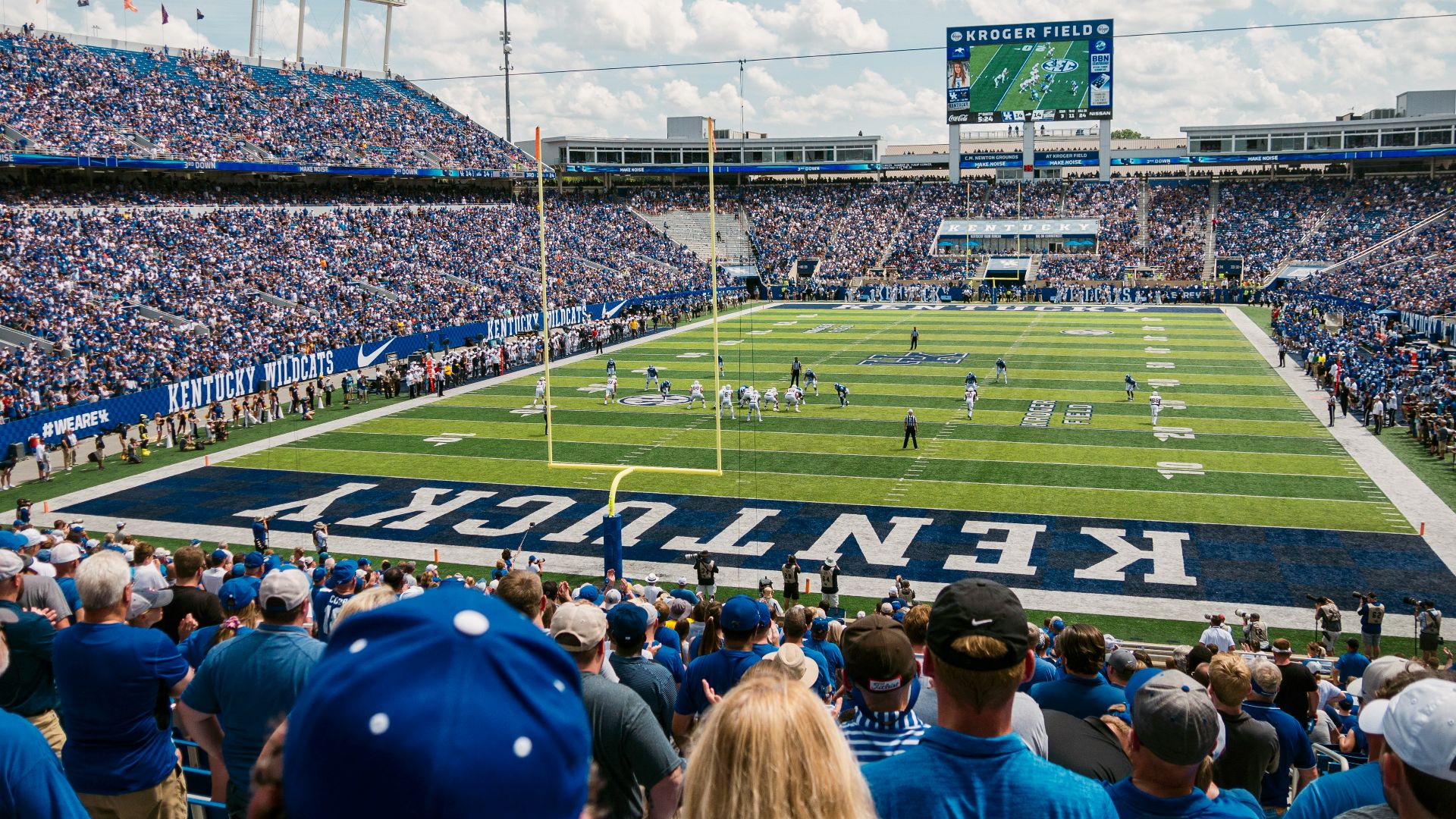
College Sports Feel Like Professional Events
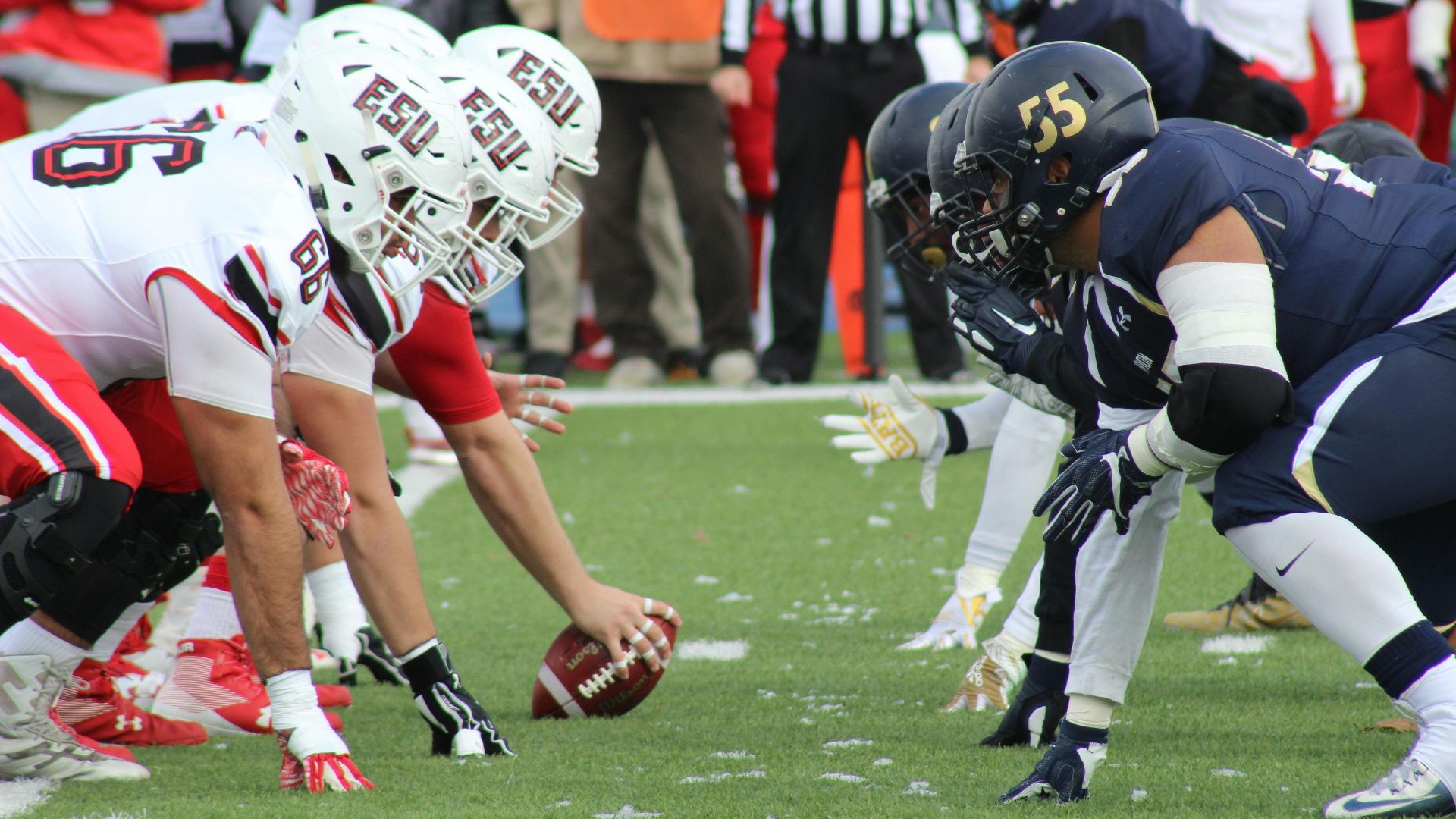
University athletics in the United States attract enormous crowds, television contracts, and passionate fan bases. In Europe, professional sports clubs usually receive much more attention than university teams. Visitors are often surprised by the scale of college football and basketball.
Healthcare Works Very Differently
Many European countries provide universal or heavily subsidized healthcare systems. The American system combines private insurance, employer-sponsored coverage, and public programs such as Medicare and Medicaid. The complexity often surprises first-time visitors.

Vacation Time Can Be Shorter
Many European workers receive at least four weeks of paid vacation by law. The United States has no federal requirement for paid vacation, leaving benefits to employers. Europeans often find this difference striking because extended holidays are a normal part of working life across much of Europe.

Sick Leave May Surprise Visitors
Paid sick leave policies vary significantly across the United States because many rules depend on employers or state laws. Many Europeans are accustomed to stronger national protections. This difference frequently appears in discussions comparing workplace culture.

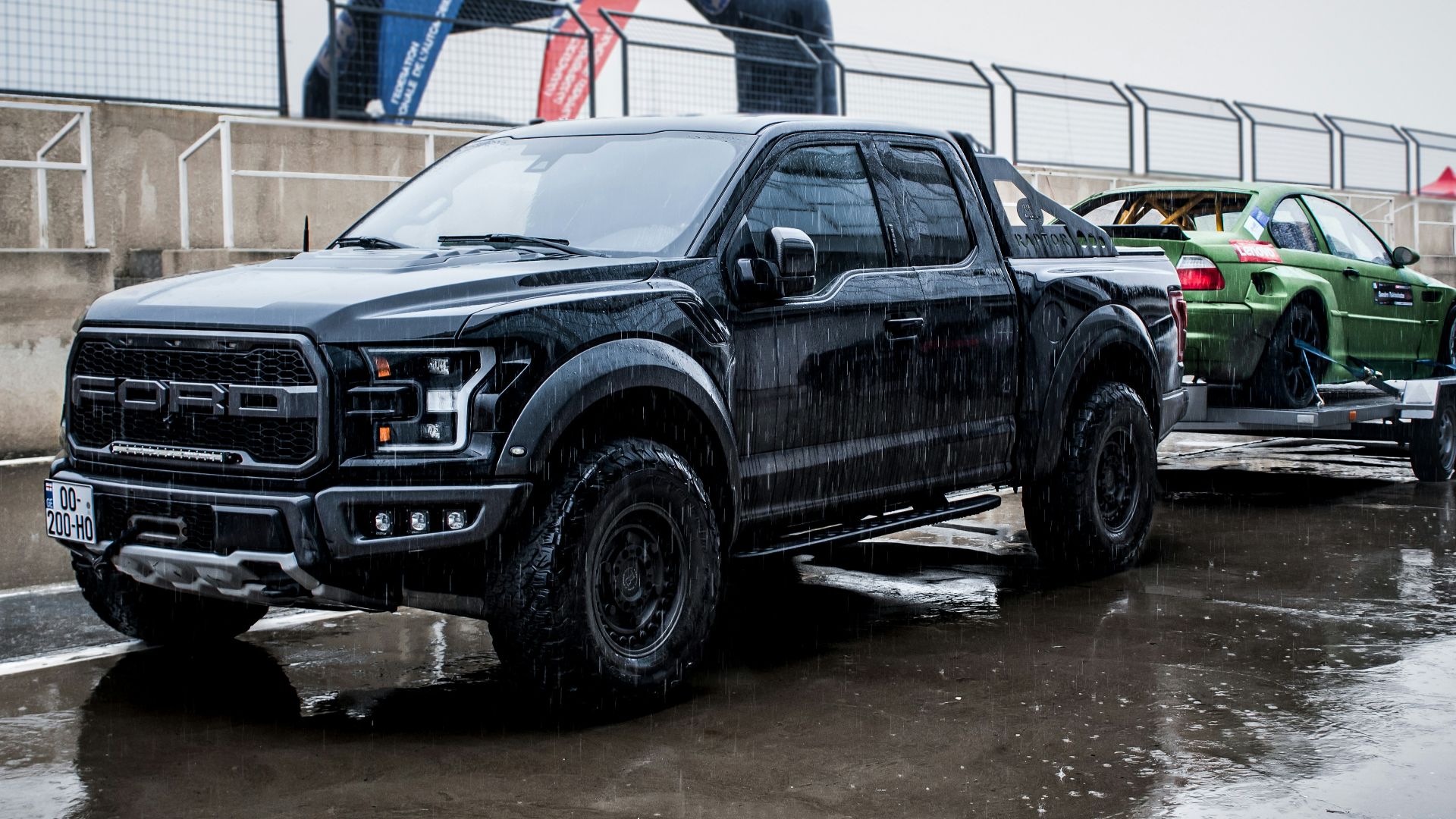
Huge Pickup Trucks Stand Out
Large pickup trucks are extremely common on American roads. Europeans often associate them with construction or farming rather than everyday commuting. Their size can seem especially dramatic in comparison with Europe's generally narrower streets and smaller parking spaces.
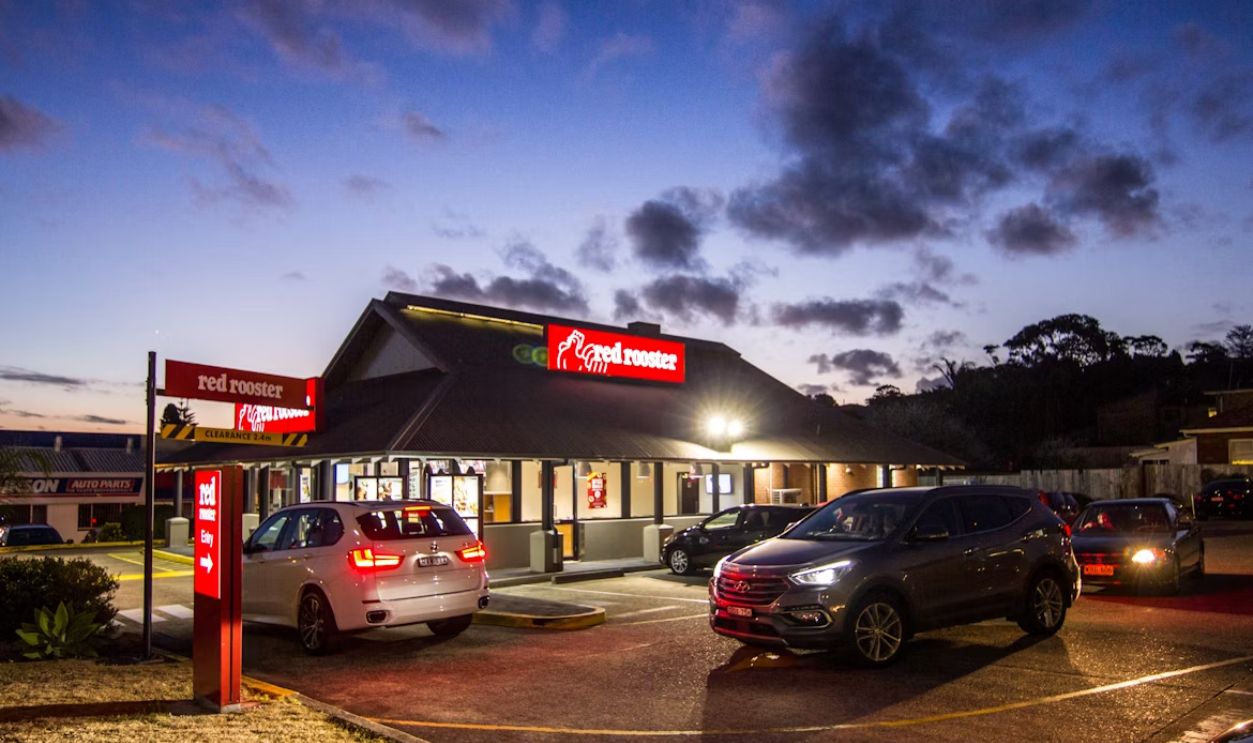
Convenience Comes First
Drive-through pharmacies, banks, coffee shops, and restaurants illustrate America's emphasis on convenience. Europeans often appreciate the efficiency but sometimes wonder whether walking has become optional. The approach reflects different patterns of urban development.
Sports Use Different Names
Americans call their most popular sport football, while Europeans reserve that word for soccer. The naming difference creates endless opportunities for playful confusion. Both traditions have deep historical roots.
Measurement Systems Create Confusion
The United States primarily uses miles, pounds, and Fahrenheit. Most European countries rely on kilometers, kilograms, and Celsius. Travelers often spend their first few days mentally converting everything they see.

Date Formats Require A Double Check
Americans typically write dates as month, day, and year. Much of Europe uses day, month, and year. Simple paperwork can become confusing without careful attention.

Credit Cards Are Everywhere
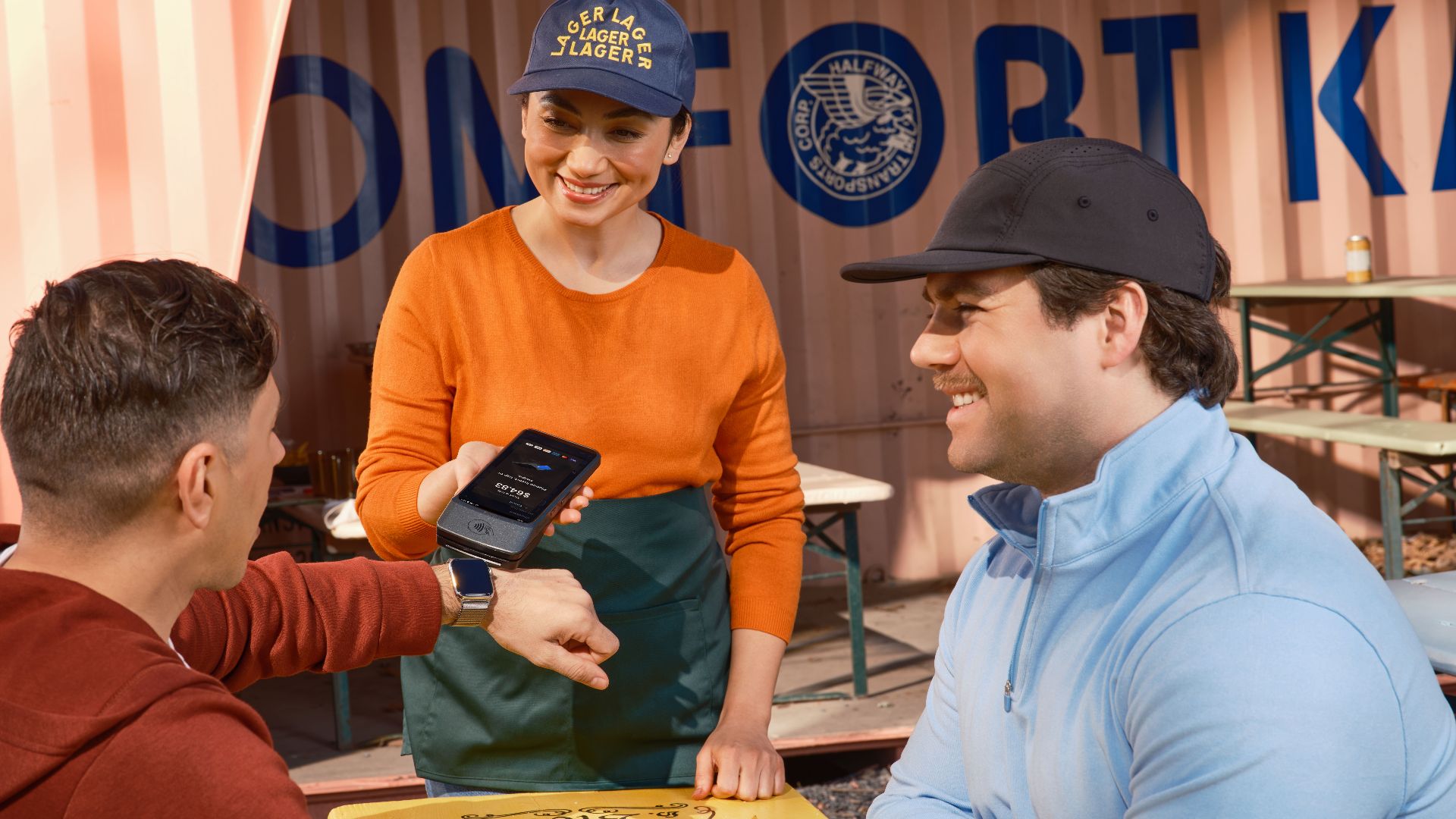
Card payments are widespread in both regions, but Americans often use credit cards for everyday purchases while Europeans frequently rely on debit cards or bank transfers. Payment habits continue to evolve, though noticeable differences remain. Digital payment systems also vary by country.

Patriotism Appears More Public
School events, sporting competitions, and community celebrations often include the national anthem or public displays of patriotism in the United States. Europeans sometimes view these traditions as unusually prominent. Americans generally see them as familiar expressions of national identity.

Every Culture Has Its Own Logic
Many customs seem unusual until you understand the history behind them. American tipping practices, transportation systems, and workplace traditions developed under different economic and social conditions than those in Europe. Looking at these differences with curiosity instead of judgment makes travel far more rewarding.

Understanding Goes Both Ways
Americans are often just as surprised by European customs, from paying for public restrooms to quieter restaurant service. Cultural differences are not flaws. They simply reflect different histories, priorities, and expectations that make international travel so interesting.
You May Also Like:
Americans abroad learn quickly that privacy and personal space aren’t the same as back home.
Scientists uncover a toxic legacy of Ancient Rome that may have lowered intelligence across Europe