The Moment Everything Goes Sideways
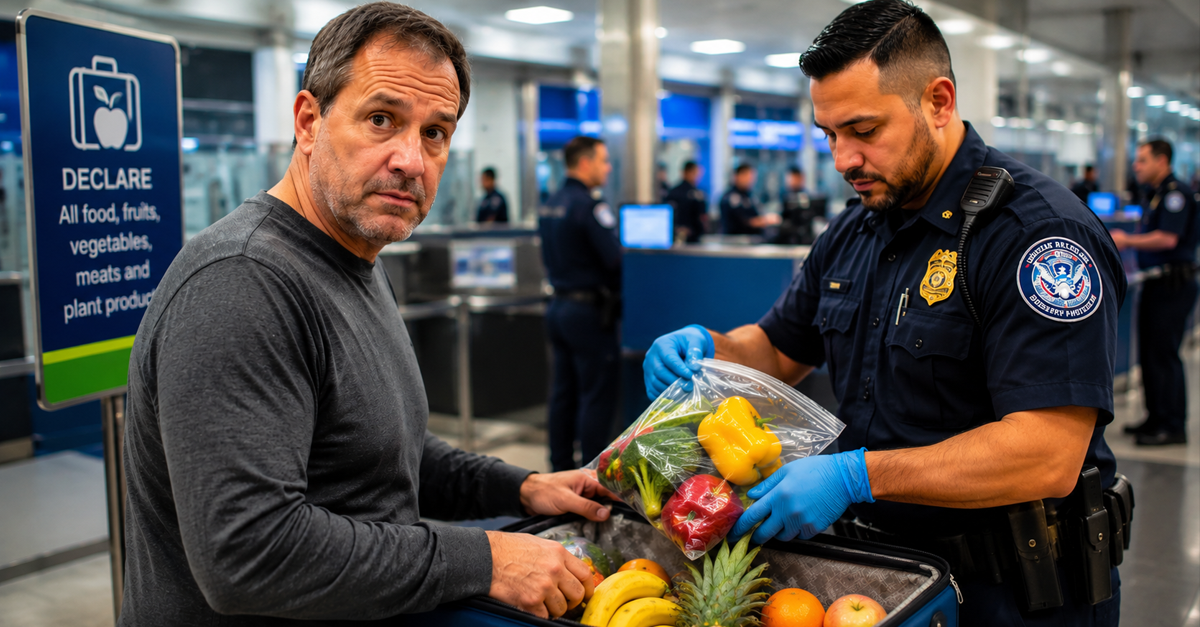
You land, collect your bags, and head toward customs thinking the hardest part of your trip is over. Then an officer pulls aside a package of food you packed without a second thought. Suddenly, the item is confiscated, and you're left wondering whether you'll ever see it again.
Why Customs Cares So Much About Food
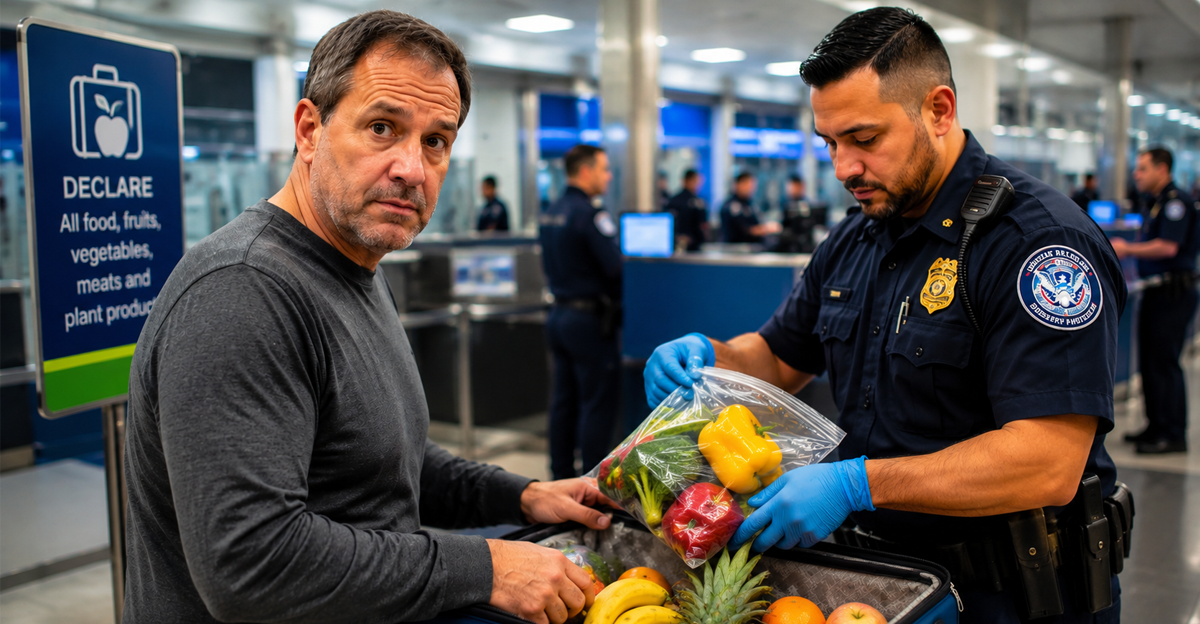
Food is not just food in the eyes of border agencies. Fruits, vegetables, meat, seeds, dairy products, and even certain packaged snacks can carry pests, plant diseases, or animal diseases. Governments restrict these items to protect agriculture, livestock, and local ecosystems.
 CBP Photography, Wikimedia Commons
The First Question: Was It Seized Or Held?
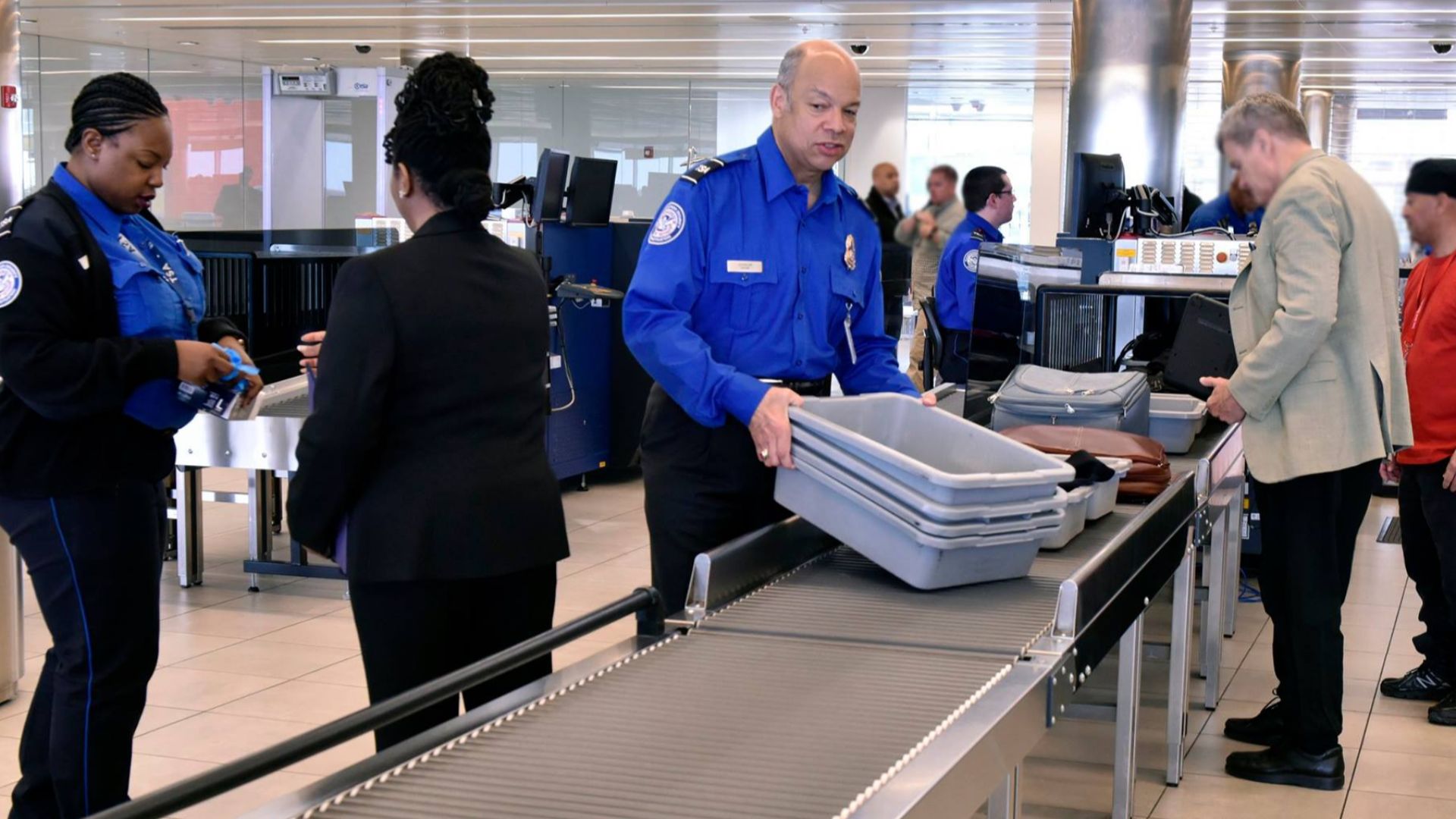
Not every customs action means the same thing. Some items are temporarily held for inspection or documentation review. Others are formally seized and scheduled for destruction almost immediately.
 U.S. Department of Homeland Security (DHS), Wikimedia Commons
What Happens During An Agricultural Inspection
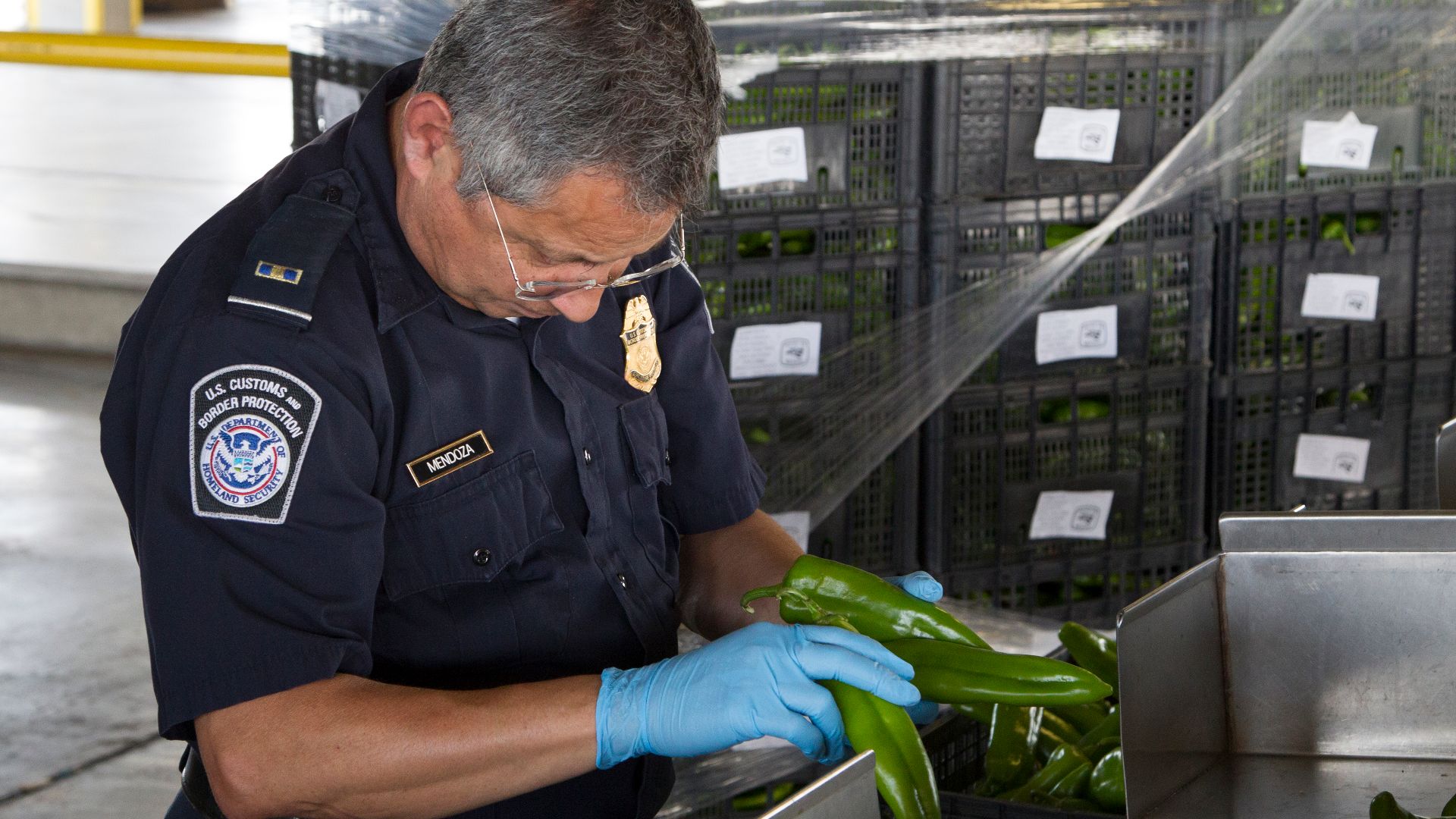
Many countries employ specialized agriculture inspectors alongside customs officers. These officials evaluate food products and determine whether they meet import requirements. Their decision is often final at the point of entry.
 U.S. Customs and Border Protection, Wikimedia Commons
Why Innocent Snacks Can Trigger Problems
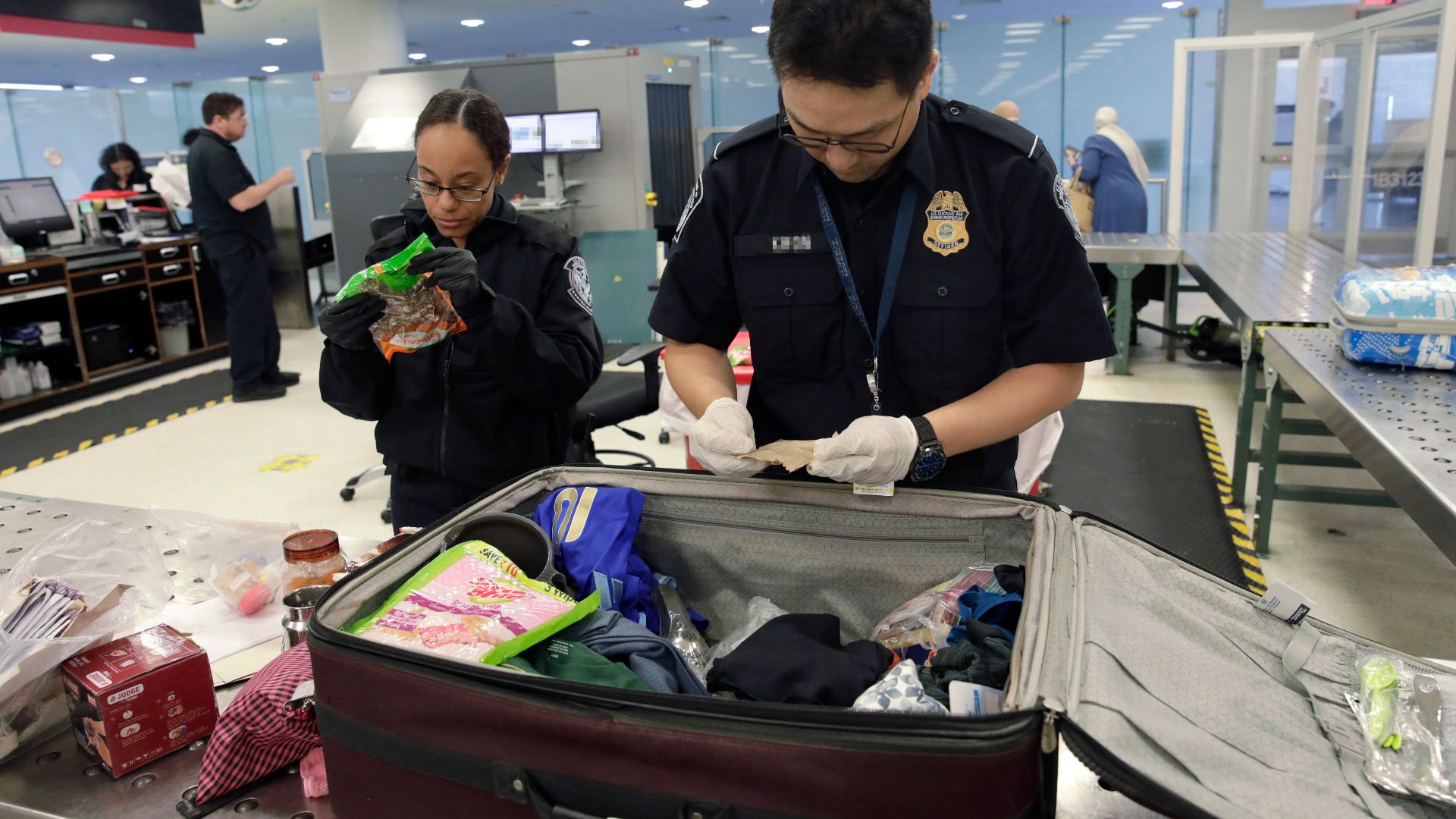
Travelers are frequently surprised by the foods that attract attention. A piece of fruit from an airplane meal, homemade sausage, fresh cheese, or a bag of seeds can all raise concerns. The issue is usually biosecurity rather than criminal activity.
 CBP Photography, Wikimedia Commons
The Importance Of Declaring Everything
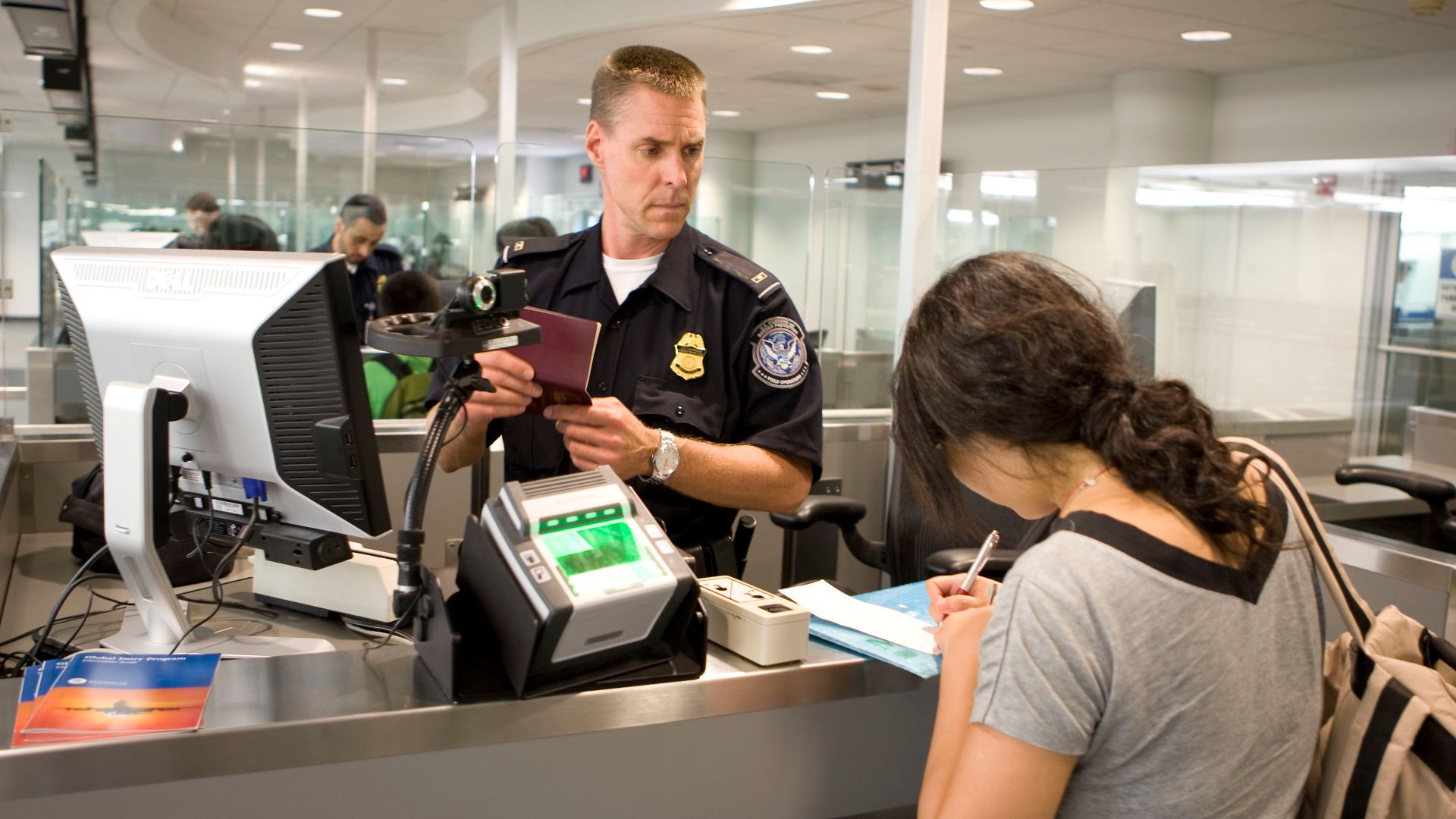
Customs agencies consistently emphasize that declaring food is critical. Declaring an item does not automatically mean it will be allowed into the country. However, it can significantly reduce the risk of penalties if the item turns out to be prohibited.
 CBP Photography, Wikimedia Commons
Can You Get Seized Food Back?
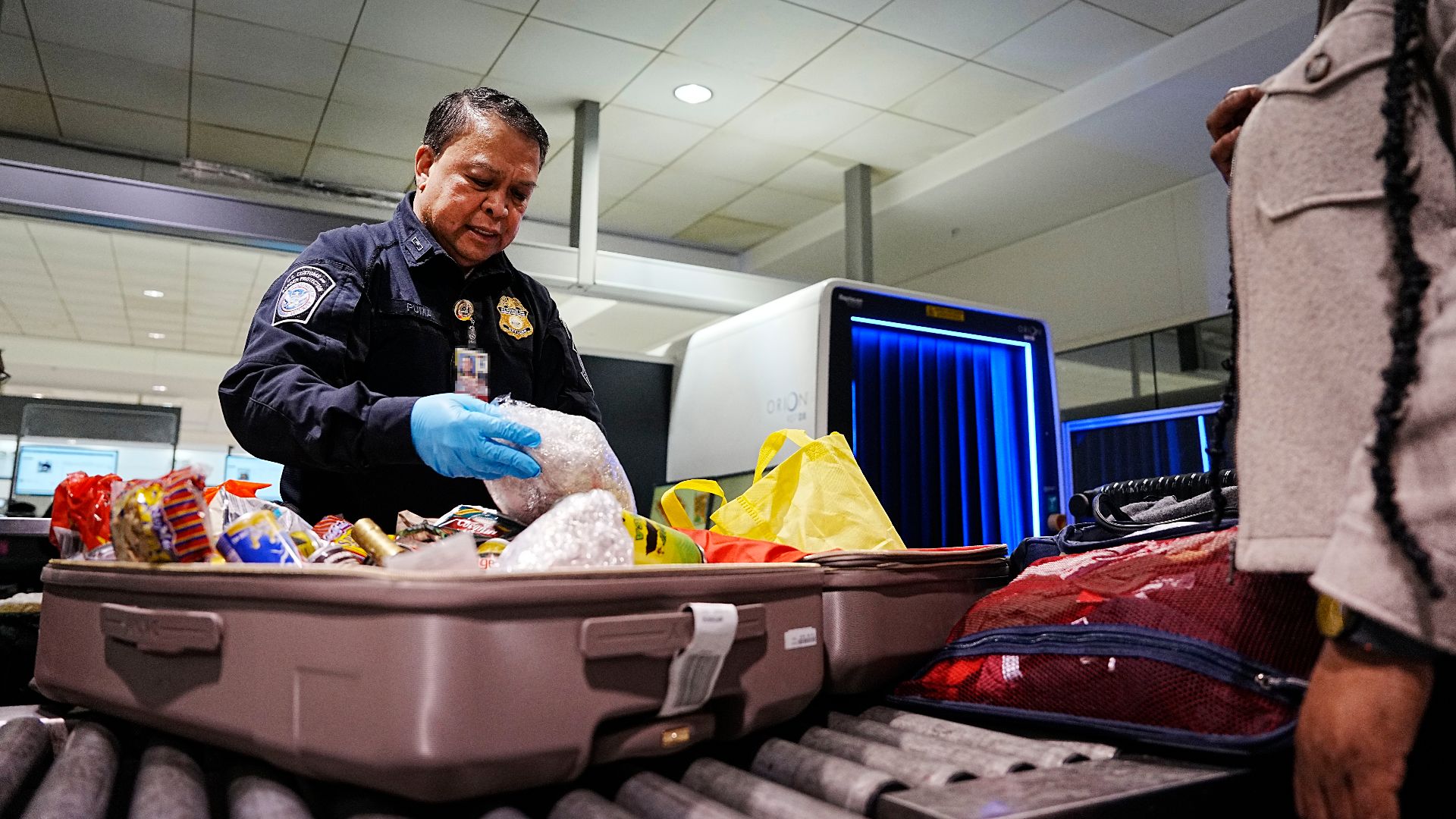
In most cases, the answer is no. Food that is prohibited because of agricultural or biosecurity concerns is usually confiscated and destroyed. Once that process begins, there is typically no mechanism for returning the item to the traveler.
Why Destruction Is Common
Officials do not want potentially risky products circulating within the country. Storing, shipping, or returning seized food could create additional risks. Destruction is often considered the safest and most practical option.
 CBP Photography, Wikimedia Commons
When Recovery Might Be Possible
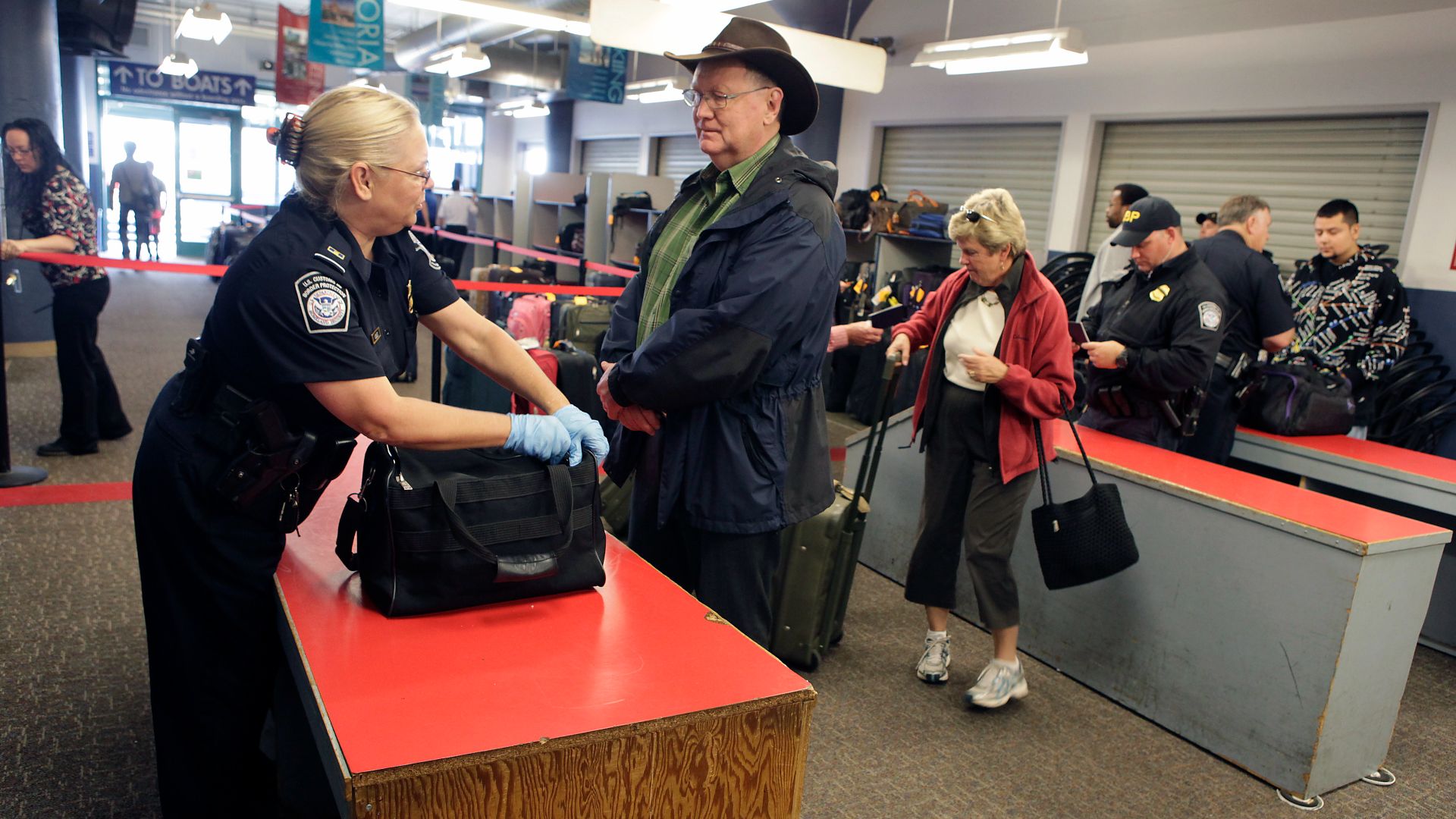
There are limited situations where recovery could occur. An item may be released if customs determines it was mistakenly detained or if missing documentation can be provided quickly. These cases are relatively uncommon for food products.
 CBP Photography, Wikimedia Commons
Keep Every Document You Receive
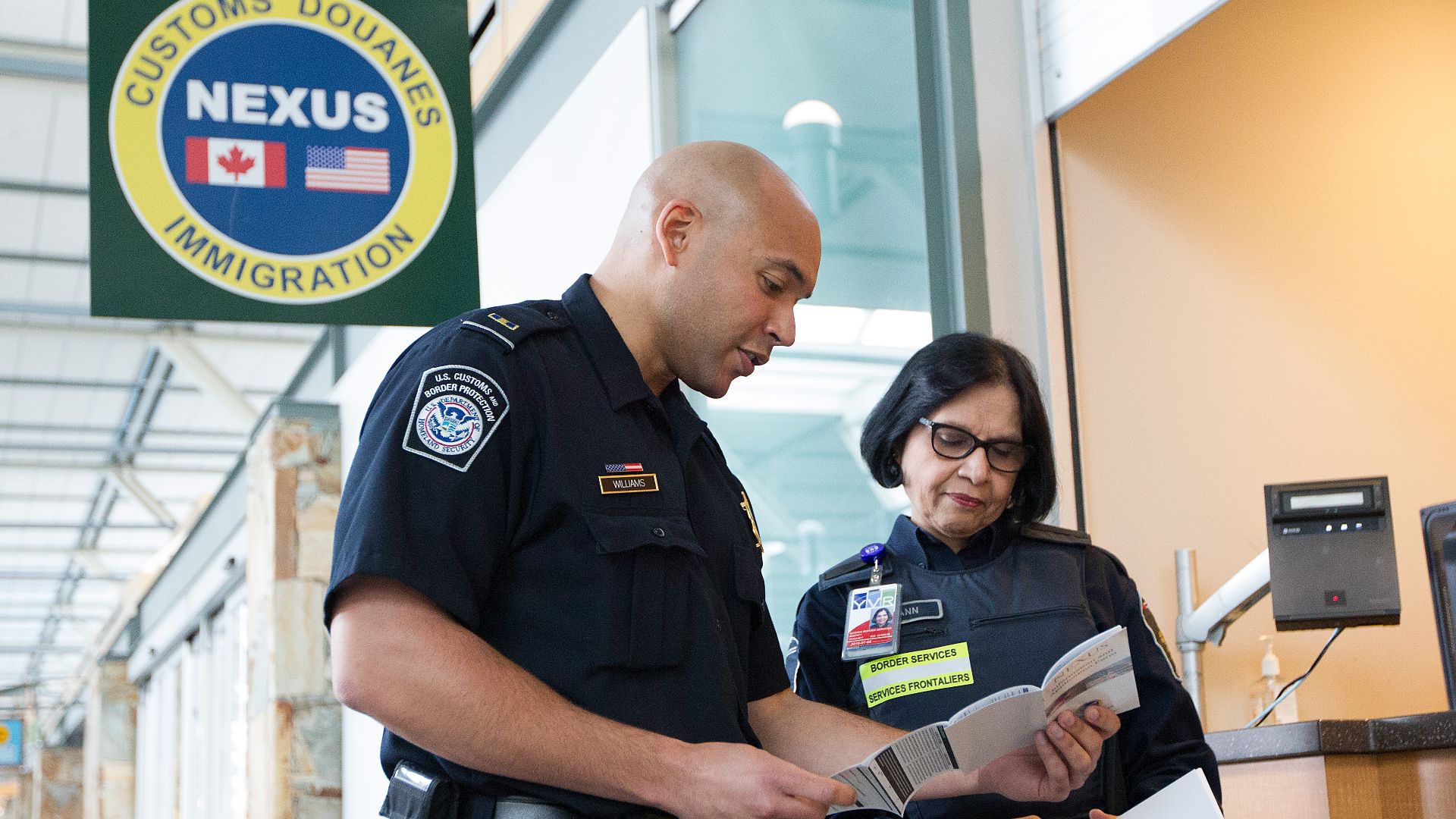
If customs takes an item, ask for any paperwork related to the action. This may include a seizure notice, inspection report, or receipt. Those documents will be essential if you decide to challenge the decision.
 U.S. Customs and Border Protection, Wikimedia Commons
Understanding A Seizure Notice
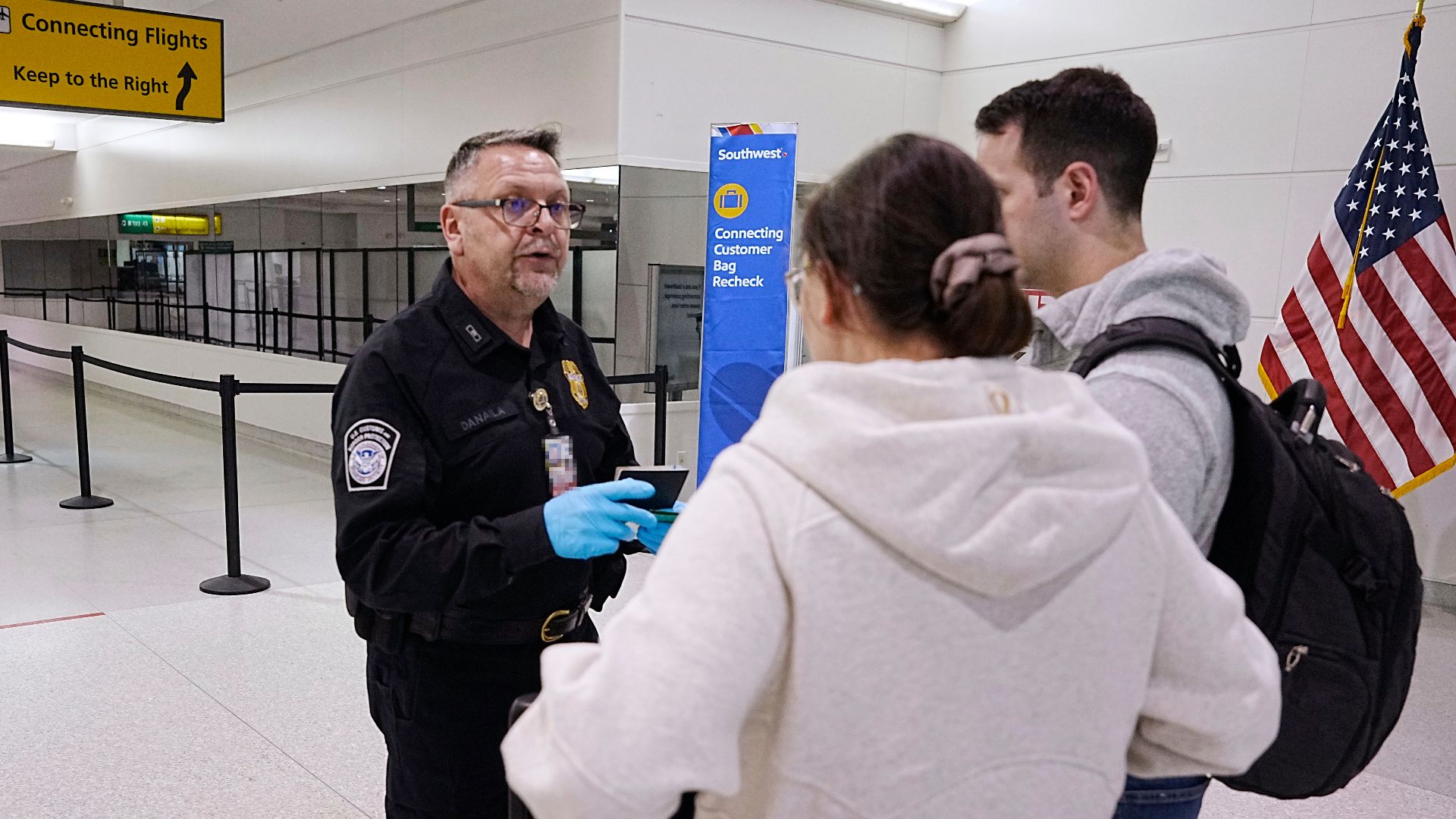
A seizure notice explains what was taken and why. It may also outline appeal rights, deadlines, and contact information. Read every section carefully before deciding your next step.
 CBP Photography, Wikimedia Commons
How Appeals Usually Work
Many customs agencies provide a formal review process. Travelers can submit evidence, receipts, permits, or explanations supporting their case. The agency then reviews whether the seizure was justified.
 CBP Photography, Wikimedia Commons
Documentation Matters
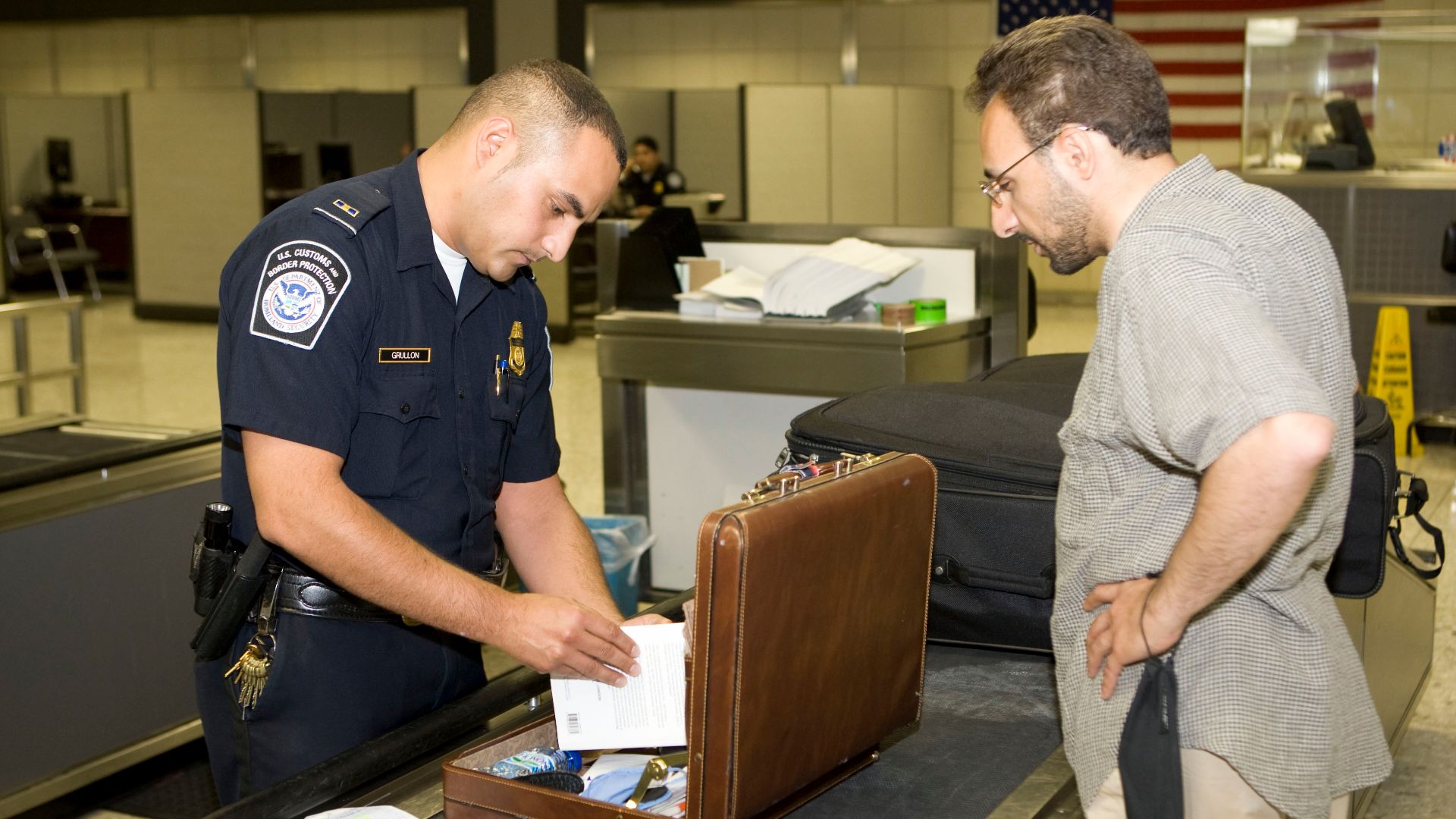
Original packaging can sometimes help establish an item's origin and ingredients. Receipts may also be useful. If customs asks for proof, having documentation can strengthen your position.
 CBP Photography, Wikimedia Commons
The Reality Of Agricultural Restrictions
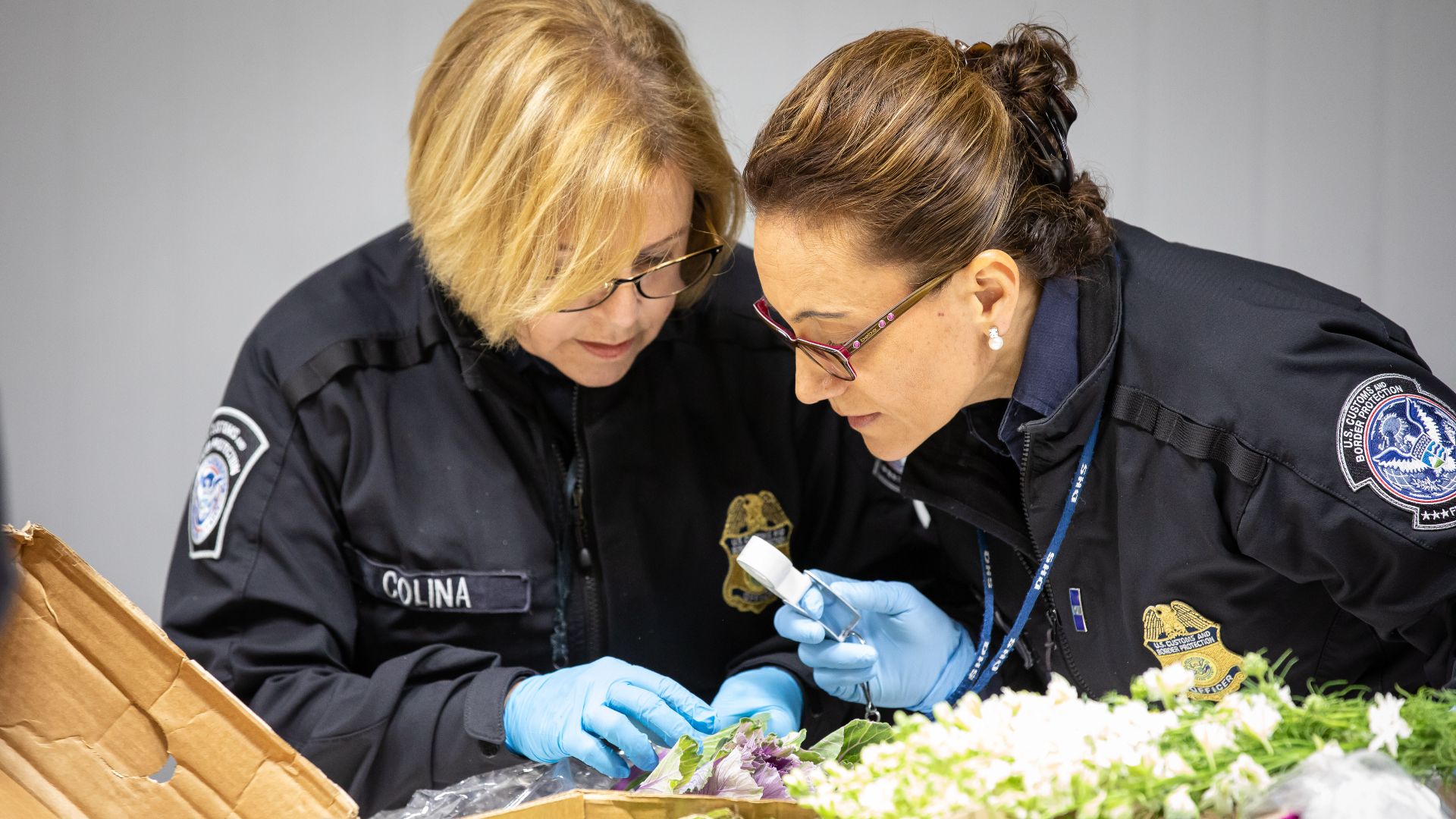
Agricultural seizures are often harder to overturn than duty disputes. Customs agencies generally have broad authority to exclude products that may carry pests or diseases. Even perfectly edible food can be prohibited.
 Ozzy Trevino, U.S. Customs and Border Protection, Wikimedia Commons
Fresh Foods Face The Greatest Risk
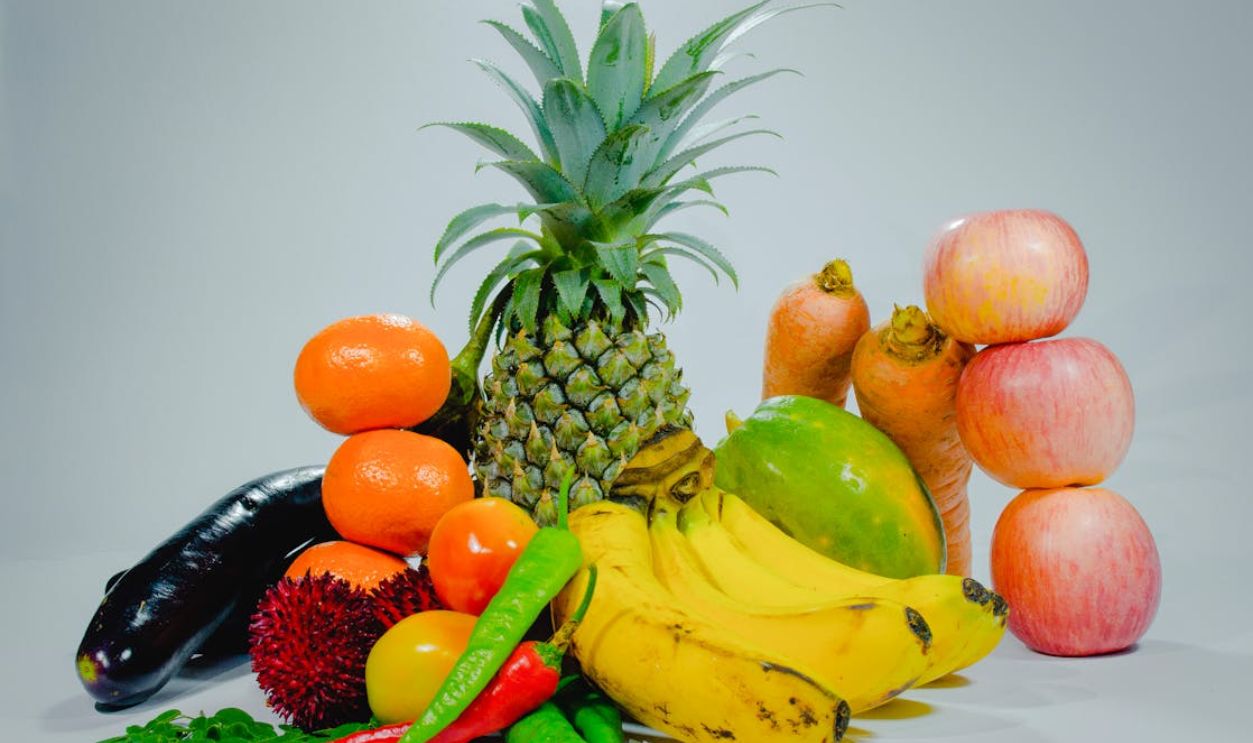
Fresh fruits, vegetables, meats, and certain dairy products are among the most commonly restricted items. These foods are more likely to harbor organisms that authorities want to keep out. Travelers carrying these products often face the strictest scrutiny.
Packaged Food Is Not Automatically Safe
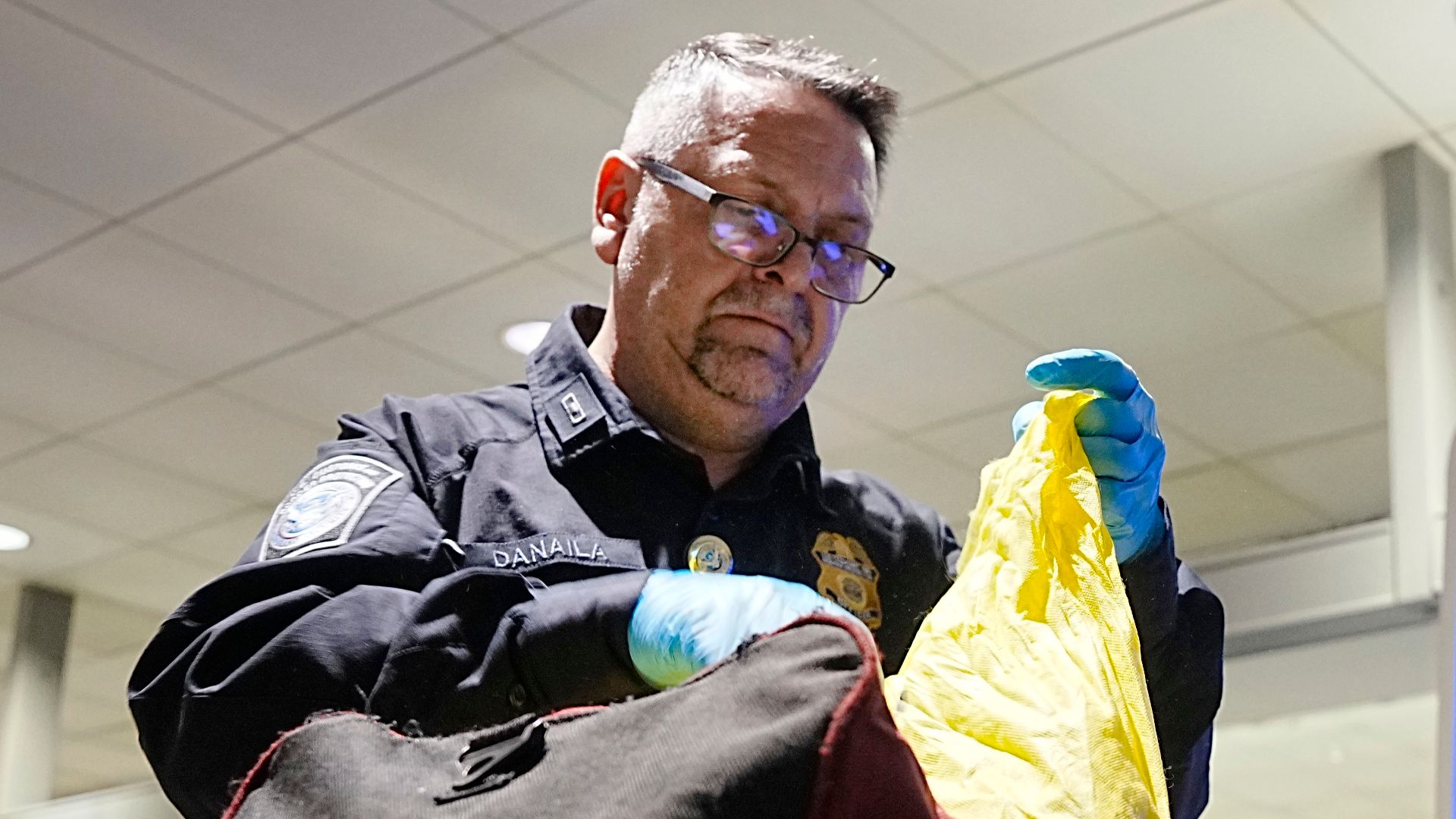
Many travelers assume sealed packaging guarantees approval. Unfortunately, that is not always true. Ingredients, country of origin, and disease-control regulations can all affect admissibility.
 CBP Photography, Wikimedia Commons
Why Customs Officers Rarely Make Exceptions
Border officials are expected to apply regulations consistently. Allowing exceptions based on personal circumstances could undermine enforcement efforts. That is why even small quantities may be confiscated.
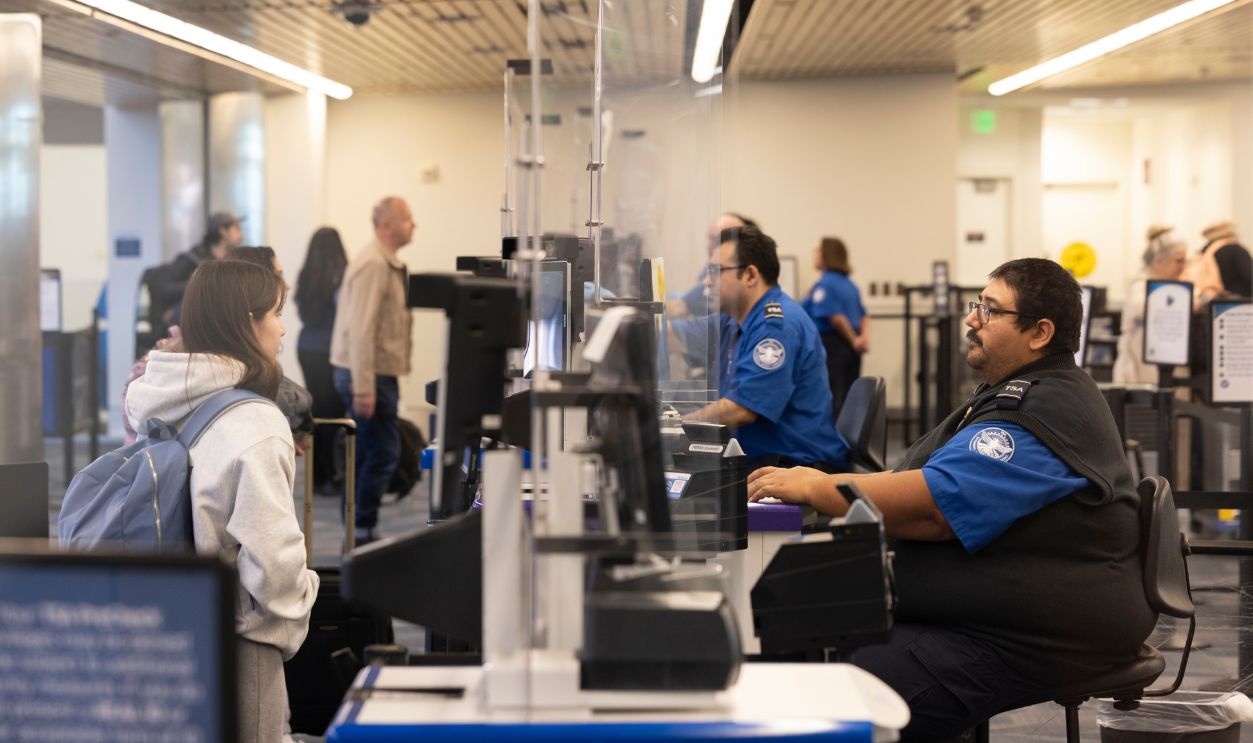
What If You Honestly Didn't Know?
Lack of knowledge may explain the mistake, but it does not necessarily change the outcome. Customs officers generally focus on whether the item is admissible. The food itself may still be confiscated even if the traveler acted in good faith.
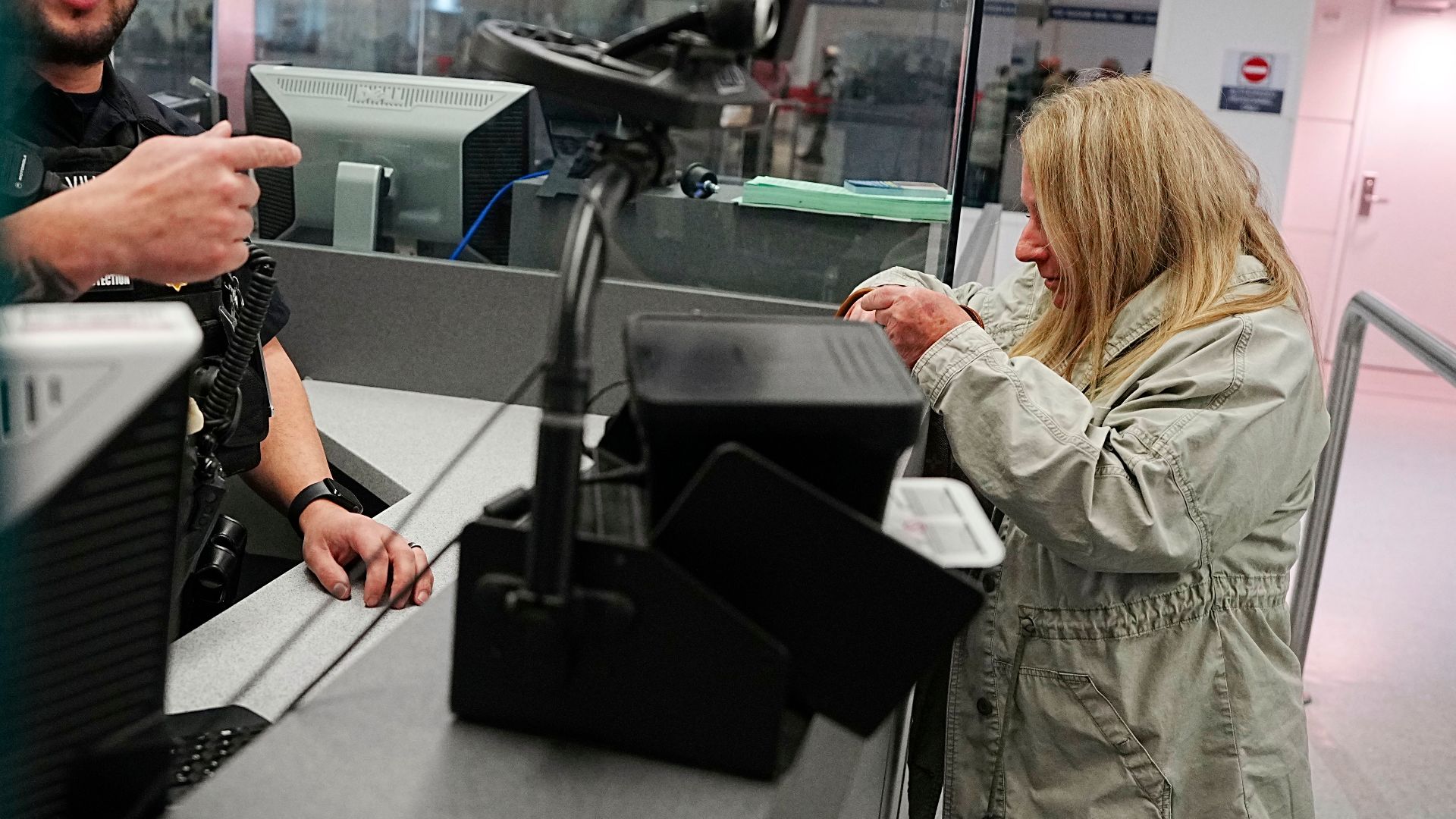 CBP Photography, Wikimedia Commons
Could You Face A Fine?
Possibly. Some countries impose penalties for failing to declare restricted agricultural products. The risk is often higher when food is concealed or omitted from a declaration.
 Oregon Department of Transportation, Wikimedia Commons
Why Honesty Usually Helps
Inspectors regularly note that declared items are treated differently from undeclared items. If you voluntarily disclose food products, officers can inspect them and make a determination. Transparency often prevents a simple mistake from becoming a larger problem.
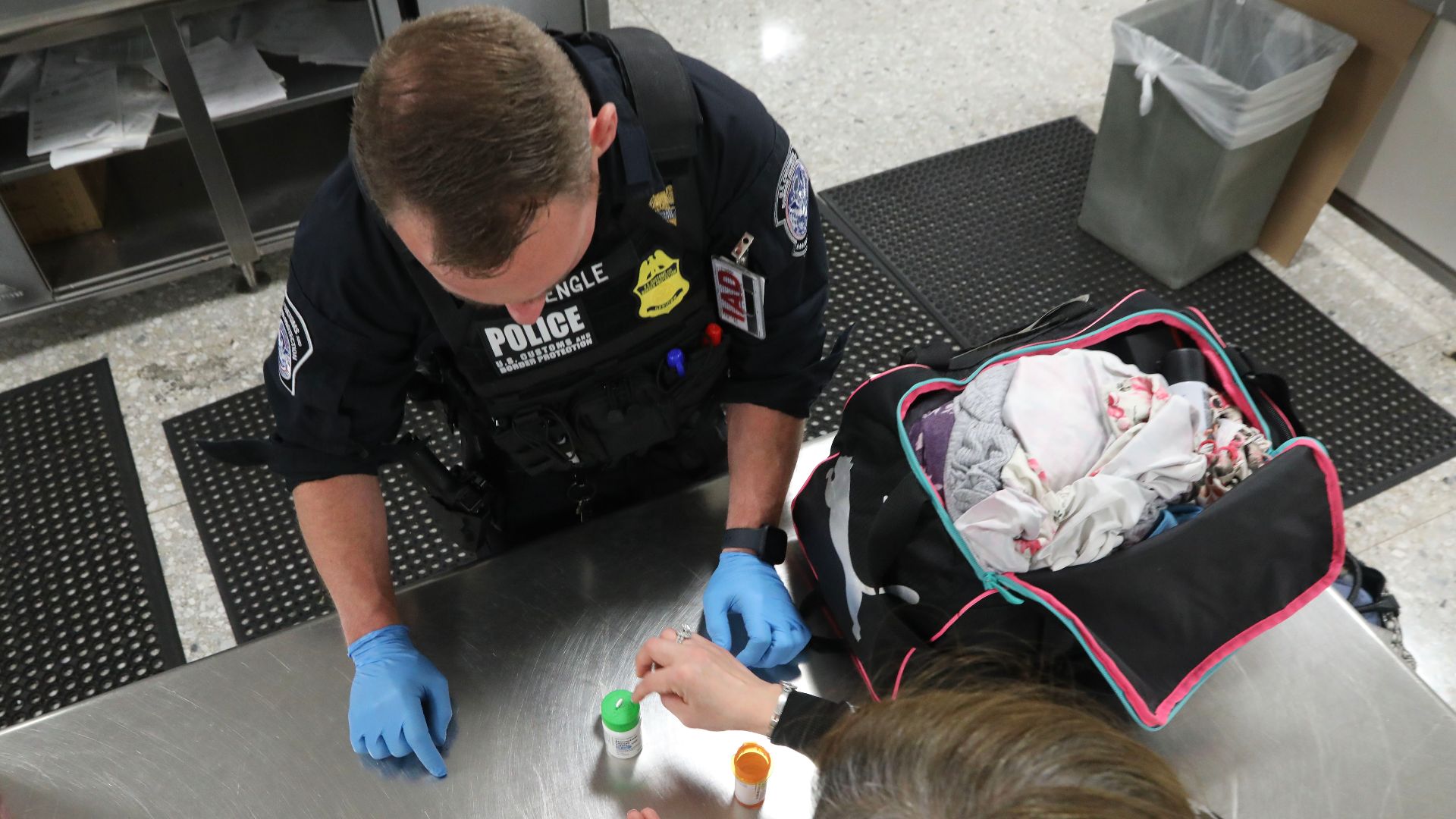 CBP Photography, Wikimedia Commons
Is Hiring A Lawyer Worth It?
For ordinary food items, legal action is rarely practical. The value of the seized product usually does not justify the cost. However, legal advice may be worthwhile if the seizure involves unusually valuable goods or significant penalties.

Lessons For Future Trips
Research food restrictions before every international journey. Rules vary widely by destination and can change over time. A product allowed last year may face different restrictions today.

Use Official Government Resources
Government customs and agriculture websites provide the most reliable guidance. They often include searchable databases and country-specific restrictions. Checking before departure can save time, money, and frustration.

When In Doubt, Declare It
Experienced travelers follow one simple rule. If you are unsure whether a food item needs to be declared, declare it. Customs officers would generally rather inspect an item than discover it later during a baggage search.
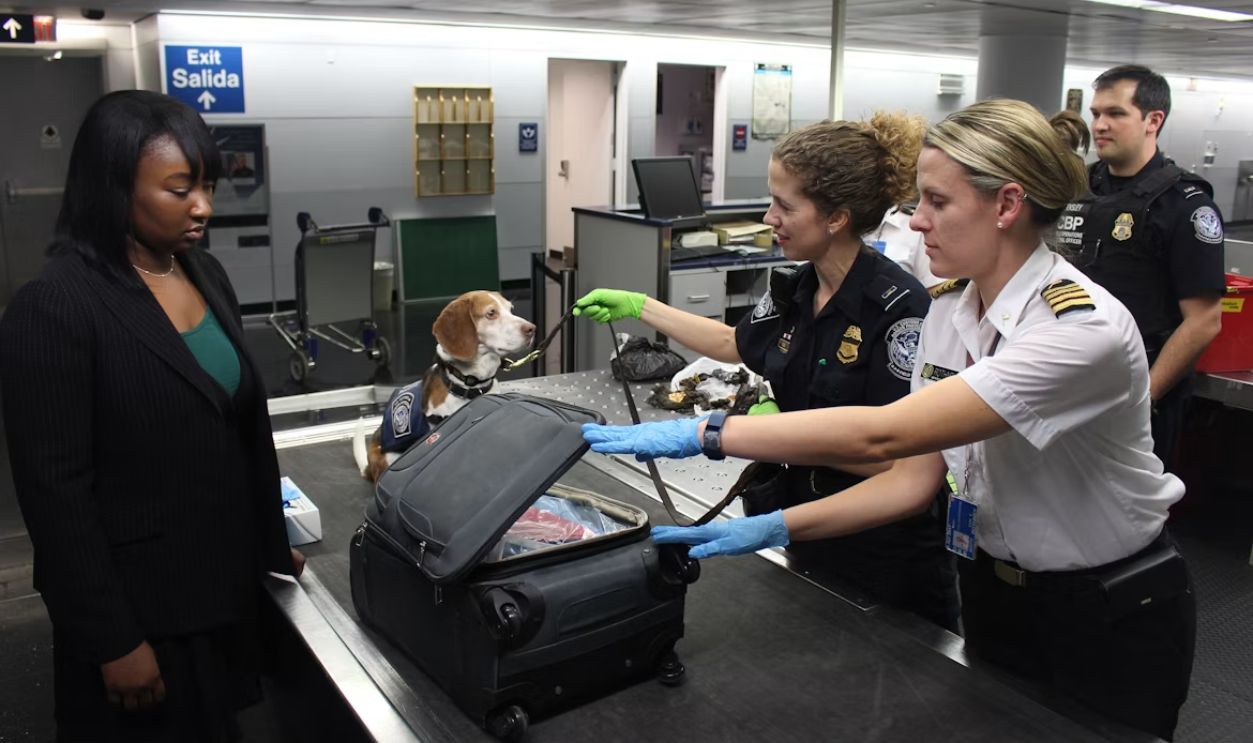
The Bottom Line
If customs seized food because it violated agricultural or import regulations, the chances of getting it back are usually very low. Most prohibited food products are confiscated and destroyed to protect local agriculture and public health. Your best strategy is to keep any paperwork, review your appeal options, and make sure future trips begin with a careful review of customs rules.

You May Also Like: