

How Do You Say It?
We’re not here to make anyone feel bad—but we are here to let you know that a few American city names you’ve been confidently saying for years aren’t quite right. Scroll through the list to see which ones you’ve been mispronouncing, which ones you’ve somehow nailed, and which are sneakier than they look. Starting with…
Louisville, Kentucky
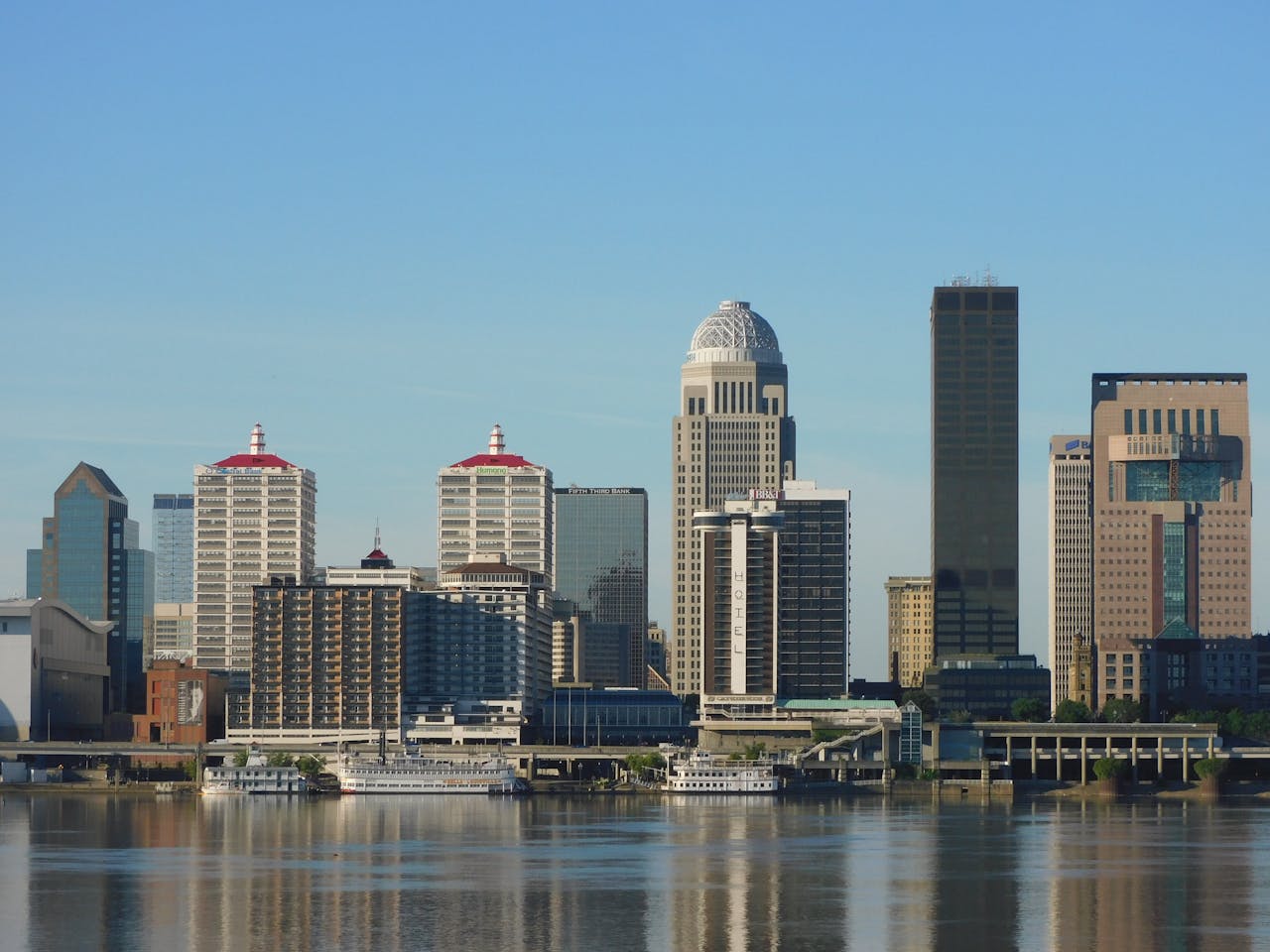
You think you know how to pronounce Louisville, Kentucky? Well, unless you're from there, you're probably saying it wrong (and we aren't talking about the Kentucky part). It isn't Lewis or Louie, and even the "ville" is said more as if there was a "u" in there rather than an "i". You wanna say it right? It's pronounced: LOO-uh-vuhl.
Staying in Kentucky...
Auxier, Kentucky
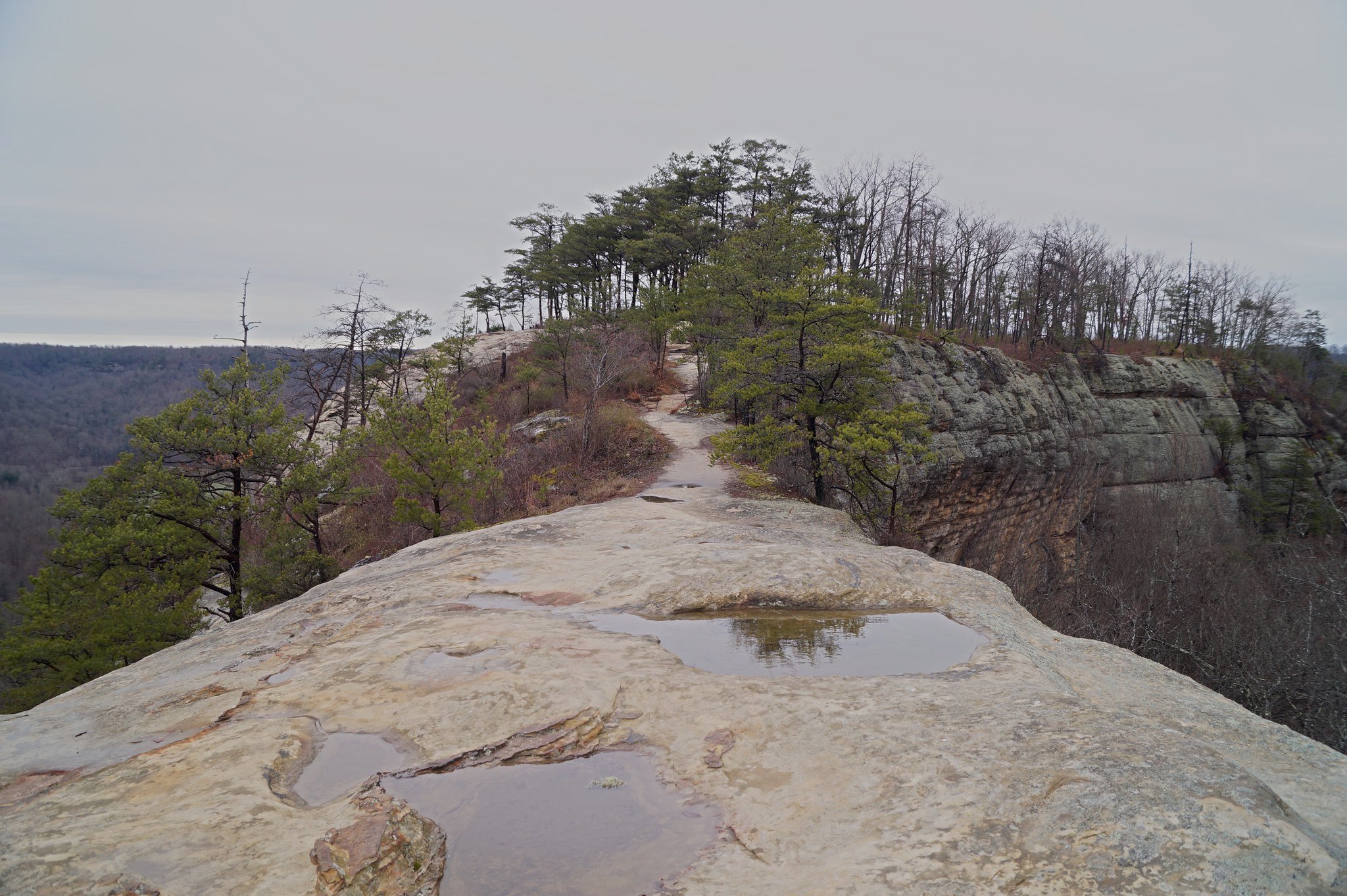
You'd think that knowing the name of the family that this place is named after might help knowing how to pronounce it. But what if we told you that said family used multiple spellings of their name, from "Auxier" to "Axer," "Oxer," and "Auxer".—and pronounce it "ok-sur". Although you will hear locals say "ox-yer" as well.
Worcester, Massachusetts
As hard to pronounce as Worcestershire Sauce is the town of Worcester, Massachusetts—and both confound many with their dropping of the "r" entirely. So, go with "WUSS-ter" for the town and "wu-stuh-shr" for the sauce.
Houston Street, New York City
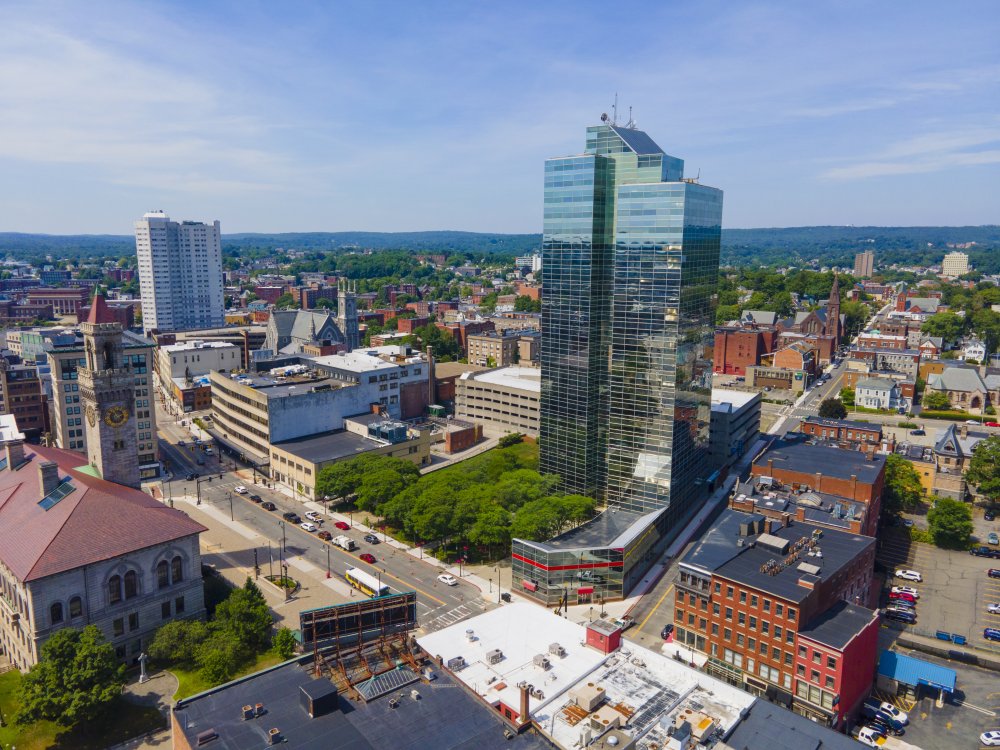
Wait, isn't the street pronounced the same as the city in Texas? Well, obviously not, or it wouldn't be on our list, right? So, how do you say the street name? It's actually "HOW-stun"—as in: HOW was I supposed to know that? I'm STUNed.
La Jolla, California
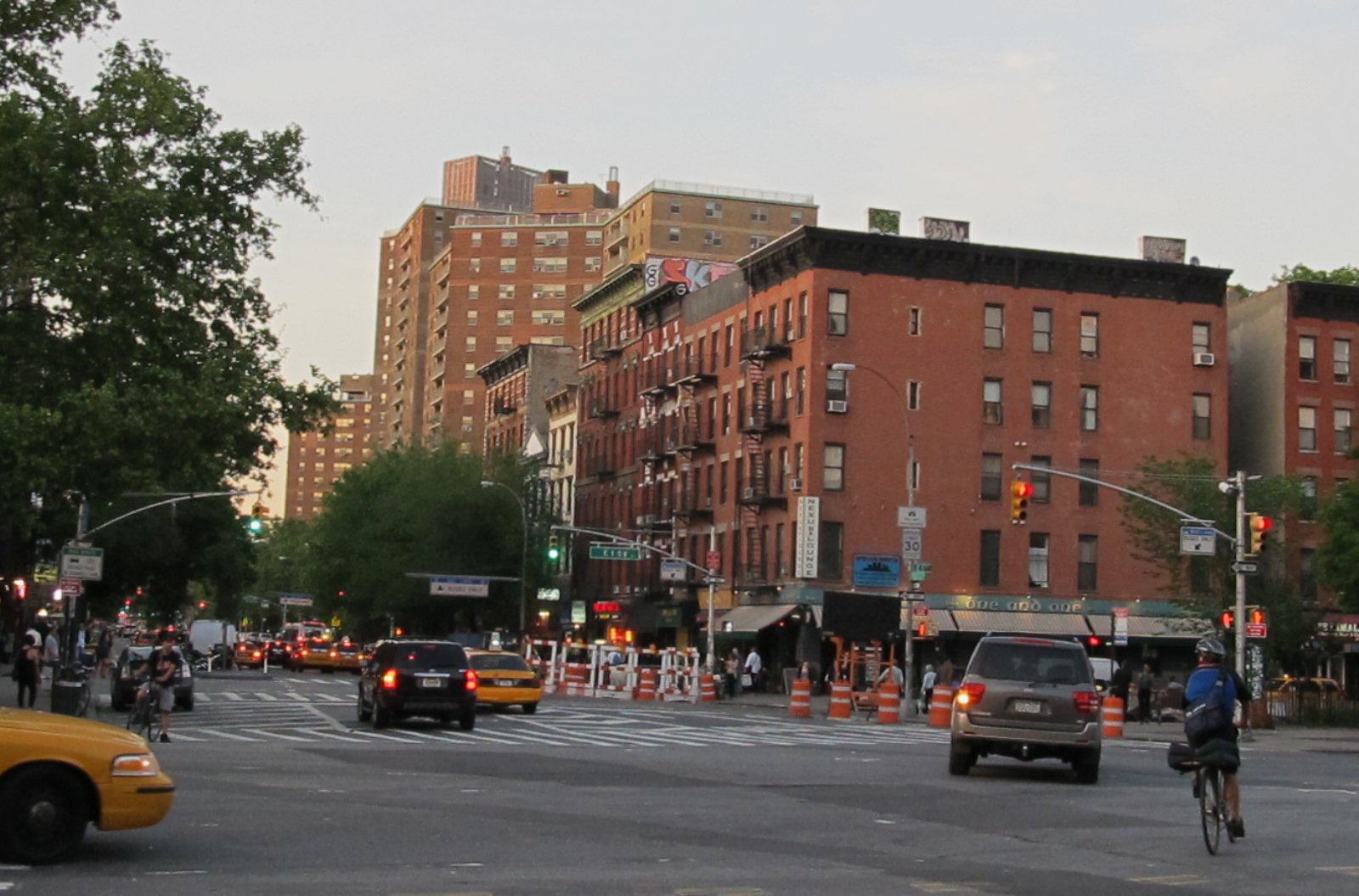
While the "La" part is pronounced just like you'd expect, for the "Jolla", you'll want to pretend the "J" is an "H" and those two L's are actually a "Y". Now saying "la-HOY-a" is pretty obvious, don't you think?
 Dirk Hansen, CC BY-SA 3.0, Wikimedia Commons
Nevada
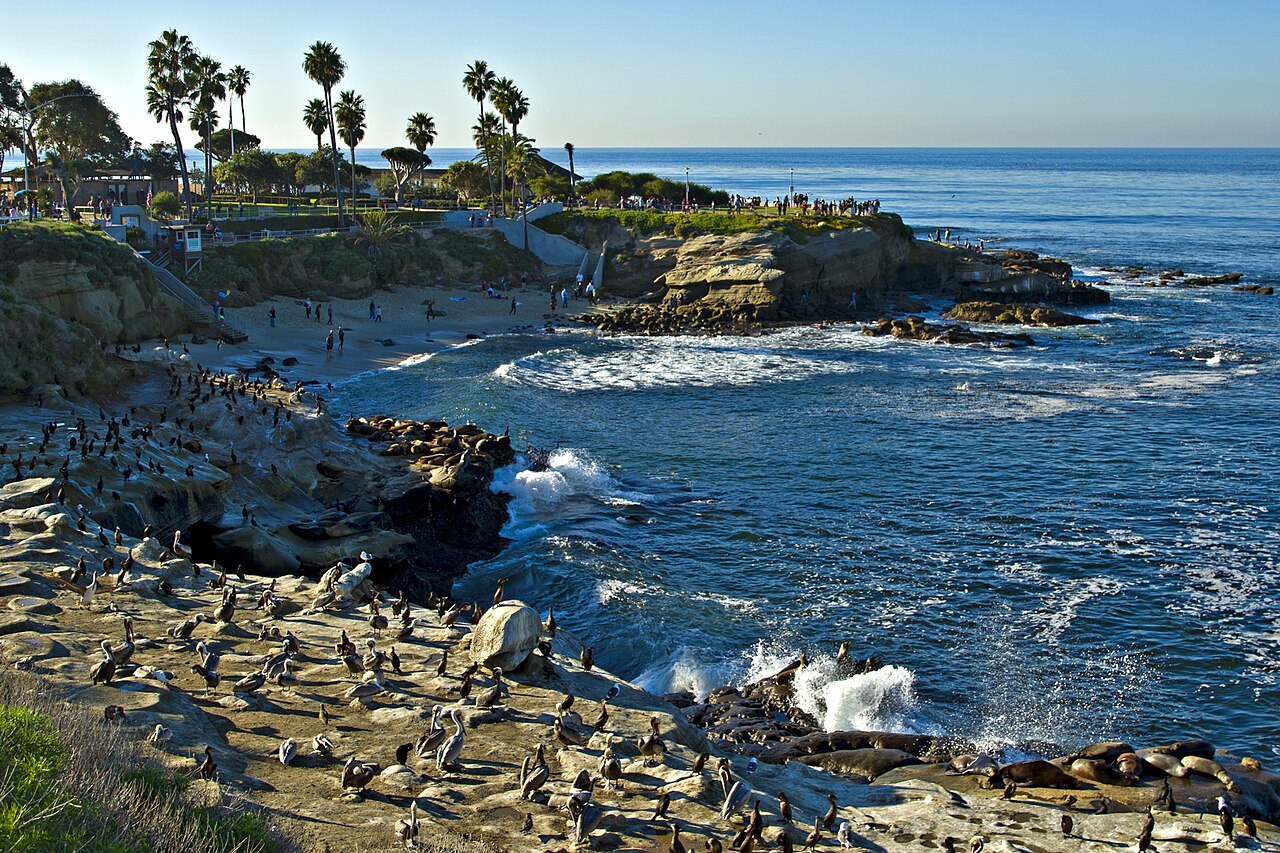
The confusion with this one comes from that middle "a". To say it properly, you want to go with a short "a" sound rather than an elongated "ah" sound. Making it "nuh-VAD-uh", not "nuh-VAHD-uh".
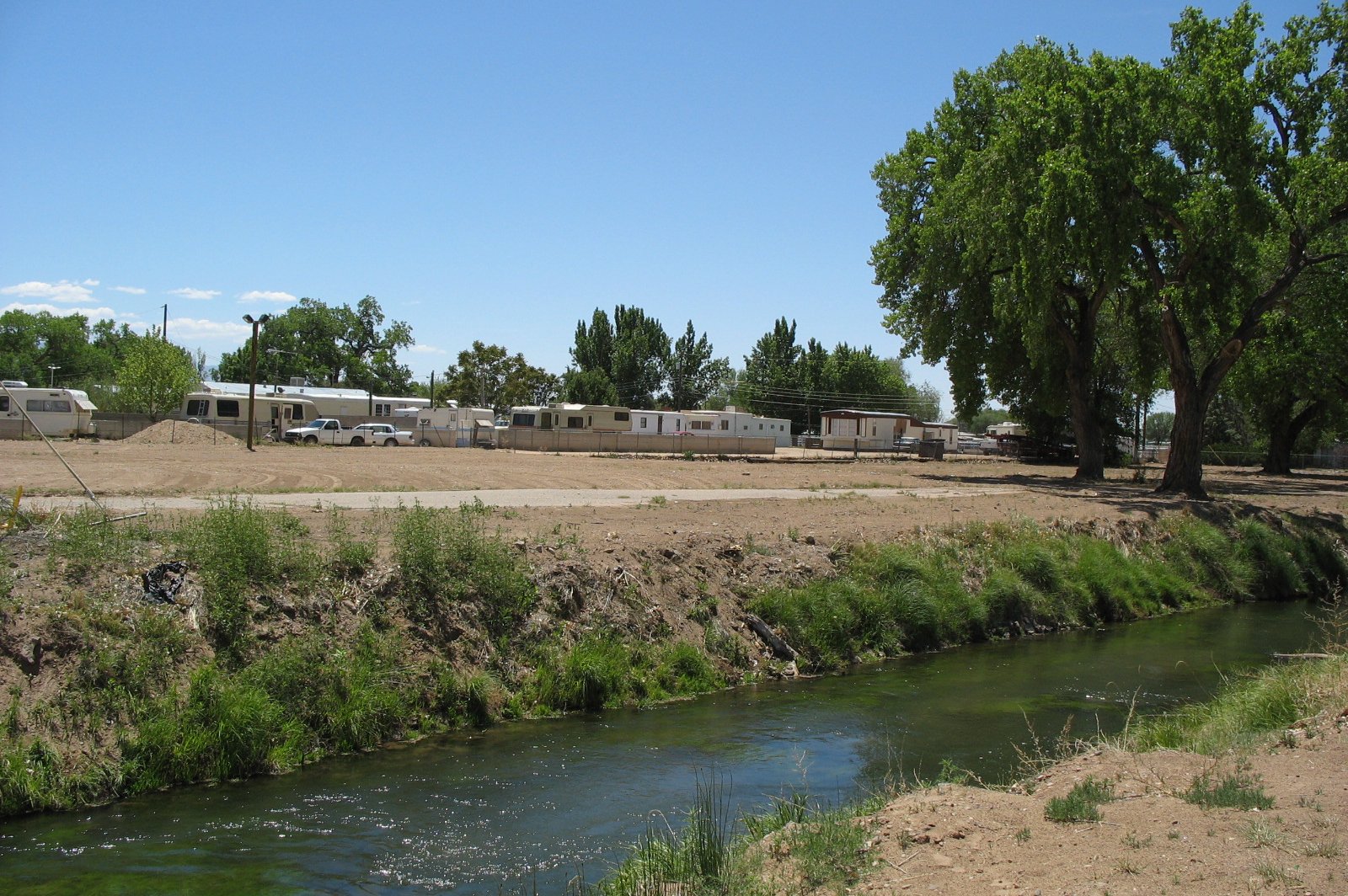
Acequia, Idaho
With a population just north of 120, most people have never even heard of Acequia—let alone tried to say it out loud. But ask the hundred-and-change locals, and they’ll set you straight: it’s pronounced uh-SEEK-we-uh. And yes, for the Spanish speakers keeping score, it’s literally the Spanish word for irrigation ditch.
New Orleans
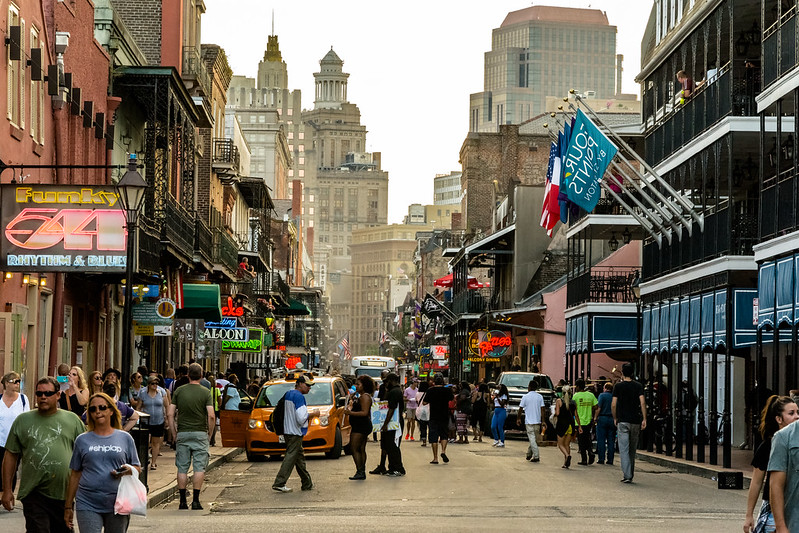
For the few folks out there who still say it wrong—let us just tell you that New Orleans doesn't rhyme with "beans". But it does rhyme with "bins": "nu-OR-linz".
And, unless you want to make locals really angry, don't call it "Nawlins".
Basye, Virginia
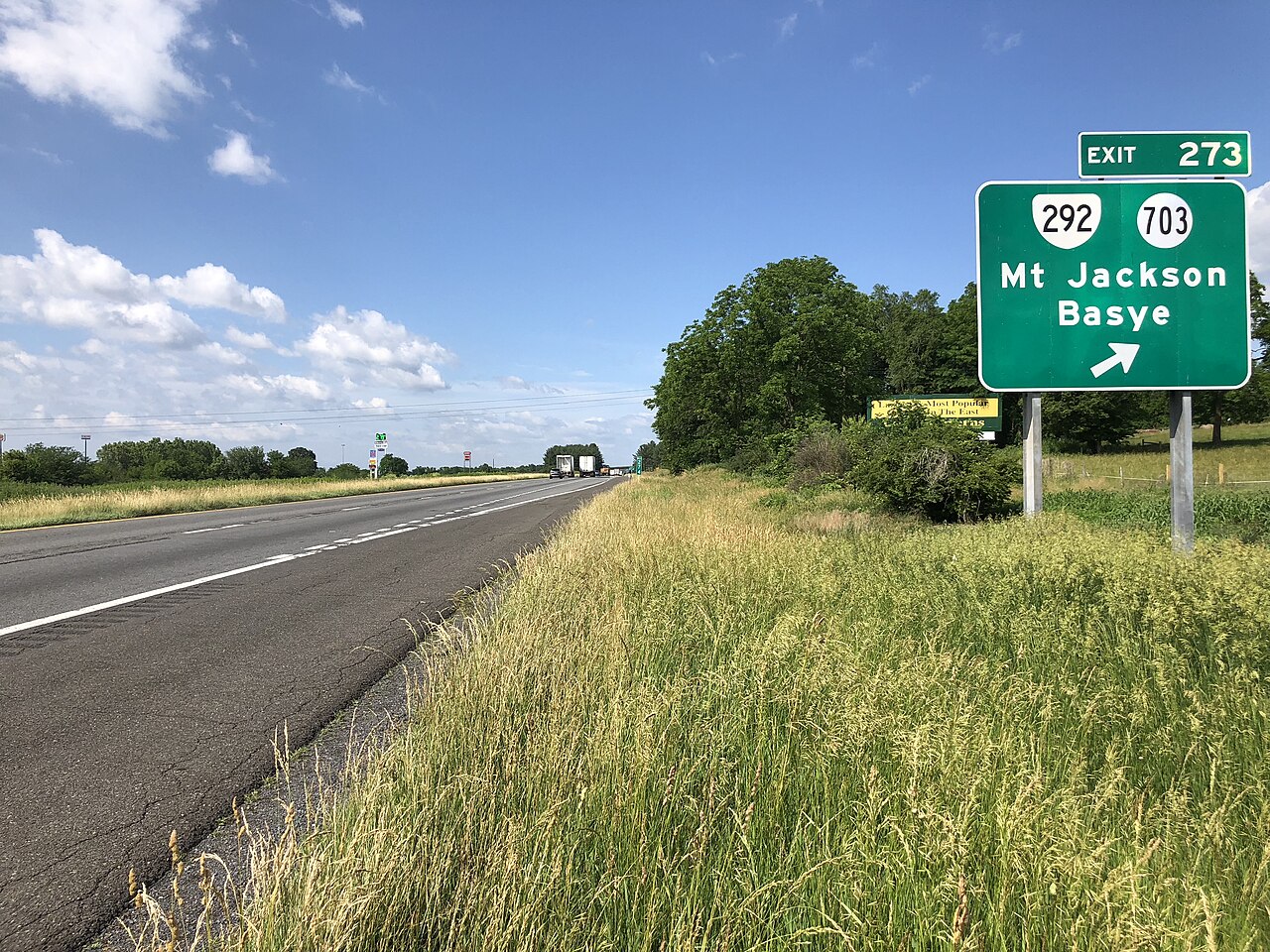
If you say "bas-SAY," you're wrong, but you used to be right. That is the original pronunciation, whereas today they say, "BAS-see".
 Famartin, CC BY-SA 4.0, Wikimedia Commons
Willamette Valley, Oregon
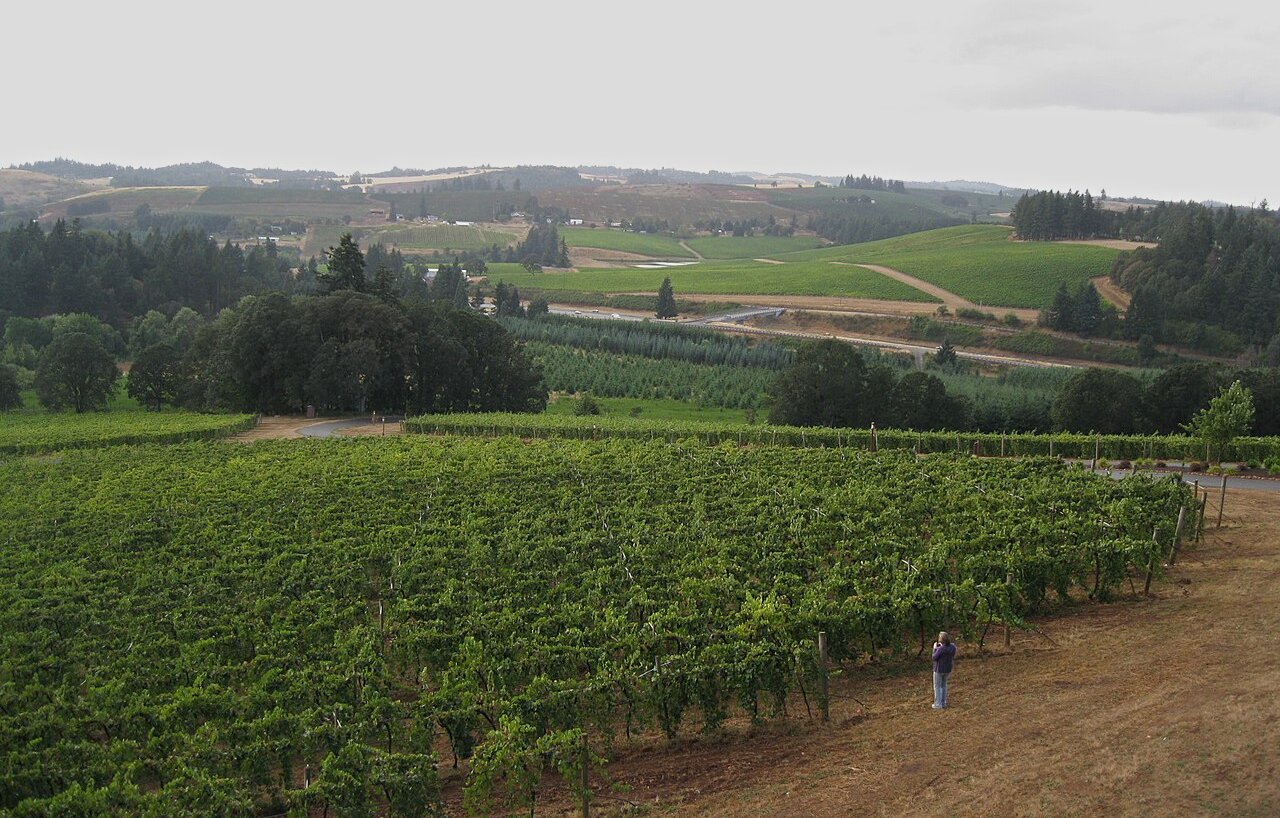
While the tendency is to emphasize the "ette" at the end of Willamette, the proper pronunciation softens that ending to, "wil-LAM-et".
And one more thing....
 Doug Kerr, CC BY-SA 2.0, Wikimedia Commons
Oregon
While we're in the state of Oregon, let's make sure we're pronouncing it properly as well. So, for all of us non-Oregonians: It’s "OR-uh-gun", not "or-uh-GAHN".
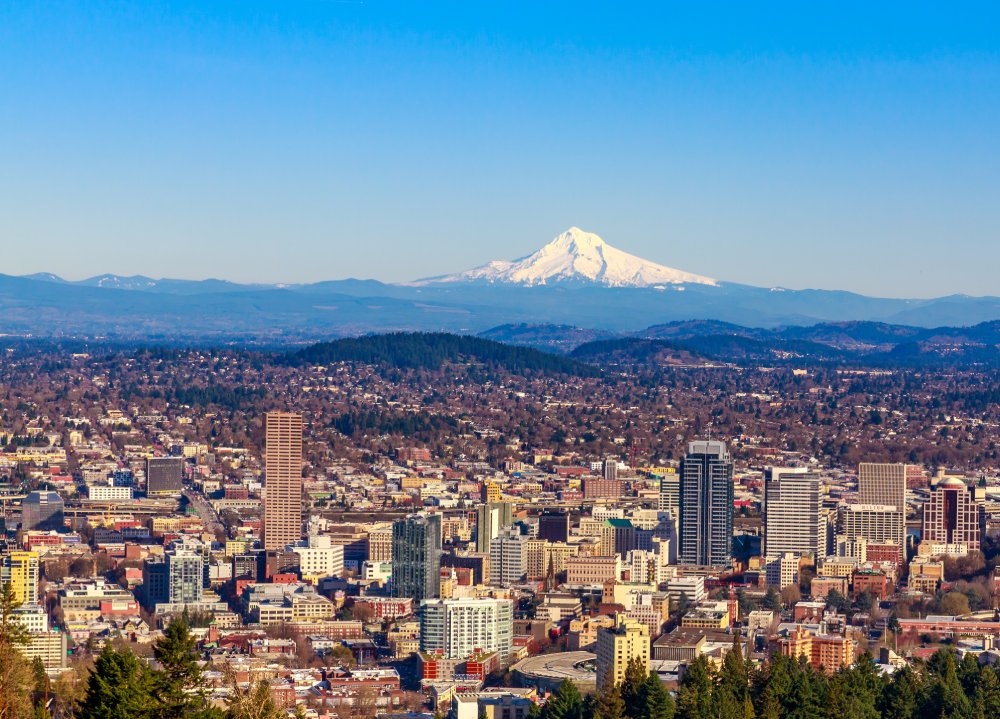
Cayuga, Indiana
Named after the Native American tribe that lived in New York State and was forced to migrate north and west, the name is pronounced "kye-OO-gah".
 Brian Stansberry, CC BY 4.0, Wikimedia Commons
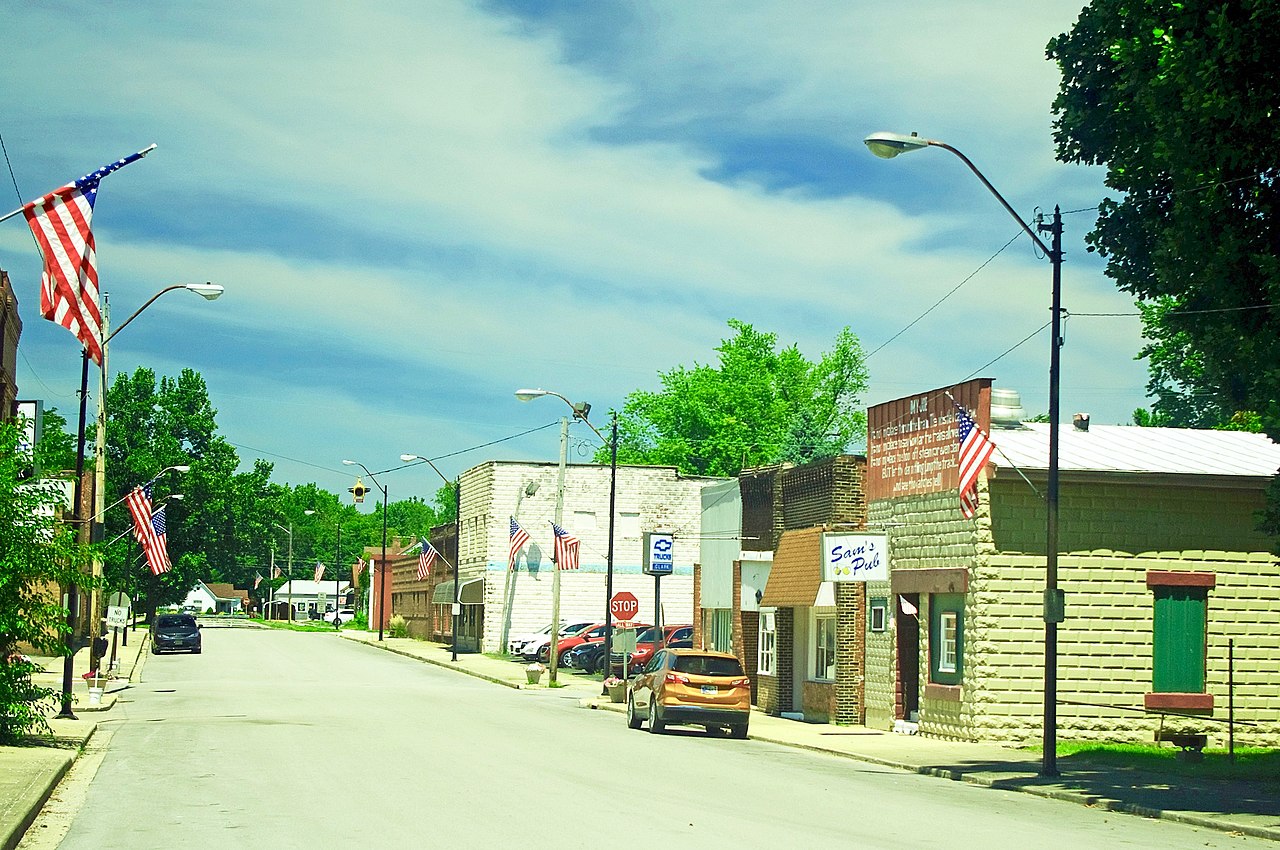
Cesar Chavez, Texas
Cesar Chavez was a farmer labor leader and famed civil rights activist, and it is he who the town of Cesar Chavez, Texas is named after. So if you know how to pronounce his name properly, then you know how to pronounce the town's name as well. For those that don't, it's: "SEH-sahr CHAH-vess".
 Vuemobi, CC BY-SA 4.0, Wikimedia Commons
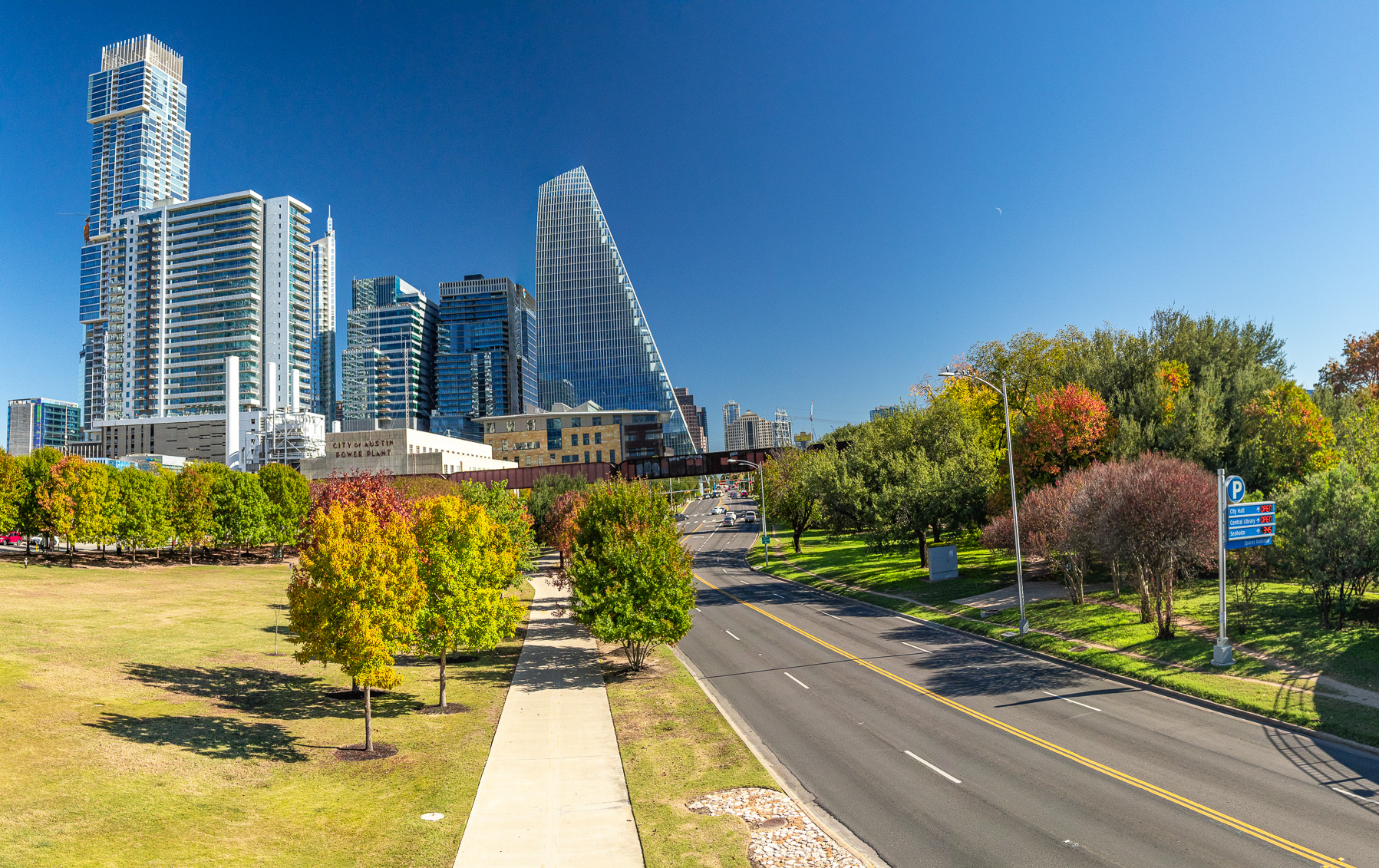
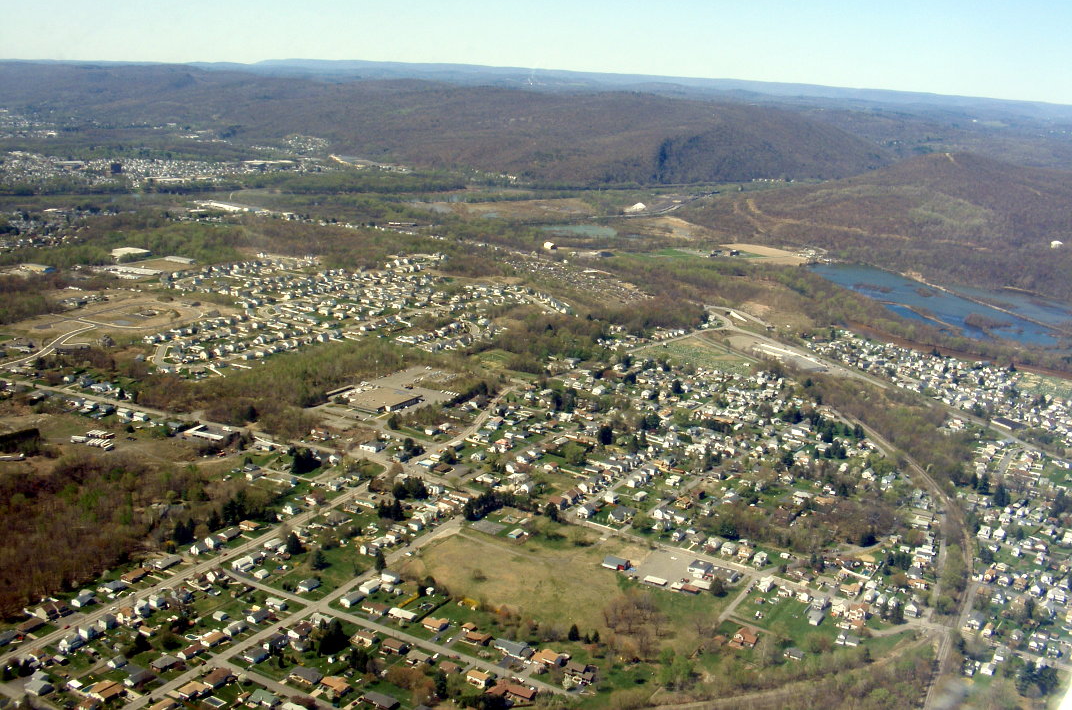
Duryea, Pennsylvania
Named after a Civil War general who owned land in the area, Duryea has Irish roots—and it’s pronounced dur-ee-AY.
 Vasiliy Meshko, CC BY 3.0, Wikimedia Commons
Mount Rainier, Washington State
Did you know that Mount Rainier is the tallest peak in Washington State? Okay, that's one. Now, do you know how to actually pronounce the name of that tallest peaked mountain? If you said "ray-NEAR" then that's two for two. Or if you're French and said "REHN-yay", we'll give it to you also.
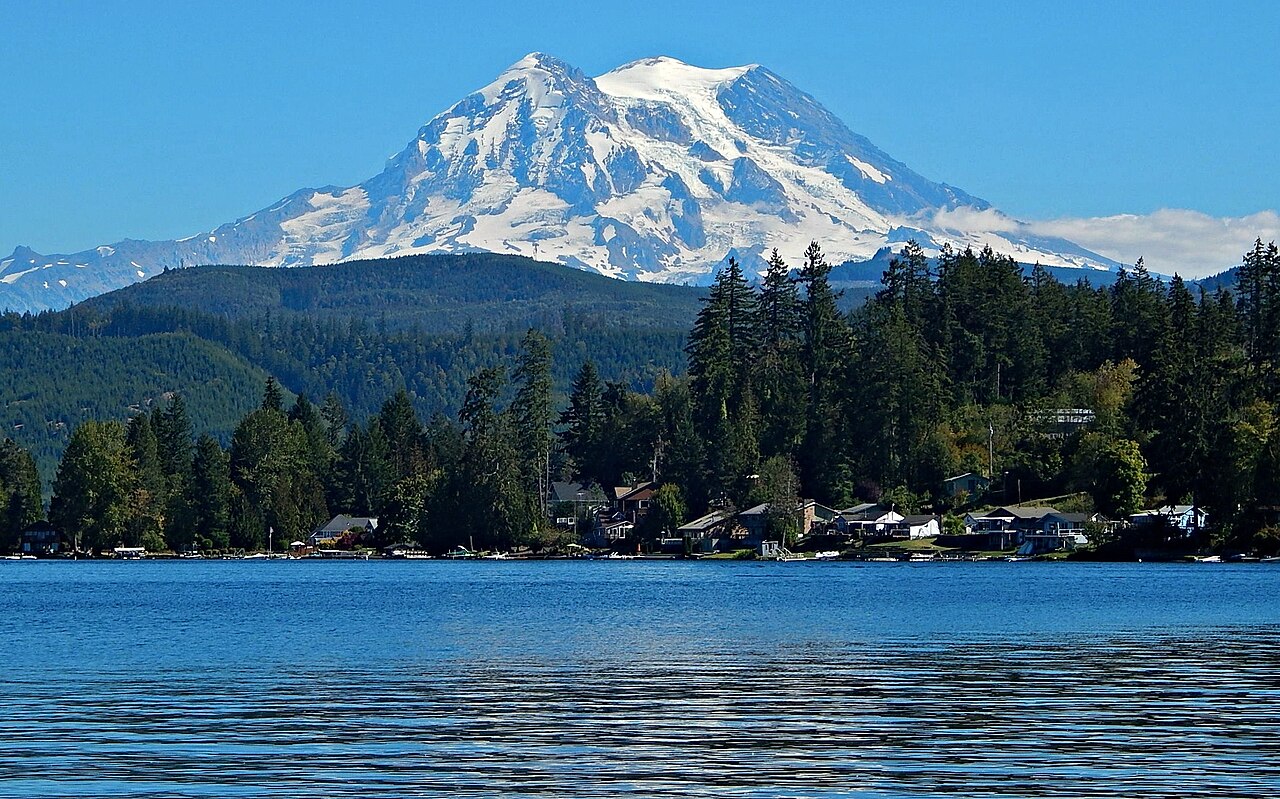 Ron Clausen, CC BY-SA 4.0, Wikimedia Commons
Spokane, Washington State
Their tallest mountain isn't the only often mispronounced location in the state of Washington. There's also the beautiful city of Spokane that forces us to unlearn everything we were taught in grade one English class—specifically about what an "e" at the end of a word does to the vowel before the consonant. Spokane is pronounced, "spoh-KAN". As in, Can you believe it?
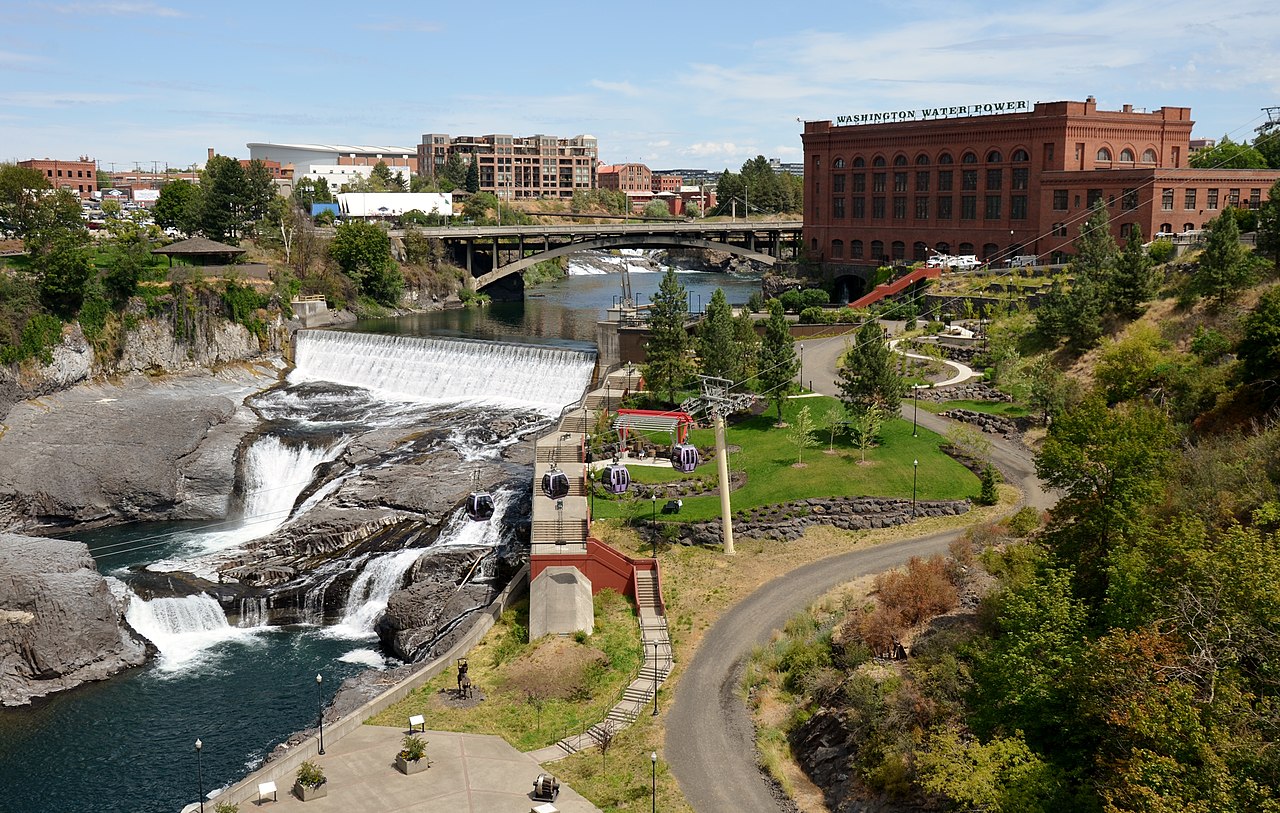 Roman Eugeniusz, CC BY-SA 3.0, Wikimedia Commons
Mobile, Alabama
No, it's not pronounced "MO-buhl"—that's an adjective in regards to movement. And no it's not "MO-byle"—that's what the Brits call cell phones. If we're talking about the Gulf Coast city in Alabama, the only proper way to say it is "MO-beel". Or "mo-BEEL"(if you wanna emphasize that second syllable, that's up to you).
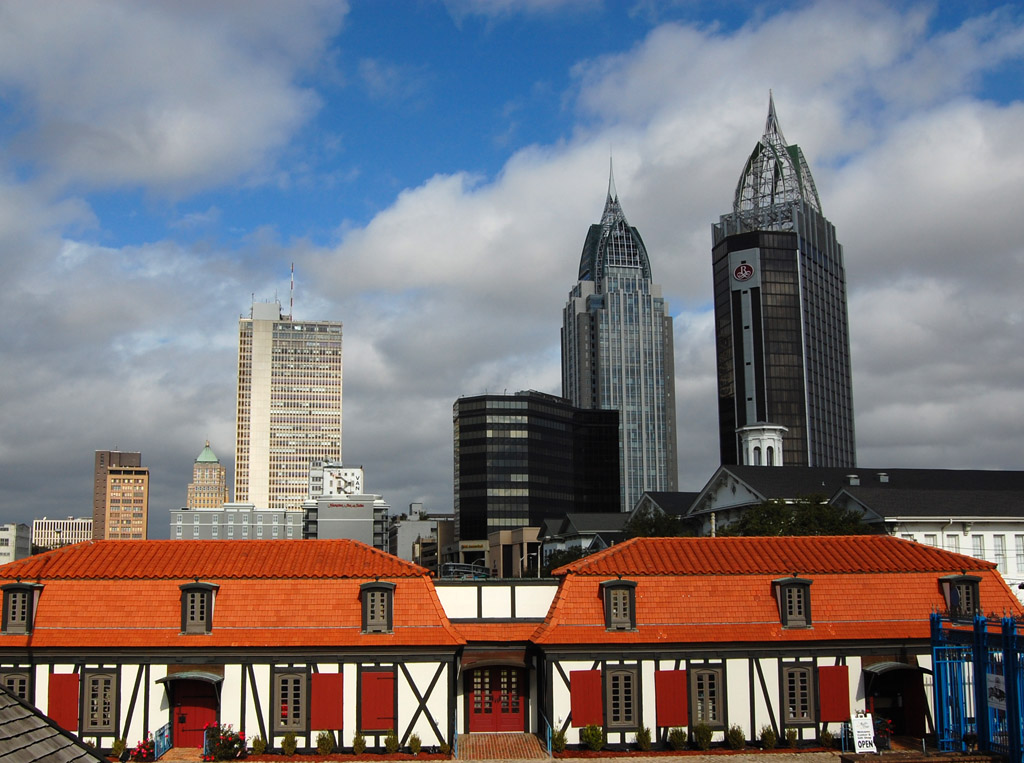
Hahira, Georgia
What we can't tell you is how the town of Hahira, Georgia got its name. Some say it was chosen by the town's first postmaster, but that can't be confirmed. What can be confirmed, though, is how to pronounce the town's name. And that is: "hay-HI-ra". Were you close?
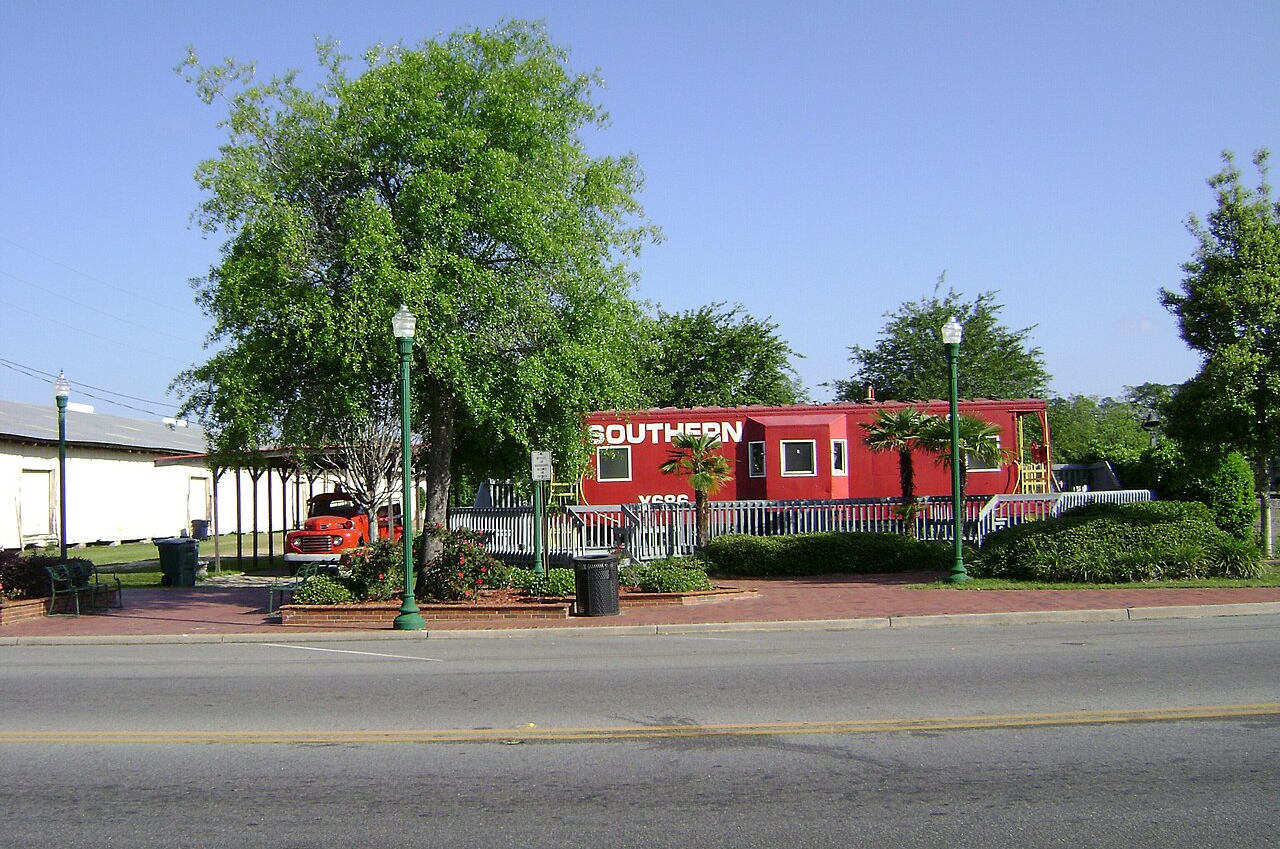 Mjrmtg, CC BY-SA 3.0, Wikimedia Commons
Iaeger, West Virginia
This town of 302 people has gone by different names in the past, including "WIlliamsburg" and "Forks on the River"—both much easier to pronounce than Iaeger. The current nomenclature comes from Colonel William GW Iaeger who, had he spelled his name like famed flying ace Chuck Yeager, would've made the town's name a breeze to read. That's right, Iaeger is pronounced "YAY-ger".
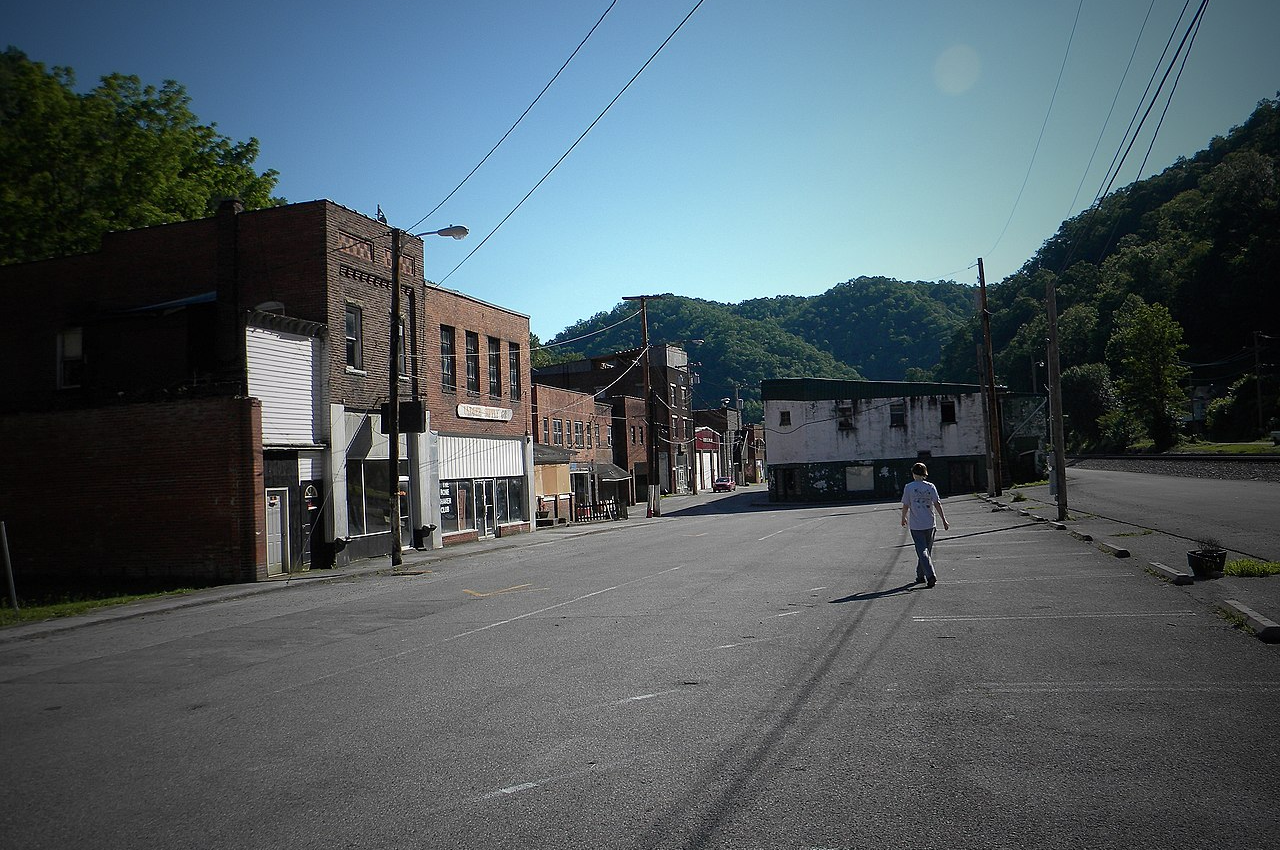 Coal town guy, CC BY-SA 4.0, Wikimedia Commons
Aiea, Hawaii
Aiea is part of Honolulu—but while that city name is easy to say, Aiea is properly pronounced "ah-ee-ay-ah" or "eye-ay-ah". The Hawaiian language and all those vowels make it hard for all us non-islanders to pronounce a multitude of locations across the great state. Including...
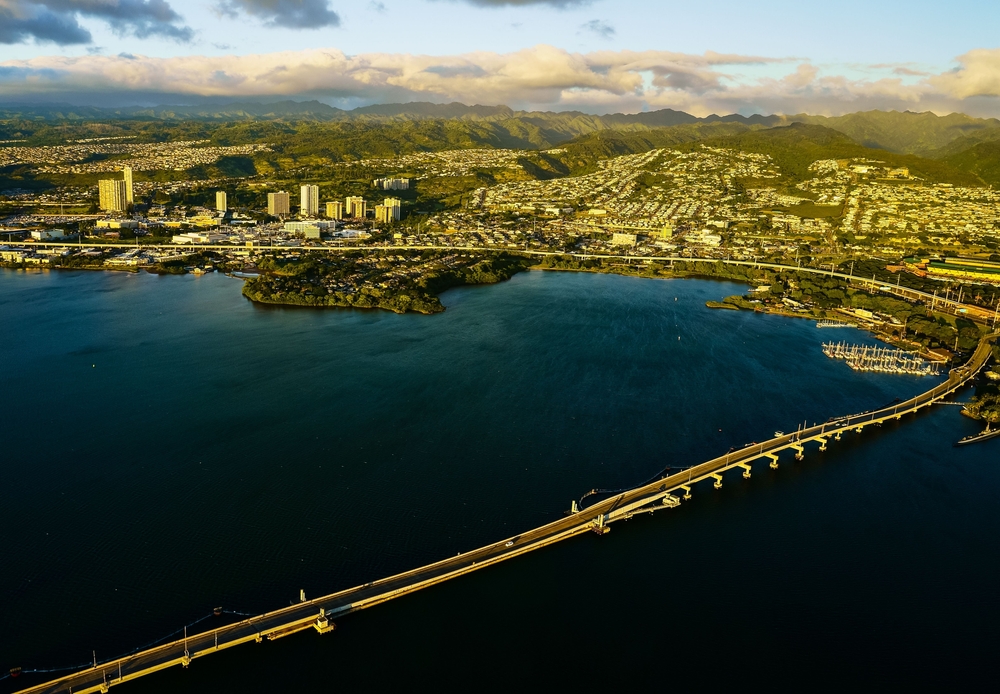 Wirestock Creators, Shutterstock
Hilo, Hawaii
At first glance, this Big Island city looks like a simple “hi” + “lo” situation—no thinking required. But in reality, that “hi” is pronounced “hee,” which makes Hilo, Hawaii sound more like HEE-lo, Hawaii. That long “I” turning into an “ee” sound shows up all over the islands too, including Likelike Highway, which is pronounced LEE-keh-LEE-keh.
And speaking of Hawaii—but not Hawaii…
Owyhee, Nevada
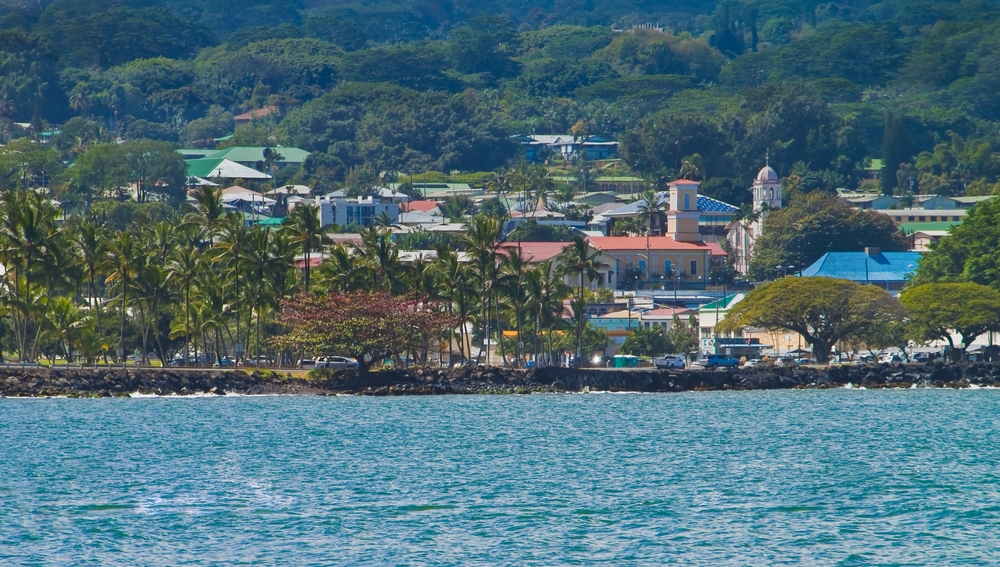
This tiny town in Nevada, about 225 miles northeast of Reno sits about 5,000 feet above sea level and is populated by fewer than 100 people. As for the name, Owyhee is an Anglicized version of Hawaii and is pronounced almost exactly the same way
 Famartin, CC BY-SA 3.0, Wikimedia Commons
Karlsruhe, North Dakota
With a population of fewer than 100 people, the odds are you've never run into someone from Karlsruhe, North Dakota. But if you do, you could impress them by pronouncing the name of their town correctly: "karls-ROO".
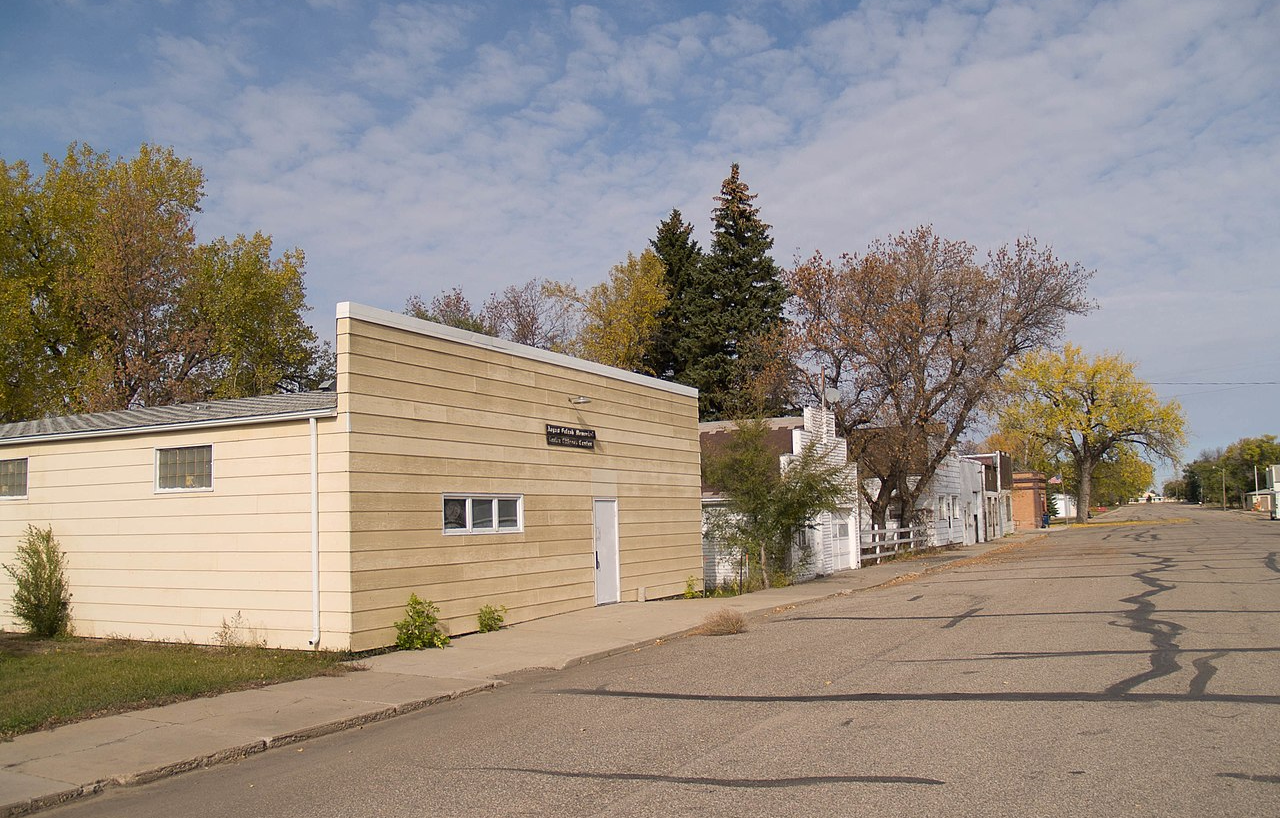 Andrew Filer, CC BY-SA 2.0, Wikimedia Commons
Leipsic, Delaware
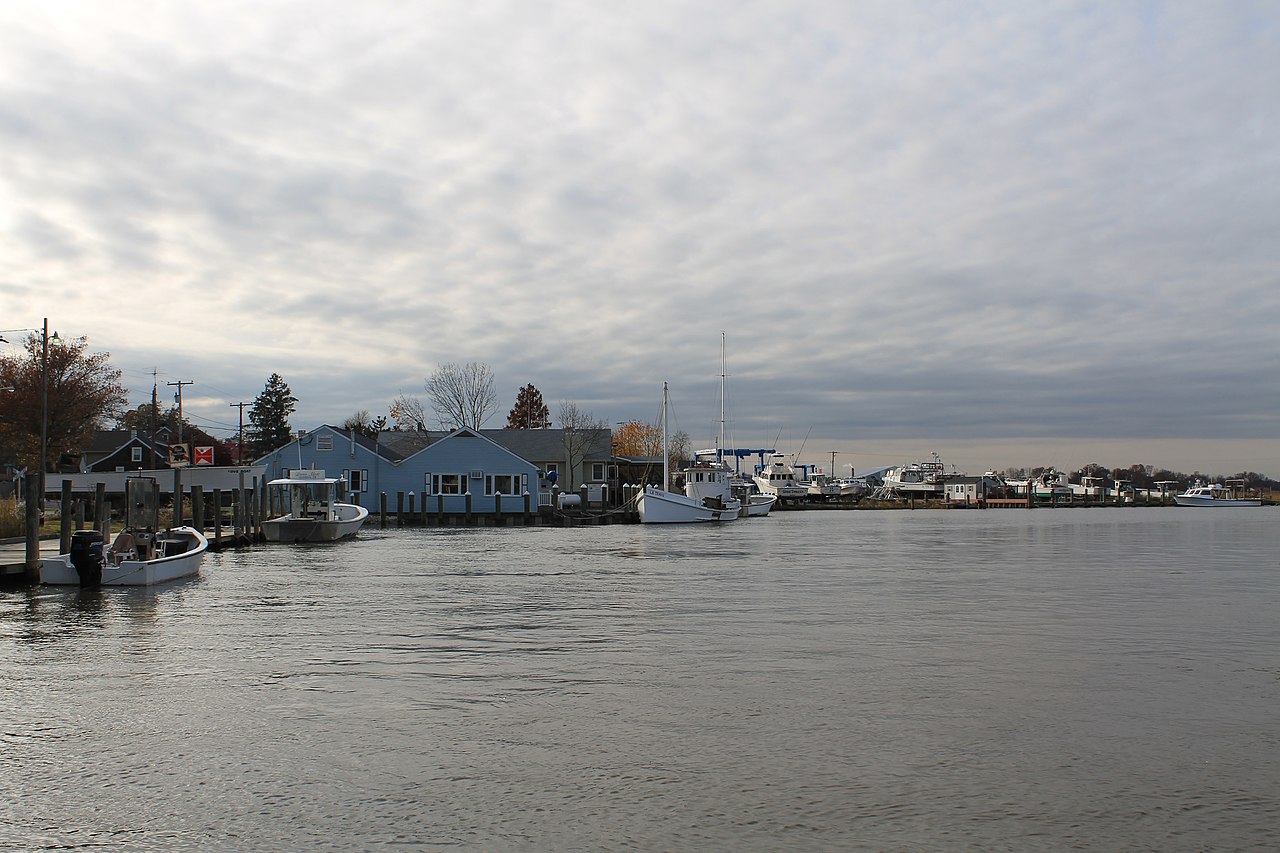
We were kinda hoping that the "sic" in the name would be pronounced as something other than the obvious—but no, it is pronounced "sick". As for that first part though, that is not as obvious. Named for the German city of Leipzig, "LIP-sick" is known for their delicious oysters and crabs (that shouldn't make your lips, or any other part of you, sick).
 Patrick Nouhailler's…, CC BY-SA 3.0, Wikimedia Commons
Leitersburg, Maryland
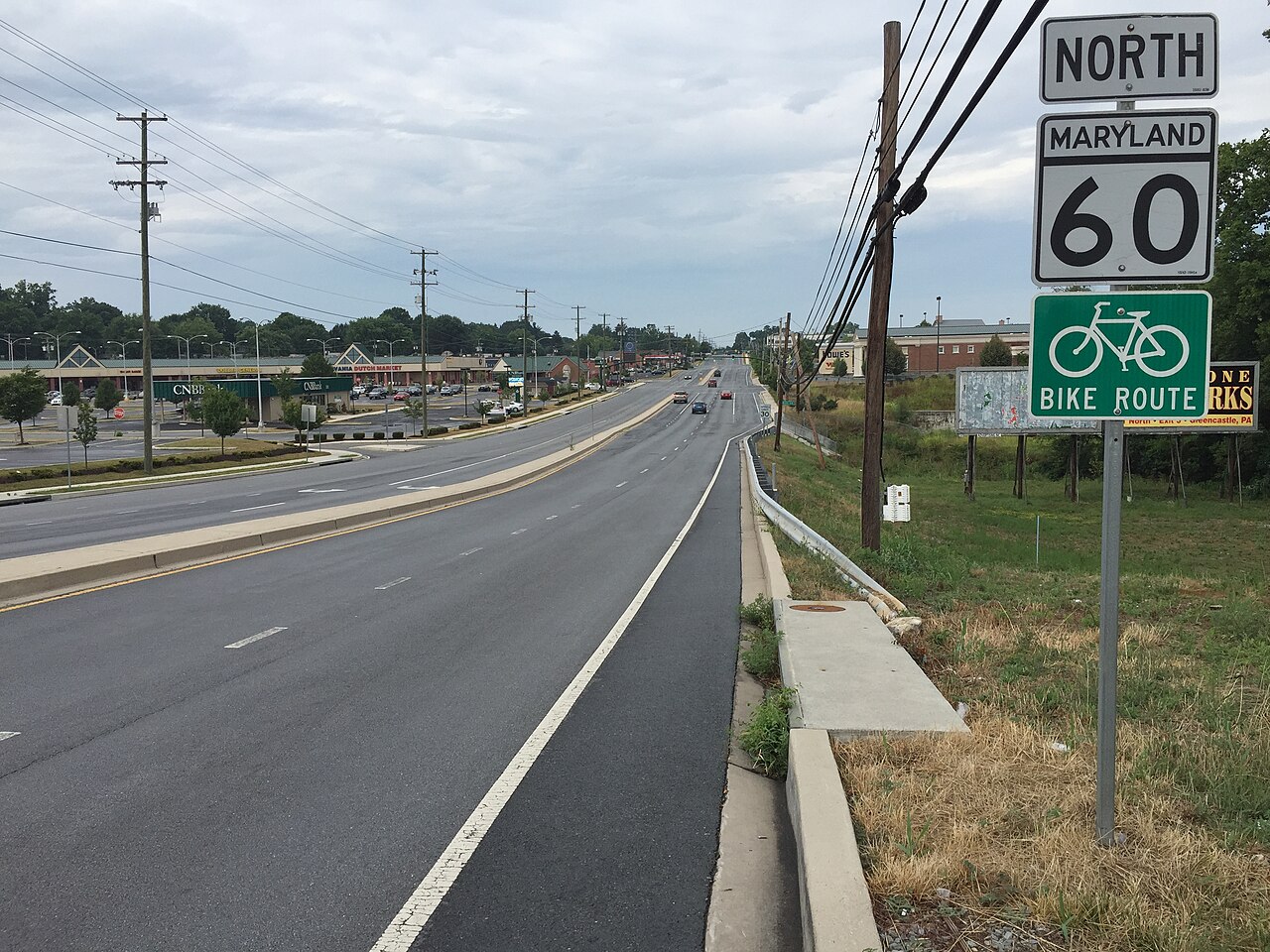
Given that Leitersburg is also of German origin, you might assume that the "ei" in the name would provide the same sound as the "ei" in our previous town of Leipsic. But alas no. In this case it isn't "liters burg" Maryland, but rather "lighters burg".
 Famartin, CC BY-SA 4.0, Wikimedia Commons
Ohiowa, Nebraska
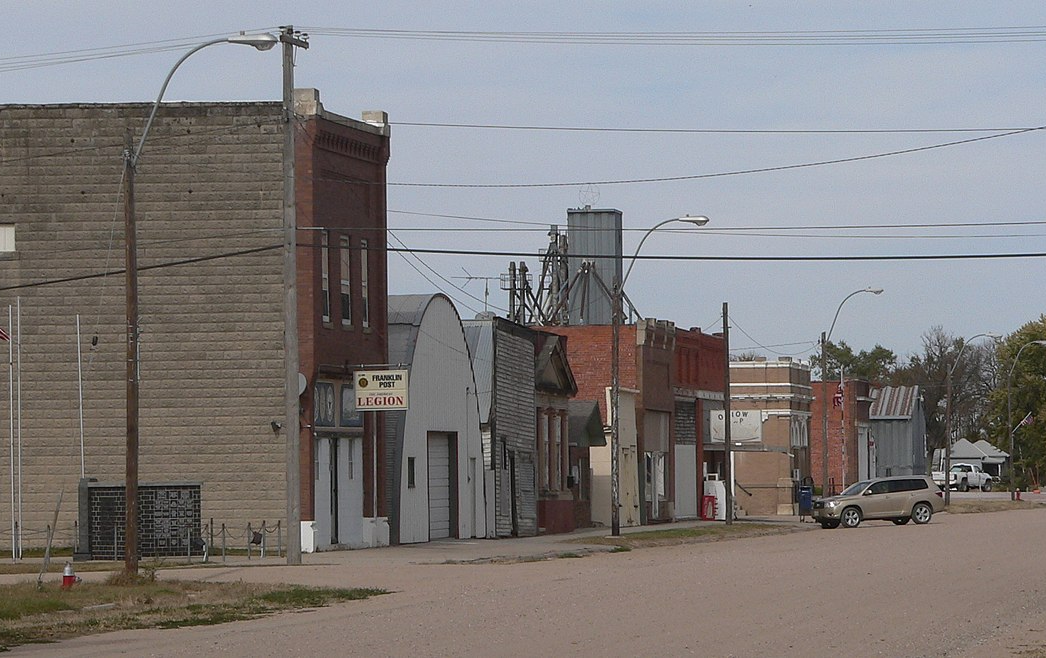
Ohiowa is pronounced Ohio with a "wa" at the end, like in Iowa. And that is literally how the town got its name. You see, when the town was first established, there were settlers from both Ohio and Iowa who wanted to name it after the states from which they had arrived. Ohiowa was the compromise they came up with.
 Ammodramus, CC0, Wikimedia Commons
Ponshewaing, Michigan
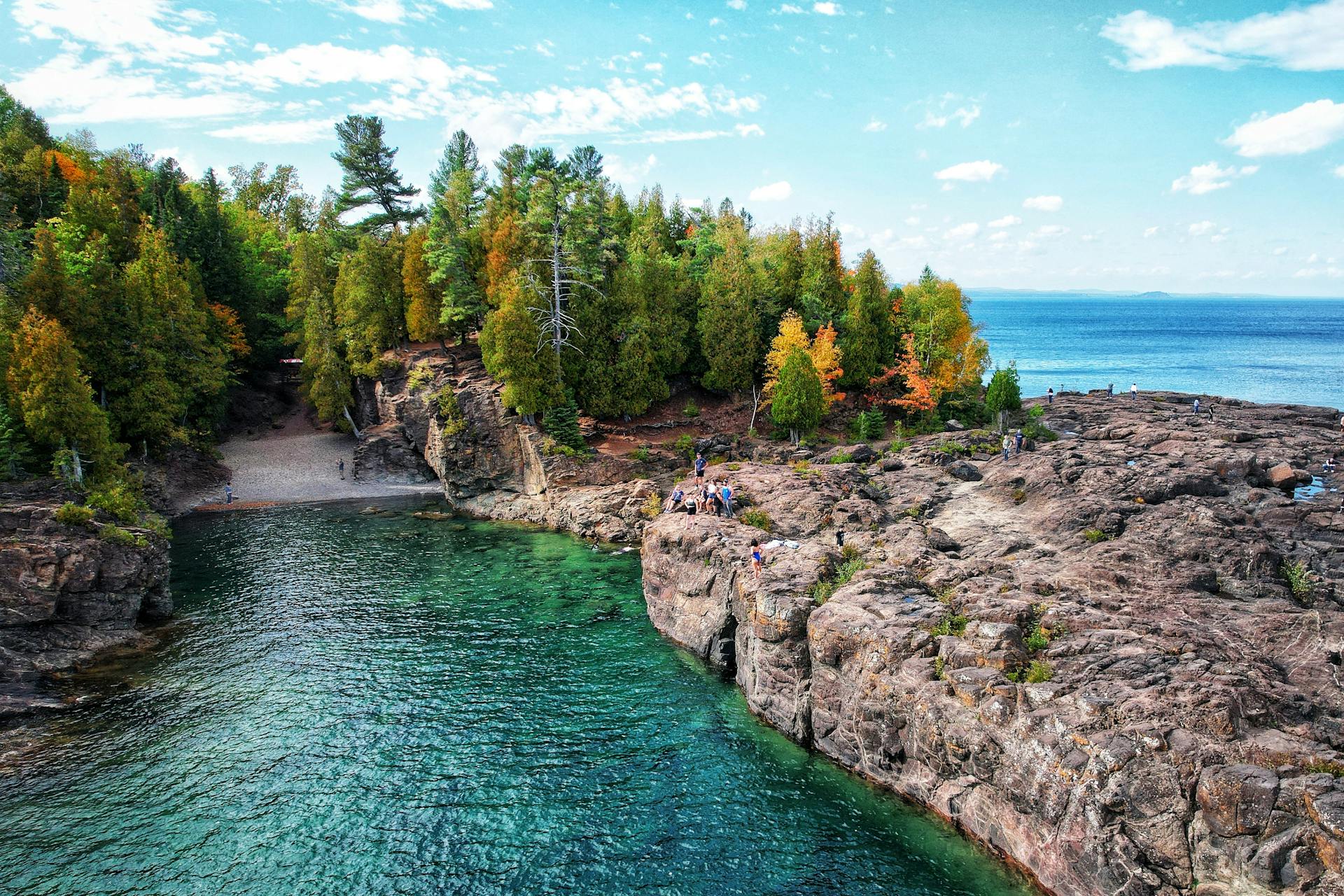
There are some that say the town's name means "peaceful water," while others will tell you it means "winter home". But one thing they can all agree on is how to pronounce the name of this Michigan town. And that's like this: "PON-she-wang".
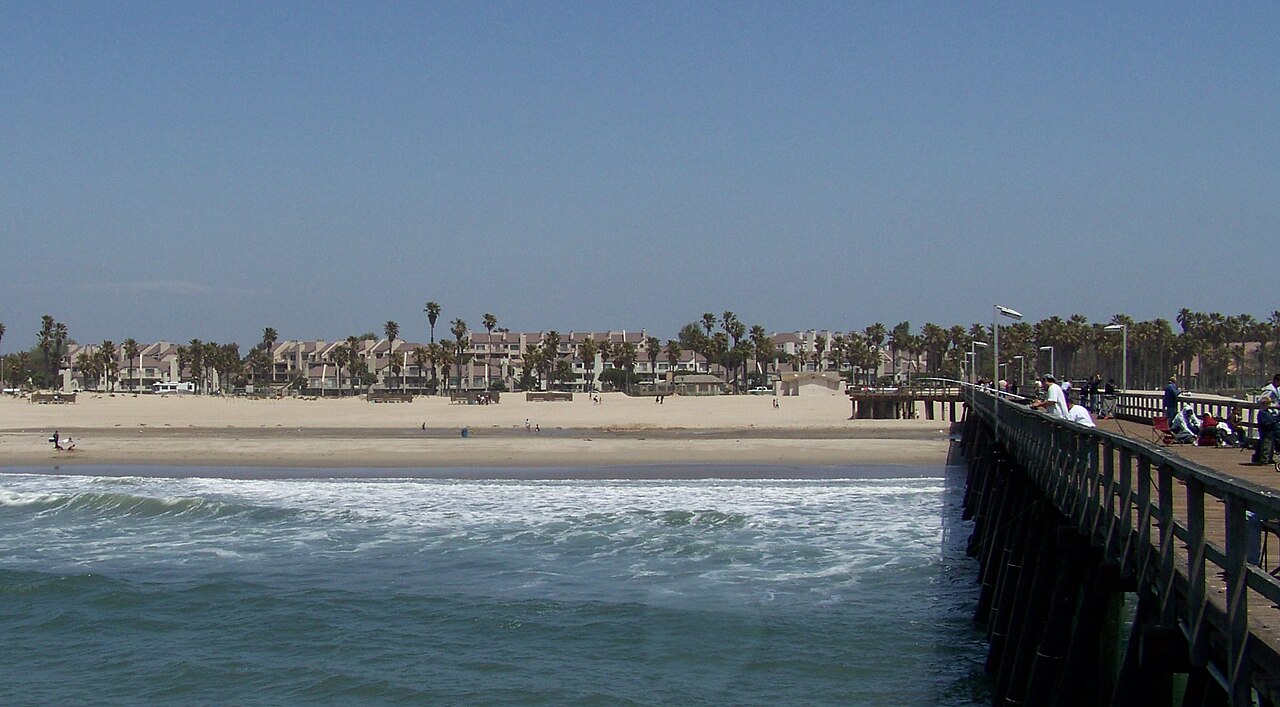
Port Hueneme, California
If you already knew the name comes from the Chumash word for “resting place” (wene'mu), that “wy” sound at the start of Hueneme probably wouldn’t feel so wild. But without that bit of context, hearing it pronounced wy-NEE-mee is going to catch a whole lot of people off guard.
 Alfher, CC BY-SA 4.0, Wikimedia Commons
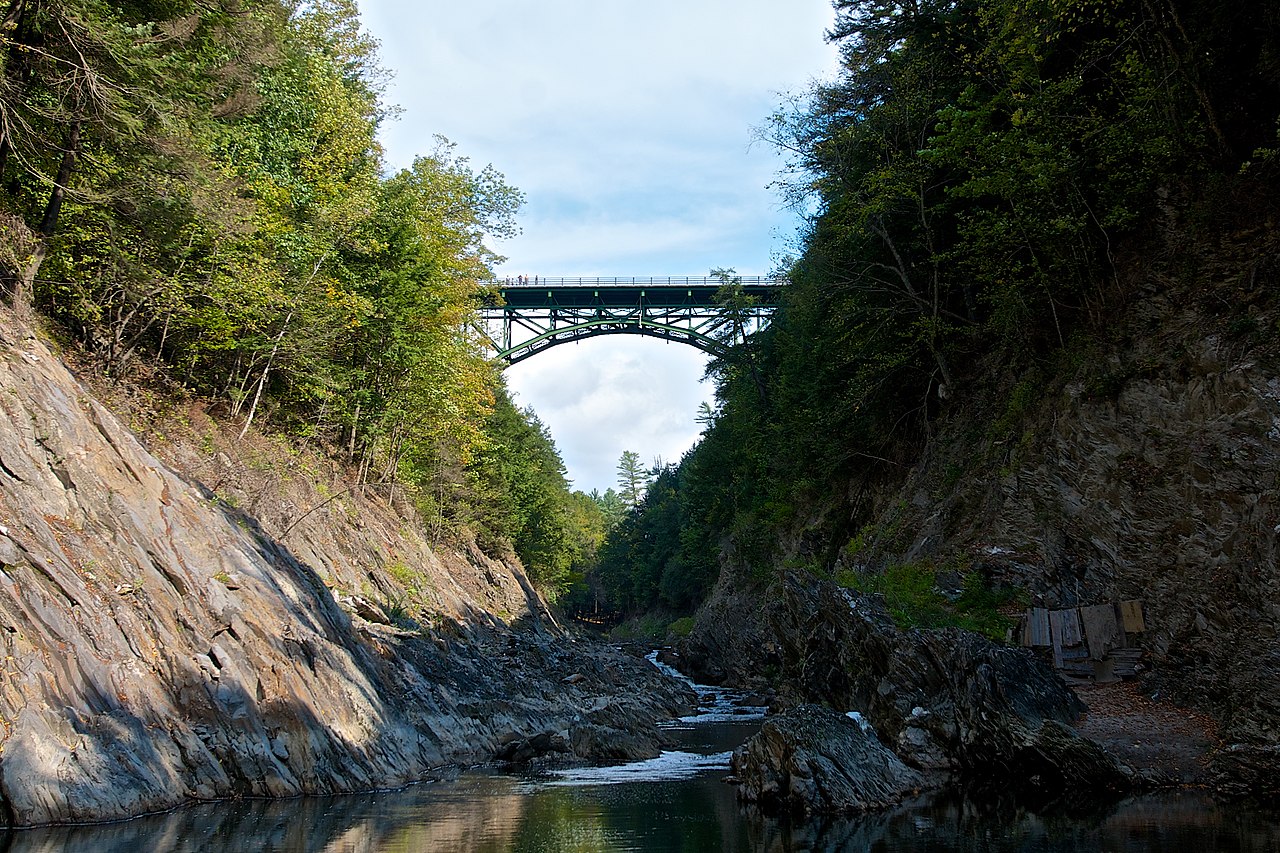
Quechee, Vermont
Once you get this one right, you'll be good to go for Quechee State Park, the Quechee Gorge and probably the Ottauquechee River as well. While the first part has just one "e" and the second has two, they are both pronounced the same: "kwee-chee".
 Eyeheartbrain, CC BY-SA 3.0, Wikimedia Commons
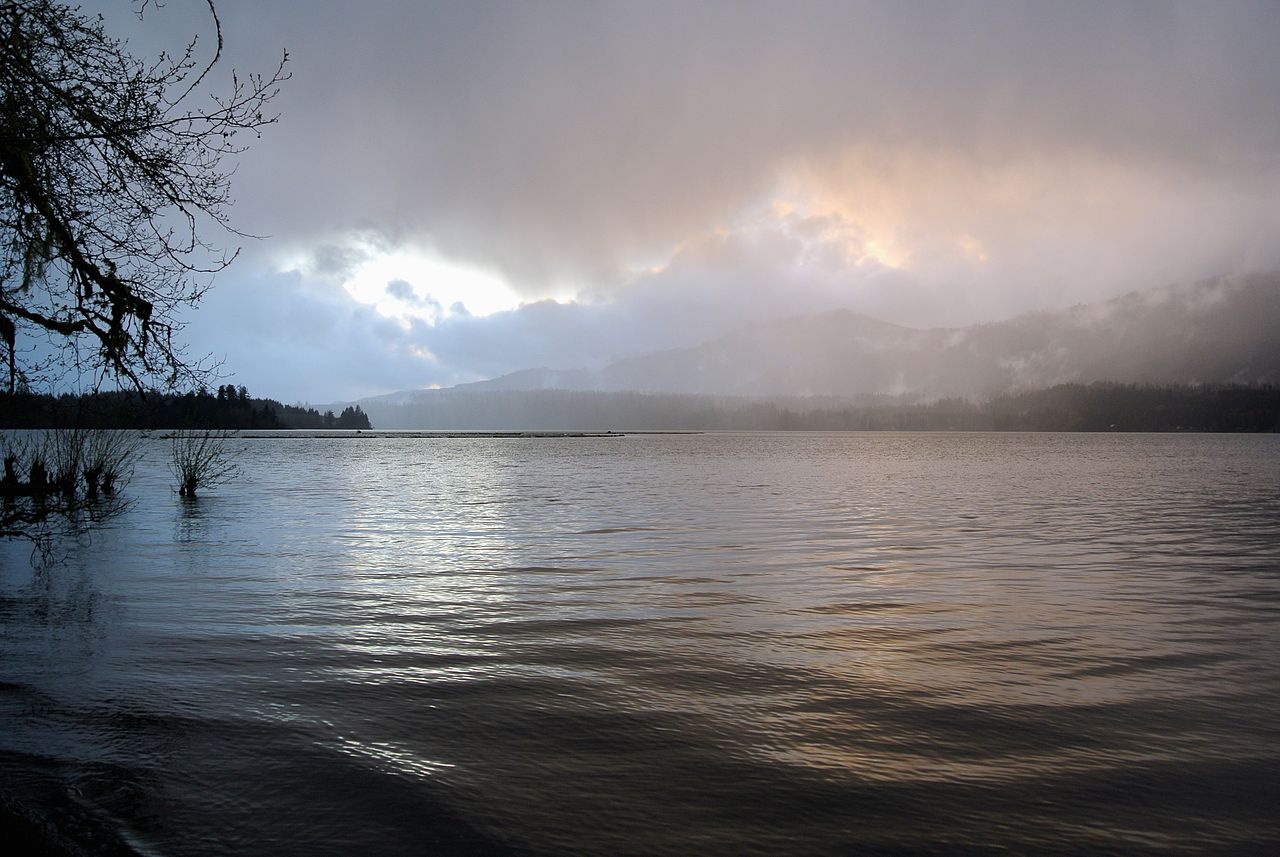
Qui-nai-elt Village, Washington
You might think that having the dashes in there would be helpful in separating the individual sounds needed to pronounce the name correctly. But that might not really be the case when you learn the proper way to say Qui-nai-elt is, "kwi-nail".
 Adbar, CC BY-SA 3.0, Wikimedia Commons
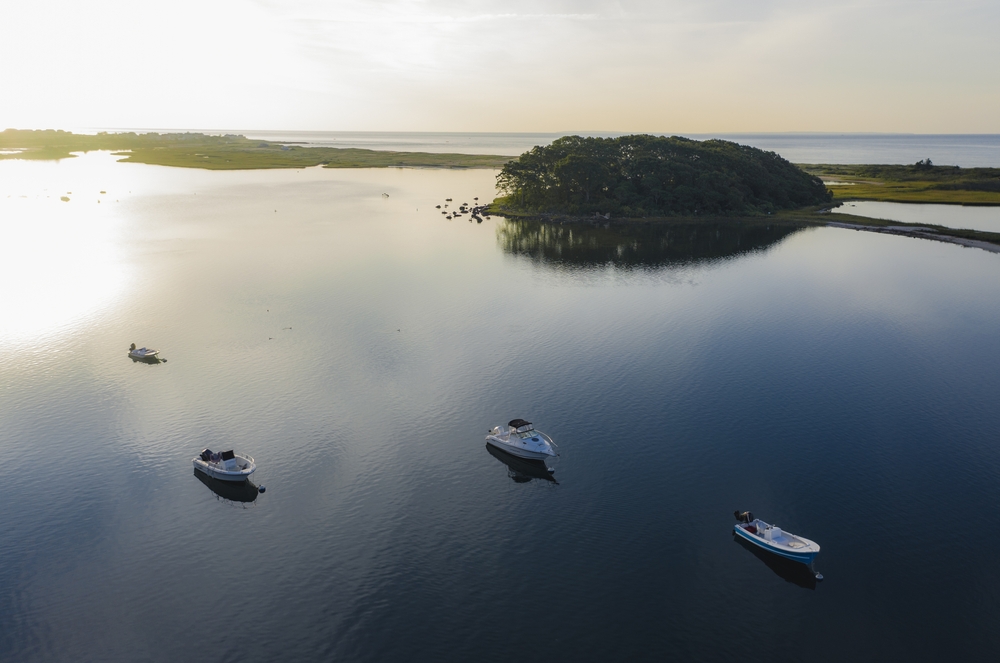
Quonochontaug, Rhode Island
Rhode Island is a state replete with hard to pronounce names, including Quonochontaug—which means "black fish", and is pronounced: "KWAHN-ah-kahn-tawg". Although, don't feel bad if you have a hard time with this one—so do many of the locals.
Mackinac Island, Michigan
This one seems pretty easy at first glance. But there's no way you're pronouncing this one correctly unless you know that it's a silent "c" at the end of Mackinac—making the proper pronunciation, a very surprising: "MACK-i-naw".
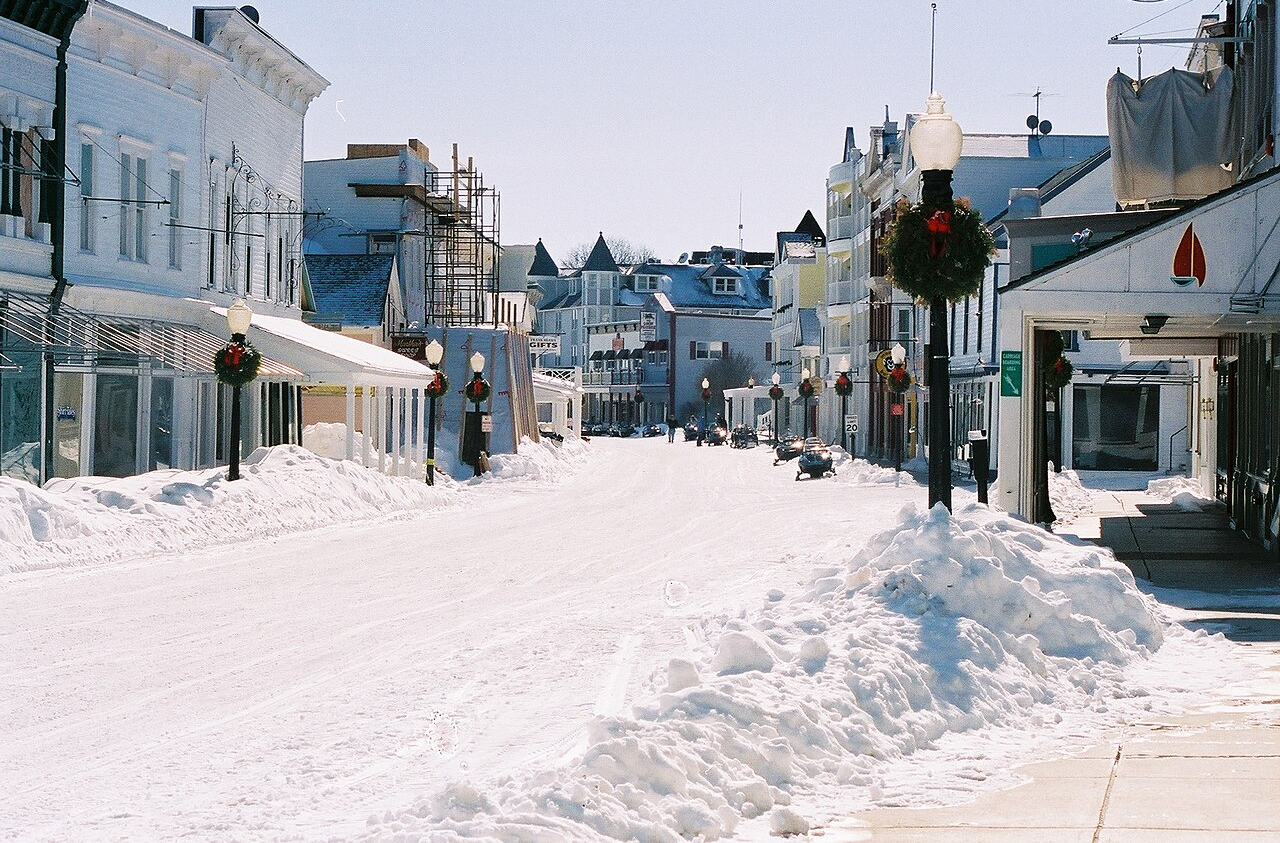 Mary McGuire, CC BY 2.0, Wikimedia Commons





_in_Mount_Jackson,_Shenandoah_County,_Virginia.jpg)


.jpg)
_just_north_of_Eastern_Boulevard_and_Northern_Avenue_in_Hagerstown,_Washington_County,_Maryland.jpg)


