The Coast Has A Hidden Level
America's coastal forts were built to stop approaching warships, but some of their most interesting spaces sit below the gun decks. Underground corridors sheltered crews, stored ammunition, and linked artillery positions. Today, visitors can explore selected areas, sometimes independently and sometimes only on scheduled tours.
Newport's Massive Harbor Fortress
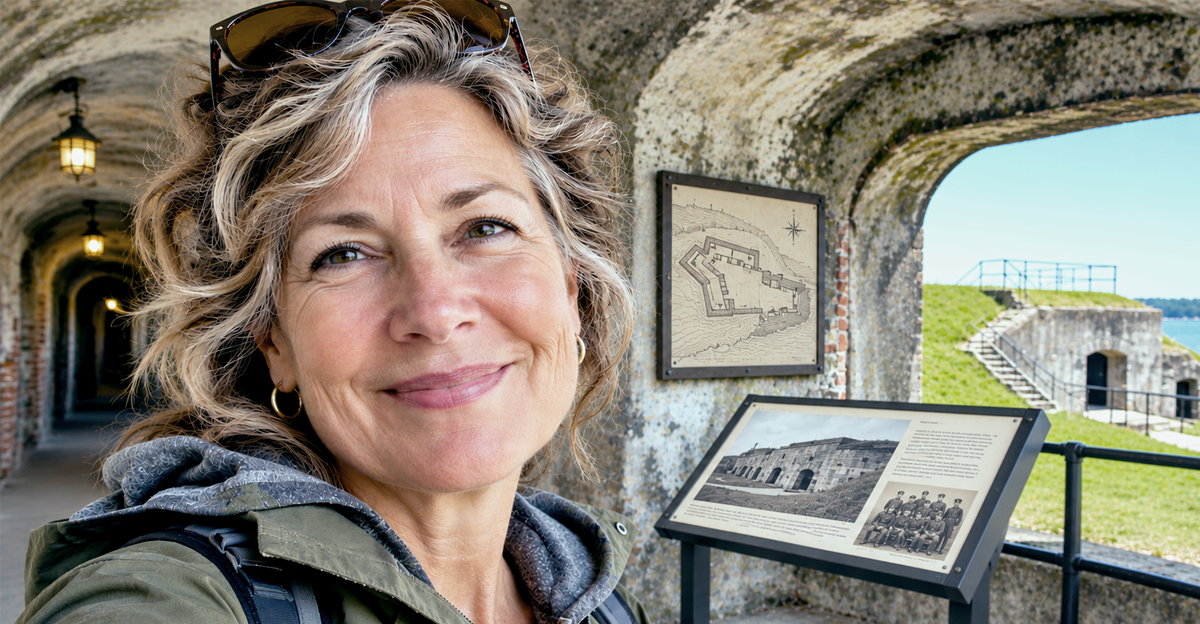
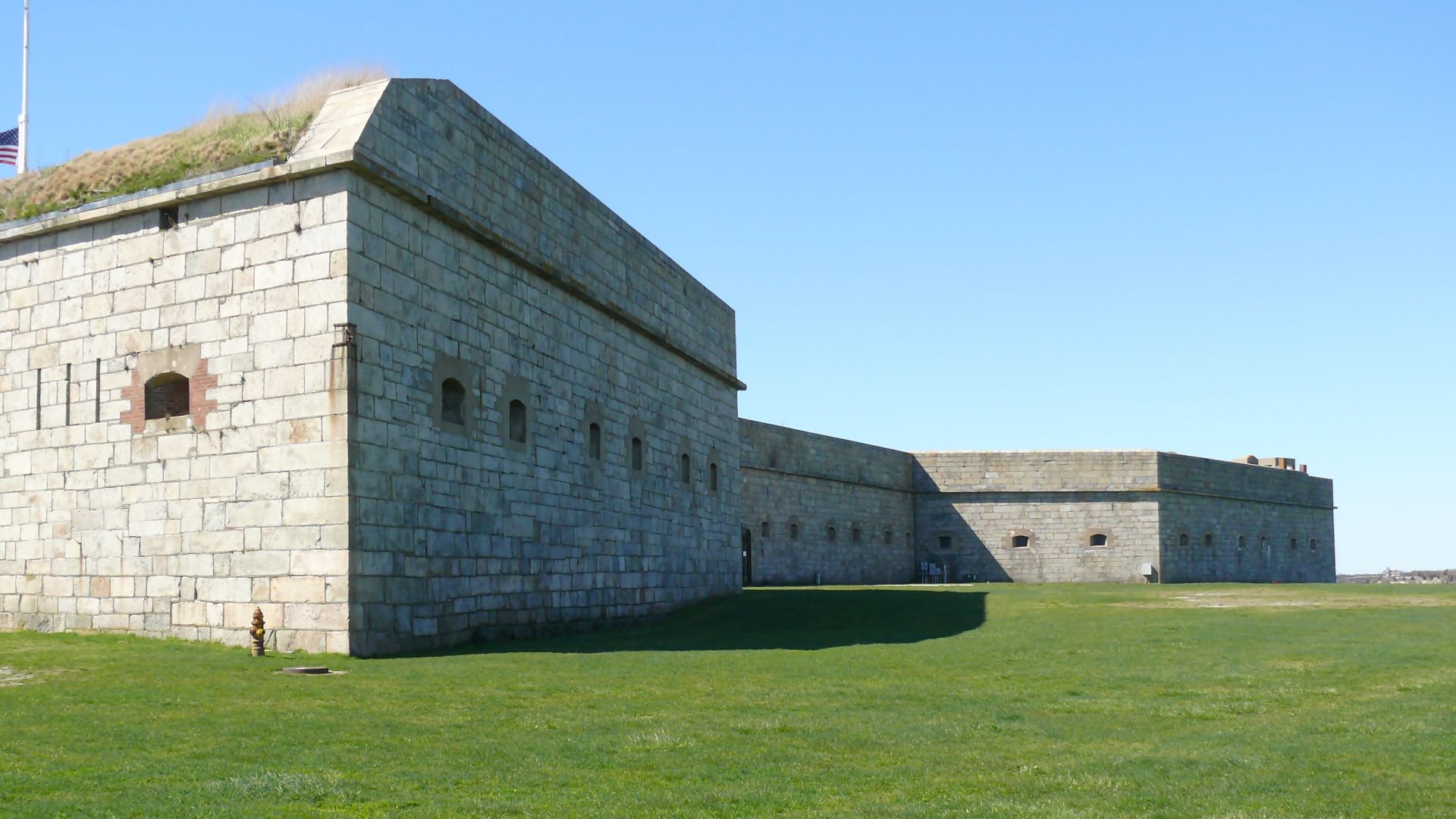
Fort Adams rises beside Newport Harbor in Rhode Island, where its formidable stone walls once guarded an important naval approach. Visitors can walk its parade ground, explore selected casemates, and admire the views from above. The fort also contains underground passages that require a different kind of ticket.
The Tour That Unlocks The Tunnels
At Fort Adams, the approximately 90-minute guided tour includes the underground tunnels and other areas excluded from self-guided admission. The fort normally welcomes visitors from April through November, while private group visits can be arranged separately. Book the guided option if the tunnels are your priority.
Maine's Granite Fortress At The Narrows
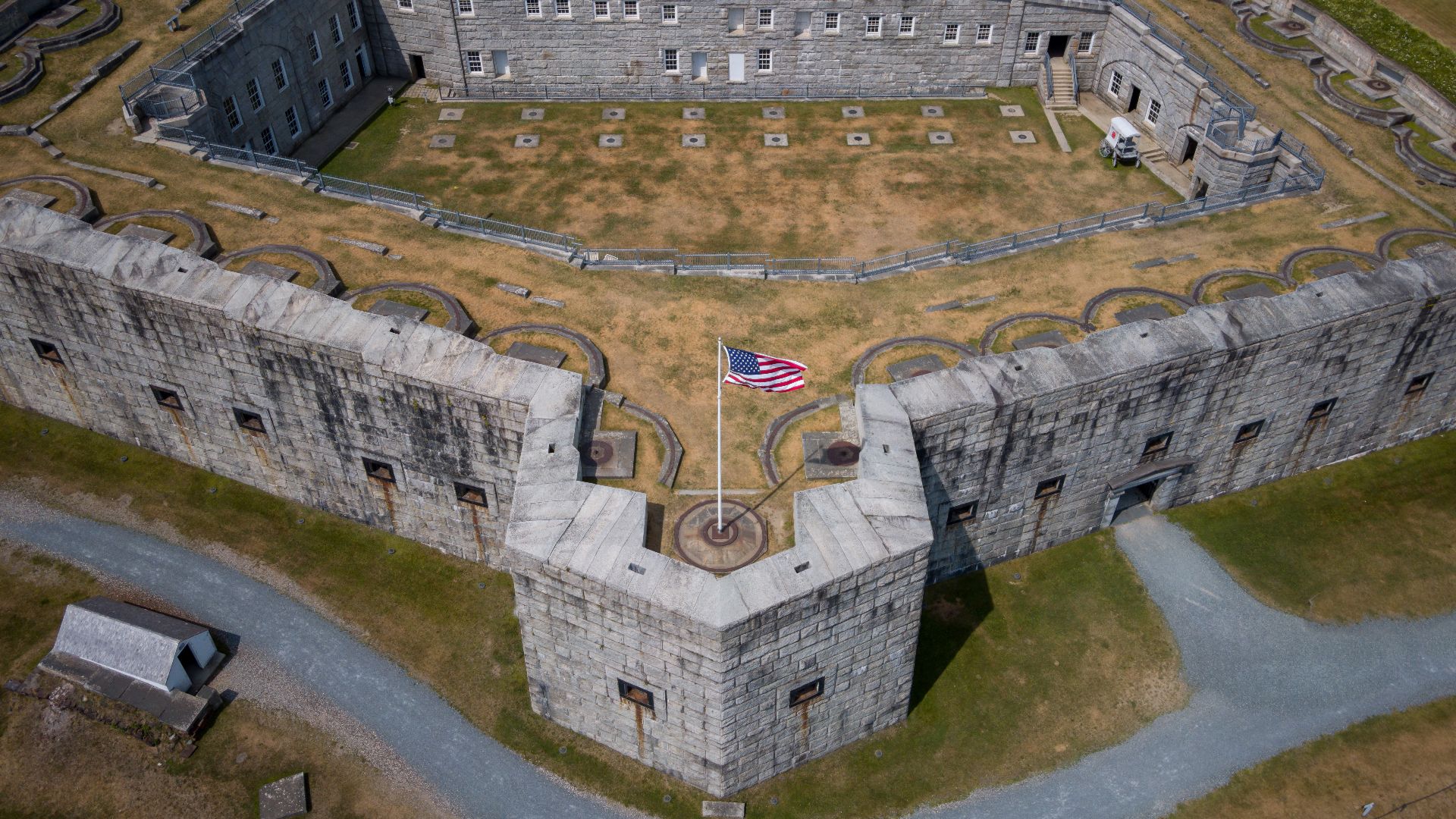
Fort Knox in Prospect, Maine, was established in 1844 to protect the Penobscot River corridor against a possible naval attack. Its granite fortifications contain gun positions, passageways, and former ammunition storage spaces. Its remaining batteries face the narrow waterway that soldiers were assigned to defend.
 Jules Verne Times Two, Wikimedia Commons
A Powder Magazine Brought Back To Life
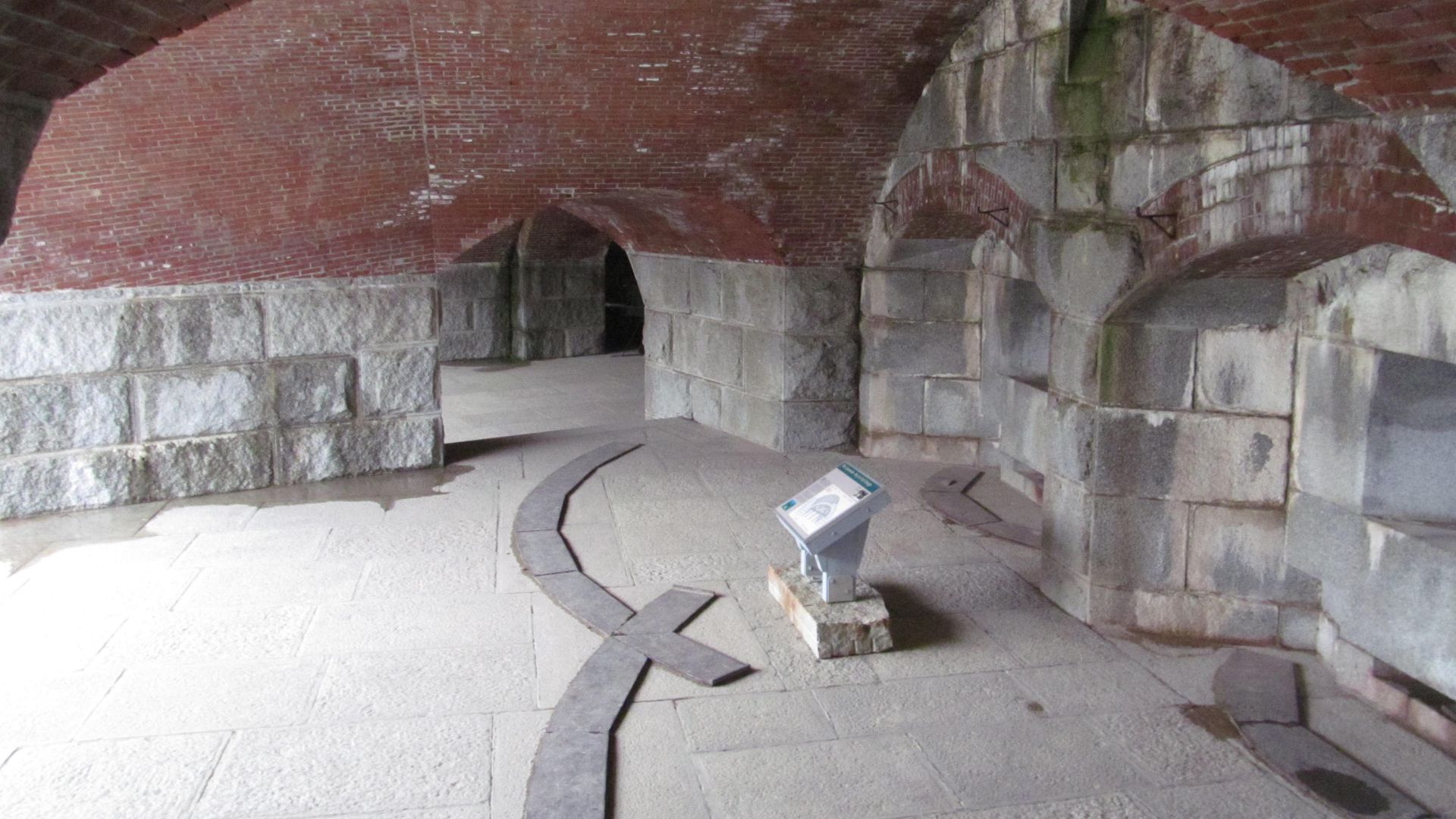
The Friends of Fort Knox restored an interior powder magazine and outfitted it with interpretive displays and replica gunpowder barrels. Elsewhere, visitors encounter stone-lined passages and batteries built to defend the river. The historic fort opens seasonally from May through October, although its grounds remain accessible beyond that period.
New York's Fortress Beneath The Bridge
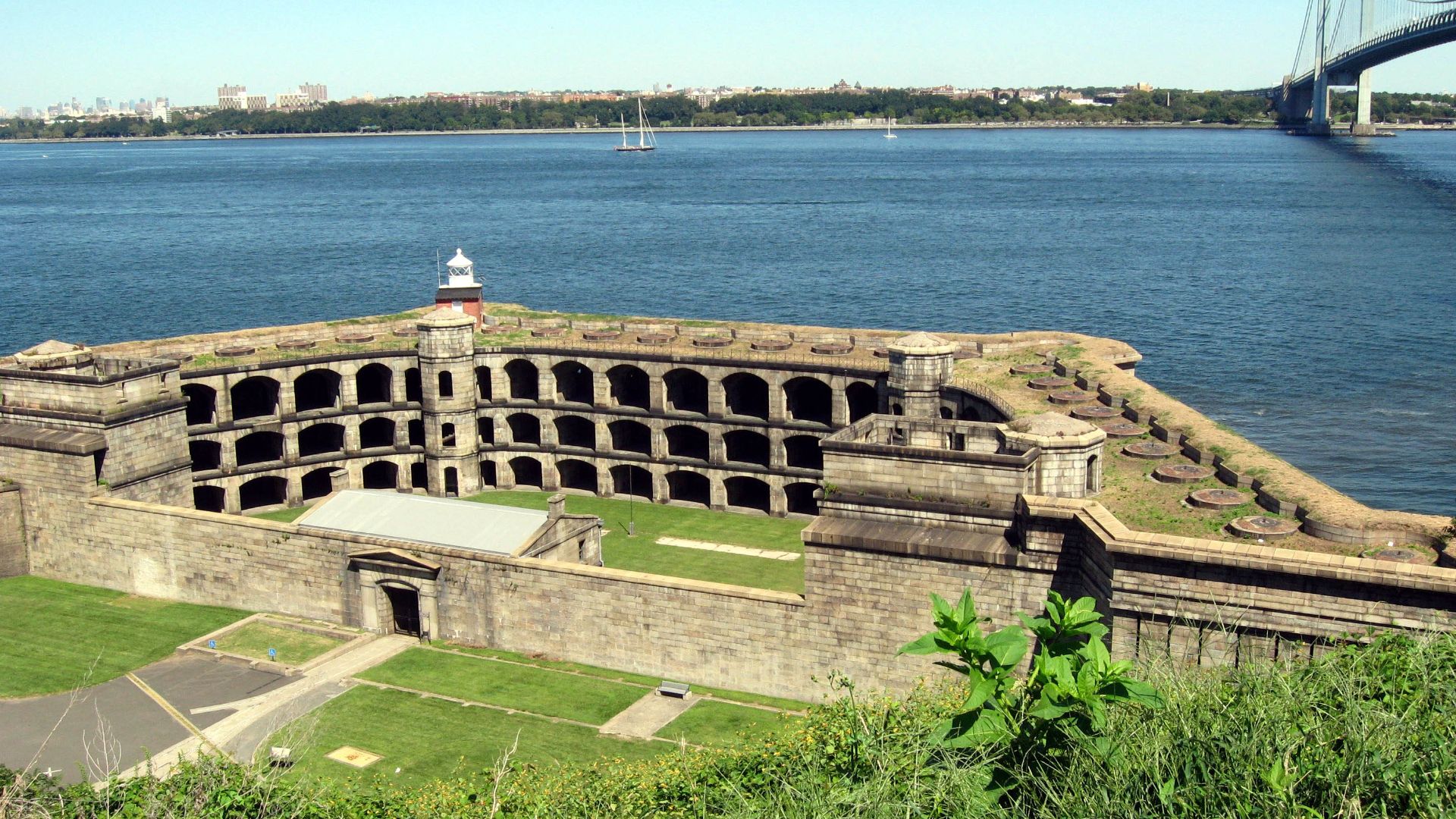
On Staten Island, Battery Weed is the striking masonry fort at Fort Wadsworth beneath the Verrazzano-Narrows Bridge. Its layered gun positions once faced the approach to New York Harbor. The setting combines an enormous modern bridge with a reminder of the harbor defenses that came long before it.
 Jim.henderson, Wikimedia Commons
Do Not Arrive Expecting An Open Door
The National Park Service keeps Battery Weed and Fort Wadsworth's other historic fortifications closed except during authorized tours. Rangers offered special Battery Weed open houses on selected weekends in 2026, but that season has ended. Check the park's current tour listings before planning an interior visit.
Delaware's Bunker From World War II
At Cape Henlopen State Park near Lewes, Fort Miles preserves coastal defenses built for the Second World War. Battery 519 is a concrete bunker now used for museum tours and displays. The museum also displays a relic from the USS Arizona, connecting the bunker to another chapter of wartime history.
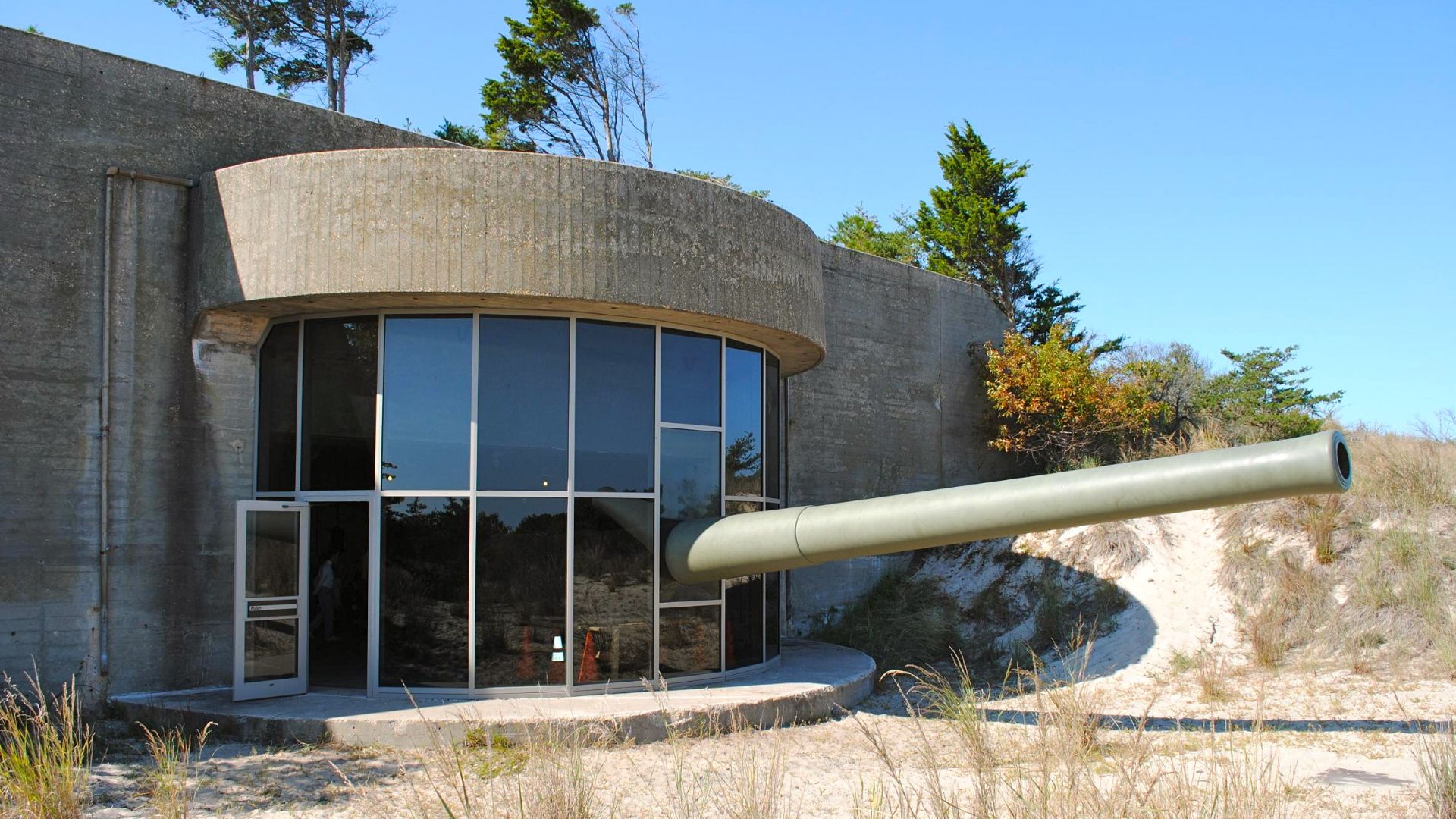 Flickr user Lee Cannon : https://www.flickr.com/photos/leecannon, Wikimedia Commons
Meet The Gun Behind Battery 519
A guided visit inside Battery 519 explains how soldiers aimed and fired its enormous 12-inch coastal artillery gun. The Fort Miles Museum advertises roughly hour-long tours, with separate exhibits available without the bunker tour. Check the museum's schedule because tour availability changes throughout the year.
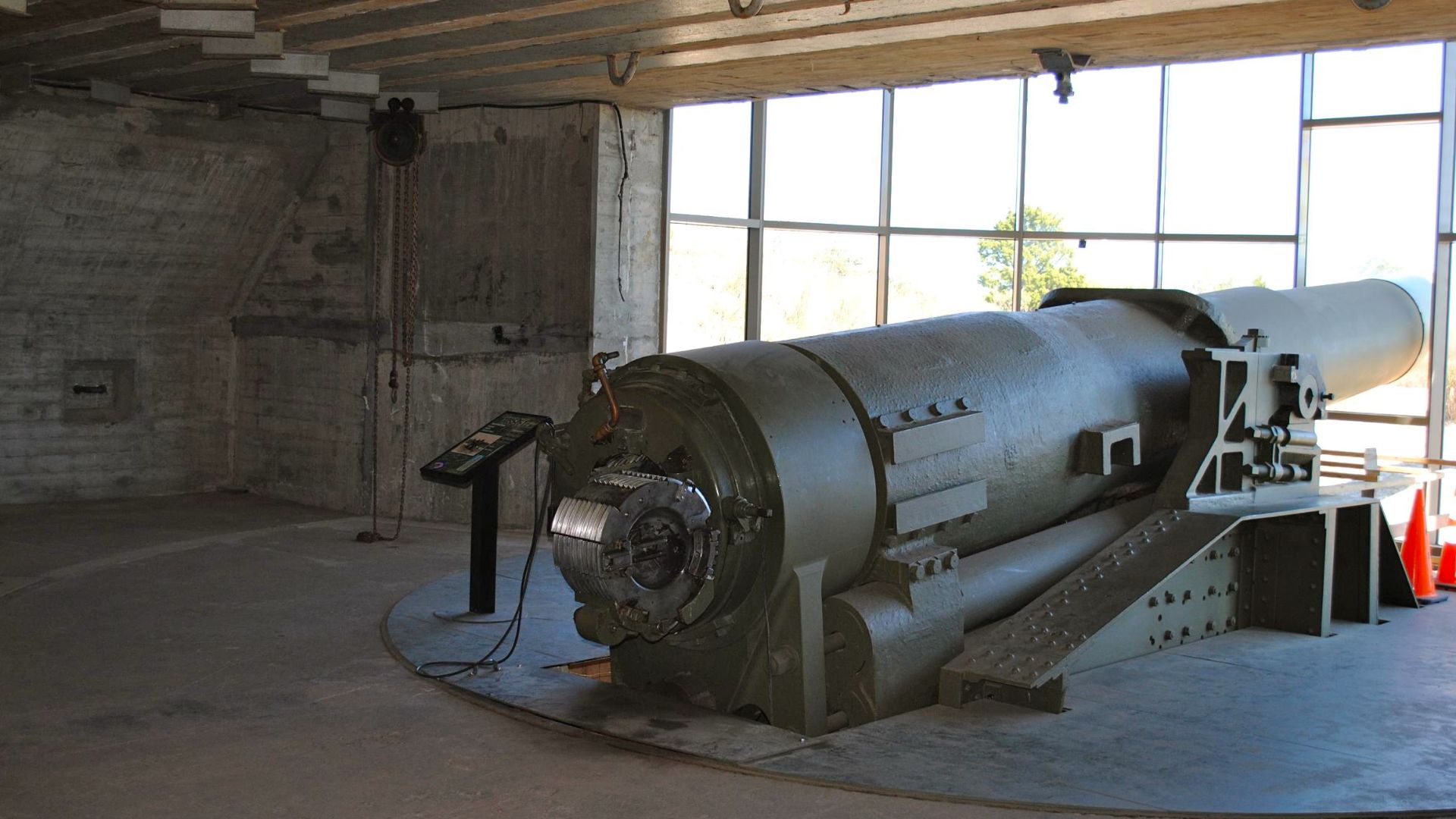 Flickr user Lee Cannon : https://www.flickr.com/photos/leecannon, Wikimedia Commons
Charleston's Disappearing Gun Trick
At Fort Moultrie on South Carolina's Sullivan's Island, Battery Jasper once carried four 10-inch disappearing rifles. After firing, their recoil lowered the guns behind protective concrete walls for reloading. The machinery is gone, but the surviving battery reveals the ingenious design of these late-19th-century defenses.
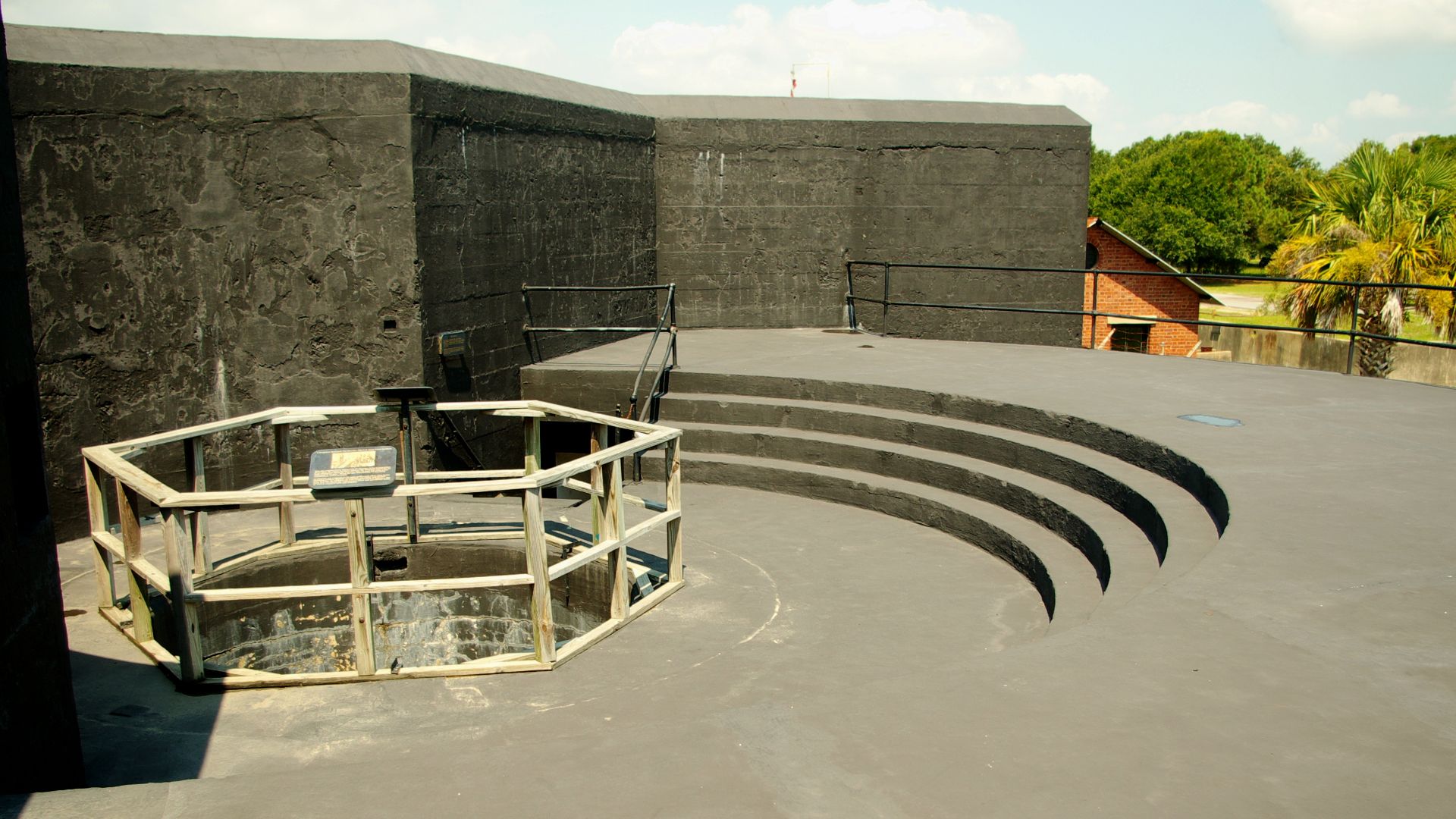 Brian Stansberry, Wikimedia Commons
Inside Battery Jasper's Shell Room
The National Park Service opens one of Battery Jasper's gun emplacements so visitors can see its magazine, shell room, and gun deck. That makes this a particularly accessible introduction to how coastal artillery was supplied. Other areas, including the old powerhouse, remain closed to the public.
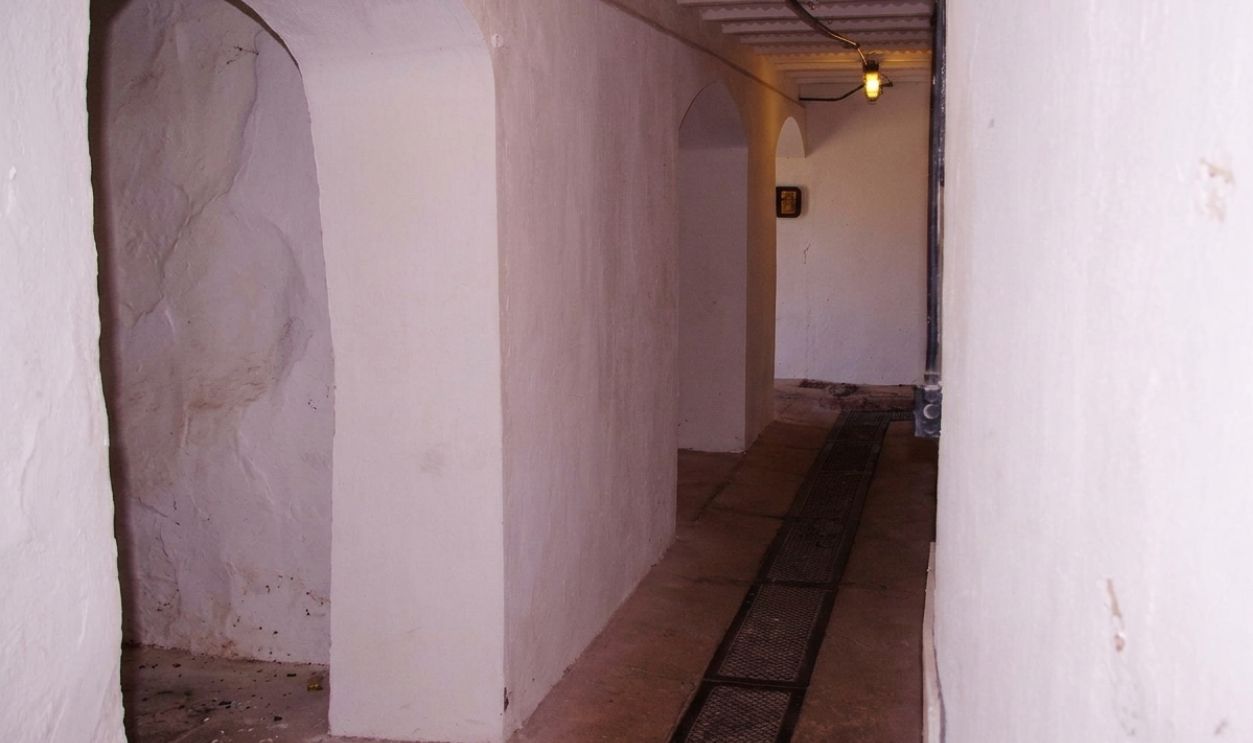 Brian Stansberry, CC BY 3.0, Wikimedia Commons, Modified
Florida's Tunnel That Lost An Exit
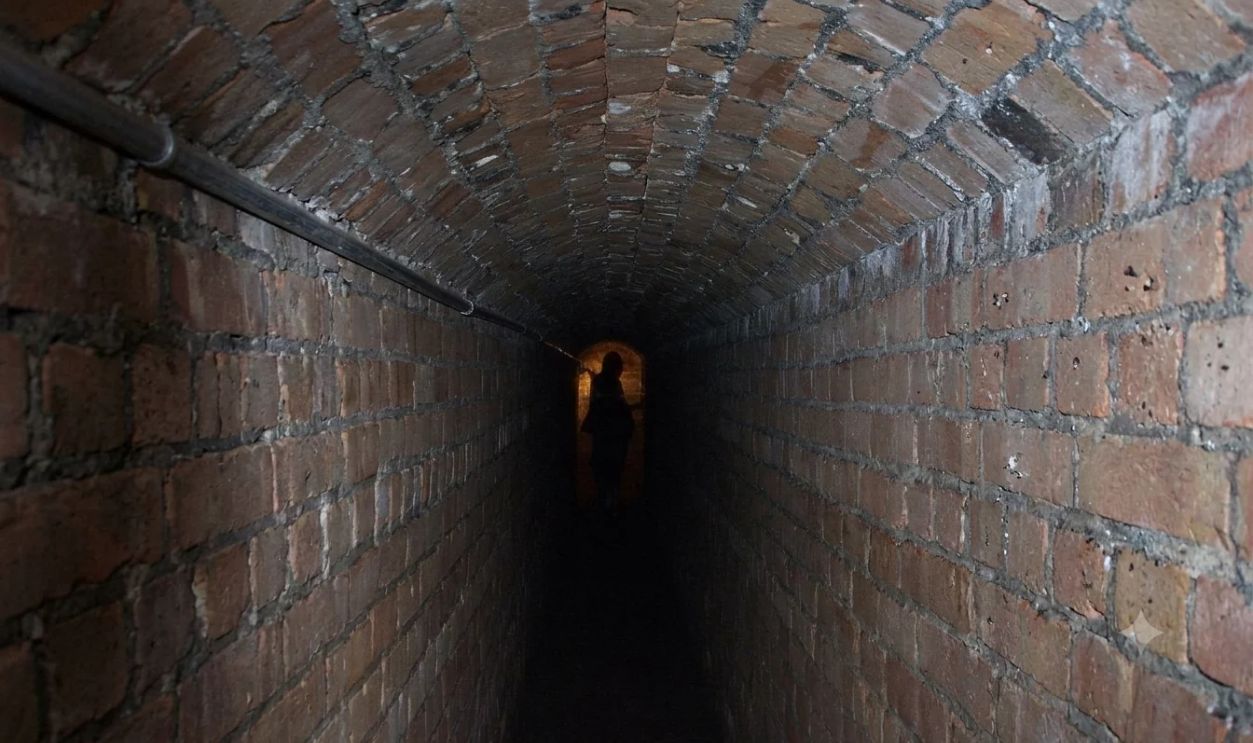
Fort Pickens in Florida's Gulf Islands National Seashore contains a tunnel associated with Battery Pensacola, built in 1898 and 1899. The passage originally connected the battery's south and north sides. Construction of a new powerhouse in the 1920s blocked the northern entrance, so it is not a through-route today.
 Liz Lawley from Rochester, NY, CC BY-SA 2.0, Wikimedia Commons, Modified
A Gun Battery Disguised As A Hill
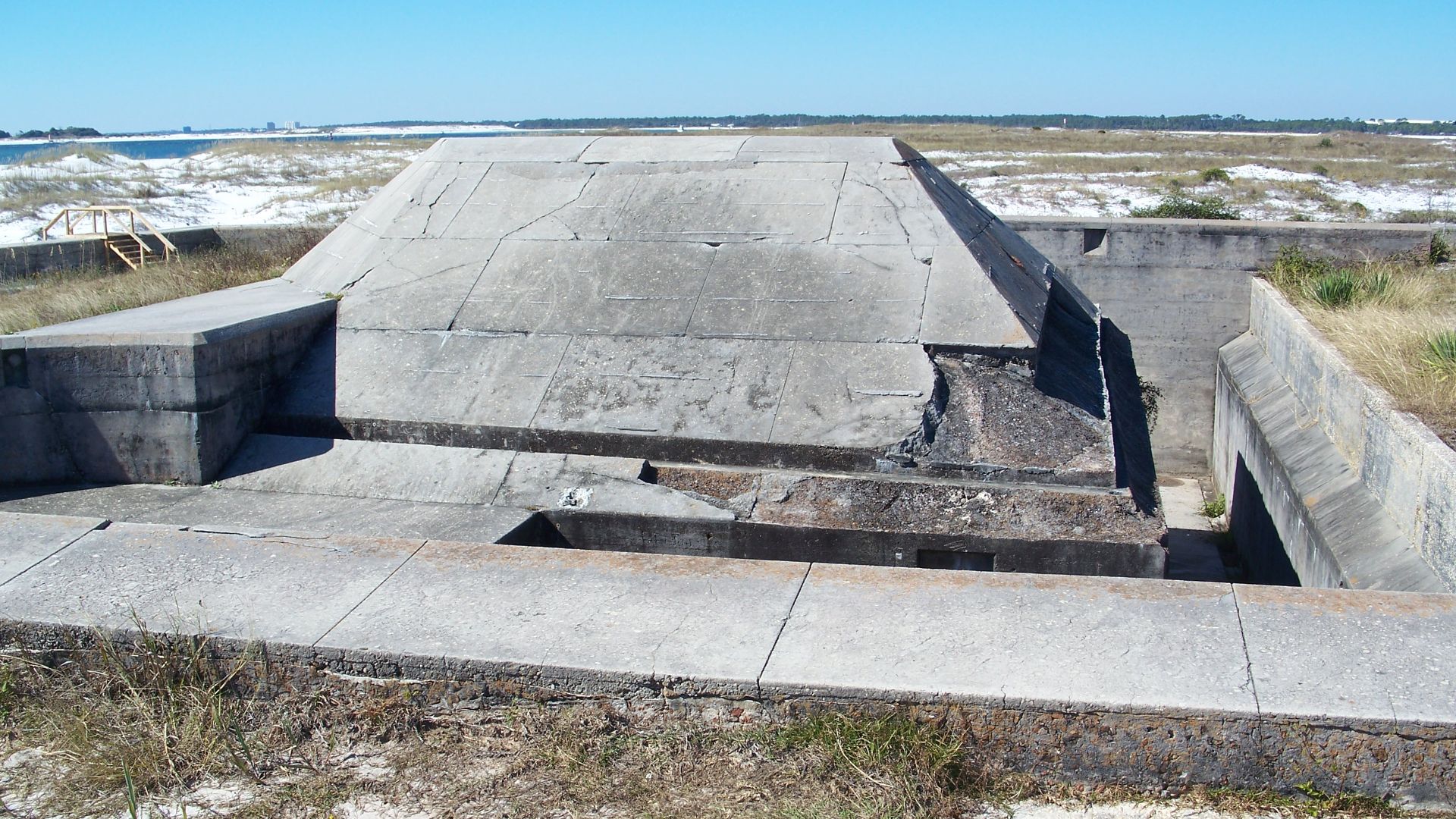
Nearby Battery Payne, completed in 1904, initially resembles a grassy rise with a concrete structure poking out. Steps lead down into a passage through the hillside to the battery's lower level. Another staircase reaches the top, giving visitors two different perspectives on the same fortification.
Alabama's Brick Tunnel To The Bastion
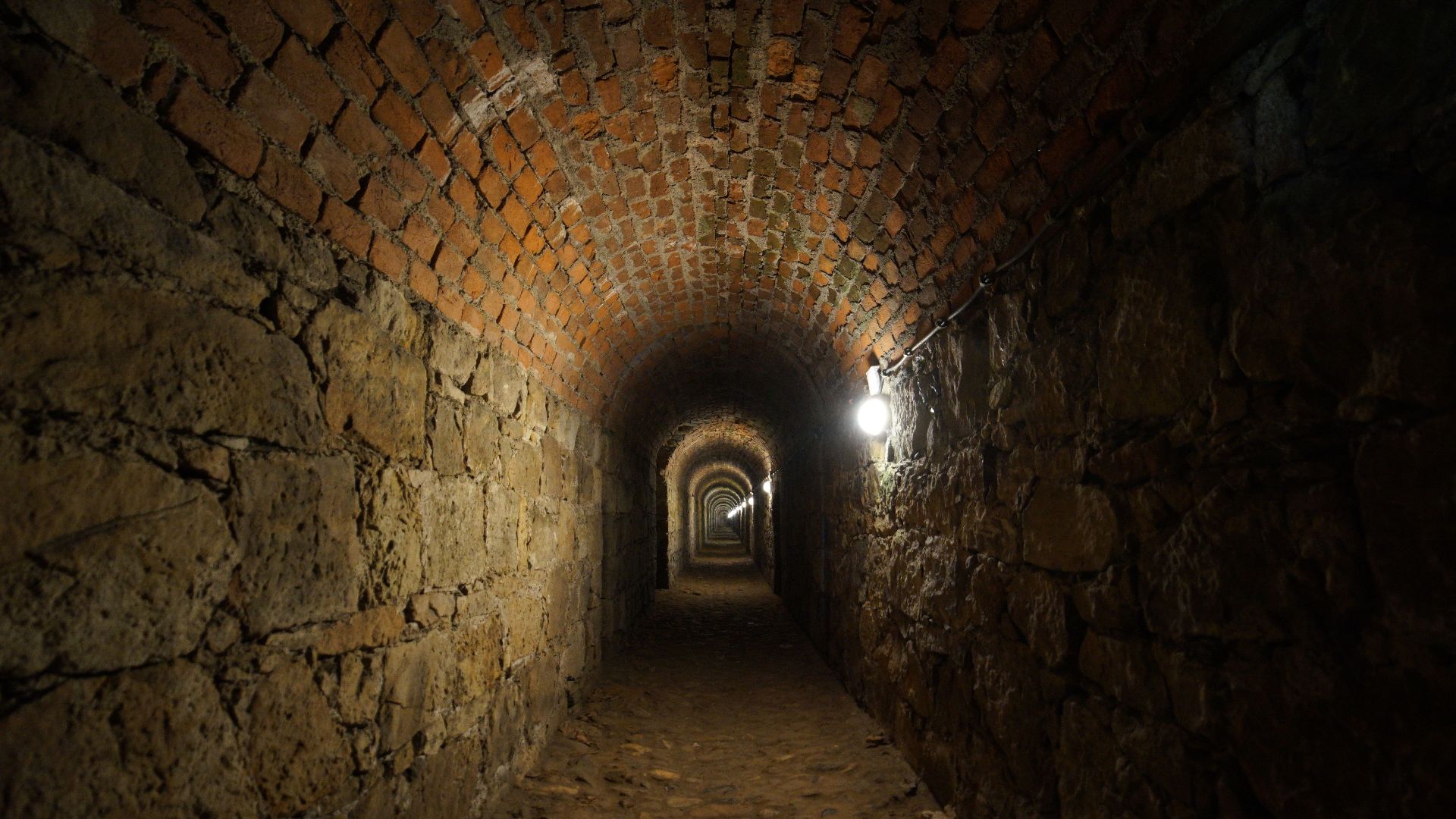
On Dauphin Island, Fort Gaines lets visitors follow a tunnel toward its northwest bastion, where brickwork surrounds historic firing positions. The fort also preserves ammunition rooms beneath later coastal gun batteries. Its self-guided interpretive route explains how different generations of defenses were added to the same site.
Oregon's Guardian Of The River Mouth
Fort Stevens guarded the mouth of the Columbia River for 84 years, from the Civil War through World War II. Today, its Oregon state park preserves a military museum and extensive concrete gun batteries. Walk the grounds first to understand how the defenses faced ships approaching the river.
A Summer Trip Below The Gunline
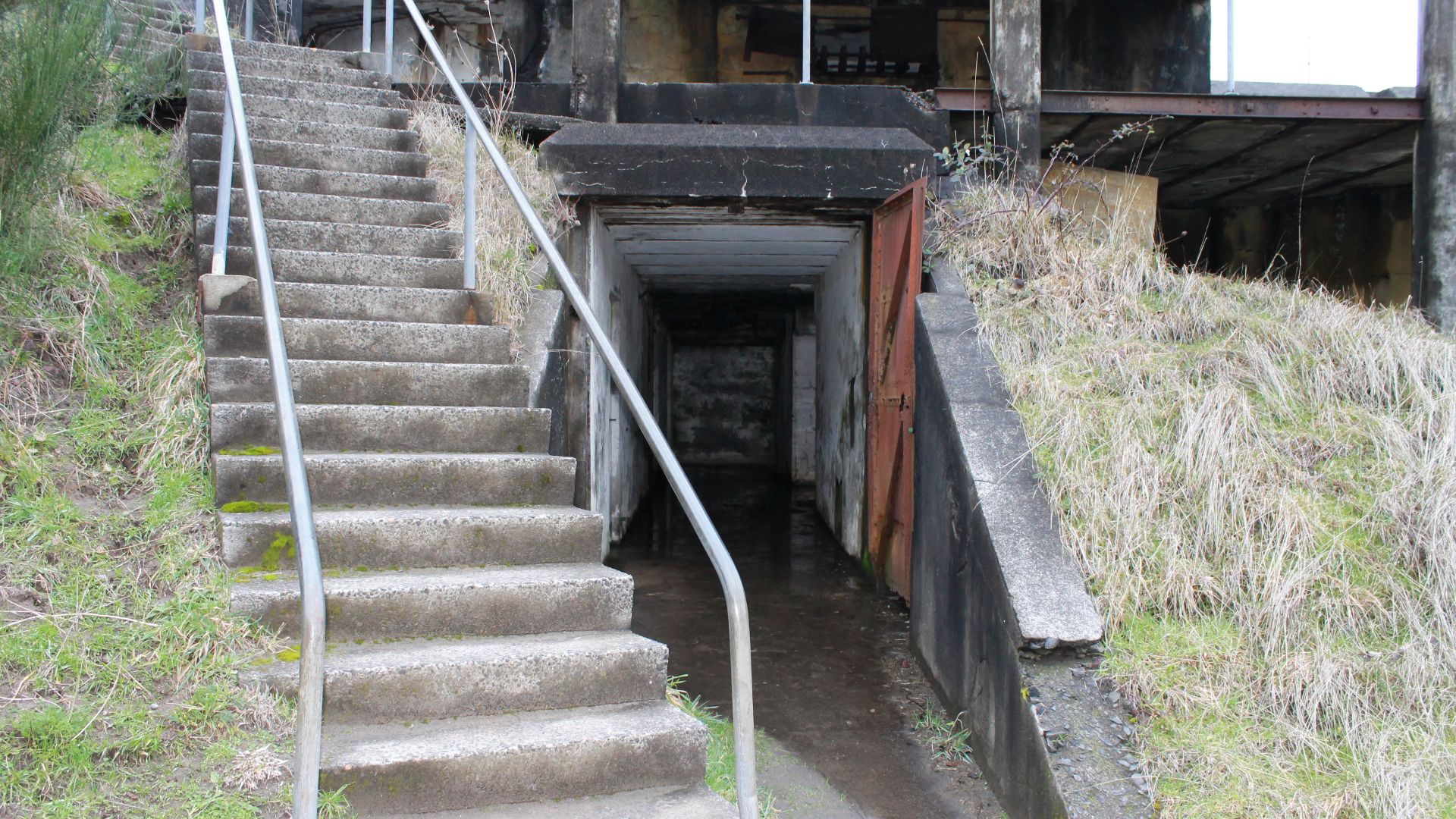
Fort Stevens offers summer underground tours of a gun battery that later served as a World War II command center. They reach areas unavailable during ordinary sightseeing. Contact the Friends of Old Fort Stevens for tour details rather than assuming underground access is always available.
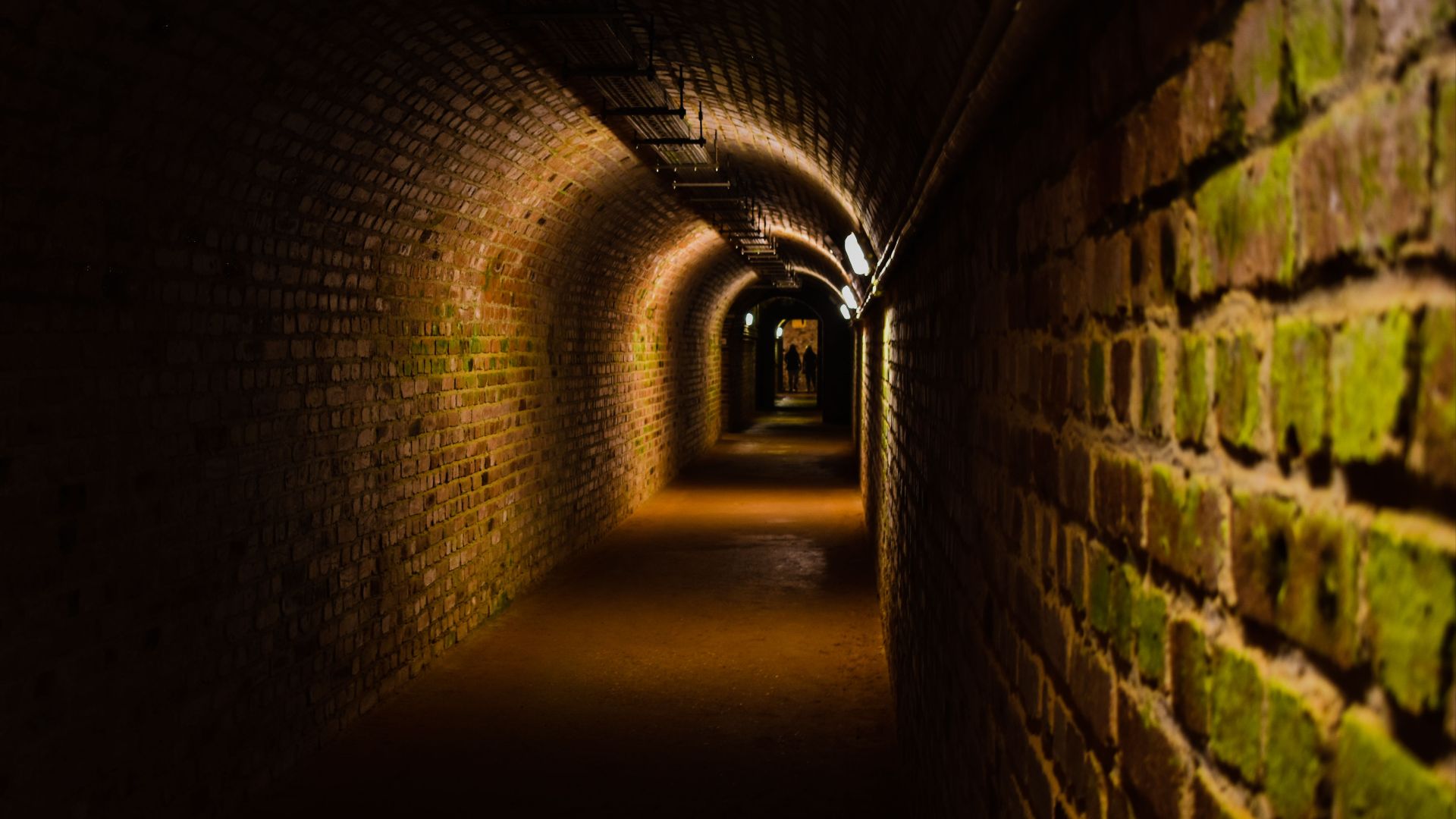
The Secret Battery Above Rodeo Beach
Battery Townsley sits in the Marin Headlands north of San Francisco, close to Fort Cronkhite. Between 1940 and 1948, it mounted two enormous guns and accommodated more than 100 soldiers in an underground tunnel network. Later, part of the installation became an underground research facility.
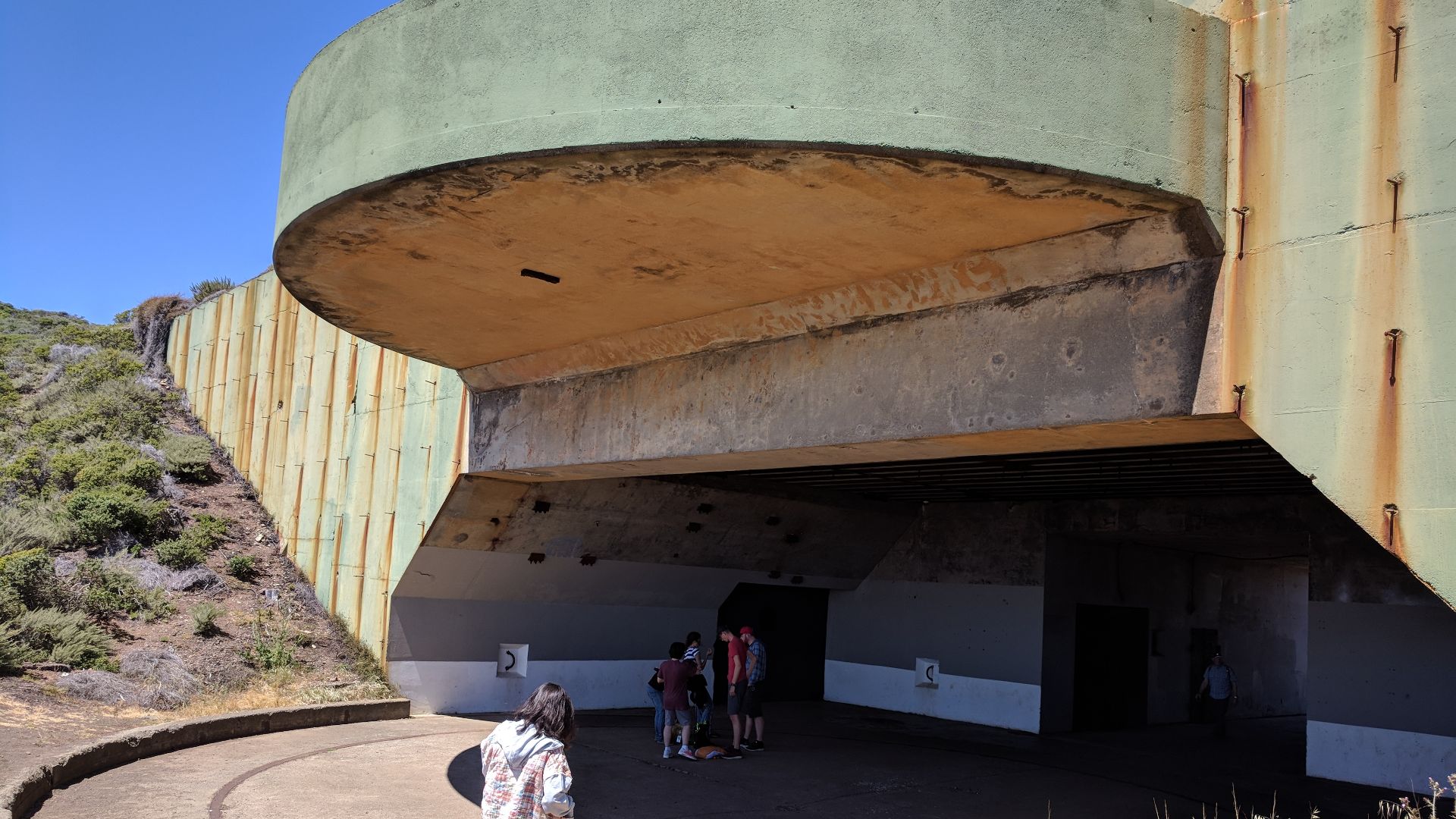
Plan Your Visit Around An Open House
The National Park Service listed monthly Battery Townsley open houses during 2026, with guided visits offered periodically during those events. Reaching the battery requires a moderately strenuous uphill hike of about half a mile from Rodeo Beach. Consult the current event calendar before making the trip.
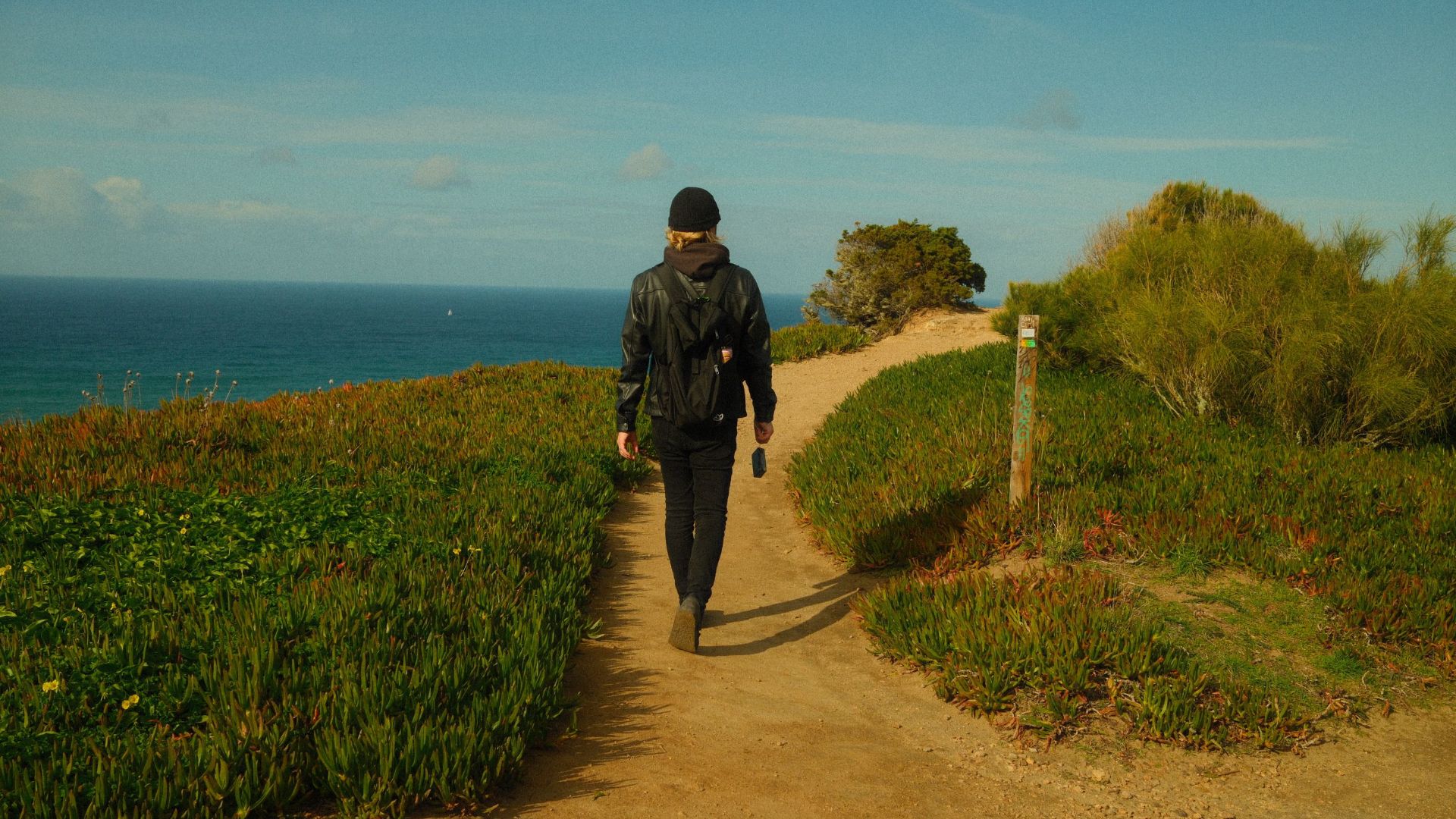
Washington's Artillery Hill Above The Sound
At Fort Worden in Port Townsend, historic gun emplacements overlook Admiralty Inlet and the entrance to Puget Sound. The fort belonged to a network of coastal defenses that also included Fort Casey and Fort Flagler. Aboveground gun platforms give way to tunnels beneath the hillside.
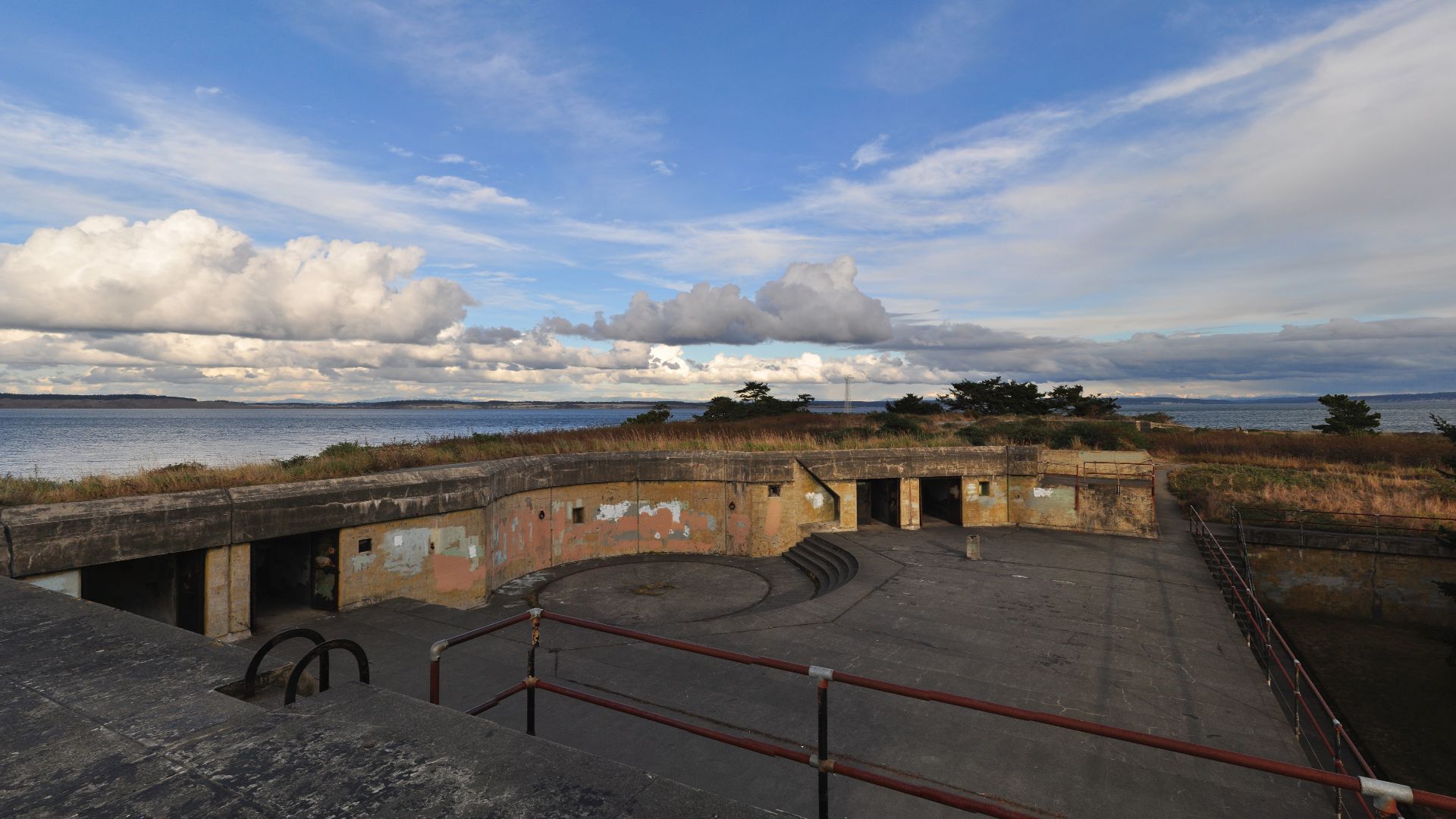
Bring A Flashlight To Fort Worden
The Washington State Parks Foundation specifically recommends a flashlight for exploring Fort Worden's tunnels beneath its hidden gun positions. Visitors can also see the Coast Artillery Museum and walk among former military buildings. The underground passages are the highlight for anyone drawn to the fort's engineering.
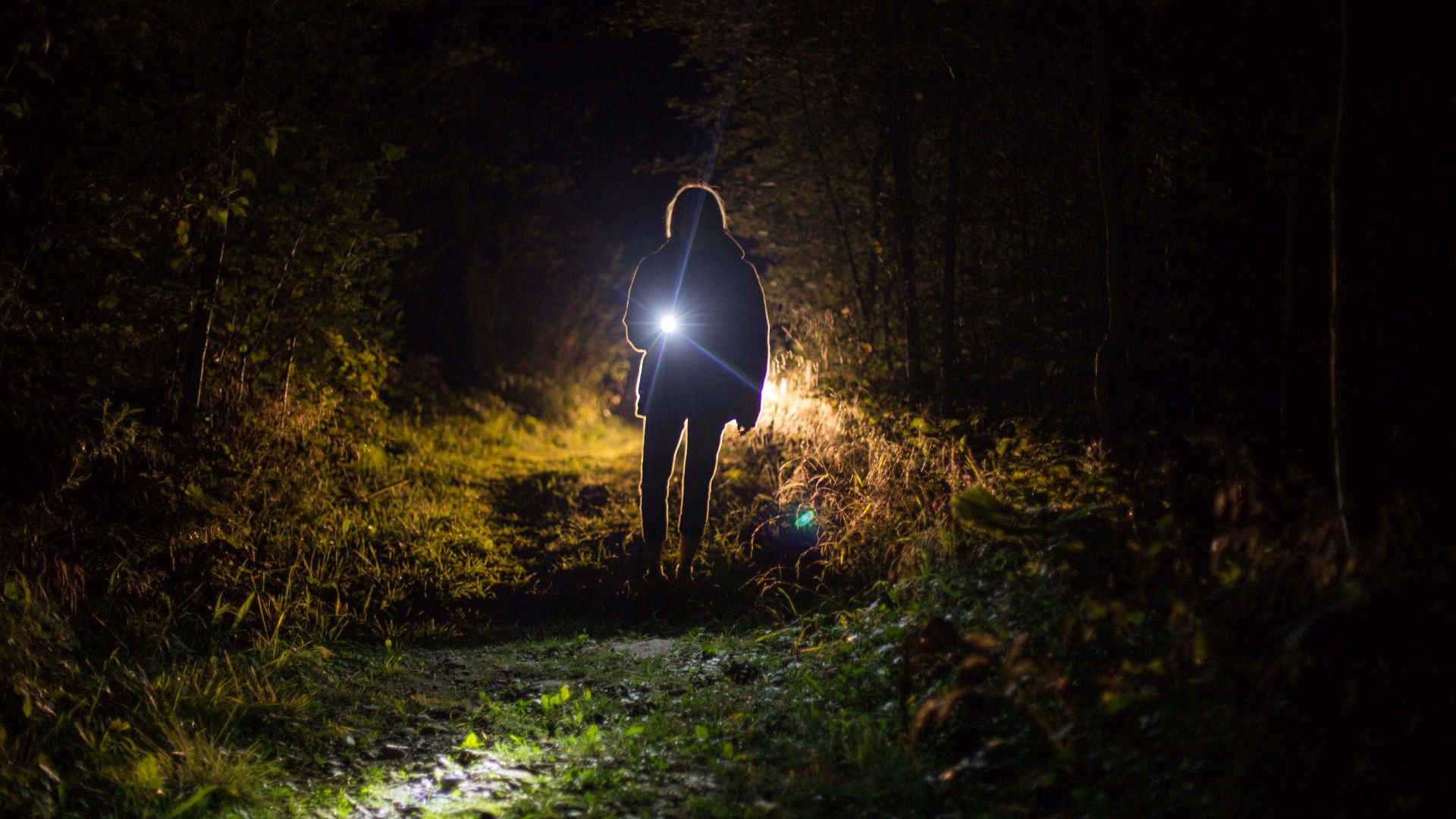
A World War II Bunker In The Bluff
Fort Ebey, on Washington's Whidbey Island, was established in 1942 to strengthen the defenses of Puget Sound. Its Battery 248 held two six-inch guns installed in 1943, along with radar-assisted equipment. Today, visitors can investigate the surviving gun emplacements and underground rooms.
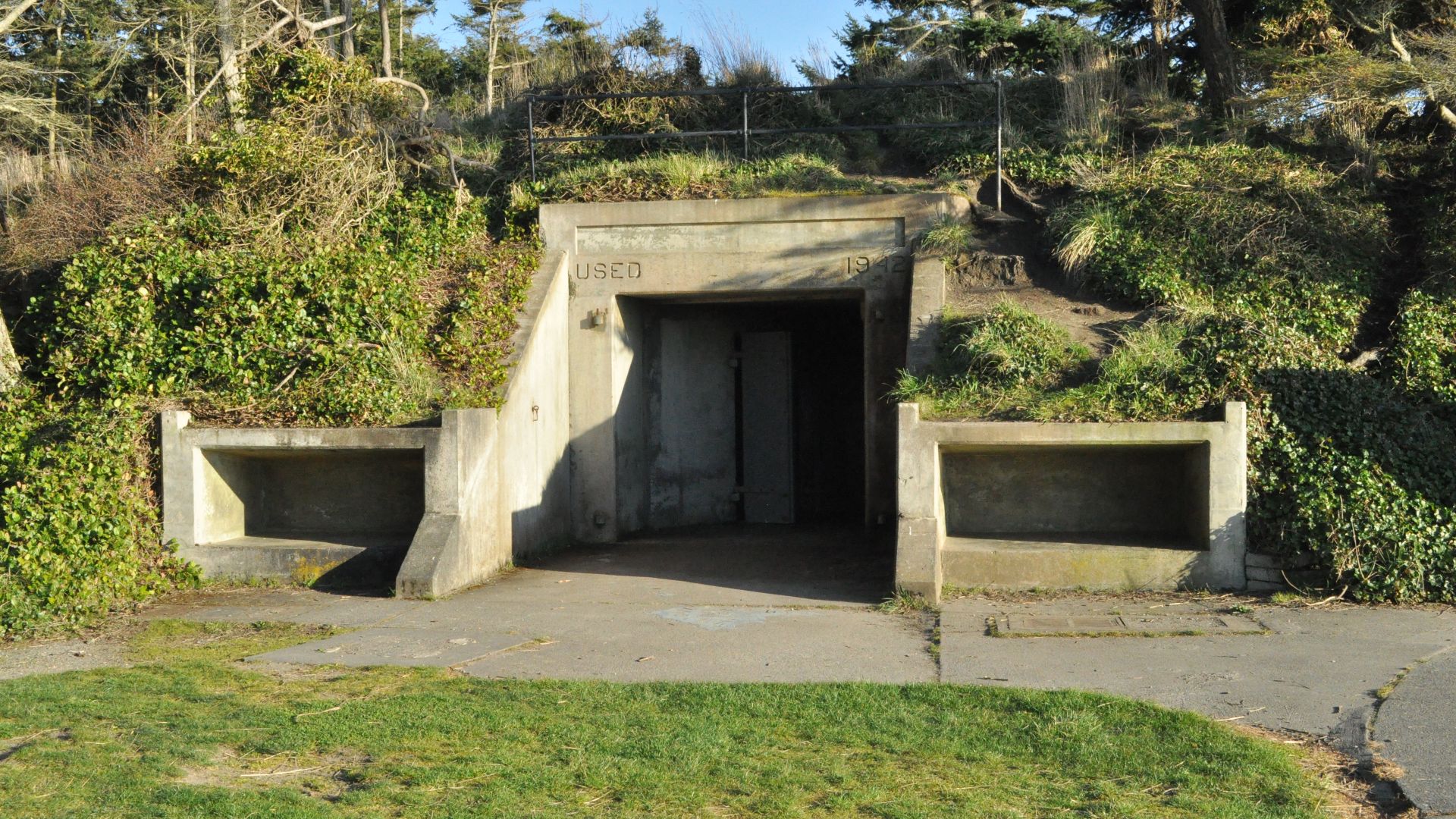
Inside The Rooms That Kept Guns Firing
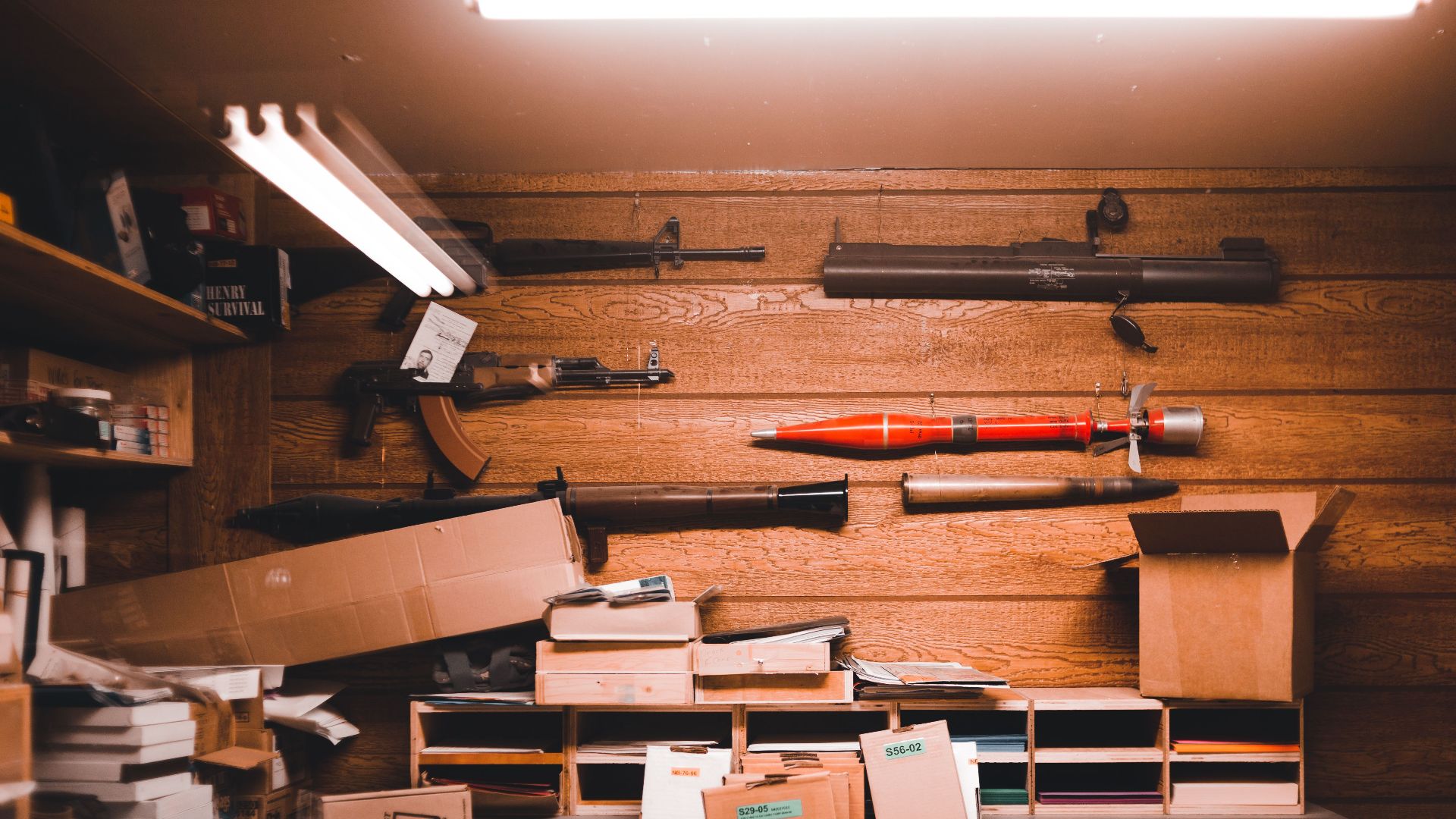
An official interpretive guide maps Fort Ebey's shell rooms, powder rooms, plotting room, and power equipment. Those spaces show how much work happened out of sight while gunners operated aboveground. The open bunker passages are dark enough that the Washington Trails Association recommends carrying a flashlight.
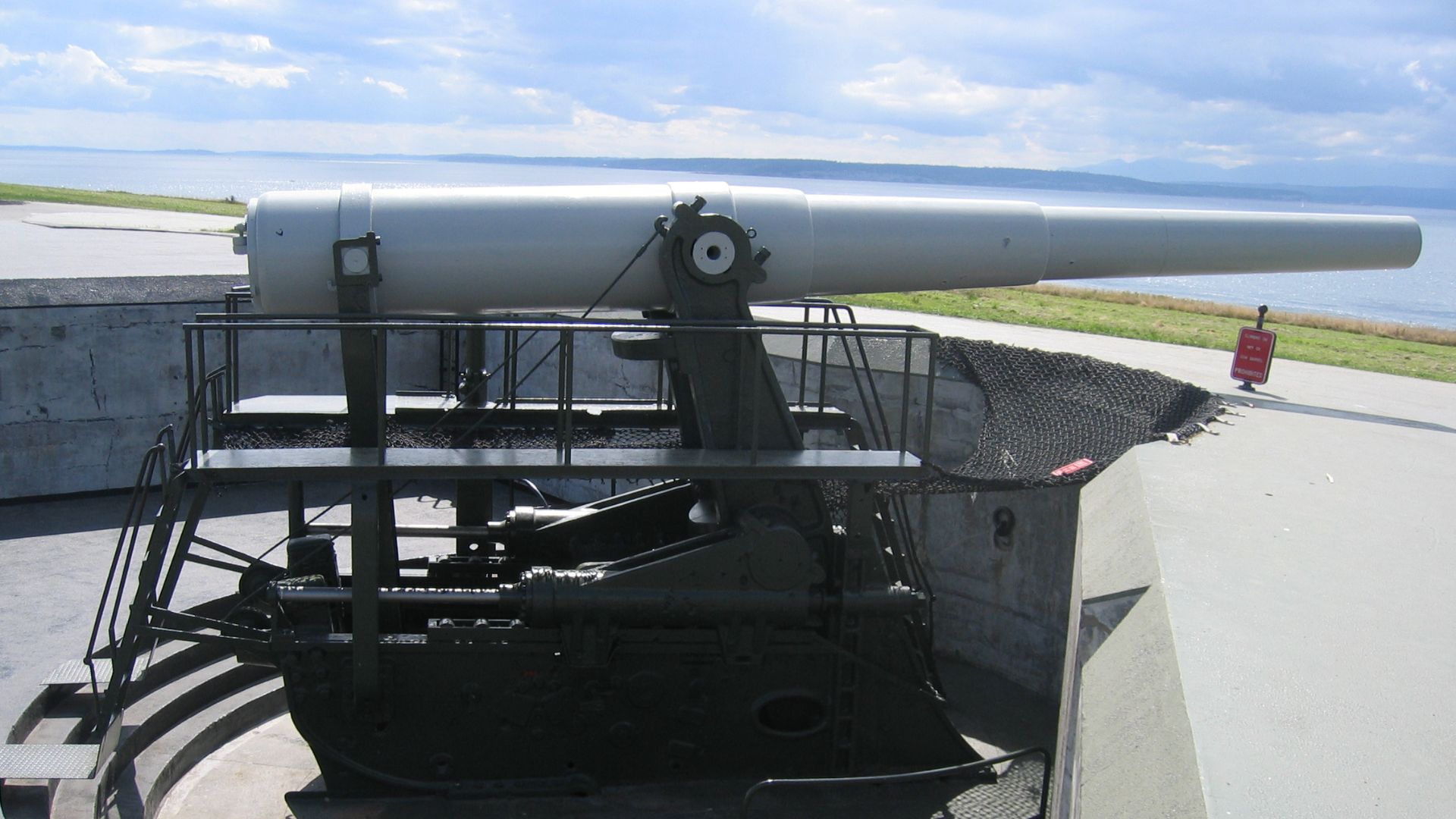
Whidbey Island's Disappearing Cannons
Fort Casey overlooks Admiralty Inlet from another part of Whidbey Island, displaying two massive 10-inch disappearing guns. Their counterweighted carriages once let gun crews raise the barrels to fire and lower them for protection. Nearby smaller guns and concrete positions complete the picture of the former defenses.
 “Jon Zander (Digon3)”, Wikimedia Commons
Walk Beneath The Big Guns
The National Park Service encourages visitors to bring a flashlight and explore the rooms below Fort Casey's big guns. These sheltered spaces supported the artillery crews and their equipment. After inspecting the lower level, visitors can return to the gun deck for views across Admiralty Inlet.
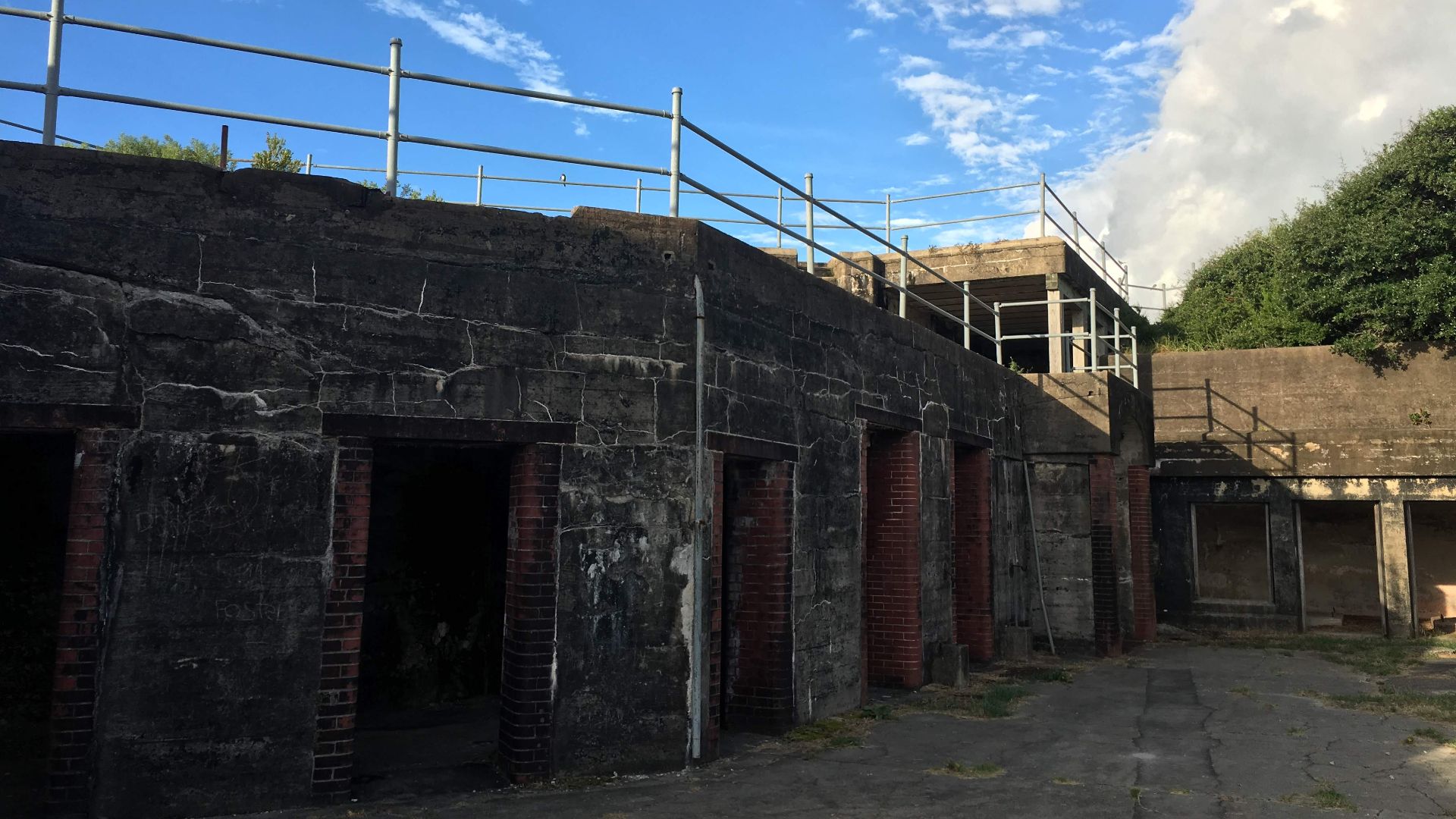 Nebotheplacebo124, Wikimedia Commons
The Third Fort Of The Triangle
Across the water on Marrowstone Island, Fort Flagler formed another point in Puget Sound's defensive triangle. The historic park retains ten gun batteries along with former military buildings and a museum. Visitors can explore the emplacements independently or inquire about interpretive tours.
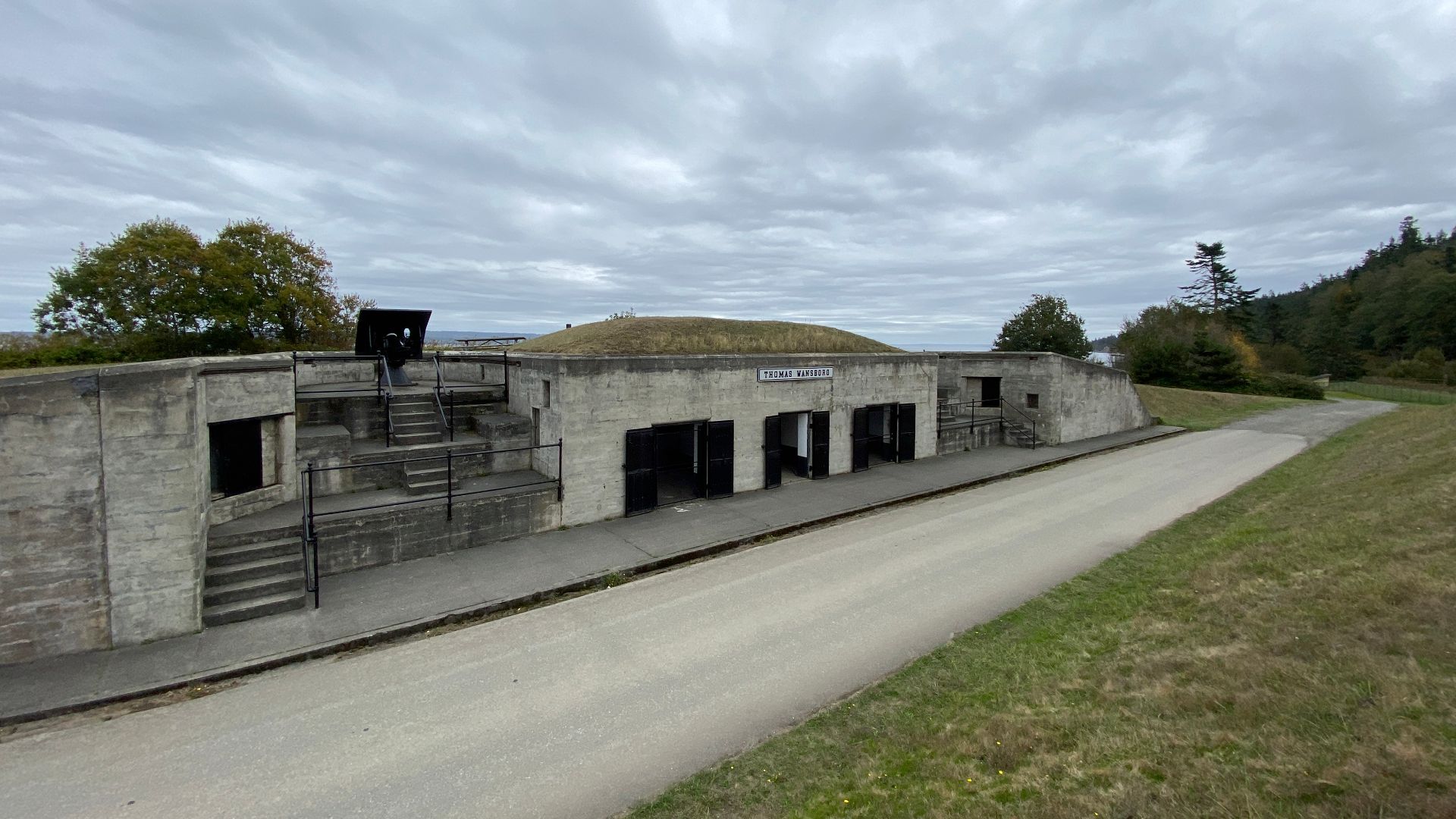 Washington Our Home, Wikimedia Commons
A Bluff Trail With Hidden Rooms
Fort Flagler's bluff trail passes eight of its ten historic batteries, according to a regional visitor guide. Their interior passages and ammunition magazines reward anyone carrying a flashlight. Outside, the route offers broad views toward Admiralty Inlet, a reminder of why the Army chose the site.
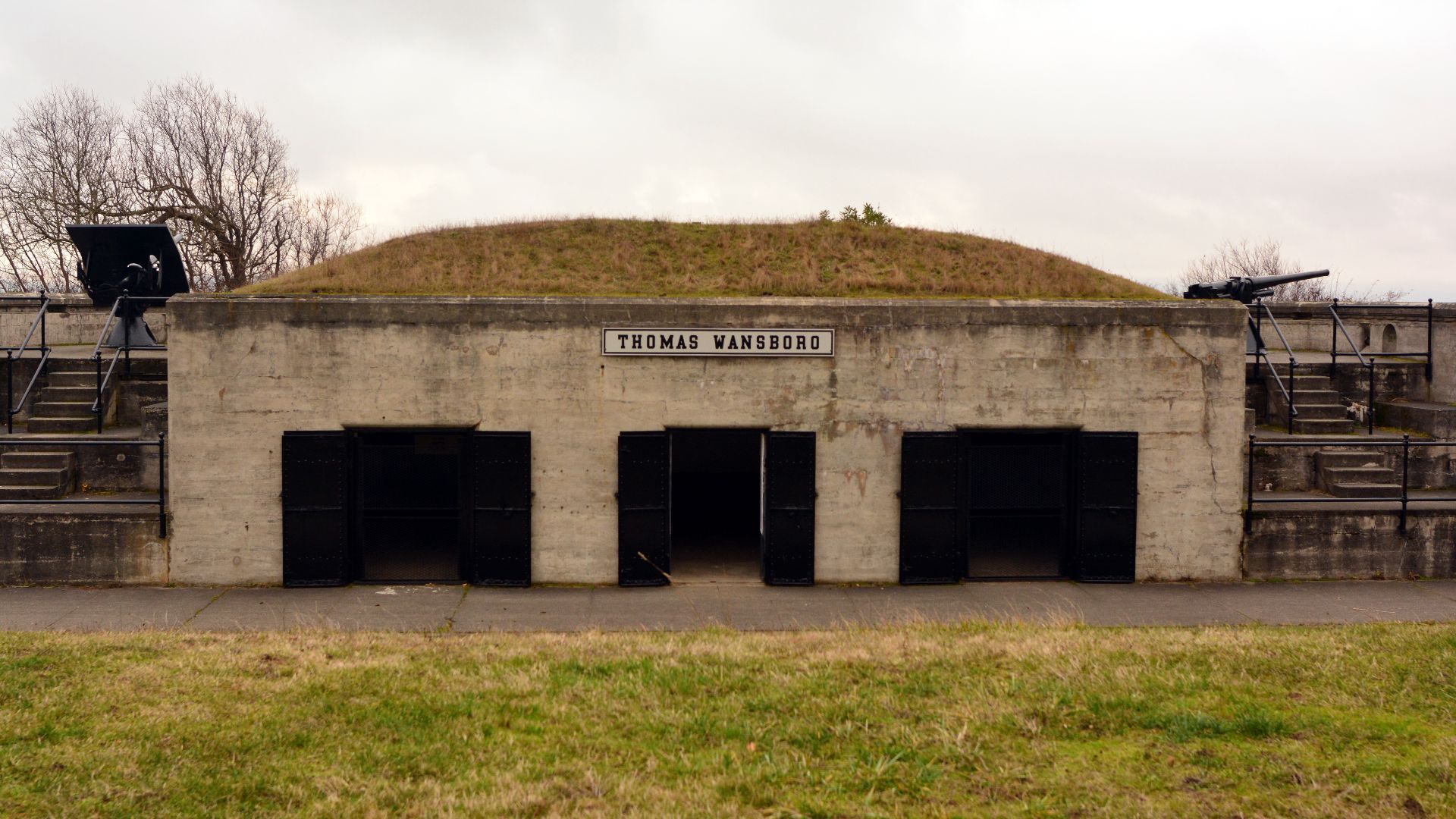 Photo by Joe Mabel, Wikimedia Commons
A Battery Above The Columbia River
Near Chinook, Washington, Fort Columbia preserves the remains of another coastal-defense complex overlooking the Columbia River estuary. Visitors can follow a self-guided route past historic gun batteries, but the underground Battery 246 requires special access. Check for ranger-led open houses rather than expecting its locked rooms to be available daily.
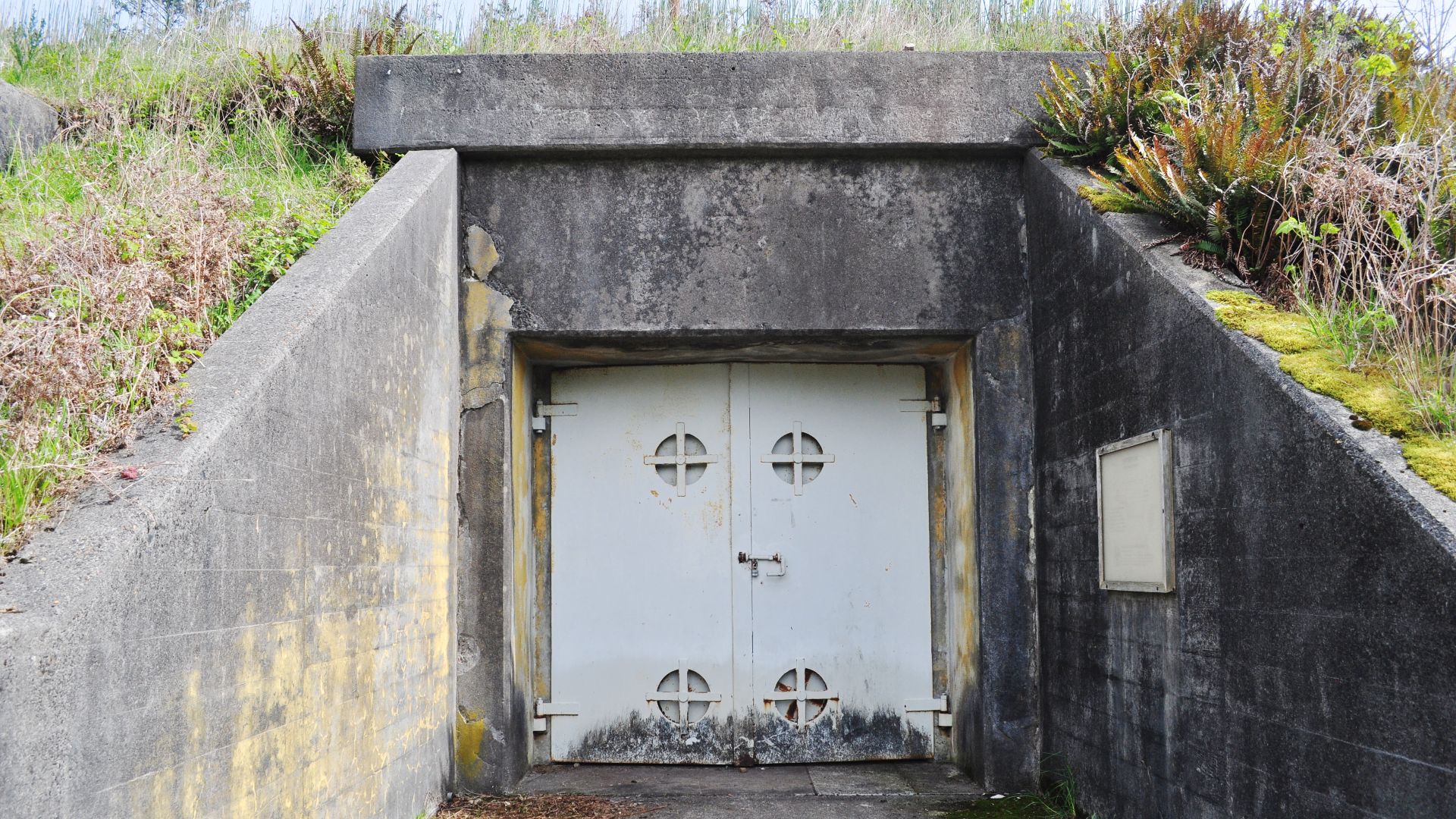
Check The Access Rules Before You Go
Not every fort offers the same experience: Fort Ebey's passages invite independent exploring, while Fort Adams and Battery Townsley use guided access. Bring a flashlight, wear sturdy shoes, and respect locked doors. With a little advance planning, these defenses offer an unusually close look at American coastal history.
Sources: 1, 2, 3, 4, 5, 6, 7, 8, 9, 10, 11, 12, 13, 14, 15, 16, 17, 18, 19, 20, 21, 22