Egypt's Hidden Cache
The last native pharaohs knew their time was running out. They created something beautiful—gold pieces honoring their gods—then tucked them away. Those treasures just resurfaced after spending millennia underground at Karnak.
Karnak Origins
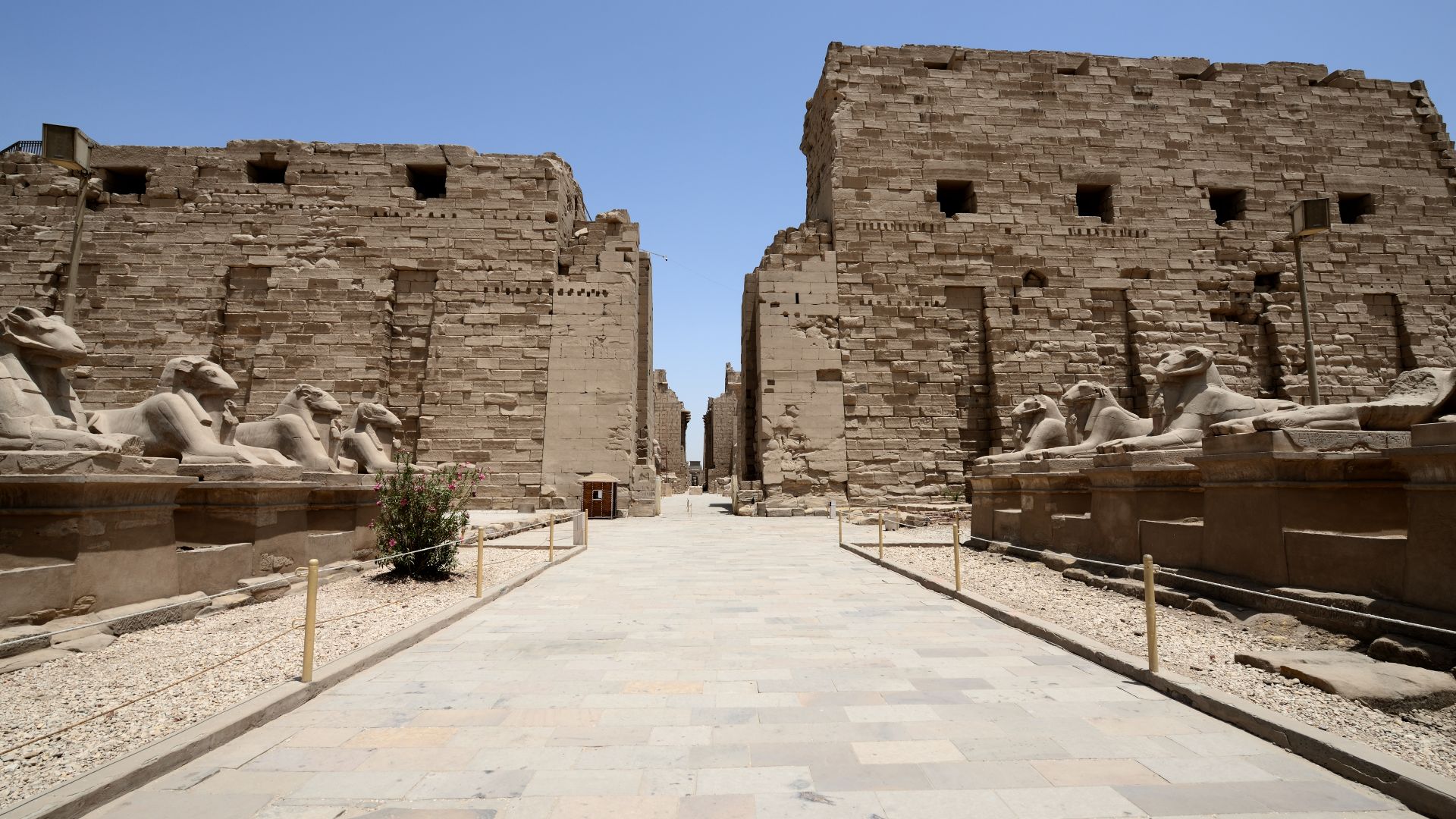
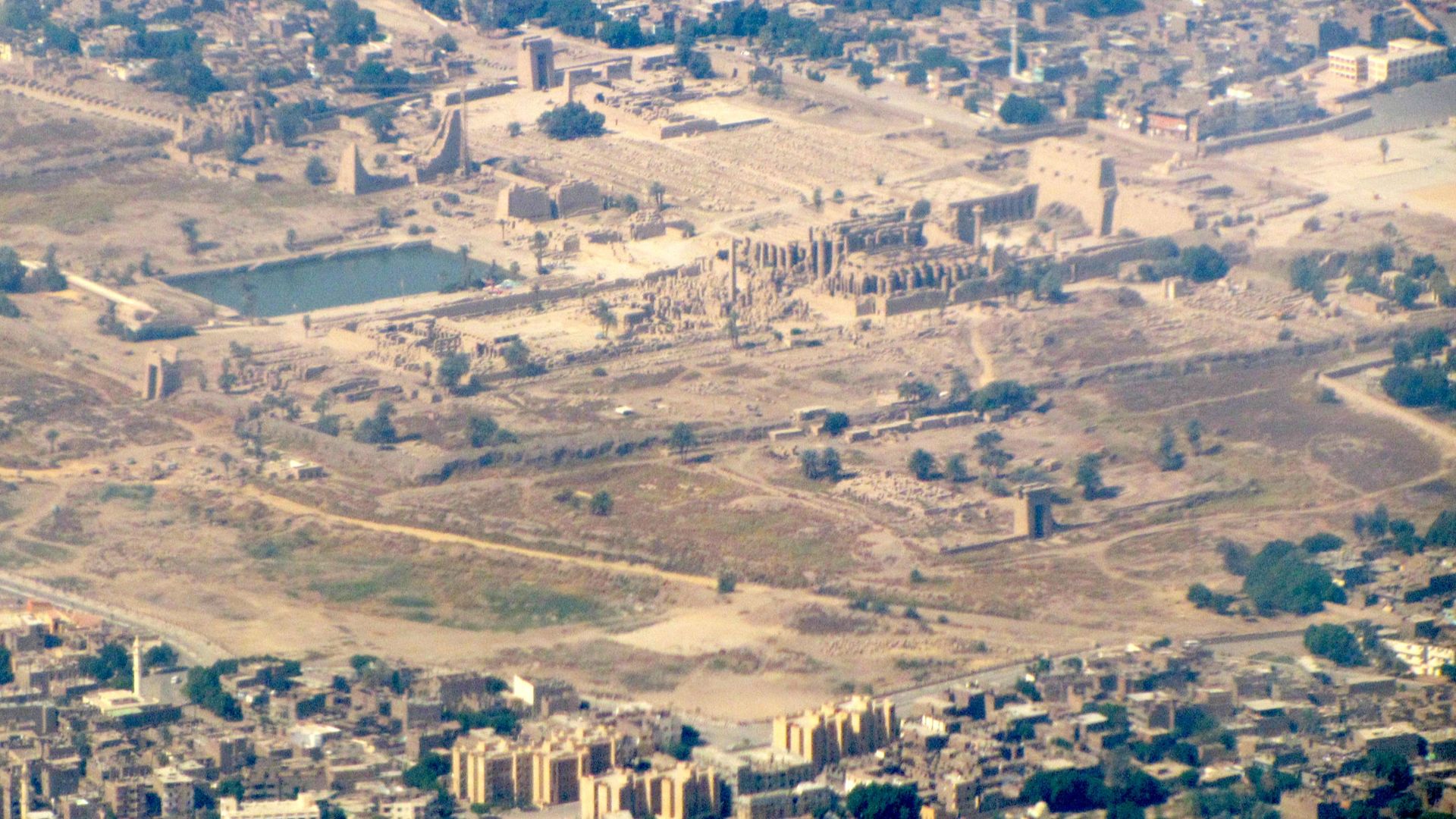
Around 1970 BCE, pharaoh Senusret I built a modest shrine along the Nile's east bank for the local god Amun. That humble beginning turned into humanity's largest religious complex, spanning over 100 hectares. The site's ancient name, Ipet-isut, translates to “The Most Select of Places”.
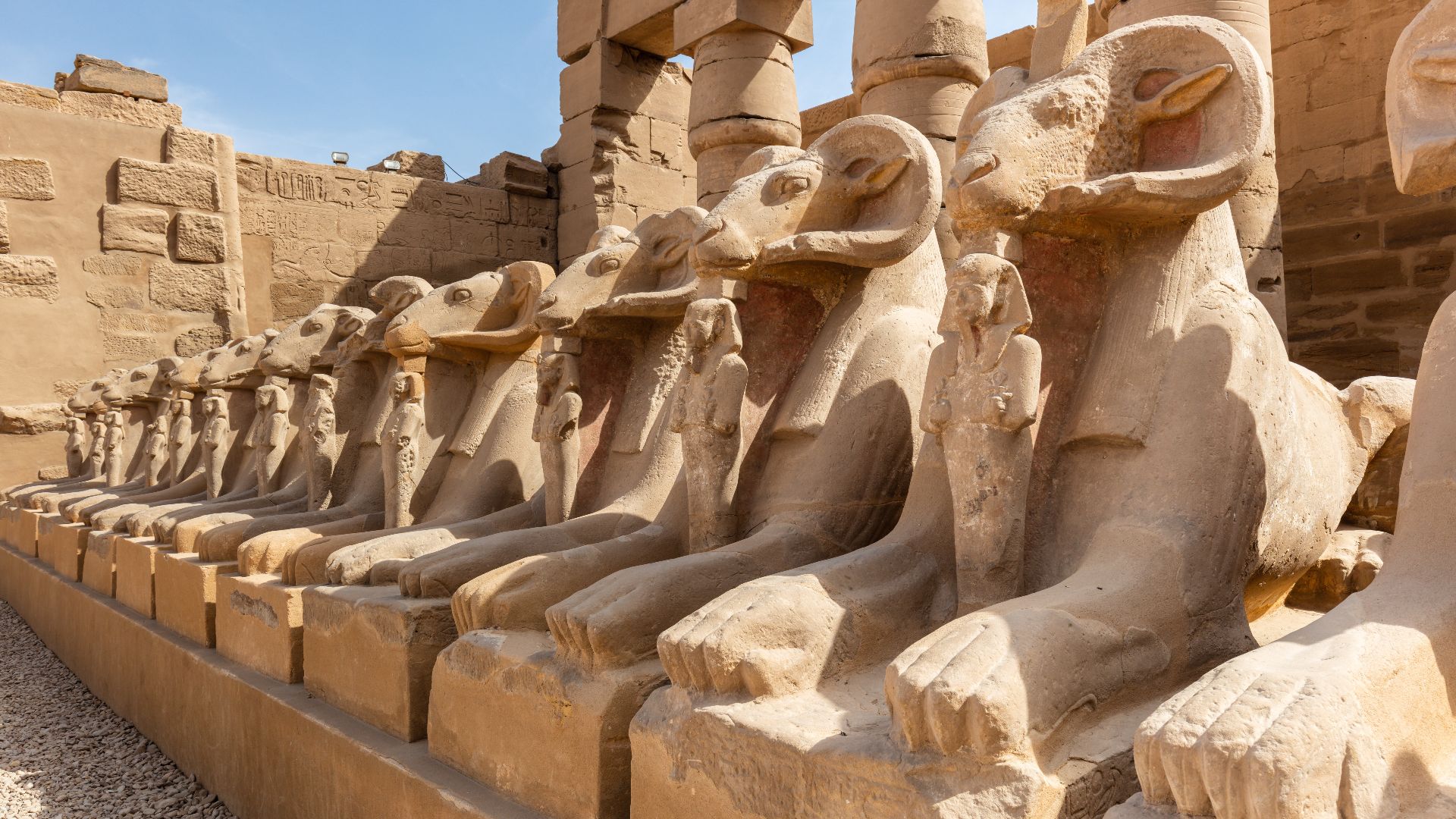 Diego Delso, Wikimedia Commons
Temple Evolution
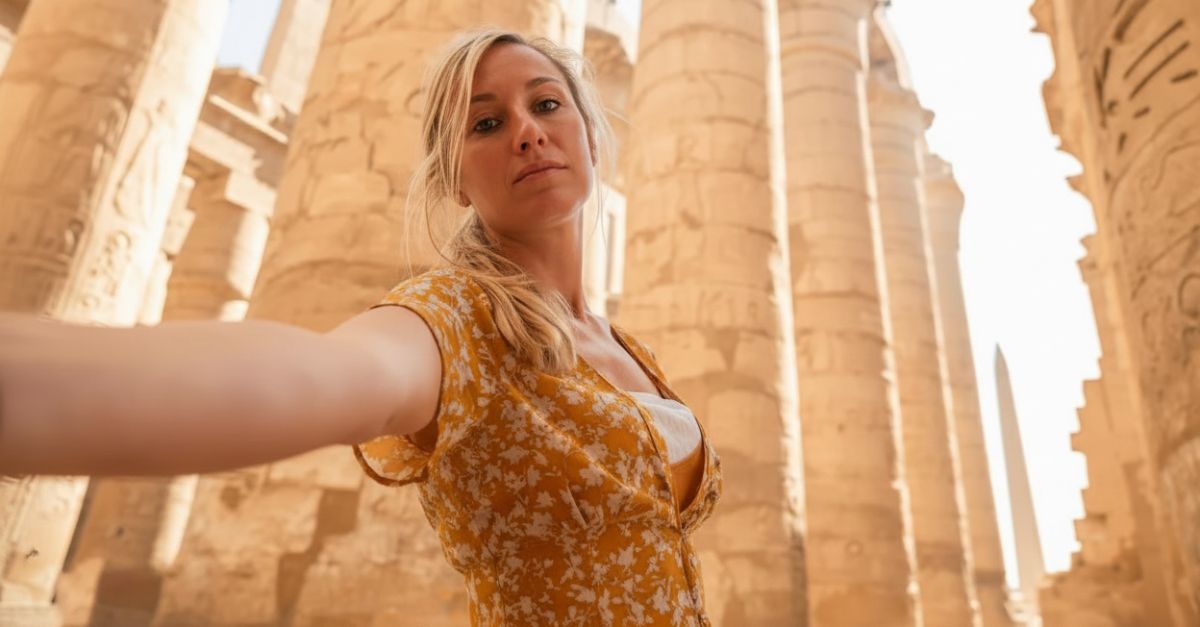
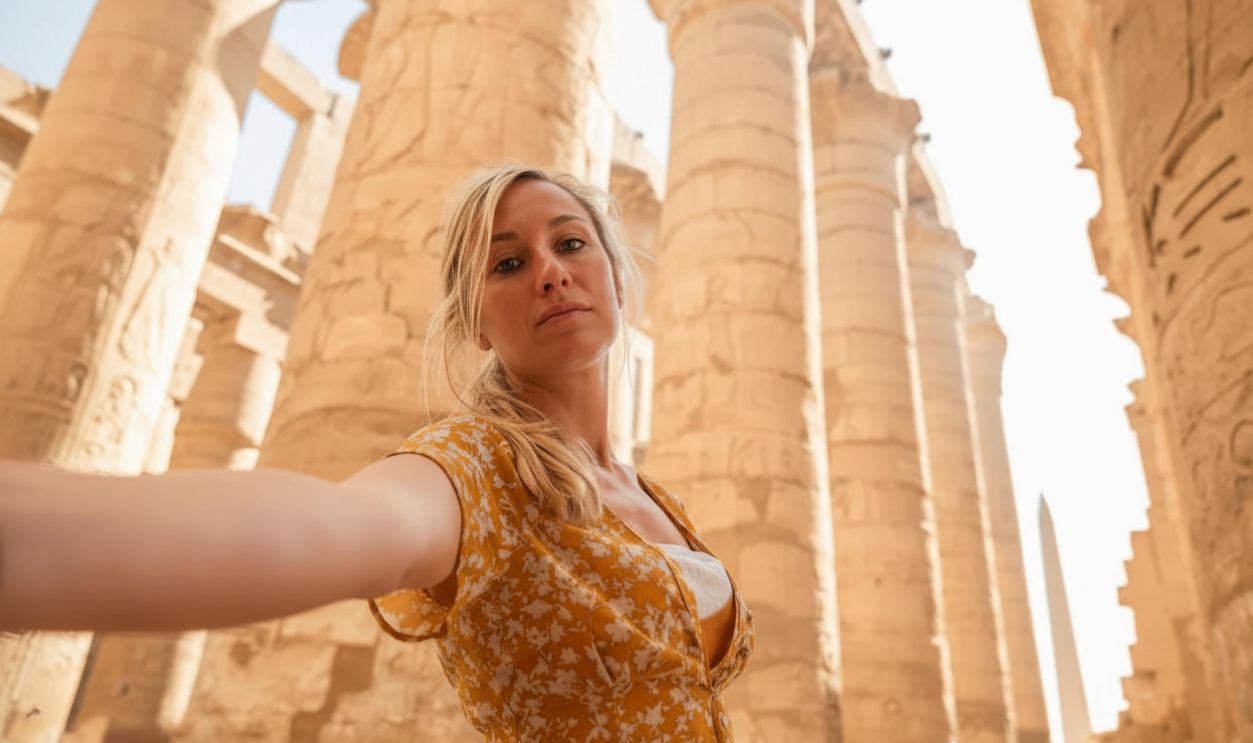
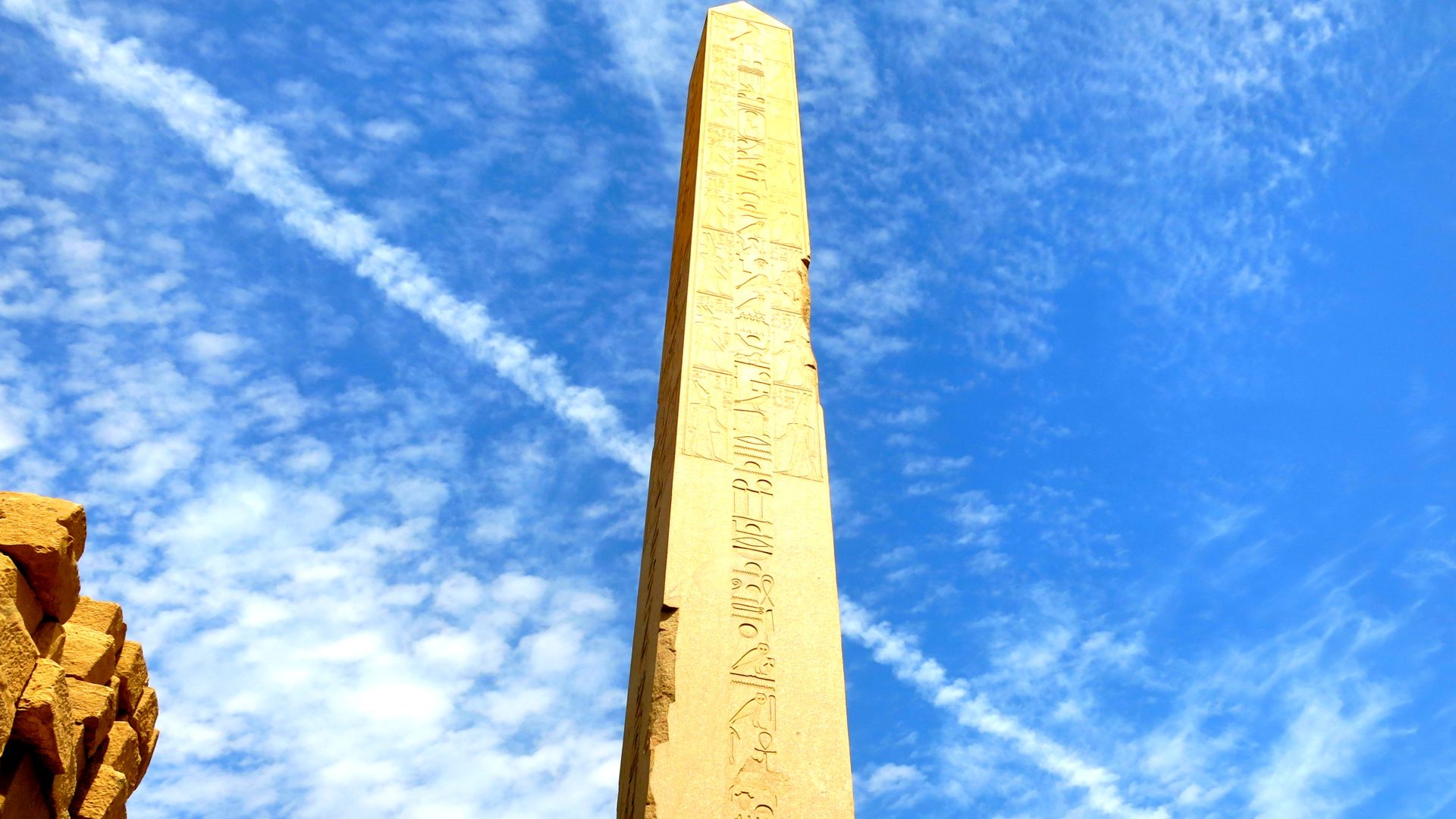
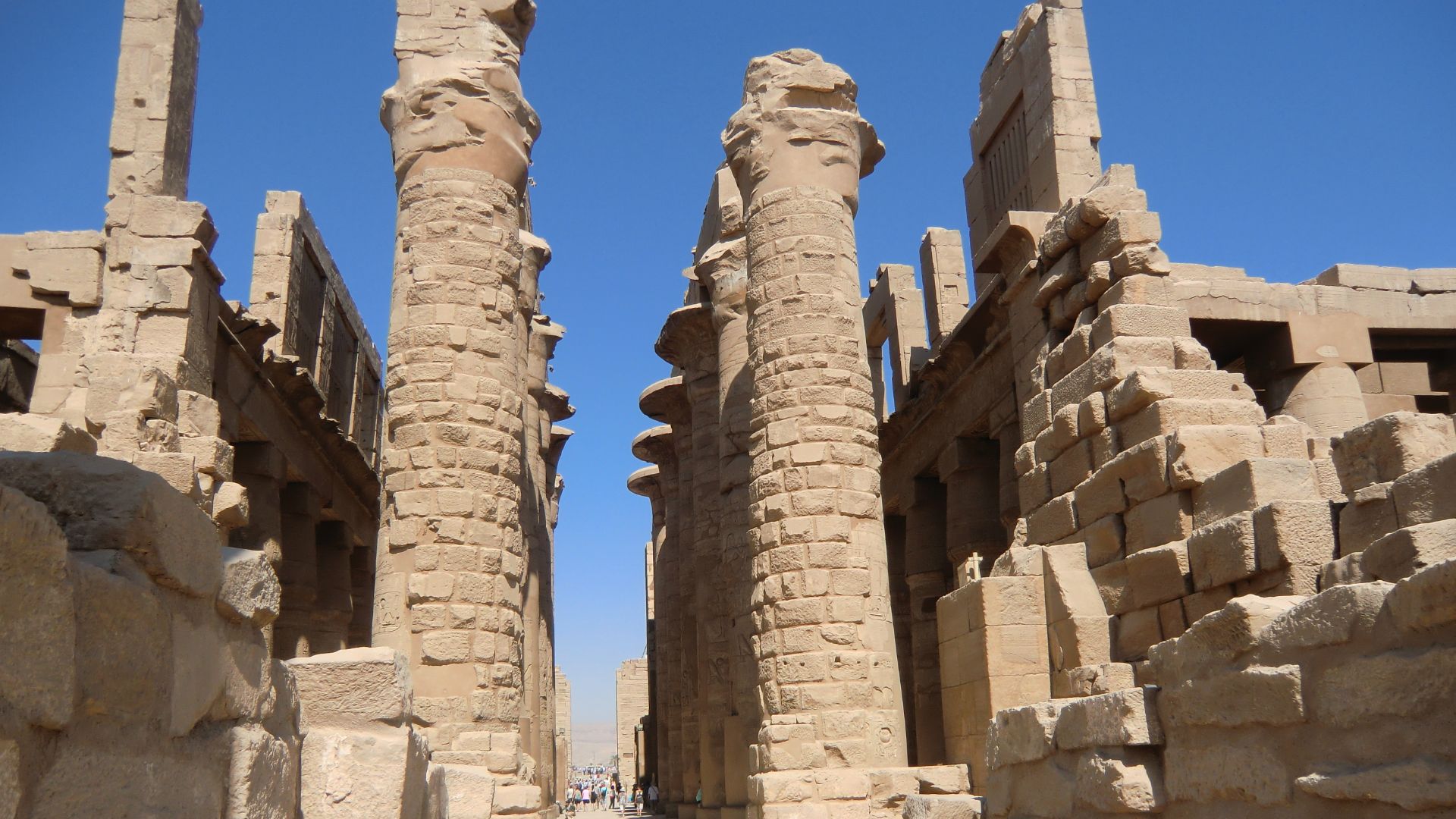
Hatshepsut erected towering obelisks of which one still stands as Earth's second-tallest ancient obelisk. Thutmose III added massive halls inscribing his military conquests. Then came the showstopper: Seti I and Ramses II created the Great Hypostyle Hall with 134 colossal sandstone columns, the central twelve soaring 79 feet high.
Theban Triad
The divine family at Karnak's heart consisted of Amun, the patriarch called "The Hidden One," his wife Mut wearing the double crown symbolizing universal dominion, and their son Khonsu, the moon god who marked time's passage. This triad mirrored Egyptian family structures, making these cosmic beings relatable to everyday worshippers.

Amun Supremacy
Amun started as an obscure local deity before the Middle Kingdom. Priests cleverly merged him with the ancient sun god Re, creating Amun-Re. By the New Kingdom, his priesthood wielded such enormous wealth that it rivaled that of the pharaohs.
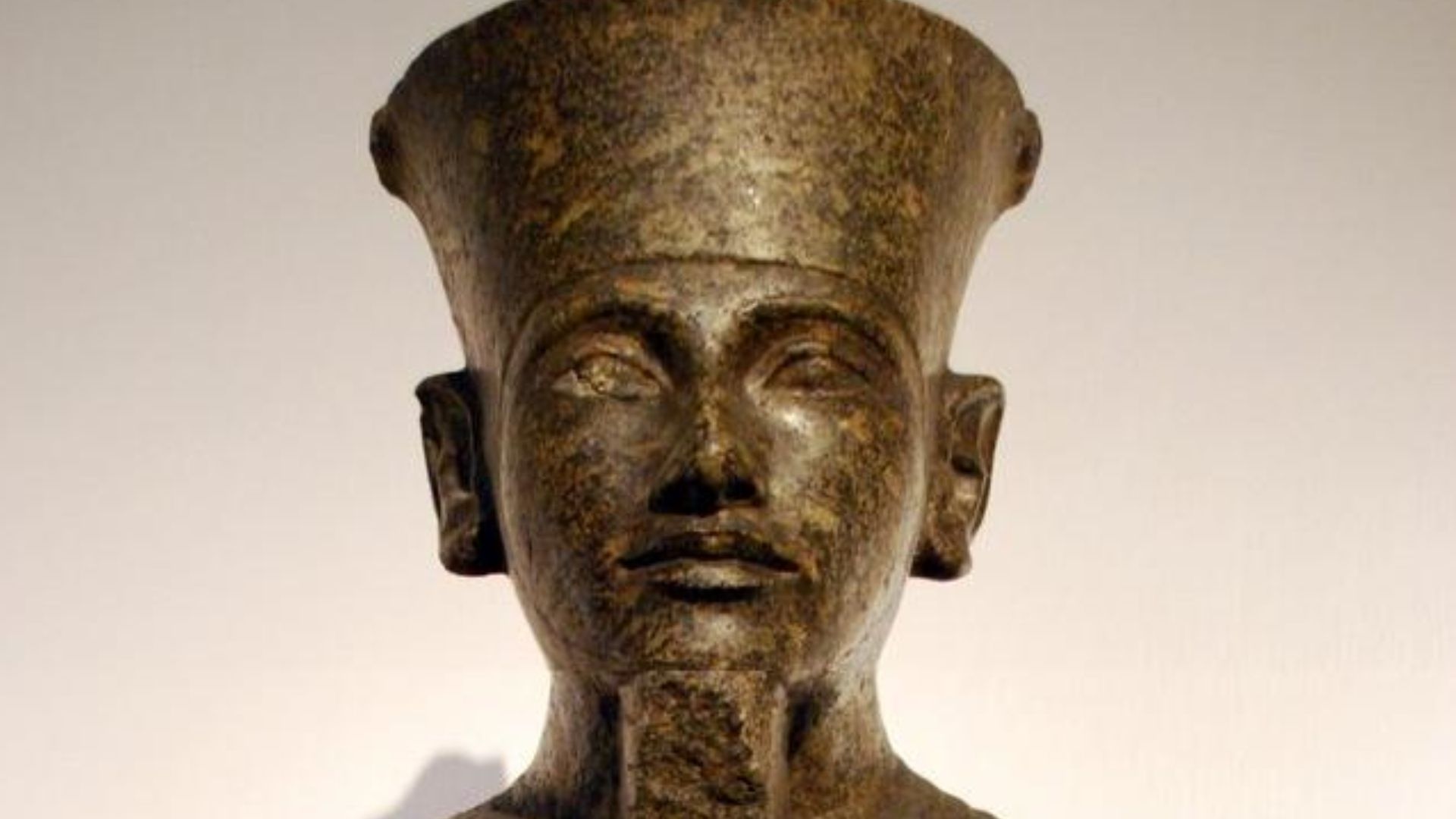 Anonymous (Egypt)Unknown author, Wikimedia Commons
Mut's Role
About Mut, she wasn't your typical gentle mother goddess. She packed serious protective power, often depicted with a lioness head. She absorbed warrior goddesses Sekhmet and Bast as Thebes gained prominence. Mut’s temple featured hundreds of lioness-headed statues.
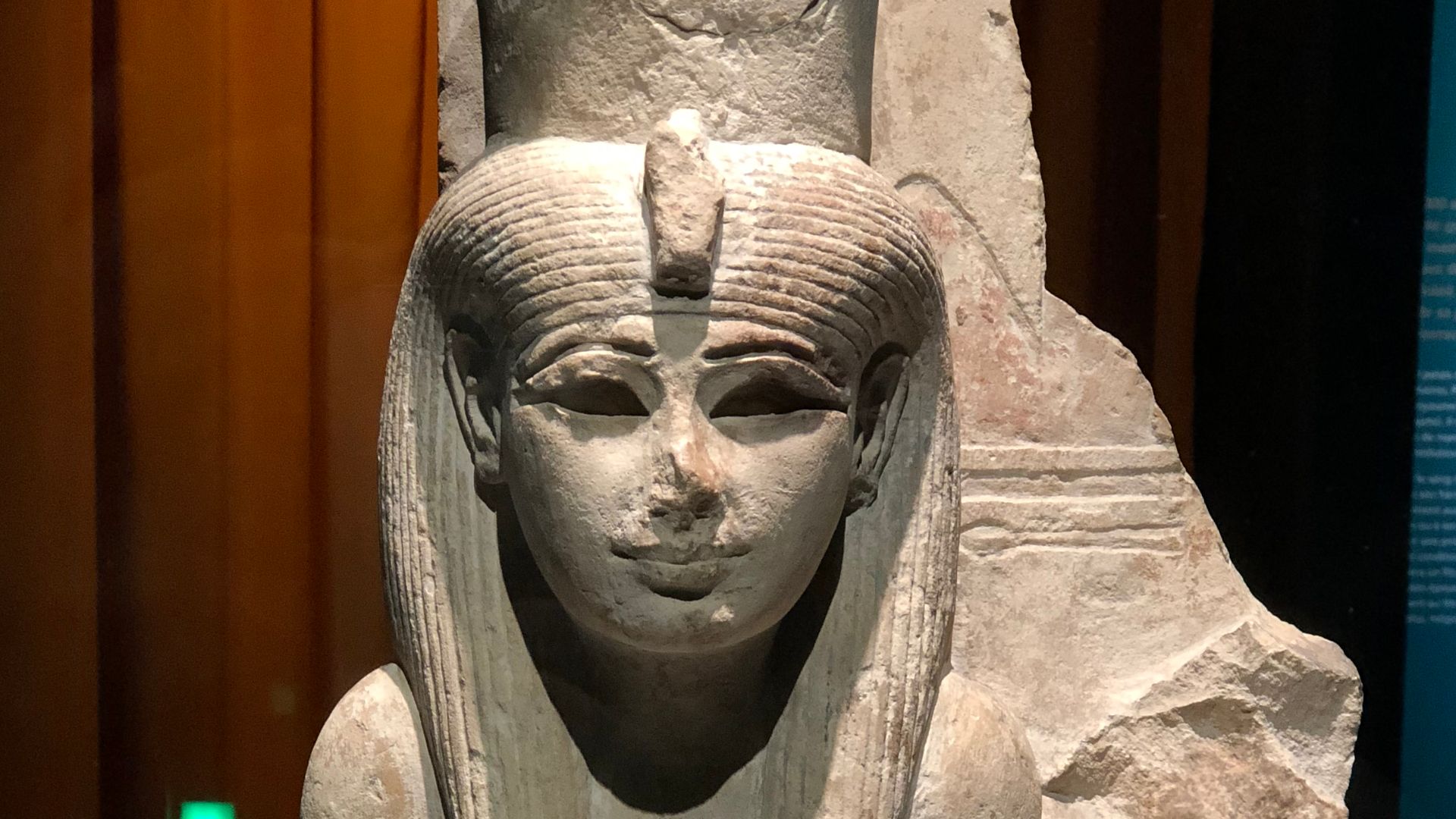 Maksim Sokolov (maxergon.com), Wikimedia Commons
Khonsu Moon
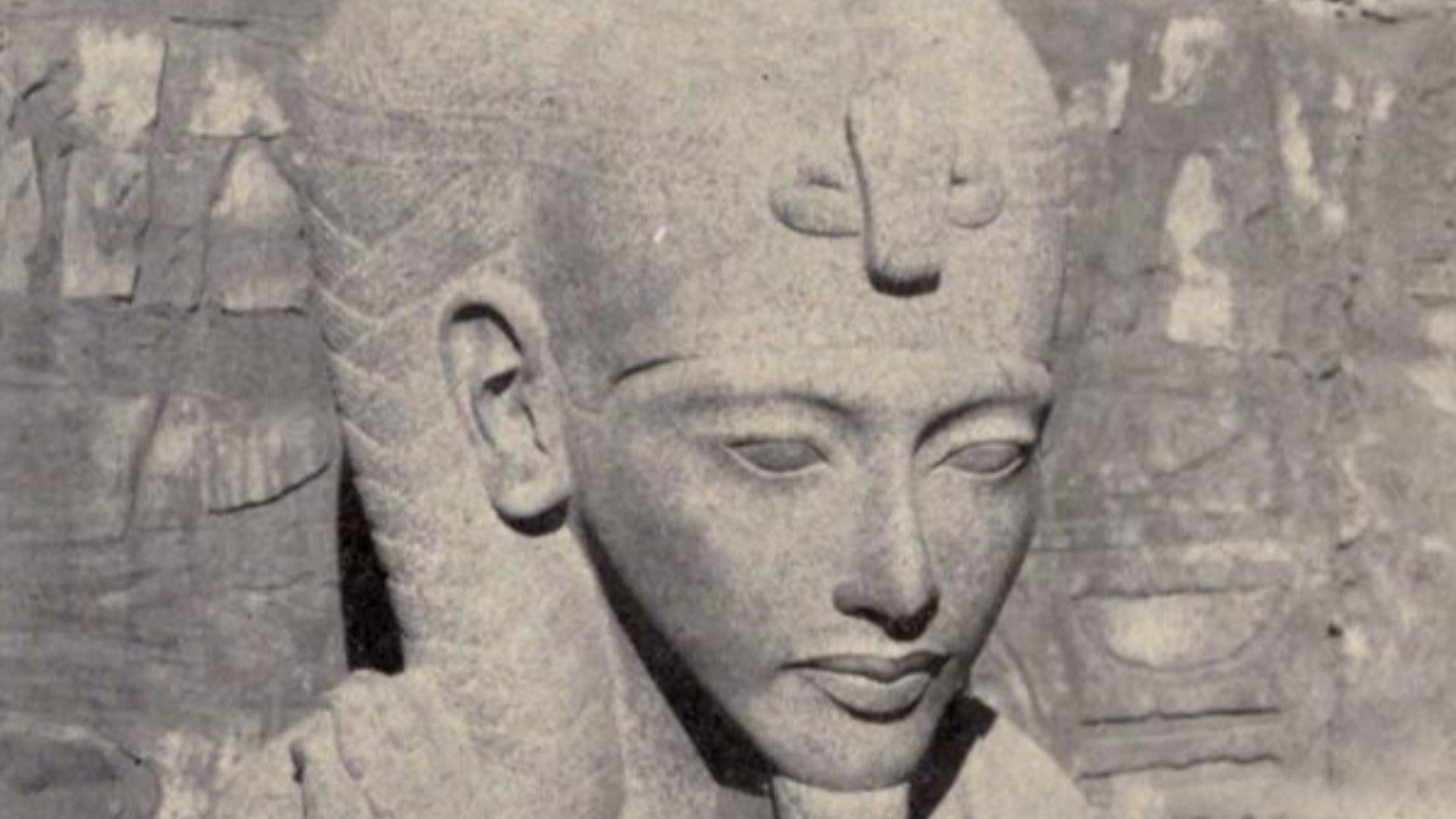
Khonsu appeared as an eternally youthful figure with a childhood sidelock, crowned by crescent and full moon disks. Egyptians believed he possessed powerful healing abilities and could drive away evil spirits. Ramesses III built his temple at Karnak.
 Arthur Weigall (1880 - 1934), Wikimedia Commons
26th Dynasty
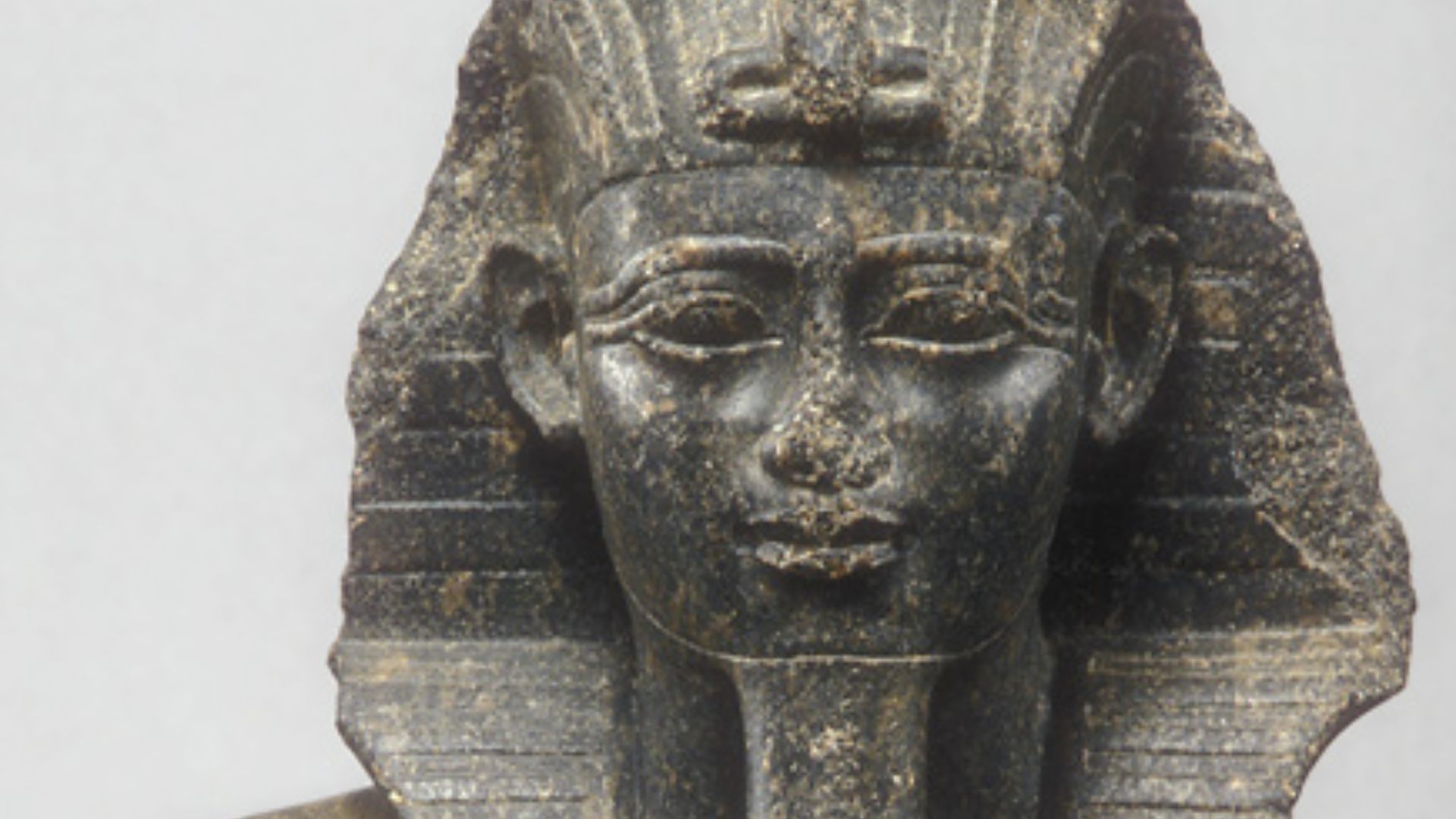
In 664 BCE, Psamtik I reunified Egypt after Nubian rule and Assyrian invasions, declaring independence and launching the 26th Dynasty. This Saite Period would be Egypt's last native rule before the Persian conquest. Six pharaohs ruled for 139 years.
Saite Revival
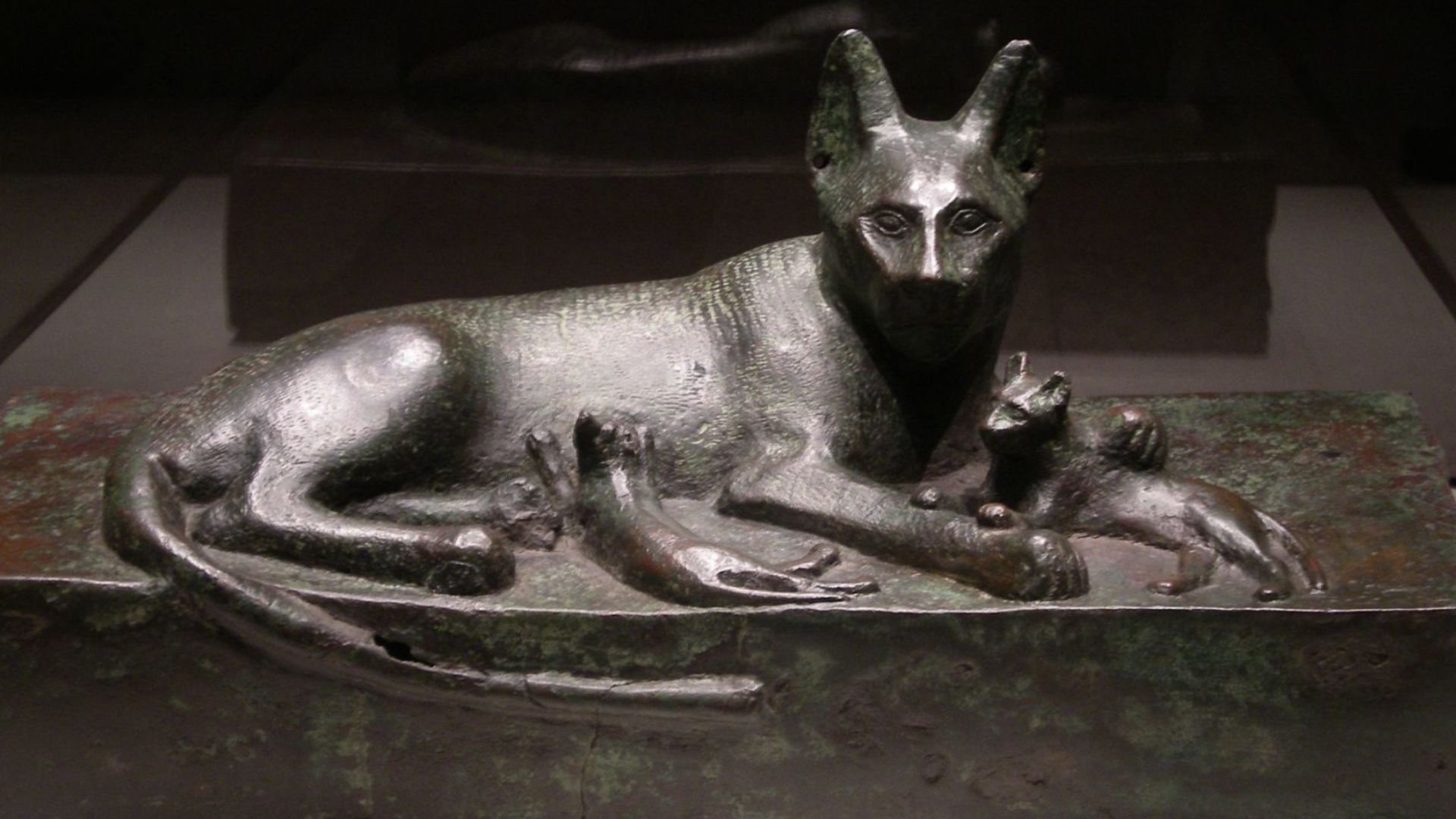
Saite artisans meticulously studied thousand-year-old monuments, copying Old Kingdom sculpture styles with such precision that modern archaeologists sometimes struggle to distinguish Saite works from ancient models. This wasn't mere imitation as craftsmen added contemporary refinements.
 https://www.flickr.com/photos/shadowgate/, Wikimedia Commons
Political Context
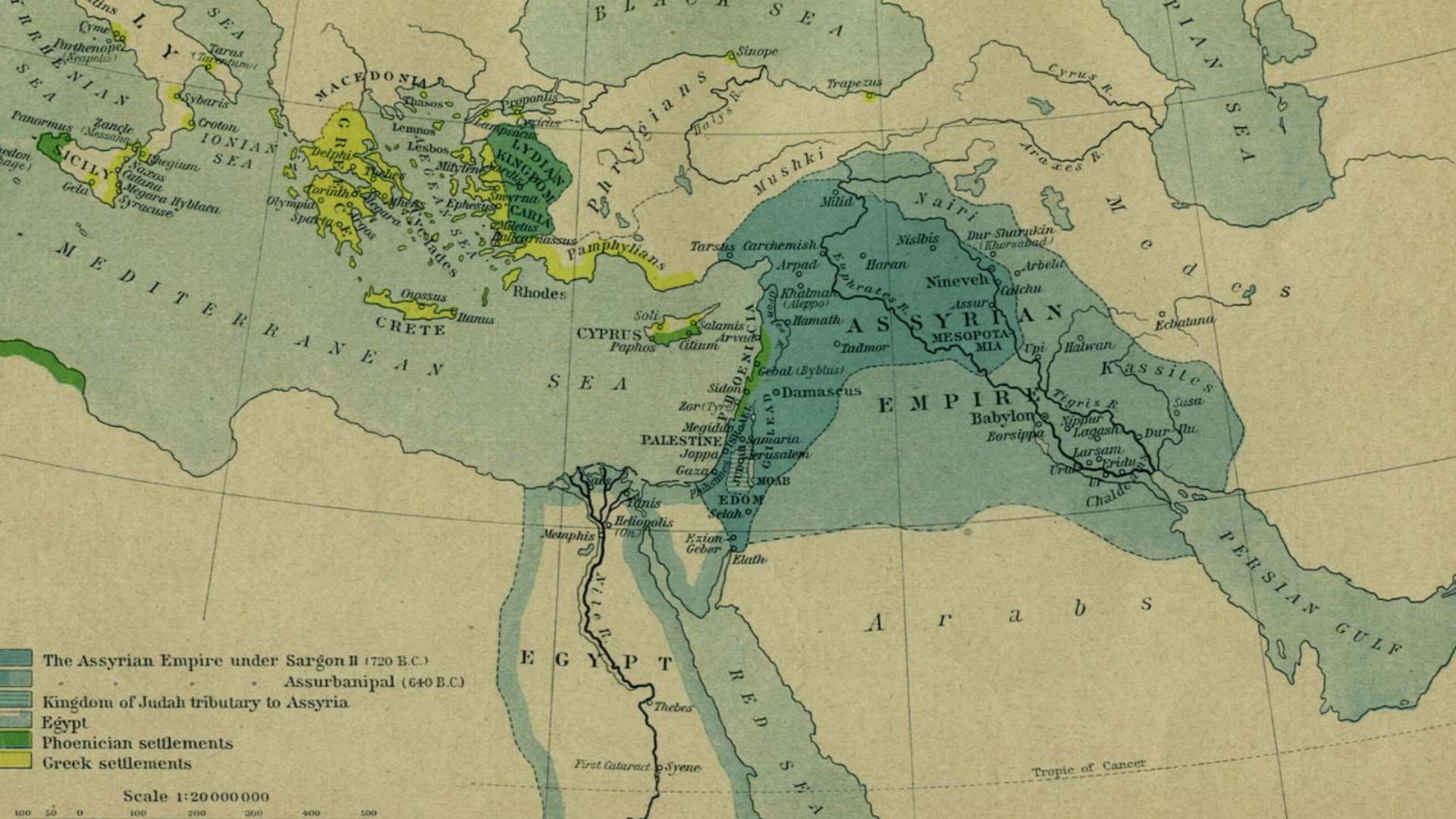
Assyria collapsed in 612 BCE, creating a power vacuum that Babylonia and Persia rushed to fill. Egypt relied heavily on foreign mercenaries—Carians, Phoenicians, and Greeks—who received Delta land grants. The Saite kings attempted Palestinian and Nubian campaigns but mostly focused on defensive diplomacy.
 William Robert Shepherd, Wikimedia Commons
Persian Threat
Ultimately, Cyrus the Great conquered Babylonia in 539 BCE, Egypt's ally against expansion. Pharaoh Amasis II frantically sought Greek alliances. In 525 BCE, Cambyses invaded, crushing Psamtik III at Pelusium. Persians captured the pharaoh, dragged him in chains to Susa, and executed him, ending native Egyptian rule after three millennia.

February Discovery
In February 2025, the Egyptian-French Centre for the Study of Karnak Temples, collaborating with Egypt's Supreme Council of Antiquities and France's National Centre for Scientific Research, unearthed an intriguing treasure. The discovery electrified the archaeological world, offering unprecedented insights into Late Period craftsmanship.
 Rene Hourdry, Wikimedia Commons
Archaeological Team
Dr Abdel-Ghaffar Wagdy, Director General of Luxor Antiquities, led the Egyptian contingent while Dr Jeremy Hourdin directed the French side. This international partnership mirrors modern archaeological best practices, combining Egyptian expertise in local history with French technical specialization.
Northwestern Excavation
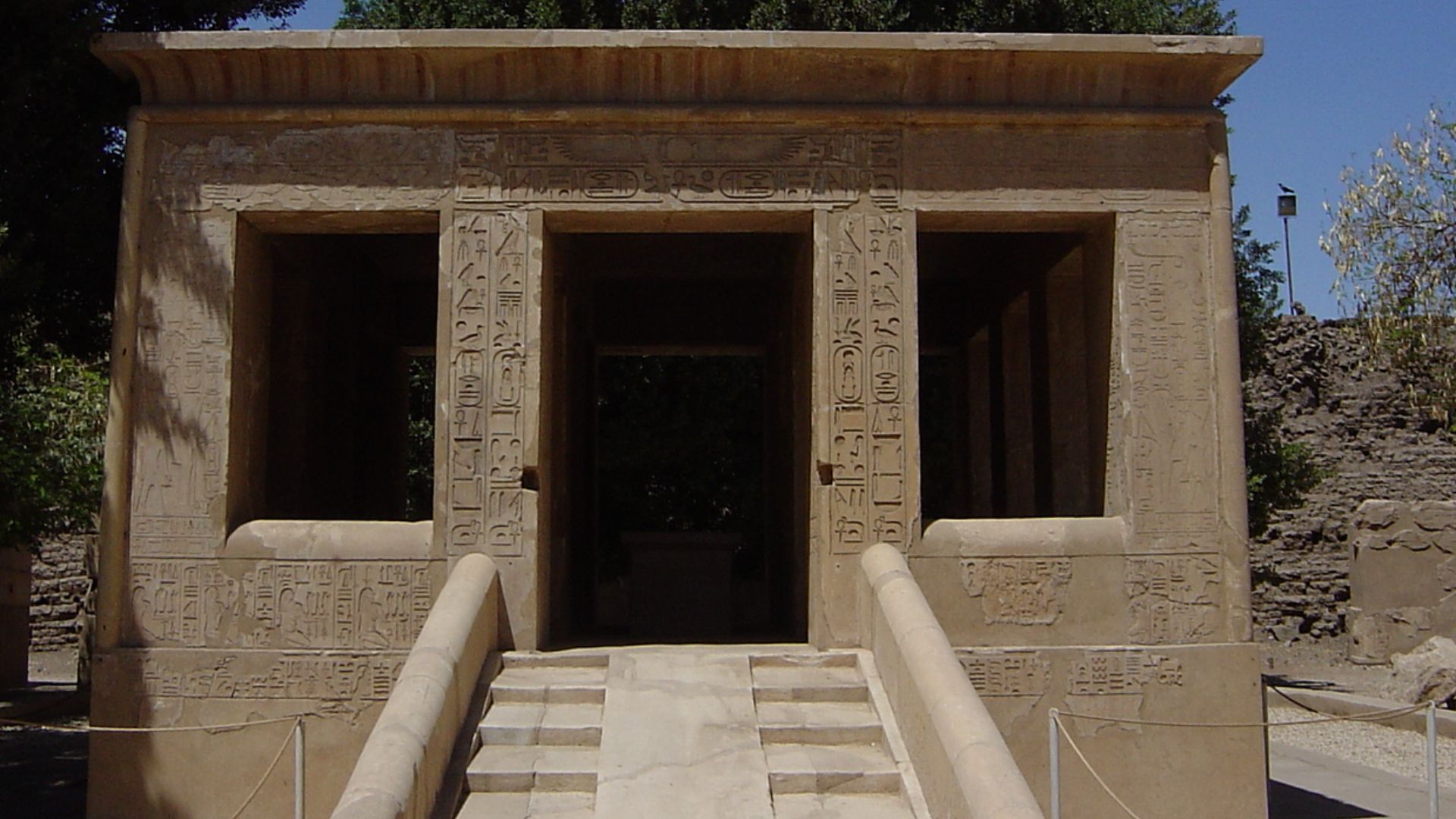
The team focused on Karnak's northwestern sector, an area suspected of housing administrative and storage facilities rather than ceremonial spaces. This location proved significant. It suggested the items were part of temple treasury or workshop operations, not funerary goods. Previous excavations here had revealed economic activity.
 Markh at English Wikipedia, Wikimedia Commons
Pottery Container
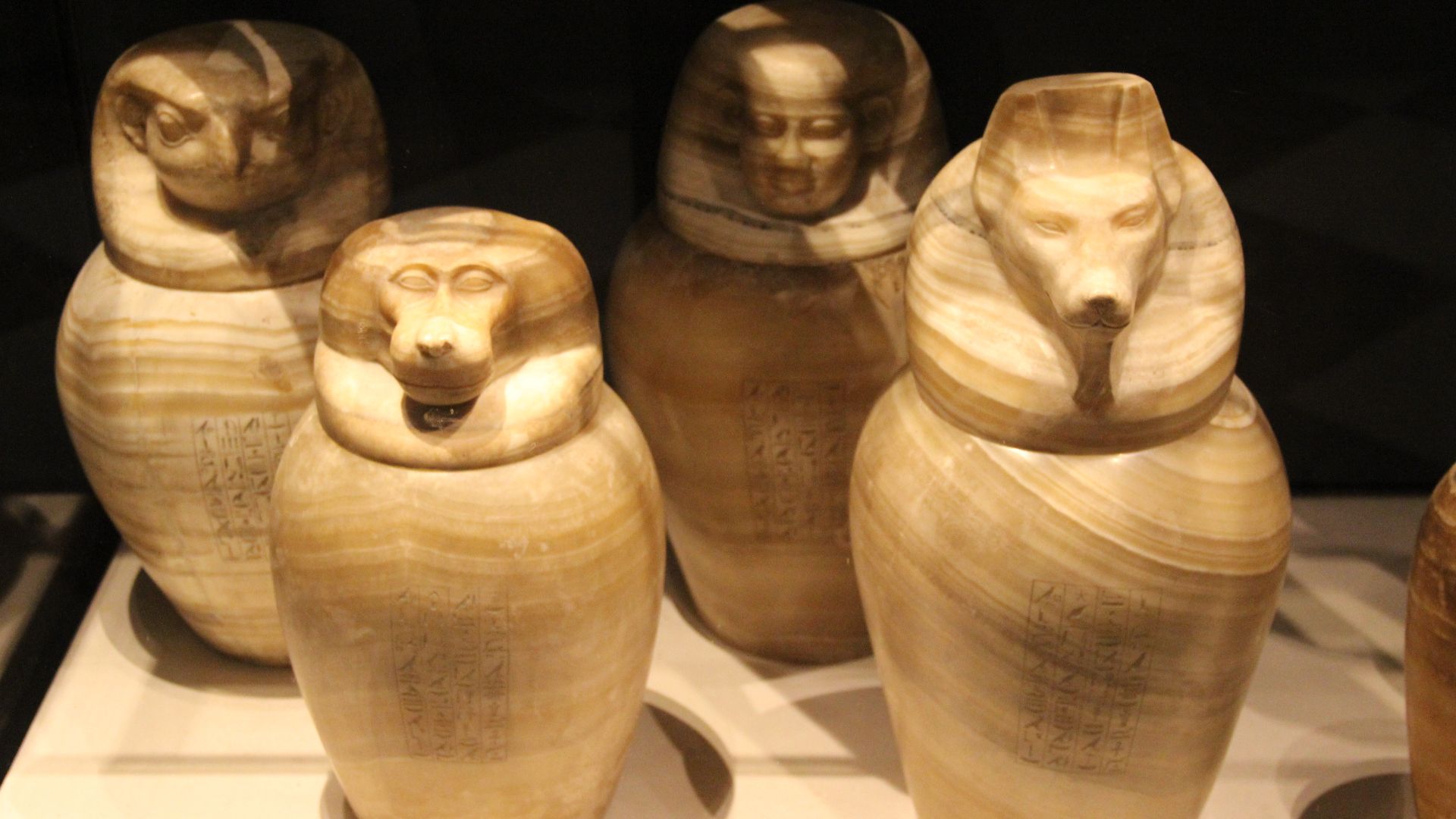
Archaeologists spotted the treasure inside a small, partially broken ceramic vessel that had somehow survived intact for 2,500 years. Despite damage, this pottery container protected its precious contents from elements and looters throughout the millennia. The vessel itself provides valuable information about 26th Dynasty ceramic production techniques.
 Gary Todd from Xinzheng, China, Wikimedia Commons
Gold Artifacts
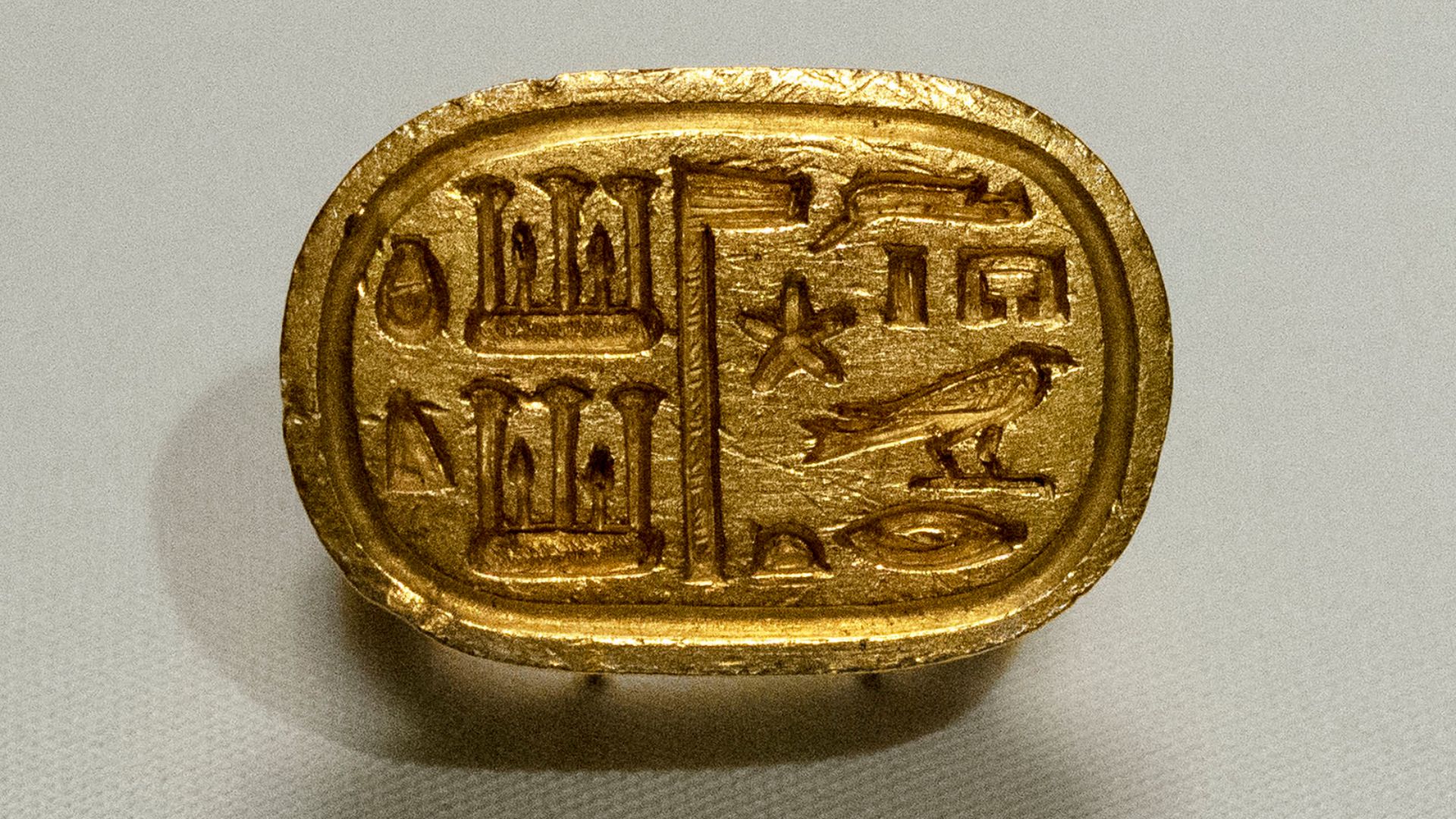
The cache contained multiple gold rings, intricately crafted deity amulets, a metallic brooch, and numerous beads—some gold-plated. The collection's quality demonstrates Late Period artisans' extraordinary skill. Gold represented the eternal divine flesh of gods, particularly the sun god Ra, making these pieces spiritually powerful beyond their material value.
 Angel M. Felicísimo from Merida, Espana, Wikimedia Commons
Divine Statuette
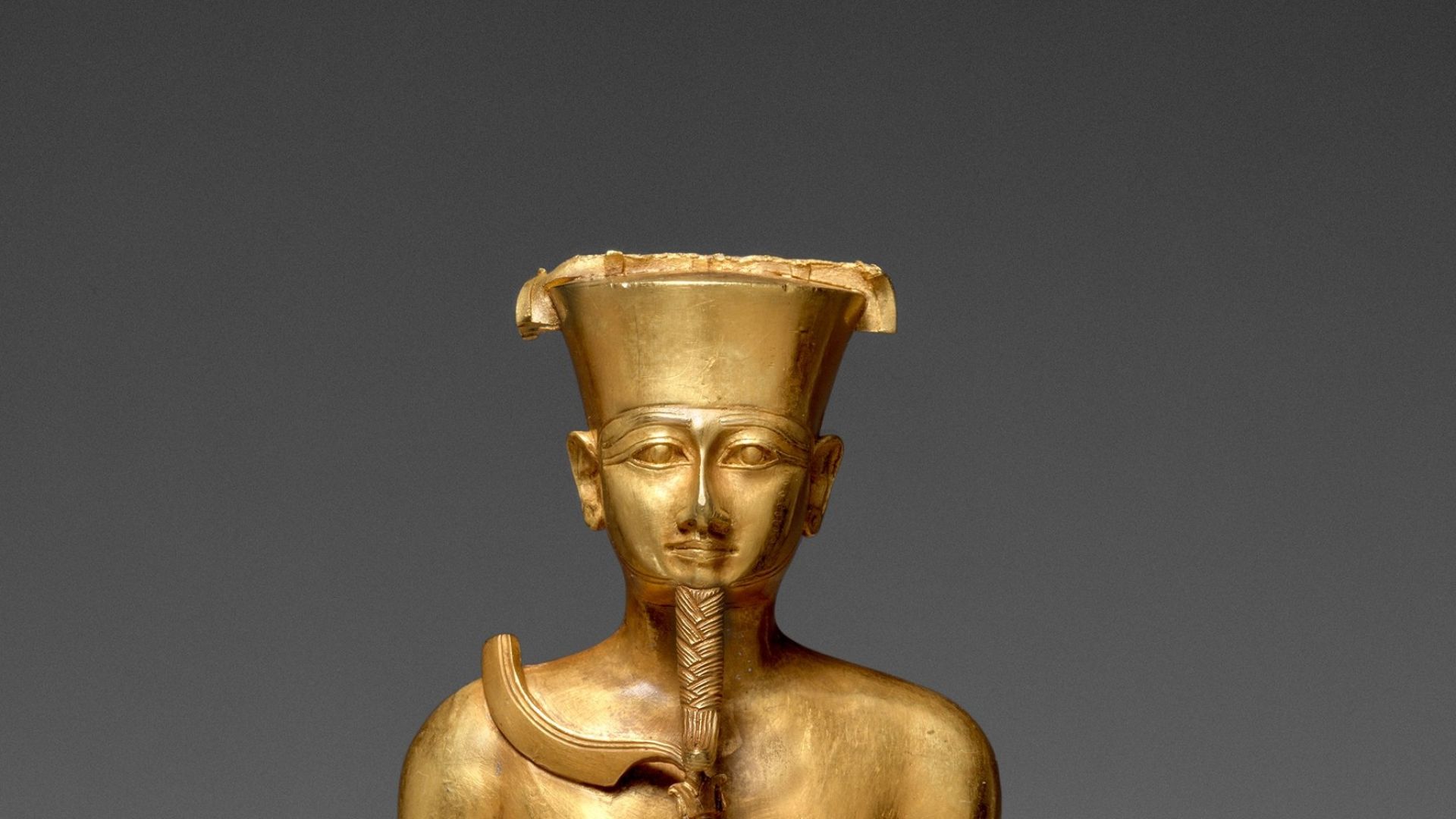
The golden statuette depicting Amun, Mut, and Khonsu standing together represents the discovery's crown jewel. This intricately designed amulet shows all three deities in full regalia despite its miniature scale. Complete triad representations in jewelry form are relatively rare.
Ring Collection
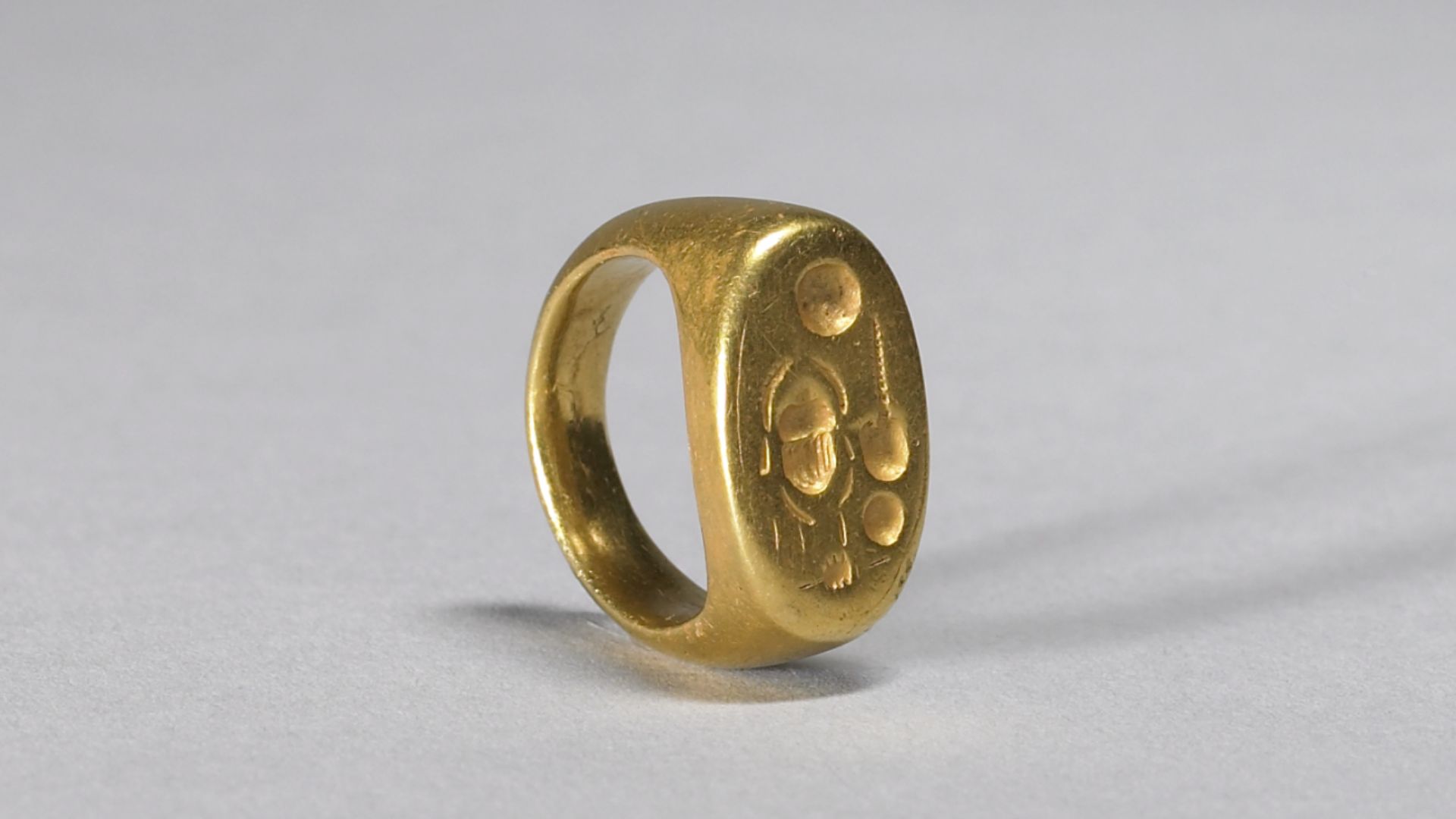
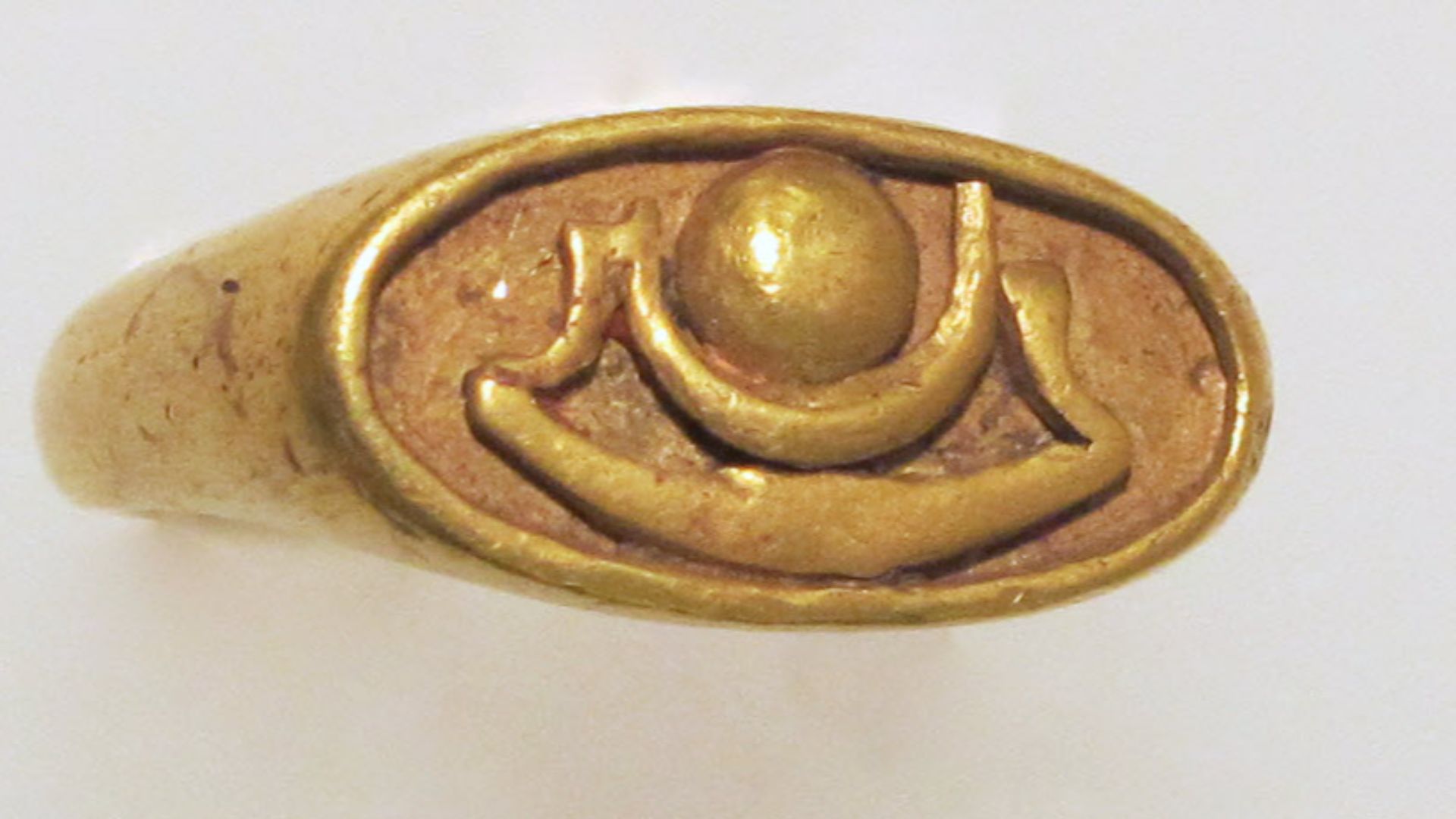
Multiple gold rings discovered in the vessel showcase various designs and crafting techniques from the Saite Period. Ancient Egyptians wore rings as symbols of eternity, the circular form representing endless cycles without beginning or end. Some rings likely bore cartouches or divine symbols.
 Anonymous (Egypt)Unknown author, Wikimedia Commons
Amulet Significance
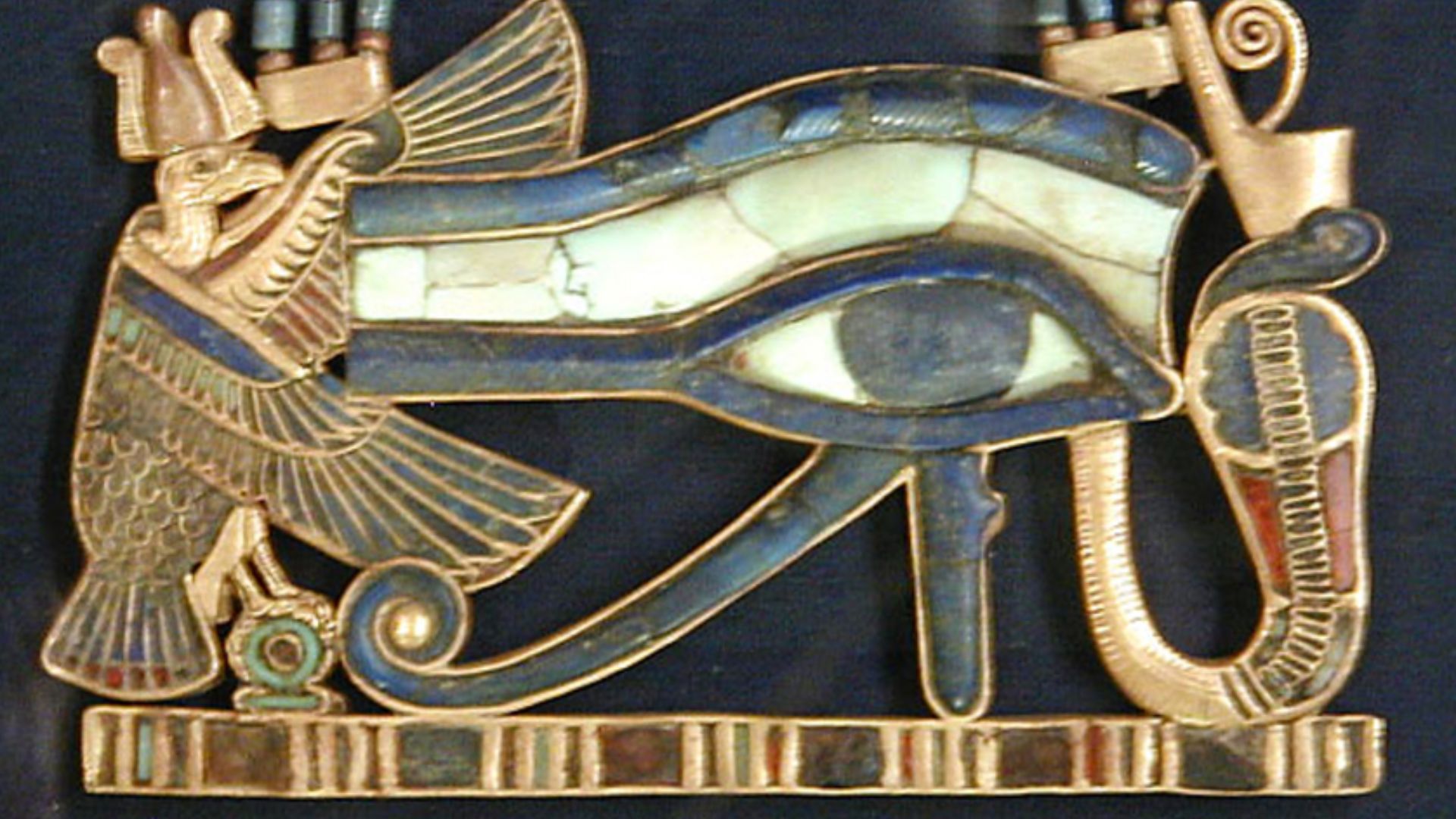
The collection includes wadjet eye-shaped amulets, which ancient Egyptians believed possessed healing power and symbolized rebirth. Each amulet served specific protective functions. Some guarded against disease, others ensured safe childbirth, while certain pieces protected travelers.
 Jon Bodsworth, Wikimedia Commons
Craftsmanship Techniques
Saite artisans employed sophisticated methods, including granulation—creating patterns with tiny gold spheres—and cloisonne, using gold partitions to create cells for inlaid materials. They hammered raw gold into sheets, cast intricate forms, and employed inlay techniques combining precious stones with metalwork.
Symbolic Materials
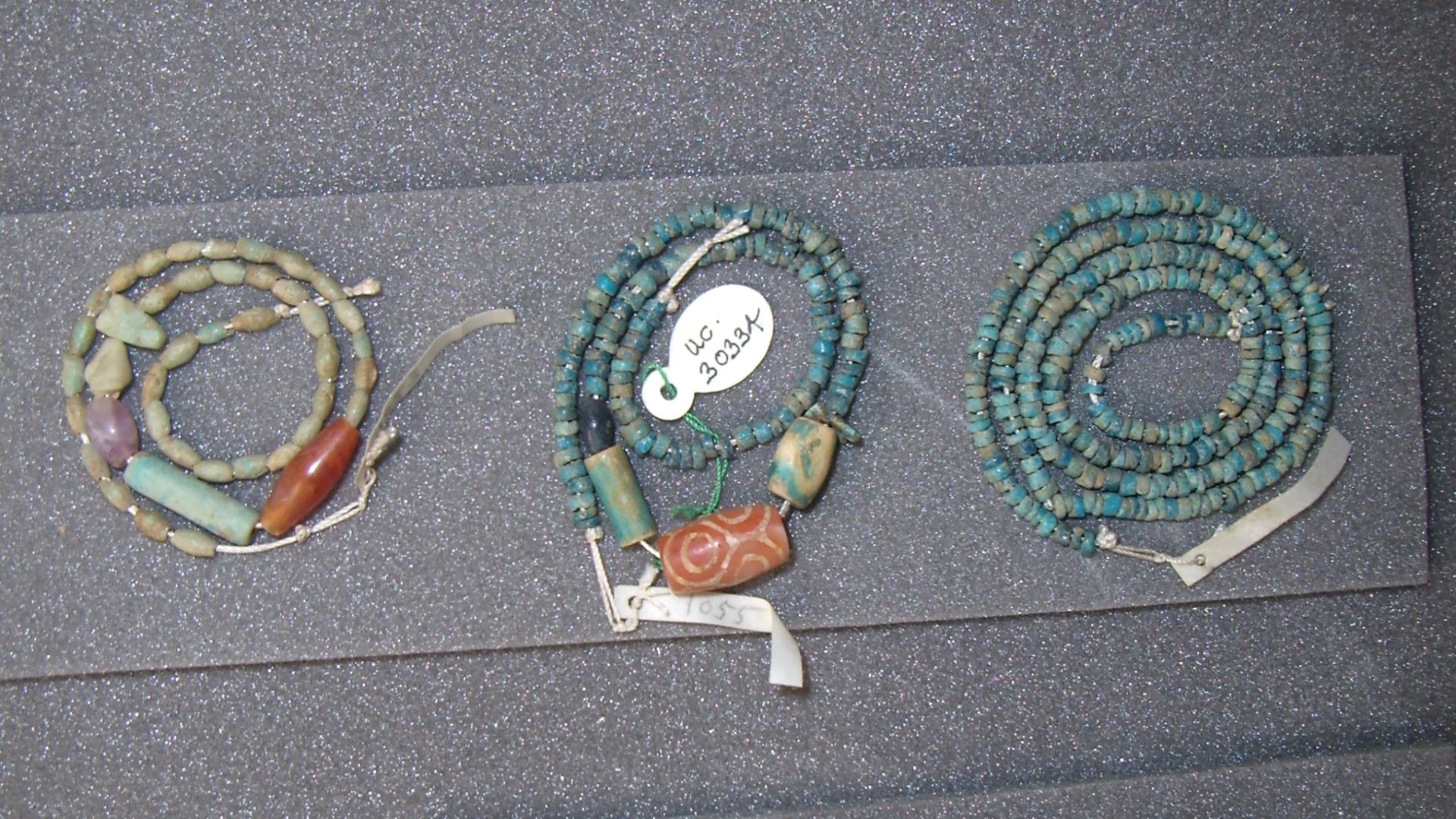
Beyond gold's divine associations, artisans selected each material for specific symbolic meanings. Turquoise connected to fertility and rebirth; carnelian symbolized life force and vitality; lapis lazuli evoked the night sky's cosmic order. Colors mattered immensely as green represented resurrection, red signified chaos overcome, and blue mirrored the life-giving Nile.
 Hyspaosines, Wikimedia Commons
Mudbrick Structures
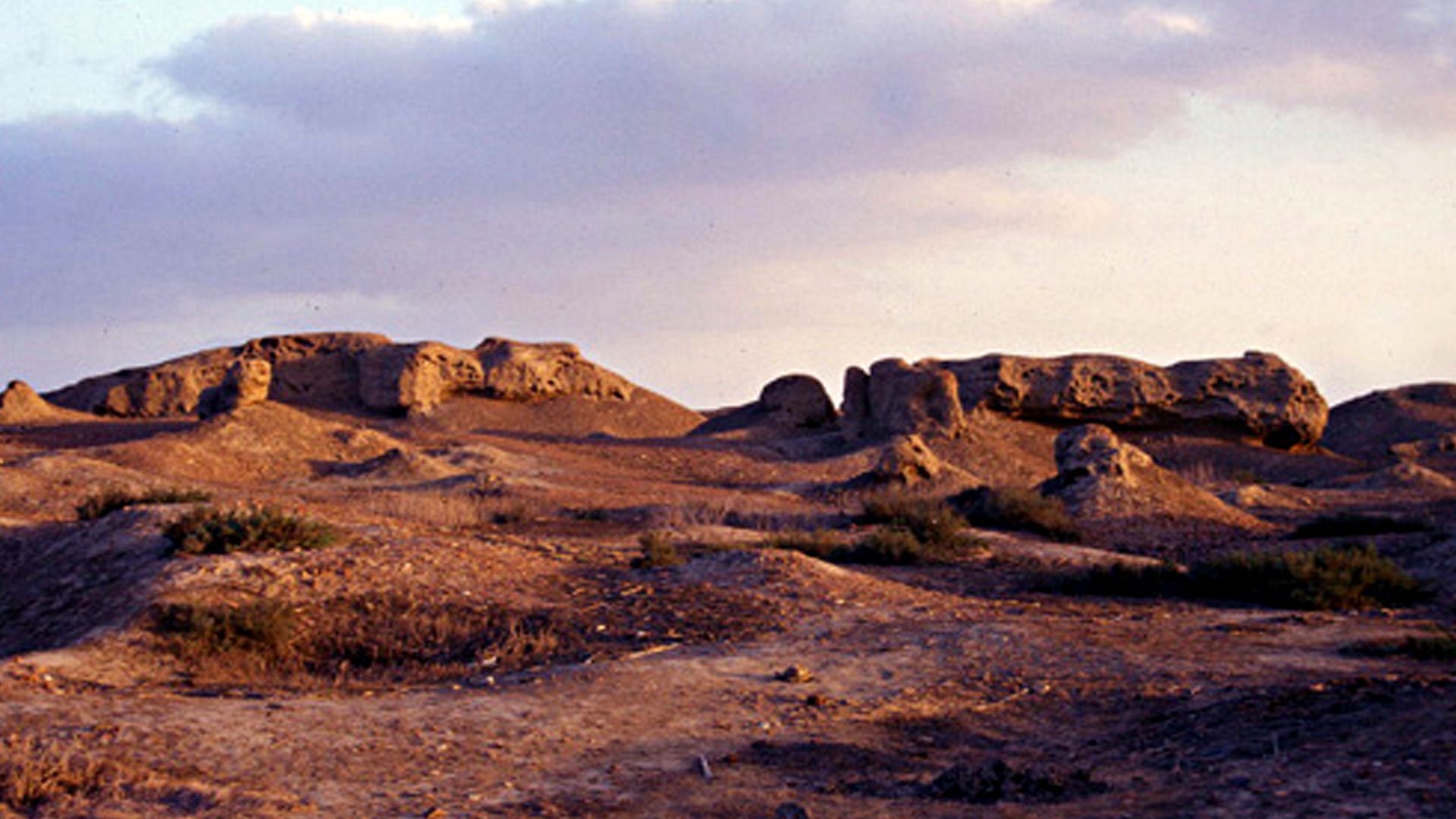
Alongside the jewelry cache, archaeologists found huge mudbrick buildings dating to the same 26th Dynasty period. These structures served as workshops or storage facilities supporting Karnak's economic operations, such as processing offerings, manufacturing ritual objects, and managing treasury items.
 Faris knight, Wikimedia Commons
Historical Importance
Mohamed Ismail Khaled, Secretary-General of Egypt's Supreme Council of Antiquities, declared this “a very important discovery providing a clearer understanding of Karnak's historical development during the first millennium BCE”. The find illuminates a critical transitional period when native rulers struggled to maintain independence against rising foreign powers.
Preservation Process
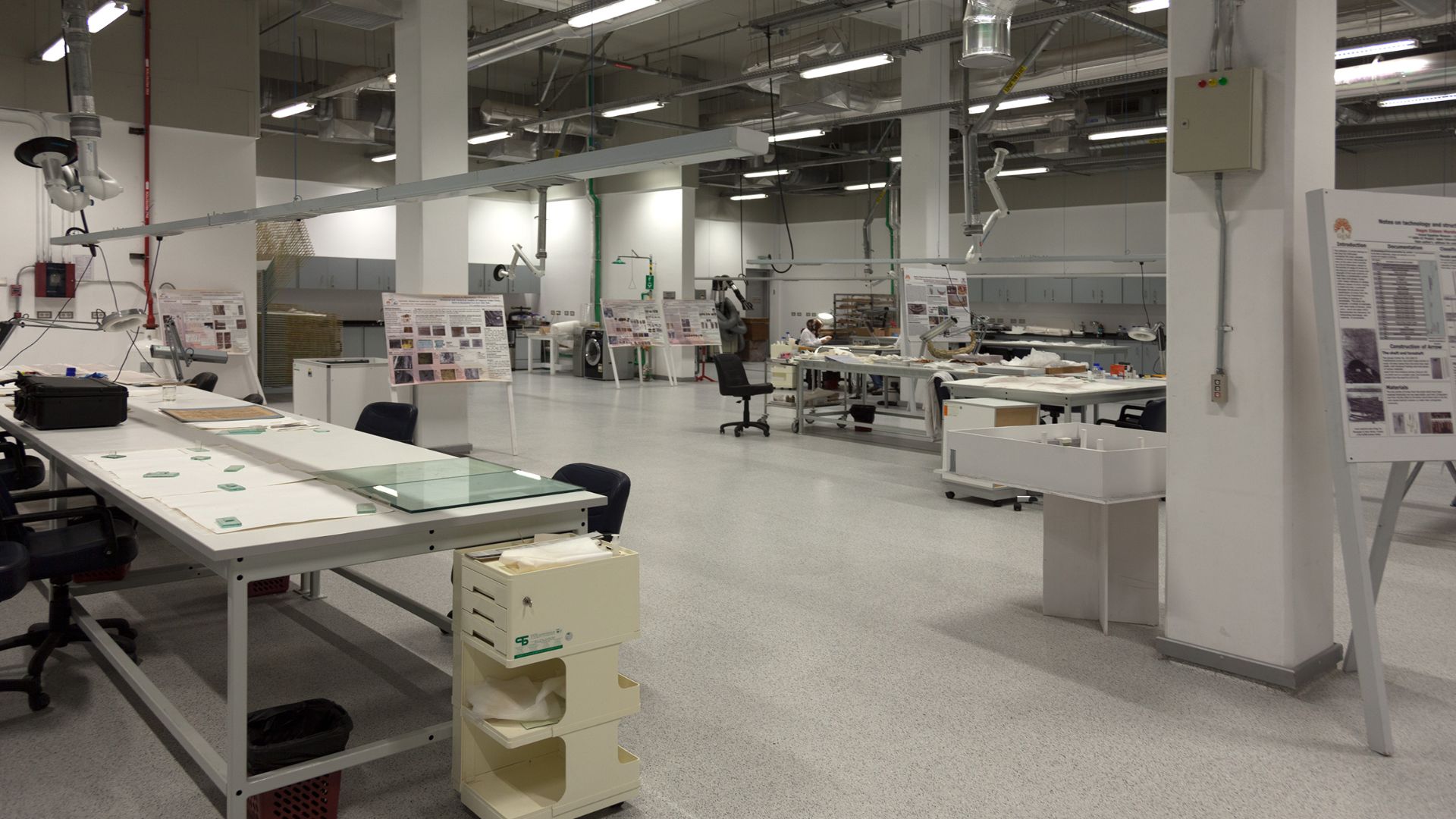
The archaeological team is meticulously restoring and documenting each artifact before public display. This delicate work involves cleaning fragile objects surviving millennia, stabilizing materials, and creating detailed records of physical characteristics, measurements, and composition. Digital documentation, including photography and 3D scanning, creates permanent research records.
 Roland Unger, Wikimedia Commons
Luxor Exhibition
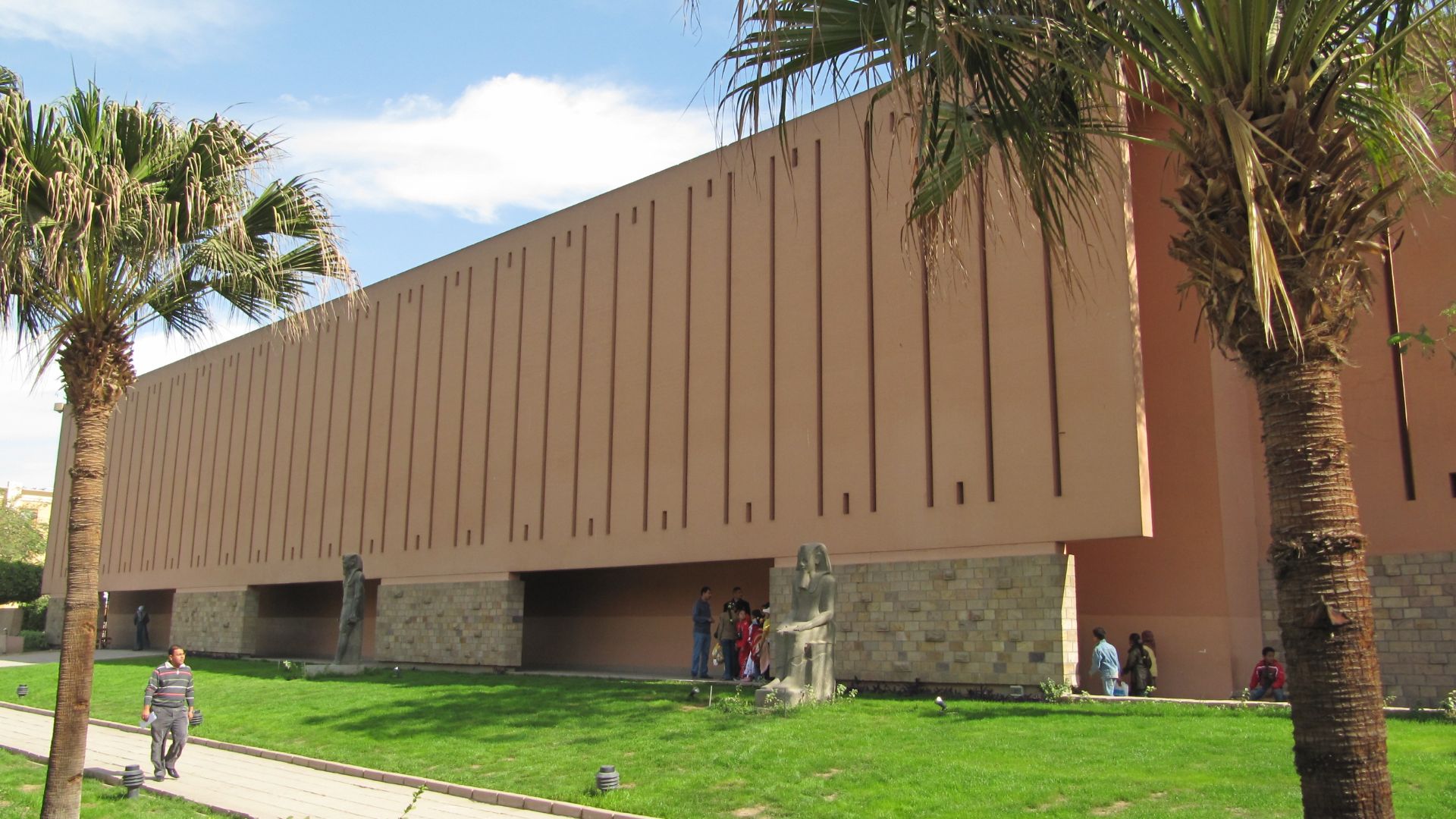
Following restoration, artifacts will be displayed at Luxor Museum, one of Egypt's premier archaeological institutions specializing in Theban region treasures. The museum emphasizes quality over quantity, presenting carefully selected pieces in well-designed exhibitions with historical context.
 Michiel1972, Wikimedia Commons