


Australia’s Natural Wonder
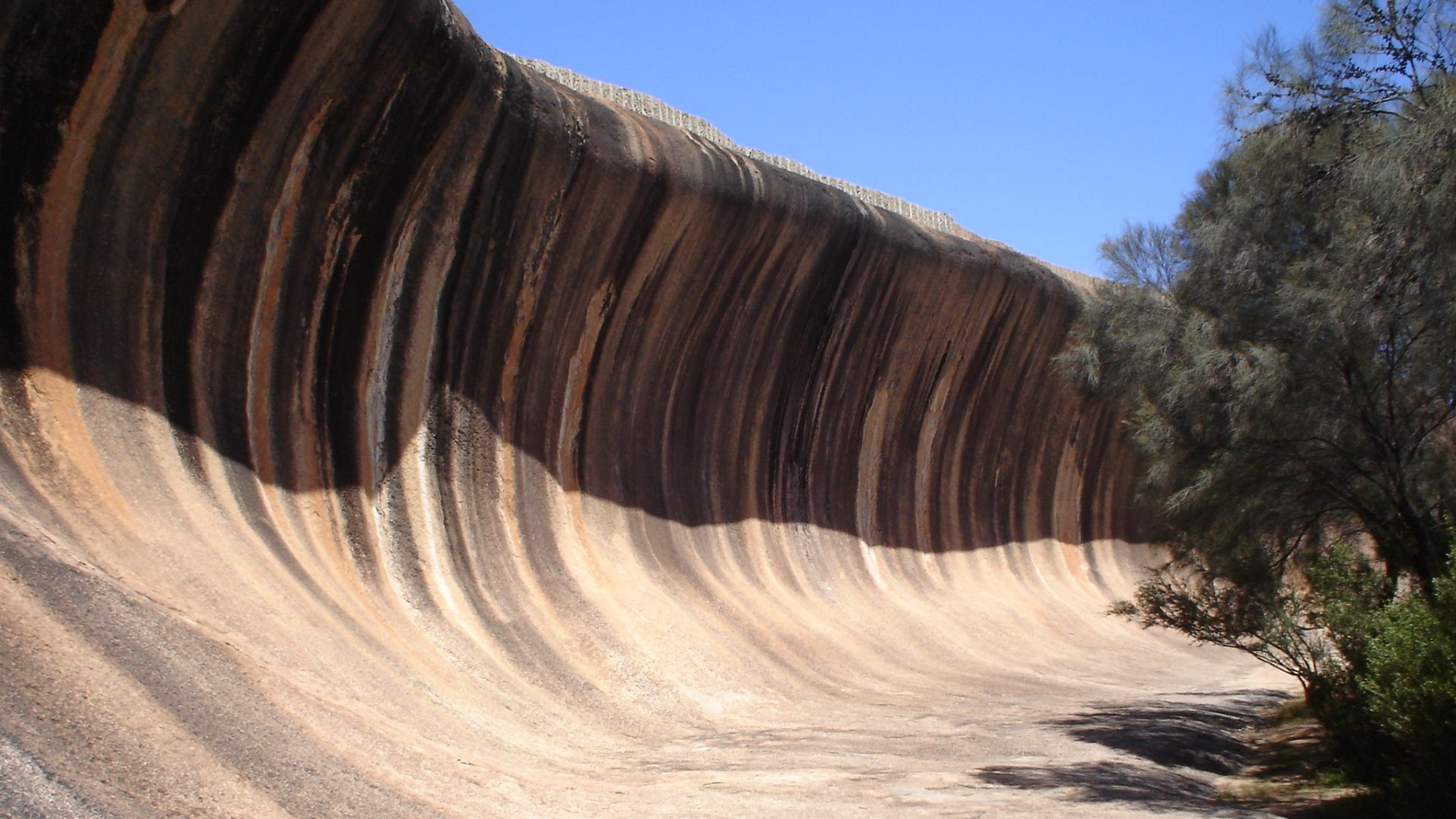
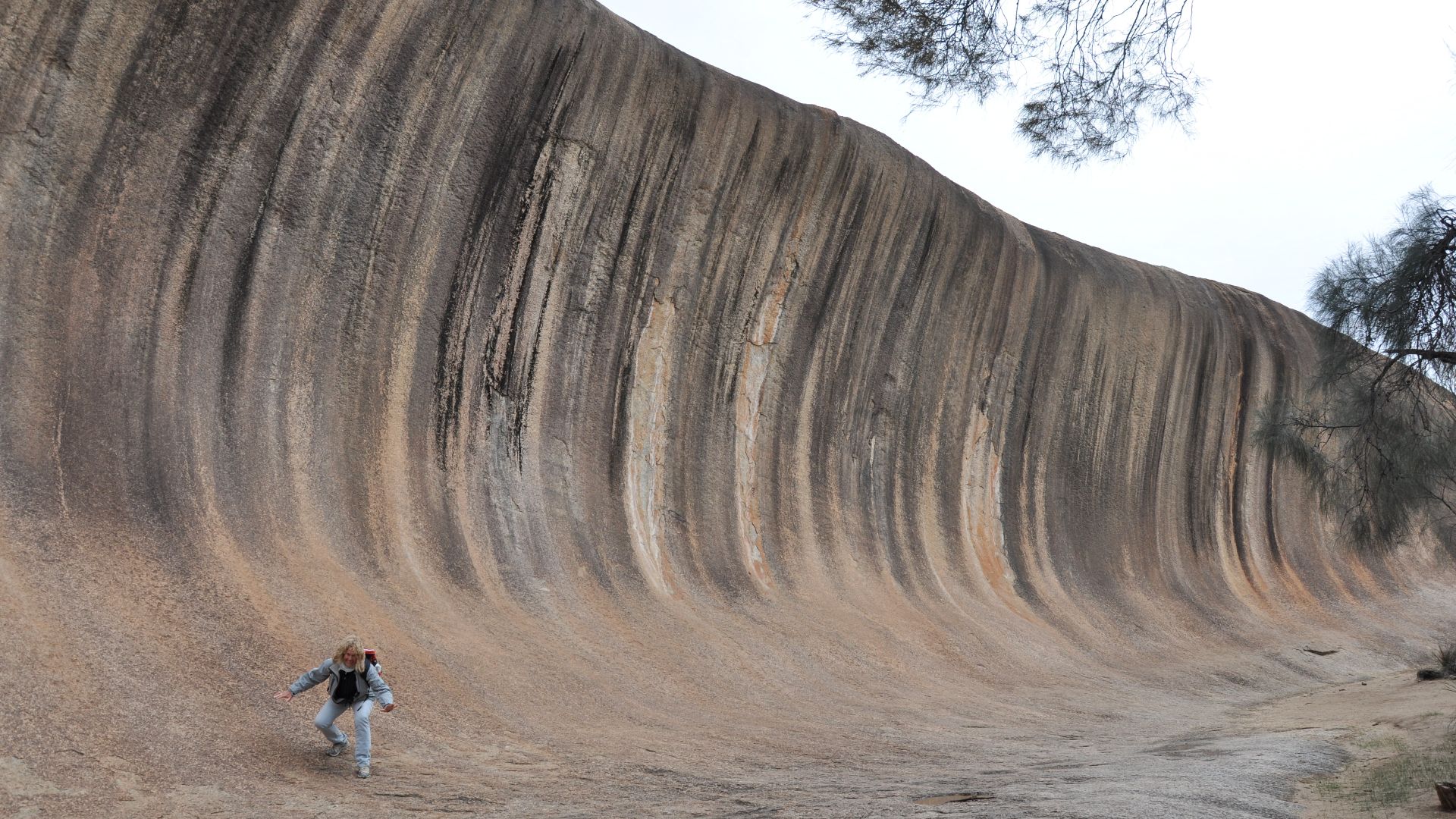
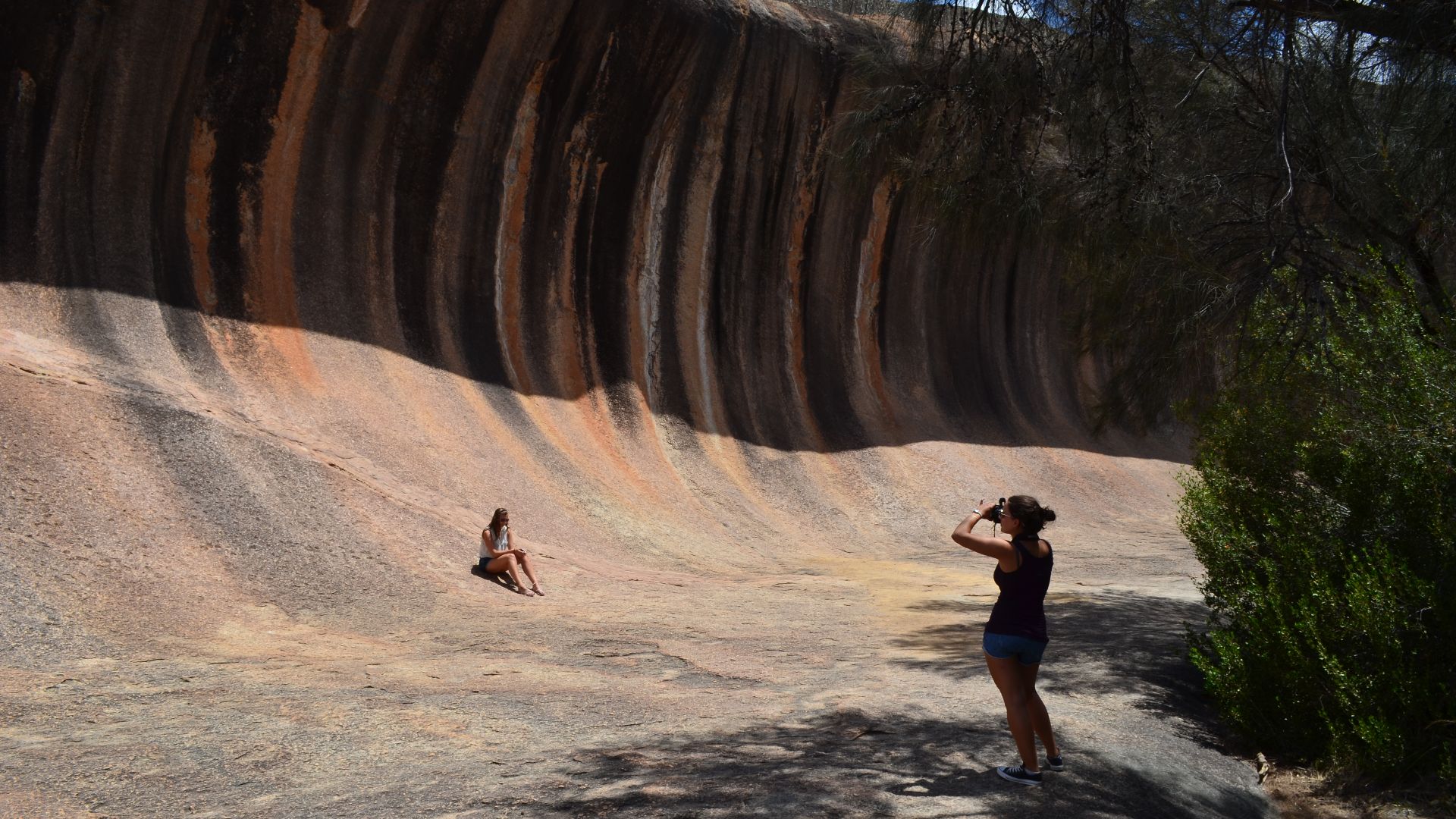
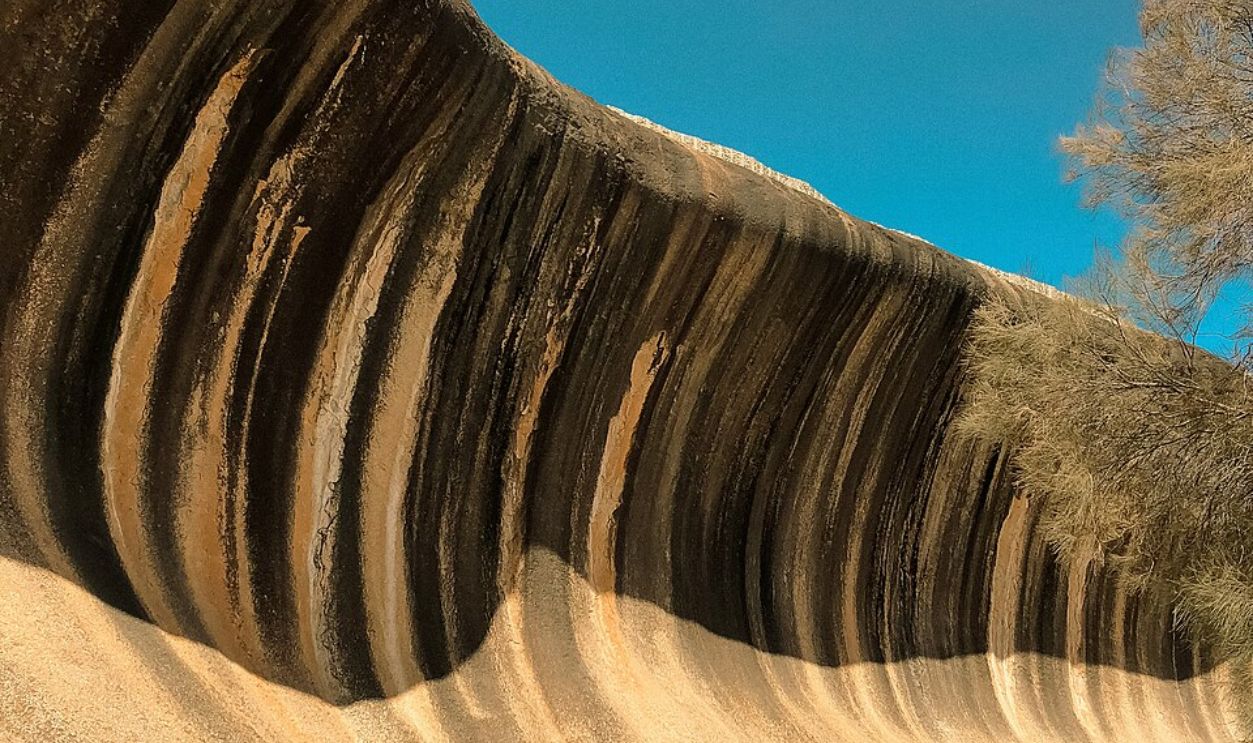
Wave Rock is a natural rock formation in Western Australia that looks like a massive ocean wave frozen in stone. It rises about 15 meters (50 feet) high and stretches 110 meters (360 feet) in length. The rock is part of a granite hill called Hyden Rock, near the small town of Hyden. Let's take a look at how this natural wonder came to be, and the legends it holds.
 Seksan Phonsuwan, Wikimedia Commons
Also Known As Katter Kich
The Ballardong people, part of the Noongar nation, call Wave Rock "Katter Kich". This name reflects the deep Indigenous cultural ties to the area. It's not just a landmark, but a sacred site with spiritual significance.
 Kaliumfredrik at English Wikipedia, Wikimedia Commons
A Feature Of Hyden Rock
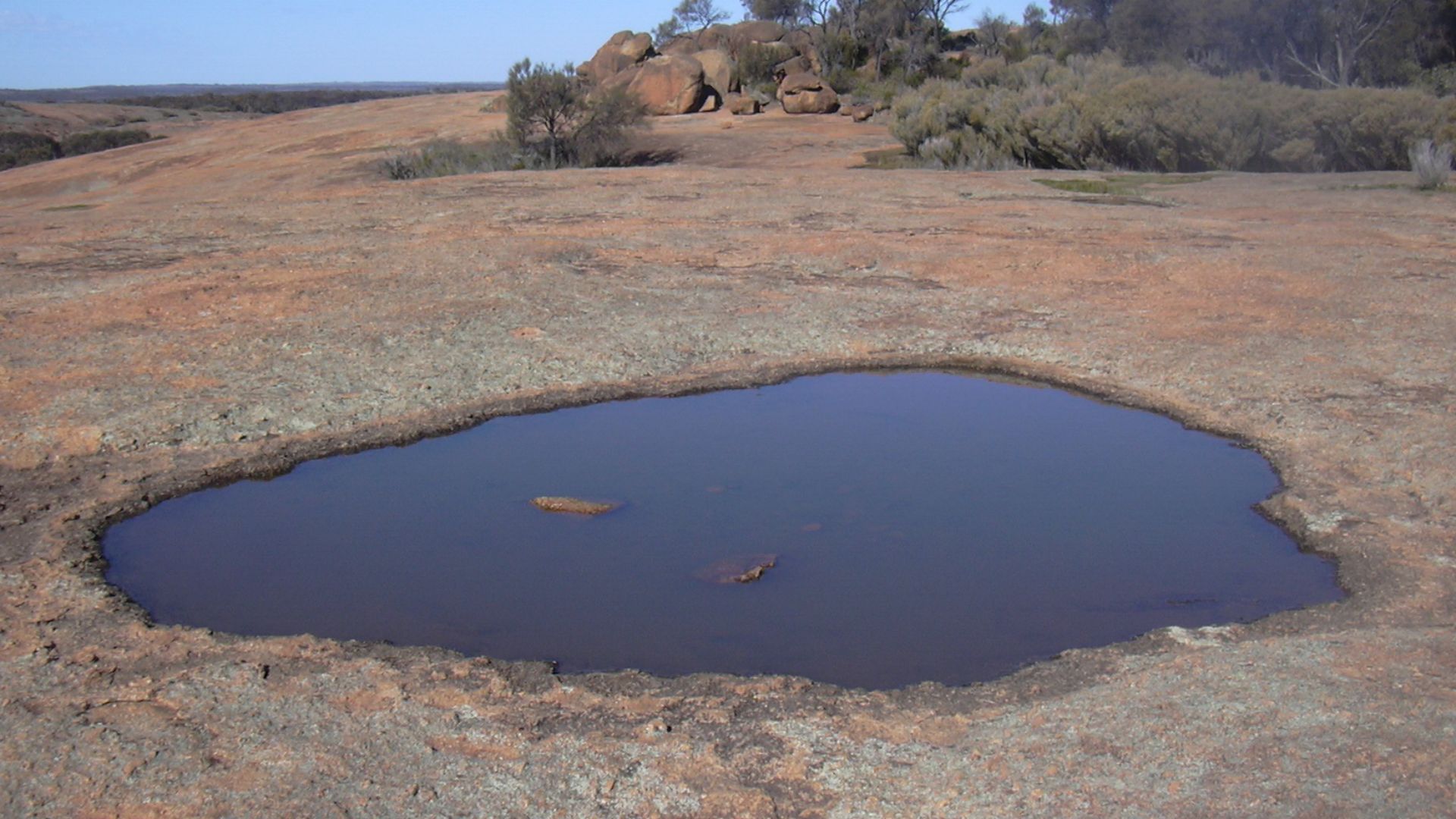
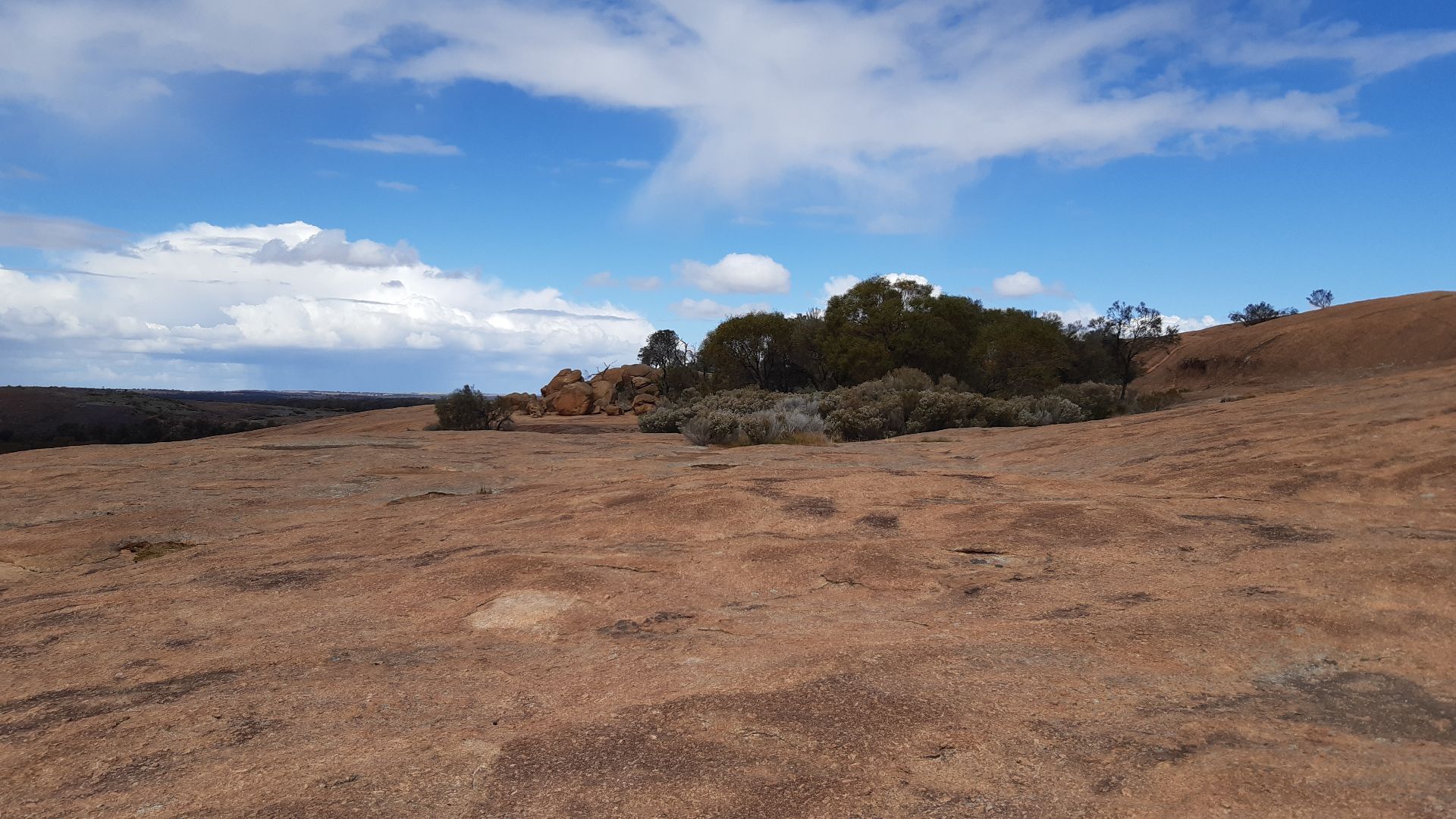
Wave Rock forms the northern side of Hyden Rock, a prominent granite inselberg. Hyden Rock itself consists of several domes and rises prominently from the surrounding plains. It's located about 296 kilometers (184 miles) southeast of Perth.
 Gabriele Delhey, Wikimedia Commons
Part Of A Protected Reserve
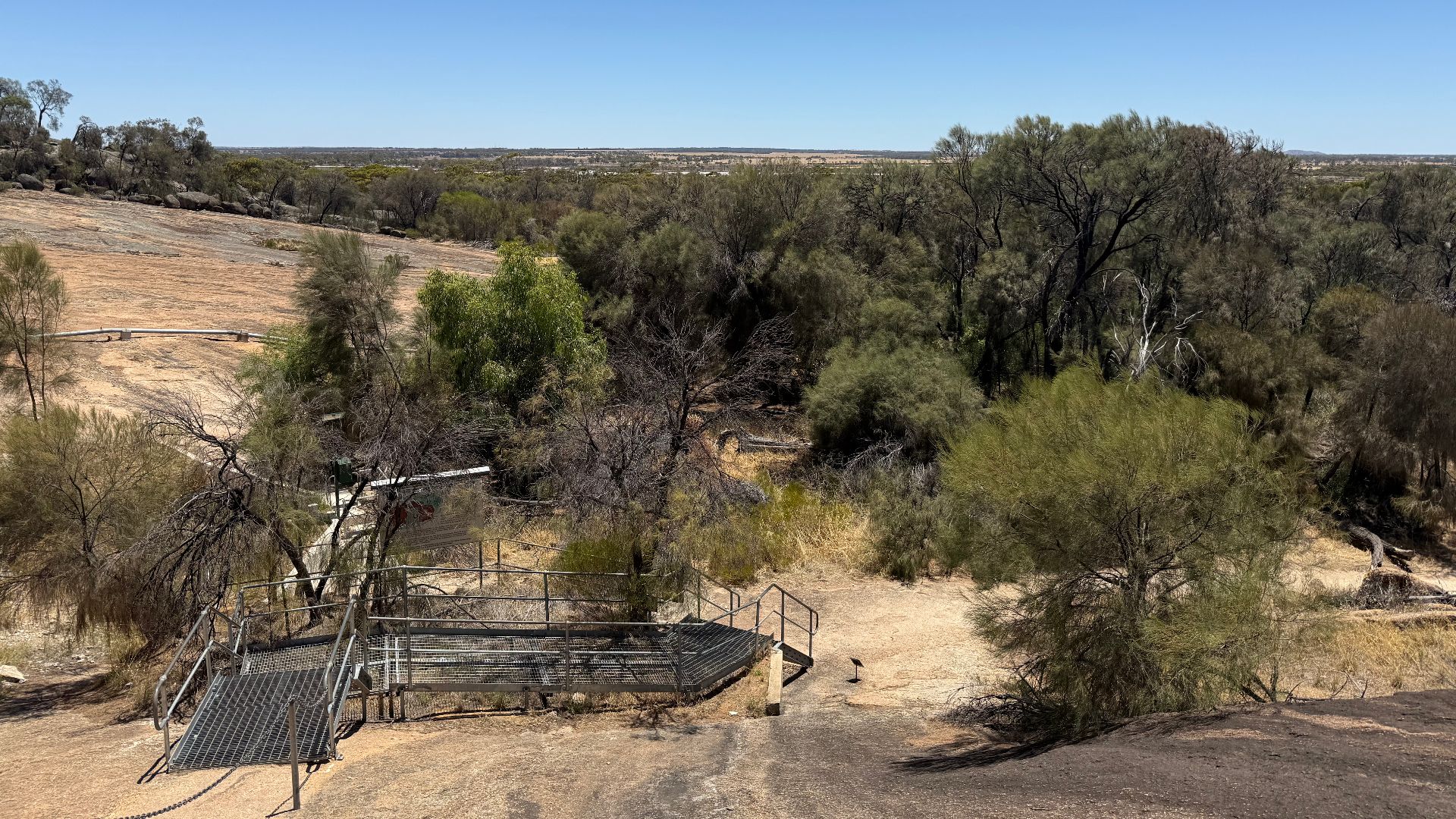
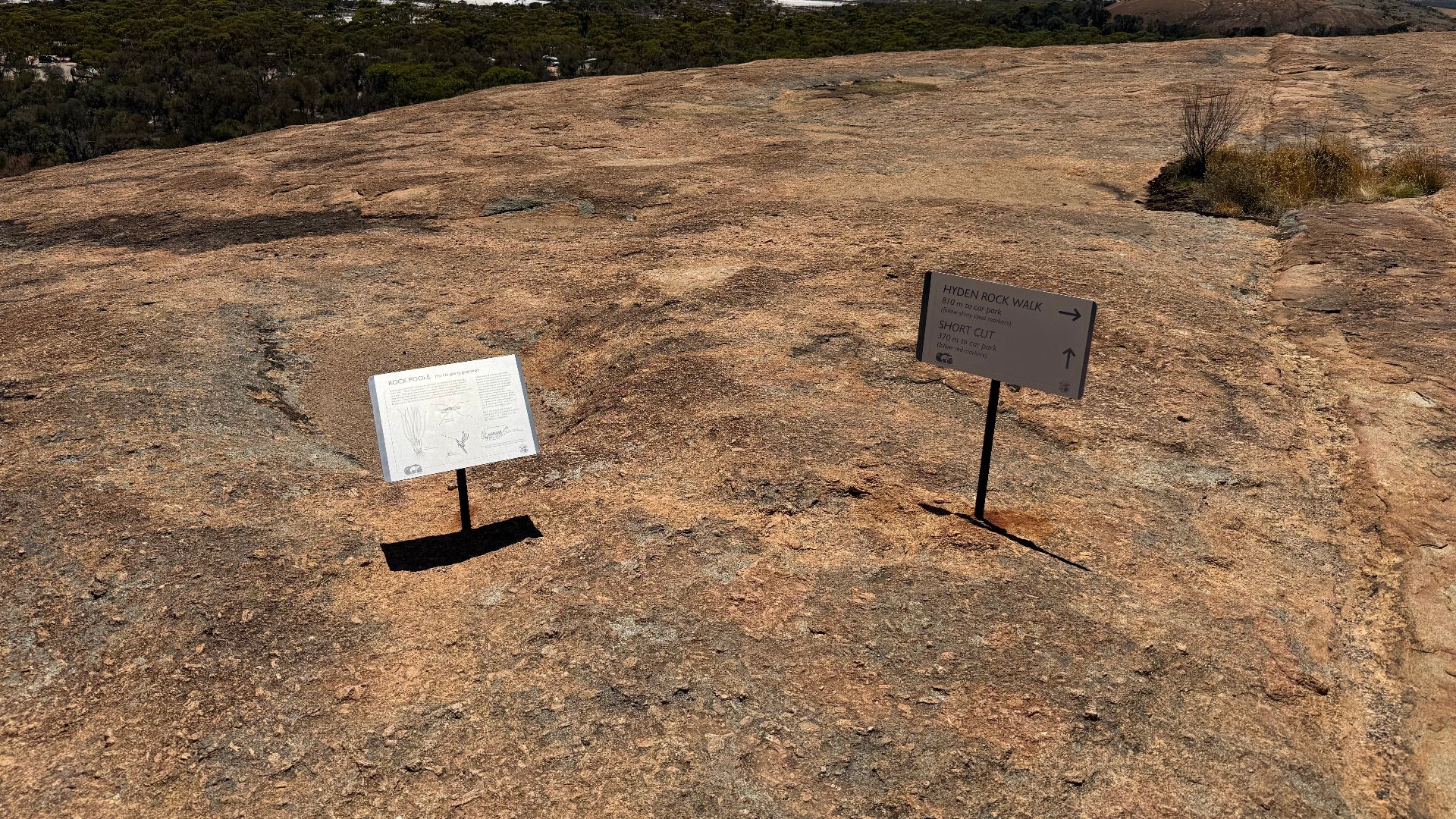
Wave Rock and the surrounding area are part of the 160-hectare Hyden Wildlife Park. This nature reserve helps protect the geological and ecological value of the region. It is also a designated tourist attraction.
A Popular Destination For Tourists
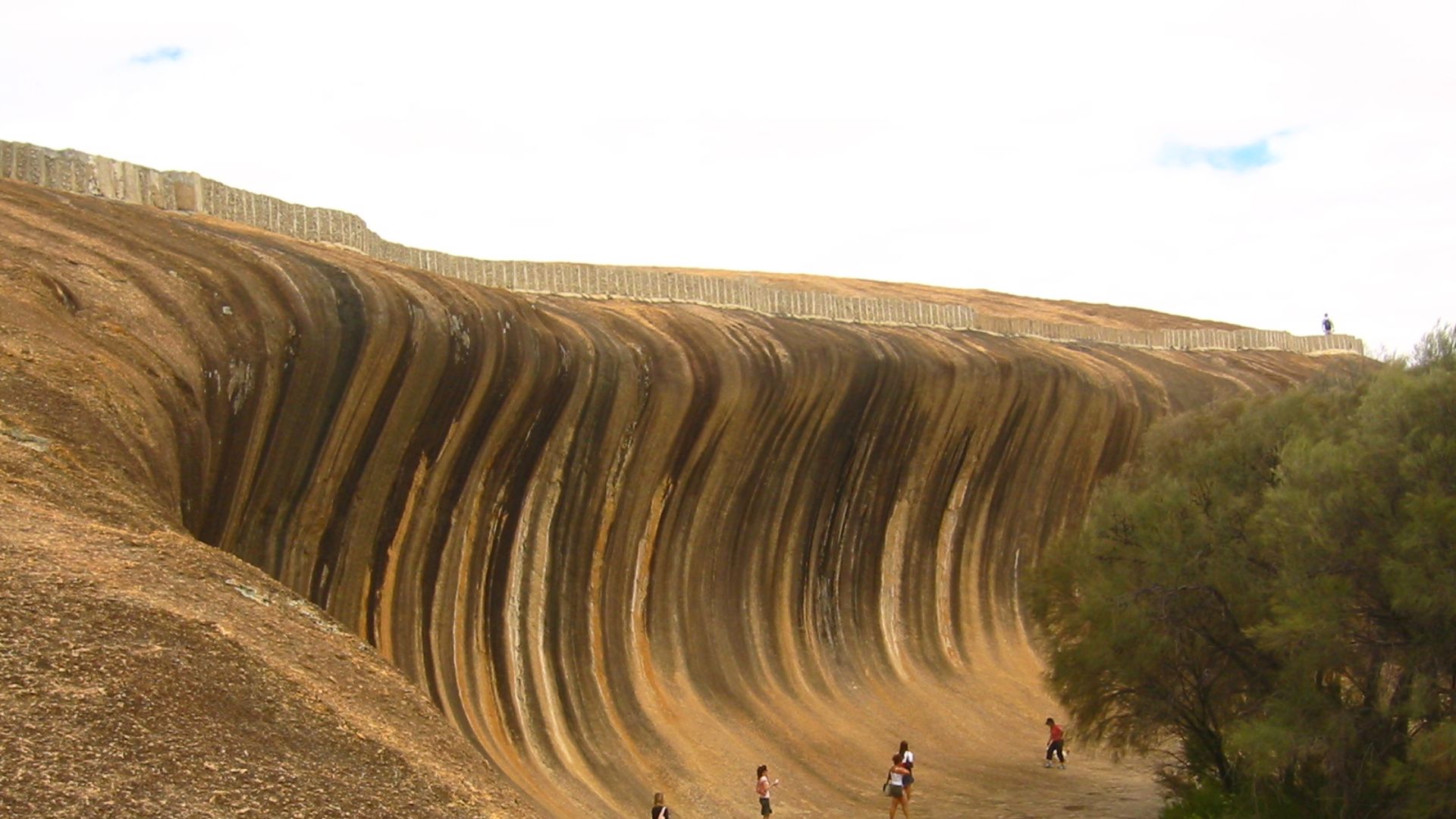
More than 100,000 people visit Wave Rock every year. Its remote location hasn’t stopped it from becoming one of Australia’s most photographed landforms. Visitors come for its beauty, history, and nearby attractions.
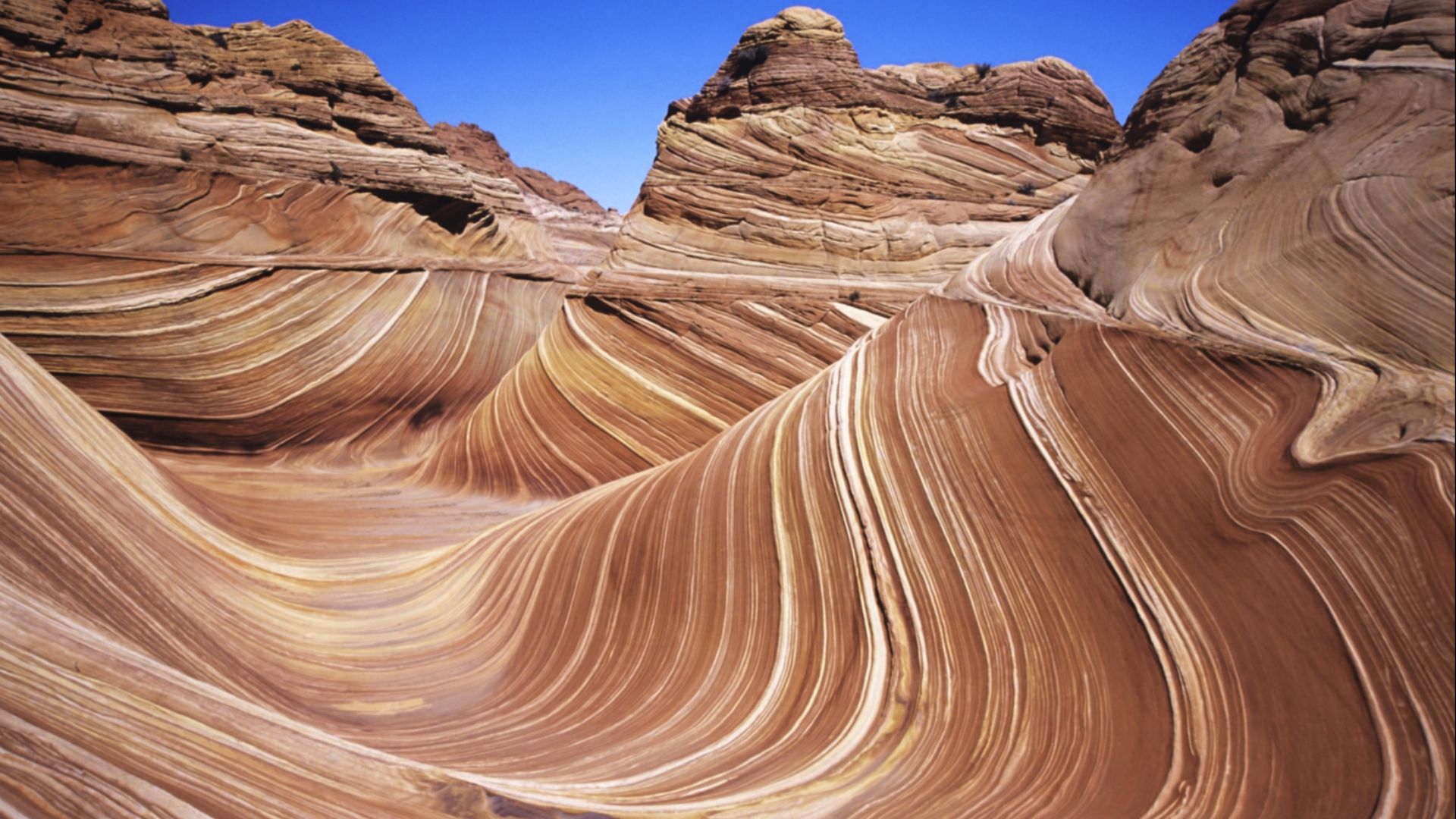
Not To Be Confused With The Wave
Wave Rock is sometimes mistaken for The Wave in Arizona. However, the two formations are completely unrelated. Wave Rock is older, taller, and shaped by different geological forces.
Registered As A Heritage Site
Wave Rock is listed on the Western Australia Heritage Register. It was officially registered on August 21, 1995. Its registration number is 4466 under the Aboriginal Heritage Sites Register.
Recognized Nationally
In addition to state-level protection, Wave Rock is also listed in the Register of the National Estate. Its official designation includes its surrounding environment. The reference number for this listing is 17137.
Coordinates Of The Formation
Wave Rock is located at 32°26′38″S 118°53′54″E. It lies roughly 3 kilometers (1.8 miles) east of the town of Hyden. This makes it easily accessible to visitors traveling through the Wheatbelt region.
 Diana Visintini, Wikimedia Commons
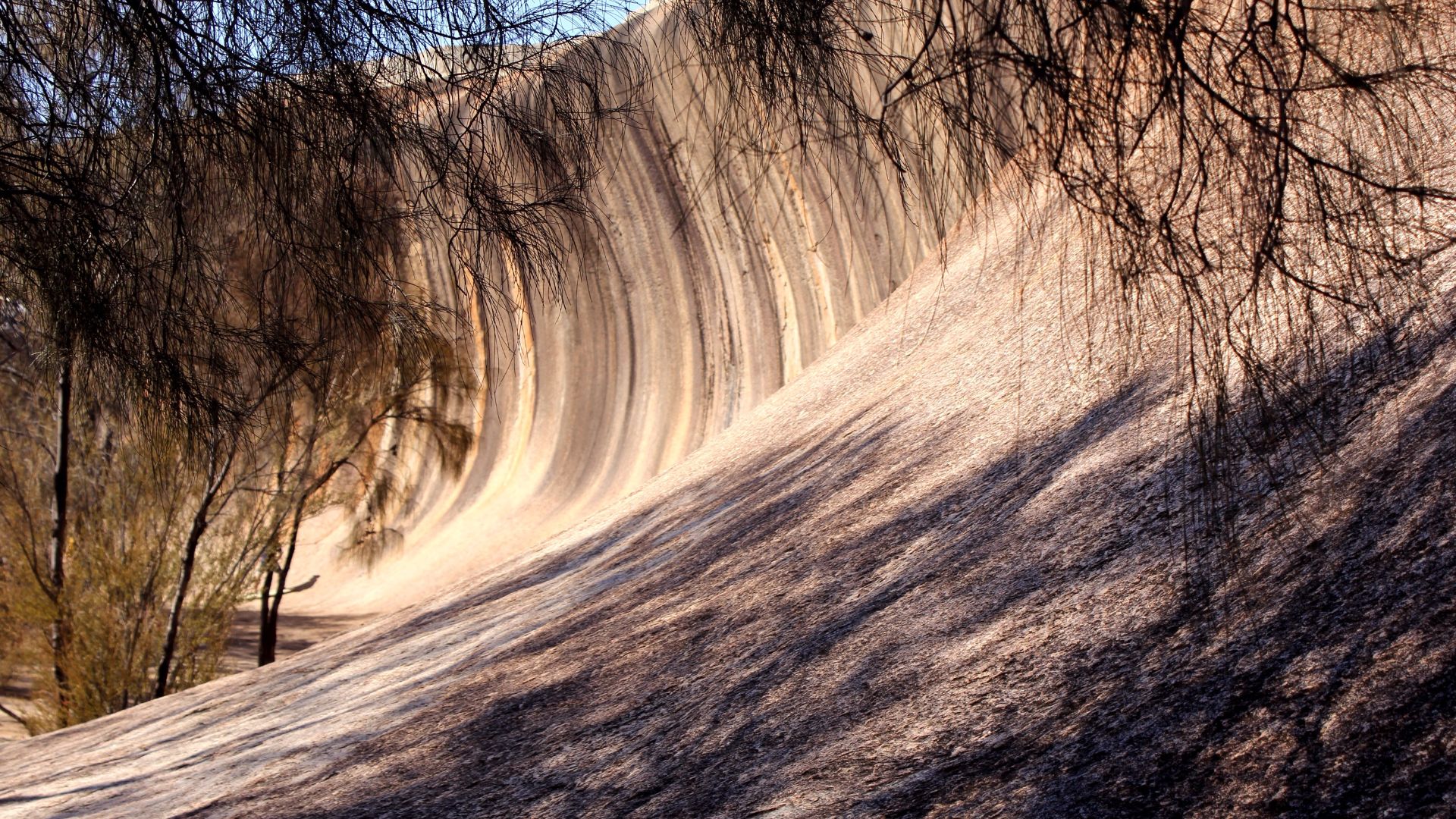
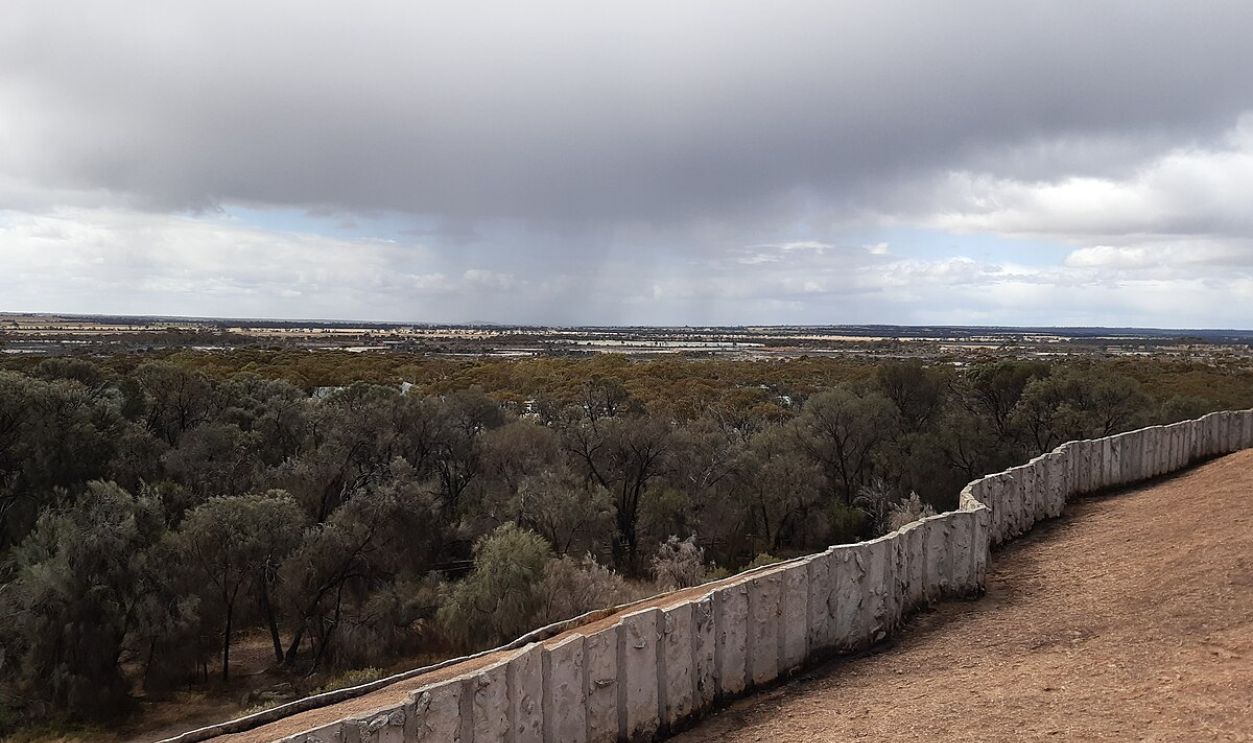
A Wall Built Into The Rock
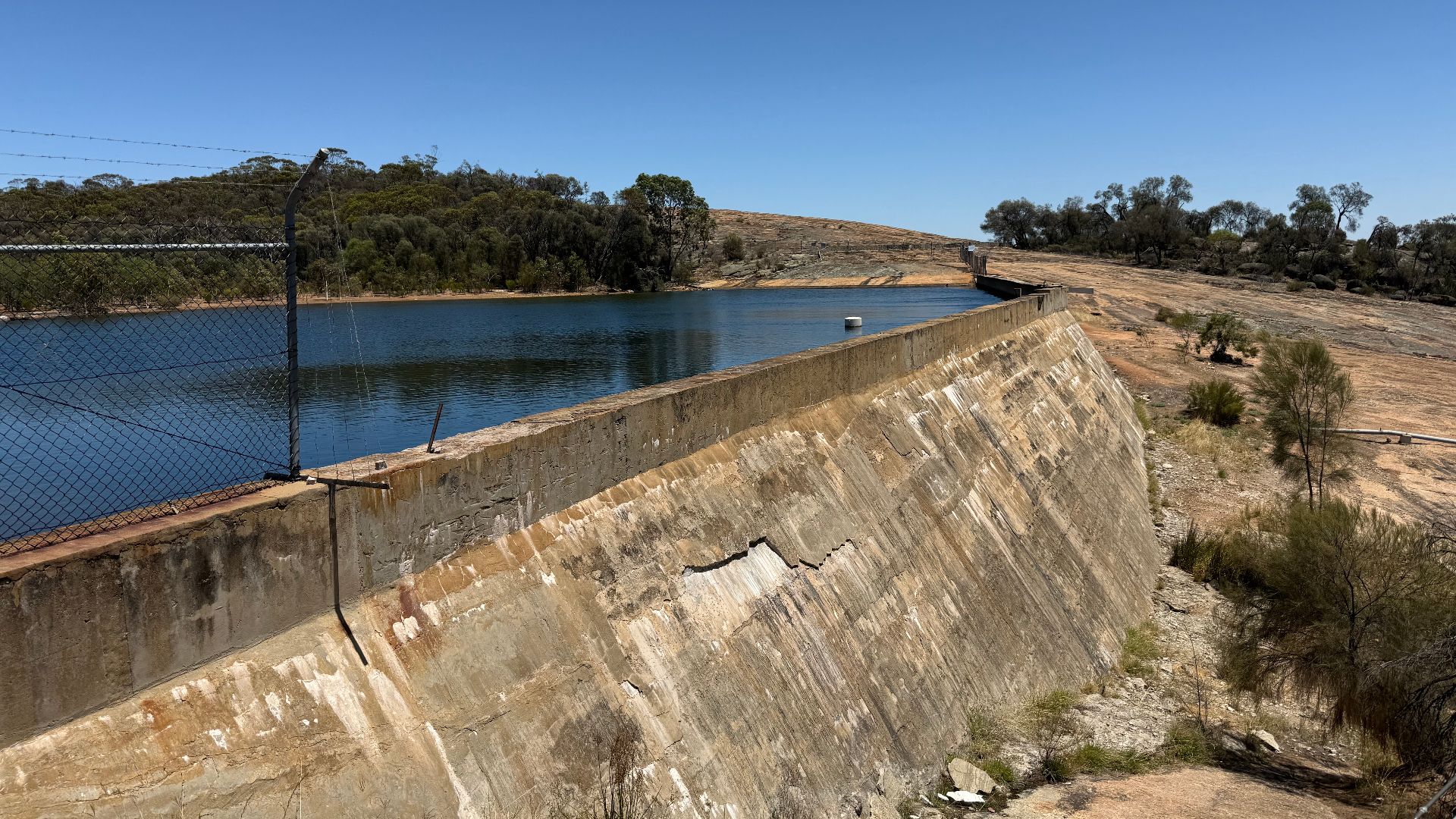
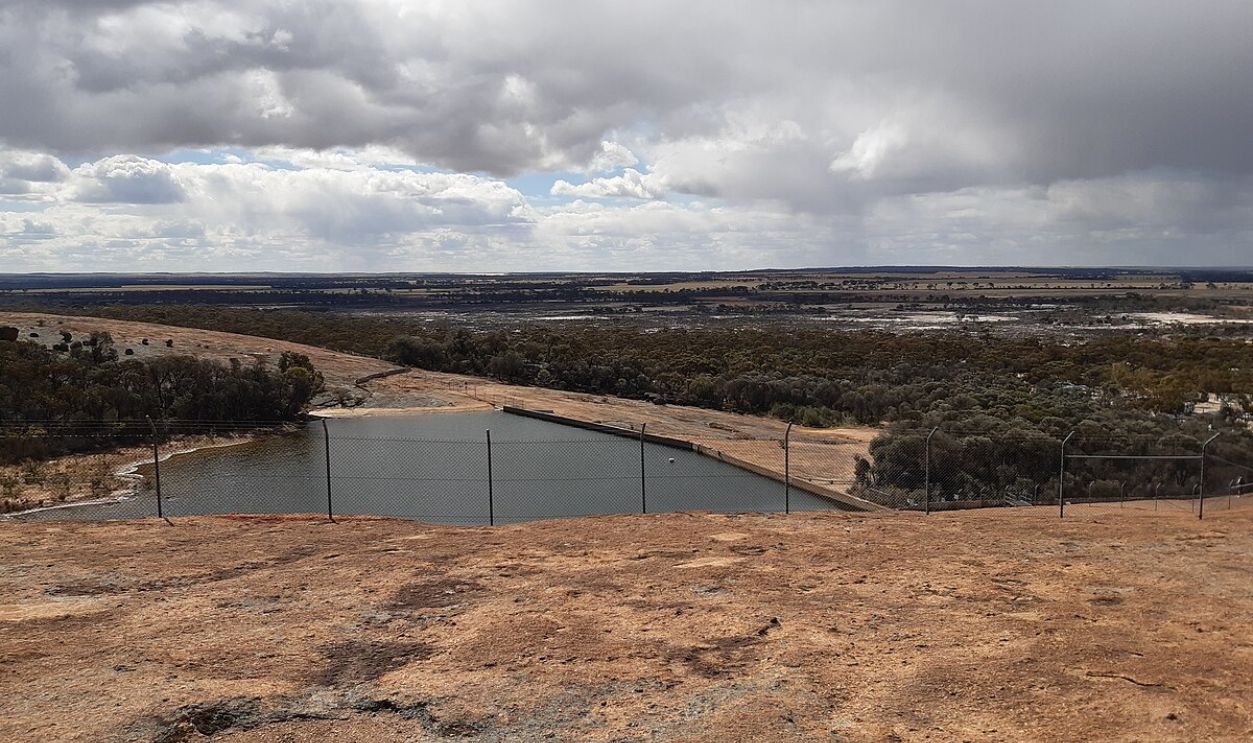
A curved wall runs along the rock surface above Wave Rock. This wall was constructed to capture and funnel rainwater. It guides the water into a storage dam below.
Built For Water Supply
The original wall and dam were constructed in 1928 by the Public Works Department. Their purpose was to supply water to settlers in the East Karlgarin District. In 1951, the dam was upgraded to increase capacity for the Hyden township.
Common Design In The Region
Structures like the one above Wave Rock are not unusual. Many granite outcrops in Western Australia have similar rainwater-harvesting systems. These systems are part of the region’s agricultural history.
 Jeroen Komen, Wikimedia Commons
An Important Dreaming Site
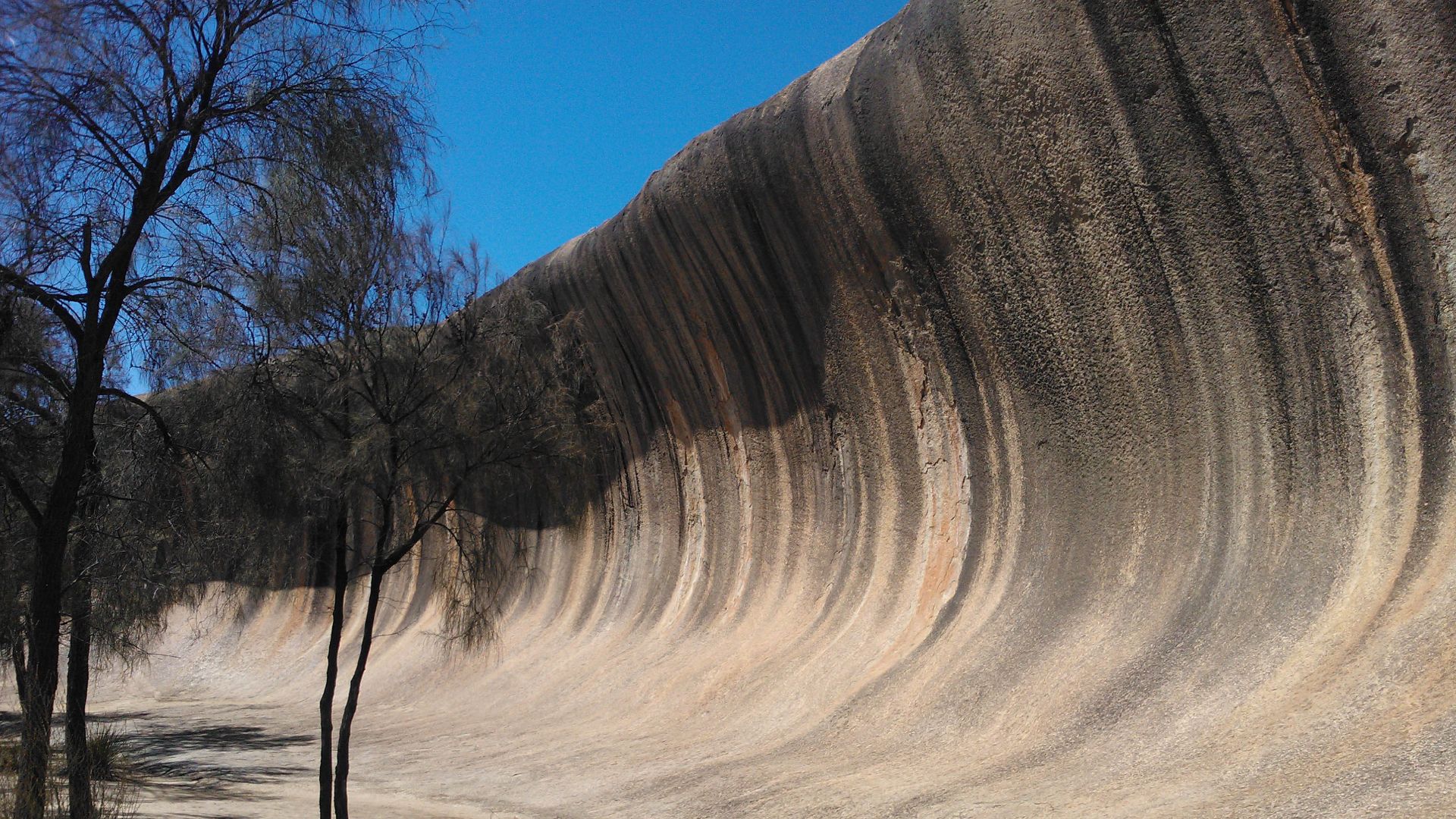
Wave Rock is significant in Noongar Dreamtime stories. The Ballardong people believe it was formed by the Rainbow Serpent. According to legend, the serpent carved the shape as it moved through the land after drinking all the water. The rock’s form is a permanent reminder of this spiritual tale.
Part Of A Larger Dreaming Trail
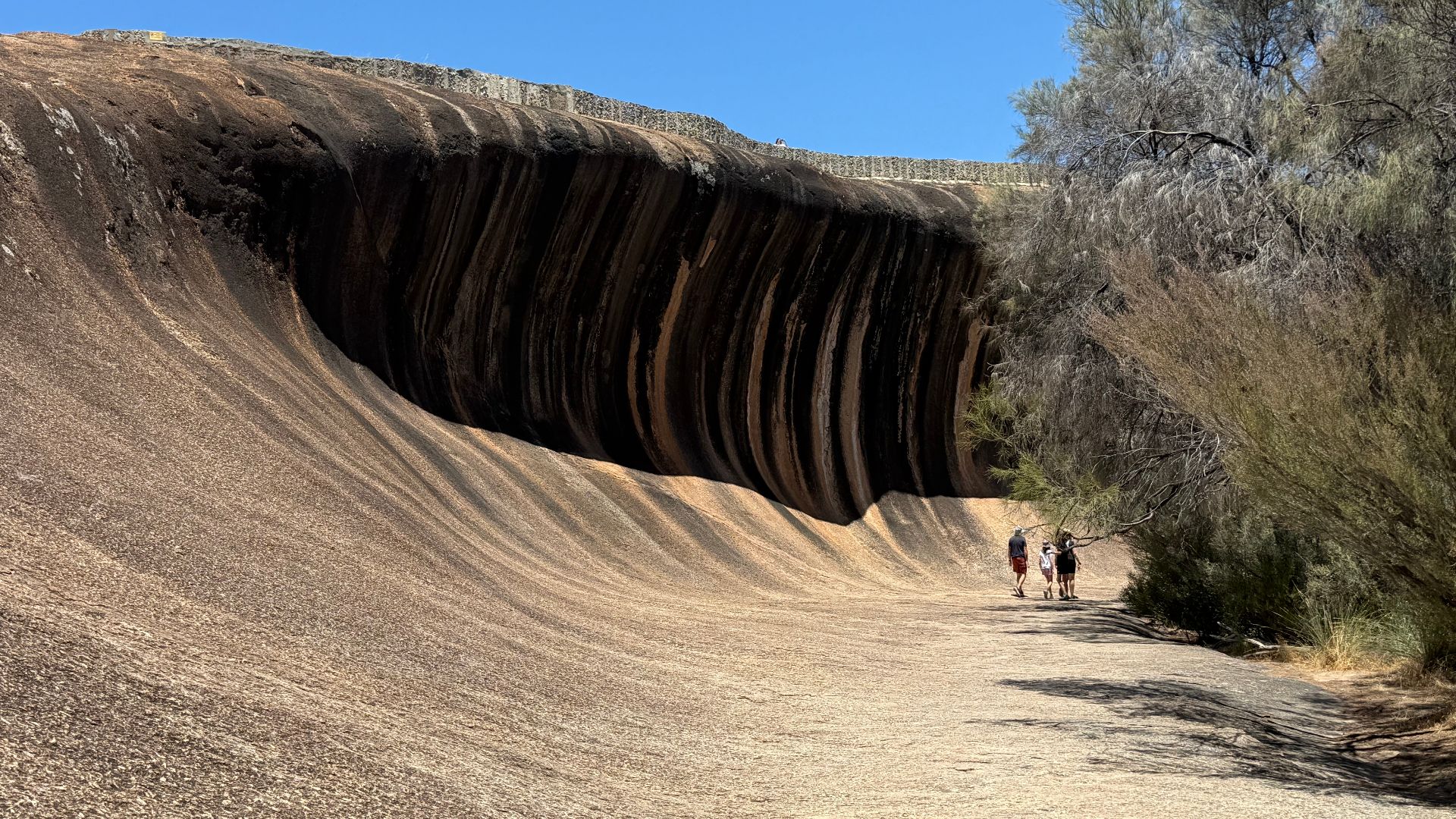
Wave Rock is just one stop on a long Dreaming trail. The trail stretches from the south coast near Augusta all the way to the Great Victoria Desert. Other sacred sites along the trail include Mulka's Cave and Jilakin Rock.
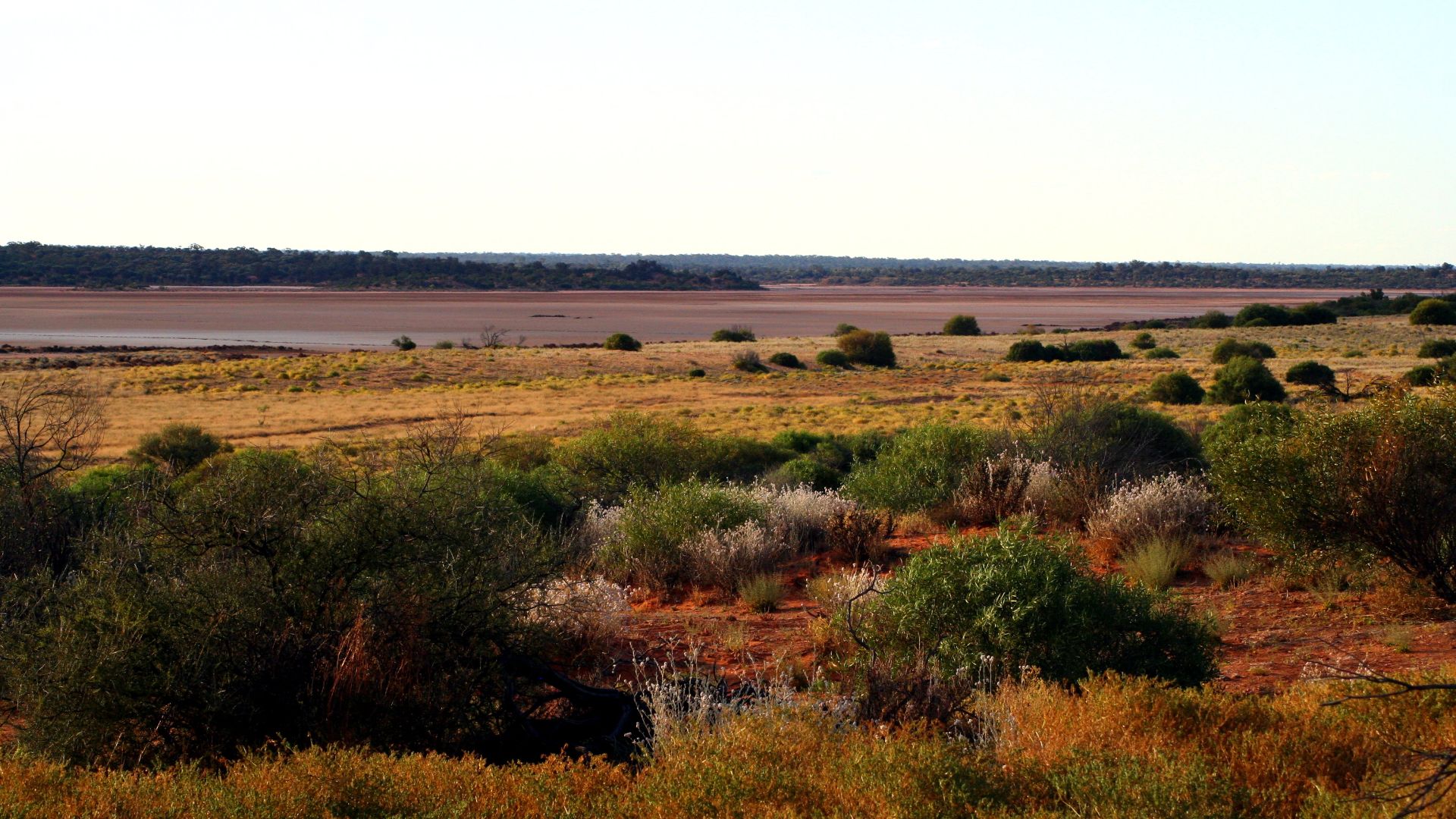
Geologically Ancient Origins
Hyden Rock, which includes Wave Rock, is composed of biotite K-feldspar porphyritic monzogranite. This type of granite is part of the Yilgarn Craton. The rock is estimated to be around 2.63 billion years old.
 Richard Webb , Wikimedia Commons
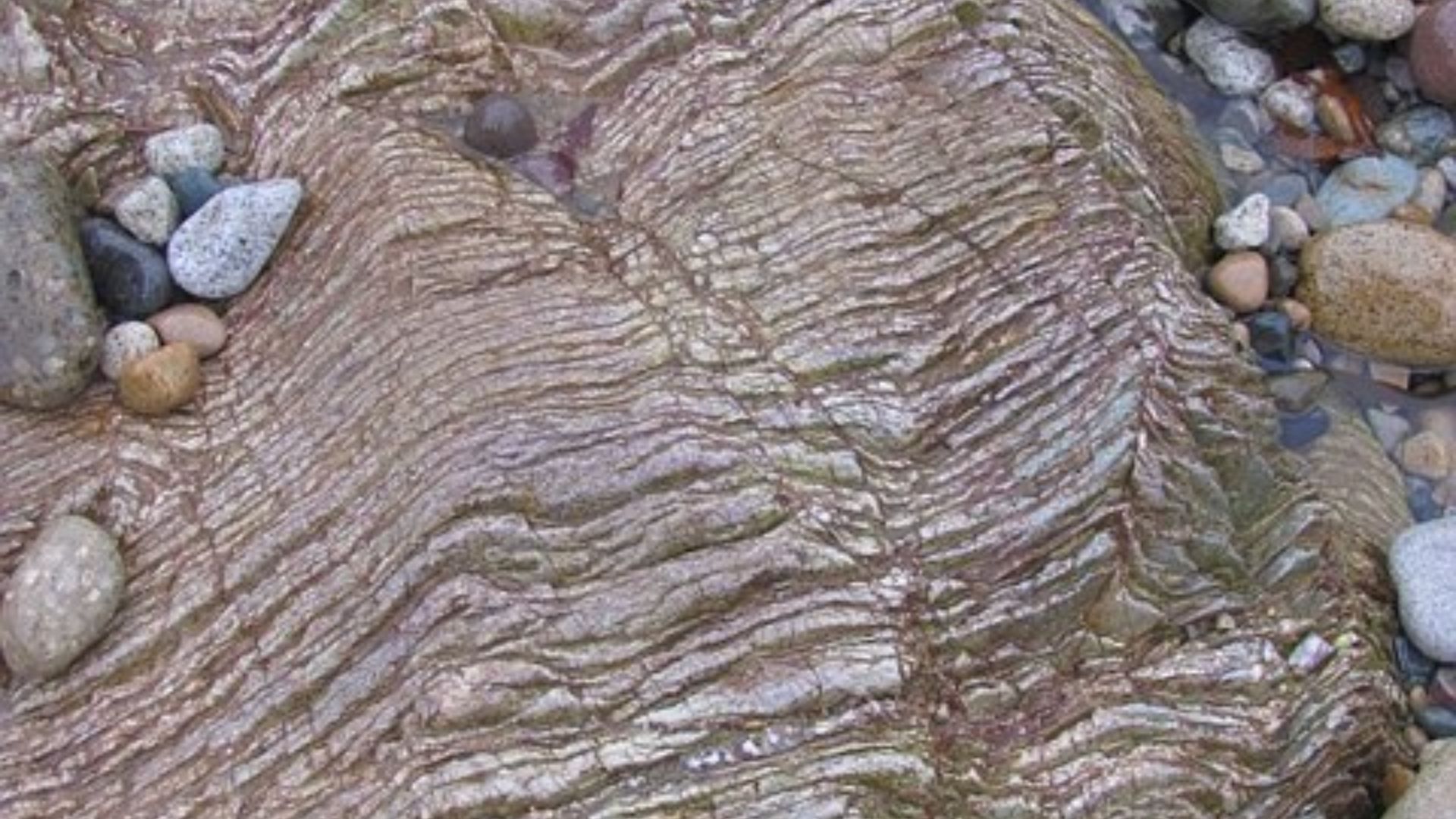
Formed By Subsurface Weathering
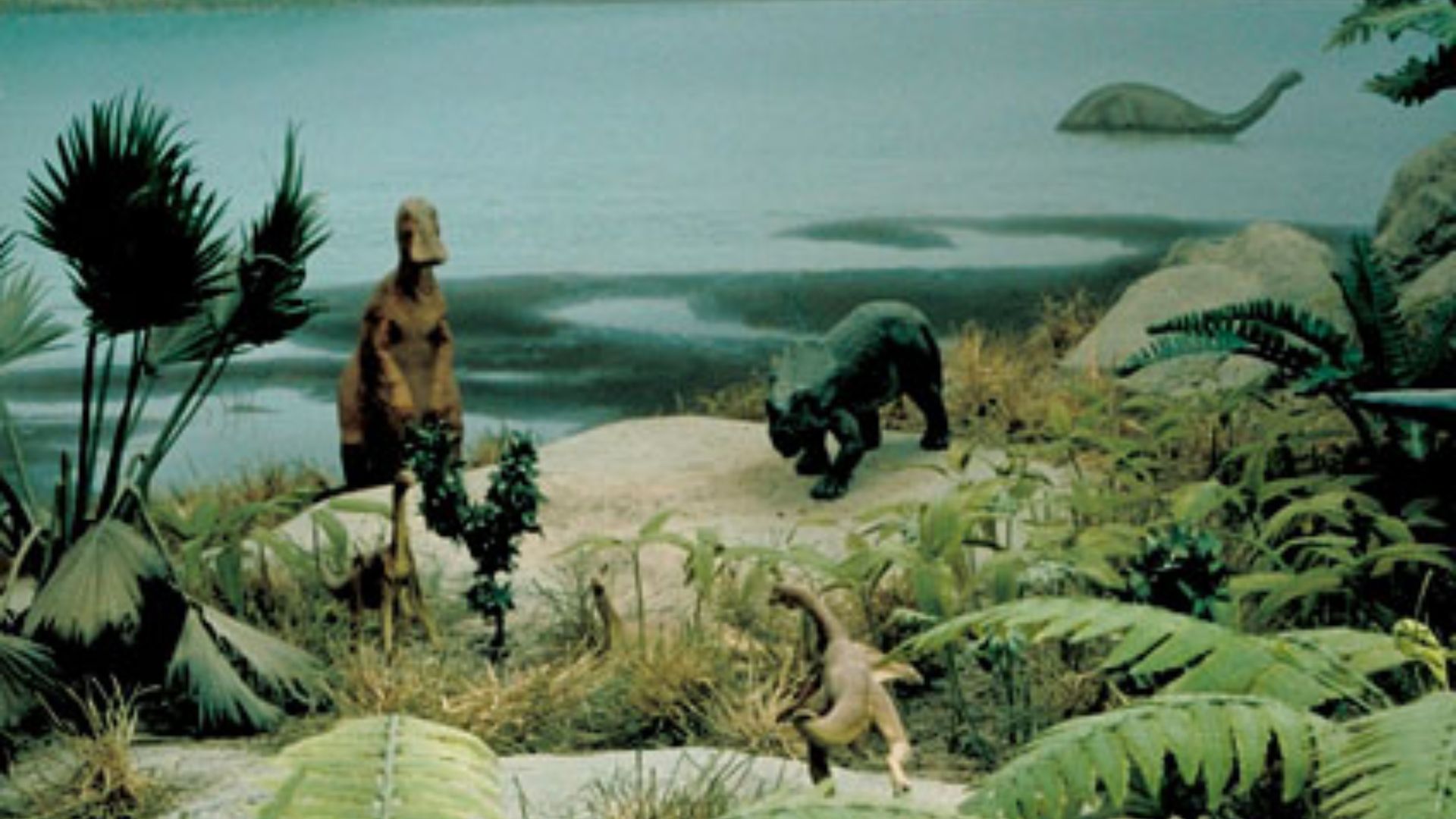
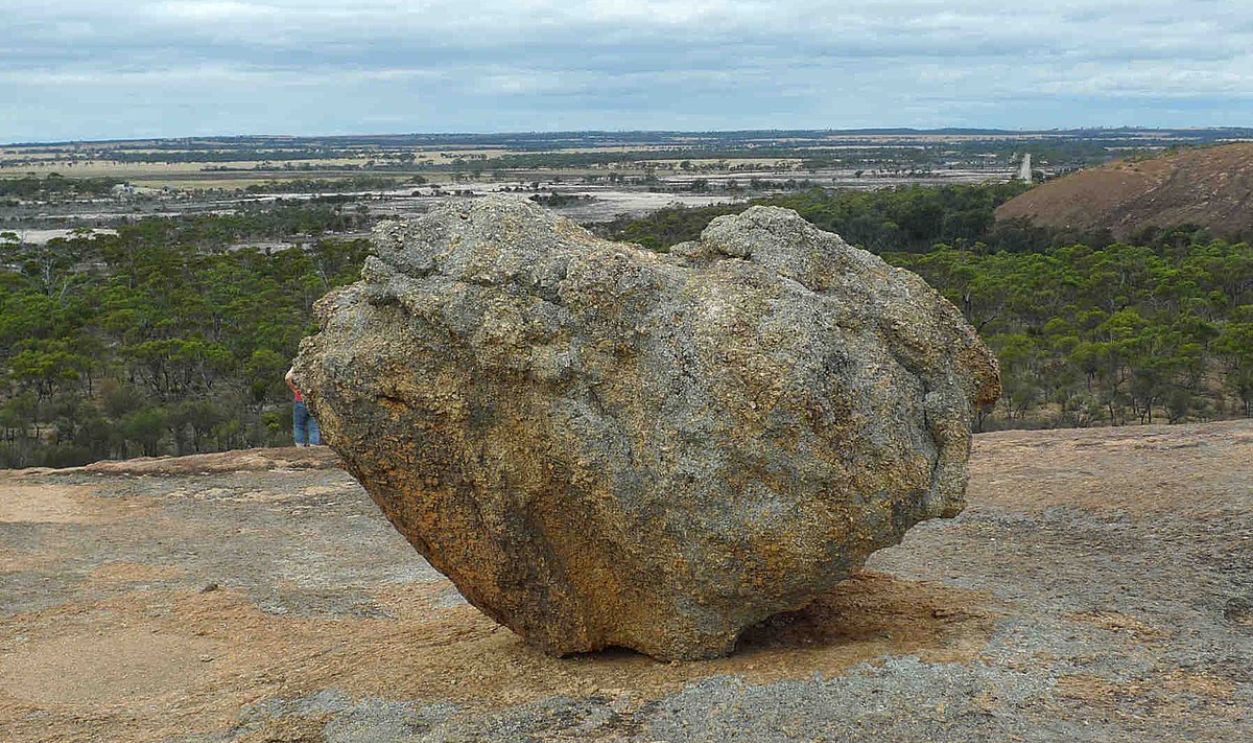
Wave Rock’s shape began to form during the Cretaceous Period. Subsurface weathering of granite beneath a lateritized surface created underground domes. These domes were surrounded by weaker, weathered granite.
 Carl Malamud, Wikimedia Commons
Exposed By Erosion Over Time
Over millions of years, erosion removed the overlying material. This process eventually exposed the solid granite domes we see today.
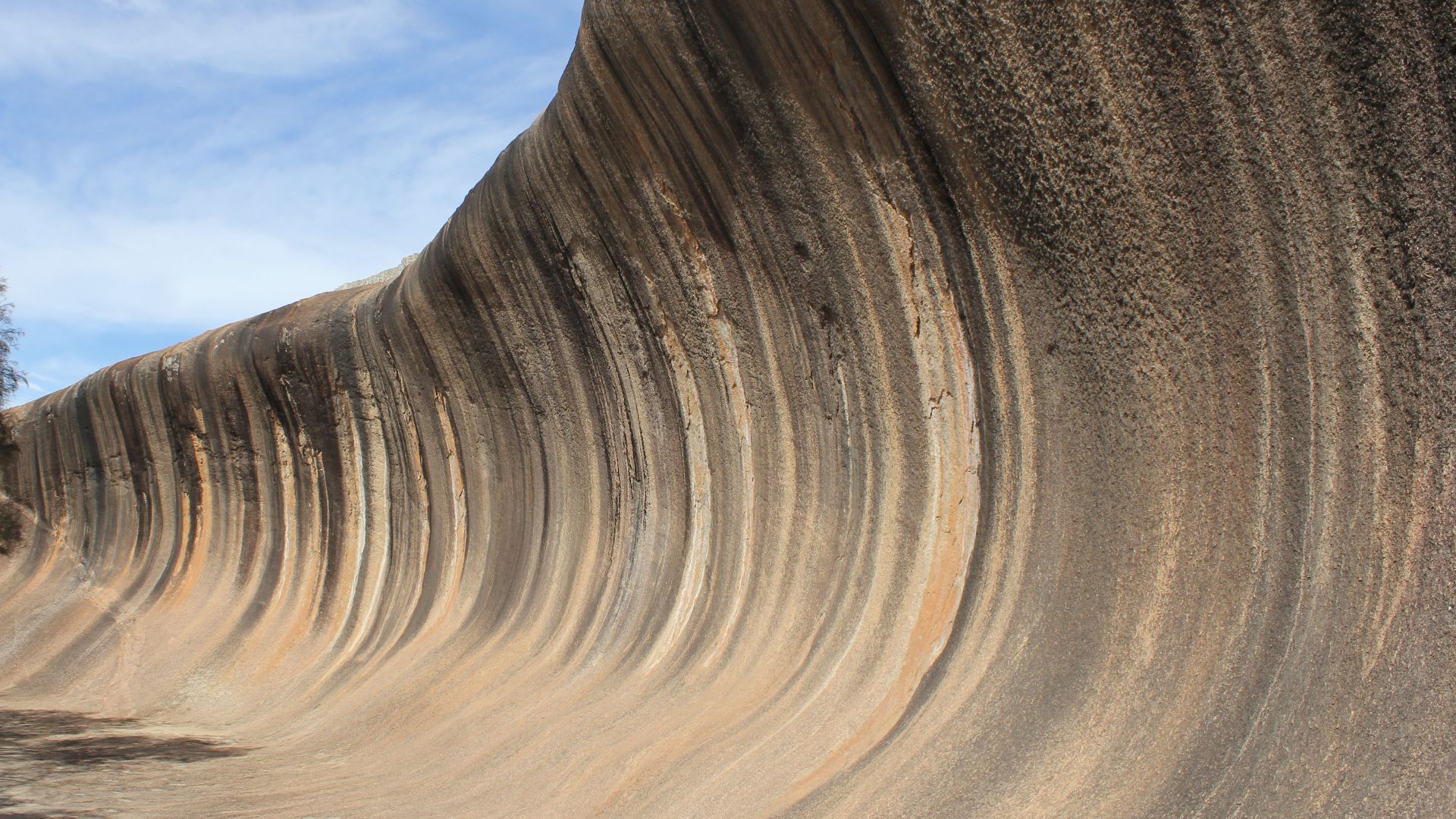
Tilted By Continental Drift
The separation of Australia from Antarctica contributed to the formation of Hyden Rock. As the landmass tilted, erosion patterns shifted. These changes helped uncover the ancient granite beneath.
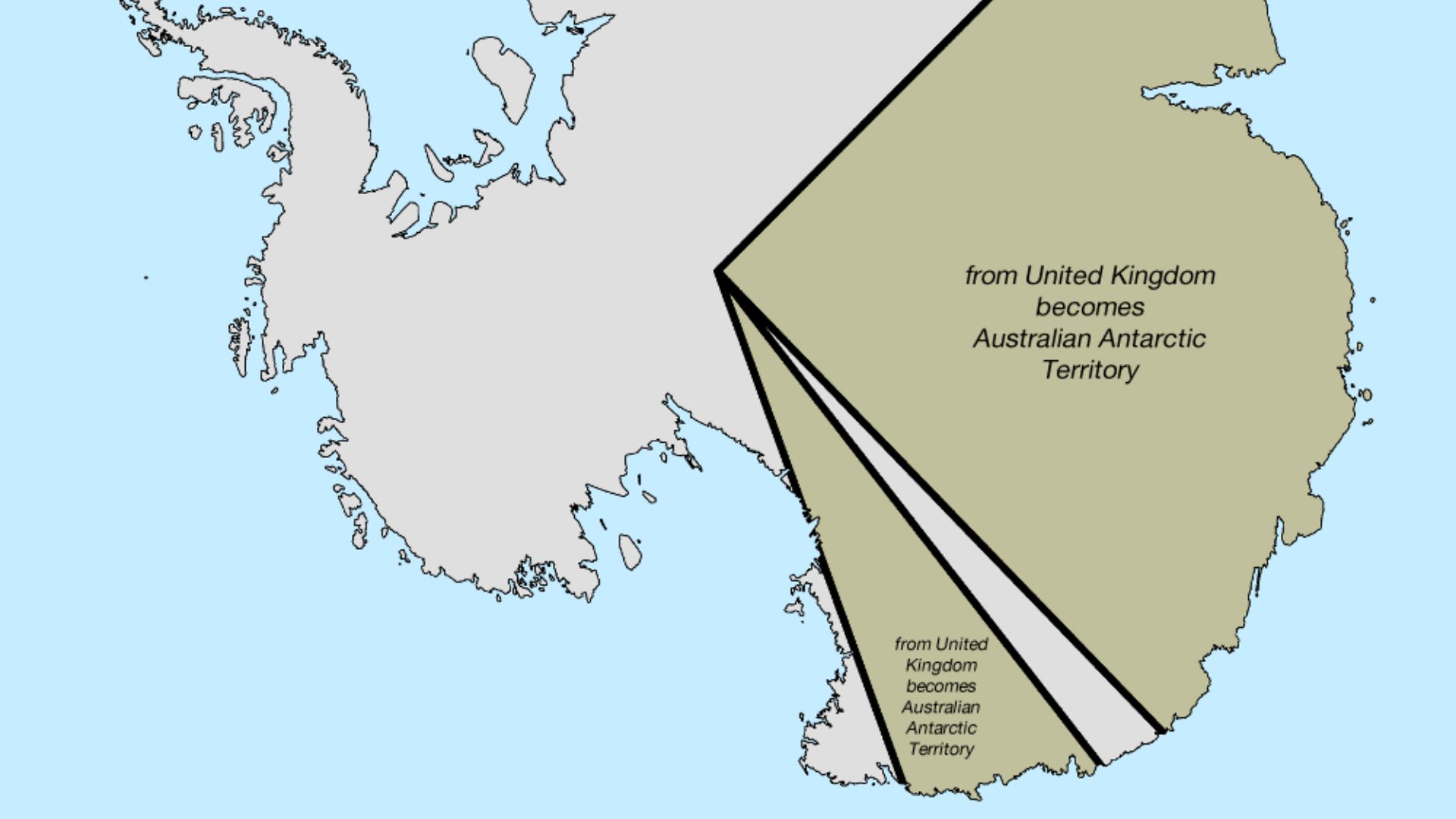 User:Golbez, Wikimedia Commons
A Classic Flared Slope
Wave Rock is a textbook example of a “flared slope”. This is a concave, upward-curving bedrock formation. Flared slopes are typically found at the base of granite domes and inselbergs.
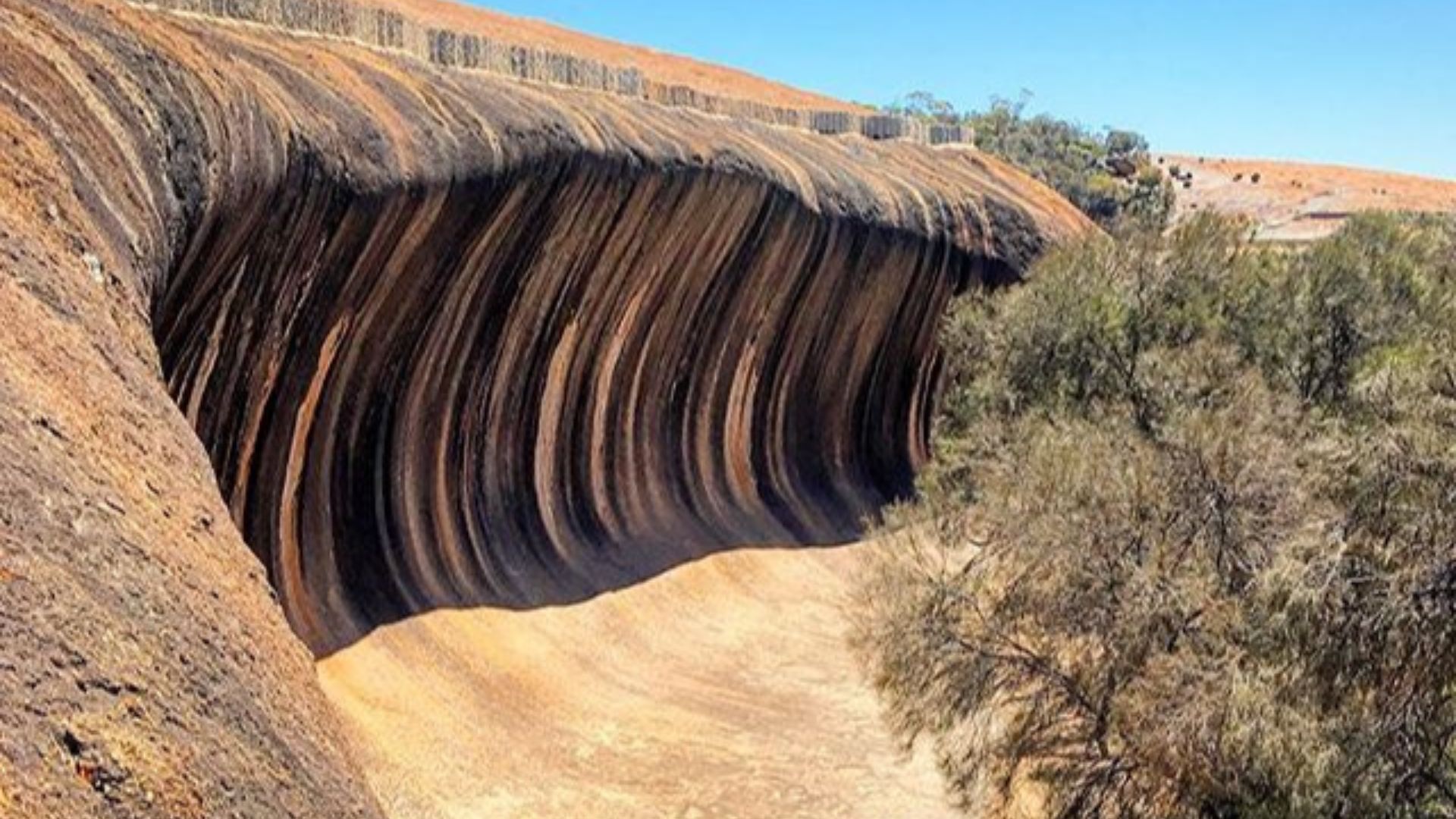 Benjamin Lupton, Wikimedia Commons
Shaped By Groundwater Action
The unique curvature of Wave Rock formed due to chemical weathering. Groundwater eroded the base of the granite, weakening it over time. As the land surface lowered, the weathered material eroded away to reveal the wave shape.
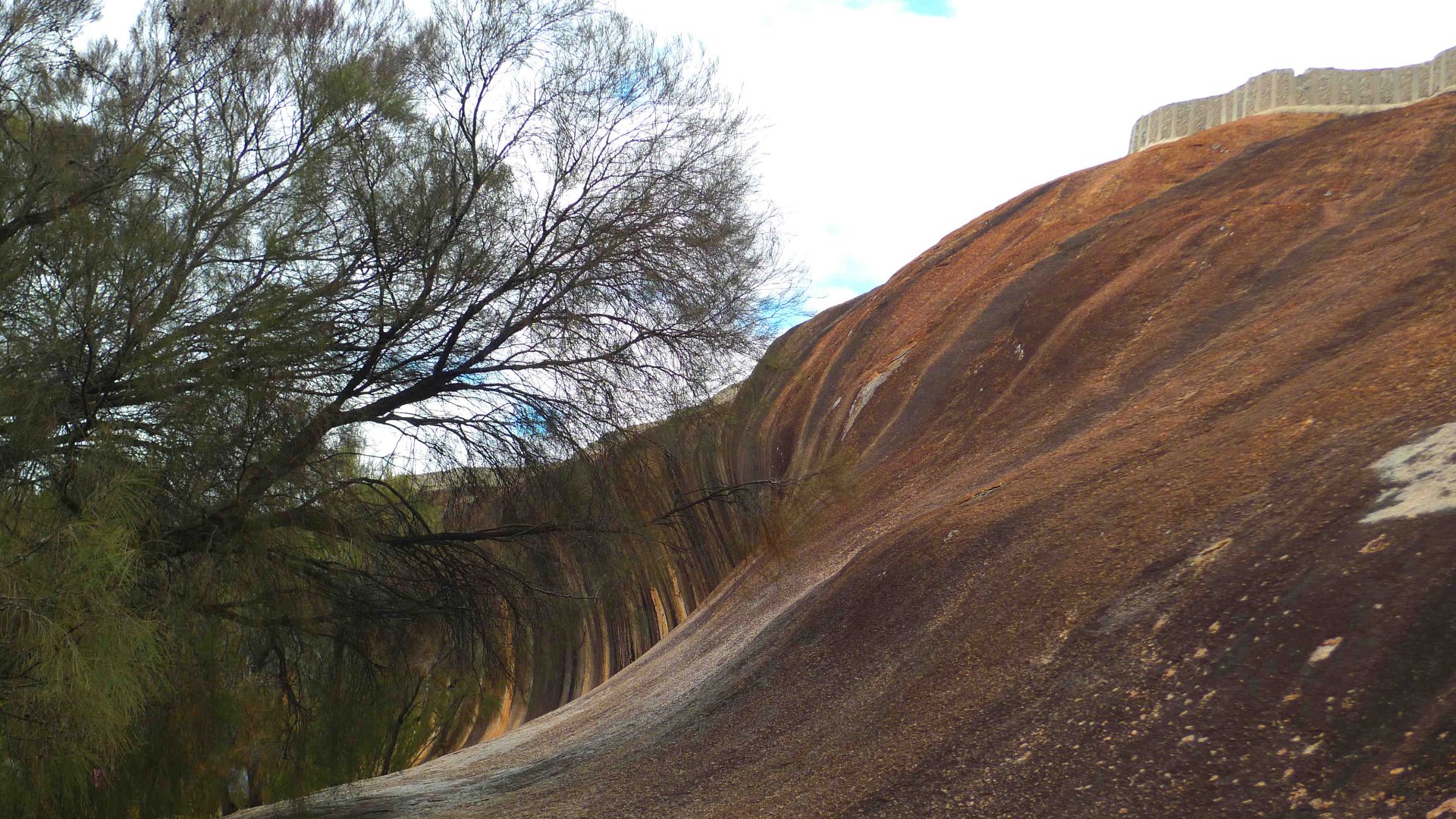 Vivien Huey Wen Chen, Wikimedia Commons
Common In Southern Australia
Flared slopes like Wave Rock are widespread in southern and southwestern Australia. They are found around other granite features such as bornhardts and boulders. The region’s climate and rock types make it ideal for these formations.
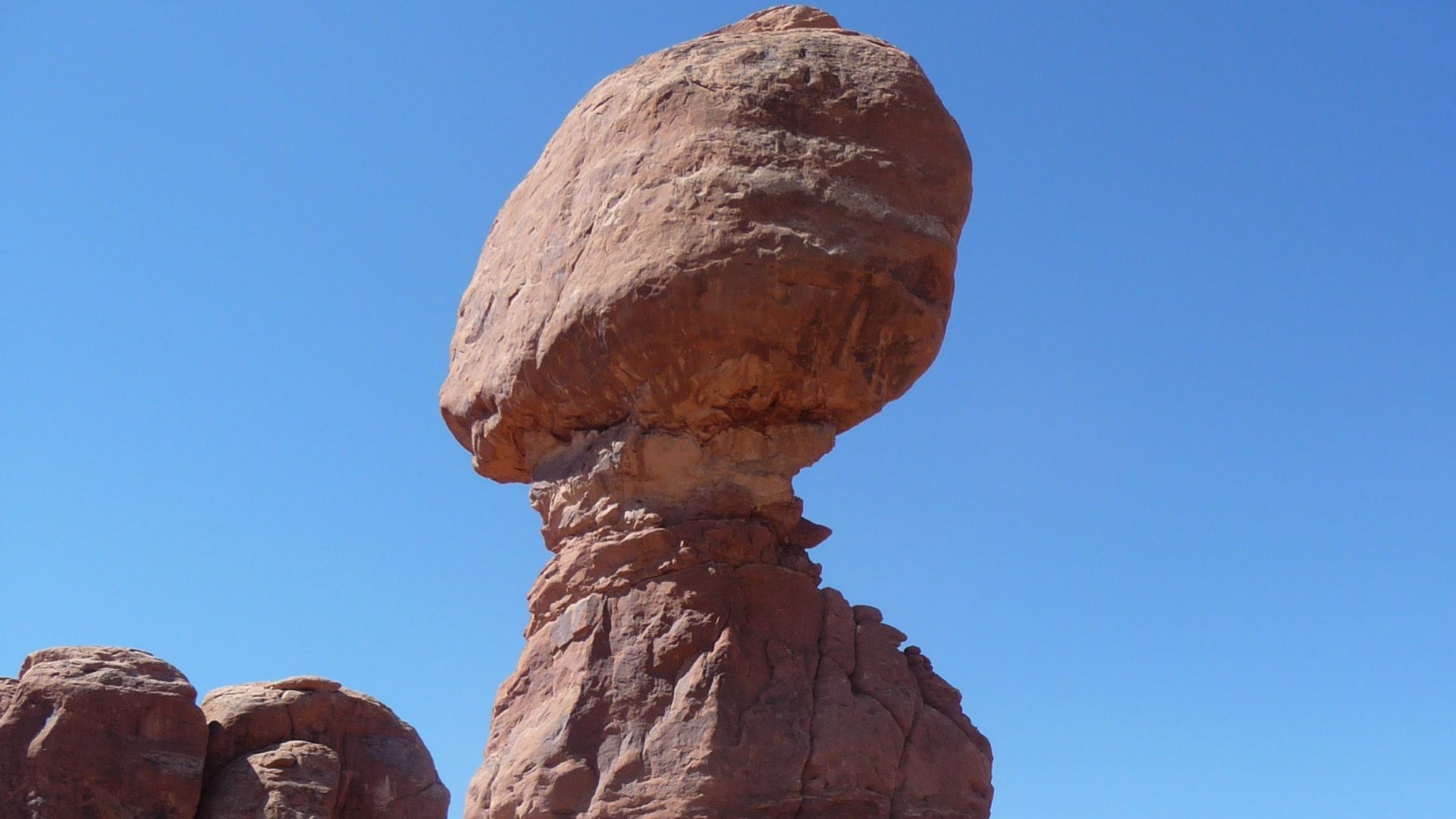 DavidKolinek, Wikimedia Commons
Not Just At The Base
Though often found at the base of rocks, flared slopes can also form higher up. They develop wherever chemical weathering and erosion conditions align.
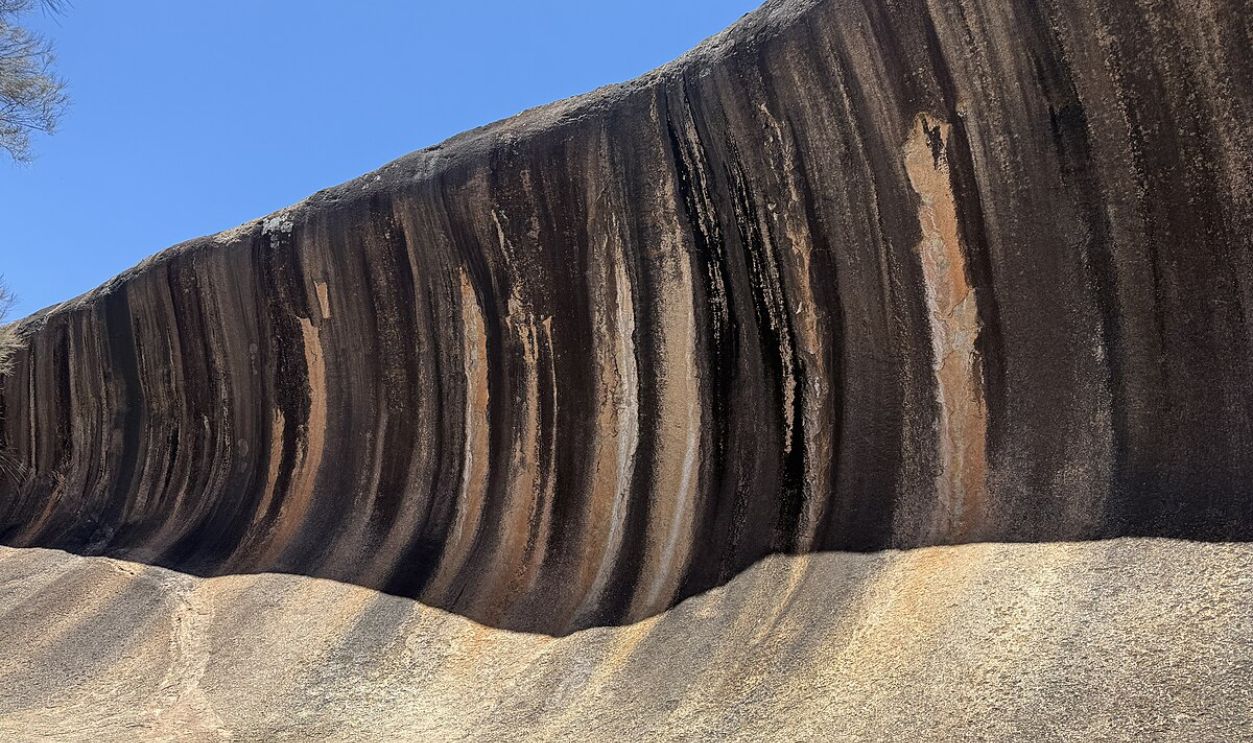
Colors That Changed Over Time
The surface of Wave Rock has changed color since the construction of the wall. According to Noongar guide Michael Ward, it was once a creamy yellow. It has since developed red, orange, and black streaks.
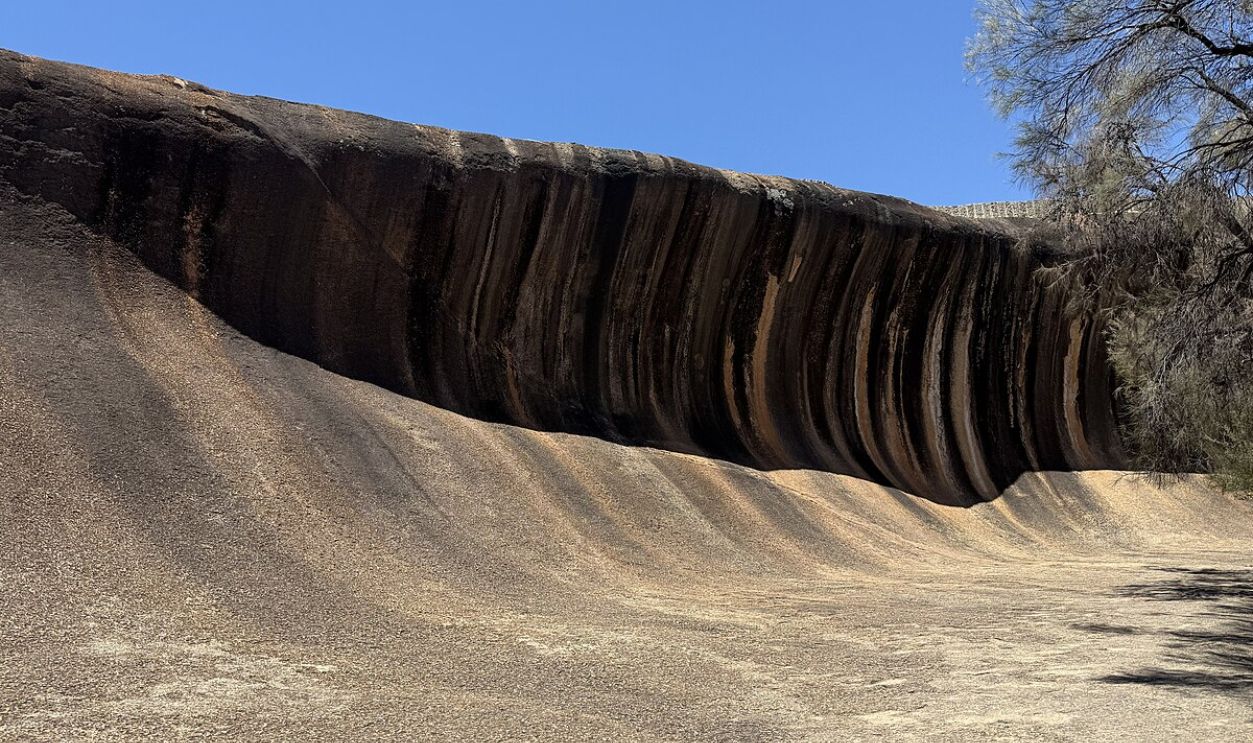
Streaks From Water Runoff
The streaks across the face of the rock are a result of mineral deposits. Water from the wall above carries minerals that stain the granite. This gives the rock its striking and colorful appearance.
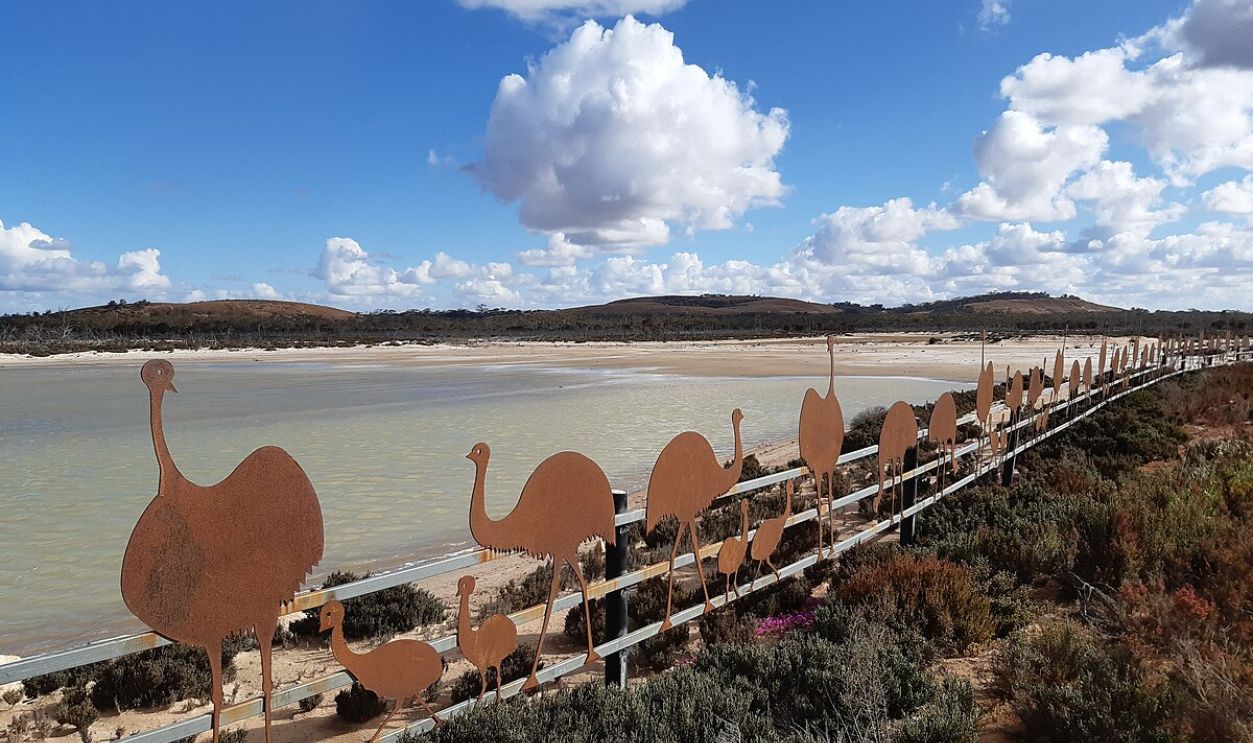
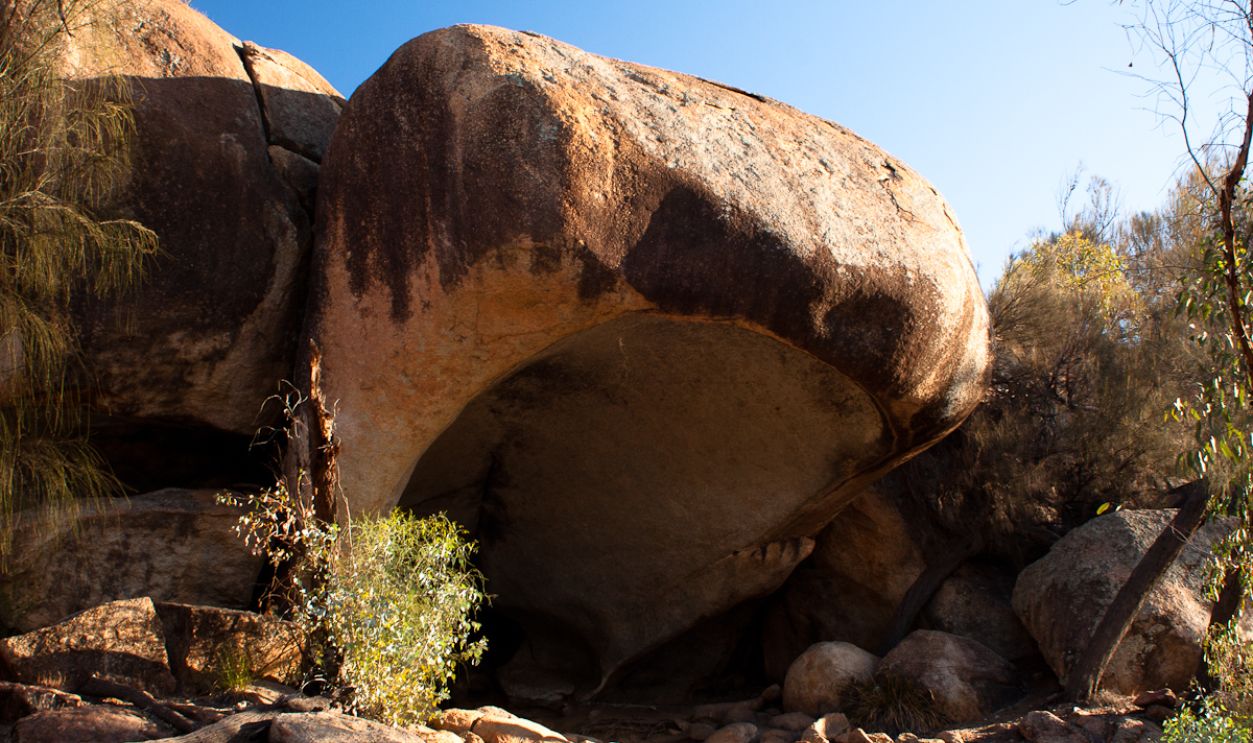
Hippos Yawn Is Nearby
Just a short distance from Wave Rock is another granite formation known as Hippos Yawn. The formation resembles the open mouth of a hippopotamus. It’s a popular photo spot for visitors.
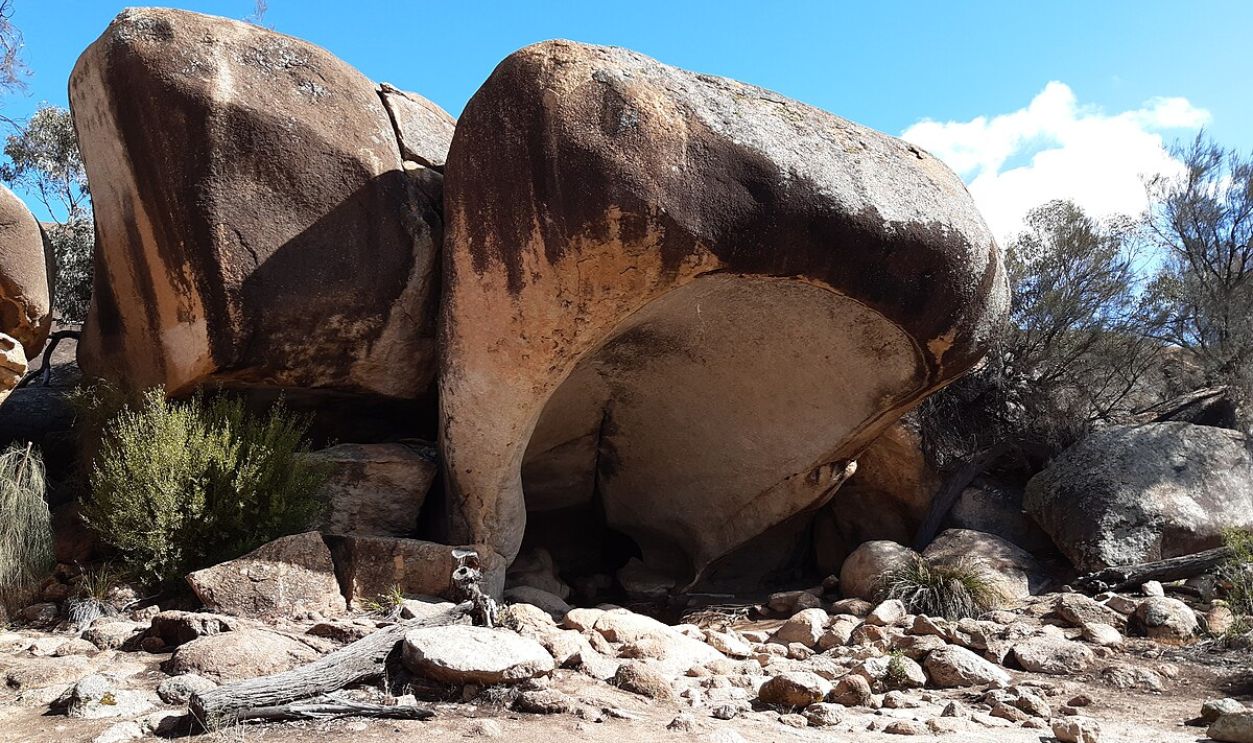
The Humps Add To The Area’s Appeal
Another nearby attraction is The Humps, a cluster of rounded granite hills. Like Hyden Rock, they were shaped by ancient erosion. The Humps also feature walking trails and viewpoints.
 Stephen Edmonds, Wikimedia Commons
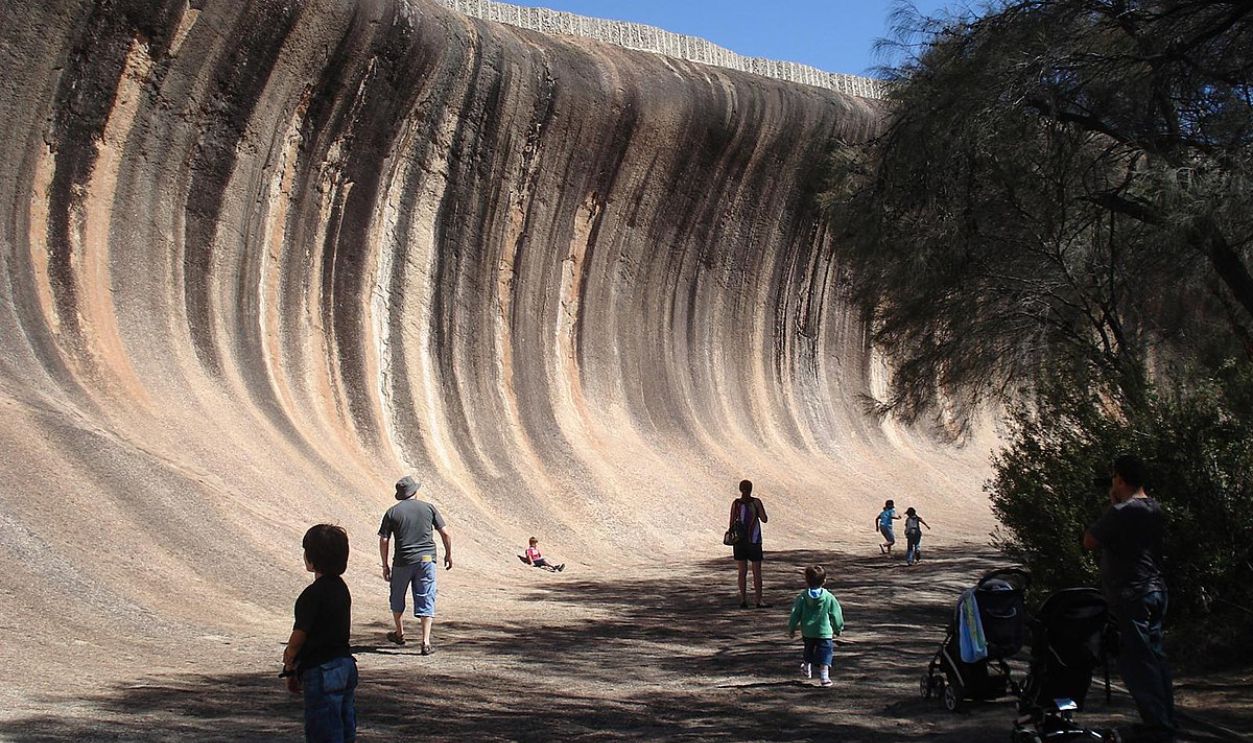
A Music Festival At The Rock
Since 2006, Wave Rock has hosted a music festival called Wave Rock Weekender. The event brings live music to the area each year.
 Seksan Phonsuwan, Wikimedia Commons
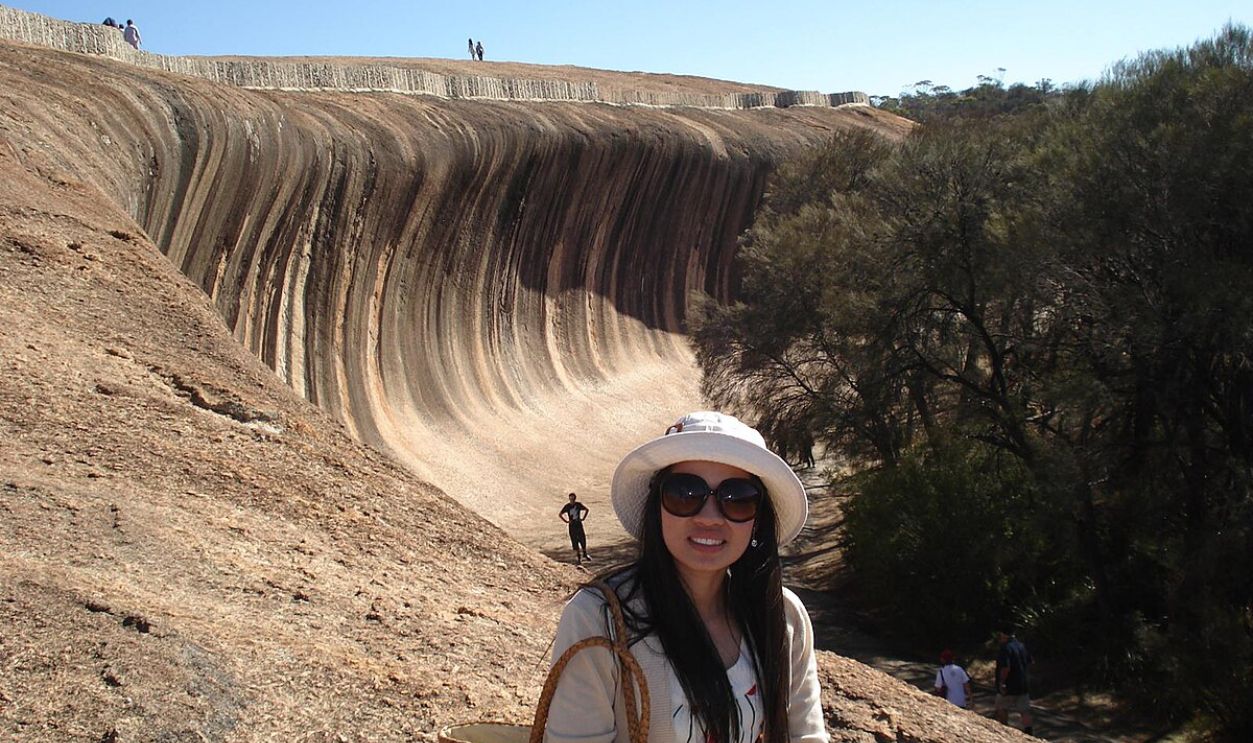
A Boutique Cultural Experience
Wave Rock Weekender is known for its intimate setting. Festivalgoers camp near the rock and enjoy performances in the open air.
 Seksan Phonsuwan, Wikimedia Commons
An Album Cover Star
Wave Rock appeared on the cover of Truth, a 1987 album by Japanese jazz-fusion band T-Square. The image helped introduce the formation to international audiences.
Location Within Western Australia
The rock lies within Western Australia’s expansive Wheatbelt region. This agricultural area is known for its wide skies, golden fields, and dramatic landforms. Wave Rock stands out as one of its most iconic features.
 Vivien Huey Wen Chen, Wikimedia Commons
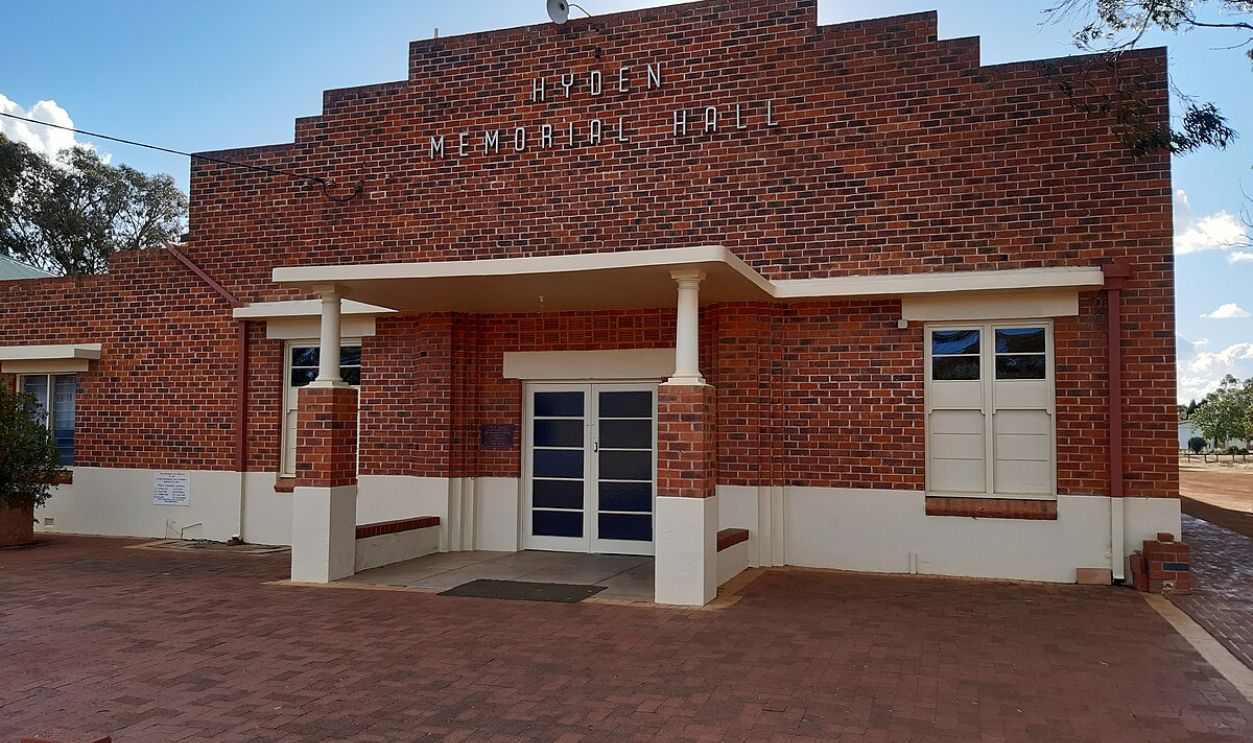
The Town Of Hyden
The closest town to Wave Rock is Hyden. With a population of only a few hundred people, it serves as the main base for tourists.
Erosion Continues Today
Though ancient in origin, Wave Rock is still being shaped by natural forces. Wind, water, and weather continue to subtly alter its form. It is a living geological feature in constant transition.
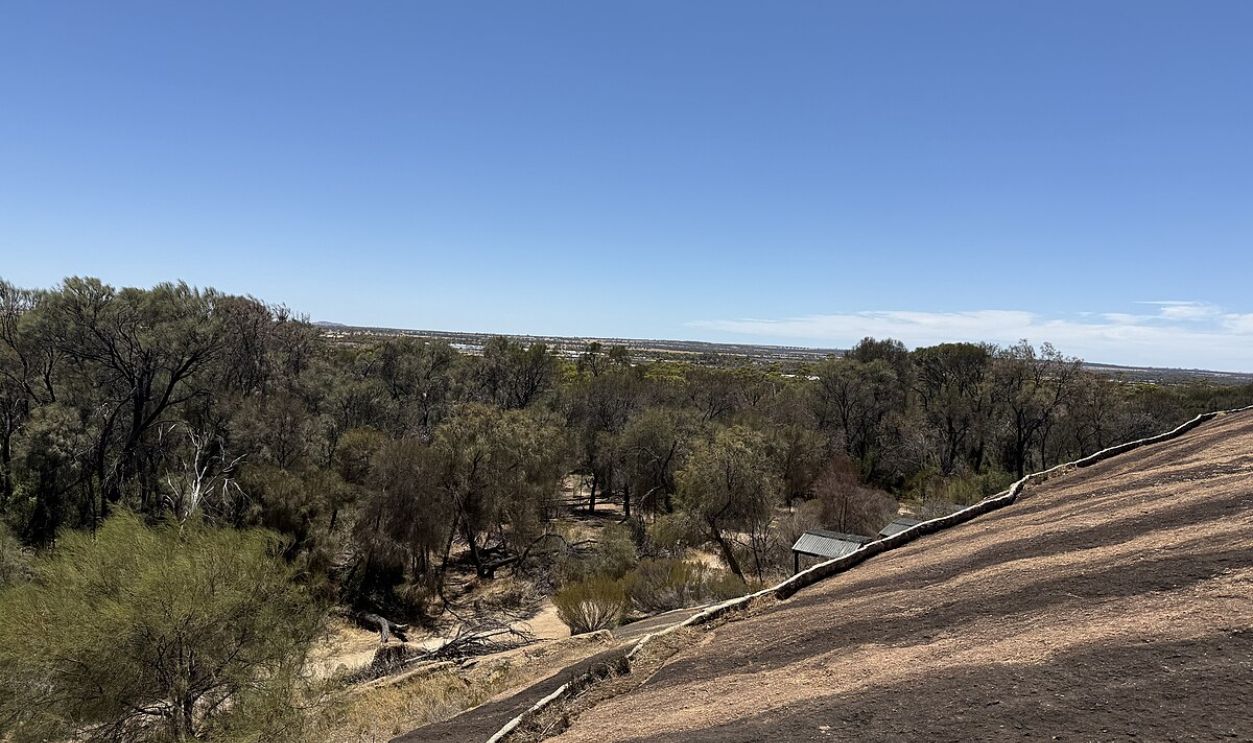
The Valleys And Domes Of Hyden Rock
Hyden Rock consists of three domes separated by valleys. One valley now contains a reservoir that stores collected rainwater. The central and eastern domes are linked by a low granite platform.
Lateritized Surfaces Above
During the Cretaceous, the surface above the granite became lateritized, rich in iron and aluminum. This layer protected the granite for millions of years. Over time, weathering and erosion broke it down.
Inselberg Formation Process
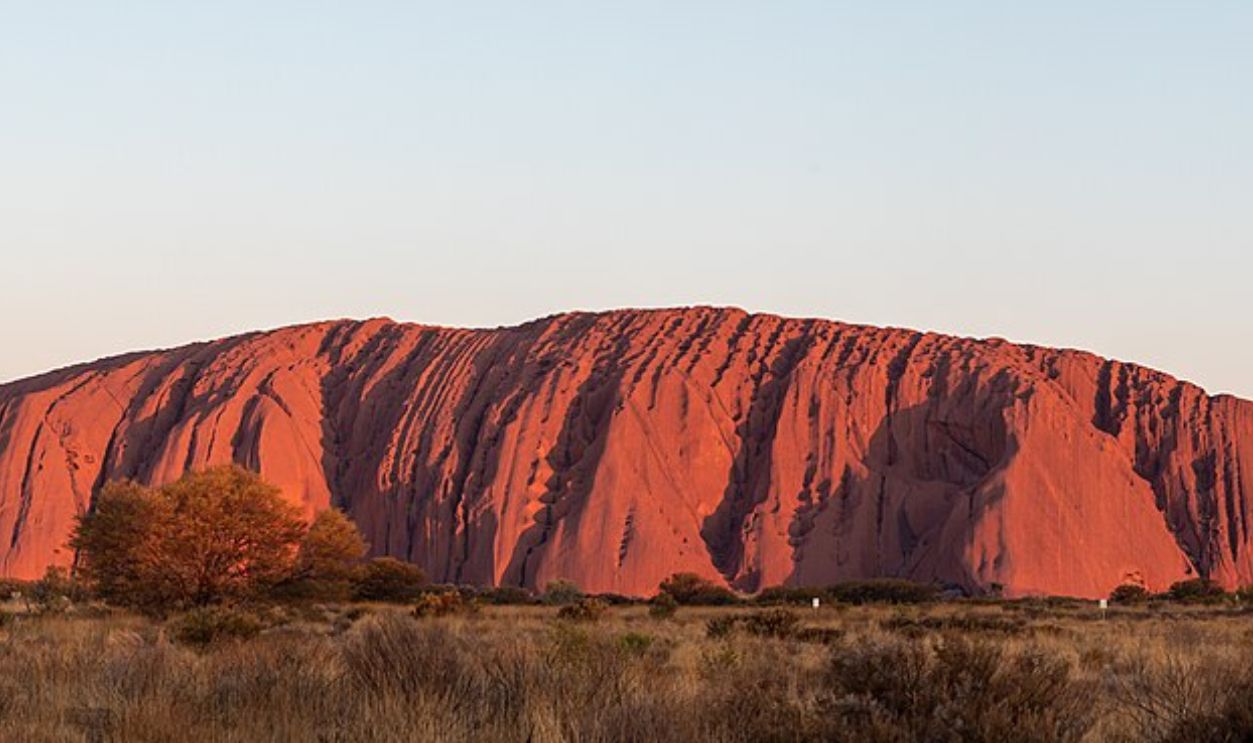
Wave Rock is part of a broader class of landforms known as inselbergs. These are isolated hills that rise suddenly from a flat plain. They are typically remnants of more extensive ancient landscapes.
 Dietmar Rabich, Wikimedia Commons
Loose Granite Surrounds The Core
Before being exposed, Hyden Rock was encased in disaggregated granite. This weaker material formed through chemical alteration. Erosion stripped it away, leaving behind the more resistant core.
A Monument Of Deep Time
Wave Rock is a beautiful geological record. Its story spans billions of years, from underground dome formation to surface exposure. Few natural features offer such a profound sense of Earth’s history.
 Kavali Chandrakanth KCK, Wikimedia Commons
You May Also Like:







,_Uluru-Kata_Tjuta_National_Park,_Uluru_--_2019_--_3704-8.jpg)

