The Man Who Dreamed Big
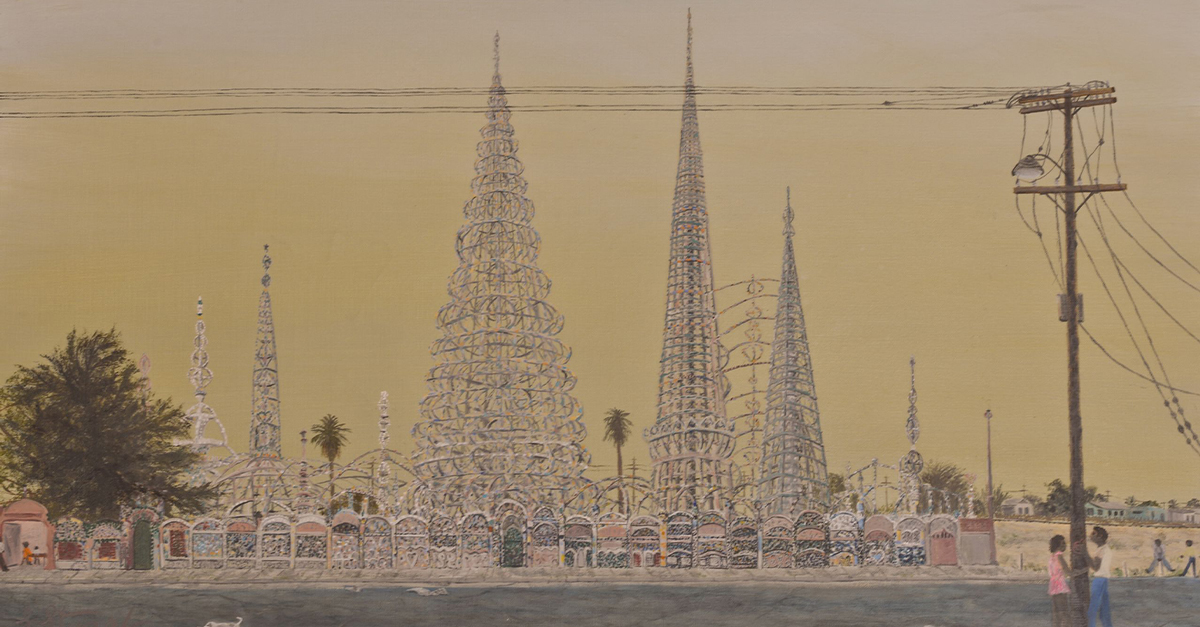
Simon Rodia was an Italian immigrant and tile‑layer who arrived in Los Angeles in the early 20th century. In 1921, at age forty‑two, he bought a triangular lot in the Watts area of LA and told everyone he would build “something big.” It turned out he wasn’t kidding. Working alone with hand tools and salvaged materials, his ambition sparked an art project unlike anything the city has ever seen: the Watts Towers.
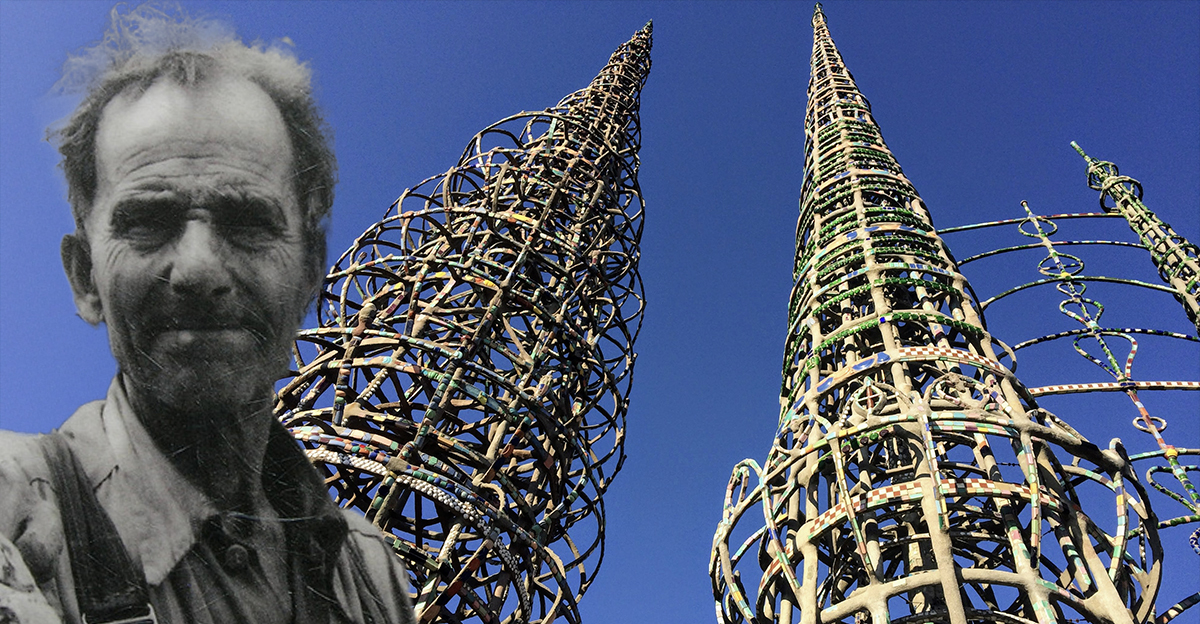
From Trash To Towers: Rodia’s Method
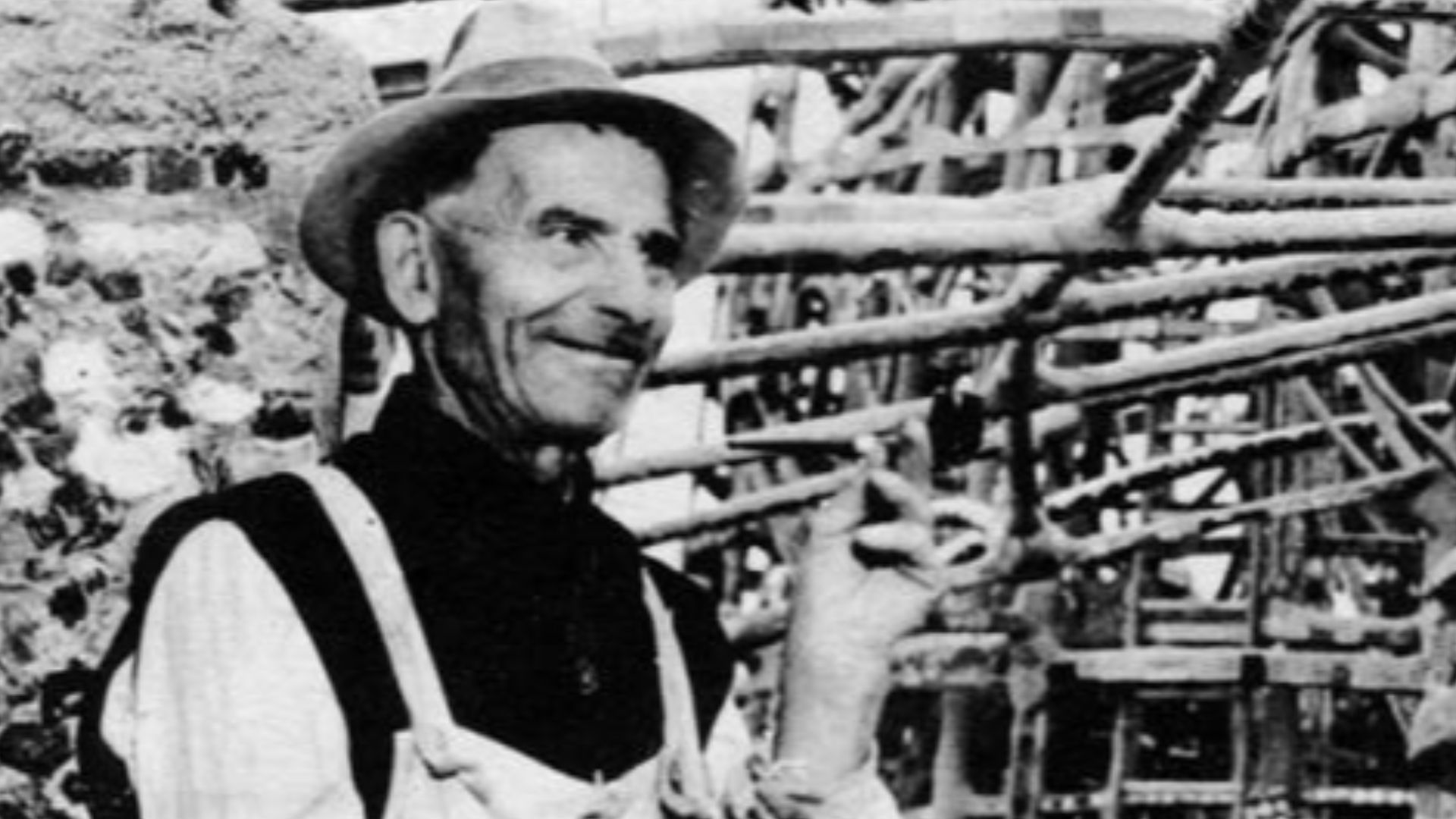
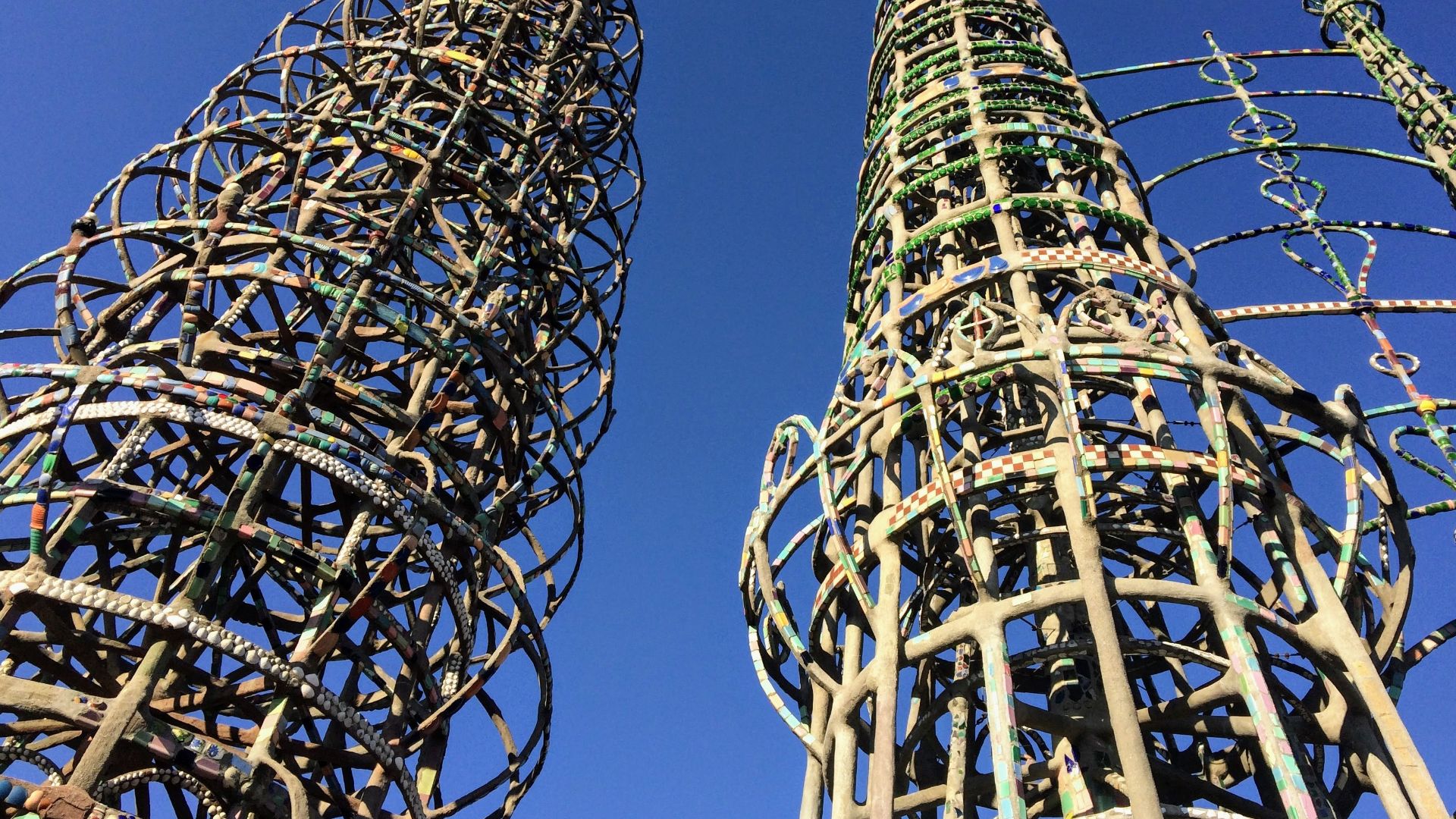
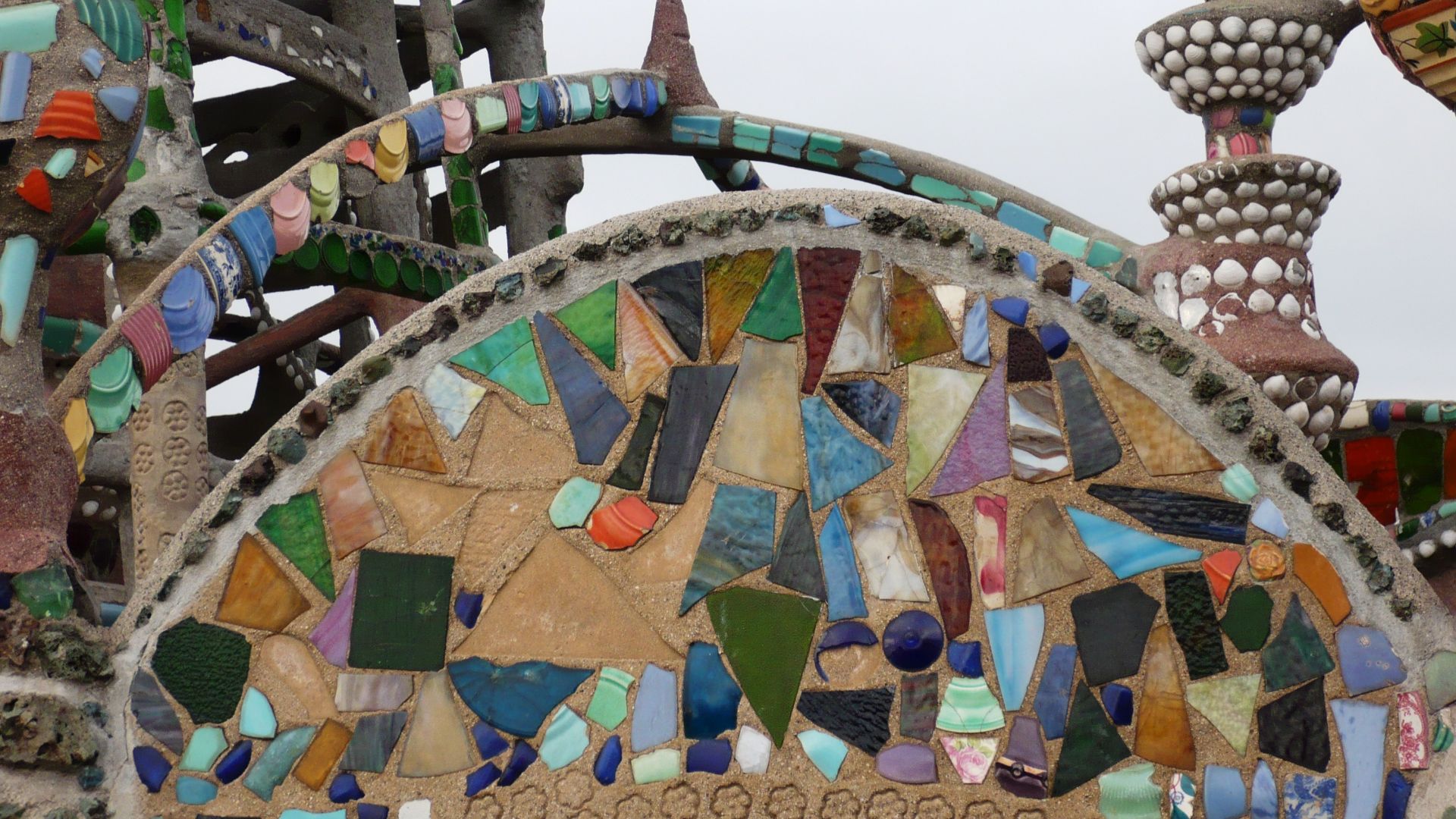
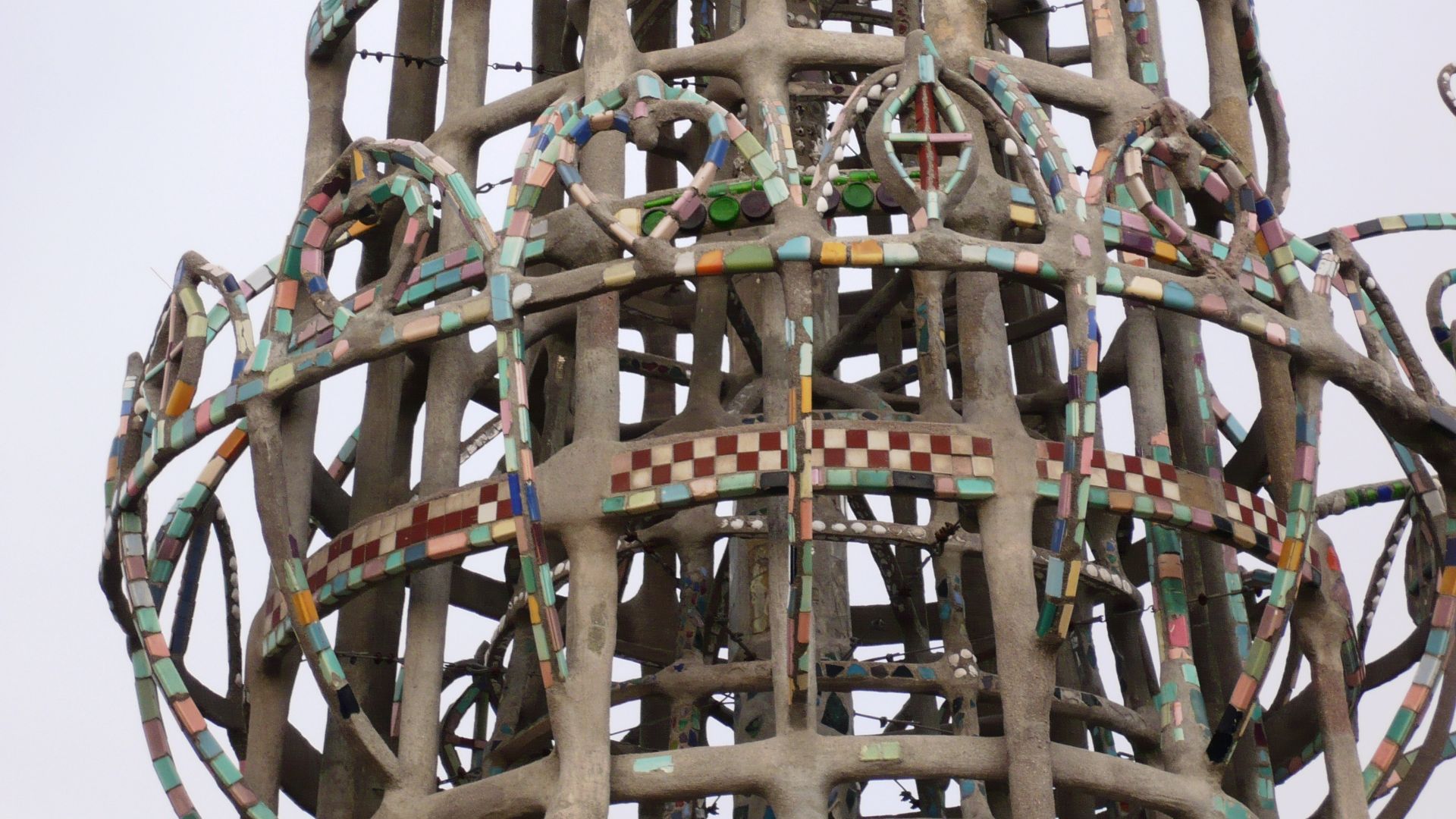
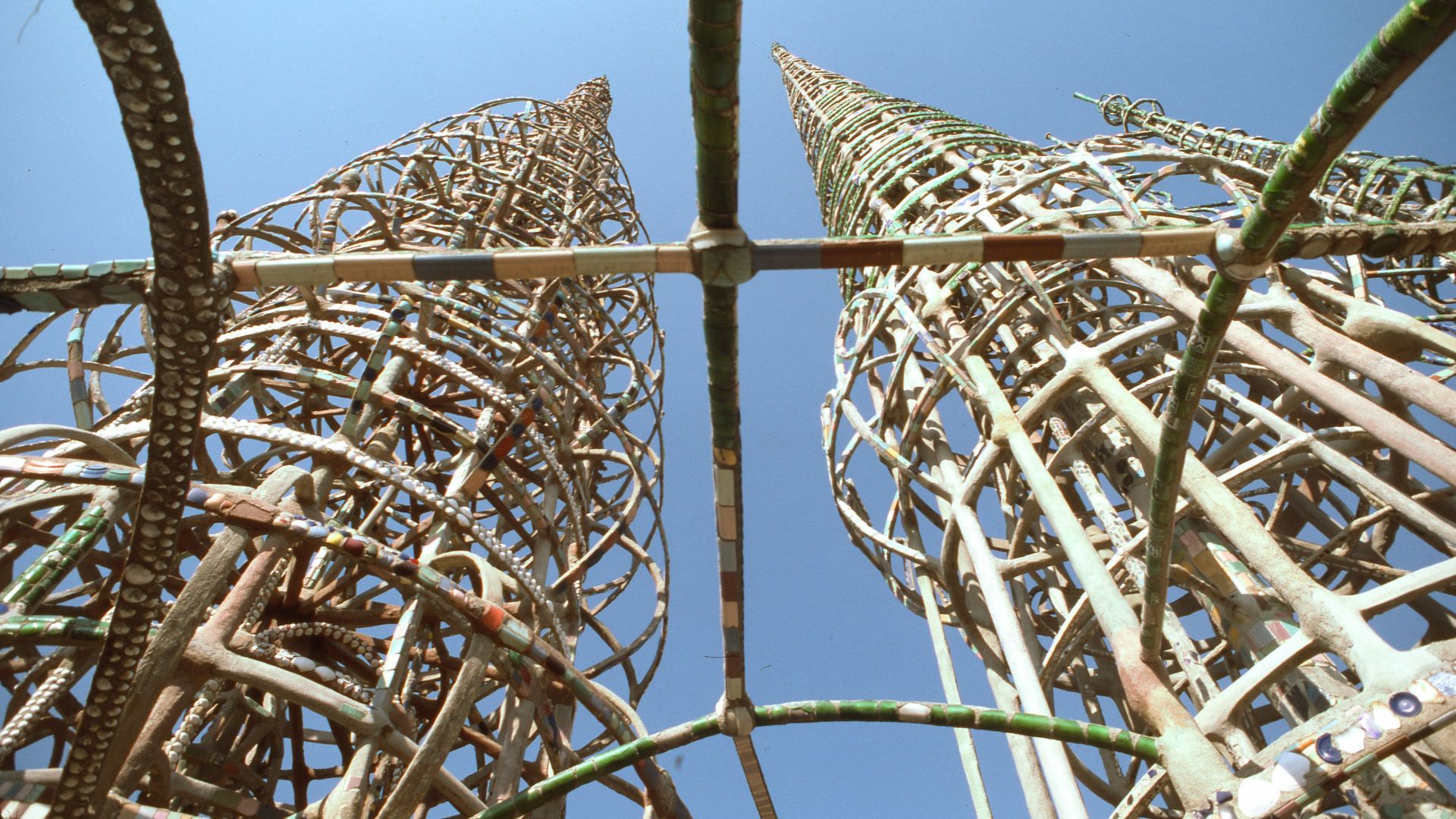
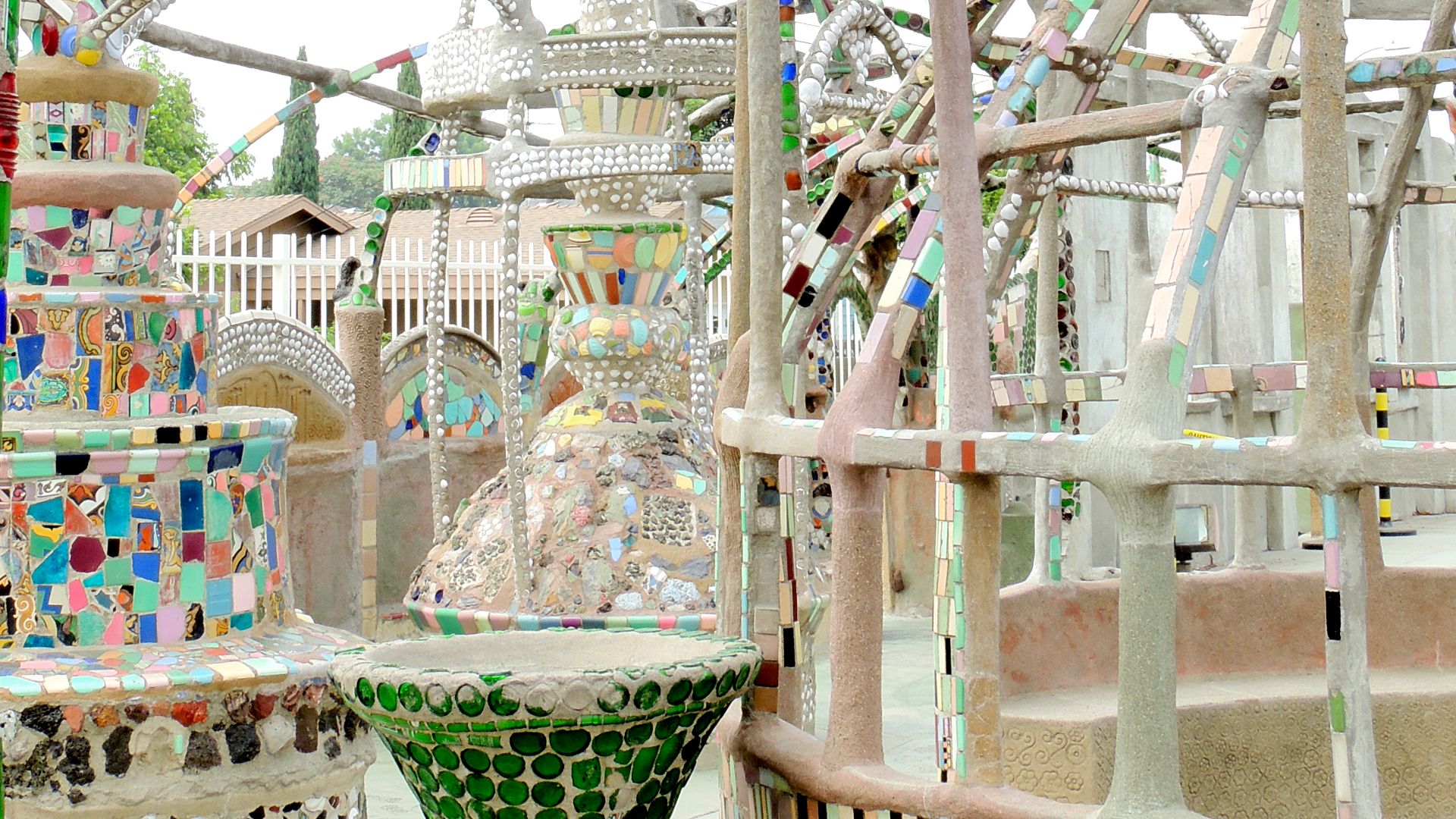
Rodia bent scrap rebar, wrapped it in wire mesh, packed it all in with mortar, embedded glass, tile, shells, pottery, and broken bottles. No scaffolding. No welding. Just ladders, cement, and his own mule-like stubbornness to keep building higher. His evolving towers proved that beauty could rise from people’s discarded fragments and the determination of a single creator.
 Herald Examiner, Wikimedia Commons
A Dream Spanned Three Decades
From 1921 to 1954, Rodia worked on a daily basis, and often even at night, shaping seventeen towers, walls, sculptures, and mosaics. He built slowly but very surely, driven more by instinct than any clear concept laid out on a blueprint. By 1954, after thirty‑three years of uninterrupted effort, his towering creation loomed over the skyline of the Watts neighborhood.
“Nuestro Pueblo” — His Name For The Creation
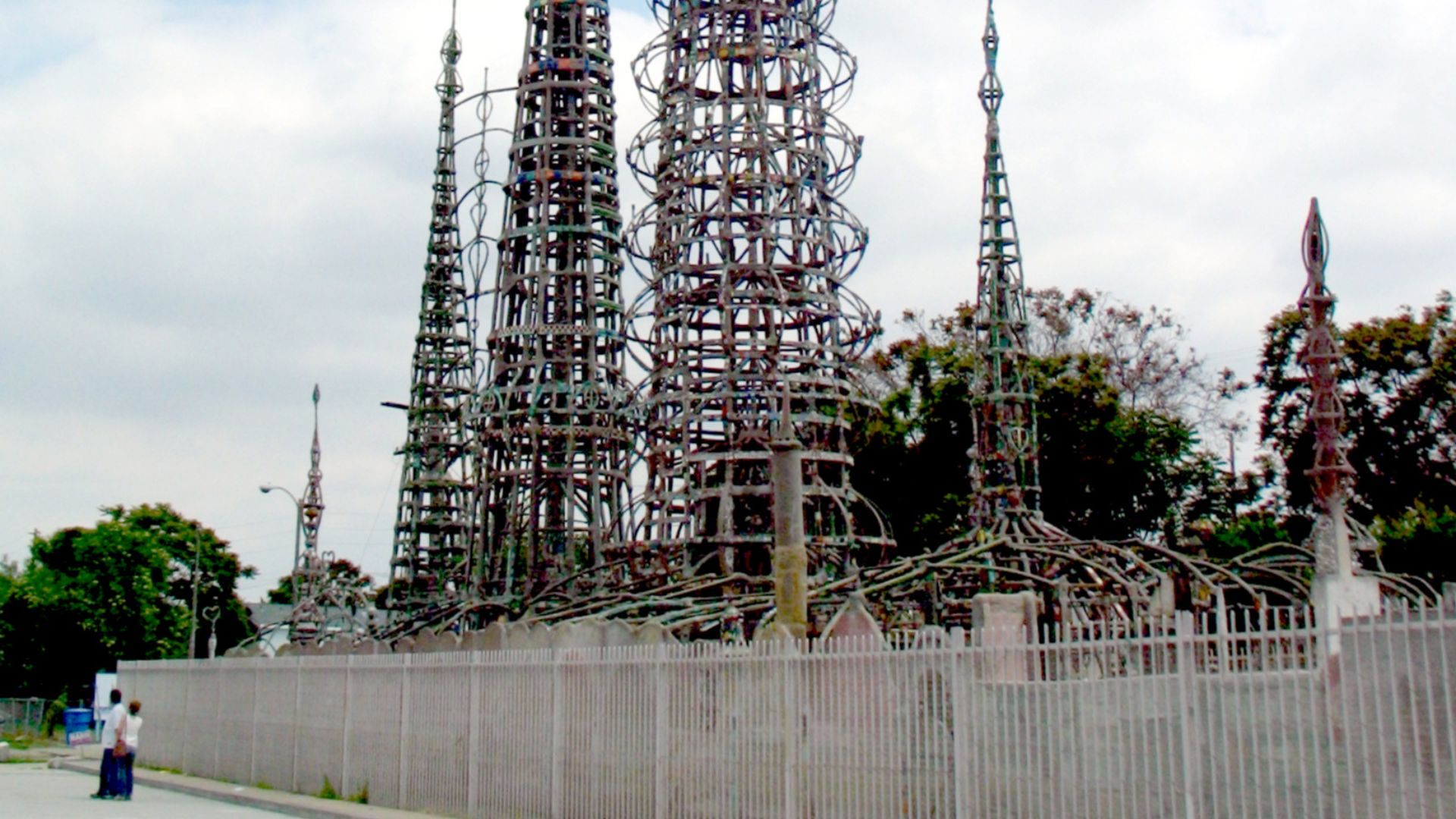
Rodia gave his complex the name “Nuestro Pueblo” (Our Town), a gesture toward the community rather than his own ego. Although he’d built it alone, the name signaled an inclusive spirit toward the people around him. His towers were meant to be shared. It was an imaginative public gesture from a man who rarely spoke but built with deep conviction.
 Levi Clancy, Wikimedia Commons
The Towers Rose In A Changing Neighborhood
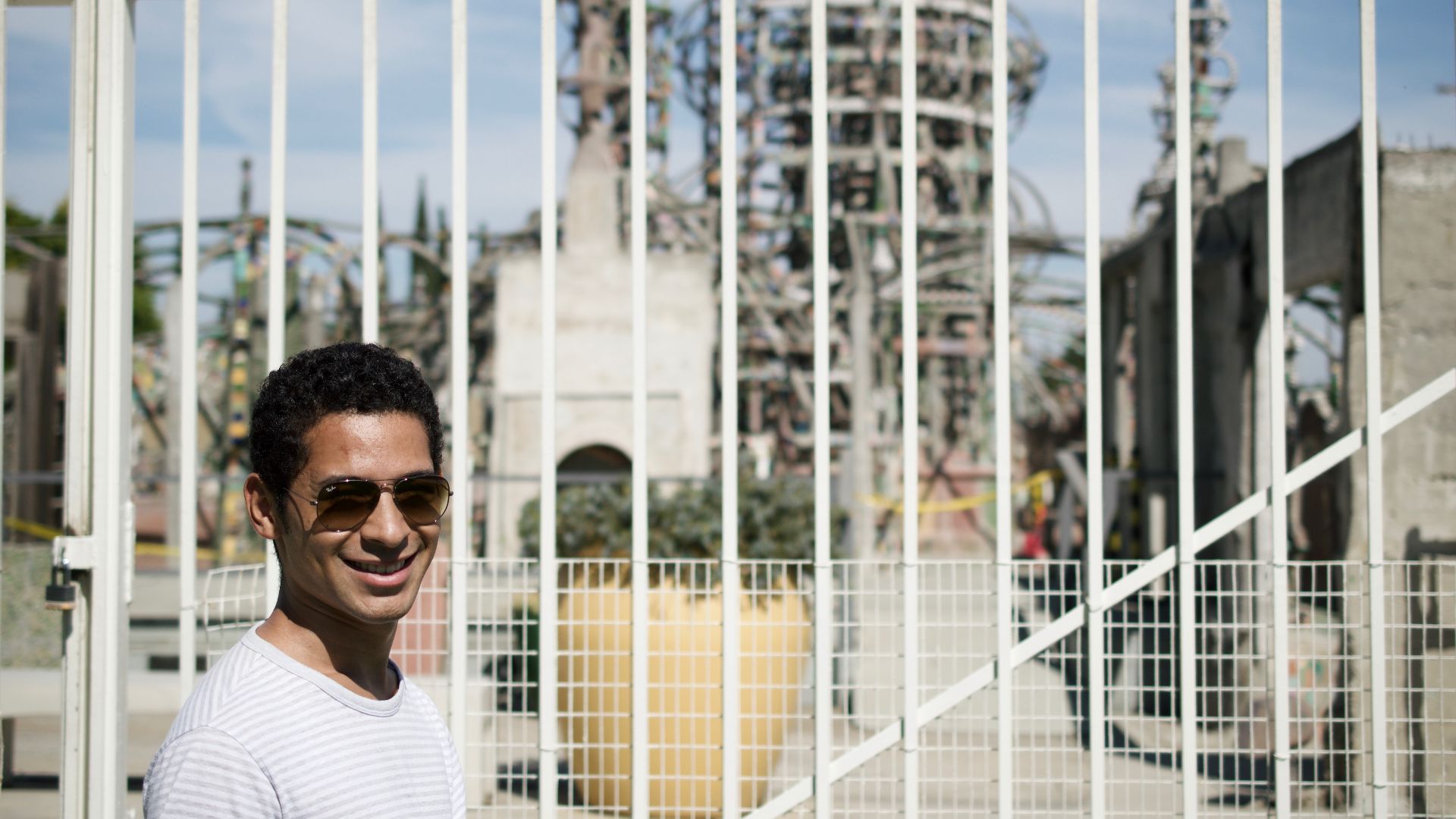
When Rodia started his monuments, Watts was a quiet semi‑rural Los Angeles district. Over time though, it shifted into a dense working‑class community shaped by migration and economic change. During these transitions of the surrounding society, the towers remained a startling visual landmark: a forest of metallic spires suddenly rising above modest homes and rail lines.
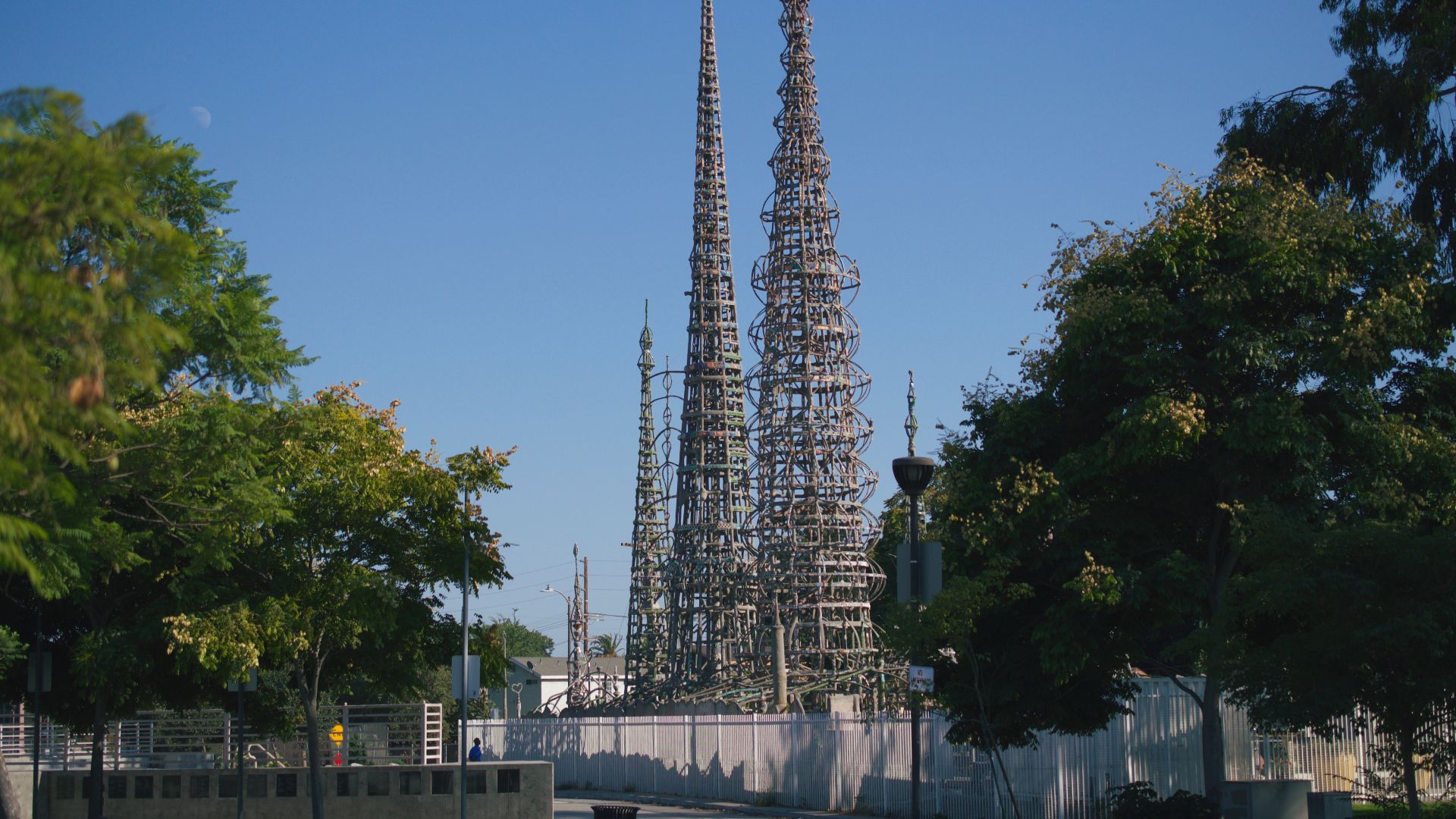 Levi Clancy, Wikimedia Commons
Curiosity, Scorn, And Suspicion
A lot of Rodia’s neighbors mocked his structures at first as junk or dismissed them as the unhinged creations of a madman. Others had the more immediate concern that they were unsafe or even dangerous. Rodia’s creation drew vandalism, ridicule, and consternation long before it drew any admiration. But his persistence outlasted the early naysayers.
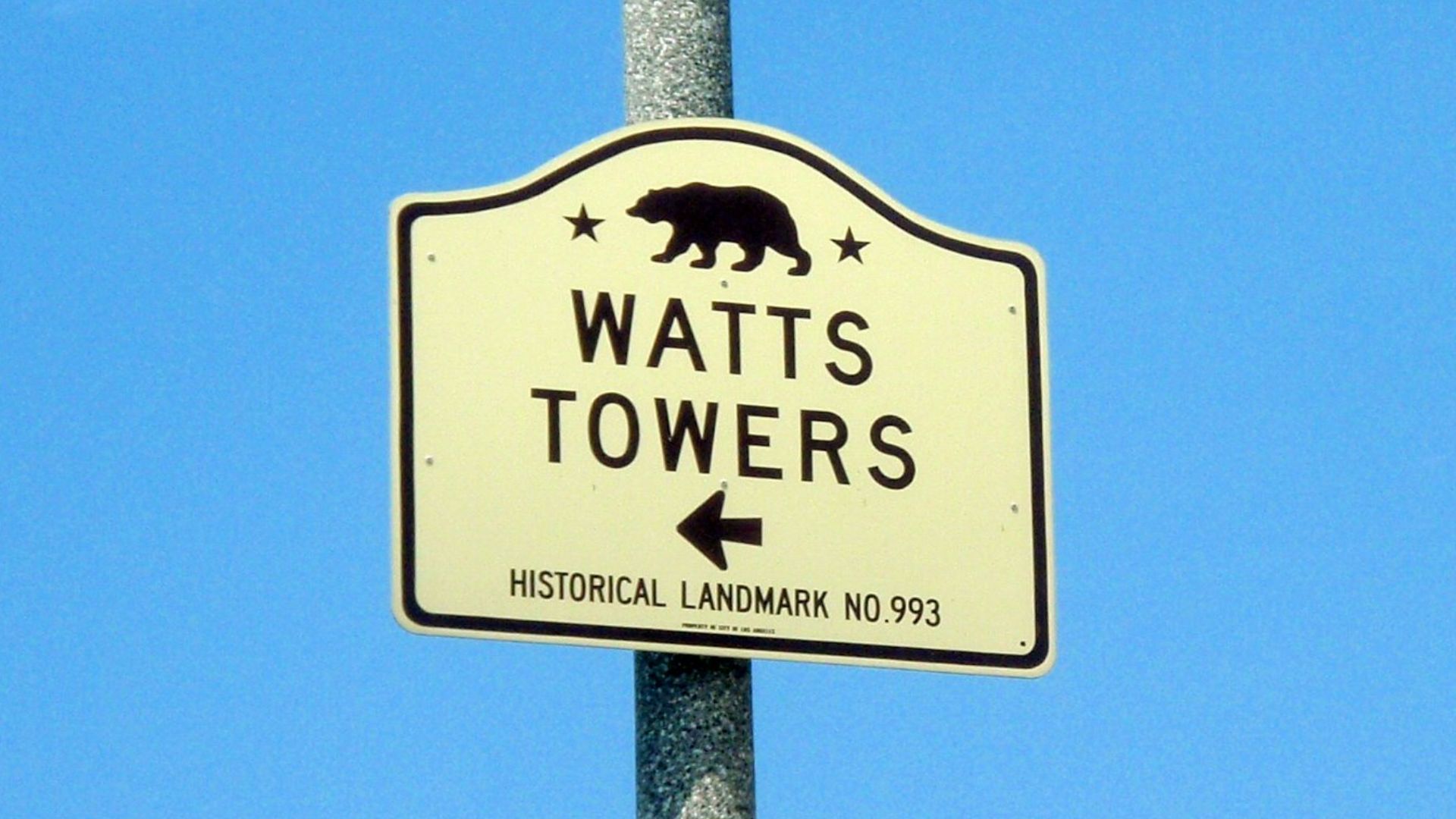 oFace Killah, Wikimedia Commons
Homespun Methods
Rodia bent much of the Towers' framework from scrap rebar. Other items came from alongside the Pacific Electric Railway right-of-way between Watts and Wilmington. Rodia often walked that railway right-of-way all the way to Wilmington in search of materials he could use, a distance of nearly 20 miles (32 km).
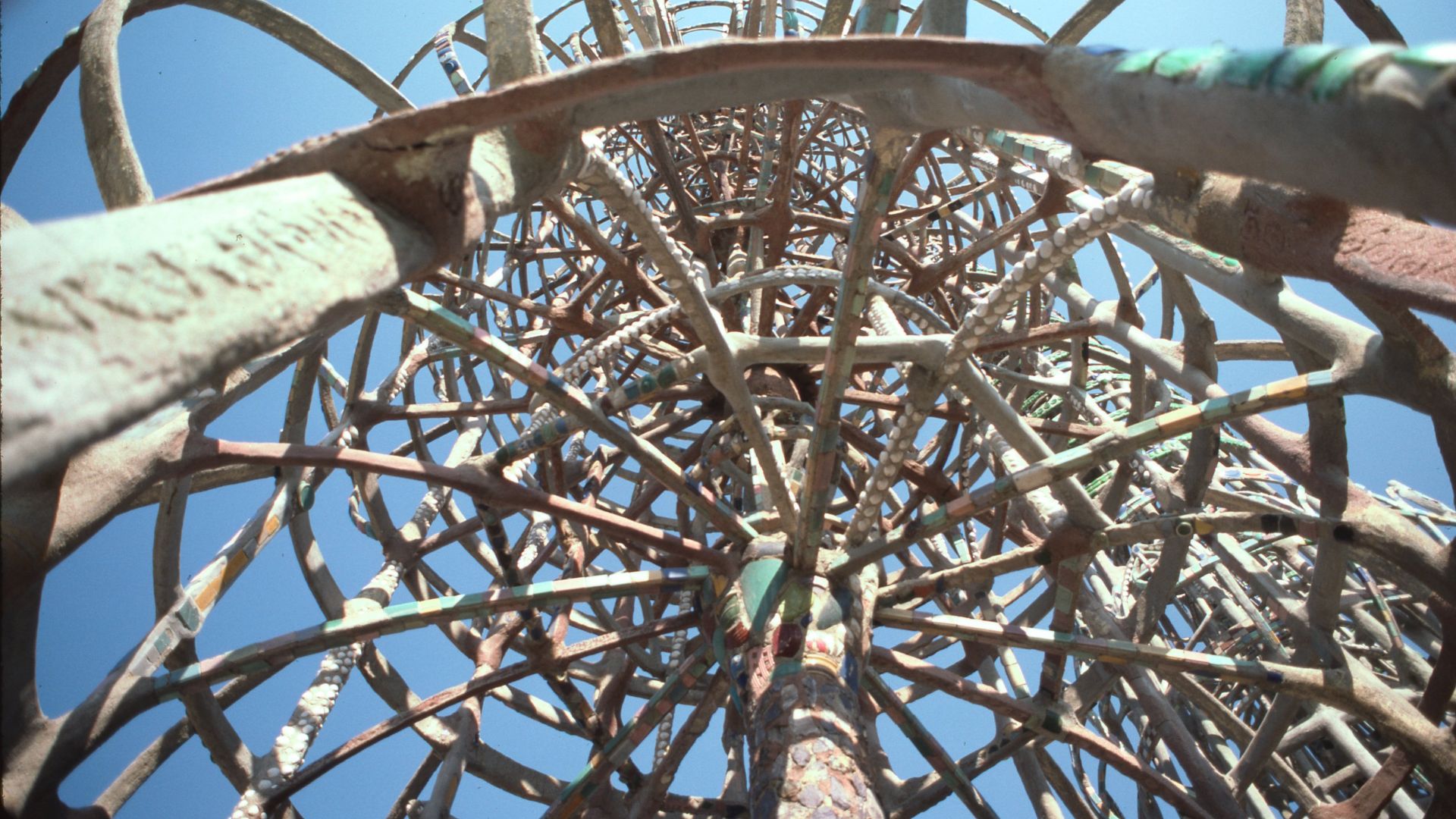 André Corboz, Wikimedia Commons
He Was Getting On In Years
In 1954, Rodia suffered a stroke. Not long afterward, he fell off one of his towers, (fortunately) when he wasn’t too far off the ground. With his health declining, and weary of the constant battles with the city authorities, Rodia signed over the property to his next-door neighbor and moved to Martinez, California to live with his sister.
The Bungalow Fire And A Turning Point
In 1956, a fire destroyed Rodia’s small home on the property. City inspectors declared the site unsafe soon afterwards and ordered the towers to be demolished. To the city officials, the towers looked unstable and besides, they didn’t have the necessary building permits. After 35 years of growth, the structure that had defined Rodia’s life seemed destined for imminent demolition.
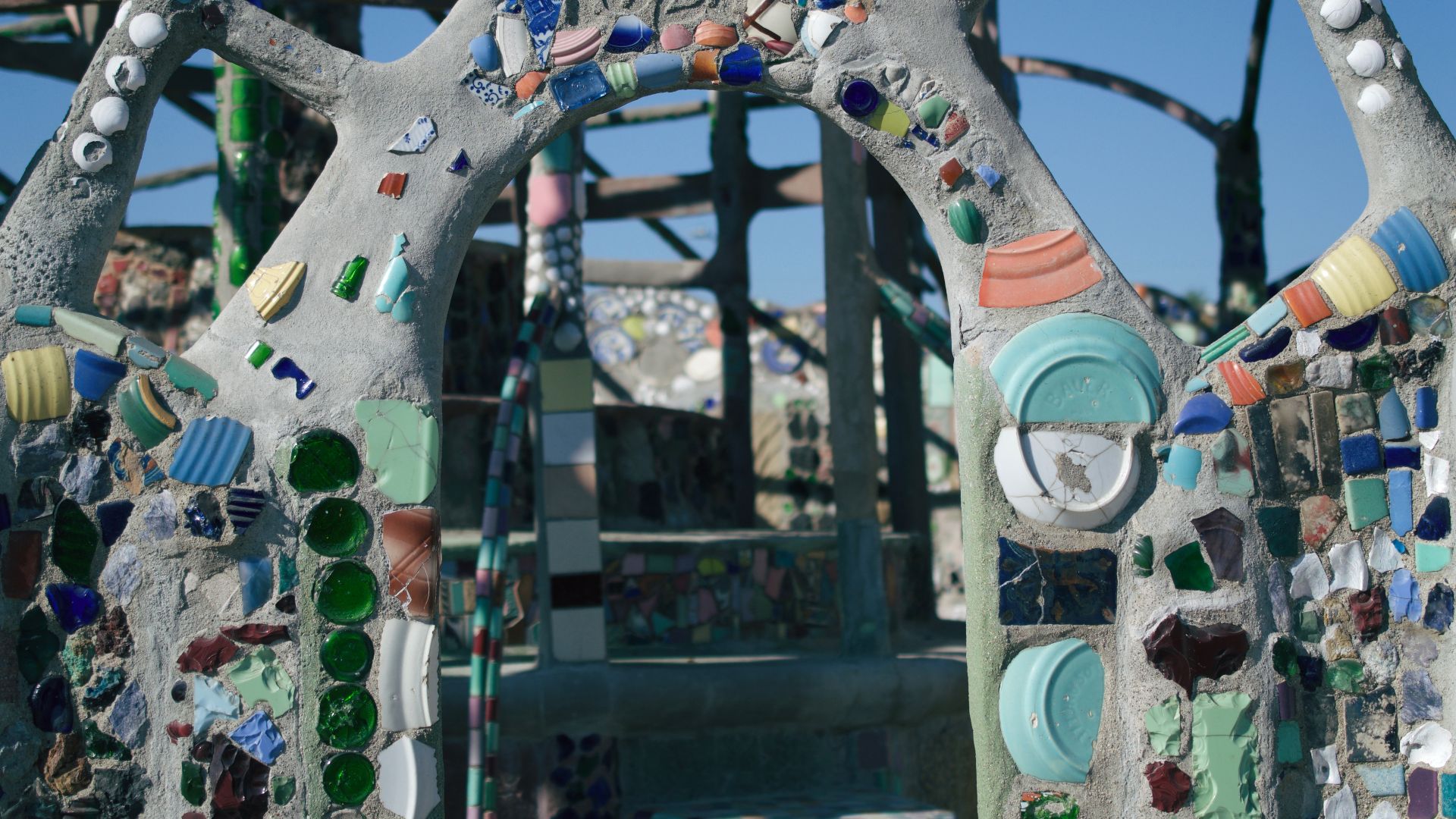 Levi Clancy, Wikimedia Commons
A City Versus A Vision
The LA Department of Building and Safety insisted that the towers posed a structural risk and demanded that they be removed. Bureaucratic pressure mounted as city officials rubbed their hands together, eagerly waiting to tear the towers down. What Rodia viewed as art, the city regarded as a nuisance; an official clash that put the towers in immediate jeopardy.
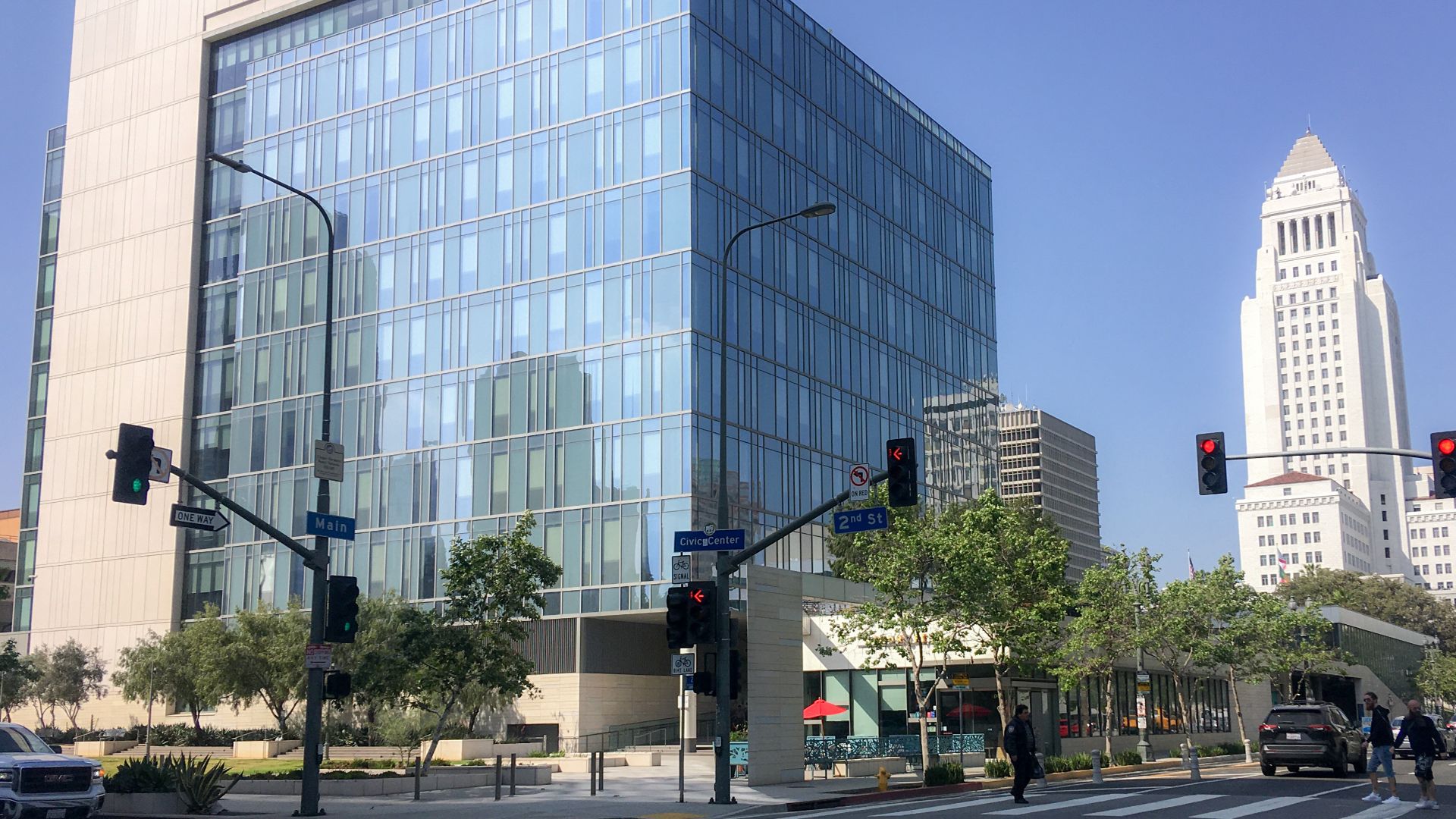 Clyde Charles Brown, Wikimedia Commons
A Band Of Rescuers Emerges
It was around this time in 1959, that a rag-tag group of local artists, academics, and supporters formed the Committee for Simon Rodia’s Towers in Watts. They fought against the currents of public opinion, raised money, and provided the legal pressure to halt the demolition. Their mission was to prove that these spires were not rubble but an artistic masterpiece worth saving for future generations.
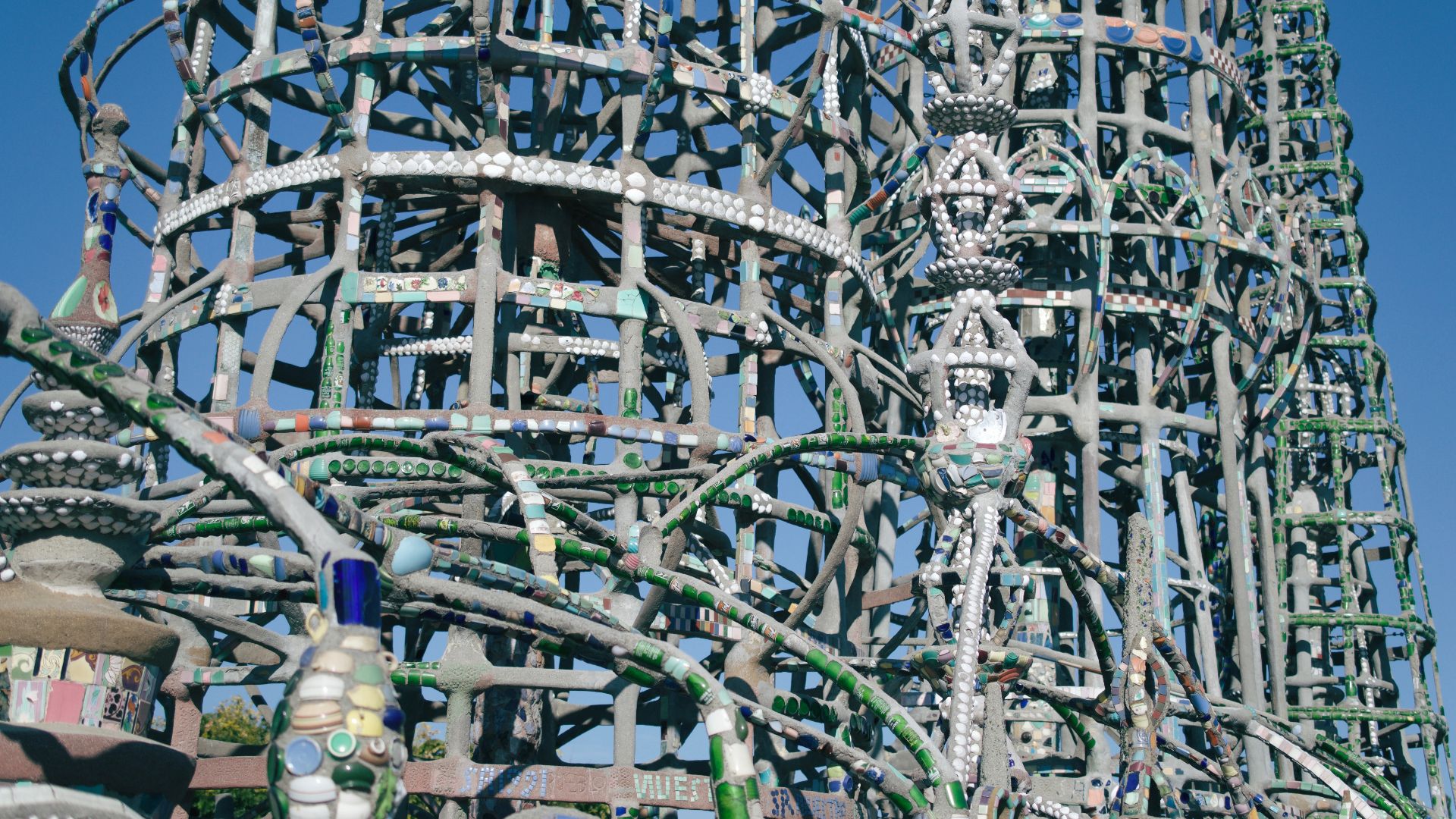 Levi Clancy, Wikimedia Commons
The Legendary Stress Test
To counter the city’s claims of instability, engineers attached steel cables to the towers and subjected the structures to lateral forces of up to five tons. Remarkably, the structures held firm. The successful test was proof enough to force the city to withdraw its demolition order. Rodia’s towers had earned a second life.
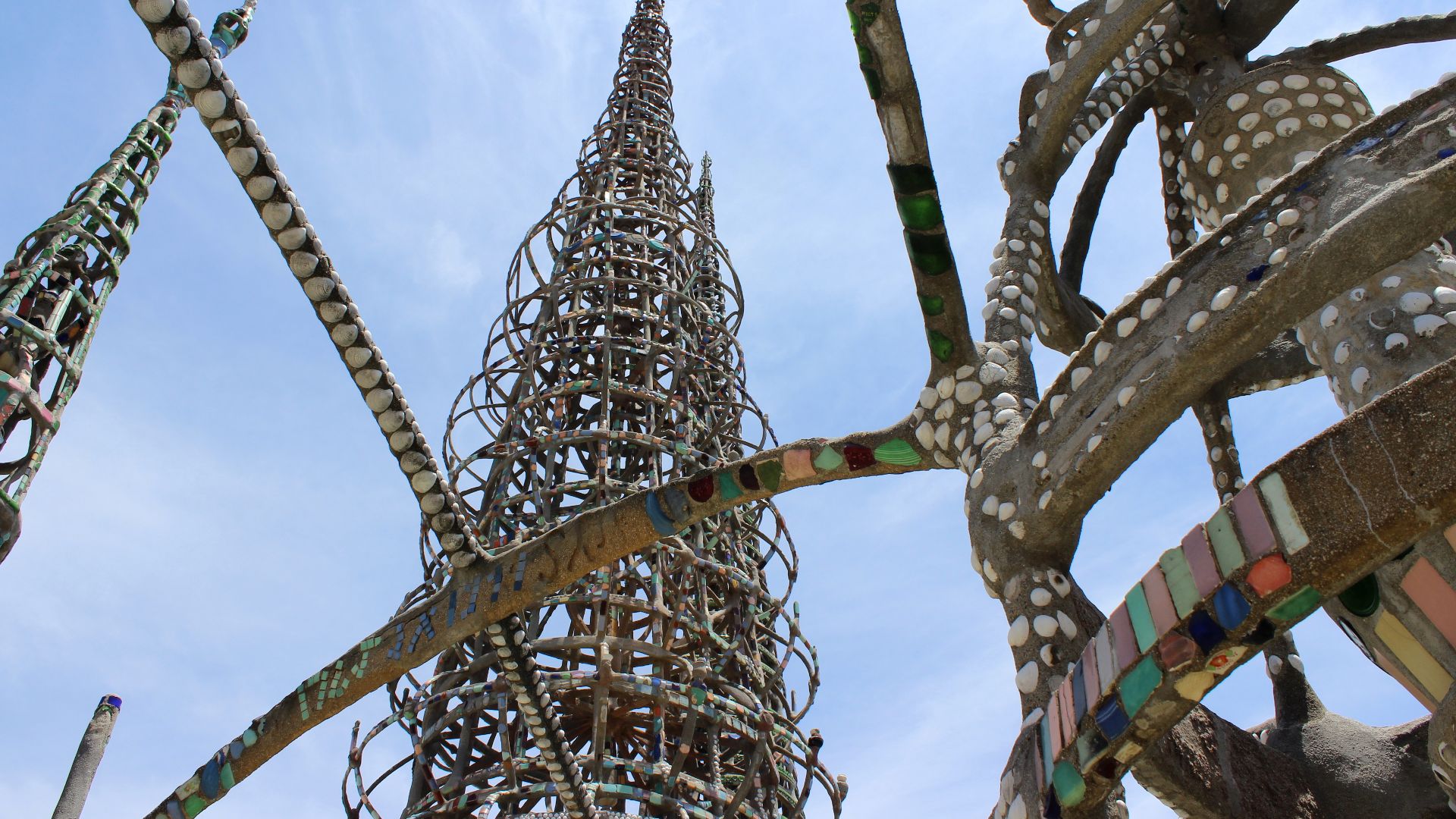 Isabelle Acatauassú Alves Almeida, Wikimedia Commons
Preservation Movement Gains Momentum
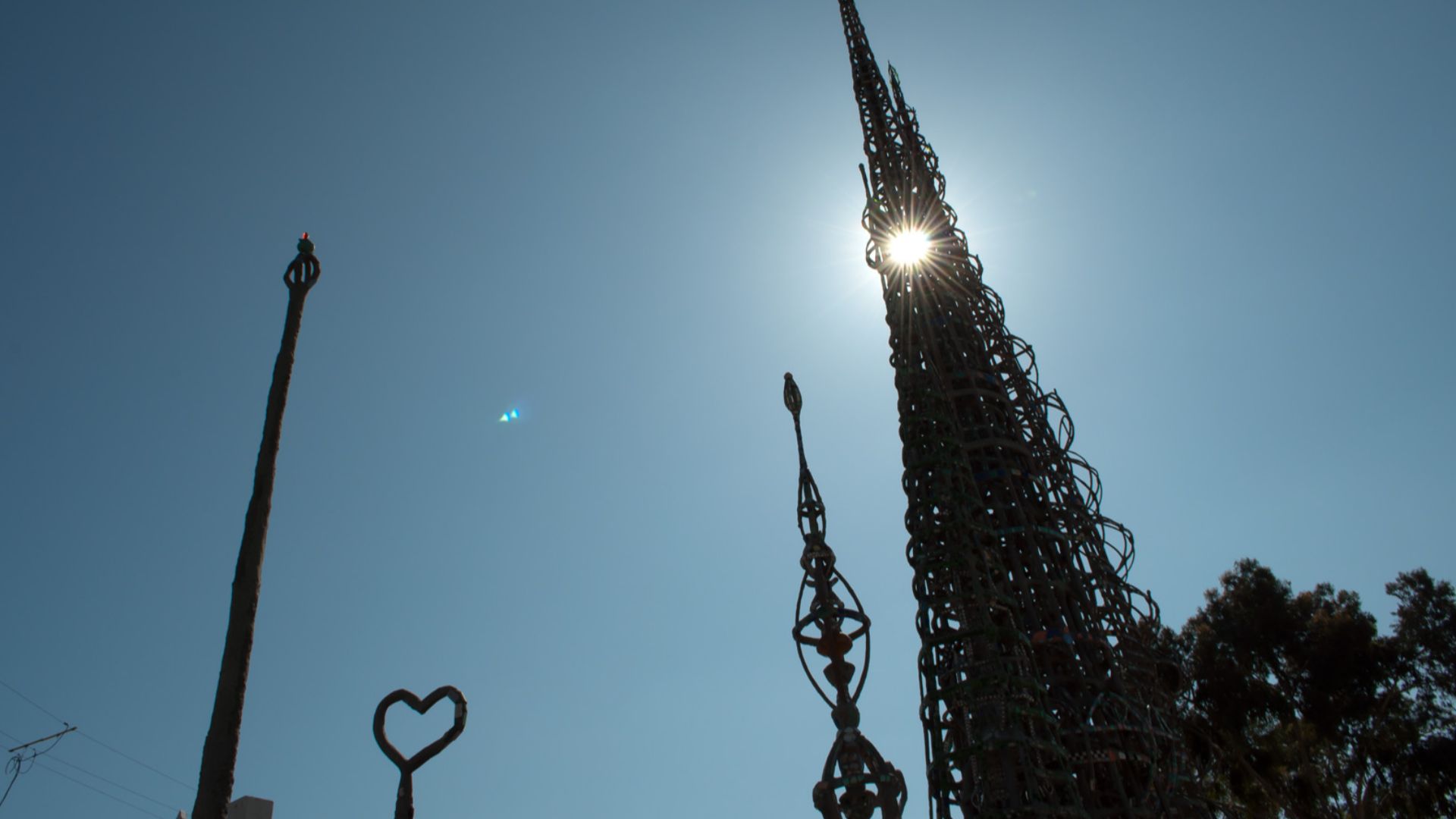
With demolition narrowly averted, conservationists now started to restore damaged sections. Ownership shifted to new stewards who understood the cultural value of the site. Recognition grew as artists and architects praised the towers’ inventiveness and Rodia’s unusual vision. What was nearly demolished now turned into a monument to durability.
 InSapphoWeTrust from Los Angeles, California, USA, Wikimedia Commons
Official Recognition As A Landmark
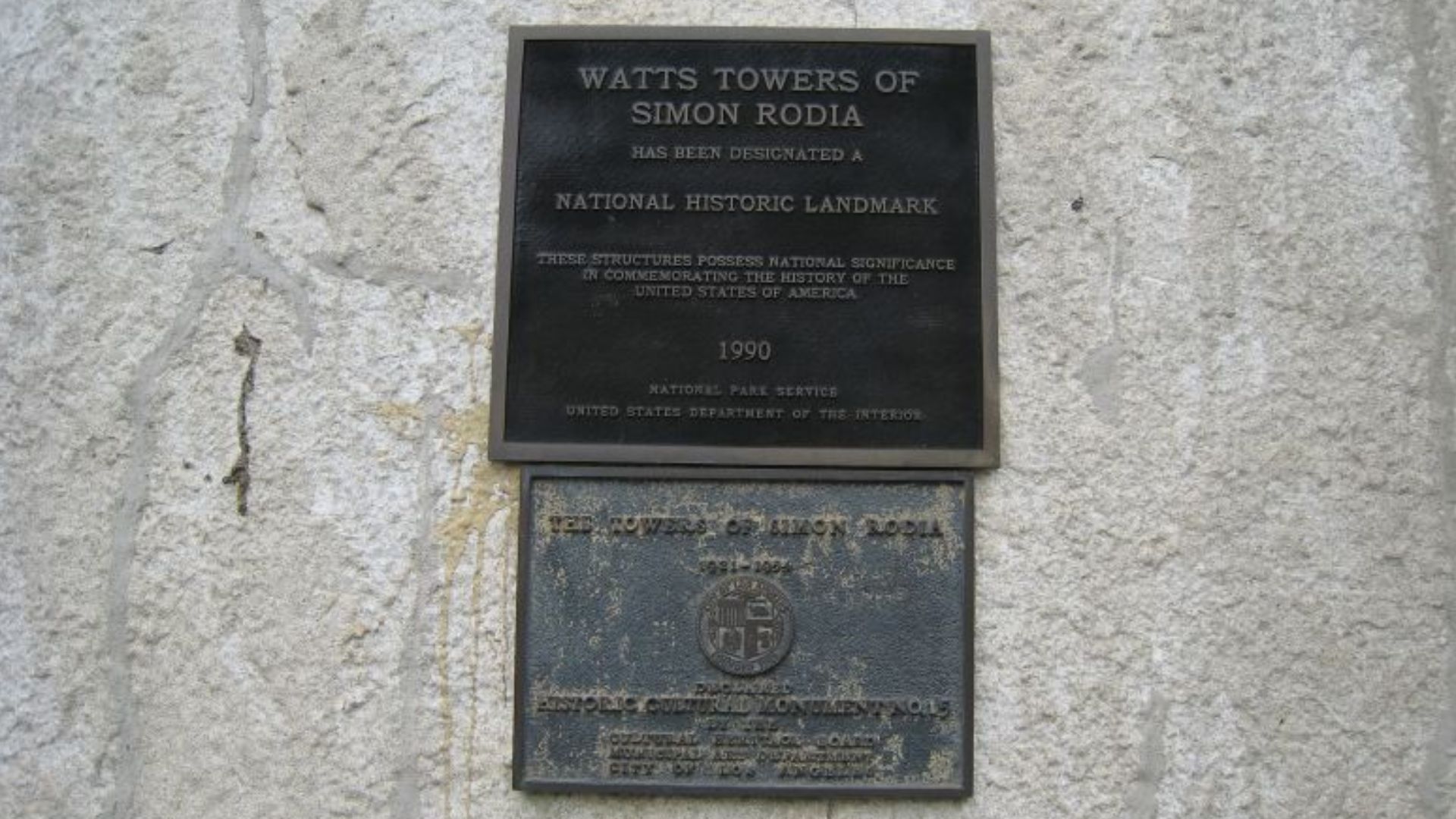
By the late twentieth century, Watts Towers had earned multiple honors: National Register of Historic Places (1977), National Historic Landmark (1990), and designation as a Los Angeles Historic‑Cultural Monument. These protections elevated the towers from its status as a local oddity to a nationally recognized art environment.
Redefining Art: Outsider Genius
The towers became a cornerstone of folk-art creativity born outside of institutions and formal training. Rodia’s approach challenged traditional concepts of art by proving monumental work could emerge from daily improvisation, recycled materials, and self-taught craftsmanship.
Watts Riots And A Symbol Of Resilience
During the 1965 Watts Riots, the neighborhood suffered widespread destruction. But the towers remained unscathed, becoming a symbol of endurance and community renewal. Their survival amid turmoil gained status as cultural anchors in an often-troubled neighborhood.
 DameEdithDivine, Wikimedia Commons
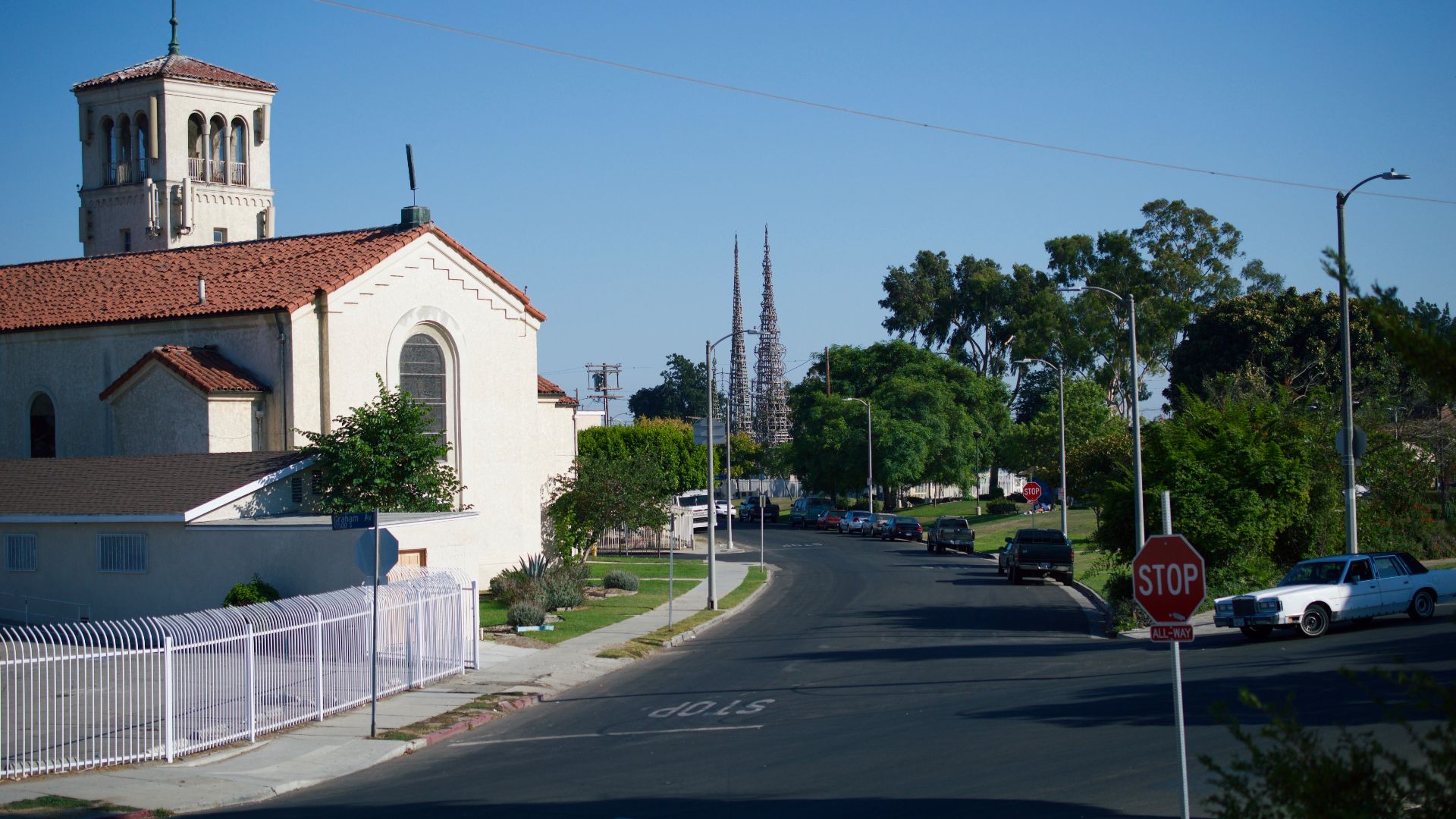
A Changing Neighborhood, A Constant Icon
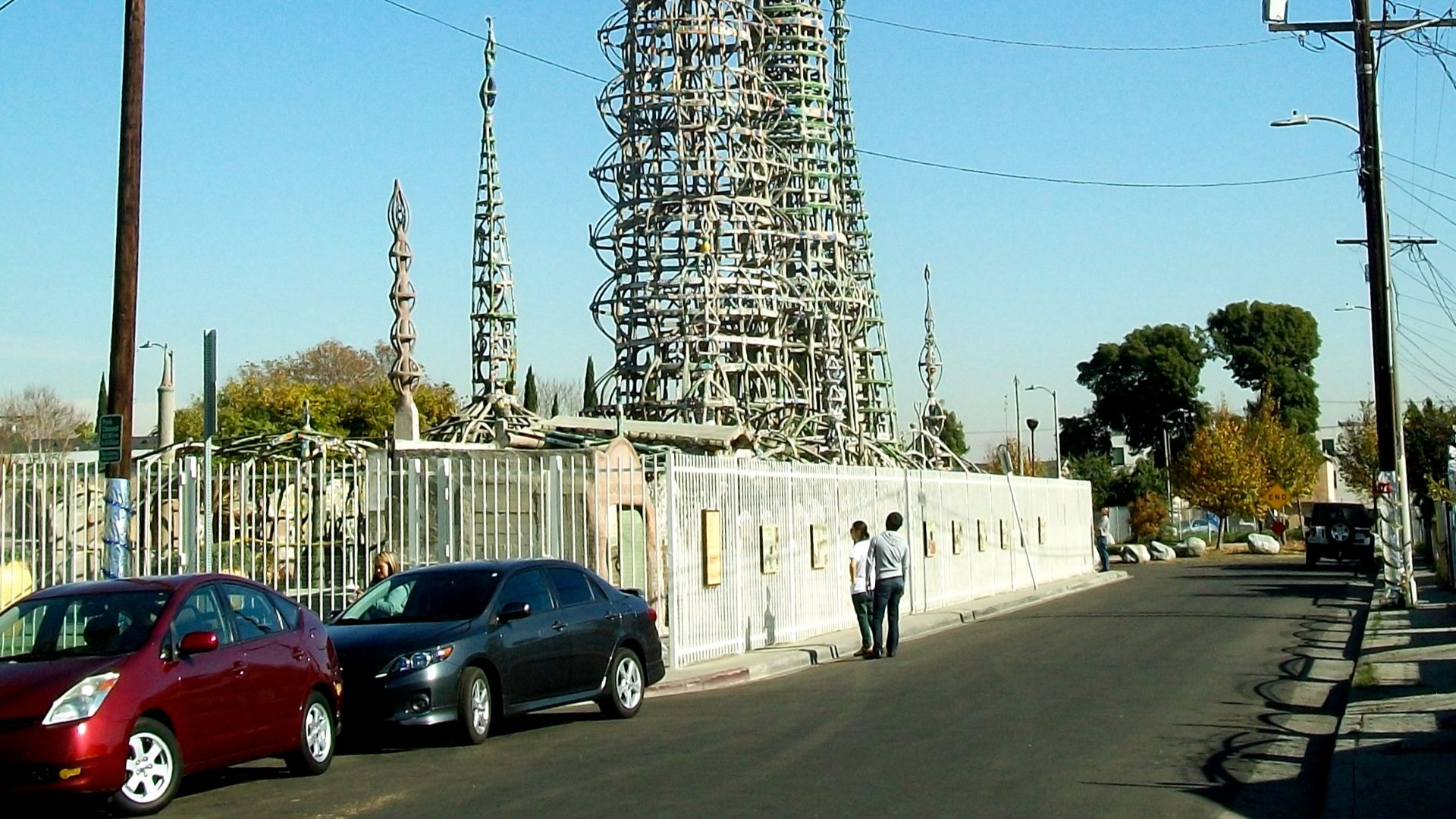
Watts evolved through decades of economic hardship and revitalization efforts. Through it all, the towers stood as a constant. For many residents, they became a point of pride, and gave a sense of permanence in a changing landscape.
 Levi Clancy, Wikimedia Commons
The Watts Towers Arts Center
Established nearby in the 1960s, the Watts Towers Arts Center brought shool classes, workshops, and exhibitions to the community. By linking Rodia’s work to ongoing artistic development, the center ensured the towers remained an active part of the local culture, and not a static relic.
 André Corboz, Wikimedia Commons
It Draws Global Attention
Artists, photographers, filmmakers, and tourists from around the world now visit these towers. Their intricate mosaics and improbable engineering fascinate newcomers. What once left neighbors bewildered has now become a celebrated destination studied by architects and cherished by admirers of unconventional creativity.
 Joe Ginsburg, Wikimedia Commons
Restoration And Survival In The 21st Century
Decades of weather, earthquakes, and age have tested the towers, but conservation teams including LACMA (Los Angeles County Museum of Art) and local experts continue to maintain and repair them. The towers have stood the test of time not because they are indestructible, but because preservationists refuse to let Rodia’s achievement fade into oblivion.
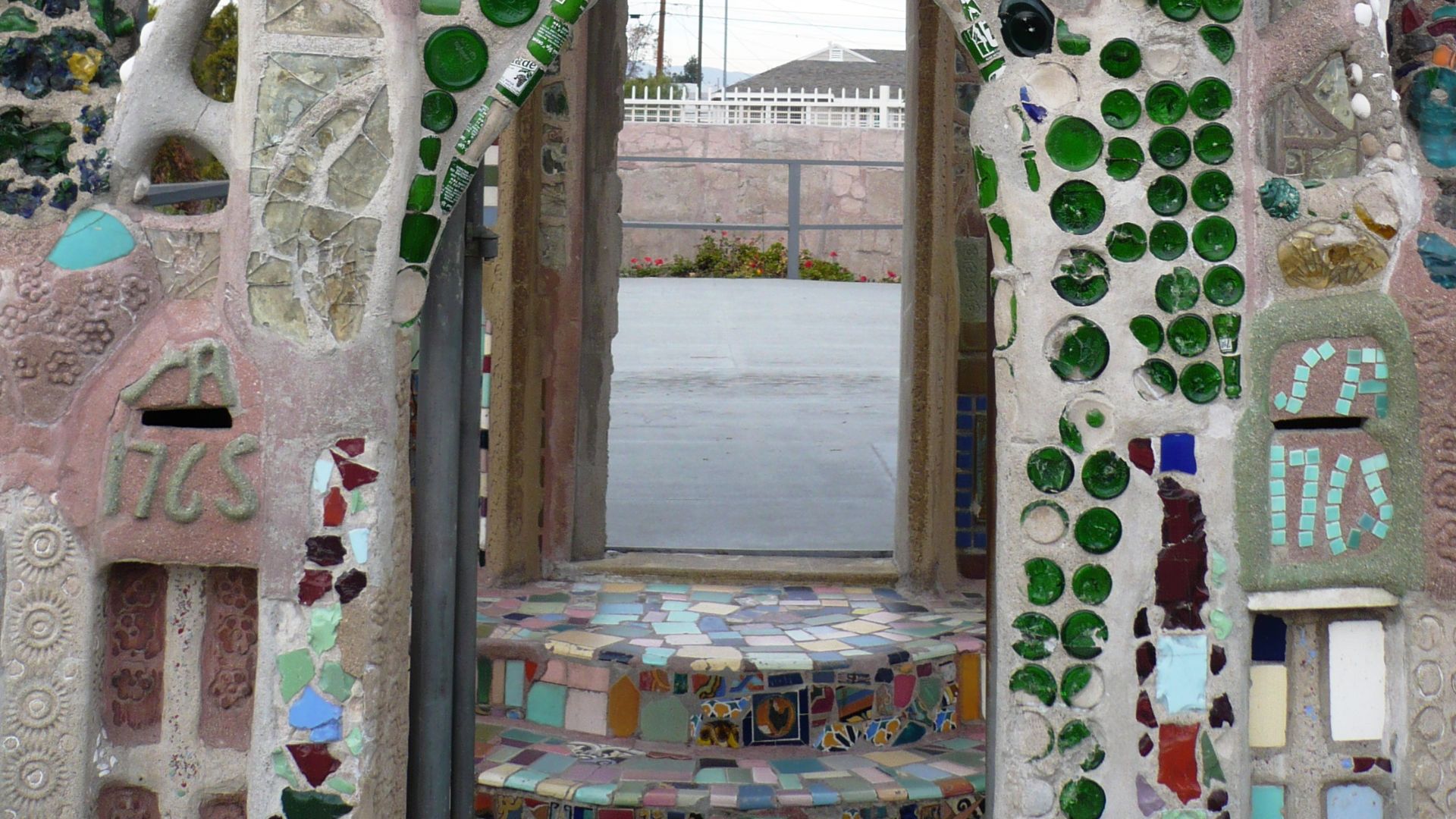
Imagination And Persistence
Rodia’s towers are a monument to one man’s determination to leave something great behind. His structures are a statement of who creates art and what counts as beauty. The towers have survived attempted demolition, ridicule, and neglect to reveal the lasting power of one man’s vision.
 Gary Minnaert, Wikimedia Commons
You May Also Like:
Sorry California—These States All Have A Better Quality Of Life Than The Golden State
Ranking The Most Historic Cities In America—According To Historians
Remote California Towns Where Life Is Simple Yet Beautiful (Amazing Retirement Destinations)